
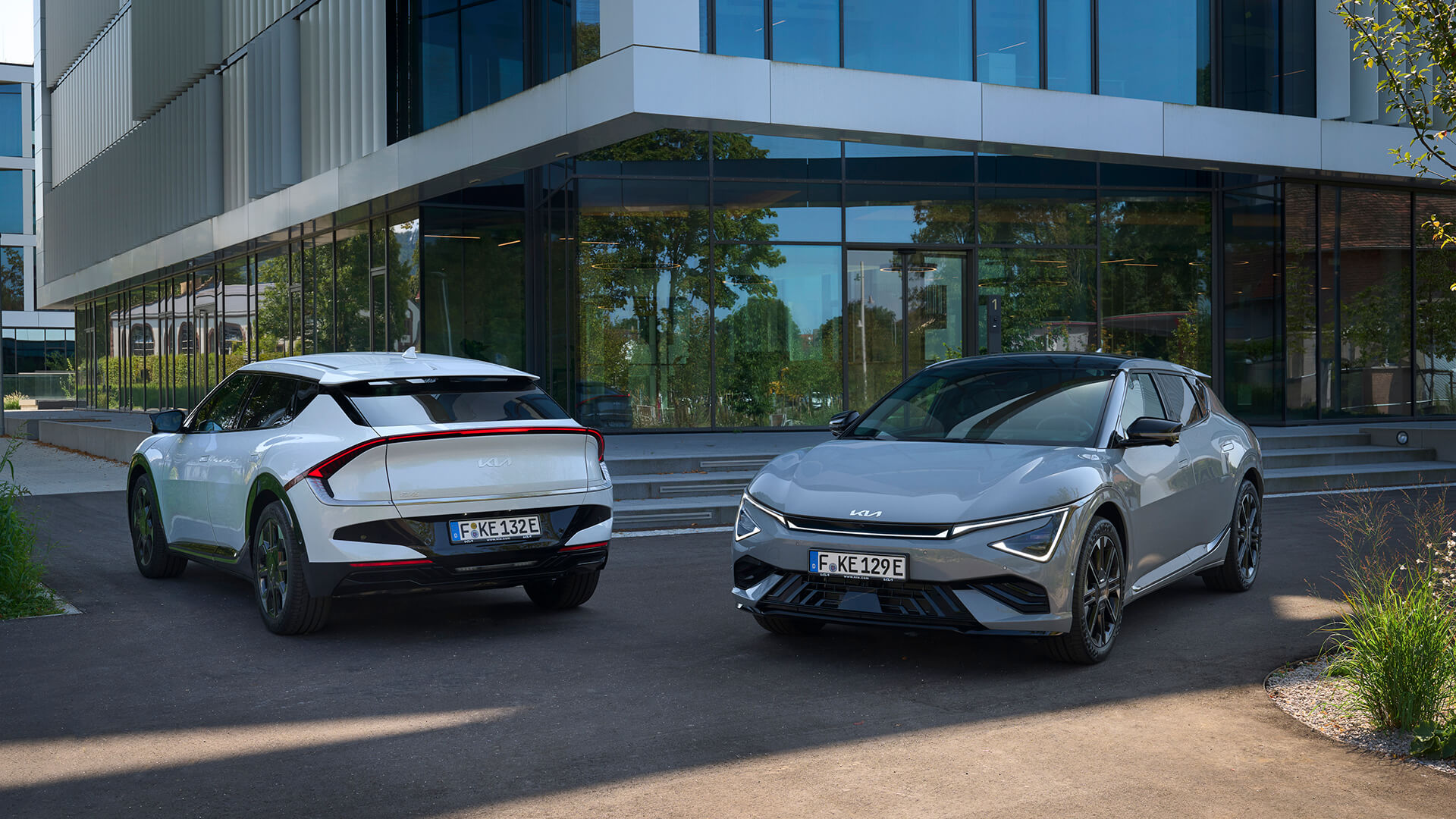
Drivers who consciously use their Kia EV6 every day prevent annoying faults and significantly extend the life of the car. Simple habits such as checking tyre pressure, using the air conditioning sparingly and shifting up driving modes early make the difference between years of driving pleasure and annoying Kia EV6 car problems. These adjustments prevent annoying car problems with the Kia EV6. Owners report that consistently applying these tips leads to less battery stress and fewer software glitches. Discover below which changes make your EV6 more reliable.
Check the tyre pressure every week
Tyre pressure that is too low increases rolling resistance. This increases the load on the electric motors. As a result, energy consumption rises and range drops more quickly. The Kia EV6 weighs over 2,000 kilograms because of the heavy battery packs. This puts extra stress on the tyres. Check the pressure every week and stick to the factory values shown on the sticker in the door opening.
Neglected tyres cause uneven wear. They increase the chance of error messages from the tyre pressure sensor. This sensor sends warnings to the dashboard as soon as the pressure is too low. Prevent these warnings by checking proactively, especially when temperatures fluctuate. Cold air causes the pressure to drop. Warm air does the opposite.
‘ Owners report up to 15 percent range gain because of this. ’
Limit air conditioning use to increase range
The air conditioning compressor in the Kia EV6 uses quite a lot of energy. This is especially true at more extreme temperatures. In summer, use the ventilation on a lower setting or open the windows for short trips. In winter, the electric heater draws a lot of power from the high-voltage battery. Switch on the seat heating and steering wheel heating instead of the cabin heater. This heats more efficiently.
Precondition the car before departure via the Kia Connect app. Make sure the car is connected to the charger. This way, you warm up the battery and cabin without reducing the driving range. This habit eases the load on the air conditioning while driving. It keeps the battery temperature optimal. Owners see up to 15 percent range gain as a result. This is especially true in the winter months.
Coast instead of constantly braking
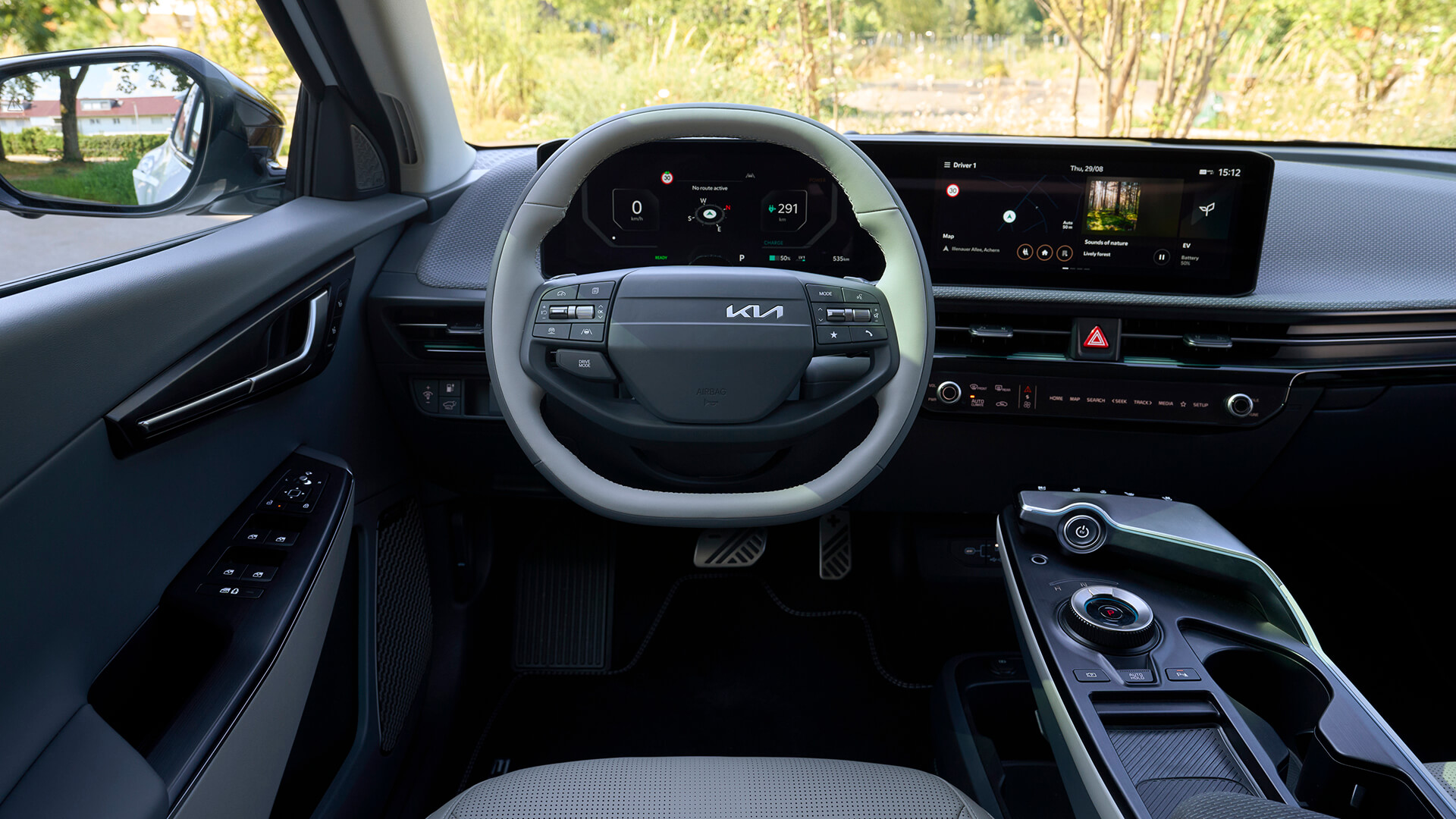
The Kia EV6 offers four levels of regenerative braking. These range from 0 to 4. Use level 0 or 1 on long, straight roads. That way you can coast without braking force. This saves energy and reduces wear on the brake discs. At level 4 the car brakes hard as soon as you release the accelerator. This is useful in the city. On motorways it is inefficient.
Switch between the levels using the steering wheel paddles. This lets you adapt your driving style to the surroundings. Strong regeneration in stop-and-go traffic maximises energy recovery. On main roads, coasting is more effective. By consciously coasting you save energy. You keep the temperature of the brake pads stable. This also prevents premature rusting of the brake discs.
Start-stop system and the 12V battery
The Kia EV6 has a 12-volt battery. This battery powers the electronics, the infotainment system and the ICCU (Integrated Charging Control Unit). This battery is fed from the high-voltage battery. During long periods of standstill or short usage it can discharge. Keep the car connected to the charger when temperatures are below zero. This prevents deep discharge. The software then automatically activates smart heating. It also activates buffering.
Many owners report issues with the 12-volt battery. This happens after short trips without charging. The small battery needs time to recharge while driving. Plan longer journeys if you often use the car only for short trips. Connect it to a wall box at home. This prevents error messages. It also protects the ICCU from overload. A healthy 12-volt battery ensures stable communication between the electronics and control units.
‘ Owners notice that the heating works more reliably. ’
Protect heating reliability
The electric heater in the Kia EV6 draws a lot of power from the high-voltage battery. This happens in extreme cold. It can lead to temperature fluctuations in the battery. It increases the load on the thermal management systems. Limit cabin heating. Use seat heating, steering wheel heating and zoning for the windows. These components heat targeted areas. They use less energy.
Preheat the car while it is charging. This brings the battery temperature up to the right level. The EV6 software controls this automatically. Activate preconditioning via the app. This way you set off with a warmed cabin without range loss. Owners notice that the heating works more reliably. It generates fewer error messages with this kind of use.
Optimise the driving mode for daily use
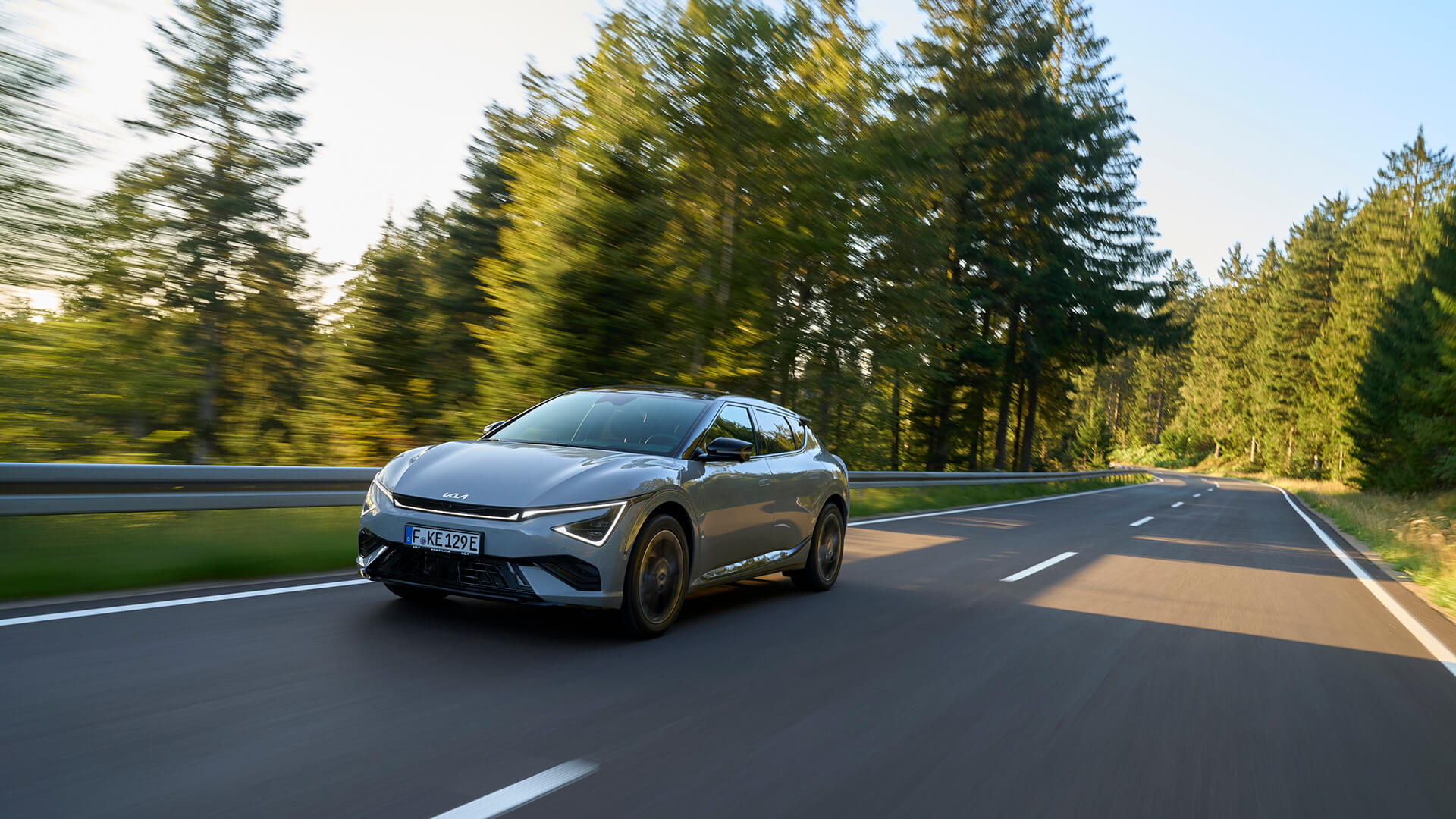
The Kia EV6 offers several driving modes. These are Eco, Normal and Sport. In Eco mode the car reduces the available power. The front motor only engages at low speeds. This saves energy in light traffic and on commuting routes. Normal mode offers a balanced mix of power and efficiency. Sport activates both motors permanently for maximum performance.
Choose Eco mode for daily use. Switch to Normal for motorway journeys. Sport mode uses considerably more energy. This mode increases the load on the drivetrain. Do not switch too often between modes during a single trip. This can stress the software and motor controllers. Stick to one mode per type of route. This ensures stable performance and fewer software issues.
Prevent ICCU problems through driving behaviour
The Integrated Charging Control Unit manages energy distribution. It regulates distribution between the high-voltage battery and the 12-volt battery. This component can fail due to extreme temperatures. Deep discharge or voltage spikes can also cause damage. Keep the 12-volt battery healthy by driving regularly. Keep the car plugged in when parked. Avoid completely draining the battery.
Do not constantly charge the high-voltage battery to 100 percent. This puts strain on the ICCU and the cells. Set a charging limit of 80 percent for everyday use. Charge to 100 percent only for long trips. Owners report fewer ICCU faults thanks to this habit. Combine this with regular software updates via the dealer. This resolves known bugs.
‘ Always stay alert and keep your hands on the wheel. ’
Use Highway Driving Assist wisely
Highway Driving Assist II is a semi-autonomous driver assistance system. It maintains distance. It centres the car in the lane. It assists with overtaking. This system works well on motorways with clear markings. In roadworks or poor weather it may falter. Switch off Lane Keep Assist (system that keeps the car in its lane) in areas with temporary markings. This prevents unnecessary steering corrections and warning beeps.
Use Blind-Spot Avoidance Assist (system that automatically steers when there is danger in the blind spot) for automatic steering correction in blind-spot situations. This function prevents dangerous manoeuvres. It relieves you in heavy traffic. Switch on Driver Attention Warning (system that detects driver fatigue) for alerts when you get tired. These assistants work together. They reduce stress. Always stay alert and keep your hands on the wheel.
Maintenance tips for everyday use
Store valuables in the frunk. This is the small front boot of the Kia EV6. This space is harder for thieves to access. It provides extra security. Check the frunk regularly for leaks. This is especially important after heavy rainfall. The seal can wear. Moisture can damage electronics.
Switch the car off and operate the wiper stalk. This activates the wiper service mode. It puts the wipers in a safe position. This position is suitable for cleaning. It is also suitable for replacement. Use intermittent hazard lights on motorways. Press the button briefly for a lane-change signal. This gives a signal without continuous flashing. These small habits extend the life of components. They improve comfort.
Monitor the all-wheel drive system
The Kia EV6 comes with all-wheel drive as standard. This applies to certain versions. In Eco mode the rear wheels mainly drive the car. The front motor only activates at low speeds or when extra traction is needed. This increases efficiency and reduces consumption. Use the dashboard to check which wheels are active. This lets you adapt your driving style.
The system automatically switches to all-wheel drive. This happens on slippery roads or steep slopes. Do not force this by suddenly accelerating hard. This puts strain on the motors and control electronics. Let the software do its job. Trust the automatic distribution. Owners experience less wear thanks to this conscious driving style. They also notice more stable performance.
The Kia EV6 offers reliable electric mobility. Pay daily attention to simple habits. On the Carnews website you will find even more tips on electric cars and battery maintenance.
Frequently asked questions
Preferably charge the Kia EV6 every day or every other day to around 70–80%, instead of always to 100%, to reduce strain on the battery. Avoid regularly deep discharging (around or below 10%) and, where possible, keep the car plugged in at very low temperatures. Use preconditioning via the app while the car is plugged in, so the battery and cabin reach the right temperature without extra battery stress while driving. Reserve charging to 100% mainly for long journeys and do not leave the car standing with a full battery any longer than necessary.
Drive as smoothly as possible: anticipate traffic, avoid hard acceleration and release the ‘throttle’ in good time so that regenerative braking does most of the work. Choose a higher level of regenerative braking (for example i-PEDAL or level 3–4) so you need the brake pedal less often. Keep a good following distance and look far ahead so you do not have to brake hard all the time. Check tyre pressure regularly and keep it at the prescribed level to avoid unnecessary tyre wear.
Yes, use the regenerative braking levels every day (for example level 3–4 or i-Pedal) to reduce brake wear. In cold weather, activate preconditioning via the app while the car is still connected to the charger to reduce load on the HV battery and compressor. Try to keep the car plugged in as much as possible at low temperatures to prevent deep discharge and extra battery stress. Use driver assistance systems such as HDA2 and Blind-Spot Assist consciously, so they support you without you having to intervene harshly all the time, which reduces both mechanical and mental strain.
Good temperature management of the battery (preheating in winter, avoiding extreme heat) reduces wear and extends the life of the battery pack. By keeping the car plugged in at low temperatures, you prevent deep discharge and unnecessary stress on the cells. Preconditioning via the app ensures that the climate control does not have to work as hard while driving, which reduces strain on both the battery and the electrical components (such as the air conditioning compressor). As a result, range, charging performance and the reliability of the Kia EV6’s vital systems remain more consistent.