
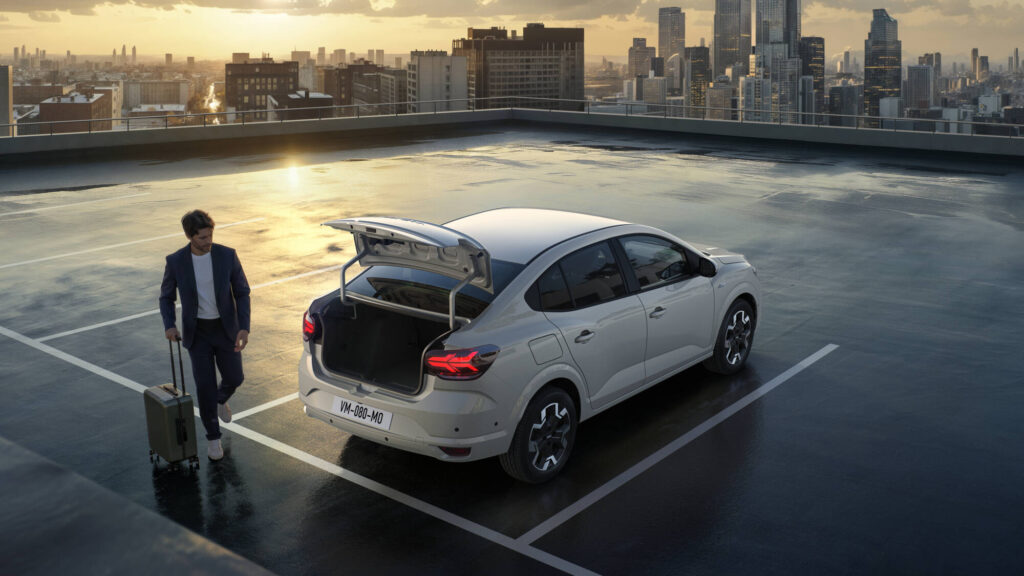
The Dacia Logan remains popular because of its affordability, but owners regularly struggle with creaking windows, non-functioning electric windows and poor paint quality in the interior. These complaints are no coincidence. They are the direct result of the budget-focused approach. Dacia developed this car under strict cost constraints. What problems can you expect? How do you solve them?
Creaking windows due to insufficient insulation
One of the most frequently reported complaints with the Dacia Logan is the creaking sound from the windows while driving. Dacia has cut back on insulation materials and certain seals around the windscreen. This is what causes the problem. At higher speeds you hear creaking noises. Wind noise and engine noise also enter the cabin in abundance.
Deflectors and quality rubbers around the window frames are missing. The windows are not properly sealed. Temperature fluctuations and vibrations cause stress. While driving this creates the characteristic creaking. This problem occurs mainly on models built before 2012, but later versions are not completely free from this complaint either.
Possible solutions are:
- Fitting sound insulation kits that are available specifically for the Logan
- Installing insulating mats under the carpet
- Replacing or adding rubbers around doors and window frames
- Checking and, where necessary, tightening the mounting points of the windows
These measures compensate for a design flaw. They do not offer a permanent solution. It is advisable, when buying a used Logan, to pay extra attention to the condition of the seals and the level of noise intrusion.
Electric windows not working
Problems with electric windows are very common on the Logan. This applies particularly to models from 2009 onwards. Faulty window regulators are one possible cause. Failures in the central locking system also play a role. These complaints often arise after 60,000 to 80,000 kilometres. Sometimes they occur earlier. Vehicles are then regularly exposed to moisture.
Common causes are:
- Corroded contacts in the door panels due to water ingress
- Defective electric motors in the window regulators
- Faulty wiring or loose connectors
- Broken switches in the control panel
- Problems with the control units that operate the electrical systems
The Logan is relatively poorly protected against external influences. This makes the problem worse. Moisture shortens the service life of electronic components. Extreme temperature fluctuations speed up this process. In case of faults, first check the fuses and connectors. Only then have the window regulators replaced. Cleaning the contact points often solves the problem. Simply replacing a switch may also be enough.
Poor interior paint quality
The paint quality of the interior is a weak point. This problem crops up again and again. The paint layer on plastic parts wears off over time. This happens on the dashboard and around the gear lever. Owners frequently report this. It leads to a worn appearance. Even relatively young vehicles with low mileage show this problem.
Dacia uses cheap paint and thin protective coatings on plastic components. That is what causes the problem. Sunlight attacks the coating. Heat also plays a role. Normal use quickly wears the layer down. Dark interior colours show this problem sooner. Lighter interiors are less susceptible.
Unfortunately, there is no simple solution to this problem. Repainting plastic interior parts is possible. It costs time and money. When buying, look critically at the condition of the interior. Take this type of wear into account on older examples.
Hard plastics and spartan finish
The interior of the Logan consists largely of hard plastics. Soft-touch materials are barely present. This choice of materials helps keep the price budget-friendly. The result is a rather cheap appearance. The finish is spartan. The quality of the materials used is significantly below the level of comparable models. Other brands clearly offer more.
Owners specifically report complaints about:
- Scratch-sensitive plastics that are easily damaged
- Parts that come loose or start to rattle over time
- The absence of centre armrests on certain versions
- Poorly ergonomic seats that are experienced as uncomfortable, especially on longer journeys
Some owners add their own modifications, such as foam supports for the seats or extra upholstery on hard surfaces. These measures slightly increase comfort. They treat the symptoms. They do not remove the fundamental limitation of the material quality.
‘ Regular maintenance prevents many problems. ’
Problems with air conditioning system
The air conditioning system regularly shows faults. This applies in particular to models from 2009 onwards. These problems usually arise after 60,000 to 80,000 kilometres. Insufficient cooling is one reported issue. Complete failure of the system also occurs. A leaking condenser is often the cause. Faulty compressors also play a role. Problems with the control electronics occur as well.
Is the air conditioning not working properly? Then have the system checked for leaks. Also have the refrigerant pressure measured. Regular maintenance prevents many problems. Parts such as the compressor are relatively expensive to replace. Take that into account.
Central locking with faults
Faults in the central locking system occur at around 90,000 kilometres. This typically happens around this mileage. Doors no longer lock automatically. Complete failure also occurs. The remote control then no longer responds. This problem is related to the electrical issues that are more common on the Logan.
Possible causes are defective door locks, problems with the remote control or faults in the central control unit. Diagnosing electrical problems is difficult without the right equipment. Have this checked at a specialist garage. Sometimes it is sufficient to replace the batteries in the remote control. Reprogramming the system can also help.
Dashboard and instrument cluster complaints
The dashboard and instrument cluster sometimes show faults in the lighting. Warning lights flicker. The instrument panel lighting sometimes fails completely. Owners report both problems. Loose connectors point to a fault. Defective LED lights are also a possible cause. Problems with voltage regulation in the electrical system also occur.
Do you have complaints? First check the fuses and connectors behind the dashboard. Does this not solve it? Then have the instrument cluster read out for fault codes. The read-out provides insight into the exact cause of the problem. This prevents unnecessary repairs.
‘ Corrosion of the exhaust system is a common problem on vehicles from 2009 onwards. ’
Underbody and susceptibility to rust
The Logan’s underbody is poorly protected. External influences attack the components. The exhaust system is vulnerable to rust. The transmission and wheel bearings are also at risk. This applies in particular to vehicles that are regularly used in a damp environment. Contact with road salt speeds up the process.
Corrosion of the exhaust system is a common problem on vehicles from 2009 onwards. This usually occurs after 60,000 to 70,000 kilometres. The exhaust itself is affected. The silencer and catalytic converter are also attacked. Inspect the underside regularly. Apply extra protective coating. This extends the service life.
Tips for owners and potential buyers
Are you buying a used Logan? Then pay particular attention to the functioning of the electric windows. Also check the condition of the air conditioning system. Look for signs of rust on the exhaust system. Check the condition of the seats. Inspect the insulation materials. Assess the overall finish of the interior.
Regular maintenance prevents many problems. Preventive inspection stops issues from getting worse. The Logan was developed with budget constraints. Dacia used parts and materials of lower quality. The car is not unreliable. But do take higher maintenance costs into account. Also expect faster wear of certain components.
On the Carnews website you will find much more useful information. Discover articles about common car problems. Read maintenance advice for different makes and models. Find tips that help you make the right choices for your car.
Frequently asked questions
Common interior and window problems on the Dacia Logan include poor sound insulation, hard and quickly wearing interior plastics, less comfortable seats and faults in electric windows and central locking (for example due to moisture or corrosion in connectors). It becomes urgent if a window no longer closes (risk of theft, water ingress), locks or central locking fail (safety), or if there is visible damage to cables or connectors. Loud creaking or scraping noises in doors or the window mechanism, windows that jam or suddenly stop responding to the controls are signals that you should have it checked immediately. When buying a used Logan you should test all windows and locks several times, look for signs of moisture in the door panels and check whether all electrical functions work consistently.
Simple jobs such as adding extra sound insulation mats, replacing or securing interior panels, lubricating window guides and replacing window or door rubbers are generally very doable for the average DIYer with basic tools. Fitting additional seat or foam supports and simple switch replacements (for example window switches) are also usually jobs you can do yourself. Call in a professional for persistent electrical problems with window regulators or central locking, for poorly functioning control units or if there is visible moisture or corrosion damage to the wiring. Have complex disassembly of door modules and diagnosis of faults in the on-board electronics carried out by a specialist as well.
The average costs for fixing common window mechanism and upholstery problems on a Dacia Logan are usually between around €150 and €400 per window or interior part, depending on whether new or used parts are used. On older Logans, the current market value is often low (roughly only a few thousand euros or less), which means extensive and expensive interior and window repairs are financially less worthwhile. In many cases it is economically more sensible to carry out only essential or safety-related repairs and leave cosmetic or comfort issues as they are. The investment is therefore only worthwhile if the car is otherwise technically sound, you plan to keep driving it for a longer period and the repair costs clearly remain below the market value.
Keep the window rubbers and door rubbers clean and supple with a mild cleaner and silicone spray, so that windows move smoothly and do not let in water or wind. Clean the interior regularly (vacuuming, wiping plastics with a gentle interior cleaner) to limit premature wear of upholstery and plastics. Periodically check for moisture in the doors and around the windows, and if you notice condensation or poorly functioning window regulators, have the wiring and connectors checked for corrosion in good time. During regular servicing, have the operation of the electric windows and central locking and the condition of the interior insulation checked as well, so that emerging problems can be remedied quickly.