
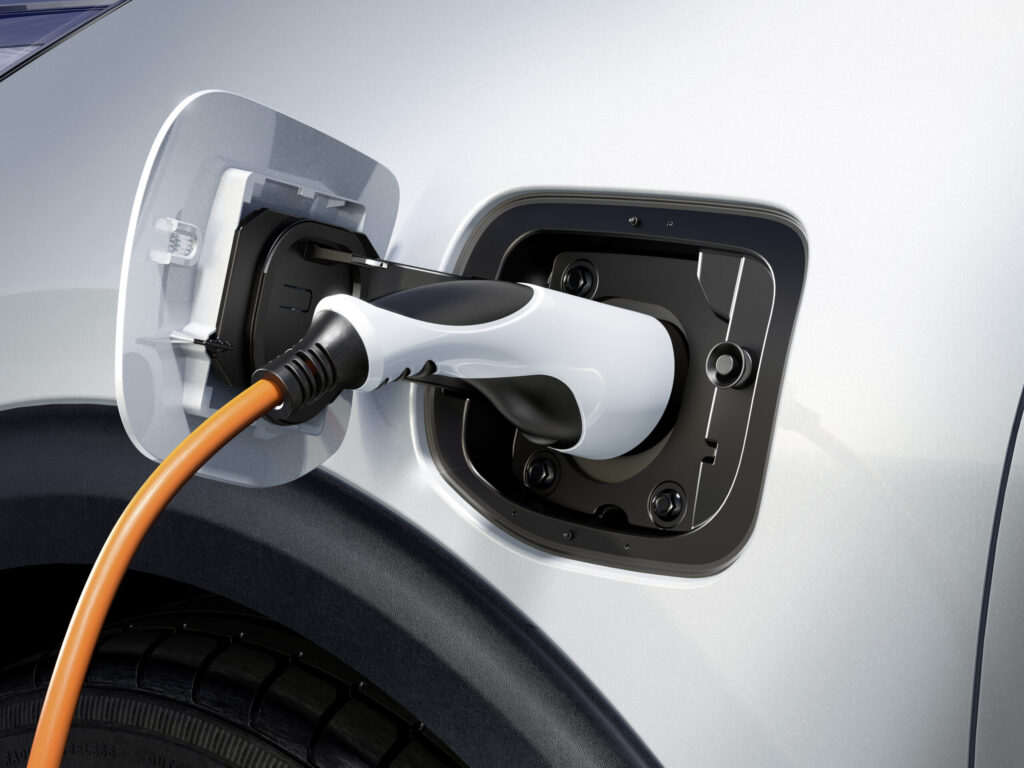
The Integrated Charge Control Unit fails on thousands of Kia EV6 models from 2022 to 2024, leading to immobilisation and a speed restriction to 20 km/h. This issue affects the core of the electrical system and can leave you stranded without warning. What exactly is happening, how do you recognise the symptoms and what solutions are available?
What is the ICCU and why is it failing?
The Integrated Charge Control Unit (ICCU) is the control unit that manages the charging current. This component controls the flow of energy between the main battery and the 12‑volt system in your Kia EV6. The ICCU also supports the Vehicle‑to‑Load function, which allows you to power external devices. The core problem arises from an internal fuse that blows after a voltage spike during DC fast charging (fast charging using direct current). If this fuse fails, the ICCU can no longer supply power from the main battery to the 12‑volt system.
The result is that the 12‑volt battery repeatedly runs flat, even when the car is not being used. The 12‑volt battery itself is usually not the problem; it is the victim of a failing charging control system. Many owners are told that only the battery needs to be replaced. The underlying cause then remains.
Recognisable symptoms of a defective ICCU
Owners of Kia EV6 models from model years 2022 to 2024 report various warning signs that point to ICCU problems:
- Warning on the dashboard with the message “Stop vehicle and check power supply”
- 12‑volt battery that keeps running flat, even after replacement
- Poor charging behaviour where the battery does not charge fully
- Limp mode where the car is suddenly limited to 20 km/h
- Problems with DC fast charging, especially after high‑voltage spikes
- Complete shutdown of the car without warning
These symptoms often appear suddenly after a fast‑charging session. The car may still start, but behaves unpredictably. Some owners report that the car suddenly loses power while driving. The car then slows down in a dangerous way.
Diagnostic code P1A9096 as confirmation
Does the dealer find fault code P1A9096? Then this points to a defect in the DC‑to‑DC converter. Code P1A9096 stands for a fault in the DC‑to‑DC converter. This is the proof that there is an ICCU problem. Make sure your dealer makes this distinction and does not just perform a battery load test. Many owners were initially sent away with the message that the 12‑volt battery needed to be replaced, after which the problem returned within weeks.
How long does the repair take?
The repair time varies greatly per situation. In the best case, a software update is sufficient. This takes 1 to 1.5 hours. Kia has released Software Campaign SC302. This update optimises the charging logic and is intended to prevent future problems. The update mainly helps vehicles where the ICCU has not yet completely failed.
If there is damage to the electronics (hardware), replacement of the complete ICCU unit is necessary. This is not a fuse you can replace yourself. The waiting time for a new ICCU unit is 4 to 6 weeks, due to supply issues. Owners report that dealers often have no courtesy cars available for this long period, leaving you without transport for weeks.
The repair process in five steps
Your dealer will normally follow this process for ICCU complaints:
- Check the recall status based on your registration number
- Read out diagnostic codes
- Visual inspection of the ICCU, wiring and high‑voltage fuse
- Check for discolouration or overheating
- Install the software update if it has not yet been carried out
- Replace the entire ICCU unit if fuses are blown or there is internal damage
- Test drive and verification of charging behaviour, followed by clearing old fault codes
Ask your dealer which software version is being installed. Also ask whether you will only get software or new hardware as well. After a few days, test both home charging and DC fast charging. Then check whether the problem has been resolved.
Preventing and dealing with ICCU problems
Completely preventing ICCU problems is difficult. The defect often occurs due to voltage spikes during fast charging, which you cannot control yourself. Still, there are practical steps you can take. Note down all warnings. Also write down the time and circumstances. This helps the dealer identify patterns.
Regularly check the voltage of your 12‑volt battery via the dashboard. A healthy 12‑volt battery should be around 12.6 volts when the car is switched off. Does it quickly drop below 12 volts? That points to discharge caused by a failing ICCU. In case of repeated problems, switch to AC charging instead of DC fast charging. Do this until the recall has been carried out.
Tips when buying a used EV6
If you are considering buying a used Kia EV6, check whether the vehicle has already been repaired under the recall. Ask the seller for the service history regarding ICCU problems. Before buying, test both home charging and DC fast charging and look out for warnings on the dashboard. A dealer can verify based on the registration number whether the software update has been carried out. The dealer can also see whether any parts have been replaced.
‘ Repairs carried out outside the dealer may affect your warranty. ’
Alternative repair options outside the dealer network
For those who want a faster solution than through the official dealer, there are specialised companies that repair car electronics. These companies can repair ICCU modules. These services focus on the known defects in 2022–2024 models and can be cheaper than replacement via the dealer. Repairs carried out outside the dealer may affect your warranty. Discuss this with your dealer first before choosing this route.
Some owners report positive experiences with these alternative repairers, with the module being repaired and returned within a week. This can be an option when the waiting time at the dealer is unacceptably long and you urgently need to be mobile again.
What to do if your ICCU fails
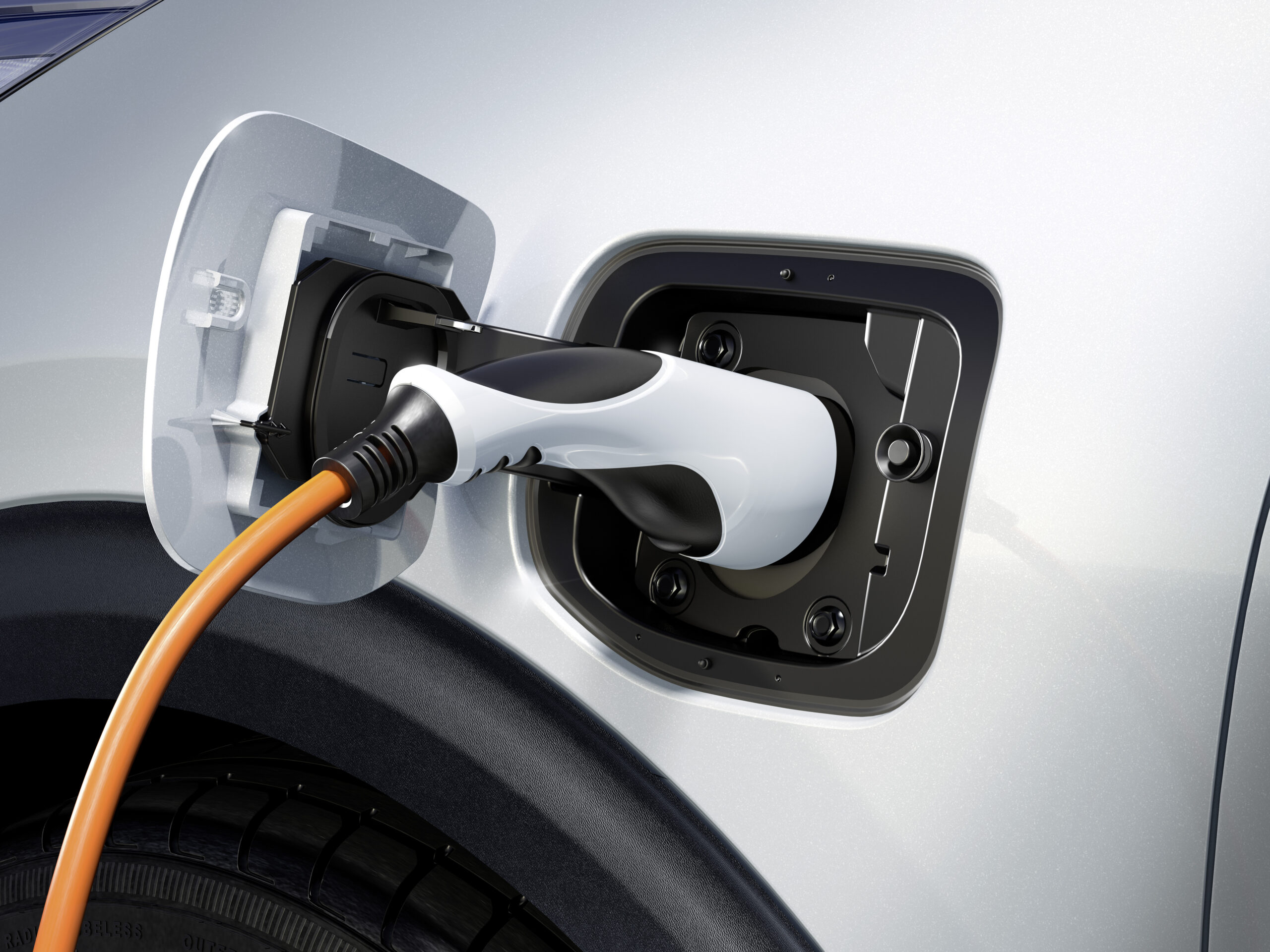
Does the warning “Stop vehicle and check power supply” appear while driving? Then pull over safely as soon as possible. Switch the car off. Do not try to continue driving in limp mode, as this can create dangerous situations. Contact your dealer or Kia roadside assistance. Explicitly mention fault code P1A9096 if you have seen it, so the dealer immediately knows where the problem lies.
Keep a record of all communication with the dealer and all repair documents. This is important for warranty claims and any follow‑up steps. Some owners received reimbursement for taxi costs. They sometimes also received replacement transport during the long wait for parts. However, this is not standard procedure and often requires explicitly asking the dealer.
On the Carnews website you will find more information about known problems with electric cars and practical maintenance tips.
Frequently asked questions
Specific symptoms of a defective ICCU/converter in a Kia EV6 include, among others, a 12 V battery that repeatedly runs flat, even when the car is parked, and the message “Stop vehicle and check power supply” on the dashboard. You may also experience problems with (fully) charging the high‑voltage battery, as well as faults or limitations when DC fast charging. In addition, the car may go into limp mode or shut down completely. During diagnosis, fault code P1A9096 is often found, which specifically indicates a defect in the DC‑DC converter/ICCU.
The ICCU problems occur mainly in Kia EV6 models from model years 2022–2024. To check whether your vehicle is part of the affected range, you can have your VIN/registration number checked for outstanding recalls or service campaigns (such as SC302) by the dealer or via Kia’s official website. Ask the dealer specifically to look for ICCU/DC‑DC converter‑related fault codes (for example P1A9096) and to check whether an ICCU campaign applies to your car. Also keep and check the service report to see whether a software update or ICCU replacement has been carried out.
Outside the warranty, replacement of a defective ICCU converter usually costs several thousand euros (including labour), but for the Kia EV6 this is in practice usually covered by the manufacturer’s warranty or the specific ICCU recall/campaign, meaning it is free of charge for the owner. The actual workshop time for diagnosis, software update and any replacement is usually around 1 to 2 days, depending on parts availability. Whether it is covered by warranty or a recall in your case depends on the year of manufacture, mileage and VIN status at the dealer. Always contact an official dealer to check the warranty and recall status of your car.
A potential ICCU defect can negatively affect the residual value of a Kia EV6, as buyers may be more cautious about models/years with known converter issues and may demand a discount. In the long term, reliability can be compromised by repeated 12 V issues, fault messages and breakdowns, as long as the defect has not been structurally resolved. Once the ICCU has been replaced under recall or warranty with updated software and, where necessary, new hardware, the impact on reliability and residual value generally decreases significantly. With a well‑documented, successfully completed repair, the impact on the residual value will therefore in practice be limited.