
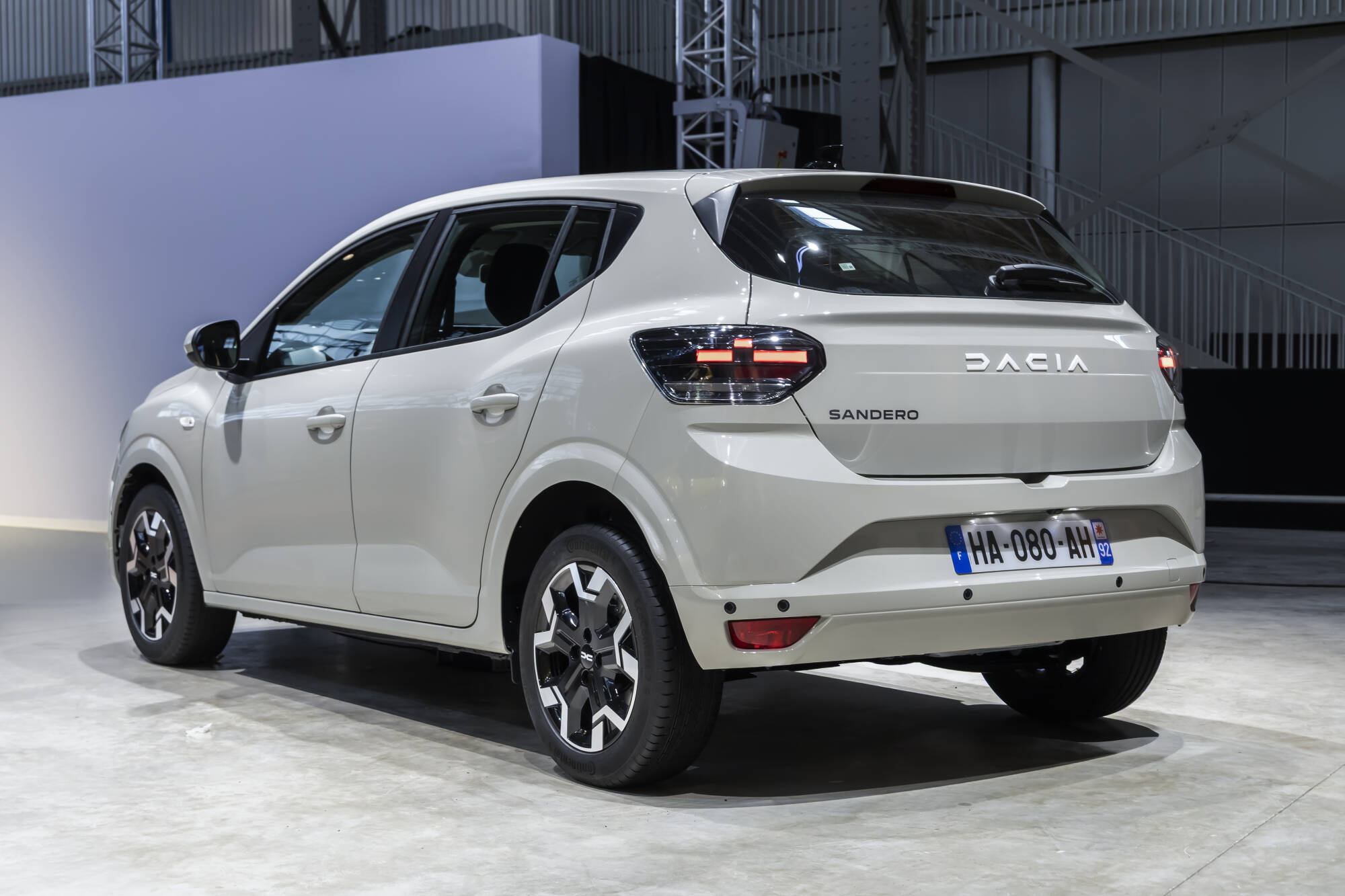
The Dacia Sandero Bi-Fuel suffers from specific LPG tank problems, where a faulty level sensor prevents completely filling the tank, a ticking ball bearing in the filler neck causes irritation, and the filler cap turns out to be prone to breaking. These early technical issues hinder everyday use and reduce the range of this otherwise economical dual‑fuel car. Do you recognise these complaints with your own Sandero? Find out here what is going on and how to deal with it.
Level sensor prevents completely filling the tank
For many owners, the fuel gauge warning light stays on while refuelling with LPG, so the tank does not get filled beyond about 60 to 70 per cent. This problem occurs regularly with the Bi-Fuel Sandero and is caused by a faulty LPG level sensor. The sensor incorrectly registers that the tank is full while there is still space available.
This severely limits the range. With a full LPG tank in combination with petrol you should be able to drive more than 1,000 kilometres, but now you only manage a fraction of that. For owners who consciously chose the Dacia Sandero Bi-Fuel because of its long range, this is a very frustrating setback.
The solution is to have the sensor replaced by the dealer. This repair usually costs between €200 and €500. The exact amount depends on the service centre and labour costs. Until then you can safely continue driving on petrol, but do not leave the problem unresolved for too long to prevent further damage to the LPG system.
‘ The ticking itself is not an immediate sign of a defect. ’
Ticking noise while filling the LPG tank
Owners of the Sandero Stepway Bi-Fuel hear a repeated ticking or clicking noise while refuelling with LPG. This sound comes from a small ball bearing in the filler neck that forms part of the safety mechanism. When working properly, this little ball helps to regulate the pressure and prevents overfilling.
The ticking itself is not an immediate sign of a defect. Sometimes the sound becomes very loud or is accompanied by problems when filling up. In that case, the ball mechanism is damaged or incorrectly adjusted. This sometimes happens after frequent refuelling or through using different nozzles at filling stations.
When the ticking is normal you do not need to do anything. If filling does not go smoothly or the pump stops prematurely, then have the filler neck checked. A service engineer will readjust the mechanism. In case of serious damage they will replace the mechanism. When refuelling, make sure you connect the nozzle firmly and straight to prevent unnecessary wear.
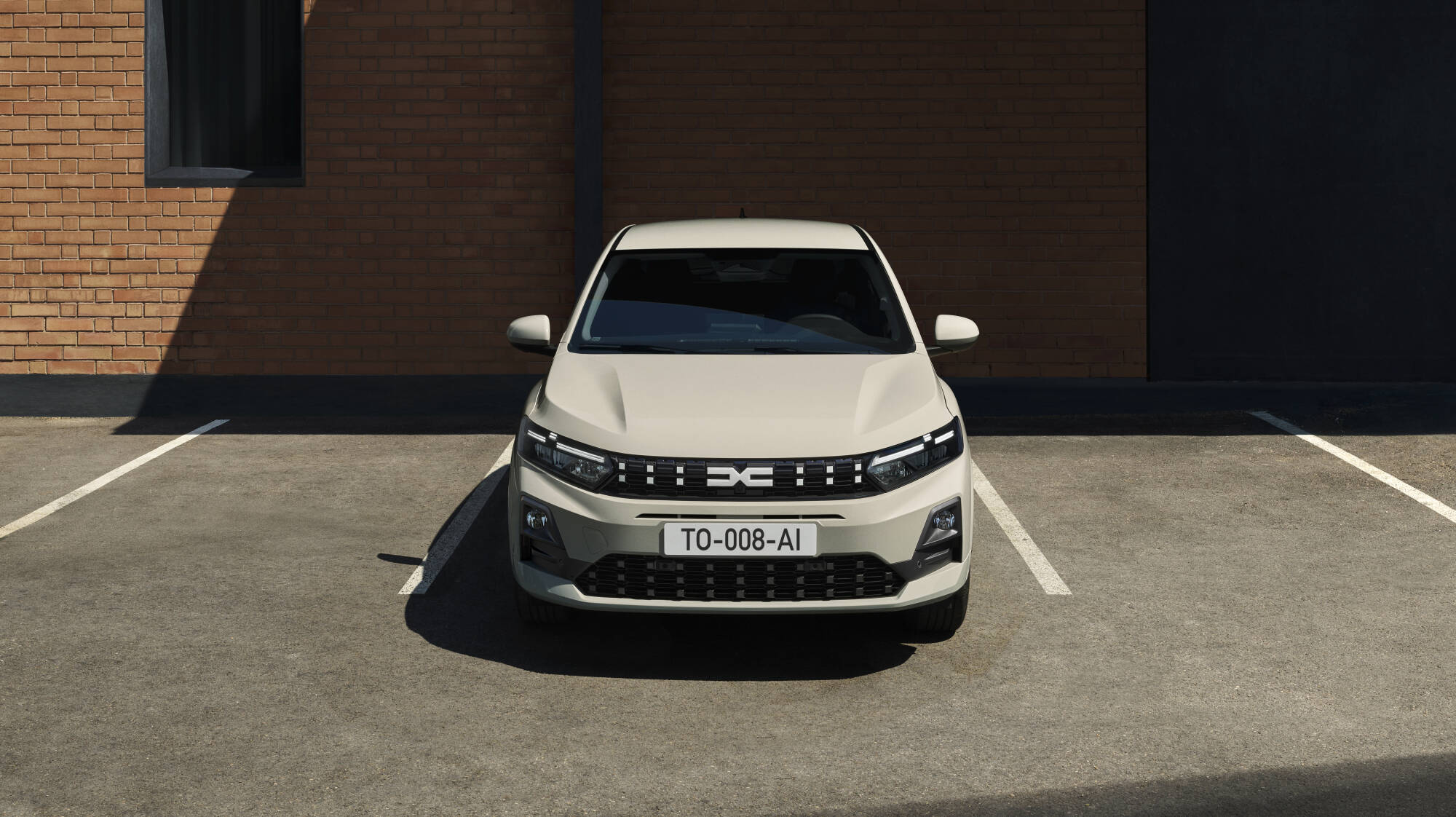
Fragile filler cap
The LPG filler cap of the Sandero Bi-Fuel is prone to breaking. Several owners report that the cap splits or the locking mechanism becomes damaged over time. Frequent refuelling or rough handling speeds up this process. This problem is less technical in nature but still causes inconvenience and potential danger due to leaks.
The filler cap is meant to protect the filler neck from dirt and moisture. A damaged cap therefore causes contamination of the LPG system. In serious cases, leaks can occur around the tank connection. Check the cap regularly for cracks or loose parts.
Replacement is relatively simple and inexpensive. A new LPG filler cap for the Sandero usually costs between €15 and €40. You can order one via the dealer or from online parts suppliers. Handle the cap carefully and always tighten it with moderate force to extend its service life.
Pressure and safety valve malfunctions
The LPG tank of the Bi-Fuel Sandero is equipped with several safety components: a non-return valve (prevents gas from flowing back), an 80 per cent fill stop, an overflow valve (stops filling at excessively high pressure) and a pressure relief valve (vents when maximum pressure is exceeded). These parts ensure that the tank operates safely within the R67-01 standards, but they can fail over time.
Problems with these valves often show up as limitations when filling or warning lights on the dashboard. Sometimes the tank will not fill at all. The system then automatically switches to petrol for no obvious reason. This happens more often with second-hand examples where the service history is unclear.
If you suspect a valve problem, diagnostics at the dealer are essential. The mechanic measures the pressure in the system with special equipment and then determines which component has failed. Replacing a safety valve costs on average between €200 and €400 including labour. Always have repairs carried out by qualified LPG specialists to maintain safety and any warranty.
Checklist for a second-hand Bi-Fuel Sandero
You are considering buying a used Sandero Bi-Fuel. In that case, pay extra attention to the LPG system. Common tank problems make a thorough inspection essential. Use this checklist during the viewing:
- Inspect the area around both tanks for moisture, soot deposits or visible leaks
- Test the LPG fill capacity to at least 80 per cent during a test drive
- Check the filler cap for cracks or damage
- Ask for documentation of recent LPG services
- Watch out for warning lights on the dashboard while driving on LPG
- Listen for unusual noises while refuelling
Prefer examples with low mileage and a complete service history. The factory-fitted LPG system at Dacia ensures better integration than aftermarket conversions, but those systems also require regular checks. When deciding whether to buy, factor in potential repair costs of several hundred euros for the LPG system.
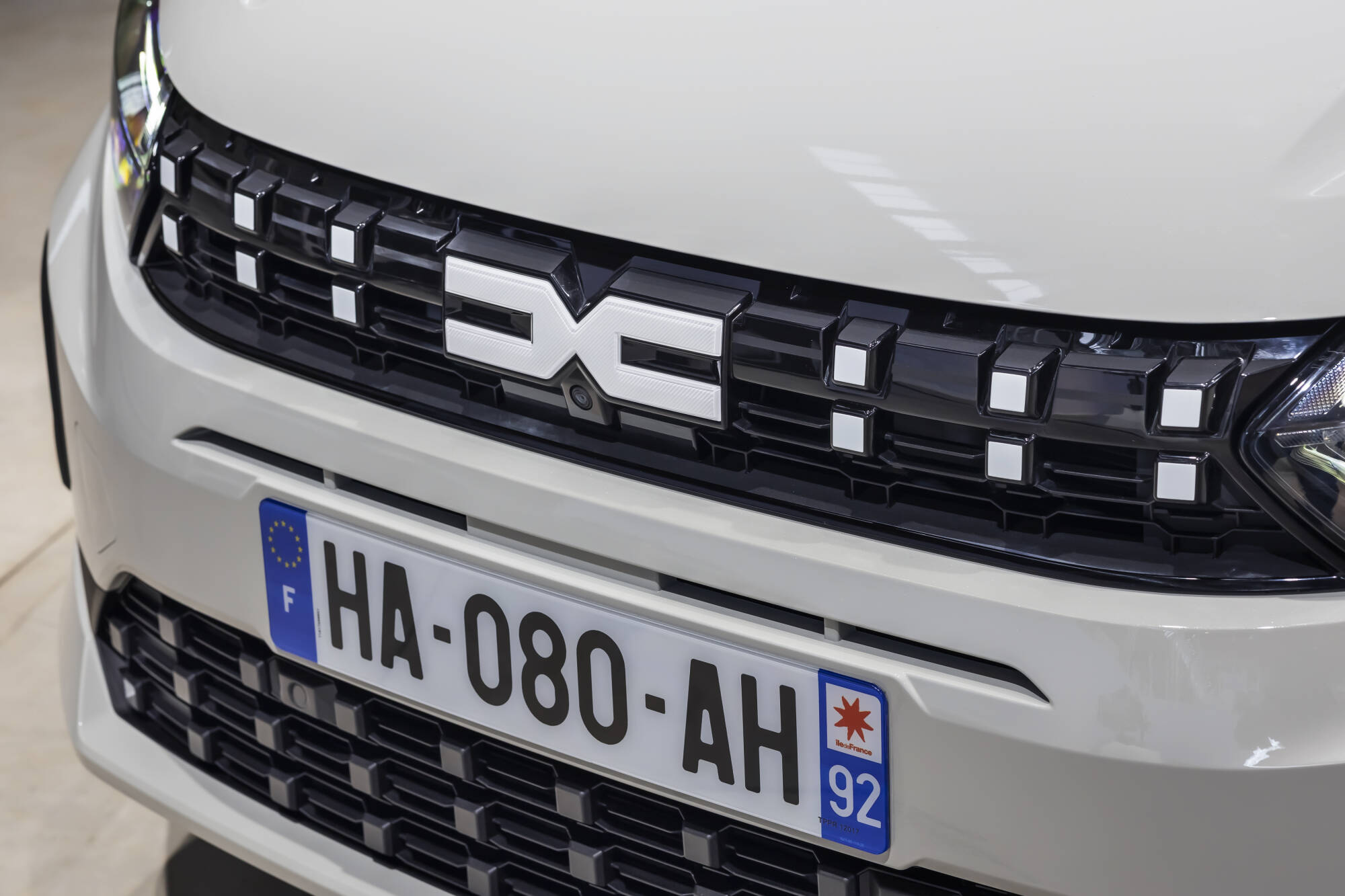
Combination of petrol and LPG keeps working
Despite these tank problems, the Sandero Bi-Fuel remains usable thanks to the option of running on petrol. The 1.0 TCe three-cylinder engine switches automatically between both fuels and delivers 99 hp and 170 Nm on LPG. This gives you the flexibility to keep driving when refuelling with LPG is not possible.
The advantage of the dual-fuel option is that you will not get stranded anywhere. If you notice during a journey that the LPG system is malfunctioning, the car automatically switches over to petrol. This prevents unexpected breakdowns and gives you time to book an appointment at the garage.
Do bear in mind that driving on petrol is more expensive than on LPG. The savings you were aiming for disappear if you have to drive on petrol for a long time because of an unresolved tank issue. Sort out faults in good time to preserve the financial benefit of the Bi-Fuel system.
Maintenance extends the life of the LPG system
Preventive maintenance greatly reduces the risk of tank problems. Have the LPG system checked annually at an approved service centre, even if there are no complaints. A mechanic can spot wear on valves, hoses and sensors at an early stage, before it leads to failures.
In addition, use LPG filling stations that are clean and well-maintained. Dirty or poorly maintained nozzles can damage the filler neck and ball mechanism. One in four filling stations in Europe offers LPG, so you have plenty of choice. Apps such as MyLPG or LPG-finder (these are navigation apps that show reliable filling stations based on user reviews) help you find suitable locations.
While refuelling, make sure the nozzle is connected firmly and straight. Never force the connection and stop immediately when the pump cuts out automatically. Overfilling puts stress on the safety system and can eventually lead to defects. These simple precautions noticeably extend the service life of the entire LPG system.
‘ On the Carnews website you will find extensive information on common car problems, maintenance advice and experiences from other owners with Dacia models and LPG systems. ’
Find out more about Dacia and LPG
The LPG tank problems with the Bi-Fuel Sandero do require attention, but with the right knowledge and maintenance they are perfectly manageable. On the Carnews website you will find extensive information on common car problems, maintenance advice and experiences from other owners with Dacia models and LPG systems. Discover more tips and background information to get the most out of your car.
Frequently asked questions
The most common LPG tank problems with the Bi-Fuel Sandero are filling issues, where the tank cannot be filled completely and the fuel gauge or warning light keeps showing the wrong level. In addition, owners report leaks or moisture around the tank and pipes, often at couplings or valves. Faulty or sticking safety and filling valves (such as the 80% fill stop and pressure valves) are also common, causing filling errors or fault messages.
With the Bi-Fuel Sandero, LPG tank problems mainly arise due to defects or malfunctions in safety and filling components such as the 80% fill stop, non-return valve and pressure relief valve. In addition, leaks in hoses and connections around the LPG tank can lead to traces of soot or moisture and fault messages. Electronic faults in the fuel gauge or sensors can also cause warning lights to stay on and prevent the tank from being filled completely. Finally, the general state of maintenance and the quality of previous repairs or (aftermarket) modifications play a role in the development and worsening of these problems.
LPG tank problems with a Bi-Fuel Sandero can mean that the LPG tank cannot be filled (fully), which greatly reduces the driving range on LPG and forces you to drive more often or exclusively on petrol. Faulty valves or pressure issues can cause fluctuations in fuel supply, which may show up as irregular engine behaviour or loss of power. In the event of leaks, there is an immediate risk of fire and explosion, especially if you notice smoke or the smell of gas around the tank or pipes. In all cases, road safety is reduced and the LPG system must be checked immediately by a specialist and, if necessary, taken out of service.
Typical solutions for LPG tank problems with a Bi-Fuel Sandero include resetting the LPG system via the dealer, cleaning or replacing filling and safety valves and checking or repairing leaking hoses or couplings around the tank. In the case of stubborn filling problems, the filling valve or the complete valve block is often replaced. For such repairs, the costs are generally in the region of about €200 to €500, depending on the exact defect and labour charges. Major tank or pipe replacements can be more expensive.
You can prevent LPG tank problems by having the LPG system serviced at least in line with the manufacturer’s recommendations and allowing only authorised Dacia/Renault dealers to work on the tank, pipes and valves. At every service, have the hoses, couplings and the 80% fill protection checked for leaks, corrosion and correct operation, and report it immediately if the tank does not fill properly or the LPG lights behave oddly. After servicing, always test both petrol and LPG operation and check that the tank can be filled up to around 80% without any issues. Ideally, buy a Bi-Fuel Sandero with a documented service history that includes LPG checks, so that earlier filling or leak problems have already been addressed.