
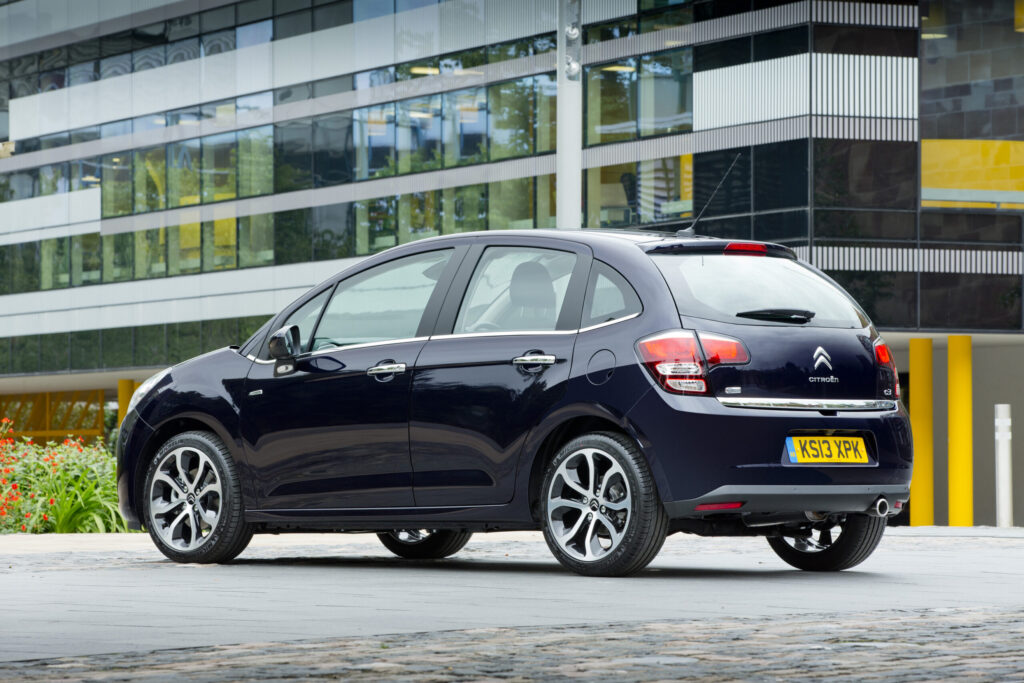
Regular checks on belts, sensors and fluids prevent many common faults and significantly extend the lifespan of your Citroën C3. The C3 is a reliable daily car, but it does require consistent maintenance to stay ahead of technical problems. In this article you will find concrete tips to keep your car in top condition.
The Citroën C3 has a number of known points of attention that you, as an owner, need to watch out for. With the right preventive measures you can avoid expensive repairs and enjoy years of trouble-free driving. Many owners report that timely checks make the difference between a dependable car and unexpected breakdowns.
Some parts deserve extra attention, especially on older models. The Citroën C3 has specific weak spots. Avoid problems from these weak spots by intervening in time. Which parts have priority? When should you replace them? We discuss this in this article.
The timing belt needs extra attention
The timing belt is the most critical maintenance item on the Citroën C3. On certain engine variants this belt runs in oil, which is a particular design choice with specific risks. This applies mainly to the 1.1 60 hp, 1.2 PureTech, 1.4 75 hp and 1.6 110 hp engines.
On examples built before 2016 the belt could disintegrate, with serious consequences. Pieces of rubber then end up in the oil circuit, causing filters to become clogged. In the worst case this leads to a seized engine. There was a recall at the time in which owners with a vulnerable belt received a replacement.
The replacement schedule differs by year of manufacture:
- Older models: replace at 200,000 kilometres
- Newer models: replace at 160,000 kilometres
Check whether your car has already been fitted with the improved belt. If in doubt, have a garage check it. Replacing the timing belt on time prevents one of the most expensive repairs on the C3.
‘ Regular oil changes according to the maintenance schedule are indispensable. ’
The right engine oil protects against wear
Using the correct engine oil largely determines your engine's lifespan. The wrong oil can lead to increased oil consumption and problems with the timing belt. Always follow Citroën's specifications when changing or topping up engine oil.
Regular oil changes in line with the service schedule are indispensable. This prevents engine-related faults. It also helps the timing belt to operate properly. Between services, check the oil level regularly, especially on older models that may consume more oil.
Electrical systems need preventive checks
Citroën models are regularly affected by electrical faults. These can manifest in various ways, from warning lights for the airbags to faults in the tyre pressure monitoring system. Defective windscreen wipers and problems with the electronic control unit also occur.
Preventive maintenance on the electronics saves you a lot of frustration:
- Have the electronic systems diagnosed annually
- Install module updates when they are available
- Clean the battery terminals regularly and check that they are properly tightened
- Have persistent warning lights read professionally
The C3's sensitive battery sensors need to be calibrated every 20,000 kilometres. This prevents error messages and keeps the energy management system functioning optimally. Clean the contacts regularly to avoid fault messages.
Tyre maintenance contributes to safety
Tyre maintenance often gets less attention than it deserves, yet it is important for both safety and efficiency. Check tyre pressure regularly when the tyres are cold. You will find the correct pressure on the driver's door pillar.
Plan your tyre changes around the seasons. After winter, switch from winter to summer tyres as soon as possible. Especially before long journeys and when temperatures fluctuate, check that the pressure is still correct. Incorrect tyre pressure leads to uneven wear and increased fuel consumption.
‘ Proper maintenance of the coolant is the best way to prevent costly repairs to the cooling system. ’
Maintaining the cooling system and air conditioning
The HVAC components can cause problems over time. Have the coolant checked regularly and replaced in line with the maintenance schedule. This prevents problems with the heating system and protects the engine against overheating.
The heating system may need to be flushed. The heater resistor or heater matrix can show signs of wear, especially on older models. Proper maintenance of the coolant is the best way to prevent costly repairs to the cooling system.
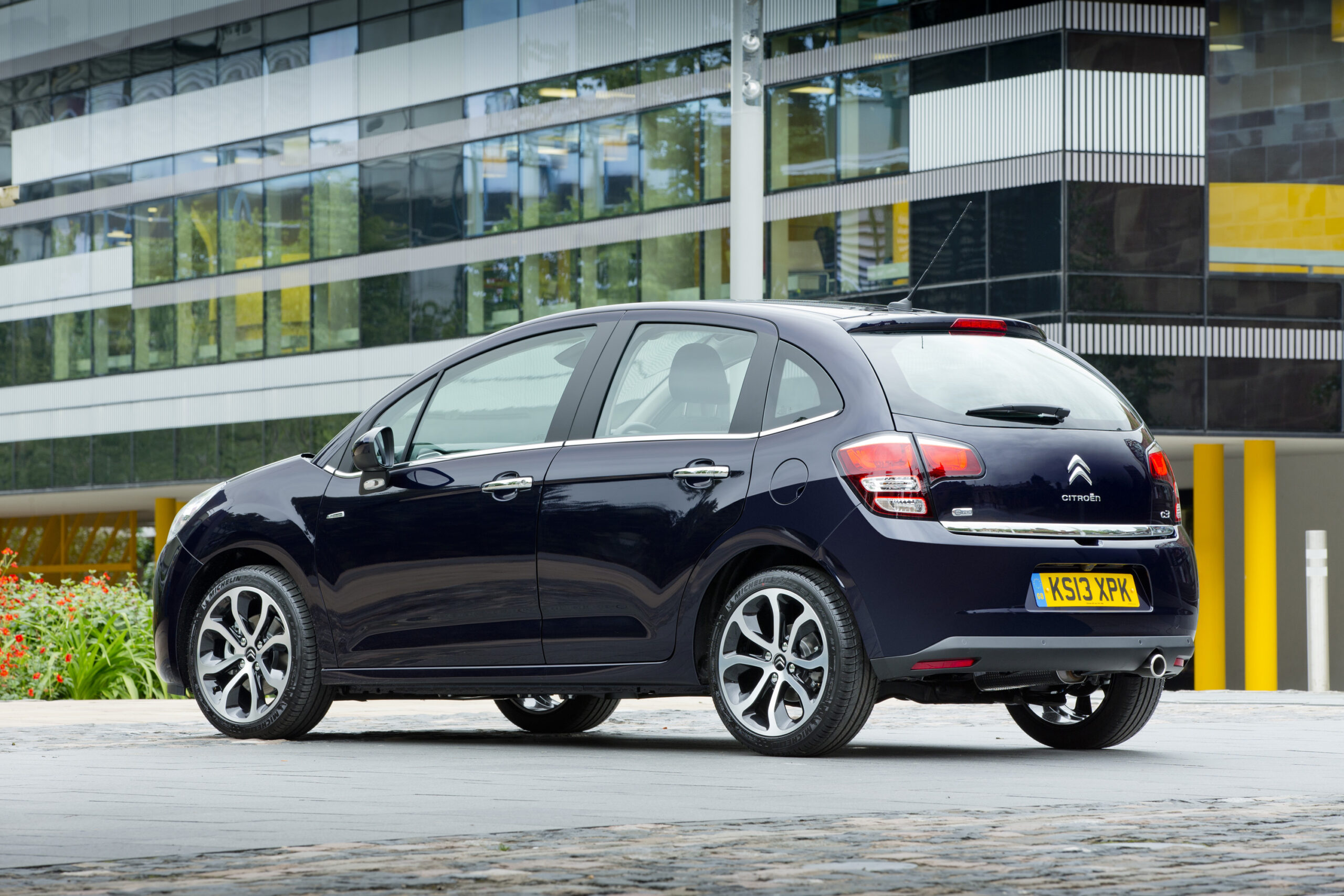
Checking brakes and suspension
The braking system needs routine maintenance for safe journeys. Replace the brake fluid in line with the service schedule and have the brake components checked regularly. Where necessary, the brake actuator must be replaced, a part that is prone to wear on some C3 models.
The suspension also needs attention. Check the struts regularly and replace worn suspension parts in good time. This preserves ride quality and also extends the reliability of the drivetrain. Strange noises when driving over uneven surfaces are often a sign that the suspension needs attention.
Which parts to replace first
Set priorities when planning maintenance. The timing belt is at the top of the list. Replace it on time. This prevents by far the most expensive damage to your C3.
Next come the fluids: engine oil, brake fluid and coolant. These are the basis of reliable maintenance. Also check the operation of the electrical systems regularly, as minor faults can grow into major problems if you ignore them.
The battery sensors should be calibrated every 20,000 kilometres. This relatively simple maintenance prevents annoying error messages and helps avoid electrical problems. When buying a second-hand C3 from before 2016, the condition of the timing belt deserves extra attention.
‘ Dirt can in fact cause faults in the electronics. ’
DIY maintenance for more reliability
There are various maintenance jobs you can do yourself. Checking fluid levels is simple and takes little time. Regularly check engine oil, coolant, screenwash and brake fluid. This allows you to spot problems at an early stage.
Checking tyre pressure is also a job you can do yourself. Invest in a good tyre pressure gauge and check the pressure every month, or at least at seasonal changes. Make sure you follow the specifications for laden and unladen driving.
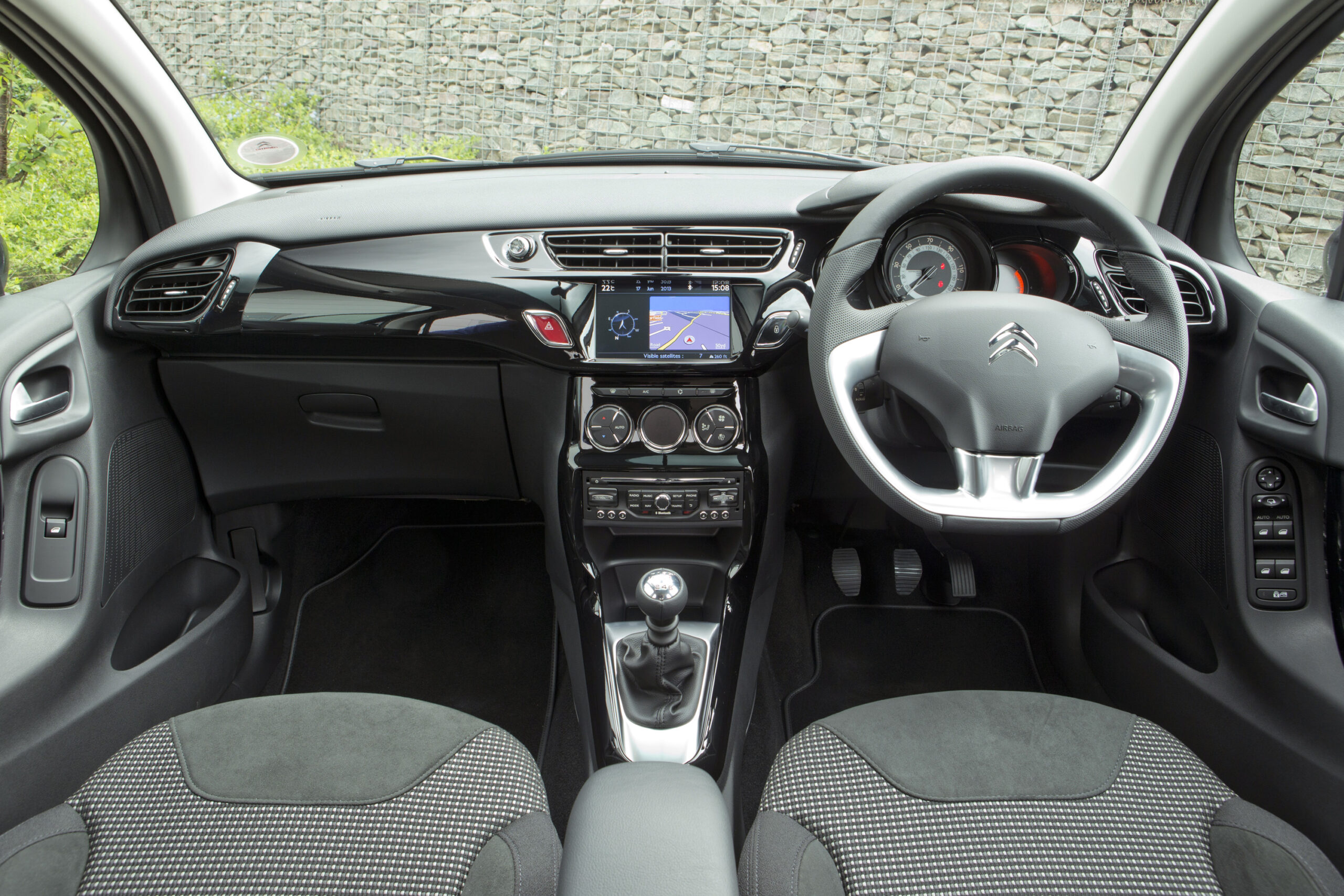
You can also maintain the battery yourself. Clean the battery terminals with a dry cloth and check that they are properly tightened. Make sure the contacts stay clean. Dirt can in fact cause faults in the electronics. For more complex jobs such as replacing the timing belt, call in a professional.
Winter conditions call for a different approach
Do not leave the engine idling in winter, except in extreme cold below -23 degrees Celsius. The car warms up much faster while driving. This saves fuel and protects the engine against unnecessary wear from cold running.
In winter, pay extra attention to tyre pressure, as temperature fluctuations affect pressure. Make sure you have your winter tyres fitted in good time and switch back to summer tyres in spring. The coolant must offer sufficient frost protection. Have this checked before winter starts.
Maintenance schedule in brief
A clear maintenance plan helps ensure you do not forget anything. The timing belt has the highest priority and must be replaced at 160,000 to 200,000 kilometres, depending on the year of manufacture. This is the one component you really cannot afford to delay.
Tyre pressure, engine oil and other fluids are also high on the priority list. Check tyre pressure regularly and at least at seasonal changes. Replace engine oil, brake fluid and coolant in line with Citroën's schedule.
Electrical diagnostics and battery sensor calibration have medium priority. Schedule an annual check of the electrical systems. Also arrange this immediately if warning lights come on. Calibrate the battery sensors every 20,000 kilometres to prevent electrical problems.
‘ With this preventive approach you will enjoy your C3 without problems. ’
Consistent maintenance pays off
The Citroën C3 is a reliable car that will last for many years if it is properly maintained. Regularly check the most important components and act in good time. This way you prevent most common problems. The timing belt, fluids and electrical systems deserve extra attention.
When buying a used C3 it is wise to have the condition of the timing belt checked straight away, especially on models from before 2016. A thorough check of the electronics can also prevent unexpected costs. With this preventive approach you will enjoy your C3 without problems.
On the Carnews website you will find much more information about maintenance, common car problems and practical tips for different makes and models. Discover more articles that help you keep your car in top condition and save money on maintenance.
Frequently asked questions
It is essential to have the timing belt replaced in good time (160,000–200,000 km, especially for pre-2016 'wet belt' engines) and to always use the specified engine oil and change it regularly. Check tyre pressure frequently (especially at seasonal changes and before long journeys) and switch between summer and winter tyres on time. Have the electronic systems and battery (including sensor calibration roughly every 20,000 km) checked periodically and update the software. Finally, follow the maintenance schedule strictly for brake fluid and coolant and have the climate and cooling system inspected in good time.
Preventive maintenance on your Citroën C3 – such as timely replacement of the timing belt and regular replacement of engine oil and brake and coolant – prevents costly engine damage and breakdowns, allowing the car to last longer. By managing tyre pressure and tyre type (summer/winter) properly, you improve grip, safety and comfort. Periodic checks of the electronic systems and battery prevent annoying warnings and failure of driver assistance systems. Together this results in a smoother, quieter and more reliable driving experience, as well as a higher residual value.
Yes, there are several do-it-yourself maintenance tasks that every Citroën C3 owner can carry out. You can regularly check and adjust tyre pressure yourself according to the values on the door pillar, and check and top up the levels of engine oil, coolant and screenwash. Keeping the battery terminals clean and secure, and visually checking tyre tread and wiper blades, are also simple tasks. For more complex work such as the timing belt, braking system and electronic diagnostics, it is advisable to use a professional.
Watch out for warning lights on the dashboard (especially the engine fault light, airbag and tyre pressure) that stay on or keep returning. If you notice irregular engine noise, reduced pulling power, increased oil consumption or leaks, have the engine and timing belt checked immediately. Listen for squeaking or less responsive brakes, steering wheel vibrations or uneven tyre wear, as these may indicate brake or suspension problems. Finally, check that the air conditioning and heating work properly and listen for unusual noises from the fan or blower.
The most critical maintenance interval is replacement of the timing belt: on older C3 models at around 200,000 km and on newer ones at around 160,000 km, because failure can cause serious engine damage. In addition, timely replacement of engine oil and coolant in line with the Citroën schedule must not be skipped, as these have a direct impact on the health of the engine and timing belt. Brake fluid must also be replaced according to the schedule to guarantee safety. Finally, regular tyre pressure checks are essential for safety and to limit wear.