
Solving teething troubles of the Renault Megane E-Tech
Most problems with the Renault Megane E-Tech can be solved. Be aware of the system’s limitations. Renault has announced a software update. This update is expected to resolve a large part of the charging problems.
Check if your model is equipped with a heat pump. A heat pump regulates climate control and keeps the battery at an optimal temperature. Models without a heat pump are more sensitive to charging problems. This is especially true at higher battery temperatures. Higher battery temperatures are above 40 degrees Celsius. This mainly concerns vehicles that have been delivered in France.
Practical tips for owners
You can prevent or reduce problems. Below you will find directions:
- The battery must be empty for rapid charging. Ensure it is less than 10 percent full. This provides optimal peak power during rapid charging.
- If your car has no heat pump, use the air conditioning during rapid charging.
- If charging takes longer than 40 minutes, perform the restart procedure. The restart procedure consists of re-activating the air conditioning during charging.
- Report ghost alerts and assistance errors to your dealer for diagnosis.
- If the battery temperature is between 40 and 45 degrees Celsius, do not rapid charge the car. This is important to prevent damage to the compressor.
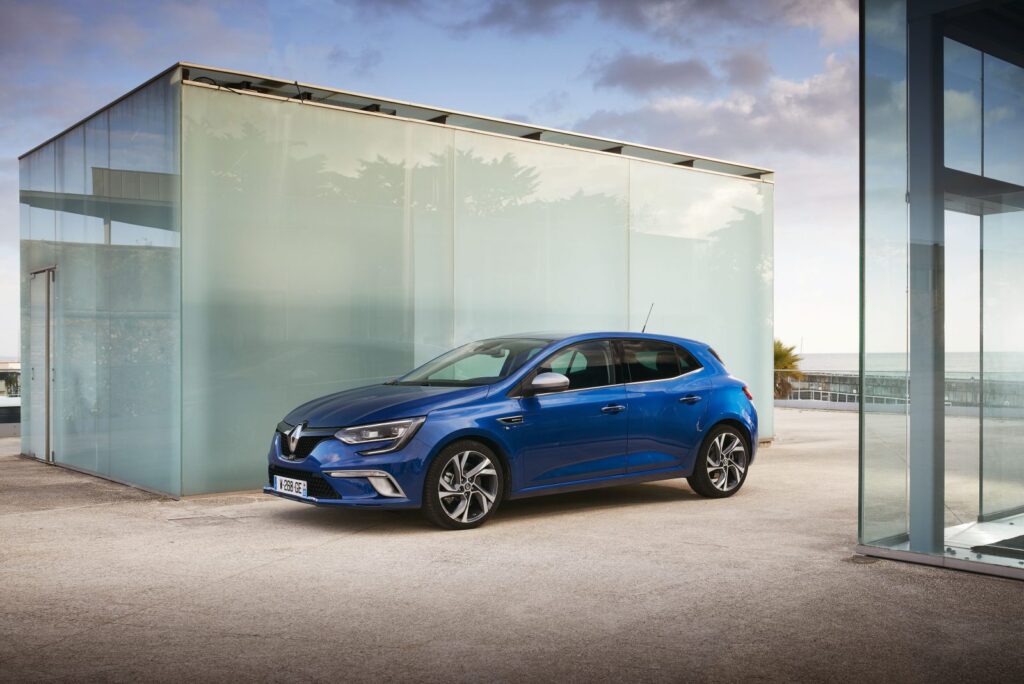
The Renault Megane E-Tech has a modern design. The car is practical in use. The range and consumption are competitive for this segment. The car is primarily suitable for specific owners. These owners are prepared to deal consciously with the teething troubles. They have confidence in future software updates.
Experiences from practice
Users on Reddit find that Lane Assist is active too often. Collision Warning is also, according to them, active too often. The steering wheel pulls to the left or right. The system causes this steering movement. This is experienced as annoying during normal driving. Users report problems on Facebook. These reports also appear in user groups. Connection with smartphones is often mentioned as a recurring problem.
Some users have reported a loss of trust in the car. Quality problems play a role in this. Lack of care from the dealer also contributes to this loss of trust. A user on YouTube calls the car stylish. This user points to a lack of quality in the finish. The experiences are mixed. This shows that the car does not yet feel equally reliable to everyone.
The Megane E-Tech is an interesting option. The car has a modern design and sufficient range. This is attractive for electric drivers. Do be aware of the points for attention. Software requires attention. Quality control is also a point for attention. You can find more information on the Carnews website. The website covers car problems. Electric driving is also discussed. Additionally, you will find practical tips for car enthusiasts. Discover which models best suit your situation.
Frequently asked questions
The Renault Megane E-Tech primarily struggles with charging problems (including cables that do not release) and software errors such as ghost alerts and overly aggressive driver assistance. Additionally, there are frequent complaints about infotainment connectivity, especially unstable smartphone and Bluetooth connections. Some mechanical and finishing issues are also mentioned, such as play in the fuel filler flap and disappointing quality control. Renault is working on OTA software updates and advises, among other things, using the air conditioning during (rapid) charging to limit problems.
The Renault Megane E-Tech has a number of recurring problems, especially around charging procedures, software, and connectivity. Often cited are charging cables that sometimes won’t unlock, “ghost alerts,” and overly intrusive driver assistance systems. There are also complaints about glitchy Bluetooth/smartphone connections and inconsistent build quality. Renault is working on OTA updates; until then, tips such as turning on the air conditioning during rapid charging and performing a restart procedure for charging issues help.
Please report any malfunctions or defects to your local Renault dealer. By documenting these issues, Renault can track recurring faults and include potential fixes in future software updates or service actions.
Solving teething troubles of the Renault Megane E-Tech
Most problems with the Renault Megane E-Tech can be solved. Be aware of the system’s limitations. Renault has announced a software update. This update is expected to resolve a large part of the charging problems.
Check if your model is equipped with a heat pump. A heat pump regulates climate control and keeps the battery at an optimal temperature. Models without a heat pump are more sensitive to charging problems. This is especially true at higher battery temperatures. Higher battery temperatures are above 40 degrees Celsius. This mainly concerns vehicles that have been delivered in France.
Practical tips for owners
You can prevent or reduce problems. Below you will find directions:
- The battery must be empty for rapid charging. Ensure it is less than 10 percent full. This provides optimal peak power during rapid charging.
- If your car has no heat pump, use the air conditioning during rapid charging.
- If charging takes longer than 40 minutes, perform the restart procedure. The restart procedure consists of re-activating the air conditioning during charging.
- Report ghost alerts and assistance errors to your dealer for diagnosis.
- If the battery temperature is between 40 and 45 degrees Celsius, do not rapid charge the car. This is important to prevent damage to the compressor.
The Renault Megane E-Tech has a modern design. The car is practical in use. The range and consumption are competitive for this segment. The car is primarily suitable for specific owners. These owners are prepared to deal consciously with the teething troubles. They have confidence in future software updates.
Experiences from practice
Users on Reddit find that Lane Assist is active too often. Collision Warning is also, according to them, active too often. The steering wheel pulls to the left or right. The system causes this steering movement. This is experienced as annoying during normal driving. Users report problems on Facebook. These reports also appear in user groups. Connection with smartphones is often mentioned as a recurring problem.
Some users have reported a loss of trust in the car. Quality problems play a role in this. Lack of care from the dealer also contributes to this loss of trust. A user on YouTube calls the car stylish. This user points to a lack of quality in the finish. The experiences are mixed. This shows that the car does not yet feel equally reliable to everyone.
The Megane E-Tech is an interesting option. The car has a modern design and sufficient range. This is attractive for electric drivers. Do be aware of the points for attention. Software requires attention. Quality control is also a point for attention. You can find more information on the Carnews website. The website covers car problems. Electric driving is also discussed. Additionally, you will find practical tips for car enthusiasts. Discover which models best suit your situation.
Frequently asked questions
The Renault Megane E-Tech primarily struggles with charging problems (including cables that do not release) and software errors such as ghost alerts and overly aggressive driver assistance. Additionally, there are frequent complaints about infotainment connectivity, especially unstable smartphone and Bluetooth connections. Some mechanical and finishing issues are also mentioned, such as play in the fuel filler flap and disappointing quality control. Renault is working on OTA software updates and advises, among other things, using the air conditioning during (rapid) charging to limit problems.
The Renault Megane E-Tech has a number of recurring problems, especially around charging procedures, software, and connectivity. Often cited are charging cables that sometimes won’t unlock, “ghost alerts,” and overly intrusive driver assistance systems. There are also complaints about glitchy Bluetooth/smartphone connections and inconsistent build quality. Renault is working on OTA updates; until then, tips such as turning on the air conditioning during rapid charging and performing a restart procedure for charging issues help.
Please report any malfunctions or defects to your local Renault dealer. By documenting these issues, Renault can track recurring faults and include potential fixes in future software updates or service actions.
Infotainment and smartphone connection
The Megane E-Tech uses Android Automotive. The navigation and voice assistant come from Google. This system regularly gives problems with smartphone connections. It involves dropouts and connection malfunctions. Wireless connections show glitches. Wired connections also cause problems.
Users report Bluetooth dropping during the use of Android Auto. Bluetooth dropping means the wireless connection suddenly cuts out. The voice assistant does not always respond correctly. Certain functionality is excluded. This significantly limits the convenience of the infotainment system.
Other reported problems
Owners also report smaller glitches. These occur alongside the major software problems:
- The fuel filler flap has play. This sometimes makes strange noises.
- Bluetooth disconnection occurs specifically with Android Auto.
- The finishing is not as expected. The standard does not meet expectations.
- Quality control has room for improvement. There are shortcomings in the inspection.
Especially the mentioned smaller glitches lead to problems for some users. These problems lead to a loss of trust in the car. Software and quality problems occur together. This gives the feeling that the car is not yet fully mature.
Solving teething troubles of the Renault Megane E-Tech
Most problems with the Renault Megane E-Tech can be solved. Be aware of the system’s limitations. Renault has announced a software update. This update is expected to resolve a large part of the charging problems.
Check if your model is equipped with a heat pump. A heat pump regulates climate control and keeps the battery at an optimal temperature. Models without a heat pump are more sensitive to charging problems. This is especially true at higher battery temperatures. Higher battery temperatures are above 40 degrees Celsius. This mainly concerns vehicles that have been delivered in France.
Practical tips for owners
You can prevent or reduce problems. Below you will find directions:
- The battery must be empty for rapid charging. Ensure it is less than 10 percent full. This provides optimal peak power during rapid charging.
- If your car has no heat pump, use the air conditioning during rapid charging.
- If charging takes longer than 40 minutes, perform the restart procedure. The restart procedure consists of re-activating the air conditioning during charging.
- Report ghost alerts and assistance errors to your dealer for diagnosis.
- If the battery temperature is between 40 and 45 degrees Celsius, do not rapid charge the car. This is important to prevent damage to the compressor.
The Renault Megane E-Tech has a modern design. The car is practical in use. The range and consumption are competitive for this segment. The car is primarily suitable for specific owners. These owners are prepared to deal consciously with the teething troubles. They have confidence in future software updates.
Experiences from practice
Users on Reddit find that Lane Assist is active too often. Collision Warning is also, according to them, active too often. The steering wheel pulls to the left or right. The system causes this steering movement. This is experienced as annoying during normal driving. Users report problems on Facebook. These reports also appear in user groups. Connection with smartphones is often mentioned as a recurring problem.
Some users have reported a loss of trust in the car. Quality problems play a role in this. Lack of care from the dealer also contributes to this loss of trust. A user on YouTube calls the car stylish. This user points to a lack of quality in the finish. The experiences are mixed. This shows that the car does not yet feel equally reliable to everyone.
The Megane E-Tech is an interesting option. The car has a modern design and sufficient range. This is attractive for electric drivers. Do be aware of the points for attention. Software requires attention. Quality control is also a point for attention. You can find more information on the Carnews website. The website covers car problems. Electric driving is also discussed. Additionally, you will find practical tips for car enthusiasts. Discover which models best suit your situation.
Frequently asked questions
What are the most common problems with the Renault Megane E-Tech?
The Renault Megane E-Tech primarily struggles with charging problems (including cables that do not release) and software errors such as ghost alerts and overly aggressive driver assistance. Additionally, there are frequent complaints about infotainment connectivity, especially unstable smartphone and Bluetooth connections. Some mechanical and finishing issues are also mentioned, such as play in the fuel filler flap and disappointing quality control. Renault is working on OTA software updates and advises, among other things, using the air conditioning during (rapid) charging to limit problems.
Is the Renault Megane E-Tech reliable?
The Renault Megane E-Tech has a number of recurring problems, especially around charging procedures, software, and connectivity. Often cited are charging cables that sometimes won’t unlock, “ghost alerts,” and overly intrusive driver assistance systems. There are also complaints about glitchy Bluetooth/smartphone connections and inconsistent build quality. Renault is working on OTA updates; until then, tips such as turning on the air conditioning during rapid charging and performing a restart procedure for charging issues help.
How can I report a problem with my car?
Please report any malfunctions or defects to your local Renault dealer. By documenting these issues, Renault can track recurring faults and include potential fixes in future software updates or service actions.
Reliability of the electric Renault Megane model
The reliability of the electric Megane is mainly limited by software problems. Mechanical defects do not play a major role. The battery pack causes few problems in practice. The powertrain is the combination of the motor, drive shafts, and transmission that drives the car. This powertrain also gives few problems. The battery has a capacity of 60 kWh. This means the battery can store 60 kilowatt-hours of energy. In the summer, this battery provides a range of just under 400 kilometres.
In winter, the range drops to 300 to 350 kilometres. This is customary for electric cars. The average consumption is around 15.7 kWh per 100 kilometres. This unit indicates how much energy the car uses per 100 kilometres. These are realistic figures that align with the expectations for this type of electric car.
Charging speed and practical use
The Megane E-Tech features a peak power of 130 kW during rapid charging. 130 kW means the battery can be charged with a maximum of 130 kilowatts. This is a high power level for rapid charging. The battery charges from 10 to 80 percent. These percentages indicate the battery’s state of charge. A charging session lasts about 30 minutes. The car has a 22 kW AC onboard charger. AC stands for alternating current. This onboard charger converts power from the charging station into direct current for the battery. A full charge takes under four hours. This happens at a charging station.
You want optimal peak power at a fast charger. The battery should be less than 10 percent full upon arrival. The battery temperature should be between 40 and 45 degrees Celsius. Do not let the battery charge if it is too hot. This can cause compressor damage. Damage to the compressor leads to expensive repairs.
Infotainment and smartphone connection
The Megane E-Tech uses Android Automotive. The navigation and voice assistant come from Google. This system regularly gives problems with smartphone connections. It involves dropouts and connection malfunctions. Wireless connections show glitches. Wired connections also cause problems.
Users report Bluetooth dropping during the use of Android Auto. Bluetooth dropping means the wireless connection suddenly cuts out. The voice assistant does not always respond correctly. Certain functionality is excluded. This significantly limits the convenience of the infotainment system.
Other reported problems
Owners also report smaller glitches. These occur alongside the major software problems:
- The fuel filler flap has play. This sometimes makes strange noises.
- Bluetooth disconnection occurs specifically with Android Auto.
- The finishing is not as expected. The standard does not meet expectations.
- Quality control has room for improvement. There are shortcomings in the inspection.
Especially the mentioned smaller glitches lead to problems for some users. These problems lead to a loss of trust in the car. Software and quality problems occur together. This gives the feeling that the car is not yet fully mature.
Solving teething troubles of the Renault Megane E-Tech
Most problems with the Renault Megane E-Tech can be solved. Be aware of the system’s limitations. Renault has announced a software update. This update is expected to resolve a large part of the charging problems.
Check if your model is equipped with a heat pump. A heat pump regulates climate control and keeps the battery at an optimal temperature. Models without a heat pump are more sensitive to charging problems. This is especially true at higher battery temperatures. Higher battery temperatures are above 40 degrees Celsius. This mainly concerns vehicles that have been delivered in France.
Practical tips for owners
You can prevent or reduce problems. Below you will find directions:
- The battery must be empty for rapid charging. Ensure it is less than 10 percent full. This provides optimal peak power during rapid charging.
- If your car has no heat pump, use the air conditioning during rapid charging.
- If charging takes longer than 40 minutes, perform the restart procedure. The restart procedure consists of re-activating the air conditioning during charging.
- Report ghost alerts and assistance errors to your dealer for diagnosis.
- If the battery temperature is between 40 and 45 degrees Celsius, do not rapid charge the car. This is important to prevent damage to the compressor.
The Renault Megane E-Tech has a modern design. The car is practical in use. The range and consumption are competitive for this segment. The car is primarily suitable for specific owners. These owners are prepared to deal consciously with the teething troubles. They have confidence in future software updates.
Experiences from practice
Users on Reddit find that Lane Assist is active too often. Collision Warning is also, according to them, active too often. The steering wheel pulls to the left or right. The system causes this steering movement. This is experienced as annoying during normal driving. Users report problems on Facebook. These reports also appear in user groups. Connection with smartphones is often mentioned as a recurring problem.
Some users have reported a loss of trust in the car. Quality problems play a role in this. Lack of care from the dealer also contributes to this loss of trust. A user on YouTube calls the car stylish. This user points to a lack of quality in the finish. The experiences are mixed. This shows that the car does not yet feel equally reliable to everyone.
The Megane E-Tech is an interesting option. The car has a modern design and sufficient range. This is attractive for electric drivers. Do be aware of the points for attention. Software requires attention. Quality control is also a point for attention. You can find more information on the Carnews website. The website covers car problems. Electric driving is also discussed. Additionally, you will find practical tips for car enthusiasts. Discover which models best suit your situation.
Frequently asked questions
What are the most common problems with the Renault Megane E-Tech?
The Renault Megane E-Tech primarily struggles with charging problems (including cables that do not release) and software errors such as ghost alerts and overly aggressive driver assistance. Additionally, there are frequent complaints about infotainment connectivity, especially unstable smartphone and Bluetooth connections. Some mechanical and finishing issues are also mentioned, such as play in the fuel filler flap and disappointing quality control. Renault is working on OTA software updates and advises, among other things, using the air conditioning during (rapid) charging to limit problems.
Is the Renault Megane E-Tech reliable?
The Renault Megane E-Tech has a number of recurring problems, especially around charging procedures, software, and connectivity. Often cited are charging cables that sometimes won’t unlock, “ghost alerts,” and overly intrusive driver assistance systems. There are also complaints about glitchy Bluetooth/smartphone connections and inconsistent build quality. Renault is working on OTA updates; until then, tips such as turning on the air conditioning during rapid charging and performing a restart procedure for charging issues help.
How can I report a problem with my car?
Please report any malfunctions or defects to your local Renault dealer. By documenting these issues, Renault can track recurring faults and include potential fixes in future software updates or service actions.
Software bugs and ghost alerts
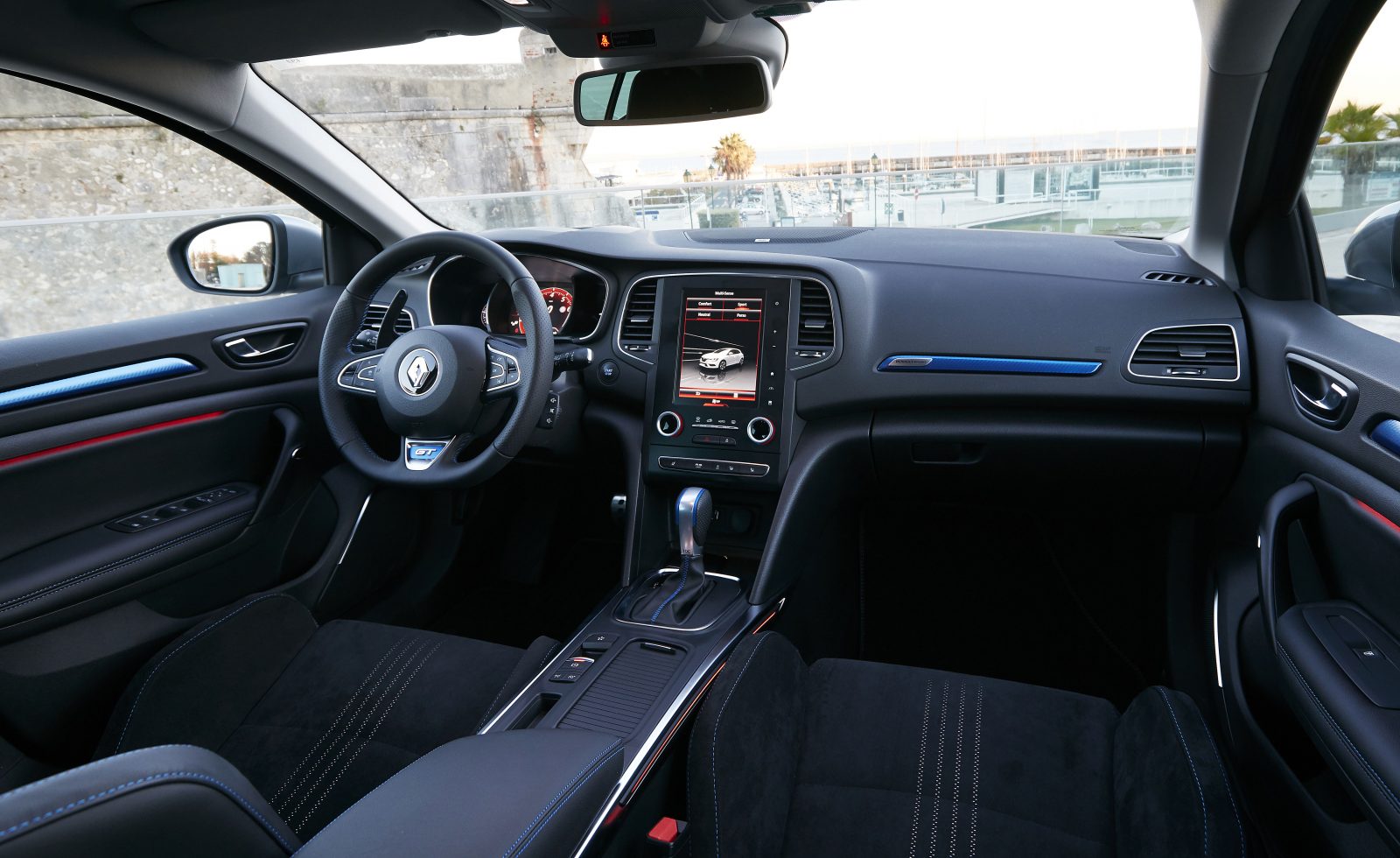
Users report various malfunctions on the dashboard. These are software-related. They concern warning messages that appear without a clear cause. These ghost alerts appear without provocation. They can lead to reduced driving comfort.
Some owners experience vibrating pedals while driving. The steering wheel can also vibrate. This often seems like a mechanical defect. However, it is a software problem. Renault Assist and mechanics have confirmed in several cases that there is nothing wrong with the car itself.
Problems with driver assistance systems
Lane Assist frequently gives too many warnings. Lane Assist is a lane-keeping assistant that performs steering interventions. Collision Warning also activates often. Collision Warning is a warning system for collisions. Owners report that these systems even pull the steering wheel. This is experienced as annoying. The settings are not always sufficiently adjustable. This cannot always resolve the problem.
Dealers often diagnose this as a software bug. This bug has not yet been resolved. The status ‘waiting for diagnosis’ appears regularly with these complaints. This status means the problem has been registered. No solution is yet available. Report these types of malfunctions to your dealer. They can then be documented. They might be resolved via a future update.
Reliability of the electric Renault Megane model
The reliability of the electric Megane is mainly limited by software problems. Mechanical defects do not play a major role. The battery pack causes few problems in practice. The powertrain is the combination of the motor, drive shafts, and transmission that drives the car. This powertrain also gives few problems. The battery has a capacity of 60 kWh. This means the battery can store 60 kilowatt-hours of energy. In the summer, this battery provides a range of just under 400 kilometres.
In winter, the range drops to 300 to 350 kilometres. This is customary for electric cars. The average consumption is around 15.7 kWh per 100 kilometres. This unit indicates how much energy the car uses per 100 kilometres. These are realistic figures that align with the expectations for this type of electric car.
Charging speed and practical use
The Megane E-Tech features a peak power of 130 kW during rapid charging. 130 kW means the battery can be charged with a maximum of 130 kilowatts. This is a high power level for rapid charging. The battery charges from 10 to 80 percent. These percentages indicate the battery’s state of charge. A charging session lasts about 30 minutes. The car has a 22 kW AC onboard charger. AC stands for alternating current. This onboard charger converts power from the charging station into direct current for the battery. A full charge takes under four hours. This happens at a charging station.
You want optimal peak power at a fast charger. The battery should be less than 10 percent full upon arrival. The battery temperature should be between 40 and 45 degrees Celsius. Do not let the battery charge if it is too hot. This can cause compressor damage. Damage to the compressor leads to expensive repairs.
Infotainment and smartphone connection
The Megane E-Tech uses Android Automotive. The navigation and voice assistant come from Google. This system regularly gives problems with smartphone connections. It involves dropouts and connection malfunctions. Wireless connections show glitches. Wired connections also cause problems.
Users report Bluetooth dropping during the use of Android Auto. Bluetooth dropping means the wireless connection suddenly cuts out. The voice assistant does not always respond correctly. Certain functionality is excluded. This significantly limits the convenience of the infotainment system.
Other reported problems
Owners also report smaller glitches. These occur alongside the major software problems:
- The fuel filler flap has play. This sometimes makes strange noises.
- Bluetooth disconnection occurs specifically with Android Auto.
- The finishing is not as expected. The standard does not meet expectations.
- Quality control has room for improvement. There are shortcomings in the inspection.
Especially the mentioned smaller glitches lead to problems for some users. These problems lead to a loss of trust in the car. Software and quality problems occur together. This gives the feeling that the car is not yet fully mature.
Solving teething troubles of the Renault Megane E-Tech
Most problems with the Renault Megane E-Tech can be solved. Be aware of the system’s limitations. Renault has announced a software update. This update is expected to resolve a large part of the charging problems.
Check if your model is equipped with a heat pump. A heat pump regulates climate control and keeps the battery at an optimal temperature. Models without a heat pump are more sensitive to charging problems. This is especially true at higher battery temperatures. Higher battery temperatures are above 40 degrees Celsius. This mainly concerns vehicles that have been delivered in France.
Practical tips for owners
You can prevent or reduce problems. Below you will find directions:
- The battery must be empty for rapid charging. Ensure it is less than 10 percent full. This provides optimal peak power during rapid charging.
- If your car has no heat pump, use the air conditioning during rapid charging.
- If charging takes longer than 40 minutes, perform the restart procedure. The restart procedure consists of re-activating the air conditioning during charging.
- Report ghost alerts and assistance errors to your dealer for diagnosis.
- If the battery temperature is between 40 and 45 degrees Celsius, do not rapid charge the car. This is important to prevent damage to the compressor.
The Renault Megane E-Tech has a modern design. The car is practical in use. The range and consumption are competitive for this segment. The car is primarily suitable for specific owners. These owners are prepared to deal consciously with the teething troubles. They have confidence in future software updates.
Experiences from practice
Users on Reddit find that Lane Assist is active too often. Collision Warning is also, according to them, active too often. The steering wheel pulls to the left or right. The system causes this steering movement. This is experienced as annoying during normal driving. Users report problems on Facebook. These reports also appear in user groups. Connection with smartphones is often mentioned as a recurring problem.
Some users have reported a loss of trust in the car. Quality problems play a role in this. Lack of care from the dealer also contributes to this loss of trust. A user on YouTube calls the car stylish. This user points to a lack of quality in the finish. The experiences are mixed. This shows that the car does not yet feel equally reliable to everyone.
The Megane E-Tech is an interesting option. The car has a modern design and sufficient range. This is attractive for electric drivers. Do be aware of the points for attention. Software requires attention. Quality control is also a point for attention. You can find more information on the Carnews website. The website covers car problems. Electric driving is also discussed. Additionally, you will find practical tips for car enthusiasts. Discover which models best suit your situation.
Frequently asked questions
What are the most common problems with the Renault Megane E-Tech?
The Renault Megane E-Tech primarily struggles with charging problems (including cables that do not release) and software errors such as ghost alerts and overly aggressive driver assistance. Additionally, there are frequent complaints about infotainment connectivity, especially unstable smartphone and Bluetooth connections. Some mechanical and finishing issues are also mentioned, such as play in the fuel filler flap and disappointing quality control. Renault is working on OTA software updates and advises, among other things, using the air conditioning during (rapid) charging to limit problems.
Is the Renault Megane E-Tech reliable?
The Renault Megane E-Tech has a number of recurring problems, especially around charging procedures, software, and connectivity. Often cited are charging cables that sometimes won’t unlock, “ghost alerts,” and overly intrusive driver assistance systems. There are also complaints about glitchy Bluetooth/smartphone connections and inconsistent build quality. Renault is working on OTA updates; until then, tips such as turning on the air conditioning during rapid charging and performing a restart procedure for charging issues help.
How can I report a problem with my car?
Please report any malfunctions or defects to your local Renault dealer. By documenting these issues, Renault can track recurring faults and include potential fixes in future software updates or service actions.
Charging problems and cable locking
A frequently heard complaint concerns the charging cable. The cable does not release after a charging session. The car still detects voltage from the charging point. The cable lock then remains active. The system prevents the unlocking of the cable. This happens for safety reasons.
The problem mainly occurs during rapid charging. The battery temperature is then between 40 and 45 degrees Celsius. This primarily affects models without a heat pump. It concerns a group of approximately 2,000 vehicles. These vehicles were mainly delivered in France.
Solution for charging problems
Renault Netherlands provides the following recommendations to resolve the problem:
- Start the charging process. Leave the air conditioning on while charging.
- Sit in the car and close the doors, but do not lock them.
- Press on the central screen for two seconds to activate it.
- Then press the air conditioning button.
- If charging takes longer than 40 minutes, perform this procedure again.
Renault is releasing an over-the-air software update in September. This update revises the control of the cooling valve and the cooling strategy. This should largely resolve the charging problems.
Software bugs and ghost alerts
Users report various malfunctions on the dashboard. These are software-related. They concern warning messages that appear without a clear cause. These ghost alerts appear without provocation. They can lead to reduced driving comfort.
Some owners experience vibrating pedals while driving. The steering wheel can also vibrate. This often seems like a mechanical defect. However, it is a software problem. Renault Assist and mechanics have confirmed in several cases that there is nothing wrong with the car itself.
Problems with driver assistance systems
Lane Assist frequently gives too many warnings. Lane Assist is a lane-keeping assistant that performs steering interventions. Collision Warning also activates often. Collision Warning is a warning system for collisions. Owners report that these systems even pull the steering wheel. This is experienced as annoying. The settings are not always sufficiently adjustable. This cannot always resolve the problem.
Dealers often diagnose this as a software bug. This bug has not yet been resolved. The status ‘waiting for diagnosis’ appears regularly with these complaints. This status means the problem has been registered. No solution is yet available. Report these types of malfunctions to your dealer. They can then be documented. They might be resolved via a future update.
Reliability of the electric Renault Megane model
The reliability of the electric Megane is mainly limited by software problems. Mechanical defects do not play a major role. The battery pack causes few problems in practice. The powertrain is the combination of the motor, drive shafts, and transmission that drives the car. This powertrain also gives few problems. The battery has a capacity of 60 kWh. This means the battery can store 60 kilowatt-hours of energy. In the summer, this battery provides a range of just under 400 kilometres.
In winter, the range drops to 300 to 350 kilometres. This is customary for electric cars. The average consumption is around 15.7 kWh per 100 kilometres. This unit indicates how much energy the car uses per 100 kilometres. These are realistic figures that align with the expectations for this type of electric car.
Charging speed and practical use
The Megane E-Tech features a peak power of 130 kW during rapid charging. 130 kW means the battery can be charged with a maximum of 130 kilowatts. This is a high power level for rapid charging. The battery charges from 10 to 80 percent. These percentages indicate the battery’s state of charge. A charging session lasts about 30 minutes. The car has a 22 kW AC onboard charger. AC stands for alternating current. This onboard charger converts power from the charging station into direct current for the battery. A full charge takes under four hours. This happens at a charging station.
You want optimal peak power at a fast charger. The battery should be less than 10 percent full upon arrival. The battery temperature should be between 40 and 45 degrees Celsius. Do not let the battery charge if it is too hot. This can cause compressor damage. Damage to the compressor leads to expensive repairs.
Infotainment and smartphone connection
The Megane E-Tech uses Android Automotive. The navigation and voice assistant come from Google. This system regularly gives problems with smartphone connections. It involves dropouts and connection malfunctions. Wireless connections show glitches. Wired connections also cause problems.
Users report Bluetooth dropping during the use of Android Auto. Bluetooth dropping means the wireless connection suddenly cuts out. The voice assistant does not always respond correctly. Certain functionality is excluded. This significantly limits the convenience of the infotainment system.
Other reported problems
Owners also report smaller glitches. These occur alongside the major software problems:
- The fuel filler flap has play. This sometimes makes strange noises.
- Bluetooth disconnection occurs specifically with Android Auto.
- The finishing is not as expected. The standard does not meet expectations.
- Quality control has room for improvement. There are shortcomings in the inspection.
Especially the mentioned smaller glitches lead to problems for some users. These problems lead to a loss of trust in the car. Software and quality problems occur together. This gives the feeling that the car is not yet fully mature.
Solving teething troubles of the Renault Megane E-Tech
Most problems with the Renault Megane E-Tech can be solved. Be aware of the system’s limitations. Renault has announced a software update. This update is expected to resolve a large part of the charging problems.
Check if your model is equipped with a heat pump. A heat pump regulates climate control and keeps the battery at an optimal temperature. Models without a heat pump are more sensitive to charging problems. This is especially true at higher battery temperatures. Higher battery temperatures are above 40 degrees Celsius. This mainly concerns vehicles that have been delivered in France.
Practical tips for owners
You can prevent or reduce problems. Below you will find directions:
- The battery must be empty for rapid charging. Ensure it is less than 10 percent full. This provides optimal peak power during rapid charging.
- If your car has no heat pump, use the air conditioning during rapid charging.
- If charging takes longer than 40 minutes, perform the restart procedure. The restart procedure consists of re-activating the air conditioning during charging.
- Report ghost alerts and assistance errors to your dealer for diagnosis.
- If the battery temperature is between 40 and 45 degrees Celsius, do not rapid charge the car. This is important to prevent damage to the compressor.
The Renault Megane E-Tech has a modern design. The car is practical in use. The range and consumption are competitive for this segment. The car is primarily suitable for specific owners. These owners are prepared to deal consciously with the teething troubles. They have confidence in future software updates.
Experiences from practice
Users on Reddit find that Lane Assist is active too often. Collision Warning is also, according to them, active too often. The steering wheel pulls to the left or right. The system causes this steering movement. This is experienced as annoying during normal driving. Users report problems on Facebook. These reports also appear in user groups. Connection with smartphones is often mentioned as a recurring problem.
Some users have reported a loss of trust in the car. Quality problems play a role in this. Lack of care from the dealer also contributes to this loss of trust. A user on YouTube calls the car stylish. This user points to a lack of quality in the finish. The experiences are mixed. This shows that the car does not yet feel equally reliable to everyone.
The Megane E-Tech is an interesting option. The car has a modern design and sufficient range. This is attractive for electric drivers. Do be aware of the points for attention. Software requires attention. Quality control is also a point for attention. You can find more information on the Carnews website. The website covers car problems. Electric driving is also discussed. Additionally, you will find practical tips for car enthusiasts. Discover which models best suit your situation.
Frequently asked questions
What are the most common problems with the Renault Megane E-Tech?
The Renault Megane E-Tech primarily struggles with charging problems (including cables that do not release) and software errors such as ghost alerts and overly aggressive driver assistance. Additionally, there are frequent complaints about infotainment connectivity, especially unstable smartphone and Bluetooth connections. Some mechanical and finishing issues are also mentioned, such as play in the fuel filler flap and disappointing quality control. Renault is working on OTA software updates and advises, among other things, using the air conditioning during (rapid) charging to limit problems.
Is the Renault Megane E-Tech reliable?
The Renault Megane E-Tech has a number of recurring problems, especially around charging procedures, software, and connectivity. Often cited are charging cables that sometimes won’t unlock, “ghost alerts,” and overly intrusive driver assistance systems. There are also complaints about glitchy Bluetooth/smartphone connections and inconsistent build quality. Renault is working on OTA updates; until then, tips such as turning on the air conditioning during rapid charging and performing a restart procedure for charging issues help.
How can I report a problem with my car?
Please report any malfunctions or defects to your local Renault dealer. By documenting these issues, Renault can track recurring faults and include potential fixes in future software updates or service actions.
Are there many problems with the Renault Megane E-Tech?
The Renault Megane E-Tech shows various technical problems. These are primarily software-related. Users on online forums and social media report limitations relatively frequently. These limitations require attention. The car showed no major issues in initial tests. In practice, however, malfunctions appear regularly.
The most common complaints relate to the charging system. Additionally, there are complaints about the infotainment connection. Electric models are new to the market. The Renault Megane also has a number of teething troubles. Renault has since announced a software update to address some of these problems.
Owners should be particularly alert to problems during rapid charging. Rapid charging occurs at a public fast charger with higher power than home charging. The use of the Android Automotive interface also requires attention. Android Automotive is the built-in Google operating system for infotainment. These problems do not occur in all models. However, they do occur with some regularity in specific versions. Certain conditions can also play a role.
Charging problems and cable locking
A frequently heard complaint concerns the charging cable. The cable does not release after a charging session. The car still detects voltage from the charging point. The cable lock then remains active. The system prevents the unlocking of the cable. This happens for safety reasons.
The problem mainly occurs during rapid charging. The battery temperature is then between 40 and 45 degrees Celsius. This primarily affects models without a heat pump. It concerns a group of approximately 2,000 vehicles. These vehicles were mainly delivered in France.
Solution for charging problems
Renault Netherlands provides the following recommendations to resolve the problem:
- Start the charging process. Leave the air conditioning on while charging.
- Sit in the car and close the doors, but do not lock them.
- Press on the central screen for two seconds to activate it.
- Then press the air conditioning button.
- If charging takes longer than 40 minutes, perform this procedure again.
Renault is releasing an over-the-air software update in September. This update revises the control of the cooling valve and the cooling strategy. This should largely resolve the charging problems.
Software bugs and ghost alerts
Users report various malfunctions on the dashboard. These are software-related. They concern warning messages that appear without a clear cause. These ghost alerts appear without provocation. They can lead to reduced driving comfort.
Some owners experience vibrating pedals while driving. The steering wheel can also vibrate. This often seems like a mechanical defect. However, it is a software problem. Renault Assist and mechanics have confirmed in several cases that there is nothing wrong with the car itself.
Problems with driver assistance systems
Lane Assist frequently gives too many warnings. Lane Assist is a lane-keeping assistant that performs steering interventions. Collision Warning also activates often. Collision Warning is a warning system for collisions. Owners report that these systems even pull the steering wheel. This is experienced as annoying. The settings are not always sufficiently adjustable. This cannot always resolve the problem.
Dealers often diagnose this as a software bug. This bug has not yet been resolved. The status ‘waiting for diagnosis’ appears regularly with these complaints. This status means the problem has been registered. No solution is yet available. Report these types of malfunctions to your dealer. They can then be documented. They might be resolved via a future update.
Reliability of the electric Renault Megane model
The reliability of the electric Megane is mainly limited by software problems. Mechanical defects do not play a major role. The battery pack causes few problems in practice. The powertrain is the combination of the motor, drive shafts, and transmission that drives the car. This powertrain also gives few problems. The battery has a capacity of 60 kWh. This means the battery can store 60 kilowatt-hours of energy. In the summer, this battery provides a range of just under 400 kilometres.
In winter, the range drops to 300 to 350 kilometres. This is customary for electric cars. The average consumption is around 15.7 kWh per 100 kilometres. This unit indicates how much energy the car uses per 100 kilometres. These are realistic figures that align with the expectations for this type of electric car.
Charging speed and practical use
The Megane E-Tech features a peak power of 130 kW during rapid charging. 130 kW means the battery can be charged with a maximum of 130 kilowatts. This is a high power level for rapid charging. The battery charges from 10 to 80 percent. These percentages indicate the battery’s state of charge. A charging session lasts about 30 minutes. The car has a 22 kW AC onboard charger. AC stands for alternating current. This onboard charger converts power from the charging station into direct current for the battery. A full charge takes under four hours. This happens at a charging station.
You want optimal peak power at a fast charger. The battery should be less than 10 percent full upon arrival. The battery temperature should be between 40 and 45 degrees Celsius. Do not let the battery charge if it is too hot. This can cause compressor damage. Damage to the compressor leads to expensive repairs.
Infotainment and smartphone connection
The Megane E-Tech uses Android Automotive. The navigation and voice assistant come from Google. This system regularly gives problems with smartphone connections. It involves dropouts and connection malfunctions. Wireless connections show glitches. Wired connections also cause problems.
Users report Bluetooth dropping during the use of Android Auto. Bluetooth dropping means the wireless connection suddenly cuts out. The voice assistant does not always respond correctly. Certain functionality is excluded. This significantly limits the convenience of the infotainment system.
Other reported problems
Owners also report smaller glitches. These occur alongside the major software problems:
- The fuel filler flap has play. This sometimes makes strange noises.
- Bluetooth disconnection occurs specifically with Android Auto.
- The finishing is not as expected. The standard does not meet expectations.
- Quality control has room for improvement. There are shortcomings in the inspection.
Especially the mentioned smaller glitches lead to problems for some users. These problems lead to a loss of trust in the car. Software and quality problems occur together. This gives the feeling that the car is not yet fully mature.
Solving teething troubles of the Renault Megane E-Tech
Most problems with the Renault Megane E-Tech can be solved. Be aware of the system’s limitations. Renault has announced a software update. This update is expected to resolve a large part of the charging problems.
Check if your model is equipped with a heat pump. A heat pump regulates climate control and keeps the battery at an optimal temperature. Models without a heat pump are more sensitive to charging problems. This is especially true at higher battery temperatures. Higher battery temperatures are above 40 degrees Celsius. This mainly concerns vehicles that have been delivered in France.
Practical tips for owners
You can prevent or reduce problems. Below you will find directions:
- The battery must be empty for rapid charging. Ensure it is less than 10 percent full. This provides optimal peak power during rapid charging.
- If your car has no heat pump, use the air conditioning during rapid charging.
- If charging takes longer than 40 minutes, perform the restart procedure. The restart procedure consists of re-activating the air conditioning during charging.
- Report ghost alerts and assistance errors to your dealer for diagnosis.
- If the battery temperature is between 40 and 45 degrees Celsius, do not rapid charge the car. This is important to prevent damage to the compressor.
The Renault Megane E-Tech has a modern design. The car is practical in use. The range and consumption are competitive for this segment. The car is primarily suitable for specific owners. These owners are prepared to deal consciously with the teething troubles. They have confidence in future software updates.
Experiences from practice
Users on Reddit find that Lane Assist is active too often. Collision Warning is also, according to them, active too often. The steering wheel pulls to the left or right. The system causes this steering movement. This is experienced as annoying during normal driving. Users report problems on Facebook. These reports also appear in user groups. Connection with smartphones is often mentioned as a recurring problem.
Some users have reported a loss of trust in the car. Quality problems play a role in this. Lack of care from the dealer also contributes to this loss of trust. A user on YouTube calls the car stylish. This user points to a lack of quality in the finish. The experiences are mixed. This shows that the car does not yet feel equally reliable to everyone.
The Megane E-Tech is an interesting option. The car has a modern design and sufficient range. This is attractive for electric drivers. Do be aware of the points for attention. Software requires attention. Quality control is also a point for attention. You can find more information on the Carnews website. The website covers car problems. Electric driving is also discussed. Additionally, you will find practical tips for car enthusiasts. Discover which models best suit your situation.
Frequently asked questions
What are the most common problems with the Renault Megane E-Tech?
The Renault Megane E-Tech primarily struggles with charging problems (including cables that do not release) and software errors such as ghost alerts and overly aggressive driver assistance. Additionally, there are frequent complaints about infotainment connectivity, especially unstable smartphone and Bluetooth connections. Some mechanical and finishing issues are also mentioned, such as play in the fuel filler flap and disappointing quality control. Renault is working on OTA software updates and advises, among other things, using the air conditioning during (rapid) charging to limit problems.
Is the Renault Megane E-Tech reliable?
The Renault Megane E-Tech has a number of recurring problems, especially around charging procedures, software, and connectivity. Often cited are charging cables that sometimes won’t unlock, “ghost alerts,” and overly intrusive driver assistance systems. There are also complaints about glitchy Bluetooth/smartphone connections and inconsistent build quality. Renault is working on OTA updates; until then, tips such as turning on the air conditioning during rapid charging and performing a restart procedure for charging issues help.
How can I report a problem with my car?
Please report any malfunctions or defects to your local Renault dealer. By documenting these issues, Renault can track recurring faults and include potential fixes in future software updates or service actions.
The Renault Megane E-Tech faces some recognisable teething problems. The car suffers from charging issues, software bugs, and smartphone connectivity problems. Owners of models without a heat pump regularly report complaints. The charging cable does not always release after a charging session. This electric car offers an attractive design and good range. However, technical limitations do require alertness and practical knowledge.
Are there many problems with the Renault Megane E-Tech?
The Renault Megane E-Tech shows various technical problems. These are primarily software-related. Users on online forums and social media report limitations relatively frequently. These limitations require attention. The car showed no major issues in initial tests. In practice, however, malfunctions appear regularly.
The most common complaints relate to the charging system. Additionally, there are complaints about the infotainment connection. Electric models are new to the market. The Renault Megane also has a number of teething troubles. Renault has since announced a software update to address some of these problems.
Owners should be particularly alert to problems during rapid charging. Rapid charging occurs at a public fast charger with higher power than home charging. The use of the Android Automotive interface also requires attention. Android Automotive is the built-in Google operating system for infotainment. These problems do not occur in all models. However, they do occur with some regularity in specific versions. Certain conditions can also play a role.
Charging problems and cable locking
A frequently heard complaint concerns the charging cable. The cable does not release after a charging session. The car still detects voltage from the charging point. The cable lock then remains active. The system prevents the unlocking of the cable. This happens for safety reasons.
The problem mainly occurs during rapid charging. The battery temperature is then between 40 and 45 degrees Celsius. This primarily affects models without a heat pump. It concerns a group of approximately 2,000 vehicles. These vehicles were mainly delivered in France.
Solution for charging problems
Renault Netherlands provides the following recommendations to resolve the problem:
- Start the charging process. Leave the air conditioning on while charging.
- Sit in the car and close the doors, but do not lock them.
- Press on the central screen for two seconds to activate it.
- Then press the air conditioning button.
- If charging takes longer than 40 minutes, perform this procedure again.
Renault is releasing an over-the-air software update in September. This update revises the control of the cooling valve and the cooling strategy. This should largely resolve the charging problems.
Software bugs and ghost alerts
Users report various malfunctions on the dashboard. These are software-related. They concern warning messages that appear without a clear cause. These ghost alerts appear without provocation. They can lead to reduced driving comfort.
Some owners experience vibrating pedals while driving. The steering wheel can also vibrate. This often seems like a mechanical defect. However, it is a software problem. Renault Assist and mechanics have confirmed in several cases that there is nothing wrong with the car itself.
Problems with driver assistance systems
Lane Assist frequently gives too many warnings. Lane Assist is a lane-keeping assistant that performs steering interventions. Collision Warning also activates often. Collision Warning is a warning system for collisions. Owners report that these systems even pull the steering wheel. This is experienced as annoying. The settings are not always sufficiently adjustable. This cannot always resolve the problem.
Dealers often diagnose this as a software bug. This bug has not yet been resolved. The status ‘waiting for diagnosis’ appears regularly with these complaints. This status means the problem has been registered. No solution is yet available. Report these types of malfunctions to your dealer. They can then be documented. They might be resolved via a future update.
Reliability of the electric Renault Megane model
The reliability of the electric Megane is mainly limited by software problems. Mechanical defects do not play a major role. The battery pack causes few problems in practice. The powertrain is the combination of the motor, drive shafts, and transmission that drives the car. This powertrain also gives few problems. The battery has a capacity of 60 kWh. This means the battery can store 60 kilowatt-hours of energy. In the summer, this battery provides a range of just under 400 kilometres.
In winter, the range drops to 300 to 350 kilometres. This is customary for electric cars. The average consumption is around 15.7 kWh per 100 kilometres. This unit indicates how much energy the car uses per 100 kilometres. These are realistic figures that align with the expectations for this type of electric car.
Charging speed and practical use
The Megane E-Tech features a peak power of 130 kW during rapid charging. 130 kW means the battery can be charged with a maximum of 130 kilowatts. This is a high power level for rapid charging. The battery charges from 10 to 80 percent. These percentages indicate the battery’s state of charge. A charging session lasts about 30 minutes. The car has a 22 kW AC onboard charger. AC stands for alternating current. This onboard charger converts power from the charging station into direct current for the battery. A full charge takes under four hours. This happens at a charging station.
You want optimal peak power at a fast charger. The battery should be less than 10 percent full upon arrival. The battery temperature should be between 40 and 45 degrees Celsius. Do not let the battery charge if it is too hot. This can cause compressor damage. Damage to the compressor leads to expensive repairs.
Infotainment and smartphone connection
The Megane E-Tech uses Android Automotive. The navigation and voice assistant come from Google. This system regularly gives problems with smartphone connections. It involves dropouts and connection malfunctions. Wireless connections show glitches. Wired connections also cause problems.
Users report Bluetooth dropping during the use of Android Auto. Bluetooth dropping means the wireless connection suddenly cuts out. The voice assistant does not always respond correctly. Certain functionality is excluded. This significantly limits the convenience of the infotainment system.
Other reported problems
Owners also report smaller glitches. These occur alongside the major software problems:
- The fuel filler flap has play. This sometimes makes strange noises.
- Bluetooth disconnection occurs specifically with Android Auto.
- The finishing is not as expected. The standard does not meet expectations.
- Quality control has room for improvement. There are shortcomings in the inspection.
Especially the mentioned smaller glitches lead to problems for some users. These problems lead to a loss of trust in the car. Software and quality problems occur together. This gives the feeling that the car is not yet fully mature.
Solving teething troubles of the Renault Megane E-Tech
Most problems with the Renault Megane E-Tech can be solved. Be aware of the system’s limitations. Renault has announced a software update. This update is expected to resolve a large part of the charging problems.
Check if your model is equipped with a heat pump. A heat pump regulates climate control and keeps the battery at an optimal temperature. Models without a heat pump are more sensitive to charging problems. This is especially true at higher battery temperatures. Higher battery temperatures are above 40 degrees Celsius. This mainly concerns vehicles that have been delivered in France.
Practical tips for owners
You can prevent or reduce problems. Below you will find directions:
- The battery must be empty for rapid charging. Ensure it is less than 10 percent full. This provides optimal peak power during rapid charging.
- If your car has no heat pump, use the air conditioning during rapid charging.
- If charging takes longer than 40 minutes, perform the restart procedure. The restart procedure consists of re-activating the air conditioning during charging.
- Report ghost alerts and assistance errors to your dealer for diagnosis.
- If the battery temperature is between 40 and 45 degrees Celsius, do not rapid charge the car. This is important to prevent damage to the compressor.
The Renault Megane E-Tech has a modern design. The car is practical in use. The range and consumption are competitive for this segment. The car is primarily suitable for specific owners. These owners are prepared to deal consciously with the teething troubles. They have confidence in future software updates.
Experiences from practice
Users on Reddit find that Lane Assist is active too often. Collision Warning is also, according to them, active too often. The steering wheel pulls to the left or right. The system causes this steering movement. This is experienced as annoying during normal driving. Users report problems on Facebook. These reports also appear in user groups. Connection with smartphones is often mentioned as a recurring problem.
Some users have reported a loss of trust in the car. Quality problems play a role in this. Lack of care from the dealer also contributes to this loss of trust. A user on YouTube calls the car stylish. This user points to a lack of quality in the finish. The experiences are mixed. This shows that the car does not yet feel equally reliable to everyone.
The Megane E-Tech is an interesting option. The car has a modern design and sufficient range. This is attractive for electric drivers. Do be aware of the points for attention. Software requires attention. Quality control is also a point for attention. You can find more information on the Carnews website. The website covers car problems. Electric driving is also discussed. Additionally, you will find practical tips for car enthusiasts. Discover which models best suit your situation.
Frequently asked questions
What are the most common problems with the Renault Megane E-Tech?
The Renault Megane E-Tech primarily struggles with charging problems (including cables that do not release) and software errors such as ghost alerts and overly aggressive driver assistance. Additionally, there are frequent complaints about infotainment connectivity, especially unstable smartphone and Bluetooth connections. Some mechanical and finishing issues are also mentioned, such as play in the fuel filler flap and disappointing quality control. Renault is working on OTA software updates and advises, among other things, using the air conditioning during (rapid) charging to limit problems.
Is the Renault Megane E-Tech reliable?
The Renault Megane E-Tech has a number of recurring problems, especially around charging procedures, software, and connectivity. Often cited are charging cables that sometimes won’t unlock, “ghost alerts,” and overly intrusive driver assistance systems. There are also complaints about glitchy Bluetooth/smartphone connections and inconsistent build quality. Renault is working on OTA updates; until then, tips such as turning on the air conditioning during rapid charging and performing a restart procedure for charging issues help.
How can I report a problem with my car?
Please report any malfunctions or defects to your local Renault dealer. By documenting these issues, Renault can track recurring faults and include potential fixes in future software updates or service actions.
Solving teething troubles of the Renault Megane E-Tech
Most problems with the Renault Megane E-Tech can be solved. Be aware of the system’s limitations. Renault has announced a software update. This update is expected to resolve a large part of the charging problems.
Check if your model is equipped with a heat pump. A heat pump regulates climate control and keeps the battery at an optimal temperature. Models without a heat pump are more sensitive to charging problems. This is especially true at higher battery temperatures. Higher battery temperatures are above 40 degrees Celsius. This mainly concerns vehicles that have been delivered in France.
Practical tips for owners
You can prevent or reduce problems. Below you will find directions:
- The battery must be empty for rapid charging. Ensure it is less than 10 percent full. This provides optimal peak power during rapid charging.
- If your car has no heat pump, use the air conditioning during rapid charging.
- If charging takes longer than 40 minutes, perform the restart procedure. The restart procedure consists of re-activating the air conditioning during charging.
- Report ghost alerts and assistance errors to your dealer for diagnosis.
- If the battery temperature is between 40 and 45 degrees Celsius, do not rapid charge the car. This is important to prevent damage to the compressor.
The Renault Megane E-Tech has a modern design. The car is practical in use. The range and consumption are competitive for this segment. The car is primarily suitable for specific owners. These owners are prepared to deal consciously with the teething troubles. They have confidence in future software updates.
Experiences from practice
Users on Reddit find that Lane Assist is active too often. Collision Warning is also, according to them, active too often. The steering wheel pulls to the left or right. The system causes this steering movement. This is experienced as annoying during normal driving. Users report problems on Facebook. These reports also appear in user groups. Connection with smartphones is often mentioned as a recurring problem.
Some users have reported a loss of trust in the car. Quality problems play a role in this. Lack of care from the dealer also contributes to this loss of trust. A user on YouTube calls the car stylish. This user points to a lack of quality in the finish. The experiences are mixed. This shows that the car does not yet feel equally reliable to everyone.
The Megane E-Tech is an interesting option. The car has a modern design and sufficient range. This is attractive for electric drivers. Do be aware of the points for attention. Software requires attention. Quality control is also a point for attention. You can find more information on the Carnews website. The website covers car problems. Electric driving is also discussed. Additionally, you will find practical tips for car enthusiasts. Discover which models best suit your situation.
Frequently asked questions
The Renault Megane E-Tech primarily struggles with charging problems (including cables that do not release) and software errors such as ghost alerts and overly aggressive driver assistance. Additionally, there are frequent complaints about infotainment connectivity, especially unstable smartphone and Bluetooth connections. Some mechanical and finishing issues are also mentioned, such as play in the fuel filler flap and disappointing quality control. Renault is working on OTA software updates and advises, among other things, using the air conditioning during (rapid) charging to limit problems.
The Renault Megane E-Tech has a number of recurring problems, especially around charging procedures, software, and connectivity. Often cited are charging cables that sometimes won’t unlock, “ghost alerts,” and overly intrusive driver assistance systems. There are also complaints about glitchy Bluetooth/smartphone connections and inconsistent build quality. Renault is working on OTA updates; until then, tips such as turning on the air conditioning during rapid charging and performing a restart procedure for charging issues help.
Please report any malfunctions or defects to your local Renault dealer. By documenting these issues, Renault can track recurring faults and include potential fixes in future software updates or service actions.
Solving teething troubles of the Renault Megane E-Tech
Most problems with the Renault Megane E-Tech can be solved. Be aware of the system’s limitations. Renault has announced a software update. This update is expected to resolve a large part of the charging problems.
Check if your model is equipped with a heat pump. A heat pump regulates climate control and keeps the battery at an optimal temperature. Models without a heat pump are more sensitive to charging problems. This is especially true at higher battery temperatures. Higher battery temperatures are above 40 degrees Celsius. This mainly concerns vehicles that have been delivered in France.
Practical tips for owners
You can prevent or reduce problems. Below you will find directions:
- The battery must be empty for rapid charging. Ensure it is less than 10 percent full. This provides optimal peak power during rapid charging.
- If your car has no heat pump, use the air conditioning during rapid charging.
- If charging takes longer than 40 minutes, perform the restart procedure. The restart procedure consists of re-activating the air conditioning during charging.
- Report ghost alerts and assistance errors to your dealer for diagnosis.
- If the battery temperature is between 40 and 45 degrees Celsius, do not rapid charge the car. This is important to prevent damage to the compressor.
The Renault Megane E-Tech has a modern design. The car is practical in use. The range and consumption are competitive for this segment. The car is primarily suitable for specific owners. These owners are prepared to deal consciously with the teething troubles. They have confidence in future software updates.
Experiences from practice
Users on Reddit find that Lane Assist is active too often. Collision Warning is also, according to them, active too often. The steering wheel pulls to the left or right. The system causes this steering movement. This is experienced as annoying during normal driving. Users report problems on Facebook. These reports also appear in user groups. Connection with smartphones is often mentioned as a recurring problem.
Some users have reported a loss of trust in the car. Quality problems play a role in this. Lack of care from the dealer also contributes to this loss of trust. A user on YouTube calls the car stylish. This user points to a lack of quality in the finish. The experiences are mixed. This shows that the car does not yet feel equally reliable to everyone.
The Megane E-Tech is an interesting option. The car has a modern design and sufficient range. This is attractive for electric drivers. Do be aware of the points for attention. Software requires attention. Quality control is also a point for attention. You can find more information on the Carnews website. The website covers car problems. Electric driving is also discussed. Additionally, you will find practical tips for car enthusiasts. Discover which models best suit your situation.
Frequently asked questions
The Renault Megane E-Tech primarily struggles with charging problems (including cables that do not release) and software errors such as ghost alerts and overly aggressive driver assistance. Additionally, there are frequent complaints about infotainment connectivity, especially unstable smartphone and Bluetooth connections. Some mechanical and finishing issues are also mentioned, such as play in the fuel filler flap and disappointing quality control. Renault is working on OTA software updates and advises, among other things, using the air conditioning during (rapid) charging to limit problems.
The Renault Megane E-Tech has a number of recurring problems, especially around charging procedures, software, and connectivity. Often cited are charging cables that sometimes won’t unlock, “ghost alerts,” and overly intrusive driver assistance systems. There are also complaints about glitchy Bluetooth/smartphone connections and inconsistent build quality. Renault is working on OTA updates; until then, tips such as turning on the air conditioning during rapid charging and performing a restart procedure for charging issues help.
Please report any malfunctions or defects to your local Renault dealer. By documenting these issues, Renault can track recurring faults and include potential fixes in future software updates or service actions.
Infotainment and smartphone connection
The Megane E-Tech uses Android Automotive. The navigation and voice assistant come from Google. This system regularly gives problems with smartphone connections. It involves dropouts and connection malfunctions. Wireless connections show glitches. Wired connections also cause problems.
Users report Bluetooth dropping during the use of Android Auto. Bluetooth dropping means the wireless connection suddenly cuts out. The voice assistant does not always respond correctly. Certain functionality is excluded. This significantly limits the convenience of the infotainment system.
Other reported problems
Owners also report smaller glitches. These occur alongside the major software problems:
- The fuel filler flap has play. This sometimes makes strange noises.
- Bluetooth disconnection occurs specifically with Android Auto.
- The finishing is not as expected. The standard does not meet expectations.
- Quality control has room for improvement. There are shortcomings in the inspection.
Especially the mentioned smaller glitches lead to problems for some users. These problems lead to a loss of trust in the car. Software and quality problems occur together. This gives the feeling that the car is not yet fully mature.
Solving teething troubles of the Renault Megane E-Tech
Most problems with the Renault Megane E-Tech can be solved. Be aware of the system’s limitations. Renault has announced a software update. This update is expected to resolve a large part of the charging problems.
Check if your model is equipped with a heat pump. A heat pump regulates climate control and keeps the battery at an optimal temperature. Models without a heat pump are more sensitive to charging problems. This is especially true at higher battery temperatures. Higher battery temperatures are above 40 degrees Celsius. This mainly concerns vehicles that have been delivered in France.
Practical tips for owners
You can prevent or reduce problems. Below you will find directions:
- The battery must be empty for rapid charging. Ensure it is less than 10 percent full. This provides optimal peak power during rapid charging.
- If your car has no heat pump, use the air conditioning during rapid charging.
- If charging takes longer than 40 minutes, perform the restart procedure. The restart procedure consists of re-activating the air conditioning during charging.
- Report ghost alerts and assistance errors to your dealer for diagnosis.
- If the battery temperature is between 40 and 45 degrees Celsius, do not rapid charge the car. This is important to prevent damage to the compressor.
The Renault Megane E-Tech has a modern design. The car is practical in use. The range and consumption are competitive for this segment. The car is primarily suitable for specific owners. These owners are prepared to deal consciously with the teething troubles. They have confidence in future software updates.
Experiences from practice
Users on Reddit find that Lane Assist is active too often. Collision Warning is also, according to them, active too often. The steering wheel pulls to the left or right. The system causes this steering movement. This is experienced as annoying during normal driving. Users report problems on Facebook. These reports also appear in user groups. Connection with smartphones is often mentioned as a recurring problem.
Some users have reported a loss of trust in the car. Quality problems play a role in this. Lack of care from the dealer also contributes to this loss of trust. A user on YouTube calls the car stylish. This user points to a lack of quality in the finish. The experiences are mixed. This shows that the car does not yet feel equally reliable to everyone.
The Megane E-Tech is an interesting option. The car has a modern design and sufficient range. This is attractive for electric drivers. Do be aware of the points for attention. Software requires attention. Quality control is also a point for attention. You can find more information on the Carnews website. The website covers car problems. Electric driving is also discussed. Additionally, you will find practical tips for car enthusiasts. Discover which models best suit your situation.
Frequently asked questions
What are the most common problems with the Renault Megane E-Tech?
The Renault Megane E-Tech primarily struggles with charging problems (including cables that do not release) and software errors such as ghost alerts and overly aggressive driver assistance. Additionally, there are frequent complaints about infotainment connectivity, especially unstable smartphone and Bluetooth connections. Some mechanical and finishing issues are also mentioned, such as play in the fuel filler flap and disappointing quality control. Renault is working on OTA software updates and advises, among other things, using the air conditioning during (rapid) charging to limit problems.
Is the Renault Megane E-Tech reliable?
The Renault Megane E-Tech has a number of recurring problems, especially around charging procedures, software, and connectivity. Often cited are charging cables that sometimes won’t unlock, “ghost alerts,” and overly intrusive driver assistance systems. There are also complaints about glitchy Bluetooth/smartphone connections and inconsistent build quality. Renault is working on OTA updates; until then, tips such as turning on the air conditioning during rapid charging and performing a restart procedure for charging issues help.
How can I report a problem with my car?
Please report any malfunctions or defects to your local Renault dealer. By documenting these issues, Renault can track recurring faults and include potential fixes in future software updates or service actions.
Reliability of the electric Renault Megane model
The reliability of the electric Megane is mainly limited by software problems. Mechanical defects do not play a major role. The battery pack causes few problems in practice. The powertrain is the combination of the motor, drive shafts, and transmission that drives the car. This powertrain also gives few problems. The battery has a capacity of 60 kWh. This means the battery can store 60 kilowatt-hours of energy. In the summer, this battery provides a range of just under 400 kilometres.
In winter, the range drops to 300 to 350 kilometres. This is customary for electric cars. The average consumption is around 15.7 kWh per 100 kilometres. This unit indicates how much energy the car uses per 100 kilometres. These are realistic figures that align with the expectations for this type of electric car.
Charging speed and practical use
The Megane E-Tech features a peak power of 130 kW during rapid charging. 130 kW means the battery can be charged with a maximum of 130 kilowatts. This is a high power level for rapid charging. The battery charges from 10 to 80 percent. These percentages indicate the battery’s state of charge. A charging session lasts about 30 minutes. The car has a 22 kW AC onboard charger. AC stands for alternating current. This onboard charger converts power from the charging station into direct current for the battery. A full charge takes under four hours. This happens at a charging station.
You want optimal peak power at a fast charger. The battery should be less than 10 percent full upon arrival. The battery temperature should be between 40 and 45 degrees Celsius. Do not let the battery charge if it is too hot. This can cause compressor damage. Damage to the compressor leads to expensive repairs.
Infotainment and smartphone connection
The Megane E-Tech uses Android Automotive. The navigation and voice assistant come from Google. This system regularly gives problems with smartphone connections. It involves dropouts and connection malfunctions. Wireless connections show glitches. Wired connections also cause problems.
Users report Bluetooth dropping during the use of Android Auto. Bluetooth dropping means the wireless connection suddenly cuts out. The voice assistant does not always respond correctly. Certain functionality is excluded. This significantly limits the convenience of the infotainment system.
Other reported problems
Owners also report smaller glitches. These occur alongside the major software problems:
- The fuel filler flap has play. This sometimes makes strange noises.
- Bluetooth disconnection occurs specifically with Android Auto.
- The finishing is not as expected. The standard does not meet expectations.
- Quality control has room for improvement. There are shortcomings in the inspection.
Especially the mentioned smaller glitches lead to problems for some users. These problems lead to a loss of trust in the car. Software and quality problems occur together. This gives the feeling that the car is not yet fully mature.
Solving teething troubles of the Renault Megane E-Tech
Most problems with the Renault Megane E-Tech can be solved. Be aware of the system’s limitations. Renault has announced a software update. This update is expected to resolve a large part of the charging problems.
Check if your model is equipped with a heat pump. A heat pump regulates climate control and keeps the battery at an optimal temperature. Models without a heat pump are more sensitive to charging problems. This is especially true at higher battery temperatures. Higher battery temperatures are above 40 degrees Celsius. This mainly concerns vehicles that have been delivered in France.
Practical tips for owners
You can prevent or reduce problems. Below you will find directions:
- The battery must be empty for rapid charging. Ensure it is less than 10 percent full. This provides optimal peak power during rapid charging.
- If your car has no heat pump, use the air conditioning during rapid charging.
- If charging takes longer than 40 minutes, perform the restart procedure. The restart procedure consists of re-activating the air conditioning during charging.
- Report ghost alerts and assistance errors to your dealer for diagnosis.
- If the battery temperature is between 40 and 45 degrees Celsius, do not rapid charge the car. This is important to prevent damage to the compressor.
The Renault Megane E-Tech has a modern design. The car is practical in use. The range and consumption are competitive for this segment. The car is primarily suitable for specific owners. These owners are prepared to deal consciously with the teething troubles. They have confidence in future software updates.
Experiences from practice
Users on Reddit find that Lane Assist is active too often. Collision Warning is also, according to them, active too often. The steering wheel pulls to the left or right. The system causes this steering movement. This is experienced as annoying during normal driving. Users report problems on Facebook. These reports also appear in user groups. Connection with smartphones is often mentioned as a recurring problem.
Some users have reported a loss of trust in the car. Quality problems play a role in this. Lack of care from the dealer also contributes to this loss of trust. A user on YouTube calls the car stylish. This user points to a lack of quality in the finish. The experiences are mixed. This shows that the car does not yet feel equally reliable to everyone.
The Megane E-Tech is an interesting option. The car has a modern design and sufficient range. This is attractive for electric drivers. Do be aware of the points for attention. Software requires attention. Quality control is also a point for attention. You can find more information on the Carnews website. The website covers car problems. Electric driving is also discussed. Additionally, you will find practical tips for car enthusiasts. Discover which models best suit your situation.
Frequently asked questions
What are the most common problems with the Renault Megane E-Tech?
The Renault Megane E-Tech primarily struggles with charging problems (including cables that do not release) and software errors such as ghost alerts and overly aggressive driver assistance. Additionally, there are frequent complaints about infotainment connectivity, especially unstable smartphone and Bluetooth connections. Some mechanical and finishing issues are also mentioned, such as play in the fuel filler flap and disappointing quality control. Renault is working on OTA software updates and advises, among other things, using the air conditioning during (rapid) charging to limit problems.
Is the Renault Megane E-Tech reliable?
The Renault Megane E-Tech has a number of recurring problems, especially around charging procedures, software, and connectivity. Often cited are charging cables that sometimes won’t unlock, “ghost alerts,” and overly intrusive driver assistance systems. There are also complaints about glitchy Bluetooth/smartphone connections and inconsistent build quality. Renault is working on OTA updates; until then, tips such as turning on the air conditioning during rapid charging and performing a restart procedure for charging issues help.
How can I report a problem with my car?
Please report any malfunctions or defects to your local Renault dealer. By documenting these issues, Renault can track recurring faults and include potential fixes in future software updates or service actions.
Software bugs and ghost alerts
Users report various malfunctions on the dashboard. These are software-related. They concern warning messages that appear without a clear cause. These ghost alerts appear without provocation. They can lead to reduced driving comfort.
Some owners experience vibrating pedals while driving. The steering wheel can also vibrate. This often seems like a mechanical defect. However, it is a software problem. Renault Assist and mechanics have confirmed in several cases that there is nothing wrong with the car itself.
Problems with driver assistance systems
Lane Assist frequently gives too many warnings. Lane Assist is a lane-keeping assistant that performs steering interventions. Collision Warning also activates often. Collision Warning is a warning system for collisions. Owners report that these systems even pull the steering wheel. This is experienced as annoying. The settings are not always sufficiently adjustable. This cannot always resolve the problem.
Dealers often diagnose this as a software bug. This bug has not yet been resolved. The status ‘waiting for diagnosis’ appears regularly with these complaints. This status means the problem has been registered. No solution is yet available. Report these types of malfunctions to your dealer. They can then be documented. They might be resolved via a future update.
Reliability of the electric Renault Megane model
The reliability of the electric Megane is mainly limited by software problems. Mechanical defects do not play a major role. The battery pack causes few problems in practice. The powertrain is the combination of the motor, drive shafts, and transmission that drives the car. This powertrain also gives few problems. The battery has a capacity of 60 kWh. This means the battery can store 60 kilowatt-hours of energy. In the summer, this battery provides a range of just under 400 kilometres.
In winter, the range drops to 300 to 350 kilometres. This is customary for electric cars. The average consumption is around 15.7 kWh per 100 kilometres. This unit indicates how much energy the car uses per 100 kilometres. These are realistic figures that align with the expectations for this type of electric car.
Charging speed and practical use
The Megane E-Tech features a peak power of 130 kW during rapid charging. 130 kW means the battery can be charged with a maximum of 130 kilowatts. This is a high power level for rapid charging. The battery charges from 10 to 80 percent. These percentages indicate the battery’s state of charge. A charging session lasts about 30 minutes. The car has a 22 kW AC onboard charger. AC stands for alternating current. This onboard charger converts power from the charging station into direct current for the battery. A full charge takes under four hours. This happens at a charging station.
You want optimal peak power at a fast charger. The battery should be less than 10 percent full upon arrival. The battery temperature should be between 40 and 45 degrees Celsius. Do not let the battery charge if it is too hot. This can cause compressor damage. Damage to the compressor leads to expensive repairs.
Infotainment and smartphone connection
The Megane E-Tech uses Android Automotive. The navigation and voice assistant come from Google. This system regularly gives problems with smartphone connections. It involves dropouts and connection malfunctions. Wireless connections show glitches. Wired connections also cause problems.
Users report Bluetooth dropping during the use of Android Auto. Bluetooth dropping means the wireless connection suddenly cuts out. The voice assistant does not always respond correctly. Certain functionality is excluded. This significantly limits the convenience of the infotainment system.
Other reported problems
Owners also report smaller glitches. These occur alongside the major software problems:
- The fuel filler flap has play. This sometimes makes strange noises.
- Bluetooth disconnection occurs specifically with Android Auto.
- The finishing is not as expected. The standard does not meet expectations.
- Quality control has room for improvement. There are shortcomings in the inspection.
Especially the mentioned smaller glitches lead to problems for some users. These problems lead to a loss of trust in the car. Software and quality problems occur together. This gives the feeling that the car is not yet fully mature.
Solving teething troubles of the Renault Megane E-Tech
Most problems with the Renault Megane E-Tech can be solved. Be aware of the system’s limitations. Renault has announced a software update. This update is expected to resolve a large part of the charging problems.
Check if your model is equipped with a heat pump. A heat pump regulates climate control and keeps the battery at an optimal temperature. Models without a heat pump are more sensitive to charging problems. This is especially true at higher battery temperatures. Higher battery temperatures are above 40 degrees Celsius. This mainly concerns vehicles that have been delivered in France.
Practical tips for owners
You can prevent or reduce problems. Below you will find directions:
- The battery must be empty for rapid charging. Ensure it is less than 10 percent full. This provides optimal peak power during rapid charging.
- If your car has no heat pump, use the air conditioning during rapid charging.
- If charging takes longer than 40 minutes, perform the restart procedure. The restart procedure consists of re-activating the air conditioning during charging.
- Report ghost alerts and assistance errors to your dealer for diagnosis.
- If the battery temperature is between 40 and 45 degrees Celsius, do not rapid charge the car. This is important to prevent damage to the compressor.
The Renault Megane E-Tech has a modern design. The car is practical in use. The range and consumption are competitive for this segment. The car is primarily suitable for specific owners. These owners are prepared to deal consciously with the teething troubles. They have confidence in future software updates.
Experiences from practice
Users on Reddit find that Lane Assist is active too often. Collision Warning is also, according to them, active too often. The steering wheel pulls to the left or right. The system causes this steering movement. This is experienced as annoying during normal driving. Users report problems on Facebook. These reports also appear in user groups. Connection with smartphones is often mentioned as a recurring problem.
Some users have reported a loss of trust in the car. Quality problems play a role in this. Lack of care from the dealer also contributes to this loss of trust. A user on YouTube calls the car stylish. This user points to a lack of quality in the finish. The experiences are mixed. This shows that the car does not yet feel equally reliable to everyone.
The Megane E-Tech is an interesting option. The car has a modern design and sufficient range. This is attractive for electric drivers. Do be aware of the points for attention. Software requires attention. Quality control is also a point for attention. You can find more information on the Carnews website. The website covers car problems. Electric driving is also discussed. Additionally, you will find practical tips for car enthusiasts. Discover which models best suit your situation.
Frequently asked questions
What are the most common problems with the Renault Megane E-Tech?
The Renault Megane E-Tech primarily struggles with charging problems (including cables that do not release) and software errors such as ghost alerts and overly aggressive driver assistance. Additionally, there are frequent complaints about infotainment connectivity, especially unstable smartphone and Bluetooth connections. Some mechanical and finishing issues are also mentioned, such as play in the fuel filler flap and disappointing quality control. Renault is working on OTA software updates and advises, among other things, using the air conditioning during (rapid) charging to limit problems.
Is the Renault Megane E-Tech reliable?
The Renault Megane E-Tech has a number of recurring problems, especially around charging procedures, software, and connectivity. Often cited are charging cables that sometimes won’t unlock, “ghost alerts,” and overly intrusive driver assistance systems. There are also complaints about glitchy Bluetooth/smartphone connections and inconsistent build quality. Renault is working on OTA updates; until then, tips such as turning on the air conditioning during rapid charging and performing a restart procedure for charging issues help.
How can I report a problem with my car?
Please report any malfunctions or defects to your local Renault dealer. By documenting these issues, Renault can track recurring faults and include potential fixes in future software updates or service actions.
Charging problems and cable locking
A frequently heard complaint concerns the charging cable. The cable does not release after a charging session. The car still detects voltage from the charging point. The cable lock then remains active. The system prevents the unlocking of the cable. This happens for safety reasons.
The problem mainly occurs during rapid charging. The battery temperature is then between 40 and 45 degrees Celsius. This primarily affects models without a heat pump. It concerns a group of approximately 2,000 vehicles. These vehicles were mainly delivered in France.
Solution for charging problems
Renault Netherlands provides the following recommendations to resolve the problem:
- Start the charging process. Leave the air conditioning on while charging.
- Sit in the car and close the doors, but do not lock them.
- Press on the central screen for two seconds to activate it.
- Then press the air conditioning button.
- If charging takes longer than 40 minutes, perform this procedure again.
Renault is releasing an over-the-air software update in September. This update revises the control of the cooling valve and the cooling strategy. This should largely resolve the charging problems.
Software bugs and ghost alerts
Users report various malfunctions on the dashboard. These are software-related. They concern warning messages that appear without a clear cause. These ghost alerts appear without provocation. They can lead to reduced driving comfort.
Some owners experience vibrating pedals while driving. The steering wheel can also vibrate. This often seems like a mechanical defect. However, it is a software problem. Renault Assist and mechanics have confirmed in several cases that there is nothing wrong with the car itself.
Problems with driver assistance systems
Lane Assist frequently gives too many warnings. Lane Assist is a lane-keeping assistant that performs steering interventions. Collision Warning also activates often. Collision Warning is a warning system for collisions. Owners report that these systems even pull the steering wheel. This is experienced as annoying. The settings are not always sufficiently adjustable. This cannot always resolve the problem.
Dealers often diagnose this as a software bug. This bug has not yet been resolved. The status ‘waiting for diagnosis’ appears regularly with these complaints. This status means the problem has been registered. No solution is yet available. Report these types of malfunctions to your dealer. They can then be documented. They might be resolved via a future update.
Reliability of the electric Renault Megane model
The reliability of the electric Megane is mainly limited by software problems. Mechanical defects do not play a major role. The battery pack causes few problems in practice. The powertrain is the combination of the motor, drive shafts, and transmission that drives the car. This powertrain also gives few problems. The battery has a capacity of 60 kWh. This means the battery can store 60 kilowatt-hours of energy. In the summer, this battery provides a range of just under 400 kilometres.
In winter, the range drops to 300 to 350 kilometres. This is customary for electric cars. The average consumption is around 15.7 kWh per 100 kilometres. This unit indicates how much energy the car uses per 100 kilometres. These are realistic figures that align with the expectations for this type of electric car.
Charging speed and practical use
The Megane E-Tech features a peak power of 130 kW during rapid charging. 130 kW means the battery can be charged with a maximum of 130 kilowatts. This is a high power level for rapid charging. The battery charges from 10 to 80 percent. These percentages indicate the battery’s state of charge. A charging session lasts about 30 minutes. The car has a 22 kW AC onboard charger. AC stands for alternating current. This onboard charger converts power from the charging station into direct current for the battery. A full charge takes under four hours. This happens at a charging station.
You want optimal peak power at a fast charger. The battery should be less than 10 percent full upon arrival. The battery temperature should be between 40 and 45 degrees Celsius. Do not let the battery charge if it is too hot. This can cause compressor damage. Damage to the compressor leads to expensive repairs.
Infotainment and smartphone connection
The Megane E-Tech uses Android Automotive. The navigation and voice assistant come from Google. This system regularly gives problems with smartphone connections. It involves dropouts and connection malfunctions. Wireless connections show glitches. Wired connections also cause problems.
Users report Bluetooth dropping during the use of Android Auto. Bluetooth dropping means the wireless connection suddenly cuts out. The voice assistant does not always respond correctly. Certain functionality is excluded. This significantly limits the convenience of the infotainment system.
Other reported problems
Owners also report smaller glitches. These occur alongside the major software problems:
- The fuel filler flap has play. This sometimes makes strange noises.
- Bluetooth disconnection occurs specifically with Android Auto.
- The finishing is not as expected. The standard does not meet expectations.
- Quality control has room for improvement. There are shortcomings in the inspection.
Especially the mentioned smaller glitches lead to problems for some users. These problems lead to a loss of trust in the car. Software and quality problems occur together. This gives the feeling that the car is not yet fully mature.
Solving teething troubles of the Renault Megane E-Tech
Most problems with the Renault Megane E-Tech can be solved. Be aware of the system’s limitations. Renault has announced a software update. This update is expected to resolve a large part of the charging problems.
Check if your model is equipped with a heat pump. A heat pump regulates climate control and keeps the battery at an optimal temperature. Models without a heat pump are more sensitive to charging problems. This is especially true at higher battery temperatures. Higher battery temperatures are above 40 degrees Celsius. This mainly concerns vehicles that have been delivered in France.
Practical tips for owners
You can prevent or reduce problems. Below you will find directions:
- The battery must be empty for rapid charging. Ensure it is less than 10 percent full. This provides optimal peak power during rapid charging.
- If your car has no heat pump, use the air conditioning during rapid charging.
- If charging takes longer than 40 minutes, perform the restart procedure. The restart procedure consists of re-activating the air conditioning during charging.
- Report ghost alerts and assistance errors to your dealer for diagnosis.
- If the battery temperature is between 40 and 45 degrees Celsius, do not rapid charge the car. This is important to prevent damage to the compressor.
The Renault Megane E-Tech has a modern design. The car is practical in use. The range and consumption are competitive for this segment. The car is primarily suitable for specific owners. These owners are prepared to deal consciously with the teething troubles. They have confidence in future software updates.
Experiences from practice
Users on Reddit find that Lane Assist is active too often. Collision Warning is also, according to them, active too often. The steering wheel pulls to the left or right. The system causes this steering movement. This is experienced as annoying during normal driving. Users report problems on Facebook. These reports also appear in user groups. Connection with smartphones is often mentioned as a recurring problem.
Some users have reported a loss of trust in the car. Quality problems play a role in this. Lack of care from the dealer also contributes to this loss of trust. A user on YouTube calls the car stylish. This user points to a lack of quality in the finish. The experiences are mixed. This shows that the car does not yet feel equally reliable to everyone.
The Megane E-Tech is an interesting option. The car has a modern design and sufficient range. This is attractive for electric drivers. Do be aware of the points for attention. Software requires attention. Quality control is also a point for attention. You can find more information on the Carnews website. The website covers car problems. Electric driving is also discussed. Additionally, you will find practical tips for car enthusiasts. Discover which models best suit your situation.
Frequently asked questions
What are the most common problems with the Renault Megane E-Tech?
The Renault Megane E-Tech primarily struggles with charging problems (including cables that do not release) and software errors such as ghost alerts and overly aggressive driver assistance. Additionally, there are frequent complaints about infotainment connectivity, especially unstable smartphone and Bluetooth connections. Some mechanical and finishing issues are also mentioned, such as play in the fuel filler flap and disappointing quality control. Renault is working on OTA software updates and advises, among other things, using the air conditioning during (rapid) charging to limit problems.
Is the Renault Megane E-Tech reliable?
The Renault Megane E-Tech has a number of recurring problems, especially around charging procedures, software, and connectivity. Often cited are charging cables that sometimes won’t unlock, “ghost alerts,” and overly intrusive driver assistance systems. There are also complaints about glitchy Bluetooth/smartphone connections and inconsistent build quality. Renault is working on OTA updates; until then, tips such as turning on the air conditioning during rapid charging and performing a restart procedure for charging issues help.
How can I report a problem with my car?
Please report any malfunctions or defects to your local Renault dealer. By documenting these issues, Renault can track recurring faults and include potential fixes in future software updates or service actions.
Are there many problems with the Renault Megane E-Tech?
The Renault Megane E-Tech shows various technical problems. These are primarily software-related. Users on online forums and social media report limitations relatively frequently. These limitations require attention. The car showed no major issues in initial tests. In practice, however, malfunctions appear regularly.
The most common complaints relate to the charging system. Additionally, there are complaints about the infotainment connection. Electric models are new to the market. The Renault Megane also has a number of teething troubles. Renault has since announced a software update to address some of these problems.
Owners should be particularly alert to problems during rapid charging. Rapid charging occurs at a public fast charger with higher power than home charging. The use of the Android Automotive interface also requires attention. Android Automotive is the built-in Google operating system for infotainment. These problems do not occur in all models. However, they do occur with some regularity in specific versions. Certain conditions can also play a role.
Charging problems and cable locking
A frequently heard complaint concerns the charging cable. The cable does not release after a charging session. The car still detects voltage from the charging point. The cable lock then remains active. The system prevents the unlocking of the cable. This happens for safety reasons.
The problem mainly occurs during rapid charging. The battery temperature is then between 40 and 45 degrees Celsius. This primarily affects models without a heat pump. It concerns a group of approximately 2,000 vehicles. These vehicles were mainly delivered in France.
Solution for charging problems
Renault Netherlands provides the following recommendations to resolve the problem:
- Start the charging process. Leave the air conditioning on while charging.
- Sit in the car and close the doors, but do not lock them.
- Press on the central screen for two seconds to activate it.
- Then press the air conditioning button.
- If charging takes longer than 40 minutes, perform this procedure again.
Renault is releasing an over-the-air software update in September. This update revises the control of the cooling valve and the cooling strategy. This should largely resolve the charging problems.
Software bugs and ghost alerts
Users report various malfunctions on the dashboard. These are software-related. They concern warning messages that appear without a clear cause. These ghost alerts appear without provocation. They can lead to reduced driving comfort.
Some owners experience vibrating pedals while driving. The steering wheel can also vibrate. This often seems like a mechanical defect. However, it is a software problem. Renault Assist and mechanics have confirmed in several cases that there is nothing wrong with the car itself.
Problems with driver assistance systems
Lane Assist frequently gives too many warnings. Lane Assist is a lane-keeping assistant that performs steering interventions. Collision Warning also activates often. Collision Warning is a warning system for collisions. Owners report that these systems even pull the steering wheel. This is experienced as annoying. The settings are not always sufficiently adjustable. This cannot always resolve the problem.
Dealers often diagnose this as a software bug. This bug has not yet been resolved. The status ‘waiting for diagnosis’ appears regularly with these complaints. This status means the problem has been registered. No solution is yet available. Report these types of malfunctions to your dealer. They can then be documented. They might be resolved via a future update.
Reliability of the electric Renault Megane model
The reliability of the electric Megane is mainly limited by software problems. Mechanical defects do not play a major role. The battery pack causes few problems in practice. The powertrain is the combination of the motor, drive shafts, and transmission that drives the car. This powertrain also gives few problems. The battery has a capacity of 60 kWh. This means the battery can store 60 kilowatt-hours of energy. In the summer, this battery provides a range of just under 400 kilometres.
In winter, the range drops to 300 to 350 kilometres. This is customary for electric cars. The average consumption is around 15.7 kWh per 100 kilometres. This unit indicates how much energy the car uses per 100 kilometres. These are realistic figures that align with the expectations for this type of electric car.
Charging speed and practical use
The Megane E-Tech features a peak power of 130 kW during rapid charging. 130 kW means the battery can be charged with a maximum of 130 kilowatts. This is a high power level for rapid charging. The battery charges from 10 to 80 percent. These percentages indicate the battery’s state of charge. A charging session lasts about 30 minutes. The car has a 22 kW AC onboard charger. AC stands for alternating current. This onboard charger converts power from the charging station into direct current for the battery. A full charge takes under four hours. This happens at a charging station.
You want optimal peak power at a fast charger. The battery should be less than 10 percent full upon arrival. The battery temperature should be between 40 and 45 degrees Celsius. Do not let the battery charge if it is too hot. This can cause compressor damage. Damage to the compressor leads to expensive repairs.
Infotainment and smartphone connection
The Megane E-Tech uses Android Automotive. The navigation and voice assistant come from Google. This system regularly gives problems with smartphone connections. It involves dropouts and connection malfunctions. Wireless connections show glitches. Wired connections also cause problems.
Users report Bluetooth dropping during the use of Android Auto. Bluetooth dropping means the wireless connection suddenly cuts out. The voice assistant does not always respond correctly. Certain functionality is excluded. This significantly limits the convenience of the infotainment system.
Other reported problems
Owners also report smaller glitches. These occur alongside the major software problems:
- The fuel filler flap has play. This sometimes makes strange noises.
- Bluetooth disconnection occurs specifically with Android Auto.
- The finishing is not as expected. The standard does not meet expectations.
- Quality control has room for improvement. There are shortcomings in the inspection.
Especially the mentioned smaller glitches lead to problems for some users. These problems lead to a loss of trust in the car. Software and quality problems occur together. This gives the feeling that the car is not yet fully mature.
Solving teething troubles of the Renault Megane E-Tech
Most problems with the Renault Megane E-Tech can be solved. Be aware of the system’s limitations. Renault has announced a software update. This update is expected to resolve a large part of the charging problems.
Check if your model is equipped with a heat pump. A heat pump regulates climate control and keeps the battery at an optimal temperature. Models without a heat pump are more sensitive to charging problems. This is especially true at higher battery temperatures. Higher battery temperatures are above 40 degrees Celsius. This mainly concerns vehicles that have been delivered in France.
Practical tips for owners
You can prevent or reduce problems. Below you will find directions:
- The battery must be empty for rapid charging. Ensure it is less than 10 percent full. This provides optimal peak power during rapid charging.
- If your car has no heat pump, use the air conditioning during rapid charging.
- If charging takes longer than 40 minutes, perform the restart procedure. The restart procedure consists of re-activating the air conditioning during charging.
- Report ghost alerts and assistance errors to your dealer for diagnosis.
- If the battery temperature is between 40 and 45 degrees Celsius, do not rapid charge the car. This is important to prevent damage to the compressor.
The Renault Megane E-Tech has a modern design. The car is practical in use. The range and consumption are competitive for this segment. The car is primarily suitable for specific owners. These owners are prepared to deal consciously with the teething troubles. They have confidence in future software updates.
Experiences from practice
Users on Reddit find that Lane Assist is active too often. Collision Warning is also, according to them, active too often. The steering wheel pulls to the left or right. The system causes this steering movement. This is experienced as annoying during normal driving. Users report problems on Facebook. These reports also appear in user groups. Connection with smartphones is often mentioned as a recurring problem.
Some users have reported a loss of trust in the car. Quality problems play a role in this. Lack of care from the dealer also contributes to this loss of trust. A user on YouTube calls the car stylish. This user points to a lack of quality in the finish. The experiences are mixed. This shows that the car does not yet feel equally reliable to everyone.
The Megane E-Tech is an interesting option. The car has a modern design and sufficient range. This is attractive for electric drivers. Do be aware of the points for attention. Software requires attention. Quality control is also a point for attention. You can find more information on the Carnews website. The website covers car problems. Electric driving is also discussed. Additionally, you will find practical tips for car enthusiasts. Discover which models best suit your situation.
Frequently asked questions
What are the most common problems with the Renault Megane E-Tech?
The Renault Megane E-Tech primarily struggles with charging problems (including cables that do not release) and software errors such as ghost alerts and overly aggressive driver assistance. Additionally, there are frequent complaints about infotainment connectivity, especially unstable smartphone and Bluetooth connections. Some mechanical and finishing issues are also mentioned, such as play in the fuel filler flap and disappointing quality control. Renault is working on OTA software updates and advises, among other things, using the air conditioning during (rapid) charging to limit problems.
Is the Renault Megane E-Tech reliable?
The Renault Megane E-Tech has a number of recurring problems, especially around charging procedures, software, and connectivity. Often cited are charging cables that sometimes won’t unlock, “ghost alerts,” and overly intrusive driver assistance systems. There are also complaints about glitchy Bluetooth/smartphone connections and inconsistent build quality. Renault is working on OTA updates; until then, tips such as turning on the air conditioning during rapid charging and performing a restart procedure for charging issues help.
How can I report a problem with my car?
Please report any malfunctions or defects to your local Renault dealer. By documenting these issues, Renault can track recurring faults and include potential fixes in future software updates or service actions.
The Renault Megane E-Tech faces some recognisable teething problems. The car suffers from charging issues, software bugs, and smartphone connectivity problems. Owners of models without a heat pump regularly report complaints. The charging cable does not always release after a charging session. This electric car offers an attractive design and good range. However, technical limitations do require alertness and practical knowledge.
Are there many problems with the Renault Megane E-Tech?
The Renault Megane E-Tech shows various technical problems. These are primarily software-related. Users on online forums and social media report limitations relatively frequently. These limitations require attention. The car showed no major issues in initial tests. In practice, however, malfunctions appear regularly.
The most common complaints relate to the charging system. Additionally, there are complaints about the infotainment connection. Electric models are new to the market. The Renault Megane also has a number of teething troubles. Renault has since announced a software update to address some of these problems.
Owners should be particularly alert to problems during rapid charging. Rapid charging occurs at a public fast charger with higher power than home charging. The use of the Android Automotive interface also requires attention. Android Automotive is the built-in Google operating system for infotainment. These problems do not occur in all models. However, they do occur with some regularity in specific versions. Certain conditions can also play a role.
Charging problems and cable locking
A frequently heard complaint concerns the charging cable. The cable does not release after a charging session. The car still detects voltage from the charging point. The cable lock then remains active. The system prevents the unlocking of the cable. This happens for safety reasons.
The problem mainly occurs during rapid charging. The battery temperature is then between 40 and 45 degrees Celsius. This primarily affects models without a heat pump. It concerns a group of approximately 2,000 vehicles. These vehicles were mainly delivered in France.
Solution for charging problems
Renault Netherlands provides the following recommendations to resolve the problem:
- Start the charging process. Leave the air conditioning on while charging.
- Sit in the car and close the doors, but do not lock them.
- Press on the central screen for two seconds to activate it.
- Then press the air conditioning button.
- If charging takes longer than 40 minutes, perform this procedure again.
Renault is releasing an over-the-air software update in September. This update revises the control of the cooling valve and the cooling strategy. This should largely resolve the charging problems.
Software bugs and ghost alerts
Users report various malfunctions on the dashboard. These are software-related. They concern warning messages that appear without a clear cause. These ghost alerts appear without provocation. They can lead to reduced driving comfort.
Some owners experience vibrating pedals while driving. The steering wheel can also vibrate. This often seems like a mechanical defect. However, it is a software problem. Renault Assist and mechanics have confirmed in several cases that there is nothing wrong with the car itself.
Problems with driver assistance systems
Lane Assist frequently gives too many warnings. Lane Assist is a lane-keeping assistant that performs steering interventions. Collision Warning also activates often. Collision Warning is a warning system for collisions. Owners report that these systems even pull the steering wheel. This is experienced as annoying. The settings are not always sufficiently adjustable. This cannot always resolve the problem.
Dealers often diagnose this as a software bug. This bug has not yet been resolved. The status ‘waiting for diagnosis’ appears regularly with these complaints. This status means the problem has been registered. No solution is yet available. Report these types of malfunctions to your dealer. They can then be documented. They might be resolved via a future update.
Reliability of the electric Renault Megane model
The reliability of the electric Megane is mainly limited by software problems. Mechanical defects do not play a major role. The battery pack causes few problems in practice. The powertrain is the combination of the motor, drive shafts, and transmission that drives the car. This powertrain also gives few problems. The battery has a capacity of 60 kWh. This means the battery can store 60 kilowatt-hours of energy. In the summer, this battery provides a range of just under 400 kilometres.
In winter, the range drops to 300 to 350 kilometres. This is customary for electric cars. The average consumption is around 15.7 kWh per 100 kilometres. This unit indicates how much energy the car uses per 100 kilometres. These are realistic figures that align with the expectations for this type of electric car.
Charging speed and practical use
The Megane E-Tech features a peak power of 130 kW during rapid charging. 130 kW means the battery can be charged with a maximum of 130 kilowatts. This is a high power level for rapid charging. The battery charges from 10 to 80 percent. These percentages indicate the battery’s state of charge. A charging session lasts about 30 minutes. The car has a 22 kW AC onboard charger. AC stands for alternating current. This onboard charger converts power from the charging station into direct current for the battery. A full charge takes under four hours. This happens at a charging station.
You want optimal peak power at a fast charger. The battery should be less than 10 percent full upon arrival. The battery temperature should be between 40 and 45 degrees Celsius. Do not let the battery charge if it is too hot. This can cause compressor damage. Damage to the compressor leads to expensive repairs.
Infotainment and smartphone connection
The Megane E-Tech uses Android Automotive. The navigation and voice assistant come from Google. This system regularly gives problems with smartphone connections. It involves dropouts and connection malfunctions. Wireless connections show glitches. Wired connections also cause problems.
Users report Bluetooth dropping during the use of Android Auto. Bluetooth dropping means the wireless connection suddenly cuts out. The voice assistant does not always respond correctly. Certain functionality is excluded. This significantly limits the convenience of the infotainment system.
Other reported problems
Owners also report smaller glitches. These occur alongside the major software problems:
- The fuel filler flap has play. This sometimes makes strange noises.
- Bluetooth disconnection occurs specifically with Android Auto.
- The finishing is not as expected. The standard does not meet expectations.
- Quality control has room for improvement. There are shortcomings in the inspection.
Especially the mentioned smaller glitches lead to problems for some users. These problems lead to a loss of trust in the car. Software and quality problems occur together. This gives the feeling that the car is not yet fully mature.
Solving teething troubles of the Renault Megane E-Tech
Most problems with the Renault Megane E-Tech can be solved. Be aware of the system’s limitations. Renault has announced a software update. This update is expected to resolve a large part of the charging problems.
Check if your model is equipped with a heat pump. A heat pump regulates climate control and keeps the battery at an optimal temperature. Models without a heat pump are more sensitive to charging problems. This is especially true at higher battery temperatures. Higher battery temperatures are above 40 degrees Celsius. This mainly concerns vehicles that have been delivered in France.
Practical tips for owners
You can prevent or reduce problems. Below you will find directions:
- The battery must be empty for rapid charging. Ensure it is less than 10 percent full. This provides optimal peak power during rapid charging.
- If your car has no heat pump, use the air conditioning during rapid charging.
- If charging takes longer than 40 minutes, perform the restart procedure. The restart procedure consists of re-activating the air conditioning during charging.
- Report ghost alerts and assistance errors to your dealer for diagnosis.
- If the battery temperature is between 40 and 45 degrees Celsius, do not rapid charge the car. This is important to prevent damage to the compressor.
The Renault Megane E-Tech has a modern design. The car is practical in use. The range and consumption are competitive for this segment. The car is primarily suitable for specific owners. These owners are prepared to deal consciously with the teething troubles. They have confidence in future software updates.
Experiences from practice
Users on Reddit find that Lane Assist is active too often. Collision Warning is also, according to them, active too often. The steering wheel pulls to the left or right. The system causes this steering movement. This is experienced as annoying during normal driving. Users report problems on Facebook. These reports also appear in user groups. Connection with smartphones is often mentioned as a recurring problem.
Some users have reported a loss of trust in the car. Quality problems play a role in this. Lack of care from the dealer also contributes to this loss of trust. A user on YouTube calls the car stylish. This user points to a lack of quality in the finish. The experiences are mixed. This shows that the car does not yet feel equally reliable to everyone.
The Megane E-Tech is an interesting option. The car has a modern design and sufficient range. This is attractive for electric drivers. Do be aware of the points for attention. Software requires attention. Quality control is also a point for attention. You can find more information on the Carnews website. The website covers car problems. Electric driving is also discussed. Additionally, you will find practical tips for car enthusiasts. Discover which models best suit your situation.
Frequently asked questions
What are the most common problems with the Renault Megane E-Tech?
The Renault Megane E-Tech primarily struggles with charging problems (including cables that do not release) and software errors such as ghost alerts and overly aggressive driver assistance. Additionally, there are frequent complaints about infotainment connectivity, especially unstable smartphone and Bluetooth connections. Some mechanical and finishing issues are also mentioned, such as play in the fuel filler flap and disappointing quality control. Renault is working on OTA software updates and advises, among other things, using the air conditioning during (rapid) charging to limit problems.
Is the Renault Megane E-Tech reliable?
The Renault Megane E-Tech has a number of recurring problems, especially around charging procedures, software, and connectivity. Often cited are charging cables that sometimes won’t unlock, “ghost alerts,” and overly intrusive driver assistance systems. There are also complaints about glitchy Bluetooth/smartphone connections and inconsistent build quality. Renault is working on OTA updates; until then, tips such as turning on the air conditioning during rapid charging and performing a restart procedure for charging issues help.
How can I report a problem with my car?
Please report any malfunctions or defects to your local Renault dealer. By documenting these issues, Renault can track recurring faults and include potential fixes in future software updates or service actions.
Infotainment and smartphone connection
The Megane E-Tech uses Android Automotive. The navigation and voice assistant come from Google. This system regularly gives problems with smartphone connections. It involves dropouts and connection malfunctions. Wireless connections show glitches. Wired connections also cause problems.
Users report Bluetooth dropping during the use of Android Auto. Bluetooth dropping means the wireless connection suddenly cuts out. The voice assistant does not always respond correctly. Certain functionality is excluded. This significantly limits the convenience of the infotainment system.
Other reported problems
Owners also report smaller glitches. These occur alongside the major software problems:
- The fuel filler flap has play. This sometimes makes strange noises.
- Bluetooth disconnection occurs specifically with Android Auto.
- The finishing is not as expected. The standard does not meet expectations.
- Quality control has room for improvement. There are shortcomings in the inspection.
Especially the mentioned smaller glitches lead to problems for some users. These problems lead to a loss of trust in the car. Software and quality problems occur together. This gives the feeling that the car is not yet fully mature.
Solving teething troubles of the Renault Megane E-Tech
Most problems with the Renault Megane E-Tech can be solved. Be aware of the system’s limitations. Renault has announced a software update. This update is expected to resolve a large part of the charging problems.
Check if your model is equipped with a heat pump. A heat pump regulates climate control and keeps the battery at an optimal temperature. Models without a heat pump are more sensitive to charging problems. This is especially true at higher battery temperatures. Higher battery temperatures are above 40 degrees Celsius. This mainly concerns vehicles that have been delivered in France.
Practical tips for owners
You can prevent or reduce problems. Below you will find directions:
- The battery must be empty for rapid charging. Ensure it is less than 10 percent full. This provides optimal peak power during rapid charging.
- If your car has no heat pump, use the air conditioning during rapid charging.
- If charging takes longer than 40 minutes, perform the restart procedure. The restart procedure consists of re-activating the air conditioning during charging.
- Report ghost alerts and assistance errors to your dealer for diagnosis.
- If the battery temperature is between 40 and 45 degrees Celsius, do not rapid charge the car. This is important to prevent damage to the compressor.
The Renault Megane E-Tech has a modern design. The car is practical in use. The range and consumption are competitive for this segment. The car is primarily suitable for specific owners. These owners are prepared to deal consciously with the teething troubles. They have confidence in future software updates.
Experiences from practice
Users on Reddit find that Lane Assist is active too often. Collision Warning is also, according to them, active too often. The steering wheel pulls to the left or right. The system causes this steering movement. This is experienced as annoying during normal driving. Users report problems on Facebook. These reports also appear in user groups. Connection with smartphones is often mentioned as a recurring problem.
Some users have reported a loss of trust in the car. Quality problems play a role in this. Lack of care from the dealer also contributes to this loss of trust. A user on YouTube calls the car stylish. This user points to a lack of quality in the finish. The experiences are mixed. This shows that the car does not yet feel equally reliable to everyone.
The Megane E-Tech is an interesting option. The car has a modern design and sufficient range. This is attractive for electric drivers. Do be aware of the points for attention. Software requires attention. Quality control is also a point for attention. You can find more information on the Carnews website. The website covers car problems. Electric driving is also discussed. Additionally, you will find practical tips for car enthusiasts. Discover which models best suit your situation.
Frequently asked questions
The Renault Megane E-Tech primarily struggles with charging problems (including cables that do not release) and software errors such as ghost alerts and overly aggressive driver assistance. Additionally, there are frequent complaints about infotainment connectivity, especially unstable smartphone and Bluetooth connections. Some mechanical and finishing issues are also mentioned, such as play in the fuel filler flap and disappointing quality control. Renault is working on OTA software updates and advises, among other things, using the air conditioning during (rapid) charging to limit problems.
The Renault Megane E-Tech has a number of recurring problems, especially around charging procedures, software, and connectivity. Often cited are charging cables that sometimes won’t unlock, “ghost alerts,” and overly intrusive driver assistance systems. There are also complaints about glitchy Bluetooth/smartphone connections and inconsistent build quality. Renault is working on OTA updates; until then, tips such as turning on the air conditioning during rapid charging and performing a restart procedure for charging issues help.
Please report any malfunctions or defects to your local Renault dealer. By documenting these issues, Renault can track recurring faults and include potential fixes in future software updates or service actions.
The Renault Megane E-Tech faces some recognisable teething problems. The car suffers from charging issues, software bugs, and smartphone connectivity problems. Owners of models without a heat pump regularly report complaints. The charging cable does not always release after a charging session. This electric car offers an attractive design and good range. However, technical limitations do require alertness and practical knowledge.
Are there many problems with the Renault Megane E-Tech?
The Renault Megane E-Tech shows various technical problems. These are primarily software-related. Users on online forums and social media report limitations relatively frequently. These limitations require attention. The car showed no major issues in initial tests. In practice, however, malfunctions appear regularly.
The most common complaints relate to the charging system. Additionally, there are complaints about the infotainment connection. Electric models are new to the market. The Renault Megane also has a number of teething troubles. Renault has since announced a software update to address some of these problems.
Owners should be particularly alert to problems during rapid charging. Rapid charging occurs at a public fast charger with higher power than home charging. The use of the Android Automotive interface also requires attention. Android Automotive is the built-in Google operating system for infotainment. These problems do not occur in all models. However, they do occur with some regularity in specific versions. Certain conditions can also play a role.
Charging problems and cable locking
A frequently heard complaint concerns the charging cable. The cable does not release after a charging session. The car still detects voltage from the charging point. The cable lock then remains active. The system prevents the unlocking of the cable. This happens for safety reasons.
The problem mainly occurs during rapid charging. The battery temperature is then between 40 and 45 degrees Celsius. This primarily affects models without a heat pump. It concerns a group of approximately 2,000 vehicles. These vehicles were mainly delivered in France.
Solution for charging problems
Renault Netherlands provides the following recommendations to resolve the problem:
- Start the charging process. Leave the air conditioning on while charging.
- Sit in the car and close the doors, but do not lock them.
- Press on the central screen for two seconds to activate it.
- Then press the air conditioning button.
- If charging takes longer than 40 minutes, perform this procedure again.
Renault is releasing an over-the-air software update in September. This update revises the control of the cooling valve and the cooling strategy. This should largely resolve the charging problems.
Software bugs and ghost alerts
Users report various malfunctions on the dashboard. These are software-related. They concern warning messages that appear without a clear cause. These ghost alerts appear without provocation. They can lead to reduced driving comfort.
Some owners experience vibrating pedals while driving. The steering wheel can also vibrate. This often seems like a mechanical defect. However, it is a software problem. Renault Assist and mechanics have confirmed in several cases that there is nothing wrong with the car itself.
Problems with driver assistance systems
Lane Assist frequently gives too many warnings. Lane Assist is a lane-keeping assistant that performs steering interventions. Collision Warning also activates often. Collision Warning is a warning system for collisions. Owners report that these systems even pull the steering wheel. This is experienced as annoying. The settings are not always sufficiently adjustable. This cannot always resolve the problem.
Dealers often diagnose this as a software bug. This bug has not yet been resolved. The status ‘waiting for diagnosis’ appears regularly with these complaints. This status means the problem has been registered. No solution is yet available. Report these types of malfunctions to your dealer. They can then be documented. They might be resolved via a future update.
Reliability of the electric Renault Megane model
The reliability of the electric Megane is mainly limited by software problems. Mechanical defects do not play a major role. The battery pack causes few problems in practice. The powertrain is the combination of the motor, drive shafts, and transmission that drives the car. This powertrain also gives few problems. The battery has a capacity of 60 kWh. This means the battery can store 60 kilowatt-hours of energy. In the summer, this battery provides a range of just under 400 kilometres.
In winter, the range drops to 300 to 350 kilometres. This is customary for electric cars. The average consumption is around 15.7 kWh per 100 kilometres. This unit indicates how much energy the car uses per 100 kilometres. These are realistic figures that align with the expectations for this type of electric car.
Charging speed and practical use
The Megane E-Tech features a peak power of 130 kW during rapid charging. 130 kW means the battery can be charged with a maximum of 130 kilowatts. This is a high power level for rapid charging. The battery charges from 10 to 80 percent. These percentages indicate the battery’s state of charge. A charging session lasts about 30 minutes. The car has a 22 kW AC onboard charger. AC stands for alternating current. This onboard charger converts power from the charging station into direct current for the battery. A full charge takes under four hours. This happens at a charging station.
You want optimal peak power at a fast charger. The battery should be less than 10 percent full upon arrival. The battery temperature should be between 40 and 45 degrees Celsius. Do not let the battery charge if it is too hot. This can cause compressor damage. Damage to the compressor leads to expensive repairs.
Infotainment and smartphone connection
The Megane E-Tech uses Android Automotive. The navigation and voice assistant come from Google. This system regularly gives problems with smartphone connections. It involves dropouts and connection malfunctions. Wireless connections show glitches. Wired connections also cause problems.
Users report Bluetooth dropping during the use of Android Auto. Bluetooth dropping means the wireless connection suddenly cuts out. The voice assistant does not always respond correctly. Certain functionality is excluded. This significantly limits the convenience of the infotainment system.
Other reported problems
Owners also report smaller glitches. These occur alongside the major software problems:
- The fuel filler flap has play. This sometimes makes strange noises.
- Bluetooth disconnection occurs specifically with Android Auto.
- The finishing is not as expected. The standard does not meet expectations.
- Quality control has room for improvement. There are shortcomings in the inspection.
Especially the mentioned smaller glitches lead to problems for some users. These problems lead to a loss of trust in the car. Software and quality problems occur together. This gives the feeling that the car is not yet fully mature.
Solving teething troubles of the Renault Megane E-Tech
Most problems with the Renault Megane E-Tech can be solved. Be aware of the system’s limitations. Renault has announced a software update. This update is expected to resolve a large part of the charging problems.
Check if your model is equipped with a heat pump. A heat pump regulates climate control and keeps the battery at an optimal temperature. Models without a heat pump are more sensitive to charging problems. This is especially true at higher battery temperatures. Higher battery temperatures are above 40 degrees Celsius. This mainly concerns vehicles that have been delivered in France.
Practical tips for owners
You can prevent or reduce problems. Below you will find directions:
- The battery must be empty for rapid charging. Ensure it is less than 10 percent full. This provides optimal peak power during rapid charging.
- If your car has no heat pump, use the air conditioning during rapid charging.
- If charging takes longer than 40 minutes, perform the restart procedure. The restart procedure consists of re-activating the air conditioning during charging.
- Report ghost alerts and assistance errors to your dealer for diagnosis.
- If the battery temperature is between 40 and 45 degrees Celsius, do not rapid charge the car. This is important to prevent damage to the compressor.
The Renault Megane E-Tech has a modern design. The car is practical in use. The range and consumption are competitive for this segment. The car is primarily suitable for specific owners. These owners are prepared to deal consciously with the teething troubles. They have confidence in future software updates.
Experiences from practice
Users on Reddit find that Lane Assist is active too often. Collision Warning is also, according to them, active too often. The steering wheel pulls to the left or right. The system causes this steering movement. This is experienced as annoying during normal driving. Users report problems on Facebook. These reports also appear in user groups. Connection with smartphones is often mentioned as a recurring problem.
Some users have reported a loss of trust in the car. Quality problems play a role in this. Lack of care from the dealer also contributes to this loss of trust. A user on YouTube calls the car stylish. This user points to a lack of quality in the finish. The experiences are mixed. This shows that the car does not yet feel equally reliable to everyone.
The Megane E-Tech is an interesting option. The car has a modern design and sufficient range. This is attractive for electric drivers. Do be aware of the points for attention. Software requires attention. Quality control is also a point for attention. You can find more information on the Carnews website. The website covers car problems. Electric driving is also discussed. Additionally, you will find practical tips for car enthusiasts. Discover which models best suit your situation.
Frequently asked questions
What are the most common problems with the Renault Megane E-Tech?
The Renault Megane E-Tech primarily struggles with charging problems (including cables that do not release) and software errors such as ghost alerts and overly aggressive driver assistance. Additionally, there are frequent complaints about infotainment connectivity, especially unstable smartphone and Bluetooth connections. Some mechanical and finishing issues are also mentioned, such as play in the fuel filler flap and disappointing quality control. Renault is working on OTA software updates and advises, among other things, using the air conditioning during (rapid) charging to limit problems.
Is the Renault Megane E-Tech reliable?
The Renault Megane E-Tech has a number of recurring problems, especially around charging procedures, software, and connectivity. Often cited are charging cables that sometimes won’t unlock, “ghost alerts,” and overly intrusive driver assistance systems. There are also complaints about glitchy Bluetooth/smartphone connections and inconsistent build quality. Renault is working on OTA updates; until then, tips such as turning on the air conditioning during rapid charging and performing a restart procedure for charging issues help.
How can I report a problem with my car?
Please report any malfunctions or defects to your local Renault dealer. By documenting these issues, Renault can track recurring faults and include potential fixes in future software updates or service actions.
Reliability of the electric Renault Megane model
The reliability of the electric Megane is mainly limited by software problems. Mechanical defects do not play a major role. The battery pack causes few problems in practice. The powertrain is the combination of the motor, drive shafts, and transmission that drives the car. This powertrain also gives few problems. The battery has a capacity of 60 kWh. This means the battery can store 60 kilowatt-hours of energy. In the summer, this battery provides a range of just under 400 kilometres.
In winter, the range drops to 300 to 350 kilometres. This is customary for electric cars. The average consumption is around 15.7 kWh per 100 kilometres. This unit indicates how much energy the car uses per 100 kilometres. These are realistic figures that align with the expectations for this type of electric car.
Charging speed and practical use
The Megane E-Tech features a peak power of 130 kW during rapid charging. 130 kW means the battery can be charged with a maximum of 130 kilowatts. This is a high power level for rapid charging. The battery charges from 10 to 80 percent. These percentages indicate the battery’s state of charge. A charging session lasts about 30 minutes. The car has a 22 kW AC onboard charger. AC stands for alternating current. This onboard charger converts power from the charging station into direct current for the battery. A full charge takes under four hours. This happens at a charging station.
You want optimal peak power at a fast charger. The battery should be less than 10 percent full upon arrival. The battery temperature should be between 40 and 45 degrees Celsius. Do not let the battery charge if it is too hot. This can cause compressor damage. Damage to the compressor leads to expensive repairs.
Infotainment and smartphone connection
The Megane E-Tech uses Android Automotive. The navigation and voice assistant come from Google. This system regularly gives problems with smartphone connections. It involves dropouts and connection malfunctions. Wireless connections show glitches. Wired connections also cause problems.
Users report Bluetooth dropping during the use of Android Auto. Bluetooth dropping means the wireless connection suddenly cuts out. The voice assistant does not always respond correctly. Certain functionality is excluded. This significantly limits the convenience of the infotainment system.
Other reported problems
Owners also report smaller glitches. These occur alongside the major software problems:
- The fuel filler flap has play. This sometimes makes strange noises.
- Bluetooth disconnection occurs specifically with Android Auto.
- The finishing is not as expected. The standard does not meet expectations.
- Quality control has room for improvement. There are shortcomings in the inspection.
Especially the mentioned smaller glitches lead to problems for some users. These problems lead to a loss of trust in the car. Software and quality problems occur together. This gives the feeling that the car is not yet fully mature.
Solving teething troubles of the Renault Megane E-Tech
Most problems with the Renault Megane E-Tech can be solved. Be aware of the system’s limitations. Renault has announced a software update. This update is expected to resolve a large part of the charging problems.
Check if your model is equipped with a heat pump. A heat pump regulates climate control and keeps the battery at an optimal temperature. Models without a heat pump are more sensitive to charging problems. This is especially true at higher battery temperatures. Higher battery temperatures are above 40 degrees Celsius. This mainly concerns vehicles that have been delivered in France.
Practical tips for owners
You can prevent or reduce problems. Below you will find directions:
- The battery must be empty for rapid charging. Ensure it is less than 10 percent full. This provides optimal peak power during rapid charging.
- If your car has no heat pump, use the air conditioning during rapid charging.
- If charging takes longer than 40 minutes, perform the restart procedure. The restart procedure consists of re-activating the air conditioning during charging.
- Report ghost alerts and assistance errors to your dealer for diagnosis.
- If the battery temperature is between 40 and 45 degrees Celsius, do not rapid charge the car. This is important to prevent damage to the compressor.
The Renault Megane E-Tech has a modern design. The car is practical in use. The range and consumption are competitive for this segment. The car is primarily suitable for specific owners. These owners are prepared to deal consciously with the teething troubles. They have confidence in future software updates.
Experiences from practice
Users on Reddit find that Lane Assist is active too often. Collision Warning is also, according to them, active too often. The steering wheel pulls to the left or right. The system causes this steering movement. This is experienced as annoying during normal driving. Users report problems on Facebook. These reports also appear in user groups. Connection with smartphones is often mentioned as a recurring problem.
Some users have reported a loss of trust in the car. Quality problems play a role in this. Lack of care from the dealer also contributes to this loss of trust. A user on YouTube calls the car stylish. This user points to a lack of quality in the finish. The experiences are mixed. This shows that the car does not yet feel equally reliable to everyone.
The Megane E-Tech is an interesting option. The car has a modern design and sufficient range. This is attractive for electric drivers. Do be aware of the points for attention. Software requires attention. Quality control is also a point for attention. You can find more information on the Carnews website. The website covers car problems. Electric driving is also discussed. Additionally, you will find practical tips for car enthusiasts. Discover which models best suit your situation.
Frequently asked questions
What are the most common problems with the Renault Megane E-Tech?
The Renault Megane E-Tech primarily struggles with charging problems (including cables that do not release) and software errors such as ghost alerts and overly aggressive driver assistance. Additionally, there are frequent complaints about infotainment connectivity, especially unstable smartphone and Bluetooth connections. Some mechanical and finishing issues are also mentioned, such as play in the fuel filler flap and disappointing quality control. Renault is working on OTA software updates and advises, among other things, using the air conditioning during (rapid) charging to limit problems.
Is the Renault Megane E-Tech reliable?
The Renault Megane E-Tech has a number of recurring problems, especially around charging procedures, software, and connectivity. Often cited are charging cables that sometimes won’t unlock, “ghost alerts,” and overly intrusive driver assistance systems. There are also complaints about glitchy Bluetooth/smartphone connections and inconsistent build quality. Renault is working on OTA updates; until then, tips such as turning on the air conditioning during rapid charging and performing a restart procedure for charging issues help.
How can I report a problem with my car?
Please report any malfunctions or defects to your local Renault dealer. By documenting these issues, Renault can track recurring faults and include potential fixes in future software updates or service actions.
The Renault Megane E-Tech faces some recognisable teething problems. The car suffers from charging issues, software bugs, and smartphone connectivity problems. Owners of models without a heat pump regularly report complaints. The charging cable does not always release after a charging session. This electric car offers an attractive design and good range. However, technical limitations do require alertness and practical knowledge.
Are there many problems with the Renault Megane E-Tech?
The Renault Megane E-Tech shows various technical problems. These are primarily software-related. Users on online forums and social media report limitations relatively frequently. These limitations require attention. The car showed no major issues in initial tests. In practice, however, malfunctions appear regularly.
The most common complaints relate to the charging system. Additionally, there are complaints about the infotainment connection. Electric models are new to the market. The Renault Megane also has a number of teething troubles. Renault has since announced a software update to address some of these problems.
Owners should be particularly alert to problems during rapid charging. Rapid charging occurs at a public fast charger with higher power than home charging. The use of the Android Automotive interface also requires attention. Android Automotive is the built-in Google operating system for infotainment. These problems do not occur in all models. However, they do occur with some regularity in specific versions. Certain conditions can also play a role.
Charging problems and cable locking
A frequently heard complaint concerns the charging cable. The cable does not release after a charging session. The car still detects voltage from the charging point. The cable lock then remains active. The system prevents the unlocking of the cable. This happens for safety reasons.
The problem mainly occurs during rapid charging. The battery temperature is then between 40 and 45 degrees Celsius. This primarily affects models without a heat pump. It concerns a group of approximately 2,000 vehicles. These vehicles were mainly delivered in France.
Solution for charging problems
Renault Netherlands provides the following recommendations to resolve the problem:
- Start the charging process. Leave the air conditioning on while charging.
- Sit in the car and close the doors, but do not lock them.
- Press on the central screen for two seconds to activate it.
- Then press the air conditioning button.
- If charging takes longer than 40 minutes, perform this procedure again.
Renault is releasing an over-the-air software update in September. This update revises the control of the cooling valve and the cooling strategy. This should largely resolve the charging problems.
Software bugs and ghost alerts
Users report various malfunctions on the dashboard. These are software-related. They concern warning messages that appear without a clear cause. These ghost alerts appear without provocation. They can lead to reduced driving comfort.
Some owners experience vibrating pedals while driving. The steering wheel can also vibrate. This often seems like a mechanical defect. However, it is a software problem. Renault Assist and mechanics have confirmed in several cases that there is nothing wrong with the car itself.
Problems with driver assistance systems
Lane Assist frequently gives too many warnings. Lane Assist is a lane-keeping assistant that performs steering interventions. Collision Warning also activates often. Collision Warning is a warning system for collisions. Owners report that these systems even pull the steering wheel. This is experienced as annoying. The settings are not always sufficiently adjustable. This cannot always resolve the problem.
Dealers often diagnose this as a software bug. This bug has not yet been resolved. The status ‘waiting for diagnosis’ appears regularly with these complaints. This status means the problem has been registered. No solution is yet available. Report these types of malfunctions to your dealer. They can then be documented. They might be resolved via a future update.
Reliability of the electric Renault Megane model
The reliability of the electric Megane is mainly limited by software problems. Mechanical defects do not play a major role. The battery pack causes few problems in practice. The powertrain is the combination of the motor, drive shafts, and transmission that drives the car. This powertrain also gives few problems. The battery has a capacity of 60 kWh. This means the battery can store 60 kilowatt-hours of energy. In the summer, this battery provides a range of just under 400 kilometres.
In winter, the range drops to 300 to 350 kilometres. This is customary for electric cars. The average consumption is around 15.7 kWh per 100 kilometres. This unit indicates how much energy the car uses per 100 kilometres. These are realistic figures that align with the expectations for this type of electric car.
Charging speed and practical use
The Megane E-Tech features a peak power of 130 kW during rapid charging. 130 kW means the battery can be charged with a maximum of 130 kilowatts. This is a high power level for rapid charging. The battery charges from 10 to 80 percent. These percentages indicate the battery’s state of charge. A charging session lasts about 30 minutes. The car has a 22 kW AC onboard charger. AC stands for alternating current. This onboard charger converts power from the charging station into direct current for the battery. A full charge takes under four hours. This happens at a charging station.
You want optimal peak power at a fast charger. The battery should be less than 10 percent full upon arrival. The battery temperature should be between 40 and 45 degrees Celsius. Do not let the battery charge if it is too hot. This can cause compressor damage. Damage to the compressor leads to expensive repairs.
Infotainment and smartphone connection
The Megane E-Tech uses Android Automotive. The navigation and voice assistant come from Google. This system regularly gives problems with smartphone connections. It involves dropouts and connection malfunctions. Wireless connections show glitches. Wired connections also cause problems.
Users report Bluetooth dropping during the use of Android Auto. Bluetooth dropping means the wireless connection suddenly cuts out. The voice assistant does not always respond correctly. Certain functionality is excluded. This significantly limits the convenience of the infotainment system.
Other reported problems
Owners also report smaller glitches. These occur alongside the major software problems:
- The fuel filler flap has play. This sometimes makes strange noises.
- Bluetooth disconnection occurs specifically with Android Auto.
- The finishing is not as expected. The standard does not meet expectations.
- Quality control has room for improvement. There are shortcomings in the inspection.
Especially the mentioned smaller glitches lead to problems for some users. These problems lead to a loss of trust in the car. Software and quality problems occur together. This gives the feeling that the car is not yet fully mature.
Solving teething troubles of the Renault Megane E-Tech
Most problems with the Renault Megane E-Tech can be solved. Be aware of the system’s limitations. Renault has announced a software update. This update is expected to resolve a large part of the charging problems.
Check if your model is equipped with a heat pump. A heat pump regulates climate control and keeps the battery at an optimal temperature. Models without a heat pump are more sensitive to charging problems. This is especially true at higher battery temperatures. Higher battery temperatures are above 40 degrees Celsius. This mainly concerns vehicles that have been delivered in France.
Practical tips for owners
You can prevent or reduce problems. Below you will find directions:
- The battery must be empty for rapid charging. Ensure it is less than 10 percent full. This provides optimal peak power during rapid charging.
- If your car has no heat pump, use the air conditioning during rapid charging.
- If charging takes longer than 40 minutes, perform the restart procedure. The restart procedure consists of re-activating the air conditioning during charging.
- Report ghost alerts and assistance errors to your dealer for diagnosis.
- If the battery temperature is between 40 and 45 degrees Celsius, do not rapid charge the car. This is important to prevent damage to the compressor.
The Renault Megane E-Tech has a modern design. The car is practical in use. The range and consumption are competitive for this segment. The car is primarily suitable for specific owners. These owners are prepared to deal consciously with the teething troubles. They have confidence in future software updates.
Experiences from practice
Users on Reddit find that Lane Assist is active too often. Collision Warning is also, according to them, active too often. The steering wheel pulls to the left or right. The system causes this steering movement. This is experienced as annoying during normal driving. Users report problems on Facebook. These reports also appear in user groups. Connection with smartphones is often mentioned as a recurring problem.
Some users have reported a loss of trust in the car. Quality problems play a role in this. Lack of care from the dealer also contributes to this loss of trust. A user on YouTube calls the car stylish. This user points to a lack of quality in the finish. The experiences are mixed. This shows that the car does not yet feel equally reliable to everyone.
The Megane E-Tech is an interesting option. The car has a modern design and sufficient range. This is attractive for electric drivers. Do be aware of the points for attention. Software requires attention. Quality control is also a point for attention. You can find more information on the Carnews website. The website covers car problems. Electric driving is also discussed. Additionally, you will find practical tips for car enthusiasts. Discover which models best suit your situation.
Frequently asked questions
What are the most common problems with the Renault Megane E-Tech?
The Renault Megane E-Tech primarily struggles with charging problems (including cables that do not release) and software errors such as ghost alerts and overly aggressive driver assistance. Additionally, there are frequent complaints about infotainment connectivity, especially unstable smartphone and Bluetooth connections. Some mechanical and finishing issues are also mentioned, such as play in the fuel filler flap and disappointing quality control. Renault is working on OTA software updates and advises, among other things, using the air conditioning during (rapid) charging to limit problems.
Is the Renault Megane E-Tech reliable?
The Renault Megane E-Tech has a number of recurring problems, especially around charging procedures, software, and connectivity. Often cited are charging cables that sometimes won’t unlock, “ghost alerts,” and overly intrusive driver assistance systems. There are also complaints about glitchy Bluetooth/smartphone connections and inconsistent build quality. Renault is working on OTA updates; until then, tips such as turning on the air conditioning during rapid charging and performing a restart procedure for charging issues help.
How can I report a problem with my car?
Please report any malfunctions or defects to your local Renault dealer. By documenting these issues, Renault can track recurring faults and include potential fixes in future software updates or service actions.
Software bugs and ghost alerts
Users report various malfunctions on the dashboard. These are software-related. They concern warning messages that appear without a clear cause. These ghost alerts appear without provocation. They can lead to reduced driving comfort.
Some owners experience vibrating pedals while driving. The steering wheel can also vibrate. This often seems like a mechanical defect. However, it is a software problem. Renault Assist and mechanics have confirmed in several cases that there is nothing wrong with the car itself.
Problems with driver assistance systems
Lane Assist frequently gives too many warnings. Lane Assist is a lane-keeping assistant that performs steering interventions. Collision Warning also activates often. Collision Warning is a warning system for collisions. Owners report that these systems even pull the steering wheel. This is experienced as annoying. The settings are not always sufficiently adjustable. This cannot always resolve the problem.
Dealers often diagnose this as a software bug. This bug has not yet been resolved. The status ‘waiting for diagnosis’ appears regularly with these complaints. This status means the problem has been registered. No solution is yet available. Report these types of malfunctions to your dealer. They can then be documented. They might be resolved via a future update.
Reliability of the electric Renault Megane model
The reliability of the electric Megane is mainly limited by software problems. Mechanical defects do not play a major role. The battery pack causes few problems in practice. The powertrain is the combination of the motor, drive shafts, and transmission that drives the car. This powertrain also gives few problems. The battery has a capacity of 60 kWh. This means the battery can store 60 kilowatt-hours of energy. In the summer, this battery provides a range of just under 400 kilometres.
In winter, the range drops to 300 to 350 kilometres. This is customary for electric cars. The average consumption is around 15.7 kWh per 100 kilometres. This unit indicates how much energy the car uses per 100 kilometres. These are realistic figures that align with the expectations for this type of electric car.
Charging speed and practical use
The Megane E-Tech features a peak power of 130 kW during rapid charging. 130 kW means the battery can be charged with a maximum of 130 kilowatts. This is a high power level for rapid charging. The battery charges from 10 to 80 percent. These percentages indicate the battery’s state of charge. A charging session lasts about 30 minutes. The car has a 22 kW AC onboard charger. AC stands for alternating current. This onboard charger converts power from the charging station into direct current for the battery. A full charge takes under four hours. This happens at a charging station.
You want optimal peak power at a fast charger. The battery should be less than 10 percent full upon arrival. The battery temperature should be between 40 and 45 degrees Celsius. Do not let the battery charge if it is too hot. This can cause compressor damage. Damage to the compressor leads to expensive repairs.
Infotainment and smartphone connection
The Megane E-Tech uses Android Automotive. The navigation and voice assistant come from Google. This system regularly gives problems with smartphone connections. It involves dropouts and connection malfunctions. Wireless connections show glitches. Wired connections also cause problems.
Users report Bluetooth dropping during the use of Android Auto. Bluetooth dropping means the wireless connection suddenly cuts out. The voice assistant does not always respond correctly. Certain functionality is excluded. This significantly limits the convenience of the infotainment system.
Other reported problems
Owners also report smaller glitches. These occur alongside the major software problems:
- The fuel filler flap has play. This sometimes makes strange noises.
- Bluetooth disconnection occurs specifically with Android Auto.
- The finishing is not as expected. The standard does not meet expectations.
- Quality control has room for improvement. There are shortcomings in the inspection.
Especially the mentioned smaller glitches lead to problems for some users. These problems lead to a loss of trust in the car. Software and quality problems occur together. This gives the feeling that the car is not yet fully mature.
Solving teething troubles of the Renault Megane E-Tech
Most problems with the Renault Megane E-Tech can be solved. Be aware of the system’s limitations. Renault has announced a software update. This update is expected to resolve a large part of the charging problems.
Check if your model is equipped with a heat pump. A heat pump regulates climate control and keeps the battery at an optimal temperature. Models without a heat pump are more sensitive to charging problems. This is especially true at higher battery temperatures. Higher battery temperatures are above 40 degrees Celsius. This mainly concerns vehicles that have been delivered in France.
Practical tips for owners
You can prevent or reduce problems. Below you will find directions:
- The battery must be empty for rapid charging. Ensure it is less than 10 percent full. This provides optimal peak power during rapid charging.
- If your car has no heat pump, use the air conditioning during rapid charging.
- If charging takes longer than 40 minutes, perform the restart procedure. The restart procedure consists of re-activating the air conditioning during charging.
- Report ghost alerts and assistance errors to your dealer for diagnosis.
- If the battery temperature is between 40 and 45 degrees Celsius, do not rapid charge the car. This is important to prevent damage to the compressor.
The Renault Megane E-Tech has a modern design. The car is practical in use. The range and consumption are competitive for this segment. The car is primarily suitable for specific owners. These owners are prepared to deal consciously with the teething troubles. They have confidence in future software updates.
Experiences from practice
Users on Reddit find that Lane Assist is active too often. Collision Warning is also, according to them, active too often. The steering wheel pulls to the left or right. The system causes this steering movement. This is experienced as annoying during normal driving. Users report problems on Facebook. These reports also appear in user groups. Connection with smartphones is often mentioned as a recurring problem.
Some users have reported a loss of trust in the car. Quality problems play a role in this. Lack of care from the dealer also contributes to this loss of trust. A user on YouTube calls the car stylish. This user points to a lack of quality in the finish. The experiences are mixed. This shows that the car does not yet feel equally reliable to everyone.
The Megane E-Tech is an interesting option. The car has a modern design and sufficient range. This is attractive for electric drivers. Do be aware of the points for attention. Software requires attention. Quality control is also a point for attention. You can find more information on the Carnews website. The website covers car problems. Electric driving is also discussed. Additionally, you will find practical tips for car enthusiasts. Discover which models best suit your situation.
Frequently asked questions
What are the most common problems with the Renault Megane E-Tech?
The Renault Megane E-Tech primarily struggles with charging problems (including cables that do not release) and software errors such as ghost alerts and overly aggressive driver assistance. Additionally, there are frequent complaints about infotainment connectivity, especially unstable smartphone and Bluetooth connections. Some mechanical and finishing issues are also mentioned, such as play in the fuel filler flap and disappointing quality control. Renault is working on OTA software updates and advises, among other things, using the air conditioning during (rapid) charging to limit problems.
Is the Renault Megane E-Tech reliable?
The Renault Megane E-Tech has a number of recurring problems, especially around charging procedures, software, and connectivity. Often cited are charging cables that sometimes won’t unlock, “ghost alerts,” and overly intrusive driver assistance systems. There are also complaints about glitchy Bluetooth/smartphone connections and inconsistent build quality. Renault is working on OTA updates; until then, tips such as turning on the air conditioning during rapid charging and performing a restart procedure for charging issues help.
How can I report a problem with my car?
Please report any malfunctions or defects to your local Renault dealer. By documenting these issues, Renault can track recurring faults and include potential fixes in future software updates or service actions.
The Renault Megane E-Tech faces some recognisable teething problems. The car suffers from charging issues, software bugs, and smartphone connectivity problems. Owners of models without a heat pump regularly report complaints. The charging cable does not always release after a charging session. This electric car offers an attractive design and good range. However, technical limitations do require alertness and practical knowledge.
Are there many problems with the Renault Megane E-Tech?
The Renault Megane E-Tech shows various technical problems. These are primarily software-related. Users on online forums and social media report limitations relatively frequently. These limitations require attention. The car showed no major issues in initial tests. In practice, however, malfunctions appear regularly.
The most common complaints relate to the charging system. Additionally, there are complaints about the infotainment connection. Electric models are new to the market. The Renault Megane also has a number of teething troubles. Renault has since announced a software update to address some of these problems.
Owners should be particularly alert to problems during rapid charging. Rapid charging occurs at a public fast charger with higher power than home charging. The use of the Android Automotive interface also requires attention. Android Automotive is the built-in Google operating system for infotainment. These problems do not occur in all models. However, they do occur with some regularity in specific versions. Certain conditions can also play a role.
Charging problems and cable locking
A frequently heard complaint concerns the charging cable. The cable does not release after a charging session. The car still detects voltage from the charging point. The cable lock then remains active. The system prevents the unlocking of the cable. This happens for safety reasons.
The problem mainly occurs during rapid charging. The battery temperature is then between 40 and 45 degrees Celsius. This primarily affects models without a heat pump. It concerns a group of approximately 2,000 vehicles. These vehicles were mainly delivered in France.
Solution for charging problems
Renault Netherlands provides the following recommendations to resolve the problem:
- Start the charging process. Leave the air conditioning on while charging.
- Sit in the car and close the doors, but do not lock them.
- Press on the central screen for two seconds to activate it.
- Then press the air conditioning button.
- If charging takes longer than 40 minutes, perform this procedure again.
Renault is releasing an over-the-air software update in September. This update revises the control of the cooling valve and the cooling strategy. This should largely resolve the charging problems.
Software bugs and ghost alerts
Users report various malfunctions on the dashboard. These are software-related. They concern warning messages that appear without a clear cause. These ghost alerts appear without provocation. They can lead to reduced driving comfort.
Some owners experience vibrating pedals while driving. The steering wheel can also vibrate. This often seems like a mechanical defect. However, it is a software problem. Renault Assist and mechanics have confirmed in several cases that there is nothing wrong with the car itself.
Problems with driver assistance systems
Lane Assist frequently gives too many warnings. Lane Assist is a lane-keeping assistant that performs steering interventions. Collision Warning also activates often. Collision Warning is a warning system for collisions. Owners report that these systems even pull the steering wheel. This is experienced as annoying. The settings are not always sufficiently adjustable. This cannot always resolve the problem.
Dealers often diagnose this as a software bug. This bug has not yet been resolved. The status ‘waiting for diagnosis’ appears regularly with these complaints. This status means the problem has been registered. No solution is yet available. Report these types of malfunctions to your dealer. They can then be documented. They might be resolved via a future update.
Reliability of the electric Renault Megane model
The reliability of the electric Megane is mainly limited by software problems. Mechanical defects do not play a major role. The battery pack causes few problems in practice. The powertrain is the combination of the motor, drive shafts, and transmission that drives the car. This powertrain also gives few problems. The battery has a capacity of 60 kWh. This means the battery can store 60 kilowatt-hours of energy. In the summer, this battery provides a range of just under 400 kilometres.
In winter, the range drops to 300 to 350 kilometres. This is customary for electric cars. The average consumption is around 15.7 kWh per 100 kilometres. This unit indicates how much energy the car uses per 100 kilometres. These are realistic figures that align with the expectations for this type of electric car.
Charging speed and practical use
The Megane E-Tech features a peak power of 130 kW during rapid charging. 130 kW means the battery can be charged with a maximum of 130 kilowatts. This is a high power level for rapid charging. The battery charges from 10 to 80 percent. These percentages indicate the battery’s state of charge. A charging session lasts about 30 minutes. The car has a 22 kW AC onboard charger. AC stands for alternating current. This onboard charger converts power from the charging station into direct current for the battery. A full charge takes under four hours. This happens at a charging station.
You want optimal peak power at a fast charger. The battery should be less than 10 percent full upon arrival. The battery temperature should be between 40 and 45 degrees Celsius. Do not let the battery charge if it is too hot. This can cause compressor damage. Damage to the compressor leads to expensive repairs.
Infotainment and smartphone connection
The Megane E-Tech uses Android Automotive. The navigation and voice assistant come from Google. This system regularly gives problems with smartphone connections. It involves dropouts and connection malfunctions. Wireless connections show glitches. Wired connections also cause problems.
Users report Bluetooth dropping during the use of Android Auto. Bluetooth dropping means the wireless connection suddenly cuts out. The voice assistant does not always respond correctly. Certain functionality is excluded. This significantly limits the convenience of the infotainment system.
Other reported problems
Owners also report smaller glitches. These occur alongside the major software problems:
- The fuel filler flap has play. This sometimes makes strange noises.
- Bluetooth disconnection occurs specifically with Android Auto.
- The finishing is not as expected. The standard does not meet expectations.
- Quality control has room for improvement. There are shortcomings in the inspection.
Especially the mentioned smaller glitches lead to problems for some users. These problems lead to a loss of trust in the car. Software and quality problems occur together. This gives the feeling that the car is not yet fully mature.
Solving teething troubles of the Renault Megane E-Tech
Most problems with the Renault Megane E-Tech can be solved. Be aware of the system’s limitations. Renault has announced a software update. This update is expected to resolve a large part of the charging problems.
Check if your model is equipped with a heat pump. A heat pump regulates climate control and keeps the battery at an optimal temperature. Models without a heat pump are more sensitive to charging problems. This is especially true at higher battery temperatures. Higher battery temperatures are above 40 degrees Celsius. This mainly concerns vehicles that have been delivered in France.
Practical tips for owners
You can prevent or reduce problems. Below you will find directions:
- The battery must be empty for rapid charging. Ensure it is less than 10 percent full. This provides optimal peak power during rapid charging.
- If your car has no heat pump, use the air conditioning during rapid charging.
- If charging takes longer than 40 minutes, perform the restart procedure. The restart procedure consists of re-activating the air conditioning during charging.
- Report ghost alerts and assistance errors to your dealer for diagnosis.
- If the battery temperature is between 40 and 45 degrees Celsius, do not rapid charge the car. This is important to prevent damage to the compressor.
The Renault Megane E-Tech has a modern design. The car is practical in use. The range and consumption are competitive for this segment. The car is primarily suitable for specific owners. These owners are prepared to deal consciously with the teething troubles. They have confidence in future software updates.
Experiences from practice
Users on Reddit find that Lane Assist is active too often. Collision Warning is also, according to them, active too often. The steering wheel pulls to the left or right. The system causes this steering movement. This is experienced as annoying during normal driving. Users report problems on Facebook. These reports also appear in user groups. Connection with smartphones is often mentioned as a recurring problem.
Some users have reported a loss of trust in the car. Quality problems play a role in this. Lack of care from the dealer also contributes to this loss of trust. A user on YouTube calls the car stylish. This user points to a lack of quality in the finish. The experiences are mixed. This shows that the car does not yet feel equally reliable to everyone.
The Megane E-Tech is an interesting option. The car has a modern design and sufficient range. This is attractive for electric drivers. Do be aware of the points for attention. Software requires attention. Quality control is also a point for attention. You can find more information on the Carnews website. The website covers car problems. Electric driving is also discussed. Additionally, you will find practical tips for car enthusiasts. Discover which models best suit your situation.
Frequently asked questions
What are the most common problems with the Renault Megane E-Tech?
The Renault Megane E-Tech primarily struggles with charging problems (including cables that do not release) and software errors such as ghost alerts and overly aggressive driver assistance. Additionally, there are frequent complaints about infotainment connectivity, especially unstable smartphone and Bluetooth connections. Some mechanical and finishing issues are also mentioned, such as play in the fuel filler flap and disappointing quality control. Renault is working on OTA software updates and advises, among other things, using the air conditioning during (rapid) charging to limit problems.
Is the Renault Megane E-Tech reliable?
The Renault Megane E-Tech has a number of recurring problems, especially around charging procedures, software, and connectivity. Often cited are charging cables that sometimes won’t unlock, “ghost alerts,” and overly intrusive driver assistance systems. There are also complaints about glitchy Bluetooth/smartphone connections and inconsistent build quality. Renault is working on OTA updates; until then, tips such as turning on the air conditioning during rapid charging and performing a restart procedure for charging issues help.
How can I report a problem with my car?
Please report any malfunctions or defects to your local Renault dealer. By documenting these issues, Renault can track recurring faults and include potential fixes in future software updates or service actions.
Charging problems and cable locking
A frequently heard complaint concerns the charging cable. The cable does not release after a charging session. The car still detects voltage from the charging point. The cable lock then remains active. The system prevents the unlocking of the cable. This happens for safety reasons.
The problem mainly occurs during rapid charging. The battery temperature is then between 40 and 45 degrees Celsius. This primarily affects models without a heat pump. It concerns a group of approximately 2,000 vehicles. These vehicles were mainly delivered in France.
Solution for charging problems
Renault Netherlands provides the following recommendations to resolve the problem:
- Start the charging process. Leave the air conditioning on while charging.
- Sit in the car and close the doors, but do not lock them.
- Press on the central screen for two seconds to activate it.
- Then press the air conditioning button.
- If charging takes longer than 40 minutes, perform this procedure again.
Renault is releasing an over-the-air software update in September. This update revises the control of the cooling valve and the cooling strategy. This should largely resolve the charging problems.
Software bugs and ghost alerts
Users report various malfunctions on the dashboard. These are software-related. They concern warning messages that appear without a clear cause. These ghost alerts appear without provocation. They can lead to reduced driving comfort.
Some owners experience vibrating pedals while driving. The steering wheel can also vibrate. This often seems like a mechanical defect. However, it is a software problem. Renault Assist and mechanics have confirmed in several cases that there is nothing wrong with the car itself.
Problems with driver assistance systems
Lane Assist frequently gives too many warnings. Lane Assist is a lane-keeping assistant that performs steering interventions. Collision Warning also activates often. Collision Warning is a warning system for collisions. Owners report that these systems even pull the steering wheel. This is experienced as annoying. The settings are not always sufficiently adjustable. This cannot always resolve the problem.
Dealers often diagnose this as a software bug. This bug has not yet been resolved. The status ‘waiting for diagnosis’ appears regularly with these complaints. This status means the problem has been registered. No solution is yet available. Report these types of malfunctions to your dealer. They can then be documented. They might be resolved via a future update.
Reliability of the electric Renault Megane model
The reliability of the electric Megane is mainly limited by software problems. Mechanical defects do not play a major role. The battery pack causes few problems in practice. The powertrain is the combination of the motor, drive shafts, and transmission that drives the car. This powertrain also gives few problems. The battery has a capacity of 60 kWh. This means the battery can store 60 kilowatt-hours of energy. In the summer, this battery provides a range of just under 400 kilometres.
In winter, the range drops to 300 to 350 kilometres. This is customary for electric cars. The average consumption is around 15.7 kWh per 100 kilometres. This unit indicates how much energy the car uses per 100 kilometres. These are realistic figures that align with the expectations for this type of electric car.
Charging speed and practical use
The Megane E-Tech features a peak power of 130 kW during rapid charging. 130 kW means the battery can be charged with a maximum of 130 kilowatts. This is a high power level for rapid charging. The battery charges from 10 to 80 percent. These percentages indicate the battery’s state of charge. A charging session lasts about 30 minutes. The car has a 22 kW AC onboard charger. AC stands for alternating current. This onboard charger converts power from the charging station into direct current for the battery. A full charge takes under four hours. This happens at a charging station.
You want optimal peak power at a fast charger. The battery should be less than 10 percent full upon arrival. The battery temperature should be between 40 and 45 degrees Celsius. Do not let the battery charge if it is too hot. This can cause compressor damage. Damage to the compressor leads to expensive repairs.
Infotainment and smartphone connection
The Megane E-Tech uses Android Automotive. The navigation and voice assistant come from Google. This system regularly gives problems with smartphone connections. It involves dropouts and connection malfunctions. Wireless connections show glitches. Wired connections also cause problems.
Users report Bluetooth dropping during the use of Android Auto. Bluetooth dropping means the wireless connection suddenly cuts out. The voice assistant does not always respond correctly. Certain functionality is excluded. This significantly limits the convenience of the infotainment system.
Other reported problems
Owners also report smaller glitches. These occur alongside the major software problems:
- The fuel filler flap has play. This sometimes makes strange noises.
- Bluetooth disconnection occurs specifically with Android Auto.
- The finishing is not as expected. The standard does not meet expectations.
- Quality control has room for improvement. There are shortcomings in the inspection.
Especially the mentioned smaller glitches lead to problems for some users. These problems lead to a loss of trust in the car. Software and quality problems occur together. This gives the feeling that the car is not yet fully mature.
Solving teething troubles of the Renault Megane E-Tech
Most problems with the Renault Megane E-Tech can be solved. Be aware of the system’s limitations. Renault has announced a software update. This update is expected to resolve a large part of the charging problems.
Check if your model is equipped with a heat pump. A heat pump regulates climate control and keeps the battery at an optimal temperature. Models without a heat pump are more sensitive to charging problems. This is especially true at higher battery temperatures. Higher battery temperatures are above 40 degrees Celsius. This mainly concerns vehicles that have been delivered in France.
Practical tips for owners
You can prevent or reduce problems. Below you will find directions:
- The battery must be empty for rapid charging. Ensure it is less than 10 percent full. This provides optimal peak power during rapid charging.
- If your car has no heat pump, use the air conditioning during rapid charging.
- If charging takes longer than 40 minutes, perform the restart procedure. The restart procedure consists of re-activating the air conditioning during charging.
- Report ghost alerts and assistance errors to your dealer for diagnosis.
- If the battery temperature is between 40 and 45 degrees Celsius, do not rapid charge the car. This is important to prevent damage to the compressor.
The Renault Megane E-Tech has a modern design. The car is practical in use. The range and consumption are competitive for this segment. The car is primarily suitable for specific owners. These owners are prepared to deal consciously with the teething troubles. They have confidence in future software updates.
Experiences from practice
Users on Reddit find that Lane Assist is active too often. Collision Warning is also, according to them, active too often. The steering wheel pulls to the left or right. The system causes this steering movement. This is experienced as annoying during normal driving. Users report problems on Facebook. These reports also appear in user groups. Connection with smartphones is often mentioned as a recurring problem.
Some users have reported a loss of trust in the car. Quality problems play a role in this. Lack of care from the dealer also contributes to this loss of trust. A user on YouTube calls the car stylish. This user points to a lack of quality in the finish. The experiences are mixed. This shows that the car does not yet feel equally reliable to everyone.
The Megane E-Tech is an interesting option. The car has a modern design and sufficient range. This is attractive for electric drivers. Do be aware of the points for attention. Software requires attention. Quality control is also a point for attention. You can find more information on the Carnews website. The website covers car problems. Electric driving is also discussed. Additionally, you will find practical tips for car enthusiasts. Discover which models best suit your situation.
Frequently asked questions
What are the most common problems with the Renault Megane E-Tech?
The Renault Megane E-Tech primarily struggles with charging problems (including cables that do not release) and software errors such as ghost alerts and overly aggressive driver assistance. Additionally, there are frequent complaints about infotainment connectivity, especially unstable smartphone and Bluetooth connections. Some mechanical and finishing issues are also mentioned, such as play in the fuel filler flap and disappointing quality control. Renault is working on OTA software updates and advises, among other things, using the air conditioning during (rapid) charging to limit problems.
Is the Renault Megane E-Tech reliable?
The Renault Megane E-Tech has a number of recurring problems, especially around charging procedures, software, and connectivity. Often cited are charging cables that sometimes won’t unlock, “ghost alerts,” and overly intrusive driver assistance systems. There are also complaints about glitchy Bluetooth/smartphone connections and inconsistent build quality. Renault is working on OTA updates; until then, tips such as turning on the air conditioning during rapid charging and performing a restart procedure for charging issues help.
How can I report a problem with my car?
Please report any malfunctions or defects to your local Renault dealer. By documenting these issues, Renault can track recurring faults and include potential fixes in future software updates or service actions.
The Renault Megane E-Tech faces some recognisable teething problems. The car suffers from charging issues, software bugs, and smartphone connectivity problems. Owners of models without a heat pump regularly report complaints. The charging cable does not always release after a charging session. This electric car offers an attractive design and good range. However, technical limitations do require alertness and practical knowledge.
Are there many problems with the Renault Megane E-Tech?
The Renault Megane E-Tech shows various technical problems. These are primarily software-related. Users on online forums and social media report limitations relatively frequently. These limitations require attention. The car showed no major issues in initial tests. In practice, however, malfunctions appear regularly.
The most common complaints relate to the charging system. Additionally, there are complaints about the infotainment connection. Electric models are new to the market. The Renault Megane also has a number of teething troubles. Renault has since announced a software update to address some of these problems.
Owners should be particularly alert to problems during rapid charging. Rapid charging occurs at a public fast charger with higher power than home charging. The use of the Android Automotive interface also requires attention. Android Automotive is the built-in Google operating system for infotainment. These problems do not occur in all models. However, they do occur with some regularity in specific versions. Certain conditions can also play a role.
Charging problems and cable locking
A frequently heard complaint concerns the charging cable. The cable does not release after a charging session. The car still detects voltage from the charging point. The cable lock then remains active. The system prevents the unlocking of the cable. This happens for safety reasons.
The problem mainly occurs during rapid charging. The battery temperature is then between 40 and 45 degrees Celsius. This primarily affects models without a heat pump. It concerns a group of approximately 2,000 vehicles. These vehicles were mainly delivered in France.
Solution for charging problems
Renault Netherlands provides the following recommendations to resolve the problem:
- Start the charging process. Leave the air conditioning on while charging.
- Sit in the car and close the doors, but do not lock them.
- Press on the central screen for two seconds to activate it.
- Then press the air conditioning button.
- If charging takes longer than 40 minutes, perform this procedure again.
Renault is releasing an over-the-air software update in September. This update revises the control of the cooling valve and the cooling strategy. This should largely resolve the charging problems.
Software bugs and ghost alerts
Users report various malfunctions on the dashboard. These are software-related. They concern warning messages that appear without a clear cause. These ghost alerts appear without provocation. They can lead to reduced driving comfort.
Some owners experience vibrating pedals while driving. The steering wheel can also vibrate. This often seems like a mechanical defect. However, it is a software problem. Renault Assist and mechanics have confirmed in several cases that there is nothing wrong with the car itself.
Problems with driver assistance systems
Lane Assist frequently gives too many warnings. Lane Assist is a lane-keeping assistant that performs steering interventions. Collision Warning also activates often. Collision Warning is a warning system for collisions. Owners report that these systems even pull the steering wheel. This is experienced as annoying. The settings are not always sufficiently adjustable. This cannot always resolve the problem.
Dealers often diagnose this as a software bug. This bug has not yet been resolved. The status ‘waiting for diagnosis’ appears regularly with these complaints. This status means the problem has been registered. No solution is yet available. Report these types of malfunctions to your dealer. They can then be documented. They might be resolved via a future update.
Reliability of the electric Renault Megane model
The reliability of the electric Megane is mainly limited by software problems. Mechanical defects do not play a major role. The battery pack causes few problems in practice. The powertrain is the combination of the motor, drive shafts, and transmission that drives the car. This powertrain also gives few problems. The battery has a capacity of 60 kWh. This means the battery can store 60 kilowatt-hours of energy. In the summer, this battery provides a range of just under 400 kilometres.
In winter, the range drops to 300 to 350 kilometres. This is customary for electric cars. The average consumption is around 15.7 kWh per 100 kilometres. This unit indicates how much energy the car uses per 100 kilometres. These are realistic figures that align with the expectations for this type of electric car.
Charging speed and practical use
The Megane E-Tech features a peak power of 130 kW during rapid charging. 130 kW means the battery can be charged with a maximum of 130 kilowatts. This is a high power level for rapid charging. The battery charges from 10 to 80 percent. These percentages indicate the battery’s state of charge. A charging session lasts about 30 minutes. The car has a 22 kW AC onboard charger. AC stands for alternating current. This onboard charger converts power from the charging station into direct current for the battery. A full charge takes under four hours. This happens at a charging station.
You want optimal peak power at a fast charger. The battery should be less than 10 percent full upon arrival. The battery temperature should be between 40 and 45 degrees Celsius. Do not let the battery charge if it is too hot. This can cause compressor damage. Damage to the compressor leads to expensive repairs.
Infotainment and smartphone connection
The Megane E-Tech uses Android Automotive. The navigation and voice assistant come from Google. This system regularly gives problems with smartphone connections. It involves dropouts and connection malfunctions. Wireless connections show glitches. Wired connections also cause problems.
Users report Bluetooth dropping during the use of Android Auto. Bluetooth dropping means the wireless connection suddenly cuts out. The voice assistant does not always respond correctly. Certain functionality is excluded. This significantly limits the convenience of the infotainment system.
Other reported problems
Owners also report smaller glitches. These occur alongside the major software problems:
- The fuel filler flap has play. This sometimes makes strange noises.
- Bluetooth disconnection occurs specifically with Android Auto.
- The finishing is not as expected. The standard does not meet expectations.
- Quality control has room for improvement. There are shortcomings in the inspection.
Especially the mentioned smaller glitches lead to problems for some users. These problems lead to a loss of trust in the car. Software and quality problems occur together. This gives the feeling that the car is not yet fully mature.
Solving teething troubles of the Renault Megane E-Tech
Most problems with the Renault Megane E-Tech can be solved. Be aware of the system’s limitations. Renault has announced a software update. This update is expected to resolve a large part of the charging problems.
Check if your model is equipped with a heat pump. A heat pump regulates climate control and keeps the battery at an optimal temperature. Models without a heat pump are more sensitive to charging problems. This is especially true at higher battery temperatures. Higher battery temperatures are above 40 degrees Celsius. This mainly concerns vehicles that have been delivered in France.
Practical tips for owners
You can prevent or reduce problems. Below you will find directions:
- The battery must be empty for rapid charging. Ensure it is less than 10 percent full. This provides optimal peak power during rapid charging.
- If your car has no heat pump, use the air conditioning during rapid charging.
- If charging takes longer than 40 minutes, perform the restart procedure. The restart procedure consists of re-activating the air conditioning during charging.
- Report ghost alerts and assistance errors to your dealer for diagnosis.
- If the battery temperature is between 40 and 45 degrees Celsius, do not rapid charge the car. This is important to prevent damage to the compressor.
The Renault Megane E-Tech has a modern design. The car is practical in use. The range and consumption are competitive for this segment. The car is primarily suitable for specific owners. These owners are prepared to deal consciously with the teething troubles. They have confidence in future software updates.
Experiences from practice
Users on Reddit find that Lane Assist is active too often. Collision Warning is also, according to them, active too often. The steering wheel pulls to the left or right. The system causes this steering movement. This is experienced as annoying during normal driving. Users report problems on Facebook. These reports also appear in user groups. Connection with smartphones is often mentioned as a recurring problem.
Some users have reported a loss of trust in the car. Quality problems play a role in this. Lack of care from the dealer also contributes to this loss of trust. A user on YouTube calls the car stylish. This user points to a lack of quality in the finish. The experiences are mixed. This shows that the car does not yet feel equally reliable to everyone.
The Megane E-Tech is an interesting option. The car has a modern design and sufficient range. This is attractive for electric drivers. Do be aware of the points for attention. Software requires attention. Quality control is also a point for attention. You can find more information on the Carnews website. The website covers car problems. Electric driving is also discussed. Additionally, you will find practical tips for car enthusiasts. Discover which models best suit your situation.
Frequently asked questions
What are the most common problems with the Renault Megane E-Tech?
The Renault Megane E-Tech primarily struggles with charging problems (including cables that do not release) and software errors such as ghost alerts and overly aggressive driver assistance. Additionally, there are frequent complaints about infotainment connectivity, especially unstable smartphone and Bluetooth connections. Some mechanical and finishing issues are also mentioned, such as play in the fuel filler flap and disappointing quality control. Renault is working on OTA software updates and advises, among other things, using the air conditioning during (rapid) charging to limit problems.
Is the Renault Megane E-Tech reliable?
The Renault Megane E-Tech has a number of recurring problems, especially around charging procedures, software, and connectivity. Often cited are charging cables that sometimes won’t unlock, “ghost alerts,” and overly intrusive driver assistance systems. There are also complaints about glitchy Bluetooth/smartphone connections and inconsistent build quality. Renault is working on OTA updates; until then, tips such as turning on the air conditioning during rapid charging and performing a restart procedure for charging issues help.
How can I report a problem with my car?
Please report any malfunctions or defects to your local Renault dealer. By documenting these issues, Renault can track recurring faults and include potential fixes in future software updates or service actions.
Are there many problems with the Renault Megane E-Tech?
The Renault Megane E-Tech shows various technical problems. These are primarily software-related. Users on online forums and social media report limitations relatively frequently. These limitations require attention. The car showed no major issues in initial tests. In practice, however, malfunctions appear regularly.
The most common complaints relate to the charging system. Additionally, there are complaints about the infotainment connection. Electric models are new to the market. The Renault Megane also has a number of teething troubles. Renault has since announced a software update to address some of these problems.
Owners should be particularly alert to problems during rapid charging. Rapid charging occurs at a public fast charger with higher power than home charging. The use of the Android Automotive interface also requires attention. Android Automotive is the built-in Google operating system for infotainment. These problems do not occur in all models. However, they do occur with some regularity in specific versions. Certain conditions can also play a role.
Charging problems and cable locking
A frequently heard complaint concerns the charging cable. The cable does not release after a charging session. The car still detects voltage from the charging point. The cable lock then remains active. The system prevents the unlocking of the cable. This happens for safety reasons.
The problem mainly occurs during rapid charging. The battery temperature is then between 40 and 45 degrees Celsius. This primarily affects models without a heat pump. It concerns a group of approximately 2,000 vehicles. These vehicles were mainly delivered in France.
Solution for charging problems
Renault Netherlands provides the following recommendations to resolve the problem:
- Start the charging process. Leave the air conditioning on while charging.
- Sit in the car and close the doors, but do not lock them.
- Press on the central screen for two seconds to activate it.
- Then press the air conditioning button.
- If charging takes longer than 40 minutes, perform this procedure again.
Renault is releasing an over-the-air software update in September. This update revises the control of the cooling valve and the cooling strategy. This should largely resolve the charging problems.
Software bugs and ghost alerts
Users report various malfunctions on the dashboard. These are software-related. They concern warning messages that appear without a clear cause. These ghost alerts appear without provocation. They can lead to reduced driving comfort.
Some owners experience vibrating pedals while driving. The steering wheel can also vibrate. This often seems like a mechanical defect. However, it is a software problem. Renault Assist and mechanics have confirmed in several cases that there is nothing wrong with the car itself.
Problems with driver assistance systems
Lane Assist frequently gives too many warnings. Lane Assist is a lane-keeping assistant that performs steering interventions. Collision Warning also activates often. Collision Warning is a warning system for collisions. Owners report that these systems even pull the steering wheel. This is experienced as annoying. The settings are not always sufficiently adjustable. This cannot always resolve the problem.
Dealers often diagnose this as a software bug. This bug has not yet been resolved. The status ‘waiting for diagnosis’ appears regularly with these complaints. This status means the problem has been registered. No solution is yet available. Report these types of malfunctions to your dealer. They can then be documented. They might be resolved via a future update.
Reliability of the electric Renault Megane model
The reliability of the electric Megane is mainly limited by software problems. Mechanical defects do not play a major role. The battery pack causes few problems in practice. The powertrain is the combination of the motor, drive shafts, and transmission that drives the car. This powertrain also gives few problems. The battery has a capacity of 60 kWh. This means the battery can store 60 kilowatt-hours of energy. In the summer, this battery provides a range of just under 400 kilometres.
In winter, the range drops to 300 to 350 kilometres. This is customary for electric cars. The average consumption is around 15.7 kWh per 100 kilometres. This unit indicates how much energy the car uses per 100 kilometres. These are realistic figures that align with the expectations for this type of electric car.
Charging speed and practical use
The Megane E-Tech features a peak power of 130 kW during rapid charging. 130 kW means the battery can be charged with a maximum of 130 kilowatts. This is a high power level for rapid charging. The battery charges from 10 to 80 percent. These percentages indicate the battery’s state of charge. A charging session lasts about 30 minutes. The car has a 22 kW AC onboard charger. AC stands for alternating current. This onboard charger converts power from the charging station into direct current for the battery. A full charge takes under four hours. This happens at a charging station.
You want optimal peak power at a fast charger. The battery should be less than 10 percent full upon arrival. The battery temperature should be between 40 and 45 degrees Celsius. Do not let the battery charge if it is too hot. This can cause compressor damage. Damage to the compressor leads to expensive repairs.
Infotainment and smartphone connection
The Megane E-Tech uses Android Automotive. The navigation and voice assistant come from Google. This system regularly gives problems with smartphone connections. It involves dropouts and connection malfunctions. Wireless connections show glitches. Wired connections also cause problems.
Users report Bluetooth dropping during the use of Android Auto. Bluetooth dropping means the wireless connection suddenly cuts out. The voice assistant does not always respond correctly. Certain functionality is excluded. This significantly limits the convenience of the infotainment system.
Other reported problems
Owners also report smaller glitches. These occur alongside the major software problems:
- The fuel filler flap has play. This sometimes makes strange noises.
- Bluetooth disconnection occurs specifically with Android Auto.
- The finishing is not as expected. The standard does not meet expectations.
- Quality control has room for improvement. There are shortcomings in the inspection.
Especially the mentioned smaller glitches lead to problems for some users. These problems lead to a loss of trust in the car. Software and quality problems occur together. This gives the feeling that the car is not yet fully mature.
Solving teething troubles of the Renault Megane E-Tech
Most problems with the Renault Megane E-Tech can be solved. Be aware of the system’s limitations. Renault has announced a software update. This update is expected to resolve a large part of the charging problems.
Check if your model is equipped with a heat pump. A heat pump regulates climate control and keeps the battery at an optimal temperature. Models without a heat pump are more sensitive to charging problems. This is especially true at higher battery temperatures. Higher battery temperatures are above 40 degrees Celsius. This mainly concerns vehicles that have been delivered in France.
Practical tips for owners
You can prevent or reduce problems. Below you will find directions:
- The battery must be empty for rapid charging. Ensure it is less than 10 percent full. This provides optimal peak power during rapid charging.
- If your car has no heat pump, use the air conditioning during rapid charging.
- If charging takes longer than 40 minutes, perform the restart procedure. The restart procedure consists of re-activating the air conditioning during charging.
- Report ghost alerts and assistance errors to your dealer for diagnosis.
- If the battery temperature is between 40 and 45 degrees Celsius, do not rapid charge the car. This is important to prevent damage to the compressor.
The Renault Megane E-Tech has a modern design. The car is practical in use. The range and consumption are competitive for this segment. The car is primarily suitable for specific owners. These owners are prepared to deal consciously with the teething troubles. They have confidence in future software updates.
Experiences from practice
Users on Reddit find that Lane Assist is active too often. Collision Warning is also, according to them, active too often. The steering wheel pulls to the left or right. The system causes this steering movement. This is experienced as annoying during normal driving. Users report problems on Facebook. These reports also appear in user groups. Connection with smartphones is often mentioned as a recurring problem.
Some users have reported a loss of trust in the car. Quality problems play a role in this. Lack of care from the dealer also contributes to this loss of trust. A user on YouTube calls the car stylish. This user points to a lack of quality in the finish. The experiences are mixed. This shows that the car does not yet feel equally reliable to everyone.
The Megane E-Tech is an interesting option. The car has a modern design and sufficient range. This is attractive for electric drivers. Do be aware of the points for attention. Software requires attention. Quality control is also a point for attention. You can find more information on the Carnews website. The website covers car problems. Electric driving is also discussed. Additionally, you will find practical tips for car enthusiasts. Discover which models best suit your situation.
Frequently asked questions
What are the most common problems with the Renault Megane E-Tech?
The Renault Megane E-Tech primarily struggles with charging problems (including cables that do not release) and software errors such as ghost alerts and overly aggressive driver assistance. Additionally, there are frequent complaints about infotainment connectivity, especially unstable smartphone and Bluetooth connections. Some mechanical and finishing issues are also mentioned, such as play in the fuel filler flap and disappointing quality control. Renault is working on OTA software updates and advises, among other things, using the air conditioning during (rapid) charging to limit problems.
Is the Renault Megane E-Tech reliable?
The Renault Megane E-Tech has a number of recurring problems, especially around charging procedures, software, and connectivity. Often cited are charging cables that sometimes won’t unlock, “ghost alerts,” and overly intrusive driver assistance systems. There are also complaints about glitchy Bluetooth/smartphone connections and inconsistent build quality. Renault is working on OTA updates; until then, tips such as turning on the air conditioning during rapid charging and performing a restart procedure for charging issues help.
How can I report a problem with my car?
Please report any malfunctions or defects to your local Renault dealer. By documenting these issues, Renault can track recurring faults and include potential fixes in future software updates or service actions.
The Renault Megane E-Tech faces some recognisable teething problems. The car suffers from charging issues, software bugs, and smartphone connectivity problems. Owners of models without a heat pump regularly report complaints. The charging cable does not always release after a charging session. This electric car offers an attractive design and good range. However, technical limitations do require alertness and practical knowledge.
Are there many problems with the Renault Megane E-Tech?
The Renault Megane E-Tech shows various technical problems. These are primarily software-related. Users on online forums and social media report limitations relatively frequently. These limitations require attention. The car showed no major issues in initial tests. In practice, however, malfunctions appear regularly.
The most common complaints relate to the charging system. Additionally, there are complaints about the infotainment connection. Electric models are new to the market. The Renault Megane also has a number of teething troubles. Renault has since announced a software update to address some of these problems.
Owners should be particularly alert to problems during rapid charging. Rapid charging occurs at a public fast charger with higher power than home charging. The use of the Android Automotive interface also requires attention. Android Automotive is the built-in Google operating system for infotainment. These problems do not occur in all models. However, they do occur with some regularity in specific versions. Certain conditions can also play a role.
Charging problems and cable locking
A frequently heard complaint concerns the charging cable. The cable does not release after a charging session. The car still detects voltage from the charging point. The cable lock then remains active. The system prevents the unlocking of the cable. This happens for safety reasons.
The problem mainly occurs during rapid charging. The battery temperature is then between 40 and 45 degrees Celsius. This primarily affects models without a heat pump. It concerns a group of approximately 2,000 vehicles. These vehicles were mainly delivered in France.
Solution for charging problems
Renault Netherlands provides the following recommendations to resolve the problem:
- Start the charging process. Leave the air conditioning on while charging.
- Sit in the car and close the doors, but do not lock them.
- Press on the central screen for two seconds to activate it.
- Then press the air conditioning button.
- If charging takes longer than 40 minutes, perform this procedure again.
Renault is releasing an over-the-air software update in September. This update revises the control of the cooling valve and the cooling strategy. This should largely resolve the charging problems.
Software bugs and ghost alerts
Users report various malfunctions on the dashboard. These are software-related. They concern warning messages that appear without a clear cause. These ghost alerts appear without provocation. They can lead to reduced driving comfort.
Some owners experience vibrating pedals while driving. The steering wheel can also vibrate. This often seems like a mechanical defect. However, it is a software problem. Renault Assist and mechanics have confirmed in several cases that there is nothing wrong with the car itself.
Problems with driver assistance systems
Lane Assist frequently gives too many warnings. Lane Assist is a lane-keeping assistant that performs steering interventions. Collision Warning also activates often. Collision Warning is a warning system for collisions. Owners report that these systems even pull the steering wheel. This is experienced as annoying. The settings are not always sufficiently adjustable. This cannot always resolve the problem.
Dealers often diagnose this as a software bug. This bug has not yet been resolved. The status ‘waiting for diagnosis’ appears regularly with these complaints. This status means the problem has been registered. No solution is yet available. Report these types of malfunctions to your dealer. They can then be documented. They might be resolved via a future update.
Reliability of the electric Renault Megane model
The reliability of the electric Megane is mainly limited by software problems. Mechanical defects do not play a major role. The battery pack causes few problems in practice. The powertrain is the combination of the motor, drive shafts, and transmission that drives the car. This powertrain also gives few problems. The battery has a capacity of 60 kWh. This means the battery can store 60 kilowatt-hours of energy. In the summer, this battery provides a range of just under 400 kilometres.
In winter, the range drops to 300 to 350 kilometres. This is customary for electric cars. The average consumption is around 15.7 kWh per 100 kilometres. This unit indicates how much energy the car uses per 100 kilometres. These are realistic figures that align with the expectations for this type of electric car.
Charging speed and practical use
The Megane E-Tech features a peak power of 130 kW during rapid charging. 130 kW means the battery can be charged with a maximum of 130 kilowatts. This is a high power level for rapid charging. The battery charges from 10 to 80 percent. These percentages indicate the battery’s state of charge. A charging session lasts about 30 minutes. The car has a 22 kW AC onboard charger. AC stands for alternating current. This onboard charger converts power from the charging station into direct current for the battery. A full charge takes under four hours. This happens at a charging station.
You want optimal peak power at a fast charger. The battery should be less than 10 percent full upon arrival. The battery temperature should be between 40 and 45 degrees Celsius. Do not let the battery charge if it is too hot. This can cause compressor damage. Damage to the compressor leads to expensive repairs.
Infotainment and smartphone connection
The Megane E-Tech uses Android Automotive. The navigation and voice assistant come from Google. This system regularly gives problems with smartphone connections. It involves dropouts and connection malfunctions. Wireless connections show glitches. Wired connections also cause problems.
Users report Bluetooth dropping during the use of Android Auto. Bluetooth dropping means the wireless connection suddenly cuts out. The voice assistant does not always respond correctly. Certain functionality is excluded. This significantly limits the convenience of the infotainment system.
Other reported problems
Owners also report smaller glitches. These occur alongside the major software problems:
- The fuel filler flap has play. This sometimes makes strange noises.
- Bluetooth disconnection occurs specifically with Android Auto.
- The finishing is not as expected. The standard does not meet expectations.
- Quality control has room for improvement. There are shortcomings in the inspection.
Especially the mentioned smaller glitches lead to problems for some users. These problems lead to a loss of trust in the car. Software and quality problems occur together. This gives the feeling that the car is not yet fully mature.
Solving teething troubles of the Renault Megane E-Tech
Most problems with the Renault Megane E-Tech can be solved. Be aware of the system’s limitations. Renault has announced a software update. This update is expected to resolve a large part of the charging problems.
Check if your model is equipped with a heat pump. A heat pump regulates climate control and keeps the battery at an optimal temperature. Models without a heat pump are more sensitive to charging problems. This is especially true at higher battery temperatures. Higher battery temperatures are above 40 degrees Celsius. This mainly concerns vehicles that have been delivered in France.
Practical tips for owners
You can prevent or reduce problems. Below you will find directions:
- The battery must be empty for rapid charging. Ensure it is less than 10 percent full. This provides optimal peak power during rapid charging.
- If your car has no heat pump, use the air conditioning during rapid charging.
- If charging takes longer than 40 minutes, perform the restart procedure. The restart procedure consists of re-activating the air conditioning during charging.
- Report ghost alerts and assistance errors to your dealer for diagnosis.
- If the battery temperature is between 40 and 45 degrees Celsius, do not rapid charge the car. This is important to prevent damage to the compressor.
The Renault Megane E-Tech has a modern design. The car is practical in use. The range and consumption are competitive for this segment. The car is primarily suitable for specific owners. These owners are prepared to deal consciously with the teething troubles. They have confidence in future software updates.
Experiences from practice
Users on Reddit find that Lane Assist is active too often. Collision Warning is also, according to them, active too often. The steering wheel pulls to the left or right. The system causes this steering movement. This is experienced as annoying during normal driving. Users report problems on Facebook. These reports also appear in user groups. Connection with smartphones is often mentioned as a recurring problem.
Some users have reported a loss of trust in the car. Quality problems play a role in this. Lack of care from the dealer also contributes to this loss of trust. A user on YouTube calls the car stylish. This user points to a lack of quality in the finish. The experiences are mixed. This shows that the car does not yet feel equally reliable to everyone.
The Megane E-Tech is an interesting option. The car has a modern design and sufficient range. This is attractive for electric drivers. Do be aware of the points for attention. Software requires attention. Quality control is also a point for attention. You can find more information on the Carnews website. The website covers car problems. Electric driving is also discussed. Additionally, you will find practical tips for car enthusiasts. Discover which models best suit your situation.
Frequently asked questions
What are the most common problems with the Renault Megane E-Tech?
The Renault Megane E-Tech primarily struggles with charging problems (including cables that do not release) and software errors such as ghost alerts and overly aggressive driver assistance. Additionally, there are frequent complaints about infotainment connectivity, especially unstable smartphone and Bluetooth connections. Some mechanical and finishing issues are also mentioned, such as play in the fuel filler flap and disappointing quality control. Renault is working on OTA software updates and advises, among other things, using the air conditioning during (rapid) charging to limit problems.
Is the Renault Megane E-Tech reliable?
The Renault Megane E-Tech has a number of recurring problems, especially around charging procedures, software, and connectivity. Often cited are charging cables that sometimes won’t unlock, “ghost alerts,” and overly intrusive driver assistance systems. There are also complaints about glitchy Bluetooth/smartphone connections and inconsistent build quality. Renault is working on OTA updates; until then, tips such as turning on the air conditioning during rapid charging and performing a restart procedure for charging issues help.
How can I report a problem with my car?
Please report any malfunctions or defects to your local Renault dealer. By documenting these issues, Renault can track recurring faults and include potential fixes in future software updates or service actions.
The Renault Megane E-Tech faces some recognisable teething problems. The car suffers from charging issues, software bugs, and smartphone connectivity problems. Owners of models without a heat pump regularly report complaints. The charging cable does not always release after a charging session. This electric car offers an attractive design and good range. However, technical limitations do require alertness and practical knowledge.
Are there many problems with the Renault Megane E-Tech?
The Renault Megane E-Tech shows various technical problems. These are primarily software-related. Users on online forums and social media report limitations relatively frequently. These limitations require attention. The car showed no major issues in initial tests. In practice, however, malfunctions appear regularly.
The most common complaints relate to the charging system. Additionally, there are complaints about the infotainment connection. Electric models are new to the market. The Renault Megane also has a number of teething troubles. Renault has since announced a software update to address some of these problems.
Owners should be particularly alert to problems during rapid charging. Rapid charging occurs at a public fast charger with higher power than home charging. The use of the Android Automotive interface also requires attention. Android Automotive is the built-in Google operating system for infotainment. These problems do not occur in all models. However, they do occur with some regularity in specific versions. Certain conditions can also play a role.
Charging problems and cable locking
A frequently heard complaint concerns the charging cable. The cable does not release after a charging session. The car still detects voltage from the charging point. The cable lock then remains active. The system prevents the unlocking of the cable. This happens for safety reasons.
The problem mainly occurs during rapid charging. The battery temperature is then between 40 and 45 degrees Celsius. This primarily affects models without a heat pump. It concerns a group of approximately 2,000 vehicles. These vehicles were mainly delivered in France.
Solution for charging problems
Renault Netherlands provides the following recommendations to resolve the problem:
- Start the charging process. Leave the air conditioning on while charging.
- Sit in the car and close the doors, but do not lock them.
- Press on the central screen for two seconds to activate it.
- Then press the air conditioning button.
- If charging takes longer than 40 minutes, perform this procedure again.
Renault is releasing an over-the-air software update in September. This update revises the control of the cooling valve and the cooling strategy. This should largely resolve the charging problems.
Software bugs and ghost alerts
Users report various malfunctions on the dashboard. These are software-related. They concern warning messages that appear without a clear cause. These ghost alerts appear without provocation. They can lead to reduced driving comfort.
Some owners experience vibrating pedals while driving. The steering wheel can also vibrate. This often seems like a mechanical defect. However, it is a software problem. Renault Assist and mechanics have confirmed in several cases that there is nothing wrong with the car itself.
Problems with driver assistance systems
Lane Assist frequently gives too many warnings. Lane Assist is a lane-keeping assistant that performs steering interventions. Collision Warning also activates often. Collision Warning is a warning system for collisions. Owners report that these systems even pull the steering wheel. This is experienced as annoying. The settings are not always sufficiently adjustable. This cannot always resolve the problem.
Dealers often diagnose this as a software bug. This bug has not yet been resolved. The status ‘waiting for diagnosis’ appears regularly with these complaints. This status means the problem has been registered. No solution is yet available. Report these types of malfunctions to your dealer. They can then be documented. They might be resolved via a future update.
Reliability of the electric Renault Megane model
The reliability of the electric Megane is mainly limited by software problems. Mechanical defects do not play a major role. The battery pack causes few problems in practice. The powertrain is the combination of the motor, drive shafts, and transmission that drives the car. This powertrain also gives few problems. The battery has a capacity of 60 kWh. This means the battery can store 60 kilowatt-hours of energy. In the summer, this battery provides a range of just under 400 kilometres.
In winter, the range drops to 300 to 350 kilometres. This is customary for electric cars. The average consumption is around 15.7 kWh per 100 kilometres. This unit indicates how much energy the car uses per 100 kilometres. These are realistic figures that align with the expectations for this type of electric car.
Charging speed and practical use
The Megane E-Tech features a peak power of 130 kW during rapid charging. 130 kW means the battery can be charged with a maximum of 130 kilowatts. This is a high power level for rapid charging. The battery charges from 10 to 80 percent. These percentages indicate the battery’s state of charge. A charging session lasts about 30 minutes. The car has a 22 kW AC onboard charger. AC stands for alternating current. This onboard charger converts power from the charging station into direct current for the battery. A full charge takes under four hours. This happens at a charging station.
You want optimal peak power at a fast charger. The battery should be less than 10 percent full upon arrival. The battery temperature should be between 40 and 45 degrees Celsius. Do not let the battery charge if it is too hot. This can cause compressor damage. Damage to the compressor leads to expensive repairs.
Infotainment and smartphone connection
The Megane E-Tech uses Android Automotive. The navigation and voice assistant come from Google. This system regularly gives problems with smartphone connections. It involves dropouts and connection malfunctions. Wireless connections show glitches. Wired connections also cause problems.
Users report Bluetooth dropping during the use of Android Auto. Bluetooth dropping means the wireless connection suddenly cuts out. The voice assistant does not always respond correctly. Certain functionality is excluded. This significantly limits the convenience of the infotainment system.
Other reported problems
Owners also report smaller glitches. These occur alongside the major software problems:
- The fuel filler flap has play. This sometimes makes strange noises.
- Bluetooth disconnection occurs specifically with Android Auto.
- The finishing is not as expected. The standard does not meet expectations.
- Quality control has room for improvement. There are shortcomings in the inspection.
Especially the mentioned smaller glitches lead to problems for some users. These problems lead to a loss of trust in the car. Software and quality problems occur together. This gives the feeling that the car is not yet fully mature.
Solving teething troubles of the Renault Megane E-Tech
Most problems with the Renault Megane E-Tech can be solved. Be aware of the system’s limitations. Renault has announced a software update. This update is expected to resolve a large part of the charging problems.
Check if your model is equipped with a heat pump. A heat pump regulates climate control and keeps the battery at an optimal temperature. Models without a heat pump are more sensitive to charging problems. This is especially true at higher battery temperatures. Higher battery temperatures are above 40 degrees Celsius. This mainly concerns vehicles that have been delivered in France.
Practical tips for owners
You can prevent or reduce problems. Below you will find directions:
- The battery must be empty for rapid charging. Ensure it is less than 10 percent full. This provides optimal peak power during rapid charging.
- If your car has no heat pump, use the air conditioning during rapid charging.
- If charging takes longer than 40 minutes, perform the restart procedure. The restart procedure consists of re-activating the air conditioning during charging.
- Report ghost alerts and assistance errors to your dealer for diagnosis.
- If the battery temperature is between 40 and 45 degrees Celsius, do not rapid charge the car. This is important to prevent damage to the compressor.
The Renault Megane E-Tech has a modern design. The car is practical in use. The range and consumption are competitive for this segment. The car is primarily suitable for specific owners. These owners are prepared to deal consciously with the teething troubles. They have confidence in future software updates.
Experiences from practice
Users on Reddit find that Lane Assist is active too often. Collision Warning is also, according to them, active too often. The steering wheel pulls to the left or right. The system causes this steering movement. This is experienced as annoying during normal driving. Users report problems on Facebook. These reports also appear in user groups. Connection with smartphones is often mentioned as a recurring problem.
Some users have reported a loss of trust in the car. Quality problems play a role in this. Lack of care from the dealer also contributes to this loss of trust. A user on YouTube calls the car stylish. This user points to a lack of quality in the finish. The experiences are mixed. This shows that the car does not yet feel equally reliable to everyone.
The Megane E-Tech is an interesting option. The car has a modern design and sufficient range. This is attractive for electric drivers. Do be aware of the points for attention. Software requires attention. Quality control is also a point for attention. You can find more information on the Carnews website. The website covers car problems. Electric driving is also discussed. Additionally, you will find practical tips for car enthusiasts. Discover which models best suit your situation.
Frequently asked questions
What are the most common problems with the Renault Megane E-Tech?
The Renault Megane E-Tech primarily struggles with charging problems (including cables that do not release) and software errors such as ghost alerts and overly aggressive driver assistance. Additionally, there are frequent complaints about infotainment connectivity, especially unstable smartphone and Bluetooth connections. Some mechanical and finishing issues are also mentioned, such as play in the fuel filler flap and disappointing quality control. Renault is working on OTA software updates and advises, among other things, using the air conditioning during (rapid) charging to limit problems.
Is the Renault Megane E-Tech reliable?
The Renault Megane E-Tech has a number of recurring problems, especially around charging procedures, software, and connectivity. Often cited are charging cables that sometimes won’t unlock, “ghost alerts,” and overly intrusive driver assistance systems. There are also complaints about glitchy Bluetooth/smartphone connections and inconsistent build quality. Renault is working on OTA updates; until then, tips such as turning on the air conditioning during rapid charging and performing a restart procedure for charging issues help.
How can I report a problem with my car?
Please report any malfunctions or defects to your local Renault dealer. By documenting these issues, Renault can track recurring faults and include potential fixes in future software updates or service actions.
The Renault Megane E-Tech faces some recognisable teething problems. The car suffers from charging issues, software bugs, and smartphone connectivity problems. Owners of models without a heat pump regularly report complaints. The charging cable does not always release after a charging session. This electric car offers an attractive design and good range. However, technical limitations do require alertness and practical knowledge.
Are there many problems with the Renault Megane E-Tech?
The Renault Megane E-Tech shows various technical problems. These are primarily software-related. Users on online forums and social media report limitations relatively frequently. These limitations require attention. The car showed no major issues in initial tests. In practice, however, malfunctions appear regularly.
The most common complaints relate to the charging system. Additionally, there are complaints about the infotainment connection. Electric models are new to the market. The Renault Megane also has a number of teething troubles. Renault has since announced a software update to address some of these problems.
Owners should be particularly alert to problems during rapid charging. Rapid charging occurs at a public fast charger with higher power than home charging. The use of the Android Automotive interface also requires attention. Android Automotive is the built-in Google operating system for infotainment. These problems do not occur in all models. However, they do occur with some regularity in specific versions. Certain conditions can also play a role.
Charging problems and cable locking
A frequently heard complaint concerns the charging cable. The cable does not release after a charging session. The car still detects voltage from the charging point. The cable lock then remains active. The system prevents the unlocking of the cable. This happens for safety reasons.
The problem mainly occurs during rapid charging. The battery temperature is then between 40 and 45 degrees Celsius. This primarily affects models without a heat pump. It concerns a group of approximately 2,000 vehicles. These vehicles were mainly delivered in France.
Solution for charging problems
Renault Netherlands provides the following recommendations to resolve the problem:
- Start the charging process. Leave the air conditioning on while charging.
- Sit in the car and close the doors, but do not lock them.
- Press on the central screen for two seconds to activate it.
- Then press the air conditioning button.
- If charging takes longer than 40 minutes, perform this procedure again.
Renault is releasing an over-the-air software update in September. This update revises the control of the cooling valve and the cooling strategy. This should largely resolve the charging problems.
Software bugs and ghost alerts
Users report various malfunctions on the dashboard. These are software-related. They concern warning messages that appear without a clear cause. These ghost alerts appear without provocation. They can lead to reduced driving comfort.
Some owners experience vibrating pedals while driving. The steering wheel can also vibrate. This often seems like a mechanical defect. However, it is a software problem. Renault Assist and mechanics have confirmed in several cases that there is nothing wrong with the car itself.
Problems with driver assistance systems
Lane Assist frequently gives too many warnings. Lane Assist is a lane-keeping assistant that performs steering interventions. Collision Warning also activates often. Collision Warning is a warning system for collisions. Owners report that these systems even pull the steering wheel. This is experienced as annoying. The settings are not always sufficiently adjustable. This cannot always resolve the problem.
Dealers often diagnose this as a software bug. This bug has not yet been resolved. The status ‘waiting for diagnosis’ appears regularly with these complaints. This status means the problem has been registered. No solution is yet available. Report these types of malfunctions to your dealer. They can then be documented. They might be resolved via a future update.
Reliability of the electric Renault Megane model
The reliability of the electric Megane is mainly limited by software problems. Mechanical defects do not play a major role. The battery pack causes few problems in practice. The powertrain is the combination of the motor, drive shafts, and transmission that drives the car. This powertrain also gives few problems. The battery has a capacity of 60 kWh. This means the battery can store 60 kilowatt-hours of energy. In the summer, this battery provides a range of just under 400 kilometres.
In winter, the range drops to 300 to 350 kilometres. This is customary for electric cars. The average consumption is around 15.7 kWh per 100 kilometres. This unit indicates how much energy the car uses per 100 kilometres. These are realistic figures that align with the expectations for this type of electric car.
Charging speed and practical use
The Megane E-Tech features a peak power of 130 kW during rapid charging. 130 kW means the battery can be charged with a maximum of 130 kilowatts. This is a high power level for rapid charging. The battery charges from 10 to 80 percent. These percentages indicate the battery’s state of charge. A charging session lasts about 30 minutes. The car has a 22 kW AC onboard charger. AC stands for alternating current. This onboard charger converts power from the charging station into direct current for the battery. A full charge takes under four hours. This happens at a charging station.
You want optimal peak power at a fast charger. The battery should be less than 10 percent full upon arrival. The battery temperature should be between 40 and 45 degrees Celsius. Do not let the battery charge if it is too hot. This can cause compressor damage. Damage to the compressor leads to expensive repairs.
Infotainment and smartphone connection
The Megane E-Tech uses Android Automotive. The navigation and voice assistant come from Google. This system regularly gives problems with smartphone connections. It involves dropouts and connection malfunctions. Wireless connections show glitches. Wired connections also cause problems.
Users report Bluetooth dropping during the use of Android Auto. Bluetooth dropping means the wireless connection suddenly cuts out. The voice assistant does not always respond correctly. Certain functionality is excluded. This significantly limits the convenience of the infotainment system.
Other reported problems
Owners also report smaller glitches. These occur alongside the major software problems:
- The fuel filler flap has play. This sometimes makes strange noises.
- Bluetooth disconnection occurs specifically with Android Auto.
- The finishing is not as expected. The standard does not meet expectations.
- Quality control has room for improvement. There are shortcomings in the inspection.
Especially the mentioned smaller glitches lead to problems for some users. These problems lead to a loss of trust in the car. Software and quality problems occur together. This gives the feeling that the car is not yet fully mature.
Solving teething troubles of the Renault Megane E-Tech
Most problems with the Renault Megane E-Tech can be solved. Be aware of the system’s limitations. Renault has announced a software update. This update is expected to resolve a large part of the charging problems.
Check if your model is equipped with a heat pump. A heat pump regulates climate control and keeps the battery at an optimal temperature. Models without a heat pump are more sensitive to charging problems. This is especially true at higher battery temperatures. Higher battery temperatures are above 40 degrees Celsius. This mainly concerns vehicles that have been delivered in France.
Practical tips for owners
You can prevent or reduce problems. Below you will find directions:
- The battery must be empty for rapid charging. Ensure it is less than 10 percent full. This provides optimal peak power during rapid charging.
- If your car has no heat pump, use the air conditioning during rapid charging.
- If charging takes longer than 40 minutes, perform the restart procedure. The restart procedure consists of re-activating the air conditioning during charging.
- Report ghost alerts and assistance errors to your dealer for diagnosis.
- If the battery temperature is between 40 and 45 degrees Celsius, do not rapid charge the car. This is important to prevent damage to the compressor.
The Renault Megane E-Tech has a modern design. The car is practical in use. The range and consumption are competitive for this segment. The car is primarily suitable for specific owners. These owners are prepared to deal consciously with the teething troubles. They have confidence in future software updates.
Experiences from practice
Users on Reddit find that Lane Assist is active too often. Collision Warning is also, according to them, active too often. The steering wheel pulls to the left or right. The system causes this steering movement. This is experienced as annoying during normal driving. Users report problems on Facebook. These reports also appear in user groups. Connection with smartphones is often mentioned as a recurring problem.
Some users have reported a loss of trust in the car. Quality problems play a role in this. Lack of care from the dealer also contributes to this loss of trust. A user on YouTube calls the car stylish. This user points to a lack of quality in the finish. The experiences are mixed. This shows that the car does not yet feel equally reliable to everyone.
The Megane E-Tech is an interesting option. The car has a modern design and sufficient range. This is attractive for electric drivers. Do be aware of the points for attention. Software requires attention. Quality control is also a point for attention. You can find more information on the Carnews website. The website covers car problems. Electric driving is also discussed. Additionally, you will find practical tips for car enthusiasts. Discover which models best suit your situation.
Frequently asked questions
What are the most common problems with the Renault Megane E-Tech?
The Renault Megane E-Tech primarily struggles with charging problems (including cables that do not release) and software errors such as ghost alerts and overly aggressive driver assistance. Additionally, there are frequent complaints about infotainment connectivity, especially unstable smartphone and Bluetooth connections. Some mechanical and finishing issues are also mentioned, such as play in the fuel filler flap and disappointing quality control. Renault is working on OTA software updates and advises, among other things, using the air conditioning during (rapid) charging to limit problems.
Is the Renault Megane E-Tech reliable?
The Renault Megane E-Tech has a number of recurring problems, especially around charging procedures, software, and connectivity. Often cited are charging cables that sometimes won’t unlock, “ghost alerts,” and overly intrusive driver assistance systems. There are also complaints about glitchy Bluetooth/smartphone connections and inconsistent build quality. Renault is working on OTA updates; until then, tips such as turning on the air conditioning during rapid charging and performing a restart procedure for charging issues help.
How can I report a problem with my car?
Please report any malfunctions or defects to your local Renault dealer. By documenting these issues, Renault can track recurring faults and include potential fixes in future software updates or service actions.
Infotainment and smartphone connection
The Megane E-Tech uses Android Automotive. The navigation and voice assistant come from Google. This system regularly gives problems with smartphone connections. It involves dropouts and connection malfunctions. Wireless connections show glitches. Wired connections also cause problems.
Users report Bluetooth dropping during the use of Android Auto. Bluetooth dropping means the wireless connection suddenly cuts out. The voice assistant does not always respond correctly. Certain functionality is excluded. This significantly limits the convenience of the infotainment system.
Other reported problems
Owners also report smaller glitches. These occur alongside the major software problems:
- The fuel filler flap has play. This sometimes makes strange noises.
- Bluetooth disconnection occurs specifically with Android Auto.
- The finishing is not as expected. The standard does not meet expectations.
- Quality control has room for improvement. There are shortcomings in the inspection.
Especially the mentioned smaller glitches lead to problems for some users. These problems lead to a loss of trust in the car. Software and quality problems occur together. This gives the feeling that the car is not yet fully mature.
Solving teething troubles of the Renault Megane E-Tech
Most problems with the Renault Megane E-Tech can be solved. Be aware of the system’s limitations. Renault has announced a software update. This update is expected to resolve a large part of the charging problems.
Check if your model is equipped with a heat pump. A heat pump regulates climate control and keeps the battery at an optimal temperature. Models without a heat pump are more sensitive to charging problems. This is especially true at higher battery temperatures. Higher battery temperatures are above 40 degrees Celsius. This mainly concerns vehicles that have been delivered in France.
Practical tips for owners
You can prevent or reduce problems. Below you will find directions:
- The battery must be empty for rapid charging. Ensure it is less than 10 percent full. This provides optimal peak power during rapid charging.
- If your car has no heat pump, use the air conditioning during rapid charging.
- If charging takes longer than 40 minutes, perform the restart procedure. The restart procedure consists of re-activating the air conditioning during charging.
- Report ghost alerts and assistance errors to your dealer for diagnosis.
- If the battery temperature is between 40 and 45 degrees Celsius, do not rapid charge the car. This is important to prevent damage to the compressor.
The Renault Megane E-Tech has a modern design. The car is practical in use. The range and consumption are competitive for this segment. The car is primarily suitable for specific owners. These owners are prepared to deal consciously with the teething troubles. They have confidence in future software updates.
Experiences from practice
Users on Reddit find that Lane Assist is active too often. Collision Warning is also, according to them, active too often. The steering wheel pulls to the left or right. The system causes this steering movement. This is experienced as annoying during normal driving. Users report problems on Facebook. These reports also appear in user groups. Connection with smartphones is often mentioned as a recurring problem.
Some users have reported a loss of trust in the car. Quality problems play a role in this. Lack of care from the dealer also contributes to this loss of trust. A user on YouTube calls the car stylish. This user points to a lack of quality in the finish. The experiences are mixed. This shows that the car does not yet feel equally reliable to everyone.
The Megane E-Tech is an interesting option. The car has a modern design and sufficient range. This is attractive for electric drivers. Do be aware of the points for attention. Software requires attention. Quality control is also a point for attention. You can find more information on the Carnews website. The website covers car problems. Electric driving is also discussed. Additionally, you will find practical tips for car enthusiasts. Discover which models best suit your situation.
Frequently asked questions
The Renault Megane E-Tech primarily struggles with charging problems (including cables that do not release) and software errors such as ghost alerts and overly aggressive driver assistance. Additionally, there are frequent complaints about infotainment connectivity, especially unstable smartphone and Bluetooth connections. Some mechanical and finishing issues are also mentioned, such as play in the fuel filler flap and disappointing quality control. Renault is working on OTA software updates and advises, among other things, using the air conditioning during (rapid) charging to limit problems.
The Renault Megane E-Tech has a number of recurring problems, especially around charging procedures, software, and connectivity. Often cited are charging cables that sometimes won’t unlock, “ghost alerts,” and overly intrusive driver assistance systems. There are also complaints about glitchy Bluetooth/smartphone connections and inconsistent build quality. Renault is working on OTA updates; until then, tips such as turning on the air conditioning during rapid charging and performing a restart procedure for charging issues help.
Please report any malfunctions or defects to your local Renault dealer. By documenting these issues, Renault can track recurring faults and include potential fixes in future software updates or service actions.
The Renault Megane E-Tech faces some recognisable teething problems. The car suffers from charging issues, software bugs, and smartphone connectivity problems. Owners of models without a heat pump regularly report complaints. The charging cable does not always release after a charging session. This electric car offers an attractive design and good range. However, technical limitations do require alertness and practical knowledge.
Are there many problems with the Renault Megane E-Tech?
The Renault Megane E-Tech shows various technical problems. These are primarily software-related. Users on online forums and social media report limitations relatively frequently. These limitations require attention. The car showed no major issues in initial tests. In practice, however, malfunctions appear regularly.
The most common complaints relate to the charging system. Additionally, there are complaints about the infotainment connection. Electric models are new to the market. The Renault Megane also has a number of teething troubles. Renault has since announced a software update to address some of these problems.
Owners should be particularly alert to problems during rapid charging. Rapid charging occurs at a public fast charger with higher power than home charging. The use of the Android Automotive interface also requires attention. Android Automotive is the built-in Google operating system for infotainment. These problems do not occur in all models. However, they do occur with some regularity in specific versions. Certain conditions can also play a role.
Charging problems and cable locking
A frequently heard complaint concerns the charging cable. The cable does not release after a charging session. The car still detects voltage from the charging point. The cable lock then remains active. The system prevents the unlocking of the cable. This happens for safety reasons.
The problem mainly occurs during rapid charging. The battery temperature is then between 40 and 45 degrees Celsius. This primarily affects models without a heat pump. It concerns a group of approximately 2,000 vehicles. These vehicles were mainly delivered in France.
Solution for charging problems
Renault Netherlands provides the following recommendations to resolve the problem:
- Start the charging process. Leave the air conditioning on while charging.
- Sit in the car and close the doors, but do not lock them.
- Press on the central screen for two seconds to activate it.
- Then press the air conditioning button.
- If charging takes longer than 40 minutes, perform this procedure again.
Renault is releasing an over-the-air software update in September. This update revises the control of the cooling valve and the cooling strategy. This should largely resolve the charging problems.
Software bugs and ghost alerts
Users report various malfunctions on the dashboard. These are software-related. They concern warning messages that appear without a clear cause. These ghost alerts appear without provocation. They can lead to reduced driving comfort.
Some owners experience vibrating pedals while driving. The steering wheel can also vibrate. This often seems like a mechanical defect. However, it is a software problem. Renault Assist and mechanics have confirmed in several cases that there is nothing wrong with the car itself.
Problems with driver assistance systems
Lane Assist frequently gives too many warnings. Lane Assist is a lane-keeping assistant that performs steering interventions. Collision Warning also activates often. Collision Warning is a warning system for collisions. Owners report that these systems even pull the steering wheel. This is experienced as annoying. The settings are not always sufficiently adjustable. This cannot always resolve the problem.
Dealers often diagnose this as a software bug. This bug has not yet been resolved. The status ‘waiting for diagnosis’ appears regularly with these complaints. This status means the problem has been registered. No solution is yet available. Report these types of malfunctions to your dealer. They can then be documented. They might be resolved via a future update.
Reliability of the electric Renault Megane model
The reliability of the electric Megane is mainly limited by software problems. Mechanical defects do not play a major role. The battery pack causes few problems in practice. The powertrain is the combination of the motor, drive shafts, and transmission that drives the car. This powertrain also gives few problems. The battery has a capacity of 60 kWh. This means the battery can store 60 kilowatt-hours of energy. In the summer, this battery provides a range of just under 400 kilometres.
In winter, the range drops to 300 to 350 kilometres. This is customary for electric cars. The average consumption is around 15.7 kWh per 100 kilometres. This unit indicates how much energy the car uses per 100 kilometres. These are realistic figures that align with the expectations for this type of electric car.
Charging speed and practical use
The Megane E-Tech features a peak power of 130 kW during rapid charging. 130 kW means the battery can be charged with a maximum of 130 kilowatts. This is a high power level for rapid charging. The battery charges from 10 to 80 percent. These percentages indicate the battery’s state of charge. A charging session lasts about 30 minutes. The car has a 22 kW AC onboard charger. AC stands for alternating current. This onboard charger converts power from the charging station into direct current for the battery. A full charge takes under four hours. This happens at a charging station.
You want optimal peak power at a fast charger. The battery should be less than 10 percent full upon arrival. The battery temperature should be between 40 and 45 degrees Celsius. Do not let the battery charge if it is too hot. This can cause compressor damage. Damage to the compressor leads to expensive repairs.
Infotainment and smartphone connection
The Megane E-Tech uses Android Automotive. The navigation and voice assistant come from Google. This system regularly gives problems with smartphone connections. It involves dropouts and connection malfunctions. Wireless connections show glitches. Wired connections also cause problems.
Users report Bluetooth dropping during the use of Android Auto. Bluetooth dropping means the wireless connection suddenly cuts out. The voice assistant does not always respond correctly. Certain functionality is excluded. This significantly limits the convenience of the infotainment system.
Other reported problems
Owners also report smaller glitches. These occur alongside the major software problems:
- The fuel filler flap has play. This sometimes makes strange noises.
- Bluetooth disconnection occurs specifically with Android Auto.
- The finishing is not as expected. The standard does not meet expectations.
- Quality control has room for improvement. There are shortcomings in the inspection.
Especially the mentioned smaller glitches lead to problems for some users. These problems lead to a loss of trust in the car. Software and quality problems occur together. This gives the feeling that the car is not yet fully mature.
Solving teething troubles of the Renault Megane E-Tech
Most problems with the Renault Megane E-Tech can be solved. Be aware of the system’s limitations. Renault has announced a software update. This update is expected to resolve a large part of the charging problems.
Check if your model is equipped with a heat pump. A heat pump regulates climate control and keeps the battery at an optimal temperature. Models without a heat pump are more sensitive to charging problems. This is especially true at higher battery temperatures. Higher battery temperatures are above 40 degrees Celsius. This mainly concerns vehicles that have been delivered in France.
Practical tips for owners
You can prevent or reduce problems. Below you will find directions:
- The battery must be empty for rapid charging. Ensure it is less than 10 percent full. This provides optimal peak power during rapid charging.
- If your car has no heat pump, use the air conditioning during rapid charging.
- If charging takes longer than 40 minutes, perform the restart procedure. The restart procedure consists of re-activating the air conditioning during charging.
- Report ghost alerts and assistance errors to your dealer for diagnosis.
- If the battery temperature is between 40 and 45 degrees Celsius, do not rapid charge the car. This is important to prevent damage to the compressor.
The Renault Megane E-Tech has a modern design. The car is practical in use. The range and consumption are competitive for this segment. The car is primarily suitable for specific owners. These owners are prepared to deal consciously with the teething troubles. They have confidence in future software updates.
Experiences from practice
Users on Reddit find that Lane Assist is active too often. Collision Warning is also, according to them, active too often. The steering wheel pulls to the left or right. The system causes this steering movement. This is experienced as annoying during normal driving. Users report problems on Facebook. These reports also appear in user groups. Connection with smartphones is often mentioned as a recurring problem.
Some users have reported a loss of trust in the car. Quality problems play a role in this. Lack of care from the dealer also contributes to this loss of trust. A user on YouTube calls the car stylish. This user points to a lack of quality in the finish. The experiences are mixed. This shows that the car does not yet feel equally reliable to everyone.
The Megane E-Tech is an interesting option. The car has a modern design and sufficient range. This is attractive for electric drivers. Do be aware of the points for attention. Software requires attention. Quality control is also a point for attention. You can find more information on the Carnews website. The website covers car problems. Electric driving is also discussed. Additionally, you will find practical tips for car enthusiasts. Discover which models best suit your situation.
Frequently asked questions
What are the most common problems with the Renault Megane E-Tech?
The Renault Megane E-Tech primarily struggles with charging problems (including cables that do not release) and software errors such as ghost alerts and overly aggressive driver assistance. Additionally, there are frequent complaints about infotainment connectivity, especially unstable smartphone and Bluetooth connections. Some mechanical and finishing issues are also mentioned, such as play in the fuel filler flap and disappointing quality control. Renault is working on OTA software updates and advises, among other things, using the air conditioning during (rapid) charging to limit problems.
Is the Renault Megane E-Tech reliable?
The Renault Megane E-Tech has a number of recurring problems, especially around charging procedures, software, and connectivity. Often cited are charging cables that sometimes won’t unlock, “ghost alerts,” and overly intrusive driver assistance systems. There are also complaints about glitchy Bluetooth/smartphone connections and inconsistent build quality. Renault is working on OTA updates; until then, tips such as turning on the air conditioning during rapid charging and performing a restart procedure for charging issues help.
How can I report a problem with my car?
Please report any malfunctions or defects to your local Renault dealer. By documenting these issues, Renault can track recurring faults and include potential fixes in future software updates or service actions.
The Renault Megane E-Tech faces some recognisable teething problems. The car suffers from charging issues, software bugs, and smartphone connectivity problems. Owners of models without a heat pump regularly report complaints. The charging cable does not always release after a charging session. This electric car offers an attractive design and good range. However, technical limitations do require alertness and practical knowledge.
Are there many problems with the Renault Megane E-Tech?
The Renault Megane E-Tech shows various technical problems. These are primarily software-related. Users on online forums and social media report limitations relatively frequently. These limitations require attention. The car showed no major issues in initial tests. In practice, however, malfunctions appear regularly.
The most common complaints relate to the charging system. Additionally, there are complaints about the infotainment connection. Electric models are new to the market. The Renault Megane also has a number of teething troubles. Renault has since announced a software update to address some of these problems.
Owners should be particularly alert to problems during rapid charging. Rapid charging occurs at a public fast charger with higher power than home charging. The use of the Android Automotive interface also requires attention. Android Automotive is the built-in Google operating system for infotainment. These problems do not occur in all models. However, they do occur with some regularity in specific versions. Certain conditions can also play a role.
Charging problems and cable locking
A frequently heard complaint concerns the charging cable. The cable does not release after a charging session. The car still detects voltage from the charging point. The cable lock then remains active. The system prevents the unlocking of the cable. This happens for safety reasons.
The problem mainly occurs during rapid charging. The battery temperature is then between 40 and 45 degrees Celsius. This primarily affects models without a heat pump. It concerns a group of approximately 2,000 vehicles. These vehicles were mainly delivered in France.
Solution for charging problems
Renault Netherlands provides the following recommendations to resolve the problem:
- Start the charging process. Leave the air conditioning on while charging.
- Sit in the car and close the doors, but do not lock them.
- Press on the central screen for two seconds to activate it.
- Then press the air conditioning button.
- If charging takes longer than 40 minutes, perform this procedure again.
Renault is releasing an over-the-air software update in September. This update revises the control of the cooling valve and the cooling strategy. This should largely resolve the charging problems.
Software bugs and ghost alerts
Users report various malfunctions on the dashboard. These are software-related. They concern warning messages that appear without a clear cause. These ghost alerts appear without provocation. They can lead to reduced driving comfort.
Some owners experience vibrating pedals while driving. The steering wheel can also vibrate. This often seems like a mechanical defect. However, it is a software problem. Renault Assist and mechanics have confirmed in several cases that there is nothing wrong with the car itself.
Problems with driver assistance systems
Lane Assist frequently gives too many warnings. Lane Assist is a lane-keeping assistant that performs steering interventions. Collision Warning also activates often. Collision Warning is a warning system for collisions. Owners report that these systems even pull the steering wheel. This is experienced as annoying. The settings are not always sufficiently adjustable. This cannot always resolve the problem.
Dealers often diagnose this as a software bug. This bug has not yet been resolved. The status ‘waiting for diagnosis’ appears regularly with these complaints. This status means the problem has been registered. No solution is yet available. Report these types of malfunctions to your dealer. They can then be documented. They might be resolved via a future update.
Reliability of the electric Renault Megane model
The reliability of the electric Megane is mainly limited by software problems. Mechanical defects do not play a major role. The battery pack causes few problems in practice. The powertrain is the combination of the motor, drive shafts, and transmission that drives the car. This powertrain also gives few problems. The battery has a capacity of 60 kWh. This means the battery can store 60 kilowatt-hours of energy. In the summer, this battery provides a range of just under 400 kilometres.
In winter, the range drops to 300 to 350 kilometres. This is customary for electric cars. The average consumption is around 15.7 kWh per 100 kilometres. This unit indicates how much energy the car uses per 100 kilometres. These are realistic figures that align with the expectations for this type of electric car.
Charging speed and practical use
The Megane E-Tech features a peak power of 130 kW during rapid charging. 130 kW means the battery can be charged with a maximum of 130 kilowatts. This is a high power level for rapid charging. The battery charges from 10 to 80 percent. These percentages indicate the battery’s state of charge. A charging session lasts about 30 minutes. The car has a 22 kW AC onboard charger. AC stands for alternating current. This onboard charger converts power from the charging station into direct current for the battery. A full charge takes under four hours. This happens at a charging station.
You want optimal peak power at a fast charger. The battery should be less than 10 percent full upon arrival. The battery temperature should be between 40 and 45 degrees Celsius. Do not let the battery charge if it is too hot. This can cause compressor damage. Damage to the compressor leads to expensive repairs.
Infotainment and smartphone connection
The Megane E-Tech uses Android Automotive. The navigation and voice assistant come from Google. This system regularly gives problems with smartphone connections. It involves dropouts and connection malfunctions. Wireless connections show glitches. Wired connections also cause problems.
Users report Bluetooth dropping during the use of Android Auto. Bluetooth dropping means the wireless connection suddenly cuts out. The voice assistant does not always respond correctly. Certain functionality is excluded. This significantly limits the convenience of the infotainment system.
Other reported problems
Owners also report smaller glitches. These occur alongside the major software problems:
- The fuel filler flap has play. This sometimes makes strange noises.
- Bluetooth disconnection occurs specifically with Android Auto.
- The finishing is not as expected. The standard does not meet expectations.
- Quality control has room for improvement. There are shortcomings in the inspection.
Especially the mentioned smaller glitches lead to problems for some users. These problems lead to a loss of trust in the car. Software and quality problems occur together. This gives the feeling that the car is not yet fully mature.
Solving teething troubles of the Renault Megane E-Tech
Most problems with the Renault Megane E-Tech can be solved. Be aware of the system’s limitations. Renault has announced a software update. This update is expected to resolve a large part of the charging problems.
Check if your model is equipped with a heat pump. A heat pump regulates climate control and keeps the battery at an optimal temperature. Models without a heat pump are more sensitive to charging problems. This is especially true at higher battery temperatures. Higher battery temperatures are above 40 degrees Celsius. This mainly concerns vehicles that have been delivered in France.
Practical tips for owners
You can prevent or reduce problems. Below you will find directions:
- The battery must be empty for rapid charging. Ensure it is less than 10 percent full. This provides optimal peak power during rapid charging.
- If your car has no heat pump, use the air conditioning during rapid charging.
- If charging takes longer than 40 minutes, perform the restart procedure. The restart procedure consists of re-activating the air conditioning during charging.
- Report ghost alerts and assistance errors to your dealer for diagnosis.
- If the battery temperature is between 40 and 45 degrees Celsius, do not rapid charge the car. This is important to prevent damage to the compressor.
The Renault Megane E-Tech has a modern design. The car is practical in use. The range and consumption are competitive for this segment. The car is primarily suitable for specific owners. These owners are prepared to deal consciously with the teething troubles. They have confidence in future software updates.
Experiences from practice
Users on Reddit find that Lane Assist is active too often. Collision Warning is also, according to them, active too often. The steering wheel pulls to the left or right. The system causes this steering movement. This is experienced as annoying during normal driving. Users report problems on Facebook. These reports also appear in user groups. Connection with smartphones is often mentioned as a recurring problem.
Some users have reported a loss of trust in the car. Quality problems play a role in this. Lack of care from the dealer also contributes to this loss of trust. A user on YouTube calls the car stylish. This user points to a lack of quality in the finish. The experiences are mixed. This shows that the car does not yet feel equally reliable to everyone.
The Megane E-Tech is an interesting option. The car has a modern design and sufficient range. This is attractive for electric drivers. Do be aware of the points for attention. Software requires attention. Quality control is also a point for attention. You can find more information on the Carnews website. The website covers car problems. Electric driving is also discussed. Additionally, you will find practical tips for car enthusiasts. Discover which models best suit your situation.
Frequently asked questions
What are the most common problems with the Renault Megane E-Tech?
The Renault Megane E-Tech primarily struggles with charging problems (including cables that do not release) and software errors such as ghost alerts and overly aggressive driver assistance. Additionally, there are frequent complaints about infotainment connectivity, especially unstable smartphone and Bluetooth connections. Some mechanical and finishing issues are also mentioned, such as play in the fuel filler flap and disappointing quality control. Renault is working on OTA software updates and advises, among other things, using the air conditioning during (rapid) charging to limit problems.
Is the Renault Megane E-Tech reliable?
The Renault Megane E-Tech has a number of recurring problems, especially around charging procedures, software, and connectivity. Often cited are charging cables that sometimes won’t unlock, “ghost alerts,” and overly intrusive driver assistance systems. There are also complaints about glitchy Bluetooth/smartphone connections and inconsistent build quality. Renault is working on OTA updates; until then, tips such as turning on the air conditioning during rapid charging and performing a restart procedure for charging issues help.
How can I report a problem with my car?
Please report any malfunctions or defects to your local Renault dealer. By documenting these issues, Renault can track recurring faults and include potential fixes in future software updates or service actions.
Reliability of the electric Renault Megane model
The reliability of the electric Megane is mainly limited by software problems. Mechanical defects do not play a major role. The battery pack causes few problems in practice. The powertrain is the combination of the motor, drive shafts, and transmission that drives the car. This powertrain also gives few problems. The battery has a capacity of 60 kWh. This means the battery can store 60 kilowatt-hours of energy. In the summer, this battery provides a range of just under 400 kilometres.
In winter, the range drops to 300 to 350 kilometres. This is customary for electric cars. The average consumption is around 15.7 kWh per 100 kilometres. This unit indicates how much energy the car uses per 100 kilometres. These are realistic figures that align with the expectations for this type of electric car.
Charging speed and practical use
The Megane E-Tech features a peak power of 130 kW during rapid charging. 130 kW means the battery can be charged with a maximum of 130 kilowatts. This is a high power level for rapid charging. The battery charges from 10 to 80 percent. These percentages indicate the battery’s state of charge. A charging session lasts about 30 minutes. The car has a 22 kW AC onboard charger. AC stands for alternating current. This onboard charger converts power from the charging station into direct current for the battery. A full charge takes under four hours. This happens at a charging station.
You want optimal peak power at a fast charger. The battery should be less than 10 percent full upon arrival. The battery temperature should be between 40 and 45 degrees Celsius. Do not let the battery charge if it is too hot. This can cause compressor damage. Damage to the compressor leads to expensive repairs.
Infotainment and smartphone connection
The Megane E-Tech uses Android Automotive. The navigation and voice assistant come from Google. This system regularly gives problems with smartphone connections. It involves dropouts and connection malfunctions. Wireless connections show glitches. Wired connections also cause problems.
Users report Bluetooth dropping during the use of Android Auto. Bluetooth dropping means the wireless connection suddenly cuts out. The voice assistant does not always respond correctly. Certain functionality is excluded. This significantly limits the convenience of the infotainment system.
Other reported problems
Owners also report smaller glitches. These occur alongside the major software problems:
- The fuel filler flap has play. This sometimes makes strange noises.
- Bluetooth disconnection occurs specifically with Android Auto.
- The finishing is not as expected. The standard does not meet expectations.
- Quality control has room for improvement. There are shortcomings in the inspection.
Especially the mentioned smaller glitches lead to problems for some users. These problems lead to a loss of trust in the car. Software and quality problems occur together. This gives the feeling that the car is not yet fully mature.
Solving teething troubles of the Renault Megane E-Tech
Most problems with the Renault Megane E-Tech can be solved. Be aware of the system’s limitations. Renault has announced a software update. This update is expected to resolve a large part of the charging problems.
Check if your model is equipped with a heat pump. A heat pump regulates climate control and keeps the battery at an optimal temperature. Models without a heat pump are more sensitive to charging problems. This is especially true at higher battery temperatures. Higher battery temperatures are above 40 degrees Celsius. This mainly concerns vehicles that have been delivered in France.
Practical tips for owners
You can prevent or reduce problems. Below you will find directions:
- The battery must be empty for rapid charging. Ensure it is less than 10 percent full. This provides optimal peak power during rapid charging.
- If your car has no heat pump, use the air conditioning during rapid charging.
- If charging takes longer than 40 minutes, perform the restart procedure. The restart procedure consists of re-activating the air conditioning during charging.
- Report ghost alerts and assistance errors to your dealer for diagnosis.
- If the battery temperature is between 40 and 45 degrees Celsius, do not rapid charge the car. This is important to prevent damage to the compressor.
The Renault Megane E-Tech has a modern design. The car is practical in use. The range and consumption are competitive for this segment. The car is primarily suitable for specific owners. These owners are prepared to deal consciously with the teething troubles. They have confidence in future software updates.
Experiences from practice
Users on Reddit find that Lane Assist is active too often. Collision Warning is also, according to them, active too often. The steering wheel pulls to the left or right. The system causes this steering movement. This is experienced as annoying during normal driving. Users report problems on Facebook. These reports also appear in user groups. Connection with smartphones is often mentioned as a recurring problem.
Some users have reported a loss of trust in the car. Quality problems play a role in this. Lack of care from the dealer also contributes to this loss of trust. A user on YouTube calls the car stylish. This user points to a lack of quality in the finish. The experiences are mixed. This shows that the car does not yet feel equally reliable to everyone.
The Megane E-Tech is an interesting option. The car has a modern design and sufficient range. This is attractive for electric drivers. Do be aware of the points for attention. Software requires attention. Quality control is also a point for attention. You can find more information on the Carnews website. The website covers car problems. Electric driving is also discussed. Additionally, you will find practical tips for car enthusiasts. Discover which models best suit your situation.
Frequently asked questions
What are the most common problems with the Renault Megane E-Tech?
The Renault Megane E-Tech primarily struggles with charging problems (including cables that do not release) and software errors such as ghost alerts and overly aggressive driver assistance. Additionally, there are frequent complaints about infotainment connectivity, especially unstable smartphone and Bluetooth connections. Some mechanical and finishing issues are also mentioned, such as play in the fuel filler flap and disappointing quality control. Renault is working on OTA software updates and advises, among other things, using the air conditioning during (rapid) charging to limit problems.
Is the Renault Megane E-Tech reliable?
The Renault Megane E-Tech has a number of recurring problems, especially around charging procedures, software, and connectivity. Often cited are charging cables that sometimes won’t unlock, “ghost alerts,” and overly intrusive driver assistance systems. There are also complaints about glitchy Bluetooth/smartphone connections and inconsistent build quality. Renault is working on OTA updates; until then, tips such as turning on the air conditioning during rapid charging and performing a restart procedure for charging issues help.
How can I report a problem with my car?
Please report any malfunctions or defects to your local Renault dealer. By documenting these issues, Renault can track recurring faults and include potential fixes in future software updates or service actions.
The Renault Megane E-Tech faces some recognisable teething problems. The car suffers from charging issues, software bugs, and smartphone connectivity problems. Owners of models without a heat pump regularly report complaints. The charging cable does not always release after a charging session. This electric car offers an attractive design and good range. However, technical limitations do require alertness and practical knowledge.
Are there many problems with the Renault Megane E-Tech?
The Renault Megane E-Tech shows various technical problems. These are primarily software-related. Users on online forums and social media report limitations relatively frequently. These limitations require attention. The car showed no major issues in initial tests. In practice, however, malfunctions appear regularly.
The most common complaints relate to the charging system. Additionally, there are complaints about the infotainment connection. Electric models are new to the market. The Renault Megane also has a number of teething troubles. Renault has since announced a software update to address some of these problems.
Owners should be particularly alert to problems during rapid charging. Rapid charging occurs at a public fast charger with higher power than home charging. The use of the Android Automotive interface also requires attention. Android Automotive is the built-in Google operating system for infotainment. These problems do not occur in all models. However, they do occur with some regularity in specific versions. Certain conditions can also play a role.
Charging problems and cable locking
A frequently heard complaint concerns the charging cable. The cable does not release after a charging session. The car still detects voltage from the charging point. The cable lock then remains active. The system prevents the unlocking of the cable. This happens for safety reasons.
The problem mainly occurs during rapid charging. The battery temperature is then between 40 and 45 degrees Celsius. This primarily affects models without a heat pump. It concerns a group of approximately 2,000 vehicles. These vehicles were mainly delivered in France.
Solution for charging problems
Renault Netherlands provides the following recommendations to resolve the problem:
- Start the charging process. Leave the air conditioning on while charging.
- Sit in the car and close the doors, but do not lock them.
- Press on the central screen for two seconds to activate it.
- Then press the air conditioning button.
- If charging takes longer than 40 minutes, perform this procedure again.
Renault is releasing an over-the-air software update in September. This update revises the control of the cooling valve and the cooling strategy. This should largely resolve the charging problems.
Software bugs and ghost alerts
Users report various malfunctions on the dashboard. These are software-related. They concern warning messages that appear without a clear cause. These ghost alerts appear without provocation. They can lead to reduced driving comfort.
Some owners experience vibrating pedals while driving. The steering wheel can also vibrate. This often seems like a mechanical defect. However, it is a software problem. Renault Assist and mechanics have confirmed in several cases that there is nothing wrong with the car itself.
Problems with driver assistance systems
Lane Assist frequently gives too many warnings. Lane Assist is a lane-keeping assistant that performs steering interventions. Collision Warning also activates often. Collision Warning is a warning system for collisions. Owners report that these systems even pull the steering wheel. This is experienced as annoying. The settings are not always sufficiently adjustable. This cannot always resolve the problem.
Dealers often diagnose this as a software bug. This bug has not yet been resolved. The status ‘waiting for diagnosis’ appears regularly with these complaints. This status means the problem has been registered. No solution is yet available. Report these types of malfunctions to your dealer. They can then be documented. They might be resolved via a future update.
Reliability of the electric Renault Megane model
The reliability of the electric Megane is mainly limited by software problems. Mechanical defects do not play a major role. The battery pack causes few problems in practice. The powertrain is the combination of the motor, drive shafts, and transmission that drives the car. This powertrain also gives few problems. The battery has a capacity of 60 kWh. This means the battery can store 60 kilowatt-hours of energy. In the summer, this battery provides a range of just under 400 kilometres.
In winter, the range drops to 300 to 350 kilometres. This is customary for electric cars. The average consumption is around 15.7 kWh per 100 kilometres. This unit indicates how much energy the car uses per 100 kilometres. These are realistic figures that align with the expectations for this type of electric car.
Charging speed and practical use
The Megane E-Tech features a peak power of 130 kW during rapid charging. 130 kW means the battery can be charged with a maximum of 130 kilowatts. This is a high power level for rapid charging. The battery charges from 10 to 80 percent. These percentages indicate the battery’s state of charge. A charging session lasts about 30 minutes. The car has a 22 kW AC onboard charger. AC stands for alternating current. This onboard charger converts power from the charging station into direct current for the battery. A full charge takes under four hours. This happens at a charging station.
You want optimal peak power at a fast charger. The battery should be less than 10 percent full upon arrival. The battery temperature should be between 40 and 45 degrees Celsius. Do not let the battery charge if it is too hot. This can cause compressor damage. Damage to the compressor leads to expensive repairs.
Infotainment and smartphone connection
The Megane E-Tech uses Android Automotive. The navigation and voice assistant come from Google. This system regularly gives problems with smartphone connections. It involves dropouts and connection malfunctions. Wireless connections show glitches. Wired connections also cause problems.
Users report Bluetooth dropping during the use of Android Auto. Bluetooth dropping means the wireless connection suddenly cuts out. The voice assistant does not always respond correctly. Certain functionality is excluded. This significantly limits the convenience of the infotainment system.
Other reported problems
Owners also report smaller glitches. These occur alongside the major software problems:
- The fuel filler flap has play. This sometimes makes strange noises.
- Bluetooth disconnection occurs specifically with Android Auto.
- The finishing is not as expected. The standard does not meet expectations.
- Quality control has room for improvement. There are shortcomings in the inspection.
Especially the mentioned smaller glitches lead to problems for some users. These problems lead to a loss of trust in the car. Software and quality problems occur together. This gives the feeling that the car is not yet fully mature.
Solving teething troubles of the Renault Megane E-Tech
Most problems with the Renault Megane E-Tech can be solved. Be aware of the system’s limitations. Renault has announced a software update. This update is expected to resolve a large part of the charging problems.
Check if your model is equipped with a heat pump. A heat pump regulates climate control and keeps the battery at an optimal temperature. Models without a heat pump are more sensitive to charging problems. This is especially true at higher battery temperatures. Higher battery temperatures are above 40 degrees Celsius. This mainly concerns vehicles that have been delivered in France.
Practical tips for owners
You can prevent or reduce problems. Below you will find directions:
- The battery must be empty for rapid charging. Ensure it is less than 10 percent full. This provides optimal peak power during rapid charging.
- If your car has no heat pump, use the air conditioning during rapid charging.
- If charging takes longer than 40 minutes, perform the restart procedure. The restart procedure consists of re-activating the air conditioning during charging.
- Report ghost alerts and assistance errors to your dealer for diagnosis.
- If the battery temperature is between 40 and 45 degrees Celsius, do not rapid charge the car. This is important to prevent damage to the compressor.
The Renault Megane E-Tech has a modern design. The car is practical in use. The range and consumption are competitive for this segment. The car is primarily suitable for specific owners. These owners are prepared to deal consciously with the teething troubles. They have confidence in future software updates.
Experiences from practice
Users on Reddit find that Lane Assist is active too often. Collision Warning is also, according to them, active too often. The steering wheel pulls to the left or right. The system causes this steering movement. This is experienced as annoying during normal driving. Users report problems on Facebook. These reports also appear in user groups. Connection with smartphones is often mentioned as a recurring problem.
Some users have reported a loss of trust in the car. Quality problems play a role in this. Lack of care from the dealer also contributes to this loss of trust. A user on YouTube calls the car stylish. This user points to a lack of quality in the finish. The experiences are mixed. This shows that the car does not yet feel equally reliable to everyone.
The Megane E-Tech is an interesting option. The car has a modern design and sufficient range. This is attractive for electric drivers. Do be aware of the points for attention. Software requires attention. Quality control is also a point for attention. You can find more information on the Carnews website. The website covers car problems. Electric driving is also discussed. Additionally, you will find practical tips for car enthusiasts. Discover which models best suit your situation.
Frequently asked questions
What are the most common problems with the Renault Megane E-Tech?
The Renault Megane E-Tech primarily struggles with charging problems (including cables that do not release) and software errors such as ghost alerts and overly aggressive driver assistance. Additionally, there are frequent complaints about infotainment connectivity, especially unstable smartphone and Bluetooth connections. Some mechanical and finishing issues are also mentioned, such as play in the fuel filler flap and disappointing quality control. Renault is working on OTA software updates and advises, among other things, using the air conditioning during (rapid) charging to limit problems.
Is the Renault Megane E-Tech reliable?
The Renault Megane E-Tech has a number of recurring problems, especially around charging procedures, software, and connectivity. Often cited are charging cables that sometimes won’t unlock, “ghost alerts,” and overly intrusive driver assistance systems. There are also complaints about glitchy Bluetooth/smartphone connections and inconsistent build quality. Renault is working on OTA updates; until then, tips such as turning on the air conditioning during rapid charging and performing a restart procedure for charging issues help.
How can I report a problem with my car?
Please report any malfunctions or defects to your local Renault dealer. By documenting these issues, Renault can track recurring faults and include potential fixes in future software updates or service actions.
The Renault Megane E-Tech faces some recognisable teething problems. The car suffers from charging issues, software bugs, and smartphone connectivity problems. Owners of models without a heat pump regularly report complaints. The charging cable does not always release after a charging session. This electric car offers an attractive design and good range. However, technical limitations do require alertness and practical knowledge.
Are there many problems with the Renault Megane E-Tech?
The Renault Megane E-Tech shows various technical problems. These are primarily software-related. Users on online forums and social media report limitations relatively frequently. These limitations require attention. The car showed no major issues in initial tests. In practice, however, malfunctions appear regularly.
The most common complaints relate to the charging system. Additionally, there are complaints about the infotainment connection. Electric models are new to the market. The Renault Megane also has a number of teething troubles. Renault has since announced a software update to address some of these problems.
Owners should be particularly alert to problems during rapid charging. Rapid charging occurs at a public fast charger with higher power than home charging. The use of the Android Automotive interface also requires attention. Android Automotive is the built-in Google operating system for infotainment. These problems do not occur in all models. However, they do occur with some regularity in specific versions. Certain conditions can also play a role.
Charging problems and cable locking
A frequently heard complaint concerns the charging cable. The cable does not release after a charging session. The car still detects voltage from the charging point. The cable lock then remains active. The system prevents the unlocking of the cable. This happens for safety reasons.
The problem mainly occurs during rapid charging. The battery temperature is then between 40 and 45 degrees Celsius. This primarily affects models without a heat pump. It concerns a group of approximately 2,000 vehicles. These vehicles were mainly delivered in France.
Solution for charging problems
Renault Netherlands provides the following recommendations to resolve the problem:
- Start the charging process. Leave the air conditioning on while charging.
- Sit in the car and close the doors, but do not lock them.
- Press on the central screen for two seconds to activate it.
- Then press the air conditioning button.
- If charging takes longer than 40 minutes, perform this procedure again.
Renault is releasing an over-the-air software update in September. This update revises the control of the cooling valve and the cooling strategy. This should largely resolve the charging problems.
Software bugs and ghost alerts
Users report various malfunctions on the dashboard. These are software-related. They concern warning messages that appear without a clear cause. These ghost alerts appear without provocation. They can lead to reduced driving comfort.
Some owners experience vibrating pedals while driving. The steering wheel can also vibrate. This often seems like a mechanical defect. However, it is a software problem. Renault Assist and mechanics have confirmed in several cases that there is nothing wrong with the car itself.
Problems with driver assistance systems
Lane Assist frequently gives too many warnings. Lane Assist is a lane-keeping assistant that performs steering interventions. Collision Warning also activates often. Collision Warning is a warning system for collisions. Owners report that these systems even pull the steering wheel. This is experienced as annoying. The settings are not always sufficiently adjustable. This cannot always resolve the problem.
Dealers often diagnose this as a software bug. This bug has not yet been resolved. The status ‘waiting for diagnosis’ appears regularly with these complaints. This status means the problem has been registered. No solution is yet available. Report these types of malfunctions to your dealer. They can then be documented. They might be resolved via a future update.
Reliability of the electric Renault Megane model
The reliability of the electric Megane is mainly limited by software problems. Mechanical defects do not play a major role. The battery pack causes few problems in practice. The powertrain is the combination of the motor, drive shafts, and transmission that drives the car. This powertrain also gives few problems. The battery has a capacity of 60 kWh. This means the battery can store 60 kilowatt-hours of energy. In the summer, this battery provides a range of just under 400 kilometres.
In winter, the range drops to 300 to 350 kilometres. This is customary for electric cars. The average consumption is around 15.7 kWh per 100 kilometres. This unit indicates how much energy the car uses per 100 kilometres. These are realistic figures that align with the expectations for this type of electric car.
Charging speed and practical use
The Megane E-Tech features a peak power of 130 kW during rapid charging. 130 kW means the battery can be charged with a maximum of 130 kilowatts. This is a high power level for rapid charging. The battery charges from 10 to 80 percent. These percentages indicate the battery’s state of charge. A charging session lasts about 30 minutes. The car has a 22 kW AC onboard charger. AC stands for alternating current. This onboard charger converts power from the charging station into direct current for the battery. A full charge takes under four hours. This happens at a charging station.
You want optimal peak power at a fast charger. The battery should be less than 10 percent full upon arrival. The battery temperature should be between 40 and 45 degrees Celsius. Do not let the battery charge if it is too hot. This can cause compressor damage. Damage to the compressor leads to expensive repairs.
Infotainment and smartphone connection
The Megane E-Tech uses Android Automotive. The navigation and voice assistant come from Google. This system regularly gives problems with smartphone connections. It involves dropouts and connection malfunctions. Wireless connections show glitches. Wired connections also cause problems.
Users report Bluetooth dropping during the use of Android Auto. Bluetooth dropping means the wireless connection suddenly cuts out. The voice assistant does not always respond correctly. Certain functionality is excluded. This significantly limits the convenience of the infotainment system.
Other reported problems
Owners also report smaller glitches. These occur alongside the major software problems:
- The fuel filler flap has play. This sometimes makes strange noises.
- Bluetooth disconnection occurs specifically with Android Auto.
- The finishing is not as expected. The standard does not meet expectations.
- Quality control has room for improvement. There are shortcomings in the inspection.
Especially the mentioned smaller glitches lead to problems for some users. These problems lead to a loss of trust in the car. Software and quality problems occur together. This gives the feeling that the car is not yet fully mature.
Solving teething troubles of the Renault Megane E-Tech
Most problems with the Renault Megane E-Tech can be solved. Be aware of the system’s limitations. Renault has announced a software update. This update is expected to resolve a large part of the charging problems.
Check if your model is equipped with a heat pump. A heat pump regulates climate control and keeps the battery at an optimal temperature. Models without a heat pump are more sensitive to charging problems. This is especially true at higher battery temperatures. Higher battery temperatures are above 40 degrees Celsius. This mainly concerns vehicles that have been delivered in France.
Practical tips for owners
You can prevent or reduce problems. Below you will find directions:
- The battery must be empty for rapid charging. Ensure it is less than 10 percent full. This provides optimal peak power during rapid charging.
- If your car has no heat pump, use the air conditioning during rapid charging.
- If charging takes longer than 40 minutes, perform the restart procedure. The restart procedure consists of re-activating the air conditioning during charging.
- Report ghost alerts and assistance errors to your dealer for diagnosis.
- If the battery temperature is between 40 and 45 degrees Celsius, do not rapid charge the car. This is important to prevent damage to the compressor.
The Renault Megane E-Tech has a modern design. The car is practical in use. The range and consumption are competitive for this segment. The car is primarily suitable for specific owners. These owners are prepared to deal consciously with the teething troubles. They have confidence in future software updates.
Experiences from practice
Users on Reddit find that Lane Assist is active too often. Collision Warning is also, according to them, active too often. The steering wheel pulls to the left or right. The system causes this steering movement. This is experienced as annoying during normal driving. Users report problems on Facebook. These reports also appear in user groups. Connection with smartphones is often mentioned as a recurring problem.
Some users have reported a loss of trust in the car. Quality problems play a role in this. Lack of care from the dealer also contributes to this loss of trust. A user on YouTube calls the car stylish. This user points to a lack of quality in the finish. The experiences are mixed. This shows that the car does not yet feel equally reliable to everyone.
The Megane E-Tech is an interesting option. The car has a modern design and sufficient range. This is attractive for electric drivers. Do be aware of the points for attention. Software requires attention. Quality control is also a point for attention. You can find more information on the Carnews website. The website covers car problems. Electric driving is also discussed. Additionally, you will find practical tips for car enthusiasts. Discover which models best suit your situation.
Frequently asked questions
What are the most common problems with the Renault Megane E-Tech?
The Renault Megane E-Tech primarily struggles with charging problems (including cables that do not release) and software errors such as ghost alerts and overly aggressive driver assistance. Additionally, there are frequent complaints about infotainment connectivity, especially unstable smartphone and Bluetooth connections. Some mechanical and finishing issues are also mentioned, such as play in the fuel filler flap and disappointing quality control. Renault is working on OTA software updates and advises, among other things, using the air conditioning during (rapid) charging to limit problems.
Is the Renault Megane E-Tech reliable?
The Renault Megane E-Tech has a number of recurring problems, especially around charging procedures, software, and connectivity. Often cited are charging cables that sometimes won’t unlock, “ghost alerts,” and overly intrusive driver assistance systems. There are also complaints about glitchy Bluetooth/smartphone connections and inconsistent build quality. Renault is working on OTA updates; until then, tips such as turning on the air conditioning during rapid charging and performing a restart procedure for charging issues help.
How can I report a problem with my car?
Please report any malfunctions or defects to your local Renault dealer. By documenting these issues, Renault can track recurring faults and include potential fixes in future software updates or service actions.
Software bugs and ghost alerts
Users report various malfunctions on the dashboard. These are software-related. They concern warning messages that appear without a clear cause. These ghost alerts appear without provocation. They can lead to reduced driving comfort.
Some owners experience vibrating pedals while driving. The steering wheel can also vibrate. This often seems like a mechanical defect. However, it is a software problem. Renault Assist and mechanics have confirmed in several cases that there is nothing wrong with the car itself.
Problems with driver assistance systems
Lane Assist frequently gives too many warnings. Lane Assist is a lane-keeping assistant that performs steering interventions. Collision Warning also activates often. Collision Warning is a warning system for collisions. Owners report that these systems even pull the steering wheel. This is experienced as annoying. The settings are not always sufficiently adjustable. This cannot always resolve the problem.
Dealers often diagnose this as a software bug. This bug has not yet been resolved. The status ‘waiting for diagnosis’ appears regularly with these complaints. This status means the problem has been registered. No solution is yet available. Report these types of malfunctions to your dealer. They can then be documented. They might be resolved via a future update.
Reliability of the electric Renault Megane model
The reliability of the electric Megane is mainly limited by software problems. Mechanical defects do not play a major role. The battery pack causes few problems in practice. The powertrain is the combination of the motor, drive shafts, and transmission that drives the car. This powertrain also gives few problems. The battery has a capacity of 60 kWh. This means the battery can store 60 kilowatt-hours of energy. In the summer, this battery provides a range of just under 400 kilometres.
In winter, the range drops to 300 to 350 kilometres. This is customary for electric cars. The average consumption is around 15.7 kWh per 100 kilometres. This unit indicates how much energy the car uses per 100 kilometres. These are realistic figures that align with the expectations for this type of electric car.
Charging speed and practical use
The Megane E-Tech features a peak power of 130 kW during rapid charging. 130 kW means the battery can be charged with a maximum of 130 kilowatts. This is a high power level for rapid charging. The battery charges from 10 to 80 percent. These percentages indicate the battery’s state of charge. A charging session lasts about 30 minutes. The car has a 22 kW AC onboard charger. AC stands for alternating current. This onboard charger converts power from the charging station into direct current for the battery. A full charge takes under four hours. This happens at a charging station.
You want optimal peak power at a fast charger. The battery should be less than 10 percent full upon arrival. The battery temperature should be between 40 and 45 degrees Celsius. Do not let the battery charge if it is too hot. This can cause compressor damage. Damage to the compressor leads to expensive repairs.
Infotainment and smartphone connection
The Megane E-Tech uses Android Automotive. The navigation and voice assistant come from Google. This system regularly gives problems with smartphone connections. It involves dropouts and connection malfunctions. Wireless connections show glitches. Wired connections also cause problems.
Users report Bluetooth dropping during the use of Android Auto. Bluetooth dropping means the wireless connection suddenly cuts out. The voice assistant does not always respond correctly. Certain functionality is excluded. This significantly limits the convenience of the infotainment system.
Other reported problems
Owners also report smaller glitches. These occur alongside the major software problems:
- The fuel filler flap has play. This sometimes makes strange noises.
- Bluetooth disconnection occurs specifically with Android Auto.
- The finishing is not as expected. The standard does not meet expectations.
- Quality control has room for improvement. There are shortcomings in the inspection.
Especially the mentioned smaller glitches lead to problems for some users. These problems lead to a loss of trust in the car. Software and quality problems occur together. This gives the feeling that the car is not yet fully mature.
Solving teething troubles of the Renault Megane E-Tech
Most problems with the Renault Megane E-Tech can be solved. Be aware of the system’s limitations. Renault has announced a software update. This update is expected to resolve a large part of the charging problems.
Check if your model is equipped with a heat pump. A heat pump regulates climate control and keeps the battery at an optimal temperature. Models without a heat pump are more sensitive to charging problems. This is especially true at higher battery temperatures. Higher battery temperatures are above 40 degrees Celsius. This mainly concerns vehicles that have been delivered in France.
Practical tips for owners
You can prevent or reduce problems. Below you will find directions:
- The battery must be empty for rapid charging. Ensure it is less than 10 percent full. This provides optimal peak power during rapid charging.
- If your car has no heat pump, use the air conditioning during rapid charging.
- If charging takes longer than 40 minutes, perform the restart procedure. The restart procedure consists of re-activating the air conditioning during charging.
- Report ghost alerts and assistance errors to your dealer for diagnosis.
- If the battery temperature is between 40 and 45 degrees Celsius, do not rapid charge the car. This is important to prevent damage to the compressor.
The Renault Megane E-Tech has a modern design. The car is practical in use. The range and consumption are competitive for this segment. The car is primarily suitable for specific owners. These owners are prepared to deal consciously with the teething troubles. They have confidence in future software updates.
Experiences from practice
Users on Reddit find that Lane Assist is active too often. Collision Warning is also, according to them, active too often. The steering wheel pulls to the left or right. The system causes this steering movement. This is experienced as annoying during normal driving. Users report problems on Facebook. These reports also appear in user groups. Connection with smartphones is often mentioned as a recurring problem.
Some users have reported a loss of trust in the car. Quality problems play a role in this. Lack of care from the dealer also contributes to this loss of trust. A user on YouTube calls the car stylish. This user points to a lack of quality in the finish. The experiences are mixed. This shows that the car does not yet feel equally reliable to everyone.
The Megane E-Tech is an interesting option. The car has a modern design and sufficient range. This is attractive for electric drivers. Do be aware of the points for attention. Software requires attention. Quality control is also a point for attention. You can find more information on the Carnews website. The website covers car problems. Electric driving is also discussed. Additionally, you will find practical tips for car enthusiasts. Discover which models best suit your situation.
Frequently asked questions
What are the most common problems with the Renault Megane E-Tech?
The Renault Megane E-Tech primarily struggles with charging problems (including cables that do not release) and software errors such as ghost alerts and overly aggressive driver assistance. Additionally, there are frequent complaints about infotainment connectivity, especially unstable smartphone and Bluetooth connections. Some mechanical and finishing issues are also mentioned, such as play in the fuel filler flap and disappointing quality control. Renault is working on OTA software updates and advises, among other things, using the air conditioning during (rapid) charging to limit problems.
Is the Renault Megane E-Tech reliable?
The Renault Megane E-Tech has a number of recurring problems, especially around charging procedures, software, and connectivity. Often cited are charging cables that sometimes won’t unlock, “ghost alerts,” and overly intrusive driver assistance systems. There are also complaints about glitchy Bluetooth/smartphone connections and inconsistent build quality. Renault is working on OTA updates; until then, tips such as turning on the air conditioning during rapid charging and performing a restart procedure for charging issues help.
How can I report a problem with my car?
Please report any malfunctions or defects to your local Renault dealer. By documenting these issues, Renault can track recurring faults and include potential fixes in future software updates or service actions.
The Renault Megane E-Tech faces some recognisable teething problems. The car suffers from charging issues, software bugs, and smartphone connectivity problems. Owners of models without a heat pump regularly report complaints. The charging cable does not always release after a charging session. This electric car offers an attractive design and good range. However, technical limitations do require alertness and practical knowledge.
Are there many problems with the Renault Megane E-Tech?
The Renault Megane E-Tech shows various technical problems. These are primarily software-related. Users on online forums and social media report limitations relatively frequently. These limitations require attention. The car showed no major issues in initial tests. In practice, however, malfunctions appear regularly.
The most common complaints relate to the charging system. Additionally, there are complaints about the infotainment connection. Electric models are new to the market. The Renault Megane also has a number of teething troubles. Renault has since announced a software update to address some of these problems.
Owners should be particularly alert to problems during rapid charging. Rapid charging occurs at a public fast charger with higher power than home charging. The use of the Android Automotive interface also requires attention. Android Automotive is the built-in Google operating system for infotainment. These problems do not occur in all models. However, they do occur with some regularity in specific versions. Certain conditions can also play a role.
Charging problems and cable locking
A frequently heard complaint concerns the charging cable. The cable does not release after a charging session. The car still detects voltage from the charging point. The cable lock then remains active. The system prevents the unlocking of the cable. This happens for safety reasons.
The problem mainly occurs during rapid charging. The battery temperature is then between 40 and 45 degrees Celsius. This primarily affects models without a heat pump. It concerns a group of approximately 2,000 vehicles. These vehicles were mainly delivered in France.
Solution for charging problems
Renault Netherlands provides the following recommendations to resolve the problem:
- Start the charging process. Leave the air conditioning on while charging.
- Sit in the car and close the doors, but do not lock them.
- Press on the central screen for two seconds to activate it.
- Then press the air conditioning button.
- If charging takes longer than 40 minutes, perform this procedure again.
Renault is releasing an over-the-air software update in September. This update revises the control of the cooling valve and the cooling strategy. This should largely resolve the charging problems.
Software bugs and ghost alerts
Users report various malfunctions on the dashboard. These are software-related. They concern warning messages that appear without a clear cause. These ghost alerts appear without provocation. They can lead to reduced driving comfort.
Some owners experience vibrating pedals while driving. The steering wheel can also vibrate. This often seems like a mechanical defect. However, it is a software problem. Renault Assist and mechanics have confirmed in several cases that there is nothing wrong with the car itself.
Problems with driver assistance systems
Lane Assist frequently gives too many warnings. Lane Assist is a lane-keeping assistant that performs steering interventions. Collision Warning also activates often. Collision Warning is a warning system for collisions. Owners report that these systems even pull the steering wheel. This is experienced as annoying. The settings are not always sufficiently adjustable. This cannot always resolve the problem.
Dealers often diagnose this as a software bug. This bug has not yet been resolved. The status ‘waiting for diagnosis’ appears regularly with these complaints. This status means the problem has been registered. No solution is yet available. Report these types of malfunctions to your dealer. They can then be documented. They might be resolved via a future update.
Reliability of the electric Renault Megane model
The reliability of the electric Megane is mainly limited by software problems. Mechanical defects do not play a major role. The battery pack causes few problems in practice. The powertrain is the combination of the motor, drive shafts, and transmission that drives the car. This powertrain also gives few problems. The battery has a capacity of 60 kWh. This means the battery can store 60 kilowatt-hours of energy. In the summer, this battery provides a range of just under 400 kilometres.
In winter, the range drops to 300 to 350 kilometres. This is customary for electric cars. The average consumption is around 15.7 kWh per 100 kilometres. This unit indicates how much energy the car uses per 100 kilometres. These are realistic figures that align with the expectations for this type of electric car.
Charging speed and practical use
The Megane E-Tech features a peak power of 130 kW during rapid charging. 130 kW means the battery can be charged with a maximum of 130 kilowatts. This is a high power level for rapid charging. The battery charges from 10 to 80 percent. These percentages indicate the battery’s state of charge. A charging session lasts about 30 minutes. The car has a 22 kW AC onboard charger. AC stands for alternating current. This onboard charger converts power from the charging station into direct current for the battery. A full charge takes under four hours. This happens at a charging station.
You want optimal peak power at a fast charger. The battery should be less than 10 percent full upon arrival. The battery temperature should be between 40 and 45 degrees Celsius. Do not let the battery charge if it is too hot. This can cause compressor damage. Damage to the compressor leads to expensive repairs.
Infotainment and smartphone connection
The Megane E-Tech uses Android Automotive. The navigation and voice assistant come from Google. This system regularly gives problems with smartphone connections. It involves dropouts and connection malfunctions. Wireless connections show glitches. Wired connections also cause problems.
Users report Bluetooth dropping during the use of Android Auto. Bluetooth dropping means the wireless connection suddenly cuts out. The voice assistant does not always respond correctly. Certain functionality is excluded. This significantly limits the convenience of the infotainment system.
Other reported problems
Owners also report smaller glitches. These occur alongside the major software problems:
- The fuel filler flap has play. This sometimes makes strange noises.
- Bluetooth disconnection occurs specifically with Android Auto.
- The finishing is not as expected. The standard does not meet expectations.
- Quality control has room for improvement. There are shortcomings in the inspection.
Especially the mentioned smaller glitches lead to problems for some users. These problems lead to a loss of trust in the car. Software and quality problems occur together. This gives the feeling that the car is not yet fully mature.
Solving teething troubles of the Renault Megane E-Tech
Most problems with the Renault Megane E-Tech can be solved. Be aware of the system’s limitations. Renault has announced a software update. This update is expected to resolve a large part of the charging problems.
Check if your model is equipped with a heat pump. A heat pump regulates climate control and keeps the battery at an optimal temperature. Models without a heat pump are more sensitive to charging problems. This is especially true at higher battery temperatures. Higher battery temperatures are above 40 degrees Celsius. This mainly concerns vehicles that have been delivered in France.
Practical tips for owners
You can prevent or reduce problems. Below you will find directions:
- The battery must be empty for rapid charging. Ensure it is less than 10 percent full. This provides optimal peak power during rapid charging.
- If your car has no heat pump, use the air conditioning during rapid charging.
- If charging takes longer than 40 minutes, perform the restart procedure. The restart procedure consists of re-activating the air conditioning during charging.
- Report ghost alerts and assistance errors to your dealer for diagnosis.
- If the battery temperature is between 40 and 45 degrees Celsius, do not rapid charge the car. This is important to prevent damage to the compressor.
The Renault Megane E-Tech has a modern design. The car is practical in use. The range and consumption are competitive for this segment. The car is primarily suitable for specific owners. These owners are prepared to deal consciously with the teething troubles. They have confidence in future software updates.
Experiences from practice
Users on Reddit find that Lane Assist is active too often. Collision Warning is also, according to them, active too often. The steering wheel pulls to the left or right. The system causes this steering movement. This is experienced as annoying during normal driving. Users report problems on Facebook. These reports also appear in user groups. Connection with smartphones is often mentioned as a recurring problem.
Some users have reported a loss of trust in the car. Quality problems play a role in this. Lack of care from the dealer also contributes to this loss of trust. A user on YouTube calls the car stylish. This user points to a lack of quality in the finish. The experiences are mixed. This shows that the car does not yet feel equally reliable to everyone.
The Megane E-Tech is an interesting option. The car has a modern design and sufficient range. This is attractive for electric drivers. Do be aware of the points for attention. Software requires attention. Quality control is also a point for attention. You can find more information on the Carnews website. The website covers car problems. Electric driving is also discussed. Additionally, you will find practical tips for car enthusiasts. Discover which models best suit your situation.
Frequently asked questions
What are the most common problems with the Renault Megane E-Tech?
The Renault Megane E-Tech primarily struggles with charging problems (including cables that do not release) and software errors such as ghost alerts and overly aggressive driver assistance. Additionally, there are frequent complaints about infotainment connectivity, especially unstable smartphone and Bluetooth connections. Some mechanical and finishing issues are also mentioned, such as play in the fuel filler flap and disappointing quality control. Renault is working on OTA software updates and advises, among other things, using the air conditioning during (rapid) charging to limit problems.
Is the Renault Megane E-Tech reliable?
The Renault Megane E-Tech has a number of recurring problems, especially around charging procedures, software, and connectivity. Often cited are charging cables that sometimes won’t unlock, “ghost alerts,” and overly intrusive driver assistance systems. There are also complaints about glitchy Bluetooth/smartphone connections and inconsistent build quality. Renault is working on OTA updates; until then, tips such as turning on the air conditioning during rapid charging and performing a restart procedure for charging issues help.
How can I report a problem with my car?
Please report any malfunctions or defects to your local Renault dealer. By documenting these issues, Renault can track recurring faults and include potential fixes in future software updates or service actions.
The Renault Megane E-Tech faces some recognisable teething problems. The car suffers from charging issues, software bugs, and smartphone connectivity problems. Owners of models without a heat pump regularly report complaints. The charging cable does not always release after a charging session. This electric car offers an attractive design and good range. However, technical limitations do require alertness and practical knowledge.
Are there many problems with the Renault Megane E-Tech?
The Renault Megane E-Tech shows various technical problems. These are primarily software-related. Users on online forums and social media report limitations relatively frequently. These limitations require attention. The car showed no major issues in initial tests. In practice, however, malfunctions appear regularly.
The most common complaints relate to the charging system. Additionally, there are complaints about the infotainment connection. Electric models are new to the market. The Renault Megane also has a number of teething troubles. Renault has since announced a software update to address some of these problems.
Owners should be particularly alert to problems during rapid charging. Rapid charging occurs at a public fast charger with higher power than home charging. The use of the Android Automotive interface also requires attention. Android Automotive is the built-in Google operating system for infotainment. These problems do not occur in all models. However, they do occur with some regularity in specific versions. Certain conditions can also play a role.
Charging problems and cable locking
A frequently heard complaint concerns the charging cable. The cable does not release after a charging session. The car still detects voltage from the charging point. The cable lock then remains active. The system prevents the unlocking of the cable. This happens for safety reasons.
The problem mainly occurs during rapid charging. The battery temperature is then between 40 and 45 degrees Celsius. This primarily affects models without a heat pump. It concerns a group of approximately 2,000 vehicles. These vehicles were mainly delivered in France.
Solution for charging problems
Renault Netherlands provides the following recommendations to resolve the problem:
- Start the charging process. Leave the air conditioning on while charging.
- Sit in the car and close the doors, but do not lock them.
- Press on the central screen for two seconds to activate it.
- Then press the air conditioning button.
- If charging takes longer than 40 minutes, perform this procedure again.
Renault is releasing an over-the-air software update in September. This update revises the control of the cooling valve and the cooling strategy. This should largely resolve the charging problems.
Software bugs and ghost alerts
Users report various malfunctions on the dashboard. These are software-related. They concern warning messages that appear without a clear cause. These ghost alerts appear without provocation. They can lead to reduced driving comfort.
Some owners experience vibrating pedals while driving. The steering wheel can also vibrate. This often seems like a mechanical defect. However, it is a software problem. Renault Assist and mechanics have confirmed in several cases that there is nothing wrong with the car itself.
Problems with driver assistance systems
Lane Assist frequently gives too many warnings. Lane Assist is a lane-keeping assistant that performs steering interventions. Collision Warning also activates often. Collision Warning is a warning system for collisions. Owners report that these systems even pull the steering wheel. This is experienced as annoying. The settings are not always sufficiently adjustable. This cannot always resolve the problem.
Dealers often diagnose this as a software bug. This bug has not yet been resolved. The status ‘waiting for diagnosis’ appears regularly with these complaints. This status means the problem has been registered. No solution is yet available. Report these types of malfunctions to your dealer. They can then be documented. They might be resolved via a future update.
Reliability of the electric Renault Megane model
The reliability of the electric Megane is mainly limited by software problems. Mechanical defects do not play a major role. The battery pack causes few problems in practice. The powertrain is the combination of the motor, drive shafts, and transmission that drives the car. This powertrain also gives few problems. The battery has a capacity of 60 kWh. This means the battery can store 60 kilowatt-hours of energy. In the summer, this battery provides a range of just under 400 kilometres.
In winter, the range drops to 300 to 350 kilometres. This is customary for electric cars. The average consumption is around 15.7 kWh per 100 kilometres. This unit indicates how much energy the car uses per 100 kilometres. These are realistic figures that align with the expectations for this type of electric car.
Charging speed and practical use
The Megane E-Tech features a peak power of 130 kW during rapid charging. 130 kW means the battery can be charged with a maximum of 130 kilowatts. This is a high power level for rapid charging. The battery charges from 10 to 80 percent. These percentages indicate the battery’s state of charge. A charging session lasts about 30 minutes. The car has a 22 kW AC onboard charger. AC stands for alternating current. This onboard charger converts power from the charging station into direct current for the battery. A full charge takes under four hours. This happens at a charging station.
You want optimal peak power at a fast charger. The battery should be less than 10 percent full upon arrival. The battery temperature should be between 40 and 45 degrees Celsius. Do not let the battery charge if it is too hot. This can cause compressor damage. Damage to the compressor leads to expensive repairs.
Infotainment and smartphone connection
The Megane E-Tech uses Android Automotive. The navigation and voice assistant come from Google. This system regularly gives problems with smartphone connections. It involves dropouts and connection malfunctions. Wireless connections show glitches. Wired connections also cause problems.
Users report Bluetooth dropping during the use of Android Auto. Bluetooth dropping means the wireless connection suddenly cuts out. The voice assistant does not always respond correctly. Certain functionality is excluded. This significantly limits the convenience of the infotainment system.
Other reported problems
Owners also report smaller glitches. These occur alongside the major software problems:
- The fuel filler flap has play. This sometimes makes strange noises.
- Bluetooth disconnection occurs specifically with Android Auto.
- The finishing is not as expected. The standard does not meet expectations.
- Quality control has room for improvement. There are shortcomings in the inspection.
Especially the mentioned smaller glitches lead to problems for some users. These problems lead to a loss of trust in the car. Software and quality problems occur together. This gives the feeling that the car is not yet fully mature.
Solving teething troubles of the Renault Megane E-Tech
Most problems with the Renault Megane E-Tech can be solved. Be aware of the system’s limitations. Renault has announced a software update. This update is expected to resolve a large part of the charging problems.
Check if your model is equipped with a heat pump. A heat pump regulates climate control and keeps the battery at an optimal temperature. Models without a heat pump are more sensitive to charging problems. This is especially true at higher battery temperatures. Higher battery temperatures are above 40 degrees Celsius. This mainly concerns vehicles that have been delivered in France.
Practical tips for owners
You can prevent or reduce problems. Below you will find directions:
- The battery must be empty for rapid charging. Ensure it is less than 10 percent full. This provides optimal peak power during rapid charging.
- If your car has no heat pump, use the air conditioning during rapid charging.
- If charging takes longer than 40 minutes, perform the restart procedure. The restart procedure consists of re-activating the air conditioning during charging.
- Report ghost alerts and assistance errors to your dealer for diagnosis.
- If the battery temperature is between 40 and 45 degrees Celsius, do not rapid charge the car. This is important to prevent damage to the compressor.
The Renault Megane E-Tech has a modern design. The car is practical in use. The range and consumption are competitive for this segment. The car is primarily suitable for specific owners. These owners are prepared to deal consciously with the teething troubles. They have confidence in future software updates.
Experiences from practice
Users on Reddit find that Lane Assist is active too often. Collision Warning is also, according to them, active too often. The steering wheel pulls to the left or right. The system causes this steering movement. This is experienced as annoying during normal driving. Users report problems on Facebook. These reports also appear in user groups. Connection with smartphones is often mentioned as a recurring problem.
Some users have reported a loss of trust in the car. Quality problems play a role in this. Lack of care from the dealer also contributes to this loss of trust. A user on YouTube calls the car stylish. This user points to a lack of quality in the finish. The experiences are mixed. This shows that the car does not yet feel equally reliable to everyone.
The Megane E-Tech is an interesting option. The car has a modern design and sufficient range. This is attractive for electric drivers. Do be aware of the points for attention. Software requires attention. Quality control is also a point for attention. You can find more information on the Carnews website. The website covers car problems. Electric driving is also discussed. Additionally, you will find practical tips for car enthusiasts. Discover which models best suit your situation.
Frequently asked questions
What are the most common problems with the Renault Megane E-Tech?
The Renault Megane E-Tech primarily struggles with charging problems (including cables that do not release) and software errors such as ghost alerts and overly aggressive driver assistance. Additionally, there are frequent complaints about infotainment connectivity, especially unstable smartphone and Bluetooth connections. Some mechanical and finishing issues are also mentioned, such as play in the fuel filler flap and disappointing quality control. Renault is working on OTA software updates and advises, among other things, using the air conditioning during (rapid) charging to limit problems.
Is the Renault Megane E-Tech reliable?
The Renault Megane E-Tech has a number of recurring problems, especially around charging procedures, software, and connectivity. Often cited are charging cables that sometimes won’t unlock, “ghost alerts,” and overly intrusive driver assistance systems. There are also complaints about glitchy Bluetooth/smartphone connections and inconsistent build quality. Renault is working on OTA updates; until then, tips such as turning on the air conditioning during rapid charging and performing a restart procedure for charging issues help.
How can I report a problem with my car?
Please report any malfunctions or defects to your local Renault dealer. By documenting these issues, Renault can track recurring faults and include potential fixes in future software updates or service actions.
Charging problems and cable locking
A frequently heard complaint concerns the charging cable. The cable does not release after a charging session. The car still detects voltage from the charging point. The cable lock then remains active. The system prevents the unlocking of the cable. This happens for safety reasons.
The problem mainly occurs during rapid charging. The battery temperature is then between 40 and 45 degrees Celsius. This primarily affects models without a heat pump. It concerns a group of approximately 2,000 vehicles. These vehicles were mainly delivered in France.
Solution for charging problems
Renault Netherlands provides the following recommendations to resolve the problem:
- Start the charging process. Leave the air conditioning on while charging.
- Sit in the car and close the doors, but do not lock them.
- Press on the central screen for two seconds to activate it.
- Then press the air conditioning button.
- If charging takes longer than 40 minutes, perform this procedure again.
Renault is releasing an over-the-air software update in September. This update revises the control of the cooling valve and the cooling strategy. This should largely resolve the charging problems.
Software bugs and ghost alerts
Users report various malfunctions on the dashboard. These are software-related. They concern warning messages that appear without a clear cause. These ghost alerts appear without provocation. They can lead to reduced driving comfort.
Some owners experience vibrating pedals while driving. The steering wheel can also vibrate. This often seems like a mechanical defect. However, it is a software problem. Renault Assist and mechanics have confirmed in several cases that there is nothing wrong with the car itself.
Problems with driver assistance systems
Lane Assist frequently gives too many warnings. Lane Assist is a lane-keeping assistant that performs steering interventions. Collision Warning also activates often. Collision Warning is a warning system for collisions. Owners report that these systems even pull the steering wheel. This is experienced as annoying. The settings are not always sufficiently adjustable. This cannot always resolve the problem.
Dealers often diagnose this as a software bug. This bug has not yet been resolved. The status ‘waiting for diagnosis’ appears regularly with these complaints. This status means the problem has been registered. No solution is yet available. Report these types of malfunctions to your dealer. They can then be documented. They might be resolved via a future update.
Reliability of the electric Renault Megane model
The reliability of the electric Megane is mainly limited by software problems. Mechanical defects do not play a major role. The battery pack causes few problems in practice. The powertrain is the combination of the motor, drive shafts, and transmission that drives the car. This powertrain also gives few problems. The battery has a capacity of 60 kWh. This means the battery can store 60 kilowatt-hours of energy. In the summer, this battery provides a range of just under 400 kilometres.
In winter, the range drops to 300 to 350 kilometres. This is customary for electric cars. The average consumption is around 15.7 kWh per 100 kilometres. This unit indicates how much energy the car uses per 100 kilometres. These are realistic figures that align with the expectations for this type of electric car.
Charging speed and practical use
The Megane E-Tech features a peak power of 130 kW during rapid charging. 130 kW means the battery can be charged with a maximum of 130 kilowatts. This is a high power level for rapid charging. The battery charges from 10 to 80 percent. These percentages indicate the battery’s state of charge. A charging session lasts about 30 minutes. The car has a 22 kW AC onboard charger. AC stands for alternating current. This onboard charger converts power from the charging station into direct current for the battery. A full charge takes under four hours. This happens at a charging station.
You want optimal peak power at a fast charger. The battery should be less than 10 percent full upon arrival. The battery temperature should be between 40 and 45 degrees Celsius. Do not let the battery charge if it is too hot. This can cause compressor damage. Damage to the compressor leads to expensive repairs.
Infotainment and smartphone connection
The Megane E-Tech uses Android Automotive. The navigation and voice assistant come from Google. This system regularly gives problems with smartphone connections. It involves dropouts and connection malfunctions. Wireless connections show glitches. Wired connections also cause problems.
Users report Bluetooth dropping during the use of Android Auto. Bluetooth dropping means the wireless connection suddenly cuts out. The voice assistant does not always respond correctly. Certain functionality is excluded. This significantly limits the convenience of the infotainment system.
Other reported problems
Owners also report smaller glitches. These occur alongside the major software problems:
- The fuel filler flap has play. This sometimes makes strange noises.
- Bluetooth disconnection occurs specifically with Android Auto.
- The finishing is not as expected. The standard does not meet expectations.
- Quality control has room for improvement. There are shortcomings in the inspection.
Especially the mentioned smaller glitches lead to problems for some users. These problems lead to a loss of trust in the car. Software and quality problems occur together. This gives the feeling that the car is not yet fully mature.
Solving teething troubles of the Renault Megane E-Tech
Most problems with the Renault Megane E-Tech can be solved. Be aware of the system’s limitations. Renault has announced a software update. This update is expected to resolve a large part of the charging problems.
Check if your model is equipped with a heat pump. A heat pump regulates climate control and keeps the battery at an optimal temperature. Models without a heat pump are more sensitive to charging problems. This is especially true at higher battery temperatures. Higher battery temperatures are above 40 degrees Celsius. This mainly concerns vehicles that have been delivered in France.
Practical tips for owners
You can prevent or reduce problems. Below you will find directions:
- The battery must be empty for rapid charging. Ensure it is less than 10 percent full. This provides optimal peak power during rapid charging.
- If your car has no heat pump, use the air conditioning during rapid charging.
- If charging takes longer than 40 minutes, perform the restart procedure. The restart procedure consists of re-activating the air conditioning during charging.
- Report ghost alerts and assistance errors to your dealer for diagnosis.
- If the battery temperature is between 40 and 45 degrees Celsius, do not rapid charge the car. This is important to prevent damage to the compressor.
The Renault Megane E-Tech has a modern design. The car is practical in use. The range and consumption are competitive for this segment. The car is primarily suitable for specific owners. These owners are prepared to deal consciously with the teething troubles. They have confidence in future software updates.
Experiences from practice
Users on Reddit find that Lane Assist is active too often. Collision Warning is also, according to them, active too often. The steering wheel pulls to the left or right. The system causes this steering movement. This is experienced as annoying during normal driving. Users report problems on Facebook. These reports also appear in user groups. Connection with smartphones is often mentioned as a recurring problem.
Some users have reported a loss of trust in the car. Quality problems play a role in this. Lack of care from the dealer also contributes to this loss of trust. A user on YouTube calls the car stylish. This user points to a lack of quality in the finish. The experiences are mixed. This shows that the car does not yet feel equally reliable to everyone.
The Megane E-Tech is an interesting option. The car has a modern design and sufficient range. This is attractive for electric drivers. Do be aware of the points for attention. Software requires attention. Quality control is also a point for attention. You can find more information on the Carnews website. The website covers car problems. Electric driving is also discussed. Additionally, you will find practical tips for car enthusiasts. Discover which models best suit your situation.
Frequently asked questions
What are the most common problems with the Renault Megane E-Tech?
The Renault Megane E-Tech primarily struggles with charging problems (including cables that do not release) and software errors such as ghost alerts and overly aggressive driver assistance. Additionally, there are frequent complaints about infotainment connectivity, especially unstable smartphone and Bluetooth connections. Some mechanical and finishing issues are also mentioned, such as play in the fuel filler flap and disappointing quality control. Renault is working on OTA software updates and advises, among other things, using the air conditioning during (rapid) charging to limit problems.
Is the Renault Megane E-Tech reliable?
The Renault Megane E-Tech has a number of recurring problems, especially around charging procedures, software, and connectivity. Often cited are charging cables that sometimes won’t unlock, “ghost alerts,” and overly intrusive driver assistance systems. There are also complaints about glitchy Bluetooth/smartphone connections and inconsistent build quality. Renault is working on OTA updates; until then, tips such as turning on the air conditioning during rapid charging and performing a restart procedure for charging issues help.
How can I report a problem with my car?
Please report any malfunctions or defects to your local Renault dealer. By documenting these issues, Renault can track recurring faults and include potential fixes in future software updates or service actions.
The Renault Megane E-Tech faces some recognisable teething problems. The car suffers from charging issues, software bugs, and smartphone connectivity problems. Owners of models without a heat pump regularly report complaints. The charging cable does not always release after a charging session. This electric car offers an attractive design and good range. However, technical limitations do require alertness and practical knowledge.
Are there many problems with the Renault Megane E-Tech?
The Renault Megane E-Tech shows various technical problems. These are primarily software-related. Users on online forums and social media report limitations relatively frequently. These limitations require attention. The car showed no major issues in initial tests. In practice, however, malfunctions appear regularly.
The most common complaints relate to the charging system. Additionally, there are complaints about the infotainment connection. Electric models are new to the market. The Renault Megane also has a number of teething troubles. Renault has since announced a software update to address some of these problems.
Owners should be particularly alert to problems during rapid charging. Rapid charging occurs at a public fast charger with higher power than home charging. The use of the Android Automotive interface also requires attention. Android Automotive is the built-in Google operating system for infotainment. These problems do not occur in all models. However, they do occur with some regularity in specific versions. Certain conditions can also play a role.
Charging problems and cable locking
A frequently heard complaint concerns the charging cable. The cable does not release after a charging session. The car still detects voltage from the charging point. The cable lock then remains active. The system prevents the unlocking of the cable. This happens for safety reasons.
The problem mainly occurs during rapid charging. The battery temperature is then between 40 and 45 degrees Celsius. This primarily affects models without a heat pump. It concerns a group of approximately 2,000 vehicles. These vehicles were mainly delivered in France.
Solution for charging problems
Renault Netherlands provides the following recommendations to resolve the problem:
- Start the charging process. Leave the air conditioning on while charging.
- Sit in the car and close the doors, but do not lock them.
- Press on the central screen for two seconds to activate it.
- Then press the air conditioning button.
- If charging takes longer than 40 minutes, perform this procedure again.
Renault is releasing an over-the-air software update in September. This update revises the control of the cooling valve and the cooling strategy. This should largely resolve the charging problems.
Software bugs and ghost alerts
Users report various malfunctions on the dashboard. These are software-related. They concern warning messages that appear without a clear cause. These ghost alerts appear without provocation. They can lead to reduced driving comfort.
Some owners experience vibrating pedals while driving. The steering wheel can also vibrate. This often seems like a mechanical defect. However, it is a software problem. Renault Assist and mechanics have confirmed in several cases that there is nothing wrong with the car itself.
Problems with driver assistance systems
Lane Assist frequently gives too many warnings. Lane Assist is a lane-keeping assistant that performs steering interventions. Collision Warning also activates often. Collision Warning is a warning system for collisions. Owners report that these systems even pull the steering wheel. This is experienced as annoying. The settings are not always sufficiently adjustable. This cannot always resolve the problem.
Dealers often diagnose this as a software bug. This bug has not yet been resolved. The status ‘waiting for diagnosis’ appears regularly with these complaints. This status means the problem has been registered. No solution is yet available. Report these types of malfunctions to your dealer. They can then be documented. They might be resolved via a future update.
Reliability of the electric Renault Megane model
The reliability of the electric Megane is mainly limited by software problems. Mechanical defects do not play a major role. The battery pack causes few problems in practice. The powertrain is the combination of the motor, drive shafts, and transmission that drives the car. This powertrain also gives few problems. The battery has a capacity of 60 kWh. This means the battery can store 60 kilowatt-hours of energy. In the summer, this battery provides a range of just under 400 kilometres.
In winter, the range drops to 300 to 350 kilometres. This is customary for electric cars. The average consumption is around 15.7 kWh per 100 kilometres. This unit indicates how much energy the car uses per 100 kilometres. These are realistic figures that align with the expectations for this type of electric car.
Charging speed and practical use
The Megane E-Tech features a peak power of 130 kW during rapid charging. 130 kW means the battery can be charged with a maximum of 130 kilowatts. This is a high power level for rapid charging. The battery charges from 10 to 80 percent. These percentages indicate the battery’s state of charge. A charging session lasts about 30 minutes. The car has a 22 kW AC onboard charger. AC stands for alternating current. This onboard charger converts power from the charging station into direct current for the battery. A full charge takes under four hours. This happens at a charging station.
You want optimal peak power at a fast charger. The battery should be less than 10 percent full upon arrival. The battery temperature should be between 40 and 45 degrees Celsius. Do not let the battery charge if it is too hot. This can cause compressor damage. Damage to the compressor leads to expensive repairs.
Infotainment and smartphone connection
The Megane E-Tech uses Android Automotive. The navigation and voice assistant come from Google. This system regularly gives problems with smartphone connections. It involves dropouts and connection malfunctions. Wireless connections show glitches. Wired connections also cause problems.
Users report Bluetooth dropping during the use of Android Auto. Bluetooth dropping means the wireless connection suddenly cuts out. The voice assistant does not always respond correctly. Certain functionality is excluded. This significantly limits the convenience of the infotainment system.
Other reported problems
Owners also report smaller glitches. These occur alongside the major software problems:
- The fuel filler flap has play. This sometimes makes strange noises.
- Bluetooth disconnection occurs specifically with Android Auto.
- The finishing is not as expected. The standard does not meet expectations.
- Quality control has room for improvement. There are shortcomings in the inspection.
Especially the mentioned smaller glitches lead to problems for some users. These problems lead to a loss of trust in the car. Software and quality problems occur together. This gives the feeling that the car is not yet fully mature.
Solving teething troubles of the Renault Megane E-Tech
Most problems with the Renault Megane E-Tech can be solved. Be aware of the system’s limitations. Renault has announced a software update. This update is expected to resolve a large part of the charging problems.
Check if your model is equipped with a heat pump. A heat pump regulates climate control and keeps the battery at an optimal temperature. Models without a heat pump are more sensitive to charging problems. This is especially true at higher battery temperatures. Higher battery temperatures are above 40 degrees Celsius. This mainly concerns vehicles that have been delivered in France.
Practical tips for owners
You can prevent or reduce problems. Below you will find directions:
- The battery must be empty for rapid charging. Ensure it is less than 10 percent full. This provides optimal peak power during rapid charging.
- If your car has no heat pump, use the air conditioning during rapid charging.
- If charging takes longer than 40 minutes, perform the restart procedure. The restart procedure consists of re-activating the air conditioning during charging.
- Report ghost alerts and assistance errors to your dealer for diagnosis.
- If the battery temperature is between 40 and 45 degrees Celsius, do not rapid charge the car. This is important to prevent damage to the compressor.
The Renault Megane E-Tech has a modern design. The car is practical in use. The range and consumption are competitive for this segment. The car is primarily suitable for specific owners. These owners are prepared to deal consciously with the teething troubles. They have confidence in future software updates.
Experiences from practice
Users on Reddit find that Lane Assist is active too often. Collision Warning is also, according to them, active too often. The steering wheel pulls to the left or right. The system causes this steering movement. This is experienced as annoying during normal driving. Users report problems on Facebook. These reports also appear in user groups. Connection with smartphones is often mentioned as a recurring problem.
Some users have reported a loss of trust in the car. Quality problems play a role in this. Lack of care from the dealer also contributes to this loss of trust. A user on YouTube calls the car stylish. This user points to a lack of quality in the finish. The experiences are mixed. This shows that the car does not yet feel equally reliable to everyone.
The Megane E-Tech is an interesting option. The car has a modern design and sufficient range. This is attractive for electric drivers. Do be aware of the points for attention. Software requires attention. Quality control is also a point for attention. You can find more information on the Carnews website. The website covers car problems. Electric driving is also discussed. Additionally, you will find practical tips for car enthusiasts. Discover which models best suit your situation.
Frequently asked questions
What are the most common problems with the Renault Megane E-Tech?
The Renault Megane E-Tech primarily struggles with charging problems (including cables that do not release) and software errors such as ghost alerts and overly aggressive driver assistance. Additionally, there are frequent complaints about infotainment connectivity, especially unstable smartphone and Bluetooth connections. Some mechanical and finishing issues are also mentioned, such as play in the fuel filler flap and disappointing quality control. Renault is working on OTA software updates and advises, among other things, using the air conditioning during (rapid) charging to limit problems.
Is the Renault Megane E-Tech reliable?
The Renault Megane E-Tech has a number of recurring problems, especially around charging procedures, software, and connectivity. Often cited are charging cables that sometimes won’t unlock, “ghost alerts,” and overly intrusive driver assistance systems. There are also complaints about glitchy Bluetooth/smartphone connections and inconsistent build quality. Renault is working on OTA updates; until then, tips such as turning on the air conditioning during rapid charging and performing a restart procedure for charging issues help.
How can I report a problem with my car?
Please report any malfunctions or defects to your local Renault dealer. By documenting these issues, Renault can track recurring faults and include potential fixes in future software updates or service actions.
The Renault Megane E-Tech faces some recognisable teething problems. The car suffers from charging issues, software bugs, and smartphone connectivity problems. Owners of models without a heat pump regularly report complaints. The charging cable does not always release after a charging session. This electric car offers an attractive design and good range. However, technical limitations do require alertness and practical knowledge.
Are there many problems with the Renault Megane E-Tech?
The Renault Megane E-Tech shows various technical problems. These are primarily software-related. Users on online forums and social media report limitations relatively frequently. These limitations require attention. The car showed no major issues in initial tests. In practice, however, malfunctions appear regularly.
The most common complaints relate to the charging system. Additionally, there are complaints about the infotainment connection. Electric models are new to the market. The Renault Megane also has a number of teething troubles. Renault has since announced a software update to address some of these problems.
Owners should be particularly alert to problems during rapid charging. Rapid charging occurs at a public fast charger with higher power than home charging. The use of the Android Automotive interface also requires attention. Android Automotive is the built-in Google operating system for infotainment. These problems do not occur in all models. However, they do occur with some regularity in specific versions. Certain conditions can also play a role.
Charging problems and cable locking
A frequently heard complaint concerns the charging cable. The cable does not release after a charging session. The car still detects voltage from the charging point. The cable lock then remains active. The system prevents the unlocking of the cable. This happens for safety reasons.
The problem mainly occurs during rapid charging. The battery temperature is then between 40 and 45 degrees Celsius. This primarily affects models without a heat pump. It concerns a group of approximately 2,000 vehicles. These vehicles were mainly delivered in France.
Solution for charging problems
Renault Netherlands provides the following recommendations to resolve the problem:
- Start the charging process. Leave the air conditioning on while charging.
- Sit in the car and close the doors, but do not lock them.
- Press on the central screen for two seconds to activate it.
- Then press the air conditioning button.
- If charging takes longer than 40 minutes, perform this procedure again.
Renault is releasing an over-the-air software update in September. This update revises the control of the cooling valve and the cooling strategy. This should largely resolve the charging problems.
Software bugs and ghost alerts
Users report various malfunctions on the dashboard. These are software-related. They concern warning messages that appear without a clear cause. These ghost alerts appear without provocation. They can lead to reduced driving comfort.
Some owners experience vibrating pedals while driving. The steering wheel can also vibrate. This often seems like a mechanical defect. However, it is a software problem. Renault Assist and mechanics have confirmed in several cases that there is nothing wrong with the car itself.
Problems with driver assistance systems
Lane Assist frequently gives too many warnings. Lane Assist is a lane-keeping assistant that performs steering interventions. Collision Warning also activates often. Collision Warning is a warning system for collisions. Owners report that these systems even pull the steering wheel. This is experienced as annoying. The settings are not always sufficiently adjustable. This cannot always resolve the problem.
Dealers often diagnose this as a software bug. This bug has not yet been resolved. The status ‘waiting for diagnosis’ appears regularly with these complaints. This status means the problem has been registered. No solution is yet available. Report these types of malfunctions to your dealer. They can then be documented. They might be resolved via a future update.
Reliability of the electric Renault Megane model
The reliability of the electric Megane is mainly limited by software problems. Mechanical defects do not play a major role. The battery pack causes few problems in practice. The powertrain is the combination of the motor, drive shafts, and transmission that drives the car. This powertrain also gives few problems. The battery has a capacity of 60 kWh. This means the battery can store 60 kilowatt-hours of energy. In the summer, this battery provides a range of just under 400 kilometres.
In winter, the range drops to 300 to 350 kilometres. This is customary for electric cars. The average consumption is around 15.7 kWh per 100 kilometres. This unit indicates how much energy the car uses per 100 kilometres. These are realistic figures that align with the expectations for this type of electric car.
Charging speed and practical use
The Megane E-Tech features a peak power of 130 kW during rapid charging. 130 kW means the battery can be charged with a maximum of 130 kilowatts. This is a high power level for rapid charging. The battery charges from 10 to 80 percent. These percentages indicate the battery’s state of charge. A charging session lasts about 30 minutes. The car has a 22 kW AC onboard charger. AC stands for alternating current. This onboard charger converts power from the charging station into direct current for the battery. A full charge takes under four hours. This happens at a charging station.
You want optimal peak power at a fast charger. The battery should be less than 10 percent full upon arrival. The battery temperature should be between 40 and 45 degrees Celsius. Do not let the battery charge if it is too hot. This can cause compressor damage. Damage to the compressor leads to expensive repairs.
Infotainment and smartphone connection
The Megane E-Tech uses Android Automotive. The navigation and voice assistant come from Google. This system regularly gives problems with smartphone connections. It involves dropouts and connection malfunctions. Wireless connections show glitches. Wired connections also cause problems.
Users report Bluetooth dropping during the use of Android Auto. Bluetooth dropping means the wireless connection suddenly cuts out. The voice assistant does not always respond correctly. Certain functionality is excluded. This significantly limits the convenience of the infotainment system.
Other reported problems
Owners also report smaller glitches. These occur alongside the major software problems:
- The fuel filler flap has play. This sometimes makes strange noises.
- Bluetooth disconnection occurs specifically with Android Auto.
- The finishing is not as expected. The standard does not meet expectations.
- Quality control has room for improvement. There are shortcomings in the inspection.
Especially the mentioned smaller glitches lead to problems for some users. These problems lead to a loss of trust in the car. Software and quality problems occur together. This gives the feeling that the car is not yet fully mature.
Solving teething troubles of the Renault Megane E-Tech
Most problems with the Renault Megane E-Tech can be solved. Be aware of the system’s limitations. Renault has announced a software update. This update is expected to resolve a large part of the charging problems.
Check if your model is equipped with a heat pump. A heat pump regulates climate control and keeps the battery at an optimal temperature. Models without a heat pump are more sensitive to charging problems. This is especially true at higher battery temperatures. Higher battery temperatures are above 40 degrees Celsius. This mainly concerns vehicles that have been delivered in France.
Practical tips for owners
You can prevent or reduce problems. Below you will find directions:
- The battery must be empty for rapid charging. Ensure it is less than 10 percent full. This provides optimal peak power during rapid charging.
- If your car has no heat pump, use the air conditioning during rapid charging.
- If charging takes longer than 40 minutes, perform the restart procedure. The restart procedure consists of re-activating the air conditioning during charging.
- Report ghost alerts and assistance errors to your dealer for diagnosis.
- If the battery temperature is between 40 and 45 degrees Celsius, do not rapid charge the car. This is important to prevent damage to the compressor.
The Renault Megane E-Tech has a modern design. The car is practical in use. The range and consumption are competitive for this segment. The car is primarily suitable for specific owners. These owners are prepared to deal consciously with the teething troubles. They have confidence in future software updates.
Experiences from practice
Users on Reddit find that Lane Assist is active too often. Collision Warning is also, according to them, active too often. The steering wheel pulls to the left or right. The system causes this steering movement. This is experienced as annoying during normal driving. Users report problems on Facebook. These reports also appear in user groups. Connection with smartphones is often mentioned as a recurring problem.
Some users have reported a loss of trust in the car. Quality problems play a role in this. Lack of care from the dealer also contributes to this loss of trust. A user on YouTube calls the car stylish. This user points to a lack of quality in the finish. The experiences are mixed. This shows that the car does not yet feel equally reliable to everyone.
The Megane E-Tech is an interesting option. The car has a modern design and sufficient range. This is attractive for electric drivers. Do be aware of the points for attention. Software requires attention. Quality control is also a point for attention. You can find more information on the Carnews website. The website covers car problems. Electric driving is also discussed. Additionally, you will find practical tips for car enthusiasts. Discover which models best suit your situation.
Frequently asked questions
What are the most common problems with the Renault Megane E-Tech?
The Renault Megane E-Tech primarily struggles with charging problems (including cables that do not release) and software errors such as ghost alerts and overly aggressive driver assistance. Additionally, there are frequent complaints about infotainment connectivity, especially unstable smartphone and Bluetooth connections. Some mechanical and finishing issues are also mentioned, such as play in the fuel filler flap and disappointing quality control. Renault is working on OTA software updates and advises, among other things, using the air conditioning during (rapid) charging to limit problems.
Is the Renault Megane E-Tech reliable?
The Renault Megane E-Tech has a number of recurring problems, especially around charging procedures, software, and connectivity. Often cited are charging cables that sometimes won’t unlock, “ghost alerts,” and overly intrusive driver assistance systems. There are also complaints about glitchy Bluetooth/smartphone connections and inconsistent build quality. Renault is working on OTA updates; until then, tips such as turning on the air conditioning during rapid charging and performing a restart procedure for charging issues help.
How can I report a problem with my car?
Please report any malfunctions or defects to your local Renault dealer. By documenting these issues, Renault can track recurring faults and include potential fixes in future software updates or service actions.
Are there many problems with the Renault Megane E-Tech?
The Renault Megane E-Tech shows various technical problems. These are primarily software-related. Users on online forums and social media report limitations relatively frequently. These limitations require attention. The car showed no major issues in initial tests. In practice, however, malfunctions appear regularly.
The most common complaints relate to the charging system. Additionally, there are complaints about the infotainment connection. Electric models are new to the market. The Renault Megane also has a number of teething troubles. Renault has since announced a software update to address some of these problems.
Owners should be particularly alert to problems during rapid charging. Rapid charging occurs at a public fast charger with higher power than home charging. The use of the Android Automotive interface also requires attention. Android Automotive is the built-in Google operating system for infotainment. These problems do not occur in all models. However, they do occur with some regularity in specific versions. Certain conditions can also play a role.
Charging problems and cable locking
A frequently heard complaint concerns the charging cable. The cable does not release after a charging session. The car still detects voltage from the charging point. The cable lock then remains active. The system prevents the unlocking of the cable. This happens for safety reasons.
The problem mainly occurs during rapid charging. The battery temperature is then between 40 and 45 degrees Celsius. This primarily affects models without a heat pump. It concerns a group of approximately 2,000 vehicles. These vehicles were mainly delivered in France.
Solution for charging problems
Renault Netherlands provides the following recommendations to resolve the problem:
- Start the charging process. Leave the air conditioning on while charging.
- Sit in the car and close the doors, but do not lock them.
- Press on the central screen for two seconds to activate it.
- Then press the air conditioning button.
- If charging takes longer than 40 minutes, perform this procedure again.
Renault is releasing an over-the-air software update in September. This update revises the control of the cooling valve and the cooling strategy. This should largely resolve the charging problems.
Software bugs and ghost alerts
Users report various malfunctions on the dashboard. These are software-related. They concern warning messages that appear without a clear cause. These ghost alerts appear without provocation. They can lead to reduced driving comfort.
Some owners experience vibrating pedals while driving. The steering wheel can also vibrate. This often seems like a mechanical defect. However, it is a software problem. Renault Assist and mechanics have confirmed in several cases that there is nothing wrong with the car itself.
Problems with driver assistance systems
Lane Assist frequently gives too many warnings. Lane Assist is a lane-keeping assistant that performs steering interventions. Collision Warning also activates often. Collision Warning is a warning system for collisions. Owners report that these systems even pull the steering wheel. This is experienced as annoying. The settings are not always sufficiently adjustable. This cannot always resolve the problem.
Dealers often diagnose this as a software bug. This bug has not yet been resolved. The status ‘waiting for diagnosis’ appears regularly with these complaints. This status means the problem has been registered. No solution is yet available. Report these types of malfunctions to your dealer. They can then be documented. They might be resolved via a future update.
Reliability of the electric Renault Megane model
The reliability of the electric Megane is mainly limited by software problems. Mechanical defects do not play a major role. The battery pack causes few problems in practice. The powertrain is the combination of the motor, drive shafts, and transmission that drives the car. This powertrain also gives few problems. The battery has a capacity of 60 kWh. This means the battery can store 60 kilowatt-hours of energy. In the summer, this battery provides a range of just under 400 kilometres.
In winter, the range drops to 300 to 350 kilometres. This is customary for electric cars. The average consumption is around 15.7 kWh per 100 kilometres. This unit indicates how much energy the car uses per 100 kilometres. These are realistic figures that align with the expectations for this type of electric car.
Charging speed and practical use
The Megane E-Tech features a peak power of 130 kW during rapid charging. 130 kW means the battery can be charged with a maximum of 130 kilowatts. This is a high power level for rapid charging. The battery charges from 10 to 80 percent. These percentages indicate the battery’s state of charge. A charging session lasts about 30 minutes. The car has a 22 kW AC onboard charger. AC stands for alternating current. This onboard charger converts power from the charging station into direct current for the battery. A full charge takes under four hours. This happens at a charging station.
You want optimal peak power at a fast charger. The battery should be less than 10 percent full upon arrival. The battery temperature should be between 40 and 45 degrees Celsius. Do not let the battery charge if it is too hot. This can cause compressor damage. Damage to the compressor leads to expensive repairs.
Infotainment and smartphone connection
The Megane E-Tech uses Android Automotive. The navigation and voice assistant come from Google. This system regularly gives problems with smartphone connections. It involves dropouts and connection malfunctions. Wireless connections show glitches. Wired connections also cause problems.
Users report Bluetooth dropping during the use of Android Auto. Bluetooth dropping means the wireless connection suddenly cuts out. The voice assistant does not always respond correctly. Certain functionality is excluded. This significantly limits the convenience of the infotainment system.
Other reported problems
Owners also report smaller glitches. These occur alongside the major software problems:
- The fuel filler flap has play. This sometimes makes strange noises.
- Bluetooth disconnection occurs specifically with Android Auto.
- The finishing is not as expected. The standard does not meet expectations.
- Quality control has room for improvement. There are shortcomings in the inspection.
Especially the mentioned smaller glitches lead to problems for some users. These problems lead to a loss of trust in the car. Software and quality problems occur together. This gives the feeling that the car is not yet fully mature.
Solving teething troubles of the Renault Megane E-Tech
Most problems with the Renault Megane E-Tech can be solved. Be aware of the system’s limitations. Renault has announced a software update. This update is expected to resolve a large part of the charging problems.
Check if your model is equipped with a heat pump. A heat pump regulates climate control and keeps the battery at an optimal temperature. Models without a heat pump are more sensitive to charging problems. This is especially true at higher battery temperatures. Higher battery temperatures are above 40 degrees Celsius. This mainly concerns vehicles that have been delivered in France.
Practical tips for owners
You can prevent or reduce problems. Below you will find directions:
- The battery must be empty for rapid charging. Ensure it is less than 10 percent full. This provides optimal peak power during rapid charging.
- If your car has no heat pump, use the air conditioning during rapid charging.
- If charging takes longer than 40 minutes, perform the restart procedure. The restart procedure consists of re-activating the air conditioning during charging.
- Report ghost alerts and assistance errors to your dealer for diagnosis.
- If the battery temperature is between 40 and 45 degrees Celsius, do not rapid charge the car. This is important to prevent damage to the compressor.
The Renault Megane E-Tech has a modern design. The car is practical in use. The range and consumption are competitive for this segment. The car is primarily suitable for specific owners. These owners are prepared to deal consciously with the teething troubles. They have confidence in future software updates.
Experiences from practice
Users on Reddit find that Lane Assist is active too often. Collision Warning is also, according to them, active too often. The steering wheel pulls to the left or right. The system causes this steering movement. This is experienced as annoying during normal driving. Users report problems on Facebook. These reports also appear in user groups. Connection with smartphones is often mentioned as a recurring problem.
Some users have reported a loss of trust in the car. Quality problems play a role in this. Lack of care from the dealer also contributes to this loss of trust. A user on YouTube calls the car stylish. This user points to a lack of quality in the finish. The experiences are mixed. This shows that the car does not yet feel equally reliable to everyone.
The Megane E-Tech is an interesting option. The car has a modern design and sufficient range. This is attractive for electric drivers. Do be aware of the points for attention. Software requires attention. Quality control is also a point for attention. You can find more information on the Carnews website. The website covers car problems. Electric driving is also discussed. Additionally, you will find practical tips for car enthusiasts. Discover which models best suit your situation.
Frequently asked questions
What are the most common problems with the Renault Megane E-Tech?
The Renault Megane E-Tech primarily struggles with charging problems (including cables that do not release) and software errors such as ghost alerts and overly aggressive driver assistance. Additionally, there are frequent complaints about infotainment connectivity, especially unstable smartphone and Bluetooth connections. Some mechanical and finishing issues are also mentioned, such as play in the fuel filler flap and disappointing quality control. Renault is working on OTA software updates and advises, among other things, using the air conditioning during (rapid) charging to limit problems.
Is the Renault Megane E-Tech reliable?
The Renault Megane E-Tech has a number of recurring problems, especially around charging procedures, software, and connectivity. Often cited are charging cables that sometimes won’t unlock, “ghost alerts,” and overly intrusive driver assistance systems. There are also complaints about glitchy Bluetooth/smartphone connections and inconsistent build quality. Renault is working on OTA updates; until then, tips such as turning on the air conditioning during rapid charging and performing a restart procedure for charging issues help.
How can I report a problem with my car?
Please report any malfunctions or defects to your local Renault dealer. By documenting these issues, Renault can track recurring faults and include potential fixes in future software updates or service actions.
The Renault Megane E-Tech faces some recognisable teething problems. The car suffers from charging issues, software bugs, and smartphone connectivity problems. Owners of models without a heat pump regularly report complaints. The charging cable does not always release after a charging session. This electric car offers an attractive design and good range. However, technical limitations do require alertness and practical knowledge.
Are there many problems with the Renault Megane E-Tech?
The Renault Megane E-Tech shows various technical problems. These are primarily software-related. Users on online forums and social media report limitations relatively frequently. These limitations require attention. The car showed no major issues in initial tests. In practice, however, malfunctions appear regularly.
The most common complaints relate to the charging system. Additionally, there are complaints about the infotainment connection. Electric models are new to the market. The Renault Megane also has a number of teething troubles. Renault has since announced a software update to address some of these problems.
Owners should be particularly alert to problems during rapid charging. Rapid charging occurs at a public fast charger with higher power than home charging. The use of the Android Automotive interface also requires attention. Android Automotive is the built-in Google operating system for infotainment. These problems do not occur in all models. However, they do occur with some regularity in specific versions. Certain conditions can also play a role.
Charging problems and cable locking
A frequently heard complaint concerns the charging cable. The cable does not release after a charging session. The car still detects voltage from the charging point. The cable lock then remains active. The system prevents the unlocking of the cable. This happens for safety reasons.
The problem mainly occurs during rapid charging. The battery temperature is then between 40 and 45 degrees Celsius. This primarily affects models without a heat pump. It concerns a group of approximately 2,000 vehicles. These vehicles were mainly delivered in France.
Solution for charging problems
Renault Netherlands provides the following recommendations to resolve the problem:
- Start the charging process. Leave the air conditioning on while charging.
- Sit in the car and close the doors, but do not lock them.
- Press on the central screen for two seconds to activate it.
- Then press the air conditioning button.
- If charging takes longer than 40 minutes, perform this procedure again.
Renault is releasing an over-the-air software update in September. This update revises the control of the cooling valve and the cooling strategy. This should largely resolve the charging problems.
Software bugs and ghost alerts
Users report various malfunctions on the dashboard. These are software-related. They concern warning messages that appear without a clear cause. These ghost alerts appear without provocation. They can lead to reduced driving comfort.
Some owners experience vibrating pedals while driving. The steering wheel can also vibrate. This often seems like a mechanical defect. However, it is a software problem. Renault Assist and mechanics have confirmed in several cases that there is nothing wrong with the car itself.
Problems with driver assistance systems
Lane Assist frequently gives too many warnings. Lane Assist is a lane-keeping assistant that performs steering interventions. Collision Warning also activates often. Collision Warning is a warning system for collisions. Owners report that these systems even pull the steering wheel. This is experienced as annoying. The settings are not always sufficiently adjustable. This cannot always resolve the problem.
Dealers often diagnose this as a software bug. This bug has not yet been resolved. The status ‘waiting for diagnosis’ appears regularly with these complaints. This status means the problem has been registered. No solution is yet available. Report these types of malfunctions to your dealer. They can then be documented. They might be resolved via a future update.
Reliability of the electric Renault Megane model
The reliability of the electric Megane is mainly limited by software problems. Mechanical defects do not play a major role. The battery pack causes few problems in practice. The powertrain is the combination of the motor, drive shafts, and transmission that drives the car. This powertrain also gives few problems. The battery has a capacity of 60 kWh. This means the battery can store 60 kilowatt-hours of energy. In the summer, this battery provides a range of just under 400 kilometres.
In winter, the range drops to 300 to 350 kilometres. This is customary for electric cars. The average consumption is around 15.7 kWh per 100 kilometres. This unit indicates how much energy the car uses per 100 kilometres. These are realistic figures that align with the expectations for this type of electric car.
Charging speed and practical use
The Megane E-Tech features a peak power of 130 kW during rapid charging. 130 kW means the battery can be charged with a maximum of 130 kilowatts. This is a high power level for rapid charging. The battery charges from 10 to 80 percent. These percentages indicate the battery’s state of charge. A charging session lasts about 30 minutes. The car has a 22 kW AC onboard charger. AC stands for alternating current. This onboard charger converts power from the charging station into direct current for the battery. A full charge takes under four hours. This happens at a charging station.
You want optimal peak power at a fast charger. The battery should be less than 10 percent full upon arrival. The battery temperature should be between 40 and 45 degrees Celsius. Do not let the battery charge if it is too hot. This can cause compressor damage. Damage to the compressor leads to expensive repairs.
Infotainment and smartphone connection
The Megane E-Tech uses Android Automotive. The navigation and voice assistant come from Google. This system regularly gives problems with smartphone connections. It involves dropouts and connection malfunctions. Wireless connections show glitches. Wired connections also cause problems.
Users report Bluetooth dropping during the use of Android Auto. Bluetooth dropping means the wireless connection suddenly cuts out. The voice assistant does not always respond correctly. Certain functionality is excluded. This significantly limits the convenience of the infotainment system.
Other reported problems
Owners also report smaller glitches. These occur alongside the major software problems:
- The fuel filler flap has play. This sometimes makes strange noises.
- Bluetooth disconnection occurs specifically with Android Auto.
- The finishing is not as expected. The standard does not meet expectations.
- Quality control has room for improvement. There are shortcomings in the inspection.
Especially the mentioned smaller glitches lead to problems for some users. These problems lead to a loss of trust in the car. Software and quality problems occur together. This gives the feeling that the car is not yet fully mature.
Solving teething troubles of the Renault Megane E-Tech
Most problems with the Renault Megane E-Tech can be solved. Be aware of the system’s limitations. Renault has announced a software update. This update is expected to resolve a large part of the charging problems.
Check if your model is equipped with a heat pump. A heat pump regulates climate control and keeps the battery at an optimal temperature. Models without a heat pump are more sensitive to charging problems. This is especially true at higher battery temperatures. Higher battery temperatures are above 40 degrees Celsius. This mainly concerns vehicles that have been delivered in France.
Practical tips for owners
You can prevent or reduce problems. Below you will find directions:
- The battery must be empty for rapid charging. Ensure it is less than 10 percent full. This provides optimal peak power during rapid charging.
- If your car has no heat pump, use the air conditioning during rapid charging.
- If charging takes longer than 40 minutes, perform the restart procedure. The restart procedure consists of re-activating the air conditioning during charging.
- Report ghost alerts and assistance errors to your dealer for diagnosis.
- If the battery temperature is between 40 and 45 degrees Celsius, do not rapid charge the car. This is important to prevent damage to the compressor.
The Renault Megane E-Tech has a modern design. The car is practical in use. The range and consumption are competitive for this segment. The car is primarily suitable for specific owners. These owners are prepared to deal consciously with the teething troubles. They have confidence in future software updates.
Experiences from practice
Users on Reddit find that Lane Assist is active too often. Collision Warning is also, according to them, active too often. The steering wheel pulls to the left or right. The system causes this steering movement. This is experienced as annoying during normal driving. Users report problems on Facebook. These reports also appear in user groups. Connection with smartphones is often mentioned as a recurring problem.
Some users have reported a loss of trust in the car. Quality problems play a role in this. Lack of care from the dealer also contributes to this loss of trust. A user on YouTube calls the car stylish. This user points to a lack of quality in the finish. The experiences are mixed. This shows that the car does not yet feel equally reliable to everyone.
The Megane E-Tech is an interesting option. The car has a modern design and sufficient range. This is attractive for electric drivers. Do be aware of the points for attention. Software requires attention. Quality control is also a point for attention. You can find more information on the Carnews website. The website covers car problems. Electric driving is also discussed. Additionally, you will find practical tips for car enthusiasts. Discover which models best suit your situation.
Frequently asked questions
What are the most common problems with the Renault Megane E-Tech?
The Renault Megane E-Tech primarily struggles with charging problems (including cables that do not release) and software errors such as ghost alerts and overly aggressive driver assistance. Additionally, there are frequent complaints about infotainment connectivity, especially unstable smartphone and Bluetooth connections. Some mechanical and finishing issues are also mentioned, such as play in the fuel filler flap and disappointing quality control. Renault is working on OTA software updates and advises, among other things, using the air conditioning during (rapid) charging to limit problems.
Is the Renault Megane E-Tech reliable?
The Renault Megane E-Tech has a number of recurring problems, especially around charging procedures, software, and connectivity. Often cited are charging cables that sometimes won’t unlock, “ghost alerts,” and overly intrusive driver assistance systems. There are also complaints about glitchy Bluetooth/smartphone connections and inconsistent build quality. Renault is working on OTA updates; until then, tips such as turning on the air conditioning during rapid charging and performing a restart procedure for charging issues help.
How can I report a problem with my car?
Please report any malfunctions or defects to your local Renault dealer. By documenting these issues, Renault can track recurring faults and include potential fixes in future software updates or service actions.
The Renault Megane E-Tech faces some recognisable teething problems. The car suffers from charging issues, software bugs, and smartphone connectivity problems. Owners of models without a heat pump regularly report complaints. The charging cable does not always release after a charging session. This electric car offers an attractive design and good range. However, technical limitations do require alertness and practical knowledge.
Are there many problems with the Renault Megane E-Tech?
The Renault Megane E-Tech shows various technical problems. These are primarily software-related. Users on online forums and social media report limitations relatively frequently. These limitations require attention. The car showed no major issues in initial tests. In practice, however, malfunctions appear regularly.
The most common complaints relate to the charging system. Additionally, there are complaints about the infotainment connection. Electric models are new to the market. The Renault Megane also has a number of teething troubles. Renault has since announced a software update to address some of these problems.
Owners should be particularly alert to problems during rapid charging. Rapid charging occurs at a public fast charger with higher power than home charging. The use of the Android Automotive interface also requires attention. Android Automotive is the built-in Google operating system for infotainment. These problems do not occur in all models. However, they do occur with some regularity in specific versions. Certain conditions can also play a role.
Charging problems and cable locking
A frequently heard complaint concerns the charging cable. The cable does not release after a charging session. The car still detects voltage from the charging point. The cable lock then remains active. The system prevents the unlocking of the cable. This happens for safety reasons.
The problem mainly occurs during rapid charging. The battery temperature is then between 40 and 45 degrees Celsius. This primarily affects models without a heat pump. It concerns a group of approximately 2,000 vehicles. These vehicles were mainly delivered in France.
Solution for charging problems
Renault Netherlands provides the following recommendations to resolve the problem:
- Start the charging process. Leave the air conditioning on while charging.
- Sit in the car and close the doors, but do not lock them.
- Press on the central screen for two seconds to activate it.
- Then press the air conditioning button.
- If charging takes longer than 40 minutes, perform this procedure again.
Renault is releasing an over-the-air software update in September. This update revises the control of the cooling valve and the cooling strategy. This should largely resolve the charging problems.
Software bugs and ghost alerts
Users report various malfunctions on the dashboard. These are software-related. They concern warning messages that appear without a clear cause. These ghost alerts appear without provocation. They can lead to reduced driving comfort.
Some owners experience vibrating pedals while driving. The steering wheel can also vibrate. This often seems like a mechanical defect. However, it is a software problem. Renault Assist and mechanics have confirmed in several cases that there is nothing wrong with the car itself.
Problems with driver assistance systems
Lane Assist frequently gives too many warnings. Lane Assist is a lane-keeping assistant that performs steering interventions. Collision Warning also activates often. Collision Warning is a warning system for collisions. Owners report that these systems even pull the steering wheel. This is experienced as annoying. The settings are not always sufficiently adjustable. This cannot always resolve the problem.
Dealers often diagnose this as a software bug. This bug has not yet been resolved. The status ‘waiting for diagnosis’ appears regularly with these complaints. This status means the problem has been registered. No solution is yet available. Report these types of malfunctions to your dealer. They can then be documented. They might be resolved via a future update.
Reliability of the electric Renault Megane model
The reliability of the electric Megane is mainly limited by software problems. Mechanical defects do not play a major role. The battery pack causes few problems in practice. The powertrain is the combination of the motor, drive shafts, and transmission that drives the car. This powertrain also gives few problems. The battery has a capacity of 60 kWh. This means the battery can store 60 kilowatt-hours of energy. In the summer, this battery provides a range of just under 400 kilometres.
In winter, the range drops to 300 to 350 kilometres. This is customary for electric cars. The average consumption is around 15.7 kWh per 100 kilometres. This unit indicates how much energy the car uses per 100 kilometres. These are realistic figures that align with the expectations for this type of electric car.
Charging speed and practical use
The Megane E-Tech features a peak power of 130 kW during rapid charging. 130 kW means the battery can be charged with a maximum of 130 kilowatts. This is a high power level for rapid charging. The battery charges from 10 to 80 percent. These percentages indicate the battery’s state of charge. A charging session lasts about 30 minutes. The car has a 22 kW AC onboard charger. AC stands for alternating current. This onboard charger converts power from the charging station into direct current for the battery. A full charge takes under four hours. This happens at a charging station.
You want optimal peak power at a fast charger. The battery should be less than 10 percent full upon arrival. The battery temperature should be between 40 and 45 degrees Celsius. Do not let the battery charge if it is too hot. This can cause compressor damage. Damage to the compressor leads to expensive repairs.
Infotainment and smartphone connection
The Megane E-Tech uses Android Automotive. The navigation and voice assistant come from Google. This system regularly gives problems with smartphone connections. It involves dropouts and connection malfunctions. Wireless connections show glitches. Wired connections also cause problems.
Users report Bluetooth dropping during the use of Android Auto. Bluetooth dropping means the wireless connection suddenly cuts out. The voice assistant does not always respond correctly. Certain functionality is excluded. This significantly limits the convenience of the infotainment system.
Other reported problems
Owners also report smaller glitches. These occur alongside the major software problems:
- The fuel filler flap has play. This sometimes makes strange noises.
- Bluetooth disconnection occurs specifically with Android Auto.
- The finishing is not as expected. The standard does not meet expectations.
- Quality control has room for improvement. There are shortcomings in the inspection.
Especially the mentioned smaller glitches lead to problems for some users. These problems lead to a loss of trust in the car. Software and quality problems occur together. This gives the feeling that the car is not yet fully mature.
Solving teething troubles of the Renault Megane E-Tech
Most problems with the Renault Megane E-Tech can be solved. Be aware of the system’s limitations. Renault has announced a software update. This update is expected to resolve a large part of the charging problems.
Check if your model is equipped with a heat pump. A heat pump regulates climate control and keeps the battery at an optimal temperature. Models without a heat pump are more sensitive to charging problems. This is especially true at higher battery temperatures. Higher battery temperatures are above 40 degrees Celsius. This mainly concerns vehicles that have been delivered in France.
Practical tips for owners
You can prevent or reduce problems. Below you will find directions:
- The battery must be empty for rapid charging. Ensure it is less than 10 percent full. This provides optimal peak power during rapid charging.
- If your car has no heat pump, use the air conditioning during rapid charging.
- If charging takes longer than 40 minutes, perform the restart procedure. The restart procedure consists of re-activating the air conditioning during charging.
- Report ghost alerts and assistance errors to your dealer for diagnosis.
- If the battery temperature is between 40 and 45 degrees Celsius, do not rapid charge the car. This is important to prevent damage to the compressor.
The Renault Megane E-Tech has a modern design. The car is practical in use. The range and consumption are competitive for this segment. The car is primarily suitable for specific owners. These owners are prepared to deal consciously with the teething troubles. They have confidence in future software updates.
Experiences from practice
Users on Reddit find that Lane Assist is active too often. Collision Warning is also, according to them, active too often. The steering wheel pulls to the left or right. The system causes this steering movement. This is experienced as annoying during normal driving. Users report problems on Facebook. These reports also appear in user groups. Connection with smartphones is often mentioned as a recurring problem.
Some users have reported a loss of trust in the car. Quality problems play a role in this. Lack of care from the dealer also contributes to this loss of trust. A user on YouTube calls the car stylish. This user points to a lack of quality in the finish. The experiences are mixed. This shows that the car does not yet feel equally reliable to everyone.
The Megane E-Tech is an interesting option. The car has a modern design and sufficient range. This is attractive for electric drivers. Do be aware of the points for attention. Software requires attention. Quality control is also a point for attention. You can find more information on the Carnews website. The website covers car problems. Electric driving is also discussed. Additionally, you will find practical tips for car enthusiasts. Discover which models best suit your situation.
Frequently asked questions
What are the most common problems with the Renault Megane E-Tech?
The Renault Megane E-Tech primarily struggles with charging problems (including cables that do not release) and software errors such as ghost alerts and overly aggressive driver assistance. Additionally, there are frequent complaints about infotainment connectivity, especially unstable smartphone and Bluetooth connections. Some mechanical and finishing issues are also mentioned, such as play in the fuel filler flap and disappointing quality control. Renault is working on OTA software updates and advises, among other things, using the air conditioning during (rapid) charging to limit problems.
Is the Renault Megane E-Tech reliable?
The Renault Megane E-Tech has a number of recurring problems, especially around charging procedures, software, and connectivity. Often cited are charging cables that sometimes won’t unlock, “ghost alerts,” and overly intrusive driver assistance systems. There are also complaints about glitchy Bluetooth/smartphone connections and inconsistent build quality. Renault is working on OTA updates; until then, tips such as turning on the air conditioning during rapid charging and performing a restart procedure for charging issues help.
How can I report a problem with my car?
Please report any malfunctions or defects to your local Renault dealer. By documenting these issues, Renault can track recurring faults and include potential fixes in future software updates or service actions.
Infotainment and smartphone connection
The Megane E-Tech uses Android Automotive. The navigation and voice assistant come from Google. This system regularly gives problems with smartphone connections. It involves dropouts and connection malfunctions. Wireless connections show glitches. Wired connections also cause problems.
Users report Bluetooth dropping during the use of Android Auto. Bluetooth dropping means the wireless connection suddenly cuts out. The voice assistant does not always respond correctly. Certain functionality is excluded. This significantly limits the convenience of the infotainment system.
Other reported problems
Owners also report smaller glitches. These occur alongside the major software problems:
- The fuel filler flap has play. This sometimes makes strange noises.
- Bluetooth disconnection occurs specifically with Android Auto.
- The finishing is not as expected. The standard does not meet expectations.
- Quality control has room for improvement. There are shortcomings in the inspection.
Especially the mentioned smaller glitches lead to problems for some users. These problems lead to a loss of trust in the car. Software and quality problems occur together. This gives the feeling that the car is not yet fully mature.
Solving teething troubles of the Renault Megane E-Tech
Most problems with the Renault Megane E-Tech can be solved. Be aware of the system’s limitations. Renault has announced a software update. This update is expected to resolve a large part of the charging problems.
Check if your model is equipped with a heat pump. A heat pump regulates climate control and keeps the battery at an optimal temperature. Models without a heat pump are more sensitive to charging problems. This is especially true at higher battery temperatures. Higher battery temperatures are above 40 degrees Celsius. This mainly concerns vehicles that have been delivered in France.
Practical tips for owners
You can prevent or reduce problems. Below you will find directions:
- The battery must be empty for rapid charging. Ensure it is less than 10 percent full. This provides optimal peak power during rapid charging.
- If your car has no heat pump, use the air conditioning during rapid charging.
- If charging takes longer than 40 minutes, perform the restart procedure. The restart procedure consists of re-activating the air conditioning during charging.
- Report ghost alerts and assistance errors to your dealer for diagnosis.
- If the battery temperature is between 40 and 45 degrees Celsius, do not rapid charge the car. This is important to prevent damage to the compressor.
The Renault Megane E-Tech has a modern design. The car is practical in use. The range and consumption are competitive for this segment. The car is primarily suitable for specific owners. These owners are prepared to deal consciously with the teething troubles. They have confidence in future software updates.
Experiences from practice
Users on Reddit find that Lane Assist is active too often. Collision Warning is also, according to them, active too often. The steering wheel pulls to the left or right. The system causes this steering movement. This is experienced as annoying during normal driving. Users report problems on Facebook. These reports also appear in user groups. Connection with smartphones is often mentioned as a recurring problem.
Some users have reported a loss of trust in the car. Quality problems play a role in this. Lack of care from the dealer also contributes to this loss of trust. A user on YouTube calls the car stylish. This user points to a lack of quality in the finish. The experiences are mixed. This shows that the car does not yet feel equally reliable to everyone.
The Megane E-Tech is an interesting option. The car has a modern design and sufficient range. This is attractive for electric drivers. Do be aware of the points for attention. Software requires attention. Quality control is also a point for attention. You can find more information on the Carnews website. The website covers car problems. Electric driving is also discussed. Additionally, you will find practical tips for car enthusiasts. Discover which models best suit your situation.
Frequently asked questions
The Renault Megane E-Tech primarily struggles with charging problems (including cables that do not release) and software errors such as ghost alerts and overly aggressive driver assistance. Additionally, there are frequent complaints about infotainment connectivity, especially unstable smartphone and Bluetooth connections. Some mechanical and finishing issues are also mentioned, such as play in the fuel filler flap and disappointing quality control. Renault is working on OTA software updates and advises, among other things, using the air conditioning during (rapid) charging to limit problems.
The Renault Megane E-Tech has a number of recurring problems, especially around charging procedures, software, and connectivity. Often cited are charging cables that sometimes won’t unlock, “ghost alerts,” and overly intrusive driver assistance systems. There are also complaints about glitchy Bluetooth/smartphone connections and inconsistent build quality. Renault is working on OTA updates; until then, tips such as turning on the air conditioning during rapid charging and performing a restart procedure for charging issues help.
Please report any malfunctions or defects to your local Renault dealer. By documenting these issues, Renault can track recurring faults and include potential fixes in future software updates or service actions.
Are there many problems with the Renault Megane E-Tech?
The Renault Megane E-Tech shows various technical problems. These are primarily software-related. Users on online forums and social media report limitations relatively frequently. These limitations require attention. The car showed no major issues in initial tests. In practice, however, malfunctions appear regularly.
The most common complaints relate to the charging system. Additionally, there are complaints about the infotainment connection. Electric models are new to the market. The Renault Megane also has a number of teething troubles. Renault has since announced a software update to address some of these problems.
Owners should be particularly alert to problems during rapid charging. Rapid charging occurs at a public fast charger with higher power than home charging. The use of the Android Automotive interface also requires attention. Android Automotive is the built-in Google operating system for infotainment. These problems do not occur in all models. However, they do occur with some regularity in specific versions. Certain conditions can also play a role.
Charging problems and cable locking
A frequently heard complaint concerns the charging cable. The cable does not release after a charging session. The car still detects voltage from the charging point. The cable lock then remains active. The system prevents the unlocking of the cable. This happens for safety reasons.
The problem mainly occurs during rapid charging. The battery temperature is then between 40 and 45 degrees Celsius. This primarily affects models without a heat pump. It concerns a group of approximately 2,000 vehicles. These vehicles were mainly delivered in France.
Solution for charging problems
Renault Netherlands provides the following recommendations to resolve the problem:
- Start the charging process. Leave the air conditioning on while charging.
- Sit in the car and close the doors, but do not lock them.
- Press on the central screen for two seconds to activate it.
- Then press the air conditioning button.
- If charging takes longer than 40 minutes, perform this procedure again.
Renault is releasing an over-the-air software update in September. This update revises the control of the cooling valve and the cooling strategy. This should largely resolve the charging problems.
Software bugs and ghost alerts
Users report various malfunctions on the dashboard. These are software-related. They concern warning messages that appear without a clear cause. These ghost alerts appear without provocation. They can lead to reduced driving comfort.
Some owners experience vibrating pedals while driving. The steering wheel can also vibrate. This often seems like a mechanical defect. However, it is a software problem. Renault Assist and mechanics have confirmed in several cases that there is nothing wrong with the car itself.
Problems with driver assistance systems
Lane Assist frequently gives too many warnings. Lane Assist is a lane-keeping assistant that performs steering interventions. Collision Warning also activates often. Collision Warning is a warning system for collisions. Owners report that these systems even pull the steering wheel. This is experienced as annoying. The settings are not always sufficiently adjustable. This cannot always resolve the problem.
Dealers often diagnose this as a software bug. This bug has not yet been resolved. The status ‘waiting for diagnosis’ appears regularly with these complaints. This status means the problem has been registered. No solution is yet available. Report these types of malfunctions to your dealer. They can then be documented. They might be resolved via a future update.
Reliability of the electric Renault Megane model
The reliability of the electric Megane is mainly limited by software problems. Mechanical defects do not play a major role. The battery pack causes few problems in practice. The powertrain is the combination of the motor, drive shafts, and transmission that drives the car. This powertrain also gives few problems. The battery has a capacity of 60 kWh. This means the battery can store 60 kilowatt-hours of energy. In the summer, this battery provides a range of just under 400 kilometres.
In winter, the range drops to 300 to 350 kilometres. This is customary for electric cars. The average consumption is around 15.7 kWh per 100 kilometres. This unit indicates how much energy the car uses per 100 kilometres. These are realistic figures that align with the expectations for this type of electric car.
Charging speed and practical use
The Megane E-Tech features a peak power of 130 kW during rapid charging. 130 kW means the battery can be charged with a maximum of 130 kilowatts. This is a high power level for rapid charging. The battery charges from 10 to 80 percent. These percentages indicate the battery’s state of charge. A charging session lasts about 30 minutes. The car has a 22 kW AC onboard charger. AC stands for alternating current. This onboard charger converts power from the charging station into direct current for the battery. A full charge takes under four hours. This happens at a charging station.
You want optimal peak power at a fast charger. The battery should be less than 10 percent full upon arrival. The battery temperature should be between 40 and 45 degrees Celsius. Do not let the battery charge if it is too hot. This can cause compressor damage. Damage to the compressor leads to expensive repairs.
Infotainment and smartphone connection
The Megane E-Tech uses Android Automotive. The navigation and voice assistant come from Google. This system regularly gives problems with smartphone connections. It involves dropouts and connection malfunctions. Wireless connections show glitches. Wired connections also cause problems.
Users report Bluetooth dropping during the use of Android Auto. Bluetooth dropping means the wireless connection suddenly cuts out. The voice assistant does not always respond correctly. Certain functionality is excluded. This significantly limits the convenience of the infotainment system.
Other reported problems
Owners also report smaller glitches. These occur alongside the major software problems:
- The fuel filler flap has play. This sometimes makes strange noises.
- Bluetooth disconnection occurs specifically with Android Auto.
- The finishing is not as expected. The standard does not meet expectations.
- Quality control has room for improvement. There are shortcomings in the inspection.
Especially the mentioned smaller glitches lead to problems for some users. These problems lead to a loss of trust in the car. Software and quality problems occur together. This gives the feeling that the car is not yet fully mature.
Solving teething troubles of the Renault Megane E-Tech
Most problems with the Renault Megane E-Tech can be solved. Be aware of the system’s limitations. Renault has announced a software update. This update is expected to resolve a large part of the charging problems.
Check if your model is equipped with a heat pump. A heat pump regulates climate control and keeps the battery at an optimal temperature. Models without a heat pump are more sensitive to charging problems. This is especially true at higher battery temperatures. Higher battery temperatures are above 40 degrees Celsius. This mainly concerns vehicles that have been delivered in France.
Practical tips for owners
You can prevent or reduce problems. Below you will find directions:
- The battery must be empty for rapid charging. Ensure it is less than 10 percent full. This provides optimal peak power during rapid charging.
- If your car has no heat pump, use the air conditioning during rapid charging.
- If charging takes longer than 40 minutes, perform the restart procedure. The restart procedure consists of re-activating the air conditioning during charging.
- Report ghost alerts and assistance errors to your dealer for diagnosis.
- If the battery temperature is between 40 and 45 degrees Celsius, do not rapid charge the car. This is important to prevent damage to the compressor.
The Renault Megane E-Tech has a modern design. The car is practical in use. The range and consumption are competitive for this segment. The car is primarily suitable for specific owners. These owners are prepared to deal consciously with the teething troubles. They have confidence in future software updates.
Experiences from practice
Users on Reddit find that Lane Assist is active too often. Collision Warning is also, according to them, active too often. The steering wheel pulls to the left or right. The system causes this steering movement. This is experienced as annoying during normal driving. Users report problems on Facebook. These reports also appear in user groups. Connection with smartphones is often mentioned as a recurring problem.
Some users have reported a loss of trust in the car. Quality problems play a role in this. Lack of care from the dealer also contributes to this loss of trust. A user on YouTube calls the car stylish. This user points to a lack of quality in the finish. The experiences are mixed. This shows that the car does not yet feel equally reliable to everyone.
The Megane E-Tech is an interesting option. The car has a modern design and sufficient range. This is attractive for electric drivers. Do be aware of the points for attention. Software requires attention. Quality control is also a point for attention. You can find more information on the Carnews website. The website covers car problems. Electric driving is also discussed. Additionally, you will find practical tips for car enthusiasts. Discover which models best suit your situation.
Frequently asked questions
What are the most common problems with the Renault Megane E-Tech?
The Renault Megane E-Tech primarily struggles with charging problems (including cables that do not release) and software errors such as ghost alerts and overly aggressive driver assistance. Additionally, there are frequent complaints about infotainment connectivity, especially unstable smartphone and Bluetooth connections. Some mechanical and finishing issues are also mentioned, such as play in the fuel filler flap and disappointing quality control. Renault is working on OTA software updates and advises, among other things, using the air conditioning during (rapid) charging to limit problems.
Is the Renault Megane E-Tech reliable?
The Renault Megane E-Tech has a number of recurring problems, especially around charging procedures, software, and connectivity. Often cited are charging cables that sometimes won’t unlock, “ghost alerts,” and overly intrusive driver assistance systems. There are also complaints about glitchy Bluetooth/smartphone connections and inconsistent build quality. Renault is working on OTA updates; until then, tips such as turning on the air conditioning during rapid charging and performing a restart procedure for charging issues help.
How can I report a problem with my car?
Please report any malfunctions or defects to your local Renault dealer. By documenting these issues, Renault can track recurring faults and include potential fixes in future software updates or service actions.
The Renault Megane E-Tech faces some recognisable teething problems. The car suffers from charging issues, software bugs, and smartphone connectivity problems. Owners of models without a heat pump regularly report complaints. The charging cable does not always release after a charging session. This electric car offers an attractive design and good range. However, technical limitations do require alertness and practical knowledge.
Are there many problems with the Renault Megane E-Tech?
The Renault Megane E-Tech shows various technical problems. These are primarily software-related. Users on online forums and social media report limitations relatively frequently. These limitations require attention. The car showed no major issues in initial tests. In practice, however, malfunctions appear regularly.
The most common complaints relate to the charging system. Additionally, there are complaints about the infotainment connection. Electric models are new to the market. The Renault Megane also has a number of teething troubles. Renault has since announced a software update to address some of these problems.
Owners should be particularly alert to problems during rapid charging. Rapid charging occurs at a public fast charger with higher power than home charging. The use of the Android Automotive interface also requires attention. Android Automotive is the built-in Google operating system for infotainment. These problems do not occur in all models. However, they do occur with some regularity in specific versions. Certain conditions can also play a role.
Charging problems and cable locking
A frequently heard complaint concerns the charging cable. The cable does not release after a charging session. The car still detects voltage from the charging point. The cable lock then remains active. The system prevents the unlocking of the cable. This happens for safety reasons.
The problem mainly occurs during rapid charging. The battery temperature is then between 40 and 45 degrees Celsius. This primarily affects models without a heat pump. It concerns a group of approximately 2,000 vehicles. These vehicles were mainly delivered in France.
Solution for charging problems
Renault Netherlands provides the following recommendations to resolve the problem:
- Start the charging process. Leave the air conditioning on while charging.
- Sit in the car and close the doors, but do not lock them.
- Press on the central screen for two seconds to activate it.
- Then press the air conditioning button.
- If charging takes longer than 40 minutes, perform this procedure again.
Renault is releasing an over-the-air software update in September. This update revises the control of the cooling valve and the cooling strategy. This should largely resolve the charging problems.
Software bugs and ghost alerts
Users report various malfunctions on the dashboard. These are software-related. They concern warning messages that appear without a clear cause. These ghost alerts appear without provocation. They can lead to reduced driving comfort.
Some owners experience vibrating pedals while driving. The steering wheel can also vibrate. This often seems like a mechanical defect. However, it is a software problem. Renault Assist and mechanics have confirmed in several cases that there is nothing wrong with the car itself.
Problems with driver assistance systems
Lane Assist frequently gives too many warnings. Lane Assist is a lane-keeping assistant that performs steering interventions. Collision Warning also activates often. Collision Warning is a warning system for collisions. Owners report that these systems even pull the steering wheel. This is experienced as annoying. The settings are not always sufficiently adjustable. This cannot always resolve the problem.
Dealers often diagnose this as a software bug. This bug has not yet been resolved. The status ‘waiting for diagnosis’ appears regularly with these complaints. This status means the problem has been registered. No solution is yet available. Report these types of malfunctions to your dealer. They can then be documented. They might be resolved via a future update.
Reliability of the electric Renault Megane model
The reliability of the electric Megane is mainly limited by software problems. Mechanical defects do not play a major role. The battery pack causes few problems in practice. The powertrain is the combination of the motor, drive shafts, and transmission that drives the car. This powertrain also gives few problems. The battery has a capacity of 60 kWh. This means the battery can store 60 kilowatt-hours of energy. In the summer, this battery provides a range of just under 400 kilometres.
In winter, the range drops to 300 to 350 kilometres. This is customary for electric cars. The average consumption is around 15.7 kWh per 100 kilometres. This unit indicates how much energy the car uses per 100 kilometres. These are realistic figures that align with the expectations for this type of electric car.
Charging speed and practical use
The Megane E-Tech features a peak power of 130 kW during rapid charging. 130 kW means the battery can be charged with a maximum of 130 kilowatts. This is a high power level for rapid charging. The battery charges from 10 to 80 percent. These percentages indicate the battery’s state of charge. A charging session lasts about 30 minutes. The car has a 22 kW AC onboard charger. AC stands for alternating current. This onboard charger converts power from the charging station into direct current for the battery. A full charge takes under four hours. This happens at a charging station.
You want optimal peak power at a fast charger. The battery should be less than 10 percent full upon arrival. The battery temperature should be between 40 and 45 degrees Celsius. Do not let the battery charge if it is too hot. This can cause compressor damage. Damage to the compressor leads to expensive repairs.
Infotainment and smartphone connection
The Megane E-Tech uses Android Automotive. The navigation and voice assistant come from Google. This system regularly gives problems with smartphone connections. It involves dropouts and connection malfunctions. Wireless connections show glitches. Wired connections also cause problems.
Users report Bluetooth dropping during the use of Android Auto. Bluetooth dropping means the wireless connection suddenly cuts out. The voice assistant does not always respond correctly. Certain functionality is excluded. This significantly limits the convenience of the infotainment system.
Other reported problems
Owners also report smaller glitches. These occur alongside the major software problems:
- The fuel filler flap has play. This sometimes makes strange noises.
- Bluetooth disconnection occurs specifically with Android Auto.
- The finishing is not as expected. The standard does not meet expectations.
- Quality control has room for improvement. There are shortcomings in the inspection.
Especially the mentioned smaller glitches lead to problems for some users. These problems lead to a loss of trust in the car. Software and quality problems occur together. This gives the feeling that the car is not yet fully mature.
Solving teething troubles of the Renault Megane E-Tech
Most problems with the Renault Megane E-Tech can be solved. Be aware of the system’s limitations. Renault has announced a software update. This update is expected to resolve a large part of the charging problems.
Check if your model is equipped with a heat pump. A heat pump regulates climate control and keeps the battery at an optimal temperature. Models without a heat pump are more sensitive to charging problems. This is especially true at higher battery temperatures. Higher battery temperatures are above 40 degrees Celsius. This mainly concerns vehicles that have been delivered in France.
Practical tips for owners
You can prevent or reduce problems. Below you will find directions:
- The battery must be empty for rapid charging. Ensure it is less than 10 percent full. This provides optimal peak power during rapid charging.
- If your car has no heat pump, use the air conditioning during rapid charging.
- If charging takes longer than 40 minutes, perform the restart procedure. The restart procedure consists of re-activating the air conditioning during charging.
- Report ghost alerts and assistance errors to your dealer for diagnosis.
- If the battery temperature is between 40 and 45 degrees Celsius, do not rapid charge the car. This is important to prevent damage to the compressor.
The Renault Megane E-Tech has a modern design. The car is practical in use. The range and consumption are competitive for this segment. The car is primarily suitable for specific owners. These owners are prepared to deal consciously with the teething troubles. They have confidence in future software updates.
Experiences from practice
Users on Reddit find that Lane Assist is active too often. Collision Warning is also, according to them, active too often. The steering wheel pulls to the left or right. The system causes this steering movement. This is experienced as annoying during normal driving. Users report problems on Facebook. These reports also appear in user groups. Connection with smartphones is often mentioned as a recurring problem.
Some users have reported a loss of trust in the car. Quality problems play a role in this. Lack of care from the dealer also contributes to this loss of trust. A user on YouTube calls the car stylish. This user points to a lack of quality in the finish. The experiences are mixed. This shows that the car does not yet feel equally reliable to everyone.
The Megane E-Tech is an interesting option. The car has a modern design and sufficient range. This is attractive for electric drivers. Do be aware of the points for attention. Software requires attention. Quality control is also a point for attention. You can find more information on the Carnews website. The website covers car problems. Electric driving is also discussed. Additionally, you will find practical tips for car enthusiasts. Discover which models best suit your situation.
Frequently asked questions
What are the most common problems with the Renault Megane E-Tech?
The Renault Megane E-Tech primarily struggles with charging problems (including cables that do not release) and software errors such as ghost alerts and overly aggressive driver assistance. Additionally, there are frequent complaints about infotainment connectivity, especially unstable smartphone and Bluetooth connections. Some mechanical and finishing issues are also mentioned, such as play in the fuel filler flap and disappointing quality control. Renault is working on OTA software updates and advises, among other things, using the air conditioning during (rapid) charging to limit problems.
Is the Renault Megane E-Tech reliable?
The Renault Megane E-Tech has a number of recurring problems, especially around charging procedures, software, and connectivity. Often cited are charging cables that sometimes won’t unlock, “ghost alerts,” and overly intrusive driver assistance systems. There are also complaints about glitchy Bluetooth/smartphone connections and inconsistent build quality. Renault is working on OTA updates; until then, tips such as turning on the air conditioning during rapid charging and performing a restart procedure for charging issues help.
How can I report a problem with my car?
Please report any malfunctions or defects to your local Renault dealer. By documenting these issues, Renault can track recurring faults and include potential fixes in future software updates or service actions.
The Renault Megane E-Tech faces some recognisable teething problems. The car suffers from charging issues, software bugs, and smartphone connectivity problems. Owners of models without a heat pump regularly report complaints. The charging cable does not always release after a charging session. This electric car offers an attractive design and good range. However, technical limitations do require alertness and practical knowledge.
Are there many problems with the Renault Megane E-Tech?
The Renault Megane E-Tech shows various technical problems. These are primarily software-related. Users on online forums and social media report limitations relatively frequently. These limitations require attention. The car showed no major issues in initial tests. In practice, however, malfunctions appear regularly.
The most common complaints relate to the charging system. Additionally, there are complaints about the infotainment connection. Electric models are new to the market. The Renault Megane also has a number of teething troubles. Renault has since announced a software update to address some of these problems.
Owners should be particularly alert to problems during rapid charging. Rapid charging occurs at a public fast charger with higher power than home charging. The use of the Android Automotive interface also requires attention. Android Automotive is the built-in Google operating system for infotainment. These problems do not occur in all models. However, they do occur with some regularity in specific versions. Certain conditions can also play a role.
Charging problems and cable locking
A frequently heard complaint concerns the charging cable. The cable does not release after a charging session. The car still detects voltage from the charging point. The cable lock then remains active. The system prevents the unlocking of the cable. This happens for safety reasons.
The problem mainly occurs during rapid charging. The battery temperature is then between 40 and 45 degrees Celsius. This primarily affects models without a heat pump. It concerns a group of approximately 2,000 vehicles. These vehicles were mainly delivered in France.
Solution for charging problems
Renault Netherlands provides the following recommendations to resolve the problem:
- Start the charging process. Leave the air conditioning on while charging.
- Sit in the car and close the doors, but do not lock them.
- Press on the central screen for two seconds to activate it.
- Then press the air conditioning button.
- If charging takes longer than 40 minutes, perform this procedure again.
Renault is releasing an over-the-air software update in September. This update revises the control of the cooling valve and the cooling strategy. This should largely resolve the charging problems.
Software bugs and ghost alerts
Users report various malfunctions on the dashboard. These are software-related. They concern warning messages that appear without a clear cause. These ghost alerts appear without provocation. They can lead to reduced driving comfort.
Some owners experience vibrating pedals while driving. The steering wheel can also vibrate. This often seems like a mechanical defect. However, it is a software problem. Renault Assist and mechanics have confirmed in several cases that there is nothing wrong with the car itself.
Problems with driver assistance systems
Lane Assist frequently gives too many warnings. Lane Assist is a lane-keeping assistant that performs steering interventions. Collision Warning also activates often. Collision Warning is a warning system for collisions. Owners report that these systems even pull the steering wheel. This is experienced as annoying. The settings are not always sufficiently adjustable. This cannot always resolve the problem.
Dealers often diagnose this as a software bug. This bug has not yet been resolved. The status ‘waiting for diagnosis’ appears regularly with these complaints. This status means the problem has been registered. No solution is yet available. Report these types of malfunctions to your dealer. They can then be documented. They might be resolved via a future update.
Reliability of the electric Renault Megane model
The reliability of the electric Megane is mainly limited by software problems. Mechanical defects do not play a major role. The battery pack causes few problems in practice. The powertrain is the combination of the motor, drive shafts, and transmission that drives the car. This powertrain also gives few problems. The battery has a capacity of 60 kWh. This means the battery can store 60 kilowatt-hours of energy. In the summer, this battery provides a range of just under 400 kilometres.
In winter, the range drops to 300 to 350 kilometres. This is customary for electric cars. The average consumption is around 15.7 kWh per 100 kilometres. This unit indicates how much energy the car uses per 100 kilometres. These are realistic figures that align with the expectations for this type of electric car.
Charging speed and practical use
The Megane E-Tech features a peak power of 130 kW during rapid charging. 130 kW means the battery can be charged with a maximum of 130 kilowatts. This is a high power level for rapid charging. The battery charges from 10 to 80 percent. These percentages indicate the battery’s state of charge. A charging session lasts about 30 minutes. The car has a 22 kW AC onboard charger. AC stands for alternating current. This onboard charger converts power from the charging station into direct current for the battery. A full charge takes under four hours. This happens at a charging station.
You want optimal peak power at a fast charger. The battery should be less than 10 percent full upon arrival. The battery temperature should be between 40 and 45 degrees Celsius. Do not let the battery charge if it is too hot. This can cause compressor damage. Damage to the compressor leads to expensive repairs.
Infotainment and smartphone connection
The Megane E-Tech uses Android Automotive. The navigation and voice assistant come from Google. This system regularly gives problems with smartphone connections. It involves dropouts and connection malfunctions. Wireless connections show glitches. Wired connections also cause problems.
Users report Bluetooth dropping during the use of Android Auto. Bluetooth dropping means the wireless connection suddenly cuts out. The voice assistant does not always respond correctly. Certain functionality is excluded. This significantly limits the convenience of the infotainment system.
Other reported problems
Owners also report smaller glitches. These occur alongside the major software problems:
- The fuel filler flap has play. This sometimes makes strange noises.
- Bluetooth disconnection occurs specifically with Android Auto.
- The finishing is not as expected. The standard does not meet expectations.
- Quality control has room for improvement. There are shortcomings in the inspection.
Especially the mentioned smaller glitches lead to problems for some users. These problems lead to a loss of trust in the car. Software and quality problems occur together. This gives the feeling that the car is not yet fully mature.
Solving teething troubles of the Renault Megane E-Tech
Most problems with the Renault Megane E-Tech can be solved. Be aware of the system’s limitations. Renault has announced a software update. This update is expected to resolve a large part of the charging problems.
Check if your model is equipped with a heat pump. A heat pump regulates climate control and keeps the battery at an optimal temperature. Models without a heat pump are more sensitive to charging problems. This is especially true at higher battery temperatures. Higher battery temperatures are above 40 degrees Celsius. This mainly concerns vehicles that have been delivered in France.
Practical tips for owners
You can prevent or reduce problems. Below you will find directions:
- The battery must be empty for rapid charging. Ensure it is less than 10 percent full. This provides optimal peak power during rapid charging.
- If your car has no heat pump, use the air conditioning during rapid charging.
- If charging takes longer than 40 minutes, perform the restart procedure. The restart procedure consists of re-activating the air conditioning during charging.
- Report ghost alerts and assistance errors to your dealer for diagnosis.
- If the battery temperature is between 40 and 45 degrees Celsius, do not rapid charge the car. This is important to prevent damage to the compressor.
The Renault Megane E-Tech has a modern design. The car is practical in use. The range and consumption are competitive for this segment. The car is primarily suitable for specific owners. These owners are prepared to deal consciously with the teething troubles. They have confidence in future software updates.
Experiences from practice
Users on Reddit find that Lane Assist is active too often. Collision Warning is also, according to them, active too often. The steering wheel pulls to the left or right. The system causes this steering movement. This is experienced as annoying during normal driving. Users report problems on Facebook. These reports also appear in user groups. Connection with smartphones is often mentioned as a recurring problem.
Some users have reported a loss of trust in the car. Quality problems play a role in this. Lack of care from the dealer also contributes to this loss of trust. A user on YouTube calls the car stylish. This user points to a lack of quality in the finish. The experiences are mixed. This shows that the car does not yet feel equally reliable to everyone.
The Megane E-Tech is an interesting option. The car has a modern design and sufficient range. This is attractive for electric drivers. Do be aware of the points for attention. Software requires attention. Quality control is also a point for attention. You can find more information on the Carnews website. The website covers car problems. Electric driving is also discussed. Additionally, you will find practical tips for car enthusiasts. Discover which models best suit your situation.
Frequently asked questions
What are the most common problems with the Renault Megane E-Tech?
The Renault Megane E-Tech primarily struggles with charging problems (including cables that do not release) and software errors such as ghost alerts and overly aggressive driver assistance. Additionally, there are frequent complaints about infotainment connectivity, especially unstable smartphone and Bluetooth connections. Some mechanical and finishing issues are also mentioned, such as play in the fuel filler flap and disappointing quality control. Renault is working on OTA software updates and advises, among other things, using the air conditioning during (rapid) charging to limit problems.
Is the Renault Megane E-Tech reliable?
The Renault Megane E-Tech has a number of recurring problems, especially around charging procedures, software, and connectivity. Often cited are charging cables that sometimes won’t unlock, “ghost alerts,” and overly intrusive driver assistance systems. There are also complaints about glitchy Bluetooth/smartphone connections and inconsistent build quality. Renault is working on OTA updates; until then, tips such as turning on the air conditioning during rapid charging and performing a restart procedure for charging issues help.
How can I report a problem with my car?
Please report any malfunctions or defects to your local Renault dealer. By documenting these issues, Renault can track recurring faults and include potential fixes in future software updates or service actions.
Reliability of the electric Renault Megane model
The reliability of the electric Megane is mainly limited by software problems. Mechanical defects do not play a major role. The battery pack causes few problems in practice. The powertrain is the combination of the motor, drive shafts, and transmission that drives the car. This powertrain also gives few problems. The battery has a capacity of 60 kWh. This means the battery can store 60 kilowatt-hours of energy. In the summer, this battery provides a range of just under 400 kilometres.
In winter, the range drops to 300 to 350 kilometres. This is customary for electric cars. The average consumption is around 15.7 kWh per 100 kilometres. This unit indicates how much energy the car uses per 100 kilometres. These are realistic figures that align with the expectations for this type of electric car.
Charging speed and practical use
The Megane E-Tech features a peak power of 130 kW during rapid charging. 130 kW means the battery can be charged with a maximum of 130 kilowatts. This is a high power level for rapid charging. The battery charges from 10 to 80 percent. These percentages indicate the battery’s state of charge. A charging session lasts about 30 minutes. The car has a 22 kW AC onboard charger. AC stands for alternating current. This onboard charger converts power from the charging station into direct current for the battery. A full charge takes under four hours. This happens at a charging station.
You want optimal peak power at a fast charger. The battery should be less than 10 percent full upon arrival. The battery temperature should be between 40 and 45 degrees Celsius. Do not let the battery charge if it is too hot. This can cause compressor damage. Damage to the compressor leads to expensive repairs.
Infotainment and smartphone connection
The Megane E-Tech uses Android Automotive. The navigation and voice assistant come from Google. This system regularly gives problems with smartphone connections. It involves dropouts and connection malfunctions. Wireless connections show glitches. Wired connections also cause problems.
Users report Bluetooth dropping during the use of Android Auto. Bluetooth dropping means the wireless connection suddenly cuts out. The voice assistant does not always respond correctly. Certain functionality is excluded. This significantly limits the convenience of the infotainment system.
Other reported problems
Owners also report smaller glitches. These occur alongside the major software problems:
- The fuel filler flap has play. This sometimes makes strange noises.
- Bluetooth disconnection occurs specifically with Android Auto.
- The finishing is not as expected. The standard does not meet expectations.
- Quality control has room for improvement. There are shortcomings in the inspection.
Especially the mentioned smaller glitches lead to problems for some users. These problems lead to a loss of trust in the car. Software and quality problems occur together. This gives the feeling that the car is not yet fully mature.
Solving teething troubles of the Renault Megane E-Tech
Most problems with the Renault Megane E-Tech can be solved. Be aware of the system’s limitations. Renault has announced a software update. This update is expected to resolve a large part of the charging problems.
Check if your model is equipped with a heat pump. A heat pump regulates climate control and keeps the battery at an optimal temperature. Models without a heat pump are more sensitive to charging problems. This is especially true at higher battery temperatures. Higher battery temperatures are above 40 degrees Celsius. This mainly concerns vehicles that have been delivered in France.
Practical tips for owners
You can prevent or reduce problems. Below you will find directions:
- The battery must be empty for rapid charging. Ensure it is less than 10 percent full. This provides optimal peak power during rapid charging.
- If your car has no heat pump, use the air conditioning during rapid charging.
- If charging takes longer than 40 minutes, perform the restart procedure. The restart procedure consists of re-activating the air conditioning during charging.
- Report ghost alerts and assistance errors to your dealer for diagnosis.
- If the battery temperature is between 40 and 45 degrees Celsius, do not rapid charge the car. This is important to prevent damage to the compressor.
The Renault Megane E-Tech has a modern design. The car is practical in use. The range and consumption are competitive for this segment. The car is primarily suitable for specific owners. These owners are prepared to deal consciously with the teething troubles. They have confidence in future software updates.
Experiences from practice
Users on Reddit find that Lane Assist is active too often. Collision Warning is also, according to them, active too often. The steering wheel pulls to the left or right. The system causes this steering movement. This is experienced as annoying during normal driving. Users report problems on Facebook. These reports also appear in user groups. Connection with smartphones is often mentioned as a recurring problem.
Some users have reported a loss of trust in the car. Quality problems play a role in this. Lack of care from the dealer also contributes to this loss of trust. A user on YouTube calls the car stylish. This user points to a lack of quality in the finish. The experiences are mixed. This shows that the car does not yet feel equally reliable to everyone.
The Megane E-Tech is an interesting option. The car has a modern design and sufficient range. This is attractive for electric drivers. Do be aware of the points for attention. Software requires attention. Quality control is also a point for attention. You can find more information on the Carnews website. The website covers car problems. Electric driving is also discussed. Additionally, you will find practical tips for car enthusiasts. Discover which models best suit your situation.
Frequently asked questions
What are the most common problems with the Renault Megane E-Tech?
The Renault Megane E-Tech primarily struggles with charging problems (including cables that do not release) and software errors such as ghost alerts and overly aggressive driver assistance. Additionally, there are frequent complaints about infotainment connectivity, especially unstable smartphone and Bluetooth connections. Some mechanical and finishing issues are also mentioned, such as play in the fuel filler flap and disappointing quality control. Renault is working on OTA software updates and advises, among other things, using the air conditioning during (rapid) charging to limit problems.
Is the Renault Megane E-Tech reliable?
The Renault Megane E-Tech has a number of recurring problems, especially around charging procedures, software, and connectivity. Often cited are charging cables that sometimes won’t unlock, “ghost alerts,” and overly intrusive driver assistance systems. There are also complaints about glitchy Bluetooth/smartphone connections and inconsistent build quality. Renault is working on OTA updates; until then, tips such as turning on the air conditioning during rapid charging and performing a restart procedure for charging issues help.
How can I report a problem with my car?
Please report any malfunctions or defects to your local Renault dealer. By documenting these issues, Renault can track recurring faults and include potential fixes in future software updates or service actions.
Are there many problems with the Renault Megane E-Tech?
The Renault Megane E-Tech shows various technical problems. These are primarily software-related. Users on online forums and social media report limitations relatively frequently. These limitations require attention. The car showed no major issues in initial tests. In practice, however, malfunctions appear regularly.
The most common complaints relate to the charging system. Additionally, there are complaints about the infotainment connection. Electric models are new to the market. The Renault Megane also has a number of teething troubles. Renault has since announced a software update to address some of these problems.
Owners should be particularly alert to problems during rapid charging. Rapid charging occurs at a public fast charger with higher power than home charging. The use of the Android Automotive interface also requires attention. Android Automotive is the built-in Google operating system for infotainment. These problems do not occur in all models. However, they do occur with some regularity in specific versions. Certain conditions can also play a role.
Charging problems and cable locking
A frequently heard complaint concerns the charging cable. The cable does not release after a charging session. The car still detects voltage from the charging point. The cable lock then remains active. The system prevents the unlocking of the cable. This happens for safety reasons.
The problem mainly occurs during rapid charging. The battery temperature is then between 40 and 45 degrees Celsius. This primarily affects models without a heat pump. It concerns a group of approximately 2,000 vehicles. These vehicles were mainly delivered in France.
Solution for charging problems
Renault Netherlands provides the following recommendations to resolve the problem:
- Start the charging process. Leave the air conditioning on while charging.
- Sit in the car and close the doors, but do not lock them.
- Press on the central screen for two seconds to activate it.
- Then press the air conditioning button.
- If charging takes longer than 40 minutes, perform this procedure again.
Renault is releasing an over-the-air software update in September. This update revises the control of the cooling valve and the cooling strategy. This should largely resolve the charging problems.
Software bugs and ghost alerts
Users report various malfunctions on the dashboard. These are software-related. They concern warning messages that appear without a clear cause. These ghost alerts appear without provocation. They can lead to reduced driving comfort.
Some owners experience vibrating pedals while driving. The steering wheel can also vibrate. This often seems like a mechanical defect. However, it is a software problem. Renault Assist and mechanics have confirmed in several cases that there is nothing wrong with the car itself.
Problems with driver assistance systems
Lane Assist frequently gives too many warnings. Lane Assist is a lane-keeping assistant that performs steering interventions. Collision Warning also activates often. Collision Warning is a warning system for collisions. Owners report that these systems even pull the steering wheel. This is experienced as annoying. The settings are not always sufficiently adjustable. This cannot always resolve the problem.
Dealers often diagnose this as a software bug. This bug has not yet been resolved. The status ‘waiting for diagnosis’ appears regularly with these complaints. This status means the problem has been registered. No solution is yet available. Report these types of malfunctions to your dealer. They can then be documented. They might be resolved via a future update.
Reliability of the electric Renault Megane model
The reliability of the electric Megane is mainly limited by software problems. Mechanical defects do not play a major role. The battery pack causes few problems in practice. The powertrain is the combination of the motor, drive shafts, and transmission that drives the car. This powertrain also gives few problems. The battery has a capacity of 60 kWh. This means the battery can store 60 kilowatt-hours of energy. In the summer, this battery provides a range of just under 400 kilometres.
In winter, the range drops to 300 to 350 kilometres. This is customary for electric cars. The average consumption is around 15.7 kWh per 100 kilometres. This unit indicates how much energy the car uses per 100 kilometres. These are realistic figures that align with the expectations for this type of electric car.
Charging speed and practical use
The Megane E-Tech features a peak power of 130 kW during rapid charging. 130 kW means the battery can be charged with a maximum of 130 kilowatts. This is a high power level for rapid charging. The battery charges from 10 to 80 percent. These percentages indicate the battery’s state of charge. A charging session lasts about 30 minutes. The car has a 22 kW AC onboard charger. AC stands for alternating current. This onboard charger converts power from the charging station into direct current for the battery. A full charge takes under four hours. This happens at a charging station.
You want optimal peak power at a fast charger. The battery should be less than 10 percent full upon arrival. The battery temperature should be between 40 and 45 degrees Celsius. Do not let the battery charge if it is too hot. This can cause compressor damage. Damage to the compressor leads to expensive repairs.
Infotainment and smartphone connection
The Megane E-Tech uses Android Automotive. The navigation and voice assistant come from Google. This system regularly gives problems with smartphone connections. It involves dropouts and connection malfunctions. Wireless connections show glitches. Wired connections also cause problems.
Users report Bluetooth dropping during the use of Android Auto. Bluetooth dropping means the wireless connection suddenly cuts out. The voice assistant does not always respond correctly. Certain functionality is excluded. This significantly limits the convenience of the infotainment system.
Other reported problems
Owners also report smaller glitches. These occur alongside the major software problems:
- The fuel filler flap has play. This sometimes makes strange noises.
- Bluetooth disconnection occurs specifically with Android Auto.
- The finishing is not as expected. The standard does not meet expectations.
- Quality control has room for improvement. There are shortcomings in the inspection.
Especially the mentioned smaller glitches lead to problems for some users. These problems lead to a loss of trust in the car. Software and quality problems occur together. This gives the feeling that the car is not yet fully mature.
Solving teething troubles of the Renault Megane E-Tech
Most problems with the Renault Megane E-Tech can be solved. Be aware of the system’s limitations. Renault has announced a software update. This update is expected to resolve a large part of the charging problems.
Check if your model is equipped with a heat pump. A heat pump regulates climate control and keeps the battery at an optimal temperature. Models without a heat pump are more sensitive to charging problems. This is especially true at higher battery temperatures. Higher battery temperatures are above 40 degrees Celsius. This mainly concerns vehicles that have been delivered in France.
Practical tips for owners
You can prevent or reduce problems. Below you will find directions:
- The battery must be empty for rapid charging. Ensure it is less than 10 percent full. This provides optimal peak power during rapid charging.
- If your car has no heat pump, use the air conditioning during rapid charging.
- If charging takes longer than 40 minutes, perform the restart procedure. The restart procedure consists of re-activating the air conditioning during charging.
- Report ghost alerts and assistance errors to your dealer for diagnosis.
- If the battery temperature is between 40 and 45 degrees Celsius, do not rapid charge the car. This is important to prevent damage to the compressor.
The Renault Megane E-Tech has a modern design. The car is practical in use. The range and consumption are competitive for this segment. The car is primarily suitable for specific owners. These owners are prepared to deal consciously with the teething troubles. They have confidence in future software updates.
Experiences from practice
Users on Reddit find that Lane Assist is active too often. Collision Warning is also, according to them, active too often. The steering wheel pulls to the left or right. The system causes this steering movement. This is experienced as annoying during normal driving. Users report problems on Facebook. These reports also appear in user groups. Connection with smartphones is often mentioned as a recurring problem.
Some users have reported a loss of trust in the car. Quality problems play a role in this. Lack of care from the dealer also contributes to this loss of trust. A user on YouTube calls the car stylish. This user points to a lack of quality in the finish. The experiences are mixed. This shows that the car does not yet feel equally reliable to everyone.
The Megane E-Tech is an interesting option. The car has a modern design and sufficient range. This is attractive for electric drivers. Do be aware of the points for attention. Software requires attention. Quality control is also a point for attention. You can find more information on the Carnews website. The website covers car problems. Electric driving is also discussed. Additionally, you will find practical tips for car enthusiasts. Discover which models best suit your situation.
Frequently asked questions
What are the most common problems with the Renault Megane E-Tech?
The Renault Megane E-Tech primarily struggles with charging problems (including cables that do not release) and software errors such as ghost alerts and overly aggressive driver assistance. Additionally, there are frequent complaints about infotainment connectivity, especially unstable smartphone and Bluetooth connections. Some mechanical and finishing issues are also mentioned, such as play in the fuel filler flap and disappointing quality control. Renault is working on OTA software updates and advises, among other things, using the air conditioning during (rapid) charging to limit problems.
Is the Renault Megane E-Tech reliable?
The Renault Megane E-Tech has a number of recurring problems, especially around charging procedures, software, and connectivity. Often cited are charging cables that sometimes won’t unlock, “ghost alerts,” and overly intrusive driver assistance systems. There are also complaints about glitchy Bluetooth/smartphone connections and inconsistent build quality. Renault is working on OTA updates; until then, tips such as turning on the air conditioning during rapid charging and performing a restart procedure for charging issues help.
How can I report a problem with my car?
Please report any malfunctions or defects to your local Renault dealer. By documenting these issues, Renault can track recurring faults and include potential fixes in future software updates or service actions.
The Renault Megane E-Tech faces some recognisable teething problems. The car suffers from charging issues, software bugs, and smartphone connectivity problems. Owners of models without a heat pump regularly report complaints. The charging cable does not always release after a charging session. This electric car offers an attractive design and good range. However, technical limitations do require alertness and practical knowledge.
Are there many problems with the Renault Megane E-Tech?
The Renault Megane E-Tech shows various technical problems. These are primarily software-related. Users on online forums and social media report limitations relatively frequently. These limitations require attention. The car showed no major issues in initial tests. In practice, however, malfunctions appear regularly.
The most common complaints relate to the charging system. Additionally, there are complaints about the infotainment connection. Electric models are new to the market. The Renault Megane also has a number of teething troubles. Renault has since announced a software update to address some of these problems.
Owners should be particularly alert to problems during rapid charging. Rapid charging occurs at a public fast charger with higher power than home charging. The use of the Android Automotive interface also requires attention. Android Automotive is the built-in Google operating system for infotainment. These problems do not occur in all models. However, they do occur with some regularity in specific versions. Certain conditions can also play a role.
Charging problems and cable locking
A frequently heard complaint concerns the charging cable. The cable does not release after a charging session. The car still detects voltage from the charging point. The cable lock then remains active. The system prevents the unlocking of the cable. This happens for safety reasons.
The problem mainly occurs during rapid charging. The battery temperature is then between 40 and 45 degrees Celsius. This primarily affects models without a heat pump. It concerns a group of approximately 2,000 vehicles. These vehicles were mainly delivered in France.
Solution for charging problems
Renault Netherlands provides the following recommendations to resolve the problem:
- Start the charging process. Leave the air conditioning on while charging.
- Sit in the car and close the doors, but do not lock them.
- Press on the central screen for two seconds to activate it.
- Then press the air conditioning button.
- If charging takes longer than 40 minutes, perform this procedure again.
Renault is releasing an over-the-air software update in September. This update revises the control of the cooling valve and the cooling strategy. This should largely resolve the charging problems.
Software bugs and ghost alerts
Users report various malfunctions on the dashboard. These are software-related. They concern warning messages that appear without a clear cause. These ghost alerts appear without provocation. They can lead to reduced driving comfort.
Some owners experience vibrating pedals while driving. The steering wheel can also vibrate. This often seems like a mechanical defect. However, it is a software problem. Renault Assist and mechanics have confirmed in several cases that there is nothing wrong with the car itself.
Problems with driver assistance systems
Lane Assist frequently gives too many warnings. Lane Assist is a lane-keeping assistant that performs steering interventions. Collision Warning also activates often. Collision Warning is a warning system for collisions. Owners report that these systems even pull the steering wheel. This is experienced as annoying. The settings are not always sufficiently adjustable. This cannot always resolve the problem.
Dealers often diagnose this as a software bug. This bug has not yet been resolved. The status ‘waiting for diagnosis’ appears regularly with these complaints. This status means the problem has been registered. No solution is yet available. Report these types of malfunctions to your dealer. They can then be documented. They might be resolved via a future update.
Reliability of the electric Renault Megane model
The reliability of the electric Megane is mainly limited by software problems. Mechanical defects do not play a major role. The battery pack causes few problems in practice. The powertrain is the combination of the motor, drive shafts, and transmission that drives the car. This powertrain also gives few problems. The battery has a capacity of 60 kWh. This means the battery can store 60 kilowatt-hours of energy. In the summer, this battery provides a range of just under 400 kilometres.
In winter, the range drops to 300 to 350 kilometres. This is customary for electric cars. The average consumption is around 15.7 kWh per 100 kilometres. This unit indicates how much energy the car uses per 100 kilometres. These are realistic figures that align with the expectations for this type of electric car.
Charging speed and practical use
The Megane E-Tech features a peak power of 130 kW during rapid charging. 130 kW means the battery can be charged with a maximum of 130 kilowatts. This is a high power level for rapid charging. The battery charges from 10 to 80 percent. These percentages indicate the battery’s state of charge. A charging session lasts about 30 minutes. The car has a 22 kW AC onboard charger. AC stands for alternating current. This onboard charger converts power from the charging station into direct current for the battery. A full charge takes under four hours. This happens at a charging station.
You want optimal peak power at a fast charger. The battery should be less than 10 percent full upon arrival. The battery temperature should be between 40 and 45 degrees Celsius. Do not let the battery charge if it is too hot. This can cause compressor damage. Damage to the compressor leads to expensive repairs.
Infotainment and smartphone connection
The Megane E-Tech uses Android Automotive. The navigation and voice assistant come from Google. This system regularly gives problems with smartphone connections. It involves dropouts and connection malfunctions. Wireless connections show glitches. Wired connections also cause problems.
Users report Bluetooth dropping during the use of Android Auto. Bluetooth dropping means the wireless connection suddenly cuts out. The voice assistant does not always respond correctly. Certain functionality is excluded. This significantly limits the convenience of the infotainment system.
Other reported problems
Owners also report smaller glitches. These occur alongside the major software problems:
- The fuel filler flap has play. This sometimes makes strange noises.
- Bluetooth disconnection occurs specifically with Android Auto.
- The finishing is not as expected. The standard does not meet expectations.
- Quality control has room for improvement. There are shortcomings in the inspection.
Especially the mentioned smaller glitches lead to problems for some users. These problems lead to a loss of trust in the car. Software and quality problems occur together. This gives the feeling that the car is not yet fully mature.
Solving teething troubles of the Renault Megane E-Tech
Most problems with the Renault Megane E-Tech can be solved. Be aware of the system’s limitations. Renault has announced a software update. This update is expected to resolve a large part of the charging problems.
Check if your model is equipped with a heat pump. A heat pump regulates climate control and keeps the battery at an optimal temperature. Models without a heat pump are more sensitive to charging problems. This is especially true at higher battery temperatures. Higher battery temperatures are above 40 degrees Celsius. This mainly concerns vehicles that have been delivered in France.
Practical tips for owners
You can prevent or reduce problems. Below you will find directions:
- The battery must be empty for rapid charging. Ensure it is less than 10 percent full. This provides optimal peak power during rapid charging.
- If your car has no heat pump, use the air conditioning during rapid charging.
- If charging takes longer than 40 minutes, perform the restart procedure. The restart procedure consists of re-activating the air conditioning during charging.
- Report ghost alerts and assistance errors to your dealer for diagnosis.
- If the battery temperature is between 40 and 45 degrees Celsius, do not rapid charge the car. This is important to prevent damage to the compressor.
The Renault Megane E-Tech has a modern design. The car is practical in use. The range and consumption are competitive for this segment. The car is primarily suitable for specific owners. These owners are prepared to deal consciously with the teething troubles. They have confidence in future software updates.
Experiences from practice
Users on Reddit find that Lane Assist is active too often. Collision Warning is also, according to them, active too often. The steering wheel pulls to the left or right. The system causes this steering movement. This is experienced as annoying during normal driving. Users report problems on Facebook. These reports also appear in user groups. Connection with smartphones is often mentioned as a recurring problem.
Some users have reported a loss of trust in the car. Quality problems play a role in this. Lack of care from the dealer also contributes to this loss of trust. A user on YouTube calls the car stylish. This user points to a lack of quality in the finish. The experiences are mixed. This shows that the car does not yet feel equally reliable to everyone.
The Megane E-Tech is an interesting option. The car has a modern design and sufficient range. This is attractive for electric drivers. Do be aware of the points for attention. Software requires attention. Quality control is also a point for attention. You can find more information on the Carnews website. The website covers car problems. Electric driving is also discussed. Additionally, you will find practical tips for car enthusiasts. Discover which models best suit your situation.
Frequently asked questions
What are the most common problems with the Renault Megane E-Tech?
The Renault Megane E-Tech primarily struggles with charging problems (including cables that do not release) and software errors such as ghost alerts and overly aggressive driver assistance. Additionally, there are frequent complaints about infotainment connectivity, especially unstable smartphone and Bluetooth connections. Some mechanical and finishing issues are also mentioned, such as play in the fuel filler flap and disappointing quality control. Renault is working on OTA software updates and advises, among other things, using the air conditioning during (rapid) charging to limit problems.
Is the Renault Megane E-Tech reliable?
The Renault Megane E-Tech has a number of recurring problems, especially around charging procedures, software, and connectivity. Often cited are charging cables that sometimes won’t unlock, “ghost alerts,” and overly intrusive driver assistance systems. There are also complaints about glitchy Bluetooth/smartphone connections and inconsistent build quality. Renault is working on OTA updates; until then, tips such as turning on the air conditioning during rapid charging and performing a restart procedure for charging issues help.
How can I report a problem with my car?
Please report any malfunctions or defects to your local Renault dealer. By documenting these issues, Renault can track recurring faults and include potential fixes in future software updates or service actions.
The Renault Megane E-Tech faces some recognisable teething problems. The car suffers from charging issues, software bugs, and smartphone connectivity problems. Owners of models without a heat pump regularly report complaints. The charging cable does not always release after a charging session. This electric car offers an attractive design and good range. However, technical limitations do require alertness and practical knowledge.
Are there many problems with the Renault Megane E-Tech?
The Renault Megane E-Tech shows various technical problems. These are primarily software-related. Users on online forums and social media report limitations relatively frequently. These limitations require attention. The car showed no major issues in initial tests. In practice, however, malfunctions appear regularly.
The most common complaints relate to the charging system. Additionally, there are complaints about the infotainment connection. Electric models are new to the market. The Renault Megane also has a number of teething troubles. Renault has since announced a software update to address some of these problems.
Owners should be particularly alert to problems during rapid charging. Rapid charging occurs at a public fast charger with higher power than home charging. The use of the Android Automotive interface also requires attention. Android Automotive is the built-in Google operating system for infotainment. These problems do not occur in all models. However, they do occur with some regularity in specific versions. Certain conditions can also play a role.
Charging problems and cable locking
A frequently heard complaint concerns the charging cable. The cable does not release after a charging session. The car still detects voltage from the charging point. The cable lock then remains active. The system prevents the unlocking of the cable. This happens for safety reasons.
The problem mainly occurs during rapid charging. The battery temperature is then between 40 and 45 degrees Celsius. This primarily affects models without a heat pump. It concerns a group of approximately 2,000 vehicles. These vehicles were mainly delivered in France.
Solution for charging problems
Renault Netherlands provides the following recommendations to resolve the problem:
- Start the charging process. Leave the air conditioning on while charging.
- Sit in the car and close the doors, but do not lock them.
- Press on the central screen for two seconds to activate it.
- Then press the air conditioning button.
- If charging takes longer than 40 minutes, perform this procedure again.
Renault is releasing an over-the-air software update in September. This update revises the control of the cooling valve and the cooling strategy. This should largely resolve the charging problems.
Software bugs and ghost alerts
Users report various malfunctions on the dashboard. These are software-related. They concern warning messages that appear without a clear cause. These ghost alerts appear without provocation. They can lead to reduced driving comfort.
Some owners experience vibrating pedals while driving. The steering wheel can also vibrate. This often seems like a mechanical defect. However, it is a software problem. Renault Assist and mechanics have confirmed in several cases that there is nothing wrong with the car itself.
Problems with driver assistance systems
Lane Assist frequently gives too many warnings. Lane Assist is a lane-keeping assistant that performs steering interventions. Collision Warning also activates often. Collision Warning is a warning system for collisions. Owners report that these systems even pull the steering wheel. This is experienced as annoying. The settings are not always sufficiently adjustable. This cannot always resolve the problem.
Dealers often diagnose this as a software bug. This bug has not yet been resolved. The status ‘waiting for diagnosis’ appears regularly with these complaints. This status means the problem has been registered. No solution is yet available. Report these types of malfunctions to your dealer. They can then be documented. They might be resolved via a future update.
Reliability of the electric Renault Megane model
The reliability of the electric Megane is mainly limited by software problems. Mechanical defects do not play a major role. The battery pack causes few problems in practice. The powertrain is the combination of the motor, drive shafts, and transmission that drives the car. This powertrain also gives few problems. The battery has a capacity of 60 kWh. This means the battery can store 60 kilowatt-hours of energy. In the summer, this battery provides a range of just under 400 kilometres.
In winter, the range drops to 300 to 350 kilometres. This is customary for electric cars. The average consumption is around 15.7 kWh per 100 kilometres. This unit indicates how much energy the car uses per 100 kilometres. These are realistic figures that align with the expectations for this type of electric car.
Charging speed and practical use
The Megane E-Tech features a peak power of 130 kW during rapid charging. 130 kW means the battery can be charged with a maximum of 130 kilowatts. This is a high power level for rapid charging. The battery charges from 10 to 80 percent. These percentages indicate the battery’s state of charge. A charging session lasts about 30 minutes. The car has a 22 kW AC onboard charger. AC stands for alternating current. This onboard charger converts power from the charging station into direct current for the battery. A full charge takes under four hours. This happens at a charging station.
You want optimal peak power at a fast charger. The battery should be less than 10 percent full upon arrival. The battery temperature should be between 40 and 45 degrees Celsius. Do not let the battery charge if it is too hot. This can cause compressor damage. Damage to the compressor leads to expensive repairs.
Infotainment and smartphone connection
The Megane E-Tech uses Android Automotive. The navigation and voice assistant come from Google. This system regularly gives problems with smartphone connections. It involves dropouts and connection malfunctions. Wireless connections show glitches. Wired connections also cause problems.
Users report Bluetooth dropping during the use of Android Auto. Bluetooth dropping means the wireless connection suddenly cuts out. The voice assistant does not always respond correctly. Certain functionality is excluded. This significantly limits the convenience of the infotainment system.
Other reported problems
Owners also report smaller glitches. These occur alongside the major software problems:
- The fuel filler flap has play. This sometimes makes strange noises.
- Bluetooth disconnection occurs specifically with Android Auto.
- The finishing is not as expected. The standard does not meet expectations.
- Quality control has room for improvement. There are shortcomings in the inspection.
Especially the mentioned smaller glitches lead to problems for some users. These problems lead to a loss of trust in the car. Software and quality problems occur together. This gives the feeling that the car is not yet fully mature.
Solving teething troubles of the Renault Megane E-Tech
Most problems with the Renault Megane E-Tech can be solved. Be aware of the system’s limitations. Renault has announced a software update. This update is expected to resolve a large part of the charging problems.
Check if your model is equipped with a heat pump. A heat pump regulates climate control and keeps the battery at an optimal temperature. Models without a heat pump are more sensitive to charging problems. This is especially true at higher battery temperatures. Higher battery temperatures are above 40 degrees Celsius. This mainly concerns vehicles that have been delivered in France.
Practical tips for owners
You can prevent or reduce problems. Below you will find directions:
- The battery must be empty for rapid charging. Ensure it is less than 10 percent full. This provides optimal peak power during rapid charging.
- If your car has no heat pump, use the air conditioning during rapid charging.
- If charging takes longer than 40 minutes, perform the restart procedure. The restart procedure consists of re-activating the air conditioning during charging.
- Report ghost alerts and assistance errors to your dealer for diagnosis.
- If the battery temperature is between 40 and 45 degrees Celsius, do not rapid charge the car. This is important to prevent damage to the compressor.
The Renault Megane E-Tech has a modern design. The car is practical in use. The range and consumption are competitive for this segment. The car is primarily suitable for specific owners. These owners are prepared to deal consciously with the teething troubles. They have confidence in future software updates.
Experiences from practice
Users on Reddit find that Lane Assist is active too often. Collision Warning is also, according to them, active too often. The steering wheel pulls to the left or right. The system causes this steering movement. This is experienced as annoying during normal driving. Users report problems on Facebook. These reports also appear in user groups. Connection with smartphones is often mentioned as a recurring problem.
Some users have reported a loss of trust in the car. Quality problems play a role in this. Lack of care from the dealer also contributes to this loss of trust. A user on YouTube calls the car stylish. This user points to a lack of quality in the finish. The experiences are mixed. This shows that the car does not yet feel equally reliable to everyone.
The Megane E-Tech is an interesting option. The car has a modern design and sufficient range. This is attractive for electric drivers. Do be aware of the points for attention. Software requires attention. Quality control is also a point for attention. You can find more information on the Carnews website. The website covers car problems. Electric driving is also discussed. Additionally, you will find practical tips for car enthusiasts. Discover which models best suit your situation.
Frequently asked questions
What are the most common problems with the Renault Megane E-Tech?
The Renault Megane E-Tech primarily struggles with charging problems (including cables that do not release) and software errors such as ghost alerts and overly aggressive driver assistance. Additionally, there are frequent complaints about infotainment connectivity, especially unstable smartphone and Bluetooth connections. Some mechanical and finishing issues are also mentioned, such as play in the fuel filler flap and disappointing quality control. Renault is working on OTA software updates and advises, among other things, using the air conditioning during (rapid) charging to limit problems.
Is the Renault Megane E-Tech reliable?
The Renault Megane E-Tech has a number of recurring problems, especially around charging procedures, software, and connectivity. Often cited are charging cables that sometimes won’t unlock, “ghost alerts,” and overly intrusive driver assistance systems. There are also complaints about glitchy Bluetooth/smartphone connections and inconsistent build quality. Renault is working on OTA updates; until then, tips such as turning on the air conditioning during rapid charging and performing a restart procedure for charging issues help.
How can I report a problem with my car?
Please report any malfunctions or defects to your local Renault dealer. By documenting these issues, Renault can track recurring faults and include potential fixes in future software updates or service actions.
Software bugs and ghost alerts
Users report various malfunctions on the dashboard. These are software-related. They concern warning messages that appear without a clear cause. These ghost alerts appear without provocation. They can lead to reduced driving comfort.
Some owners experience vibrating pedals while driving. The steering wheel can also vibrate. This often seems like a mechanical defect. However, it is a software problem. Renault Assist and mechanics have confirmed in several cases that there is nothing wrong with the car itself.
Problems with driver assistance systems
Lane Assist frequently gives too many warnings. Lane Assist is a lane-keeping assistant that performs steering interventions. Collision Warning also activates often. Collision Warning is a warning system for collisions. Owners report that these systems even pull the steering wheel. This is experienced as annoying. The settings are not always sufficiently adjustable. This cannot always resolve the problem.
Dealers often diagnose this as a software bug. This bug has not yet been resolved. The status ‘waiting for diagnosis’ appears regularly with these complaints. This status means the problem has been registered. No solution is yet available. Report these types of malfunctions to your dealer. They can then be documented. They might be resolved via a future update.
Reliability of the electric Renault Megane model
The reliability of the electric Megane is mainly limited by software problems. Mechanical defects do not play a major role. The battery pack causes few problems in practice. The powertrain is the combination of the motor, drive shafts, and transmission that drives the car. This powertrain also gives few problems. The battery has a capacity of 60 kWh. This means the battery can store 60 kilowatt-hours of energy. In the summer, this battery provides a range of just under 400 kilometres.
In winter, the range drops to 300 to 350 kilometres. This is customary for electric cars. The average consumption is around 15.7 kWh per 100 kilometres. This unit indicates how much energy the car uses per 100 kilometres. These are realistic figures that align with the expectations for this type of electric car.
Charging speed and practical use
The Megane E-Tech features a peak power of 130 kW during rapid charging. 130 kW means the battery can be charged with a maximum of 130 kilowatts. This is a high power level for rapid charging. The battery charges from 10 to 80 percent. These percentages indicate the battery’s state of charge. A charging session lasts about 30 minutes. The car has a 22 kW AC onboard charger. AC stands for alternating current. This onboard charger converts power from the charging station into direct current for the battery. A full charge takes under four hours. This happens at a charging station.
You want optimal peak power at a fast charger. The battery should be less than 10 percent full upon arrival. The battery temperature should be between 40 and 45 degrees Celsius. Do not let the battery charge if it is too hot. This can cause compressor damage. Damage to the compressor leads to expensive repairs.
Infotainment and smartphone connection
The Megane E-Tech uses Android Automotive. The navigation and voice assistant come from Google. This system regularly gives problems with smartphone connections. It involves dropouts and connection malfunctions. Wireless connections show glitches. Wired connections also cause problems.
Users report Bluetooth dropping during the use of Android Auto. Bluetooth dropping means the wireless connection suddenly cuts out. The voice assistant does not always respond correctly. Certain functionality is excluded. This significantly limits the convenience of the infotainment system.
Other reported problems
Owners also report smaller glitches. These occur alongside the major software problems:
- The fuel filler flap has play. This sometimes makes strange noises.
- Bluetooth disconnection occurs specifically with Android Auto.
- The finishing is not as expected. The standard does not meet expectations.
- Quality control has room for improvement. There are shortcomings in the inspection.
Especially the mentioned smaller glitches lead to problems for some users. These problems lead to a loss of trust in the car. Software and quality problems occur together. This gives the feeling that the car is not yet fully mature.
Solving teething troubles of the Renault Megane E-Tech
Most problems with the Renault Megane E-Tech can be solved. Be aware of the system’s limitations. Renault has announced a software update. This update is expected to resolve a large part of the charging problems.
Check if your model is equipped with a heat pump. A heat pump regulates climate control and keeps the battery at an optimal temperature. Models without a heat pump are more sensitive to charging problems. This is especially true at higher battery temperatures. Higher battery temperatures are above 40 degrees Celsius. This mainly concerns vehicles that have been delivered in France.
Practical tips for owners
You can prevent or reduce problems. Below you will find directions:
- The battery must be empty for rapid charging. Ensure it is less than 10 percent full. This provides optimal peak power during rapid charging.
- If your car has no heat pump, use the air conditioning during rapid charging.
- If charging takes longer than 40 minutes, perform the restart procedure. The restart procedure consists of re-activating the air conditioning during charging.
- Report ghost alerts and assistance errors to your dealer for diagnosis.
- If the battery temperature is between 40 and 45 degrees Celsius, do not rapid charge the car. This is important to prevent damage to the compressor.
The Renault Megane E-Tech has a modern design. The car is practical in use. The range and consumption are competitive for this segment. The car is primarily suitable for specific owners. These owners are prepared to deal consciously with the teething troubles. They have confidence in future software updates.
Experiences from practice
Users on Reddit find that Lane Assist is active too often. Collision Warning is also, according to them, active too often. The steering wheel pulls to the left or right. The system causes this steering movement. This is experienced as annoying during normal driving. Users report problems on Facebook. These reports also appear in user groups. Connection with smartphones is often mentioned as a recurring problem.
Some users have reported a loss of trust in the car. Quality problems play a role in this. Lack of care from the dealer also contributes to this loss of trust. A user on YouTube calls the car stylish. This user points to a lack of quality in the finish. The experiences are mixed. This shows that the car does not yet feel equally reliable to everyone.
The Megane E-Tech is an interesting option. The car has a modern design and sufficient range. This is attractive for electric drivers. Do be aware of the points for attention. Software requires attention. Quality control is also a point for attention. You can find more information on the Carnews website. The website covers car problems. Electric driving is also discussed. Additionally, you will find practical tips for car enthusiasts. Discover which models best suit your situation.
Frequently asked questions
What are the most common problems with the Renault Megane E-Tech?
The Renault Megane E-Tech primarily struggles with charging problems (including cables that do not release) and software errors such as ghost alerts and overly aggressive driver assistance. Additionally, there are frequent complaints about infotainment connectivity, especially unstable smartphone and Bluetooth connections. Some mechanical and finishing issues are also mentioned, such as play in the fuel filler flap and disappointing quality control. Renault is working on OTA software updates and advises, among other things, using the air conditioning during (rapid) charging to limit problems.
Is the Renault Megane E-Tech reliable?
The Renault Megane E-Tech has a number of recurring problems, especially around charging procedures, software, and connectivity. Often cited are charging cables that sometimes won’t unlock, “ghost alerts,” and overly intrusive driver assistance systems. There are also complaints about glitchy Bluetooth/smartphone connections and inconsistent build quality. Renault is working on OTA updates; until then, tips such as turning on the air conditioning during rapid charging and performing a restart procedure for charging issues help.
How can I report a problem with my car?
Please report any malfunctions or defects to your local Renault dealer. By documenting these issues, Renault can track recurring faults and include potential fixes in future software updates or service actions.
Are there many problems with the Renault Megane E-Tech?
The Renault Megane E-Tech shows various technical problems. These are primarily software-related. Users on online forums and social media report limitations relatively frequently. These limitations require attention. The car showed no major issues in initial tests. In practice, however, malfunctions appear regularly.
The most common complaints relate to the charging system. Additionally, there are complaints about the infotainment connection. Electric models are new to the market. The Renault Megane also has a number of teething troubles. Renault has since announced a software update to address some of these problems.
Owners should be particularly alert to problems during rapid charging. Rapid charging occurs at a public fast charger with higher power than home charging. The use of the Android Automotive interface also requires attention. Android Automotive is the built-in Google operating system for infotainment. These problems do not occur in all models. However, they do occur with some regularity in specific versions. Certain conditions can also play a role.
Charging problems and cable locking
A frequently heard complaint concerns the charging cable. The cable does not release after a charging session. The car still detects voltage from the charging point. The cable lock then remains active. The system prevents the unlocking of the cable. This happens for safety reasons.
The problem mainly occurs during rapid charging. The battery temperature is then between 40 and 45 degrees Celsius. This primarily affects models without a heat pump. It concerns a group of approximately 2,000 vehicles. These vehicles were mainly delivered in France.
Solution for charging problems
Renault Netherlands provides the following recommendations to resolve the problem:
- Start the charging process. Leave the air conditioning on while charging.
- Sit in the car and close the doors, but do not lock them.
- Press on the central screen for two seconds to activate it.
- Then press the air conditioning button.
- If charging takes longer than 40 minutes, perform this procedure again.
Renault is releasing an over-the-air software update in September. This update revises the control of the cooling valve and the cooling strategy. This should largely resolve the charging problems.
Software bugs and ghost alerts
Users report various malfunctions on the dashboard. These are software-related. They concern warning messages that appear without a clear cause. These ghost alerts appear without provocation. They can lead to reduced driving comfort.
Some owners experience vibrating pedals while driving. The steering wheel can also vibrate. This often seems like a mechanical defect. However, it is a software problem. Renault Assist and mechanics have confirmed in several cases that there is nothing wrong with the car itself.
Problems with driver assistance systems
Lane Assist frequently gives too many warnings. Lane Assist is a lane-keeping assistant that performs steering interventions. Collision Warning also activates often. Collision Warning is a warning system for collisions. Owners report that these systems even pull the steering wheel. This is experienced as annoying. The settings are not always sufficiently adjustable. This cannot always resolve the problem.
Dealers often diagnose this as a software bug. This bug has not yet been resolved. The status ‘waiting for diagnosis’ appears regularly with these complaints. This status means the problem has been registered. No solution is yet available. Report these types of malfunctions to your dealer. They can then be documented. They might be resolved via a future update.
Reliability of the electric Renault Megane model
The reliability of the electric Megane is mainly limited by software problems. Mechanical defects do not play a major role. The battery pack causes few problems in practice. The powertrain is the combination of the motor, drive shafts, and transmission that drives the car. This powertrain also gives few problems. The battery has a capacity of 60 kWh. This means the battery can store 60 kilowatt-hours of energy. In the summer, this battery provides a range of just under 400 kilometres.
In winter, the range drops to 300 to 350 kilometres. This is customary for electric cars. The average consumption is around 15.7 kWh per 100 kilometres. This unit indicates how much energy the car uses per 100 kilometres. These are realistic figures that align with the expectations for this type of electric car.
Charging speed and practical use
The Megane E-Tech features a peak power of 130 kW during rapid charging. 130 kW means the battery can be charged with a maximum of 130 kilowatts. This is a high power level for rapid charging. The battery charges from 10 to 80 percent. These percentages indicate the battery’s state of charge. A charging session lasts about 30 minutes. The car has a 22 kW AC onboard charger. AC stands for alternating current. This onboard charger converts power from the charging station into direct current for the battery. A full charge takes under four hours. This happens at a charging station.
You want optimal peak power at a fast charger. The battery should be less than 10 percent full upon arrival. The battery temperature should be between 40 and 45 degrees Celsius. Do not let the battery charge if it is too hot. This can cause compressor damage. Damage to the compressor leads to expensive repairs.
Infotainment and smartphone connection
The Megane E-Tech uses Android Automotive. The navigation and voice assistant come from Google. This system regularly gives problems with smartphone connections. It involves dropouts and connection malfunctions. Wireless connections show glitches. Wired connections also cause problems.
Users report Bluetooth dropping during the use of Android Auto. Bluetooth dropping means the wireless connection suddenly cuts out. The voice assistant does not always respond correctly. Certain functionality is excluded. This significantly limits the convenience of the infotainment system.
Other reported problems
Owners also report smaller glitches. These occur alongside the major software problems:
- The fuel filler flap has play. This sometimes makes strange noises.
- Bluetooth disconnection occurs specifically with Android Auto.
- The finishing is not as expected. The standard does not meet expectations.
- Quality control has room for improvement. There are shortcomings in the inspection.
Especially the mentioned smaller glitches lead to problems for some users. These problems lead to a loss of trust in the car. Software and quality problems occur together. This gives the feeling that the car is not yet fully mature.
Solving teething troubles of the Renault Megane E-Tech
Most problems with the Renault Megane E-Tech can be solved. Be aware of the system’s limitations. Renault has announced a software update. This update is expected to resolve a large part of the charging problems.
Check if your model is equipped with a heat pump. A heat pump regulates climate control and keeps the battery at an optimal temperature. Models without a heat pump are more sensitive to charging problems. This is especially true at higher battery temperatures. Higher battery temperatures are above 40 degrees Celsius. This mainly concerns vehicles that have been delivered in France.
Practical tips for owners
You can prevent or reduce problems. Below you will find directions:
- The battery must be empty for rapid charging. Ensure it is less than 10 percent full. This provides optimal peak power during rapid charging.
- If your car has no heat pump, use the air conditioning during rapid charging.
- If charging takes longer than 40 minutes, perform the restart procedure. The restart procedure consists of re-activating the air conditioning during charging.
- Report ghost alerts and assistance errors to your dealer for diagnosis.
- If the battery temperature is between 40 and 45 degrees Celsius, do not rapid charge the car. This is important to prevent damage to the compressor.
The Renault Megane E-Tech has a modern design. The car is practical in use. The range and consumption are competitive for this segment. The car is primarily suitable for specific owners. These owners are prepared to deal consciously with the teething troubles. They have confidence in future software updates.
Experiences from practice
Users on Reddit find that Lane Assist is active too often. Collision Warning is also, according to them, active too often. The steering wheel pulls to the left or right. The system causes this steering movement. This is experienced as annoying during normal driving. Users report problems on Facebook. These reports also appear in user groups. Connection with smartphones is often mentioned as a recurring problem.
Some users have reported a loss of trust in the car. Quality problems play a role in this. Lack of care from the dealer also contributes to this loss of trust. A user on YouTube calls the car stylish. This user points to a lack of quality in the finish. The experiences are mixed. This shows that the car does not yet feel equally reliable to everyone.
The Megane E-Tech is an interesting option. The car has a modern design and sufficient range. This is attractive for electric drivers. Do be aware of the points for attention. Software requires attention. Quality control is also a point for attention. You can find more information on the Carnews website. The website covers car problems. Electric driving is also discussed. Additionally, you will find practical tips for car enthusiasts. Discover which models best suit your situation.
Frequently asked questions
What are the most common problems with the Renault Megane E-Tech?
The Renault Megane E-Tech primarily struggles with charging problems (including cables that do not release) and software errors such as ghost alerts and overly aggressive driver assistance. Additionally, there are frequent complaints about infotainment connectivity, especially unstable smartphone and Bluetooth connections. Some mechanical and finishing issues are also mentioned, such as play in the fuel filler flap and disappointing quality control. Renault is working on OTA software updates and advises, among other things, using the air conditioning during (rapid) charging to limit problems.
Is the Renault Megane E-Tech reliable?
The Renault Megane E-Tech has a number of recurring problems, especially around charging procedures, software, and connectivity. Often cited are charging cables that sometimes won’t unlock, “ghost alerts,” and overly intrusive driver assistance systems. There are also complaints about glitchy Bluetooth/smartphone connections and inconsistent build quality. Renault is working on OTA updates; until then, tips such as turning on the air conditioning during rapid charging and performing a restart procedure for charging issues help.
How can I report a problem with my car?
Please report any malfunctions or defects to your local Renault dealer. By documenting these issues, Renault can track recurring faults and include potential fixes in future software updates or service actions.
The Renault Megane E-Tech faces some recognisable teething problems. The car suffers from charging issues, software bugs, and smartphone connectivity problems. Owners of models without a heat pump regularly report complaints. The charging cable does not always release after a charging session. This electric car offers an attractive design and good range. However, technical limitations do require alertness and practical knowledge.
Are there many problems with the Renault Megane E-Tech?
The Renault Megane E-Tech shows various technical problems. These are primarily software-related. Users on online forums and social media report limitations relatively frequently. These limitations require attention. The car showed no major issues in initial tests. In practice, however, malfunctions appear regularly.
The most common complaints relate to the charging system. Additionally, there are complaints about the infotainment connection. Electric models are new to the market. The Renault Megane also has a number of teething troubles. Renault has since announced a software update to address some of these problems.
Owners should be particularly alert to problems during rapid charging. Rapid charging occurs at a public fast charger with higher power than home charging. The use of the Android Automotive interface also requires attention. Android Automotive is the built-in Google operating system for infotainment. These problems do not occur in all models. However, they do occur with some regularity in specific versions. Certain conditions can also play a role.
Charging problems and cable locking
A frequently heard complaint concerns the charging cable. The cable does not release after a charging session. The car still detects voltage from the charging point. The cable lock then remains active. The system prevents the unlocking of the cable. This happens for safety reasons.
The problem mainly occurs during rapid charging. The battery temperature is then between 40 and 45 degrees Celsius. This primarily affects models without a heat pump. It concerns a group of approximately 2,000 vehicles. These vehicles were mainly delivered in France.
Solution for charging problems
Renault Netherlands provides the following recommendations to resolve the problem:
- Start the charging process. Leave the air conditioning on while charging.
- Sit in the car and close the doors, but do not lock them.
- Press on the central screen for two seconds to activate it.
- Then press the air conditioning button.
- If charging takes longer than 40 minutes, perform this procedure again.
Renault is releasing an over-the-air software update in September. This update revises the control of the cooling valve and the cooling strategy. This should largely resolve the charging problems.
Software bugs and ghost alerts
Users report various malfunctions on the dashboard. These are software-related. They concern warning messages that appear without a clear cause. These ghost alerts appear without provocation. They can lead to reduced driving comfort.
Some owners experience vibrating pedals while driving. The steering wheel can also vibrate. This often seems like a mechanical defect. However, it is a software problem. Renault Assist and mechanics have confirmed in several cases that there is nothing wrong with the car itself.
Problems with driver assistance systems
Lane Assist frequently gives too many warnings. Lane Assist is a lane-keeping assistant that performs steering interventions. Collision Warning also activates often. Collision Warning is a warning system for collisions. Owners report that these systems even pull the steering wheel. This is experienced as annoying. The settings are not always sufficiently adjustable. This cannot always resolve the problem.
Dealers often diagnose this as a software bug. This bug has not yet been resolved. The status ‘waiting for diagnosis’ appears regularly with these complaints. This status means the problem has been registered. No solution is yet available. Report these types of malfunctions to your dealer. They can then be documented. They might be resolved via a future update.
Reliability of the electric Renault Megane model
The reliability of the electric Megane is mainly limited by software problems. Mechanical defects do not play a major role. The battery pack causes few problems in practice. The powertrain is the combination of the motor, drive shafts, and transmission that drives the car. This powertrain also gives few problems. The battery has a capacity of 60 kWh. This means the battery can store 60 kilowatt-hours of energy. In the summer, this battery provides a range of just under 400 kilometres.
In winter, the range drops to 300 to 350 kilometres. This is customary for electric cars. The average consumption is around 15.7 kWh per 100 kilometres. This unit indicates how much energy the car uses per 100 kilometres. These are realistic figures that align with the expectations for this type of electric car.
Charging speed and practical use
The Megane E-Tech features a peak power of 130 kW during rapid charging. 130 kW means the battery can be charged with a maximum of 130 kilowatts. This is a high power level for rapid charging. The battery charges from 10 to 80 percent. These percentages indicate the battery’s state of charge. A charging session lasts about 30 minutes. The car has a 22 kW AC onboard charger. AC stands for alternating current. This onboard charger converts power from the charging station into direct current for the battery. A full charge takes under four hours. This happens at a charging station.
You want optimal peak power at a fast charger. The battery should be less than 10 percent full upon arrival. The battery temperature should be between 40 and 45 degrees Celsius. Do not let the battery charge if it is too hot. This can cause compressor damage. Damage to the compressor leads to expensive repairs.
Infotainment and smartphone connection
The Megane E-Tech uses Android Automotive. The navigation and voice assistant come from Google. This system regularly gives problems with smartphone connections. It involves dropouts and connection malfunctions. Wireless connections show glitches. Wired connections also cause problems.
Users report Bluetooth dropping during the use of Android Auto. Bluetooth dropping means the wireless connection suddenly cuts out. The voice assistant does not always respond correctly. Certain functionality is excluded. This significantly limits the convenience of the infotainment system.
Other reported problems
Owners also report smaller glitches. These occur alongside the major software problems:
- The fuel filler flap has play. This sometimes makes strange noises.
- Bluetooth disconnection occurs specifically with Android Auto.
- The finishing is not as expected. The standard does not meet expectations.
- Quality control has room for improvement. There are shortcomings in the inspection.
Especially the mentioned smaller glitches lead to problems for some users. These problems lead to a loss of trust in the car. Software and quality problems occur together. This gives the feeling that the car is not yet fully mature.
Solving teething troubles of the Renault Megane E-Tech
Most problems with the Renault Megane E-Tech can be solved. Be aware of the system’s limitations. Renault has announced a software update. This update is expected to resolve a large part of the charging problems.
Check if your model is equipped with a heat pump. A heat pump regulates climate control and keeps the battery at an optimal temperature. Models without a heat pump are more sensitive to charging problems. This is especially true at higher battery temperatures. Higher battery temperatures are above 40 degrees Celsius. This mainly concerns vehicles that have been delivered in France.
Practical tips for owners
You can prevent or reduce problems. Below you will find directions:
- The battery must be empty for rapid charging. Ensure it is less than 10 percent full. This provides optimal peak power during rapid charging.
- If your car has no heat pump, use the air conditioning during rapid charging.
- If charging takes longer than 40 minutes, perform the restart procedure. The restart procedure consists of re-activating the air conditioning during charging.
- Report ghost alerts and assistance errors to your dealer for diagnosis.
- If the battery temperature is between 40 and 45 degrees Celsius, do not rapid charge the car. This is important to prevent damage to the compressor.
The Renault Megane E-Tech has a modern design. The car is practical in use. The range and consumption are competitive for this segment. The car is primarily suitable for specific owners. These owners are prepared to deal consciously with the teething troubles. They have confidence in future software updates.
Experiences from practice
Users on Reddit find that Lane Assist is active too often. Collision Warning is also, according to them, active too often. The steering wheel pulls to the left or right. The system causes this steering movement. This is experienced as annoying during normal driving. Users report problems on Facebook. These reports also appear in user groups. Connection with smartphones is often mentioned as a recurring problem.
Some users have reported a loss of trust in the car. Quality problems play a role in this. Lack of care from the dealer also contributes to this loss of trust. A user on YouTube calls the car stylish. This user points to a lack of quality in the finish. The experiences are mixed. This shows that the car does not yet feel equally reliable to everyone.
The Megane E-Tech is an interesting option. The car has a modern design and sufficient range. This is attractive for electric drivers. Do be aware of the points for attention. Software requires attention. Quality control is also a point for attention. You can find more information on the Carnews website. The website covers car problems. Electric driving is also discussed. Additionally, you will find practical tips for car enthusiasts. Discover which models best suit your situation.
Frequently asked questions
What are the most common problems with the Renault Megane E-Tech?
The Renault Megane E-Tech primarily struggles with charging problems (including cables that do not release) and software errors such as ghost alerts and overly aggressive driver assistance. Additionally, there are frequent complaints about infotainment connectivity, especially unstable smartphone and Bluetooth connections. Some mechanical and finishing issues are also mentioned, such as play in the fuel filler flap and disappointing quality control. Renault is working on OTA software updates and advises, among other things, using the air conditioning during (rapid) charging to limit problems.
Is the Renault Megane E-Tech reliable?
The Renault Megane E-Tech has a number of recurring problems, especially around charging procedures, software, and connectivity. Often cited are charging cables that sometimes won’t unlock, “ghost alerts,” and overly intrusive driver assistance systems. There are also complaints about glitchy Bluetooth/smartphone connections and inconsistent build quality. Renault is working on OTA updates; until then, tips such as turning on the air conditioning during rapid charging and performing a restart procedure for charging issues help.
How can I report a problem with my car?
Please report any malfunctions or defects to your local Renault dealer. By documenting these issues, Renault can track recurring faults and include potential fixes in future software updates or service actions.
The Renault Megane E-Tech faces some recognisable teething problems. The car suffers from charging issues, software bugs, and smartphone connectivity problems. Owners of models without a heat pump regularly report complaints. The charging cable does not always release after a charging session. This electric car offers an attractive design and good range. However, technical limitations do require alertness and practical knowledge.
Are there many problems with the Renault Megane E-Tech?
The Renault Megane E-Tech shows various technical problems. These are primarily software-related. Users on online forums and social media report limitations relatively frequently. These limitations require attention. The car showed no major issues in initial tests. In practice, however, malfunctions appear regularly.
The most common complaints relate to the charging system. Additionally, there are complaints about the infotainment connection. Electric models are new to the market. The Renault Megane also has a number of teething troubles. Renault has since announced a software update to address some of these problems.
Owners should be particularly alert to problems during rapid charging. Rapid charging occurs at a public fast charger with higher power than home charging. The use of the Android Automotive interface also requires attention. Android Automotive is the built-in Google operating system for infotainment. These problems do not occur in all models. However, they do occur with some regularity in specific versions. Certain conditions can also play a role.
Charging problems and cable locking
A frequently heard complaint concerns the charging cable. The cable does not release after a charging session. The car still detects voltage from the charging point. The cable lock then remains active. The system prevents the unlocking of the cable. This happens for safety reasons.
The problem mainly occurs during rapid charging. The battery temperature is then between 40 and 45 degrees Celsius. This primarily affects models without a heat pump. It concerns a group of approximately 2,000 vehicles. These vehicles were mainly delivered in France.
Solution for charging problems
Renault Netherlands provides the following recommendations to resolve the problem:
- Start the charging process. Leave the air conditioning on while charging.
- Sit in the car and close the doors, but do not lock them.
- Press on the central screen for two seconds to activate it.
- Then press the air conditioning button.
- If charging takes longer than 40 minutes, perform this procedure again.
Renault is releasing an over-the-air software update in September. This update revises the control of the cooling valve and the cooling strategy. This should largely resolve the charging problems.
Software bugs and ghost alerts
Users report various malfunctions on the dashboard. These are software-related. They concern warning messages that appear without a clear cause. These ghost alerts appear without provocation. They can lead to reduced driving comfort.
Some owners experience vibrating pedals while driving. The steering wheel can also vibrate. This often seems like a mechanical defect. However, it is a software problem. Renault Assist and mechanics have confirmed in several cases that there is nothing wrong with the car itself.
Problems with driver assistance systems
Lane Assist frequently gives too many warnings. Lane Assist is a lane-keeping assistant that performs steering interventions. Collision Warning also activates often. Collision Warning is a warning system for collisions. Owners report that these systems even pull the steering wheel. This is experienced as annoying. The settings are not always sufficiently adjustable. This cannot always resolve the problem.
Dealers often diagnose this as a software bug. This bug has not yet been resolved. The status ‘waiting for diagnosis’ appears regularly with these complaints. This status means the problem has been registered. No solution is yet available. Report these types of malfunctions to your dealer. They can then be documented. They might be resolved via a future update.
Reliability of the electric Renault Megane model
The reliability of the electric Megane is mainly limited by software problems. Mechanical defects do not play a major role. The battery pack causes few problems in practice. The powertrain is the combination of the motor, drive shafts, and transmission that drives the car. This powertrain also gives few problems. The battery has a capacity of 60 kWh. This means the battery can store 60 kilowatt-hours of energy. In the summer, this battery provides a range of just under 400 kilometres.
In winter, the range drops to 300 to 350 kilometres. This is customary for electric cars. The average consumption is around 15.7 kWh per 100 kilometres. This unit indicates how much energy the car uses per 100 kilometres. These are realistic figures that align with the expectations for this type of electric car.
Charging speed and practical use
The Megane E-Tech features a peak power of 130 kW during rapid charging. 130 kW means the battery can be charged with a maximum of 130 kilowatts. This is a high power level for rapid charging. The battery charges from 10 to 80 percent. These percentages indicate the battery’s state of charge. A charging session lasts about 30 minutes. The car has a 22 kW AC onboard charger. AC stands for alternating current. This onboard charger converts power from the charging station into direct current for the battery. A full charge takes under four hours. This happens at a charging station.
You want optimal peak power at a fast charger. The battery should be less than 10 percent full upon arrival. The battery temperature should be between 40 and 45 degrees Celsius. Do not let the battery charge if it is too hot. This can cause compressor damage. Damage to the compressor leads to expensive repairs.
Infotainment and smartphone connection
The Megane E-Tech uses Android Automotive. The navigation and voice assistant come from Google. This system regularly gives problems with smartphone connections. It involves dropouts and connection malfunctions. Wireless connections show glitches. Wired connections also cause problems.
Users report Bluetooth dropping during the use of Android Auto. Bluetooth dropping means the wireless connection suddenly cuts out. The voice assistant does not always respond correctly. Certain functionality is excluded. This significantly limits the convenience of the infotainment system.
Other reported problems
Owners also report smaller glitches. These occur alongside the major software problems:
- The fuel filler flap has play. This sometimes makes strange noises.
- Bluetooth disconnection occurs specifically with Android Auto.
- The finishing is not as expected. The standard does not meet expectations.
- Quality control has room for improvement. There are shortcomings in the inspection.
Especially the mentioned smaller glitches lead to problems for some users. These problems lead to a loss of trust in the car. Software and quality problems occur together. This gives the feeling that the car is not yet fully mature.
Solving teething troubles of the Renault Megane E-Tech
Most problems with the Renault Megane E-Tech can be solved. Be aware of the system’s limitations. Renault has announced a software update. This update is expected to resolve a large part of the charging problems.
Check if your model is equipped with a heat pump. A heat pump regulates climate control and keeps the battery at an optimal temperature. Models without a heat pump are more sensitive to charging problems. This is especially true at higher battery temperatures. Higher battery temperatures are above 40 degrees Celsius. This mainly concerns vehicles that have been delivered in France.
Practical tips for owners
You can prevent or reduce problems. Below you will find directions:
- The battery must be empty for rapid charging. Ensure it is less than 10 percent full. This provides optimal peak power during rapid charging.
- If your car has no heat pump, use the air conditioning during rapid charging.
- If charging takes longer than 40 minutes, perform the restart procedure. The restart procedure consists of re-activating the air conditioning during charging.
- Report ghost alerts and assistance errors to your dealer for diagnosis.
- If the battery temperature is between 40 and 45 degrees Celsius, do not rapid charge the car. This is important to prevent damage to the compressor.
The Renault Megane E-Tech has a modern design. The car is practical in use. The range and consumption are competitive for this segment. The car is primarily suitable for specific owners. These owners are prepared to deal consciously with the teething troubles. They have confidence in future software updates.
Experiences from practice
Users on Reddit find that Lane Assist is active too often. Collision Warning is also, according to them, active too often. The steering wheel pulls to the left or right. The system causes this steering movement. This is experienced as annoying during normal driving. Users report problems on Facebook. These reports also appear in user groups. Connection with smartphones is often mentioned as a recurring problem.
Some users have reported a loss of trust in the car. Quality problems play a role in this. Lack of care from the dealer also contributes to this loss of trust. A user on YouTube calls the car stylish. This user points to a lack of quality in the finish. The experiences are mixed. This shows that the car does not yet feel equally reliable to everyone.
The Megane E-Tech is an interesting option. The car has a modern design and sufficient range. This is attractive for electric drivers. Do be aware of the points for attention. Software requires attention. Quality control is also a point for attention. You can find more information on the Carnews website. The website covers car problems. Electric driving is also discussed. Additionally, you will find practical tips for car enthusiasts. Discover which models best suit your situation.
Frequently asked questions
What are the most common problems with the Renault Megane E-Tech?
The Renault Megane E-Tech primarily struggles with charging problems (including cables that do not release) and software errors such as ghost alerts and overly aggressive driver assistance. Additionally, there are frequent complaints about infotainment connectivity, especially unstable smartphone and Bluetooth connections. Some mechanical and finishing issues are also mentioned, such as play in the fuel filler flap and disappointing quality control. Renault is working on OTA software updates and advises, among other things, using the air conditioning during (rapid) charging to limit problems.
Is the Renault Megane E-Tech reliable?
The Renault Megane E-Tech has a number of recurring problems, especially around charging procedures, software, and connectivity. Often cited are charging cables that sometimes won’t unlock, “ghost alerts,” and overly intrusive driver assistance systems. There are also complaints about glitchy Bluetooth/smartphone connections and inconsistent build quality. Renault is working on OTA updates; until then, tips such as turning on the air conditioning during rapid charging and performing a restart procedure for charging issues help.
How can I report a problem with my car?
Please report any malfunctions or defects to your local Renault dealer. By documenting these issues, Renault can track recurring faults and include potential fixes in future software updates or service actions.
Charging problems and cable locking
A frequently heard complaint concerns the charging cable. The cable does not release after a charging session. The car still detects voltage from the charging point. The cable lock then remains active. The system prevents the unlocking of the cable. This happens for safety reasons.
The problem mainly occurs during rapid charging. The battery temperature is then between 40 and 45 degrees Celsius. This primarily affects models without a heat pump. It concerns a group of approximately 2,000 vehicles. These vehicles were mainly delivered in France.
Solution for charging problems
Renault Netherlands provides the following recommendations to resolve the problem:
- Start the charging process. Leave the air conditioning on while charging.
- Sit in the car and close the doors, but do not lock them.
- Press on the central screen for two seconds to activate it.
- Then press the air conditioning button.
- If charging takes longer than 40 minutes, perform this procedure again.
Renault is releasing an over-the-air software update in September. This update revises the control of the cooling valve and the cooling strategy. This should largely resolve the charging problems.
Software bugs and ghost alerts
Users report various malfunctions on the dashboard. These are software-related. They concern warning messages that appear without a clear cause. These ghost alerts appear without provocation. They can lead to reduced driving comfort.
Some owners experience vibrating pedals while driving. The steering wheel can also vibrate. This often seems like a mechanical defect. However, it is a software problem. Renault Assist and mechanics have confirmed in several cases that there is nothing wrong with the car itself.
Problems with driver assistance systems
Lane Assist frequently gives too many warnings. Lane Assist is a lane-keeping assistant that performs steering interventions. Collision Warning also activates often. Collision Warning is a warning system for collisions. Owners report that these systems even pull the steering wheel. This is experienced as annoying. The settings are not always sufficiently adjustable. This cannot always resolve the problem.
Dealers often diagnose this as a software bug. This bug has not yet been resolved. The status ‘waiting for diagnosis’ appears regularly with these complaints. This status means the problem has been registered. No solution is yet available. Report these types of malfunctions to your dealer. They can then be documented. They might be resolved via a future update.
Reliability of the electric Renault Megane model
The reliability of the electric Megane is mainly limited by software problems. Mechanical defects do not play a major role. The battery pack causes few problems in practice. The powertrain is the combination of the motor, drive shafts, and transmission that drives the car. This powertrain also gives few problems. The battery has a capacity of 60 kWh. This means the battery can store 60 kilowatt-hours of energy. In the summer, this battery provides a range of just under 400 kilometres.
In winter, the range drops to 300 to 350 kilometres. This is customary for electric cars. The average consumption is around 15.7 kWh per 100 kilometres. This unit indicates how much energy the car uses per 100 kilometres. These are realistic figures that align with the expectations for this type of electric car.
Charging speed and practical use
The Megane E-Tech features a peak power of 130 kW during rapid charging. 130 kW means the battery can be charged with a maximum of 130 kilowatts. This is a high power level for rapid charging. The battery charges from 10 to 80 percent. These percentages indicate the battery’s state of charge. A charging session lasts about 30 minutes. The car has a 22 kW AC onboard charger. AC stands for alternating current. This onboard charger converts power from the charging station into direct current for the battery. A full charge takes under four hours. This happens at a charging station.
You want optimal peak power at a fast charger. The battery should be less than 10 percent full upon arrival. The battery temperature should be between 40 and 45 degrees Celsius. Do not let the battery charge if it is too hot. This can cause compressor damage. Damage to the compressor leads to expensive repairs.
Infotainment and smartphone connection
The Megane E-Tech uses Android Automotive. The navigation and voice assistant come from Google. This system regularly gives problems with smartphone connections. It involves dropouts and connection malfunctions. Wireless connections show glitches. Wired connections also cause problems.
Users report Bluetooth dropping during the use of Android Auto. Bluetooth dropping means the wireless connection suddenly cuts out. The voice assistant does not always respond correctly. Certain functionality is excluded. This significantly limits the convenience of the infotainment system.
Other reported problems
Owners also report smaller glitches. These occur alongside the major software problems:
- The fuel filler flap has play. This sometimes makes strange noises.
- Bluetooth disconnection occurs specifically with Android Auto.
- The finishing is not as expected. The standard does not meet expectations.
- Quality control has room for improvement. There are shortcomings in the inspection.
Especially the mentioned smaller glitches lead to problems for some users. These problems lead to a loss of trust in the car. Software and quality problems occur together. This gives the feeling that the car is not yet fully mature.
Solving teething troubles of the Renault Megane E-Tech
Most problems with the Renault Megane E-Tech can be solved. Be aware of the system’s limitations. Renault has announced a software update. This update is expected to resolve a large part of the charging problems.
Check if your model is equipped with a heat pump. A heat pump regulates climate control and keeps the battery at an optimal temperature. Models without a heat pump are more sensitive to charging problems. This is especially true at higher battery temperatures. Higher battery temperatures are above 40 degrees Celsius. This mainly concerns vehicles that have been delivered in France.
Practical tips for owners
You can prevent or reduce problems. Below you will find directions:
- The battery must be empty for rapid charging. Ensure it is less than 10 percent full. This provides optimal peak power during rapid charging.
- If your car has no heat pump, use the air conditioning during rapid charging.
- If charging takes longer than 40 minutes, perform the restart procedure. The restart procedure consists of re-activating the air conditioning during charging.
- Report ghost alerts and assistance errors to your dealer for diagnosis.
- If the battery temperature is between 40 and 45 degrees Celsius, do not rapid charge the car. This is important to prevent damage to the compressor.
The Renault Megane E-Tech has a modern design. The car is practical in use. The range and consumption are competitive for this segment. The car is primarily suitable for specific owners. These owners are prepared to deal consciously with the teething troubles. They have confidence in future software updates.
Experiences from practice
Users on Reddit find that Lane Assist is active too often. Collision Warning is also, according to them, active too often. The steering wheel pulls to the left or right. The system causes this steering movement. This is experienced as annoying during normal driving. Users report problems on Facebook. These reports also appear in user groups. Connection with smartphones is often mentioned as a recurring problem.
Some users have reported a loss of trust in the car. Quality problems play a role in this. Lack of care from the dealer also contributes to this loss of trust. A user on YouTube calls the car stylish. This user points to a lack of quality in the finish. The experiences are mixed. This shows that the car does not yet feel equally reliable to everyone.
The Megane E-Tech is an interesting option. The car has a modern design and sufficient range. This is attractive for electric drivers. Do be aware of the points for attention. Software requires attention. Quality control is also a point for attention. You can find more information on the Carnews website. The website covers car problems. Electric driving is also discussed. Additionally, you will find practical tips for car enthusiasts. Discover which models best suit your situation.
Frequently asked questions
What are the most common problems with the Renault Megane E-Tech?
The Renault Megane E-Tech primarily struggles with charging problems (including cables that do not release) and software errors such as ghost alerts and overly aggressive driver assistance. Additionally, there are frequent complaints about infotainment connectivity, especially unstable smartphone and Bluetooth connections. Some mechanical and finishing issues are also mentioned, such as play in the fuel filler flap and disappointing quality control. Renault is working on OTA software updates and advises, among other things, using the air conditioning during (rapid) charging to limit problems.
Is the Renault Megane E-Tech reliable?
The Renault Megane E-Tech has a number of recurring problems, especially around charging procedures, software, and connectivity. Often cited are charging cables that sometimes won’t unlock, “ghost alerts,” and overly intrusive driver assistance systems. There are also complaints about glitchy Bluetooth/smartphone connections and inconsistent build quality. Renault is working on OTA updates; until then, tips such as turning on the air conditioning during rapid charging and performing a restart procedure for charging issues help.
How can I report a problem with my car?
Please report any malfunctions or defects to your local Renault dealer. By documenting these issues, Renault can track recurring faults and include potential fixes in future software updates or service actions.
Are there many problems with the Renault Megane E-Tech?
The Renault Megane E-Tech shows various technical problems. These are primarily software-related. Users on online forums and social media report limitations relatively frequently. These limitations require attention. The car showed no major issues in initial tests. In practice, however, malfunctions appear regularly.
The most common complaints relate to the charging system. Additionally, there are complaints about the infotainment connection. Electric models are new to the market. The Renault Megane also has a number of teething troubles. Renault has since announced a software update to address some of these problems.
Owners should be particularly alert to problems during rapid charging. Rapid charging occurs at a public fast charger with higher power than home charging. The use of the Android Automotive interface also requires attention. Android Automotive is the built-in Google operating system for infotainment. These problems do not occur in all models. However, they do occur with some regularity in specific versions. Certain conditions can also play a role.
Charging problems and cable locking
A frequently heard complaint concerns the charging cable. The cable does not release after a charging session. The car still detects voltage from the charging point. The cable lock then remains active. The system prevents the unlocking of the cable. This happens for safety reasons.
The problem mainly occurs during rapid charging. The battery temperature is then between 40 and 45 degrees Celsius. This primarily affects models without a heat pump. It concerns a group of approximately 2,000 vehicles. These vehicles were mainly delivered in France.
Solution for charging problems
Renault Netherlands provides the following recommendations to resolve the problem:
- Start the charging process. Leave the air conditioning on while charging.
- Sit in the car and close the doors, but do not lock them.
- Press on the central screen for two seconds to activate it.
- Then press the air conditioning button.
- If charging takes longer than 40 minutes, perform this procedure again.
Renault is releasing an over-the-air software update in September. This update revises the control of the cooling valve and the cooling strategy. This should largely resolve the charging problems.
Software bugs and ghost alerts
Users report various malfunctions on the dashboard. These are software-related. They concern warning messages that appear without a clear cause. These ghost alerts appear without provocation. They can lead to reduced driving comfort.
Some owners experience vibrating pedals while driving. The steering wheel can also vibrate. This often seems like a mechanical defect. However, it is a software problem. Renault Assist and mechanics have confirmed in several cases that there is nothing wrong with the car itself.
Problems with driver assistance systems
Lane Assist frequently gives too many warnings. Lane Assist is a lane-keeping assistant that performs steering interventions. Collision Warning also activates often. Collision Warning is a warning system for collisions. Owners report that these systems even pull the steering wheel. This is experienced as annoying. The settings are not always sufficiently adjustable. This cannot always resolve the problem.
Dealers often diagnose this as a software bug. This bug has not yet been resolved. The status ‘waiting for diagnosis’ appears regularly with these complaints. This status means the problem has been registered. No solution is yet available. Report these types of malfunctions to your dealer. They can then be documented. They might be resolved via a future update.
Reliability of the electric Renault Megane model
The reliability of the electric Megane is mainly limited by software problems. Mechanical defects do not play a major role. The battery pack causes few problems in practice. The powertrain is the combination of the motor, drive shafts, and transmission that drives the car. This powertrain also gives few problems. The battery has a capacity of 60 kWh. This means the battery can store 60 kilowatt-hours of energy. In the summer, this battery provides a range of just under 400 kilometres.
In winter, the range drops to 300 to 350 kilometres. This is customary for electric cars. The average consumption is around 15.7 kWh per 100 kilometres. This unit indicates how much energy the car uses per 100 kilometres. These are realistic figures that align with the expectations for this type of electric car.
Charging speed and practical use
The Megane E-Tech features a peak power of 130 kW during rapid charging. 130 kW means the battery can be charged with a maximum of 130 kilowatts. This is a high power level for rapid charging. The battery charges from 10 to 80 percent. These percentages indicate the battery’s state of charge. A charging session lasts about 30 minutes. The car has a 22 kW AC onboard charger. AC stands for alternating current. This onboard charger converts power from the charging station into direct current for the battery. A full charge takes under four hours. This happens at a charging station.
You want optimal peak power at a fast charger. The battery should be less than 10 percent full upon arrival. The battery temperature should be between 40 and 45 degrees Celsius. Do not let the battery charge if it is too hot. This can cause compressor damage. Damage to the compressor leads to expensive repairs.
Infotainment and smartphone connection
The Megane E-Tech uses Android Automotive. The navigation and voice assistant come from Google. This system regularly gives problems with smartphone connections. It involves dropouts and connection malfunctions. Wireless connections show glitches. Wired connections also cause problems.
Users report Bluetooth dropping during the use of Android Auto. Bluetooth dropping means the wireless connection suddenly cuts out. The voice assistant does not always respond correctly. Certain functionality is excluded. This significantly limits the convenience of the infotainment system.
Other reported problems
Owners also report smaller glitches. These occur alongside the major software problems:
- The fuel filler flap has play. This sometimes makes strange noises.
- Bluetooth disconnection occurs specifically with Android Auto.
- The finishing is not as expected. The standard does not meet expectations.
- Quality control has room for improvement. There are shortcomings in the inspection.
Especially the mentioned smaller glitches lead to problems for some users. These problems lead to a loss of trust in the car. Software and quality problems occur together. This gives the feeling that the car is not yet fully mature.
Solving teething troubles of the Renault Megane E-Tech
Most problems with the Renault Megane E-Tech can be solved. Be aware of the system’s limitations. Renault has announced a software update. This update is expected to resolve a large part of the charging problems.
Check if your model is equipped with a heat pump. A heat pump regulates climate control and keeps the battery at an optimal temperature. Models without a heat pump are more sensitive to charging problems. This is especially true at higher battery temperatures. Higher battery temperatures are above 40 degrees Celsius. This mainly concerns vehicles that have been delivered in France.
Practical tips for owners
You can prevent or reduce problems. Below you will find directions:
- The battery must be empty for rapid charging. Ensure it is less than 10 percent full. This provides optimal peak power during rapid charging.
- If your car has no heat pump, use the air conditioning during rapid charging.
- If charging takes longer than 40 minutes, perform the restart procedure. The restart procedure consists of re-activating the air conditioning during charging.
- Report ghost alerts and assistance errors to your dealer for diagnosis.
- If the battery temperature is between 40 and 45 degrees Celsius, do not rapid charge the car. This is important to prevent damage to the compressor.
The Renault Megane E-Tech has a modern design. The car is practical in use. The range and consumption are competitive for this segment. The car is primarily suitable for specific owners. These owners are prepared to deal consciously with the teething troubles. They have confidence in future software updates.
Experiences from practice
Users on Reddit find that Lane Assist is active too often. Collision Warning is also, according to them, active too often. The steering wheel pulls to the left or right. The system causes this steering movement. This is experienced as annoying during normal driving. Users report problems on Facebook. These reports also appear in user groups. Connection with smartphones is often mentioned as a recurring problem.
Some users have reported a loss of trust in the car. Quality problems play a role in this. Lack of care from the dealer also contributes to this loss of trust. A user on YouTube calls the car stylish. This user points to a lack of quality in the finish. The experiences are mixed. This shows that the car does not yet feel equally reliable to everyone.
The Megane E-Tech is an interesting option. The car has a modern design and sufficient range. This is attractive for electric drivers. Do be aware of the points for attention. Software requires attention. Quality control is also a point for attention. You can find more information on the Carnews website. The website covers car problems. Electric driving is also discussed. Additionally, you will find practical tips for car enthusiasts. Discover which models best suit your situation.
Frequently asked questions
What are the most common problems with the Renault Megane E-Tech?
The Renault Megane E-Tech primarily struggles with charging problems (including cables that do not release) and software errors such as ghost alerts and overly aggressive driver assistance. Additionally, there are frequent complaints about infotainment connectivity, especially unstable smartphone and Bluetooth connections. Some mechanical and finishing issues are also mentioned, such as play in the fuel filler flap and disappointing quality control. Renault is working on OTA software updates and advises, among other things, using the air conditioning during (rapid) charging to limit problems.
Is the Renault Megane E-Tech reliable?
The Renault Megane E-Tech has a number of recurring problems, especially around charging procedures, software, and connectivity. Often cited are charging cables that sometimes won’t unlock, “ghost alerts,” and overly intrusive driver assistance systems. There are also complaints about glitchy Bluetooth/smartphone connections and inconsistent build quality. Renault is working on OTA updates; until then, tips such as turning on the air conditioning during rapid charging and performing a restart procedure for charging issues help.
How can I report a problem with my car?
Please report any malfunctions or defects to your local Renault dealer. By documenting these issues, Renault can track recurring faults and include potential fixes in future software updates or service actions.
The Renault Megane E-Tech faces some recognisable teething problems. The car suffers from charging issues, software bugs, and smartphone connectivity problems. Owners of models without a heat pump regularly report complaints. The charging cable does not always release after a charging session. This electric car offers an attractive design and good range. However, technical limitations do require alertness and practical knowledge.
Are there many problems with the Renault Megane E-Tech?
The Renault Megane E-Tech shows various technical problems. These are primarily software-related. Users on online forums and social media report limitations relatively frequently. These limitations require attention. The car showed no major issues in initial tests. In practice, however, malfunctions appear regularly.
The most common complaints relate to the charging system. Additionally, there are complaints about the infotainment connection. Electric models are new to the market. The Renault Megane also has a number of teething troubles. Renault has since announced a software update to address some of these problems.
Owners should be particularly alert to problems during rapid charging. Rapid charging occurs at a public fast charger with higher power than home charging. The use of the Android Automotive interface also requires attention. Android Automotive is the built-in Google operating system for infotainment. These problems do not occur in all models. However, they do occur with some regularity in specific versions. Certain conditions can also play a role.
Charging problems and cable locking
A frequently heard complaint concerns the charging cable. The cable does not release after a charging session. The car still detects voltage from the charging point. The cable lock then remains active. The system prevents the unlocking of the cable. This happens for safety reasons.
The problem mainly occurs during rapid charging. The battery temperature is then between 40 and 45 degrees Celsius. This primarily affects models without a heat pump. It concerns a group of approximately 2,000 vehicles. These vehicles were mainly delivered in France.
Solution for charging problems
Renault Netherlands provides the following recommendations to resolve the problem:
- Start the charging process. Leave the air conditioning on while charging.
- Sit in the car and close the doors, but do not lock them.
- Press on the central screen for two seconds to activate it.
- Then press the air conditioning button.
- If charging takes longer than 40 minutes, perform this procedure again.
Renault is releasing an over-the-air software update in September. This update revises the control of the cooling valve and the cooling strategy. This should largely resolve the charging problems.
Software bugs and ghost alerts
Users report various malfunctions on the dashboard. These are software-related. They concern warning messages that appear without a clear cause. These ghost alerts appear without provocation. They can lead to reduced driving comfort.
Some owners experience vibrating pedals while driving. The steering wheel can also vibrate. This often seems like a mechanical defect. However, it is a software problem. Renault Assist and mechanics have confirmed in several cases that there is nothing wrong with the car itself.
Problems with driver assistance systems
Lane Assist frequently gives too many warnings. Lane Assist is a lane-keeping assistant that performs steering interventions. Collision Warning also activates often. Collision Warning is a warning system for collisions. Owners report that these systems even pull the steering wheel. This is experienced as annoying. The settings are not always sufficiently adjustable. This cannot always resolve the problem.
Dealers often diagnose this as a software bug. This bug has not yet been resolved. The status ‘waiting for diagnosis’ appears regularly with these complaints. This status means the problem has been registered. No solution is yet available. Report these types of malfunctions to your dealer. They can then be documented. They might be resolved via a future update.
Reliability of the electric Renault Megane model
The reliability of the electric Megane is mainly limited by software problems. Mechanical defects do not play a major role. The battery pack causes few problems in practice. The powertrain is the combination of the motor, drive shafts, and transmission that drives the car. This powertrain also gives few problems. The battery has a capacity of 60 kWh. This means the battery can store 60 kilowatt-hours of energy. In the summer, this battery provides a range of just under 400 kilometres.
In winter, the range drops to 300 to 350 kilometres. This is customary for electric cars. The average consumption is around 15.7 kWh per 100 kilometres. This unit indicates how much energy the car uses per 100 kilometres. These are realistic figures that align with the expectations for this type of electric car.
Charging speed and practical use
The Megane E-Tech features a peak power of 130 kW during rapid charging. 130 kW means the battery can be charged with a maximum of 130 kilowatts. This is a high power level for rapid charging. The battery charges from 10 to 80 percent. These percentages indicate the battery’s state of charge. A charging session lasts about 30 minutes. The car has a 22 kW AC onboard charger. AC stands for alternating current. This onboard charger converts power from the charging station into direct current for the battery. A full charge takes under four hours. This happens at a charging station.
You want optimal peak power at a fast charger. The battery should be less than 10 percent full upon arrival. The battery temperature should be between 40 and 45 degrees Celsius. Do not let the battery charge if it is too hot. This can cause compressor damage. Damage to the compressor leads to expensive repairs.
Infotainment and smartphone connection
The Megane E-Tech uses Android Automotive. The navigation and voice assistant come from Google. This system regularly gives problems with smartphone connections. It involves dropouts and connection malfunctions. Wireless connections show glitches. Wired connections also cause problems.
Users report Bluetooth dropping during the use of Android Auto. Bluetooth dropping means the wireless connection suddenly cuts out. The voice assistant does not always respond correctly. Certain functionality is excluded. This significantly limits the convenience of the infotainment system.
Other reported problems
Owners also report smaller glitches. These occur alongside the major software problems:
- The fuel filler flap has play. This sometimes makes strange noises.
- Bluetooth disconnection occurs specifically with Android Auto.
- The finishing is not as expected. The standard does not meet expectations.
- Quality control has room for improvement. There are shortcomings in the inspection.
Especially the mentioned smaller glitches lead to problems for some users. These problems lead to a loss of trust in the car. Software and quality problems occur together. This gives the feeling that the car is not yet fully mature.
Solving teething troubles of the Renault Megane E-Tech
Most problems with the Renault Megane E-Tech can be solved. Be aware of the system’s limitations. Renault has announced a software update. This update is expected to resolve a large part of the charging problems.
Check if your model is equipped with a heat pump. A heat pump regulates climate control and keeps the battery at an optimal temperature. Models without a heat pump are more sensitive to charging problems. This is especially true at higher battery temperatures. Higher battery temperatures are above 40 degrees Celsius. This mainly concerns vehicles that have been delivered in France.
Practical tips for owners
You can prevent or reduce problems. Below you will find directions:
- The battery must be empty for rapid charging. Ensure it is less than 10 percent full. This provides optimal peak power during rapid charging.
- If your car has no heat pump, use the air conditioning during rapid charging.
- If charging takes longer than 40 minutes, perform the restart procedure. The restart procedure consists of re-activating the air conditioning during charging.
- Report ghost alerts and assistance errors to your dealer for diagnosis.
- If the battery temperature is between 40 and 45 degrees Celsius, do not rapid charge the car. This is important to prevent damage to the compressor.
The Renault Megane E-Tech has a modern design. The car is practical in use. The range and consumption are competitive for this segment. The car is primarily suitable for specific owners. These owners are prepared to deal consciously with the teething troubles. They have confidence in future software updates.
Experiences from practice
Users on Reddit find that Lane Assist is active too often. Collision Warning is also, according to them, active too often. The steering wheel pulls to the left or right. The system causes this steering movement. This is experienced as annoying during normal driving. Users report problems on Facebook. These reports also appear in user groups. Connection with smartphones is often mentioned as a recurring problem.
Some users have reported a loss of trust in the car. Quality problems play a role in this. Lack of care from the dealer also contributes to this loss of trust. A user on YouTube calls the car stylish. This user points to a lack of quality in the finish. The experiences are mixed. This shows that the car does not yet feel equally reliable to everyone.
The Megane E-Tech is an interesting option. The car has a modern design and sufficient range. This is attractive for electric drivers. Do be aware of the points for attention. Software requires attention. Quality control is also a point for attention. You can find more information on the Carnews website. The website covers car problems. Electric driving is also discussed. Additionally, you will find practical tips for car enthusiasts. Discover which models best suit your situation.
Frequently asked questions
What are the most common problems with the Renault Megane E-Tech?
The Renault Megane E-Tech primarily struggles with charging problems (including cables that do not release) and software errors such as ghost alerts and overly aggressive driver assistance. Additionally, there are frequent complaints about infotainment connectivity, especially unstable smartphone and Bluetooth connections. Some mechanical and finishing issues are also mentioned, such as play in the fuel filler flap and disappointing quality control. Renault is working on OTA software updates and advises, among other things, using the air conditioning during (rapid) charging to limit problems.
Is the Renault Megane E-Tech reliable?
The Renault Megane E-Tech has a number of recurring problems, especially around charging procedures, software, and connectivity. Often cited are charging cables that sometimes won’t unlock, “ghost alerts,” and overly intrusive driver assistance systems. There are also complaints about glitchy Bluetooth/smartphone connections and inconsistent build quality. Renault is working on OTA updates; until then, tips such as turning on the air conditioning during rapid charging and performing a restart procedure for charging issues help.
How can I report a problem with my car?
Please report any malfunctions or defects to your local Renault dealer. By documenting these issues, Renault can track recurring faults and include potential fixes in future software updates or service actions.
The Renault Megane E-Tech faces some recognisable teething problems. The car suffers from charging issues, software bugs, and smartphone connectivity problems. Owners of models without a heat pump regularly report complaints. The charging cable does not always release after a charging session. This electric car offers an attractive design and good range. However, technical limitations do require alertness and practical knowledge.
Are there many problems with the Renault Megane E-Tech?
The Renault Megane E-Tech shows various technical problems. These are primarily software-related. Users on online forums and social media report limitations relatively frequently. These limitations require attention. The car showed no major issues in initial tests. In practice, however, malfunctions appear regularly.
The most common complaints relate to the charging system. Additionally, there are complaints about the infotainment connection. Electric models are new to the market. The Renault Megane also has a number of teething troubles. Renault has since announced a software update to address some of these problems.
Owners should be particularly alert to problems during rapid charging. Rapid charging occurs at a public fast charger with higher power than home charging. The use of the Android Automotive interface also requires attention. Android Automotive is the built-in Google operating system for infotainment. These problems do not occur in all models. However, they do occur with some regularity in specific versions. Certain conditions can also play a role.
Charging problems and cable locking
A frequently heard complaint concerns the charging cable. The cable does not release after a charging session. The car still detects voltage from the charging point. The cable lock then remains active. The system prevents the unlocking of the cable. This happens for safety reasons.
The problem mainly occurs during rapid charging. The battery temperature is then between 40 and 45 degrees Celsius. This primarily affects models without a heat pump. It concerns a group of approximately 2,000 vehicles. These vehicles were mainly delivered in France.
Solution for charging problems
Renault Netherlands provides the following recommendations to resolve the problem:
- Start the charging process. Leave the air conditioning on while charging.
- Sit in the car and close the doors, but do not lock them.
- Press on the central screen for two seconds to activate it.
- Then press the air conditioning button.
- If charging takes longer than 40 minutes, perform this procedure again.
Renault is releasing an over-the-air software update in September. This update revises the control of the cooling valve and the cooling strategy. This should largely resolve the charging problems.
Software bugs and ghost alerts
Users report various malfunctions on the dashboard. These are software-related. They concern warning messages that appear without a clear cause. These ghost alerts appear without provocation. They can lead to reduced driving comfort.
Some owners experience vibrating pedals while driving. The steering wheel can also vibrate. This often seems like a mechanical defect. However, it is a software problem. Renault Assist and mechanics have confirmed in several cases that there is nothing wrong with the car itself.
Problems with driver assistance systems
Lane Assist frequently gives too many warnings. Lane Assist is a lane-keeping assistant that performs steering interventions. Collision Warning also activates often. Collision Warning is a warning system for collisions. Owners report that these systems even pull the steering wheel. This is experienced as annoying. The settings are not always sufficiently adjustable. This cannot always resolve the problem.
Dealers often diagnose this as a software bug. This bug has not yet been resolved. The status ‘waiting for diagnosis’ appears regularly with these complaints. This status means the problem has been registered. No solution is yet available. Report these types of malfunctions to your dealer. They can then be documented. They might be resolved via a future update.
Reliability of the electric Renault Megane model
The reliability of the electric Megane is mainly limited by software problems. Mechanical defects do not play a major role. The battery pack causes few problems in practice. The powertrain is the combination of the motor, drive shafts, and transmission that drives the car. This powertrain also gives few problems. The battery has a capacity of 60 kWh. This means the battery can store 60 kilowatt-hours of energy. In the summer, this battery provides a range of just under 400 kilometres.
In winter, the range drops to 300 to 350 kilometres. This is customary for electric cars. The average consumption is around 15.7 kWh per 100 kilometres. This unit indicates how much energy the car uses per 100 kilometres. These are realistic figures that align with the expectations for this type of electric car.
Charging speed and practical use
The Megane E-Tech features a peak power of 130 kW during rapid charging. 130 kW means the battery can be charged with a maximum of 130 kilowatts. This is a high power level for rapid charging. The battery charges from 10 to 80 percent. These percentages indicate the battery’s state of charge. A charging session lasts about 30 minutes. The car has a 22 kW AC onboard charger. AC stands for alternating current. This onboard charger converts power from the charging station into direct current for the battery. A full charge takes under four hours. This happens at a charging station.
You want optimal peak power at a fast charger. The battery should be less than 10 percent full upon arrival. The battery temperature should be between 40 and 45 degrees Celsius. Do not let the battery charge if it is too hot. This can cause compressor damage. Damage to the compressor leads to expensive repairs.
Infotainment and smartphone connection
The Megane E-Tech uses Android Automotive. The navigation and voice assistant come from Google. This system regularly gives problems with smartphone connections. It involves dropouts and connection malfunctions. Wireless connections show glitches. Wired connections also cause problems.
Users report Bluetooth dropping during the use of Android Auto. Bluetooth dropping means the wireless connection suddenly cuts out. The voice assistant does not always respond correctly. Certain functionality is excluded. This significantly limits the convenience of the infotainment system.
Other reported problems
Owners also report smaller glitches. These occur alongside the major software problems:
- The fuel filler flap has play. This sometimes makes strange noises.
- Bluetooth disconnection occurs specifically with Android Auto.
- The finishing is not as expected. The standard does not meet expectations.
- Quality control has room for improvement. There are shortcomings in the inspection.
Especially the mentioned smaller glitches lead to problems for some users. These problems lead to a loss of trust in the car. Software and quality problems occur together. This gives the feeling that the car is not yet fully mature.
Solving teething troubles of the Renault Megane E-Tech
Most problems with the Renault Megane E-Tech can be solved. Be aware of the system’s limitations. Renault has announced a software update. This update is expected to resolve a large part of the charging problems.
Check if your model is equipped with a heat pump. A heat pump regulates climate control and keeps the battery at an optimal temperature. Models without a heat pump are more sensitive to charging problems. This is especially true at higher battery temperatures. Higher battery temperatures are above 40 degrees Celsius. This mainly concerns vehicles that have been delivered in France.
Practical tips for owners
You can prevent or reduce problems. Below you will find directions:
- The battery must be empty for rapid charging. Ensure it is less than 10 percent full. This provides optimal peak power during rapid charging.
- If your car has no heat pump, use the air conditioning during rapid charging.
- If charging takes longer than 40 minutes, perform the restart procedure. The restart procedure consists of re-activating the air conditioning during charging.
- Report ghost alerts and assistance errors to your dealer for diagnosis.
- If the battery temperature is between 40 and 45 degrees Celsius, do not rapid charge the car. This is important to prevent damage to the compressor.
The Renault Megane E-Tech has a modern design. The car is practical in use. The range and consumption are competitive for this segment. The car is primarily suitable for specific owners. These owners are prepared to deal consciously with the teething troubles. They have confidence in future software updates.
Experiences from practice
Users on Reddit find that Lane Assist is active too often. Collision Warning is also, according to them, active too often. The steering wheel pulls to the left or right. The system causes this steering movement. This is experienced as annoying during normal driving. Users report problems on Facebook. These reports also appear in user groups. Connection with smartphones is often mentioned as a recurring problem.
Some users have reported a loss of trust in the car. Quality problems play a role in this. Lack of care from the dealer also contributes to this loss of trust. A user on YouTube calls the car stylish. This user points to a lack of quality in the finish. The experiences are mixed. This shows that the car does not yet feel equally reliable to everyone.
The Megane E-Tech is an interesting option. The car has a modern design and sufficient range. This is attractive for electric drivers. Do be aware of the points for attention. Software requires attention. Quality control is also a point for attention. You can find more information on the Carnews website. The website covers car problems. Electric driving is also discussed. Additionally, you will find practical tips for car enthusiasts. Discover which models best suit your situation.
Frequently asked questions
What are the most common problems with the Renault Megane E-Tech?
The Renault Megane E-Tech primarily struggles with charging problems (including cables that do not release) and software errors such as ghost alerts and overly aggressive driver assistance. Additionally, there are frequent complaints about infotainment connectivity, especially unstable smartphone and Bluetooth connections. Some mechanical and finishing issues are also mentioned, such as play in the fuel filler flap and disappointing quality control. Renault is working on OTA software updates and advises, among other things, using the air conditioning during (rapid) charging to limit problems.
Is the Renault Megane E-Tech reliable?
The Renault Megane E-Tech has a number of recurring problems, especially around charging procedures, software, and connectivity. Often cited are charging cables that sometimes won’t unlock, “ghost alerts,” and overly intrusive driver assistance systems. There are also complaints about glitchy Bluetooth/smartphone connections and inconsistent build quality. Renault is working on OTA updates; until then, tips such as turning on the air conditioning during rapid charging and performing a restart procedure for charging issues help.
How can I report a problem with my car?
Please report any malfunctions or defects to your local Renault dealer. By documenting these issues, Renault can track recurring faults and include potential fixes in future software updates or service actions.
Infotainment and smartphone connection
The Megane E-Tech uses Android Automotive. The navigation and voice assistant come from Google. This system regularly gives problems with smartphone connections. It involves dropouts and connection malfunctions. Wireless connections show glitches. Wired connections also cause problems.
Users report Bluetooth dropping during the use of Android Auto. Bluetooth dropping means the wireless connection suddenly cuts out. The voice assistant does not always respond correctly. Certain functionality is excluded. This significantly limits the convenience of the infotainment system.
Other reported problems
Owners also report smaller glitches. These occur alongside the major software problems:
- The fuel filler flap has play. This sometimes makes strange noises.
- Bluetooth disconnection occurs specifically with Android Auto.
- The finishing is not as expected. The standard does not meet expectations.
- Quality control has room for improvement. There are shortcomings in the inspection.
Especially the mentioned smaller glitches lead to problems for some users. These problems lead to a loss of trust in the car. Software and quality problems occur together. This gives the feeling that the car is not yet fully mature.
Solving teething troubles of the Renault Megane E-Tech
Most problems with the Renault Megane E-Tech can be solved. Be aware of the system’s limitations. Renault has announced a software update. This update is expected to resolve a large part of the charging problems.
Check if your model is equipped with a heat pump. A heat pump regulates climate control and keeps the battery at an optimal temperature. Models without a heat pump are more sensitive to charging problems. This is especially true at higher battery temperatures. Higher battery temperatures are above 40 degrees Celsius. This mainly concerns vehicles that have been delivered in France.
Practical tips for owners
You can prevent or reduce problems. Below you will find directions:
- The battery must be empty for rapid charging. Ensure it is less than 10 percent full. This provides optimal peak power during rapid charging.
- If your car has no heat pump, use the air conditioning during rapid charging.
- If charging takes longer than 40 minutes, perform the restart procedure. The restart procedure consists of re-activating the air conditioning during charging.
- Report ghost alerts and assistance errors to your dealer for diagnosis.
- If the battery temperature is between 40 and 45 degrees Celsius, do not rapid charge the car. This is important to prevent damage to the compressor.
The Renault Megane E-Tech has a modern design. The car is practical in use. The range and consumption are competitive for this segment. The car is primarily suitable for specific owners. These owners are prepared to deal consciously with the teething troubles. They have confidence in future software updates.
Experiences from practice
Users on Reddit find that Lane Assist is active too often. Collision Warning is also, according to them, active too often. The steering wheel pulls to the left or right. The system causes this steering movement. This is experienced as annoying during normal driving. Users report problems on Facebook. These reports also appear in user groups. Connection with smartphones is often mentioned as a recurring problem.
Some users have reported a loss of trust in the car. Quality problems play a role in this. Lack of care from the dealer also contributes to this loss of trust. A user on YouTube calls the car stylish. This user points to a lack of quality in the finish. The experiences are mixed. This shows that the car does not yet feel equally reliable to everyone.
The Megane E-Tech is an interesting option. The car has a modern design and sufficient range. This is attractive for electric drivers. Do be aware of the points for attention. Software requires attention. Quality control is also a point for attention. You can find more information on the Carnews website. The website covers car problems. Electric driving is also discussed. Additionally, you will find practical tips for car enthusiasts. Discover which models best suit your situation.
Frequently asked questions
The Renault Megane E-Tech primarily struggles with charging problems (including cables that do not release) and software errors such as ghost alerts and overly aggressive driver assistance. Additionally, there are frequent complaints about infotainment connectivity, especially unstable smartphone and Bluetooth connections. Some mechanical and finishing issues are also mentioned, such as play in the fuel filler flap and disappointing quality control. Renault is working on OTA software updates and advises, among other things, using the air conditioning during (rapid) charging to limit problems.
The Renault Megane E-Tech has a number of recurring problems, especially around charging procedures, software, and connectivity. Often cited are charging cables that sometimes won’t unlock, “ghost alerts,” and overly intrusive driver assistance systems. There are also complaints about glitchy Bluetooth/smartphone connections and inconsistent build quality. Renault is working on OTA updates; until then, tips such as turning on the air conditioning during rapid charging and performing a restart procedure for charging issues help.
Please report any malfunctions or defects to your local Renault dealer. By documenting these issues, Renault can track recurring faults and include potential fixes in future software updates or service actions.
Charging problems and cable locking
A frequently heard complaint concerns the charging cable. The cable does not release after a charging session. The car still detects voltage from the charging point. The cable lock then remains active. The system prevents the unlocking of the cable. This happens for safety reasons.
The problem mainly occurs during rapid charging. The battery temperature is then between 40 and 45 degrees Celsius. This primarily affects models without a heat pump. It concerns a group of approximately 2,000 vehicles. These vehicles were mainly delivered in France.
Solution for charging problems
Renault Netherlands provides the following recommendations to resolve the problem:
- Start the charging process. Leave the air conditioning on while charging.
- Sit in the car and close the doors, but do not lock them.
- Press on the central screen for two seconds to activate it.
- Then press the air conditioning button.
- If charging takes longer than 40 minutes, perform this procedure again.
Renault is releasing an over-the-air software update in September. This update revises the control of the cooling valve and the cooling strategy. This should largely resolve the charging problems.
Software bugs and ghost alerts
Users report various malfunctions on the dashboard. These are software-related. They concern warning messages that appear without a clear cause. These ghost alerts appear without provocation. They can lead to reduced driving comfort.
Some owners experience vibrating pedals while driving. The steering wheel can also vibrate. This often seems like a mechanical defect. However, it is a software problem. Renault Assist and mechanics have confirmed in several cases that there is nothing wrong with the car itself.
Problems with driver assistance systems
Lane Assist frequently gives too many warnings. Lane Assist is a lane-keeping assistant that performs steering interventions. Collision Warning also activates often. Collision Warning is a warning system for collisions. Owners report that these systems even pull the steering wheel. This is experienced as annoying. The settings are not always sufficiently adjustable. This cannot always resolve the problem.
Dealers often diagnose this as a software bug. This bug has not yet been resolved. The status ‘waiting for diagnosis’ appears regularly with these complaints. This status means the problem has been registered. No solution is yet available. Report these types of malfunctions to your dealer. They can then be documented. They might be resolved via a future update.
Reliability of the electric Renault Megane model
The reliability of the electric Megane is mainly limited by software problems. Mechanical defects do not play a major role. The battery pack causes few problems in practice. The powertrain is the combination of the motor, drive shafts, and transmission that drives the car. This powertrain also gives few problems. The battery has a capacity of 60 kWh. This means the battery can store 60 kilowatt-hours of energy. In the summer, this battery provides a range of just under 400 kilometres.
In winter, the range drops to 300 to 350 kilometres. This is customary for electric cars. The average consumption is around 15.7 kWh per 100 kilometres. This unit indicates how much energy the car uses per 100 kilometres. These are realistic figures that align with the expectations for this type of electric car.
Charging speed and practical use
The Megane E-Tech features a peak power of 130 kW during rapid charging. 130 kW means the battery can be charged with a maximum of 130 kilowatts. This is a high power level for rapid charging. The battery charges from 10 to 80 percent. These percentages indicate the battery’s state of charge. A charging session lasts about 30 minutes. The car has a 22 kW AC onboard charger. AC stands for alternating current. This onboard charger converts power from the charging station into direct current for the battery. A full charge takes under four hours. This happens at a charging station.
You want optimal peak power at a fast charger. The battery should be less than 10 percent full upon arrival. The battery temperature should be between 40 and 45 degrees Celsius. Do not let the battery charge if it is too hot. This can cause compressor damage. Damage to the compressor leads to expensive repairs.
Infotainment and smartphone connection
The Megane E-Tech uses Android Automotive. The navigation and voice assistant come from Google. This system regularly gives problems with smartphone connections. It involves dropouts and connection malfunctions. Wireless connections show glitches. Wired connections also cause problems.
Users report Bluetooth dropping during the use of Android Auto. Bluetooth dropping means the wireless connection suddenly cuts out. The voice assistant does not always respond correctly. Certain functionality is excluded. This significantly limits the convenience of the infotainment system.
Other reported problems
Owners also report smaller glitches. These occur alongside the major software problems:
- The fuel filler flap has play. This sometimes makes strange noises.
- Bluetooth disconnection occurs specifically with Android Auto.
- The finishing is not as expected. The standard does not meet expectations.
- Quality control has room for improvement. There are shortcomings in the inspection.
Especially the mentioned smaller glitches lead to problems for some users. These problems lead to a loss of trust in the car. Software and quality problems occur together. This gives the feeling that the car is not yet fully mature.
Solving teething troubles of the Renault Megane E-Tech
Most problems with the Renault Megane E-Tech can be solved. Be aware of the system’s limitations. Renault has announced a software update. This update is expected to resolve a large part of the charging problems.
Check if your model is equipped with a heat pump. A heat pump regulates climate control and keeps the battery at an optimal temperature. Models without a heat pump are more sensitive to charging problems. This is especially true at higher battery temperatures. Higher battery temperatures are above 40 degrees Celsius. This mainly concerns vehicles that have been delivered in France.
Practical tips for owners
You can prevent or reduce problems. Below you will find directions:
- The battery must be empty for rapid charging. Ensure it is less than 10 percent full. This provides optimal peak power during rapid charging.
- If your car has no heat pump, use the air conditioning during rapid charging.
- If charging takes longer than 40 minutes, perform the restart procedure. The restart procedure consists of re-activating the air conditioning during charging.
- Report ghost alerts and assistance errors to your dealer for diagnosis.
- If the battery temperature is between 40 and 45 degrees Celsius, do not rapid charge the car. This is important to prevent damage to the compressor.
The Renault Megane E-Tech has a modern design. The car is practical in use. The range and consumption are competitive for this segment. The car is primarily suitable for specific owners. These owners are prepared to deal consciously with the teething troubles. They have confidence in future software updates.
Experiences from practice
Users on Reddit find that Lane Assist is active too often. Collision Warning is also, according to them, active too often. The steering wheel pulls to the left or right. The system causes this steering movement. This is experienced as annoying during normal driving. Users report problems on Facebook. These reports also appear in user groups. Connection with smartphones is often mentioned as a recurring problem.
Some users have reported a loss of trust in the car. Quality problems play a role in this. Lack of care from the dealer also contributes to this loss of trust. A user on YouTube calls the car stylish. This user points to a lack of quality in the finish. The experiences are mixed. This shows that the car does not yet feel equally reliable to everyone.
The Megane E-Tech is an interesting option. The car has a modern design and sufficient range. This is attractive for electric drivers. Do be aware of the points for attention. Software requires attention. Quality control is also a point for attention. You can find more information on the Carnews website. The website covers car problems. Electric driving is also discussed. Additionally, you will find practical tips for car enthusiasts. Discover which models best suit your situation.
Frequently asked questions
What are the most common problems with the Renault Megane E-Tech?
The Renault Megane E-Tech primarily struggles with charging problems (including cables that do not release) and software errors such as ghost alerts and overly aggressive driver assistance. Additionally, there are frequent complaints about infotainment connectivity, especially unstable smartphone and Bluetooth connections. Some mechanical and finishing issues are also mentioned, such as play in the fuel filler flap and disappointing quality control. Renault is working on OTA software updates and advises, among other things, using the air conditioning during (rapid) charging to limit problems.
Is the Renault Megane E-Tech reliable?
The Renault Megane E-Tech has a number of recurring problems, especially around charging procedures, software, and connectivity. Often cited are charging cables that sometimes won’t unlock, “ghost alerts,” and overly intrusive driver assistance systems. There are also complaints about glitchy Bluetooth/smartphone connections and inconsistent build quality. Renault is working on OTA updates; until then, tips such as turning on the air conditioning during rapid charging and performing a restart procedure for charging issues help.
How can I report a problem with my car?
Please report any malfunctions or defects to your local Renault dealer. By documenting these issues, Renault can track recurring faults and include potential fixes in future software updates or service actions.
Are there many problems with the Renault Megane E-Tech?
The Renault Megane E-Tech shows various technical problems. These are primarily software-related. Users on online forums and social media report limitations relatively frequently. These limitations require attention. The car showed no major issues in initial tests. In practice, however, malfunctions appear regularly.
The most common complaints relate to the charging system. Additionally, there are complaints about the infotainment connection. Electric models are new to the market. The Renault Megane also has a number of teething troubles. Renault has since announced a software update to address some of these problems.
Owners should be particularly alert to problems during rapid charging. Rapid charging occurs at a public fast charger with higher power than home charging. The use of the Android Automotive interface also requires attention. Android Automotive is the built-in Google operating system for infotainment. These problems do not occur in all models. However, they do occur with some regularity in specific versions. Certain conditions can also play a role.
Charging problems and cable locking
A frequently heard complaint concerns the charging cable. The cable does not release after a charging session. The car still detects voltage from the charging point. The cable lock then remains active. The system prevents the unlocking of the cable. This happens for safety reasons.
The problem mainly occurs during rapid charging. The battery temperature is then between 40 and 45 degrees Celsius. This primarily affects models without a heat pump. It concerns a group of approximately 2,000 vehicles. These vehicles were mainly delivered in France.
Solution for charging problems
Renault Netherlands provides the following recommendations to resolve the problem:
- Start the charging process. Leave the air conditioning on while charging.
- Sit in the car and close the doors, but do not lock them.
- Press on the central screen for two seconds to activate it.
- Then press the air conditioning button.
- If charging takes longer than 40 minutes, perform this procedure again.
Renault is releasing an over-the-air software update in September. This update revises the control of the cooling valve and the cooling strategy. This should largely resolve the charging problems.
Software bugs and ghost alerts
Users report various malfunctions on the dashboard. These are software-related. They concern warning messages that appear without a clear cause. These ghost alerts appear without provocation. They can lead to reduced driving comfort.
Some owners experience vibrating pedals while driving. The steering wheel can also vibrate. This often seems like a mechanical defect. However, it is a software problem. Renault Assist and mechanics have confirmed in several cases that there is nothing wrong with the car itself.
Problems with driver assistance systems
Lane Assist frequently gives too many warnings. Lane Assist is a lane-keeping assistant that performs steering interventions. Collision Warning also activates often. Collision Warning is a warning system for collisions. Owners report that these systems even pull the steering wheel. This is experienced as annoying. The settings are not always sufficiently adjustable. This cannot always resolve the problem.
Dealers often diagnose this as a software bug. This bug has not yet been resolved. The status ‘waiting for diagnosis’ appears regularly with these complaints. This status means the problem has been registered. No solution is yet available. Report these types of malfunctions to your dealer. They can then be documented. They might be resolved via a future update.
Reliability of the electric Renault Megane model
The reliability of the electric Megane is mainly limited by software problems. Mechanical defects do not play a major role. The battery pack causes few problems in practice. The powertrain is the combination of the motor, drive shafts, and transmission that drives the car. This powertrain also gives few problems. The battery has a capacity of 60 kWh. This means the battery can store 60 kilowatt-hours of energy. In the summer, this battery provides a range of just under 400 kilometres.
In winter, the range drops to 300 to 350 kilometres. This is customary for electric cars. The average consumption is around 15.7 kWh per 100 kilometres. This unit indicates how much energy the car uses per 100 kilometres. These are realistic figures that align with the expectations for this type of electric car.
Charging speed and practical use
The Megane E-Tech features a peak power of 130 kW during rapid charging. 130 kW means the battery can be charged with a maximum of 130 kilowatts. This is a high power level for rapid charging. The battery charges from 10 to 80 percent. These percentages indicate the battery’s state of charge. A charging session lasts about 30 minutes. The car has a 22 kW AC onboard charger. AC stands for alternating current. This onboard charger converts power from the charging station into direct current for the battery. A full charge takes under four hours. This happens at a charging station.
You want optimal peak power at a fast charger. The battery should be less than 10 percent full upon arrival. The battery temperature should be between 40 and 45 degrees Celsius. Do not let the battery charge if it is too hot. This can cause compressor damage. Damage to the compressor leads to expensive repairs.
Infotainment and smartphone connection
The Megane E-Tech uses Android Automotive. The navigation and voice assistant come from Google. This system regularly gives problems with smartphone connections. It involves dropouts and connection malfunctions. Wireless connections show glitches. Wired connections also cause problems.
Users report Bluetooth dropping during the use of Android Auto. Bluetooth dropping means the wireless connection suddenly cuts out. The voice assistant does not always respond correctly. Certain functionality is excluded. This significantly limits the convenience of the infotainment system.
Other reported problems
Owners also report smaller glitches. These occur alongside the major software problems:
- The fuel filler flap has play. This sometimes makes strange noises.
- Bluetooth disconnection occurs specifically with Android Auto.
- The finishing is not as expected. The standard does not meet expectations.
- Quality control has room for improvement. There are shortcomings in the inspection.
Especially the mentioned smaller glitches lead to problems for some users. These problems lead to a loss of trust in the car. Software and quality problems occur together. This gives the feeling that the car is not yet fully mature.
Solving teething troubles of the Renault Megane E-Tech
Most problems with the Renault Megane E-Tech can be solved. Be aware of the system’s limitations. Renault has announced a software update. This update is expected to resolve a large part of the charging problems.
Check if your model is equipped with a heat pump. A heat pump regulates climate control and keeps the battery at an optimal temperature. Models without a heat pump are more sensitive to charging problems. This is especially true at higher battery temperatures. Higher battery temperatures are above 40 degrees Celsius. This mainly concerns vehicles that have been delivered in France.
Practical tips for owners
You can prevent or reduce problems. Below you will find directions:
- The battery must be empty for rapid charging. Ensure it is less than 10 percent full. This provides optimal peak power during rapid charging.
- If your car has no heat pump, use the air conditioning during rapid charging.
- If charging takes longer than 40 minutes, perform the restart procedure. The restart procedure consists of re-activating the air conditioning during charging.
- Report ghost alerts and assistance errors to your dealer for diagnosis.
- If the battery temperature is between 40 and 45 degrees Celsius, do not rapid charge the car. This is important to prevent damage to the compressor.
The Renault Megane E-Tech has a modern design. The car is practical in use. The range and consumption are competitive for this segment. The car is primarily suitable for specific owners. These owners are prepared to deal consciously with the teething troubles. They have confidence in future software updates.
Experiences from practice
Users on Reddit find that Lane Assist is active too often. Collision Warning is also, according to them, active too often. The steering wheel pulls to the left or right. The system causes this steering movement. This is experienced as annoying during normal driving. Users report problems on Facebook. These reports also appear in user groups. Connection with smartphones is often mentioned as a recurring problem.
Some users have reported a loss of trust in the car. Quality problems play a role in this. Lack of care from the dealer also contributes to this loss of trust. A user on YouTube calls the car stylish. This user points to a lack of quality in the finish. The experiences are mixed. This shows that the car does not yet feel equally reliable to everyone.
The Megane E-Tech is an interesting option. The car has a modern design and sufficient range. This is attractive for electric drivers. Do be aware of the points for attention. Software requires attention. Quality control is also a point for attention. You can find more information on the Carnews website. The website covers car problems. Electric driving is also discussed. Additionally, you will find practical tips for car enthusiasts. Discover which models best suit your situation.
Frequently asked questions
What are the most common problems with the Renault Megane E-Tech?
The Renault Megane E-Tech primarily struggles with charging problems (including cables that do not release) and software errors such as ghost alerts and overly aggressive driver assistance. Additionally, there are frequent complaints about infotainment connectivity, especially unstable smartphone and Bluetooth connections. Some mechanical and finishing issues are also mentioned, such as play in the fuel filler flap and disappointing quality control. Renault is working on OTA software updates and advises, among other things, using the air conditioning during (rapid) charging to limit problems.
Is the Renault Megane E-Tech reliable?
The Renault Megane E-Tech has a number of recurring problems, especially around charging procedures, software, and connectivity. Often cited are charging cables that sometimes won’t unlock, “ghost alerts,” and overly intrusive driver assistance systems. There are also complaints about glitchy Bluetooth/smartphone connections and inconsistent build quality. Renault is working on OTA updates; until then, tips such as turning on the air conditioning during rapid charging and performing a restart procedure for charging issues help.
How can I report a problem with my car?
Please report any malfunctions or defects to your local Renault dealer. By documenting these issues, Renault can track recurring faults and include potential fixes in future software updates or service actions.
The Renault Megane E-Tech faces some recognisable teething problems. The car suffers from charging issues, software bugs, and smartphone connectivity problems. Owners of models without a heat pump regularly report complaints. The charging cable does not always release after a charging session. This electric car offers an attractive design and good range. However, technical limitations do require alertness and practical knowledge.
Are there many problems with the Renault Megane E-Tech?
The Renault Megane E-Tech shows various technical problems. These are primarily software-related. Users on online forums and social media report limitations relatively frequently. These limitations require attention. The car showed no major issues in initial tests. In practice, however, malfunctions appear regularly.
The most common complaints relate to the charging system. Additionally, there are complaints about the infotainment connection. Electric models are new to the market. The Renault Megane also has a number of teething troubles. Renault has since announced a software update to address some of these problems.
Owners should be particularly alert to problems during rapid charging. Rapid charging occurs at a public fast charger with higher power than home charging. The use of the Android Automotive interface also requires attention. Android Automotive is the built-in Google operating system for infotainment. These problems do not occur in all models. However, they do occur with some regularity in specific versions. Certain conditions can also play a role.
Charging problems and cable locking
A frequently heard complaint concerns the charging cable. The cable does not release after a charging session. The car still detects voltage from the charging point. The cable lock then remains active. The system prevents the unlocking of the cable. This happens for safety reasons.
The problem mainly occurs during rapid charging. The battery temperature is then between 40 and 45 degrees Celsius. This primarily affects models without a heat pump. It concerns a group of approximately 2,000 vehicles. These vehicles were mainly delivered in France.
Solution for charging problems
Renault Netherlands provides the following recommendations to resolve the problem:
- Start the charging process. Leave the air conditioning on while charging.
- Sit in the car and close the doors, but do not lock them.
- Press on the central screen for two seconds to activate it.
- Then press the air conditioning button.
- If charging takes longer than 40 minutes, perform this procedure again.
Renault is releasing an over-the-air software update in September. This update revises the control of the cooling valve and the cooling strategy. This should largely resolve the charging problems.
Software bugs and ghost alerts
Users report various malfunctions on the dashboard. These are software-related. They concern warning messages that appear without a clear cause. These ghost alerts appear without provocation. They can lead to reduced driving comfort.
Some owners experience vibrating pedals while driving. The steering wheel can also vibrate. This often seems like a mechanical defect. However, it is a software problem. Renault Assist and mechanics have confirmed in several cases that there is nothing wrong with the car itself.
Problems with driver assistance systems
Lane Assist frequently gives too many warnings. Lane Assist is a lane-keeping assistant that performs steering interventions. Collision Warning also activates often. Collision Warning is a warning system for collisions. Owners report that these systems even pull the steering wheel. This is experienced as annoying. The settings are not always sufficiently adjustable. This cannot always resolve the problem.
Dealers often diagnose this as a software bug. This bug has not yet been resolved. The status ‘waiting for diagnosis’ appears regularly with these complaints. This status means the problem has been registered. No solution is yet available. Report these types of malfunctions to your dealer. They can then be documented. They might be resolved via a future update.
Reliability of the electric Renault Megane model
The reliability of the electric Megane is mainly limited by software problems. Mechanical defects do not play a major role. The battery pack causes few problems in practice. The powertrain is the combination of the motor, drive shafts, and transmission that drives the car. This powertrain also gives few problems. The battery has a capacity of 60 kWh. This means the battery can store 60 kilowatt-hours of energy. In the summer, this battery provides a range of just under 400 kilometres.
In winter, the range drops to 300 to 350 kilometres. This is customary for electric cars. The average consumption is around 15.7 kWh per 100 kilometres. This unit indicates how much energy the car uses per 100 kilometres. These are realistic figures that align with the expectations for this type of electric car.
Charging speed and practical use
The Megane E-Tech features a peak power of 130 kW during rapid charging. 130 kW means the battery can be charged with a maximum of 130 kilowatts. This is a high power level for rapid charging. The battery charges from 10 to 80 percent. These percentages indicate the battery’s state of charge. A charging session lasts about 30 minutes. The car has a 22 kW AC onboard charger. AC stands for alternating current. This onboard charger converts power from the charging station into direct current for the battery. A full charge takes under four hours. This happens at a charging station.
You want optimal peak power at a fast charger. The battery should be less than 10 percent full upon arrival. The battery temperature should be between 40 and 45 degrees Celsius. Do not let the battery charge if it is too hot. This can cause compressor damage. Damage to the compressor leads to expensive repairs.
Infotainment and smartphone connection
The Megane E-Tech uses Android Automotive. The navigation and voice assistant come from Google. This system regularly gives problems with smartphone connections. It involves dropouts and connection malfunctions. Wireless connections show glitches. Wired connections also cause problems.
Users report Bluetooth dropping during the use of Android Auto. Bluetooth dropping means the wireless connection suddenly cuts out. The voice assistant does not always respond correctly. Certain functionality is excluded. This significantly limits the convenience of the infotainment system.
Other reported problems
Owners also report smaller glitches. These occur alongside the major software problems:
- The fuel filler flap has play. This sometimes makes strange noises.
- Bluetooth disconnection occurs specifically with Android Auto.
- The finishing is not as expected. The standard does not meet expectations.
- Quality control has room for improvement. There are shortcomings in the inspection.
Especially the mentioned smaller glitches lead to problems for some users. These problems lead to a loss of trust in the car. Software and quality problems occur together. This gives the feeling that the car is not yet fully mature.
Solving teething troubles of the Renault Megane E-Tech
Most problems with the Renault Megane E-Tech can be solved. Be aware of the system’s limitations. Renault has announced a software update. This update is expected to resolve a large part of the charging problems.
Check if your model is equipped with a heat pump. A heat pump regulates climate control and keeps the battery at an optimal temperature. Models without a heat pump are more sensitive to charging problems. This is especially true at higher battery temperatures. Higher battery temperatures are above 40 degrees Celsius. This mainly concerns vehicles that have been delivered in France.
Practical tips for owners
You can prevent or reduce problems. Below you will find directions:
- The battery must be empty for rapid charging. Ensure it is less than 10 percent full. This provides optimal peak power during rapid charging.
- If your car has no heat pump, use the air conditioning during rapid charging.
- If charging takes longer than 40 minutes, perform the restart procedure. The restart procedure consists of re-activating the air conditioning during charging.
- Report ghost alerts and assistance errors to your dealer for diagnosis.
- If the battery temperature is between 40 and 45 degrees Celsius, do not rapid charge the car. This is important to prevent damage to the compressor.
The Renault Megane E-Tech has a modern design. The car is practical in use. The range and consumption are competitive for this segment. The car is primarily suitable for specific owners. These owners are prepared to deal consciously with the teething troubles. They have confidence in future software updates.
Experiences from practice
Users on Reddit find that Lane Assist is active too often. Collision Warning is also, according to them, active too often. The steering wheel pulls to the left or right. The system causes this steering movement. This is experienced as annoying during normal driving. Users report problems on Facebook. These reports also appear in user groups. Connection with smartphones is often mentioned as a recurring problem.
Some users have reported a loss of trust in the car. Quality problems play a role in this. Lack of care from the dealer also contributes to this loss of trust. A user on YouTube calls the car stylish. This user points to a lack of quality in the finish. The experiences are mixed. This shows that the car does not yet feel equally reliable to everyone.
The Megane E-Tech is an interesting option. The car has a modern design and sufficient range. This is attractive for electric drivers. Do be aware of the points for attention. Software requires attention. Quality control is also a point for attention. You can find more information on the Carnews website. The website covers car problems. Electric driving is also discussed. Additionally, you will find practical tips for car enthusiasts. Discover which models best suit your situation.
Frequently asked questions
What are the most common problems with the Renault Megane E-Tech?
The Renault Megane E-Tech primarily struggles with charging problems (including cables that do not release) and software errors such as ghost alerts and overly aggressive driver assistance. Additionally, there are frequent complaints about infotainment connectivity, especially unstable smartphone and Bluetooth connections. Some mechanical and finishing issues are also mentioned, such as play in the fuel filler flap and disappointing quality control. Renault is working on OTA software updates and advises, among other things, using the air conditioning during (rapid) charging to limit problems.
Is the Renault Megane E-Tech reliable?
The Renault Megane E-Tech has a number of recurring problems, especially around charging procedures, software, and connectivity. Often cited are charging cables that sometimes won’t unlock, “ghost alerts,” and overly intrusive driver assistance systems. There are also complaints about glitchy Bluetooth/smartphone connections and inconsistent build quality. Renault is working on OTA updates; until then, tips such as turning on the air conditioning during rapid charging and performing a restart procedure for charging issues help.
How can I report a problem with my car?
Please report any malfunctions or defects to your local Renault dealer. By documenting these issues, Renault can track recurring faults and include potential fixes in future software updates or service actions.
The Renault Megane E-Tech faces some recognisable teething problems. The car suffers from charging issues, software bugs, and smartphone connectivity problems. Owners of models without a heat pump regularly report complaints. The charging cable does not always release after a charging session. This electric car offers an attractive design and good range. However, technical limitations do require alertness and practical knowledge.
Are there many problems with the Renault Megane E-Tech?
The Renault Megane E-Tech shows various technical problems. These are primarily software-related. Users on online forums and social media report limitations relatively frequently. These limitations require attention. The car showed no major issues in initial tests. In practice, however, malfunctions appear regularly.
The most common complaints relate to the charging system. Additionally, there are complaints about the infotainment connection. Electric models are new to the market. The Renault Megane also has a number of teething troubles. Renault has since announced a software update to address some of these problems.
Owners should be particularly alert to problems during rapid charging. Rapid charging occurs at a public fast charger with higher power than home charging. The use of the Android Automotive interface also requires attention. Android Automotive is the built-in Google operating system for infotainment. These problems do not occur in all models. However, they do occur with some regularity in specific versions. Certain conditions can also play a role.
Charging problems and cable locking
A frequently heard complaint concerns the charging cable. The cable does not release after a charging session. The car still detects voltage from the charging point. The cable lock then remains active. The system prevents the unlocking of the cable. This happens for safety reasons.
The problem mainly occurs during rapid charging. The battery temperature is then between 40 and 45 degrees Celsius. This primarily affects models without a heat pump. It concerns a group of approximately 2,000 vehicles. These vehicles were mainly delivered in France.
Solution for charging problems
Renault Netherlands provides the following recommendations to resolve the problem:
- Start the charging process. Leave the air conditioning on while charging.
- Sit in the car and close the doors, but do not lock them.
- Press on the central screen for two seconds to activate it.
- Then press the air conditioning button.
- If charging takes longer than 40 minutes, perform this procedure again.
Renault is releasing an over-the-air software update in September. This update revises the control of the cooling valve and the cooling strategy. This should largely resolve the charging problems.
Software bugs and ghost alerts
Users report various malfunctions on the dashboard. These are software-related. They concern warning messages that appear without a clear cause. These ghost alerts appear without provocation. They can lead to reduced driving comfort.
Some owners experience vibrating pedals while driving. The steering wheel can also vibrate. This often seems like a mechanical defect. However, it is a software problem. Renault Assist and mechanics have confirmed in several cases that there is nothing wrong with the car itself.
Problems with driver assistance systems
Lane Assist frequently gives too many warnings. Lane Assist is a lane-keeping assistant that performs steering interventions. Collision Warning also activates often. Collision Warning is a warning system for collisions. Owners report that these systems even pull the steering wheel. This is experienced as annoying. The settings are not always sufficiently adjustable. This cannot always resolve the problem.
Dealers often diagnose this as a software bug. This bug has not yet been resolved. The status ‘waiting for diagnosis’ appears regularly with these complaints. This status means the problem has been registered. No solution is yet available. Report these types of malfunctions to your dealer. They can then be documented. They might be resolved via a future update.
Reliability of the electric Renault Megane model
The reliability of the electric Megane is mainly limited by software problems. Mechanical defects do not play a major role. The battery pack causes few problems in practice. The powertrain is the combination of the motor, drive shafts, and transmission that drives the car. This powertrain also gives few problems. The battery has a capacity of 60 kWh. This means the battery can store 60 kilowatt-hours of energy. In the summer, this battery provides a range of just under 400 kilometres.
In winter, the range drops to 300 to 350 kilometres. This is customary for electric cars. The average consumption is around 15.7 kWh per 100 kilometres. This unit indicates how much energy the car uses per 100 kilometres. These are realistic figures that align with the expectations for this type of electric car.
Charging speed and practical use
The Megane E-Tech features a peak power of 130 kW during rapid charging. 130 kW means the battery can be charged with a maximum of 130 kilowatts. This is a high power level for rapid charging. The battery charges from 10 to 80 percent. These percentages indicate the battery’s state of charge. A charging session lasts about 30 minutes. The car has a 22 kW AC onboard charger. AC stands for alternating current. This onboard charger converts power from the charging station into direct current for the battery. A full charge takes under four hours. This happens at a charging station.
You want optimal peak power at a fast charger. The battery should be less than 10 percent full upon arrival. The battery temperature should be between 40 and 45 degrees Celsius. Do not let the battery charge if it is too hot. This can cause compressor damage. Damage to the compressor leads to expensive repairs.
Infotainment and smartphone connection
The Megane E-Tech uses Android Automotive. The navigation and voice assistant come from Google. This system regularly gives problems with smartphone connections. It involves dropouts and connection malfunctions. Wireless connections show glitches. Wired connections also cause problems.
Users report Bluetooth dropping during the use of Android Auto. Bluetooth dropping means the wireless connection suddenly cuts out. The voice assistant does not always respond correctly. Certain functionality is excluded. This significantly limits the convenience of the infotainment system.
Other reported problems
Owners also report smaller glitches. These occur alongside the major software problems:
- The fuel filler flap has play. This sometimes makes strange noises.
- Bluetooth disconnection occurs specifically with Android Auto.
- The finishing is not as expected. The standard does not meet expectations.
- Quality control has room for improvement. There are shortcomings in the inspection.
Especially the mentioned smaller glitches lead to problems for some users. These problems lead to a loss of trust in the car. Software and quality problems occur together. This gives the feeling that the car is not yet fully mature.
Solving teething troubles of the Renault Megane E-Tech
Most problems with the Renault Megane E-Tech can be solved. Be aware of the system’s limitations. Renault has announced a software update. This update is expected to resolve a large part of the charging problems.
Check if your model is equipped with a heat pump. A heat pump regulates climate control and keeps the battery at an optimal temperature. Models without a heat pump are more sensitive to charging problems. This is especially true at higher battery temperatures. Higher battery temperatures are above 40 degrees Celsius. This mainly concerns vehicles that have been delivered in France.
Practical tips for owners
You can prevent or reduce problems. Below you will find directions:
- The battery must be empty for rapid charging. Ensure it is less than 10 percent full. This provides optimal peak power during rapid charging.
- If your car has no heat pump, use the air conditioning during rapid charging.
- If charging takes longer than 40 minutes, perform the restart procedure. The restart procedure consists of re-activating the air conditioning during charging.
- Report ghost alerts and assistance errors to your dealer for diagnosis.
- If the battery temperature is between 40 and 45 degrees Celsius, do not rapid charge the car. This is important to prevent damage to the compressor.
The Renault Megane E-Tech has a modern design. The car is practical in use. The range and consumption are competitive for this segment. The car is primarily suitable for specific owners. These owners are prepared to deal consciously with the teething troubles. They have confidence in future software updates.
Experiences from practice
Users on Reddit find that Lane Assist is active too often. Collision Warning is also, according to them, active too often. The steering wheel pulls to the left or right. The system causes this steering movement. This is experienced as annoying during normal driving. Users report problems on Facebook. These reports also appear in user groups. Connection with smartphones is often mentioned as a recurring problem.
Some users have reported a loss of trust in the car. Quality problems play a role in this. Lack of care from the dealer also contributes to this loss of trust. A user on YouTube calls the car stylish. This user points to a lack of quality in the finish. The experiences are mixed. This shows that the car does not yet feel equally reliable to everyone.
The Megane E-Tech is an interesting option. The car has a modern design and sufficient range. This is attractive for electric drivers. Do be aware of the points for attention. Software requires attention. Quality control is also a point for attention. You can find more information on the Carnews website. The website covers car problems. Electric driving is also discussed. Additionally, you will find practical tips for car enthusiasts. Discover which models best suit your situation.
Frequently asked questions
What are the most common problems with the Renault Megane E-Tech?
The Renault Megane E-Tech primarily struggles with charging problems (including cables that do not release) and software errors such as ghost alerts and overly aggressive driver assistance. Additionally, there are frequent complaints about infotainment connectivity, especially unstable smartphone and Bluetooth connections. Some mechanical and finishing issues are also mentioned, such as play in the fuel filler flap and disappointing quality control. Renault is working on OTA software updates and advises, among other things, using the air conditioning during (rapid) charging to limit problems.
Is the Renault Megane E-Tech reliable?
The Renault Megane E-Tech has a number of recurring problems, especially around charging procedures, software, and connectivity. Often cited are charging cables that sometimes won’t unlock, “ghost alerts,” and overly intrusive driver assistance systems. There are also complaints about glitchy Bluetooth/smartphone connections and inconsistent build quality. Renault is working on OTA updates; until then, tips such as turning on the air conditioning during rapid charging and performing a restart procedure for charging issues help.
How can I report a problem with my car?
Please report any malfunctions or defects to your local Renault dealer. By documenting these issues, Renault can track recurring faults and include potential fixes in future software updates or service actions.
Reliability of the electric Renault Megane model
The reliability of the electric Megane is mainly limited by software problems. Mechanical defects do not play a major role. The battery pack causes few problems in practice. The powertrain is the combination of the motor, drive shafts, and transmission that drives the car. This powertrain also gives few problems. The battery has a capacity of 60 kWh. This means the battery can store 60 kilowatt-hours of energy. In the summer, this battery provides a range of just under 400 kilometres.
In winter, the range drops to 300 to 350 kilometres. This is customary for electric cars. The average consumption is around 15.7 kWh per 100 kilometres. This unit indicates how much energy the car uses per 100 kilometres. These are realistic figures that align with the expectations for this type of electric car.
Charging speed and practical use
The Megane E-Tech features a peak power of 130 kW during rapid charging. 130 kW means the battery can be charged with a maximum of 130 kilowatts. This is a high power level for rapid charging. The battery charges from 10 to 80 percent. These percentages indicate the battery’s state of charge. A charging session lasts about 30 minutes. The car has a 22 kW AC onboard charger. AC stands for alternating current. This onboard charger converts power from the charging station into direct current for the battery. A full charge takes under four hours. This happens at a charging station.
You want optimal peak power at a fast charger. The battery should be less than 10 percent full upon arrival. The battery temperature should be between 40 and 45 degrees Celsius. Do not let the battery charge if it is too hot. This can cause compressor damage. Damage to the compressor leads to expensive repairs.
Infotainment and smartphone connection
The Megane E-Tech uses Android Automotive. The navigation and voice assistant come from Google. This system regularly gives problems with smartphone connections. It involves dropouts and connection malfunctions. Wireless connections show glitches. Wired connections also cause problems.
Users report Bluetooth dropping during the use of Android Auto. Bluetooth dropping means the wireless connection suddenly cuts out. The voice assistant does not always respond correctly. Certain functionality is excluded. This significantly limits the convenience of the infotainment system.
Other reported problems
Owners also report smaller glitches. These occur alongside the major software problems:
- The fuel filler flap has play. This sometimes makes strange noises.
- Bluetooth disconnection occurs specifically with Android Auto.
- The finishing is not as expected. The standard does not meet expectations.
- Quality control has room for improvement. There are shortcomings in the inspection.
Especially the mentioned smaller glitches lead to problems for some users. These problems lead to a loss of trust in the car. Software and quality problems occur together. This gives the feeling that the car is not yet fully mature.
Solving teething troubles of the Renault Megane E-Tech
Most problems with the Renault Megane E-Tech can be solved. Be aware of the system’s limitations. Renault has announced a software update. This update is expected to resolve a large part of the charging problems.
Check if your model is equipped with a heat pump. A heat pump regulates climate control and keeps the battery at an optimal temperature. Models without a heat pump are more sensitive to charging problems. This is especially true at higher battery temperatures. Higher battery temperatures are above 40 degrees Celsius. This mainly concerns vehicles that have been delivered in France.
Practical tips for owners
You can prevent or reduce problems. Below you will find directions:
- The battery must be empty for rapid charging. Ensure it is less than 10 percent full. This provides optimal peak power during rapid charging.
- If your car has no heat pump, use the air conditioning during rapid charging.
- If charging takes longer than 40 minutes, perform the restart procedure. The restart procedure consists of re-activating the air conditioning during charging.
- Report ghost alerts and assistance errors to your dealer for diagnosis.
- If the battery temperature is between 40 and 45 degrees Celsius, do not rapid charge the car. This is important to prevent damage to the compressor.
The Renault Megane E-Tech has a modern design. The car is practical in use. The range and consumption are competitive for this segment. The car is primarily suitable for specific owners. These owners are prepared to deal consciously with the teething troubles. They have confidence in future software updates.
Experiences from practice
Users on Reddit find that Lane Assist is active too often. Collision Warning is also, according to them, active too often. The steering wheel pulls to the left or right. The system causes this steering movement. This is experienced as annoying during normal driving. Users report problems on Facebook. These reports also appear in user groups. Connection with smartphones is often mentioned as a recurring problem.
Some users have reported a loss of trust in the car. Quality problems play a role in this. Lack of care from the dealer also contributes to this loss of trust. A user on YouTube calls the car stylish. This user points to a lack of quality in the finish. The experiences are mixed. This shows that the car does not yet feel equally reliable to everyone.
The Megane E-Tech is an interesting option. The car has a modern design and sufficient range. This is attractive for electric drivers. Do be aware of the points for attention. Software requires attention. Quality control is also a point for attention. You can find more information on the Carnews website. The website covers car problems. Electric driving is also discussed. Additionally, you will find practical tips for car enthusiasts. Discover which models best suit your situation.
Frequently asked questions
What are the most common problems with the Renault Megane E-Tech?
The Renault Megane E-Tech primarily struggles with charging problems (including cables that do not release) and software errors such as ghost alerts and overly aggressive driver assistance. Additionally, there are frequent complaints about infotainment connectivity, especially unstable smartphone and Bluetooth connections. Some mechanical and finishing issues are also mentioned, such as play in the fuel filler flap and disappointing quality control. Renault is working on OTA software updates and advises, among other things, using the air conditioning during (rapid) charging to limit problems.
Is the Renault Megane E-Tech reliable?
The Renault Megane E-Tech has a number of recurring problems, especially around charging procedures, software, and connectivity. Often cited are charging cables that sometimes won’t unlock, “ghost alerts,” and overly intrusive driver assistance systems. There are also complaints about glitchy Bluetooth/smartphone connections and inconsistent build quality. Renault is working on OTA updates; until then, tips such as turning on the air conditioning during rapid charging and performing a restart procedure for charging issues help.
How can I report a problem with my car?
Please report any malfunctions or defects to your local Renault dealer. By documenting these issues, Renault can track recurring faults and include potential fixes in future software updates or service actions.
Charging problems and cable locking
A frequently heard complaint concerns the charging cable. The cable does not release after a charging session. The car still detects voltage from the charging point. The cable lock then remains active. The system prevents the unlocking of the cable. This happens for safety reasons.
The problem mainly occurs during rapid charging. The battery temperature is then between 40 and 45 degrees Celsius. This primarily affects models without a heat pump. It concerns a group of approximately 2,000 vehicles. These vehicles were mainly delivered in France.
Solution for charging problems
Renault Netherlands provides the following recommendations to resolve the problem:
- Start the charging process. Leave the air conditioning on while charging.
- Sit in the car and close the doors, but do not lock them.
- Press on the central screen for two seconds to activate it.
- Then press the air conditioning button.
- If charging takes longer than 40 minutes, perform this procedure again.
Renault is releasing an over-the-air software update in September. This update revises the control of the cooling valve and the cooling strategy. This should largely resolve the charging problems.
Software bugs and ghost alerts
Users report various malfunctions on the dashboard. These are software-related. They concern warning messages that appear without a clear cause. These ghost alerts appear without provocation. They can lead to reduced driving comfort.
Some owners experience vibrating pedals while driving. The steering wheel can also vibrate. This often seems like a mechanical defect. However, it is a software problem. Renault Assist and mechanics have confirmed in several cases that there is nothing wrong with the car itself.
Problems with driver assistance systems
Lane Assist frequently gives too many warnings. Lane Assist is a lane-keeping assistant that performs steering interventions. Collision Warning also activates often. Collision Warning is a warning system for collisions. Owners report that these systems even pull the steering wheel. This is experienced as annoying. The settings are not always sufficiently adjustable. This cannot always resolve the problem.
Dealers often diagnose this as a software bug. This bug has not yet been resolved. The status ‘waiting for diagnosis’ appears regularly with these complaints. This status means the problem has been registered. No solution is yet available. Report these types of malfunctions to your dealer. They can then be documented. They might be resolved via a future update.
Reliability of the electric Renault Megane model
The reliability of the electric Megane is mainly limited by software problems. Mechanical defects do not play a major role. The battery pack causes few problems in practice. The powertrain is the combination of the motor, drive shafts, and transmission that drives the car. This powertrain also gives few problems. The battery has a capacity of 60 kWh. This means the battery can store 60 kilowatt-hours of energy. In the summer, this battery provides a range of just under 400 kilometres.
In winter, the range drops to 300 to 350 kilometres. This is customary for electric cars. The average consumption is around 15.7 kWh per 100 kilometres. This unit indicates how much energy the car uses per 100 kilometres. These are realistic figures that align with the expectations for this type of electric car.
Charging speed and practical use
The Megane E-Tech features a peak power of 130 kW during rapid charging. 130 kW means the battery can be charged with a maximum of 130 kilowatts. This is a high power level for rapid charging. The battery charges from 10 to 80 percent. These percentages indicate the battery’s state of charge. A charging session lasts about 30 minutes. The car has a 22 kW AC onboard charger. AC stands for alternating current. This onboard charger converts power from the charging station into direct current for the battery. A full charge takes under four hours. This happens at a charging station.
You want optimal peak power at a fast charger. The battery should be less than 10 percent full upon arrival. The battery temperature should be between 40 and 45 degrees Celsius. Do not let the battery charge if it is too hot. This can cause compressor damage. Damage to the compressor leads to expensive repairs.
Infotainment and smartphone connection
The Megane E-Tech uses Android Automotive. The navigation and voice assistant come from Google. This system regularly gives problems with smartphone connections. It involves dropouts and connection malfunctions. Wireless connections show glitches. Wired connections also cause problems.
Users report Bluetooth dropping during the use of Android Auto. Bluetooth dropping means the wireless connection suddenly cuts out. The voice assistant does not always respond correctly. Certain functionality is excluded. This significantly limits the convenience of the infotainment system.
Other reported problems
Owners also report smaller glitches. These occur alongside the major software problems:
- The fuel filler flap has play. This sometimes makes strange noises.
- Bluetooth disconnection occurs specifically with Android Auto.
- The finishing is not as expected. The standard does not meet expectations.
- Quality control has room for improvement. There are shortcomings in the inspection.
Especially the mentioned smaller glitches lead to problems for some users. These problems lead to a loss of trust in the car. Software and quality problems occur together. This gives the feeling that the car is not yet fully mature.
Solving teething troubles of the Renault Megane E-Tech
Most problems with the Renault Megane E-Tech can be solved. Be aware of the system’s limitations. Renault has announced a software update. This update is expected to resolve a large part of the charging problems.
Check if your model is equipped with a heat pump. A heat pump regulates climate control and keeps the battery at an optimal temperature. Models without a heat pump are more sensitive to charging problems. This is especially true at higher battery temperatures. Higher battery temperatures are above 40 degrees Celsius. This mainly concerns vehicles that have been delivered in France.
Practical tips for owners
You can prevent or reduce problems. Below you will find directions:
- The battery must be empty for rapid charging. Ensure it is less than 10 percent full. This provides optimal peak power during rapid charging.
- If your car has no heat pump, use the air conditioning during rapid charging.
- If charging takes longer than 40 minutes, perform the restart procedure. The restart procedure consists of re-activating the air conditioning during charging.
- Report ghost alerts and assistance errors to your dealer for diagnosis.
- If the battery temperature is between 40 and 45 degrees Celsius, do not rapid charge the car. This is important to prevent damage to the compressor.
The Renault Megane E-Tech has a modern design. The car is practical in use. The range and consumption are competitive for this segment. The car is primarily suitable for specific owners. These owners are prepared to deal consciously with the teething troubles. They have confidence in future software updates.
Experiences from practice
Users on Reddit find that Lane Assist is active too often. Collision Warning is also, according to them, active too often. The steering wheel pulls to the left or right. The system causes this steering movement. This is experienced as annoying during normal driving. Users report problems on Facebook. These reports also appear in user groups. Connection with smartphones is often mentioned as a recurring problem.
Some users have reported a loss of trust in the car. Quality problems play a role in this. Lack of care from the dealer also contributes to this loss of trust. A user on YouTube calls the car stylish. This user points to a lack of quality in the finish. The experiences are mixed. This shows that the car does not yet feel equally reliable to everyone.
The Megane E-Tech is an interesting option. The car has a modern design and sufficient range. This is attractive for electric drivers. Do be aware of the points for attention. Software requires attention. Quality control is also a point for attention. You can find more information on the Carnews website. The website covers car problems. Electric driving is also discussed. Additionally, you will find practical tips for car enthusiasts. Discover which models best suit your situation.
Frequently asked questions
What are the most common problems with the Renault Megane E-Tech?
The Renault Megane E-Tech primarily struggles with charging problems (including cables that do not release) and software errors such as ghost alerts and overly aggressive driver assistance. Additionally, there are frequent complaints about infotainment connectivity, especially unstable smartphone and Bluetooth connections. Some mechanical and finishing issues are also mentioned, such as play in the fuel filler flap and disappointing quality control. Renault is working on OTA software updates and advises, among other things, using the air conditioning during (rapid) charging to limit problems.
Is the Renault Megane E-Tech reliable?
The Renault Megane E-Tech has a number of recurring problems, especially around charging procedures, software, and connectivity. Often cited are charging cables that sometimes won’t unlock, “ghost alerts,” and overly intrusive driver assistance systems. There are also complaints about glitchy Bluetooth/smartphone connections and inconsistent build quality. Renault is working on OTA updates; until then, tips such as turning on the air conditioning during rapid charging and performing a restart procedure for charging issues help.
How can I report a problem with my car?
Please report any malfunctions or defects to your local Renault dealer. By documenting these issues, Renault can track recurring faults and include potential fixes in future software updates or service actions.
Are there many problems with the Renault Megane E-Tech?
The Renault Megane E-Tech shows various technical problems. These are primarily software-related. Users on online forums and social media report limitations relatively frequently. These limitations require attention. The car showed no major issues in initial tests. In practice, however, malfunctions appear regularly.
The most common complaints relate to the charging system. Additionally, there are complaints about the infotainment connection. Electric models are new to the market. The Renault Megane also has a number of teething troubles. Renault has since announced a software update to address some of these problems.
Owners should be particularly alert to problems during rapid charging. Rapid charging occurs at a public fast charger with higher power than home charging. The use of the Android Automotive interface also requires attention. Android Automotive is the built-in Google operating system for infotainment. These problems do not occur in all models. However, they do occur with some regularity in specific versions. Certain conditions can also play a role.
Charging problems and cable locking
A frequently heard complaint concerns the charging cable. The cable does not release after a charging session. The car still detects voltage from the charging point. The cable lock then remains active. The system prevents the unlocking of the cable. This happens for safety reasons.
The problem mainly occurs during rapid charging. The battery temperature is then between 40 and 45 degrees Celsius. This primarily affects models without a heat pump. It concerns a group of approximately 2,000 vehicles. These vehicles were mainly delivered in France.
Solution for charging problems
Renault Netherlands provides the following recommendations to resolve the problem:
- Start the charging process. Leave the air conditioning on while charging.
- Sit in the car and close the doors, but do not lock them.
- Press on the central screen for two seconds to activate it.
- Then press the air conditioning button.
- If charging takes longer than 40 minutes, perform this procedure again.
Renault is releasing an over-the-air software update in September. This update revises the control of the cooling valve and the cooling strategy. This should largely resolve the charging problems.
Software bugs and ghost alerts
Users report various malfunctions on the dashboard. These are software-related. They concern warning messages that appear without a clear cause. These ghost alerts appear without provocation. They can lead to reduced driving comfort.
Some owners experience vibrating pedals while driving. The steering wheel can also vibrate. This often seems like a mechanical defect. However, it is a software problem. Renault Assist and mechanics have confirmed in several cases that there is nothing wrong with the car itself.
Problems with driver assistance systems
Lane Assist frequently gives too many warnings. Lane Assist is a lane-keeping assistant that performs steering interventions. Collision Warning also activates often. Collision Warning is a warning system for collisions. Owners report that these systems even pull the steering wheel. This is experienced as annoying. The settings are not always sufficiently adjustable. This cannot always resolve the problem.
Dealers often diagnose this as a software bug. This bug has not yet been resolved. The status ‘waiting for diagnosis’ appears regularly with these complaints. This status means the problem has been registered. No solution is yet available. Report these types of malfunctions to your dealer. They can then be documented. They might be resolved via a future update.
Reliability of the electric Renault Megane model
The reliability of the electric Megane is mainly limited by software problems. Mechanical defects do not play a major role. The battery pack causes few problems in practice. The powertrain is the combination of the motor, drive shafts, and transmission that drives the car. This powertrain also gives few problems. The battery has a capacity of 60 kWh. This means the battery can store 60 kilowatt-hours of energy. In the summer, this battery provides a range of just under 400 kilometres.
In winter, the range drops to 300 to 350 kilometres. This is customary for electric cars. The average consumption is around 15.7 kWh per 100 kilometres. This unit indicates how much energy the car uses per 100 kilometres. These are realistic figures that align with the expectations for this type of electric car.
Charging speed and practical use
The Megane E-Tech features a peak power of 130 kW during rapid charging. 130 kW means the battery can be charged with a maximum of 130 kilowatts. This is a high power level for rapid charging. The battery charges from 10 to 80 percent. These percentages indicate the battery’s state of charge. A charging session lasts about 30 minutes. The car has a 22 kW AC onboard charger. AC stands for alternating current. This onboard charger converts power from the charging station into direct current for the battery. A full charge takes under four hours. This happens at a charging station.
You want optimal peak power at a fast charger. The battery should be less than 10 percent full upon arrival. The battery temperature should be between 40 and 45 degrees Celsius. Do not let the battery charge if it is too hot. This can cause compressor damage. Damage to the compressor leads to expensive repairs.
Infotainment and smartphone connection
The Megane E-Tech uses Android Automotive. The navigation and voice assistant come from Google. This system regularly gives problems with smartphone connections. It involves dropouts and connection malfunctions. Wireless connections show glitches. Wired connections also cause problems.
Users report Bluetooth dropping during the use of Android Auto. Bluetooth dropping means the wireless connection suddenly cuts out. The voice assistant does not always respond correctly. Certain functionality is excluded. This significantly limits the convenience of the infotainment system.
Other reported problems
Owners also report smaller glitches. These occur alongside the major software problems:
- The fuel filler flap has play. This sometimes makes strange noises.
- Bluetooth disconnection occurs specifically with Android Auto.
- The finishing is not as expected. The standard does not meet expectations.
- Quality control has room for improvement. There are shortcomings in the inspection.
Especially the mentioned smaller glitches lead to problems for some users. These problems lead to a loss of trust in the car. Software and quality problems occur together. This gives the feeling that the car is not yet fully mature.
Solving teething troubles of the Renault Megane E-Tech
Most problems with the Renault Megane E-Tech can be solved. Be aware of the system’s limitations. Renault has announced a software update. This update is expected to resolve a large part of the charging problems.
Check if your model is equipped with a heat pump. A heat pump regulates climate control and keeps the battery at an optimal temperature. Models without a heat pump are more sensitive to charging problems. This is especially true at higher battery temperatures. Higher battery temperatures are above 40 degrees Celsius. This mainly concerns vehicles that have been delivered in France.
Practical tips for owners
You can prevent or reduce problems. Below you will find directions:
- The battery must be empty for rapid charging. Ensure it is less than 10 percent full. This provides optimal peak power during rapid charging.
- If your car has no heat pump, use the air conditioning during rapid charging.
- If charging takes longer than 40 minutes, perform the restart procedure. The restart procedure consists of re-activating the air conditioning during charging.
- Report ghost alerts and assistance errors to your dealer for diagnosis.
- If the battery temperature is between 40 and 45 degrees Celsius, do not rapid charge the car. This is important to prevent damage to the compressor.
The Renault Megane E-Tech has a modern design. The car is practical in use. The range and consumption are competitive for this segment. The car is primarily suitable for specific owners. These owners are prepared to deal consciously with the teething troubles. They have confidence in future software updates.
Experiences from practice
Users on Reddit find that Lane Assist is active too often. Collision Warning is also, according to them, active too often. The steering wheel pulls to the left or right. The system causes this steering movement. This is experienced as annoying during normal driving. Users report problems on Facebook. These reports also appear in user groups. Connection with smartphones is often mentioned as a recurring problem.
Some users have reported a loss of trust in the car. Quality problems play a role in this. Lack of care from the dealer also contributes to this loss of trust. A user on YouTube calls the car stylish. This user points to a lack of quality in the finish. The experiences are mixed. This shows that the car does not yet feel equally reliable to everyone.
The Megane E-Tech is an interesting option. The car has a modern design and sufficient range. This is attractive for electric drivers. Do be aware of the points for attention. Software requires attention. Quality control is also a point for attention. You can find more information on the Carnews website. The website covers car problems. Electric driving is also discussed. Additionally, you will find practical tips for car enthusiasts. Discover which models best suit your situation.
Frequently asked questions
What are the most common problems with the Renault Megane E-Tech?
The Renault Megane E-Tech primarily struggles with charging problems (including cables that do not release) and software errors such as ghost alerts and overly aggressive driver assistance. Additionally, there are frequent complaints about infotainment connectivity, especially unstable smartphone and Bluetooth connections. Some mechanical and finishing issues are also mentioned, such as play in the fuel filler flap and disappointing quality control. Renault is working on OTA software updates and advises, among other things, using the air conditioning during (rapid) charging to limit problems.
Is the Renault Megane E-Tech reliable?
The Renault Megane E-Tech has a number of recurring problems, especially around charging procedures, software, and connectivity. Often cited are charging cables that sometimes won’t unlock, “ghost alerts,” and overly intrusive driver assistance systems. There are also complaints about glitchy Bluetooth/smartphone connections and inconsistent build quality. Renault is working on OTA updates; until then, tips such as turning on the air conditioning during rapid charging and performing a restart procedure for charging issues help.
How can I report a problem with my car?
Please report any malfunctions or defects to your local Renault dealer. By documenting these issues, Renault can track recurring faults and include potential fixes in future software updates or service actions.
The Renault Megane E-Tech faces some recognisable teething problems. The car suffers from charging issues, software bugs, and smartphone connectivity problems. Owners of models without a heat pump regularly report complaints. The charging cable does not always release after a charging session. This electric car offers an attractive design and good range. However, technical limitations do require alertness and practical knowledge.
Are there many problems with the Renault Megane E-Tech?
The Renault Megane E-Tech shows various technical problems. These are primarily software-related. Users on online forums and social media report limitations relatively frequently. These limitations require attention. The car showed no major issues in initial tests. In practice, however, malfunctions appear regularly.
The most common complaints relate to the charging system. Additionally, there are complaints about the infotainment connection. Electric models are new to the market. The Renault Megane also has a number of teething troubles. Renault has since announced a software update to address some of these problems.
Owners should be particularly alert to problems during rapid charging. Rapid charging occurs at a public fast charger with higher power than home charging. The use of the Android Automotive interface also requires attention. Android Automotive is the built-in Google operating system for infotainment. These problems do not occur in all models. However, they do occur with some regularity in specific versions. Certain conditions can also play a role.
Charging problems and cable locking
A frequently heard complaint concerns the charging cable. The cable does not release after a charging session. The car still detects voltage from the charging point. The cable lock then remains active. The system prevents the unlocking of the cable. This happens for safety reasons.
The problem mainly occurs during rapid charging. The battery temperature is then between 40 and 45 degrees Celsius. This primarily affects models without a heat pump. It concerns a group of approximately 2,000 vehicles. These vehicles were mainly delivered in France.
Solution for charging problems
Renault Netherlands provides the following recommendations to resolve the problem:
- Start the charging process. Leave the air conditioning on while charging.
- Sit in the car and close the doors, but do not lock them.
- Press on the central screen for two seconds to activate it.
- Then press the air conditioning button.
- If charging takes longer than 40 minutes, perform this procedure again.
Renault is releasing an over-the-air software update in September. This update revises the control of the cooling valve and the cooling strategy. This should largely resolve the charging problems.
Software bugs and ghost alerts
Users report various malfunctions on the dashboard. These are software-related. They concern warning messages that appear without a clear cause. These ghost alerts appear without provocation. They can lead to reduced driving comfort.
Some owners experience vibrating pedals while driving. The steering wheel can also vibrate. This often seems like a mechanical defect. However, it is a software problem. Renault Assist and mechanics have confirmed in several cases that there is nothing wrong with the car itself.
Problems with driver assistance systems
Lane Assist frequently gives too many warnings. Lane Assist is a lane-keeping assistant that performs steering interventions. Collision Warning also activates often. Collision Warning is a warning system for collisions. Owners report that these systems even pull the steering wheel. This is experienced as annoying. The settings are not always sufficiently adjustable. This cannot always resolve the problem.
Dealers often diagnose this as a software bug. This bug has not yet been resolved. The status ‘waiting for diagnosis’ appears regularly with these complaints. This status means the problem has been registered. No solution is yet available. Report these types of malfunctions to your dealer. They can then be documented. They might be resolved via a future update.
Reliability of the electric Renault Megane model
The reliability of the electric Megane is mainly limited by software problems. Mechanical defects do not play a major role. The battery pack causes few problems in practice. The powertrain is the combination of the motor, drive shafts, and transmission that drives the car. This powertrain also gives few problems. The battery has a capacity of 60 kWh. This means the battery can store 60 kilowatt-hours of energy. In the summer, this battery provides a range of just under 400 kilometres.
In winter, the range drops to 300 to 350 kilometres. This is customary for electric cars. The average consumption is around 15.7 kWh per 100 kilometres. This unit indicates how much energy the car uses per 100 kilometres. These are realistic figures that align with the expectations for this type of electric car.
Charging speed and practical use
The Megane E-Tech features a peak power of 130 kW during rapid charging. 130 kW means the battery can be charged with a maximum of 130 kilowatts. This is a high power level for rapid charging. The battery charges from 10 to 80 percent. These percentages indicate the battery’s state of charge. A charging session lasts about 30 minutes. The car has a 22 kW AC onboard charger. AC stands for alternating current. This onboard charger converts power from the charging station into direct current for the battery. A full charge takes under four hours. This happens at a charging station.
You want optimal peak power at a fast charger. The battery should be less than 10 percent full upon arrival. The battery temperature should be between 40 and 45 degrees Celsius. Do not let the battery charge if it is too hot. This can cause compressor damage. Damage to the compressor leads to expensive repairs.
Infotainment and smartphone connection
The Megane E-Tech uses Android Automotive. The navigation and voice assistant come from Google. This system regularly gives problems with smartphone connections. It involves dropouts and connection malfunctions. Wireless connections show glitches. Wired connections also cause problems.
Users report Bluetooth dropping during the use of Android Auto. Bluetooth dropping means the wireless connection suddenly cuts out. The voice assistant does not always respond correctly. Certain functionality is excluded. This significantly limits the convenience of the infotainment system.
Other reported problems
Owners also report smaller glitches. These occur alongside the major software problems:
- The fuel filler flap has play. This sometimes makes strange noises.
- Bluetooth disconnection occurs specifically with Android Auto.
- The finishing is not as expected. The standard does not meet expectations.
- Quality control has room for improvement. There are shortcomings in the inspection.
Especially the mentioned smaller glitches lead to problems for some users. These problems lead to a loss of trust in the car. Software and quality problems occur together. This gives the feeling that the car is not yet fully mature.
Solving teething troubles of the Renault Megane E-Tech
Most problems with the Renault Megane E-Tech can be solved. Be aware of the system’s limitations. Renault has announced a software update. This update is expected to resolve a large part of the charging problems.
Check if your model is equipped with a heat pump. A heat pump regulates climate control and keeps the battery at an optimal temperature. Models without a heat pump are more sensitive to charging problems. This is especially true at higher battery temperatures. Higher battery temperatures are above 40 degrees Celsius. This mainly concerns vehicles that have been delivered in France.
Practical tips for owners
You can prevent or reduce problems. Below you will find directions:
- The battery must be empty for rapid charging. Ensure it is less than 10 percent full. This provides optimal peak power during rapid charging.
- If your car has no heat pump, use the air conditioning during rapid charging.
- If charging takes longer than 40 minutes, perform the restart procedure. The restart procedure consists of re-activating the air conditioning during charging.
- Report ghost alerts and assistance errors to your dealer for diagnosis.
- If the battery temperature is between 40 and 45 degrees Celsius, do not rapid charge the car. This is important to prevent damage to the compressor.
The Renault Megane E-Tech has a modern design. The car is practical in use. The range and consumption are competitive for this segment. The car is primarily suitable for specific owners. These owners are prepared to deal consciously with the teething troubles. They have confidence in future software updates.
Experiences from practice
Users on Reddit find that Lane Assist is active too often. Collision Warning is also, according to them, active too often. The steering wheel pulls to the left or right. The system causes this steering movement. This is experienced as annoying during normal driving. Users report problems on Facebook. These reports also appear in user groups. Connection with smartphones is often mentioned as a recurring problem.
Some users have reported a loss of trust in the car. Quality problems play a role in this. Lack of care from the dealer also contributes to this loss of trust. A user on YouTube calls the car stylish. This user points to a lack of quality in the finish. The experiences are mixed. This shows that the car does not yet feel equally reliable to everyone.
The Megane E-Tech is an interesting option. The car has a modern design and sufficient range. This is attractive for electric drivers. Do be aware of the points for attention. Software requires attention. Quality control is also a point for attention. You can find more information on the Carnews website. The website covers car problems. Electric driving is also discussed. Additionally, you will find practical tips for car enthusiasts. Discover which models best suit your situation.
Frequently asked questions
What are the most common problems with the Renault Megane E-Tech?
The Renault Megane E-Tech primarily struggles with charging problems (including cables that do not release) and software errors such as ghost alerts and overly aggressive driver assistance. Additionally, there are frequent complaints about infotainment connectivity, especially unstable smartphone and Bluetooth connections. Some mechanical and finishing issues are also mentioned, such as play in the fuel filler flap and disappointing quality control. Renault is working on OTA software updates and advises, among other things, using the air conditioning during (rapid) charging to limit problems.
Is the Renault Megane E-Tech reliable?
The Renault Megane E-Tech has a number of recurring problems, especially around charging procedures, software, and connectivity. Often cited are charging cables that sometimes won’t unlock, “ghost alerts,” and overly intrusive driver assistance systems. There are also complaints about glitchy Bluetooth/smartphone connections and inconsistent build quality. Renault is working on OTA updates; until then, tips such as turning on the air conditioning during rapid charging and performing a restart procedure for charging issues help.
How can I report a problem with my car?
Please report any malfunctions or defects to your local Renault dealer. By documenting these issues, Renault can track recurring faults and include potential fixes in future software updates or service actions.
The Renault Megane E-Tech faces some recognisable teething problems. The car suffers from charging issues, software bugs, and smartphone connectivity problems. Owners of models without a heat pump regularly report complaints. The charging cable does not always release after a charging session. This electric car offers an attractive design and good range. However, technical limitations do require alertness and practical knowledge.
Are there many problems with the Renault Megane E-Tech?
The Renault Megane E-Tech shows various technical problems. These are primarily software-related. Users on online forums and social media report limitations relatively frequently. These limitations require attention. The car showed no major issues in initial tests. In practice, however, malfunctions appear regularly.
The most common complaints relate to the charging system. Additionally, there are complaints about the infotainment connection. Electric models are new to the market. The Renault Megane also has a number of teething troubles. Renault has since announced a software update to address some of these problems.
Owners should be particularly alert to problems during rapid charging. Rapid charging occurs at a public fast charger with higher power than home charging. The use of the Android Automotive interface also requires attention. Android Automotive is the built-in Google operating system for infotainment. These problems do not occur in all models. However, they do occur with some regularity in specific versions. Certain conditions can also play a role.
Charging problems and cable locking
A frequently heard complaint concerns the charging cable. The cable does not release after a charging session. The car still detects voltage from the charging point. The cable lock then remains active. The system prevents the unlocking of the cable. This happens for safety reasons.
The problem mainly occurs during rapid charging. The battery temperature is then between 40 and 45 degrees Celsius. This primarily affects models without a heat pump. It concerns a group of approximately 2,000 vehicles. These vehicles were mainly delivered in France.
Solution for charging problems
Renault Netherlands provides the following recommendations to resolve the problem:
- Start the charging process. Leave the air conditioning on while charging.
- Sit in the car and close the doors, but do not lock them.
- Press on the central screen for two seconds to activate it.
- Then press the air conditioning button.
- If charging takes longer than 40 minutes, perform this procedure again.
Renault is releasing an over-the-air software update in September. This update revises the control of the cooling valve and the cooling strategy. This should largely resolve the charging problems.
Software bugs and ghost alerts
Users report various malfunctions on the dashboard. These are software-related. They concern warning messages that appear without a clear cause. These ghost alerts appear without provocation. They can lead to reduced driving comfort.
Some owners experience vibrating pedals while driving. The steering wheel can also vibrate. This often seems like a mechanical defect. However, it is a software problem. Renault Assist and mechanics have confirmed in several cases that there is nothing wrong with the car itself.
Problems with driver assistance systems
Lane Assist frequently gives too many warnings. Lane Assist is a lane-keeping assistant that performs steering interventions. Collision Warning also activates often. Collision Warning is a warning system for collisions. Owners report that these systems even pull the steering wheel. This is experienced as annoying. The settings are not always sufficiently adjustable. This cannot always resolve the problem.
Dealers often diagnose this as a software bug. This bug has not yet been resolved. The status ‘waiting for diagnosis’ appears regularly with these complaints. This status means the problem has been registered. No solution is yet available. Report these types of malfunctions to your dealer. They can then be documented. They might be resolved via a future update.
Reliability of the electric Renault Megane model
The reliability of the electric Megane is mainly limited by software problems. Mechanical defects do not play a major role. The battery pack causes few problems in practice. The powertrain is the combination of the motor, drive shafts, and transmission that drives the car. This powertrain also gives few problems. The battery has a capacity of 60 kWh. This means the battery can store 60 kilowatt-hours of energy. In the summer, this battery provides a range of just under 400 kilometres.
In winter, the range drops to 300 to 350 kilometres. This is customary for electric cars. The average consumption is around 15.7 kWh per 100 kilometres. This unit indicates how much energy the car uses per 100 kilometres. These are realistic figures that align with the expectations for this type of electric car.
Charging speed and practical use
The Megane E-Tech features a peak power of 130 kW during rapid charging. 130 kW means the battery can be charged with a maximum of 130 kilowatts. This is a high power level for rapid charging. The battery charges from 10 to 80 percent. These percentages indicate the battery’s state of charge. A charging session lasts about 30 minutes. The car has a 22 kW AC onboard charger. AC stands for alternating current. This onboard charger converts power from the charging station into direct current for the battery. A full charge takes under four hours. This happens at a charging station.
You want optimal peak power at a fast charger. The battery should be less than 10 percent full upon arrival. The battery temperature should be between 40 and 45 degrees Celsius. Do not let the battery charge if it is too hot. This can cause compressor damage. Damage to the compressor leads to expensive repairs.
Infotainment and smartphone connection
The Megane E-Tech uses Android Automotive. The navigation and voice assistant come from Google. This system regularly gives problems with smartphone connections. It involves dropouts and connection malfunctions. Wireless connections show glitches. Wired connections also cause problems.
Users report Bluetooth dropping during the use of Android Auto. Bluetooth dropping means the wireless connection suddenly cuts out. The voice assistant does not always respond correctly. Certain functionality is excluded. This significantly limits the convenience of the infotainment system.
Other reported problems
Owners also report smaller glitches. These occur alongside the major software problems:
- The fuel filler flap has play. This sometimes makes strange noises.
- Bluetooth disconnection occurs specifically with Android Auto.
- The finishing is not as expected. The standard does not meet expectations.
- Quality control has room for improvement. There are shortcomings in the inspection.
Especially the mentioned smaller glitches lead to problems for some users. These problems lead to a loss of trust in the car. Software and quality problems occur together. This gives the feeling that the car is not yet fully mature.
Solving teething troubles of the Renault Megane E-Tech
Most problems with the Renault Megane E-Tech can be solved. Be aware of the system’s limitations. Renault has announced a software update. This update is expected to resolve a large part of the charging problems.
Check if your model is equipped with a heat pump. A heat pump regulates climate control and keeps the battery at an optimal temperature. Models without a heat pump are more sensitive to charging problems. This is especially true at higher battery temperatures. Higher battery temperatures are above 40 degrees Celsius. This mainly concerns vehicles that have been delivered in France.
Practical tips for owners
You can prevent or reduce problems. Below you will find directions:
- The battery must be empty for rapid charging. Ensure it is less than 10 percent full. This provides optimal peak power during rapid charging.
- If your car has no heat pump, use the air conditioning during rapid charging.
- If charging takes longer than 40 minutes, perform the restart procedure. The restart procedure consists of re-activating the air conditioning during charging.
- Report ghost alerts and assistance errors to your dealer for diagnosis.
- If the battery temperature is between 40 and 45 degrees Celsius, do not rapid charge the car. This is important to prevent damage to the compressor.
The Renault Megane E-Tech has a modern design. The car is practical in use. The range and consumption are competitive for this segment. The car is primarily suitable for specific owners. These owners are prepared to deal consciously with the teething troubles. They have confidence in future software updates.
Experiences from practice
Users on Reddit find that Lane Assist is active too often. Collision Warning is also, according to them, active too often. The steering wheel pulls to the left or right. The system causes this steering movement. This is experienced as annoying during normal driving. Users report problems on Facebook. These reports also appear in user groups. Connection with smartphones is often mentioned as a recurring problem.
Some users have reported a loss of trust in the car. Quality problems play a role in this. Lack of care from the dealer also contributes to this loss of trust. A user on YouTube calls the car stylish. This user points to a lack of quality in the finish. The experiences are mixed. This shows that the car does not yet feel equally reliable to everyone.
The Megane E-Tech is an interesting option. The car has a modern design and sufficient range. This is attractive for electric drivers. Do be aware of the points for attention. Software requires attention. Quality control is also a point for attention. You can find more information on the Carnews website. The website covers car problems. Electric driving is also discussed. Additionally, you will find practical tips for car enthusiasts. Discover which models best suit your situation.
Frequently asked questions
What are the most common problems with the Renault Megane E-Tech?
The Renault Megane E-Tech primarily struggles with charging problems (including cables that do not release) and software errors such as ghost alerts and overly aggressive driver assistance. Additionally, there are frequent complaints about infotainment connectivity, especially unstable smartphone and Bluetooth connections. Some mechanical and finishing issues are also mentioned, such as play in the fuel filler flap and disappointing quality control. Renault is working on OTA software updates and advises, among other things, using the air conditioning during (rapid) charging to limit problems.
Is the Renault Megane E-Tech reliable?
The Renault Megane E-Tech has a number of recurring problems, especially around charging procedures, software, and connectivity. Often cited are charging cables that sometimes won’t unlock, “ghost alerts,” and overly intrusive driver assistance systems. There are also complaints about glitchy Bluetooth/smartphone connections and inconsistent build quality. Renault is working on OTA updates; until then, tips such as turning on the air conditioning during rapid charging and performing a restart procedure for charging issues help.
How can I report a problem with my car?
Please report any malfunctions or defects to your local Renault dealer. By documenting these issues, Renault can track recurring faults and include potential fixes in future software updates or service actions.
Software bugs and ghost alerts
Users report various malfunctions on the dashboard. These are software-related. They concern warning messages that appear without a clear cause. These ghost alerts appear without provocation. They can lead to reduced driving comfort.
Some owners experience vibrating pedals while driving. The steering wheel can also vibrate. This often seems like a mechanical defect. However, it is a software problem. Renault Assist and mechanics have confirmed in several cases that there is nothing wrong with the car itself.
Problems with driver assistance systems
Lane Assist frequently gives too many warnings. Lane Assist is a lane-keeping assistant that performs steering interventions. Collision Warning also activates often. Collision Warning is a warning system for collisions. Owners report that these systems even pull the steering wheel. This is experienced as annoying. The settings are not always sufficiently adjustable. This cannot always resolve the problem.
Dealers often diagnose this as a software bug. This bug has not yet been resolved. The status ‘waiting for diagnosis’ appears regularly with these complaints. This status means the problem has been registered. No solution is yet available. Report these types of malfunctions to your dealer. They can then be documented. They might be resolved via a future update.
Reliability of the electric Renault Megane model
The reliability of the electric Megane is mainly limited by software problems. Mechanical defects do not play a major role. The battery pack causes few problems in practice. The powertrain is the combination of the motor, drive shafts, and transmission that drives the car. This powertrain also gives few problems. The battery has a capacity of 60 kWh. This means the battery can store 60 kilowatt-hours of energy. In the summer, this battery provides a range of just under 400 kilometres.
In winter, the range drops to 300 to 350 kilometres. This is customary for electric cars. The average consumption is around 15.7 kWh per 100 kilometres. This unit indicates how much energy the car uses per 100 kilometres. These are realistic figures that align with the expectations for this type of electric car.
Charging speed and practical use
The Megane E-Tech features a peak power of 130 kW during rapid charging. 130 kW means the battery can be charged with a maximum of 130 kilowatts. This is a high power level for rapid charging. The battery charges from 10 to 80 percent. These percentages indicate the battery’s state of charge. A charging session lasts about 30 minutes. The car has a 22 kW AC onboard charger. AC stands for alternating current. This onboard charger converts power from the charging station into direct current for the battery. A full charge takes under four hours. This happens at a charging station.
You want optimal peak power at a fast charger. The battery should be less than 10 percent full upon arrival. The battery temperature should be between 40 and 45 degrees Celsius. Do not let the battery charge if it is too hot. This can cause compressor damage. Damage to the compressor leads to expensive repairs.
Infotainment and smartphone connection
The Megane E-Tech uses Android Automotive. The navigation and voice assistant come from Google. This system regularly gives problems with smartphone connections. It involves dropouts and connection malfunctions. Wireless connections show glitches. Wired connections also cause problems.
Users report Bluetooth dropping during the use of Android Auto. Bluetooth dropping means the wireless connection suddenly cuts out. The voice assistant does not always respond correctly. Certain functionality is excluded. This significantly limits the convenience of the infotainment system.
Other reported problems
Owners also report smaller glitches. These occur alongside the major software problems:
- The fuel filler flap has play. This sometimes makes strange noises.
- Bluetooth disconnection occurs specifically with Android Auto.
- The finishing is not as expected. The standard does not meet expectations.
- Quality control has room for improvement. There are shortcomings in the inspection.
Especially the mentioned smaller glitches lead to problems for some users. These problems lead to a loss of trust in the car. Software and quality problems occur together. This gives the feeling that the car is not yet fully mature.
Solving teething troubles of the Renault Megane E-Tech
Most problems with the Renault Megane E-Tech can be solved. Be aware of the system’s limitations. Renault has announced a software update. This update is expected to resolve a large part of the charging problems.
Check if your model is equipped with a heat pump. A heat pump regulates climate control and keeps the battery at an optimal temperature. Models without a heat pump are more sensitive to charging problems. This is especially true at higher battery temperatures. Higher battery temperatures are above 40 degrees Celsius. This mainly concerns vehicles that have been delivered in France.
Practical tips for owners
You can prevent or reduce problems. Below you will find directions:
- The battery must be empty for rapid charging. Ensure it is less than 10 percent full. This provides optimal peak power during rapid charging.
- If your car has no heat pump, use the air conditioning during rapid charging.
- If charging takes longer than 40 minutes, perform the restart procedure. The restart procedure consists of re-activating the air conditioning during charging.
- Report ghost alerts and assistance errors to your dealer for diagnosis.
- If the battery temperature is between 40 and 45 degrees Celsius, do not rapid charge the car. This is important to prevent damage to the compressor.
The Renault Megane E-Tech has a modern design. The car is practical in use. The range and consumption are competitive for this segment. The car is primarily suitable for specific owners. These owners are prepared to deal consciously with the teething troubles. They have confidence in future software updates.
Experiences from practice
Users on Reddit find that Lane Assist is active too often. Collision Warning is also, according to them, active too often. The steering wheel pulls to the left or right. The system causes this steering movement. This is experienced as annoying during normal driving. Users report problems on Facebook. These reports also appear in user groups. Connection with smartphones is often mentioned as a recurring problem.
Some users have reported a loss of trust in the car. Quality problems play a role in this. Lack of care from the dealer also contributes to this loss of trust. A user on YouTube calls the car stylish. This user points to a lack of quality in the finish. The experiences are mixed. This shows that the car does not yet feel equally reliable to everyone.
The Megane E-Tech is an interesting option. The car has a modern design and sufficient range. This is attractive for electric drivers. Do be aware of the points for attention. Software requires attention. Quality control is also a point for attention. You can find more information on the Carnews website. The website covers car problems. Electric driving is also discussed. Additionally, you will find practical tips for car enthusiasts. Discover which models best suit your situation.
Frequently asked questions
What are the most common problems with the Renault Megane E-Tech?
The Renault Megane E-Tech primarily struggles with charging problems (including cables that do not release) and software errors such as ghost alerts and overly aggressive driver assistance. Additionally, there are frequent complaints about infotainment connectivity, especially unstable smartphone and Bluetooth connections. Some mechanical and finishing issues are also mentioned, such as play in the fuel filler flap and disappointing quality control. Renault is working on OTA software updates and advises, among other things, using the air conditioning during (rapid) charging to limit problems.
Is the Renault Megane E-Tech reliable?
The Renault Megane E-Tech has a number of recurring problems, especially around charging procedures, software, and connectivity. Often cited are charging cables that sometimes won’t unlock, “ghost alerts,” and overly intrusive driver assistance systems. There are also complaints about glitchy Bluetooth/smartphone connections and inconsistent build quality. Renault is working on OTA updates; until then, tips such as turning on the air conditioning during rapid charging and performing a restart procedure for charging issues help.
How can I report a problem with my car?
Please report any malfunctions or defects to your local Renault dealer. By documenting these issues, Renault can track recurring faults and include potential fixes in future software updates or service actions.
Charging problems and cable locking
A frequently heard complaint concerns the charging cable. The cable does not release after a charging session. The car still detects voltage from the charging point. The cable lock then remains active. The system prevents the unlocking of the cable. This happens for safety reasons.
The problem mainly occurs during rapid charging. The battery temperature is then between 40 and 45 degrees Celsius. This primarily affects models without a heat pump. It concerns a group of approximately 2,000 vehicles. These vehicles were mainly delivered in France.
Solution for charging problems
Renault Netherlands provides the following recommendations to resolve the problem:
- Start the charging process. Leave the air conditioning on while charging.
- Sit in the car and close the doors, but do not lock them.
- Press on the central screen for two seconds to activate it.
- Then press the air conditioning button.
- If charging takes longer than 40 minutes, perform this procedure again.
Renault is releasing an over-the-air software update in September. This update revises the control of the cooling valve and the cooling strategy. This should largely resolve the charging problems.
Software bugs and ghost alerts
Users report various malfunctions on the dashboard. These are software-related. They concern warning messages that appear without a clear cause. These ghost alerts appear without provocation. They can lead to reduced driving comfort.
Some owners experience vibrating pedals while driving. The steering wheel can also vibrate. This often seems like a mechanical defect. However, it is a software problem. Renault Assist and mechanics have confirmed in several cases that there is nothing wrong with the car itself.
Problems with driver assistance systems
Lane Assist frequently gives too many warnings. Lane Assist is a lane-keeping assistant that performs steering interventions. Collision Warning also activates often. Collision Warning is a warning system for collisions. Owners report that these systems even pull the steering wheel. This is experienced as annoying. The settings are not always sufficiently adjustable. This cannot always resolve the problem.
Dealers often diagnose this as a software bug. This bug has not yet been resolved. The status ‘waiting for diagnosis’ appears regularly with these complaints. This status means the problem has been registered. No solution is yet available. Report these types of malfunctions to your dealer. They can then be documented. They might be resolved via a future update.
Reliability of the electric Renault Megane model
The reliability of the electric Megane is mainly limited by software problems. Mechanical defects do not play a major role. The battery pack causes few problems in practice. The powertrain is the combination of the motor, drive shafts, and transmission that drives the car. This powertrain also gives few problems. The battery has a capacity of 60 kWh. This means the battery can store 60 kilowatt-hours of energy. In the summer, this battery provides a range of just under 400 kilometres.
In winter, the range drops to 300 to 350 kilometres. This is customary for electric cars. The average consumption is around 15.7 kWh per 100 kilometres. This unit indicates how much energy the car uses per 100 kilometres. These are realistic figures that align with the expectations for this type of electric car.
Charging speed and practical use
The Megane E-Tech features a peak power of 130 kW during rapid charging. 130 kW means the battery can be charged with a maximum of 130 kilowatts. This is a high power level for rapid charging. The battery charges from 10 to 80 percent. These percentages indicate the battery’s state of charge. A charging session lasts about 30 minutes. The car has a 22 kW AC onboard charger. AC stands for alternating current. This onboard charger converts power from the charging station into direct current for the battery. A full charge takes under four hours. This happens at a charging station.
You want optimal peak power at a fast charger. The battery should be less than 10 percent full upon arrival. The battery temperature should be between 40 and 45 degrees Celsius. Do not let the battery charge if it is too hot. This can cause compressor damage. Damage to the compressor leads to expensive repairs.
Infotainment and smartphone connection
The Megane E-Tech uses Android Automotive. The navigation and voice assistant come from Google. This system regularly gives problems with smartphone connections. It involves dropouts and connection malfunctions. Wireless connections show glitches. Wired connections also cause problems.
Users report Bluetooth dropping during the use of Android Auto. Bluetooth dropping means the wireless connection suddenly cuts out. The voice assistant does not always respond correctly. Certain functionality is excluded. This significantly limits the convenience of the infotainment system.
Other reported problems
Owners also report smaller glitches. These occur alongside the major software problems:
- The fuel filler flap has play. This sometimes makes strange noises.
- Bluetooth disconnection occurs specifically with Android Auto.
- The finishing is not as expected. The standard does not meet expectations.
- Quality control has room for improvement. There are shortcomings in the inspection.
Especially the mentioned smaller glitches lead to problems for some users. These problems lead to a loss of trust in the car. Software and quality problems occur together. This gives the feeling that the car is not yet fully mature.
Solving teething troubles of the Renault Megane E-Tech
Most problems with the Renault Megane E-Tech can be solved. Be aware of the system’s limitations. Renault has announced a software update. This update is expected to resolve a large part of the charging problems.
Check if your model is equipped with a heat pump. A heat pump regulates climate control and keeps the battery at an optimal temperature. Models without a heat pump are more sensitive to charging problems. This is especially true at higher battery temperatures. Higher battery temperatures are above 40 degrees Celsius. This mainly concerns vehicles that have been delivered in France.
Practical tips for owners
You can prevent or reduce problems. Below you will find directions:
- The battery must be empty for rapid charging. Ensure it is less than 10 percent full. This provides optimal peak power during rapid charging.
- If your car has no heat pump, use the air conditioning during rapid charging.
- If charging takes longer than 40 minutes, perform the restart procedure. The restart procedure consists of re-activating the air conditioning during charging.
- Report ghost alerts and assistance errors to your dealer for diagnosis.
- If the battery temperature is between 40 and 45 degrees Celsius, do not rapid charge the car. This is important to prevent damage to the compressor.
The Renault Megane E-Tech has a modern design. The car is practical in use. The range and consumption are competitive for this segment. The car is primarily suitable for specific owners. These owners are prepared to deal consciously with the teething troubles. They have confidence in future software updates.
Experiences from practice
Users on Reddit find that Lane Assist is active too often. Collision Warning is also, according to them, active too often. The steering wheel pulls to the left or right. The system causes this steering movement. This is experienced as annoying during normal driving. Users report problems on Facebook. These reports also appear in user groups. Connection with smartphones is often mentioned as a recurring problem.
Some users have reported a loss of trust in the car. Quality problems play a role in this. Lack of care from the dealer also contributes to this loss of trust. A user on YouTube calls the car stylish. This user points to a lack of quality in the finish. The experiences are mixed. This shows that the car does not yet feel equally reliable to everyone.
The Megane E-Tech is an interesting option. The car has a modern design and sufficient range. This is attractive for electric drivers. Do be aware of the points for attention. Software requires attention. Quality control is also a point for attention. You can find more information on the Carnews website. The website covers car problems. Electric driving is also discussed. Additionally, you will find practical tips for car enthusiasts. Discover which models best suit your situation.
Frequently asked questions
What are the most common problems with the Renault Megane E-Tech?
The Renault Megane E-Tech primarily struggles with charging problems (including cables that do not release) and software errors such as ghost alerts and overly aggressive driver assistance. Additionally, there are frequent complaints about infotainment connectivity, especially unstable smartphone and Bluetooth connections. Some mechanical and finishing issues are also mentioned, such as play in the fuel filler flap and disappointing quality control. Renault is working on OTA software updates and advises, among other things, using the air conditioning during (rapid) charging to limit problems.
Is the Renault Megane E-Tech reliable?
The Renault Megane E-Tech has a number of recurring problems, especially around charging procedures, software, and connectivity. Often cited are charging cables that sometimes won’t unlock, “ghost alerts,” and overly intrusive driver assistance systems. There are also complaints about glitchy Bluetooth/smartphone connections and inconsistent build quality. Renault is working on OTA updates; until then, tips such as turning on the air conditioning during rapid charging and performing a restart procedure for charging issues help.
How can I report a problem with my car?
Please report any malfunctions or defects to your local Renault dealer. By documenting these issues, Renault can track recurring faults and include potential fixes in future software updates or service actions.
Are there many problems with the Renault Megane E-Tech?
The Renault Megane E-Tech shows various technical problems. These are primarily software-related. Users on online forums and social media report limitations relatively frequently. These limitations require attention. The car showed no major issues in initial tests. In practice, however, malfunctions appear regularly.
The most common complaints relate to the charging system. Additionally, there are complaints about the infotainment connection. Electric models are new to the market. The Renault Megane also has a number of teething troubles. Renault has since announced a software update to address some of these problems.
Owners should be particularly alert to problems during rapid charging. Rapid charging occurs at a public fast charger with higher power than home charging. The use of the Android Automotive interface also requires attention. Android Automotive is the built-in Google operating system for infotainment. These problems do not occur in all models. However, they do occur with some regularity in specific versions. Certain conditions can also play a role.
Charging problems and cable locking
A frequently heard complaint concerns the charging cable. The cable does not release after a charging session. The car still detects voltage from the charging point. The cable lock then remains active. The system prevents the unlocking of the cable. This happens for safety reasons.
The problem mainly occurs during rapid charging. The battery temperature is then between 40 and 45 degrees Celsius. This primarily affects models without a heat pump. It concerns a group of approximately 2,000 vehicles. These vehicles were mainly delivered in France.
Solution for charging problems
Renault Netherlands provides the following recommendations to resolve the problem:
- Start the charging process. Leave the air conditioning on while charging.
- Sit in the car and close the doors, but do not lock them.
- Press on the central screen for two seconds to activate it.
- Then press the air conditioning button.
- If charging takes longer than 40 minutes, perform this procedure again.
Renault is releasing an over-the-air software update in September. This update revises the control of the cooling valve and the cooling strategy. This should largely resolve the charging problems.
Software bugs and ghost alerts
Users report various malfunctions on the dashboard. These are software-related. They concern warning messages that appear without a clear cause. These ghost alerts appear without provocation. They can lead to reduced driving comfort.
Some owners experience vibrating pedals while driving. The steering wheel can also vibrate. This often seems like a mechanical defect. However, it is a software problem. Renault Assist and mechanics have confirmed in several cases that there is nothing wrong with the car itself.
Problems with driver assistance systems
Lane Assist frequently gives too many warnings. Lane Assist is a lane-keeping assistant that performs steering interventions. Collision Warning also activates often. Collision Warning is a warning system for collisions. Owners report that these systems even pull the steering wheel. This is experienced as annoying. The settings are not always sufficiently adjustable. This cannot always resolve the problem.
Dealers often diagnose this as a software bug. This bug has not yet been resolved. The status ‘waiting for diagnosis’ appears regularly with these complaints. This status means the problem has been registered. No solution is yet available. Report these types of malfunctions to your dealer. They can then be documented. They might be resolved via a future update.
Reliability of the electric Renault Megane model
The reliability of the electric Megane is mainly limited by software problems. Mechanical defects do not play a major role. The battery pack causes few problems in practice. The powertrain is the combination of the motor, drive shafts, and transmission that drives the car. This powertrain also gives few problems. The battery has a capacity of 60 kWh. This means the battery can store 60 kilowatt-hours of energy. In the summer, this battery provides a range of just under 400 kilometres.
In winter, the range drops to 300 to 350 kilometres. This is customary for electric cars. The average consumption is around 15.7 kWh per 100 kilometres. This unit indicates how much energy the car uses per 100 kilometres. These are realistic figures that align with the expectations for this type of electric car.
Charging speed and practical use
The Megane E-Tech features a peak power of 130 kW during rapid charging. 130 kW means the battery can be charged with a maximum of 130 kilowatts. This is a high power level for rapid charging. The battery charges from 10 to 80 percent. These percentages indicate the battery’s state of charge. A charging session lasts about 30 minutes. The car has a 22 kW AC onboard charger. AC stands for alternating current. This onboard charger converts power from the charging station into direct current for the battery. A full charge takes under four hours. This happens at a charging station.
You want optimal peak power at a fast charger. The battery should be less than 10 percent full upon arrival. The battery temperature should be between 40 and 45 degrees Celsius. Do not let the battery charge if it is too hot. This can cause compressor damage. Damage to the compressor leads to expensive repairs.
Infotainment and smartphone connection
The Megane E-Tech uses Android Automotive. The navigation and voice assistant come from Google. This system regularly gives problems with smartphone connections. It involves dropouts and connection malfunctions. Wireless connections show glitches. Wired connections also cause problems.
Users report Bluetooth dropping during the use of Android Auto. Bluetooth dropping means the wireless connection suddenly cuts out. The voice assistant does not always respond correctly. Certain functionality is excluded. This significantly limits the convenience of the infotainment system.
Other reported problems
Owners also report smaller glitches. These occur alongside the major software problems:
- The fuel filler flap has play. This sometimes makes strange noises.
- Bluetooth disconnection occurs specifically with Android Auto.
- The finishing is not as expected. The standard does not meet expectations.
- Quality control has room for improvement. There are shortcomings in the inspection.
Especially the mentioned smaller glitches lead to problems for some users. These problems lead to a loss of trust in the car. Software and quality problems occur together. This gives the feeling that the car is not yet fully mature.
Solving teething troubles of the Renault Megane E-Tech
Most problems with the Renault Megane E-Tech can be solved. Be aware of the system’s limitations. Renault has announced a software update. This update is expected to resolve a large part of the charging problems.
Check if your model is equipped with a heat pump. A heat pump regulates climate control and keeps the battery at an optimal temperature. Models without a heat pump are more sensitive to charging problems. This is especially true at higher battery temperatures. Higher battery temperatures are above 40 degrees Celsius. This mainly concerns vehicles that have been delivered in France.
Practical tips for owners
You can prevent or reduce problems. Below you will find directions:
- The battery must be empty for rapid charging. Ensure it is less than 10 percent full. This provides optimal peak power during rapid charging.
- If your car has no heat pump, use the air conditioning during rapid charging.
- If charging takes longer than 40 minutes, perform the restart procedure. The restart procedure consists of re-activating the air conditioning during charging.
- Report ghost alerts and assistance errors to your dealer for diagnosis.
- If the battery temperature is between 40 and 45 degrees Celsius, do not rapid charge the car. This is important to prevent damage to the compressor.
The Renault Megane E-Tech has a modern design. The car is practical in use. The range and consumption are competitive for this segment. The car is primarily suitable for specific owners. These owners are prepared to deal consciously with the teething troubles. They have confidence in future software updates.
Experiences from practice
Users on Reddit find that Lane Assist is active too often. Collision Warning is also, according to them, active too often. The steering wheel pulls to the left or right. The system causes this steering movement. This is experienced as annoying during normal driving. Users report problems on Facebook. These reports also appear in user groups. Connection with smartphones is often mentioned as a recurring problem.
Some users have reported a loss of trust in the car. Quality problems play a role in this. Lack of care from the dealer also contributes to this loss of trust. A user on YouTube calls the car stylish. This user points to a lack of quality in the finish. The experiences are mixed. This shows that the car does not yet feel equally reliable to everyone.
The Megane E-Tech is an interesting option. The car has a modern design and sufficient range. This is attractive for electric drivers. Do be aware of the points for attention. Software requires attention. Quality control is also a point for attention. You can find more information on the Carnews website. The website covers car problems. Electric driving is also discussed. Additionally, you will find practical tips for car enthusiasts. Discover which models best suit your situation.
Frequently asked questions
What are the most common problems with the Renault Megane E-Tech?
The Renault Megane E-Tech primarily struggles with charging problems (including cables that do not release) and software errors such as ghost alerts and overly aggressive driver assistance. Additionally, there are frequent complaints about infotainment connectivity, especially unstable smartphone and Bluetooth connections. Some mechanical and finishing issues are also mentioned, such as play in the fuel filler flap and disappointing quality control. Renault is working on OTA software updates and advises, among other things, using the air conditioning during (rapid) charging to limit problems.
Is the Renault Megane E-Tech reliable?
The Renault Megane E-Tech has a number of recurring problems, especially around charging procedures, software, and connectivity. Often cited are charging cables that sometimes won’t unlock, “ghost alerts,” and overly intrusive driver assistance systems. There are also complaints about glitchy Bluetooth/smartphone connections and inconsistent build quality. Renault is working on OTA updates; until then, tips such as turning on the air conditioning during rapid charging and performing a restart procedure for charging issues help.
How can I report a problem with my car?
Please report any malfunctions or defects to your local Renault dealer. By documenting these issues, Renault can track recurring faults and include potential fixes in future software updates or service actions.
The Renault Megane E-Tech faces some recognisable teething problems. The car suffers from charging issues, software bugs, and smartphone connectivity problems. Owners of models without a heat pump regularly report complaints. The charging cable does not always release after a charging session. This electric car offers an attractive design and good range. However, technical limitations do require alertness and practical knowledge.
Are there many problems with the Renault Megane E-Tech?
The Renault Megane E-Tech shows various technical problems. These are primarily software-related. Users on online forums and social media report limitations relatively frequently. These limitations require attention. The car showed no major issues in initial tests. In practice, however, malfunctions appear regularly.
The most common complaints relate to the charging system. Additionally, there are complaints about the infotainment connection. Electric models are new to the market. The Renault Megane also has a number of teething troubles. Renault has since announced a software update to address some of these problems.
Owners should be particularly alert to problems during rapid charging. Rapid charging occurs at a public fast charger with higher power than home charging. The use of the Android Automotive interface also requires attention. Android Automotive is the built-in Google operating system for infotainment. These problems do not occur in all models. However, they do occur with some regularity in specific versions. Certain conditions can also play a role.
Charging problems and cable locking
A frequently heard complaint concerns the charging cable. The cable does not release after a charging session. The car still detects voltage from the charging point. The cable lock then remains active. The system prevents the unlocking of the cable. This happens for safety reasons.
The problem mainly occurs during rapid charging. The battery temperature is then between 40 and 45 degrees Celsius. This primarily affects models without a heat pump. It concerns a group of approximately 2,000 vehicles. These vehicles were mainly delivered in France.
Solution for charging problems
Renault Netherlands provides the following recommendations to resolve the problem:
- Start the charging process. Leave the air conditioning on while charging.
- Sit in the car and close the doors, but do not lock them.
- Press on the central screen for two seconds to activate it.
- Then press the air conditioning button.
- If charging takes longer than 40 minutes, perform this procedure again.
Renault is releasing an over-the-air software update in September. This update revises the control of the cooling valve and the cooling strategy. This should largely resolve the charging problems.
Software bugs and ghost alerts
Users report various malfunctions on the dashboard. These are software-related. They concern warning messages that appear without a clear cause. These ghost alerts appear without provocation. They can lead to reduced driving comfort.
Some owners experience vibrating pedals while driving. The steering wheel can also vibrate. This often seems like a mechanical defect. However, it is a software problem. Renault Assist and mechanics have confirmed in several cases that there is nothing wrong with the car itself.
Problems with driver assistance systems
Lane Assist frequently gives too many warnings. Lane Assist is a lane-keeping assistant that performs steering interventions. Collision Warning also activates often. Collision Warning is a warning system for collisions. Owners report that these systems even pull the steering wheel. This is experienced as annoying. The settings are not always sufficiently adjustable. This cannot always resolve the problem.
Dealers often diagnose this as a software bug. This bug has not yet been resolved. The status ‘waiting for diagnosis’ appears regularly with these complaints. This status means the problem has been registered. No solution is yet available. Report these types of malfunctions to your dealer. They can then be documented. They might be resolved via a future update.
Reliability of the electric Renault Megane model
The reliability of the electric Megane is mainly limited by software problems. Mechanical defects do not play a major role. The battery pack causes few problems in practice. The powertrain is the combination of the motor, drive shafts, and transmission that drives the car. This powertrain also gives few problems. The battery has a capacity of 60 kWh. This means the battery can store 60 kilowatt-hours of energy. In the summer, this battery provides a range of just under 400 kilometres.
In winter, the range drops to 300 to 350 kilometres. This is customary for electric cars. The average consumption is around 15.7 kWh per 100 kilometres. This unit indicates how much energy the car uses per 100 kilometres. These are realistic figures that align with the expectations for this type of electric car.
Charging speed and practical use
The Megane E-Tech features a peak power of 130 kW during rapid charging. 130 kW means the battery can be charged with a maximum of 130 kilowatts. This is a high power level for rapid charging. The battery charges from 10 to 80 percent. These percentages indicate the battery’s state of charge. A charging session lasts about 30 minutes. The car has a 22 kW AC onboard charger. AC stands for alternating current. This onboard charger converts power from the charging station into direct current for the battery. A full charge takes under four hours. This happens at a charging station.
You want optimal peak power at a fast charger. The battery should be less than 10 percent full upon arrival. The battery temperature should be between 40 and 45 degrees Celsius. Do not let the battery charge if it is too hot. This can cause compressor damage. Damage to the compressor leads to expensive repairs.
Infotainment and smartphone connection
The Megane E-Tech uses Android Automotive. The navigation and voice assistant come from Google. This system regularly gives problems with smartphone connections. It involves dropouts and connection malfunctions. Wireless connections show glitches. Wired connections also cause problems.
Users report Bluetooth dropping during the use of Android Auto. Bluetooth dropping means the wireless connection suddenly cuts out. The voice assistant does not always respond correctly. Certain functionality is excluded. This significantly limits the convenience of the infotainment system.
Other reported problems
Owners also report smaller glitches. These occur alongside the major software problems:
- The fuel filler flap has play. This sometimes makes strange noises.
- Bluetooth disconnection occurs specifically with Android Auto.
- The finishing is not as expected. The standard does not meet expectations.
- Quality control has room for improvement. There are shortcomings in the inspection.
Especially the mentioned smaller glitches lead to problems for some users. These problems lead to a loss of trust in the car. Software and quality problems occur together. This gives the feeling that the car is not yet fully mature.
Solving teething troubles of the Renault Megane E-Tech
Most problems with the Renault Megane E-Tech can be solved. Be aware of the system’s limitations. Renault has announced a software update. This update is expected to resolve a large part of the charging problems.
Check if your model is equipped with a heat pump. A heat pump regulates climate control and keeps the battery at an optimal temperature. Models without a heat pump are more sensitive to charging problems. This is especially true at higher battery temperatures. Higher battery temperatures are above 40 degrees Celsius. This mainly concerns vehicles that have been delivered in France.
Practical tips for owners
You can prevent or reduce problems. Below you will find directions:
- The battery must be empty for rapid charging. Ensure it is less than 10 percent full. This provides optimal peak power during rapid charging.
- If your car has no heat pump, use the air conditioning during rapid charging.
- If charging takes longer than 40 minutes, perform the restart procedure. The restart procedure consists of re-activating the air conditioning during charging.
- Report ghost alerts and assistance errors to your dealer for diagnosis.
- If the battery temperature is between 40 and 45 degrees Celsius, do not rapid charge the car. This is important to prevent damage to the compressor.
The Renault Megane E-Tech has a modern design. The car is practical in use. The range and consumption are competitive for this segment. The car is primarily suitable for specific owners. These owners are prepared to deal consciously with the teething troubles. They have confidence in future software updates.
Experiences from practice
Users on Reddit find that Lane Assist is active too often. Collision Warning is also, according to them, active too often. The steering wheel pulls to the left or right. The system causes this steering movement. This is experienced as annoying during normal driving. Users report problems on Facebook. These reports also appear in user groups. Connection with smartphones is often mentioned as a recurring problem.
Some users have reported a loss of trust in the car. Quality problems play a role in this. Lack of care from the dealer also contributes to this loss of trust. A user on YouTube calls the car stylish. This user points to a lack of quality in the finish. The experiences are mixed. This shows that the car does not yet feel equally reliable to everyone.
The Megane E-Tech is an interesting option. The car has a modern design and sufficient range. This is attractive for electric drivers. Do be aware of the points for attention. Software requires attention. Quality control is also a point for attention. You can find more information on the Carnews website. The website covers car problems. Electric driving is also discussed. Additionally, you will find practical tips for car enthusiasts. Discover which models best suit your situation.
Frequently asked questions
What are the most common problems with the Renault Megane E-Tech?
The Renault Megane E-Tech primarily struggles with charging problems (including cables that do not release) and software errors such as ghost alerts and overly aggressive driver assistance. Additionally, there are frequent complaints about infotainment connectivity, especially unstable smartphone and Bluetooth connections. Some mechanical and finishing issues are also mentioned, such as play in the fuel filler flap and disappointing quality control. Renault is working on OTA software updates and advises, among other things, using the air conditioning during (rapid) charging to limit problems.
Is the Renault Megane E-Tech reliable?
The Renault Megane E-Tech has a number of recurring problems, especially around charging procedures, software, and connectivity. Often cited are charging cables that sometimes won’t unlock, “ghost alerts,” and overly intrusive driver assistance systems. There are also complaints about glitchy Bluetooth/smartphone connections and inconsistent build quality. Renault is working on OTA updates; until then, tips such as turning on the air conditioning during rapid charging and performing a restart procedure for charging issues help.
How can I report a problem with my car?
Please report any malfunctions or defects to your local Renault dealer. By documenting these issues, Renault can track recurring faults and include potential fixes in future software updates or service actions.
The Renault Megane E-Tech faces some recognisable teething problems. The car suffers from charging issues, software bugs, and smartphone connectivity problems. Owners of models without a heat pump regularly report complaints. The charging cable does not always release after a charging session. This electric car offers an attractive design and good range. However, technical limitations do require alertness and practical knowledge.
Are there many problems with the Renault Megane E-Tech?
The Renault Megane E-Tech shows various technical problems. These are primarily software-related. Users on online forums and social media report limitations relatively frequently. These limitations require attention. The car showed no major issues in initial tests. In practice, however, malfunctions appear regularly.
The most common complaints relate to the charging system. Additionally, there are complaints about the infotainment connection. Electric models are new to the market. The Renault Megane also has a number of teething troubles. Renault has since announced a software update to address some of these problems.
Owners should be particularly alert to problems during rapid charging. Rapid charging occurs at a public fast charger with higher power than home charging. The use of the Android Automotive interface also requires attention. Android Automotive is the built-in Google operating system for infotainment. These problems do not occur in all models. However, they do occur with some regularity in specific versions. Certain conditions can also play a role.
Charging problems and cable locking
A frequently heard complaint concerns the charging cable. The cable does not release after a charging session. The car still detects voltage from the charging point. The cable lock then remains active. The system prevents the unlocking of the cable. This happens for safety reasons.
The problem mainly occurs during rapid charging. The battery temperature is then between 40 and 45 degrees Celsius. This primarily affects models without a heat pump. It concerns a group of approximately 2,000 vehicles. These vehicles were mainly delivered in France.
Solution for charging problems
Renault Netherlands provides the following recommendations to resolve the problem:
- Start the charging process. Leave the air conditioning on while charging.
- Sit in the car and close the doors, but do not lock them.
- Press on the central screen for two seconds to activate it.
- Then press the air conditioning button.
- If charging takes longer than 40 minutes, perform this procedure again.
Renault is releasing an over-the-air software update in September. This update revises the control of the cooling valve and the cooling strategy. This should largely resolve the charging problems.
Software bugs and ghost alerts
Users report various malfunctions on the dashboard. These are software-related. They concern warning messages that appear without a clear cause. These ghost alerts appear without provocation. They can lead to reduced driving comfort.
Some owners experience vibrating pedals while driving. The steering wheel can also vibrate. This often seems like a mechanical defect. However, it is a software problem. Renault Assist and mechanics have confirmed in several cases that there is nothing wrong with the car itself.
Problems with driver assistance systems
Lane Assist frequently gives too many warnings. Lane Assist is a lane-keeping assistant that performs steering interventions. Collision Warning also activates often. Collision Warning is a warning system for collisions. Owners report that these systems even pull the steering wheel. This is experienced as annoying. The settings are not always sufficiently adjustable. This cannot always resolve the problem.
Dealers often diagnose this as a software bug. This bug has not yet been resolved. The status ‘waiting for diagnosis’ appears regularly with these complaints. This status means the problem has been registered. No solution is yet available. Report these types of malfunctions to your dealer. They can then be documented. They might be resolved via a future update.
Reliability of the electric Renault Megane model
The reliability of the electric Megane is mainly limited by software problems. Mechanical defects do not play a major role. The battery pack causes few problems in practice. The powertrain is the combination of the motor, drive shafts, and transmission that drives the car. This powertrain also gives few problems. The battery has a capacity of 60 kWh. This means the battery can store 60 kilowatt-hours of energy. In the summer, this battery provides a range of just under 400 kilometres.
In winter, the range drops to 300 to 350 kilometres. This is customary for electric cars. The average consumption is around 15.7 kWh per 100 kilometres. This unit indicates how much energy the car uses per 100 kilometres. These are realistic figures that align with the expectations for this type of electric car.
Charging speed and practical use
The Megane E-Tech features a peak power of 130 kW during rapid charging. 130 kW means the battery can be charged with a maximum of 130 kilowatts. This is a high power level for rapid charging. The battery charges from 10 to 80 percent. These percentages indicate the battery’s state of charge. A charging session lasts about 30 minutes. The car has a 22 kW AC onboard charger. AC stands for alternating current. This onboard charger converts power from the charging station into direct current for the battery. A full charge takes under four hours. This happens at a charging station.
You want optimal peak power at a fast charger. The battery should be less than 10 percent full upon arrival. The battery temperature should be between 40 and 45 degrees Celsius. Do not let the battery charge if it is too hot. This can cause compressor damage. Damage to the compressor leads to expensive repairs.
Infotainment and smartphone connection
The Megane E-Tech uses Android Automotive. The navigation and voice assistant come from Google. This system regularly gives problems with smartphone connections. It involves dropouts and connection malfunctions. Wireless connections show glitches. Wired connections also cause problems.
Users report Bluetooth dropping during the use of Android Auto. Bluetooth dropping means the wireless connection suddenly cuts out. The voice assistant does not always respond correctly. Certain functionality is excluded. This significantly limits the convenience of the infotainment system.
Other reported problems
Owners also report smaller glitches. These occur alongside the major software problems:
- The fuel filler flap has play. This sometimes makes strange noises.
- Bluetooth disconnection occurs specifically with Android Auto.
- The finishing is not as expected. The standard does not meet expectations.
- Quality control has room for improvement. There are shortcomings in the inspection.
Especially the mentioned smaller glitches lead to problems for some users. These problems lead to a loss of trust in the car. Software and quality problems occur together. This gives the feeling that the car is not yet fully mature.
Solving teething troubles of the Renault Megane E-Tech
Most problems with the Renault Megane E-Tech can be solved. Be aware of the system’s limitations. Renault has announced a software update. This update is expected to resolve a large part of the charging problems.
Check if your model is equipped with a heat pump. A heat pump regulates climate control and keeps the battery at an optimal temperature. Models without a heat pump are more sensitive to charging problems. This is especially true at higher battery temperatures. Higher battery temperatures are above 40 degrees Celsius. This mainly concerns vehicles that have been delivered in France.
Practical tips for owners
You can prevent or reduce problems. Below you will find directions:
- The battery must be empty for rapid charging. Ensure it is less than 10 percent full. This provides optimal peak power during rapid charging.
- If your car has no heat pump, use the air conditioning during rapid charging.
- If charging takes longer than 40 minutes, perform the restart procedure. The restart procedure consists of re-activating the air conditioning during charging.
- Report ghost alerts and assistance errors to your dealer for diagnosis.
- If the battery temperature is between 40 and 45 degrees Celsius, do not rapid charge the car. This is important to prevent damage to the compressor.
The Renault Megane E-Tech has a modern design. The car is practical in use. The range and consumption are competitive for this segment. The car is primarily suitable for specific owners. These owners are prepared to deal consciously with the teething troubles. They have confidence in future software updates.
Experiences from practice
Users on Reddit find that Lane Assist is active too often. Collision Warning is also, according to them, active too often. The steering wheel pulls to the left or right. The system causes this steering movement. This is experienced as annoying during normal driving. Users report problems on Facebook. These reports also appear in user groups. Connection with smartphones is often mentioned as a recurring problem.
Some users have reported a loss of trust in the car. Quality problems play a role in this. Lack of care from the dealer also contributes to this loss of trust. A user on YouTube calls the car stylish. This user points to a lack of quality in the finish. The experiences are mixed. This shows that the car does not yet feel equally reliable to everyone.
The Megane E-Tech is an interesting option. The car has a modern design and sufficient range. This is attractive for electric drivers. Do be aware of the points for attention. Software requires attention. Quality control is also a point for attention. You can find more information on the Carnews website. The website covers car problems. Electric driving is also discussed. Additionally, you will find practical tips for car enthusiasts. Discover which models best suit your situation.
Frequently asked questions
What are the most common problems with the Renault Megane E-Tech?
The Renault Megane E-Tech primarily struggles with charging problems (including cables that do not release) and software errors such as ghost alerts and overly aggressive driver assistance. Additionally, there are frequent complaints about infotainment connectivity, especially unstable smartphone and Bluetooth connections. Some mechanical and finishing issues are also mentioned, such as play in the fuel filler flap and disappointing quality control. Renault is working on OTA software updates and advises, among other things, using the air conditioning during (rapid) charging to limit problems.
Is the Renault Megane E-Tech reliable?
The Renault Megane E-Tech has a number of recurring problems, especially around charging procedures, software, and connectivity. Often cited are charging cables that sometimes won’t unlock, “ghost alerts,” and overly intrusive driver assistance systems. There are also complaints about glitchy Bluetooth/smartphone connections and inconsistent build quality. Renault is working on OTA updates; until then, tips such as turning on the air conditioning during rapid charging and performing a restart procedure for charging issues help.
How can I report a problem with my car?
Please report any malfunctions or defects to your local Renault dealer. By documenting these issues, Renault can track recurring faults and include potential fixes in future software updates or service actions.
Infotainment and smartphone connection
The Megane E-Tech uses Android Automotive. The navigation and voice assistant come from Google. This system regularly gives problems with smartphone connections. It involves dropouts and connection malfunctions. Wireless connections show glitches. Wired connections also cause problems.
Users report Bluetooth dropping during the use of Android Auto. Bluetooth dropping means the wireless connection suddenly cuts out. The voice assistant does not always respond correctly. Certain functionality is excluded. This significantly limits the convenience of the infotainment system.
Other reported problems
Owners also report smaller glitches. These occur alongside the major software problems:
- The fuel filler flap has play. This sometimes makes strange noises.
- Bluetooth disconnection occurs specifically with Android Auto.
- The finishing is not as expected. The standard does not meet expectations.
- Quality control has room for improvement. There are shortcomings in the inspection.
Especially the mentioned smaller glitches lead to problems for some users. These problems lead to a loss of trust in the car. Software and quality problems occur together. This gives the feeling that the car is not yet fully mature.
Solving teething troubles of the Renault Megane E-Tech
Most problems with the Renault Megane E-Tech can be solved. Be aware of the system’s limitations. Renault has announced a software update. This update is expected to resolve a large part of the charging problems.
Check if your model is equipped with a heat pump. A heat pump regulates climate control and keeps the battery at an optimal temperature. Models without a heat pump are more sensitive to charging problems. This is especially true at higher battery temperatures. Higher battery temperatures are above 40 degrees Celsius. This mainly concerns vehicles that have been delivered in France.
Practical tips for owners
You can prevent or reduce problems. Below you will find directions:
- The battery must be empty for rapid charging. Ensure it is less than 10 percent full. This provides optimal peak power during rapid charging.
- If your car has no heat pump, use the air conditioning during rapid charging.
- If charging takes longer than 40 minutes, perform the restart procedure. The restart procedure consists of re-activating the air conditioning during charging.
- Report ghost alerts and assistance errors to your dealer for diagnosis.
- If the battery temperature is between 40 and 45 degrees Celsius, do not rapid charge the car. This is important to prevent damage to the compressor.
The Renault Megane E-Tech has a modern design. The car is practical in use. The range and consumption are competitive for this segment. The car is primarily suitable for specific owners. These owners are prepared to deal consciously with the teething troubles. They have confidence in future software updates.
Experiences from practice
Users on Reddit find that Lane Assist is active too often. Collision Warning is also, according to them, active too often. The steering wheel pulls to the left or right. The system causes this steering movement. This is experienced as annoying during normal driving. Users report problems on Facebook. These reports also appear in user groups. Connection with smartphones is often mentioned as a recurring problem.
Some users have reported a loss of trust in the car. Quality problems play a role in this. Lack of care from the dealer also contributes to this loss of trust. A user on YouTube calls the car stylish. This user points to a lack of quality in the finish. The experiences are mixed. This shows that the car does not yet feel equally reliable to everyone.
The Megane E-Tech is an interesting option. The car has a modern design and sufficient range. This is attractive for electric drivers. Do be aware of the points for attention. Software requires attention. Quality control is also a point for attention. You can find more information on the Carnews website. The website covers car problems. Electric driving is also discussed. Additionally, you will find practical tips for car enthusiasts. Discover which models best suit your situation.
Frequently asked questions
The Renault Megane E-Tech primarily struggles with charging problems (including cables that do not release) and software errors such as ghost alerts and overly aggressive driver assistance. Additionally, there are frequent complaints about infotainment connectivity, especially unstable smartphone and Bluetooth connections. Some mechanical and finishing issues are also mentioned, such as play in the fuel filler flap and disappointing quality control. Renault is working on OTA software updates and advises, among other things, using the air conditioning during (rapid) charging to limit problems.
The Renault Megane E-Tech has a number of recurring problems, especially around charging procedures, software, and connectivity. Often cited are charging cables that sometimes won’t unlock, “ghost alerts,” and overly intrusive driver assistance systems. There are also complaints about glitchy Bluetooth/smartphone connections and inconsistent build quality. Renault is working on OTA updates; until then, tips such as turning on the air conditioning during rapid charging and performing a restart procedure for charging issues help.
Please report any malfunctions or defects to your local Renault dealer. By documenting these issues, Renault can track recurring faults and include potential fixes in future software updates or service actions.
Software bugs and ghost alerts
Users report various malfunctions on the dashboard. These are software-related. They concern warning messages that appear without a clear cause. These ghost alerts appear without provocation. They can lead to reduced driving comfort.
Some owners experience vibrating pedals while driving. The steering wheel can also vibrate. This often seems like a mechanical defect. However, it is a software problem. Renault Assist and mechanics have confirmed in several cases that there is nothing wrong with the car itself.
Problems with driver assistance systems
Lane Assist frequently gives too many warnings. Lane Assist is a lane-keeping assistant that performs steering interventions. Collision Warning also activates often. Collision Warning is a warning system for collisions. Owners report that these systems even pull the steering wheel. This is experienced as annoying. The settings are not always sufficiently adjustable. This cannot always resolve the problem.
Dealers often diagnose this as a software bug. This bug has not yet been resolved. The status ‘waiting for diagnosis’ appears regularly with these complaints. This status means the problem has been registered. No solution is yet available. Report these types of malfunctions to your dealer. They can then be documented. They might be resolved via a future update.
Reliability of the electric Renault Megane model
The reliability of the electric Megane is mainly limited by software problems. Mechanical defects do not play a major role. The battery pack causes few problems in practice. The powertrain is the combination of the motor, drive shafts, and transmission that drives the car. This powertrain also gives few problems. The battery has a capacity of 60 kWh. This means the battery can store 60 kilowatt-hours of energy. In the summer, this battery provides a range of just under 400 kilometres.
In winter, the range drops to 300 to 350 kilometres. This is customary for electric cars. The average consumption is around 15.7 kWh per 100 kilometres. This unit indicates how much energy the car uses per 100 kilometres. These are realistic figures that align with the expectations for this type of electric car.
Charging speed and practical use
The Megane E-Tech features a peak power of 130 kW during rapid charging. 130 kW means the battery can be charged with a maximum of 130 kilowatts. This is a high power level for rapid charging. The battery charges from 10 to 80 percent. These percentages indicate the battery’s state of charge. A charging session lasts about 30 minutes. The car has a 22 kW AC onboard charger. AC stands for alternating current. This onboard charger converts power from the charging station into direct current for the battery. A full charge takes under four hours. This happens at a charging station.
You want optimal peak power at a fast charger. The battery should be less than 10 percent full upon arrival. The battery temperature should be between 40 and 45 degrees Celsius. Do not let the battery charge if it is too hot. This can cause compressor damage. Damage to the compressor leads to expensive repairs.
Infotainment and smartphone connection
The Megane E-Tech uses Android Automotive. The navigation and voice assistant come from Google. This system regularly gives problems with smartphone connections. It involves dropouts and connection malfunctions. Wireless connections show glitches. Wired connections also cause problems.
Users report Bluetooth dropping during the use of Android Auto. Bluetooth dropping means the wireless connection suddenly cuts out. The voice assistant does not always respond correctly. Certain functionality is excluded. This significantly limits the convenience of the infotainment system.
Other reported problems
Owners also report smaller glitches. These occur alongside the major software problems:
- The fuel filler flap has play. This sometimes makes strange noises.
- Bluetooth disconnection occurs specifically with Android Auto.
- The finishing is not as expected. The standard does not meet expectations.
- Quality control has room for improvement. There are shortcomings in the inspection.
Especially the mentioned smaller glitches lead to problems for some users. These problems lead to a loss of trust in the car. Software and quality problems occur together. This gives the feeling that the car is not yet fully mature.
Solving teething troubles of the Renault Megane E-Tech
Most problems with the Renault Megane E-Tech can be solved. Be aware of the system’s limitations. Renault has announced a software update. This update is expected to resolve a large part of the charging problems.
Check if your model is equipped with a heat pump. A heat pump regulates climate control and keeps the battery at an optimal temperature. Models without a heat pump are more sensitive to charging problems. This is especially true at higher battery temperatures. Higher battery temperatures are above 40 degrees Celsius. This mainly concerns vehicles that have been delivered in France.
Practical tips for owners
You can prevent or reduce problems. Below you will find directions:
- The battery must be empty for rapid charging. Ensure it is less than 10 percent full. This provides optimal peak power during rapid charging.
- If your car has no heat pump, use the air conditioning during rapid charging.
- If charging takes longer than 40 minutes, perform the restart procedure. The restart procedure consists of re-activating the air conditioning during charging.
- Report ghost alerts and assistance errors to your dealer for diagnosis.
- If the battery temperature is between 40 and 45 degrees Celsius, do not rapid charge the car. This is important to prevent damage to the compressor.
The Renault Megane E-Tech has a modern design. The car is practical in use. The range and consumption are competitive for this segment. The car is primarily suitable for specific owners. These owners are prepared to deal consciously with the teething troubles. They have confidence in future software updates.
Experiences from practice
Users on Reddit find that Lane Assist is active too often. Collision Warning is also, according to them, active too often. The steering wheel pulls to the left or right. The system causes this steering movement. This is experienced as annoying during normal driving. Users report problems on Facebook. These reports also appear in user groups. Connection with smartphones is often mentioned as a recurring problem.
Some users have reported a loss of trust in the car. Quality problems play a role in this. Lack of care from the dealer also contributes to this loss of trust. A user on YouTube calls the car stylish. This user points to a lack of quality in the finish. The experiences are mixed. This shows that the car does not yet feel equally reliable to everyone.
The Megane E-Tech is an interesting option. The car has a modern design and sufficient range. This is attractive for electric drivers. Do be aware of the points for attention. Software requires attention. Quality control is also a point for attention. You can find more information on the Carnews website. The website covers car problems. Electric driving is also discussed. Additionally, you will find practical tips for car enthusiasts. Discover which models best suit your situation.
Frequently asked questions
What are the most common problems with the Renault Megane E-Tech?
The Renault Megane E-Tech primarily struggles with charging problems (including cables that do not release) and software errors such as ghost alerts and overly aggressive driver assistance. Additionally, there are frequent complaints about infotainment connectivity, especially unstable smartphone and Bluetooth connections. Some mechanical and finishing issues are also mentioned, such as play in the fuel filler flap and disappointing quality control. Renault is working on OTA software updates and advises, among other things, using the air conditioning during (rapid) charging to limit problems.
Is the Renault Megane E-Tech reliable?
The Renault Megane E-Tech has a number of recurring problems, especially around charging procedures, software, and connectivity. Often cited are charging cables that sometimes won’t unlock, “ghost alerts,” and overly intrusive driver assistance systems. There are also complaints about glitchy Bluetooth/smartphone connections and inconsistent build quality. Renault is working on OTA updates; until then, tips such as turning on the air conditioning during rapid charging and performing a restart procedure for charging issues help.
How can I report a problem with my car?
Please report any malfunctions or defects to your local Renault dealer. By documenting these issues, Renault can track recurring faults and include potential fixes in future software updates or service actions.
Charging problems and cable locking
A frequently heard complaint concerns the charging cable. The cable does not release after a charging session. The car still detects voltage from the charging point. The cable lock then remains active. The system prevents the unlocking of the cable. This happens for safety reasons.
The problem mainly occurs during rapid charging. The battery temperature is then between 40 and 45 degrees Celsius. This primarily affects models without a heat pump. It concerns a group of approximately 2,000 vehicles. These vehicles were mainly delivered in France.
Solution for charging problems
Renault Netherlands provides the following recommendations to resolve the problem:
- Start the charging process. Leave the air conditioning on while charging.
- Sit in the car and close the doors, but do not lock them.
- Press on the central screen for two seconds to activate it.
- Then press the air conditioning button.
- If charging takes longer than 40 minutes, perform this procedure again.
Renault is releasing an over-the-air software update in September. This update revises the control of the cooling valve and the cooling strategy. This should largely resolve the charging problems.
Software bugs and ghost alerts
Users report various malfunctions on the dashboard. These are software-related. They concern warning messages that appear without a clear cause. These ghost alerts appear without provocation. They can lead to reduced driving comfort.
Some owners experience vibrating pedals while driving. The steering wheel can also vibrate. This often seems like a mechanical defect. However, it is a software problem. Renault Assist and mechanics have confirmed in several cases that there is nothing wrong with the car itself.
Problems with driver assistance systems
Lane Assist frequently gives too many warnings. Lane Assist is a lane-keeping assistant that performs steering interventions. Collision Warning also activates often. Collision Warning is a warning system for collisions. Owners report that these systems even pull the steering wheel. This is experienced as annoying. The settings are not always sufficiently adjustable. This cannot always resolve the problem.
Dealers often diagnose this as a software bug. This bug has not yet been resolved. The status ‘waiting for diagnosis’ appears regularly with these complaints. This status means the problem has been registered. No solution is yet available. Report these types of malfunctions to your dealer. They can then be documented. They might be resolved via a future update.
Reliability of the electric Renault Megane model
The reliability of the electric Megane is mainly limited by software problems. Mechanical defects do not play a major role. The battery pack causes few problems in practice. The powertrain is the combination of the motor, drive shafts, and transmission that drives the car. This powertrain also gives few problems. The battery has a capacity of 60 kWh. This means the battery can store 60 kilowatt-hours of energy. In the summer, this battery provides a range of just under 400 kilometres.
In winter, the range drops to 300 to 350 kilometres. This is customary for electric cars. The average consumption is around 15.7 kWh per 100 kilometres. This unit indicates how much energy the car uses per 100 kilometres. These are realistic figures that align with the expectations for this type of electric car.
Charging speed and practical use
The Megane E-Tech features a peak power of 130 kW during rapid charging. 130 kW means the battery can be charged with a maximum of 130 kilowatts. This is a high power level for rapid charging. The battery charges from 10 to 80 percent. These percentages indicate the battery’s state of charge. A charging session lasts about 30 minutes. The car has a 22 kW AC onboard charger. AC stands for alternating current. This onboard charger converts power from the charging station into direct current for the battery. A full charge takes under four hours. This happens at a charging station.
You want optimal peak power at a fast charger. The battery should be less than 10 percent full upon arrival. The battery temperature should be between 40 and 45 degrees Celsius. Do not let the battery charge if it is too hot. This can cause compressor damage. Damage to the compressor leads to expensive repairs.
Infotainment and smartphone connection
The Megane E-Tech uses Android Automotive. The navigation and voice assistant come from Google. This system regularly gives problems with smartphone connections. It involves dropouts and connection malfunctions. Wireless connections show glitches. Wired connections also cause problems.
Users report Bluetooth dropping during the use of Android Auto. Bluetooth dropping means the wireless connection suddenly cuts out. The voice assistant does not always respond correctly. Certain functionality is excluded. This significantly limits the convenience of the infotainment system.
Other reported problems
Owners also report smaller glitches. These occur alongside the major software problems:
- The fuel filler flap has play. This sometimes makes strange noises.
- Bluetooth disconnection occurs specifically with Android Auto.
- The finishing is not as expected. The standard does not meet expectations.
- Quality control has room for improvement. There are shortcomings in the inspection.
Especially the mentioned smaller glitches lead to problems for some users. These problems lead to a loss of trust in the car. Software and quality problems occur together. This gives the feeling that the car is not yet fully mature.
Solving teething troubles of the Renault Megane E-Tech
Most problems with the Renault Megane E-Tech can be solved. Be aware of the system’s limitations. Renault has announced a software update. This update is expected to resolve a large part of the charging problems.
Check if your model is equipped with a heat pump. A heat pump regulates climate control and keeps the battery at an optimal temperature. Models without a heat pump are more sensitive to charging problems. This is especially true at higher battery temperatures. Higher battery temperatures are above 40 degrees Celsius. This mainly concerns vehicles that have been delivered in France.
Practical tips for owners
You can prevent or reduce problems. Below you will find directions:
- The battery must be empty for rapid charging. Ensure it is less than 10 percent full. This provides optimal peak power during rapid charging.
- If your car has no heat pump, use the air conditioning during rapid charging.
- If charging takes longer than 40 minutes, perform the restart procedure. The restart procedure consists of re-activating the air conditioning during charging.
- Report ghost alerts and assistance errors to your dealer for diagnosis.
- If the battery temperature is between 40 and 45 degrees Celsius, do not rapid charge the car. This is important to prevent damage to the compressor.
The Renault Megane E-Tech has a modern design. The car is practical in use. The range and consumption are competitive for this segment. The car is primarily suitable for specific owners. These owners are prepared to deal consciously with the teething troubles. They have confidence in future software updates.
Experiences from practice
Users on Reddit find that Lane Assist is active too often. Collision Warning is also, according to them, active too often. The steering wheel pulls to the left or right. The system causes this steering movement. This is experienced as annoying during normal driving. Users report problems on Facebook. These reports also appear in user groups. Connection with smartphones is often mentioned as a recurring problem.
Some users have reported a loss of trust in the car. Quality problems play a role in this. Lack of care from the dealer also contributes to this loss of trust. A user on YouTube calls the car stylish. This user points to a lack of quality in the finish. The experiences are mixed. This shows that the car does not yet feel equally reliable to everyone.
The Megane E-Tech is an interesting option. The car has a modern design and sufficient range. This is attractive for electric drivers. Do be aware of the points for attention. Software requires attention. Quality control is also a point for attention. You can find more information on the Carnews website. The website covers car problems. Electric driving is also discussed. Additionally, you will find practical tips for car enthusiasts. Discover which models best suit your situation.
Frequently asked questions
What are the most common problems with the Renault Megane E-Tech?
The Renault Megane E-Tech primarily struggles with charging problems (including cables that do not release) and software errors such as ghost alerts and overly aggressive driver assistance. Additionally, there are frequent complaints about infotainment connectivity, especially unstable smartphone and Bluetooth connections. Some mechanical and finishing issues are also mentioned, such as play in the fuel filler flap and disappointing quality control. Renault is working on OTA software updates and advises, among other things, using the air conditioning during (rapid) charging to limit problems.
Is the Renault Megane E-Tech reliable?
The Renault Megane E-Tech has a number of recurring problems, especially around charging procedures, software, and connectivity. Often cited are charging cables that sometimes won’t unlock, “ghost alerts,” and overly intrusive driver assistance systems. There are also complaints about glitchy Bluetooth/smartphone connections and inconsistent build quality. Renault is working on OTA updates; until then, tips such as turning on the air conditioning during rapid charging and performing a restart procedure for charging issues help.
How can I report a problem with my car?
Please report any malfunctions or defects to your local Renault dealer. By documenting these issues, Renault can track recurring faults and include potential fixes in future software updates or service actions.
Are there many problems with the Renault Megane E-Tech?
The Renault Megane E-Tech shows various technical problems. These are primarily software-related. Users on online forums and social media report limitations relatively frequently. These limitations require attention. The car showed no major issues in initial tests. In practice, however, malfunctions appear regularly.
The most common complaints relate to the charging system. Additionally, there are complaints about the infotainment connection. Electric models are new to the market. The Renault Megane also has a number of teething troubles. Renault has since announced a software update to address some of these problems.
Owners should be particularly alert to problems during rapid charging. Rapid charging occurs at a public fast charger with higher power than home charging. The use of the Android Automotive interface also requires attention. Android Automotive is the built-in Google operating system for infotainment. These problems do not occur in all models. However, they do occur with some regularity in specific versions. Certain conditions can also play a role.
Charging problems and cable locking
A frequently heard complaint concerns the charging cable. The cable does not release after a charging session. The car still detects voltage from the charging point. The cable lock then remains active. The system prevents the unlocking of the cable. This happens for safety reasons.
The problem mainly occurs during rapid charging. The battery temperature is then between 40 and 45 degrees Celsius. This primarily affects models without a heat pump. It concerns a group of approximately 2,000 vehicles. These vehicles were mainly delivered in France.
Solution for charging problems
Renault Netherlands provides the following recommendations to resolve the problem:
- Start the charging process. Leave the air conditioning on while charging.
- Sit in the car and close the doors, but do not lock them.
- Press on the central screen for two seconds to activate it.
- Then press the air conditioning button.
- If charging takes longer than 40 minutes, perform this procedure again.
Renault is releasing an over-the-air software update in September. This update revises the control of the cooling valve and the cooling strategy. This should largely resolve the charging problems.
Software bugs and ghost alerts
Users report various malfunctions on the dashboard. These are software-related. They concern warning messages that appear without a clear cause. These ghost alerts appear without provocation. They can lead to reduced driving comfort.
Some owners experience vibrating pedals while driving. The steering wheel can also vibrate. This often seems like a mechanical defect. However, it is a software problem. Renault Assist and mechanics have confirmed in several cases that there is nothing wrong with the car itself.
Problems with driver assistance systems
Lane Assist frequently gives too many warnings. Lane Assist is a lane-keeping assistant that performs steering interventions. Collision Warning also activates often. Collision Warning is a warning system for collisions. Owners report that these systems even pull the steering wheel. This is experienced as annoying. The settings are not always sufficiently adjustable. This cannot always resolve the problem.
Dealers often diagnose this as a software bug. This bug has not yet been resolved. The status ‘waiting for diagnosis’ appears regularly with these complaints. This status means the problem has been registered. No solution is yet available. Report these types of malfunctions to your dealer. They can then be documented. They might be resolved via a future update.
Reliability of the electric Renault Megane model
The reliability of the electric Megane is mainly limited by software problems. Mechanical defects do not play a major role. The battery pack causes few problems in practice. The powertrain is the combination of the motor, drive shafts, and transmission that drives the car. This powertrain also gives few problems. The battery has a capacity of 60 kWh. This means the battery can store 60 kilowatt-hours of energy. In the summer, this battery provides a range of just under 400 kilometres.
In winter, the range drops to 300 to 350 kilometres. This is customary for electric cars. The average consumption is around 15.7 kWh per 100 kilometres. This unit indicates how much energy the car uses per 100 kilometres. These are realistic figures that align with the expectations for this type of electric car.
Charging speed and practical use
The Megane E-Tech features a peak power of 130 kW during rapid charging. 130 kW means the battery can be charged with a maximum of 130 kilowatts. This is a high power level for rapid charging. The battery charges from 10 to 80 percent. These percentages indicate the battery’s state of charge. A charging session lasts about 30 minutes. The car has a 22 kW AC onboard charger. AC stands for alternating current. This onboard charger converts power from the charging station into direct current for the battery. A full charge takes under four hours. This happens at a charging station.
You want optimal peak power at a fast charger. The battery should be less than 10 percent full upon arrival. The battery temperature should be between 40 and 45 degrees Celsius. Do not let the battery charge if it is too hot. This can cause compressor damage. Damage to the compressor leads to expensive repairs.
Infotainment and smartphone connection
The Megane E-Tech uses Android Automotive. The navigation and voice assistant come from Google. This system regularly gives problems with smartphone connections. It involves dropouts and connection malfunctions. Wireless connections show glitches. Wired connections also cause problems.
Users report Bluetooth dropping during the use of Android Auto. Bluetooth dropping means the wireless connection suddenly cuts out. The voice assistant does not always respond correctly. Certain functionality is excluded. This significantly limits the convenience of the infotainment system.
Other reported problems
Owners also report smaller glitches. These occur alongside the major software problems:
- The fuel filler flap has play. This sometimes makes strange noises.
- Bluetooth disconnection occurs specifically with Android Auto.
- The finishing is not as expected. The standard does not meet expectations.
- Quality control has room for improvement. There are shortcomings in the inspection.
Especially the mentioned smaller glitches lead to problems for some users. These problems lead to a loss of trust in the car. Software and quality problems occur together. This gives the feeling that the car is not yet fully mature.
Solving teething troubles of the Renault Megane E-Tech
Most problems with the Renault Megane E-Tech can be solved. Be aware of the system’s limitations. Renault has announced a software update. This update is expected to resolve a large part of the charging problems.
Check if your model is equipped with a heat pump. A heat pump regulates climate control and keeps the battery at an optimal temperature. Models without a heat pump are more sensitive to charging problems. This is especially true at higher battery temperatures. Higher battery temperatures are above 40 degrees Celsius. This mainly concerns vehicles that have been delivered in France.
Practical tips for owners
You can prevent or reduce problems. Below you will find directions:
- The battery must be empty for rapid charging. Ensure it is less than 10 percent full. This provides optimal peak power during rapid charging.
- If your car has no heat pump, use the air conditioning during rapid charging.
- If charging takes longer than 40 minutes, perform the restart procedure. The restart procedure consists of re-activating the air conditioning during charging.
- Report ghost alerts and assistance errors to your dealer for diagnosis.
- If the battery temperature is between 40 and 45 degrees Celsius, do not rapid charge the car. This is important to prevent damage to the compressor.
The Renault Megane E-Tech has a modern design. The car is practical in use. The range and consumption are competitive for this segment. The car is primarily suitable for specific owners. These owners are prepared to deal consciously with the teething troubles. They have confidence in future software updates.
Experiences from practice
Users on Reddit find that Lane Assist is active too often. Collision Warning is also, according to them, active too often. The steering wheel pulls to the left or right. The system causes this steering movement. This is experienced as annoying during normal driving. Users report problems on Facebook. These reports also appear in user groups. Connection with smartphones is often mentioned as a recurring problem.
Some users have reported a loss of trust in the car. Quality problems play a role in this. Lack of care from the dealer also contributes to this loss of trust. A user on YouTube calls the car stylish. This user points to a lack of quality in the finish. The experiences are mixed. This shows that the car does not yet feel equally reliable to everyone.
The Megane E-Tech is an interesting option. The car has a modern design and sufficient range. This is attractive for electric drivers. Do be aware of the points for attention. Software requires attention. Quality control is also a point for attention. You can find more information on the Carnews website. The website covers car problems. Electric driving is also discussed. Additionally, you will find practical tips for car enthusiasts. Discover which models best suit your situation.
Frequently asked questions
What are the most common problems with the Renault Megane E-Tech?
The Renault Megane E-Tech primarily struggles with charging problems (including cables that do not release) and software errors such as ghost alerts and overly aggressive driver assistance. Additionally, there are frequent complaints about infotainment connectivity, especially unstable smartphone and Bluetooth connections. Some mechanical and finishing issues are also mentioned, such as play in the fuel filler flap and disappointing quality control. Renault is working on OTA software updates and advises, among other things, using the air conditioning during (rapid) charging to limit problems.
Is the Renault Megane E-Tech reliable?
The Renault Megane E-Tech has a number of recurring problems, especially around charging procedures, software, and connectivity. Often cited are charging cables that sometimes won’t unlock, “ghost alerts,” and overly intrusive driver assistance systems. There are also complaints about glitchy Bluetooth/smartphone connections and inconsistent build quality. Renault is working on OTA updates; until then, tips such as turning on the air conditioning during rapid charging and performing a restart procedure for charging issues help.
How can I report a problem with my car?
Please report any malfunctions or defects to your local Renault dealer. By documenting these issues, Renault can track recurring faults and include potential fixes in future software updates or service actions.
The Renault Megane E-Tech faces some recognisable teething problems. The car suffers from charging issues, software bugs, and smartphone connectivity problems. Owners of models without a heat pump regularly report complaints. The charging cable does not always release after a charging session. This electric car offers an attractive design and good range. However, technical limitations do require alertness and practical knowledge.
Are there many problems with the Renault Megane E-Tech?
The Renault Megane E-Tech shows various technical problems. These are primarily software-related. Users on online forums and social media report limitations relatively frequently. These limitations require attention. The car showed no major issues in initial tests. In practice, however, malfunctions appear regularly.
The most common complaints relate to the charging system. Additionally, there are complaints about the infotainment connection. Electric models are new to the market. The Renault Megane also has a number of teething troubles. Renault has since announced a software update to address some of these problems.
Owners should be particularly alert to problems during rapid charging. Rapid charging occurs at a public fast charger with higher power than home charging. The use of the Android Automotive interface also requires attention. Android Automotive is the built-in Google operating system for infotainment. These problems do not occur in all models. However, they do occur with some regularity in specific versions. Certain conditions can also play a role.
Charging problems and cable locking
A frequently heard complaint concerns the charging cable. The cable does not release after a charging session. The car still detects voltage from the charging point. The cable lock then remains active. The system prevents the unlocking of the cable. This happens for safety reasons.
The problem mainly occurs during rapid charging. The battery temperature is then between 40 and 45 degrees Celsius. This primarily affects models without a heat pump. It concerns a group of approximately 2,000 vehicles. These vehicles were mainly delivered in France.
Solution for charging problems
Renault Netherlands provides the following recommendations to resolve the problem:
- Start the charging process. Leave the air conditioning on while charging.
- Sit in the car and close the doors, but do not lock them.
- Press on the central screen for two seconds to activate it.
- Then press the air conditioning button.
- If charging takes longer than 40 minutes, perform this procedure again.
Renault is releasing an over-the-air software update in September. This update revises the control of the cooling valve and the cooling strategy. This should largely resolve the charging problems.
Software bugs and ghost alerts
Users report various malfunctions on the dashboard. These are software-related. They concern warning messages that appear without a clear cause. These ghost alerts appear without provocation. They can lead to reduced driving comfort.
Some owners experience vibrating pedals while driving. The steering wheel can also vibrate. This often seems like a mechanical defect. However, it is a software problem. Renault Assist and mechanics have confirmed in several cases that there is nothing wrong with the car itself.
Problems with driver assistance systems
Lane Assist frequently gives too many warnings. Lane Assist is a lane-keeping assistant that performs steering interventions. Collision Warning also activates often. Collision Warning is a warning system for collisions. Owners report that these systems even pull the steering wheel. This is experienced as annoying. The settings are not always sufficiently adjustable. This cannot always resolve the problem.
Dealers often diagnose this as a software bug. This bug has not yet been resolved. The status ‘waiting for diagnosis’ appears regularly with these complaints. This status means the problem has been registered. No solution is yet available. Report these types of malfunctions to your dealer. They can then be documented. They might be resolved via a future update.
Reliability of the electric Renault Megane model
The reliability of the electric Megane is mainly limited by software problems. Mechanical defects do not play a major role. The battery pack causes few problems in practice. The powertrain is the combination of the motor, drive shafts, and transmission that drives the car. This powertrain also gives few problems. The battery has a capacity of 60 kWh. This means the battery can store 60 kilowatt-hours of energy. In the summer, this battery provides a range of just under 400 kilometres.
In winter, the range drops to 300 to 350 kilometres. This is customary for electric cars. The average consumption is around 15.7 kWh per 100 kilometres. This unit indicates how much energy the car uses per 100 kilometres. These are realistic figures that align with the expectations for this type of electric car.
Charging speed and practical use
The Megane E-Tech features a peak power of 130 kW during rapid charging. 130 kW means the battery can be charged with a maximum of 130 kilowatts. This is a high power level for rapid charging. The battery charges from 10 to 80 percent. These percentages indicate the battery’s state of charge. A charging session lasts about 30 minutes. The car has a 22 kW AC onboard charger. AC stands for alternating current. This onboard charger converts power from the charging station into direct current for the battery. A full charge takes under four hours. This happens at a charging station.
You want optimal peak power at a fast charger. The battery should be less than 10 percent full upon arrival. The battery temperature should be between 40 and 45 degrees Celsius. Do not let the battery charge if it is too hot. This can cause compressor damage. Damage to the compressor leads to expensive repairs.
Infotainment and smartphone connection
The Megane E-Tech uses Android Automotive. The navigation and voice assistant come from Google. This system regularly gives problems with smartphone connections. It involves dropouts and connection malfunctions. Wireless connections show glitches. Wired connections also cause problems.
Users report Bluetooth dropping during the use of Android Auto. Bluetooth dropping means the wireless connection suddenly cuts out. The voice assistant does not always respond correctly. Certain functionality is excluded. This significantly limits the convenience of the infotainment system.
Other reported problems
Owners also report smaller glitches. These occur alongside the major software problems:
- The fuel filler flap has play. This sometimes makes strange noises.
- Bluetooth disconnection occurs specifically with Android Auto.
- The finishing is not as expected. The standard does not meet expectations.
- Quality control has room for improvement. There are shortcomings in the inspection.
Especially the mentioned smaller glitches lead to problems for some users. These problems lead to a loss of trust in the car. Software and quality problems occur together. This gives the feeling that the car is not yet fully mature.
Solving teething troubles of the Renault Megane E-Tech
Most problems with the Renault Megane E-Tech can be solved. Be aware of the system’s limitations. Renault has announced a software update. This update is expected to resolve a large part of the charging problems.
Check if your model is equipped with a heat pump. A heat pump regulates climate control and keeps the battery at an optimal temperature. Models without a heat pump are more sensitive to charging problems. This is especially true at higher battery temperatures. Higher battery temperatures are above 40 degrees Celsius. This mainly concerns vehicles that have been delivered in France.
Practical tips for owners
You can prevent or reduce problems. Below you will find directions:
- The battery must be empty for rapid charging. Ensure it is less than 10 percent full. This provides optimal peak power during rapid charging.
- If your car has no heat pump, use the air conditioning during rapid charging.
- If charging takes longer than 40 minutes, perform the restart procedure. The restart procedure consists of re-activating the air conditioning during charging.
- Report ghost alerts and assistance errors to your dealer for diagnosis.
- If the battery temperature is between 40 and 45 degrees Celsius, do not rapid charge the car. This is important to prevent damage to the compressor.
The Renault Megane E-Tech has a modern design. The car is practical in use. The range and consumption are competitive for this segment. The car is primarily suitable for specific owners. These owners are prepared to deal consciously with the teething troubles. They have confidence in future software updates.
Experiences from practice
Users on Reddit find that Lane Assist is active too often. Collision Warning is also, according to them, active too often. The steering wheel pulls to the left or right. The system causes this steering movement. This is experienced as annoying during normal driving. Users report problems on Facebook. These reports also appear in user groups. Connection with smartphones is often mentioned as a recurring problem.
Some users have reported a loss of trust in the car. Quality problems play a role in this. Lack of care from the dealer also contributes to this loss of trust. A user on YouTube calls the car stylish. This user points to a lack of quality in the finish. The experiences are mixed. This shows that the car does not yet feel equally reliable to everyone.
The Megane E-Tech is an interesting option. The car has a modern design and sufficient range. This is attractive for electric drivers. Do be aware of the points for attention. Software requires attention. Quality control is also a point for attention. You can find more information on the Carnews website. The website covers car problems. Electric driving is also discussed. Additionally, you will find practical tips for car enthusiasts. Discover which models best suit your situation.
Frequently asked questions
What are the most common problems with the Renault Megane E-Tech?
The Renault Megane E-Tech primarily struggles with charging problems (including cables that do not release) and software errors such as ghost alerts and overly aggressive driver assistance. Additionally, there are frequent complaints about infotainment connectivity, especially unstable smartphone and Bluetooth connections. Some mechanical and finishing issues are also mentioned, such as play in the fuel filler flap and disappointing quality control. Renault is working on OTA software updates and advises, among other things, using the air conditioning during (rapid) charging to limit problems.
Is the Renault Megane E-Tech reliable?
The Renault Megane E-Tech has a number of recurring problems, especially around charging procedures, software, and connectivity. Often cited are charging cables that sometimes won’t unlock, “ghost alerts,” and overly intrusive driver assistance systems. There are also complaints about glitchy Bluetooth/smartphone connections and inconsistent build quality. Renault is working on OTA updates; until then, tips such as turning on the air conditioning during rapid charging and performing a restart procedure for charging issues help.
How can I report a problem with my car?
Please report any malfunctions or defects to your local Renault dealer. By documenting these issues, Renault can track recurring faults and include potential fixes in future software updates or service actions.
The Renault Megane E-Tech faces some recognisable teething problems. The car suffers from charging issues, software bugs, and smartphone connectivity problems. Owners of models without a heat pump regularly report complaints. The charging cable does not always release after a charging session. This electric car offers an attractive design and good range. However, technical limitations do require alertness and practical knowledge.
Are there many problems with the Renault Megane E-Tech?
The Renault Megane E-Tech shows various technical problems. These are primarily software-related. Users on online forums and social media report limitations relatively frequently. These limitations require attention. The car showed no major issues in initial tests. In practice, however, malfunctions appear regularly.
The most common complaints relate to the charging system. Additionally, there are complaints about the infotainment connection. Electric models are new to the market. The Renault Megane also has a number of teething troubles. Renault has since announced a software update to address some of these problems.
Owners should be particularly alert to problems during rapid charging. Rapid charging occurs at a public fast charger with higher power than home charging. The use of the Android Automotive interface also requires attention. Android Automotive is the built-in Google operating system for infotainment. These problems do not occur in all models. However, they do occur with some regularity in specific versions. Certain conditions can also play a role.
Charging problems and cable locking
A frequently heard complaint concerns the charging cable. The cable does not release after a charging session. The car still detects voltage from the charging point. The cable lock then remains active. The system prevents the unlocking of the cable. This happens for safety reasons.
The problem mainly occurs during rapid charging. The battery temperature is then between 40 and 45 degrees Celsius. This primarily affects models without a heat pump. It concerns a group of approximately 2,000 vehicles. These vehicles were mainly delivered in France.
Solution for charging problems
Renault Netherlands provides the following recommendations to resolve the problem:
- Start the charging process. Leave the air conditioning on while charging.
- Sit in the car and close the doors, but do not lock them.
- Press on the central screen for two seconds to activate it.
- Then press the air conditioning button.
- If charging takes longer than 40 minutes, perform this procedure again.
Renault is releasing an over-the-air software update in September. This update revises the control of the cooling valve and the cooling strategy. This should largely resolve the charging problems.
Software bugs and ghost alerts
Users report various malfunctions on the dashboard. These are software-related. They concern warning messages that appear without a clear cause. These ghost alerts appear without provocation. They can lead to reduced driving comfort.
Some owners experience vibrating pedals while driving. The steering wheel can also vibrate. This often seems like a mechanical defect. However, it is a software problem. Renault Assist and mechanics have confirmed in several cases that there is nothing wrong with the car itself.
Problems with driver assistance systems
Lane Assist frequently gives too many warnings. Lane Assist is a lane-keeping assistant that performs steering interventions. Collision Warning also activates often. Collision Warning is a warning system for collisions. Owners report that these systems even pull the steering wheel. This is experienced as annoying. The settings are not always sufficiently adjustable. This cannot always resolve the problem.
Dealers often diagnose this as a software bug. This bug has not yet been resolved. The status ‘waiting for diagnosis’ appears regularly with these complaints. This status means the problem has been registered. No solution is yet available. Report these types of malfunctions to your dealer. They can then be documented. They might be resolved via a future update.
Reliability of the electric Renault Megane model
The reliability of the electric Megane is mainly limited by software problems. Mechanical defects do not play a major role. The battery pack causes few problems in practice. The powertrain is the combination of the motor, drive shafts, and transmission that drives the car. This powertrain also gives few problems. The battery has a capacity of 60 kWh. This means the battery can store 60 kilowatt-hours of energy. In the summer, this battery provides a range of just under 400 kilometres.
In winter, the range drops to 300 to 350 kilometres. This is customary for electric cars. The average consumption is around 15.7 kWh per 100 kilometres. This unit indicates how much energy the car uses per 100 kilometres. These are realistic figures that align with the expectations for this type of electric car.
Charging speed and practical use
The Megane E-Tech features a peak power of 130 kW during rapid charging. 130 kW means the battery can be charged with a maximum of 130 kilowatts. This is a high power level for rapid charging. The battery charges from 10 to 80 percent. These percentages indicate the battery’s state of charge. A charging session lasts about 30 minutes. The car has a 22 kW AC onboard charger. AC stands for alternating current. This onboard charger converts power from the charging station into direct current for the battery. A full charge takes under four hours. This happens at a charging station.
You want optimal peak power at a fast charger. The battery should be less than 10 percent full upon arrival. The battery temperature should be between 40 and 45 degrees Celsius. Do not let the battery charge if it is too hot. This can cause compressor damage. Damage to the compressor leads to expensive repairs.
Infotainment and smartphone connection
The Megane E-Tech uses Android Automotive. The navigation and voice assistant come from Google. This system regularly gives problems with smartphone connections. It involves dropouts and connection malfunctions. Wireless connections show glitches. Wired connections also cause problems.
Users report Bluetooth dropping during the use of Android Auto. Bluetooth dropping means the wireless connection suddenly cuts out. The voice assistant does not always respond correctly. Certain functionality is excluded. This significantly limits the convenience of the infotainment system.
Other reported problems
Owners also report smaller glitches. These occur alongside the major software problems:
- The fuel filler flap has play. This sometimes makes strange noises.
- Bluetooth disconnection occurs specifically with Android Auto.
- The finishing is not as expected. The standard does not meet expectations.
- Quality control has room for improvement. There are shortcomings in the inspection.
Especially the mentioned smaller glitches lead to problems for some users. These problems lead to a loss of trust in the car. Software and quality problems occur together. This gives the feeling that the car is not yet fully mature.
Solving teething troubles of the Renault Megane E-Tech
Most problems with the Renault Megane E-Tech can be solved. Be aware of the system’s limitations. Renault has announced a software update. This update is expected to resolve a large part of the charging problems.
Check if your model is equipped with a heat pump. A heat pump regulates climate control and keeps the battery at an optimal temperature. Models without a heat pump are more sensitive to charging problems. This is especially true at higher battery temperatures. Higher battery temperatures are above 40 degrees Celsius. This mainly concerns vehicles that have been delivered in France.
Practical tips for owners
You can prevent or reduce problems. Below you will find directions:
- The battery must be empty for rapid charging. Ensure it is less than 10 percent full. This provides optimal peak power during rapid charging.
- If your car has no heat pump, use the air conditioning during rapid charging.
- If charging takes longer than 40 minutes, perform the restart procedure. The restart procedure consists of re-activating the air conditioning during charging.
- Report ghost alerts and assistance errors to your dealer for diagnosis.
- If the battery temperature is between 40 and 45 degrees Celsius, do not rapid charge the car. This is important to prevent damage to the compressor.
The Renault Megane E-Tech has a modern design. The car is practical in use. The range and consumption are competitive for this segment. The car is primarily suitable for specific owners. These owners are prepared to deal consciously with the teething troubles. They have confidence in future software updates.
Experiences from practice
Users on Reddit find that Lane Assist is active too often. Collision Warning is also, according to them, active too often. The steering wheel pulls to the left or right. The system causes this steering movement. This is experienced as annoying during normal driving. Users report problems on Facebook. These reports also appear in user groups. Connection with smartphones is often mentioned as a recurring problem.
Some users have reported a loss of trust in the car. Quality problems play a role in this. Lack of care from the dealer also contributes to this loss of trust. A user on YouTube calls the car stylish. This user points to a lack of quality in the finish. The experiences are mixed. This shows that the car does not yet feel equally reliable to everyone.
The Megane E-Tech is an interesting option. The car has a modern design and sufficient range. This is attractive for electric drivers. Do be aware of the points for attention. Software requires attention. Quality control is also a point for attention. You can find more information on the Carnews website. The website covers car problems. Electric driving is also discussed. Additionally, you will find practical tips for car enthusiasts. Discover which models best suit your situation.
Frequently asked questions
What are the most common problems with the Renault Megane E-Tech?
The Renault Megane E-Tech primarily struggles with charging problems (including cables that do not release) and software errors such as ghost alerts and overly aggressive driver assistance. Additionally, there are frequent complaints about infotainment connectivity, especially unstable smartphone and Bluetooth connections. Some mechanical and finishing issues are also mentioned, such as play in the fuel filler flap and disappointing quality control. Renault is working on OTA software updates and advises, among other things, using the air conditioning during (rapid) charging to limit problems.
Is the Renault Megane E-Tech reliable?
The Renault Megane E-Tech has a number of recurring problems, especially around charging procedures, software, and connectivity. Often cited are charging cables that sometimes won’t unlock, “ghost alerts,” and overly intrusive driver assistance systems. There are also complaints about glitchy Bluetooth/smartphone connections and inconsistent build quality. Renault is working on OTA updates; until then, tips such as turning on the air conditioning during rapid charging and performing a restart procedure for charging issues help.
How can I report a problem with my car?
Please report any malfunctions or defects to your local Renault dealer. By documenting these issues, Renault can track recurring faults and include potential fixes in future software updates or service actions.
Reliability of the electric Renault Megane model
The reliability of the electric Megane is mainly limited by software problems. Mechanical defects do not play a major role. The battery pack causes few problems in practice. The powertrain is the combination of the motor, drive shafts, and transmission that drives the car. This powertrain also gives few problems. The battery has a capacity of 60 kWh. This means the battery can store 60 kilowatt-hours of energy. In the summer, this battery provides a range of just under 400 kilometres.
In winter, the range drops to 300 to 350 kilometres. This is customary for electric cars. The average consumption is around 15.7 kWh per 100 kilometres. This unit indicates how much energy the car uses per 100 kilometres. These are realistic figures that align with the expectations for this type of electric car.
Charging speed and practical use
The Megane E-Tech features a peak power of 130 kW during rapid charging. 130 kW means the battery can be charged with a maximum of 130 kilowatts. This is a high power level for rapid charging. The battery charges from 10 to 80 percent. These percentages indicate the battery’s state of charge. A charging session lasts about 30 minutes. The car has a 22 kW AC onboard charger. AC stands for alternating current. This onboard charger converts power from the charging station into direct current for the battery. A full charge takes under four hours. This happens at a charging station.
You want optimal peak power at a fast charger. The battery should be less than 10 percent full upon arrival. The battery temperature should be between 40 and 45 degrees Celsius. Do not let the battery charge if it is too hot. This can cause compressor damage. Damage to the compressor leads to expensive repairs.
Infotainment and smartphone connection
The Megane E-Tech uses Android Automotive. The navigation and voice assistant come from Google. This system regularly gives problems with smartphone connections. It involves dropouts and connection malfunctions. Wireless connections show glitches. Wired connections also cause problems.
Users report Bluetooth dropping during the use of Android Auto. Bluetooth dropping means the wireless connection suddenly cuts out. The voice assistant does not always respond correctly. Certain functionality is excluded. This significantly limits the convenience of the infotainment system.
Other reported problems
Owners also report smaller glitches. These occur alongside the major software problems:
- The fuel filler flap has play. This sometimes makes strange noises.
- Bluetooth disconnection occurs specifically with Android Auto.
- The finishing is not as expected. The standard does not meet expectations.
- Quality control has room for improvement. There are shortcomings in the inspection.
Especially the mentioned smaller glitches lead to problems for some users. These problems lead to a loss of trust in the car. Software and quality problems occur together. This gives the feeling that the car is not yet fully mature.
Solving teething troubles of the Renault Megane E-Tech
Most problems with the Renault Megane E-Tech can be solved. Be aware of the system’s limitations. Renault has announced a software update. This update is expected to resolve a large part of the charging problems.
Check if your model is equipped with a heat pump. A heat pump regulates climate control and keeps the battery at an optimal temperature. Models without a heat pump are more sensitive to charging problems. This is especially true at higher battery temperatures. Higher battery temperatures are above 40 degrees Celsius. This mainly concerns vehicles that have been delivered in France.
Practical tips for owners
You can prevent or reduce problems. Below you will find directions:
- The battery must be empty for rapid charging. Ensure it is less than 10 percent full. This provides optimal peak power during rapid charging.
- If your car has no heat pump, use the air conditioning during rapid charging.
- If charging takes longer than 40 minutes, perform the restart procedure. The restart procedure consists of re-activating the air conditioning during charging.
- Report ghost alerts and assistance errors to your dealer for diagnosis.
- If the battery temperature is between 40 and 45 degrees Celsius, do not rapid charge the car. This is important to prevent damage to the compressor.
The Renault Megane E-Tech has a modern design. The car is practical in use. The range and consumption are competitive for this segment. The car is primarily suitable for specific owners. These owners are prepared to deal consciously with the teething troubles. They have confidence in future software updates.
Experiences from practice
Users on Reddit find that Lane Assist is active too often. Collision Warning is also, according to them, active too often. The steering wheel pulls to the left or right. The system causes this steering movement. This is experienced as annoying during normal driving. Users report problems on Facebook. These reports also appear in user groups. Connection with smartphones is often mentioned as a recurring problem.
Some users have reported a loss of trust in the car. Quality problems play a role in this. Lack of care from the dealer also contributes to this loss of trust. A user on YouTube calls the car stylish. This user points to a lack of quality in the finish. The experiences are mixed. This shows that the car does not yet feel equally reliable to everyone.
The Megane E-Tech is an interesting option. The car has a modern design and sufficient range. This is attractive for electric drivers. Do be aware of the points for attention. Software requires attention. Quality control is also a point for attention. You can find more information on the Carnews website. The website covers car problems. Electric driving is also discussed. Additionally, you will find practical tips for car enthusiasts. Discover which models best suit your situation.
Frequently asked questions
What are the most common problems with the Renault Megane E-Tech?
The Renault Megane E-Tech primarily struggles with charging problems (including cables that do not release) and software errors such as ghost alerts and overly aggressive driver assistance. Additionally, there are frequent complaints about infotainment connectivity, especially unstable smartphone and Bluetooth connections. Some mechanical and finishing issues are also mentioned, such as play in the fuel filler flap and disappointing quality control. Renault is working on OTA software updates and advises, among other things, using the air conditioning during (rapid) charging to limit problems.
Is the Renault Megane E-Tech reliable?
The Renault Megane E-Tech has a number of recurring problems, especially around charging procedures, software, and connectivity. Often cited are charging cables that sometimes won’t unlock, “ghost alerts,” and overly intrusive driver assistance systems. There are also complaints about glitchy Bluetooth/smartphone connections and inconsistent build quality. Renault is working on OTA updates; until then, tips such as turning on the air conditioning during rapid charging and performing a restart procedure for charging issues help.
How can I report a problem with my car?
Please report any malfunctions or defects to your local Renault dealer. By documenting these issues, Renault can track recurring faults and include potential fixes in future software updates or service actions.
Software bugs and ghost alerts
Users report various malfunctions on the dashboard. These are software-related. They concern warning messages that appear without a clear cause. These ghost alerts appear without provocation. They can lead to reduced driving comfort.
Some owners experience vibrating pedals while driving. The steering wheel can also vibrate. This often seems like a mechanical defect. However, it is a software problem. Renault Assist and mechanics have confirmed in several cases that there is nothing wrong with the car itself.
Problems with driver assistance systems
Lane Assist frequently gives too many warnings. Lane Assist is a lane-keeping assistant that performs steering interventions. Collision Warning also activates often. Collision Warning is a warning system for collisions. Owners report that these systems even pull the steering wheel. This is experienced as annoying. The settings are not always sufficiently adjustable. This cannot always resolve the problem.
Dealers often diagnose this as a software bug. This bug has not yet been resolved. The status ‘waiting for diagnosis’ appears regularly with these complaints. This status means the problem has been registered. No solution is yet available. Report these types of malfunctions to your dealer. They can then be documented. They might be resolved via a future update.
Reliability of the electric Renault Megane model
The reliability of the electric Megane is mainly limited by software problems. Mechanical defects do not play a major role. The battery pack causes few problems in practice. The powertrain is the combination of the motor, drive shafts, and transmission that drives the car. This powertrain also gives few problems. The battery has a capacity of 60 kWh. This means the battery can store 60 kilowatt-hours of energy. In the summer, this battery provides a range of just under 400 kilometres.
In winter, the range drops to 300 to 350 kilometres. This is customary for electric cars. The average consumption is around 15.7 kWh per 100 kilometres. This unit indicates how much energy the car uses per 100 kilometres. These are realistic figures that align with the expectations for this type of electric car.
Charging speed and practical use
The Megane E-Tech features a peak power of 130 kW during rapid charging. 130 kW means the battery can be charged with a maximum of 130 kilowatts. This is a high power level for rapid charging. The battery charges from 10 to 80 percent. These percentages indicate the battery’s state of charge. A charging session lasts about 30 minutes. The car has a 22 kW AC onboard charger. AC stands for alternating current. This onboard charger converts power from the charging station into direct current for the battery. A full charge takes under four hours. This happens at a charging station.
You want optimal peak power at a fast charger. The battery should be less than 10 percent full upon arrival. The battery temperature should be between 40 and 45 degrees Celsius. Do not let the battery charge if it is too hot. This can cause compressor damage. Damage to the compressor leads to expensive repairs.
Infotainment and smartphone connection
The Megane E-Tech uses Android Automotive. The navigation and voice assistant come from Google. This system regularly gives problems with smartphone connections. It involves dropouts and connection malfunctions. Wireless connections show glitches. Wired connections also cause problems.
Users report Bluetooth dropping during the use of Android Auto. Bluetooth dropping means the wireless connection suddenly cuts out. The voice assistant does not always respond correctly. Certain functionality is excluded. This significantly limits the convenience of the infotainment system.
Other reported problems
Owners also report smaller glitches. These occur alongside the major software problems:
- The fuel filler flap has play. This sometimes makes strange noises.
- Bluetooth disconnection occurs specifically with Android Auto.
- The finishing is not as expected. The standard does not meet expectations.
- Quality control has room for improvement. There are shortcomings in the inspection.
Especially the mentioned smaller glitches lead to problems for some users. These problems lead to a loss of trust in the car. Software and quality problems occur together. This gives the feeling that the car is not yet fully mature.
Solving teething troubles of the Renault Megane E-Tech
Most problems with the Renault Megane E-Tech can be solved. Be aware of the system’s limitations. Renault has announced a software update. This update is expected to resolve a large part of the charging problems.
Check if your model is equipped with a heat pump. A heat pump regulates climate control and keeps the battery at an optimal temperature. Models without a heat pump are more sensitive to charging problems. This is especially true at higher battery temperatures. Higher battery temperatures are above 40 degrees Celsius. This mainly concerns vehicles that have been delivered in France.
Practical tips for owners
You can prevent or reduce problems. Below you will find directions:
- The battery must be empty for rapid charging. Ensure it is less than 10 percent full. This provides optimal peak power during rapid charging.
- If your car has no heat pump, use the air conditioning during rapid charging.
- If charging takes longer than 40 minutes, perform the restart procedure. The restart procedure consists of re-activating the air conditioning during charging.
- Report ghost alerts and assistance errors to your dealer for diagnosis.
- If the battery temperature is between 40 and 45 degrees Celsius, do not rapid charge the car. This is important to prevent damage to the compressor.
The Renault Megane E-Tech has a modern design. The car is practical in use. The range and consumption are competitive for this segment. The car is primarily suitable for specific owners. These owners are prepared to deal consciously with the teething troubles. They have confidence in future software updates.
Experiences from practice
Users on Reddit find that Lane Assist is active too often. Collision Warning is also, according to them, active too often. The steering wheel pulls to the left or right. The system causes this steering movement. This is experienced as annoying during normal driving. Users report problems on Facebook. These reports also appear in user groups. Connection with smartphones is often mentioned as a recurring problem.
Some users have reported a loss of trust in the car. Quality problems play a role in this. Lack of care from the dealer also contributes to this loss of trust. A user on YouTube calls the car stylish. This user points to a lack of quality in the finish. The experiences are mixed. This shows that the car does not yet feel equally reliable to everyone.
The Megane E-Tech is an interesting option. The car has a modern design and sufficient range. This is attractive for electric drivers. Do be aware of the points for attention. Software requires attention. Quality control is also a point for attention. You can find more information on the Carnews website. The website covers car problems. Electric driving is also discussed. Additionally, you will find practical tips for car enthusiasts. Discover which models best suit your situation.
Frequently asked questions
What are the most common problems with the Renault Megane E-Tech?
The Renault Megane E-Tech primarily struggles with charging problems (including cables that do not release) and software errors such as ghost alerts and overly aggressive driver assistance. Additionally, there are frequent complaints about infotainment connectivity, especially unstable smartphone and Bluetooth connections. Some mechanical and finishing issues are also mentioned, such as play in the fuel filler flap and disappointing quality control. Renault is working on OTA software updates and advises, among other things, using the air conditioning during (rapid) charging to limit problems.
Is the Renault Megane E-Tech reliable?
The Renault Megane E-Tech has a number of recurring problems, especially around charging procedures, software, and connectivity. Often cited are charging cables that sometimes won’t unlock, “ghost alerts,” and overly intrusive driver assistance systems. There are also complaints about glitchy Bluetooth/smartphone connections and inconsistent build quality. Renault is working on OTA updates; until then, tips such as turning on the air conditioning during rapid charging and performing a restart procedure for charging issues help.
How can I report a problem with my car?
Please report any malfunctions or defects to your local Renault dealer. By documenting these issues, Renault can track recurring faults and include potential fixes in future software updates or service actions.
Charging problems and cable locking
A frequently heard complaint concerns the charging cable. The cable does not release after a charging session. The car still detects voltage from the charging point. The cable lock then remains active. The system prevents the unlocking of the cable. This happens for safety reasons.
The problem mainly occurs during rapid charging. The battery temperature is then between 40 and 45 degrees Celsius. This primarily affects models without a heat pump. It concerns a group of approximately 2,000 vehicles. These vehicles were mainly delivered in France.
Solution for charging problems
Renault Netherlands provides the following recommendations to resolve the problem:
- Start the charging process. Leave the air conditioning on while charging.
- Sit in the car and close the doors, but do not lock them.
- Press on the central screen for two seconds to activate it.
- Then press the air conditioning button.
- If charging takes longer than 40 minutes, perform this procedure again.
Renault is releasing an over-the-air software update in September. This update revises the control of the cooling valve and the cooling strategy. This should largely resolve the charging problems.
Software bugs and ghost alerts
Users report various malfunctions on the dashboard. These are software-related. They concern warning messages that appear without a clear cause. These ghost alerts appear without provocation. They can lead to reduced driving comfort.
Some owners experience vibrating pedals while driving. The steering wheel can also vibrate. This often seems like a mechanical defect. However, it is a software problem. Renault Assist and mechanics have confirmed in several cases that there is nothing wrong with the car itself.
Problems with driver assistance systems
Lane Assist frequently gives too many warnings. Lane Assist is a lane-keeping assistant that performs steering interventions. Collision Warning also activates often. Collision Warning is a warning system for collisions. Owners report that these systems even pull the steering wheel. This is experienced as annoying. The settings are not always sufficiently adjustable. This cannot always resolve the problem.
Dealers often diagnose this as a software bug. This bug has not yet been resolved. The status ‘waiting for diagnosis’ appears regularly with these complaints. This status means the problem has been registered. No solution is yet available. Report these types of malfunctions to your dealer. They can then be documented. They might be resolved via a future update.
Reliability of the electric Renault Megane model
The reliability of the electric Megane is mainly limited by software problems. Mechanical defects do not play a major role. The battery pack causes few problems in practice. The powertrain is the combination of the motor, drive shafts, and transmission that drives the car. This powertrain also gives few problems. The battery has a capacity of 60 kWh. This means the battery can store 60 kilowatt-hours of energy. In the summer, this battery provides a range of just under 400 kilometres.
In winter, the range drops to 300 to 350 kilometres. This is customary for electric cars. The average consumption is around 15.7 kWh per 100 kilometres. This unit indicates how much energy the car uses per 100 kilometres. These are realistic figures that align with the expectations for this type of electric car.
Charging speed and practical use
The Megane E-Tech features a peak power of 130 kW during rapid charging. 130 kW means the battery can be charged with a maximum of 130 kilowatts. This is a high power level for rapid charging. The battery charges from 10 to 80 percent. These percentages indicate the battery’s state of charge. A charging session lasts about 30 minutes. The car has a 22 kW AC onboard charger. AC stands for alternating current. This onboard charger converts power from the charging station into direct current for the battery. A full charge takes under four hours. This happens at a charging station.
You want optimal peak power at a fast charger. The battery should be less than 10 percent full upon arrival. The battery temperature should be between 40 and 45 degrees Celsius. Do not let the battery charge if it is too hot. This can cause compressor damage. Damage to the compressor leads to expensive repairs.
Infotainment and smartphone connection
The Megane E-Tech uses Android Automotive. The navigation and voice assistant come from Google. This system regularly gives problems with smartphone connections. It involves dropouts and connection malfunctions. Wireless connections show glitches. Wired connections also cause problems.
Users report Bluetooth dropping during the use of Android Auto. Bluetooth dropping means the wireless connection suddenly cuts out. The voice assistant does not always respond correctly. Certain functionality is excluded. This significantly limits the convenience of the infotainment system.
Other reported problems
Owners also report smaller glitches. These occur alongside the major software problems:
- The fuel filler flap has play. This sometimes makes strange noises.
- Bluetooth disconnection occurs specifically with Android Auto.
- The finishing is not as expected. The standard does not meet expectations.
- Quality control has room for improvement. There are shortcomings in the inspection.
Especially the mentioned smaller glitches lead to problems for some users. These problems lead to a loss of trust in the car. Software and quality problems occur together. This gives the feeling that the car is not yet fully mature.
Solving teething troubles of the Renault Megane E-Tech
Most problems with the Renault Megane E-Tech can be solved. Be aware of the system’s limitations. Renault has announced a software update. This update is expected to resolve a large part of the charging problems.
Check if your model is equipped with a heat pump. A heat pump regulates climate control and keeps the battery at an optimal temperature. Models without a heat pump are more sensitive to charging problems. This is especially true at higher battery temperatures. Higher battery temperatures are above 40 degrees Celsius. This mainly concerns vehicles that have been delivered in France.
Practical tips for owners
You can prevent or reduce problems. Below you will find directions:
- The battery must be empty for rapid charging. Ensure it is less than 10 percent full. This provides optimal peak power during rapid charging.
- If your car has no heat pump, use the air conditioning during rapid charging.
- If charging takes longer than 40 minutes, perform the restart procedure. The restart procedure consists of re-activating the air conditioning during charging.
- Report ghost alerts and assistance errors to your dealer for diagnosis.
- If the battery temperature is between 40 and 45 degrees Celsius, do not rapid charge the car. This is important to prevent damage to the compressor.
The Renault Megane E-Tech has a modern design. The car is practical in use. The range and consumption are competitive for this segment. The car is primarily suitable for specific owners. These owners are prepared to deal consciously with the teething troubles. They have confidence in future software updates.
Experiences from practice
Users on Reddit find that Lane Assist is active too often. Collision Warning is also, according to them, active too often. The steering wheel pulls to the left or right. The system causes this steering movement. This is experienced as annoying during normal driving. Users report problems on Facebook. These reports also appear in user groups. Connection with smartphones is often mentioned as a recurring problem.
Some users have reported a loss of trust in the car. Quality problems play a role in this. Lack of care from the dealer also contributes to this loss of trust. A user on YouTube calls the car stylish. This user points to a lack of quality in the finish. The experiences are mixed. This shows that the car does not yet feel equally reliable to everyone.
The Megane E-Tech is an interesting option. The car has a modern design and sufficient range. This is attractive for electric drivers. Do be aware of the points for attention. Software requires attention. Quality control is also a point for attention. You can find more information on the Carnews website. The website covers car problems. Electric driving is also discussed. Additionally, you will find practical tips for car enthusiasts. Discover which models best suit your situation.
Frequently asked questions
What are the most common problems with the Renault Megane E-Tech?
The Renault Megane E-Tech primarily struggles with charging problems (including cables that do not release) and software errors such as ghost alerts and overly aggressive driver assistance. Additionally, there are frequent complaints about infotainment connectivity, especially unstable smartphone and Bluetooth connections. Some mechanical and finishing issues are also mentioned, such as play in the fuel filler flap and disappointing quality control. Renault is working on OTA software updates and advises, among other things, using the air conditioning during (rapid) charging to limit problems.
Is the Renault Megane E-Tech reliable?
The Renault Megane E-Tech has a number of recurring problems, especially around charging procedures, software, and connectivity. Often cited are charging cables that sometimes won’t unlock, “ghost alerts,” and overly intrusive driver assistance systems. There are also complaints about glitchy Bluetooth/smartphone connections and inconsistent build quality. Renault is working on OTA updates; until then, tips such as turning on the air conditioning during rapid charging and performing a restart procedure for charging issues help.
How can I report a problem with my car?
Please report any malfunctions or defects to your local Renault dealer. By documenting these issues, Renault can track recurring faults and include potential fixes in future software updates or service actions.
Are there many problems with the Renault Megane E-Tech?
The Renault Megane E-Tech shows various technical problems. These are primarily software-related. Users on online forums and social media report limitations relatively frequently. These limitations require attention. The car showed no major issues in initial tests. In practice, however, malfunctions appear regularly.
The most common complaints relate to the charging system. Additionally, there are complaints about the infotainment connection. Electric models are new to the market. The Renault Megane also has a number of teething troubles. Renault has since announced a software update to address some of these problems.
Owners should be particularly alert to problems during rapid charging. Rapid charging occurs at a public fast charger with higher power than home charging. The use of the Android Automotive interface also requires attention. Android Automotive is the built-in Google operating system for infotainment. These problems do not occur in all models. However, they do occur with some regularity in specific versions. Certain conditions can also play a role.
Charging problems and cable locking
A frequently heard complaint concerns the charging cable. The cable does not release after a charging session. The car still detects voltage from the charging point. The cable lock then remains active. The system prevents the unlocking of the cable. This happens for safety reasons.
The problem mainly occurs during rapid charging. The battery temperature is then between 40 and 45 degrees Celsius. This primarily affects models without a heat pump. It concerns a group of approximately 2,000 vehicles. These vehicles were mainly delivered in France.
Solution for charging problems
Renault Netherlands provides the following recommendations to resolve the problem:
- Start the charging process. Leave the air conditioning on while charging.
- Sit in the car and close the doors, but do not lock them.
- Press on the central screen for two seconds to activate it.
- Then press the air conditioning button.
- If charging takes longer than 40 minutes, perform this procedure again.
Renault is releasing an over-the-air software update in September. This update revises the control of the cooling valve and the cooling strategy. This should largely resolve the charging problems.
Software bugs and ghost alerts
Users report various malfunctions on the dashboard. These are software-related. They concern warning messages that appear without a clear cause. These ghost alerts appear without provocation. They can lead to reduced driving comfort.
Some owners experience vibrating pedals while driving. The steering wheel can also vibrate. This often seems like a mechanical defect. However, it is a software problem. Renault Assist and mechanics have confirmed in several cases that there is nothing wrong with the car itself.
Problems with driver assistance systems
Lane Assist frequently gives too many warnings. Lane Assist is a lane-keeping assistant that performs steering interventions. Collision Warning also activates often. Collision Warning is a warning system for collisions. Owners report that these systems even pull the steering wheel. This is experienced as annoying. The settings are not always sufficiently adjustable. This cannot always resolve the problem.
Dealers often diagnose this as a software bug. This bug has not yet been resolved. The status ‘waiting for diagnosis’ appears regularly with these complaints. This status means the problem has been registered. No solution is yet available. Report these types of malfunctions to your dealer. They can then be documented. They might be resolved via a future update.
Reliability of the electric Renault Megane model
The reliability of the electric Megane is mainly limited by software problems. Mechanical defects do not play a major role. The battery pack causes few problems in practice. The powertrain is the combination of the motor, drive shafts, and transmission that drives the car. This powertrain also gives few problems. The battery has a capacity of 60 kWh. This means the battery can store 60 kilowatt-hours of energy. In the summer, this battery provides a range of just under 400 kilometres.
In winter, the range drops to 300 to 350 kilometres. This is customary for electric cars. The average consumption is around 15.7 kWh per 100 kilometres. This unit indicates how much energy the car uses per 100 kilometres. These are realistic figures that align with the expectations for this type of electric car.
Charging speed and practical use
The Megane E-Tech features a peak power of 130 kW during rapid charging. 130 kW means the battery can be charged with a maximum of 130 kilowatts. This is a high power level for rapid charging. The battery charges from 10 to 80 percent. These percentages indicate the battery’s state of charge. A charging session lasts about 30 minutes. The car has a 22 kW AC onboard charger. AC stands for alternating current. This onboard charger converts power from the charging station into direct current for the battery. A full charge takes under four hours. This happens at a charging station.
You want optimal peak power at a fast charger. The battery should be less than 10 percent full upon arrival. The battery temperature should be between 40 and 45 degrees Celsius. Do not let the battery charge if it is too hot. This can cause compressor damage. Damage to the compressor leads to expensive repairs.
Infotainment and smartphone connection
The Megane E-Tech uses Android Automotive. The navigation and voice assistant come from Google. This system regularly gives problems with smartphone connections. It involves dropouts and connection malfunctions. Wireless connections show glitches. Wired connections also cause problems.
Users report Bluetooth dropping during the use of Android Auto. Bluetooth dropping means the wireless connection suddenly cuts out. The voice assistant does not always respond correctly. Certain functionality is excluded. This significantly limits the convenience of the infotainment system.
Other reported problems
Owners also report smaller glitches. These occur alongside the major software problems:
- The fuel filler flap has play. This sometimes makes strange noises.
- Bluetooth disconnection occurs specifically with Android Auto.
- The finishing is not as expected. The standard does not meet expectations.
- Quality control has room for improvement. There are shortcomings in the inspection.
Especially the mentioned smaller glitches lead to problems for some users. These problems lead to a loss of trust in the car. Software and quality problems occur together. This gives the feeling that the car is not yet fully mature.
Solving teething troubles of the Renault Megane E-Tech
Most problems with the Renault Megane E-Tech can be solved. Be aware of the system’s limitations. Renault has announced a software update. This update is expected to resolve a large part of the charging problems.
Check if your model is equipped with a heat pump. A heat pump regulates climate control and keeps the battery at an optimal temperature. Models without a heat pump are more sensitive to charging problems. This is especially true at higher battery temperatures. Higher battery temperatures are above 40 degrees Celsius. This mainly concerns vehicles that have been delivered in France.
Practical tips for owners
You can prevent or reduce problems. Below you will find directions:
- The battery must be empty for rapid charging. Ensure it is less than 10 percent full. This provides optimal peak power during rapid charging.
- If your car has no heat pump, use the air conditioning during rapid charging.
- If charging takes longer than 40 minutes, perform the restart procedure. The restart procedure consists of re-activating the air conditioning during charging.
- Report ghost alerts and assistance errors to your dealer for diagnosis.
- If the battery temperature is between 40 and 45 degrees Celsius, do not rapid charge the car. This is important to prevent damage to the compressor.
The Renault Megane E-Tech has a modern design. The car is practical in use. The range and consumption are competitive for this segment. The car is primarily suitable for specific owners. These owners are prepared to deal consciously with the teething troubles. They have confidence in future software updates.
Experiences from practice
Users on Reddit find that Lane Assist is active too often. Collision Warning is also, according to them, active too often. The steering wheel pulls to the left or right. The system causes this steering movement. This is experienced as annoying during normal driving. Users report problems on Facebook. These reports also appear in user groups. Connection with smartphones is often mentioned as a recurring problem.
Some users have reported a loss of trust in the car. Quality problems play a role in this. Lack of care from the dealer also contributes to this loss of trust. A user on YouTube calls the car stylish. This user points to a lack of quality in the finish. The experiences are mixed. This shows that the car does not yet feel equally reliable to everyone.
The Megane E-Tech is an interesting option. The car has a modern design and sufficient range. This is attractive for electric drivers. Do be aware of the points for attention. Software requires attention. Quality control is also a point for attention. You can find more information on the Carnews website. The website covers car problems. Electric driving is also discussed. Additionally, you will find practical tips for car enthusiasts. Discover which models best suit your situation.
Frequently asked questions
What are the most common problems with the Renault Megane E-Tech?
The Renault Megane E-Tech primarily struggles with charging problems (including cables that do not release) and software errors such as ghost alerts and overly aggressive driver assistance. Additionally, there are frequent complaints about infotainment connectivity, especially unstable smartphone and Bluetooth connections. Some mechanical and finishing issues are also mentioned, such as play in the fuel filler flap and disappointing quality control. Renault is working on OTA software updates and advises, among other things, using the air conditioning during (rapid) charging to limit problems.
Is the Renault Megane E-Tech reliable?
The Renault Megane E-Tech has a number of recurring problems, especially around charging procedures, software, and connectivity. Often cited are charging cables that sometimes won’t unlock, “ghost alerts,” and overly intrusive driver assistance systems. There are also complaints about glitchy Bluetooth/smartphone connections and inconsistent build quality. Renault is working on OTA updates; until then, tips such as turning on the air conditioning during rapid charging and performing a restart procedure for charging issues help.
How can I report a problem with my car?
Please report any malfunctions or defects to your local Renault dealer. By documenting these issues, Renault can track recurring faults and include potential fixes in future software updates or service actions.
The Renault Megane E-Tech faces some recognisable teething problems. The car suffers from charging issues, software bugs, and smartphone connectivity problems. Owners of models without a heat pump regularly report complaints. The charging cable does not always release after a charging session. This electric car offers an attractive design and good range. However, technical limitations do require alertness and practical knowledge.
Are there many problems with the Renault Megane E-Tech?
The Renault Megane E-Tech shows various technical problems. These are primarily software-related. Users on online forums and social media report limitations relatively frequently. These limitations require attention. The car showed no major issues in initial tests. In practice, however, malfunctions appear regularly.
The most common complaints relate to the charging system. Additionally, there are complaints about the infotainment connection. Electric models are new to the market. The Renault Megane also has a number of teething troubles. Renault has since announced a software update to address some of these problems.
Owners should be particularly alert to problems during rapid charging. Rapid charging occurs at a public fast charger with higher power than home charging. The use of the Android Automotive interface also requires attention. Android Automotive is the built-in Google operating system for infotainment. These problems do not occur in all models. However, they do occur with some regularity in specific versions. Certain conditions can also play a role.
Charging problems and cable locking
A frequently heard complaint concerns the charging cable. The cable does not release after a charging session. The car still detects voltage from the charging point. The cable lock then remains active. The system prevents the unlocking of the cable. This happens for safety reasons.
The problem mainly occurs during rapid charging. The battery temperature is then between 40 and 45 degrees Celsius. This primarily affects models without a heat pump. It concerns a group of approximately 2,000 vehicles. These vehicles were mainly delivered in France.
Solution for charging problems
Renault Netherlands provides the following recommendations to resolve the problem:
- Start the charging process. Leave the air conditioning on while charging.
- Sit in the car and close the doors, but do not lock them.
- Press on the central screen for two seconds to activate it.
- Then press the air conditioning button.
- If charging takes longer than 40 minutes, perform this procedure again.
Renault is releasing an over-the-air software update in September. This update revises the control of the cooling valve and the cooling strategy. This should largely resolve the charging problems.
Software bugs and ghost alerts
Users report various malfunctions on the dashboard. These are software-related. They concern warning messages that appear without a clear cause. These ghost alerts appear without provocation. They can lead to reduced driving comfort.
Some owners experience vibrating pedals while driving. The steering wheel can also vibrate. This often seems like a mechanical defect. However, it is a software problem. Renault Assist and mechanics have confirmed in several cases that there is nothing wrong with the car itself.
Problems with driver assistance systems
Lane Assist frequently gives too many warnings. Lane Assist is a lane-keeping assistant that performs steering interventions. Collision Warning also activates often. Collision Warning is a warning system for collisions. Owners report that these systems even pull the steering wheel. This is experienced as annoying. The settings are not always sufficiently adjustable. This cannot always resolve the problem.
Dealers often diagnose this as a software bug. This bug has not yet been resolved. The status ‘waiting for diagnosis’ appears regularly with these complaints. This status means the problem has been registered. No solution is yet available. Report these types of malfunctions to your dealer. They can then be documented. They might be resolved via a future update.
Reliability of the electric Renault Megane model
The reliability of the electric Megane is mainly limited by software problems. Mechanical defects do not play a major role. The battery pack causes few problems in practice. The powertrain is the combination of the motor, drive shafts, and transmission that drives the car. This powertrain also gives few problems. The battery has a capacity of 60 kWh. This means the battery can store 60 kilowatt-hours of energy. In the summer, this battery provides a range of just under 400 kilometres.
In winter, the range drops to 300 to 350 kilometres. This is customary for electric cars. The average consumption is around 15.7 kWh per 100 kilometres. This unit indicates how much energy the car uses per 100 kilometres. These are realistic figures that align with the expectations for this type of electric car.
Charging speed and practical use
The Megane E-Tech features a peak power of 130 kW during rapid charging. 130 kW means the battery can be charged with a maximum of 130 kilowatts. This is a high power level for rapid charging. The battery charges from 10 to 80 percent. These percentages indicate the battery’s state of charge. A charging session lasts about 30 minutes. The car has a 22 kW AC onboard charger. AC stands for alternating current. This onboard charger converts power from the charging station into direct current for the battery. A full charge takes under four hours. This happens at a charging station.
You want optimal peak power at a fast charger. The battery should be less than 10 percent full upon arrival. The battery temperature should be between 40 and 45 degrees Celsius. Do not let the battery charge if it is too hot. This can cause compressor damage. Damage to the compressor leads to expensive repairs.
Infotainment and smartphone connection
The Megane E-Tech uses Android Automotive. The navigation and voice assistant come from Google. This system regularly gives problems with smartphone connections. It involves dropouts and connection malfunctions. Wireless connections show glitches. Wired connections also cause problems.
Users report Bluetooth dropping during the use of Android Auto. Bluetooth dropping means the wireless connection suddenly cuts out. The voice assistant does not always respond correctly. Certain functionality is excluded. This significantly limits the convenience of the infotainment system.
Other reported problems
Owners also report smaller glitches. These occur alongside the major software problems:
- The fuel filler flap has play. This sometimes makes strange noises.
- Bluetooth disconnection occurs specifically with Android Auto.
- The finishing is not as expected. The standard does not meet expectations.
- Quality control has room for improvement. There are shortcomings in the inspection.
Especially the mentioned smaller glitches lead to problems for some users. These problems lead to a loss of trust in the car. Software and quality problems occur together. This gives the feeling that the car is not yet fully mature.
Solving teething troubles of the Renault Megane E-Tech
Most problems with the Renault Megane E-Tech can be solved. Be aware of the system’s limitations. Renault has announced a software update. This update is expected to resolve a large part of the charging problems.
Check if your model is equipped with a heat pump. A heat pump regulates climate control and keeps the battery at an optimal temperature. Models without a heat pump are more sensitive to charging problems. This is especially true at higher battery temperatures. Higher battery temperatures are above 40 degrees Celsius. This mainly concerns vehicles that have been delivered in France.
Practical tips for owners
You can prevent or reduce problems. Below you will find directions:
- The battery must be empty for rapid charging. Ensure it is less than 10 percent full. This provides optimal peak power during rapid charging.
- If your car has no heat pump, use the air conditioning during rapid charging.
- If charging takes longer than 40 minutes, perform the restart procedure. The restart procedure consists of re-activating the air conditioning during charging.
- Report ghost alerts and assistance errors to your dealer for diagnosis.
- If the battery temperature is between 40 and 45 degrees Celsius, do not rapid charge the car. This is important to prevent damage to the compressor.
The Renault Megane E-Tech has a modern design. The car is practical in use. The range and consumption are competitive for this segment. The car is primarily suitable for specific owners. These owners are prepared to deal consciously with the teething troubles. They have confidence in future software updates.
Experiences from practice
Users on Reddit find that Lane Assist is active too often. Collision Warning is also, according to them, active too often. The steering wheel pulls to the left or right. The system causes this steering movement. This is experienced as annoying during normal driving. Users report problems on Facebook. These reports also appear in user groups. Connection with smartphones is often mentioned as a recurring problem.
Some users have reported a loss of trust in the car. Quality problems play a role in this. Lack of care from the dealer also contributes to this loss of trust. A user on YouTube calls the car stylish. This user points to a lack of quality in the finish. The experiences are mixed. This shows that the car does not yet feel equally reliable to everyone.
The Megane E-Tech is an interesting option. The car has a modern design and sufficient range. This is attractive for electric drivers. Do be aware of the points for attention. Software requires attention. Quality control is also a point for attention. You can find more information on the Carnews website. The website covers car problems. Electric driving is also discussed. Additionally, you will find practical tips for car enthusiasts. Discover which models best suit your situation.
Frequently asked questions
What are the most common problems with the Renault Megane E-Tech?
The Renault Megane E-Tech primarily struggles with charging problems (including cables that do not release) and software errors such as ghost alerts and overly aggressive driver assistance. Additionally, there are frequent complaints about infotainment connectivity, especially unstable smartphone and Bluetooth connections. Some mechanical and finishing issues are also mentioned, such as play in the fuel filler flap and disappointing quality control. Renault is working on OTA software updates and advises, among other things, using the air conditioning during (rapid) charging to limit problems.
Is the Renault Megane E-Tech reliable?
The Renault Megane E-Tech has a number of recurring problems, especially around charging procedures, software, and connectivity. Often cited are charging cables that sometimes won’t unlock, “ghost alerts,” and overly intrusive driver assistance systems. There are also complaints about glitchy Bluetooth/smartphone connections and inconsistent build quality. Renault is working on OTA updates; until then, tips such as turning on the air conditioning during rapid charging and performing a restart procedure for charging issues help.
How can I report a problem with my car?
Please report any malfunctions or defects to your local Renault dealer. By documenting these issues, Renault can track recurring faults and include potential fixes in future software updates or service actions.
The Renault Megane E-Tech faces some recognisable teething problems. The car suffers from charging issues, software bugs, and smartphone connectivity problems. Owners of models without a heat pump regularly report complaints. The charging cable does not always release after a charging session. This electric car offers an attractive design and good range. However, technical limitations do require alertness and practical knowledge.
Are there many problems with the Renault Megane E-Tech?
The Renault Megane E-Tech shows various technical problems. These are primarily software-related. Users on online forums and social media report limitations relatively frequently. These limitations require attention. The car showed no major issues in initial tests. In practice, however, malfunctions appear regularly.
The most common complaints relate to the charging system. Additionally, there are complaints about the infotainment connection. Electric models are new to the market. The Renault Megane also has a number of teething troubles. Renault has since announced a software update to address some of these problems.
Owners should be particularly alert to problems during rapid charging. Rapid charging occurs at a public fast charger with higher power than home charging. The use of the Android Automotive interface also requires attention. Android Automotive is the built-in Google operating system for infotainment. These problems do not occur in all models. However, they do occur with some regularity in specific versions. Certain conditions can also play a role.
Charging problems and cable locking
A frequently heard complaint concerns the charging cable. The cable does not release after a charging session. The car still detects voltage from the charging point. The cable lock then remains active. The system prevents the unlocking of the cable. This happens for safety reasons.
The problem mainly occurs during rapid charging. The battery temperature is then between 40 and 45 degrees Celsius. This primarily affects models without a heat pump. It concerns a group of approximately 2,000 vehicles. These vehicles were mainly delivered in France.
Solution for charging problems
Renault Netherlands provides the following recommendations to resolve the problem:
- Start the charging process. Leave the air conditioning on while charging.
- Sit in the car and close the doors, but do not lock them.
- Press on the central screen for two seconds to activate it.
- Then press the air conditioning button.
- If charging takes longer than 40 minutes, perform this procedure again.
Renault is releasing an over-the-air software update in September. This update revises the control of the cooling valve and the cooling strategy. This should largely resolve the charging problems.
Software bugs and ghost alerts
Users report various malfunctions on the dashboard. These are software-related. They concern warning messages that appear without a clear cause. These ghost alerts appear without provocation. They can lead to reduced driving comfort.
Some owners experience vibrating pedals while driving. The steering wheel can also vibrate. This often seems like a mechanical defect. However, it is a software problem. Renault Assist and mechanics have confirmed in several cases that there is nothing wrong with the car itself.
Problems with driver assistance systems
Lane Assist frequently gives too many warnings. Lane Assist is a lane-keeping assistant that performs steering interventions. Collision Warning also activates often. Collision Warning is a warning system for collisions. Owners report that these systems even pull the steering wheel. This is experienced as annoying. The settings are not always sufficiently adjustable. This cannot always resolve the problem.
Dealers often diagnose this as a software bug. This bug has not yet been resolved. The status ‘waiting for diagnosis’ appears regularly with these complaints. This status means the problem has been registered. No solution is yet available. Report these types of malfunctions to your dealer. They can then be documented. They might be resolved via a future update.
Reliability of the electric Renault Megane model
The reliability of the electric Megane is mainly limited by software problems. Mechanical defects do not play a major role. The battery pack causes few problems in practice. The powertrain is the combination of the motor, drive shafts, and transmission that drives the car. This powertrain also gives few problems. The battery has a capacity of 60 kWh. This means the battery can store 60 kilowatt-hours of energy. In the summer, this battery provides a range of just under 400 kilometres.
In winter, the range drops to 300 to 350 kilometres. This is customary for electric cars. The average consumption is around 15.7 kWh per 100 kilometres. This unit indicates how much energy the car uses per 100 kilometres. These are realistic figures that align with the expectations for this type of electric car.
Charging speed and practical use
The Megane E-Tech features a peak power of 130 kW during rapid charging. 130 kW means the battery can be charged with a maximum of 130 kilowatts. This is a high power level for rapid charging. The battery charges from 10 to 80 percent. These percentages indicate the battery’s state of charge. A charging session lasts about 30 minutes. The car has a 22 kW AC onboard charger. AC stands for alternating current. This onboard charger converts power from the charging station into direct current for the battery. A full charge takes under four hours. This happens at a charging station.
You want optimal peak power at a fast charger. The battery should be less than 10 percent full upon arrival. The battery temperature should be between 40 and 45 degrees Celsius. Do not let the battery charge if it is too hot. This can cause compressor damage. Damage to the compressor leads to expensive repairs.
Infotainment and smartphone connection
The Megane E-Tech uses Android Automotive. The navigation and voice assistant come from Google. This system regularly gives problems with smartphone connections. It involves dropouts and connection malfunctions. Wireless connections show glitches. Wired connections also cause problems.
Users report Bluetooth dropping during the use of Android Auto. Bluetooth dropping means the wireless connection suddenly cuts out. The voice assistant does not always respond correctly. Certain functionality is excluded. This significantly limits the convenience of the infotainment system.
Other reported problems
Owners also report smaller glitches. These occur alongside the major software problems:
- The fuel filler flap has play. This sometimes makes strange noises.
- Bluetooth disconnection occurs specifically with Android Auto.
- The finishing is not as expected. The standard does not meet expectations.
- Quality control has room for improvement. There are shortcomings in the inspection.
Especially the mentioned smaller glitches lead to problems for some users. These problems lead to a loss of trust in the car. Software and quality problems occur together. This gives the feeling that the car is not yet fully mature.
Solving teething troubles of the Renault Megane E-Tech
Most problems with the Renault Megane E-Tech can be solved. Be aware of the system’s limitations. Renault has announced a software update. This update is expected to resolve a large part of the charging problems.
Check if your model is equipped with a heat pump. A heat pump regulates climate control and keeps the battery at an optimal temperature. Models without a heat pump are more sensitive to charging problems. This is especially true at higher battery temperatures. Higher battery temperatures are above 40 degrees Celsius. This mainly concerns vehicles that have been delivered in France.
Practical tips for owners
You can prevent or reduce problems. Below you will find directions:
- The battery must be empty for rapid charging. Ensure it is less than 10 percent full. This provides optimal peak power during rapid charging.
- If your car has no heat pump, use the air conditioning during rapid charging.
- If charging takes longer than 40 minutes, perform the restart procedure. The restart procedure consists of re-activating the air conditioning during charging.
- Report ghost alerts and assistance errors to your dealer for diagnosis.
- If the battery temperature is between 40 and 45 degrees Celsius, do not rapid charge the car. This is important to prevent damage to the compressor.
The Renault Megane E-Tech has a modern design. The car is practical in use. The range and consumption are competitive for this segment. The car is primarily suitable for specific owners. These owners are prepared to deal consciously with the teething troubles. They have confidence in future software updates.
Experiences from practice
Users on Reddit find that Lane Assist is active too often. Collision Warning is also, according to them, active too often. The steering wheel pulls to the left or right. The system causes this steering movement. This is experienced as annoying during normal driving. Users report problems on Facebook. These reports also appear in user groups. Connection with smartphones is often mentioned as a recurring problem.
Some users have reported a loss of trust in the car. Quality problems play a role in this. Lack of care from the dealer also contributes to this loss of trust. A user on YouTube calls the car stylish. This user points to a lack of quality in the finish. The experiences are mixed. This shows that the car does not yet feel equally reliable to everyone.
The Megane E-Tech is an interesting option. The car has a modern design and sufficient range. This is attractive for electric drivers. Do be aware of the points for attention. Software requires attention. Quality control is also a point for attention. You can find more information on the Carnews website. The website covers car problems. Electric driving is also discussed. Additionally, you will find practical tips for car enthusiasts. Discover which models best suit your situation.
Frequently asked questions
What are the most common problems with the Renault Megane E-Tech?
The Renault Megane E-Tech primarily struggles with charging problems (including cables that do not release) and software errors such as ghost alerts and overly aggressive driver assistance. Additionally, there are frequent complaints about infotainment connectivity, especially unstable smartphone and Bluetooth connections. Some mechanical and finishing issues are also mentioned, such as play in the fuel filler flap and disappointing quality control. Renault is working on OTA software updates and advises, among other things, using the air conditioning during (rapid) charging to limit problems.
Is the Renault Megane E-Tech reliable?
The Renault Megane E-Tech has a number of recurring problems, especially around charging procedures, software, and connectivity. Often cited are charging cables that sometimes won’t unlock, “ghost alerts,” and overly intrusive driver assistance systems. There are also complaints about glitchy Bluetooth/smartphone connections and inconsistent build quality. Renault is working on OTA updates; until then, tips such as turning on the air conditioning during rapid charging and performing a restart procedure for charging issues help.
How can I report a problem with my car?
Please report any malfunctions or defects to your local Renault dealer. By documenting these issues, Renault can track recurring faults and include potential fixes in future software updates or service actions.
Infotainment and smartphone connection
The Megane E-Tech uses Android Automotive. The navigation and voice assistant come from Google. This system regularly gives problems with smartphone connections. It involves dropouts and connection malfunctions. Wireless connections show glitches. Wired connections also cause problems.
Users report Bluetooth dropping during the use of Android Auto. Bluetooth dropping means the wireless connection suddenly cuts out. The voice assistant does not always respond correctly. Certain functionality is excluded. This significantly limits the convenience of the infotainment system.
Other reported problems
Owners also report smaller glitches. These occur alongside the major software problems:
- The fuel filler flap has play. This sometimes makes strange noises.
- Bluetooth disconnection occurs specifically with Android Auto.
- The finishing is not as expected. The standard does not meet expectations.
- Quality control has room for improvement. There are shortcomings in the inspection.
Especially the mentioned smaller glitches lead to problems for some users. These problems lead to a loss of trust in the car. Software and quality problems occur together. This gives the feeling that the car is not yet fully mature.
Solving teething troubles of the Renault Megane E-Tech
Most problems with the Renault Megane E-Tech can be solved. Be aware of the system’s limitations. Renault has announced a software update. This update is expected to resolve a large part of the charging problems.
Check if your model is equipped with a heat pump. A heat pump regulates climate control and keeps the battery at an optimal temperature. Models without a heat pump are more sensitive to charging problems. This is especially true at higher battery temperatures. Higher battery temperatures are above 40 degrees Celsius. This mainly concerns vehicles that have been delivered in France.
Practical tips for owners
You can prevent or reduce problems. Below you will find directions:
- The battery must be empty for rapid charging. Ensure it is less than 10 percent full. This provides optimal peak power during rapid charging.
- If your car has no heat pump, use the air conditioning during rapid charging.
- If charging takes longer than 40 minutes, perform the restart procedure. The restart procedure consists of re-activating the air conditioning during charging.
- Report ghost alerts and assistance errors to your dealer for diagnosis.
- If the battery temperature is between 40 and 45 degrees Celsius, do not rapid charge the car. This is important to prevent damage to the compressor.
The Renault Megane E-Tech has a modern design. The car is practical in use. The range and consumption are competitive for this segment. The car is primarily suitable for specific owners. These owners are prepared to deal consciously with the teething troubles. They have confidence in future software updates.
Experiences from practice
Users on Reddit find that Lane Assist is active too often. Collision Warning is also, according to them, active too often. The steering wheel pulls to the left or right. The system causes this steering movement. This is experienced as annoying during normal driving. Users report problems on Facebook. These reports also appear in user groups. Connection with smartphones is often mentioned as a recurring problem.
Some users have reported a loss of trust in the car. Quality problems play a role in this. Lack of care from the dealer also contributes to this loss of trust. A user on YouTube calls the car stylish. This user points to a lack of quality in the finish. The experiences are mixed. This shows that the car does not yet feel equally reliable to everyone.
The Megane E-Tech is an interesting option. The car has a modern design and sufficient range. This is attractive for electric drivers. Do be aware of the points for attention. Software requires attention. Quality control is also a point for attention. You can find more information on the Carnews website. The website covers car problems. Electric driving is also discussed. Additionally, you will find practical tips for car enthusiasts. Discover which models best suit your situation.
Frequently asked questions
The Renault Megane E-Tech primarily struggles with charging problems (including cables that do not release) and software errors such as ghost alerts and overly aggressive driver assistance. Additionally, there are frequent complaints about infotainment connectivity, especially unstable smartphone and Bluetooth connections. Some mechanical and finishing issues are also mentioned, such as play in the fuel filler flap and disappointing quality control. Renault is working on OTA software updates and advises, among other things, using the air conditioning during (rapid) charging to limit problems.
The Renault Megane E-Tech has a number of recurring problems, especially around charging procedures, software, and connectivity. Often cited are charging cables that sometimes won’t unlock, “ghost alerts,” and overly intrusive driver assistance systems. There are also complaints about glitchy Bluetooth/smartphone connections and inconsistent build quality. Renault is working on OTA updates; until then, tips such as turning on the air conditioning during rapid charging and performing a restart procedure for charging issues help.
Please report any malfunctions or defects to your local Renault dealer. By documenting these issues, Renault can track recurring faults and include potential fixes in future software updates or service actions.
Reliability of the electric Renault Megane model
The reliability of the electric Megane is mainly limited by software problems. Mechanical defects do not play a major role. The battery pack causes few problems in practice. The powertrain is the combination of the motor, drive shafts, and transmission that drives the car. This powertrain also gives few problems. The battery has a capacity of 60 kWh. This means the battery can store 60 kilowatt-hours of energy. In the summer, this battery provides a range of just under 400 kilometres.
In winter, the range drops to 300 to 350 kilometres. This is customary for electric cars. The average consumption is around 15.7 kWh per 100 kilometres. This unit indicates how much energy the car uses per 100 kilometres. These are realistic figures that align with the expectations for this type of electric car.
Charging speed and practical use
The Megane E-Tech features a peak power of 130 kW during rapid charging. 130 kW means the battery can be charged with a maximum of 130 kilowatts. This is a high power level for rapid charging. The battery charges from 10 to 80 percent. These percentages indicate the battery’s state of charge. A charging session lasts about 30 minutes. The car has a 22 kW AC onboard charger. AC stands for alternating current. This onboard charger converts power from the charging station into direct current for the battery. A full charge takes under four hours. This happens at a charging station.
You want optimal peak power at a fast charger. The battery should be less than 10 percent full upon arrival. The battery temperature should be between 40 and 45 degrees Celsius. Do not let the battery charge if it is too hot. This can cause compressor damage. Damage to the compressor leads to expensive repairs.
Infotainment and smartphone connection
The Megane E-Tech uses Android Automotive. The navigation and voice assistant come from Google. This system regularly gives problems with smartphone connections. It involves dropouts and connection malfunctions. Wireless connections show glitches. Wired connections also cause problems.
Users report Bluetooth dropping during the use of Android Auto. Bluetooth dropping means the wireless connection suddenly cuts out. The voice assistant does not always respond correctly. Certain functionality is excluded. This significantly limits the convenience of the infotainment system.
Other reported problems
Owners also report smaller glitches. These occur alongside the major software problems:
- The fuel filler flap has play. This sometimes makes strange noises.
- Bluetooth disconnection occurs specifically with Android Auto.
- The finishing is not as expected. The standard does not meet expectations.
- Quality control has room for improvement. There are shortcomings in the inspection.
Especially the mentioned smaller glitches lead to problems for some users. These problems lead to a loss of trust in the car. Software and quality problems occur together. This gives the feeling that the car is not yet fully mature.
Solving teething troubles of the Renault Megane E-Tech
Most problems with the Renault Megane E-Tech can be solved. Be aware of the system’s limitations. Renault has announced a software update. This update is expected to resolve a large part of the charging problems.
Check if your model is equipped with a heat pump. A heat pump regulates climate control and keeps the battery at an optimal temperature. Models without a heat pump are more sensitive to charging problems. This is especially true at higher battery temperatures. Higher battery temperatures are above 40 degrees Celsius. This mainly concerns vehicles that have been delivered in France.
Practical tips for owners
You can prevent or reduce problems. Below you will find directions:
- The battery must be empty for rapid charging. Ensure it is less than 10 percent full. This provides optimal peak power during rapid charging.
- If your car has no heat pump, use the air conditioning during rapid charging.
- If charging takes longer than 40 minutes, perform the restart procedure. The restart procedure consists of re-activating the air conditioning during charging.
- Report ghost alerts and assistance errors to your dealer for diagnosis.
- If the battery temperature is between 40 and 45 degrees Celsius, do not rapid charge the car. This is important to prevent damage to the compressor.
The Renault Megane E-Tech has a modern design. The car is practical in use. The range and consumption are competitive for this segment. The car is primarily suitable for specific owners. These owners are prepared to deal consciously with the teething troubles. They have confidence in future software updates.
Experiences from practice
Users on Reddit find that Lane Assist is active too often. Collision Warning is also, according to them, active too often. The steering wheel pulls to the left or right. The system causes this steering movement. This is experienced as annoying during normal driving. Users report problems on Facebook. These reports also appear in user groups. Connection with smartphones is often mentioned as a recurring problem.
Some users have reported a loss of trust in the car. Quality problems play a role in this. Lack of care from the dealer also contributes to this loss of trust. A user on YouTube calls the car stylish. This user points to a lack of quality in the finish. The experiences are mixed. This shows that the car does not yet feel equally reliable to everyone.
The Megane E-Tech is an interesting option. The car has a modern design and sufficient range. This is attractive for electric drivers. Do be aware of the points for attention. Software requires attention. Quality control is also a point for attention. You can find more information on the Carnews website. The website covers car problems. Electric driving is also discussed. Additionally, you will find practical tips for car enthusiasts. Discover which models best suit your situation.
Frequently asked questions
What are the most common problems with the Renault Megane E-Tech?
The Renault Megane E-Tech primarily struggles with charging problems (including cables that do not release) and software errors such as ghost alerts and overly aggressive driver assistance. Additionally, there are frequent complaints about infotainment connectivity, especially unstable smartphone and Bluetooth connections. Some mechanical and finishing issues are also mentioned, such as play in the fuel filler flap and disappointing quality control. Renault is working on OTA software updates and advises, among other things, using the air conditioning during (rapid) charging to limit problems.
Is the Renault Megane E-Tech reliable?
The Renault Megane E-Tech has a number of recurring problems, especially around charging procedures, software, and connectivity. Often cited are charging cables that sometimes won’t unlock, “ghost alerts,” and overly intrusive driver assistance systems. There are also complaints about glitchy Bluetooth/smartphone connections and inconsistent build quality. Renault is working on OTA updates; until then, tips such as turning on the air conditioning during rapid charging and performing a restart procedure for charging issues help.
How can I report a problem with my car?
Please report any malfunctions or defects to your local Renault dealer. By documenting these issues, Renault can track recurring faults and include potential fixes in future software updates or service actions.
Software bugs and ghost alerts
Users report various malfunctions on the dashboard. These are software-related. They concern warning messages that appear without a clear cause. These ghost alerts appear without provocation. They can lead to reduced driving comfort.
Some owners experience vibrating pedals while driving. The steering wheel can also vibrate. This often seems like a mechanical defect. However, it is a software problem. Renault Assist and mechanics have confirmed in several cases that there is nothing wrong with the car itself.
Problems with driver assistance systems
Lane Assist frequently gives too many warnings. Lane Assist is a lane-keeping assistant that performs steering interventions. Collision Warning also activates often. Collision Warning is a warning system for collisions. Owners report that these systems even pull the steering wheel. This is experienced as annoying. The settings are not always sufficiently adjustable. This cannot always resolve the problem.
Dealers often diagnose this as a software bug. This bug has not yet been resolved. The status ‘waiting for diagnosis’ appears regularly with these complaints. This status means the problem has been registered. No solution is yet available. Report these types of malfunctions to your dealer. They can then be documented. They might be resolved via a future update.
Reliability of the electric Renault Megane model
The reliability of the electric Megane is mainly limited by software problems. Mechanical defects do not play a major role. The battery pack causes few problems in practice. The powertrain is the combination of the motor, drive shafts, and transmission that drives the car. This powertrain also gives few problems. The battery has a capacity of 60 kWh. This means the battery can store 60 kilowatt-hours of energy. In the summer, this battery provides a range of just under 400 kilometres.
In winter, the range drops to 300 to 350 kilometres. This is customary for electric cars. The average consumption is around 15.7 kWh per 100 kilometres. This unit indicates how much energy the car uses per 100 kilometres. These are realistic figures that align with the expectations for this type of electric car.
Charging speed and practical use
The Megane E-Tech features a peak power of 130 kW during rapid charging. 130 kW means the battery can be charged with a maximum of 130 kilowatts. This is a high power level for rapid charging. The battery charges from 10 to 80 percent. These percentages indicate the battery’s state of charge. A charging session lasts about 30 minutes. The car has a 22 kW AC onboard charger. AC stands for alternating current. This onboard charger converts power from the charging station into direct current for the battery. A full charge takes under four hours. This happens at a charging station.
You want optimal peak power at a fast charger. The battery should be less than 10 percent full upon arrival. The battery temperature should be between 40 and 45 degrees Celsius. Do not let the battery charge if it is too hot. This can cause compressor damage. Damage to the compressor leads to expensive repairs.
Infotainment and smartphone connection
The Megane E-Tech uses Android Automotive. The navigation and voice assistant come from Google. This system regularly gives problems with smartphone connections. It involves dropouts and connection malfunctions. Wireless connections show glitches. Wired connections also cause problems.
Users report Bluetooth dropping during the use of Android Auto. Bluetooth dropping means the wireless connection suddenly cuts out. The voice assistant does not always respond correctly. Certain functionality is excluded. This significantly limits the convenience of the infotainment system.
Other reported problems
Owners also report smaller glitches. These occur alongside the major software problems:
- The fuel filler flap has play. This sometimes makes strange noises.
- Bluetooth disconnection occurs specifically with Android Auto.
- The finishing is not as expected. The standard does not meet expectations.
- Quality control has room for improvement. There are shortcomings in the inspection.
Especially the mentioned smaller glitches lead to problems for some users. These problems lead to a loss of trust in the car. Software and quality problems occur together. This gives the feeling that the car is not yet fully mature.
Solving teething troubles of the Renault Megane E-Tech
Most problems with the Renault Megane E-Tech can be solved. Be aware of the system’s limitations. Renault has announced a software update. This update is expected to resolve a large part of the charging problems.
Check if your model is equipped with a heat pump. A heat pump regulates climate control and keeps the battery at an optimal temperature. Models without a heat pump are more sensitive to charging problems. This is especially true at higher battery temperatures. Higher battery temperatures are above 40 degrees Celsius. This mainly concerns vehicles that have been delivered in France.
Practical tips for owners
You can prevent or reduce problems. Below you will find directions:
- The battery must be empty for rapid charging. Ensure it is less than 10 percent full. This provides optimal peak power during rapid charging.
- If your car has no heat pump, use the air conditioning during rapid charging.
- If charging takes longer than 40 minutes, perform the restart procedure. The restart procedure consists of re-activating the air conditioning during charging.
- Report ghost alerts and assistance errors to your dealer for diagnosis.
- If the battery temperature is between 40 and 45 degrees Celsius, do not rapid charge the car. This is important to prevent damage to the compressor.
The Renault Megane E-Tech has a modern design. The car is practical in use. The range and consumption are competitive for this segment. The car is primarily suitable for specific owners. These owners are prepared to deal consciously with the teething troubles. They have confidence in future software updates.
Experiences from practice
Users on Reddit find that Lane Assist is active too often. Collision Warning is also, according to them, active too often. The steering wheel pulls to the left or right. The system causes this steering movement. This is experienced as annoying during normal driving. Users report problems on Facebook. These reports also appear in user groups. Connection with smartphones is often mentioned as a recurring problem.
Some users have reported a loss of trust in the car. Quality problems play a role in this. Lack of care from the dealer also contributes to this loss of trust. A user on YouTube calls the car stylish. This user points to a lack of quality in the finish. The experiences are mixed. This shows that the car does not yet feel equally reliable to everyone.
The Megane E-Tech is an interesting option. The car has a modern design and sufficient range. This is attractive for electric drivers. Do be aware of the points for attention. Software requires attention. Quality control is also a point for attention. You can find more information on the Carnews website. The website covers car problems. Electric driving is also discussed. Additionally, you will find practical tips for car enthusiasts. Discover which models best suit your situation.
Frequently asked questions
What are the most common problems with the Renault Megane E-Tech?
The Renault Megane E-Tech primarily struggles with charging problems (including cables that do not release) and software errors such as ghost alerts and overly aggressive driver assistance. Additionally, there are frequent complaints about infotainment connectivity, especially unstable smartphone and Bluetooth connections. Some mechanical and finishing issues are also mentioned, such as play in the fuel filler flap and disappointing quality control. Renault is working on OTA software updates and advises, among other things, using the air conditioning during (rapid) charging to limit problems.
Is the Renault Megane E-Tech reliable?
The Renault Megane E-Tech has a number of recurring problems, especially around charging procedures, software, and connectivity. Often cited are charging cables that sometimes won’t unlock, “ghost alerts,” and overly intrusive driver assistance systems. There are also complaints about glitchy Bluetooth/smartphone connections and inconsistent build quality. Renault is working on OTA updates; until then, tips such as turning on the air conditioning during rapid charging and performing a restart procedure for charging issues help.
How can I report a problem with my car?
Please report any malfunctions or defects to your local Renault dealer. By documenting these issues, Renault can track recurring faults and include potential fixes in future software updates or service actions.
Charging problems and cable locking
A frequently heard complaint concerns the charging cable. The cable does not release after a charging session. The car still detects voltage from the charging point. The cable lock then remains active. The system prevents the unlocking of the cable. This happens for safety reasons.
The problem mainly occurs during rapid charging. The battery temperature is then between 40 and 45 degrees Celsius. This primarily affects models without a heat pump. It concerns a group of approximately 2,000 vehicles. These vehicles were mainly delivered in France.
Solution for charging problems
Renault Netherlands provides the following recommendations to resolve the problem:
- Start the charging process. Leave the air conditioning on while charging.
- Sit in the car and close the doors, but do not lock them.
- Press on the central screen for two seconds to activate it.
- Then press the air conditioning button.
- If charging takes longer than 40 minutes, perform this procedure again.
Renault is releasing an over-the-air software update in September. This update revises the control of the cooling valve and the cooling strategy. This should largely resolve the charging problems.
Software bugs and ghost alerts
Users report various malfunctions on the dashboard. These are software-related. They concern warning messages that appear without a clear cause. These ghost alerts appear without provocation. They can lead to reduced driving comfort.
Some owners experience vibrating pedals while driving. The steering wheel can also vibrate. This often seems like a mechanical defect. However, it is a software problem. Renault Assist and mechanics have confirmed in several cases that there is nothing wrong with the car itself.
Problems with driver assistance systems
Lane Assist frequently gives too many warnings. Lane Assist is a lane-keeping assistant that performs steering interventions. Collision Warning also activates often. Collision Warning is a warning system for collisions. Owners report that these systems even pull the steering wheel. This is experienced as annoying. The settings are not always sufficiently adjustable. This cannot always resolve the problem.
Dealers often diagnose this as a software bug. This bug has not yet been resolved. The status ‘waiting for diagnosis’ appears regularly with these complaints. This status means the problem has been registered. No solution is yet available. Report these types of malfunctions to your dealer. They can then be documented. They might be resolved via a future update.
Reliability of the electric Renault Megane model
The reliability of the electric Megane is mainly limited by software problems. Mechanical defects do not play a major role. The battery pack causes few problems in practice. The powertrain is the combination of the motor, drive shafts, and transmission that drives the car. This powertrain also gives few problems. The battery has a capacity of 60 kWh. This means the battery can store 60 kilowatt-hours of energy. In the summer, this battery provides a range of just under 400 kilometres.
In winter, the range drops to 300 to 350 kilometres. This is customary for electric cars. The average consumption is around 15.7 kWh per 100 kilometres. This unit indicates how much energy the car uses per 100 kilometres. These are realistic figures that align with the expectations for this type of electric car.
Charging speed and practical use
The Megane E-Tech features a peak power of 130 kW during rapid charging. 130 kW means the battery can be charged with a maximum of 130 kilowatts. This is a high power level for rapid charging. The battery charges from 10 to 80 percent. These percentages indicate the battery’s state of charge. A charging session lasts about 30 minutes. The car has a 22 kW AC onboard charger. AC stands for alternating current. This onboard charger converts power from the charging station into direct current for the battery. A full charge takes under four hours. This happens at a charging station.
You want optimal peak power at a fast charger. The battery should be less than 10 percent full upon arrival. The battery temperature should be between 40 and 45 degrees Celsius. Do not let the battery charge if it is too hot. This can cause compressor damage. Damage to the compressor leads to expensive repairs.
Infotainment and smartphone connection
The Megane E-Tech uses Android Automotive. The navigation and voice assistant come from Google. This system regularly gives problems with smartphone connections. It involves dropouts and connection malfunctions. Wireless connections show glitches. Wired connections also cause problems.
Users report Bluetooth dropping during the use of Android Auto. Bluetooth dropping means the wireless connection suddenly cuts out. The voice assistant does not always respond correctly. Certain functionality is excluded. This significantly limits the convenience of the infotainment system.
Other reported problems
Owners also report smaller glitches. These occur alongside the major software problems:
- The fuel filler flap has play. This sometimes makes strange noises.
- Bluetooth disconnection occurs specifically with Android Auto.
- The finishing is not as expected. The standard does not meet expectations.
- Quality control has room for improvement. There are shortcomings in the inspection.
Especially the mentioned smaller glitches lead to problems for some users. These problems lead to a loss of trust in the car. Software and quality problems occur together. This gives the feeling that the car is not yet fully mature.
Solving teething troubles of the Renault Megane E-Tech
Most problems with the Renault Megane E-Tech can be solved. Be aware of the system’s limitations. Renault has announced a software update. This update is expected to resolve a large part of the charging problems.
Check if your model is equipped with a heat pump. A heat pump regulates climate control and keeps the battery at an optimal temperature. Models without a heat pump are more sensitive to charging problems. This is especially true at higher battery temperatures. Higher battery temperatures are above 40 degrees Celsius. This mainly concerns vehicles that have been delivered in France.
Practical tips for owners
You can prevent or reduce problems. Below you will find directions:
- The battery must be empty for rapid charging. Ensure it is less than 10 percent full. This provides optimal peak power during rapid charging.
- If your car has no heat pump, use the air conditioning during rapid charging.
- If charging takes longer than 40 minutes, perform the restart procedure. The restart procedure consists of re-activating the air conditioning during charging.
- Report ghost alerts and assistance errors to your dealer for diagnosis.
- If the battery temperature is between 40 and 45 degrees Celsius, do not rapid charge the car. This is important to prevent damage to the compressor.
The Renault Megane E-Tech has a modern design. The car is practical in use. The range and consumption are competitive for this segment. The car is primarily suitable for specific owners. These owners are prepared to deal consciously with the teething troubles. They have confidence in future software updates.
Experiences from practice
Users on Reddit find that Lane Assist is active too often. Collision Warning is also, according to them, active too often. The steering wheel pulls to the left or right. The system causes this steering movement. This is experienced as annoying during normal driving. Users report problems on Facebook. These reports also appear in user groups. Connection with smartphones is often mentioned as a recurring problem.
Some users have reported a loss of trust in the car. Quality problems play a role in this. Lack of care from the dealer also contributes to this loss of trust. A user on YouTube calls the car stylish. This user points to a lack of quality in the finish. The experiences are mixed. This shows that the car does not yet feel equally reliable to everyone.
The Megane E-Tech is an interesting option. The car has a modern design and sufficient range. This is attractive for electric drivers. Do be aware of the points for attention. Software requires attention. Quality control is also a point for attention. You can find more information on the Carnews website. The website covers car problems. Electric driving is also discussed. Additionally, you will find practical tips for car enthusiasts. Discover which models best suit your situation.
Frequently asked questions
What are the most common problems with the Renault Megane E-Tech?
The Renault Megane E-Tech primarily struggles with charging problems (including cables that do not release) and software errors such as ghost alerts and overly aggressive driver assistance. Additionally, there are frequent complaints about infotainment connectivity, especially unstable smartphone and Bluetooth connections. Some mechanical and finishing issues are also mentioned, such as play in the fuel filler flap and disappointing quality control. Renault is working on OTA software updates and advises, among other things, using the air conditioning during (rapid) charging to limit problems.
Is the Renault Megane E-Tech reliable?
The Renault Megane E-Tech has a number of recurring problems, especially around charging procedures, software, and connectivity. Often cited are charging cables that sometimes won’t unlock, “ghost alerts,” and overly intrusive driver assistance systems. There are also complaints about glitchy Bluetooth/smartphone connections and inconsistent build quality. Renault is working on OTA updates; until then, tips such as turning on the air conditioning during rapid charging and performing a restart procedure for charging issues help.
How can I report a problem with my car?
Please report any malfunctions or defects to your local Renault dealer. By documenting these issues, Renault can track recurring faults and include potential fixes in future software updates or service actions.
Are there many problems with the Renault Megane E-Tech?
The Renault Megane E-Tech shows various technical problems. These are primarily software-related. Users on online forums and social media report limitations relatively frequently. These limitations require attention. The car showed no major issues in initial tests. In practice, however, malfunctions appear regularly.
The most common complaints relate to the charging system. Additionally, there are complaints about the infotainment connection. Electric models are new to the market. The Renault Megane also has a number of teething troubles. Renault has since announced a software update to address some of these problems.
Owners should be particularly alert to problems during rapid charging. Rapid charging occurs at a public fast charger with higher power than home charging. The use of the Android Automotive interface also requires attention. Android Automotive is the built-in Google operating system for infotainment. These problems do not occur in all models. However, they do occur with some regularity in specific versions. Certain conditions can also play a role.
Charging problems and cable locking
A frequently heard complaint concerns the charging cable. The cable does not release after a charging session. The car still detects voltage from the charging point. The cable lock then remains active. The system prevents the unlocking of the cable. This happens for safety reasons.
The problem mainly occurs during rapid charging. The battery temperature is then between 40 and 45 degrees Celsius. This primarily affects models without a heat pump. It concerns a group of approximately 2,000 vehicles. These vehicles were mainly delivered in France.
Solution for charging problems
Renault Netherlands provides the following recommendations to resolve the problem:
- Start the charging process. Leave the air conditioning on while charging.
- Sit in the car and close the doors, but do not lock them.
- Press on the central screen for two seconds to activate it.
- Then press the air conditioning button.
- If charging takes longer than 40 minutes, perform this procedure again.
Renault is releasing an over-the-air software update in September. This update revises the control of the cooling valve and the cooling strategy. This should largely resolve the charging problems.
Software bugs and ghost alerts
Users report various malfunctions on the dashboard. These are software-related. They concern warning messages that appear without a clear cause. These ghost alerts appear without provocation. They can lead to reduced driving comfort.
Some owners experience vibrating pedals while driving. The steering wheel can also vibrate. This often seems like a mechanical defect. However, it is a software problem. Renault Assist and mechanics have confirmed in several cases that there is nothing wrong with the car itself.
Problems with driver assistance systems
Lane Assist frequently gives too many warnings. Lane Assist is a lane-keeping assistant that performs steering interventions. Collision Warning also activates often. Collision Warning is a warning system for collisions. Owners report that these systems even pull the steering wheel. This is experienced as annoying. The settings are not always sufficiently adjustable. This cannot always resolve the problem.
Dealers often diagnose this as a software bug. This bug has not yet been resolved. The status ‘waiting for diagnosis’ appears regularly with these complaints. This status means the problem has been registered. No solution is yet available. Report these types of malfunctions to your dealer. They can then be documented. They might be resolved via a future update.
Reliability of the electric Renault Megane model
The reliability of the electric Megane is mainly limited by software problems. Mechanical defects do not play a major role. The battery pack causes few problems in practice. The powertrain is the combination of the motor, drive shafts, and transmission that drives the car. This powertrain also gives few problems. The battery has a capacity of 60 kWh. This means the battery can store 60 kilowatt-hours of energy. In the summer, this battery provides a range of just under 400 kilometres.
In winter, the range drops to 300 to 350 kilometres. This is customary for electric cars. The average consumption is around 15.7 kWh per 100 kilometres. This unit indicates how much energy the car uses per 100 kilometres. These are realistic figures that align with the expectations for this type of electric car.
Charging speed and practical use
The Megane E-Tech features a peak power of 130 kW during rapid charging. 130 kW means the battery can be charged with a maximum of 130 kilowatts. This is a high power level for rapid charging. The battery charges from 10 to 80 percent. These percentages indicate the battery’s state of charge. A charging session lasts about 30 minutes. The car has a 22 kW AC onboard charger. AC stands for alternating current. This onboard charger converts power from the charging station into direct current for the battery. A full charge takes under four hours. This happens at a charging station.
You want optimal peak power at a fast charger. The battery should be less than 10 percent full upon arrival. The battery temperature should be between 40 and 45 degrees Celsius. Do not let the battery charge if it is too hot. This can cause compressor damage. Damage to the compressor leads to expensive repairs.
Infotainment and smartphone connection
The Megane E-Tech uses Android Automotive. The navigation and voice assistant come from Google. This system regularly gives problems with smartphone connections. It involves dropouts and connection malfunctions. Wireless connections show glitches. Wired connections also cause problems.
Users report Bluetooth dropping during the use of Android Auto. Bluetooth dropping means the wireless connection suddenly cuts out. The voice assistant does not always respond correctly. Certain functionality is excluded. This significantly limits the convenience of the infotainment system.
Other reported problems
Owners also report smaller glitches. These occur alongside the major software problems:
- The fuel filler flap has play. This sometimes makes strange noises.
- Bluetooth disconnection occurs specifically with Android Auto.
- The finishing is not as expected. The standard does not meet expectations.
- Quality control has room for improvement. There are shortcomings in the inspection.
Especially the mentioned smaller glitches lead to problems for some users. These problems lead to a loss of trust in the car. Software and quality problems occur together. This gives the feeling that the car is not yet fully mature.
Solving teething troubles of the Renault Megane E-Tech
Most problems with the Renault Megane E-Tech can be solved. Be aware of the system’s limitations. Renault has announced a software update. This update is expected to resolve a large part of the charging problems.
Check if your model is equipped with a heat pump. A heat pump regulates climate control and keeps the battery at an optimal temperature. Models without a heat pump are more sensitive to charging problems. This is especially true at higher battery temperatures. Higher battery temperatures are above 40 degrees Celsius. This mainly concerns vehicles that have been delivered in France.
Practical tips for owners
You can prevent or reduce problems. Below you will find directions:
- The battery must be empty for rapid charging. Ensure it is less than 10 percent full. This provides optimal peak power during rapid charging.
- If your car has no heat pump, use the air conditioning during rapid charging.
- If charging takes longer than 40 minutes, perform the restart procedure. The restart procedure consists of re-activating the air conditioning during charging.
- Report ghost alerts and assistance errors to your dealer for diagnosis.
- If the battery temperature is between 40 and 45 degrees Celsius, do not rapid charge the car. This is important to prevent damage to the compressor.
The Renault Megane E-Tech has a modern design. The car is practical in use. The range and consumption are competitive for this segment. The car is primarily suitable for specific owners. These owners are prepared to deal consciously with the teething troubles. They have confidence in future software updates.
Experiences from practice
Users on Reddit find that Lane Assist is active too often. Collision Warning is also, according to them, active too often. The steering wheel pulls to the left or right. The system causes this steering movement. This is experienced as annoying during normal driving. Users report problems on Facebook. These reports also appear in user groups. Connection with smartphones is often mentioned as a recurring problem.
Some users have reported a loss of trust in the car. Quality problems play a role in this. Lack of care from the dealer also contributes to this loss of trust. A user on YouTube calls the car stylish. This user points to a lack of quality in the finish. The experiences are mixed. This shows that the car does not yet feel equally reliable to everyone.
The Megane E-Tech is an interesting option. The car has a modern design and sufficient range. This is attractive for electric drivers. Do be aware of the points for attention. Software requires attention. Quality control is also a point for attention. You can find more information on the Carnews website. The website covers car problems. Electric driving is also discussed. Additionally, you will find practical tips for car enthusiasts. Discover which models best suit your situation.
Frequently asked questions
What are the most common problems with the Renault Megane E-Tech?
The Renault Megane E-Tech primarily struggles with charging problems (including cables that do not release) and software errors such as ghost alerts and overly aggressive driver assistance. Additionally, there are frequent complaints about infotainment connectivity, especially unstable smartphone and Bluetooth connections. Some mechanical and finishing issues are also mentioned, such as play in the fuel filler flap and disappointing quality control. Renault is working on OTA software updates and advises, among other things, using the air conditioning during (rapid) charging to limit problems.
Is the Renault Megane E-Tech reliable?
The Renault Megane E-Tech has a number of recurring problems, especially around charging procedures, software, and connectivity. Often cited are charging cables that sometimes won’t unlock, “ghost alerts,” and overly intrusive driver assistance systems. There are also complaints about glitchy Bluetooth/smartphone connections and inconsistent build quality. Renault is working on OTA updates; until then, tips such as turning on the air conditioning during rapid charging and performing a restart procedure for charging issues help.
How can I report a problem with my car?
Please report any malfunctions or defects to your local Renault dealer. By documenting these issues, Renault can track recurring faults and include potential fixes in future software updates or service actions.
The Renault Megane E-Tech faces some recognisable teething problems. The car suffers from charging issues, software bugs, and smartphone connectivity problems. Owners of models without a heat pump regularly report complaints. The charging cable does not always release after a charging session. This electric car offers an attractive design and good range. However, technical limitations do require alertness and practical knowledge.
Are there many problems with the Renault Megane E-Tech?
The Renault Megane E-Tech shows various technical problems. These are primarily software-related. Users on online forums and social media report limitations relatively frequently. These limitations require attention. The car showed no major issues in initial tests. In practice, however, malfunctions appear regularly.
The most common complaints relate to the charging system. Additionally, there are complaints about the infotainment connection. Electric models are new to the market. The Renault Megane also has a number of teething troubles. Renault has since announced a software update to address some of these problems.
Owners should be particularly alert to problems during rapid charging. Rapid charging occurs at a public fast charger with higher power than home charging. The use of the Android Automotive interface also requires attention. Android Automotive is the built-in Google operating system for infotainment. These problems do not occur in all models. However, they do occur with some regularity in specific versions. Certain conditions can also play a role.
Charging problems and cable locking
A frequently heard complaint concerns the charging cable. The cable does not release after a charging session. The car still detects voltage from the charging point. The cable lock then remains active. The system prevents the unlocking of the cable. This happens for safety reasons.
The problem mainly occurs during rapid charging. The battery temperature is then between 40 and 45 degrees Celsius. This primarily affects models without a heat pump. It concerns a group of approximately 2,000 vehicles. These vehicles were mainly delivered in France.
Solution for charging problems
Renault Netherlands provides the following recommendations to resolve the problem:
- Start the charging process. Leave the air conditioning on while charging.
- Sit in the car and close the doors, but do not lock them.
- Press on the central screen for two seconds to activate it.
- Then press the air conditioning button.
- If charging takes longer than 40 minutes, perform this procedure again.
Renault is releasing an over-the-air software update in September. This update revises the control of the cooling valve and the cooling strategy. This should largely resolve the charging problems.
Software bugs and ghost alerts
Users report various malfunctions on the dashboard. These are software-related. They concern warning messages that appear without a clear cause. These ghost alerts appear without provocation. They can lead to reduced driving comfort.
Some owners experience vibrating pedals while driving. The steering wheel can also vibrate. This often seems like a mechanical defect. However, it is a software problem. Renault Assist and mechanics have confirmed in several cases that there is nothing wrong with the car itself.
Problems with driver assistance systems
Lane Assist frequently gives too many warnings. Lane Assist is a lane-keeping assistant that performs steering interventions. Collision Warning also activates often. Collision Warning is a warning system for collisions. Owners report that these systems even pull the steering wheel. This is experienced as annoying. The settings are not always sufficiently adjustable. This cannot always resolve the problem.
Dealers often diagnose this as a software bug. This bug has not yet been resolved. The status ‘waiting for diagnosis’ appears regularly with these complaints. This status means the problem has been registered. No solution is yet available. Report these types of malfunctions to your dealer. They can then be documented. They might be resolved via a future update.
Reliability of the electric Renault Megane model
The reliability of the electric Megane is mainly limited by software problems. Mechanical defects do not play a major role. The battery pack causes few problems in practice. The powertrain is the combination of the motor, drive shafts, and transmission that drives the car. This powertrain also gives few problems. The battery has a capacity of 60 kWh. This means the battery can store 60 kilowatt-hours of energy. In the summer, this battery provides a range of just under 400 kilometres.
In winter, the range drops to 300 to 350 kilometres. This is customary for electric cars. The average consumption is around 15.7 kWh per 100 kilometres. This unit indicates how much energy the car uses per 100 kilometres. These are realistic figures that align with the expectations for this type of electric car.
Charging speed and practical use
The Megane E-Tech features a peak power of 130 kW during rapid charging. 130 kW means the battery can be charged with a maximum of 130 kilowatts. This is a high power level for rapid charging. The battery charges from 10 to 80 percent. These percentages indicate the battery’s state of charge. A charging session lasts about 30 minutes. The car has a 22 kW AC onboard charger. AC stands for alternating current. This onboard charger converts power from the charging station into direct current for the battery. A full charge takes under four hours. This happens at a charging station.
You want optimal peak power at a fast charger. The battery should be less than 10 percent full upon arrival. The battery temperature should be between 40 and 45 degrees Celsius. Do not let the battery charge if it is too hot. This can cause compressor damage. Damage to the compressor leads to expensive repairs.
Infotainment and smartphone connection
The Megane E-Tech uses Android Automotive. The navigation and voice assistant come from Google. This system regularly gives problems with smartphone connections. It involves dropouts and connection malfunctions. Wireless connections show glitches. Wired connections also cause problems.
Users report Bluetooth dropping during the use of Android Auto. Bluetooth dropping means the wireless connection suddenly cuts out. The voice assistant does not always respond correctly. Certain functionality is excluded. This significantly limits the convenience of the infotainment system.
Other reported problems
Owners also report smaller glitches. These occur alongside the major software problems:
- The fuel filler flap has play. This sometimes makes strange noises.
- Bluetooth disconnection occurs specifically with Android Auto.
- The finishing is not as expected. The standard does not meet expectations.
- Quality control has room for improvement. There are shortcomings in the inspection.
Especially the mentioned smaller glitches lead to problems for some users. These problems lead to a loss of trust in the car. Software and quality problems occur together. This gives the feeling that the car is not yet fully mature.
Solving teething troubles of the Renault Megane E-Tech
Most problems with the Renault Megane E-Tech can be solved. Be aware of the system’s limitations. Renault has announced a software update. This update is expected to resolve a large part of the charging problems.
Check if your model is equipped with a heat pump. A heat pump regulates climate control and keeps the battery at an optimal temperature. Models without a heat pump are more sensitive to charging problems. This is especially true at higher battery temperatures. Higher battery temperatures are above 40 degrees Celsius. This mainly concerns vehicles that have been delivered in France.
Practical tips for owners
You can prevent or reduce problems. Below you will find directions:
- The battery must be empty for rapid charging. Ensure it is less than 10 percent full. This provides optimal peak power during rapid charging.
- If your car has no heat pump, use the air conditioning during rapid charging.
- If charging takes longer than 40 minutes, perform the restart procedure. The restart procedure consists of re-activating the air conditioning during charging.
- Report ghost alerts and assistance errors to your dealer for diagnosis.
- If the battery temperature is between 40 and 45 degrees Celsius, do not rapid charge the car. This is important to prevent damage to the compressor.
The Renault Megane E-Tech has a modern design. The car is practical in use. The range and consumption are competitive for this segment. The car is primarily suitable for specific owners. These owners are prepared to deal consciously with the teething troubles. They have confidence in future software updates.
Experiences from practice
Users on Reddit find that Lane Assist is active too often. Collision Warning is also, according to them, active too often. The steering wheel pulls to the left or right. The system causes this steering movement. This is experienced as annoying during normal driving. Users report problems on Facebook. These reports also appear in user groups. Connection with smartphones is often mentioned as a recurring problem.
Some users have reported a loss of trust in the car. Quality problems play a role in this. Lack of care from the dealer also contributes to this loss of trust. A user on YouTube calls the car stylish. This user points to a lack of quality in the finish. The experiences are mixed. This shows that the car does not yet feel equally reliable to everyone.
The Megane E-Tech is an interesting option. The car has a modern design and sufficient range. This is attractive for electric drivers. Do be aware of the points for attention. Software requires attention. Quality control is also a point for attention. You can find more information on the Carnews website. The website covers car problems. Electric driving is also discussed. Additionally, you will find practical tips for car enthusiasts. Discover which models best suit your situation.
Frequently asked questions
What are the most common problems with the Renault Megane E-Tech?
The Renault Megane E-Tech primarily struggles with charging problems (including cables that do not release) and software errors such as ghost alerts and overly aggressive driver assistance. Additionally, there are frequent complaints about infotainment connectivity, especially unstable smartphone and Bluetooth connections. Some mechanical and finishing issues are also mentioned, such as play in the fuel filler flap and disappointing quality control. Renault is working on OTA software updates and advises, among other things, using the air conditioning during (rapid) charging to limit problems.
Is the Renault Megane E-Tech reliable?
The Renault Megane E-Tech has a number of recurring problems, especially around charging procedures, software, and connectivity. Often cited are charging cables that sometimes won’t unlock, “ghost alerts,” and overly intrusive driver assistance systems. There are also complaints about glitchy Bluetooth/smartphone connections and inconsistent build quality. Renault is working on OTA updates; until then, tips such as turning on the air conditioning during rapid charging and performing a restart procedure for charging issues help.
How can I report a problem with my car?
Please report any malfunctions or defects to your local Renault dealer. By documenting these issues, Renault can track recurring faults and include potential fixes in future software updates or service actions.
The Renault Megane E-Tech faces some recognisable teething problems. The car suffers from charging issues, software bugs, and smartphone connectivity problems. Owners of models without a heat pump regularly report complaints. The charging cable does not always release after a charging session. This electric car offers an attractive design and good range. However, technical limitations do require alertness and practical knowledge.
Are there many problems with the Renault Megane E-Tech?
The Renault Megane E-Tech shows various technical problems. These are primarily software-related. Users on online forums and social media report limitations relatively frequently. These limitations require attention. The car showed no major issues in initial tests. In practice, however, malfunctions appear regularly.
The most common complaints relate to the charging system. Additionally, there are complaints about the infotainment connection. Electric models are new to the market. The Renault Megane also has a number of teething troubles. Renault has since announced a software update to address some of these problems.
Owners should be particularly alert to problems during rapid charging. Rapid charging occurs at a public fast charger with higher power than home charging. The use of the Android Automotive interface also requires attention. Android Automotive is the built-in Google operating system for infotainment. These problems do not occur in all models. However, they do occur with some regularity in specific versions. Certain conditions can also play a role.
Charging problems and cable locking
A frequently heard complaint concerns the charging cable. The cable does not release after a charging session. The car still detects voltage from the charging point. The cable lock then remains active. The system prevents the unlocking of the cable. This happens for safety reasons.
The problem mainly occurs during rapid charging. The battery temperature is then between 40 and 45 degrees Celsius. This primarily affects models without a heat pump. It concerns a group of approximately 2,000 vehicles. These vehicles were mainly delivered in France.
Solution for charging problems
Renault Netherlands provides the following recommendations to resolve the problem:
- Start the charging process. Leave the air conditioning on while charging.
- Sit in the car and close the doors, but do not lock them.
- Press on the central screen for two seconds to activate it.
- Then press the air conditioning button.
- If charging takes longer than 40 minutes, perform this procedure again.
Renault is releasing an over-the-air software update in September. This update revises the control of the cooling valve and the cooling strategy. This should largely resolve the charging problems.
Software bugs and ghost alerts
Users report various malfunctions on the dashboard. These are software-related. They concern warning messages that appear without a clear cause. These ghost alerts appear without provocation. They can lead to reduced driving comfort.
Some owners experience vibrating pedals while driving. The steering wheel can also vibrate. This often seems like a mechanical defect. However, it is a software problem. Renault Assist and mechanics have confirmed in several cases that there is nothing wrong with the car itself.
Problems with driver assistance systems
Lane Assist frequently gives too many warnings. Lane Assist is a lane-keeping assistant that performs steering interventions. Collision Warning also activates often. Collision Warning is a warning system for collisions. Owners report that these systems even pull the steering wheel. This is experienced as annoying. The settings are not always sufficiently adjustable. This cannot always resolve the problem.
Dealers often diagnose this as a software bug. This bug has not yet been resolved. The status ‘waiting for diagnosis’ appears regularly with these complaints. This status means the problem has been registered. No solution is yet available. Report these types of malfunctions to your dealer. They can then be documented. They might be resolved via a future update.
Reliability of the electric Renault Megane model
The reliability of the electric Megane is mainly limited by software problems. Mechanical defects do not play a major role. The battery pack causes few problems in practice. The powertrain is the combination of the motor, drive shafts, and transmission that drives the car. This powertrain also gives few problems. The battery has a capacity of 60 kWh. This means the battery can store 60 kilowatt-hours of energy. In the summer, this battery provides a range of just under 400 kilometres.
In winter, the range drops to 300 to 350 kilometres. This is customary for electric cars. The average consumption is around 15.7 kWh per 100 kilometres. This unit indicates how much energy the car uses per 100 kilometres. These are realistic figures that align with the expectations for this type of electric car.
Charging speed and practical use
The Megane E-Tech features a peak power of 130 kW during rapid charging. 130 kW means the battery can be charged with a maximum of 130 kilowatts. This is a high power level for rapid charging. The battery charges from 10 to 80 percent. These percentages indicate the battery’s state of charge. A charging session lasts about 30 minutes. The car has a 22 kW AC onboard charger. AC stands for alternating current. This onboard charger converts power from the charging station into direct current for the battery. A full charge takes under four hours. This happens at a charging station.
You want optimal peak power at a fast charger. The battery should be less than 10 percent full upon arrival. The battery temperature should be between 40 and 45 degrees Celsius. Do not let the battery charge if it is too hot. This can cause compressor damage. Damage to the compressor leads to expensive repairs.
Infotainment and smartphone connection
The Megane E-Tech uses Android Automotive. The navigation and voice assistant come from Google. This system regularly gives problems with smartphone connections. It involves dropouts and connection malfunctions. Wireless connections show glitches. Wired connections also cause problems.
Users report Bluetooth dropping during the use of Android Auto. Bluetooth dropping means the wireless connection suddenly cuts out. The voice assistant does not always respond correctly. Certain functionality is excluded. This significantly limits the convenience of the infotainment system.
Other reported problems
Owners also report smaller glitches. These occur alongside the major software problems:
- The fuel filler flap has play. This sometimes makes strange noises.
- Bluetooth disconnection occurs specifically with Android Auto.
- The finishing is not as expected. The standard does not meet expectations.
- Quality control has room for improvement. There are shortcomings in the inspection.
Especially the mentioned smaller glitches lead to problems for some users. These problems lead to a loss of trust in the car. Software and quality problems occur together. This gives the feeling that the car is not yet fully mature.
Solving teething troubles of the Renault Megane E-Tech
Most problems with the Renault Megane E-Tech can be solved. Be aware of the system’s limitations. Renault has announced a software update. This update is expected to resolve a large part of the charging problems.
Check if your model is equipped with a heat pump. A heat pump regulates climate control and keeps the battery at an optimal temperature. Models without a heat pump are more sensitive to charging problems. This is especially true at higher battery temperatures. Higher battery temperatures are above 40 degrees Celsius. This mainly concerns vehicles that have been delivered in France.
Practical tips for owners
You can prevent or reduce problems. Below you will find directions:
- The battery must be empty for rapid charging. Ensure it is less than 10 percent full. This provides optimal peak power during rapid charging.
- If your car has no heat pump, use the air conditioning during rapid charging.
- If charging takes longer than 40 minutes, perform the restart procedure. The restart procedure consists of re-activating the air conditioning during charging.
- Report ghost alerts and assistance errors to your dealer for diagnosis.
- If the battery temperature is between 40 and 45 degrees Celsius, do not rapid charge the car. This is important to prevent damage to the compressor.
The Renault Megane E-Tech has a modern design. The car is practical in use. The range and consumption are competitive for this segment. The car is primarily suitable for specific owners. These owners are prepared to deal consciously with the teething troubles. They have confidence in future software updates.
Experiences from practice
Users on Reddit find that Lane Assist is active too often. Collision Warning is also, according to them, active too often. The steering wheel pulls to the left or right. The system causes this steering movement. This is experienced as annoying during normal driving. Users report problems on Facebook. These reports also appear in user groups. Connection with smartphones is often mentioned as a recurring problem.
Some users have reported a loss of trust in the car. Quality problems play a role in this. Lack of care from the dealer also contributes to this loss of trust. A user on YouTube calls the car stylish. This user points to a lack of quality in the finish. The experiences are mixed. This shows that the car does not yet feel equally reliable to everyone.
The Megane E-Tech is an interesting option. The car has a modern design and sufficient range. This is attractive for electric drivers. Do be aware of the points for attention. Software requires attention. Quality control is also a point for attention. You can find more information on the Carnews website. The website covers car problems. Electric driving is also discussed. Additionally, you will find practical tips for car enthusiasts. Discover which models best suit your situation.
Frequently asked questions
What are the most common problems with the Renault Megane E-Tech?
The Renault Megane E-Tech primarily struggles with charging problems (including cables that do not release) and software errors such as ghost alerts and overly aggressive driver assistance. Additionally, there are frequent complaints about infotainment connectivity, especially unstable smartphone and Bluetooth connections. Some mechanical and finishing issues are also mentioned, such as play in the fuel filler flap and disappointing quality control. Renault is working on OTA software updates and advises, among other things, using the air conditioning during (rapid) charging to limit problems.
Is the Renault Megane E-Tech reliable?
The Renault Megane E-Tech has a number of recurring problems, especially around charging procedures, software, and connectivity. Often cited are charging cables that sometimes won’t unlock, “ghost alerts,” and overly intrusive driver assistance systems. There are also complaints about glitchy Bluetooth/smartphone connections and inconsistent build quality. Renault is working on OTA updates; until then, tips such as turning on the air conditioning during rapid charging and performing a restart procedure for charging issues help.
How can I report a problem with my car?
Please report any malfunctions or defects to your local Renault dealer. By documenting these issues, Renault can track recurring faults and include potential fixes in future software updates or service actions.
Infotainment and smartphone connection
The Megane E-Tech uses Android Automotive. The navigation and voice assistant come from Google. This system regularly gives problems with smartphone connections. It involves dropouts and connection malfunctions. Wireless connections show glitches. Wired connections also cause problems.
Users report Bluetooth dropping during the use of Android Auto. Bluetooth dropping means the wireless connection suddenly cuts out. The voice assistant does not always respond correctly. Certain functionality is excluded. This significantly limits the convenience of the infotainment system.
Other reported problems
Owners also report smaller glitches. These occur alongside the major software problems:
- The fuel filler flap has play. This sometimes makes strange noises.
- Bluetooth disconnection occurs specifically with Android Auto.
- The finishing is not as expected. The standard does not meet expectations.
- Quality control has room for improvement. There are shortcomings in the inspection.
Especially the mentioned smaller glitches lead to problems for some users. These problems lead to a loss of trust in the car. Software and quality problems occur together. This gives the feeling that the car is not yet fully mature.
Solving teething troubles of the Renault Megane E-Tech
Most problems with the Renault Megane E-Tech can be solved. Be aware of the system’s limitations. Renault has announced a software update. This update is expected to resolve a large part of the charging problems.
Check if your model is equipped with a heat pump. A heat pump regulates climate control and keeps the battery at an optimal temperature. Models without a heat pump are more sensitive to charging problems. This is especially true at higher battery temperatures. Higher battery temperatures are above 40 degrees Celsius. This mainly concerns vehicles that have been delivered in France.
Practical tips for owners
You can prevent or reduce problems. Below you will find directions:
- The battery must be empty for rapid charging. Ensure it is less than 10 percent full. This provides optimal peak power during rapid charging.
- If your car has no heat pump, use the air conditioning during rapid charging.
- If charging takes longer than 40 minutes, perform the restart procedure. The restart procedure consists of re-activating the air conditioning during charging.
- Report ghost alerts and assistance errors to your dealer for diagnosis.
- If the battery temperature is between 40 and 45 degrees Celsius, do not rapid charge the car. This is important to prevent damage to the compressor.
The Renault Megane E-Tech has a modern design. The car is practical in use. The range and consumption are competitive for this segment. The car is primarily suitable for specific owners. These owners are prepared to deal consciously with the teething troubles. They have confidence in future software updates.
Experiences from practice
Users on Reddit find that Lane Assist is active too often. Collision Warning is also, according to them, active too often. The steering wheel pulls to the left or right. The system causes this steering movement. This is experienced as annoying during normal driving. Users report problems on Facebook. These reports also appear in user groups. Connection with smartphones is often mentioned as a recurring problem.
Some users have reported a loss of trust in the car. Quality problems play a role in this. Lack of care from the dealer also contributes to this loss of trust. A user on YouTube calls the car stylish. This user points to a lack of quality in the finish. The experiences are mixed. This shows that the car does not yet feel equally reliable to everyone.
The Megane E-Tech is an interesting option. The car has a modern design and sufficient range. This is attractive for electric drivers. Do be aware of the points for attention. Software requires attention. Quality control is also a point for attention. You can find more information on the Carnews website. The website covers car problems. Electric driving is also discussed. Additionally, you will find practical tips for car enthusiasts. Discover which models best suit your situation.
Frequently asked questions
The Renault Megane E-Tech primarily struggles with charging problems (including cables that do not release) and software errors such as ghost alerts and overly aggressive driver assistance. Additionally, there are frequent complaints about infotainment connectivity, especially unstable smartphone and Bluetooth connections. Some mechanical and finishing issues are also mentioned, such as play in the fuel filler flap and disappointing quality control. Renault is working on OTA software updates and advises, among other things, using the air conditioning during (rapid) charging to limit problems.
The Renault Megane E-Tech has a number of recurring problems, especially around charging procedures, software, and connectivity. Often cited are charging cables that sometimes won’t unlock, “ghost alerts,” and overly intrusive driver assistance systems. There are also complaints about glitchy Bluetooth/smartphone connections and inconsistent build quality. Renault is working on OTA updates; until then, tips such as turning on the air conditioning during rapid charging and performing a restart procedure for charging issues help.
Please report any malfunctions or defects to your local Renault dealer. By documenting these issues, Renault can track recurring faults and include potential fixes in future software updates or service actions.
The Renault Megane E-Tech faces some recognisable teething problems. The car suffers from charging issues, software bugs, and smartphone connectivity problems. Owners of models without a heat pump regularly report complaints. The charging cable does not always release after a charging session. This electric car offers an attractive design and good range. However, technical limitations do require alertness and practical knowledge.
Are there many problems with the Renault Megane E-Tech?
The Renault Megane E-Tech shows various technical problems. These are primarily software-related. Users on online forums and social media report limitations relatively frequently. These limitations require attention. The car showed no major issues in initial tests. In practice, however, malfunctions appear regularly.
The most common complaints relate to the charging system. Additionally, there are complaints about the infotainment connection. Electric models are new to the market. The Renault Megane also has a number of teething troubles. Renault has since announced a software update to address some of these problems.
Owners should be particularly alert to problems during rapid charging. Rapid charging occurs at a public fast charger with higher power than home charging. The use of the Android Automotive interface also requires attention. Android Automotive is the built-in Google operating system for infotainment. These problems do not occur in all models. However, they do occur with some regularity in specific versions. Certain conditions can also play a role.
Charging problems and cable locking
A frequently heard complaint concerns the charging cable. The cable does not release after a charging session. The car still detects voltage from the charging point. The cable lock then remains active. The system prevents the unlocking of the cable. This happens for safety reasons.
The problem mainly occurs during rapid charging. The battery temperature is then between 40 and 45 degrees Celsius. This primarily affects models without a heat pump. It concerns a group of approximately 2,000 vehicles. These vehicles were mainly delivered in France.
Solution for charging problems
Renault Netherlands provides the following recommendations to resolve the problem:
- Start the charging process. Leave the air conditioning on while charging.
- Sit in the car and close the doors, but do not lock them.
- Press on the central screen for two seconds to activate it.
- Then press the air conditioning button.
- If charging takes longer than 40 minutes, perform this procedure again.
Renault is releasing an over-the-air software update in September. This update revises the control of the cooling valve and the cooling strategy. This should largely resolve the charging problems.
Software bugs and ghost alerts
Users report various malfunctions on the dashboard. These are software-related. They concern warning messages that appear without a clear cause. These ghost alerts appear without provocation. They can lead to reduced driving comfort.
Some owners experience vibrating pedals while driving. The steering wheel can also vibrate. This often seems like a mechanical defect. However, it is a software problem. Renault Assist and mechanics have confirmed in several cases that there is nothing wrong with the car itself.
Problems with driver assistance systems
Lane Assist frequently gives too many warnings. Lane Assist is a lane-keeping assistant that performs steering interventions. Collision Warning also activates often. Collision Warning is a warning system for collisions. Owners report that these systems even pull the steering wheel. This is experienced as annoying. The settings are not always sufficiently adjustable. This cannot always resolve the problem.
Dealers often diagnose this as a software bug. This bug has not yet been resolved. The status ‘waiting for diagnosis’ appears regularly with these complaints. This status means the problem has been registered. No solution is yet available. Report these types of malfunctions to your dealer. They can then be documented. They might be resolved via a future update.
Reliability of the electric Renault Megane model
The reliability of the electric Megane is mainly limited by software problems. Mechanical defects do not play a major role. The battery pack causes few problems in practice. The powertrain is the combination of the motor, drive shafts, and transmission that drives the car. This powertrain also gives few problems. The battery has a capacity of 60 kWh. This means the battery can store 60 kilowatt-hours of energy. In the summer, this battery provides a range of just under 400 kilometres.
In winter, the range drops to 300 to 350 kilometres. This is customary for electric cars. The average consumption is around 15.7 kWh per 100 kilometres. This unit indicates how much energy the car uses per 100 kilometres. These are realistic figures that align with the expectations for this type of electric car.
Charging speed and practical use
The Megane E-Tech features a peak power of 130 kW during rapid charging. 130 kW means the battery can be charged with a maximum of 130 kilowatts. This is a high power level for rapid charging. The battery charges from 10 to 80 percent. These percentages indicate the battery’s state of charge. A charging session lasts about 30 minutes. The car has a 22 kW AC onboard charger. AC stands for alternating current. This onboard charger converts power from the charging station into direct current for the battery. A full charge takes under four hours. This happens at a charging station.
You want optimal peak power at a fast charger. The battery should be less than 10 percent full upon arrival. The battery temperature should be between 40 and 45 degrees Celsius. Do not let the battery charge if it is too hot. This can cause compressor damage. Damage to the compressor leads to expensive repairs.
Infotainment and smartphone connection
The Megane E-Tech uses Android Automotive. The navigation and voice assistant come from Google. This system regularly gives problems with smartphone connections. It involves dropouts and connection malfunctions. Wireless connections show glitches. Wired connections also cause problems.
Users report Bluetooth dropping during the use of Android Auto. Bluetooth dropping means the wireless connection suddenly cuts out. The voice assistant does not always respond correctly. Certain functionality is excluded. This significantly limits the convenience of the infotainment system.
Other reported problems
Owners also report smaller glitches. These occur alongside the major software problems:
- The fuel filler flap has play. This sometimes makes strange noises.
- Bluetooth disconnection occurs specifically with Android Auto.
- The finishing is not as expected. The standard does not meet expectations.
- Quality control has room for improvement. There are shortcomings in the inspection.
Especially the mentioned smaller glitches lead to problems for some users. These problems lead to a loss of trust in the car. Software and quality problems occur together. This gives the feeling that the car is not yet fully mature.
Solving teething troubles of the Renault Megane E-Tech
Most problems with the Renault Megane E-Tech can be solved. Be aware of the system’s limitations. Renault has announced a software update. This update is expected to resolve a large part of the charging problems.
Check if your model is equipped with a heat pump. A heat pump regulates climate control and keeps the battery at an optimal temperature. Models without a heat pump are more sensitive to charging problems. This is especially true at higher battery temperatures. Higher battery temperatures are above 40 degrees Celsius. This mainly concerns vehicles that have been delivered in France.
Practical tips for owners
You can prevent or reduce problems. Below you will find directions:
- The battery must be empty for rapid charging. Ensure it is less than 10 percent full. This provides optimal peak power during rapid charging.
- If your car has no heat pump, use the air conditioning during rapid charging.
- If charging takes longer than 40 minutes, perform the restart procedure. The restart procedure consists of re-activating the air conditioning during charging.
- Report ghost alerts and assistance errors to your dealer for diagnosis.
- If the battery temperature is between 40 and 45 degrees Celsius, do not rapid charge the car. This is important to prevent damage to the compressor.
The Renault Megane E-Tech has a modern design. The car is practical in use. The range and consumption are competitive for this segment. The car is primarily suitable for specific owners. These owners are prepared to deal consciously with the teething troubles. They have confidence in future software updates.
Experiences from practice
Users on Reddit find that Lane Assist is active too often. Collision Warning is also, according to them, active too often. The steering wheel pulls to the left or right. The system causes this steering movement. This is experienced as annoying during normal driving. Users report problems on Facebook. These reports also appear in user groups. Connection with smartphones is often mentioned as a recurring problem.
Some users have reported a loss of trust in the car. Quality problems play a role in this. Lack of care from the dealer also contributes to this loss of trust. A user on YouTube calls the car stylish. This user points to a lack of quality in the finish. The experiences are mixed. This shows that the car does not yet feel equally reliable to everyone.
The Megane E-Tech is an interesting option. The car has a modern design and sufficient range. This is attractive for electric drivers. Do be aware of the points for attention. Software requires attention. Quality control is also a point for attention. You can find more information on the Carnews website. The website covers car problems. Electric driving is also discussed. Additionally, you will find practical tips for car enthusiasts. Discover which models best suit your situation.
Frequently asked questions
What are the most common problems with the Renault Megane E-Tech?
The Renault Megane E-Tech primarily struggles with charging problems (including cables that do not release) and software errors such as ghost alerts and overly aggressive driver assistance. Additionally, there are frequent complaints about infotainment connectivity, especially unstable smartphone and Bluetooth connections. Some mechanical and finishing issues are also mentioned, such as play in the fuel filler flap and disappointing quality control. Renault is working on OTA software updates and advises, among other things, using the air conditioning during (rapid) charging to limit problems.
Is the Renault Megane E-Tech reliable?
The Renault Megane E-Tech has a number of recurring problems, especially around charging procedures, software, and connectivity. Often cited are charging cables that sometimes won’t unlock, “ghost alerts,” and overly intrusive driver assistance systems. There are also complaints about glitchy Bluetooth/smartphone connections and inconsistent build quality. Renault is working on OTA updates; until then, tips such as turning on the air conditioning during rapid charging and performing a restart procedure for charging issues help.
How can I report a problem with my car?
Please report any malfunctions or defects to your local Renault dealer. By documenting these issues, Renault can track recurring faults and include potential fixes in future software updates or service actions.
Reliability of the electric Renault Megane model
The reliability of the electric Megane is mainly limited by software problems. Mechanical defects do not play a major role. The battery pack causes few problems in practice. The powertrain is the combination of the motor, drive shafts, and transmission that drives the car. This powertrain also gives few problems. The battery has a capacity of 60 kWh. This means the battery can store 60 kilowatt-hours of energy. In the summer, this battery provides a range of just under 400 kilometres.
In winter, the range drops to 300 to 350 kilometres. This is customary for electric cars. The average consumption is around 15.7 kWh per 100 kilometres. This unit indicates how much energy the car uses per 100 kilometres. These are realistic figures that align with the expectations for this type of electric car.
Charging speed and practical use
The Megane E-Tech features a peak power of 130 kW during rapid charging. 130 kW means the battery can be charged with a maximum of 130 kilowatts. This is a high power level for rapid charging. The battery charges from 10 to 80 percent. These percentages indicate the battery’s state of charge. A charging session lasts about 30 minutes. The car has a 22 kW AC onboard charger. AC stands for alternating current. This onboard charger converts power from the charging station into direct current for the battery. A full charge takes under four hours. This happens at a charging station.
You want optimal peak power at a fast charger. The battery should be less than 10 percent full upon arrival. The battery temperature should be between 40 and 45 degrees Celsius. Do not let the battery charge if it is too hot. This can cause compressor damage. Damage to the compressor leads to expensive repairs.
Infotainment and smartphone connection
The Megane E-Tech uses Android Automotive. The navigation and voice assistant come from Google. This system regularly gives problems with smartphone connections. It involves dropouts and connection malfunctions. Wireless connections show glitches. Wired connections also cause problems.
Users report Bluetooth dropping during the use of Android Auto. Bluetooth dropping means the wireless connection suddenly cuts out. The voice assistant does not always respond correctly. Certain functionality is excluded. This significantly limits the convenience of the infotainment system.
Other reported problems
Owners also report smaller glitches. These occur alongside the major software problems:
- The fuel filler flap has play. This sometimes makes strange noises.
- Bluetooth disconnection occurs specifically with Android Auto.
- The finishing is not as expected. The standard does not meet expectations.
- Quality control has room for improvement. There are shortcomings in the inspection.
Especially the mentioned smaller glitches lead to problems for some users. These problems lead to a loss of trust in the car. Software and quality problems occur together. This gives the feeling that the car is not yet fully mature.
Solving teething troubles of the Renault Megane E-Tech
Most problems with the Renault Megane E-Tech can be solved. Be aware of the system’s limitations. Renault has announced a software update. This update is expected to resolve a large part of the charging problems.
Check if your model is equipped with a heat pump. A heat pump regulates climate control and keeps the battery at an optimal temperature. Models without a heat pump are more sensitive to charging problems. This is especially true at higher battery temperatures. Higher battery temperatures are above 40 degrees Celsius. This mainly concerns vehicles that have been delivered in France.
Practical tips for owners
You can prevent or reduce problems. Below you will find directions:
- The battery must be empty for rapid charging. Ensure it is less than 10 percent full. This provides optimal peak power during rapid charging.
- If your car has no heat pump, use the air conditioning during rapid charging.
- If charging takes longer than 40 minutes, perform the restart procedure. The restart procedure consists of re-activating the air conditioning during charging.
- Report ghost alerts and assistance errors to your dealer for diagnosis.
- If the battery temperature is between 40 and 45 degrees Celsius, do not rapid charge the car. This is important to prevent damage to the compressor.
The Renault Megane E-Tech has a modern design. The car is practical in use. The range and consumption are competitive for this segment. The car is primarily suitable for specific owners. These owners are prepared to deal consciously with the teething troubles. They have confidence in future software updates.
Experiences from practice
Users on Reddit find that Lane Assist is active too often. Collision Warning is also, according to them, active too often. The steering wheel pulls to the left or right. The system causes this steering movement. This is experienced as annoying during normal driving. Users report problems on Facebook. These reports also appear in user groups. Connection with smartphones is often mentioned as a recurring problem.
Some users have reported a loss of trust in the car. Quality problems play a role in this. Lack of care from the dealer also contributes to this loss of trust. A user on YouTube calls the car stylish. This user points to a lack of quality in the finish. The experiences are mixed. This shows that the car does not yet feel equally reliable to everyone.
The Megane E-Tech is an interesting option. The car has a modern design and sufficient range. This is attractive for electric drivers. Do be aware of the points for attention. Software requires attention. Quality control is also a point for attention. You can find more information on the Carnews website. The website covers car problems. Electric driving is also discussed. Additionally, you will find practical tips for car enthusiasts. Discover which models best suit your situation.
Frequently asked questions
What are the most common problems with the Renault Megane E-Tech?
The Renault Megane E-Tech primarily struggles with charging problems (including cables that do not release) and software errors such as ghost alerts and overly aggressive driver assistance. Additionally, there are frequent complaints about infotainment connectivity, especially unstable smartphone and Bluetooth connections. Some mechanical and finishing issues are also mentioned, such as play in the fuel filler flap and disappointing quality control. Renault is working on OTA software updates and advises, among other things, using the air conditioning during (rapid) charging to limit problems.
Is the Renault Megane E-Tech reliable?
The Renault Megane E-Tech has a number of recurring problems, especially around charging procedures, software, and connectivity. Often cited are charging cables that sometimes won’t unlock, “ghost alerts,” and overly intrusive driver assistance systems. There are also complaints about glitchy Bluetooth/smartphone connections and inconsistent build quality. Renault is working on OTA updates; until then, tips such as turning on the air conditioning during rapid charging and performing a restart procedure for charging issues help.
How can I report a problem with my car?
Please report any malfunctions or defects to your local Renault dealer. By documenting these issues, Renault can track recurring faults and include potential fixes in future software updates or service actions.
The Renault Megane E-Tech faces some recognisable teething problems. The car suffers from charging issues, software bugs, and smartphone connectivity problems. Owners of models without a heat pump regularly report complaints. The charging cable does not always release after a charging session. This electric car offers an attractive design and good range. However, technical limitations do require alertness and practical knowledge.
Are there many problems with the Renault Megane E-Tech?
The Renault Megane E-Tech shows various technical problems. These are primarily software-related. Users on online forums and social media report limitations relatively frequently. These limitations require attention. The car showed no major issues in initial tests. In practice, however, malfunctions appear regularly.
The most common complaints relate to the charging system. Additionally, there are complaints about the infotainment connection. Electric models are new to the market. The Renault Megane also has a number of teething troubles. Renault has since announced a software update to address some of these problems.
Owners should be particularly alert to problems during rapid charging. Rapid charging occurs at a public fast charger with higher power than home charging. The use of the Android Automotive interface also requires attention. Android Automotive is the built-in Google operating system for infotainment. These problems do not occur in all models. However, they do occur with some regularity in specific versions. Certain conditions can also play a role.
Charging problems and cable locking
A frequently heard complaint concerns the charging cable. The cable does not release after a charging session. The car still detects voltage from the charging point. The cable lock then remains active. The system prevents the unlocking of the cable. This happens for safety reasons.
The problem mainly occurs during rapid charging. The battery temperature is then between 40 and 45 degrees Celsius. This primarily affects models without a heat pump. It concerns a group of approximately 2,000 vehicles. These vehicles were mainly delivered in France.
Solution for charging problems
Renault Netherlands provides the following recommendations to resolve the problem:
- Start the charging process. Leave the air conditioning on while charging.
- Sit in the car and close the doors, but do not lock them.
- Press on the central screen for two seconds to activate it.
- Then press the air conditioning button.
- If charging takes longer than 40 minutes, perform this procedure again.
Renault is releasing an over-the-air software update in September. This update revises the control of the cooling valve and the cooling strategy. This should largely resolve the charging problems.
Software bugs and ghost alerts
Users report various malfunctions on the dashboard. These are software-related. They concern warning messages that appear without a clear cause. These ghost alerts appear without provocation. They can lead to reduced driving comfort.
Some owners experience vibrating pedals while driving. The steering wheel can also vibrate. This often seems like a mechanical defect. However, it is a software problem. Renault Assist and mechanics have confirmed in several cases that there is nothing wrong with the car itself.
Problems with driver assistance systems
Lane Assist frequently gives too many warnings. Lane Assist is a lane-keeping assistant that performs steering interventions. Collision Warning also activates often. Collision Warning is a warning system for collisions. Owners report that these systems even pull the steering wheel. This is experienced as annoying. The settings are not always sufficiently adjustable. This cannot always resolve the problem.
Dealers often diagnose this as a software bug. This bug has not yet been resolved. The status ‘waiting for diagnosis’ appears regularly with these complaints. This status means the problem has been registered. No solution is yet available. Report these types of malfunctions to your dealer. They can then be documented. They might be resolved via a future update.
Reliability of the electric Renault Megane model
The reliability of the electric Megane is mainly limited by software problems. Mechanical defects do not play a major role. The battery pack causes few problems in practice. The powertrain is the combination of the motor, drive shafts, and transmission that drives the car. This powertrain also gives few problems. The battery has a capacity of 60 kWh. This means the battery can store 60 kilowatt-hours of energy. In the summer, this battery provides a range of just under 400 kilometres.
In winter, the range drops to 300 to 350 kilometres. This is customary for electric cars. The average consumption is around 15.7 kWh per 100 kilometres. This unit indicates how much energy the car uses per 100 kilometres. These are realistic figures that align with the expectations for this type of electric car.
Charging speed and practical use
The Megane E-Tech features a peak power of 130 kW during rapid charging. 130 kW means the battery can be charged with a maximum of 130 kilowatts. This is a high power level for rapid charging. The battery charges from 10 to 80 percent. These percentages indicate the battery’s state of charge. A charging session lasts about 30 minutes. The car has a 22 kW AC onboard charger. AC stands for alternating current. This onboard charger converts power from the charging station into direct current for the battery. A full charge takes under four hours. This happens at a charging station.
You want optimal peak power at a fast charger. The battery should be less than 10 percent full upon arrival. The battery temperature should be between 40 and 45 degrees Celsius. Do not let the battery charge if it is too hot. This can cause compressor damage. Damage to the compressor leads to expensive repairs.
Infotainment and smartphone connection
The Megane E-Tech uses Android Automotive. The navigation and voice assistant come from Google. This system regularly gives problems with smartphone connections. It involves dropouts and connection malfunctions. Wireless connections show glitches. Wired connections also cause problems.
Users report Bluetooth dropping during the use of Android Auto. Bluetooth dropping means the wireless connection suddenly cuts out. The voice assistant does not always respond correctly. Certain functionality is excluded. This significantly limits the convenience of the infotainment system.
Other reported problems
Owners also report smaller glitches. These occur alongside the major software problems:
- The fuel filler flap has play. This sometimes makes strange noises.
- Bluetooth disconnection occurs specifically with Android Auto.
- The finishing is not as expected. The standard does not meet expectations.
- Quality control has room for improvement. There are shortcomings in the inspection.
Especially the mentioned smaller glitches lead to problems for some users. These problems lead to a loss of trust in the car. Software and quality problems occur together. This gives the feeling that the car is not yet fully mature.
Solving teething troubles of the Renault Megane E-Tech
Most problems with the Renault Megane E-Tech can be solved. Be aware of the system’s limitations. Renault has announced a software update. This update is expected to resolve a large part of the charging problems.
Check if your model is equipped with a heat pump. A heat pump regulates climate control and keeps the battery at an optimal temperature. Models without a heat pump are more sensitive to charging problems. This is especially true at higher battery temperatures. Higher battery temperatures are above 40 degrees Celsius. This mainly concerns vehicles that have been delivered in France.
Practical tips for owners
You can prevent or reduce problems. Below you will find directions:
- The battery must be empty for rapid charging. Ensure it is less than 10 percent full. This provides optimal peak power during rapid charging.
- If your car has no heat pump, use the air conditioning during rapid charging.
- If charging takes longer than 40 minutes, perform the restart procedure. The restart procedure consists of re-activating the air conditioning during charging.
- Report ghost alerts and assistance errors to your dealer for diagnosis.
- If the battery temperature is between 40 and 45 degrees Celsius, do not rapid charge the car. This is important to prevent damage to the compressor.
The Renault Megane E-Tech has a modern design. The car is practical in use. The range and consumption are competitive for this segment. The car is primarily suitable for specific owners. These owners are prepared to deal consciously with the teething troubles. They have confidence in future software updates.
Experiences from practice
Users on Reddit find that Lane Assist is active too often. Collision Warning is also, according to them, active too often. The steering wheel pulls to the left or right. The system causes this steering movement. This is experienced as annoying during normal driving. Users report problems on Facebook. These reports also appear in user groups. Connection with smartphones is often mentioned as a recurring problem.
Some users have reported a loss of trust in the car. Quality problems play a role in this. Lack of care from the dealer also contributes to this loss of trust. A user on YouTube calls the car stylish. This user points to a lack of quality in the finish. The experiences are mixed. This shows that the car does not yet feel equally reliable to everyone.
The Megane E-Tech is an interesting option. The car has a modern design and sufficient range. This is attractive for electric drivers. Do be aware of the points for attention. Software requires attention. Quality control is also a point for attention. You can find more information on the Carnews website. The website covers car problems. Electric driving is also discussed. Additionally, you will find practical tips for car enthusiasts. Discover which models best suit your situation.
Frequently asked questions
What are the most common problems with the Renault Megane E-Tech?
The Renault Megane E-Tech primarily struggles with charging problems (including cables that do not release) and software errors such as ghost alerts and overly aggressive driver assistance. Additionally, there are frequent complaints about infotainment connectivity, especially unstable smartphone and Bluetooth connections. Some mechanical and finishing issues are also mentioned, such as play in the fuel filler flap and disappointing quality control. Renault is working on OTA software updates and advises, among other things, using the air conditioning during (rapid) charging to limit problems.
Is the Renault Megane E-Tech reliable?
The Renault Megane E-Tech has a number of recurring problems, especially around charging procedures, software, and connectivity. Often cited are charging cables that sometimes won’t unlock, “ghost alerts,” and overly intrusive driver assistance systems. There are also complaints about glitchy Bluetooth/smartphone connections and inconsistent build quality. Renault is working on OTA updates; until then, tips such as turning on the air conditioning during rapid charging and performing a restart procedure for charging issues help.
How can I report a problem with my car?
Please report any malfunctions or defects to your local Renault dealer. By documenting these issues, Renault can track recurring faults and include potential fixes in future software updates or service actions.
Software bugs and ghost alerts
Users report various malfunctions on the dashboard. These are software-related. They concern warning messages that appear without a clear cause. These ghost alerts appear without provocation. They can lead to reduced driving comfort.
Some owners experience vibrating pedals while driving. The steering wheel can also vibrate. This often seems like a mechanical defect. However, it is a software problem. Renault Assist and mechanics have confirmed in several cases that there is nothing wrong with the car itself.
Problems with driver assistance systems
Lane Assist frequently gives too many warnings. Lane Assist is a lane-keeping assistant that performs steering interventions. Collision Warning also activates often. Collision Warning is a warning system for collisions. Owners report that these systems even pull the steering wheel. This is experienced as annoying. The settings are not always sufficiently adjustable. This cannot always resolve the problem.
Dealers often diagnose this as a software bug. This bug has not yet been resolved. The status ‘waiting for diagnosis’ appears regularly with these complaints. This status means the problem has been registered. No solution is yet available. Report these types of malfunctions to your dealer. They can then be documented. They might be resolved via a future update.
Reliability of the electric Renault Megane model
The reliability of the electric Megane is mainly limited by software problems. Mechanical defects do not play a major role. The battery pack causes few problems in practice. The powertrain is the combination of the motor, drive shafts, and transmission that drives the car. This powertrain also gives few problems. The battery has a capacity of 60 kWh. This means the battery can store 60 kilowatt-hours of energy. In the summer, this battery provides a range of just under 400 kilometres.
In winter, the range drops to 300 to 350 kilometres. This is customary for electric cars. The average consumption is around 15.7 kWh per 100 kilometres. This unit indicates how much energy the car uses per 100 kilometres. These are realistic figures that align with the expectations for this type of electric car.
Charging speed and practical use
The Megane E-Tech features a peak power of 130 kW during rapid charging. 130 kW means the battery can be charged with a maximum of 130 kilowatts. This is a high power level for rapid charging. The battery charges from 10 to 80 percent. These percentages indicate the battery’s state of charge. A charging session lasts about 30 minutes. The car has a 22 kW AC onboard charger. AC stands for alternating current. This onboard charger converts power from the charging station into direct current for the battery. A full charge takes under four hours. This happens at a charging station.
You want optimal peak power at a fast charger. The battery should be less than 10 percent full upon arrival. The battery temperature should be between 40 and 45 degrees Celsius. Do not let the battery charge if it is too hot. This can cause compressor damage. Damage to the compressor leads to expensive repairs.
Infotainment and smartphone connection
The Megane E-Tech uses Android Automotive. The navigation and voice assistant come from Google. This system regularly gives problems with smartphone connections. It involves dropouts and connection malfunctions. Wireless connections show glitches. Wired connections also cause problems.
Users report Bluetooth dropping during the use of Android Auto. Bluetooth dropping means the wireless connection suddenly cuts out. The voice assistant does not always respond correctly. Certain functionality is excluded. This significantly limits the convenience of the infotainment system.
Other reported problems
Owners also report smaller glitches. These occur alongside the major software problems:
- The fuel filler flap has play. This sometimes makes strange noises.
- Bluetooth disconnection occurs specifically with Android Auto.
- The finishing is not as expected. The standard does not meet expectations.
- Quality control has room for improvement. There are shortcomings in the inspection.
Especially the mentioned smaller glitches lead to problems for some users. These problems lead to a loss of trust in the car. Software and quality problems occur together. This gives the feeling that the car is not yet fully mature.
Solving teething troubles of the Renault Megane E-Tech
Most problems with the Renault Megane E-Tech can be solved. Be aware of the system’s limitations. Renault has announced a software update. This update is expected to resolve a large part of the charging problems.
Check if your model is equipped with a heat pump. A heat pump regulates climate control and keeps the battery at an optimal temperature. Models without a heat pump are more sensitive to charging problems. This is especially true at higher battery temperatures. Higher battery temperatures are above 40 degrees Celsius. This mainly concerns vehicles that have been delivered in France.
Practical tips for owners
You can prevent or reduce problems. Below you will find directions:
- The battery must be empty for rapid charging. Ensure it is less than 10 percent full. This provides optimal peak power during rapid charging.
- If your car has no heat pump, use the air conditioning during rapid charging.
- If charging takes longer than 40 minutes, perform the restart procedure. The restart procedure consists of re-activating the air conditioning during charging.
- Report ghost alerts and assistance errors to your dealer for diagnosis.
- If the battery temperature is between 40 and 45 degrees Celsius, do not rapid charge the car. This is important to prevent damage to the compressor.
The Renault Megane E-Tech has a modern design. The car is practical in use. The range and consumption are competitive for this segment. The car is primarily suitable for specific owners. These owners are prepared to deal consciously with the teething troubles. They have confidence in future software updates.
Experiences from practice
Users on Reddit find that Lane Assist is active too often. Collision Warning is also, according to them, active too often. The steering wheel pulls to the left or right. The system causes this steering movement. This is experienced as annoying during normal driving. Users report problems on Facebook. These reports also appear in user groups. Connection with smartphones is often mentioned as a recurring problem.
Some users have reported a loss of trust in the car. Quality problems play a role in this. Lack of care from the dealer also contributes to this loss of trust. A user on YouTube calls the car stylish. This user points to a lack of quality in the finish. The experiences are mixed. This shows that the car does not yet feel equally reliable to everyone.
The Megane E-Tech is an interesting option. The car has a modern design and sufficient range. This is attractive for electric drivers. Do be aware of the points for attention. Software requires attention. Quality control is also a point for attention. You can find more information on the Carnews website. The website covers car problems. Electric driving is also discussed. Additionally, you will find practical tips for car enthusiasts. Discover which models best suit your situation.
Frequently asked questions
What are the most common problems with the Renault Megane E-Tech?
The Renault Megane E-Tech primarily struggles with charging problems (including cables that do not release) and software errors such as ghost alerts and overly aggressive driver assistance. Additionally, there are frequent complaints about infotainment connectivity, especially unstable smartphone and Bluetooth connections. Some mechanical and finishing issues are also mentioned, such as play in the fuel filler flap and disappointing quality control. Renault is working on OTA software updates and advises, among other things, using the air conditioning during (rapid) charging to limit problems.
Is the Renault Megane E-Tech reliable?
The Renault Megane E-Tech has a number of recurring problems, especially around charging procedures, software, and connectivity. Often cited are charging cables that sometimes won’t unlock, “ghost alerts,” and overly intrusive driver assistance systems. There are also complaints about glitchy Bluetooth/smartphone connections and inconsistent build quality. Renault is working on OTA updates; until then, tips such as turning on the air conditioning during rapid charging and performing a restart procedure for charging issues help.
How can I report a problem with my car?
Please report any malfunctions or defects to your local Renault dealer. By documenting these issues, Renault can track recurring faults and include potential fixes in future software updates or service actions.
The Renault Megane E-Tech faces some recognisable teething problems. The car suffers from charging issues, software bugs, and smartphone connectivity problems. Owners of models without a heat pump regularly report complaints. The charging cable does not always release after a charging session. This electric car offers an attractive design and good range. However, technical limitations do require alertness and practical knowledge.
Are there many problems with the Renault Megane E-Tech?
The Renault Megane E-Tech shows various technical problems. These are primarily software-related. Users on online forums and social media report limitations relatively frequently. These limitations require attention. The car showed no major issues in initial tests. In practice, however, malfunctions appear regularly.
The most common complaints relate to the charging system. Additionally, there are complaints about the infotainment connection. Electric models are new to the market. The Renault Megane also has a number of teething troubles. Renault has since announced a software update to address some of these problems.
Owners should be particularly alert to problems during rapid charging. Rapid charging occurs at a public fast charger with higher power than home charging. The use of the Android Automotive interface also requires attention. Android Automotive is the built-in Google operating system for infotainment. These problems do not occur in all models. However, they do occur with some regularity in specific versions. Certain conditions can also play a role.
Charging problems and cable locking
A frequently heard complaint concerns the charging cable. The cable does not release after a charging session. The car still detects voltage from the charging point. The cable lock then remains active. The system prevents the unlocking of the cable. This happens for safety reasons.
The problem mainly occurs during rapid charging. The battery temperature is then between 40 and 45 degrees Celsius. This primarily affects models without a heat pump. It concerns a group of approximately 2,000 vehicles. These vehicles were mainly delivered in France.
Solution for charging problems
Renault Netherlands provides the following recommendations to resolve the problem:
- Start the charging process. Leave the air conditioning on while charging.
- Sit in the car and close the doors, but do not lock them.
- Press on the central screen for two seconds to activate it.
- Then press the air conditioning button.
- If charging takes longer than 40 minutes, perform this procedure again.
Renault is releasing an over-the-air software update in September. This update revises the control of the cooling valve and the cooling strategy. This should largely resolve the charging problems.
Software bugs and ghost alerts
Users report various malfunctions on the dashboard. These are software-related. They concern warning messages that appear without a clear cause. These ghost alerts appear without provocation. They can lead to reduced driving comfort.
Some owners experience vibrating pedals while driving. The steering wheel can also vibrate. This often seems like a mechanical defect. However, it is a software problem. Renault Assist and mechanics have confirmed in several cases that there is nothing wrong with the car itself.
Problems with driver assistance systems
Lane Assist frequently gives too many warnings. Lane Assist is a lane-keeping assistant that performs steering interventions. Collision Warning also activates often. Collision Warning is a warning system for collisions. Owners report that these systems even pull the steering wheel. This is experienced as annoying. The settings are not always sufficiently adjustable. This cannot always resolve the problem.
Dealers often diagnose this as a software bug. This bug has not yet been resolved. The status ‘waiting for diagnosis’ appears regularly with these complaints. This status means the problem has been registered. No solution is yet available. Report these types of malfunctions to your dealer. They can then be documented. They might be resolved via a future update.
Reliability of the electric Renault Megane model
The reliability of the electric Megane is mainly limited by software problems. Mechanical defects do not play a major role. The battery pack causes few problems in practice. The powertrain is the combination of the motor, drive shafts, and transmission that drives the car. This powertrain also gives few problems. The battery has a capacity of 60 kWh. This means the battery can store 60 kilowatt-hours of energy. In the summer, this battery provides a range of just under 400 kilometres.
In winter, the range drops to 300 to 350 kilometres. This is customary for electric cars. The average consumption is around 15.7 kWh per 100 kilometres. This unit indicates how much energy the car uses per 100 kilometres. These are realistic figures that align with the expectations for this type of electric car.
Charging speed and practical use
The Megane E-Tech features a peak power of 130 kW during rapid charging. 130 kW means the battery can be charged with a maximum of 130 kilowatts. This is a high power level for rapid charging. The battery charges from 10 to 80 percent. These percentages indicate the battery’s state of charge. A charging session lasts about 30 minutes. The car has a 22 kW AC onboard charger. AC stands for alternating current. This onboard charger converts power from the charging station into direct current for the battery. A full charge takes under four hours. This happens at a charging station.
You want optimal peak power at a fast charger. The battery should be less than 10 percent full upon arrival. The battery temperature should be between 40 and 45 degrees Celsius. Do not let the battery charge if it is too hot. This can cause compressor damage. Damage to the compressor leads to expensive repairs.
Infotainment and smartphone connection
The Megane E-Tech uses Android Automotive. The navigation and voice assistant come from Google. This system regularly gives problems with smartphone connections. It involves dropouts and connection malfunctions. Wireless connections show glitches. Wired connections also cause problems.
Users report Bluetooth dropping during the use of Android Auto. Bluetooth dropping means the wireless connection suddenly cuts out. The voice assistant does not always respond correctly. Certain functionality is excluded. This significantly limits the convenience of the infotainment system.
Other reported problems
Owners also report smaller glitches. These occur alongside the major software problems:
- The fuel filler flap has play. This sometimes makes strange noises.
- Bluetooth disconnection occurs specifically with Android Auto.
- The finishing is not as expected. The standard does not meet expectations.
- Quality control has room for improvement. There are shortcomings in the inspection.
Especially the mentioned smaller glitches lead to problems for some users. These problems lead to a loss of trust in the car. Software and quality problems occur together. This gives the feeling that the car is not yet fully mature.
Solving teething troubles of the Renault Megane E-Tech
Most problems with the Renault Megane E-Tech can be solved. Be aware of the system’s limitations. Renault has announced a software update. This update is expected to resolve a large part of the charging problems.
Check if your model is equipped with a heat pump. A heat pump regulates climate control and keeps the battery at an optimal temperature. Models without a heat pump are more sensitive to charging problems. This is especially true at higher battery temperatures. Higher battery temperatures are above 40 degrees Celsius. This mainly concerns vehicles that have been delivered in France.
Practical tips for owners
You can prevent or reduce problems. Below you will find directions:
- The battery must be empty for rapid charging. Ensure it is less than 10 percent full. This provides optimal peak power during rapid charging.
- If your car has no heat pump, use the air conditioning during rapid charging.
- If charging takes longer than 40 minutes, perform the restart procedure. The restart procedure consists of re-activating the air conditioning during charging.
- Report ghost alerts and assistance errors to your dealer for diagnosis.
- If the battery temperature is between 40 and 45 degrees Celsius, do not rapid charge the car. This is important to prevent damage to the compressor.
The Renault Megane E-Tech has a modern design. The car is practical in use. The range and consumption are competitive for this segment. The car is primarily suitable for specific owners. These owners are prepared to deal consciously with the teething troubles. They have confidence in future software updates.
Experiences from practice
Users on Reddit find that Lane Assist is active too often. Collision Warning is also, according to them, active too often. The steering wheel pulls to the left or right. The system causes this steering movement. This is experienced as annoying during normal driving. Users report problems on Facebook. These reports also appear in user groups. Connection with smartphones is often mentioned as a recurring problem.
Some users have reported a loss of trust in the car. Quality problems play a role in this. Lack of care from the dealer also contributes to this loss of trust. A user on YouTube calls the car stylish. This user points to a lack of quality in the finish. The experiences are mixed. This shows that the car does not yet feel equally reliable to everyone.
The Megane E-Tech is an interesting option. The car has a modern design and sufficient range. This is attractive for electric drivers. Do be aware of the points for attention. Software requires attention. Quality control is also a point for attention. You can find more information on the Carnews website. The website covers car problems. Electric driving is also discussed. Additionally, you will find practical tips for car enthusiasts. Discover which models best suit your situation.
Frequently asked questions
What are the most common problems with the Renault Megane E-Tech?
The Renault Megane E-Tech primarily struggles with charging problems (including cables that do not release) and software errors such as ghost alerts and overly aggressive driver assistance. Additionally, there are frequent complaints about infotainment connectivity, especially unstable smartphone and Bluetooth connections. Some mechanical and finishing issues are also mentioned, such as play in the fuel filler flap and disappointing quality control. Renault is working on OTA software updates and advises, among other things, using the air conditioning during (rapid) charging to limit problems.
Is the Renault Megane E-Tech reliable?
The Renault Megane E-Tech has a number of recurring problems, especially around charging procedures, software, and connectivity. Often cited are charging cables that sometimes won’t unlock, “ghost alerts,” and overly intrusive driver assistance systems. There are also complaints about glitchy Bluetooth/smartphone connections and inconsistent build quality. Renault is working on OTA updates; until then, tips such as turning on the air conditioning during rapid charging and performing a restart procedure for charging issues help.
How can I report a problem with my car?
Please report any malfunctions or defects to your local Renault dealer. By documenting these issues, Renault can track recurring faults and include potential fixes in future software updates or service actions.
Charging problems and cable locking
A frequently heard complaint concerns the charging cable. The cable does not release after a charging session. The car still detects voltage from the charging point. The cable lock then remains active. The system prevents the unlocking of the cable. This happens for safety reasons.
The problem mainly occurs during rapid charging. The battery temperature is then between 40 and 45 degrees Celsius. This primarily affects models without a heat pump. It concerns a group of approximately 2,000 vehicles. These vehicles were mainly delivered in France.
Solution for charging problems
Renault Netherlands provides the following recommendations to resolve the problem:
- Start the charging process. Leave the air conditioning on while charging.
- Sit in the car and close the doors, but do not lock them.
- Press on the central screen for two seconds to activate it.
- Then press the air conditioning button.
- If charging takes longer than 40 minutes, perform this procedure again.
Renault is releasing an over-the-air software update in September. This update revises the control of the cooling valve and the cooling strategy. This should largely resolve the charging problems.
Software bugs and ghost alerts
Users report various malfunctions on the dashboard. These are software-related. They concern warning messages that appear without a clear cause. These ghost alerts appear without provocation. They can lead to reduced driving comfort.
Some owners experience vibrating pedals while driving. The steering wheel can also vibrate. This often seems like a mechanical defect. However, it is a software problem. Renault Assist and mechanics have confirmed in several cases that there is nothing wrong with the car itself.
Problems with driver assistance systems
Lane Assist frequently gives too many warnings. Lane Assist is a lane-keeping assistant that performs steering interventions. Collision Warning also activates often. Collision Warning is a warning system for collisions. Owners report that these systems even pull the steering wheel. This is experienced as annoying. The settings are not always sufficiently adjustable. This cannot always resolve the problem.
Dealers often diagnose this as a software bug. This bug has not yet been resolved. The status ‘waiting for diagnosis’ appears regularly with these complaints. This status means the problem has been registered. No solution is yet available. Report these types of malfunctions to your dealer. They can then be documented. They might be resolved via a future update.
Reliability of the electric Renault Megane model
The reliability of the electric Megane is mainly limited by software problems. Mechanical defects do not play a major role. The battery pack causes few problems in practice. The powertrain is the combination of the motor, drive shafts, and transmission that drives the car. This powertrain also gives few problems. The battery has a capacity of 60 kWh. This means the battery can store 60 kilowatt-hours of energy. In the summer, this battery provides a range of just under 400 kilometres.
In winter, the range drops to 300 to 350 kilometres. This is customary for electric cars. The average consumption is around 15.7 kWh per 100 kilometres. This unit indicates how much energy the car uses per 100 kilometres. These are realistic figures that align with the expectations for this type of electric car.
Charging speed and practical use
The Megane E-Tech features a peak power of 130 kW during rapid charging. 130 kW means the battery can be charged with a maximum of 130 kilowatts. This is a high power level for rapid charging. The battery charges from 10 to 80 percent. These percentages indicate the battery’s state of charge. A charging session lasts about 30 minutes. The car has a 22 kW AC onboard charger. AC stands for alternating current. This onboard charger converts power from the charging station into direct current for the battery. A full charge takes under four hours. This happens at a charging station.
You want optimal peak power at a fast charger. The battery should be less than 10 percent full upon arrival. The battery temperature should be between 40 and 45 degrees Celsius. Do not let the battery charge if it is too hot. This can cause compressor damage. Damage to the compressor leads to expensive repairs.
Infotainment and smartphone connection
The Megane E-Tech uses Android Automotive. The navigation and voice assistant come from Google. This system regularly gives problems with smartphone connections. It involves dropouts and connection malfunctions. Wireless connections show glitches. Wired connections also cause problems.
Users report Bluetooth dropping during the use of Android Auto. Bluetooth dropping means the wireless connection suddenly cuts out. The voice assistant does not always respond correctly. Certain functionality is excluded. This significantly limits the convenience of the infotainment system.
Other reported problems
Owners also report smaller glitches. These occur alongside the major software problems:
- The fuel filler flap has play. This sometimes makes strange noises.
- Bluetooth disconnection occurs specifically with Android Auto.
- The finishing is not as expected. The standard does not meet expectations.
- Quality control has room for improvement. There are shortcomings in the inspection.
Especially the mentioned smaller glitches lead to problems for some users. These problems lead to a loss of trust in the car. Software and quality problems occur together. This gives the feeling that the car is not yet fully mature.
Solving teething troubles of the Renault Megane E-Tech
Most problems with the Renault Megane E-Tech can be solved. Be aware of the system’s limitations. Renault has announced a software update. This update is expected to resolve a large part of the charging problems.
Check if your model is equipped with a heat pump. A heat pump regulates climate control and keeps the battery at an optimal temperature. Models without a heat pump are more sensitive to charging problems. This is especially true at higher battery temperatures. Higher battery temperatures are above 40 degrees Celsius. This mainly concerns vehicles that have been delivered in France.
Practical tips for owners
You can prevent or reduce problems. Below you will find directions:
- The battery must be empty for rapid charging. Ensure it is less than 10 percent full. This provides optimal peak power during rapid charging.
- If your car has no heat pump, use the air conditioning during rapid charging.
- If charging takes longer than 40 minutes, perform the restart procedure. The restart procedure consists of re-activating the air conditioning during charging.
- Report ghost alerts and assistance errors to your dealer for diagnosis.
- If the battery temperature is between 40 and 45 degrees Celsius, do not rapid charge the car. This is important to prevent damage to the compressor.
The Renault Megane E-Tech has a modern design. The car is practical in use. The range and consumption are competitive for this segment. The car is primarily suitable for specific owners. These owners are prepared to deal consciously with the teething troubles. They have confidence in future software updates.
Experiences from practice
Users on Reddit find that Lane Assist is active too often. Collision Warning is also, according to them, active too often. The steering wheel pulls to the left or right. The system causes this steering movement. This is experienced as annoying during normal driving. Users report problems on Facebook. These reports also appear in user groups. Connection with smartphones is often mentioned as a recurring problem.
Some users have reported a loss of trust in the car. Quality problems play a role in this. Lack of care from the dealer also contributes to this loss of trust. A user on YouTube calls the car stylish. This user points to a lack of quality in the finish. The experiences are mixed. This shows that the car does not yet feel equally reliable to everyone.
The Megane E-Tech is an interesting option. The car has a modern design and sufficient range. This is attractive for electric drivers. Do be aware of the points for attention. Software requires attention. Quality control is also a point for attention. You can find more information on the Carnews website. The website covers car problems. Electric driving is also discussed. Additionally, you will find practical tips for car enthusiasts. Discover which models best suit your situation.
Frequently asked questions
What are the most common problems with the Renault Megane E-Tech?
The Renault Megane E-Tech primarily struggles with charging problems (including cables that do not release) and software errors such as ghost alerts and overly aggressive driver assistance. Additionally, there are frequent complaints about infotainment connectivity, especially unstable smartphone and Bluetooth connections. Some mechanical and finishing issues are also mentioned, such as play in the fuel filler flap and disappointing quality control. Renault is working on OTA software updates and advises, among other things, using the air conditioning during (rapid) charging to limit problems.
Is the Renault Megane E-Tech reliable?
The Renault Megane E-Tech has a number of recurring problems, especially around charging procedures, software, and connectivity. Often cited are charging cables that sometimes won’t unlock, “ghost alerts,” and overly intrusive driver assistance systems. There are also complaints about glitchy Bluetooth/smartphone connections and inconsistent build quality. Renault is working on OTA updates; until then, tips such as turning on the air conditioning during rapid charging and performing a restart procedure for charging issues help.
How can I report a problem with my car?
Please report any malfunctions or defects to your local Renault dealer. By documenting these issues, Renault can track recurring faults and include potential fixes in future software updates or service actions.
The Renault Megane E-Tech faces some recognisable teething problems. The car suffers from charging issues, software bugs, and smartphone connectivity problems. Owners of models without a heat pump regularly report complaints. The charging cable does not always release after a charging session. This electric car offers an attractive design and good range. However, technical limitations do require alertness and practical knowledge.
Are there many problems with the Renault Megane E-Tech?
The Renault Megane E-Tech shows various technical problems. These are primarily software-related. Users on online forums and social media report limitations relatively frequently. These limitations require attention. The car showed no major issues in initial tests. In practice, however, malfunctions appear regularly.
The most common complaints relate to the charging system. Additionally, there are complaints about the infotainment connection. Electric models are new to the market. The Renault Megane also has a number of teething troubles. Renault has since announced a software update to address some of these problems.
Owners should be particularly alert to problems during rapid charging. Rapid charging occurs at a public fast charger with higher power than home charging. The use of the Android Automotive interface also requires attention. Android Automotive is the built-in Google operating system for infotainment. These problems do not occur in all models. However, they do occur with some regularity in specific versions. Certain conditions can also play a role.
Charging problems and cable locking
A frequently heard complaint concerns the charging cable. The cable does not release after a charging session. The car still detects voltage from the charging point. The cable lock then remains active. The system prevents the unlocking of the cable. This happens for safety reasons.
The problem mainly occurs during rapid charging. The battery temperature is then between 40 and 45 degrees Celsius. This primarily affects models without a heat pump. It concerns a group of approximately 2,000 vehicles. These vehicles were mainly delivered in France.
Solution for charging problems
Renault Netherlands provides the following recommendations to resolve the problem:
- Start the charging process. Leave the air conditioning on while charging.
- Sit in the car and close the doors, but do not lock them.
- Press on the central screen for two seconds to activate it.
- Then press the air conditioning button.
- If charging takes longer than 40 minutes, perform this procedure again.
Renault is releasing an over-the-air software update in September. This update revises the control of the cooling valve and the cooling strategy. This should largely resolve the charging problems.
Software bugs and ghost alerts
Users report various malfunctions on the dashboard. These are software-related. They concern warning messages that appear without a clear cause. These ghost alerts appear without provocation. They can lead to reduced driving comfort.
Some owners experience vibrating pedals while driving. The steering wheel can also vibrate. This often seems like a mechanical defect. However, it is a software problem. Renault Assist and mechanics have confirmed in several cases that there is nothing wrong with the car itself.
Problems with driver assistance systems
Lane Assist frequently gives too many warnings. Lane Assist is a lane-keeping assistant that performs steering interventions. Collision Warning also activates often. Collision Warning is a warning system for collisions. Owners report that these systems even pull the steering wheel. This is experienced as annoying. The settings are not always sufficiently adjustable. This cannot always resolve the problem.
Dealers often diagnose this as a software bug. This bug has not yet been resolved. The status ‘waiting for diagnosis’ appears regularly with these complaints. This status means the problem has been registered. No solution is yet available. Report these types of malfunctions to your dealer. They can then be documented. They might be resolved via a future update.
Reliability of the electric Renault Megane model
The reliability of the electric Megane is mainly limited by software problems. Mechanical defects do not play a major role. The battery pack causes few problems in practice. The powertrain is the combination of the motor, drive shafts, and transmission that drives the car. This powertrain also gives few problems. The battery has a capacity of 60 kWh. This means the battery can store 60 kilowatt-hours of energy. In the summer, this battery provides a range of just under 400 kilometres.
In winter, the range drops to 300 to 350 kilometres. This is customary for electric cars. The average consumption is around 15.7 kWh per 100 kilometres. This unit indicates how much energy the car uses per 100 kilometres. These are realistic figures that align with the expectations for this type of electric car.
Charging speed and practical use
The Megane E-Tech features a peak power of 130 kW during rapid charging. 130 kW means the battery can be charged with a maximum of 130 kilowatts. This is a high power level for rapid charging. The battery charges from 10 to 80 percent. These percentages indicate the battery’s state of charge. A charging session lasts about 30 minutes. The car has a 22 kW AC onboard charger. AC stands for alternating current. This onboard charger converts power from the charging station into direct current for the battery. A full charge takes under four hours. This happens at a charging station.
You want optimal peak power at a fast charger. The battery should be less than 10 percent full upon arrival. The battery temperature should be between 40 and 45 degrees Celsius. Do not let the battery charge if it is too hot. This can cause compressor damage. Damage to the compressor leads to expensive repairs.
Infotainment and smartphone connection
The Megane E-Tech uses Android Automotive. The navigation and voice assistant come from Google. This system regularly gives problems with smartphone connections. It involves dropouts and connection malfunctions. Wireless connections show glitches. Wired connections also cause problems.
Users report Bluetooth dropping during the use of Android Auto. Bluetooth dropping means the wireless connection suddenly cuts out. The voice assistant does not always respond correctly. Certain functionality is excluded. This significantly limits the convenience of the infotainment system.
Other reported problems
Owners also report smaller glitches. These occur alongside the major software problems:
- The fuel filler flap has play. This sometimes makes strange noises.
- Bluetooth disconnection occurs specifically with Android Auto.
- The finishing is not as expected. The standard does not meet expectations.
- Quality control has room for improvement. There are shortcomings in the inspection.
Especially the mentioned smaller glitches lead to problems for some users. These problems lead to a loss of trust in the car. Software and quality problems occur together. This gives the feeling that the car is not yet fully mature.
Solving teething troubles of the Renault Megane E-Tech
Most problems with the Renault Megane E-Tech can be solved. Be aware of the system’s limitations. Renault has announced a software update. This update is expected to resolve a large part of the charging problems.
Check if your model is equipped with a heat pump. A heat pump regulates climate control and keeps the battery at an optimal temperature. Models without a heat pump are more sensitive to charging problems. This is especially true at higher battery temperatures. Higher battery temperatures are above 40 degrees Celsius. This mainly concerns vehicles that have been delivered in France.
Practical tips for owners
You can prevent or reduce problems. Below you will find directions:
- The battery must be empty for rapid charging. Ensure it is less than 10 percent full. This provides optimal peak power during rapid charging.
- If your car has no heat pump, use the air conditioning during rapid charging.
- If charging takes longer than 40 minutes, perform the restart procedure. The restart procedure consists of re-activating the air conditioning during charging.
- Report ghost alerts and assistance errors to your dealer for diagnosis.
- If the battery temperature is between 40 and 45 degrees Celsius, do not rapid charge the car. This is important to prevent damage to the compressor.
The Renault Megane E-Tech has a modern design. The car is practical in use. The range and consumption are competitive for this segment. The car is primarily suitable for specific owners. These owners are prepared to deal consciously with the teething troubles. They have confidence in future software updates.
Experiences from practice
Users on Reddit find that Lane Assist is active too often. Collision Warning is also, according to them, active too often. The steering wheel pulls to the left or right. The system causes this steering movement. This is experienced as annoying during normal driving. Users report problems on Facebook. These reports also appear in user groups. Connection with smartphones is often mentioned as a recurring problem.
Some users have reported a loss of trust in the car. Quality problems play a role in this. Lack of care from the dealer also contributes to this loss of trust. A user on YouTube calls the car stylish. This user points to a lack of quality in the finish. The experiences are mixed. This shows that the car does not yet feel equally reliable to everyone.
The Megane E-Tech is an interesting option. The car has a modern design and sufficient range. This is attractive for electric drivers. Do be aware of the points for attention. Software requires attention. Quality control is also a point for attention. You can find more information on the Carnews website. The website covers car problems. Electric driving is also discussed. Additionally, you will find practical tips for car enthusiasts. Discover which models best suit your situation.
Frequently asked questions
What are the most common problems with the Renault Megane E-Tech?
The Renault Megane E-Tech primarily struggles with charging problems (including cables that do not release) and software errors such as ghost alerts and overly aggressive driver assistance. Additionally, there are frequent complaints about infotainment connectivity, especially unstable smartphone and Bluetooth connections. Some mechanical and finishing issues are also mentioned, such as play in the fuel filler flap and disappointing quality control. Renault is working on OTA software updates and advises, among other things, using the air conditioning during (rapid) charging to limit problems.
Is the Renault Megane E-Tech reliable?
The Renault Megane E-Tech has a number of recurring problems, especially around charging procedures, software, and connectivity. Often cited are charging cables that sometimes won’t unlock, “ghost alerts,” and overly intrusive driver assistance systems. There are also complaints about glitchy Bluetooth/smartphone connections and inconsistent build quality. Renault is working on OTA updates; until then, tips such as turning on the air conditioning during rapid charging and performing a restart procedure for charging issues help.
How can I report a problem with my car?
Please report any malfunctions or defects to your local Renault dealer. By documenting these issues, Renault can track recurring faults and include potential fixes in future software updates or service actions.
Are there many problems with the Renault Megane E-Tech?
The Renault Megane E-Tech shows various technical problems. These are primarily software-related. Users on online forums and social media report limitations relatively frequently. These limitations require attention. The car showed no major issues in initial tests. In practice, however, malfunctions appear regularly.
The most common complaints relate to the charging system. Additionally, there are complaints about the infotainment connection. Electric models are new to the market. The Renault Megane also has a number of teething troubles. Renault has since announced a software update to address some of these problems.
Owners should be particularly alert to problems during rapid charging. Rapid charging occurs at a public fast charger with higher power than home charging. The use of the Android Automotive interface also requires attention. Android Automotive is the built-in Google operating system for infotainment. These problems do not occur in all models. However, they do occur with some regularity in specific versions. Certain conditions can also play a role.
Charging problems and cable locking
A frequently heard complaint concerns the charging cable. The cable does not release after a charging session. The car still detects voltage from the charging point. The cable lock then remains active. The system prevents the unlocking of the cable. This happens for safety reasons.
The problem mainly occurs during rapid charging. The battery temperature is then between 40 and 45 degrees Celsius. This primarily affects models without a heat pump. It concerns a group of approximately 2,000 vehicles. These vehicles were mainly delivered in France.
Solution for charging problems
Renault Netherlands provides the following recommendations to resolve the problem:
- Start the charging process. Leave the air conditioning on while charging.
- Sit in the car and close the doors, but do not lock them.
- Press on the central screen for two seconds to activate it.
- Then press the air conditioning button.
- If charging takes longer than 40 minutes, perform this procedure again.
Renault is releasing an over-the-air software update in September. This update revises the control of the cooling valve and the cooling strategy. This should largely resolve the charging problems.
Software bugs and ghost alerts
Users report various malfunctions on the dashboard. These are software-related. They concern warning messages that appear without a clear cause. These ghost alerts appear without provocation. They can lead to reduced driving comfort.
Some owners experience vibrating pedals while driving. The steering wheel can also vibrate. This often seems like a mechanical defect. However, it is a software problem. Renault Assist and mechanics have confirmed in several cases that there is nothing wrong with the car itself.
Problems with driver assistance systems
Lane Assist frequently gives too many warnings. Lane Assist is a lane-keeping assistant that performs steering interventions. Collision Warning also activates often. Collision Warning is a warning system for collisions. Owners report that these systems even pull the steering wheel. This is experienced as annoying. The settings are not always sufficiently adjustable. This cannot always resolve the problem.
Dealers often diagnose this as a software bug. This bug has not yet been resolved. The status ‘waiting for diagnosis’ appears regularly with these complaints. This status means the problem has been registered. No solution is yet available. Report these types of malfunctions to your dealer. They can then be documented. They might be resolved via a future update.
Reliability of the electric Renault Megane model
The reliability of the electric Megane is mainly limited by software problems. Mechanical defects do not play a major role. The battery pack causes few problems in practice. The powertrain is the combination of the motor, drive shafts, and transmission that drives the car. This powertrain also gives few problems. The battery has a capacity of 60 kWh. This means the battery can store 60 kilowatt-hours of energy. In the summer, this battery provides a range of just under 400 kilometres.
In winter, the range drops to 300 to 350 kilometres. This is customary for electric cars. The average consumption is around 15.7 kWh per 100 kilometres. This unit indicates how much energy the car uses per 100 kilometres. These are realistic figures that align with the expectations for this type of electric car.
Charging speed and practical use
The Megane E-Tech features a peak power of 130 kW during rapid charging. 130 kW means the battery can be charged with a maximum of 130 kilowatts. This is a high power level for rapid charging. The battery charges from 10 to 80 percent. These percentages indicate the battery’s state of charge. A charging session lasts about 30 minutes. The car has a 22 kW AC onboard charger. AC stands for alternating current. This onboard charger converts power from the charging station into direct current for the battery. A full charge takes under four hours. This happens at a charging station.
You want optimal peak power at a fast charger. The battery should be less than 10 percent full upon arrival. The battery temperature should be between 40 and 45 degrees Celsius. Do not let the battery charge if it is too hot. This can cause compressor damage. Damage to the compressor leads to expensive repairs.
Infotainment and smartphone connection
The Megane E-Tech uses Android Automotive. The navigation and voice assistant come from Google. This system regularly gives problems with smartphone connections. It involves dropouts and connection malfunctions. Wireless connections show glitches. Wired connections also cause problems.
Users report Bluetooth dropping during the use of Android Auto. Bluetooth dropping means the wireless connection suddenly cuts out. The voice assistant does not always respond correctly. Certain functionality is excluded. This significantly limits the convenience of the infotainment system.
Other reported problems
Owners also report smaller glitches. These occur alongside the major software problems:
- The fuel filler flap has play. This sometimes makes strange noises.
- Bluetooth disconnection occurs specifically with Android Auto.
- The finishing is not as expected. The standard does not meet expectations.
- Quality control has room for improvement. There are shortcomings in the inspection.
Especially the mentioned smaller glitches lead to problems for some users. These problems lead to a loss of trust in the car. Software and quality problems occur together. This gives the feeling that the car is not yet fully mature.
Solving teething troubles of the Renault Megane E-Tech
Most problems with the Renault Megane E-Tech can be solved. Be aware of the system’s limitations. Renault has announced a software update. This update is expected to resolve a large part of the charging problems.
Check if your model is equipped with a heat pump. A heat pump regulates climate control and keeps the battery at an optimal temperature. Models without a heat pump are more sensitive to charging problems. This is especially true at higher battery temperatures. Higher battery temperatures are above 40 degrees Celsius. This mainly concerns vehicles that have been delivered in France.
Practical tips for owners
You can prevent or reduce problems. Below you will find directions:
- The battery must be empty for rapid charging. Ensure it is less than 10 percent full. This provides optimal peak power during rapid charging.
- If your car has no heat pump, use the air conditioning during rapid charging.
- If charging takes longer than 40 minutes, perform the restart procedure. The restart procedure consists of re-activating the air conditioning during charging.
- Report ghost alerts and assistance errors to your dealer for diagnosis.
- If the battery temperature is between 40 and 45 degrees Celsius, do not rapid charge the car. This is important to prevent damage to the compressor.
The Renault Megane E-Tech has a modern design. The car is practical in use. The range and consumption are competitive for this segment. The car is primarily suitable for specific owners. These owners are prepared to deal consciously with the teething troubles. They have confidence in future software updates.
Experiences from practice
Users on Reddit find that Lane Assist is active too often. Collision Warning is also, according to them, active too often. The steering wheel pulls to the left or right. The system causes this steering movement. This is experienced as annoying during normal driving. Users report problems on Facebook. These reports also appear in user groups. Connection with smartphones is often mentioned as a recurring problem.
Some users have reported a loss of trust in the car. Quality problems play a role in this. Lack of care from the dealer also contributes to this loss of trust. A user on YouTube calls the car stylish. This user points to a lack of quality in the finish. The experiences are mixed. This shows that the car does not yet feel equally reliable to everyone.
The Megane E-Tech is an interesting option. The car has a modern design and sufficient range. This is attractive for electric drivers. Do be aware of the points for attention. Software requires attention. Quality control is also a point for attention. You can find more information on the Carnews website. The website covers car problems. Electric driving is also discussed. Additionally, you will find practical tips for car enthusiasts. Discover which models best suit your situation.
Frequently asked questions
What are the most common problems with the Renault Megane E-Tech?
The Renault Megane E-Tech primarily struggles with charging problems (including cables that do not release) and software errors such as ghost alerts and overly aggressive driver assistance. Additionally, there are frequent complaints about infotainment connectivity, especially unstable smartphone and Bluetooth connections. Some mechanical and finishing issues are also mentioned, such as play in the fuel filler flap and disappointing quality control. Renault is working on OTA software updates and advises, among other things, using the air conditioning during (rapid) charging to limit problems.
Is the Renault Megane E-Tech reliable?
The Renault Megane E-Tech has a number of recurring problems, especially around charging procedures, software, and connectivity. Often cited are charging cables that sometimes won’t unlock, “ghost alerts,” and overly intrusive driver assistance systems. There are also complaints about glitchy Bluetooth/smartphone connections and inconsistent build quality. Renault is working on OTA updates; until then, tips such as turning on the air conditioning during rapid charging and performing a restart procedure for charging issues help.
How can I report a problem with my car?
Please report any malfunctions or defects to your local Renault dealer. By documenting these issues, Renault can track recurring faults and include potential fixes in future software updates or service actions.
The Renault Megane E-Tech faces some recognisable teething problems. The car suffers from charging issues, software bugs, and smartphone connectivity problems. Owners of models without a heat pump regularly report complaints. The charging cable does not always release after a charging session. This electric car offers an attractive design and good range. However, technical limitations do require alertness and practical knowledge.
Are there many problems with the Renault Megane E-Tech?
The Renault Megane E-Tech shows various technical problems. These are primarily software-related. Users on online forums and social media report limitations relatively frequently. These limitations require attention. The car showed no major issues in initial tests. In practice, however, malfunctions appear regularly.
The most common complaints relate to the charging system. Additionally, there are complaints about the infotainment connection. Electric models are new to the market. The Renault Megane also has a number of teething troubles. Renault has since announced a software update to address some of these problems.
Owners should be particularly alert to problems during rapid charging. Rapid charging occurs at a public fast charger with higher power than home charging. The use of the Android Automotive interface also requires attention. Android Automotive is the built-in Google operating system for infotainment. These problems do not occur in all models. However, they do occur with some regularity in specific versions. Certain conditions can also play a role.
Charging problems and cable locking
A frequently heard complaint concerns the charging cable. The cable does not release after a charging session. The car still detects voltage from the charging point. The cable lock then remains active. The system prevents the unlocking of the cable. This happens for safety reasons.
The problem mainly occurs during rapid charging. The battery temperature is then between 40 and 45 degrees Celsius. This primarily affects models without a heat pump. It concerns a group of approximately 2,000 vehicles. These vehicles were mainly delivered in France.
Solution for charging problems
Renault Netherlands provides the following recommendations to resolve the problem:
- Start the charging process. Leave the air conditioning on while charging.
- Sit in the car and close the doors, but do not lock them.
- Press on the central screen for two seconds to activate it.
- Then press the air conditioning button.
- If charging takes longer than 40 minutes, perform this procedure again.
Renault is releasing an over-the-air software update in September. This update revises the control of the cooling valve and the cooling strategy. This should largely resolve the charging problems.
Software bugs and ghost alerts
Users report various malfunctions on the dashboard. These are software-related. They concern warning messages that appear without a clear cause. These ghost alerts appear without provocation. They can lead to reduced driving comfort.
Some owners experience vibrating pedals while driving. The steering wheel can also vibrate. This often seems like a mechanical defect. However, it is a software problem. Renault Assist and mechanics have confirmed in several cases that there is nothing wrong with the car itself.
Problems with driver assistance systems
Lane Assist frequently gives too many warnings. Lane Assist is a lane-keeping assistant that performs steering interventions. Collision Warning also activates often. Collision Warning is a warning system for collisions. Owners report that these systems even pull the steering wheel. This is experienced as annoying. The settings are not always sufficiently adjustable. This cannot always resolve the problem.
Dealers often diagnose this as a software bug. This bug has not yet been resolved. The status ‘waiting for diagnosis’ appears regularly with these complaints. This status means the problem has been registered. No solution is yet available. Report these types of malfunctions to your dealer. They can then be documented. They might be resolved via a future update.
Reliability of the electric Renault Megane model
The reliability of the electric Megane is mainly limited by software problems. Mechanical defects do not play a major role. The battery pack causes few problems in practice. The powertrain is the combination of the motor, drive shafts, and transmission that drives the car. This powertrain also gives few problems. The battery has a capacity of 60 kWh. This means the battery can store 60 kilowatt-hours of energy. In the summer, this battery provides a range of just under 400 kilometres.
In winter, the range drops to 300 to 350 kilometres. This is customary for electric cars. The average consumption is around 15.7 kWh per 100 kilometres. This unit indicates how much energy the car uses per 100 kilometres. These are realistic figures that align with the expectations for this type of electric car.
Charging speed and practical use
The Megane E-Tech features a peak power of 130 kW during rapid charging. 130 kW means the battery can be charged with a maximum of 130 kilowatts. This is a high power level for rapid charging. The battery charges from 10 to 80 percent. These percentages indicate the battery’s state of charge. A charging session lasts about 30 minutes. The car has a 22 kW AC onboard charger. AC stands for alternating current. This onboard charger converts power from the charging station into direct current for the battery. A full charge takes under four hours. This happens at a charging station.
You want optimal peak power at a fast charger. The battery should be less than 10 percent full upon arrival. The battery temperature should be between 40 and 45 degrees Celsius. Do not let the battery charge if it is too hot. This can cause compressor damage. Damage to the compressor leads to expensive repairs.
Infotainment and smartphone connection
The Megane E-Tech uses Android Automotive. The navigation and voice assistant come from Google. This system regularly gives problems with smartphone connections. It involves dropouts and connection malfunctions. Wireless connections show glitches. Wired connections also cause problems.
Users report Bluetooth dropping during the use of Android Auto. Bluetooth dropping means the wireless connection suddenly cuts out. The voice assistant does not always respond correctly. Certain functionality is excluded. This significantly limits the convenience of the infotainment system.
Other reported problems
Owners also report smaller glitches. These occur alongside the major software problems:
- The fuel filler flap has play. This sometimes makes strange noises.
- Bluetooth disconnection occurs specifically with Android Auto.
- The finishing is not as expected. The standard does not meet expectations.
- Quality control has room for improvement. There are shortcomings in the inspection.
Especially the mentioned smaller glitches lead to problems for some users. These problems lead to a loss of trust in the car. Software and quality problems occur together. This gives the feeling that the car is not yet fully mature.
Solving teething troubles of the Renault Megane E-Tech
Most problems with the Renault Megane E-Tech can be solved. Be aware of the system’s limitations. Renault has announced a software update. This update is expected to resolve a large part of the charging problems.
Check if your model is equipped with a heat pump. A heat pump regulates climate control and keeps the battery at an optimal temperature. Models without a heat pump are more sensitive to charging problems. This is especially true at higher battery temperatures. Higher battery temperatures are above 40 degrees Celsius. This mainly concerns vehicles that have been delivered in France.
Practical tips for owners
You can prevent or reduce problems. Below you will find directions:
- The battery must be empty for rapid charging. Ensure it is less than 10 percent full. This provides optimal peak power during rapid charging.
- If your car has no heat pump, use the air conditioning during rapid charging.
- If charging takes longer than 40 minutes, perform the restart procedure. The restart procedure consists of re-activating the air conditioning during charging.
- Report ghost alerts and assistance errors to your dealer for diagnosis.
- If the battery temperature is between 40 and 45 degrees Celsius, do not rapid charge the car. This is important to prevent damage to the compressor.
The Renault Megane E-Tech has a modern design. The car is practical in use. The range and consumption are competitive for this segment. The car is primarily suitable for specific owners. These owners are prepared to deal consciously with the teething troubles. They have confidence in future software updates.
Experiences from practice
Users on Reddit find that Lane Assist is active too often. Collision Warning is also, according to them, active too often. The steering wheel pulls to the left or right. The system causes this steering movement. This is experienced as annoying during normal driving. Users report problems on Facebook. These reports also appear in user groups. Connection with smartphones is often mentioned as a recurring problem.
Some users have reported a loss of trust in the car. Quality problems play a role in this. Lack of care from the dealer also contributes to this loss of trust. A user on YouTube calls the car stylish. This user points to a lack of quality in the finish. The experiences are mixed. This shows that the car does not yet feel equally reliable to everyone.
The Megane E-Tech is an interesting option. The car has a modern design and sufficient range. This is attractive for electric drivers. Do be aware of the points for attention. Software requires attention. Quality control is also a point for attention. You can find more information on the Carnews website. The website covers car problems. Electric driving is also discussed. Additionally, you will find practical tips for car enthusiasts. Discover which models best suit your situation.
Frequently asked questions
What are the most common problems with the Renault Megane E-Tech?
The Renault Megane E-Tech primarily struggles with charging problems (including cables that do not release) and software errors such as ghost alerts and overly aggressive driver assistance. Additionally, there are frequent complaints about infotainment connectivity, especially unstable smartphone and Bluetooth connections. Some mechanical and finishing issues are also mentioned, such as play in the fuel filler flap and disappointing quality control. Renault is working on OTA software updates and advises, among other things, using the air conditioning during (rapid) charging to limit problems.
Is the Renault Megane E-Tech reliable?
The Renault Megane E-Tech has a number of recurring problems, especially around charging procedures, software, and connectivity. Often cited are charging cables that sometimes won’t unlock, “ghost alerts,” and overly intrusive driver assistance systems. There are also complaints about glitchy Bluetooth/smartphone connections and inconsistent build quality. Renault is working on OTA updates; until then, tips such as turning on the air conditioning during rapid charging and performing a restart procedure for charging issues help.
How can I report a problem with my car?
Please report any malfunctions or defects to your local Renault dealer. By documenting these issues, Renault can track recurring faults and include potential fixes in future software updates or service actions.
The Renault Megane E-Tech faces some recognisable teething problems. The car suffers from charging issues, software bugs, and smartphone connectivity problems. Owners of models without a heat pump regularly report complaints. The charging cable does not always release after a charging session. This electric car offers an attractive design and good range. However, technical limitations do require alertness and practical knowledge.
Are there many problems with the Renault Megane E-Tech?
The Renault Megane E-Tech shows various technical problems. These are primarily software-related. Users on online forums and social media report limitations relatively frequently. These limitations require attention. The car showed no major issues in initial tests. In practice, however, malfunctions appear regularly.
The most common complaints relate to the charging system. Additionally, there are complaints about the infotainment connection. Electric models are new to the market. The Renault Megane also has a number of teething troubles. Renault has since announced a software update to address some of these problems.
Owners should be particularly alert to problems during rapid charging. Rapid charging occurs at a public fast charger with higher power than home charging. The use of the Android Automotive interface also requires attention. Android Automotive is the built-in Google operating system for infotainment. These problems do not occur in all models. However, they do occur with some regularity in specific versions. Certain conditions can also play a role.
Charging problems and cable locking
A frequently heard complaint concerns the charging cable. The cable does not release after a charging session. The car still detects voltage from the charging point. The cable lock then remains active. The system prevents the unlocking of the cable. This happens for safety reasons.
The problem mainly occurs during rapid charging. The battery temperature is then between 40 and 45 degrees Celsius. This primarily affects models without a heat pump. It concerns a group of approximately 2,000 vehicles. These vehicles were mainly delivered in France.
Solution for charging problems
Renault Netherlands provides the following recommendations to resolve the problem:
- Start the charging process. Leave the air conditioning on while charging.
- Sit in the car and close the doors, but do not lock them.
- Press on the central screen for two seconds to activate it.
- Then press the air conditioning button.
- If charging takes longer than 40 minutes, perform this procedure again.
Renault is releasing an over-the-air software update in September. This update revises the control of the cooling valve and the cooling strategy. This should largely resolve the charging problems.
Software bugs and ghost alerts
Users report various malfunctions on the dashboard. These are software-related. They concern warning messages that appear without a clear cause. These ghost alerts appear without provocation. They can lead to reduced driving comfort.
Some owners experience vibrating pedals while driving. The steering wheel can also vibrate. This often seems like a mechanical defect. However, it is a software problem. Renault Assist and mechanics have confirmed in several cases that there is nothing wrong with the car itself.
Problems with driver assistance systems
Lane Assist frequently gives too many warnings. Lane Assist is a lane-keeping assistant that performs steering interventions. Collision Warning also activates often. Collision Warning is a warning system for collisions. Owners report that these systems even pull the steering wheel. This is experienced as annoying. The settings are not always sufficiently adjustable. This cannot always resolve the problem.
Dealers often diagnose this as a software bug. This bug has not yet been resolved. The status ‘waiting for diagnosis’ appears regularly with these complaints. This status means the problem has been registered. No solution is yet available. Report these types of malfunctions to your dealer. They can then be documented. They might be resolved via a future update.
Reliability of the electric Renault Megane model
The reliability of the electric Megane is mainly limited by software problems. Mechanical defects do not play a major role. The battery pack causes few problems in practice. The powertrain is the combination of the motor, drive shafts, and transmission that drives the car. This powertrain also gives few problems. The battery has a capacity of 60 kWh. This means the battery can store 60 kilowatt-hours of energy. In the summer, this battery provides a range of just under 400 kilometres.
In winter, the range drops to 300 to 350 kilometres. This is customary for electric cars. The average consumption is around 15.7 kWh per 100 kilometres. This unit indicates how much energy the car uses per 100 kilometres. These are realistic figures that align with the expectations for this type of electric car.
Charging speed and practical use
The Megane E-Tech features a peak power of 130 kW during rapid charging. 130 kW means the battery can be charged with a maximum of 130 kilowatts. This is a high power level for rapid charging. The battery charges from 10 to 80 percent. These percentages indicate the battery’s state of charge. A charging session lasts about 30 minutes. The car has a 22 kW AC onboard charger. AC stands for alternating current. This onboard charger converts power from the charging station into direct current for the battery. A full charge takes under four hours. This happens at a charging station.
You want optimal peak power at a fast charger. The battery should be less than 10 percent full upon arrival. The battery temperature should be between 40 and 45 degrees Celsius. Do not let the battery charge if it is too hot. This can cause compressor damage. Damage to the compressor leads to expensive repairs.
Infotainment and smartphone connection
The Megane E-Tech uses Android Automotive. The navigation and voice assistant come from Google. This system regularly gives problems with smartphone connections. It involves dropouts and connection malfunctions. Wireless connections show glitches. Wired connections also cause problems.
Users report Bluetooth dropping during the use of Android Auto. Bluetooth dropping means the wireless connection suddenly cuts out. The voice assistant does not always respond correctly. Certain functionality is excluded. This significantly limits the convenience of the infotainment system.
Other reported problems
Owners also report smaller glitches. These occur alongside the major software problems:
- The fuel filler flap has play. This sometimes makes strange noises.
- Bluetooth disconnection occurs specifically with Android Auto.
- The finishing is not as expected. The standard does not meet expectations.
- Quality control has room for improvement. There are shortcomings in the inspection.
Especially the mentioned smaller glitches lead to problems for some users. These problems lead to a loss of trust in the car. Software and quality problems occur together. This gives the feeling that the car is not yet fully mature.
Solving teething troubles of the Renault Megane E-Tech
Most problems with the Renault Megane E-Tech can be solved. Be aware of the system’s limitations. Renault has announced a software update. This update is expected to resolve a large part of the charging problems.
Check if your model is equipped with a heat pump. A heat pump regulates climate control and keeps the battery at an optimal temperature. Models without a heat pump are more sensitive to charging problems. This is especially true at higher battery temperatures. Higher battery temperatures are above 40 degrees Celsius. This mainly concerns vehicles that have been delivered in France.
Practical tips for owners
You can prevent or reduce problems. Below you will find directions:
- The battery must be empty for rapid charging. Ensure it is less than 10 percent full. This provides optimal peak power during rapid charging.
- If your car has no heat pump, use the air conditioning during rapid charging.
- If charging takes longer than 40 minutes, perform the restart procedure. The restart procedure consists of re-activating the air conditioning during charging.
- Report ghost alerts and assistance errors to your dealer for diagnosis.
- If the battery temperature is between 40 and 45 degrees Celsius, do not rapid charge the car. This is important to prevent damage to the compressor.
The Renault Megane E-Tech has a modern design. The car is practical in use. The range and consumption are competitive for this segment. The car is primarily suitable for specific owners. These owners are prepared to deal consciously with the teething troubles. They have confidence in future software updates.
Experiences from practice
Users on Reddit find that Lane Assist is active too often. Collision Warning is also, according to them, active too often. The steering wheel pulls to the left or right. The system causes this steering movement. This is experienced as annoying during normal driving. Users report problems on Facebook. These reports also appear in user groups. Connection with smartphones is often mentioned as a recurring problem.
Some users have reported a loss of trust in the car. Quality problems play a role in this. Lack of care from the dealer also contributes to this loss of trust. A user on YouTube calls the car stylish. This user points to a lack of quality in the finish. The experiences are mixed. This shows that the car does not yet feel equally reliable to everyone.
The Megane E-Tech is an interesting option. The car has a modern design and sufficient range. This is attractive for electric drivers. Do be aware of the points for attention. Software requires attention. Quality control is also a point for attention. You can find more information on the Carnews website. The website covers car problems. Electric driving is also discussed. Additionally, you will find practical tips for car enthusiasts. Discover which models best suit your situation.
Frequently asked questions
What are the most common problems with the Renault Megane E-Tech?
The Renault Megane E-Tech primarily struggles with charging problems (including cables that do not release) and software errors such as ghost alerts and overly aggressive driver assistance. Additionally, there are frequent complaints about infotainment connectivity, especially unstable smartphone and Bluetooth connections. Some mechanical and finishing issues are also mentioned, such as play in the fuel filler flap and disappointing quality control. Renault is working on OTA software updates and advises, among other things, using the air conditioning during (rapid) charging to limit problems.
Is the Renault Megane E-Tech reliable?
The Renault Megane E-Tech has a number of recurring problems, especially around charging procedures, software, and connectivity. Often cited are charging cables that sometimes won’t unlock, “ghost alerts,” and overly intrusive driver assistance systems. There are also complaints about glitchy Bluetooth/smartphone connections and inconsistent build quality. Renault is working on OTA updates; until then, tips such as turning on the air conditioning during rapid charging and performing a restart procedure for charging issues help.
How can I report a problem with my car?
Please report any malfunctions or defects to your local Renault dealer. By documenting these issues, Renault can track recurring faults and include potential fixes in future software updates or service actions.
The Renault Megane E-Tech faces some recognisable teething problems. The car suffers from charging issues, software bugs, and smartphone connectivity problems. Owners of models without a heat pump regularly report complaints. The charging cable does not always release after a charging session. This electric car offers an attractive design and good range. However, technical limitations do require alertness and practical knowledge.
Are there many problems with the Renault Megane E-Tech?
The Renault Megane E-Tech shows various technical problems. These are primarily software-related. Users on online forums and social media report limitations relatively frequently. These limitations require attention. The car showed no major issues in initial tests. In practice, however, malfunctions appear regularly.
The most common complaints relate to the charging system. Additionally, there are complaints about the infotainment connection. Electric models are new to the market. The Renault Megane also has a number of teething troubles. Renault has since announced a software update to address some of these problems.
Owners should be particularly alert to problems during rapid charging. Rapid charging occurs at a public fast charger with higher power than home charging. The use of the Android Automotive interface also requires attention. Android Automotive is the built-in Google operating system for infotainment. These problems do not occur in all models. However, they do occur with some regularity in specific versions. Certain conditions can also play a role.
Charging problems and cable locking
A frequently heard complaint concerns the charging cable. The cable does not release after a charging session. The car still detects voltage from the charging point. The cable lock then remains active. The system prevents the unlocking of the cable. This happens for safety reasons.
The problem mainly occurs during rapid charging. The battery temperature is then between 40 and 45 degrees Celsius. This primarily affects models without a heat pump. It concerns a group of approximately 2,000 vehicles. These vehicles were mainly delivered in France.
Solution for charging problems
Renault Netherlands provides the following recommendations to resolve the problem:
- Start the charging process. Leave the air conditioning on while charging.
- Sit in the car and close the doors, but do not lock them.
- Press on the central screen for two seconds to activate it.
- Then press the air conditioning button.
- If charging takes longer than 40 minutes, perform this procedure again.
Renault is releasing an over-the-air software update in September. This update revises the control of the cooling valve and the cooling strategy. This should largely resolve the charging problems.
Software bugs and ghost alerts
Users report various malfunctions on the dashboard. These are software-related. They concern warning messages that appear without a clear cause. These ghost alerts appear without provocation. They can lead to reduced driving comfort.
Some owners experience vibrating pedals while driving. The steering wheel can also vibrate. This often seems like a mechanical defect. However, it is a software problem. Renault Assist and mechanics have confirmed in several cases that there is nothing wrong with the car itself.
Problems with driver assistance systems
Lane Assist frequently gives too many warnings. Lane Assist is a lane-keeping assistant that performs steering interventions. Collision Warning also activates often. Collision Warning is a warning system for collisions. Owners report that these systems even pull the steering wheel. This is experienced as annoying. The settings are not always sufficiently adjustable. This cannot always resolve the problem.
Dealers often diagnose this as a software bug. This bug has not yet been resolved. The status ‘waiting for diagnosis’ appears regularly with these complaints. This status means the problem has been registered. No solution is yet available. Report these types of malfunctions to your dealer. They can then be documented. They might be resolved via a future update.
Reliability of the electric Renault Megane model
The reliability of the electric Megane is mainly limited by software problems. Mechanical defects do not play a major role. The battery pack causes few problems in practice. The powertrain is the combination of the motor, drive shafts, and transmission that drives the car. This powertrain also gives few problems. The battery has a capacity of 60 kWh. This means the battery can store 60 kilowatt-hours of energy. In the summer, this battery provides a range of just under 400 kilometres.
In winter, the range drops to 300 to 350 kilometres. This is customary for electric cars. The average consumption is around 15.7 kWh per 100 kilometres. This unit indicates how much energy the car uses per 100 kilometres. These are realistic figures that align with the expectations for this type of electric car.
Charging speed and practical use
The Megane E-Tech features a peak power of 130 kW during rapid charging. 130 kW means the battery can be charged with a maximum of 130 kilowatts. This is a high power level for rapid charging. The battery charges from 10 to 80 percent. These percentages indicate the battery’s state of charge. A charging session lasts about 30 minutes. The car has a 22 kW AC onboard charger. AC stands for alternating current. This onboard charger converts power from the charging station into direct current for the battery. A full charge takes under four hours. This happens at a charging station.
You want optimal peak power at a fast charger. The battery should be less than 10 percent full upon arrival. The battery temperature should be between 40 and 45 degrees Celsius. Do not let the battery charge if it is too hot. This can cause compressor damage. Damage to the compressor leads to expensive repairs.
Infotainment and smartphone connection
The Megane E-Tech uses Android Automotive. The navigation and voice assistant come from Google. This system regularly gives problems with smartphone connections. It involves dropouts and connection malfunctions. Wireless connections show glitches. Wired connections also cause problems.
Users report Bluetooth dropping during the use of Android Auto. Bluetooth dropping means the wireless connection suddenly cuts out. The voice assistant does not always respond correctly. Certain functionality is excluded. This significantly limits the convenience of the infotainment system.
Other reported problems
Owners also report smaller glitches. These occur alongside the major software problems:
- The fuel filler flap has play. This sometimes makes strange noises.
- Bluetooth disconnection occurs specifically with Android Auto.
- The finishing is not as expected. The standard does not meet expectations.
- Quality control has room for improvement. There are shortcomings in the inspection.
Especially the mentioned smaller glitches lead to problems for some users. These problems lead to a loss of trust in the car. Software and quality problems occur together. This gives the feeling that the car is not yet fully mature.
Solving teething troubles of the Renault Megane E-Tech
Most problems with the Renault Megane E-Tech can be solved. Be aware of the system’s limitations. Renault has announced a software update. This update is expected to resolve a large part of the charging problems.
Check if your model is equipped with a heat pump. A heat pump regulates climate control and keeps the battery at an optimal temperature. Models without a heat pump are more sensitive to charging problems. This is especially true at higher battery temperatures. Higher battery temperatures are above 40 degrees Celsius. This mainly concerns vehicles that have been delivered in France.
Practical tips for owners
You can prevent or reduce problems. Below you will find directions:
- The battery must be empty for rapid charging. Ensure it is less than 10 percent full. This provides optimal peak power during rapid charging.
- If your car has no heat pump, use the air conditioning during rapid charging.
- If charging takes longer than 40 minutes, perform the restart procedure. The restart procedure consists of re-activating the air conditioning during charging.
- Report ghost alerts and assistance errors to your dealer for diagnosis.
- If the battery temperature is between 40 and 45 degrees Celsius, do not rapid charge the car. This is important to prevent damage to the compressor.
The Renault Megane E-Tech has a modern design. The car is practical in use. The range and consumption are competitive for this segment. The car is primarily suitable for specific owners. These owners are prepared to deal consciously with the teething troubles. They have confidence in future software updates.
Experiences from practice
Users on Reddit find that Lane Assist is active too often. Collision Warning is also, according to them, active too often. The steering wheel pulls to the left or right. The system causes this steering movement. This is experienced as annoying during normal driving. Users report problems on Facebook. These reports also appear in user groups. Connection with smartphones is often mentioned as a recurring problem.
Some users have reported a loss of trust in the car. Quality problems play a role in this. Lack of care from the dealer also contributes to this loss of trust. A user on YouTube calls the car stylish. This user points to a lack of quality in the finish. The experiences are mixed. This shows that the car does not yet feel equally reliable to everyone.
The Megane E-Tech is an interesting option. The car has a modern design and sufficient range. This is attractive for electric drivers. Do be aware of the points for attention. Software requires attention. Quality control is also a point for attention. You can find more information on the Carnews website. The website covers car problems. Electric driving is also discussed. Additionally, you will find practical tips for car enthusiasts. Discover which models best suit your situation.
Frequently asked questions
What are the most common problems with the Renault Megane E-Tech?
The Renault Megane E-Tech primarily struggles with charging problems (including cables that do not release) and software errors such as ghost alerts and overly aggressive driver assistance. Additionally, there are frequent complaints about infotainment connectivity, especially unstable smartphone and Bluetooth connections. Some mechanical and finishing issues are also mentioned, such as play in the fuel filler flap and disappointing quality control. Renault is working on OTA software updates and advises, among other things, using the air conditioning during (rapid) charging to limit problems.
Is the Renault Megane E-Tech reliable?
The Renault Megane E-Tech has a number of recurring problems, especially around charging procedures, software, and connectivity. Often cited are charging cables that sometimes won’t unlock, “ghost alerts,” and overly intrusive driver assistance systems. There are also complaints about glitchy Bluetooth/smartphone connections and inconsistent build quality. Renault is working on OTA updates; until then, tips such as turning on the air conditioning during rapid charging and performing a restart procedure for charging issues help.
How can I report a problem with my car?
Please report any malfunctions or defects to your local Renault dealer. By documenting these issues, Renault can track recurring faults and include potential fixes in future software updates or service actions.
Infotainment and smartphone connection
The Megane E-Tech uses Android Automotive. The navigation and voice assistant come from Google. This system regularly gives problems with smartphone connections. It involves dropouts and connection malfunctions. Wireless connections show glitches. Wired connections also cause problems.
Users report Bluetooth dropping during the use of Android Auto. Bluetooth dropping means the wireless connection suddenly cuts out. The voice assistant does not always respond correctly. Certain functionality is excluded. This significantly limits the convenience of the infotainment system.
Other reported problems
Owners also report smaller glitches. These occur alongside the major software problems:
- The fuel filler flap has play. This sometimes makes strange noises.
- Bluetooth disconnection occurs specifically with Android Auto.
- The finishing is not as expected. The standard does not meet expectations.
- Quality control has room for improvement. There are shortcomings in the inspection.
Especially the mentioned smaller glitches lead to problems for some users. These problems lead to a loss of trust in the car. Software and quality problems occur together. This gives the feeling that the car is not yet fully mature.
Solving teething troubles of the Renault Megane E-Tech
Most problems with the Renault Megane E-Tech can be solved. Be aware of the system’s limitations. Renault has announced a software update. This update is expected to resolve a large part of the charging problems.
Check if your model is equipped with a heat pump. A heat pump regulates climate control and keeps the battery at an optimal temperature. Models without a heat pump are more sensitive to charging problems. This is especially true at higher battery temperatures. Higher battery temperatures are above 40 degrees Celsius. This mainly concerns vehicles that have been delivered in France.
Practical tips for owners
You can prevent or reduce problems. Below you will find directions:
- The battery must be empty for rapid charging. Ensure it is less than 10 percent full. This provides optimal peak power during rapid charging.
- If your car has no heat pump, use the air conditioning during rapid charging.
- If charging takes longer than 40 minutes, perform the restart procedure. The restart procedure consists of re-activating the air conditioning during charging.
- Report ghost alerts and assistance errors to your dealer for diagnosis.
- If the battery temperature is between 40 and 45 degrees Celsius, do not rapid charge the car. This is important to prevent damage to the compressor.
The Renault Megane E-Tech has a modern design. The car is practical in use. The range and consumption are competitive for this segment. The car is primarily suitable for specific owners. These owners are prepared to deal consciously with the teething troubles. They have confidence in future software updates.
Experiences from practice
Users on Reddit find that Lane Assist is active too often. Collision Warning is also, according to them, active too often. The steering wheel pulls to the left or right. The system causes this steering movement. This is experienced as annoying during normal driving. Users report problems on Facebook. These reports also appear in user groups. Connection with smartphones is often mentioned as a recurring problem.
Some users have reported a loss of trust in the car. Quality problems play a role in this. Lack of care from the dealer also contributes to this loss of trust. A user on YouTube calls the car stylish. This user points to a lack of quality in the finish. The experiences are mixed. This shows that the car does not yet feel equally reliable to everyone.
The Megane E-Tech is an interesting option. The car has a modern design and sufficient range. This is attractive for electric drivers. Do be aware of the points for attention. Software requires attention. Quality control is also a point for attention. You can find more information on the Carnews website. The website covers car problems. Electric driving is also discussed. Additionally, you will find practical tips for car enthusiasts. Discover which models best suit your situation.
Frequently asked questions
The Renault Megane E-Tech primarily struggles with charging problems (including cables that do not release) and software errors such as ghost alerts and overly aggressive driver assistance. Additionally, there are frequent complaints about infotainment connectivity, especially unstable smartphone and Bluetooth connections. Some mechanical and finishing issues are also mentioned, such as play in the fuel filler flap and disappointing quality control. Renault is working on OTA software updates and advises, among other things, using the air conditioning during (rapid) charging to limit problems.
The Renault Megane E-Tech has a number of recurring problems, especially around charging procedures, software, and connectivity. Often cited are charging cables that sometimes won’t unlock, “ghost alerts,” and overly intrusive driver assistance systems. There are also complaints about glitchy Bluetooth/smartphone connections and inconsistent build quality. Renault is working on OTA updates; until then, tips such as turning on the air conditioning during rapid charging and performing a restart procedure for charging issues help.
Please report any malfunctions or defects to your local Renault dealer. By documenting these issues, Renault can track recurring faults and include potential fixes in future software updates or service actions.
The Renault Megane E-Tech faces some recognisable teething problems. The car suffers from charging issues, software bugs, and smartphone connectivity problems. Owners of models without a heat pump regularly report complaints. The charging cable does not always release after a charging session. This electric car offers an attractive design and good range. However, technical limitations do require alertness and practical knowledge.
Are there many problems with the Renault Megane E-Tech?
The Renault Megane E-Tech shows various technical problems. These are primarily software-related. Users on online forums and social media report limitations relatively frequently. These limitations require attention. The car showed no major issues in initial tests. In practice, however, malfunctions appear regularly.
The most common complaints relate to the charging system. Additionally, there are complaints about the infotainment connection. Electric models are new to the market. The Renault Megane also has a number of teething troubles. Renault has since announced a software update to address some of these problems.
Owners should be particularly alert to problems during rapid charging. Rapid charging occurs at a public fast charger with higher power than home charging. The use of the Android Automotive interface also requires attention. Android Automotive is the built-in Google operating system for infotainment. These problems do not occur in all models. However, they do occur with some regularity in specific versions. Certain conditions can also play a role.
Charging problems and cable locking
A frequently heard complaint concerns the charging cable. The cable does not release after a charging session. The car still detects voltage from the charging point. The cable lock then remains active. The system prevents the unlocking of the cable. This happens for safety reasons.
The problem mainly occurs during rapid charging. The battery temperature is then between 40 and 45 degrees Celsius. This primarily affects models without a heat pump. It concerns a group of approximately 2,000 vehicles. These vehicles were mainly delivered in France.
Solution for charging problems
Renault Netherlands provides the following recommendations to resolve the problem:
- Start the charging process. Leave the air conditioning on while charging.
- Sit in the car and close the doors, but do not lock them.
- Press on the central screen for two seconds to activate it.
- Then press the air conditioning button.
- If charging takes longer than 40 minutes, perform this procedure again.
Renault is releasing an over-the-air software update in September. This update revises the control of the cooling valve and the cooling strategy. This should largely resolve the charging problems.
Software bugs and ghost alerts
Users report various malfunctions on the dashboard. These are software-related. They concern warning messages that appear without a clear cause. These ghost alerts appear without provocation. They can lead to reduced driving comfort.
Some owners experience vibrating pedals while driving. The steering wheel can also vibrate. This often seems like a mechanical defect. However, it is a software problem. Renault Assist and mechanics have confirmed in several cases that there is nothing wrong with the car itself.
Problems with driver assistance systems
Lane Assist frequently gives too many warnings. Lane Assist is a lane-keeping assistant that performs steering interventions. Collision Warning also activates often. Collision Warning is a warning system for collisions. Owners report that these systems even pull the steering wheel. This is experienced as annoying. The settings are not always sufficiently adjustable. This cannot always resolve the problem.
Dealers often diagnose this as a software bug. This bug has not yet been resolved. The status ‘waiting for diagnosis’ appears regularly with these complaints. This status means the problem has been registered. No solution is yet available. Report these types of malfunctions to your dealer. They can then be documented. They might be resolved via a future update.
Reliability of the electric Renault Megane model
The reliability of the electric Megane is mainly limited by software problems. Mechanical defects do not play a major role. The battery pack causes few problems in practice. The powertrain is the combination of the motor, drive shafts, and transmission that drives the car. This powertrain also gives few problems. The battery has a capacity of 60 kWh. This means the battery can store 60 kilowatt-hours of energy. In the summer, this battery provides a range of just under 400 kilometres.
In winter, the range drops to 300 to 350 kilometres. This is customary for electric cars. The average consumption is around 15.7 kWh per 100 kilometres. This unit indicates how much energy the car uses per 100 kilometres. These are realistic figures that align with the expectations for this type of electric car.
Charging speed and practical use
The Megane E-Tech features a peak power of 130 kW during rapid charging. 130 kW means the battery can be charged with a maximum of 130 kilowatts. This is a high power level for rapid charging. The battery charges from 10 to 80 percent. These percentages indicate the battery’s state of charge. A charging session lasts about 30 minutes. The car has a 22 kW AC onboard charger. AC stands for alternating current. This onboard charger converts power from the charging station into direct current for the battery. A full charge takes under four hours. This happens at a charging station.
You want optimal peak power at a fast charger. The battery should be less than 10 percent full upon arrival. The battery temperature should be between 40 and 45 degrees Celsius. Do not let the battery charge if it is too hot. This can cause compressor damage. Damage to the compressor leads to expensive repairs.
Infotainment and smartphone connection
The Megane E-Tech uses Android Automotive. The navigation and voice assistant come from Google. This system regularly gives problems with smartphone connections. It involves dropouts and connection malfunctions. Wireless connections show glitches. Wired connections also cause problems.
Users report Bluetooth dropping during the use of Android Auto. Bluetooth dropping means the wireless connection suddenly cuts out. The voice assistant does not always respond correctly. Certain functionality is excluded. This significantly limits the convenience of the infotainment system.
Other reported problems
Owners also report smaller glitches. These occur alongside the major software problems:
- The fuel filler flap has play. This sometimes makes strange noises.
- Bluetooth disconnection occurs specifically with Android Auto.
- The finishing is not as expected. The standard does not meet expectations.
- Quality control has room for improvement. There are shortcomings in the inspection.
Especially the mentioned smaller glitches lead to problems for some users. These problems lead to a loss of trust in the car. Software and quality problems occur together. This gives the feeling that the car is not yet fully mature.
Solving teething troubles of the Renault Megane E-Tech
Most problems with the Renault Megane E-Tech can be solved. Be aware of the system’s limitations. Renault has announced a software update. This update is expected to resolve a large part of the charging problems.
Check if your model is equipped with a heat pump. A heat pump regulates climate control and keeps the battery at an optimal temperature. Models without a heat pump are more sensitive to charging problems. This is especially true at higher battery temperatures. Higher battery temperatures are above 40 degrees Celsius. This mainly concerns vehicles that have been delivered in France.
Practical tips for owners
You can prevent or reduce problems. Below you will find directions:
- The battery must be empty for rapid charging. Ensure it is less than 10 percent full. This provides optimal peak power during rapid charging.
- If your car has no heat pump, use the air conditioning during rapid charging.
- If charging takes longer than 40 minutes, perform the restart procedure. The restart procedure consists of re-activating the air conditioning during charging.
- Report ghost alerts and assistance errors to your dealer for diagnosis.
- If the battery temperature is between 40 and 45 degrees Celsius, do not rapid charge the car. This is important to prevent damage to the compressor.
The Renault Megane E-Tech has a modern design. The car is practical in use. The range and consumption are competitive for this segment. The car is primarily suitable for specific owners. These owners are prepared to deal consciously with the teething troubles. They have confidence in future software updates.
Experiences from practice
Users on Reddit find that Lane Assist is active too often. Collision Warning is also, according to them, active too often. The steering wheel pulls to the left or right. The system causes this steering movement. This is experienced as annoying during normal driving. Users report problems on Facebook. These reports also appear in user groups. Connection with smartphones is often mentioned as a recurring problem.
Some users have reported a loss of trust in the car. Quality problems play a role in this. Lack of care from the dealer also contributes to this loss of trust. A user on YouTube calls the car stylish. This user points to a lack of quality in the finish. The experiences are mixed. This shows that the car does not yet feel equally reliable to everyone.
The Megane E-Tech is an interesting option. The car has a modern design and sufficient range. This is attractive for electric drivers. Do be aware of the points for attention. Software requires attention. Quality control is also a point for attention. You can find more information on the Carnews website. The website covers car problems. Electric driving is also discussed. Additionally, you will find practical tips for car enthusiasts. Discover which models best suit your situation.
Frequently asked questions
What are the most common problems with the Renault Megane E-Tech?
The Renault Megane E-Tech primarily struggles with charging problems (including cables that do not release) and software errors such as ghost alerts and overly aggressive driver assistance. Additionally, there are frequent complaints about infotainment connectivity, especially unstable smartphone and Bluetooth connections. Some mechanical and finishing issues are also mentioned, such as play in the fuel filler flap and disappointing quality control. Renault is working on OTA software updates and advises, among other things, using the air conditioning during (rapid) charging to limit problems.
Is the Renault Megane E-Tech reliable?
The Renault Megane E-Tech has a number of recurring problems, especially around charging procedures, software, and connectivity. Often cited are charging cables that sometimes won’t unlock, “ghost alerts,” and overly intrusive driver assistance systems. There are also complaints about glitchy Bluetooth/smartphone connections and inconsistent build quality. Renault is working on OTA updates; until then, tips such as turning on the air conditioning during rapid charging and performing a restart procedure for charging issues help.
How can I report a problem with my car?
Please report any malfunctions or defects to your local Renault dealer. By documenting these issues, Renault can track recurring faults and include potential fixes in future software updates or service actions.
The Renault Megane E-Tech faces some recognisable teething problems. The car suffers from charging issues, software bugs, and smartphone connectivity problems. Owners of models without a heat pump regularly report complaints. The charging cable does not always release after a charging session. This electric car offers an attractive design and good range. However, technical limitations do require alertness and practical knowledge.
Are there many problems with the Renault Megane E-Tech?
The Renault Megane E-Tech shows various technical problems. These are primarily software-related. Users on online forums and social media report limitations relatively frequently. These limitations require attention. The car showed no major issues in initial tests. In practice, however, malfunctions appear regularly.
The most common complaints relate to the charging system. Additionally, there are complaints about the infotainment connection. Electric models are new to the market. The Renault Megane also has a number of teething troubles. Renault has since announced a software update to address some of these problems.
Owners should be particularly alert to problems during rapid charging. Rapid charging occurs at a public fast charger with higher power than home charging. The use of the Android Automotive interface also requires attention. Android Automotive is the built-in Google operating system for infotainment. These problems do not occur in all models. However, they do occur with some regularity in specific versions. Certain conditions can also play a role.
Charging problems and cable locking
A frequently heard complaint concerns the charging cable. The cable does not release after a charging session. The car still detects voltage from the charging point. The cable lock then remains active. The system prevents the unlocking of the cable. This happens for safety reasons.
The problem mainly occurs during rapid charging. The battery temperature is then between 40 and 45 degrees Celsius. This primarily affects models without a heat pump. It concerns a group of approximately 2,000 vehicles. These vehicles were mainly delivered in France.
Solution for charging problems
Renault Netherlands provides the following recommendations to resolve the problem:
- Start the charging process. Leave the air conditioning on while charging.
- Sit in the car and close the doors, but do not lock them.
- Press on the central screen for two seconds to activate it.
- Then press the air conditioning button.
- If charging takes longer than 40 minutes, perform this procedure again.
Renault is releasing an over-the-air software update in September. This update revises the control of the cooling valve and the cooling strategy. This should largely resolve the charging problems.
Software bugs and ghost alerts
Users report various malfunctions on the dashboard. These are software-related. They concern warning messages that appear without a clear cause. These ghost alerts appear without provocation. They can lead to reduced driving comfort.
Some owners experience vibrating pedals while driving. The steering wheel can also vibrate. This often seems like a mechanical defect. However, it is a software problem. Renault Assist and mechanics have confirmed in several cases that there is nothing wrong with the car itself.
Problems with driver assistance systems
Lane Assist frequently gives too many warnings. Lane Assist is a lane-keeping assistant that performs steering interventions. Collision Warning also activates often. Collision Warning is a warning system for collisions. Owners report that these systems even pull the steering wheel. This is experienced as annoying. The settings are not always sufficiently adjustable. This cannot always resolve the problem.
Dealers often diagnose this as a software bug. This bug has not yet been resolved. The status ‘waiting for diagnosis’ appears regularly with these complaints. This status means the problem has been registered. No solution is yet available. Report these types of malfunctions to your dealer. They can then be documented. They might be resolved via a future update.
Reliability of the electric Renault Megane model
The reliability of the electric Megane is mainly limited by software problems. Mechanical defects do not play a major role. The battery pack causes few problems in practice. The powertrain is the combination of the motor, drive shafts, and transmission that drives the car. This powertrain also gives few problems. The battery has a capacity of 60 kWh. This means the battery can store 60 kilowatt-hours of energy. In the summer, this battery provides a range of just under 400 kilometres.
In winter, the range drops to 300 to 350 kilometres. This is customary for electric cars. The average consumption is around 15.7 kWh per 100 kilometres. This unit indicates how much energy the car uses per 100 kilometres. These are realistic figures that align with the expectations for this type of electric car.
Charging speed and practical use
The Megane E-Tech features a peak power of 130 kW during rapid charging. 130 kW means the battery can be charged with a maximum of 130 kilowatts. This is a high power level for rapid charging. The battery charges from 10 to 80 percent. These percentages indicate the battery’s state of charge. A charging session lasts about 30 minutes. The car has a 22 kW AC onboard charger. AC stands for alternating current. This onboard charger converts power from the charging station into direct current for the battery. A full charge takes under four hours. This happens at a charging station.
You want optimal peak power at a fast charger. The battery should be less than 10 percent full upon arrival. The battery temperature should be between 40 and 45 degrees Celsius. Do not let the battery charge if it is too hot. This can cause compressor damage. Damage to the compressor leads to expensive repairs.
Infotainment and smartphone connection
The Megane E-Tech uses Android Automotive. The navigation and voice assistant come from Google. This system regularly gives problems with smartphone connections. It involves dropouts and connection malfunctions. Wireless connections show glitches. Wired connections also cause problems.
Users report Bluetooth dropping during the use of Android Auto. Bluetooth dropping means the wireless connection suddenly cuts out. The voice assistant does not always respond correctly. Certain functionality is excluded. This significantly limits the convenience of the infotainment system.
Other reported problems
Owners also report smaller glitches. These occur alongside the major software problems:
- The fuel filler flap has play. This sometimes makes strange noises.
- Bluetooth disconnection occurs specifically with Android Auto.
- The finishing is not as expected. The standard does not meet expectations.
- Quality control has room for improvement. There are shortcomings in the inspection.
Especially the mentioned smaller glitches lead to problems for some users. These problems lead to a loss of trust in the car. Software and quality problems occur together. This gives the feeling that the car is not yet fully mature.
Solving teething troubles of the Renault Megane E-Tech
Most problems with the Renault Megane E-Tech can be solved. Be aware of the system’s limitations. Renault has announced a software update. This update is expected to resolve a large part of the charging problems.
Check if your model is equipped with a heat pump. A heat pump regulates climate control and keeps the battery at an optimal temperature. Models without a heat pump are more sensitive to charging problems. This is especially true at higher battery temperatures. Higher battery temperatures are above 40 degrees Celsius. This mainly concerns vehicles that have been delivered in France.
Practical tips for owners
You can prevent or reduce problems. Below you will find directions:
- The battery must be empty for rapid charging. Ensure it is less than 10 percent full. This provides optimal peak power during rapid charging.
- If your car has no heat pump, use the air conditioning during rapid charging.
- If charging takes longer than 40 minutes, perform the restart procedure. The restart procedure consists of re-activating the air conditioning during charging.
- Report ghost alerts and assistance errors to your dealer for diagnosis.
- If the battery temperature is between 40 and 45 degrees Celsius, do not rapid charge the car. This is important to prevent damage to the compressor.
The Renault Megane E-Tech has a modern design. The car is practical in use. The range and consumption are competitive for this segment. The car is primarily suitable for specific owners. These owners are prepared to deal consciously with the teething troubles. They have confidence in future software updates.
Experiences from practice
Users on Reddit find that Lane Assist is active too often. Collision Warning is also, according to them, active too often. The steering wheel pulls to the left or right. The system causes this steering movement. This is experienced as annoying during normal driving. Users report problems on Facebook. These reports also appear in user groups. Connection with smartphones is often mentioned as a recurring problem.
Some users have reported a loss of trust in the car. Quality problems play a role in this. Lack of care from the dealer also contributes to this loss of trust. A user on YouTube calls the car stylish. This user points to a lack of quality in the finish. The experiences are mixed. This shows that the car does not yet feel equally reliable to everyone.
The Megane E-Tech is an interesting option. The car has a modern design and sufficient range. This is attractive for electric drivers. Do be aware of the points for attention. Software requires attention. Quality control is also a point for attention. You can find more information on the Carnews website. The website covers car problems. Electric driving is also discussed. Additionally, you will find practical tips for car enthusiasts. Discover which models best suit your situation.
Frequently asked questions
What are the most common problems with the Renault Megane E-Tech?
The Renault Megane E-Tech primarily struggles with charging problems (including cables that do not release) and software errors such as ghost alerts and overly aggressive driver assistance. Additionally, there are frequent complaints about infotainment connectivity, especially unstable smartphone and Bluetooth connections. Some mechanical and finishing issues are also mentioned, such as play in the fuel filler flap and disappointing quality control. Renault is working on OTA software updates and advises, among other things, using the air conditioning during (rapid) charging to limit problems.
Is the Renault Megane E-Tech reliable?
The Renault Megane E-Tech has a number of recurring problems, especially around charging procedures, software, and connectivity. Often cited are charging cables that sometimes won’t unlock, “ghost alerts,” and overly intrusive driver assistance systems. There are also complaints about glitchy Bluetooth/smartphone connections and inconsistent build quality. Renault is working on OTA updates; until then, tips such as turning on the air conditioning during rapid charging and performing a restart procedure for charging issues help.
How can I report a problem with my car?
Please report any malfunctions or defects to your local Renault dealer. By documenting these issues, Renault can track recurring faults and include potential fixes in future software updates or service actions.
Reliability of the electric Renault Megane model
The reliability of the electric Megane is mainly limited by software problems. Mechanical defects do not play a major role. The battery pack causes few problems in practice. The powertrain is the combination of the motor, drive shafts, and transmission that drives the car. This powertrain also gives few problems. The battery has a capacity of 60 kWh. This means the battery can store 60 kilowatt-hours of energy. In the summer, this battery provides a range of just under 400 kilometres.
In winter, the range drops to 300 to 350 kilometres. This is customary for electric cars. The average consumption is around 15.7 kWh per 100 kilometres. This unit indicates how much energy the car uses per 100 kilometres. These are realistic figures that align with the expectations for this type of electric car.
Charging speed and practical use
The Megane E-Tech features a peak power of 130 kW during rapid charging. 130 kW means the battery can be charged with a maximum of 130 kilowatts. This is a high power level for rapid charging. The battery charges from 10 to 80 percent. These percentages indicate the battery’s state of charge. A charging session lasts about 30 minutes. The car has a 22 kW AC onboard charger. AC stands for alternating current. This onboard charger converts power from the charging station into direct current for the battery. A full charge takes under four hours. This happens at a charging station.
You want optimal peak power at a fast charger. The battery should be less than 10 percent full upon arrival. The battery temperature should be between 40 and 45 degrees Celsius. Do not let the battery charge if it is too hot. This can cause compressor damage. Damage to the compressor leads to expensive repairs.
Infotainment and smartphone connection
The Megane E-Tech uses Android Automotive. The navigation and voice assistant come from Google. This system regularly gives problems with smartphone connections. It involves dropouts and connection malfunctions. Wireless connections show glitches. Wired connections also cause problems.
Users report Bluetooth dropping during the use of Android Auto. Bluetooth dropping means the wireless connection suddenly cuts out. The voice assistant does not always respond correctly. Certain functionality is excluded. This significantly limits the convenience of the infotainment system.
Other reported problems
Owners also report smaller glitches. These occur alongside the major software problems:
- The fuel filler flap has play. This sometimes makes strange noises.
- Bluetooth disconnection occurs specifically with Android Auto.
- The finishing is not as expected. The standard does not meet expectations.
- Quality control has room for improvement. There are shortcomings in the inspection.
Especially the mentioned smaller glitches lead to problems for some users. These problems lead to a loss of trust in the car. Software and quality problems occur together. This gives the feeling that the car is not yet fully mature.
Solving teething troubles of the Renault Megane E-Tech
Most problems with the Renault Megane E-Tech can be solved. Be aware of the system’s limitations. Renault has announced a software update. This update is expected to resolve a large part of the charging problems.
Check if your model is equipped with a heat pump. A heat pump regulates climate control and keeps the battery at an optimal temperature. Models without a heat pump are more sensitive to charging problems. This is especially true at higher battery temperatures. Higher battery temperatures are above 40 degrees Celsius. This mainly concerns vehicles that have been delivered in France.
Practical tips for owners
You can prevent or reduce problems. Below you will find directions:
- The battery must be empty for rapid charging. Ensure it is less than 10 percent full. This provides optimal peak power during rapid charging.
- If your car has no heat pump, use the air conditioning during rapid charging.
- If charging takes longer than 40 minutes, perform the restart procedure. The restart procedure consists of re-activating the air conditioning during charging.
- Report ghost alerts and assistance errors to your dealer for diagnosis.
- If the battery temperature is between 40 and 45 degrees Celsius, do not rapid charge the car. This is important to prevent damage to the compressor.
The Renault Megane E-Tech has a modern design. The car is practical in use. The range and consumption are competitive for this segment. The car is primarily suitable for specific owners. These owners are prepared to deal consciously with the teething troubles. They have confidence in future software updates.
Experiences from practice
Users on Reddit find that Lane Assist is active too often. Collision Warning is also, according to them, active too often. The steering wheel pulls to the left or right. The system causes this steering movement. This is experienced as annoying during normal driving. Users report problems on Facebook. These reports also appear in user groups. Connection with smartphones is often mentioned as a recurring problem.
Some users have reported a loss of trust in the car. Quality problems play a role in this. Lack of care from the dealer also contributes to this loss of trust. A user on YouTube calls the car stylish. This user points to a lack of quality in the finish. The experiences are mixed. This shows that the car does not yet feel equally reliable to everyone.
The Megane E-Tech is an interesting option. The car has a modern design and sufficient range. This is attractive for electric drivers. Do be aware of the points for attention. Software requires attention. Quality control is also a point for attention. You can find more information on the Carnews website. The website covers car problems. Electric driving is also discussed. Additionally, you will find practical tips for car enthusiasts. Discover which models best suit your situation.
Frequently asked questions
What are the most common problems with the Renault Megane E-Tech?
The Renault Megane E-Tech primarily struggles with charging problems (including cables that do not release) and software errors such as ghost alerts and overly aggressive driver assistance. Additionally, there are frequent complaints about infotainment connectivity, especially unstable smartphone and Bluetooth connections. Some mechanical and finishing issues are also mentioned, such as play in the fuel filler flap and disappointing quality control. Renault is working on OTA software updates and advises, among other things, using the air conditioning during (rapid) charging to limit problems.
Is the Renault Megane E-Tech reliable?
The Renault Megane E-Tech has a number of recurring problems, especially around charging procedures, software, and connectivity. Often cited are charging cables that sometimes won’t unlock, “ghost alerts,” and overly intrusive driver assistance systems. There are also complaints about glitchy Bluetooth/smartphone connections and inconsistent build quality. Renault is working on OTA updates; until then, tips such as turning on the air conditioning during rapid charging and performing a restart procedure for charging issues help.
How can I report a problem with my car?
Please report any malfunctions or defects to your local Renault dealer. By documenting these issues, Renault can track recurring faults and include potential fixes in future software updates or service actions.
The Renault Megane E-Tech faces some recognisable teething problems. The car suffers from charging issues, software bugs, and smartphone connectivity problems. Owners of models without a heat pump regularly report complaints. The charging cable does not always release after a charging session. This electric car offers an attractive design and good range. However, technical limitations do require alertness and practical knowledge.
Are there many problems with the Renault Megane E-Tech?
The Renault Megane E-Tech shows various technical problems. These are primarily software-related. Users on online forums and social media report limitations relatively frequently. These limitations require attention. The car showed no major issues in initial tests. In practice, however, malfunctions appear regularly.
The most common complaints relate to the charging system. Additionally, there are complaints about the infotainment connection. Electric models are new to the market. The Renault Megane also has a number of teething troubles. Renault has since announced a software update to address some of these problems.
Owners should be particularly alert to problems during rapid charging. Rapid charging occurs at a public fast charger with higher power than home charging. The use of the Android Automotive interface also requires attention. Android Automotive is the built-in Google operating system for infotainment. These problems do not occur in all models. However, they do occur with some regularity in specific versions. Certain conditions can also play a role.
Charging problems and cable locking
A frequently heard complaint concerns the charging cable. The cable does not release after a charging session. The car still detects voltage from the charging point. The cable lock then remains active. The system prevents the unlocking of the cable. This happens for safety reasons.
The problem mainly occurs during rapid charging. The battery temperature is then between 40 and 45 degrees Celsius. This primarily affects models without a heat pump. It concerns a group of approximately 2,000 vehicles. These vehicles were mainly delivered in France.
Solution for charging problems
Renault Netherlands provides the following recommendations to resolve the problem:
- Start the charging process. Leave the air conditioning on while charging.
- Sit in the car and close the doors, but do not lock them.
- Press on the central screen for two seconds to activate it.
- Then press the air conditioning button.
- If charging takes longer than 40 minutes, perform this procedure again.
Renault is releasing an over-the-air software update in September. This update revises the control of the cooling valve and the cooling strategy. This should largely resolve the charging problems.
Software bugs and ghost alerts
Users report various malfunctions on the dashboard. These are software-related. They concern warning messages that appear without a clear cause. These ghost alerts appear without provocation. They can lead to reduced driving comfort.
Some owners experience vibrating pedals while driving. The steering wheel can also vibrate. This often seems like a mechanical defect. However, it is a software problem. Renault Assist and mechanics have confirmed in several cases that there is nothing wrong with the car itself.
Problems with driver assistance systems
Lane Assist frequently gives too many warnings. Lane Assist is a lane-keeping assistant that performs steering interventions. Collision Warning also activates often. Collision Warning is a warning system for collisions. Owners report that these systems even pull the steering wheel. This is experienced as annoying. The settings are not always sufficiently adjustable. This cannot always resolve the problem.
Dealers often diagnose this as a software bug. This bug has not yet been resolved. The status ‘waiting for diagnosis’ appears regularly with these complaints. This status means the problem has been registered. No solution is yet available. Report these types of malfunctions to your dealer. They can then be documented. They might be resolved via a future update.
Reliability of the electric Renault Megane model
The reliability of the electric Megane is mainly limited by software problems. Mechanical defects do not play a major role. The battery pack causes few problems in practice. The powertrain is the combination of the motor, drive shafts, and transmission that drives the car. This powertrain also gives few problems. The battery has a capacity of 60 kWh. This means the battery can store 60 kilowatt-hours of energy. In the summer, this battery provides a range of just under 400 kilometres.
In winter, the range drops to 300 to 350 kilometres. This is customary for electric cars. The average consumption is around 15.7 kWh per 100 kilometres. This unit indicates how much energy the car uses per 100 kilometres. These are realistic figures that align with the expectations for this type of electric car.
Charging speed and practical use
The Megane E-Tech features a peak power of 130 kW during rapid charging. 130 kW means the battery can be charged with a maximum of 130 kilowatts. This is a high power level for rapid charging. The battery charges from 10 to 80 percent. These percentages indicate the battery’s state of charge. A charging session lasts about 30 minutes. The car has a 22 kW AC onboard charger. AC stands for alternating current. This onboard charger converts power from the charging station into direct current for the battery. A full charge takes under four hours. This happens at a charging station.
You want optimal peak power at a fast charger. The battery should be less than 10 percent full upon arrival. The battery temperature should be between 40 and 45 degrees Celsius. Do not let the battery charge if it is too hot. This can cause compressor damage. Damage to the compressor leads to expensive repairs.
Infotainment and smartphone connection
The Megane E-Tech uses Android Automotive. The navigation and voice assistant come from Google. This system regularly gives problems with smartphone connections. It involves dropouts and connection malfunctions. Wireless connections show glitches. Wired connections also cause problems.
Users report Bluetooth dropping during the use of Android Auto. Bluetooth dropping means the wireless connection suddenly cuts out. The voice assistant does not always respond correctly. Certain functionality is excluded. This significantly limits the convenience of the infotainment system.
Other reported problems
Owners also report smaller glitches. These occur alongside the major software problems:
- The fuel filler flap has play. This sometimes makes strange noises.
- Bluetooth disconnection occurs specifically with Android Auto.
- The finishing is not as expected. The standard does not meet expectations.
- Quality control has room for improvement. There are shortcomings in the inspection.
Especially the mentioned smaller glitches lead to problems for some users. These problems lead to a loss of trust in the car. Software and quality problems occur together. This gives the feeling that the car is not yet fully mature.
Solving teething troubles of the Renault Megane E-Tech
Most problems with the Renault Megane E-Tech can be solved. Be aware of the system’s limitations. Renault has announced a software update. This update is expected to resolve a large part of the charging problems.
Check if your model is equipped with a heat pump. A heat pump regulates climate control and keeps the battery at an optimal temperature. Models without a heat pump are more sensitive to charging problems. This is especially true at higher battery temperatures. Higher battery temperatures are above 40 degrees Celsius. This mainly concerns vehicles that have been delivered in France.
Practical tips for owners
You can prevent or reduce problems. Below you will find directions:
- The battery must be empty for rapid charging. Ensure it is less than 10 percent full. This provides optimal peak power during rapid charging.
- If your car has no heat pump, use the air conditioning during rapid charging.
- If charging takes longer than 40 minutes, perform the restart procedure. The restart procedure consists of re-activating the air conditioning during charging.
- Report ghost alerts and assistance errors to your dealer for diagnosis.
- If the battery temperature is between 40 and 45 degrees Celsius, do not rapid charge the car. This is important to prevent damage to the compressor.
The Renault Megane E-Tech has a modern design. The car is practical in use. The range and consumption are competitive for this segment. The car is primarily suitable for specific owners. These owners are prepared to deal consciously with the teething troubles. They have confidence in future software updates.
Experiences from practice
Users on Reddit find that Lane Assist is active too often. Collision Warning is also, according to them, active too often. The steering wheel pulls to the left or right. The system causes this steering movement. This is experienced as annoying during normal driving. Users report problems on Facebook. These reports also appear in user groups. Connection with smartphones is often mentioned as a recurring problem.
Some users have reported a loss of trust in the car. Quality problems play a role in this. Lack of care from the dealer also contributes to this loss of trust. A user on YouTube calls the car stylish. This user points to a lack of quality in the finish. The experiences are mixed. This shows that the car does not yet feel equally reliable to everyone.
The Megane E-Tech is an interesting option. The car has a modern design and sufficient range. This is attractive for electric drivers. Do be aware of the points for attention. Software requires attention. Quality control is also a point for attention. You can find more information on the Carnews website. The website covers car problems. Electric driving is also discussed. Additionally, you will find practical tips for car enthusiasts. Discover which models best suit your situation.
Frequently asked questions
What are the most common problems with the Renault Megane E-Tech?
The Renault Megane E-Tech primarily struggles with charging problems (including cables that do not release) and software errors such as ghost alerts and overly aggressive driver assistance. Additionally, there are frequent complaints about infotainment connectivity, especially unstable smartphone and Bluetooth connections. Some mechanical and finishing issues are also mentioned, such as play in the fuel filler flap and disappointing quality control. Renault is working on OTA software updates and advises, among other things, using the air conditioning during (rapid) charging to limit problems.
Is the Renault Megane E-Tech reliable?
The Renault Megane E-Tech has a number of recurring problems, especially around charging procedures, software, and connectivity. Often cited are charging cables that sometimes won’t unlock, “ghost alerts,” and overly intrusive driver assistance systems. There are also complaints about glitchy Bluetooth/smartphone connections and inconsistent build quality. Renault is working on OTA updates; until then, tips such as turning on the air conditioning during rapid charging and performing a restart procedure for charging issues help.
How can I report a problem with my car?
Please report any malfunctions or defects to your local Renault dealer. By documenting these issues, Renault can track recurring faults and include potential fixes in future software updates or service actions.
The Renault Megane E-Tech faces some recognisable teething problems. The car suffers from charging issues, software bugs, and smartphone connectivity problems. Owners of models without a heat pump regularly report complaints. The charging cable does not always release after a charging session. This electric car offers an attractive design and good range. However, technical limitations do require alertness and practical knowledge.
Are there many problems with the Renault Megane E-Tech?
The Renault Megane E-Tech shows various technical problems. These are primarily software-related. Users on online forums and social media report limitations relatively frequently. These limitations require attention. The car showed no major issues in initial tests. In practice, however, malfunctions appear regularly.
The most common complaints relate to the charging system. Additionally, there are complaints about the infotainment connection. Electric models are new to the market. The Renault Megane also has a number of teething troubles. Renault has since announced a software update to address some of these problems.
Owners should be particularly alert to problems during rapid charging. Rapid charging occurs at a public fast charger with higher power than home charging. The use of the Android Automotive interface also requires attention. Android Automotive is the built-in Google operating system for infotainment. These problems do not occur in all models. However, they do occur with some regularity in specific versions. Certain conditions can also play a role.
Charging problems and cable locking
A frequently heard complaint concerns the charging cable. The cable does not release after a charging session. The car still detects voltage from the charging point. The cable lock then remains active. The system prevents the unlocking of the cable. This happens for safety reasons.
The problem mainly occurs during rapid charging. The battery temperature is then between 40 and 45 degrees Celsius. This primarily affects models without a heat pump. It concerns a group of approximately 2,000 vehicles. These vehicles were mainly delivered in France.
Solution for charging problems
Renault Netherlands provides the following recommendations to resolve the problem:
- Start the charging process. Leave the air conditioning on while charging.
- Sit in the car and close the doors, but do not lock them.
- Press on the central screen for two seconds to activate it.
- Then press the air conditioning button.
- If charging takes longer than 40 minutes, perform this procedure again.
Renault is releasing an over-the-air software update in September. This update revises the control of the cooling valve and the cooling strategy. This should largely resolve the charging problems.
Software bugs and ghost alerts
Users report various malfunctions on the dashboard. These are software-related. They concern warning messages that appear without a clear cause. These ghost alerts appear without provocation. They can lead to reduced driving comfort.
Some owners experience vibrating pedals while driving. The steering wheel can also vibrate. This often seems like a mechanical defect. However, it is a software problem. Renault Assist and mechanics have confirmed in several cases that there is nothing wrong with the car itself.
Problems with driver assistance systems
Lane Assist frequently gives too many warnings. Lane Assist is a lane-keeping assistant that performs steering interventions. Collision Warning also activates often. Collision Warning is a warning system for collisions. Owners report that these systems even pull the steering wheel. This is experienced as annoying. The settings are not always sufficiently adjustable. This cannot always resolve the problem.
Dealers often diagnose this as a software bug. This bug has not yet been resolved. The status ‘waiting for diagnosis’ appears regularly with these complaints. This status means the problem has been registered. No solution is yet available. Report these types of malfunctions to your dealer. They can then be documented. They might be resolved via a future update.
Reliability of the electric Renault Megane model
The reliability of the electric Megane is mainly limited by software problems. Mechanical defects do not play a major role. The battery pack causes few problems in practice. The powertrain is the combination of the motor, drive shafts, and transmission that drives the car. This powertrain also gives few problems. The battery has a capacity of 60 kWh. This means the battery can store 60 kilowatt-hours of energy. In the summer, this battery provides a range of just under 400 kilometres.
In winter, the range drops to 300 to 350 kilometres. This is customary for electric cars. The average consumption is around 15.7 kWh per 100 kilometres. This unit indicates how much energy the car uses per 100 kilometres. These are realistic figures that align with the expectations for this type of electric car.
Charging speed and practical use
The Megane E-Tech features a peak power of 130 kW during rapid charging. 130 kW means the battery can be charged with a maximum of 130 kilowatts. This is a high power level for rapid charging. The battery charges from 10 to 80 percent. These percentages indicate the battery’s state of charge. A charging session lasts about 30 minutes. The car has a 22 kW AC onboard charger. AC stands for alternating current. This onboard charger converts power from the charging station into direct current for the battery. A full charge takes under four hours. This happens at a charging station.
You want optimal peak power at a fast charger. The battery should be less than 10 percent full upon arrival. The battery temperature should be between 40 and 45 degrees Celsius. Do not let the battery charge if it is too hot. This can cause compressor damage. Damage to the compressor leads to expensive repairs.
Infotainment and smartphone connection
The Megane E-Tech uses Android Automotive. The navigation and voice assistant come from Google. This system regularly gives problems with smartphone connections. It involves dropouts and connection malfunctions. Wireless connections show glitches. Wired connections also cause problems.
Users report Bluetooth dropping during the use of Android Auto. Bluetooth dropping means the wireless connection suddenly cuts out. The voice assistant does not always respond correctly. Certain functionality is excluded. This significantly limits the convenience of the infotainment system.
Other reported problems
Owners also report smaller glitches. These occur alongside the major software problems:
- The fuel filler flap has play. This sometimes makes strange noises.
- Bluetooth disconnection occurs specifically with Android Auto.
- The finishing is not as expected. The standard does not meet expectations.
- Quality control has room for improvement. There are shortcomings in the inspection.
Especially the mentioned smaller glitches lead to problems for some users. These problems lead to a loss of trust in the car. Software and quality problems occur together. This gives the feeling that the car is not yet fully mature.
Solving teething troubles of the Renault Megane E-Tech
Most problems with the Renault Megane E-Tech can be solved. Be aware of the system’s limitations. Renault has announced a software update. This update is expected to resolve a large part of the charging problems.
Check if your model is equipped with a heat pump. A heat pump regulates climate control and keeps the battery at an optimal temperature. Models without a heat pump are more sensitive to charging problems. This is especially true at higher battery temperatures. Higher battery temperatures are above 40 degrees Celsius. This mainly concerns vehicles that have been delivered in France.
Practical tips for owners
You can prevent or reduce problems. Below you will find directions:
- The battery must be empty for rapid charging. Ensure it is less than 10 percent full. This provides optimal peak power during rapid charging.
- If your car has no heat pump, use the air conditioning during rapid charging.
- If charging takes longer than 40 minutes, perform the restart procedure. The restart procedure consists of re-activating the air conditioning during charging.
- Report ghost alerts and assistance errors to your dealer for diagnosis.
- If the battery temperature is between 40 and 45 degrees Celsius, do not rapid charge the car. This is important to prevent damage to the compressor.
The Renault Megane E-Tech has a modern design. The car is practical in use. The range and consumption are competitive for this segment. The car is primarily suitable for specific owners. These owners are prepared to deal consciously with the teething troubles. They have confidence in future software updates.
Experiences from practice
Users on Reddit find that Lane Assist is active too often. Collision Warning is also, according to them, active too often. The steering wheel pulls to the left or right. The system causes this steering movement. This is experienced as annoying during normal driving. Users report problems on Facebook. These reports also appear in user groups. Connection with smartphones is often mentioned as a recurring problem.
Some users have reported a loss of trust in the car. Quality problems play a role in this. Lack of care from the dealer also contributes to this loss of trust. A user on YouTube calls the car stylish. This user points to a lack of quality in the finish. The experiences are mixed. This shows that the car does not yet feel equally reliable to everyone.
The Megane E-Tech is an interesting option. The car has a modern design and sufficient range. This is attractive for electric drivers. Do be aware of the points for attention. Software requires attention. Quality control is also a point for attention. You can find more information on the Carnews website. The website covers car problems. Electric driving is also discussed. Additionally, you will find practical tips for car enthusiasts. Discover which models best suit your situation.
Frequently asked questions
What are the most common problems with the Renault Megane E-Tech?
The Renault Megane E-Tech primarily struggles with charging problems (including cables that do not release) and software errors such as ghost alerts and overly aggressive driver assistance. Additionally, there are frequent complaints about infotainment connectivity, especially unstable smartphone and Bluetooth connections. Some mechanical and finishing issues are also mentioned, such as play in the fuel filler flap and disappointing quality control. Renault is working on OTA software updates and advises, among other things, using the air conditioning during (rapid) charging to limit problems.
Is the Renault Megane E-Tech reliable?
The Renault Megane E-Tech has a number of recurring problems, especially around charging procedures, software, and connectivity. Often cited are charging cables that sometimes won’t unlock, “ghost alerts,” and overly intrusive driver assistance systems. There are also complaints about glitchy Bluetooth/smartphone connections and inconsistent build quality. Renault is working on OTA updates; until then, tips such as turning on the air conditioning during rapid charging and performing a restart procedure for charging issues help.
How can I report a problem with my car?
Please report any malfunctions or defects to your local Renault dealer. By documenting these issues, Renault can track recurring faults and include potential fixes in future software updates or service actions.
Software bugs and ghost alerts
Users report various malfunctions on the dashboard. These are software-related. They concern warning messages that appear without a clear cause. These ghost alerts appear without provocation. They can lead to reduced driving comfort.
Some owners experience vibrating pedals while driving. The steering wheel can also vibrate. This often seems like a mechanical defect. However, it is a software problem. Renault Assist and mechanics have confirmed in several cases that there is nothing wrong with the car itself.
Problems with driver assistance systems
Lane Assist frequently gives too many warnings. Lane Assist is a lane-keeping assistant that performs steering interventions. Collision Warning also activates often. Collision Warning is a warning system for collisions. Owners report that these systems even pull the steering wheel. This is experienced as annoying. The settings are not always sufficiently adjustable. This cannot always resolve the problem.
Dealers often diagnose this as a software bug. This bug has not yet been resolved. The status ‘waiting for diagnosis’ appears regularly with these complaints. This status means the problem has been registered. No solution is yet available. Report these types of malfunctions to your dealer. They can then be documented. They might be resolved via a future update.
Reliability of the electric Renault Megane model
The reliability of the electric Megane is mainly limited by software problems. Mechanical defects do not play a major role. The battery pack causes few problems in practice. The powertrain is the combination of the motor, drive shafts, and transmission that drives the car. This powertrain also gives few problems. The battery has a capacity of 60 kWh. This means the battery can store 60 kilowatt-hours of energy. In the summer, this battery provides a range of just under 400 kilometres.
In winter, the range drops to 300 to 350 kilometres. This is customary for electric cars. The average consumption is around 15.7 kWh per 100 kilometres. This unit indicates how much energy the car uses per 100 kilometres. These are realistic figures that align with the expectations for this type of electric car.
Charging speed and practical use
The Megane E-Tech features a peak power of 130 kW during rapid charging. 130 kW means the battery can be charged with a maximum of 130 kilowatts. This is a high power level for rapid charging. The battery charges from 10 to 80 percent. These percentages indicate the battery’s state of charge. A charging session lasts about 30 minutes. The car has a 22 kW AC onboard charger. AC stands for alternating current. This onboard charger converts power from the charging station into direct current for the battery. A full charge takes under four hours. This happens at a charging station.
You want optimal peak power at a fast charger. The battery should be less than 10 percent full upon arrival. The battery temperature should be between 40 and 45 degrees Celsius. Do not let the battery charge if it is too hot. This can cause compressor damage. Damage to the compressor leads to expensive repairs.
Infotainment and smartphone connection
The Megane E-Tech uses Android Automotive. The navigation and voice assistant come from Google. This system regularly gives problems with smartphone connections. It involves dropouts and connection malfunctions. Wireless connections show glitches. Wired connections also cause problems.
Users report Bluetooth dropping during the use of Android Auto. Bluetooth dropping means the wireless connection suddenly cuts out. The voice assistant does not always respond correctly. Certain functionality is excluded. This significantly limits the convenience of the infotainment system.
Other reported problems
Owners also report smaller glitches. These occur alongside the major software problems:
- The fuel filler flap has play. This sometimes makes strange noises.
- Bluetooth disconnection occurs specifically with Android Auto.
- The finishing is not as expected. The standard does not meet expectations.
- Quality control has room for improvement. There are shortcomings in the inspection.
Especially the mentioned smaller glitches lead to problems for some users. These problems lead to a loss of trust in the car. Software and quality problems occur together. This gives the feeling that the car is not yet fully mature.
Solving teething troubles of the Renault Megane E-Tech
Most problems with the Renault Megane E-Tech can be solved. Be aware of the system’s limitations. Renault has announced a software update. This update is expected to resolve a large part of the charging problems.
Check if your model is equipped with a heat pump. A heat pump regulates climate control and keeps the battery at an optimal temperature. Models without a heat pump are more sensitive to charging problems. This is especially true at higher battery temperatures. Higher battery temperatures are above 40 degrees Celsius. This mainly concerns vehicles that have been delivered in France.
Practical tips for owners
You can prevent or reduce problems. Below you will find directions:
- The battery must be empty for rapid charging. Ensure it is less than 10 percent full. This provides optimal peak power during rapid charging.
- If your car has no heat pump, use the air conditioning during rapid charging.
- If charging takes longer than 40 minutes, perform the restart procedure. The restart procedure consists of re-activating the air conditioning during charging.
- Report ghost alerts and assistance errors to your dealer for diagnosis.
- If the battery temperature is between 40 and 45 degrees Celsius, do not rapid charge the car. This is important to prevent damage to the compressor.
The Renault Megane E-Tech has a modern design. The car is practical in use. The range and consumption are competitive for this segment. The car is primarily suitable for specific owners. These owners are prepared to deal consciously with the teething troubles. They have confidence in future software updates.
Experiences from practice
Users on Reddit find that Lane Assist is active too often. Collision Warning is also, according to them, active too often. The steering wheel pulls to the left or right. The system causes this steering movement. This is experienced as annoying during normal driving. Users report problems on Facebook. These reports also appear in user groups. Connection with smartphones is often mentioned as a recurring problem.
Some users have reported a loss of trust in the car. Quality problems play a role in this. Lack of care from the dealer also contributes to this loss of trust. A user on YouTube calls the car stylish. This user points to a lack of quality in the finish. The experiences are mixed. This shows that the car does not yet feel equally reliable to everyone.
The Megane E-Tech is an interesting option. The car has a modern design and sufficient range. This is attractive for electric drivers. Do be aware of the points for attention. Software requires attention. Quality control is also a point for attention. You can find more information on the Carnews website. The website covers car problems. Electric driving is also discussed. Additionally, you will find practical tips for car enthusiasts. Discover which models best suit your situation.
Frequently asked questions
What are the most common problems with the Renault Megane E-Tech?
The Renault Megane E-Tech primarily struggles with charging problems (including cables that do not release) and software errors such as ghost alerts and overly aggressive driver assistance. Additionally, there are frequent complaints about infotainment connectivity, especially unstable smartphone and Bluetooth connections. Some mechanical and finishing issues are also mentioned, such as play in the fuel filler flap and disappointing quality control. Renault is working on OTA software updates and advises, among other things, using the air conditioning during (rapid) charging to limit problems.
Is the Renault Megane E-Tech reliable?
The Renault Megane E-Tech has a number of recurring problems, especially around charging procedures, software, and connectivity. Often cited are charging cables that sometimes won’t unlock, “ghost alerts,” and overly intrusive driver assistance systems. There are also complaints about glitchy Bluetooth/smartphone connections and inconsistent build quality. Renault is working on OTA updates; until then, tips such as turning on the air conditioning during rapid charging and performing a restart procedure for charging issues help.
How can I report a problem with my car?
Please report any malfunctions or defects to your local Renault dealer. By documenting these issues, Renault can track recurring faults and include potential fixes in future software updates or service actions.
The Renault Megane E-Tech faces some recognisable teething problems. The car suffers from charging issues, software bugs, and smartphone connectivity problems. Owners of models without a heat pump regularly report complaints. The charging cable does not always release after a charging session. This electric car offers an attractive design and good range. However, technical limitations do require alertness and practical knowledge.
Are there many problems with the Renault Megane E-Tech?
The Renault Megane E-Tech shows various technical problems. These are primarily software-related. Users on online forums and social media report limitations relatively frequently. These limitations require attention. The car showed no major issues in initial tests. In practice, however, malfunctions appear regularly.
The most common complaints relate to the charging system. Additionally, there are complaints about the infotainment connection. Electric models are new to the market. The Renault Megane also has a number of teething troubles. Renault has since announced a software update to address some of these problems.
Owners should be particularly alert to problems during rapid charging. Rapid charging occurs at a public fast charger with higher power than home charging. The use of the Android Automotive interface also requires attention. Android Automotive is the built-in Google operating system for infotainment. These problems do not occur in all models. However, they do occur with some regularity in specific versions. Certain conditions can also play a role.
Charging problems and cable locking
A frequently heard complaint concerns the charging cable. The cable does not release after a charging session. The car still detects voltage from the charging point. The cable lock then remains active. The system prevents the unlocking of the cable. This happens for safety reasons.
The problem mainly occurs during rapid charging. The battery temperature is then between 40 and 45 degrees Celsius. This primarily affects models without a heat pump. It concerns a group of approximately 2,000 vehicles. These vehicles were mainly delivered in France.
Solution for charging problems
Renault Netherlands provides the following recommendations to resolve the problem:
- Start the charging process. Leave the air conditioning on while charging.
- Sit in the car and close the doors, but do not lock them.
- Press on the central screen for two seconds to activate it.
- Then press the air conditioning button.
- If charging takes longer than 40 minutes, perform this procedure again.
Renault is releasing an over-the-air software update in September. This update revises the control of the cooling valve and the cooling strategy. This should largely resolve the charging problems.
Software bugs and ghost alerts
Users report various malfunctions on the dashboard. These are software-related. They concern warning messages that appear without a clear cause. These ghost alerts appear without provocation. They can lead to reduced driving comfort.
Some owners experience vibrating pedals while driving. The steering wheel can also vibrate. This often seems like a mechanical defect. However, it is a software problem. Renault Assist and mechanics have confirmed in several cases that there is nothing wrong with the car itself.
Problems with driver assistance systems
Lane Assist frequently gives too many warnings. Lane Assist is a lane-keeping assistant that performs steering interventions. Collision Warning also activates often. Collision Warning is a warning system for collisions. Owners report that these systems even pull the steering wheel. This is experienced as annoying. The settings are not always sufficiently adjustable. This cannot always resolve the problem.
Dealers often diagnose this as a software bug. This bug has not yet been resolved. The status ‘waiting for diagnosis’ appears regularly with these complaints. This status means the problem has been registered. No solution is yet available. Report these types of malfunctions to your dealer. They can then be documented. They might be resolved via a future update.
Reliability of the electric Renault Megane model
The reliability of the electric Megane is mainly limited by software problems. Mechanical defects do not play a major role. The battery pack causes few problems in practice. The powertrain is the combination of the motor, drive shafts, and transmission that drives the car. This powertrain also gives few problems. The battery has a capacity of 60 kWh. This means the battery can store 60 kilowatt-hours of energy. In the summer, this battery provides a range of just under 400 kilometres.
In winter, the range drops to 300 to 350 kilometres. This is customary for electric cars. The average consumption is around 15.7 kWh per 100 kilometres. This unit indicates how much energy the car uses per 100 kilometres. These are realistic figures that align with the expectations for this type of electric car.
Charging speed and practical use
The Megane E-Tech features a peak power of 130 kW during rapid charging. 130 kW means the battery can be charged with a maximum of 130 kilowatts. This is a high power level for rapid charging. The battery charges from 10 to 80 percent. These percentages indicate the battery’s state of charge. A charging session lasts about 30 minutes. The car has a 22 kW AC onboard charger. AC stands for alternating current. This onboard charger converts power from the charging station into direct current for the battery. A full charge takes under four hours. This happens at a charging station.
You want optimal peak power at a fast charger. The battery should be less than 10 percent full upon arrival. The battery temperature should be between 40 and 45 degrees Celsius. Do not let the battery charge if it is too hot. This can cause compressor damage. Damage to the compressor leads to expensive repairs.
Infotainment and smartphone connection
The Megane E-Tech uses Android Automotive. The navigation and voice assistant come from Google. This system regularly gives problems with smartphone connections. It involves dropouts and connection malfunctions. Wireless connections show glitches. Wired connections also cause problems.
Users report Bluetooth dropping during the use of Android Auto. Bluetooth dropping means the wireless connection suddenly cuts out. The voice assistant does not always respond correctly. Certain functionality is excluded. This significantly limits the convenience of the infotainment system.
Other reported problems
Owners also report smaller glitches. These occur alongside the major software problems:
- The fuel filler flap has play. This sometimes makes strange noises.
- Bluetooth disconnection occurs specifically with Android Auto.
- The finishing is not as expected. The standard does not meet expectations.
- Quality control has room for improvement. There are shortcomings in the inspection.
Especially the mentioned smaller glitches lead to problems for some users. These problems lead to a loss of trust in the car. Software and quality problems occur together. This gives the feeling that the car is not yet fully mature.
Solving teething troubles of the Renault Megane E-Tech
Most problems with the Renault Megane E-Tech can be solved. Be aware of the system’s limitations. Renault has announced a software update. This update is expected to resolve a large part of the charging problems.
Check if your model is equipped with a heat pump. A heat pump regulates climate control and keeps the battery at an optimal temperature. Models without a heat pump are more sensitive to charging problems. This is especially true at higher battery temperatures. Higher battery temperatures are above 40 degrees Celsius. This mainly concerns vehicles that have been delivered in France.
Practical tips for owners
You can prevent or reduce problems. Below you will find directions:
- The battery must be empty for rapid charging. Ensure it is less than 10 percent full. This provides optimal peak power during rapid charging.
- If your car has no heat pump, use the air conditioning during rapid charging.
- If charging takes longer than 40 minutes, perform the restart procedure. The restart procedure consists of re-activating the air conditioning during charging.
- Report ghost alerts and assistance errors to your dealer for diagnosis.
- If the battery temperature is between 40 and 45 degrees Celsius, do not rapid charge the car. This is important to prevent damage to the compressor.
The Renault Megane E-Tech has a modern design. The car is practical in use. The range and consumption are competitive for this segment. The car is primarily suitable for specific owners. These owners are prepared to deal consciously with the teething troubles. They have confidence in future software updates.
Experiences from practice
Users on Reddit find that Lane Assist is active too often. Collision Warning is also, according to them, active too often. The steering wheel pulls to the left or right. The system causes this steering movement. This is experienced as annoying during normal driving. Users report problems on Facebook. These reports also appear in user groups. Connection with smartphones is often mentioned as a recurring problem.
Some users have reported a loss of trust in the car. Quality problems play a role in this. Lack of care from the dealer also contributes to this loss of trust. A user on YouTube calls the car stylish. This user points to a lack of quality in the finish. The experiences are mixed. This shows that the car does not yet feel equally reliable to everyone.
The Megane E-Tech is an interesting option. The car has a modern design and sufficient range. This is attractive for electric drivers. Do be aware of the points for attention. Software requires attention. Quality control is also a point for attention. You can find more information on the Carnews website. The website covers car problems. Electric driving is also discussed. Additionally, you will find practical tips for car enthusiasts. Discover which models best suit your situation.
Frequently asked questions
What are the most common problems with the Renault Megane E-Tech?
The Renault Megane E-Tech primarily struggles with charging problems (including cables that do not release) and software errors such as ghost alerts and overly aggressive driver assistance. Additionally, there are frequent complaints about infotainment connectivity, especially unstable smartphone and Bluetooth connections. Some mechanical and finishing issues are also mentioned, such as play in the fuel filler flap and disappointing quality control. Renault is working on OTA software updates and advises, among other things, using the air conditioning during (rapid) charging to limit problems.
Is the Renault Megane E-Tech reliable?
The Renault Megane E-Tech has a number of recurring problems, especially around charging procedures, software, and connectivity. Often cited are charging cables that sometimes won’t unlock, “ghost alerts,” and overly intrusive driver assistance systems. There are also complaints about glitchy Bluetooth/smartphone connections and inconsistent build quality. Renault is working on OTA updates; until then, tips such as turning on the air conditioning during rapid charging and performing a restart procedure for charging issues help.
How can I report a problem with my car?
Please report any malfunctions or defects to your local Renault dealer. By documenting these issues, Renault can track recurring faults and include potential fixes in future software updates or service actions.
The Renault Megane E-Tech faces some recognisable teething problems. The car suffers from charging issues, software bugs, and smartphone connectivity problems. Owners of models without a heat pump regularly report complaints. The charging cable does not always release after a charging session. This electric car offers an attractive design and good range. However, technical limitations do require alertness and practical knowledge.
Are there many problems with the Renault Megane E-Tech?
The Renault Megane E-Tech shows various technical problems. These are primarily software-related. Users on online forums and social media report limitations relatively frequently. These limitations require attention. The car showed no major issues in initial tests. In practice, however, malfunctions appear regularly.
The most common complaints relate to the charging system. Additionally, there are complaints about the infotainment connection. Electric models are new to the market. The Renault Megane also has a number of teething troubles. Renault has since announced a software update to address some of these problems.
Owners should be particularly alert to problems during rapid charging. Rapid charging occurs at a public fast charger with higher power than home charging. The use of the Android Automotive interface also requires attention. Android Automotive is the built-in Google operating system for infotainment. These problems do not occur in all models. However, they do occur with some regularity in specific versions. Certain conditions can also play a role.
Charging problems and cable locking
A frequently heard complaint concerns the charging cable. The cable does not release after a charging session. The car still detects voltage from the charging point. The cable lock then remains active. The system prevents the unlocking of the cable. This happens for safety reasons.
The problem mainly occurs during rapid charging. The battery temperature is then between 40 and 45 degrees Celsius. This primarily affects models without a heat pump. It concerns a group of approximately 2,000 vehicles. These vehicles were mainly delivered in France.
Solution for charging problems
Renault Netherlands provides the following recommendations to resolve the problem:
- Start the charging process. Leave the air conditioning on while charging.
- Sit in the car and close the doors, but do not lock them.
- Press on the central screen for two seconds to activate it.
- Then press the air conditioning button.
- If charging takes longer than 40 minutes, perform this procedure again.
Renault is releasing an over-the-air software update in September. This update revises the control of the cooling valve and the cooling strategy. This should largely resolve the charging problems.
Software bugs and ghost alerts
Users report various malfunctions on the dashboard. These are software-related. They concern warning messages that appear without a clear cause. These ghost alerts appear without provocation. They can lead to reduced driving comfort.
Some owners experience vibrating pedals while driving. The steering wheel can also vibrate. This often seems like a mechanical defect. However, it is a software problem. Renault Assist and mechanics have confirmed in several cases that there is nothing wrong with the car itself.
Problems with driver assistance systems
Lane Assist frequently gives too many warnings. Lane Assist is a lane-keeping assistant that performs steering interventions. Collision Warning also activates often. Collision Warning is a warning system for collisions. Owners report that these systems even pull the steering wheel. This is experienced as annoying. The settings are not always sufficiently adjustable. This cannot always resolve the problem.
Dealers often diagnose this as a software bug. This bug has not yet been resolved. The status ‘waiting for diagnosis’ appears regularly with these complaints. This status means the problem has been registered. No solution is yet available. Report these types of malfunctions to your dealer. They can then be documented. They might be resolved via a future update.
Reliability of the electric Renault Megane model
The reliability of the electric Megane is mainly limited by software problems. Mechanical defects do not play a major role. The battery pack causes few problems in practice. The powertrain is the combination of the motor, drive shafts, and transmission that drives the car. This powertrain also gives few problems. The battery has a capacity of 60 kWh. This means the battery can store 60 kilowatt-hours of energy. In the summer, this battery provides a range of just under 400 kilometres.
In winter, the range drops to 300 to 350 kilometres. This is customary for electric cars. The average consumption is around 15.7 kWh per 100 kilometres. This unit indicates how much energy the car uses per 100 kilometres. These are realistic figures that align with the expectations for this type of electric car.
Charging speed and practical use
The Megane E-Tech features a peak power of 130 kW during rapid charging. 130 kW means the battery can be charged with a maximum of 130 kilowatts. This is a high power level for rapid charging. The battery charges from 10 to 80 percent. These percentages indicate the battery’s state of charge. A charging session lasts about 30 minutes. The car has a 22 kW AC onboard charger. AC stands for alternating current. This onboard charger converts power from the charging station into direct current for the battery. A full charge takes under four hours. This happens at a charging station.
You want optimal peak power at a fast charger. The battery should be less than 10 percent full upon arrival. The battery temperature should be between 40 and 45 degrees Celsius. Do not let the battery charge if it is too hot. This can cause compressor damage. Damage to the compressor leads to expensive repairs.
Infotainment and smartphone connection
The Megane E-Tech uses Android Automotive. The navigation and voice assistant come from Google. This system regularly gives problems with smartphone connections. It involves dropouts and connection malfunctions. Wireless connections show glitches. Wired connections also cause problems.
Users report Bluetooth dropping during the use of Android Auto. Bluetooth dropping means the wireless connection suddenly cuts out. The voice assistant does not always respond correctly. Certain functionality is excluded. This significantly limits the convenience of the infotainment system.
Other reported problems
Owners also report smaller glitches. These occur alongside the major software problems:
- The fuel filler flap has play. This sometimes makes strange noises.
- Bluetooth disconnection occurs specifically with Android Auto.
- The finishing is not as expected. The standard does not meet expectations.
- Quality control has room for improvement. There are shortcomings in the inspection.
Especially the mentioned smaller glitches lead to problems for some users. These problems lead to a loss of trust in the car. Software and quality problems occur together. This gives the feeling that the car is not yet fully mature.
Solving teething troubles of the Renault Megane E-Tech
Most problems with the Renault Megane E-Tech can be solved. Be aware of the system’s limitations. Renault has announced a software update. This update is expected to resolve a large part of the charging problems.
Check if your model is equipped with a heat pump. A heat pump regulates climate control and keeps the battery at an optimal temperature. Models without a heat pump are more sensitive to charging problems. This is especially true at higher battery temperatures. Higher battery temperatures are above 40 degrees Celsius. This mainly concerns vehicles that have been delivered in France.
Practical tips for owners
You can prevent or reduce problems. Below you will find directions:
- The battery must be empty for rapid charging. Ensure it is less than 10 percent full. This provides optimal peak power during rapid charging.
- If your car has no heat pump, use the air conditioning during rapid charging.
- If charging takes longer than 40 minutes, perform the restart procedure. The restart procedure consists of re-activating the air conditioning during charging.
- Report ghost alerts and assistance errors to your dealer for diagnosis.
- If the battery temperature is between 40 and 45 degrees Celsius, do not rapid charge the car. This is important to prevent damage to the compressor.
The Renault Megane E-Tech has a modern design. The car is practical in use. The range and consumption are competitive for this segment. The car is primarily suitable for specific owners. These owners are prepared to deal consciously with the teething troubles. They have confidence in future software updates.
Experiences from practice
Users on Reddit find that Lane Assist is active too often. Collision Warning is also, according to them, active too often. The steering wheel pulls to the left or right. The system causes this steering movement. This is experienced as annoying during normal driving. Users report problems on Facebook. These reports also appear in user groups. Connection with smartphones is often mentioned as a recurring problem.
Some users have reported a loss of trust in the car. Quality problems play a role in this. Lack of care from the dealer also contributes to this loss of trust. A user on YouTube calls the car stylish. This user points to a lack of quality in the finish. The experiences are mixed. This shows that the car does not yet feel equally reliable to everyone.
The Megane E-Tech is an interesting option. The car has a modern design and sufficient range. This is attractive for electric drivers. Do be aware of the points for attention. Software requires attention. Quality control is also a point for attention. You can find more information on the Carnews website. The website covers car problems. Electric driving is also discussed. Additionally, you will find practical tips for car enthusiasts. Discover which models best suit your situation.
Frequently asked questions
What are the most common problems with the Renault Megane E-Tech?
The Renault Megane E-Tech primarily struggles with charging problems (including cables that do not release) and software errors such as ghost alerts and overly aggressive driver assistance. Additionally, there are frequent complaints about infotainment connectivity, especially unstable smartphone and Bluetooth connections. Some mechanical and finishing issues are also mentioned, such as play in the fuel filler flap and disappointing quality control. Renault is working on OTA software updates and advises, among other things, using the air conditioning during (rapid) charging to limit problems.
Is the Renault Megane E-Tech reliable?
The Renault Megane E-Tech has a number of recurring problems, especially around charging procedures, software, and connectivity. Often cited are charging cables that sometimes won’t unlock, “ghost alerts,” and overly intrusive driver assistance systems. There are also complaints about glitchy Bluetooth/smartphone connections and inconsistent build quality. Renault is working on OTA updates; until then, tips such as turning on the air conditioning during rapid charging and performing a restart procedure for charging issues help.
How can I report a problem with my car?
Please report any malfunctions or defects to your local Renault dealer. By documenting these issues, Renault can track recurring faults and include potential fixes in future software updates or service actions.
Charging problems and cable locking
A frequently heard complaint concerns the charging cable. The cable does not release after a charging session. The car still detects voltage from the charging point. The cable lock then remains active. The system prevents the unlocking of the cable. This happens for safety reasons.
The problem mainly occurs during rapid charging. The battery temperature is then between 40 and 45 degrees Celsius. This primarily affects models without a heat pump. It concerns a group of approximately 2,000 vehicles. These vehicles were mainly delivered in France.
Solution for charging problems
Renault Netherlands provides the following recommendations to resolve the problem:
- Start the charging process. Leave the air conditioning on while charging.
- Sit in the car and close the doors, but do not lock them.
- Press on the central screen for two seconds to activate it.
- Then press the air conditioning button.
- If charging takes longer than 40 minutes, perform this procedure again.
Renault is releasing an over-the-air software update in September. This update revises the control of the cooling valve and the cooling strategy. This should largely resolve the charging problems.
Software bugs and ghost alerts
Users report various malfunctions on the dashboard. These are software-related. They concern warning messages that appear without a clear cause. These ghost alerts appear without provocation. They can lead to reduced driving comfort.
Some owners experience vibrating pedals while driving. The steering wheel can also vibrate. This often seems like a mechanical defect. However, it is a software problem. Renault Assist and mechanics have confirmed in several cases that there is nothing wrong with the car itself.
Problems with driver assistance systems
Lane Assist frequently gives too many warnings. Lane Assist is a lane-keeping assistant that performs steering interventions. Collision Warning also activates often. Collision Warning is a warning system for collisions. Owners report that these systems even pull the steering wheel. This is experienced as annoying. The settings are not always sufficiently adjustable. This cannot always resolve the problem.
Dealers often diagnose this as a software bug. This bug has not yet been resolved. The status ‘waiting for diagnosis’ appears regularly with these complaints. This status means the problem has been registered. No solution is yet available. Report these types of malfunctions to your dealer. They can then be documented. They might be resolved via a future update.
Reliability of the electric Renault Megane model
The reliability of the electric Megane is mainly limited by software problems. Mechanical defects do not play a major role. The battery pack causes few problems in practice. The powertrain is the combination of the motor, drive shafts, and transmission that drives the car. This powertrain also gives few problems. The battery has a capacity of 60 kWh. This means the battery can store 60 kilowatt-hours of energy. In the summer, this battery provides a range of just under 400 kilometres.
In winter, the range drops to 300 to 350 kilometres. This is customary for electric cars. The average consumption is around 15.7 kWh per 100 kilometres. This unit indicates how much energy the car uses per 100 kilometres. These are realistic figures that align with the expectations for this type of electric car.
Charging speed and practical use
The Megane E-Tech features a peak power of 130 kW during rapid charging. 130 kW means the battery can be charged with a maximum of 130 kilowatts. This is a high power level for rapid charging. The battery charges from 10 to 80 percent. These percentages indicate the battery’s state of charge. A charging session lasts about 30 minutes. The car has a 22 kW AC onboard charger. AC stands for alternating current. This onboard charger converts power from the charging station into direct current for the battery. A full charge takes under four hours. This happens at a charging station.
You want optimal peak power at a fast charger. The battery should be less than 10 percent full upon arrival. The battery temperature should be between 40 and 45 degrees Celsius. Do not let the battery charge if it is too hot. This can cause compressor damage. Damage to the compressor leads to expensive repairs.
Infotainment and smartphone connection
The Megane E-Tech uses Android Automotive. The navigation and voice assistant come from Google. This system regularly gives problems with smartphone connections. It involves dropouts and connection malfunctions. Wireless connections show glitches. Wired connections also cause problems.
Users report Bluetooth dropping during the use of Android Auto. Bluetooth dropping means the wireless connection suddenly cuts out. The voice assistant does not always respond correctly. Certain functionality is excluded. This significantly limits the convenience of the infotainment system.
Other reported problems
Owners also report smaller glitches. These occur alongside the major software problems:
- The fuel filler flap has play. This sometimes makes strange noises.
- Bluetooth disconnection occurs specifically with Android Auto.
- The finishing is not as expected. The standard does not meet expectations.
- Quality control has room for improvement. There are shortcomings in the inspection.
Especially the mentioned smaller glitches lead to problems for some users. These problems lead to a loss of trust in the car. Software and quality problems occur together. This gives the feeling that the car is not yet fully mature.
Solving teething troubles of the Renault Megane E-Tech
Most problems with the Renault Megane E-Tech can be solved. Be aware of the system’s limitations. Renault has announced a software update. This update is expected to resolve a large part of the charging problems.
Check if your model is equipped with a heat pump. A heat pump regulates climate control and keeps the battery at an optimal temperature. Models without a heat pump are more sensitive to charging problems. This is especially true at higher battery temperatures. Higher battery temperatures are above 40 degrees Celsius. This mainly concerns vehicles that have been delivered in France.
Practical tips for owners
You can prevent or reduce problems. Below you will find directions:
- The battery must be empty for rapid charging. Ensure it is less than 10 percent full. This provides optimal peak power during rapid charging.
- If your car has no heat pump, use the air conditioning during rapid charging.
- If charging takes longer than 40 minutes, perform the restart procedure. The restart procedure consists of re-activating the air conditioning during charging.
- Report ghost alerts and assistance errors to your dealer for diagnosis.
- If the battery temperature is between 40 and 45 degrees Celsius, do not rapid charge the car. This is important to prevent damage to the compressor.
The Renault Megane E-Tech has a modern design. The car is practical in use. The range and consumption are competitive for this segment. The car is primarily suitable for specific owners. These owners are prepared to deal consciously with the teething troubles. They have confidence in future software updates.
Experiences from practice
Users on Reddit find that Lane Assist is active too often. Collision Warning is also, according to them, active too often. The steering wheel pulls to the left or right. The system causes this steering movement. This is experienced as annoying during normal driving. Users report problems on Facebook. These reports also appear in user groups. Connection with smartphones is often mentioned as a recurring problem.
Some users have reported a loss of trust in the car. Quality problems play a role in this. Lack of care from the dealer also contributes to this loss of trust. A user on YouTube calls the car stylish. This user points to a lack of quality in the finish. The experiences are mixed. This shows that the car does not yet feel equally reliable to everyone.
The Megane E-Tech is an interesting option. The car has a modern design and sufficient range. This is attractive for electric drivers. Do be aware of the points for attention. Software requires attention. Quality control is also a point for attention. You can find more information on the Carnews website. The website covers car problems. Electric driving is also discussed. Additionally, you will find practical tips for car enthusiasts. Discover which models best suit your situation.
Frequently asked questions
What are the most common problems with the Renault Megane E-Tech?
The Renault Megane E-Tech primarily struggles with charging problems (including cables that do not release) and software errors such as ghost alerts and overly aggressive driver assistance. Additionally, there are frequent complaints about infotainment connectivity, especially unstable smartphone and Bluetooth connections. Some mechanical and finishing issues are also mentioned, such as play in the fuel filler flap and disappointing quality control. Renault is working on OTA software updates and advises, among other things, using the air conditioning during (rapid) charging to limit problems.
Is the Renault Megane E-Tech reliable?
The Renault Megane E-Tech has a number of recurring problems, especially around charging procedures, software, and connectivity. Often cited are charging cables that sometimes won’t unlock, “ghost alerts,” and overly intrusive driver assistance systems. There are also complaints about glitchy Bluetooth/smartphone connections and inconsistent build quality. Renault is working on OTA updates; until then, tips such as turning on the air conditioning during rapid charging and performing a restart procedure for charging issues help.
How can I report a problem with my car?
Please report any malfunctions or defects to your local Renault dealer. By documenting these issues, Renault can track recurring faults and include potential fixes in future software updates or service actions.
The Renault Megane E-Tech faces some recognisable teething problems. The car suffers from charging issues, software bugs, and smartphone connectivity problems. Owners of models without a heat pump regularly report complaints. The charging cable does not always release after a charging session. This electric car offers an attractive design and good range. However, technical limitations do require alertness and practical knowledge.
Are there many problems with the Renault Megane E-Tech?
The Renault Megane E-Tech shows various technical problems. These are primarily software-related. Users on online forums and social media report limitations relatively frequently. These limitations require attention. The car showed no major issues in initial tests. In practice, however, malfunctions appear regularly.
The most common complaints relate to the charging system. Additionally, there are complaints about the infotainment connection. Electric models are new to the market. The Renault Megane also has a number of teething troubles. Renault has since announced a software update to address some of these problems.
Owners should be particularly alert to problems during rapid charging. Rapid charging occurs at a public fast charger with higher power than home charging. The use of the Android Automotive interface also requires attention. Android Automotive is the built-in Google operating system for infotainment. These problems do not occur in all models. However, they do occur with some regularity in specific versions. Certain conditions can also play a role.
Charging problems and cable locking
A frequently heard complaint concerns the charging cable. The cable does not release after a charging session. The car still detects voltage from the charging point. The cable lock then remains active. The system prevents the unlocking of the cable. This happens for safety reasons.
The problem mainly occurs during rapid charging. The battery temperature is then between 40 and 45 degrees Celsius. This primarily affects models without a heat pump. It concerns a group of approximately 2,000 vehicles. These vehicles were mainly delivered in France.
Solution for charging problems
Renault Netherlands provides the following recommendations to resolve the problem:
- Start the charging process. Leave the air conditioning on while charging.
- Sit in the car and close the doors, but do not lock them.
- Press on the central screen for two seconds to activate it.
- Then press the air conditioning button.
- If charging takes longer than 40 minutes, perform this procedure again.
Renault is releasing an over-the-air software update in September. This update revises the control of the cooling valve and the cooling strategy. This should largely resolve the charging problems.
Software bugs and ghost alerts
Users report various malfunctions on the dashboard. These are software-related. They concern warning messages that appear without a clear cause. These ghost alerts appear without provocation. They can lead to reduced driving comfort.
Some owners experience vibrating pedals while driving. The steering wheel can also vibrate. This often seems like a mechanical defect. However, it is a software problem. Renault Assist and mechanics have confirmed in several cases that there is nothing wrong with the car itself.
Problems with driver assistance systems
Lane Assist frequently gives too many warnings. Lane Assist is a lane-keeping assistant that performs steering interventions. Collision Warning also activates often. Collision Warning is a warning system for collisions. Owners report that these systems even pull the steering wheel. This is experienced as annoying. The settings are not always sufficiently adjustable. This cannot always resolve the problem.
Dealers often diagnose this as a software bug. This bug has not yet been resolved. The status ‘waiting for diagnosis’ appears regularly with these complaints. This status means the problem has been registered. No solution is yet available. Report these types of malfunctions to your dealer. They can then be documented. They might be resolved via a future update.
Reliability of the electric Renault Megane model
The reliability of the electric Megane is mainly limited by software problems. Mechanical defects do not play a major role. The battery pack causes few problems in practice. The powertrain is the combination of the motor, drive shafts, and transmission that drives the car. This powertrain also gives few problems. The battery has a capacity of 60 kWh. This means the battery can store 60 kilowatt-hours of energy. In the summer, this battery provides a range of just under 400 kilometres.
In winter, the range drops to 300 to 350 kilometres. This is customary for electric cars. The average consumption is around 15.7 kWh per 100 kilometres. This unit indicates how much energy the car uses per 100 kilometres. These are realistic figures that align with the expectations for this type of electric car.
Charging speed and practical use
The Megane E-Tech features a peak power of 130 kW during rapid charging. 130 kW means the battery can be charged with a maximum of 130 kilowatts. This is a high power level for rapid charging. The battery charges from 10 to 80 percent. These percentages indicate the battery’s state of charge. A charging session lasts about 30 minutes. The car has a 22 kW AC onboard charger. AC stands for alternating current. This onboard charger converts power from the charging station into direct current for the battery. A full charge takes under four hours. This happens at a charging station.
You want optimal peak power at a fast charger. The battery should be less than 10 percent full upon arrival. The battery temperature should be between 40 and 45 degrees Celsius. Do not let the battery charge if it is too hot. This can cause compressor damage. Damage to the compressor leads to expensive repairs.
Infotainment and smartphone connection
The Megane E-Tech uses Android Automotive. The navigation and voice assistant come from Google. This system regularly gives problems with smartphone connections. It involves dropouts and connection malfunctions. Wireless connections show glitches. Wired connections also cause problems.
Users report Bluetooth dropping during the use of Android Auto. Bluetooth dropping means the wireless connection suddenly cuts out. The voice assistant does not always respond correctly. Certain functionality is excluded. This significantly limits the convenience of the infotainment system.
Other reported problems
Owners also report smaller glitches. These occur alongside the major software problems:
- The fuel filler flap has play. This sometimes makes strange noises.
- Bluetooth disconnection occurs specifically with Android Auto.
- The finishing is not as expected. The standard does not meet expectations.
- Quality control has room for improvement. There are shortcomings in the inspection.
Especially the mentioned smaller glitches lead to problems for some users. These problems lead to a loss of trust in the car. Software and quality problems occur together. This gives the feeling that the car is not yet fully mature.
Solving teething troubles of the Renault Megane E-Tech
Most problems with the Renault Megane E-Tech can be solved. Be aware of the system’s limitations. Renault has announced a software update. This update is expected to resolve a large part of the charging problems.
Check if your model is equipped with a heat pump. A heat pump regulates climate control and keeps the battery at an optimal temperature. Models without a heat pump are more sensitive to charging problems. This is especially true at higher battery temperatures. Higher battery temperatures are above 40 degrees Celsius. This mainly concerns vehicles that have been delivered in France.
Practical tips for owners
You can prevent or reduce problems. Below you will find directions:
- The battery must be empty for rapid charging. Ensure it is less than 10 percent full. This provides optimal peak power during rapid charging.
- If your car has no heat pump, use the air conditioning during rapid charging.
- If charging takes longer than 40 minutes, perform the restart procedure. The restart procedure consists of re-activating the air conditioning during charging.
- Report ghost alerts and assistance errors to your dealer for diagnosis.
- If the battery temperature is between 40 and 45 degrees Celsius, do not rapid charge the car. This is important to prevent damage to the compressor.
The Renault Megane E-Tech has a modern design. The car is practical in use. The range and consumption are competitive for this segment. The car is primarily suitable for specific owners. These owners are prepared to deal consciously with the teething troubles. They have confidence in future software updates.
Experiences from practice
Users on Reddit find that Lane Assist is active too often. Collision Warning is also, according to them, active too often. The steering wheel pulls to the left or right. The system causes this steering movement. This is experienced as annoying during normal driving. Users report problems on Facebook. These reports also appear in user groups. Connection with smartphones is often mentioned as a recurring problem.
Some users have reported a loss of trust in the car. Quality problems play a role in this. Lack of care from the dealer also contributes to this loss of trust. A user on YouTube calls the car stylish. This user points to a lack of quality in the finish. The experiences are mixed. This shows that the car does not yet feel equally reliable to everyone.
The Megane E-Tech is an interesting option. The car has a modern design and sufficient range. This is attractive for electric drivers. Do be aware of the points for attention. Software requires attention. Quality control is also a point for attention. You can find more information on the Carnews website. The website covers car problems. Electric driving is also discussed. Additionally, you will find practical tips for car enthusiasts. Discover which models best suit your situation.
Frequently asked questions
What are the most common problems with the Renault Megane E-Tech?
The Renault Megane E-Tech primarily struggles with charging problems (including cables that do not release) and software errors such as ghost alerts and overly aggressive driver assistance. Additionally, there are frequent complaints about infotainment connectivity, especially unstable smartphone and Bluetooth connections. Some mechanical and finishing issues are also mentioned, such as play in the fuel filler flap and disappointing quality control. Renault is working on OTA software updates and advises, among other things, using the air conditioning during (rapid) charging to limit problems.
Is the Renault Megane E-Tech reliable?
The Renault Megane E-Tech has a number of recurring problems, especially around charging procedures, software, and connectivity. Often cited are charging cables that sometimes won’t unlock, “ghost alerts,” and overly intrusive driver assistance systems. There are also complaints about glitchy Bluetooth/smartphone connections and inconsistent build quality. Renault is working on OTA updates; until then, tips such as turning on the air conditioning during rapid charging and performing a restart procedure for charging issues help.
How can I report a problem with my car?
Please report any malfunctions or defects to your local Renault dealer. By documenting these issues, Renault can track recurring faults and include potential fixes in future software updates or service actions.
The Renault Megane E-Tech faces some recognisable teething problems. The car suffers from charging issues, software bugs, and smartphone connectivity problems. Owners of models without a heat pump regularly report complaints. The charging cable does not always release after a charging session. This electric car offers an attractive design and good range. However, technical limitations do require alertness and practical knowledge.
Are there many problems with the Renault Megane E-Tech?
The Renault Megane E-Tech shows various technical problems. These are primarily software-related. Users on online forums and social media report limitations relatively frequently. These limitations require attention. The car showed no major issues in initial tests. In practice, however, malfunctions appear regularly.
The most common complaints relate to the charging system. Additionally, there are complaints about the infotainment connection. Electric models are new to the market. The Renault Megane also has a number of teething troubles. Renault has since announced a software update to address some of these problems.
Owners should be particularly alert to problems during rapid charging. Rapid charging occurs at a public fast charger with higher power than home charging. The use of the Android Automotive interface also requires attention. Android Automotive is the built-in Google operating system for infotainment. These problems do not occur in all models. However, they do occur with some regularity in specific versions. Certain conditions can also play a role.
Charging problems and cable locking
A frequently heard complaint concerns the charging cable. The cable does not release after a charging session. The car still detects voltage from the charging point. The cable lock then remains active. The system prevents the unlocking of the cable. This happens for safety reasons.
The problem mainly occurs during rapid charging. The battery temperature is then between 40 and 45 degrees Celsius. This primarily affects models without a heat pump. It concerns a group of approximately 2,000 vehicles. These vehicles were mainly delivered in France.
Solution for charging problems
Renault Netherlands provides the following recommendations to resolve the problem:
- Start the charging process. Leave the air conditioning on while charging.
- Sit in the car and close the doors, but do not lock them.
- Press on the central screen for two seconds to activate it.
- Then press the air conditioning button.
- If charging takes longer than 40 minutes, perform this procedure again.
Renault is releasing an over-the-air software update in September. This update revises the control of the cooling valve and the cooling strategy. This should largely resolve the charging problems.
Software bugs and ghost alerts
Users report various malfunctions on the dashboard. These are software-related. They concern warning messages that appear without a clear cause. These ghost alerts appear without provocation. They can lead to reduced driving comfort.
Some owners experience vibrating pedals while driving. The steering wheel can also vibrate. This often seems like a mechanical defect. However, it is a software problem. Renault Assist and mechanics have confirmed in several cases that there is nothing wrong with the car itself.
Problems with driver assistance systems
Lane Assist frequently gives too many warnings. Lane Assist is a lane-keeping assistant that performs steering interventions. Collision Warning also activates often. Collision Warning is a warning system for collisions. Owners report that these systems even pull the steering wheel. This is experienced as annoying. The settings are not always sufficiently adjustable. This cannot always resolve the problem.
Dealers often diagnose this as a software bug. This bug has not yet been resolved. The status ‘waiting for diagnosis’ appears regularly with these complaints. This status means the problem has been registered. No solution is yet available. Report these types of malfunctions to your dealer. They can then be documented. They might be resolved via a future update.
Reliability of the electric Renault Megane model
The reliability of the electric Megane is mainly limited by software problems. Mechanical defects do not play a major role. The battery pack causes few problems in practice. The powertrain is the combination of the motor, drive shafts, and transmission that drives the car. This powertrain also gives few problems. The battery has a capacity of 60 kWh. This means the battery can store 60 kilowatt-hours of energy. In the summer, this battery provides a range of just under 400 kilometres.
In winter, the range drops to 300 to 350 kilometres. This is customary for electric cars. The average consumption is around 15.7 kWh per 100 kilometres. This unit indicates how much energy the car uses per 100 kilometres. These are realistic figures that align with the expectations for this type of electric car.
Charging speed and practical use
The Megane E-Tech features a peak power of 130 kW during rapid charging. 130 kW means the battery can be charged with a maximum of 130 kilowatts. This is a high power level for rapid charging. The battery charges from 10 to 80 percent. These percentages indicate the battery’s state of charge. A charging session lasts about 30 minutes. The car has a 22 kW AC onboard charger. AC stands for alternating current. This onboard charger converts power from the charging station into direct current for the battery. A full charge takes under four hours. This happens at a charging station.
You want optimal peak power at a fast charger. The battery should be less than 10 percent full upon arrival. The battery temperature should be between 40 and 45 degrees Celsius. Do not let the battery charge if it is too hot. This can cause compressor damage. Damage to the compressor leads to expensive repairs.
Infotainment and smartphone connection
The Megane E-Tech uses Android Automotive. The navigation and voice assistant come from Google. This system regularly gives problems with smartphone connections. It involves dropouts and connection malfunctions. Wireless connections show glitches. Wired connections also cause problems.
Users report Bluetooth dropping during the use of Android Auto. Bluetooth dropping means the wireless connection suddenly cuts out. The voice assistant does not always respond correctly. Certain functionality is excluded. This significantly limits the convenience of the infotainment system.
Other reported problems
Owners also report smaller glitches. These occur alongside the major software problems:
- The fuel filler flap has play. This sometimes makes strange noises.
- Bluetooth disconnection occurs specifically with Android Auto.
- The finishing is not as expected. The standard does not meet expectations.
- Quality control has room for improvement. There are shortcomings in the inspection.
Especially the mentioned smaller glitches lead to problems for some users. These problems lead to a loss of trust in the car. Software and quality problems occur together. This gives the feeling that the car is not yet fully mature.
Solving teething troubles of the Renault Megane E-Tech
Most problems with the Renault Megane E-Tech can be solved. Be aware of the system’s limitations. Renault has announced a software update. This update is expected to resolve a large part of the charging problems.
Check if your model is equipped with a heat pump. A heat pump regulates climate control and keeps the battery at an optimal temperature. Models without a heat pump are more sensitive to charging problems. This is especially true at higher battery temperatures. Higher battery temperatures are above 40 degrees Celsius. This mainly concerns vehicles that have been delivered in France.
Practical tips for owners
You can prevent or reduce problems. Below you will find directions:
- The battery must be empty for rapid charging. Ensure it is less than 10 percent full. This provides optimal peak power during rapid charging.
- If your car has no heat pump, use the air conditioning during rapid charging.
- If charging takes longer than 40 minutes, perform the restart procedure. The restart procedure consists of re-activating the air conditioning during charging.
- Report ghost alerts and assistance errors to your dealer for diagnosis.
- If the battery temperature is between 40 and 45 degrees Celsius, do not rapid charge the car. This is important to prevent damage to the compressor.
The Renault Megane E-Tech has a modern design. The car is practical in use. The range and consumption are competitive for this segment. The car is primarily suitable for specific owners. These owners are prepared to deal consciously with the teething troubles. They have confidence in future software updates.
Experiences from practice
Users on Reddit find that Lane Assist is active too often. Collision Warning is also, according to them, active too often. The steering wheel pulls to the left or right. The system causes this steering movement. This is experienced as annoying during normal driving. Users report problems on Facebook. These reports also appear in user groups. Connection with smartphones is often mentioned as a recurring problem.
Some users have reported a loss of trust in the car. Quality problems play a role in this. Lack of care from the dealer also contributes to this loss of trust. A user on YouTube calls the car stylish. This user points to a lack of quality in the finish. The experiences are mixed. This shows that the car does not yet feel equally reliable to everyone.
The Megane E-Tech is an interesting option. The car has a modern design and sufficient range. This is attractive for electric drivers. Do be aware of the points for attention. Software requires attention. Quality control is also a point for attention. You can find more information on the Carnews website. The website covers car problems. Electric driving is also discussed. Additionally, you will find practical tips for car enthusiasts. Discover which models best suit your situation.
Frequently asked questions
What are the most common problems with the Renault Megane E-Tech?
The Renault Megane E-Tech primarily struggles with charging problems (including cables that do not release) and software errors such as ghost alerts and overly aggressive driver assistance. Additionally, there are frequent complaints about infotainment connectivity, especially unstable smartphone and Bluetooth connections. Some mechanical and finishing issues are also mentioned, such as play in the fuel filler flap and disappointing quality control. Renault is working on OTA software updates and advises, among other things, using the air conditioning during (rapid) charging to limit problems.
Is the Renault Megane E-Tech reliable?
The Renault Megane E-Tech has a number of recurring problems, especially around charging procedures, software, and connectivity. Often cited are charging cables that sometimes won’t unlock, “ghost alerts,” and overly intrusive driver assistance systems. There are also complaints about glitchy Bluetooth/smartphone connections and inconsistent build quality. Renault is working on OTA updates; until then, tips such as turning on the air conditioning during rapid charging and performing a restart procedure for charging issues help.
How can I report a problem with my car?
Please report any malfunctions or defects to your local Renault dealer. By documenting these issues, Renault can track recurring faults and include potential fixes in future software updates or service actions.
Are there many problems with the Renault Megane E-Tech?
The Renault Megane E-Tech shows various technical problems. These are primarily software-related. Users on online forums and social media report limitations relatively frequently. These limitations require attention. The car showed no major issues in initial tests. In practice, however, malfunctions appear regularly.
The most common complaints relate to the charging system. Additionally, there are complaints about the infotainment connection. Electric models are new to the market. The Renault Megane also has a number of teething troubles. Renault has since announced a software update to address some of these problems.
Owners should be particularly alert to problems during rapid charging. Rapid charging occurs at a public fast charger with higher power than home charging. The use of the Android Automotive interface also requires attention. Android Automotive is the built-in Google operating system for infotainment. These problems do not occur in all models. However, they do occur with some regularity in specific versions. Certain conditions can also play a role.
Charging problems and cable locking
A frequently heard complaint concerns the charging cable. The cable does not release after a charging session. The car still detects voltage from the charging point. The cable lock then remains active. The system prevents the unlocking of the cable. This happens for safety reasons.
The problem mainly occurs during rapid charging. The battery temperature is then between 40 and 45 degrees Celsius. This primarily affects models without a heat pump. It concerns a group of approximately 2,000 vehicles. These vehicles were mainly delivered in France.
Solution for charging problems
Renault Netherlands provides the following recommendations to resolve the problem:
- Start the charging process. Leave the air conditioning on while charging.
- Sit in the car and close the doors, but do not lock them.
- Press on the central screen for two seconds to activate it.
- Then press the air conditioning button.
- If charging takes longer than 40 minutes, perform this procedure again.
Renault is releasing an over-the-air software update in September. This update revises the control of the cooling valve and the cooling strategy. This should largely resolve the charging problems.
Software bugs and ghost alerts
Users report various malfunctions on the dashboard. These are software-related. They concern warning messages that appear without a clear cause. These ghost alerts appear without provocation. They can lead to reduced driving comfort.
Some owners experience vibrating pedals while driving. The steering wheel can also vibrate. This often seems like a mechanical defect. However, it is a software problem. Renault Assist and mechanics have confirmed in several cases that there is nothing wrong with the car itself.
Problems with driver assistance systems
Lane Assist frequently gives too many warnings. Lane Assist is a lane-keeping assistant that performs steering interventions. Collision Warning also activates often. Collision Warning is a warning system for collisions. Owners report that these systems even pull the steering wheel. This is experienced as annoying. The settings are not always sufficiently adjustable. This cannot always resolve the problem.
Dealers often diagnose this as a software bug. This bug has not yet been resolved. The status ‘waiting for diagnosis’ appears regularly with these complaints. This status means the problem has been registered. No solution is yet available. Report these types of malfunctions to your dealer. They can then be documented. They might be resolved via a future update.
Reliability of the electric Renault Megane model
The reliability of the electric Megane is mainly limited by software problems. Mechanical defects do not play a major role. The battery pack causes few problems in practice. The powertrain is the combination of the motor, drive shafts, and transmission that drives the car. This powertrain also gives few problems. The battery has a capacity of 60 kWh. This means the battery can store 60 kilowatt-hours of energy. In the summer, this battery provides a range of just under 400 kilometres.
In winter, the range drops to 300 to 350 kilometres. This is customary for electric cars. The average consumption is around 15.7 kWh per 100 kilometres. This unit indicates how much energy the car uses per 100 kilometres. These are realistic figures that align with the expectations for this type of electric car.
Charging speed and practical use
The Megane E-Tech features a peak power of 130 kW during rapid charging. 130 kW means the battery can be charged with a maximum of 130 kilowatts. This is a high power level for rapid charging. The battery charges from 10 to 80 percent. These percentages indicate the battery’s state of charge. A charging session lasts about 30 minutes. The car has a 22 kW AC onboard charger. AC stands for alternating current. This onboard charger converts power from the charging station into direct current for the battery. A full charge takes under four hours. This happens at a charging station.
You want optimal peak power at a fast charger. The battery should be less than 10 percent full upon arrival. The battery temperature should be between 40 and 45 degrees Celsius. Do not let the battery charge if it is too hot. This can cause compressor damage. Damage to the compressor leads to expensive repairs.
Infotainment and smartphone connection
The Megane E-Tech uses Android Automotive. The navigation and voice assistant come from Google. This system regularly gives problems with smartphone connections. It involves dropouts and connection malfunctions. Wireless connections show glitches. Wired connections also cause problems.
Users report Bluetooth dropping during the use of Android Auto. Bluetooth dropping means the wireless connection suddenly cuts out. The voice assistant does not always respond correctly. Certain functionality is excluded. This significantly limits the convenience of the infotainment system.
Other reported problems
Owners also report smaller glitches. These occur alongside the major software problems:
- The fuel filler flap has play. This sometimes makes strange noises.
- Bluetooth disconnection occurs specifically with Android Auto.
- The finishing is not as expected. The standard does not meet expectations.
- Quality control has room for improvement. There are shortcomings in the inspection.
Especially the mentioned smaller glitches lead to problems for some users. These problems lead to a loss of trust in the car. Software and quality problems occur together. This gives the feeling that the car is not yet fully mature.
Solving teething troubles of the Renault Megane E-Tech
Most problems with the Renault Megane E-Tech can be solved. Be aware of the system’s limitations. Renault has announced a software update. This update is expected to resolve a large part of the charging problems.
Check if your model is equipped with a heat pump. A heat pump regulates climate control and keeps the battery at an optimal temperature. Models without a heat pump are more sensitive to charging problems. This is especially true at higher battery temperatures. Higher battery temperatures are above 40 degrees Celsius. This mainly concerns vehicles that have been delivered in France.
Practical tips for owners
You can prevent or reduce problems. Below you will find directions:
- The battery must be empty for rapid charging. Ensure it is less than 10 percent full. This provides optimal peak power during rapid charging.
- If your car has no heat pump, use the air conditioning during rapid charging.
- If charging takes longer than 40 minutes, perform the restart procedure. The restart procedure consists of re-activating the air conditioning during charging.
- Report ghost alerts and assistance errors to your dealer for diagnosis.
- If the battery temperature is between 40 and 45 degrees Celsius, do not rapid charge the car. This is important to prevent damage to the compressor.
The Renault Megane E-Tech has a modern design. The car is practical in use. The range and consumption are competitive for this segment. The car is primarily suitable for specific owners. These owners are prepared to deal consciously with the teething troubles. They have confidence in future software updates.
Experiences from practice
Users on Reddit find that Lane Assist is active too often. Collision Warning is also, according to them, active too often. The steering wheel pulls to the left or right. The system causes this steering movement. This is experienced as annoying during normal driving. Users report problems on Facebook. These reports also appear in user groups. Connection with smartphones is often mentioned as a recurring problem.
Some users have reported a loss of trust in the car. Quality problems play a role in this. Lack of care from the dealer also contributes to this loss of trust. A user on YouTube calls the car stylish. This user points to a lack of quality in the finish. The experiences are mixed. This shows that the car does not yet feel equally reliable to everyone.
The Megane E-Tech is an interesting option. The car has a modern design and sufficient range. This is attractive for electric drivers. Do be aware of the points for attention. Software requires attention. Quality control is also a point for attention. You can find more information on the Carnews website. The website covers car problems. Electric driving is also discussed. Additionally, you will find practical tips for car enthusiasts. Discover which models best suit your situation.
Frequently asked questions
What are the most common problems with the Renault Megane E-Tech?
The Renault Megane E-Tech primarily struggles with charging problems (including cables that do not release) and software errors such as ghost alerts and overly aggressive driver assistance. Additionally, there are frequent complaints about infotainment connectivity, especially unstable smartphone and Bluetooth connections. Some mechanical and finishing issues are also mentioned, such as play in the fuel filler flap and disappointing quality control. Renault is working on OTA software updates and advises, among other things, using the air conditioning during (rapid) charging to limit problems.
Is the Renault Megane E-Tech reliable?
The Renault Megane E-Tech has a number of recurring problems, especially around charging procedures, software, and connectivity. Often cited are charging cables that sometimes won’t unlock, “ghost alerts,” and overly intrusive driver assistance systems. There are also complaints about glitchy Bluetooth/smartphone connections and inconsistent build quality. Renault is working on OTA updates; until then, tips such as turning on the air conditioning during rapid charging and performing a restart procedure for charging issues help.
How can I report a problem with my car?
Please report any malfunctions or defects to your local Renault dealer. By documenting these issues, Renault can track recurring faults and include potential fixes in future software updates or service actions.
The Renault Megane E-Tech faces some recognisable teething problems. The car suffers from charging issues, software bugs, and smartphone connectivity problems. Owners of models without a heat pump regularly report complaints. The charging cable does not always release after a charging session. This electric car offers an attractive design and good range. However, technical limitations do require alertness and practical knowledge.
Are there many problems with the Renault Megane E-Tech?
The Renault Megane E-Tech shows various technical problems. These are primarily software-related. Users on online forums and social media report limitations relatively frequently. These limitations require attention. The car showed no major issues in initial tests. In practice, however, malfunctions appear regularly.
The most common complaints relate to the charging system. Additionally, there are complaints about the infotainment connection. Electric models are new to the market. The Renault Megane also has a number of teething troubles. Renault has since announced a software update to address some of these problems.
Owners should be particularly alert to problems during rapid charging. Rapid charging occurs at a public fast charger with higher power than home charging. The use of the Android Automotive interface also requires attention. Android Automotive is the built-in Google operating system for infotainment. These problems do not occur in all models. However, they do occur with some regularity in specific versions. Certain conditions can also play a role.
Charging problems and cable locking
A frequently heard complaint concerns the charging cable. The cable does not release after a charging session. The car still detects voltage from the charging point. The cable lock then remains active. The system prevents the unlocking of the cable. This happens for safety reasons.
The problem mainly occurs during rapid charging. The battery temperature is then between 40 and 45 degrees Celsius. This primarily affects models without a heat pump. It concerns a group of approximately 2,000 vehicles. These vehicles were mainly delivered in France.
Solution for charging problems
Renault Netherlands provides the following recommendations to resolve the problem:
- Start the charging process. Leave the air conditioning on while charging.
- Sit in the car and close the doors, but do not lock them.
- Press on the central screen for two seconds to activate it.
- Then press the air conditioning button.
- If charging takes longer than 40 minutes, perform this procedure again.
Renault is releasing an over-the-air software update in September. This update revises the control of the cooling valve and the cooling strategy. This should largely resolve the charging problems.
Software bugs and ghost alerts
Users report various malfunctions on the dashboard. These are software-related. They concern warning messages that appear without a clear cause. These ghost alerts appear without provocation. They can lead to reduced driving comfort.
Some owners experience vibrating pedals while driving. The steering wheel can also vibrate. This often seems like a mechanical defect. However, it is a software problem. Renault Assist and mechanics have confirmed in several cases that there is nothing wrong with the car itself.
Problems with driver assistance systems
Lane Assist frequently gives too many warnings. Lane Assist is a lane-keeping assistant that performs steering interventions. Collision Warning also activates often. Collision Warning is a warning system for collisions. Owners report that these systems even pull the steering wheel. This is experienced as annoying. The settings are not always sufficiently adjustable. This cannot always resolve the problem.
Dealers often diagnose this as a software bug. This bug has not yet been resolved. The status ‘waiting for diagnosis’ appears regularly with these complaints. This status means the problem has been registered. No solution is yet available. Report these types of malfunctions to your dealer. They can then be documented. They might be resolved via a future update.
Reliability of the electric Renault Megane model
The reliability of the electric Megane is mainly limited by software problems. Mechanical defects do not play a major role. The battery pack causes few problems in practice. The powertrain is the combination of the motor, drive shafts, and transmission that drives the car. This powertrain also gives few problems. The battery has a capacity of 60 kWh. This means the battery can store 60 kilowatt-hours of energy. In the summer, this battery provides a range of just under 400 kilometres.
In winter, the range drops to 300 to 350 kilometres. This is customary for electric cars. The average consumption is around 15.7 kWh per 100 kilometres. This unit indicates how much energy the car uses per 100 kilometres. These are realistic figures that align with the expectations for this type of electric car.
Charging speed and practical use
The Megane E-Tech features a peak power of 130 kW during rapid charging. 130 kW means the battery can be charged with a maximum of 130 kilowatts. This is a high power level for rapid charging. The battery charges from 10 to 80 percent. These percentages indicate the battery’s state of charge. A charging session lasts about 30 minutes. The car has a 22 kW AC onboard charger. AC stands for alternating current. This onboard charger converts power from the charging station into direct current for the battery. A full charge takes under four hours. This happens at a charging station.
You want optimal peak power at a fast charger. The battery should be less than 10 percent full upon arrival. The battery temperature should be between 40 and 45 degrees Celsius. Do not let the battery charge if it is too hot. This can cause compressor damage. Damage to the compressor leads to expensive repairs.
Infotainment and smartphone connection
The Megane E-Tech uses Android Automotive. The navigation and voice assistant come from Google. This system regularly gives problems with smartphone connections. It involves dropouts and connection malfunctions. Wireless connections show glitches. Wired connections also cause problems.
Users report Bluetooth dropping during the use of Android Auto. Bluetooth dropping means the wireless connection suddenly cuts out. The voice assistant does not always respond correctly. Certain functionality is excluded. This significantly limits the convenience of the infotainment system.
Other reported problems
Owners also report smaller glitches. These occur alongside the major software problems:
- The fuel filler flap has play. This sometimes makes strange noises.
- Bluetooth disconnection occurs specifically with Android Auto.
- The finishing is not as expected. The standard does not meet expectations.
- Quality control has room for improvement. There are shortcomings in the inspection.
Especially the mentioned smaller glitches lead to problems for some users. These problems lead to a loss of trust in the car. Software and quality problems occur together. This gives the feeling that the car is not yet fully mature.
Solving teething troubles of the Renault Megane E-Tech
Most problems with the Renault Megane E-Tech can be solved. Be aware of the system’s limitations. Renault has announced a software update. This update is expected to resolve a large part of the charging problems.
Check if your model is equipped with a heat pump. A heat pump regulates climate control and keeps the battery at an optimal temperature. Models without a heat pump are more sensitive to charging problems. This is especially true at higher battery temperatures. Higher battery temperatures are above 40 degrees Celsius. This mainly concerns vehicles that have been delivered in France.
Practical tips for owners
You can prevent or reduce problems. Below you will find directions:
- The battery must be empty for rapid charging. Ensure it is less than 10 percent full. This provides optimal peak power during rapid charging.
- If your car has no heat pump, use the air conditioning during rapid charging.
- If charging takes longer than 40 minutes, perform the restart procedure. The restart procedure consists of re-activating the air conditioning during charging.
- Report ghost alerts and assistance errors to your dealer for diagnosis.
- If the battery temperature is between 40 and 45 degrees Celsius, do not rapid charge the car. This is important to prevent damage to the compressor.
The Renault Megane E-Tech has a modern design. The car is practical in use. The range and consumption are competitive for this segment. The car is primarily suitable for specific owners. These owners are prepared to deal consciously with the teething troubles. They have confidence in future software updates.
Experiences from practice
Users on Reddit find that Lane Assist is active too often. Collision Warning is also, according to them, active too often. The steering wheel pulls to the left or right. The system causes this steering movement. This is experienced as annoying during normal driving. Users report problems on Facebook. These reports also appear in user groups. Connection with smartphones is often mentioned as a recurring problem.
Some users have reported a loss of trust in the car. Quality problems play a role in this. Lack of care from the dealer also contributes to this loss of trust. A user on YouTube calls the car stylish. This user points to a lack of quality in the finish. The experiences are mixed. This shows that the car does not yet feel equally reliable to everyone.
The Megane E-Tech is an interesting option. The car has a modern design and sufficient range. This is attractive for electric drivers. Do be aware of the points for attention. Software requires attention. Quality control is also a point for attention. You can find more information on the Carnews website. The website covers car problems. Electric driving is also discussed. Additionally, you will find practical tips for car enthusiasts. Discover which models best suit your situation.
Frequently asked questions
What are the most common problems with the Renault Megane E-Tech?
The Renault Megane E-Tech primarily struggles with charging problems (including cables that do not release) and software errors such as ghost alerts and overly aggressive driver assistance. Additionally, there are frequent complaints about infotainment connectivity, especially unstable smartphone and Bluetooth connections. Some mechanical and finishing issues are also mentioned, such as play in the fuel filler flap and disappointing quality control. Renault is working on OTA software updates and advises, among other things, using the air conditioning during (rapid) charging to limit problems.
Is the Renault Megane E-Tech reliable?
The Renault Megane E-Tech has a number of recurring problems, especially around charging procedures, software, and connectivity. Often cited are charging cables that sometimes won’t unlock, “ghost alerts,” and overly intrusive driver assistance systems. There are also complaints about glitchy Bluetooth/smartphone connections and inconsistent build quality. Renault is working on OTA updates; until then, tips such as turning on the air conditioning during rapid charging and performing a restart procedure for charging issues help.
How can I report a problem with my car?
Please report any malfunctions or defects to your local Renault dealer. By documenting these issues, Renault can track recurring faults and include potential fixes in future software updates or service actions.
The Renault Megane E-Tech faces some recognisable teething problems. The car suffers from charging issues, software bugs, and smartphone connectivity problems. Owners of models without a heat pump regularly report complaints. The charging cable does not always release after a charging session. This electric car offers an attractive design and good range. However, technical limitations do require alertness and practical knowledge.
Are there many problems with the Renault Megane E-Tech?
The Renault Megane E-Tech shows various technical problems. These are primarily software-related. Users on online forums and social media report limitations relatively frequently. These limitations require attention. The car showed no major issues in initial tests. In practice, however, malfunctions appear regularly.
The most common complaints relate to the charging system. Additionally, there are complaints about the infotainment connection. Electric models are new to the market. The Renault Megane also has a number of teething troubles. Renault has since announced a software update to address some of these problems.
Owners should be particularly alert to problems during rapid charging. Rapid charging occurs at a public fast charger with higher power than home charging. The use of the Android Automotive interface also requires attention. Android Automotive is the built-in Google operating system for infotainment. These problems do not occur in all models. However, they do occur with some regularity in specific versions. Certain conditions can also play a role.
Charging problems and cable locking
A frequently heard complaint concerns the charging cable. The cable does not release after a charging session. The car still detects voltage from the charging point. The cable lock then remains active. The system prevents the unlocking of the cable. This happens for safety reasons.
The problem mainly occurs during rapid charging. The battery temperature is then between 40 and 45 degrees Celsius. This primarily affects models without a heat pump. It concerns a group of approximately 2,000 vehicles. These vehicles were mainly delivered in France.
Solution for charging problems
Renault Netherlands provides the following recommendations to resolve the problem:
- Start the charging process. Leave the air conditioning on while charging.
- Sit in the car and close the doors, but do not lock them.
- Press on the central screen for two seconds to activate it.
- Then press the air conditioning button.
- If charging takes longer than 40 minutes, perform this procedure again.
Renault is releasing an over-the-air software update in September. This update revises the control of the cooling valve and the cooling strategy. This should largely resolve the charging problems.
Software bugs and ghost alerts
Users report various malfunctions on the dashboard. These are software-related. They concern warning messages that appear without a clear cause. These ghost alerts appear without provocation. They can lead to reduced driving comfort.
Some owners experience vibrating pedals while driving. The steering wheel can also vibrate. This often seems like a mechanical defect. However, it is a software problem. Renault Assist and mechanics have confirmed in several cases that there is nothing wrong with the car itself.
Problems with driver assistance systems
Lane Assist frequently gives too many warnings. Lane Assist is a lane-keeping assistant that performs steering interventions. Collision Warning also activates often. Collision Warning is a warning system for collisions. Owners report that these systems even pull the steering wheel. This is experienced as annoying. The settings are not always sufficiently adjustable. This cannot always resolve the problem.
Dealers often diagnose this as a software bug. This bug has not yet been resolved. The status ‘waiting for diagnosis’ appears regularly with these complaints. This status means the problem has been registered. No solution is yet available. Report these types of malfunctions to your dealer. They can then be documented. They might be resolved via a future update.
Reliability of the electric Renault Megane model
The reliability of the electric Megane is mainly limited by software problems. Mechanical defects do not play a major role. The battery pack causes few problems in practice. The powertrain is the combination of the motor, drive shafts, and transmission that drives the car. This powertrain also gives few problems. The battery has a capacity of 60 kWh. This means the battery can store 60 kilowatt-hours of energy. In the summer, this battery provides a range of just under 400 kilometres.
In winter, the range drops to 300 to 350 kilometres. This is customary for electric cars. The average consumption is around 15.7 kWh per 100 kilometres. This unit indicates how much energy the car uses per 100 kilometres. These are realistic figures that align with the expectations for this type of electric car.
Charging speed and practical use
The Megane E-Tech features a peak power of 130 kW during rapid charging. 130 kW means the battery can be charged with a maximum of 130 kilowatts. This is a high power level for rapid charging. The battery charges from 10 to 80 percent. These percentages indicate the battery’s state of charge. A charging session lasts about 30 minutes. The car has a 22 kW AC onboard charger. AC stands for alternating current. This onboard charger converts power from the charging station into direct current for the battery. A full charge takes under four hours. This happens at a charging station.
You want optimal peak power at a fast charger. The battery should be less than 10 percent full upon arrival. The battery temperature should be between 40 and 45 degrees Celsius. Do not let the battery charge if it is too hot. This can cause compressor damage. Damage to the compressor leads to expensive repairs.
Infotainment and smartphone connection
The Megane E-Tech uses Android Automotive. The navigation and voice assistant come from Google. This system regularly gives problems with smartphone connections. It involves dropouts and connection malfunctions. Wireless connections show glitches. Wired connections also cause problems.
Users report Bluetooth dropping during the use of Android Auto. Bluetooth dropping means the wireless connection suddenly cuts out. The voice assistant does not always respond correctly. Certain functionality is excluded. This significantly limits the convenience of the infotainment system.
Other reported problems
Owners also report smaller glitches. These occur alongside the major software problems:
- The fuel filler flap has play. This sometimes makes strange noises.
- Bluetooth disconnection occurs specifically with Android Auto.
- The finishing is not as expected. The standard does not meet expectations.
- Quality control has room for improvement. There are shortcomings in the inspection.
Especially the mentioned smaller glitches lead to problems for some users. These problems lead to a loss of trust in the car. Software and quality problems occur together. This gives the feeling that the car is not yet fully mature.
Solving teething troubles of the Renault Megane E-Tech
Most problems with the Renault Megane E-Tech can be solved. Be aware of the system’s limitations. Renault has announced a software update. This update is expected to resolve a large part of the charging problems.
Check if your model is equipped with a heat pump. A heat pump regulates climate control and keeps the battery at an optimal temperature. Models without a heat pump are more sensitive to charging problems. This is especially true at higher battery temperatures. Higher battery temperatures are above 40 degrees Celsius. This mainly concerns vehicles that have been delivered in France.
Practical tips for owners
You can prevent or reduce problems. Below you will find directions:
- The battery must be empty for rapid charging. Ensure it is less than 10 percent full. This provides optimal peak power during rapid charging.
- If your car has no heat pump, use the air conditioning during rapid charging.
- If charging takes longer than 40 minutes, perform the restart procedure. The restart procedure consists of re-activating the air conditioning during charging.
- Report ghost alerts and assistance errors to your dealer for diagnosis.
- If the battery temperature is between 40 and 45 degrees Celsius, do not rapid charge the car. This is important to prevent damage to the compressor.
The Renault Megane E-Tech has a modern design. The car is practical in use. The range and consumption are competitive for this segment. The car is primarily suitable for specific owners. These owners are prepared to deal consciously with the teething troubles. They have confidence in future software updates.
Experiences from practice
Users on Reddit find that Lane Assist is active too often. Collision Warning is also, according to them, active too often. The steering wheel pulls to the left or right. The system causes this steering movement. This is experienced as annoying during normal driving. Users report problems on Facebook. These reports also appear in user groups. Connection with smartphones is often mentioned as a recurring problem.
Some users have reported a loss of trust in the car. Quality problems play a role in this. Lack of care from the dealer also contributes to this loss of trust. A user on YouTube calls the car stylish. This user points to a lack of quality in the finish. The experiences are mixed. This shows that the car does not yet feel equally reliable to everyone.
The Megane E-Tech is an interesting option. The car has a modern design and sufficient range. This is attractive for electric drivers. Do be aware of the points for attention. Software requires attention. Quality control is also a point for attention. You can find more information on the Carnews website. The website covers car problems. Electric driving is also discussed. Additionally, you will find practical tips for car enthusiasts. Discover which models best suit your situation.
Frequently asked questions
What are the most common problems with the Renault Megane E-Tech?
The Renault Megane E-Tech primarily struggles with charging problems (including cables that do not release) and software errors such as ghost alerts and overly aggressive driver assistance. Additionally, there are frequent complaints about infotainment connectivity, especially unstable smartphone and Bluetooth connections. Some mechanical and finishing issues are also mentioned, such as play in the fuel filler flap and disappointing quality control. Renault is working on OTA software updates and advises, among other things, using the air conditioning during (rapid) charging to limit problems.
Is the Renault Megane E-Tech reliable?
The Renault Megane E-Tech has a number of recurring problems, especially around charging procedures, software, and connectivity. Often cited are charging cables that sometimes won’t unlock, “ghost alerts,” and overly intrusive driver assistance systems. There are also complaints about glitchy Bluetooth/smartphone connections and inconsistent build quality. Renault is working on OTA updates; until then, tips such as turning on the air conditioning during rapid charging and performing a restart procedure for charging issues help.
How can I report a problem with my car?
Please report any malfunctions or defects to your local Renault dealer. By documenting these issues, Renault can track recurring faults and include potential fixes in future software updates or service actions.
Infotainment and smartphone connection
The Megane E-Tech uses Android Automotive. The navigation and voice assistant come from Google. This system regularly gives problems with smartphone connections. It involves dropouts and connection malfunctions. Wireless connections show glitches. Wired connections also cause problems.
Users report Bluetooth dropping during the use of Android Auto. Bluetooth dropping means the wireless connection suddenly cuts out. The voice assistant does not always respond correctly. Certain functionality is excluded. This significantly limits the convenience of the infotainment system.
Other reported problems
Owners also report smaller glitches. These occur alongside the major software problems:
- The fuel filler flap has play. This sometimes makes strange noises.
- Bluetooth disconnection occurs specifically with Android Auto.
- The finishing is not as expected. The standard does not meet expectations.
- Quality control has room for improvement. There are shortcomings in the inspection.
Especially the mentioned smaller glitches lead to problems for some users. These problems lead to a loss of trust in the car. Software and quality problems occur together. This gives the feeling that the car is not yet fully mature.
Solving teething troubles of the Renault Megane E-Tech
Most problems with the Renault Megane E-Tech can be solved. Be aware of the system’s limitations. Renault has announced a software update. This update is expected to resolve a large part of the charging problems.
Check if your model is equipped with a heat pump. A heat pump regulates climate control and keeps the battery at an optimal temperature. Models without a heat pump are more sensitive to charging problems. This is especially true at higher battery temperatures. Higher battery temperatures are above 40 degrees Celsius. This mainly concerns vehicles that have been delivered in France.
Practical tips for owners
You can prevent or reduce problems. Below you will find directions:
- The battery must be empty for rapid charging. Ensure it is less than 10 percent full. This provides optimal peak power during rapid charging.
- If your car has no heat pump, use the air conditioning during rapid charging.
- If charging takes longer than 40 minutes, perform the restart procedure. The restart procedure consists of re-activating the air conditioning during charging.
- Report ghost alerts and assistance errors to your dealer for diagnosis.
- If the battery temperature is between 40 and 45 degrees Celsius, do not rapid charge the car. This is important to prevent damage to the compressor.
The Renault Megane E-Tech has a modern design. The car is practical in use. The range and consumption are competitive for this segment. The car is primarily suitable for specific owners. These owners are prepared to deal consciously with the teething troubles. They have confidence in future software updates.
Experiences from practice
Users on Reddit find that Lane Assist is active too often. Collision Warning is also, according to them, active too often. The steering wheel pulls to the left or right. The system causes this steering movement. This is experienced as annoying during normal driving. Users report problems on Facebook. These reports also appear in user groups. Connection with smartphones is often mentioned as a recurring problem.
Some users have reported a loss of trust in the car. Quality problems play a role in this. Lack of care from the dealer also contributes to this loss of trust. A user on YouTube calls the car stylish. This user points to a lack of quality in the finish. The experiences are mixed. This shows that the car does not yet feel equally reliable to everyone.
The Megane E-Tech is an interesting option. The car has a modern design and sufficient range. This is attractive for electric drivers. Do be aware of the points for attention. Software requires attention. Quality control is also a point for attention. You can find more information on the Carnews website. The website covers car problems. Electric driving is also discussed. Additionally, you will find practical tips for car enthusiasts. Discover which models best suit your situation.
Frequently asked questions
The Renault Megane E-Tech primarily struggles with charging problems (including cables that do not release) and software errors such as ghost alerts and overly aggressive driver assistance. Additionally, there are frequent complaints about infotainment connectivity, especially unstable smartphone and Bluetooth connections. Some mechanical and finishing issues are also mentioned, such as play in the fuel filler flap and disappointing quality control. Renault is working on OTA software updates and advises, among other things, using the air conditioning during (rapid) charging to limit problems.
The Renault Megane E-Tech has a number of recurring problems, especially around charging procedures, software, and connectivity. Often cited are charging cables that sometimes won’t unlock, “ghost alerts,” and overly intrusive driver assistance systems. There are also complaints about glitchy Bluetooth/smartphone connections and inconsistent build quality. Renault is working on OTA updates; until then, tips such as turning on the air conditioning during rapid charging and performing a restart procedure for charging issues help.
Please report any malfunctions or defects to your local Renault dealer. By documenting these issues, Renault can track recurring faults and include potential fixes in future software updates or service actions.
Are there many problems with the Renault Megane E-Tech?
The Renault Megane E-Tech shows various technical problems. These are primarily software-related. Users on online forums and social media report limitations relatively frequently. These limitations require attention. The car showed no major issues in initial tests. In practice, however, malfunctions appear regularly.
The most common complaints relate to the charging system. Additionally, there are complaints about the infotainment connection. Electric models are new to the market. The Renault Megane also has a number of teething troubles. Renault has since announced a software update to address some of these problems.
Owners should be particularly alert to problems during rapid charging. Rapid charging occurs at a public fast charger with higher power than home charging. The use of the Android Automotive interface also requires attention. Android Automotive is the built-in Google operating system for infotainment. These problems do not occur in all models. However, they do occur with some regularity in specific versions. Certain conditions can also play a role.
Charging problems and cable locking
A frequently heard complaint concerns the charging cable. The cable does not release after a charging session. The car still detects voltage from the charging point. The cable lock then remains active. The system prevents the unlocking of the cable. This happens for safety reasons.
The problem mainly occurs during rapid charging. The battery temperature is then between 40 and 45 degrees Celsius. This primarily affects models without a heat pump. It concerns a group of approximately 2,000 vehicles. These vehicles were mainly delivered in France.
Solution for charging problems
Renault Netherlands provides the following recommendations to resolve the problem:
- Start the charging process. Leave the air conditioning on while charging.
- Sit in the car and close the doors, but do not lock them.
- Press on the central screen for two seconds to activate it.
- Then press the air conditioning button.
- If charging takes longer than 40 minutes, perform this procedure again.
Renault is releasing an over-the-air software update in September. This update revises the control of the cooling valve and the cooling strategy. This should largely resolve the charging problems.
Software bugs and ghost alerts
Users report various malfunctions on the dashboard. These are software-related. They concern warning messages that appear without a clear cause. These ghost alerts appear without provocation. They can lead to reduced driving comfort.
Some owners experience vibrating pedals while driving. The steering wheel can also vibrate. This often seems like a mechanical defect. However, it is a software problem. Renault Assist and mechanics have confirmed in several cases that there is nothing wrong with the car itself.
Problems with driver assistance systems
Lane Assist frequently gives too many warnings. Lane Assist is a lane-keeping assistant that performs steering interventions. Collision Warning also activates often. Collision Warning is a warning system for collisions. Owners report that these systems even pull the steering wheel. This is experienced as annoying. The settings are not always sufficiently adjustable. This cannot always resolve the problem.
Dealers often diagnose this as a software bug. This bug has not yet been resolved. The status ‘waiting for diagnosis’ appears regularly with these complaints. This status means the problem has been registered. No solution is yet available. Report these types of malfunctions to your dealer. They can then be documented. They might be resolved via a future update.
Reliability of the electric Renault Megane model
The reliability of the electric Megane is mainly limited by software problems. Mechanical defects do not play a major role. The battery pack causes few problems in practice. The powertrain is the combination of the motor, drive shafts, and transmission that drives the car. This powertrain also gives few problems. The battery has a capacity of 60 kWh. This means the battery can store 60 kilowatt-hours of energy. In the summer, this battery provides a range of just under 400 kilometres.
In winter, the range drops to 300 to 350 kilometres. This is customary for electric cars. The average consumption is around 15.7 kWh per 100 kilometres. This unit indicates how much energy the car uses per 100 kilometres. These are realistic figures that align with the expectations for this type of electric car.
Charging speed and practical use
The Megane E-Tech features a peak power of 130 kW during rapid charging. 130 kW means the battery can be charged with a maximum of 130 kilowatts. This is a high power level for rapid charging. The battery charges from 10 to 80 percent. These percentages indicate the battery’s state of charge. A charging session lasts about 30 minutes. The car has a 22 kW AC onboard charger. AC stands for alternating current. This onboard charger converts power from the charging station into direct current for the battery. A full charge takes under four hours. This happens at a charging station.
You want optimal peak power at a fast charger. The battery should be less than 10 percent full upon arrival. The battery temperature should be between 40 and 45 degrees Celsius. Do not let the battery charge if it is too hot. This can cause compressor damage. Damage to the compressor leads to expensive repairs.
Infotainment and smartphone connection
The Megane E-Tech uses Android Automotive. The navigation and voice assistant come from Google. This system regularly gives problems with smartphone connections. It involves dropouts and connection malfunctions. Wireless connections show glitches. Wired connections also cause problems.
Users report Bluetooth dropping during the use of Android Auto. Bluetooth dropping means the wireless connection suddenly cuts out. The voice assistant does not always respond correctly. Certain functionality is excluded. This significantly limits the convenience of the infotainment system.
Other reported problems
Owners also report smaller glitches. These occur alongside the major software problems:
- The fuel filler flap has play. This sometimes makes strange noises.
- Bluetooth disconnection occurs specifically with Android Auto.
- The finishing is not as expected. The standard does not meet expectations.
- Quality control has room for improvement. There are shortcomings in the inspection.
Especially the mentioned smaller glitches lead to problems for some users. These problems lead to a loss of trust in the car. Software and quality problems occur together. This gives the feeling that the car is not yet fully mature.
Solving teething troubles of the Renault Megane E-Tech
Most problems with the Renault Megane E-Tech can be solved. Be aware of the system’s limitations. Renault has announced a software update. This update is expected to resolve a large part of the charging problems.
Check if your model is equipped with a heat pump. A heat pump regulates climate control and keeps the battery at an optimal temperature. Models without a heat pump are more sensitive to charging problems. This is especially true at higher battery temperatures. Higher battery temperatures are above 40 degrees Celsius. This mainly concerns vehicles that have been delivered in France.
Practical tips for owners
You can prevent or reduce problems. Below you will find directions:
- The battery must be empty for rapid charging. Ensure it is less than 10 percent full. This provides optimal peak power during rapid charging.
- If your car has no heat pump, use the air conditioning during rapid charging.
- If charging takes longer than 40 minutes, perform the restart procedure. The restart procedure consists of re-activating the air conditioning during charging.
- Report ghost alerts and assistance errors to your dealer for diagnosis.
- If the battery temperature is between 40 and 45 degrees Celsius, do not rapid charge the car. This is important to prevent damage to the compressor.
The Renault Megane E-Tech has a modern design. The car is practical in use. The range and consumption are competitive for this segment. The car is primarily suitable for specific owners. These owners are prepared to deal consciously with the teething troubles. They have confidence in future software updates.
Experiences from practice
Users on Reddit find that Lane Assist is active too often. Collision Warning is also, according to them, active too often. The steering wheel pulls to the left or right. The system causes this steering movement. This is experienced as annoying during normal driving. Users report problems on Facebook. These reports also appear in user groups. Connection with smartphones is often mentioned as a recurring problem.
Some users have reported a loss of trust in the car. Quality problems play a role in this. Lack of care from the dealer also contributes to this loss of trust. A user on YouTube calls the car stylish. This user points to a lack of quality in the finish. The experiences are mixed. This shows that the car does not yet feel equally reliable to everyone.
The Megane E-Tech is an interesting option. The car has a modern design and sufficient range. This is attractive for electric drivers. Do be aware of the points for attention. Software requires attention. Quality control is also a point for attention. You can find more information on the Carnews website. The website covers car problems. Electric driving is also discussed. Additionally, you will find practical tips for car enthusiasts. Discover which models best suit your situation.
Frequently asked questions
What are the most common problems with the Renault Megane E-Tech?
The Renault Megane E-Tech primarily struggles with charging problems (including cables that do not release) and software errors such as ghost alerts and overly aggressive driver assistance. Additionally, there are frequent complaints about infotainment connectivity, especially unstable smartphone and Bluetooth connections. Some mechanical and finishing issues are also mentioned, such as play in the fuel filler flap and disappointing quality control. Renault is working on OTA software updates and advises, among other things, using the air conditioning during (rapid) charging to limit problems.
Is the Renault Megane E-Tech reliable?
The Renault Megane E-Tech has a number of recurring problems, especially around charging procedures, software, and connectivity. Often cited are charging cables that sometimes won’t unlock, “ghost alerts,” and overly intrusive driver assistance systems. There are also complaints about glitchy Bluetooth/smartphone connections and inconsistent build quality. Renault is working on OTA updates; until then, tips such as turning on the air conditioning during rapid charging and performing a restart procedure for charging issues help.
How can I report a problem with my car?
Please report any malfunctions or defects to your local Renault dealer. By documenting these issues, Renault can track recurring faults and include potential fixes in future software updates or service actions.
The Renault Megane E-Tech faces some recognisable teething problems. The car suffers from charging issues, software bugs, and smartphone connectivity problems. Owners of models without a heat pump regularly report complaints. The charging cable does not always release after a charging session. This electric car offers an attractive design and good range. However, technical limitations do require alertness and practical knowledge.
Are there many problems with the Renault Megane E-Tech?
The Renault Megane E-Tech shows various technical problems. These are primarily software-related. Users on online forums and social media report limitations relatively frequently. These limitations require attention. The car showed no major issues in initial tests. In practice, however, malfunctions appear regularly.
The most common complaints relate to the charging system. Additionally, there are complaints about the infotainment connection. Electric models are new to the market. The Renault Megane also has a number of teething troubles. Renault has since announced a software update to address some of these problems.
Owners should be particularly alert to problems during rapid charging. Rapid charging occurs at a public fast charger with higher power than home charging. The use of the Android Automotive interface also requires attention. Android Automotive is the built-in Google operating system for infotainment. These problems do not occur in all models. However, they do occur with some regularity in specific versions. Certain conditions can also play a role.
Charging problems and cable locking
A frequently heard complaint concerns the charging cable. The cable does not release after a charging session. The car still detects voltage from the charging point. The cable lock then remains active. The system prevents the unlocking of the cable. This happens for safety reasons.
The problem mainly occurs during rapid charging. The battery temperature is then between 40 and 45 degrees Celsius. This primarily affects models without a heat pump. It concerns a group of approximately 2,000 vehicles. These vehicles were mainly delivered in France.
Solution for charging problems
Renault Netherlands provides the following recommendations to resolve the problem:
- Start the charging process. Leave the air conditioning on while charging.
- Sit in the car and close the doors, but do not lock them.
- Press on the central screen for two seconds to activate it.
- Then press the air conditioning button.
- If charging takes longer than 40 minutes, perform this procedure again.
Renault is releasing an over-the-air software update in September. This update revises the control of the cooling valve and the cooling strategy. This should largely resolve the charging problems.
Software bugs and ghost alerts
Users report various malfunctions on the dashboard. These are software-related. They concern warning messages that appear without a clear cause. These ghost alerts appear without provocation. They can lead to reduced driving comfort.
Some owners experience vibrating pedals while driving. The steering wheel can also vibrate. This often seems like a mechanical defect. However, it is a software problem. Renault Assist and mechanics have confirmed in several cases that there is nothing wrong with the car itself.
Problems with driver assistance systems
Lane Assist frequently gives too many warnings. Lane Assist is a lane-keeping assistant that performs steering interventions. Collision Warning also activates often. Collision Warning is a warning system for collisions. Owners report that these systems even pull the steering wheel. This is experienced as annoying. The settings are not always sufficiently adjustable. This cannot always resolve the problem.
Dealers often diagnose this as a software bug. This bug has not yet been resolved. The status ‘waiting for diagnosis’ appears regularly with these complaints. This status means the problem has been registered. No solution is yet available. Report these types of malfunctions to your dealer. They can then be documented. They might be resolved via a future update.
Reliability of the electric Renault Megane model
The reliability of the electric Megane is mainly limited by software problems. Mechanical defects do not play a major role. The battery pack causes few problems in practice. The powertrain is the combination of the motor, drive shafts, and transmission that drives the car. This powertrain also gives few problems. The battery has a capacity of 60 kWh. This means the battery can store 60 kilowatt-hours of energy. In the summer, this battery provides a range of just under 400 kilometres.
In winter, the range drops to 300 to 350 kilometres. This is customary for electric cars. The average consumption is around 15.7 kWh per 100 kilometres. This unit indicates how much energy the car uses per 100 kilometres. These are realistic figures that align with the expectations for this type of electric car.
Charging speed and practical use
The Megane E-Tech features a peak power of 130 kW during rapid charging. 130 kW means the battery can be charged with a maximum of 130 kilowatts. This is a high power level for rapid charging. The battery charges from 10 to 80 percent. These percentages indicate the battery’s state of charge. A charging session lasts about 30 minutes. The car has a 22 kW AC onboard charger. AC stands for alternating current. This onboard charger converts power from the charging station into direct current for the battery. A full charge takes under four hours. This happens at a charging station.
You want optimal peak power at a fast charger. The battery should be less than 10 percent full upon arrival. The battery temperature should be between 40 and 45 degrees Celsius. Do not let the battery charge if it is too hot. This can cause compressor damage. Damage to the compressor leads to expensive repairs.
Infotainment and smartphone connection
The Megane E-Tech uses Android Automotive. The navigation and voice assistant come from Google. This system regularly gives problems with smartphone connections. It involves dropouts and connection malfunctions. Wireless connections show glitches. Wired connections also cause problems.
Users report Bluetooth dropping during the use of Android Auto. Bluetooth dropping means the wireless connection suddenly cuts out. The voice assistant does not always respond correctly. Certain functionality is excluded. This significantly limits the convenience of the infotainment system.
Other reported problems
Owners also report smaller glitches. These occur alongside the major software problems:
- The fuel filler flap has play. This sometimes makes strange noises.
- Bluetooth disconnection occurs specifically with Android Auto.
- The finishing is not as expected. The standard does not meet expectations.
- Quality control has room for improvement. There are shortcomings in the inspection.
Especially the mentioned smaller glitches lead to problems for some users. These problems lead to a loss of trust in the car. Software and quality problems occur together. This gives the feeling that the car is not yet fully mature.
Solving teething troubles of the Renault Megane E-Tech
Most problems with the Renault Megane E-Tech can be solved. Be aware of the system’s limitations. Renault has announced a software update. This update is expected to resolve a large part of the charging problems.
Check if your model is equipped with a heat pump. A heat pump regulates climate control and keeps the battery at an optimal temperature. Models without a heat pump are more sensitive to charging problems. This is especially true at higher battery temperatures. Higher battery temperatures are above 40 degrees Celsius. This mainly concerns vehicles that have been delivered in France.
Practical tips for owners
You can prevent or reduce problems. Below you will find directions:
- The battery must be empty for rapid charging. Ensure it is less than 10 percent full. This provides optimal peak power during rapid charging.
- If your car has no heat pump, use the air conditioning during rapid charging.
- If charging takes longer than 40 minutes, perform the restart procedure. The restart procedure consists of re-activating the air conditioning during charging.
- Report ghost alerts and assistance errors to your dealer for diagnosis.
- If the battery temperature is between 40 and 45 degrees Celsius, do not rapid charge the car. This is important to prevent damage to the compressor.
The Renault Megane E-Tech has a modern design. The car is practical in use. The range and consumption are competitive for this segment. The car is primarily suitable for specific owners. These owners are prepared to deal consciously with the teething troubles. They have confidence in future software updates.
Experiences from practice
Users on Reddit find that Lane Assist is active too often. Collision Warning is also, according to them, active too often. The steering wheel pulls to the left or right. The system causes this steering movement. This is experienced as annoying during normal driving. Users report problems on Facebook. These reports also appear in user groups. Connection with smartphones is often mentioned as a recurring problem.
Some users have reported a loss of trust in the car. Quality problems play a role in this. Lack of care from the dealer also contributes to this loss of trust. A user on YouTube calls the car stylish. This user points to a lack of quality in the finish. The experiences are mixed. This shows that the car does not yet feel equally reliable to everyone.
The Megane E-Tech is an interesting option. The car has a modern design and sufficient range. This is attractive for electric drivers. Do be aware of the points for attention. Software requires attention. Quality control is also a point for attention. You can find more information on the Carnews website. The website covers car problems. Electric driving is also discussed. Additionally, you will find practical tips for car enthusiasts. Discover which models best suit your situation.
Frequently asked questions
What are the most common problems with the Renault Megane E-Tech?
The Renault Megane E-Tech primarily struggles with charging problems (including cables that do not release) and software errors such as ghost alerts and overly aggressive driver assistance. Additionally, there are frequent complaints about infotainment connectivity, especially unstable smartphone and Bluetooth connections. Some mechanical and finishing issues are also mentioned, such as play in the fuel filler flap and disappointing quality control. Renault is working on OTA software updates and advises, among other things, using the air conditioning during (rapid) charging to limit problems.
Is the Renault Megane E-Tech reliable?
The Renault Megane E-Tech has a number of recurring problems, especially around charging procedures, software, and connectivity. Often cited are charging cables that sometimes won’t unlock, “ghost alerts,” and overly intrusive driver assistance systems. There are also complaints about glitchy Bluetooth/smartphone connections and inconsistent build quality. Renault is working on OTA updates; until then, tips such as turning on the air conditioning during rapid charging and performing a restart procedure for charging issues help.
How can I report a problem with my car?
Please report any malfunctions or defects to your local Renault dealer. By documenting these issues, Renault can track recurring faults and include potential fixes in future software updates or service actions.
The Renault Megane E-Tech faces some recognisable teething problems. The car suffers from charging issues, software bugs, and smartphone connectivity problems. Owners of models without a heat pump regularly report complaints. The charging cable does not always release after a charging session. This electric car offers an attractive design and good range. However, technical limitations do require alertness and practical knowledge.
Are there many problems with the Renault Megane E-Tech?
The Renault Megane E-Tech shows various technical problems. These are primarily software-related. Users on online forums and social media report limitations relatively frequently. These limitations require attention. The car showed no major issues in initial tests. In practice, however, malfunctions appear regularly.
The most common complaints relate to the charging system. Additionally, there are complaints about the infotainment connection. Electric models are new to the market. The Renault Megane also has a number of teething troubles. Renault has since announced a software update to address some of these problems.
Owners should be particularly alert to problems during rapid charging. Rapid charging occurs at a public fast charger with higher power than home charging. The use of the Android Automotive interface also requires attention. Android Automotive is the built-in Google operating system for infotainment. These problems do not occur in all models. However, they do occur with some regularity in specific versions. Certain conditions can also play a role.
Charging problems and cable locking
A frequently heard complaint concerns the charging cable. The cable does not release after a charging session. The car still detects voltage from the charging point. The cable lock then remains active. The system prevents the unlocking of the cable. This happens for safety reasons.
The problem mainly occurs during rapid charging. The battery temperature is then between 40 and 45 degrees Celsius. This primarily affects models without a heat pump. It concerns a group of approximately 2,000 vehicles. These vehicles were mainly delivered in France.
Solution for charging problems
Renault Netherlands provides the following recommendations to resolve the problem:
- Start the charging process. Leave the air conditioning on while charging.
- Sit in the car and close the doors, but do not lock them.
- Press on the central screen for two seconds to activate it.
- Then press the air conditioning button.
- If charging takes longer than 40 minutes, perform this procedure again.
Renault is releasing an over-the-air software update in September. This update revises the control of the cooling valve and the cooling strategy. This should largely resolve the charging problems.
Software bugs and ghost alerts
Users report various malfunctions on the dashboard. These are software-related. They concern warning messages that appear without a clear cause. These ghost alerts appear without provocation. They can lead to reduced driving comfort.
Some owners experience vibrating pedals while driving. The steering wheel can also vibrate. This often seems like a mechanical defect. However, it is a software problem. Renault Assist and mechanics have confirmed in several cases that there is nothing wrong with the car itself.
Problems with driver assistance systems
Lane Assist frequently gives too many warnings. Lane Assist is a lane-keeping assistant that performs steering interventions. Collision Warning also activates often. Collision Warning is a warning system for collisions. Owners report that these systems even pull the steering wheel. This is experienced as annoying. The settings are not always sufficiently adjustable. This cannot always resolve the problem.
Dealers often diagnose this as a software bug. This bug has not yet been resolved. The status ‘waiting for diagnosis’ appears regularly with these complaints. This status means the problem has been registered. No solution is yet available. Report these types of malfunctions to your dealer. They can then be documented. They might be resolved via a future update.
Reliability of the electric Renault Megane model
The reliability of the electric Megane is mainly limited by software problems. Mechanical defects do not play a major role. The battery pack causes few problems in practice. The powertrain is the combination of the motor, drive shafts, and transmission that drives the car. This powertrain also gives few problems. The battery has a capacity of 60 kWh. This means the battery can store 60 kilowatt-hours of energy. In the summer, this battery provides a range of just under 400 kilometres.
In winter, the range drops to 300 to 350 kilometres. This is customary for electric cars. The average consumption is around 15.7 kWh per 100 kilometres. This unit indicates how much energy the car uses per 100 kilometres. These are realistic figures that align with the expectations for this type of electric car.
Charging speed and practical use
The Megane E-Tech features a peak power of 130 kW during rapid charging. 130 kW means the battery can be charged with a maximum of 130 kilowatts. This is a high power level for rapid charging. The battery charges from 10 to 80 percent. These percentages indicate the battery’s state of charge. A charging session lasts about 30 minutes. The car has a 22 kW AC onboard charger. AC stands for alternating current. This onboard charger converts power from the charging station into direct current for the battery. A full charge takes under four hours. This happens at a charging station.
You want optimal peak power at a fast charger. The battery should be less than 10 percent full upon arrival. The battery temperature should be between 40 and 45 degrees Celsius. Do not let the battery charge if it is too hot. This can cause compressor damage. Damage to the compressor leads to expensive repairs.
Infotainment and smartphone connection
The Megane E-Tech uses Android Automotive. The navigation and voice assistant come from Google. This system regularly gives problems with smartphone connections. It involves dropouts and connection malfunctions. Wireless connections show glitches. Wired connections also cause problems.
Users report Bluetooth dropping during the use of Android Auto. Bluetooth dropping means the wireless connection suddenly cuts out. The voice assistant does not always respond correctly. Certain functionality is excluded. This significantly limits the convenience of the infotainment system.
Other reported problems
Owners also report smaller glitches. These occur alongside the major software problems:
- The fuel filler flap has play. This sometimes makes strange noises.
- Bluetooth disconnection occurs specifically with Android Auto.
- The finishing is not as expected. The standard does not meet expectations.
- Quality control has room for improvement. There are shortcomings in the inspection.
Especially the mentioned smaller glitches lead to problems for some users. These problems lead to a loss of trust in the car. Software and quality problems occur together. This gives the feeling that the car is not yet fully mature.
Solving teething troubles of the Renault Megane E-Tech
Most problems with the Renault Megane E-Tech can be solved. Be aware of the system’s limitations. Renault has announced a software update. This update is expected to resolve a large part of the charging problems.
Check if your model is equipped with a heat pump. A heat pump regulates climate control and keeps the battery at an optimal temperature. Models without a heat pump are more sensitive to charging problems. This is especially true at higher battery temperatures. Higher battery temperatures are above 40 degrees Celsius. This mainly concerns vehicles that have been delivered in France.
Practical tips for owners
You can prevent or reduce problems. Below you will find directions:
- The battery must be empty for rapid charging. Ensure it is less than 10 percent full. This provides optimal peak power during rapid charging.
- If your car has no heat pump, use the air conditioning during rapid charging.
- If charging takes longer than 40 minutes, perform the restart procedure. The restart procedure consists of re-activating the air conditioning during charging.
- Report ghost alerts and assistance errors to your dealer for diagnosis.
- If the battery temperature is between 40 and 45 degrees Celsius, do not rapid charge the car. This is important to prevent damage to the compressor.
The Renault Megane E-Tech has a modern design. The car is practical in use. The range and consumption are competitive for this segment. The car is primarily suitable for specific owners. These owners are prepared to deal consciously with the teething troubles. They have confidence in future software updates.
Experiences from practice
Users on Reddit find that Lane Assist is active too often. Collision Warning is also, according to them, active too often. The steering wheel pulls to the left or right. The system causes this steering movement. This is experienced as annoying during normal driving. Users report problems on Facebook. These reports also appear in user groups. Connection with smartphones is often mentioned as a recurring problem.
Some users have reported a loss of trust in the car. Quality problems play a role in this. Lack of care from the dealer also contributes to this loss of trust. A user on YouTube calls the car stylish. This user points to a lack of quality in the finish. The experiences are mixed. This shows that the car does not yet feel equally reliable to everyone.
The Megane E-Tech is an interesting option. The car has a modern design and sufficient range. This is attractive for electric drivers. Do be aware of the points for attention. Software requires attention. Quality control is also a point for attention. You can find more information on the Carnews website. The website covers car problems. Electric driving is also discussed. Additionally, you will find practical tips for car enthusiasts. Discover which models best suit your situation.
Frequently asked questions
What are the most common problems with the Renault Megane E-Tech?
The Renault Megane E-Tech primarily struggles with charging problems (including cables that do not release) and software errors such as ghost alerts and overly aggressive driver assistance. Additionally, there are frequent complaints about infotainment connectivity, especially unstable smartphone and Bluetooth connections. Some mechanical and finishing issues are also mentioned, such as play in the fuel filler flap and disappointing quality control. Renault is working on OTA software updates and advises, among other things, using the air conditioning during (rapid) charging to limit problems.
Is the Renault Megane E-Tech reliable?
The Renault Megane E-Tech has a number of recurring problems, especially around charging procedures, software, and connectivity. Often cited are charging cables that sometimes won’t unlock, “ghost alerts,” and overly intrusive driver assistance systems. There are also complaints about glitchy Bluetooth/smartphone connections and inconsistent build quality. Renault is working on OTA updates; until then, tips such as turning on the air conditioning during rapid charging and performing a restart procedure for charging issues help.
How can I report a problem with my car?
Please report any malfunctions or defects to your local Renault dealer. By documenting these issues, Renault can track recurring faults and include potential fixes in future software updates or service actions.
Reliability of the electric Renault Megane model
The reliability of the electric Megane is mainly limited by software problems. Mechanical defects do not play a major role. The battery pack causes few problems in practice. The powertrain is the combination of the motor, drive shafts, and transmission that drives the car. This powertrain also gives few problems. The battery has a capacity of 60 kWh. This means the battery can store 60 kilowatt-hours of energy. In the summer, this battery provides a range of just under 400 kilometres.
In winter, the range drops to 300 to 350 kilometres. This is customary for electric cars. The average consumption is around 15.7 kWh per 100 kilometres. This unit indicates how much energy the car uses per 100 kilometres. These are realistic figures that align with the expectations for this type of electric car.
Charging speed and practical use
The Megane E-Tech features a peak power of 130 kW during rapid charging. 130 kW means the battery can be charged with a maximum of 130 kilowatts. This is a high power level for rapid charging. The battery charges from 10 to 80 percent. These percentages indicate the battery’s state of charge. A charging session lasts about 30 minutes. The car has a 22 kW AC onboard charger. AC stands for alternating current. This onboard charger converts power from the charging station into direct current for the battery. A full charge takes under four hours. This happens at a charging station.
You want optimal peak power at a fast charger. The battery should be less than 10 percent full upon arrival. The battery temperature should be between 40 and 45 degrees Celsius. Do not let the battery charge if it is too hot. This can cause compressor damage. Damage to the compressor leads to expensive repairs.
Infotainment and smartphone connection
The Megane E-Tech uses Android Automotive. The navigation and voice assistant come from Google. This system regularly gives problems with smartphone connections. It involves dropouts and connection malfunctions. Wireless connections show glitches. Wired connections also cause problems.
Users report Bluetooth dropping during the use of Android Auto. Bluetooth dropping means the wireless connection suddenly cuts out. The voice assistant does not always respond correctly. Certain functionality is excluded. This significantly limits the convenience of the infotainment system.
Other reported problems
Owners also report smaller glitches. These occur alongside the major software problems:
- The fuel filler flap has play. This sometimes makes strange noises.
- Bluetooth disconnection occurs specifically with Android Auto.
- The finishing is not as expected. The standard does not meet expectations.
- Quality control has room for improvement. There are shortcomings in the inspection.
Especially the mentioned smaller glitches lead to problems for some users. These problems lead to a loss of trust in the car. Software and quality problems occur together. This gives the feeling that the car is not yet fully mature.
Solving teething troubles of the Renault Megane E-Tech
Most problems with the Renault Megane E-Tech can be solved. Be aware of the system’s limitations. Renault has announced a software update. This update is expected to resolve a large part of the charging problems.
Check if your model is equipped with a heat pump. A heat pump regulates climate control and keeps the battery at an optimal temperature. Models without a heat pump are more sensitive to charging problems. This is especially true at higher battery temperatures. Higher battery temperatures are above 40 degrees Celsius. This mainly concerns vehicles that have been delivered in France.
Practical tips for owners
You can prevent or reduce problems. Below you will find directions:
- The battery must be empty for rapid charging. Ensure it is less than 10 percent full. This provides optimal peak power during rapid charging.
- If your car has no heat pump, use the air conditioning during rapid charging.
- If charging takes longer than 40 minutes, perform the restart procedure. The restart procedure consists of re-activating the air conditioning during charging.
- Report ghost alerts and assistance errors to your dealer for diagnosis.
- If the battery temperature is between 40 and 45 degrees Celsius, do not rapid charge the car. This is important to prevent damage to the compressor.
The Renault Megane E-Tech has a modern design. The car is practical in use. The range and consumption are competitive for this segment. The car is primarily suitable for specific owners. These owners are prepared to deal consciously with the teething troubles. They have confidence in future software updates.
Experiences from practice
Users on Reddit find that Lane Assist is active too often. Collision Warning is also, according to them, active too often. The steering wheel pulls to the left or right. The system causes this steering movement. This is experienced as annoying during normal driving. Users report problems on Facebook. These reports also appear in user groups. Connection with smartphones is often mentioned as a recurring problem.
Some users have reported a loss of trust in the car. Quality problems play a role in this. Lack of care from the dealer also contributes to this loss of trust. A user on YouTube calls the car stylish. This user points to a lack of quality in the finish. The experiences are mixed. This shows that the car does not yet feel equally reliable to everyone.
The Megane E-Tech is an interesting option. The car has a modern design and sufficient range. This is attractive for electric drivers. Do be aware of the points for attention. Software requires attention. Quality control is also a point for attention. You can find more information on the Carnews website. The website covers car problems. Electric driving is also discussed. Additionally, you will find practical tips for car enthusiasts. Discover which models best suit your situation.
Frequently asked questions
What are the most common problems with the Renault Megane E-Tech?
The Renault Megane E-Tech primarily struggles with charging problems (including cables that do not release) and software errors such as ghost alerts and overly aggressive driver assistance. Additionally, there are frequent complaints about infotainment connectivity, especially unstable smartphone and Bluetooth connections. Some mechanical and finishing issues are also mentioned, such as play in the fuel filler flap and disappointing quality control. Renault is working on OTA software updates and advises, among other things, using the air conditioning during (rapid) charging to limit problems.
Is the Renault Megane E-Tech reliable?
The Renault Megane E-Tech has a number of recurring problems, especially around charging procedures, software, and connectivity. Often cited are charging cables that sometimes won’t unlock, “ghost alerts,” and overly intrusive driver assistance systems. There are also complaints about glitchy Bluetooth/smartphone connections and inconsistent build quality. Renault is working on OTA updates; until then, tips such as turning on the air conditioning during rapid charging and performing a restart procedure for charging issues help.
How can I report a problem with my car?
Please report any malfunctions or defects to your local Renault dealer. By documenting these issues, Renault can track recurring faults and include potential fixes in future software updates or service actions.
Are there many problems with the Renault Megane E-Tech?
The Renault Megane E-Tech shows various technical problems. These are primarily software-related. Users on online forums and social media report limitations relatively frequently. These limitations require attention. The car showed no major issues in initial tests. In practice, however, malfunctions appear regularly.
The most common complaints relate to the charging system. Additionally, there are complaints about the infotainment connection. Electric models are new to the market. The Renault Megane also has a number of teething troubles. Renault has since announced a software update to address some of these problems.
Owners should be particularly alert to problems during rapid charging. Rapid charging occurs at a public fast charger with higher power than home charging. The use of the Android Automotive interface also requires attention. Android Automotive is the built-in Google operating system for infotainment. These problems do not occur in all models. However, they do occur with some regularity in specific versions. Certain conditions can also play a role.
Charging problems and cable locking
A frequently heard complaint concerns the charging cable. The cable does not release after a charging session. The car still detects voltage from the charging point. The cable lock then remains active. The system prevents the unlocking of the cable. This happens for safety reasons.
The problem mainly occurs during rapid charging. The battery temperature is then between 40 and 45 degrees Celsius. This primarily affects models without a heat pump. It concerns a group of approximately 2,000 vehicles. These vehicles were mainly delivered in France.
Solution for charging problems
Renault Netherlands provides the following recommendations to resolve the problem:
- Start the charging process. Leave the air conditioning on while charging.
- Sit in the car and close the doors, but do not lock them.
- Press on the central screen for two seconds to activate it.
- Then press the air conditioning button.
- If charging takes longer than 40 minutes, perform this procedure again.
Renault is releasing an over-the-air software update in September. This update revises the control of the cooling valve and the cooling strategy. This should largely resolve the charging problems.
Software bugs and ghost alerts
Users report various malfunctions on the dashboard. These are software-related. They concern warning messages that appear without a clear cause. These ghost alerts appear without provocation. They can lead to reduced driving comfort.
Some owners experience vibrating pedals while driving. The steering wheel can also vibrate. This often seems like a mechanical defect. However, it is a software problem. Renault Assist and mechanics have confirmed in several cases that there is nothing wrong with the car itself.
Problems with driver assistance systems
Lane Assist frequently gives too many warnings. Lane Assist is a lane-keeping assistant that performs steering interventions. Collision Warning also activates often. Collision Warning is a warning system for collisions. Owners report that these systems even pull the steering wheel. This is experienced as annoying. The settings are not always sufficiently adjustable. This cannot always resolve the problem.
Dealers often diagnose this as a software bug. This bug has not yet been resolved. The status ‘waiting for diagnosis’ appears regularly with these complaints. This status means the problem has been registered. No solution is yet available. Report these types of malfunctions to your dealer. They can then be documented. They might be resolved via a future update.
Reliability of the electric Renault Megane model
The reliability of the electric Megane is mainly limited by software problems. Mechanical defects do not play a major role. The battery pack causes few problems in practice. The powertrain is the combination of the motor, drive shafts, and transmission that drives the car. This powertrain also gives few problems. The battery has a capacity of 60 kWh. This means the battery can store 60 kilowatt-hours of energy. In the summer, this battery provides a range of just under 400 kilometres.
In winter, the range drops to 300 to 350 kilometres. This is customary for electric cars. The average consumption is around 15.7 kWh per 100 kilometres. This unit indicates how much energy the car uses per 100 kilometres. These are realistic figures that align with the expectations for this type of electric car.
Charging speed and practical use
The Megane E-Tech features a peak power of 130 kW during rapid charging. 130 kW means the battery can be charged with a maximum of 130 kilowatts. This is a high power level for rapid charging. The battery charges from 10 to 80 percent. These percentages indicate the battery’s state of charge. A charging session lasts about 30 minutes. The car has a 22 kW AC onboard charger. AC stands for alternating current. This onboard charger converts power from the charging station into direct current for the battery. A full charge takes under four hours. This happens at a charging station.
You want optimal peak power at a fast charger. The battery should be less than 10 percent full upon arrival. The battery temperature should be between 40 and 45 degrees Celsius. Do not let the battery charge if it is too hot. This can cause compressor damage. Damage to the compressor leads to expensive repairs.
Infotainment and smartphone connection
The Megane E-Tech uses Android Automotive. The navigation and voice assistant come from Google. This system regularly gives problems with smartphone connections. It involves dropouts and connection malfunctions. Wireless connections show glitches. Wired connections also cause problems.
Users report Bluetooth dropping during the use of Android Auto. Bluetooth dropping means the wireless connection suddenly cuts out. The voice assistant does not always respond correctly. Certain functionality is excluded. This significantly limits the convenience of the infotainment system.
Other reported problems
Owners also report smaller glitches. These occur alongside the major software problems:
- The fuel filler flap has play. This sometimes makes strange noises.
- Bluetooth disconnection occurs specifically with Android Auto.
- The finishing is not as expected. The standard does not meet expectations.
- Quality control has room for improvement. There are shortcomings in the inspection.
Especially the mentioned smaller glitches lead to problems for some users. These problems lead to a loss of trust in the car. Software and quality problems occur together. This gives the feeling that the car is not yet fully mature.
Solving teething troubles of the Renault Megane E-Tech
Most problems with the Renault Megane E-Tech can be solved. Be aware of the system’s limitations. Renault has announced a software update. This update is expected to resolve a large part of the charging problems.
Check if your model is equipped with a heat pump. A heat pump regulates climate control and keeps the battery at an optimal temperature. Models without a heat pump are more sensitive to charging problems. This is especially true at higher battery temperatures. Higher battery temperatures are above 40 degrees Celsius. This mainly concerns vehicles that have been delivered in France.
Practical tips for owners
You can prevent or reduce problems. Below you will find directions:
- The battery must be empty for rapid charging. Ensure it is less than 10 percent full. This provides optimal peak power during rapid charging.
- If your car has no heat pump, use the air conditioning during rapid charging.
- If charging takes longer than 40 minutes, perform the restart procedure. The restart procedure consists of re-activating the air conditioning during charging.
- Report ghost alerts and assistance errors to your dealer for diagnosis.
- If the battery temperature is between 40 and 45 degrees Celsius, do not rapid charge the car. This is important to prevent damage to the compressor.
The Renault Megane E-Tech has a modern design. The car is practical in use. The range and consumption are competitive for this segment. The car is primarily suitable for specific owners. These owners are prepared to deal consciously with the teething troubles. They have confidence in future software updates.
Experiences from practice
Users on Reddit find that Lane Assist is active too often. Collision Warning is also, according to them, active too often. The steering wheel pulls to the left or right. The system causes this steering movement. This is experienced as annoying during normal driving. Users report problems on Facebook. These reports also appear in user groups. Connection with smartphones is often mentioned as a recurring problem.
Some users have reported a loss of trust in the car. Quality problems play a role in this. Lack of care from the dealer also contributes to this loss of trust. A user on YouTube calls the car stylish. This user points to a lack of quality in the finish. The experiences are mixed. This shows that the car does not yet feel equally reliable to everyone.
The Megane E-Tech is an interesting option. The car has a modern design and sufficient range. This is attractive for electric drivers. Do be aware of the points for attention. Software requires attention. Quality control is also a point for attention. You can find more information on the Carnews website. The website covers car problems. Electric driving is also discussed. Additionally, you will find practical tips for car enthusiasts. Discover which models best suit your situation.
Frequently asked questions
What are the most common problems with the Renault Megane E-Tech?
The Renault Megane E-Tech primarily struggles with charging problems (including cables that do not release) and software errors such as ghost alerts and overly aggressive driver assistance. Additionally, there are frequent complaints about infotainment connectivity, especially unstable smartphone and Bluetooth connections. Some mechanical and finishing issues are also mentioned, such as play in the fuel filler flap and disappointing quality control. Renault is working on OTA software updates and advises, among other things, using the air conditioning during (rapid) charging to limit problems.
Is the Renault Megane E-Tech reliable?
The Renault Megane E-Tech has a number of recurring problems, especially around charging procedures, software, and connectivity. Often cited are charging cables that sometimes won’t unlock, “ghost alerts,” and overly intrusive driver assistance systems. There are also complaints about glitchy Bluetooth/smartphone connections and inconsistent build quality. Renault is working on OTA updates; until then, tips such as turning on the air conditioning during rapid charging and performing a restart procedure for charging issues help.
How can I report a problem with my car?
Please report any malfunctions or defects to your local Renault dealer. By documenting these issues, Renault can track recurring faults and include potential fixes in future software updates or service actions.
The Renault Megane E-Tech faces some recognisable teething problems. The car suffers from charging issues, software bugs, and smartphone connectivity problems. Owners of models without a heat pump regularly report complaints. The charging cable does not always release after a charging session. This electric car offers an attractive design and good range. However, technical limitations do require alertness and practical knowledge.
Are there many problems with the Renault Megane E-Tech?
The Renault Megane E-Tech shows various technical problems. These are primarily software-related. Users on online forums and social media report limitations relatively frequently. These limitations require attention. The car showed no major issues in initial tests. In practice, however, malfunctions appear regularly.
The most common complaints relate to the charging system. Additionally, there are complaints about the infotainment connection. Electric models are new to the market. The Renault Megane also has a number of teething troubles. Renault has since announced a software update to address some of these problems.
Owners should be particularly alert to problems during rapid charging. Rapid charging occurs at a public fast charger with higher power than home charging. The use of the Android Automotive interface also requires attention. Android Automotive is the built-in Google operating system for infotainment. These problems do not occur in all models. However, they do occur with some regularity in specific versions. Certain conditions can also play a role.
Charging problems and cable locking
A frequently heard complaint concerns the charging cable. The cable does not release after a charging session. The car still detects voltage from the charging point. The cable lock then remains active. The system prevents the unlocking of the cable. This happens for safety reasons.
The problem mainly occurs during rapid charging. The battery temperature is then between 40 and 45 degrees Celsius. This primarily affects models without a heat pump. It concerns a group of approximately 2,000 vehicles. These vehicles were mainly delivered in France.
Solution for charging problems
Renault Netherlands provides the following recommendations to resolve the problem:
- Start the charging process. Leave the air conditioning on while charging.
- Sit in the car and close the doors, but do not lock them.
- Press on the central screen for two seconds to activate it.
- Then press the air conditioning button.
- If charging takes longer than 40 minutes, perform this procedure again.
Renault is releasing an over-the-air software update in September. This update revises the control of the cooling valve and the cooling strategy. This should largely resolve the charging problems.
Software bugs and ghost alerts
Users report various malfunctions on the dashboard. These are software-related. They concern warning messages that appear without a clear cause. These ghost alerts appear without provocation. They can lead to reduced driving comfort.
Some owners experience vibrating pedals while driving. The steering wheel can also vibrate. This often seems like a mechanical defect. However, it is a software problem. Renault Assist and mechanics have confirmed in several cases that there is nothing wrong with the car itself.
Problems with driver assistance systems
Lane Assist frequently gives too many warnings. Lane Assist is a lane-keeping assistant that performs steering interventions. Collision Warning also activates often. Collision Warning is a warning system for collisions. Owners report that these systems even pull the steering wheel. This is experienced as annoying. The settings are not always sufficiently adjustable. This cannot always resolve the problem.
Dealers often diagnose this as a software bug. This bug has not yet been resolved. The status ‘waiting for diagnosis’ appears regularly with these complaints. This status means the problem has been registered. No solution is yet available. Report these types of malfunctions to your dealer. They can then be documented. They might be resolved via a future update.
Reliability of the electric Renault Megane model
The reliability of the electric Megane is mainly limited by software problems. Mechanical defects do not play a major role. The battery pack causes few problems in practice. The powertrain is the combination of the motor, drive shafts, and transmission that drives the car. This powertrain also gives few problems. The battery has a capacity of 60 kWh. This means the battery can store 60 kilowatt-hours of energy. In the summer, this battery provides a range of just under 400 kilometres.
In winter, the range drops to 300 to 350 kilometres. This is customary for electric cars. The average consumption is around 15.7 kWh per 100 kilometres. This unit indicates how much energy the car uses per 100 kilometres. These are realistic figures that align with the expectations for this type of electric car.
Charging speed and practical use
The Megane E-Tech features a peak power of 130 kW during rapid charging. 130 kW means the battery can be charged with a maximum of 130 kilowatts. This is a high power level for rapid charging. The battery charges from 10 to 80 percent. These percentages indicate the battery’s state of charge. A charging session lasts about 30 minutes. The car has a 22 kW AC onboard charger. AC stands for alternating current. This onboard charger converts power from the charging station into direct current for the battery. A full charge takes under four hours. This happens at a charging station.
You want optimal peak power at a fast charger. The battery should be less than 10 percent full upon arrival. The battery temperature should be between 40 and 45 degrees Celsius. Do not let the battery charge if it is too hot. This can cause compressor damage. Damage to the compressor leads to expensive repairs.
Infotainment and smartphone connection
The Megane E-Tech uses Android Automotive. The navigation and voice assistant come from Google. This system regularly gives problems with smartphone connections. It involves dropouts and connection malfunctions. Wireless connections show glitches. Wired connections also cause problems.
Users report Bluetooth dropping during the use of Android Auto. Bluetooth dropping means the wireless connection suddenly cuts out. The voice assistant does not always respond correctly. Certain functionality is excluded. This significantly limits the convenience of the infotainment system.
Other reported problems
Owners also report smaller glitches. These occur alongside the major software problems:
- The fuel filler flap has play. This sometimes makes strange noises.
- Bluetooth disconnection occurs specifically with Android Auto.
- The finishing is not as expected. The standard does not meet expectations.
- Quality control has room for improvement. There are shortcomings in the inspection.
Especially the mentioned smaller glitches lead to problems for some users. These problems lead to a loss of trust in the car. Software and quality problems occur together. This gives the feeling that the car is not yet fully mature.
Solving teething troubles of the Renault Megane E-Tech
Most problems with the Renault Megane E-Tech can be solved. Be aware of the system’s limitations. Renault has announced a software update. This update is expected to resolve a large part of the charging problems.
Check if your model is equipped with a heat pump. A heat pump regulates climate control and keeps the battery at an optimal temperature. Models without a heat pump are more sensitive to charging problems. This is especially true at higher battery temperatures. Higher battery temperatures are above 40 degrees Celsius. This mainly concerns vehicles that have been delivered in France.
Practical tips for owners
You can prevent or reduce problems. Below you will find directions:
- The battery must be empty for rapid charging. Ensure it is less than 10 percent full. This provides optimal peak power during rapid charging.
- If your car has no heat pump, use the air conditioning during rapid charging.
- If charging takes longer than 40 minutes, perform the restart procedure. The restart procedure consists of re-activating the air conditioning during charging.
- Report ghost alerts and assistance errors to your dealer for diagnosis.
- If the battery temperature is between 40 and 45 degrees Celsius, do not rapid charge the car. This is important to prevent damage to the compressor.
The Renault Megane E-Tech has a modern design. The car is practical in use. The range and consumption are competitive for this segment. The car is primarily suitable for specific owners. These owners are prepared to deal consciously with the teething troubles. They have confidence in future software updates.
Experiences from practice
Users on Reddit find that Lane Assist is active too often. Collision Warning is also, according to them, active too often. The steering wheel pulls to the left or right. The system causes this steering movement. This is experienced as annoying during normal driving. Users report problems on Facebook. These reports also appear in user groups. Connection with smartphones is often mentioned as a recurring problem.
Some users have reported a loss of trust in the car. Quality problems play a role in this. Lack of care from the dealer also contributes to this loss of trust. A user on YouTube calls the car stylish. This user points to a lack of quality in the finish. The experiences are mixed. This shows that the car does not yet feel equally reliable to everyone.
The Megane E-Tech is an interesting option. The car has a modern design and sufficient range. This is attractive for electric drivers. Do be aware of the points for attention. Software requires attention. Quality control is also a point for attention. You can find more information on the Carnews website. The website covers car problems. Electric driving is also discussed. Additionally, you will find practical tips for car enthusiasts. Discover which models best suit your situation.
Frequently asked questions
What are the most common problems with the Renault Megane E-Tech?
The Renault Megane E-Tech primarily struggles with charging problems (including cables that do not release) and software errors such as ghost alerts and overly aggressive driver assistance. Additionally, there are frequent complaints about infotainment connectivity, especially unstable smartphone and Bluetooth connections. Some mechanical and finishing issues are also mentioned, such as play in the fuel filler flap and disappointing quality control. Renault is working on OTA software updates and advises, among other things, using the air conditioning during (rapid) charging to limit problems.
Is the Renault Megane E-Tech reliable?
The Renault Megane E-Tech has a number of recurring problems, especially around charging procedures, software, and connectivity. Often cited are charging cables that sometimes won’t unlock, “ghost alerts,” and overly intrusive driver assistance systems. There are also complaints about glitchy Bluetooth/smartphone connections and inconsistent build quality. Renault is working on OTA updates; until then, tips such as turning on the air conditioning during rapid charging and performing a restart procedure for charging issues help.
How can I report a problem with my car?
Please report any malfunctions or defects to your local Renault dealer. By documenting these issues, Renault can track recurring faults and include potential fixes in future software updates or service actions.
The Renault Megane E-Tech faces some recognisable teething problems. The car suffers from charging issues, software bugs, and smartphone connectivity problems. Owners of models without a heat pump regularly report complaints. The charging cable does not always release after a charging session. This electric car offers an attractive design and good range. However, technical limitations do require alertness and practical knowledge.
Are there many problems with the Renault Megane E-Tech?
The Renault Megane E-Tech shows various technical problems. These are primarily software-related. Users on online forums and social media report limitations relatively frequently. These limitations require attention. The car showed no major issues in initial tests. In practice, however, malfunctions appear regularly.
The most common complaints relate to the charging system. Additionally, there are complaints about the infotainment connection. Electric models are new to the market. The Renault Megane also has a number of teething troubles. Renault has since announced a software update to address some of these problems.
Owners should be particularly alert to problems during rapid charging. Rapid charging occurs at a public fast charger with higher power than home charging. The use of the Android Automotive interface also requires attention. Android Automotive is the built-in Google operating system for infotainment. These problems do not occur in all models. However, they do occur with some regularity in specific versions. Certain conditions can also play a role.
Charging problems and cable locking
A frequently heard complaint concerns the charging cable. The cable does not release after a charging session. The car still detects voltage from the charging point. The cable lock then remains active. The system prevents the unlocking of the cable. This happens for safety reasons.
The problem mainly occurs during rapid charging. The battery temperature is then between 40 and 45 degrees Celsius. This primarily affects models without a heat pump. It concerns a group of approximately 2,000 vehicles. These vehicles were mainly delivered in France.
Solution for charging problems
Renault Netherlands provides the following recommendations to resolve the problem:
- Start the charging process. Leave the air conditioning on while charging.
- Sit in the car and close the doors, but do not lock them.
- Press on the central screen for two seconds to activate it.
- Then press the air conditioning button.
- If charging takes longer than 40 minutes, perform this procedure again.
Renault is releasing an over-the-air software update in September. This update revises the control of the cooling valve and the cooling strategy. This should largely resolve the charging problems.
Software bugs and ghost alerts
Users report various malfunctions on the dashboard. These are software-related. They concern warning messages that appear without a clear cause. These ghost alerts appear without provocation. They can lead to reduced driving comfort.
Some owners experience vibrating pedals while driving. The steering wheel can also vibrate. This often seems like a mechanical defect. However, it is a software problem. Renault Assist and mechanics have confirmed in several cases that there is nothing wrong with the car itself.
Problems with driver assistance systems
Lane Assist frequently gives too many warnings. Lane Assist is a lane-keeping assistant that performs steering interventions. Collision Warning also activates often. Collision Warning is a warning system for collisions. Owners report that these systems even pull the steering wheel. This is experienced as annoying. The settings are not always sufficiently adjustable. This cannot always resolve the problem.
Dealers often diagnose this as a software bug. This bug has not yet been resolved. The status ‘waiting for diagnosis’ appears regularly with these complaints. This status means the problem has been registered. No solution is yet available. Report these types of malfunctions to your dealer. They can then be documented. They might be resolved via a future update.
Reliability of the electric Renault Megane model
The reliability of the electric Megane is mainly limited by software problems. Mechanical defects do not play a major role. The battery pack causes few problems in practice. The powertrain is the combination of the motor, drive shafts, and transmission that drives the car. This powertrain also gives few problems. The battery has a capacity of 60 kWh. This means the battery can store 60 kilowatt-hours of energy. In the summer, this battery provides a range of just under 400 kilometres.
In winter, the range drops to 300 to 350 kilometres. This is customary for electric cars. The average consumption is around 15.7 kWh per 100 kilometres. This unit indicates how much energy the car uses per 100 kilometres. These are realistic figures that align with the expectations for this type of electric car.
Charging speed and practical use
The Megane E-Tech features a peak power of 130 kW during rapid charging. 130 kW means the battery can be charged with a maximum of 130 kilowatts. This is a high power level for rapid charging. The battery charges from 10 to 80 percent. These percentages indicate the battery’s state of charge. A charging session lasts about 30 minutes. The car has a 22 kW AC onboard charger. AC stands for alternating current. This onboard charger converts power from the charging station into direct current for the battery. A full charge takes under four hours. This happens at a charging station.
You want optimal peak power at a fast charger. The battery should be less than 10 percent full upon arrival. The battery temperature should be between 40 and 45 degrees Celsius. Do not let the battery charge if it is too hot. This can cause compressor damage. Damage to the compressor leads to expensive repairs.
Infotainment and smartphone connection
The Megane E-Tech uses Android Automotive. The navigation and voice assistant come from Google. This system regularly gives problems with smartphone connections. It involves dropouts and connection malfunctions. Wireless connections show glitches. Wired connections also cause problems.
Users report Bluetooth dropping during the use of Android Auto. Bluetooth dropping means the wireless connection suddenly cuts out. The voice assistant does not always respond correctly. Certain functionality is excluded. This significantly limits the convenience of the infotainment system.
Other reported problems
Owners also report smaller glitches. These occur alongside the major software problems:
- The fuel filler flap has play. This sometimes makes strange noises.
- Bluetooth disconnection occurs specifically with Android Auto.
- The finishing is not as expected. The standard does not meet expectations.
- Quality control has room for improvement. There are shortcomings in the inspection.
Especially the mentioned smaller glitches lead to problems for some users. These problems lead to a loss of trust in the car. Software and quality problems occur together. This gives the feeling that the car is not yet fully mature.
Solving teething troubles of the Renault Megane E-Tech
Most problems with the Renault Megane E-Tech can be solved. Be aware of the system’s limitations. Renault has announced a software update. This update is expected to resolve a large part of the charging problems.
Check if your model is equipped with a heat pump. A heat pump regulates climate control and keeps the battery at an optimal temperature. Models without a heat pump are more sensitive to charging problems. This is especially true at higher battery temperatures. Higher battery temperatures are above 40 degrees Celsius. This mainly concerns vehicles that have been delivered in France.
Practical tips for owners
You can prevent or reduce problems. Below you will find directions:
- The battery must be empty for rapid charging. Ensure it is less than 10 percent full. This provides optimal peak power during rapid charging.
- If your car has no heat pump, use the air conditioning during rapid charging.
- If charging takes longer than 40 minutes, perform the restart procedure. The restart procedure consists of re-activating the air conditioning during charging.
- Report ghost alerts and assistance errors to your dealer for diagnosis.
- If the battery temperature is between 40 and 45 degrees Celsius, do not rapid charge the car. This is important to prevent damage to the compressor.
The Renault Megane E-Tech has a modern design. The car is practical in use. The range and consumption are competitive for this segment. The car is primarily suitable for specific owners. These owners are prepared to deal consciously with the teething troubles. They have confidence in future software updates.
Experiences from practice
Users on Reddit find that Lane Assist is active too often. Collision Warning is also, according to them, active too often. The steering wheel pulls to the left or right. The system causes this steering movement. This is experienced as annoying during normal driving. Users report problems on Facebook. These reports also appear in user groups. Connection with smartphones is often mentioned as a recurring problem.
Some users have reported a loss of trust in the car. Quality problems play a role in this. Lack of care from the dealer also contributes to this loss of trust. A user on YouTube calls the car stylish. This user points to a lack of quality in the finish. The experiences are mixed. This shows that the car does not yet feel equally reliable to everyone.
The Megane E-Tech is an interesting option. The car has a modern design and sufficient range. This is attractive for electric drivers. Do be aware of the points for attention. Software requires attention. Quality control is also a point for attention. You can find more information on the Carnews website. The website covers car problems. Electric driving is also discussed. Additionally, you will find practical tips for car enthusiasts. Discover which models best suit your situation.
Frequently asked questions
What are the most common problems with the Renault Megane E-Tech?
The Renault Megane E-Tech primarily struggles with charging problems (including cables that do not release) and software errors such as ghost alerts and overly aggressive driver assistance. Additionally, there are frequent complaints about infotainment connectivity, especially unstable smartphone and Bluetooth connections. Some mechanical and finishing issues are also mentioned, such as play in the fuel filler flap and disappointing quality control. Renault is working on OTA software updates and advises, among other things, using the air conditioning during (rapid) charging to limit problems.
Is the Renault Megane E-Tech reliable?
The Renault Megane E-Tech has a number of recurring problems, especially around charging procedures, software, and connectivity. Often cited are charging cables that sometimes won’t unlock, “ghost alerts,” and overly intrusive driver assistance systems. There are also complaints about glitchy Bluetooth/smartphone connections and inconsistent build quality. Renault is working on OTA updates; until then, tips such as turning on the air conditioning during rapid charging and performing a restart procedure for charging issues help.
How can I report a problem with my car?
Please report any malfunctions or defects to your local Renault dealer. By documenting these issues, Renault can track recurring faults and include potential fixes in future software updates or service actions.
Software bugs and ghost alerts
Users report various malfunctions on the dashboard. These are software-related. They concern warning messages that appear without a clear cause. These ghost alerts appear without provocation. They can lead to reduced driving comfort.
Some owners experience vibrating pedals while driving. The steering wheel can also vibrate. This often seems like a mechanical defect. However, it is a software problem. Renault Assist and mechanics have confirmed in several cases that there is nothing wrong with the car itself.
Problems with driver assistance systems
Lane Assist frequently gives too many warnings. Lane Assist is a lane-keeping assistant that performs steering interventions. Collision Warning also activates often. Collision Warning is a warning system for collisions. Owners report that these systems even pull the steering wheel. This is experienced as annoying. The settings are not always sufficiently adjustable. This cannot always resolve the problem.
Dealers often diagnose this as a software bug. This bug has not yet been resolved. The status ‘waiting for diagnosis’ appears regularly with these complaints. This status means the problem has been registered. No solution is yet available. Report these types of malfunctions to your dealer. They can then be documented. They might be resolved via a future update.
Reliability of the electric Renault Megane model
The reliability of the electric Megane is mainly limited by software problems. Mechanical defects do not play a major role. The battery pack causes few problems in practice. The powertrain is the combination of the motor, drive shafts, and transmission that drives the car. This powertrain also gives few problems. The battery has a capacity of 60 kWh. This means the battery can store 60 kilowatt-hours of energy. In the summer, this battery provides a range of just under 400 kilometres.
In winter, the range drops to 300 to 350 kilometres. This is customary for electric cars. The average consumption is around 15.7 kWh per 100 kilometres. This unit indicates how much energy the car uses per 100 kilometres. These are realistic figures that align with the expectations for this type of electric car.
Charging speed and practical use
The Megane E-Tech features a peak power of 130 kW during rapid charging. 130 kW means the battery can be charged with a maximum of 130 kilowatts. This is a high power level for rapid charging. The battery charges from 10 to 80 percent. These percentages indicate the battery’s state of charge. A charging session lasts about 30 minutes. The car has a 22 kW AC onboard charger. AC stands for alternating current. This onboard charger converts power from the charging station into direct current for the battery. A full charge takes under four hours. This happens at a charging station.
You want optimal peak power at a fast charger. The battery should be less than 10 percent full upon arrival. The battery temperature should be between 40 and 45 degrees Celsius. Do not let the battery charge if it is too hot. This can cause compressor damage. Damage to the compressor leads to expensive repairs.
Infotainment and smartphone connection
The Megane E-Tech uses Android Automotive. The navigation and voice assistant come from Google. This system regularly gives problems with smartphone connections. It involves dropouts and connection malfunctions. Wireless connections show glitches. Wired connections also cause problems.
Users report Bluetooth dropping during the use of Android Auto. Bluetooth dropping means the wireless connection suddenly cuts out. The voice assistant does not always respond correctly. Certain functionality is excluded. This significantly limits the convenience of the infotainment system.
Other reported problems
Owners also report smaller glitches. These occur alongside the major software problems:
- The fuel filler flap has play. This sometimes makes strange noises.
- Bluetooth disconnection occurs specifically with Android Auto.
- The finishing is not as expected. The standard does not meet expectations.
- Quality control has room for improvement. There are shortcomings in the inspection.
Especially the mentioned smaller glitches lead to problems for some users. These problems lead to a loss of trust in the car. Software and quality problems occur together. This gives the feeling that the car is not yet fully mature.
Solving teething troubles of the Renault Megane E-Tech
Most problems with the Renault Megane E-Tech can be solved. Be aware of the system’s limitations. Renault has announced a software update. This update is expected to resolve a large part of the charging problems.
Check if your model is equipped with a heat pump. A heat pump regulates climate control and keeps the battery at an optimal temperature. Models without a heat pump are more sensitive to charging problems. This is especially true at higher battery temperatures. Higher battery temperatures are above 40 degrees Celsius. This mainly concerns vehicles that have been delivered in France.
Practical tips for owners
You can prevent or reduce problems. Below you will find directions:
- The battery must be empty for rapid charging. Ensure it is less than 10 percent full. This provides optimal peak power during rapid charging.
- If your car has no heat pump, use the air conditioning during rapid charging.
- If charging takes longer than 40 minutes, perform the restart procedure. The restart procedure consists of re-activating the air conditioning during charging.
- Report ghost alerts and assistance errors to your dealer for diagnosis.
- If the battery temperature is between 40 and 45 degrees Celsius, do not rapid charge the car. This is important to prevent damage to the compressor.
The Renault Megane E-Tech has a modern design. The car is practical in use. The range and consumption are competitive for this segment. The car is primarily suitable for specific owners. These owners are prepared to deal consciously with the teething troubles. They have confidence in future software updates.
Experiences from practice
Users on Reddit find that Lane Assist is active too often. Collision Warning is also, according to them, active too often. The steering wheel pulls to the left or right. The system causes this steering movement. This is experienced as annoying during normal driving. Users report problems on Facebook. These reports also appear in user groups. Connection with smartphones is often mentioned as a recurring problem.
Some users have reported a loss of trust in the car. Quality problems play a role in this. Lack of care from the dealer also contributes to this loss of trust. A user on YouTube calls the car stylish. This user points to a lack of quality in the finish. The experiences are mixed. This shows that the car does not yet feel equally reliable to everyone.
The Megane E-Tech is an interesting option. The car has a modern design and sufficient range. This is attractive for electric drivers. Do be aware of the points for attention. Software requires attention. Quality control is also a point for attention. You can find more information on the Carnews website. The website covers car problems. Electric driving is also discussed. Additionally, you will find practical tips for car enthusiasts. Discover which models best suit your situation.
Frequently asked questions
What are the most common problems with the Renault Megane E-Tech?
The Renault Megane E-Tech primarily struggles with charging problems (including cables that do not release) and software errors such as ghost alerts and overly aggressive driver assistance. Additionally, there are frequent complaints about infotainment connectivity, especially unstable smartphone and Bluetooth connections. Some mechanical and finishing issues are also mentioned, such as play in the fuel filler flap and disappointing quality control. Renault is working on OTA software updates and advises, among other things, using the air conditioning during (rapid) charging to limit problems.
Is the Renault Megane E-Tech reliable?
The Renault Megane E-Tech has a number of recurring problems, especially around charging procedures, software, and connectivity. Often cited are charging cables that sometimes won’t unlock, “ghost alerts,” and overly intrusive driver assistance systems. There are also complaints about glitchy Bluetooth/smartphone connections and inconsistent build quality. Renault is working on OTA updates; until then, tips such as turning on the air conditioning during rapid charging and performing a restart procedure for charging issues help.
How can I report a problem with my car?
Please report any malfunctions or defects to your local Renault dealer. By documenting these issues, Renault can track recurring faults and include potential fixes in future software updates or service actions.
Are there many problems with the Renault Megane E-Tech?
The Renault Megane E-Tech shows various technical problems. These are primarily software-related. Users on online forums and social media report limitations relatively frequently. These limitations require attention. The car showed no major issues in initial tests. In practice, however, malfunctions appear regularly.
The most common complaints relate to the charging system. Additionally, there are complaints about the infotainment connection. Electric models are new to the market. The Renault Megane also has a number of teething troubles. Renault has since announced a software update to address some of these problems.
Owners should be particularly alert to problems during rapid charging. Rapid charging occurs at a public fast charger with higher power than home charging. The use of the Android Automotive interface also requires attention. Android Automotive is the built-in Google operating system for infotainment. These problems do not occur in all models. However, they do occur with some regularity in specific versions. Certain conditions can also play a role.
Charging problems and cable locking
A frequently heard complaint concerns the charging cable. The cable does not release after a charging session. The car still detects voltage from the charging point. The cable lock then remains active. The system prevents the unlocking of the cable. This happens for safety reasons.
The problem mainly occurs during rapid charging. The battery temperature is then between 40 and 45 degrees Celsius. This primarily affects models without a heat pump. It concerns a group of approximately 2,000 vehicles. These vehicles were mainly delivered in France.
Solution for charging problems
Renault Netherlands provides the following recommendations to resolve the problem:
- Start the charging process. Leave the air conditioning on while charging.
- Sit in the car and close the doors, but do not lock them.
- Press on the central screen for two seconds to activate it.
- Then press the air conditioning button.
- If charging takes longer than 40 minutes, perform this procedure again.
Renault is releasing an over-the-air software update in September. This update revises the control of the cooling valve and the cooling strategy. This should largely resolve the charging problems.
Software bugs and ghost alerts
Users report various malfunctions on the dashboard. These are software-related. They concern warning messages that appear without a clear cause. These ghost alerts appear without provocation. They can lead to reduced driving comfort.
Some owners experience vibrating pedals while driving. The steering wheel can also vibrate. This often seems like a mechanical defect. However, it is a software problem. Renault Assist and mechanics have confirmed in several cases that there is nothing wrong with the car itself.
Problems with driver assistance systems
Lane Assist frequently gives too many warnings. Lane Assist is a lane-keeping assistant that performs steering interventions. Collision Warning also activates often. Collision Warning is a warning system for collisions. Owners report that these systems even pull the steering wheel. This is experienced as annoying. The settings are not always sufficiently adjustable. This cannot always resolve the problem.
Dealers often diagnose this as a software bug. This bug has not yet been resolved. The status ‘waiting for diagnosis’ appears regularly with these complaints. This status means the problem has been registered. No solution is yet available. Report these types of malfunctions to your dealer. They can then be documented. They might be resolved via a future update.
Reliability of the electric Renault Megane model
The reliability of the electric Megane is mainly limited by software problems. Mechanical defects do not play a major role. The battery pack causes few problems in practice. The powertrain is the combination of the motor, drive shafts, and transmission that drives the car. This powertrain also gives few problems. The battery has a capacity of 60 kWh. This means the battery can store 60 kilowatt-hours of energy. In the summer, this battery provides a range of just under 400 kilometres.
In winter, the range drops to 300 to 350 kilometres. This is customary for electric cars. The average consumption is around 15.7 kWh per 100 kilometres. This unit indicates how much energy the car uses per 100 kilometres. These are realistic figures that align with the expectations for this type of electric car.
Charging speed and practical use
The Megane E-Tech features a peak power of 130 kW during rapid charging. 130 kW means the battery can be charged with a maximum of 130 kilowatts. This is a high power level for rapid charging. The battery charges from 10 to 80 percent. These percentages indicate the battery’s state of charge. A charging session lasts about 30 minutes. The car has a 22 kW AC onboard charger. AC stands for alternating current. This onboard charger converts power from the charging station into direct current for the battery. A full charge takes under four hours. This happens at a charging station.
You want optimal peak power at a fast charger. The battery should be less than 10 percent full upon arrival. The battery temperature should be between 40 and 45 degrees Celsius. Do not let the battery charge if it is too hot. This can cause compressor damage. Damage to the compressor leads to expensive repairs.
Infotainment and smartphone connection
The Megane E-Tech uses Android Automotive. The navigation and voice assistant come from Google. This system regularly gives problems with smartphone connections. It involves dropouts and connection malfunctions. Wireless connections show glitches. Wired connections also cause problems.
Users report Bluetooth dropping during the use of Android Auto. Bluetooth dropping means the wireless connection suddenly cuts out. The voice assistant does not always respond correctly. Certain functionality is excluded. This significantly limits the convenience of the infotainment system.
Other reported problems
Owners also report smaller glitches. These occur alongside the major software problems:
- The fuel filler flap has play. This sometimes makes strange noises.
- Bluetooth disconnection occurs specifically with Android Auto.
- The finishing is not as expected. The standard does not meet expectations.
- Quality control has room for improvement. There are shortcomings in the inspection.
Especially the mentioned smaller glitches lead to problems for some users. These problems lead to a loss of trust in the car. Software and quality problems occur together. This gives the feeling that the car is not yet fully mature.
Solving teething troubles of the Renault Megane E-Tech
Most problems with the Renault Megane E-Tech can be solved. Be aware of the system’s limitations. Renault has announced a software update. This update is expected to resolve a large part of the charging problems.
Check if your model is equipped with a heat pump. A heat pump regulates climate control and keeps the battery at an optimal temperature. Models without a heat pump are more sensitive to charging problems. This is especially true at higher battery temperatures. Higher battery temperatures are above 40 degrees Celsius. This mainly concerns vehicles that have been delivered in France.
Practical tips for owners
You can prevent or reduce problems. Below you will find directions:
- The battery must be empty for rapid charging. Ensure it is less than 10 percent full. This provides optimal peak power during rapid charging.
- If your car has no heat pump, use the air conditioning during rapid charging.
- If charging takes longer than 40 minutes, perform the restart procedure. The restart procedure consists of re-activating the air conditioning during charging.
- Report ghost alerts and assistance errors to your dealer for diagnosis.
- If the battery temperature is between 40 and 45 degrees Celsius, do not rapid charge the car. This is important to prevent damage to the compressor.
The Renault Megane E-Tech has a modern design. The car is practical in use. The range and consumption are competitive for this segment. The car is primarily suitable for specific owners. These owners are prepared to deal consciously with the teething troubles. They have confidence in future software updates.
Experiences from practice
Users on Reddit find that Lane Assist is active too often. Collision Warning is also, according to them, active too often. The steering wheel pulls to the left or right. The system causes this steering movement. This is experienced as annoying during normal driving. Users report problems on Facebook. These reports also appear in user groups. Connection with smartphones is often mentioned as a recurring problem.
Some users have reported a loss of trust in the car. Quality problems play a role in this. Lack of care from the dealer also contributes to this loss of trust. A user on YouTube calls the car stylish. This user points to a lack of quality in the finish. The experiences are mixed. This shows that the car does not yet feel equally reliable to everyone.
The Megane E-Tech is an interesting option. The car has a modern design and sufficient range. This is attractive for electric drivers. Do be aware of the points for attention. Software requires attention. Quality control is also a point for attention. You can find more information on the Carnews website. The website covers car problems. Electric driving is also discussed. Additionally, you will find practical tips for car enthusiasts. Discover which models best suit your situation.
Frequently asked questions
What are the most common problems with the Renault Megane E-Tech?
The Renault Megane E-Tech primarily struggles with charging problems (including cables that do not release) and software errors such as ghost alerts and overly aggressive driver assistance. Additionally, there are frequent complaints about infotainment connectivity, especially unstable smartphone and Bluetooth connections. Some mechanical and finishing issues are also mentioned, such as play in the fuel filler flap and disappointing quality control. Renault is working on OTA software updates and advises, among other things, using the air conditioning during (rapid) charging to limit problems.
Is the Renault Megane E-Tech reliable?
The Renault Megane E-Tech has a number of recurring problems, especially around charging procedures, software, and connectivity. Often cited are charging cables that sometimes won’t unlock, “ghost alerts,” and overly intrusive driver assistance systems. There are also complaints about glitchy Bluetooth/smartphone connections and inconsistent build quality. Renault is working on OTA updates; until then, tips such as turning on the air conditioning during rapid charging and performing a restart procedure for charging issues help.
How can I report a problem with my car?
Please report any malfunctions or defects to your local Renault dealer. By documenting these issues, Renault can track recurring faults and include potential fixes in future software updates or service actions.
The Renault Megane E-Tech faces some recognisable teething problems. The car suffers from charging issues, software bugs, and smartphone connectivity problems. Owners of models without a heat pump regularly report complaints. The charging cable does not always release after a charging session. This electric car offers an attractive design and good range. However, technical limitations do require alertness and practical knowledge.
Are there many problems with the Renault Megane E-Tech?
The Renault Megane E-Tech shows various technical problems. These are primarily software-related. Users on online forums and social media report limitations relatively frequently. These limitations require attention. The car showed no major issues in initial tests. In practice, however, malfunctions appear regularly.
The most common complaints relate to the charging system. Additionally, there are complaints about the infotainment connection. Electric models are new to the market. The Renault Megane also has a number of teething troubles. Renault has since announced a software update to address some of these problems.
Owners should be particularly alert to problems during rapid charging. Rapid charging occurs at a public fast charger with higher power than home charging. The use of the Android Automotive interface also requires attention. Android Automotive is the built-in Google operating system for infotainment. These problems do not occur in all models. However, they do occur with some regularity in specific versions. Certain conditions can also play a role.
Charging problems and cable locking
A frequently heard complaint concerns the charging cable. The cable does not release after a charging session. The car still detects voltage from the charging point. The cable lock then remains active. The system prevents the unlocking of the cable. This happens for safety reasons.
The problem mainly occurs during rapid charging. The battery temperature is then between 40 and 45 degrees Celsius. This primarily affects models without a heat pump. It concerns a group of approximately 2,000 vehicles. These vehicles were mainly delivered in France.
Solution for charging problems
Renault Netherlands provides the following recommendations to resolve the problem:
- Start the charging process. Leave the air conditioning on while charging.
- Sit in the car and close the doors, but do not lock them.
- Press on the central screen for two seconds to activate it.
- Then press the air conditioning button.
- If charging takes longer than 40 minutes, perform this procedure again.
Renault is releasing an over-the-air software update in September. This update revises the control of the cooling valve and the cooling strategy. This should largely resolve the charging problems.
Software bugs and ghost alerts
Users report various malfunctions on the dashboard. These are software-related. They concern warning messages that appear without a clear cause. These ghost alerts appear without provocation. They can lead to reduced driving comfort.
Some owners experience vibrating pedals while driving. The steering wheel can also vibrate. This often seems like a mechanical defect. However, it is a software problem. Renault Assist and mechanics have confirmed in several cases that there is nothing wrong with the car itself.
Problems with driver assistance systems
Lane Assist frequently gives too many warnings. Lane Assist is a lane-keeping assistant that performs steering interventions. Collision Warning also activates often. Collision Warning is a warning system for collisions. Owners report that these systems even pull the steering wheel. This is experienced as annoying. The settings are not always sufficiently adjustable. This cannot always resolve the problem.
Dealers often diagnose this as a software bug. This bug has not yet been resolved. The status ‘waiting for diagnosis’ appears regularly with these complaints. This status means the problem has been registered. No solution is yet available. Report these types of malfunctions to your dealer. They can then be documented. They might be resolved via a future update.
Reliability of the electric Renault Megane model
The reliability of the electric Megane is mainly limited by software problems. Mechanical defects do not play a major role. The battery pack causes few problems in practice. The powertrain is the combination of the motor, drive shafts, and transmission that drives the car. This powertrain also gives few problems. The battery has a capacity of 60 kWh. This means the battery can store 60 kilowatt-hours of energy. In the summer, this battery provides a range of just under 400 kilometres.
In winter, the range drops to 300 to 350 kilometres. This is customary for electric cars. The average consumption is around 15.7 kWh per 100 kilometres. This unit indicates how much energy the car uses per 100 kilometres. These are realistic figures that align with the expectations for this type of electric car.
Charging speed and practical use
The Megane E-Tech features a peak power of 130 kW during rapid charging. 130 kW means the battery can be charged with a maximum of 130 kilowatts. This is a high power level for rapid charging. The battery charges from 10 to 80 percent. These percentages indicate the battery’s state of charge. A charging session lasts about 30 minutes. The car has a 22 kW AC onboard charger. AC stands for alternating current. This onboard charger converts power from the charging station into direct current for the battery. A full charge takes under four hours. This happens at a charging station.
You want optimal peak power at a fast charger. The battery should be less than 10 percent full upon arrival. The battery temperature should be between 40 and 45 degrees Celsius. Do not let the battery charge if it is too hot. This can cause compressor damage. Damage to the compressor leads to expensive repairs.
Infotainment and smartphone connection
The Megane E-Tech uses Android Automotive. The navigation and voice assistant come from Google. This system regularly gives problems with smartphone connections. It involves dropouts and connection malfunctions. Wireless connections show glitches. Wired connections also cause problems.
Users report Bluetooth dropping during the use of Android Auto. Bluetooth dropping means the wireless connection suddenly cuts out. The voice assistant does not always respond correctly. Certain functionality is excluded. This significantly limits the convenience of the infotainment system.
Other reported problems
Owners also report smaller glitches. These occur alongside the major software problems:
- The fuel filler flap has play. This sometimes makes strange noises.
- Bluetooth disconnection occurs specifically with Android Auto.
- The finishing is not as expected. The standard does not meet expectations.
- Quality control has room for improvement. There are shortcomings in the inspection.
Especially the mentioned smaller glitches lead to problems for some users. These problems lead to a loss of trust in the car. Software and quality problems occur together. This gives the feeling that the car is not yet fully mature.
Solving teething troubles of the Renault Megane E-Tech
Most problems with the Renault Megane E-Tech can be solved. Be aware of the system’s limitations. Renault has announced a software update. This update is expected to resolve a large part of the charging problems.
Check if your model is equipped with a heat pump. A heat pump regulates climate control and keeps the battery at an optimal temperature. Models without a heat pump are more sensitive to charging problems. This is especially true at higher battery temperatures. Higher battery temperatures are above 40 degrees Celsius. This mainly concerns vehicles that have been delivered in France.
Practical tips for owners
You can prevent or reduce problems. Below you will find directions:
- The battery must be empty for rapid charging. Ensure it is less than 10 percent full. This provides optimal peak power during rapid charging.
- If your car has no heat pump, use the air conditioning during rapid charging.
- If charging takes longer than 40 minutes, perform the restart procedure. The restart procedure consists of re-activating the air conditioning during charging.
- Report ghost alerts and assistance errors to your dealer for diagnosis.
- If the battery temperature is between 40 and 45 degrees Celsius, do not rapid charge the car. This is important to prevent damage to the compressor.
The Renault Megane E-Tech has a modern design. The car is practical in use. The range and consumption are competitive for this segment. The car is primarily suitable for specific owners. These owners are prepared to deal consciously with the teething troubles. They have confidence in future software updates.
Experiences from practice
Users on Reddit find that Lane Assist is active too often. Collision Warning is also, according to them, active too often. The steering wheel pulls to the left or right. The system causes this steering movement. This is experienced as annoying during normal driving. Users report problems on Facebook. These reports also appear in user groups. Connection with smartphones is often mentioned as a recurring problem.
Some users have reported a loss of trust in the car. Quality problems play a role in this. Lack of care from the dealer also contributes to this loss of trust. A user on YouTube calls the car stylish. This user points to a lack of quality in the finish. The experiences are mixed. This shows that the car does not yet feel equally reliable to everyone.
The Megane E-Tech is an interesting option. The car has a modern design and sufficient range. This is attractive for electric drivers. Do be aware of the points for attention. Software requires attention. Quality control is also a point for attention. You can find more information on the Carnews website. The website covers car problems. Electric driving is also discussed. Additionally, you will find practical tips for car enthusiasts. Discover which models best suit your situation.
Frequently asked questions
What are the most common problems with the Renault Megane E-Tech?
The Renault Megane E-Tech primarily struggles with charging problems (including cables that do not release) and software errors such as ghost alerts and overly aggressive driver assistance. Additionally, there are frequent complaints about infotainment connectivity, especially unstable smartphone and Bluetooth connections. Some mechanical and finishing issues are also mentioned, such as play in the fuel filler flap and disappointing quality control. Renault is working on OTA software updates and advises, among other things, using the air conditioning during (rapid) charging to limit problems.
Is the Renault Megane E-Tech reliable?
The Renault Megane E-Tech has a number of recurring problems, especially around charging procedures, software, and connectivity. Often cited are charging cables that sometimes won’t unlock, “ghost alerts,” and overly intrusive driver assistance systems. There are also complaints about glitchy Bluetooth/smartphone connections and inconsistent build quality. Renault is working on OTA updates; until then, tips such as turning on the air conditioning during rapid charging and performing a restart procedure for charging issues help.
How can I report a problem with my car?
Please report any malfunctions or defects to your local Renault dealer. By documenting these issues, Renault can track recurring faults and include potential fixes in future software updates or service actions.
The Renault Megane E-Tech faces some recognisable teething problems. The car suffers from charging issues, software bugs, and smartphone connectivity problems. Owners of models without a heat pump regularly report complaints. The charging cable does not always release after a charging session. This electric car offers an attractive design and good range. However, technical limitations do require alertness and practical knowledge.
Are there many problems with the Renault Megane E-Tech?
The Renault Megane E-Tech shows various technical problems. These are primarily software-related. Users on online forums and social media report limitations relatively frequently. These limitations require attention. The car showed no major issues in initial tests. In practice, however, malfunctions appear regularly.
The most common complaints relate to the charging system. Additionally, there are complaints about the infotainment connection. Electric models are new to the market. The Renault Megane also has a number of teething troubles. Renault has since announced a software update to address some of these problems.
Owners should be particularly alert to problems during rapid charging. Rapid charging occurs at a public fast charger with higher power than home charging. The use of the Android Automotive interface also requires attention. Android Automotive is the built-in Google operating system for infotainment. These problems do not occur in all models. However, they do occur with some regularity in specific versions. Certain conditions can also play a role.
Charging problems and cable locking
A frequently heard complaint concerns the charging cable. The cable does not release after a charging session. The car still detects voltage from the charging point. The cable lock then remains active. The system prevents the unlocking of the cable. This happens for safety reasons.
The problem mainly occurs during rapid charging. The battery temperature is then between 40 and 45 degrees Celsius. This primarily affects models without a heat pump. It concerns a group of approximately 2,000 vehicles. These vehicles were mainly delivered in France.
Solution for charging problems
Renault Netherlands provides the following recommendations to resolve the problem:
- Start the charging process. Leave the air conditioning on while charging.
- Sit in the car and close the doors, but do not lock them.
- Press on the central screen for two seconds to activate it.
- Then press the air conditioning button.
- If charging takes longer than 40 minutes, perform this procedure again.
Renault is releasing an over-the-air software update in September. This update revises the control of the cooling valve and the cooling strategy. This should largely resolve the charging problems.
Software bugs and ghost alerts
Users report various malfunctions on the dashboard. These are software-related. They concern warning messages that appear without a clear cause. These ghost alerts appear without provocation. They can lead to reduced driving comfort.
Some owners experience vibrating pedals while driving. The steering wheel can also vibrate. This often seems like a mechanical defect. However, it is a software problem. Renault Assist and mechanics have confirmed in several cases that there is nothing wrong with the car itself.
Problems with driver assistance systems
Lane Assist frequently gives too many warnings. Lane Assist is a lane-keeping assistant that performs steering interventions. Collision Warning also activates often. Collision Warning is a warning system for collisions. Owners report that these systems even pull the steering wheel. This is experienced as annoying. The settings are not always sufficiently adjustable. This cannot always resolve the problem.
Dealers often diagnose this as a software bug. This bug has not yet been resolved. The status ‘waiting for diagnosis’ appears regularly with these complaints. This status means the problem has been registered. No solution is yet available. Report these types of malfunctions to your dealer. They can then be documented. They might be resolved via a future update.
Reliability of the electric Renault Megane model
The reliability of the electric Megane is mainly limited by software problems. Mechanical defects do not play a major role. The battery pack causes few problems in practice. The powertrain is the combination of the motor, drive shafts, and transmission that drives the car. This powertrain also gives few problems. The battery has a capacity of 60 kWh. This means the battery can store 60 kilowatt-hours of energy. In the summer, this battery provides a range of just under 400 kilometres.
In winter, the range drops to 300 to 350 kilometres. This is customary for electric cars. The average consumption is around 15.7 kWh per 100 kilometres. This unit indicates how much energy the car uses per 100 kilometres. These are realistic figures that align with the expectations for this type of electric car.
Charging speed and practical use
The Megane E-Tech features a peak power of 130 kW during rapid charging. 130 kW means the battery can be charged with a maximum of 130 kilowatts. This is a high power level for rapid charging. The battery charges from 10 to 80 percent. These percentages indicate the battery’s state of charge. A charging session lasts about 30 minutes. The car has a 22 kW AC onboard charger. AC stands for alternating current. This onboard charger converts power from the charging station into direct current for the battery. A full charge takes under four hours. This happens at a charging station.
You want optimal peak power at a fast charger. The battery should be less than 10 percent full upon arrival. The battery temperature should be between 40 and 45 degrees Celsius. Do not let the battery charge if it is too hot. This can cause compressor damage. Damage to the compressor leads to expensive repairs.
Infotainment and smartphone connection
The Megane E-Tech uses Android Automotive. The navigation and voice assistant come from Google. This system regularly gives problems with smartphone connections. It involves dropouts and connection malfunctions. Wireless connections show glitches. Wired connections also cause problems.
Users report Bluetooth dropping during the use of Android Auto. Bluetooth dropping means the wireless connection suddenly cuts out. The voice assistant does not always respond correctly. Certain functionality is excluded. This significantly limits the convenience of the infotainment system.
Other reported problems
Owners also report smaller glitches. These occur alongside the major software problems:
- The fuel filler flap has play. This sometimes makes strange noises.
- Bluetooth disconnection occurs specifically with Android Auto.
- The finishing is not as expected. The standard does not meet expectations.
- Quality control has room for improvement. There are shortcomings in the inspection.
Especially the mentioned smaller glitches lead to problems for some users. These problems lead to a loss of trust in the car. Software and quality problems occur together. This gives the feeling that the car is not yet fully mature.
Solving teething troubles of the Renault Megane E-Tech
Most problems with the Renault Megane E-Tech can be solved. Be aware of the system’s limitations. Renault has announced a software update. This update is expected to resolve a large part of the charging problems.
Check if your model is equipped with a heat pump. A heat pump regulates climate control and keeps the battery at an optimal temperature. Models without a heat pump are more sensitive to charging problems. This is especially true at higher battery temperatures. Higher battery temperatures are above 40 degrees Celsius. This mainly concerns vehicles that have been delivered in France.
Practical tips for owners
You can prevent or reduce problems. Below you will find directions:
- The battery must be empty for rapid charging. Ensure it is less than 10 percent full. This provides optimal peak power during rapid charging.
- If your car has no heat pump, use the air conditioning during rapid charging.
- If charging takes longer than 40 minutes, perform the restart procedure. The restart procedure consists of re-activating the air conditioning during charging.
- Report ghost alerts and assistance errors to your dealer for diagnosis.
- If the battery temperature is between 40 and 45 degrees Celsius, do not rapid charge the car. This is important to prevent damage to the compressor.
The Renault Megane E-Tech has a modern design. The car is practical in use. The range and consumption are competitive for this segment. The car is primarily suitable for specific owners. These owners are prepared to deal consciously with the teething troubles. They have confidence in future software updates.
Experiences from practice
Users on Reddit find that Lane Assist is active too often. Collision Warning is also, according to them, active too often. The steering wheel pulls to the left or right. The system causes this steering movement. This is experienced as annoying during normal driving. Users report problems on Facebook. These reports also appear in user groups. Connection with smartphones is often mentioned as a recurring problem.
Some users have reported a loss of trust in the car. Quality problems play a role in this. Lack of care from the dealer also contributes to this loss of trust. A user on YouTube calls the car stylish. This user points to a lack of quality in the finish. The experiences are mixed. This shows that the car does not yet feel equally reliable to everyone.
The Megane E-Tech is an interesting option. The car has a modern design and sufficient range. This is attractive for electric drivers. Do be aware of the points for attention. Software requires attention. Quality control is also a point for attention. You can find more information on the Carnews website. The website covers car problems. Electric driving is also discussed. Additionally, you will find practical tips for car enthusiasts. Discover which models best suit your situation.
Frequently asked questions
What are the most common problems with the Renault Megane E-Tech?
The Renault Megane E-Tech primarily struggles with charging problems (including cables that do not release) and software errors such as ghost alerts and overly aggressive driver assistance. Additionally, there are frequent complaints about infotainment connectivity, especially unstable smartphone and Bluetooth connections. Some mechanical and finishing issues are also mentioned, such as play in the fuel filler flap and disappointing quality control. Renault is working on OTA software updates and advises, among other things, using the air conditioning during (rapid) charging to limit problems.
Is the Renault Megane E-Tech reliable?
The Renault Megane E-Tech has a number of recurring problems, especially around charging procedures, software, and connectivity. Often cited are charging cables that sometimes won’t unlock, “ghost alerts,” and overly intrusive driver assistance systems. There are also complaints about glitchy Bluetooth/smartphone connections and inconsistent build quality. Renault is working on OTA updates; until then, tips such as turning on the air conditioning during rapid charging and performing a restart procedure for charging issues help.
How can I report a problem with my car?
Please report any malfunctions or defects to your local Renault dealer. By documenting these issues, Renault can track recurring faults and include potential fixes in future software updates or service actions.
Charging problems and cable locking
A frequently heard complaint concerns the charging cable. The cable does not release after a charging session. The car still detects voltage from the charging point. The cable lock then remains active. The system prevents the unlocking of the cable. This happens for safety reasons.
The problem mainly occurs during rapid charging. The battery temperature is then between 40 and 45 degrees Celsius. This primarily affects models without a heat pump. It concerns a group of approximately 2,000 vehicles. These vehicles were mainly delivered in France.
Solution for charging problems
Renault Netherlands provides the following recommendations to resolve the problem:
- Start the charging process. Leave the air conditioning on while charging.
- Sit in the car and close the doors, but do not lock them.
- Press on the central screen for two seconds to activate it.
- Then press the air conditioning button.
- If charging takes longer than 40 minutes, perform this procedure again.
Renault is releasing an over-the-air software update in September. This update revises the control of the cooling valve and the cooling strategy. This should largely resolve the charging problems.
Software bugs and ghost alerts
Users report various malfunctions on the dashboard. These are software-related. They concern warning messages that appear without a clear cause. These ghost alerts appear without provocation. They can lead to reduced driving comfort.
Some owners experience vibrating pedals while driving. The steering wheel can also vibrate. This often seems like a mechanical defect. However, it is a software problem. Renault Assist and mechanics have confirmed in several cases that there is nothing wrong with the car itself.
Problems with driver assistance systems
Lane Assist frequently gives too many warnings. Lane Assist is a lane-keeping assistant that performs steering interventions. Collision Warning also activates often. Collision Warning is a warning system for collisions. Owners report that these systems even pull the steering wheel. This is experienced as annoying. The settings are not always sufficiently adjustable. This cannot always resolve the problem.
Dealers often diagnose this as a software bug. This bug has not yet been resolved. The status ‘waiting for diagnosis’ appears regularly with these complaints. This status means the problem has been registered. No solution is yet available. Report these types of malfunctions to your dealer. They can then be documented. They might be resolved via a future update.
Reliability of the electric Renault Megane model
The reliability of the electric Megane is mainly limited by software problems. Mechanical defects do not play a major role. The battery pack causes few problems in practice. The powertrain is the combination of the motor, drive shafts, and transmission that drives the car. This powertrain also gives few problems. The battery has a capacity of 60 kWh. This means the battery can store 60 kilowatt-hours of energy. In the summer, this battery provides a range of just under 400 kilometres.
In winter, the range drops to 300 to 350 kilometres. This is customary for electric cars. The average consumption is around 15.7 kWh per 100 kilometres. This unit indicates how much energy the car uses per 100 kilometres. These are realistic figures that align with the expectations for this type of electric car.
Charging speed and practical use
The Megane E-Tech features a peak power of 130 kW during rapid charging. 130 kW means the battery can be charged with a maximum of 130 kilowatts. This is a high power level for rapid charging. The battery charges from 10 to 80 percent. These percentages indicate the battery’s state of charge. A charging session lasts about 30 minutes. The car has a 22 kW AC onboard charger. AC stands for alternating current. This onboard charger converts power from the charging station into direct current for the battery. A full charge takes under four hours. This happens at a charging station.
You want optimal peak power at a fast charger. The battery should be less than 10 percent full upon arrival. The battery temperature should be between 40 and 45 degrees Celsius. Do not let the battery charge if it is too hot. This can cause compressor damage. Damage to the compressor leads to expensive repairs.
Infotainment and smartphone connection
The Megane E-Tech uses Android Automotive. The navigation and voice assistant come from Google. This system regularly gives problems with smartphone connections. It involves dropouts and connection malfunctions. Wireless connections show glitches. Wired connections also cause problems.
Users report Bluetooth dropping during the use of Android Auto. Bluetooth dropping means the wireless connection suddenly cuts out. The voice assistant does not always respond correctly. Certain functionality is excluded. This significantly limits the convenience of the infotainment system.
Other reported problems
Owners also report smaller glitches. These occur alongside the major software problems:
- The fuel filler flap has play. This sometimes makes strange noises.
- Bluetooth disconnection occurs specifically with Android Auto.
- The finishing is not as expected. The standard does not meet expectations.
- Quality control has room for improvement. There are shortcomings in the inspection.
Especially the mentioned smaller glitches lead to problems for some users. These problems lead to a loss of trust in the car. Software and quality problems occur together. This gives the feeling that the car is not yet fully mature.
Solving teething troubles of the Renault Megane E-Tech
Most problems with the Renault Megane E-Tech can be solved. Be aware of the system’s limitations. Renault has announced a software update. This update is expected to resolve a large part of the charging problems.
Check if your model is equipped with a heat pump. A heat pump regulates climate control and keeps the battery at an optimal temperature. Models without a heat pump are more sensitive to charging problems. This is especially true at higher battery temperatures. Higher battery temperatures are above 40 degrees Celsius. This mainly concerns vehicles that have been delivered in France.
Practical tips for owners
You can prevent or reduce problems. Below you will find directions:
- The battery must be empty for rapid charging. Ensure it is less than 10 percent full. This provides optimal peak power during rapid charging.
- If your car has no heat pump, use the air conditioning during rapid charging.
- If charging takes longer than 40 minutes, perform the restart procedure. The restart procedure consists of re-activating the air conditioning during charging.
- Report ghost alerts and assistance errors to your dealer for diagnosis.
- If the battery temperature is between 40 and 45 degrees Celsius, do not rapid charge the car. This is important to prevent damage to the compressor.
The Renault Megane E-Tech has a modern design. The car is practical in use. The range and consumption are competitive for this segment. The car is primarily suitable for specific owners. These owners are prepared to deal consciously with the teething troubles. They have confidence in future software updates.
Experiences from practice
Users on Reddit find that Lane Assist is active too often. Collision Warning is also, according to them, active too often. The steering wheel pulls to the left or right. The system causes this steering movement. This is experienced as annoying during normal driving. Users report problems on Facebook. These reports also appear in user groups. Connection with smartphones is often mentioned as a recurring problem.
Some users have reported a loss of trust in the car. Quality problems play a role in this. Lack of care from the dealer also contributes to this loss of trust. A user on YouTube calls the car stylish. This user points to a lack of quality in the finish. The experiences are mixed. This shows that the car does not yet feel equally reliable to everyone.
The Megane E-Tech is an interesting option. The car has a modern design and sufficient range. This is attractive for electric drivers. Do be aware of the points for attention. Software requires attention. Quality control is also a point for attention. You can find more information on the Carnews website. The website covers car problems. Electric driving is also discussed. Additionally, you will find practical tips for car enthusiasts. Discover which models best suit your situation.
Frequently asked questions
What are the most common problems with the Renault Megane E-Tech?
The Renault Megane E-Tech primarily struggles with charging problems (including cables that do not release) and software errors such as ghost alerts and overly aggressive driver assistance. Additionally, there are frequent complaints about infotainment connectivity, especially unstable smartphone and Bluetooth connections. Some mechanical and finishing issues are also mentioned, such as play in the fuel filler flap and disappointing quality control. Renault is working on OTA software updates and advises, among other things, using the air conditioning during (rapid) charging to limit problems.
Is the Renault Megane E-Tech reliable?
The Renault Megane E-Tech has a number of recurring problems, especially around charging procedures, software, and connectivity. Often cited are charging cables that sometimes won’t unlock, “ghost alerts,” and overly intrusive driver assistance systems. There are also complaints about glitchy Bluetooth/smartphone connections and inconsistent build quality. Renault is working on OTA updates; until then, tips such as turning on the air conditioning during rapid charging and performing a restart procedure for charging issues help.
How can I report a problem with my car?
Please report any malfunctions or defects to your local Renault dealer. By documenting these issues, Renault can track recurring faults and include potential fixes in future software updates or service actions.
Are there many problems with the Renault Megane E-Tech?
The Renault Megane E-Tech shows various technical problems. These are primarily software-related. Users on online forums and social media report limitations relatively frequently. These limitations require attention. The car showed no major issues in initial tests. In practice, however, malfunctions appear regularly.
The most common complaints relate to the charging system. Additionally, there are complaints about the infotainment connection. Electric models are new to the market. The Renault Megane also has a number of teething troubles. Renault has since announced a software update to address some of these problems.
Owners should be particularly alert to problems during rapid charging. Rapid charging occurs at a public fast charger with higher power than home charging. The use of the Android Automotive interface also requires attention. Android Automotive is the built-in Google operating system for infotainment. These problems do not occur in all models. However, they do occur with some regularity in specific versions. Certain conditions can also play a role.
Charging problems and cable locking
A frequently heard complaint concerns the charging cable. The cable does not release after a charging session. The car still detects voltage from the charging point. The cable lock then remains active. The system prevents the unlocking of the cable. This happens for safety reasons.
The problem mainly occurs during rapid charging. The battery temperature is then between 40 and 45 degrees Celsius. This primarily affects models without a heat pump. It concerns a group of approximately 2,000 vehicles. These vehicles were mainly delivered in France.
Solution for charging problems
Renault Netherlands provides the following recommendations to resolve the problem:
- Start the charging process. Leave the air conditioning on while charging.
- Sit in the car and close the doors, but do not lock them.
- Press on the central screen for two seconds to activate it.
- Then press the air conditioning button.
- If charging takes longer than 40 minutes, perform this procedure again.
Renault is releasing an over-the-air software update in September. This update revises the control of the cooling valve and the cooling strategy. This should largely resolve the charging problems.
Software bugs and ghost alerts
Users report various malfunctions on the dashboard. These are software-related. They concern warning messages that appear without a clear cause. These ghost alerts appear without provocation. They can lead to reduced driving comfort.
Some owners experience vibrating pedals while driving. The steering wheel can also vibrate. This often seems like a mechanical defect. However, it is a software problem. Renault Assist and mechanics have confirmed in several cases that there is nothing wrong with the car itself.
Problems with driver assistance systems
Lane Assist frequently gives too many warnings. Lane Assist is a lane-keeping assistant that performs steering interventions. Collision Warning also activates often. Collision Warning is a warning system for collisions. Owners report that these systems even pull the steering wheel. This is experienced as annoying. The settings are not always sufficiently adjustable. This cannot always resolve the problem.
Dealers often diagnose this as a software bug. This bug has not yet been resolved. The status ‘waiting for diagnosis’ appears regularly with these complaints. This status means the problem has been registered. No solution is yet available. Report these types of malfunctions to your dealer. They can then be documented. They might be resolved via a future update.
Reliability of the electric Renault Megane model
The reliability of the electric Megane is mainly limited by software problems. Mechanical defects do not play a major role. The battery pack causes few problems in practice. The powertrain is the combination of the motor, drive shafts, and transmission that drives the car. This powertrain also gives few problems. The battery has a capacity of 60 kWh. This means the battery can store 60 kilowatt-hours of energy. In the summer, this battery provides a range of just under 400 kilometres.
In winter, the range drops to 300 to 350 kilometres. This is customary for electric cars. The average consumption is around 15.7 kWh per 100 kilometres. This unit indicates how much energy the car uses per 100 kilometres. These are realistic figures that align with the expectations for this type of electric car.
Charging speed and practical use
The Megane E-Tech features a peak power of 130 kW during rapid charging. 130 kW means the battery can be charged with a maximum of 130 kilowatts. This is a high power level for rapid charging. The battery charges from 10 to 80 percent. These percentages indicate the battery’s state of charge. A charging session lasts about 30 minutes. The car has a 22 kW AC onboard charger. AC stands for alternating current. This onboard charger converts power from the charging station into direct current for the battery. A full charge takes under four hours. This happens at a charging station.
You want optimal peak power at a fast charger. The battery should be less than 10 percent full upon arrival. The battery temperature should be between 40 and 45 degrees Celsius. Do not let the battery charge if it is too hot. This can cause compressor damage. Damage to the compressor leads to expensive repairs.
Infotainment and smartphone connection
The Megane E-Tech uses Android Automotive. The navigation and voice assistant come from Google. This system regularly gives problems with smartphone connections. It involves dropouts and connection malfunctions. Wireless connections show glitches. Wired connections also cause problems.
Users report Bluetooth dropping during the use of Android Auto. Bluetooth dropping means the wireless connection suddenly cuts out. The voice assistant does not always respond correctly. Certain functionality is excluded. This significantly limits the convenience of the infotainment system.
Other reported problems
Owners also report smaller glitches. These occur alongside the major software problems:
- The fuel filler flap has play. This sometimes makes strange noises.
- Bluetooth disconnection occurs specifically with Android Auto.
- The finishing is not as expected. The standard does not meet expectations.
- Quality control has room for improvement. There are shortcomings in the inspection.
Especially the mentioned smaller glitches lead to problems for some users. These problems lead to a loss of trust in the car. Software and quality problems occur together. This gives the feeling that the car is not yet fully mature.
Solving teething troubles of the Renault Megane E-Tech
Most problems with the Renault Megane E-Tech can be solved. Be aware of the system’s limitations. Renault has announced a software update. This update is expected to resolve a large part of the charging problems.
Check if your model is equipped with a heat pump. A heat pump regulates climate control and keeps the battery at an optimal temperature. Models without a heat pump are more sensitive to charging problems. This is especially true at higher battery temperatures. Higher battery temperatures are above 40 degrees Celsius. This mainly concerns vehicles that have been delivered in France.
Practical tips for owners
You can prevent or reduce problems. Below you will find directions:
- The battery must be empty for rapid charging. Ensure it is less than 10 percent full. This provides optimal peak power during rapid charging.
- If your car has no heat pump, use the air conditioning during rapid charging.
- If charging takes longer than 40 minutes, perform the restart procedure. The restart procedure consists of re-activating the air conditioning during charging.
- Report ghost alerts and assistance errors to your dealer for diagnosis.
- If the battery temperature is between 40 and 45 degrees Celsius, do not rapid charge the car. This is important to prevent damage to the compressor.
The Renault Megane E-Tech has a modern design. The car is practical in use. The range and consumption are competitive for this segment. The car is primarily suitable for specific owners. These owners are prepared to deal consciously with the teething troubles. They have confidence in future software updates.
Experiences from practice
Users on Reddit find that Lane Assist is active too often. Collision Warning is also, according to them, active too often. The steering wheel pulls to the left or right. The system causes this steering movement. This is experienced as annoying during normal driving. Users report problems on Facebook. These reports also appear in user groups. Connection with smartphones is often mentioned as a recurring problem.
Some users have reported a loss of trust in the car. Quality problems play a role in this. Lack of care from the dealer also contributes to this loss of trust. A user on YouTube calls the car stylish. This user points to a lack of quality in the finish. The experiences are mixed. This shows that the car does not yet feel equally reliable to everyone.
The Megane E-Tech is an interesting option. The car has a modern design and sufficient range. This is attractive for electric drivers. Do be aware of the points for attention. Software requires attention. Quality control is also a point for attention. You can find more information on the Carnews website. The website covers car problems. Electric driving is also discussed. Additionally, you will find practical tips for car enthusiasts. Discover which models best suit your situation.
Frequently asked questions
What are the most common problems with the Renault Megane E-Tech?
The Renault Megane E-Tech primarily struggles with charging problems (including cables that do not release) and software errors such as ghost alerts and overly aggressive driver assistance. Additionally, there are frequent complaints about infotainment connectivity, especially unstable smartphone and Bluetooth connections. Some mechanical and finishing issues are also mentioned, such as play in the fuel filler flap and disappointing quality control. Renault is working on OTA software updates and advises, among other things, using the air conditioning during (rapid) charging to limit problems.
Is the Renault Megane E-Tech reliable?
The Renault Megane E-Tech has a number of recurring problems, especially around charging procedures, software, and connectivity. Often cited are charging cables that sometimes won’t unlock, “ghost alerts,” and overly intrusive driver assistance systems. There are also complaints about glitchy Bluetooth/smartphone connections and inconsistent build quality. Renault is working on OTA updates; until then, tips such as turning on the air conditioning during rapid charging and performing a restart procedure for charging issues help.
How can I report a problem with my car?
Please report any malfunctions or defects to your local Renault dealer. By documenting these issues, Renault can track recurring faults and include potential fixes in future software updates or service actions.
The Renault Megane E-Tech faces some recognisable teething problems. The car suffers from charging issues, software bugs, and smartphone connectivity problems. Owners of models without a heat pump regularly report complaints. The charging cable does not always release after a charging session. This electric car offers an attractive design and good range. However, technical limitations do require alertness and practical knowledge.
Are there many problems with the Renault Megane E-Tech?
The Renault Megane E-Tech shows various technical problems. These are primarily software-related. Users on online forums and social media report limitations relatively frequently. These limitations require attention. The car showed no major issues in initial tests. In practice, however, malfunctions appear regularly.
The most common complaints relate to the charging system. Additionally, there are complaints about the infotainment connection. Electric models are new to the market. The Renault Megane also has a number of teething troubles. Renault has since announced a software update to address some of these problems.
Owners should be particularly alert to problems during rapid charging. Rapid charging occurs at a public fast charger with higher power than home charging. The use of the Android Automotive interface also requires attention. Android Automotive is the built-in Google operating system for infotainment. These problems do not occur in all models. However, they do occur with some regularity in specific versions. Certain conditions can also play a role.
Charging problems and cable locking
A frequently heard complaint concerns the charging cable. The cable does not release after a charging session. The car still detects voltage from the charging point. The cable lock then remains active. The system prevents the unlocking of the cable. This happens for safety reasons.
The problem mainly occurs during rapid charging. The battery temperature is then between 40 and 45 degrees Celsius. This primarily affects models without a heat pump. It concerns a group of approximately 2,000 vehicles. These vehicles were mainly delivered in France.
Solution for charging problems
Renault Netherlands provides the following recommendations to resolve the problem:
- Start the charging process. Leave the air conditioning on while charging.
- Sit in the car and close the doors, but do not lock them.
- Press on the central screen for two seconds to activate it.
- Then press the air conditioning button.
- If charging takes longer than 40 minutes, perform this procedure again.
Renault is releasing an over-the-air software update in September. This update revises the control of the cooling valve and the cooling strategy. This should largely resolve the charging problems.
Software bugs and ghost alerts
Users report various malfunctions on the dashboard. These are software-related. They concern warning messages that appear without a clear cause. These ghost alerts appear without provocation. They can lead to reduced driving comfort.
Some owners experience vibrating pedals while driving. The steering wheel can also vibrate. This often seems like a mechanical defect. However, it is a software problem. Renault Assist and mechanics have confirmed in several cases that there is nothing wrong with the car itself.
Problems with driver assistance systems
Lane Assist frequently gives too many warnings. Lane Assist is a lane-keeping assistant that performs steering interventions. Collision Warning also activates often. Collision Warning is a warning system for collisions. Owners report that these systems even pull the steering wheel. This is experienced as annoying. The settings are not always sufficiently adjustable. This cannot always resolve the problem.
Dealers often diagnose this as a software bug. This bug has not yet been resolved. The status ‘waiting for diagnosis’ appears regularly with these complaints. This status means the problem has been registered. No solution is yet available. Report these types of malfunctions to your dealer. They can then be documented. They might be resolved via a future update.
Reliability of the electric Renault Megane model
The reliability of the electric Megane is mainly limited by software problems. Mechanical defects do not play a major role. The battery pack causes few problems in practice. The powertrain is the combination of the motor, drive shafts, and transmission that drives the car. This powertrain also gives few problems. The battery has a capacity of 60 kWh. This means the battery can store 60 kilowatt-hours of energy. In the summer, this battery provides a range of just under 400 kilometres.
In winter, the range drops to 300 to 350 kilometres. This is customary for electric cars. The average consumption is around 15.7 kWh per 100 kilometres. This unit indicates how much energy the car uses per 100 kilometres. These are realistic figures that align with the expectations for this type of electric car.
Charging speed and practical use
The Megane E-Tech features a peak power of 130 kW during rapid charging. 130 kW means the battery can be charged with a maximum of 130 kilowatts. This is a high power level for rapid charging. The battery charges from 10 to 80 percent. These percentages indicate the battery’s state of charge. A charging session lasts about 30 minutes. The car has a 22 kW AC onboard charger. AC stands for alternating current. This onboard charger converts power from the charging station into direct current for the battery. A full charge takes under four hours. This happens at a charging station.
You want optimal peak power at a fast charger. The battery should be less than 10 percent full upon arrival. The battery temperature should be between 40 and 45 degrees Celsius. Do not let the battery charge if it is too hot. This can cause compressor damage. Damage to the compressor leads to expensive repairs.
Infotainment and smartphone connection
The Megane E-Tech uses Android Automotive. The navigation and voice assistant come from Google. This system regularly gives problems with smartphone connections. It involves dropouts and connection malfunctions. Wireless connections show glitches. Wired connections also cause problems.
Users report Bluetooth dropping during the use of Android Auto. Bluetooth dropping means the wireless connection suddenly cuts out. The voice assistant does not always respond correctly. Certain functionality is excluded. This significantly limits the convenience of the infotainment system.
Other reported problems
Owners also report smaller glitches. These occur alongside the major software problems:
- The fuel filler flap has play. This sometimes makes strange noises.
- Bluetooth disconnection occurs specifically with Android Auto.
- The finishing is not as expected. The standard does not meet expectations.
- Quality control has room for improvement. There are shortcomings in the inspection.
Especially the mentioned smaller glitches lead to problems for some users. These problems lead to a loss of trust in the car. Software and quality problems occur together. This gives the feeling that the car is not yet fully mature.
Solving teething troubles of the Renault Megane E-Tech
Most problems with the Renault Megane E-Tech can be solved. Be aware of the system’s limitations. Renault has announced a software update. This update is expected to resolve a large part of the charging problems.
Check if your model is equipped with a heat pump. A heat pump regulates climate control and keeps the battery at an optimal temperature. Models without a heat pump are more sensitive to charging problems. This is especially true at higher battery temperatures. Higher battery temperatures are above 40 degrees Celsius. This mainly concerns vehicles that have been delivered in France.
Practical tips for owners
You can prevent or reduce problems. Below you will find directions:
- The battery must be empty for rapid charging. Ensure it is less than 10 percent full. This provides optimal peak power during rapid charging.
- If your car has no heat pump, use the air conditioning during rapid charging.
- If charging takes longer than 40 minutes, perform the restart procedure. The restart procedure consists of re-activating the air conditioning during charging.
- Report ghost alerts and assistance errors to your dealer for diagnosis.
- If the battery temperature is between 40 and 45 degrees Celsius, do not rapid charge the car. This is important to prevent damage to the compressor.
The Renault Megane E-Tech has a modern design. The car is practical in use. The range and consumption are competitive for this segment. The car is primarily suitable for specific owners. These owners are prepared to deal consciously with the teething troubles. They have confidence in future software updates.
Experiences from practice
Users on Reddit find that Lane Assist is active too often. Collision Warning is also, according to them, active too often. The steering wheel pulls to the left or right. The system causes this steering movement. This is experienced as annoying during normal driving. Users report problems on Facebook. These reports also appear in user groups. Connection with smartphones is often mentioned as a recurring problem.
Some users have reported a loss of trust in the car. Quality problems play a role in this. Lack of care from the dealer also contributes to this loss of trust. A user on YouTube calls the car stylish. This user points to a lack of quality in the finish. The experiences are mixed. This shows that the car does not yet feel equally reliable to everyone.
The Megane E-Tech is an interesting option. The car has a modern design and sufficient range. This is attractive for electric drivers. Do be aware of the points for attention. Software requires attention. Quality control is also a point for attention. You can find more information on the Carnews website. The website covers car problems. Electric driving is also discussed. Additionally, you will find practical tips for car enthusiasts. Discover which models best suit your situation.
Frequently asked questions
What are the most common problems with the Renault Megane E-Tech?
The Renault Megane E-Tech primarily struggles with charging problems (including cables that do not release) and software errors such as ghost alerts and overly aggressive driver assistance. Additionally, there are frequent complaints about infotainment connectivity, especially unstable smartphone and Bluetooth connections. Some mechanical and finishing issues are also mentioned, such as play in the fuel filler flap and disappointing quality control. Renault is working on OTA software updates and advises, among other things, using the air conditioning during (rapid) charging to limit problems.
Is the Renault Megane E-Tech reliable?
The Renault Megane E-Tech has a number of recurring problems, especially around charging procedures, software, and connectivity. Often cited are charging cables that sometimes won’t unlock, “ghost alerts,” and overly intrusive driver assistance systems. There are also complaints about glitchy Bluetooth/smartphone connections and inconsistent build quality. Renault is working on OTA updates; until then, tips such as turning on the air conditioning during rapid charging and performing a restart procedure for charging issues help.
How can I report a problem with my car?
Please report any malfunctions or defects to your local Renault dealer. By documenting these issues, Renault can track recurring faults and include potential fixes in future software updates or service actions.
The Renault Megane E-Tech faces some recognisable teething problems. The car suffers from charging issues, software bugs, and smartphone connectivity problems. Owners of models without a heat pump regularly report complaints. The charging cable does not always release after a charging session. This electric car offers an attractive design and good range. However, technical limitations do require alertness and practical knowledge.
Are there many problems with the Renault Megane E-Tech?
The Renault Megane E-Tech shows various technical problems. These are primarily software-related. Users on online forums and social media report limitations relatively frequently. These limitations require attention. The car showed no major issues in initial tests. In practice, however, malfunctions appear regularly.
The most common complaints relate to the charging system. Additionally, there are complaints about the infotainment connection. Electric models are new to the market. The Renault Megane also has a number of teething troubles. Renault has since announced a software update to address some of these problems.
Owners should be particularly alert to problems during rapid charging. Rapid charging occurs at a public fast charger with higher power than home charging. The use of the Android Automotive interface also requires attention. Android Automotive is the built-in Google operating system for infotainment. These problems do not occur in all models. However, they do occur with some regularity in specific versions. Certain conditions can also play a role.
Charging problems and cable locking
A frequently heard complaint concerns the charging cable. The cable does not release after a charging session. The car still detects voltage from the charging point. The cable lock then remains active. The system prevents the unlocking of the cable. This happens for safety reasons.
The problem mainly occurs during rapid charging. The battery temperature is then between 40 and 45 degrees Celsius. This primarily affects models without a heat pump. It concerns a group of approximately 2,000 vehicles. These vehicles were mainly delivered in France.
Solution for charging problems
Renault Netherlands provides the following recommendations to resolve the problem:
- Start the charging process. Leave the air conditioning on while charging.
- Sit in the car and close the doors, but do not lock them.
- Press on the central screen for two seconds to activate it.
- Then press the air conditioning button.
- If charging takes longer than 40 minutes, perform this procedure again.
Renault is releasing an over-the-air software update in September. This update revises the control of the cooling valve and the cooling strategy. This should largely resolve the charging problems.
Software bugs and ghost alerts
Users report various malfunctions on the dashboard. These are software-related. They concern warning messages that appear without a clear cause. These ghost alerts appear without provocation. They can lead to reduced driving comfort.
Some owners experience vibrating pedals while driving. The steering wheel can also vibrate. This often seems like a mechanical defect. However, it is a software problem. Renault Assist and mechanics have confirmed in several cases that there is nothing wrong with the car itself.
Problems with driver assistance systems
Lane Assist frequently gives too many warnings. Lane Assist is a lane-keeping assistant that performs steering interventions. Collision Warning also activates often. Collision Warning is a warning system for collisions. Owners report that these systems even pull the steering wheel. This is experienced as annoying. The settings are not always sufficiently adjustable. This cannot always resolve the problem.
Dealers often diagnose this as a software bug. This bug has not yet been resolved. The status ‘waiting for diagnosis’ appears regularly with these complaints. This status means the problem has been registered. No solution is yet available. Report these types of malfunctions to your dealer. They can then be documented. They might be resolved via a future update.
Reliability of the electric Renault Megane model
The reliability of the electric Megane is mainly limited by software problems. Mechanical defects do not play a major role. The battery pack causes few problems in practice. The powertrain is the combination of the motor, drive shafts, and transmission that drives the car. This powertrain also gives few problems. The battery has a capacity of 60 kWh. This means the battery can store 60 kilowatt-hours of energy. In the summer, this battery provides a range of just under 400 kilometres.
In winter, the range drops to 300 to 350 kilometres. This is customary for electric cars. The average consumption is around 15.7 kWh per 100 kilometres. This unit indicates how much energy the car uses per 100 kilometres. These are realistic figures that align with the expectations for this type of electric car.
Charging speed and practical use
The Megane E-Tech features a peak power of 130 kW during rapid charging. 130 kW means the battery can be charged with a maximum of 130 kilowatts. This is a high power level for rapid charging. The battery charges from 10 to 80 percent. These percentages indicate the battery’s state of charge. A charging session lasts about 30 minutes. The car has a 22 kW AC onboard charger. AC stands for alternating current. This onboard charger converts power from the charging station into direct current for the battery. A full charge takes under four hours. This happens at a charging station.
You want optimal peak power at a fast charger. The battery should be less than 10 percent full upon arrival. The battery temperature should be between 40 and 45 degrees Celsius. Do not let the battery charge if it is too hot. This can cause compressor damage. Damage to the compressor leads to expensive repairs.
Infotainment and smartphone connection
The Megane E-Tech uses Android Automotive. The navigation and voice assistant come from Google. This system regularly gives problems with smartphone connections. It involves dropouts and connection malfunctions. Wireless connections show glitches. Wired connections also cause problems.
Users report Bluetooth dropping during the use of Android Auto. Bluetooth dropping means the wireless connection suddenly cuts out. The voice assistant does not always respond correctly. Certain functionality is excluded. This significantly limits the convenience of the infotainment system.
Other reported problems
Owners also report smaller glitches. These occur alongside the major software problems:
- The fuel filler flap has play. This sometimes makes strange noises.
- Bluetooth disconnection occurs specifically with Android Auto.
- The finishing is not as expected. The standard does not meet expectations.
- Quality control has room for improvement. There are shortcomings in the inspection.
Especially the mentioned smaller glitches lead to problems for some users. These problems lead to a loss of trust in the car. Software and quality problems occur together. This gives the feeling that the car is not yet fully mature.
Solving teething troubles of the Renault Megane E-Tech
Most problems with the Renault Megane E-Tech can be solved. Be aware of the system’s limitations. Renault has announced a software update. This update is expected to resolve a large part of the charging problems.
Check if your model is equipped with a heat pump. A heat pump regulates climate control and keeps the battery at an optimal temperature. Models without a heat pump are more sensitive to charging problems. This is especially true at higher battery temperatures. Higher battery temperatures are above 40 degrees Celsius. This mainly concerns vehicles that have been delivered in France.
Practical tips for owners
You can prevent or reduce problems. Below you will find directions:
- The battery must be empty for rapid charging. Ensure it is less than 10 percent full. This provides optimal peak power during rapid charging.
- If your car has no heat pump, use the air conditioning during rapid charging.
- If charging takes longer than 40 minutes, perform the restart procedure. The restart procedure consists of re-activating the air conditioning during charging.
- Report ghost alerts and assistance errors to your dealer for diagnosis.
- If the battery temperature is between 40 and 45 degrees Celsius, do not rapid charge the car. This is important to prevent damage to the compressor.
The Renault Megane E-Tech has a modern design. The car is practical in use. The range and consumption are competitive for this segment. The car is primarily suitable for specific owners. These owners are prepared to deal consciously with the teething troubles. They have confidence in future software updates.
Experiences from practice
Users on Reddit find that Lane Assist is active too often. Collision Warning is also, according to them, active too often. The steering wheel pulls to the left or right. The system causes this steering movement. This is experienced as annoying during normal driving. Users report problems on Facebook. These reports also appear in user groups. Connection with smartphones is often mentioned as a recurring problem.
Some users have reported a loss of trust in the car. Quality problems play a role in this. Lack of care from the dealer also contributes to this loss of trust. A user on YouTube calls the car stylish. This user points to a lack of quality in the finish. The experiences are mixed. This shows that the car does not yet feel equally reliable to everyone.
The Megane E-Tech is an interesting option. The car has a modern design and sufficient range. This is attractive for electric drivers. Do be aware of the points for attention. Software requires attention. Quality control is also a point for attention. You can find more information on the Carnews website. The website covers car problems. Electric driving is also discussed. Additionally, you will find practical tips for car enthusiasts. Discover which models best suit your situation.
Frequently asked questions
What are the most common problems with the Renault Megane E-Tech?
The Renault Megane E-Tech primarily struggles with charging problems (including cables that do not release) and software errors such as ghost alerts and overly aggressive driver assistance. Additionally, there are frequent complaints about infotainment connectivity, especially unstable smartphone and Bluetooth connections. Some mechanical and finishing issues are also mentioned, such as play in the fuel filler flap and disappointing quality control. Renault is working on OTA software updates and advises, among other things, using the air conditioning during (rapid) charging to limit problems.
Is the Renault Megane E-Tech reliable?
The Renault Megane E-Tech has a number of recurring problems, especially around charging procedures, software, and connectivity. Often cited are charging cables that sometimes won’t unlock, “ghost alerts,” and overly intrusive driver assistance systems. There are also complaints about glitchy Bluetooth/smartphone connections and inconsistent build quality. Renault is working on OTA updates; until then, tips such as turning on the air conditioning during rapid charging and performing a restart procedure for charging issues help.
How can I report a problem with my car?
Please report any malfunctions or defects to your local Renault dealer. By documenting these issues, Renault can track recurring faults and include potential fixes in future software updates or service actions.
Infotainment and smartphone connection
The Megane E-Tech uses Android Automotive. The navigation and voice assistant come from Google. This system regularly gives problems with smartphone connections. It involves dropouts and connection malfunctions. Wireless connections show glitches. Wired connections also cause problems.
Users report Bluetooth dropping during the use of Android Auto. Bluetooth dropping means the wireless connection suddenly cuts out. The voice assistant does not always respond correctly. Certain functionality is excluded. This significantly limits the convenience of the infotainment system.
Other reported problems
Owners also report smaller glitches. These occur alongside the major software problems:
- The fuel filler flap has play. This sometimes makes strange noises.
- Bluetooth disconnection occurs specifically with Android Auto.
- The finishing is not as expected. The standard does not meet expectations.
- Quality control has room for improvement. There are shortcomings in the inspection.
Especially the mentioned smaller glitches lead to problems for some users. These problems lead to a loss of trust in the car. Software and quality problems occur together. This gives the feeling that the car is not yet fully mature.
Solving teething troubles of the Renault Megane E-Tech
Most problems with the Renault Megane E-Tech can be solved. Be aware of the system’s limitations. Renault has announced a software update. This update is expected to resolve a large part of the charging problems.
Check if your model is equipped with a heat pump. A heat pump regulates climate control and keeps the battery at an optimal temperature. Models without a heat pump are more sensitive to charging problems. This is especially true at higher battery temperatures. Higher battery temperatures are above 40 degrees Celsius. This mainly concerns vehicles that have been delivered in France.
Practical tips for owners
You can prevent or reduce problems. Below you will find directions:
- The battery must be empty for rapid charging. Ensure it is less than 10 percent full. This provides optimal peak power during rapid charging.
- If your car has no heat pump, use the air conditioning during rapid charging.
- If charging takes longer than 40 minutes, perform the restart procedure. The restart procedure consists of re-activating the air conditioning during charging.
- Report ghost alerts and assistance errors to your dealer for diagnosis.
- If the battery temperature is between 40 and 45 degrees Celsius, do not rapid charge the car. This is important to prevent damage to the compressor.
The Renault Megane E-Tech has a modern design. The car is practical in use. The range and consumption are competitive for this segment. The car is primarily suitable for specific owners. These owners are prepared to deal consciously with the teething troubles. They have confidence in future software updates.
Experiences from practice
Users on Reddit find that Lane Assist is active too often. Collision Warning is also, according to them, active too often. The steering wheel pulls to the left or right. The system causes this steering movement. This is experienced as annoying during normal driving. Users report problems on Facebook. These reports also appear in user groups. Connection with smartphones is often mentioned as a recurring problem.
Some users have reported a loss of trust in the car. Quality problems play a role in this. Lack of care from the dealer also contributes to this loss of trust. A user on YouTube calls the car stylish. This user points to a lack of quality in the finish. The experiences are mixed. This shows that the car does not yet feel equally reliable to everyone.
The Megane E-Tech is an interesting option. The car has a modern design and sufficient range. This is attractive for electric drivers. Do be aware of the points for attention. Software requires attention. Quality control is also a point for attention. You can find more information on the Carnews website. The website covers car problems. Electric driving is also discussed. Additionally, you will find practical tips for car enthusiasts. Discover which models best suit your situation.
Frequently asked questions
The Renault Megane E-Tech primarily struggles with charging problems (including cables that do not release) and software errors such as ghost alerts and overly aggressive driver assistance. Additionally, there are frequent complaints about infotainment connectivity, especially unstable smartphone and Bluetooth connections. Some mechanical and finishing issues are also mentioned, such as play in the fuel filler flap and disappointing quality control. Renault is working on OTA software updates and advises, among other things, using the air conditioning during (rapid) charging to limit problems.
The Renault Megane E-Tech has a number of recurring problems, especially around charging procedures, software, and connectivity. Often cited are charging cables that sometimes won’t unlock, “ghost alerts,” and overly intrusive driver assistance systems. There are also complaints about glitchy Bluetooth/smartphone connections and inconsistent build quality. Renault is working on OTA updates; until then, tips such as turning on the air conditioning during rapid charging and performing a restart procedure for charging issues help.
Please report any malfunctions or defects to your local Renault dealer. By documenting these issues, Renault can track recurring faults and include potential fixes in future software updates or service actions.
Charging problems and cable locking
A frequently heard complaint concerns the charging cable. The cable does not release after a charging session. The car still detects voltage from the charging point. The cable lock then remains active. The system prevents the unlocking of the cable. This happens for safety reasons.
The problem mainly occurs during rapid charging. The battery temperature is then between 40 and 45 degrees Celsius. This primarily affects models without a heat pump. It concerns a group of approximately 2,000 vehicles. These vehicles were mainly delivered in France.
Solution for charging problems
Renault Netherlands provides the following recommendations to resolve the problem:
- Start the charging process. Leave the air conditioning on while charging.
- Sit in the car and close the doors, but do not lock them.
- Press on the central screen for two seconds to activate it.
- Then press the air conditioning button.
- If charging takes longer than 40 minutes, perform this procedure again.
Renault is releasing an over-the-air software update in September. This update revises the control of the cooling valve and the cooling strategy. This should largely resolve the charging problems.
Software bugs and ghost alerts
Users report various malfunctions on the dashboard. These are software-related. They concern warning messages that appear without a clear cause. These ghost alerts appear without provocation. They can lead to reduced driving comfort.
Some owners experience vibrating pedals while driving. The steering wheel can also vibrate. This often seems like a mechanical defect. However, it is a software problem. Renault Assist and mechanics have confirmed in several cases that there is nothing wrong with the car itself.
Problems with driver assistance systems
Lane Assist frequently gives too many warnings. Lane Assist is a lane-keeping assistant that performs steering interventions. Collision Warning also activates often. Collision Warning is a warning system for collisions. Owners report that these systems even pull the steering wheel. This is experienced as annoying. The settings are not always sufficiently adjustable. This cannot always resolve the problem.
Dealers often diagnose this as a software bug. This bug has not yet been resolved. The status ‘waiting for diagnosis’ appears regularly with these complaints. This status means the problem has been registered. No solution is yet available. Report these types of malfunctions to your dealer. They can then be documented. They might be resolved via a future update.
Reliability of the electric Renault Megane model
The reliability of the electric Megane is mainly limited by software problems. Mechanical defects do not play a major role. The battery pack causes few problems in practice. The powertrain is the combination of the motor, drive shafts, and transmission that drives the car. This powertrain also gives few problems. The battery has a capacity of 60 kWh. This means the battery can store 60 kilowatt-hours of energy. In the summer, this battery provides a range of just under 400 kilometres.
In winter, the range drops to 300 to 350 kilometres. This is customary for electric cars. The average consumption is around 15.7 kWh per 100 kilometres. This unit indicates how much energy the car uses per 100 kilometres. These are realistic figures that align with the expectations for this type of electric car.
Charging speed and practical use
The Megane E-Tech features a peak power of 130 kW during rapid charging. 130 kW means the battery can be charged with a maximum of 130 kilowatts. This is a high power level for rapid charging. The battery charges from 10 to 80 percent. These percentages indicate the battery’s state of charge. A charging session lasts about 30 minutes. The car has a 22 kW AC onboard charger. AC stands for alternating current. This onboard charger converts power from the charging station into direct current for the battery. A full charge takes under four hours. This happens at a charging station.
You want optimal peak power at a fast charger. The battery should be less than 10 percent full upon arrival. The battery temperature should be between 40 and 45 degrees Celsius. Do not let the battery charge if it is too hot. This can cause compressor damage. Damage to the compressor leads to expensive repairs.
Infotainment and smartphone connection
The Megane E-Tech uses Android Automotive. The navigation and voice assistant come from Google. This system regularly gives problems with smartphone connections. It involves dropouts and connection malfunctions. Wireless connections show glitches. Wired connections also cause problems.
Users report Bluetooth dropping during the use of Android Auto. Bluetooth dropping means the wireless connection suddenly cuts out. The voice assistant does not always respond correctly. Certain functionality is excluded. This significantly limits the convenience of the infotainment system.
Other reported problems
Owners also report smaller glitches. These occur alongside the major software problems:
- The fuel filler flap has play. This sometimes makes strange noises.
- Bluetooth disconnection occurs specifically with Android Auto.
- The finishing is not as expected. The standard does not meet expectations.
- Quality control has room for improvement. There are shortcomings in the inspection.
Especially the mentioned smaller glitches lead to problems for some users. These problems lead to a loss of trust in the car. Software and quality problems occur together. This gives the feeling that the car is not yet fully mature.
Solving teething troubles of the Renault Megane E-Tech
Most problems with the Renault Megane E-Tech can be solved. Be aware of the system’s limitations. Renault has announced a software update. This update is expected to resolve a large part of the charging problems.
Check if your model is equipped with a heat pump. A heat pump regulates climate control and keeps the battery at an optimal temperature. Models without a heat pump are more sensitive to charging problems. This is especially true at higher battery temperatures. Higher battery temperatures are above 40 degrees Celsius. This mainly concerns vehicles that have been delivered in France.
Practical tips for owners
You can prevent or reduce problems. Below you will find directions:
- The battery must be empty for rapid charging. Ensure it is less than 10 percent full. This provides optimal peak power during rapid charging.
- If your car has no heat pump, use the air conditioning during rapid charging.
- If charging takes longer than 40 minutes, perform the restart procedure. The restart procedure consists of re-activating the air conditioning during charging.
- Report ghost alerts and assistance errors to your dealer for diagnosis.
- If the battery temperature is between 40 and 45 degrees Celsius, do not rapid charge the car. This is important to prevent damage to the compressor.
The Renault Megane E-Tech has a modern design. The car is practical in use. The range and consumption are competitive for this segment. The car is primarily suitable for specific owners. These owners are prepared to deal consciously with the teething troubles. They have confidence in future software updates.
Experiences from practice
Users on Reddit find that Lane Assist is active too often. Collision Warning is also, according to them, active too often. The steering wheel pulls to the left or right. The system causes this steering movement. This is experienced as annoying during normal driving. Users report problems on Facebook. These reports also appear in user groups. Connection with smartphones is often mentioned as a recurring problem.
Some users have reported a loss of trust in the car. Quality problems play a role in this. Lack of care from the dealer also contributes to this loss of trust. A user on YouTube calls the car stylish. This user points to a lack of quality in the finish. The experiences are mixed. This shows that the car does not yet feel equally reliable to everyone.
The Megane E-Tech is an interesting option. The car has a modern design and sufficient range. This is attractive for electric drivers. Do be aware of the points for attention. Software requires attention. Quality control is also a point for attention. You can find more information on the Carnews website. The website covers car problems. Electric driving is also discussed. Additionally, you will find practical tips for car enthusiasts. Discover which models best suit your situation.
Frequently asked questions
What are the most common problems with the Renault Megane E-Tech?
The Renault Megane E-Tech primarily struggles with charging problems (including cables that do not release) and software errors such as ghost alerts and overly aggressive driver assistance. Additionally, there are frequent complaints about infotainment connectivity, especially unstable smartphone and Bluetooth connections. Some mechanical and finishing issues are also mentioned, such as play in the fuel filler flap and disappointing quality control. Renault is working on OTA software updates and advises, among other things, using the air conditioning during (rapid) charging to limit problems.
Is the Renault Megane E-Tech reliable?
The Renault Megane E-Tech has a number of recurring problems, especially around charging procedures, software, and connectivity. Often cited are charging cables that sometimes won’t unlock, “ghost alerts,” and overly intrusive driver assistance systems. There are also complaints about glitchy Bluetooth/smartphone connections and inconsistent build quality. Renault is working on OTA updates; until then, tips such as turning on the air conditioning during rapid charging and performing a restart procedure for charging issues help.
How can I report a problem with my car?
Please report any malfunctions or defects to your local Renault dealer. By documenting these issues, Renault can track recurring faults and include potential fixes in future software updates or service actions.
Are there many problems with the Renault Megane E-Tech?
The Renault Megane E-Tech shows various technical problems. These are primarily software-related. Users on online forums and social media report limitations relatively frequently. These limitations require attention. The car showed no major issues in initial tests. In practice, however, malfunctions appear regularly.
The most common complaints relate to the charging system. Additionally, there are complaints about the infotainment connection. Electric models are new to the market. The Renault Megane also has a number of teething troubles. Renault has since announced a software update to address some of these problems.
Owners should be particularly alert to problems during rapid charging. Rapid charging occurs at a public fast charger with higher power than home charging. The use of the Android Automotive interface also requires attention. Android Automotive is the built-in Google operating system for infotainment. These problems do not occur in all models. However, they do occur with some regularity in specific versions. Certain conditions can also play a role.
Charging problems and cable locking
A frequently heard complaint concerns the charging cable. The cable does not release after a charging session. The car still detects voltage from the charging point. The cable lock then remains active. The system prevents the unlocking of the cable. This happens for safety reasons.
The problem mainly occurs during rapid charging. The battery temperature is then between 40 and 45 degrees Celsius. This primarily affects models without a heat pump. It concerns a group of approximately 2,000 vehicles. These vehicles were mainly delivered in France.
Solution for charging problems
Renault Netherlands provides the following recommendations to resolve the problem:
- Start the charging process. Leave the air conditioning on while charging.
- Sit in the car and close the doors, but do not lock them.
- Press on the central screen for two seconds to activate it.
- Then press the air conditioning button.
- If charging takes longer than 40 minutes, perform this procedure again.
Renault is releasing an over-the-air software update in September. This update revises the control of the cooling valve and the cooling strategy. This should largely resolve the charging problems.
Software bugs and ghost alerts
Users report various malfunctions on the dashboard. These are software-related. They concern warning messages that appear without a clear cause. These ghost alerts appear without provocation. They can lead to reduced driving comfort.
Some owners experience vibrating pedals while driving. The steering wheel can also vibrate. This often seems like a mechanical defect. However, it is a software problem. Renault Assist and mechanics have confirmed in several cases that there is nothing wrong with the car itself.
Problems with driver assistance systems
Lane Assist frequently gives too many warnings. Lane Assist is a lane-keeping assistant that performs steering interventions. Collision Warning also activates often. Collision Warning is a warning system for collisions. Owners report that these systems even pull the steering wheel. This is experienced as annoying. The settings are not always sufficiently adjustable. This cannot always resolve the problem.
Dealers often diagnose this as a software bug. This bug has not yet been resolved. The status ‘waiting for diagnosis’ appears regularly with these complaints. This status means the problem has been registered. No solution is yet available. Report these types of malfunctions to your dealer. They can then be documented. They might be resolved via a future update.
Reliability of the electric Renault Megane model
The reliability of the electric Megane is mainly limited by software problems. Mechanical defects do not play a major role. The battery pack causes few problems in practice. The powertrain is the combination of the motor, drive shafts, and transmission that drives the car. This powertrain also gives few problems. The battery has a capacity of 60 kWh. This means the battery can store 60 kilowatt-hours of energy. In the summer, this battery provides a range of just under 400 kilometres.
In winter, the range drops to 300 to 350 kilometres. This is customary for electric cars. The average consumption is around 15.7 kWh per 100 kilometres. This unit indicates how much energy the car uses per 100 kilometres. These are realistic figures that align with the expectations for this type of electric car.
Charging speed and practical use
The Megane E-Tech features a peak power of 130 kW during rapid charging. 130 kW means the battery can be charged with a maximum of 130 kilowatts. This is a high power level for rapid charging. The battery charges from 10 to 80 percent. These percentages indicate the battery’s state of charge. A charging session lasts about 30 minutes. The car has a 22 kW AC onboard charger. AC stands for alternating current. This onboard charger converts power from the charging station into direct current for the battery. A full charge takes under four hours. This happens at a charging station.
You want optimal peak power at a fast charger. The battery should be less than 10 percent full upon arrival. The battery temperature should be between 40 and 45 degrees Celsius. Do not let the battery charge if it is too hot. This can cause compressor damage. Damage to the compressor leads to expensive repairs.
Infotainment and smartphone connection
The Megane E-Tech uses Android Automotive. The navigation and voice assistant come from Google. This system regularly gives problems with smartphone connections. It involves dropouts and connection malfunctions. Wireless connections show glitches. Wired connections also cause problems.
Users report Bluetooth dropping during the use of Android Auto. Bluetooth dropping means the wireless connection suddenly cuts out. The voice assistant does not always respond correctly. Certain functionality is excluded. This significantly limits the convenience of the infotainment system.
Other reported problems
Owners also report smaller glitches. These occur alongside the major software problems:
- The fuel filler flap has play. This sometimes makes strange noises.
- Bluetooth disconnection occurs specifically with Android Auto.
- The finishing is not as expected. The standard does not meet expectations.
- Quality control has room for improvement. There are shortcomings in the inspection.
Especially the mentioned smaller glitches lead to problems for some users. These problems lead to a loss of trust in the car. Software and quality problems occur together. This gives the feeling that the car is not yet fully mature.
Solving teething troubles of the Renault Megane E-Tech
Most problems with the Renault Megane E-Tech can be solved. Be aware of the system’s limitations. Renault has announced a software update. This update is expected to resolve a large part of the charging problems.
Check if your model is equipped with a heat pump. A heat pump regulates climate control and keeps the battery at an optimal temperature. Models without a heat pump are more sensitive to charging problems. This is especially true at higher battery temperatures. Higher battery temperatures are above 40 degrees Celsius. This mainly concerns vehicles that have been delivered in France.
Practical tips for owners
You can prevent or reduce problems. Below you will find directions:
- The battery must be empty for rapid charging. Ensure it is less than 10 percent full. This provides optimal peak power during rapid charging.
- If your car has no heat pump, use the air conditioning during rapid charging.
- If charging takes longer than 40 minutes, perform the restart procedure. The restart procedure consists of re-activating the air conditioning during charging.
- Report ghost alerts and assistance errors to your dealer for diagnosis.
- If the battery temperature is between 40 and 45 degrees Celsius, do not rapid charge the car. This is important to prevent damage to the compressor.
The Renault Megane E-Tech has a modern design. The car is practical in use. The range and consumption are competitive for this segment. The car is primarily suitable for specific owners. These owners are prepared to deal consciously with the teething troubles. They have confidence in future software updates.
Experiences from practice
Users on Reddit find that Lane Assist is active too often. Collision Warning is also, according to them, active too often. The steering wheel pulls to the left or right. The system causes this steering movement. This is experienced as annoying during normal driving. Users report problems on Facebook. These reports also appear in user groups. Connection with smartphones is often mentioned as a recurring problem.
Some users have reported a loss of trust in the car. Quality problems play a role in this. Lack of care from the dealer also contributes to this loss of trust. A user on YouTube calls the car stylish. This user points to a lack of quality in the finish. The experiences are mixed. This shows that the car does not yet feel equally reliable to everyone.
The Megane E-Tech is an interesting option. The car has a modern design and sufficient range. This is attractive for electric drivers. Do be aware of the points for attention. Software requires attention. Quality control is also a point for attention. You can find more information on the Carnews website. The website covers car problems. Electric driving is also discussed. Additionally, you will find practical tips for car enthusiasts. Discover which models best suit your situation.
Frequently asked questions
What are the most common problems with the Renault Megane E-Tech?
The Renault Megane E-Tech primarily struggles with charging problems (including cables that do not release) and software errors such as ghost alerts and overly aggressive driver assistance. Additionally, there are frequent complaints about infotainment connectivity, especially unstable smartphone and Bluetooth connections. Some mechanical and finishing issues are also mentioned, such as play in the fuel filler flap and disappointing quality control. Renault is working on OTA software updates and advises, among other things, using the air conditioning during (rapid) charging to limit problems.
Is the Renault Megane E-Tech reliable?
The Renault Megane E-Tech has a number of recurring problems, especially around charging procedures, software, and connectivity. Often cited are charging cables that sometimes won’t unlock, “ghost alerts,” and overly intrusive driver assistance systems. There are also complaints about glitchy Bluetooth/smartphone connections and inconsistent build quality. Renault is working on OTA updates; until then, tips such as turning on the air conditioning during rapid charging and performing a restart procedure for charging issues help.
How can I report a problem with my car?
Please report any malfunctions or defects to your local Renault dealer. By documenting these issues, Renault can track recurring faults and include potential fixes in future software updates or service actions.
The Renault Megane E-Tech faces some recognisable teething problems. The car suffers from charging issues, software bugs, and smartphone connectivity problems. Owners of models without a heat pump regularly report complaints. The charging cable does not always release after a charging session. This electric car offers an attractive design and good range. However, technical limitations do require alertness and practical knowledge.
Are there many problems with the Renault Megane E-Tech?
The Renault Megane E-Tech shows various technical problems. These are primarily software-related. Users on online forums and social media report limitations relatively frequently. These limitations require attention. The car showed no major issues in initial tests. In practice, however, malfunctions appear regularly.
The most common complaints relate to the charging system. Additionally, there are complaints about the infotainment connection. Electric models are new to the market. The Renault Megane also has a number of teething troubles. Renault has since announced a software update to address some of these problems.
Owners should be particularly alert to problems during rapid charging. Rapid charging occurs at a public fast charger with higher power than home charging. The use of the Android Automotive interface also requires attention. Android Automotive is the built-in Google operating system for infotainment. These problems do not occur in all models. However, they do occur with some regularity in specific versions. Certain conditions can also play a role.
Charging problems and cable locking
A frequently heard complaint concerns the charging cable. The cable does not release after a charging session. The car still detects voltage from the charging point. The cable lock then remains active. The system prevents the unlocking of the cable. This happens for safety reasons.
The problem mainly occurs during rapid charging. The battery temperature is then between 40 and 45 degrees Celsius. This primarily affects models without a heat pump. It concerns a group of approximately 2,000 vehicles. These vehicles were mainly delivered in France.
Solution for charging problems
Renault Netherlands provides the following recommendations to resolve the problem:
- Start the charging process. Leave the air conditioning on while charging.
- Sit in the car and close the doors, but do not lock them.
- Press on the central screen for two seconds to activate it.
- Then press the air conditioning button.
- If charging takes longer than 40 minutes, perform this procedure again.
Renault is releasing an over-the-air software update in September. This update revises the control of the cooling valve and the cooling strategy. This should largely resolve the charging problems.
Software bugs and ghost alerts
Users report various malfunctions on the dashboard. These are software-related. They concern warning messages that appear without a clear cause. These ghost alerts appear without provocation. They can lead to reduced driving comfort.
Some owners experience vibrating pedals while driving. The steering wheel can also vibrate. This often seems like a mechanical defect. However, it is a software problem. Renault Assist and mechanics have confirmed in several cases that there is nothing wrong with the car itself.
Problems with driver assistance systems
Lane Assist frequently gives too many warnings. Lane Assist is a lane-keeping assistant that performs steering interventions. Collision Warning also activates often. Collision Warning is a warning system for collisions. Owners report that these systems even pull the steering wheel. This is experienced as annoying. The settings are not always sufficiently adjustable. This cannot always resolve the problem.
Dealers often diagnose this as a software bug. This bug has not yet been resolved. The status ‘waiting for diagnosis’ appears regularly with these complaints. This status means the problem has been registered. No solution is yet available. Report these types of malfunctions to your dealer. They can then be documented. They might be resolved via a future update.
Reliability of the electric Renault Megane model
The reliability of the electric Megane is mainly limited by software problems. Mechanical defects do not play a major role. The battery pack causes few problems in practice. The powertrain is the combination of the motor, drive shafts, and transmission that drives the car. This powertrain also gives few problems. The battery has a capacity of 60 kWh. This means the battery can store 60 kilowatt-hours of energy. In the summer, this battery provides a range of just under 400 kilometres.
In winter, the range drops to 300 to 350 kilometres. This is customary for electric cars. The average consumption is around 15.7 kWh per 100 kilometres. This unit indicates how much energy the car uses per 100 kilometres. These are realistic figures that align with the expectations for this type of electric car.
Charging speed and practical use
The Megane E-Tech features a peak power of 130 kW during rapid charging. 130 kW means the battery can be charged with a maximum of 130 kilowatts. This is a high power level for rapid charging. The battery charges from 10 to 80 percent. These percentages indicate the battery’s state of charge. A charging session lasts about 30 minutes. The car has a 22 kW AC onboard charger. AC stands for alternating current. This onboard charger converts power from the charging station into direct current for the battery. A full charge takes under four hours. This happens at a charging station.
You want optimal peak power at a fast charger. The battery should be less than 10 percent full upon arrival. The battery temperature should be between 40 and 45 degrees Celsius. Do not let the battery charge if it is too hot. This can cause compressor damage. Damage to the compressor leads to expensive repairs.
Infotainment and smartphone connection
The Megane E-Tech uses Android Automotive. The navigation and voice assistant come from Google. This system regularly gives problems with smartphone connections. It involves dropouts and connection malfunctions. Wireless connections show glitches. Wired connections also cause problems.
Users report Bluetooth dropping during the use of Android Auto. Bluetooth dropping means the wireless connection suddenly cuts out. The voice assistant does not always respond correctly. Certain functionality is excluded. This significantly limits the convenience of the infotainment system.
Other reported problems
Owners also report smaller glitches. These occur alongside the major software problems:
- The fuel filler flap has play. This sometimes makes strange noises.
- Bluetooth disconnection occurs specifically with Android Auto.
- The finishing is not as expected. The standard does not meet expectations.
- Quality control has room for improvement. There are shortcomings in the inspection.
Especially the mentioned smaller glitches lead to problems for some users. These problems lead to a loss of trust in the car. Software and quality problems occur together. This gives the feeling that the car is not yet fully mature.
Solving teething troubles of the Renault Megane E-Tech
Most problems with the Renault Megane E-Tech can be solved. Be aware of the system’s limitations. Renault has announced a software update. This update is expected to resolve a large part of the charging problems.
Check if your model is equipped with a heat pump. A heat pump regulates climate control and keeps the battery at an optimal temperature. Models without a heat pump are more sensitive to charging problems. This is especially true at higher battery temperatures. Higher battery temperatures are above 40 degrees Celsius. This mainly concerns vehicles that have been delivered in France.
Practical tips for owners
You can prevent or reduce problems. Below you will find directions:
- The battery must be empty for rapid charging. Ensure it is less than 10 percent full. This provides optimal peak power during rapid charging.
- If your car has no heat pump, use the air conditioning during rapid charging.
- If charging takes longer than 40 minutes, perform the restart procedure. The restart procedure consists of re-activating the air conditioning during charging.
- Report ghost alerts and assistance errors to your dealer for diagnosis.
- If the battery temperature is between 40 and 45 degrees Celsius, do not rapid charge the car. This is important to prevent damage to the compressor.
The Renault Megane E-Tech has a modern design. The car is practical in use. The range and consumption are competitive for this segment. The car is primarily suitable for specific owners. These owners are prepared to deal consciously with the teething troubles. They have confidence in future software updates.
Experiences from practice
Users on Reddit find that Lane Assist is active too often. Collision Warning is also, according to them, active too often. The steering wheel pulls to the left or right. The system causes this steering movement. This is experienced as annoying during normal driving. Users report problems on Facebook. These reports also appear in user groups. Connection with smartphones is often mentioned as a recurring problem.
Some users have reported a loss of trust in the car. Quality problems play a role in this. Lack of care from the dealer also contributes to this loss of trust. A user on YouTube calls the car stylish. This user points to a lack of quality in the finish. The experiences are mixed. This shows that the car does not yet feel equally reliable to everyone.
The Megane E-Tech is an interesting option. The car has a modern design and sufficient range. This is attractive for electric drivers. Do be aware of the points for attention. Software requires attention. Quality control is also a point for attention. You can find more information on the Carnews website. The website covers car problems. Electric driving is also discussed. Additionally, you will find practical tips for car enthusiasts. Discover which models best suit your situation.
Frequently asked questions
What are the most common problems with the Renault Megane E-Tech?
The Renault Megane E-Tech primarily struggles with charging problems (including cables that do not release) and software errors such as ghost alerts and overly aggressive driver assistance. Additionally, there are frequent complaints about infotainment connectivity, especially unstable smartphone and Bluetooth connections. Some mechanical and finishing issues are also mentioned, such as play in the fuel filler flap and disappointing quality control. Renault is working on OTA software updates and advises, among other things, using the air conditioning during (rapid) charging to limit problems.
Is the Renault Megane E-Tech reliable?
The Renault Megane E-Tech has a number of recurring problems, especially around charging procedures, software, and connectivity. Often cited are charging cables that sometimes won’t unlock, “ghost alerts,” and overly intrusive driver assistance systems. There are also complaints about glitchy Bluetooth/smartphone connections and inconsistent build quality. Renault is working on OTA updates; until then, tips such as turning on the air conditioning during rapid charging and performing a restart procedure for charging issues help.
How can I report a problem with my car?
Please report any malfunctions or defects to your local Renault dealer. By documenting these issues, Renault can track recurring faults and include potential fixes in future software updates or service actions.
The Renault Megane E-Tech faces some recognisable teething problems. The car suffers from charging issues, software bugs, and smartphone connectivity problems. Owners of models without a heat pump regularly report complaints. The charging cable does not always release after a charging session. This electric car offers an attractive design and good range. However, technical limitations do require alertness and practical knowledge.
Are there many problems with the Renault Megane E-Tech?
The Renault Megane E-Tech shows various technical problems. These are primarily software-related. Users on online forums and social media report limitations relatively frequently. These limitations require attention. The car showed no major issues in initial tests. In practice, however, malfunctions appear regularly.
The most common complaints relate to the charging system. Additionally, there are complaints about the infotainment connection. Electric models are new to the market. The Renault Megane also has a number of teething troubles. Renault has since announced a software update to address some of these problems.
Owners should be particularly alert to problems during rapid charging. Rapid charging occurs at a public fast charger with higher power than home charging. The use of the Android Automotive interface also requires attention. Android Automotive is the built-in Google operating system for infotainment. These problems do not occur in all models. However, they do occur with some regularity in specific versions. Certain conditions can also play a role.
Charging problems and cable locking
A frequently heard complaint concerns the charging cable. The cable does not release after a charging session. The car still detects voltage from the charging point. The cable lock then remains active. The system prevents the unlocking of the cable. This happens for safety reasons.
The problem mainly occurs during rapid charging. The battery temperature is then between 40 and 45 degrees Celsius. This primarily affects models without a heat pump. It concerns a group of approximately 2,000 vehicles. These vehicles were mainly delivered in France.
Solution for charging problems
Renault Netherlands provides the following recommendations to resolve the problem:
- Start the charging process. Leave the air conditioning on while charging.
- Sit in the car and close the doors, but do not lock them.
- Press on the central screen for two seconds to activate it.
- Then press the air conditioning button.
- If charging takes longer than 40 minutes, perform this procedure again.
Renault is releasing an over-the-air software update in September. This update revises the control of the cooling valve and the cooling strategy. This should largely resolve the charging problems.
Software bugs and ghost alerts
Users report various malfunctions on the dashboard. These are software-related. They concern warning messages that appear without a clear cause. These ghost alerts appear without provocation. They can lead to reduced driving comfort.
Some owners experience vibrating pedals while driving. The steering wheel can also vibrate. This often seems like a mechanical defect. However, it is a software problem. Renault Assist and mechanics have confirmed in several cases that there is nothing wrong with the car itself.
Problems with driver assistance systems
Lane Assist frequently gives too many warnings. Lane Assist is a lane-keeping assistant that performs steering interventions. Collision Warning also activates often. Collision Warning is a warning system for collisions. Owners report that these systems even pull the steering wheel. This is experienced as annoying. The settings are not always sufficiently adjustable. This cannot always resolve the problem.
Dealers often diagnose this as a software bug. This bug has not yet been resolved. The status ‘waiting for diagnosis’ appears regularly with these complaints. This status means the problem has been registered. No solution is yet available. Report these types of malfunctions to your dealer. They can then be documented. They might be resolved via a future update.
Reliability of the electric Renault Megane model
The reliability of the electric Megane is mainly limited by software problems. Mechanical defects do not play a major role. The battery pack causes few problems in practice. The powertrain is the combination of the motor, drive shafts, and transmission that drives the car. This powertrain also gives few problems. The battery has a capacity of 60 kWh. This means the battery can store 60 kilowatt-hours of energy. In the summer, this battery provides a range of just under 400 kilometres.
In winter, the range drops to 300 to 350 kilometres. This is customary for electric cars. The average consumption is around 15.7 kWh per 100 kilometres. This unit indicates how much energy the car uses per 100 kilometres. These are realistic figures that align with the expectations for this type of electric car.
Charging speed and practical use
The Megane E-Tech features a peak power of 130 kW during rapid charging. 130 kW means the battery can be charged with a maximum of 130 kilowatts. This is a high power level for rapid charging. The battery charges from 10 to 80 percent. These percentages indicate the battery’s state of charge. A charging session lasts about 30 minutes. The car has a 22 kW AC onboard charger. AC stands for alternating current. This onboard charger converts power from the charging station into direct current for the battery. A full charge takes under four hours. This happens at a charging station.
You want optimal peak power at a fast charger. The battery should be less than 10 percent full upon arrival. The battery temperature should be between 40 and 45 degrees Celsius. Do not let the battery charge if it is too hot. This can cause compressor damage. Damage to the compressor leads to expensive repairs.
Infotainment and smartphone connection
The Megane E-Tech uses Android Automotive. The navigation and voice assistant come from Google. This system regularly gives problems with smartphone connections. It involves dropouts and connection malfunctions. Wireless connections show glitches. Wired connections also cause problems.
Users report Bluetooth dropping during the use of Android Auto. Bluetooth dropping means the wireless connection suddenly cuts out. The voice assistant does not always respond correctly. Certain functionality is excluded. This significantly limits the convenience of the infotainment system.
Other reported problems
Owners also report smaller glitches. These occur alongside the major software problems:
- The fuel filler flap has play. This sometimes makes strange noises.
- Bluetooth disconnection occurs specifically with Android Auto.
- The finishing is not as expected. The standard does not meet expectations.
- Quality control has room for improvement. There are shortcomings in the inspection.
Especially the mentioned smaller glitches lead to problems for some users. These problems lead to a loss of trust in the car. Software and quality problems occur together. This gives the feeling that the car is not yet fully mature.
Solving teething troubles of the Renault Megane E-Tech
Most problems with the Renault Megane E-Tech can be solved. Be aware of the system’s limitations. Renault has announced a software update. This update is expected to resolve a large part of the charging problems.
Check if your model is equipped with a heat pump. A heat pump regulates climate control and keeps the battery at an optimal temperature. Models without a heat pump are more sensitive to charging problems. This is especially true at higher battery temperatures. Higher battery temperatures are above 40 degrees Celsius. This mainly concerns vehicles that have been delivered in France.
Practical tips for owners
You can prevent or reduce problems. Below you will find directions:
- The battery must be empty for rapid charging. Ensure it is less than 10 percent full. This provides optimal peak power during rapid charging.
- If your car has no heat pump, use the air conditioning during rapid charging.
- If charging takes longer than 40 minutes, perform the restart procedure. The restart procedure consists of re-activating the air conditioning during charging.
- Report ghost alerts and assistance errors to your dealer for diagnosis.
- If the battery temperature is between 40 and 45 degrees Celsius, do not rapid charge the car. This is important to prevent damage to the compressor.
The Renault Megane E-Tech has a modern design. The car is practical in use. The range and consumption are competitive for this segment. The car is primarily suitable for specific owners. These owners are prepared to deal consciously with the teething troubles. They have confidence in future software updates.
Experiences from practice
Users on Reddit find that Lane Assist is active too often. Collision Warning is also, according to them, active too often. The steering wheel pulls to the left or right. The system causes this steering movement. This is experienced as annoying during normal driving. Users report problems on Facebook. These reports also appear in user groups. Connection with smartphones is often mentioned as a recurring problem.
Some users have reported a loss of trust in the car. Quality problems play a role in this. Lack of care from the dealer also contributes to this loss of trust. A user on YouTube calls the car stylish. This user points to a lack of quality in the finish. The experiences are mixed. This shows that the car does not yet feel equally reliable to everyone.
The Megane E-Tech is an interesting option. The car has a modern design and sufficient range. This is attractive for electric drivers. Do be aware of the points for attention. Software requires attention. Quality control is also a point for attention. You can find more information on the Carnews website. The website covers car problems. Electric driving is also discussed. Additionally, you will find practical tips for car enthusiasts. Discover which models best suit your situation.
Frequently asked questions
What are the most common problems with the Renault Megane E-Tech?
The Renault Megane E-Tech primarily struggles with charging problems (including cables that do not release) and software errors such as ghost alerts and overly aggressive driver assistance. Additionally, there are frequent complaints about infotainment connectivity, especially unstable smartphone and Bluetooth connections. Some mechanical and finishing issues are also mentioned, such as play in the fuel filler flap and disappointing quality control. Renault is working on OTA software updates and advises, among other things, using the air conditioning during (rapid) charging to limit problems.
Is the Renault Megane E-Tech reliable?
The Renault Megane E-Tech has a number of recurring problems, especially around charging procedures, software, and connectivity. Often cited are charging cables that sometimes won’t unlock, “ghost alerts,” and overly intrusive driver assistance systems. There are also complaints about glitchy Bluetooth/smartphone connections and inconsistent build quality. Renault is working on OTA updates; until then, tips such as turning on the air conditioning during rapid charging and performing a restart procedure for charging issues help.
How can I report a problem with my car?
Please report any malfunctions or defects to your local Renault dealer. By documenting these issues, Renault can track recurring faults and include potential fixes in future software updates or service actions.
Reliability of the electric Renault Megane model
The reliability of the electric Megane is mainly limited by software problems. Mechanical defects do not play a major role. The battery pack causes few problems in practice. The powertrain is the combination of the motor, drive shafts, and transmission that drives the car. This powertrain also gives few problems. The battery has a capacity of 60 kWh. This means the battery can store 60 kilowatt-hours of energy. In the summer, this battery provides a range of just under 400 kilometres.
In winter, the range drops to 300 to 350 kilometres. This is customary for electric cars. The average consumption is around 15.7 kWh per 100 kilometres. This unit indicates how much energy the car uses per 100 kilometres. These are realistic figures that align with the expectations for this type of electric car.
Charging speed and practical use
The Megane E-Tech features a peak power of 130 kW during rapid charging. 130 kW means the battery can be charged with a maximum of 130 kilowatts. This is a high power level for rapid charging. The battery charges from 10 to 80 percent. These percentages indicate the battery’s state of charge. A charging session lasts about 30 minutes. The car has a 22 kW AC onboard charger. AC stands for alternating current. This onboard charger converts power from the charging station into direct current for the battery. A full charge takes under four hours. This happens at a charging station.
You want optimal peak power at a fast charger. The battery should be less than 10 percent full upon arrival. The battery temperature should be between 40 and 45 degrees Celsius. Do not let the battery charge if it is too hot. This can cause compressor damage. Damage to the compressor leads to expensive repairs.
Infotainment and smartphone connection
The Megane E-Tech uses Android Automotive. The navigation and voice assistant come from Google. This system regularly gives problems with smartphone connections. It involves dropouts and connection malfunctions. Wireless connections show glitches. Wired connections also cause problems.
Users report Bluetooth dropping during the use of Android Auto. Bluetooth dropping means the wireless connection suddenly cuts out. The voice assistant does not always respond correctly. Certain functionality is excluded. This significantly limits the convenience of the infotainment system.
Other reported problems
Owners also report smaller glitches. These occur alongside the major software problems:
- The fuel filler flap has play. This sometimes makes strange noises.
- Bluetooth disconnection occurs specifically with Android Auto.
- The finishing is not as expected. The standard does not meet expectations.
- Quality control has room for improvement. There are shortcomings in the inspection.
Especially the mentioned smaller glitches lead to problems for some users. These problems lead to a loss of trust in the car. Software and quality problems occur together. This gives the feeling that the car is not yet fully mature.
Solving teething troubles of the Renault Megane E-Tech
Most problems with the Renault Megane E-Tech can be solved. Be aware of the system’s limitations. Renault has announced a software update. This update is expected to resolve a large part of the charging problems.
Check if your model is equipped with a heat pump. A heat pump regulates climate control and keeps the battery at an optimal temperature. Models without a heat pump are more sensitive to charging problems. This is especially true at higher battery temperatures. Higher battery temperatures are above 40 degrees Celsius. This mainly concerns vehicles that have been delivered in France.
Practical tips for owners
You can prevent or reduce problems. Below you will find directions:
- The battery must be empty for rapid charging. Ensure it is less than 10 percent full. This provides optimal peak power during rapid charging.
- If your car has no heat pump, use the air conditioning during rapid charging.
- If charging takes longer than 40 minutes, perform the restart procedure. The restart procedure consists of re-activating the air conditioning during charging.
- Report ghost alerts and assistance errors to your dealer for diagnosis.
- If the battery temperature is between 40 and 45 degrees Celsius, do not rapid charge the car. This is important to prevent damage to the compressor.
The Renault Megane E-Tech has a modern design. The car is practical in use. The range and consumption are competitive for this segment. The car is primarily suitable for specific owners. These owners are prepared to deal consciously with the teething troubles. They have confidence in future software updates.
Experiences from practice
Users on Reddit find that Lane Assist is active too often. Collision Warning is also, according to them, active too often. The steering wheel pulls to the left or right. The system causes this steering movement. This is experienced as annoying during normal driving. Users report problems on Facebook. These reports also appear in user groups. Connection with smartphones is often mentioned as a recurring problem.
Some users have reported a loss of trust in the car. Quality problems play a role in this. Lack of care from the dealer also contributes to this loss of trust. A user on YouTube calls the car stylish. This user points to a lack of quality in the finish. The experiences are mixed. This shows that the car does not yet feel equally reliable to everyone.
The Megane E-Tech is an interesting option. The car has a modern design and sufficient range. This is attractive for electric drivers. Do be aware of the points for attention. Software requires attention. Quality control is also a point for attention. You can find more information on the Carnews website. The website covers car problems. Electric driving is also discussed. Additionally, you will find practical tips for car enthusiasts. Discover which models best suit your situation.
Frequently asked questions
What are the most common problems with the Renault Megane E-Tech?
The Renault Megane E-Tech primarily struggles with charging problems (including cables that do not release) and software errors such as ghost alerts and overly aggressive driver assistance. Additionally, there are frequent complaints about infotainment connectivity, especially unstable smartphone and Bluetooth connections. Some mechanical and finishing issues are also mentioned, such as play in the fuel filler flap and disappointing quality control. Renault is working on OTA software updates and advises, among other things, using the air conditioning during (rapid) charging to limit problems.
Is the Renault Megane E-Tech reliable?
The Renault Megane E-Tech has a number of recurring problems, especially around charging procedures, software, and connectivity. Often cited are charging cables that sometimes won’t unlock, “ghost alerts,” and overly intrusive driver assistance systems. There are also complaints about glitchy Bluetooth/smartphone connections and inconsistent build quality. Renault is working on OTA updates; until then, tips such as turning on the air conditioning during rapid charging and performing a restart procedure for charging issues help.
How can I report a problem with my car?
Please report any malfunctions or defects to your local Renault dealer. By documenting these issues, Renault can track recurring faults and include potential fixes in future software updates or service actions.
Charging problems and cable locking
A frequently heard complaint concerns the charging cable. The cable does not release after a charging session. The car still detects voltage from the charging point. The cable lock then remains active. The system prevents the unlocking of the cable. This happens for safety reasons.
The problem mainly occurs during rapid charging. The battery temperature is then between 40 and 45 degrees Celsius. This primarily affects models without a heat pump. It concerns a group of approximately 2,000 vehicles. These vehicles were mainly delivered in France.
Solution for charging problems
Renault Netherlands provides the following recommendations to resolve the problem:
- Start the charging process. Leave the air conditioning on while charging.
- Sit in the car and close the doors, but do not lock them.
- Press on the central screen for two seconds to activate it.
- Then press the air conditioning button.
- If charging takes longer than 40 minutes, perform this procedure again.
Renault is releasing an over-the-air software update in September. This update revises the control of the cooling valve and the cooling strategy. This should largely resolve the charging problems.
Software bugs and ghost alerts
Users report various malfunctions on the dashboard. These are software-related. They concern warning messages that appear without a clear cause. These ghost alerts appear without provocation. They can lead to reduced driving comfort.
Some owners experience vibrating pedals while driving. The steering wheel can also vibrate. This often seems like a mechanical defect. However, it is a software problem. Renault Assist and mechanics have confirmed in several cases that there is nothing wrong with the car itself.
Problems with driver assistance systems
Lane Assist frequently gives too many warnings. Lane Assist is a lane-keeping assistant that performs steering interventions. Collision Warning also activates often. Collision Warning is a warning system for collisions. Owners report that these systems even pull the steering wheel. This is experienced as annoying. The settings are not always sufficiently adjustable. This cannot always resolve the problem.
Dealers often diagnose this as a software bug. This bug has not yet been resolved. The status ‘waiting for diagnosis’ appears regularly with these complaints. This status means the problem has been registered. No solution is yet available. Report these types of malfunctions to your dealer. They can then be documented. They might be resolved via a future update.
Reliability of the electric Renault Megane model
The reliability of the electric Megane is mainly limited by software problems. Mechanical defects do not play a major role. The battery pack causes few problems in practice. The powertrain is the combination of the motor, drive shafts, and transmission that drives the car. This powertrain also gives few problems. The battery has a capacity of 60 kWh. This means the battery can store 60 kilowatt-hours of energy. In the summer, this battery provides a range of just under 400 kilometres.
In winter, the range drops to 300 to 350 kilometres. This is customary for electric cars. The average consumption is around 15.7 kWh per 100 kilometres. This unit indicates how much energy the car uses per 100 kilometres. These are realistic figures that align with the expectations for this type of electric car.
Charging speed and practical use
The Megane E-Tech features a peak power of 130 kW during rapid charging. 130 kW means the battery can be charged with a maximum of 130 kilowatts. This is a high power level for rapid charging. The battery charges from 10 to 80 percent. These percentages indicate the battery’s state of charge. A charging session lasts about 30 minutes. The car has a 22 kW AC onboard charger. AC stands for alternating current. This onboard charger converts power from the charging station into direct current for the battery. A full charge takes under four hours. This happens at a charging station.
You want optimal peak power at a fast charger. The battery should be less than 10 percent full upon arrival. The battery temperature should be between 40 and 45 degrees Celsius. Do not let the battery charge if it is too hot. This can cause compressor damage. Damage to the compressor leads to expensive repairs.
Infotainment and smartphone connection
The Megane E-Tech uses Android Automotive. The navigation and voice assistant come from Google. This system regularly gives problems with smartphone connections. It involves dropouts and connection malfunctions. Wireless connections show glitches. Wired connections also cause problems.
Users report Bluetooth dropping during the use of Android Auto. Bluetooth dropping means the wireless connection suddenly cuts out. The voice assistant does not always respond correctly. Certain functionality is excluded. This significantly limits the convenience of the infotainment system.
Other reported problems
Owners also report smaller glitches. These occur alongside the major software problems:
- The fuel filler flap has play. This sometimes makes strange noises.
- Bluetooth disconnection occurs specifically with Android Auto.
- The finishing is not as expected. The standard does not meet expectations.
- Quality control has room for improvement. There are shortcomings in the inspection.
Especially the mentioned smaller glitches lead to problems for some users. These problems lead to a loss of trust in the car. Software and quality problems occur together. This gives the feeling that the car is not yet fully mature.
Solving teething troubles of the Renault Megane E-Tech
Most problems with the Renault Megane E-Tech can be solved. Be aware of the system’s limitations. Renault has announced a software update. This update is expected to resolve a large part of the charging problems.
Check if your model is equipped with a heat pump. A heat pump regulates climate control and keeps the battery at an optimal temperature. Models without a heat pump are more sensitive to charging problems. This is especially true at higher battery temperatures. Higher battery temperatures are above 40 degrees Celsius. This mainly concerns vehicles that have been delivered in France.
Practical tips for owners
You can prevent or reduce problems. Below you will find directions:
- The battery must be empty for rapid charging. Ensure it is less than 10 percent full. This provides optimal peak power during rapid charging.
- If your car has no heat pump, use the air conditioning during rapid charging.
- If charging takes longer than 40 minutes, perform the restart procedure. The restart procedure consists of re-activating the air conditioning during charging.
- Report ghost alerts and assistance errors to your dealer for diagnosis.
- If the battery temperature is between 40 and 45 degrees Celsius, do not rapid charge the car. This is important to prevent damage to the compressor.
The Renault Megane E-Tech has a modern design. The car is practical in use. The range and consumption are competitive for this segment. The car is primarily suitable for specific owners. These owners are prepared to deal consciously with the teething troubles. They have confidence in future software updates.
Experiences from practice
Users on Reddit find that Lane Assist is active too often. Collision Warning is also, according to them, active too often. The steering wheel pulls to the left or right. The system causes this steering movement. This is experienced as annoying during normal driving. Users report problems on Facebook. These reports also appear in user groups. Connection with smartphones is often mentioned as a recurring problem.
Some users have reported a loss of trust in the car. Quality problems play a role in this. Lack of care from the dealer also contributes to this loss of trust. A user on YouTube calls the car stylish. This user points to a lack of quality in the finish. The experiences are mixed. This shows that the car does not yet feel equally reliable to everyone.
The Megane E-Tech is an interesting option. The car has a modern design and sufficient range. This is attractive for electric drivers. Do be aware of the points for attention. Software requires attention. Quality control is also a point for attention. You can find more information on the Carnews website. The website covers car problems. Electric driving is also discussed. Additionally, you will find practical tips for car enthusiasts. Discover which models best suit your situation.
Frequently asked questions
What are the most common problems with the Renault Megane E-Tech?
The Renault Megane E-Tech primarily struggles with charging problems (including cables that do not release) and software errors such as ghost alerts and overly aggressive driver assistance. Additionally, there are frequent complaints about infotainment connectivity, especially unstable smartphone and Bluetooth connections. Some mechanical and finishing issues are also mentioned, such as play in the fuel filler flap and disappointing quality control. Renault is working on OTA software updates and advises, among other things, using the air conditioning during (rapid) charging to limit problems.
Is the Renault Megane E-Tech reliable?
The Renault Megane E-Tech has a number of recurring problems, especially around charging procedures, software, and connectivity. Often cited are charging cables that sometimes won’t unlock, “ghost alerts,” and overly intrusive driver assistance systems. There are also complaints about glitchy Bluetooth/smartphone connections and inconsistent build quality. Renault is working on OTA updates; until then, tips such as turning on the air conditioning during rapid charging and performing a restart procedure for charging issues help.
How can I report a problem with my car?
Please report any malfunctions or defects to your local Renault dealer. By documenting these issues, Renault can track recurring faults and include potential fixes in future software updates or service actions.
Are there many problems with the Renault Megane E-Tech?
The Renault Megane E-Tech shows various technical problems. These are primarily software-related. Users on online forums and social media report limitations relatively frequently. These limitations require attention. The car showed no major issues in initial tests. In practice, however, malfunctions appear regularly.
The most common complaints relate to the charging system. Additionally, there are complaints about the infotainment connection. Electric models are new to the market. The Renault Megane also has a number of teething troubles. Renault has since announced a software update to address some of these problems.
Owners should be particularly alert to problems during rapid charging. Rapid charging occurs at a public fast charger with higher power than home charging. The use of the Android Automotive interface also requires attention. Android Automotive is the built-in Google operating system for infotainment. These problems do not occur in all models. However, they do occur with some regularity in specific versions. Certain conditions can also play a role.
Charging problems and cable locking
A frequently heard complaint concerns the charging cable. The cable does not release after a charging session. The car still detects voltage from the charging point. The cable lock then remains active. The system prevents the unlocking of the cable. This happens for safety reasons.
The problem mainly occurs during rapid charging. The battery temperature is then between 40 and 45 degrees Celsius. This primarily affects models without a heat pump. It concerns a group of approximately 2,000 vehicles. These vehicles were mainly delivered in France.
Solution for charging problems
Renault Netherlands provides the following recommendations to resolve the problem:
- Start the charging process. Leave the air conditioning on while charging.
- Sit in the car and close the doors, but do not lock them.
- Press on the central screen for two seconds to activate it.
- Then press the air conditioning button.
- If charging takes longer than 40 minutes, perform this procedure again.
Renault is releasing an over-the-air software update in September. This update revises the control of the cooling valve and the cooling strategy. This should largely resolve the charging problems.
Software bugs and ghost alerts
Users report various malfunctions on the dashboard. These are software-related. They concern warning messages that appear without a clear cause. These ghost alerts appear without provocation. They can lead to reduced driving comfort.
Some owners experience vibrating pedals while driving. The steering wheel can also vibrate. This often seems like a mechanical defect. However, it is a software problem. Renault Assist and mechanics have confirmed in several cases that there is nothing wrong with the car itself.
Problems with driver assistance systems
Lane Assist frequently gives too many warnings. Lane Assist is a lane-keeping assistant that performs steering interventions. Collision Warning also activates often. Collision Warning is a warning system for collisions. Owners report that these systems even pull the steering wheel. This is experienced as annoying. The settings are not always sufficiently adjustable. This cannot always resolve the problem.
Dealers often diagnose this as a software bug. This bug has not yet been resolved. The status ‘waiting for diagnosis’ appears regularly with these complaints. This status means the problem has been registered. No solution is yet available. Report these types of malfunctions to your dealer. They can then be documented. They might be resolved via a future update.
Reliability of the electric Renault Megane model
The reliability of the electric Megane is mainly limited by software problems. Mechanical defects do not play a major role. The battery pack causes few problems in practice. The powertrain is the combination of the motor, drive shafts, and transmission that drives the car. This powertrain also gives few problems. The battery has a capacity of 60 kWh. This means the battery can store 60 kilowatt-hours of energy. In the summer, this battery provides a range of just under 400 kilometres.
In winter, the range drops to 300 to 350 kilometres. This is customary for electric cars. The average consumption is around 15.7 kWh per 100 kilometres. This unit indicates how much energy the car uses per 100 kilometres. These are realistic figures that align with the expectations for this type of electric car.
Charging speed and practical use
The Megane E-Tech features a peak power of 130 kW during rapid charging. 130 kW means the battery can be charged with a maximum of 130 kilowatts. This is a high power level for rapid charging. The battery charges from 10 to 80 percent. These percentages indicate the battery’s state of charge. A charging session lasts about 30 minutes. The car has a 22 kW AC onboard charger. AC stands for alternating current. This onboard charger converts power from the charging station into direct current for the battery. A full charge takes under four hours. This happens at a charging station.
You want optimal peak power at a fast charger. The battery should be less than 10 percent full upon arrival. The battery temperature should be between 40 and 45 degrees Celsius. Do not let the battery charge if it is too hot. This can cause compressor damage. Damage to the compressor leads to expensive repairs.
Infotainment and smartphone connection
The Megane E-Tech uses Android Automotive. The navigation and voice assistant come from Google. This system regularly gives problems with smartphone connections. It involves dropouts and connection malfunctions. Wireless connections show glitches. Wired connections also cause problems.
Users report Bluetooth dropping during the use of Android Auto. Bluetooth dropping means the wireless connection suddenly cuts out. The voice assistant does not always respond correctly. Certain functionality is excluded. This significantly limits the convenience of the infotainment system.
Other reported problems
Owners also report smaller glitches. These occur alongside the major software problems:
- The fuel filler flap has play. This sometimes makes strange noises.
- Bluetooth disconnection occurs specifically with Android Auto.
- The finishing is not as expected. The standard does not meet expectations.
- Quality control has room for improvement. There are shortcomings in the inspection.
Especially the mentioned smaller glitches lead to problems for some users. These problems lead to a loss of trust in the car. Software and quality problems occur together. This gives the feeling that the car is not yet fully mature.
Solving teething troubles of the Renault Megane E-Tech
Most problems with the Renault Megane E-Tech can be solved. Be aware of the system’s limitations. Renault has announced a software update. This update is expected to resolve a large part of the charging problems.
Check if your model is equipped with a heat pump. A heat pump regulates climate control and keeps the battery at an optimal temperature. Models without a heat pump are more sensitive to charging problems. This is especially true at higher battery temperatures. Higher battery temperatures are above 40 degrees Celsius. This mainly concerns vehicles that have been delivered in France.
Practical tips for owners
You can prevent or reduce problems. Below you will find directions:
- The battery must be empty for rapid charging. Ensure it is less than 10 percent full. This provides optimal peak power during rapid charging.
- If your car has no heat pump, use the air conditioning during rapid charging.
- If charging takes longer than 40 minutes, perform the restart procedure. The restart procedure consists of re-activating the air conditioning during charging.
- Report ghost alerts and assistance errors to your dealer for diagnosis.
- If the battery temperature is between 40 and 45 degrees Celsius, do not rapid charge the car. This is important to prevent damage to the compressor.
The Renault Megane E-Tech has a modern design. The car is practical in use. The range and consumption are competitive for this segment. The car is primarily suitable for specific owners. These owners are prepared to deal consciously with the teething troubles. They have confidence in future software updates.
Experiences from practice
Users on Reddit find that Lane Assist is active too often. Collision Warning is also, according to them, active too often. The steering wheel pulls to the left or right. The system causes this steering movement. This is experienced as annoying during normal driving. Users report problems on Facebook. These reports also appear in user groups. Connection with smartphones is often mentioned as a recurring problem.
Some users have reported a loss of trust in the car. Quality problems play a role in this. Lack of care from the dealer also contributes to this loss of trust. A user on YouTube calls the car stylish. This user points to a lack of quality in the finish. The experiences are mixed. This shows that the car does not yet feel equally reliable to everyone.
The Megane E-Tech is an interesting option. The car has a modern design and sufficient range. This is attractive for electric drivers. Do be aware of the points for attention. Software requires attention. Quality control is also a point for attention. You can find more information on the Carnews website. The website covers car problems. Electric driving is also discussed. Additionally, you will find practical tips for car enthusiasts. Discover which models best suit your situation.
Frequently asked questions
What are the most common problems with the Renault Megane E-Tech?
The Renault Megane E-Tech primarily struggles with charging problems (including cables that do not release) and software errors such as ghost alerts and overly aggressive driver assistance. Additionally, there are frequent complaints about infotainment connectivity, especially unstable smartphone and Bluetooth connections. Some mechanical and finishing issues are also mentioned, such as play in the fuel filler flap and disappointing quality control. Renault is working on OTA software updates and advises, among other things, using the air conditioning during (rapid) charging to limit problems.
Is the Renault Megane E-Tech reliable?
The Renault Megane E-Tech has a number of recurring problems, especially around charging procedures, software, and connectivity. Often cited are charging cables that sometimes won’t unlock, “ghost alerts,” and overly intrusive driver assistance systems. There are also complaints about glitchy Bluetooth/smartphone connections and inconsistent build quality. Renault is working on OTA updates; until then, tips such as turning on the air conditioning during rapid charging and performing a restart procedure for charging issues help.
How can I report a problem with my car?
Please report any malfunctions or defects to your local Renault dealer. By documenting these issues, Renault can track recurring faults and include potential fixes in future software updates or service actions.
The Renault Megane E-Tech faces some recognisable teething problems. The car suffers from charging issues, software bugs, and smartphone connectivity problems. Owners of models without a heat pump regularly report complaints. The charging cable does not always release after a charging session. This electric car offers an attractive design and good range. However, technical limitations do require alertness and practical knowledge.
Are there many problems with the Renault Megane E-Tech?
The Renault Megane E-Tech shows various technical problems. These are primarily software-related. Users on online forums and social media report limitations relatively frequently. These limitations require attention. The car showed no major issues in initial tests. In practice, however, malfunctions appear regularly.
The most common complaints relate to the charging system. Additionally, there are complaints about the infotainment connection. Electric models are new to the market. The Renault Megane also has a number of teething troubles. Renault has since announced a software update to address some of these problems.
Owners should be particularly alert to problems during rapid charging. Rapid charging occurs at a public fast charger with higher power than home charging. The use of the Android Automotive interface also requires attention. Android Automotive is the built-in Google operating system for infotainment. These problems do not occur in all models. However, they do occur with some regularity in specific versions. Certain conditions can also play a role.
Charging problems and cable locking
A frequently heard complaint concerns the charging cable. The cable does not release after a charging session. The car still detects voltage from the charging point. The cable lock then remains active. The system prevents the unlocking of the cable. This happens for safety reasons.
The problem mainly occurs during rapid charging. The battery temperature is then between 40 and 45 degrees Celsius. This primarily affects models without a heat pump. It concerns a group of approximately 2,000 vehicles. These vehicles were mainly delivered in France.
Solution for charging problems
Renault Netherlands provides the following recommendations to resolve the problem:
- Start the charging process. Leave the air conditioning on while charging.
- Sit in the car and close the doors, but do not lock them.
- Press on the central screen for two seconds to activate it.
- Then press the air conditioning button.
- If charging takes longer than 40 minutes, perform this procedure again.
Renault is releasing an over-the-air software update in September. This update revises the control of the cooling valve and the cooling strategy. This should largely resolve the charging problems.
Software bugs and ghost alerts
Users report various malfunctions on the dashboard. These are software-related. They concern warning messages that appear without a clear cause. These ghost alerts appear without provocation. They can lead to reduced driving comfort.
Some owners experience vibrating pedals while driving. The steering wheel can also vibrate. This often seems like a mechanical defect. However, it is a software problem. Renault Assist and mechanics have confirmed in several cases that there is nothing wrong with the car itself.
Problems with driver assistance systems
Lane Assist frequently gives too many warnings. Lane Assist is a lane-keeping assistant that performs steering interventions. Collision Warning also activates often. Collision Warning is a warning system for collisions. Owners report that these systems even pull the steering wheel. This is experienced as annoying. The settings are not always sufficiently adjustable. This cannot always resolve the problem.
Dealers often diagnose this as a software bug. This bug has not yet been resolved. The status ‘waiting for diagnosis’ appears regularly with these complaints. This status means the problem has been registered. No solution is yet available. Report these types of malfunctions to your dealer. They can then be documented. They might be resolved via a future update.
Reliability of the electric Renault Megane model
The reliability of the electric Megane is mainly limited by software problems. Mechanical defects do not play a major role. The battery pack causes few problems in practice. The powertrain is the combination of the motor, drive shafts, and transmission that drives the car. This powertrain also gives few problems. The battery has a capacity of 60 kWh. This means the battery can store 60 kilowatt-hours of energy. In the summer, this battery provides a range of just under 400 kilometres.
In winter, the range drops to 300 to 350 kilometres. This is customary for electric cars. The average consumption is around 15.7 kWh per 100 kilometres. This unit indicates how much energy the car uses per 100 kilometres. These are realistic figures that align with the expectations for this type of electric car.
Charging speed and practical use
The Megane E-Tech features a peak power of 130 kW during rapid charging. 130 kW means the battery can be charged with a maximum of 130 kilowatts. This is a high power level for rapid charging. The battery charges from 10 to 80 percent. These percentages indicate the battery’s state of charge. A charging session lasts about 30 minutes. The car has a 22 kW AC onboard charger. AC stands for alternating current. This onboard charger converts power from the charging station into direct current for the battery. A full charge takes under four hours. This happens at a charging station.
You want optimal peak power at a fast charger. The battery should be less than 10 percent full upon arrival. The battery temperature should be between 40 and 45 degrees Celsius. Do not let the battery charge if it is too hot. This can cause compressor damage. Damage to the compressor leads to expensive repairs.
Infotainment and smartphone connection
The Megane E-Tech uses Android Automotive. The navigation and voice assistant come from Google. This system regularly gives problems with smartphone connections. It involves dropouts and connection malfunctions. Wireless connections show glitches. Wired connections also cause problems.
Users report Bluetooth dropping during the use of Android Auto. Bluetooth dropping means the wireless connection suddenly cuts out. The voice assistant does not always respond correctly. Certain functionality is excluded. This significantly limits the convenience of the infotainment system.
Other reported problems
Owners also report smaller glitches. These occur alongside the major software problems:
- The fuel filler flap has play. This sometimes makes strange noises.
- Bluetooth disconnection occurs specifically with Android Auto.
- The finishing is not as expected. The standard does not meet expectations.
- Quality control has room for improvement. There are shortcomings in the inspection.
Especially the mentioned smaller glitches lead to problems for some users. These problems lead to a loss of trust in the car. Software and quality problems occur together. This gives the feeling that the car is not yet fully mature.
Solving teething troubles of the Renault Megane E-Tech
Most problems with the Renault Megane E-Tech can be solved. Be aware of the system’s limitations. Renault has announced a software update. This update is expected to resolve a large part of the charging problems.
Check if your model is equipped with a heat pump. A heat pump regulates climate control and keeps the battery at an optimal temperature. Models without a heat pump are more sensitive to charging problems. This is especially true at higher battery temperatures. Higher battery temperatures are above 40 degrees Celsius. This mainly concerns vehicles that have been delivered in France.
Practical tips for owners
You can prevent or reduce problems. Below you will find directions:
- The battery must be empty for rapid charging. Ensure it is less than 10 percent full. This provides optimal peak power during rapid charging.
- If your car has no heat pump, use the air conditioning during rapid charging.
- If charging takes longer than 40 minutes, perform the restart procedure. The restart procedure consists of re-activating the air conditioning during charging.
- Report ghost alerts and assistance errors to your dealer for diagnosis.
- If the battery temperature is between 40 and 45 degrees Celsius, do not rapid charge the car. This is important to prevent damage to the compressor.
The Renault Megane E-Tech has a modern design. The car is practical in use. The range and consumption are competitive for this segment. The car is primarily suitable for specific owners. These owners are prepared to deal consciously with the teething troubles. They have confidence in future software updates.
Experiences from practice
Users on Reddit find that Lane Assist is active too often. Collision Warning is also, according to them, active too often. The steering wheel pulls to the left or right. The system causes this steering movement. This is experienced as annoying during normal driving. Users report problems on Facebook. These reports also appear in user groups. Connection with smartphones is often mentioned as a recurring problem.
Some users have reported a loss of trust in the car. Quality problems play a role in this. Lack of care from the dealer also contributes to this loss of trust. A user on YouTube calls the car stylish. This user points to a lack of quality in the finish. The experiences are mixed. This shows that the car does not yet feel equally reliable to everyone.
The Megane E-Tech is an interesting option. The car has a modern design and sufficient range. This is attractive for electric drivers. Do be aware of the points for attention. Software requires attention. Quality control is also a point for attention. You can find more information on the Carnews website. The website covers car problems. Electric driving is also discussed. Additionally, you will find practical tips for car enthusiasts. Discover which models best suit your situation.
Frequently asked questions
What are the most common problems with the Renault Megane E-Tech?
The Renault Megane E-Tech primarily struggles with charging problems (including cables that do not release) and software errors such as ghost alerts and overly aggressive driver assistance. Additionally, there are frequent complaints about infotainment connectivity, especially unstable smartphone and Bluetooth connections. Some mechanical and finishing issues are also mentioned, such as play in the fuel filler flap and disappointing quality control. Renault is working on OTA software updates and advises, among other things, using the air conditioning during (rapid) charging to limit problems.
Is the Renault Megane E-Tech reliable?
The Renault Megane E-Tech has a number of recurring problems, especially around charging procedures, software, and connectivity. Often cited are charging cables that sometimes won’t unlock, “ghost alerts,” and overly intrusive driver assistance systems. There are also complaints about glitchy Bluetooth/smartphone connections and inconsistent build quality. Renault is working on OTA updates; until then, tips such as turning on the air conditioning during rapid charging and performing a restart procedure for charging issues help.
How can I report a problem with my car?
Please report any malfunctions or defects to your local Renault dealer. By documenting these issues, Renault can track recurring faults and include potential fixes in future software updates or service actions.
The Renault Megane E-Tech faces some recognisable teething problems. The car suffers from charging issues, software bugs, and smartphone connectivity problems. Owners of models without a heat pump regularly report complaints. The charging cable does not always release after a charging session. This electric car offers an attractive design and good range. However, technical limitations do require alertness and practical knowledge.
Are there many problems with the Renault Megane E-Tech?
The Renault Megane E-Tech shows various technical problems. These are primarily software-related. Users on online forums and social media report limitations relatively frequently. These limitations require attention. The car showed no major issues in initial tests. In practice, however, malfunctions appear regularly.
The most common complaints relate to the charging system. Additionally, there are complaints about the infotainment connection. Electric models are new to the market. The Renault Megane also has a number of teething troubles. Renault has since announced a software update to address some of these problems.
Owners should be particularly alert to problems during rapid charging. Rapid charging occurs at a public fast charger with higher power than home charging. The use of the Android Automotive interface also requires attention. Android Automotive is the built-in Google operating system for infotainment. These problems do not occur in all models. However, they do occur with some regularity in specific versions. Certain conditions can also play a role.
Charging problems and cable locking
A frequently heard complaint concerns the charging cable. The cable does not release after a charging session. The car still detects voltage from the charging point. The cable lock then remains active. The system prevents the unlocking of the cable. This happens for safety reasons.
The problem mainly occurs during rapid charging. The battery temperature is then between 40 and 45 degrees Celsius. This primarily affects models without a heat pump. It concerns a group of approximately 2,000 vehicles. These vehicles were mainly delivered in France.
Solution for charging problems
Renault Netherlands provides the following recommendations to resolve the problem:
- Start the charging process. Leave the air conditioning on while charging.
- Sit in the car and close the doors, but do not lock them.
- Press on the central screen for two seconds to activate it.
- Then press the air conditioning button.
- If charging takes longer than 40 minutes, perform this procedure again.
Renault is releasing an over-the-air software update in September. This update revises the control of the cooling valve and the cooling strategy. This should largely resolve the charging problems.
Software bugs and ghost alerts
Users report various malfunctions on the dashboard. These are software-related. They concern warning messages that appear without a clear cause. These ghost alerts appear without provocation. They can lead to reduced driving comfort.
Some owners experience vibrating pedals while driving. The steering wheel can also vibrate. This often seems like a mechanical defect. However, it is a software problem. Renault Assist and mechanics have confirmed in several cases that there is nothing wrong with the car itself.
Problems with driver assistance systems
Lane Assist frequently gives too many warnings. Lane Assist is a lane-keeping assistant that performs steering interventions. Collision Warning also activates often. Collision Warning is a warning system for collisions. Owners report that these systems even pull the steering wheel. This is experienced as annoying. The settings are not always sufficiently adjustable. This cannot always resolve the problem.
Dealers often diagnose this as a software bug. This bug has not yet been resolved. The status ‘waiting for diagnosis’ appears regularly with these complaints. This status means the problem has been registered. No solution is yet available. Report these types of malfunctions to your dealer. They can then be documented. They might be resolved via a future update.
Reliability of the electric Renault Megane model
The reliability of the electric Megane is mainly limited by software problems. Mechanical defects do not play a major role. The battery pack causes few problems in practice. The powertrain is the combination of the motor, drive shafts, and transmission that drives the car. This powertrain also gives few problems. The battery has a capacity of 60 kWh. This means the battery can store 60 kilowatt-hours of energy. In the summer, this battery provides a range of just under 400 kilometres.
In winter, the range drops to 300 to 350 kilometres. This is customary for electric cars. The average consumption is around 15.7 kWh per 100 kilometres. This unit indicates how much energy the car uses per 100 kilometres. These are realistic figures that align with the expectations for this type of electric car.
Charging speed and practical use
The Megane E-Tech features a peak power of 130 kW during rapid charging. 130 kW means the battery can be charged with a maximum of 130 kilowatts. This is a high power level for rapid charging. The battery charges from 10 to 80 percent. These percentages indicate the battery’s state of charge. A charging session lasts about 30 minutes. The car has a 22 kW AC onboard charger. AC stands for alternating current. This onboard charger converts power from the charging station into direct current for the battery. A full charge takes under four hours. This happens at a charging station.
You want optimal peak power at a fast charger. The battery should be less than 10 percent full upon arrival. The battery temperature should be between 40 and 45 degrees Celsius. Do not let the battery charge if it is too hot. This can cause compressor damage. Damage to the compressor leads to expensive repairs.
Infotainment and smartphone connection
The Megane E-Tech uses Android Automotive. The navigation and voice assistant come from Google. This system regularly gives problems with smartphone connections. It involves dropouts and connection malfunctions. Wireless connections show glitches. Wired connections also cause problems.
Users report Bluetooth dropping during the use of Android Auto. Bluetooth dropping means the wireless connection suddenly cuts out. The voice assistant does not always respond correctly. Certain functionality is excluded. This significantly limits the convenience of the infotainment system.
Other reported problems
Owners also report smaller glitches. These occur alongside the major software problems:
- The fuel filler flap has play. This sometimes makes strange noises.
- Bluetooth disconnection occurs specifically with Android Auto.
- The finishing is not as expected. The standard does not meet expectations.
- Quality control has room for improvement. There are shortcomings in the inspection.
Especially the mentioned smaller glitches lead to problems for some users. These problems lead to a loss of trust in the car. Software and quality problems occur together. This gives the feeling that the car is not yet fully mature.
Solving teething troubles of the Renault Megane E-Tech
Most problems with the Renault Megane E-Tech can be solved. Be aware of the system’s limitations. Renault has announced a software update. This update is expected to resolve a large part of the charging problems.
Check if your model is equipped with a heat pump. A heat pump regulates climate control and keeps the battery at an optimal temperature. Models without a heat pump are more sensitive to charging problems. This is especially true at higher battery temperatures. Higher battery temperatures are above 40 degrees Celsius. This mainly concerns vehicles that have been delivered in France.
Practical tips for owners
You can prevent or reduce problems. Below you will find directions:
- The battery must be empty for rapid charging. Ensure it is less than 10 percent full. This provides optimal peak power during rapid charging.
- If your car has no heat pump, use the air conditioning during rapid charging.
- If charging takes longer than 40 minutes, perform the restart procedure. The restart procedure consists of re-activating the air conditioning during charging.
- Report ghost alerts and assistance errors to your dealer for diagnosis.
- If the battery temperature is between 40 and 45 degrees Celsius, do not rapid charge the car. This is important to prevent damage to the compressor.
The Renault Megane E-Tech has a modern design. The car is practical in use. The range and consumption are competitive for this segment. The car is primarily suitable for specific owners. These owners are prepared to deal consciously with the teething troubles. They have confidence in future software updates.
Experiences from practice
Users on Reddit find that Lane Assist is active too often. Collision Warning is also, according to them, active too often. The steering wheel pulls to the left or right. The system causes this steering movement. This is experienced as annoying during normal driving. Users report problems on Facebook. These reports also appear in user groups. Connection with smartphones is often mentioned as a recurring problem.
Some users have reported a loss of trust in the car. Quality problems play a role in this. Lack of care from the dealer also contributes to this loss of trust. A user on YouTube calls the car stylish. This user points to a lack of quality in the finish. The experiences are mixed. This shows that the car does not yet feel equally reliable to everyone.
The Megane E-Tech is an interesting option. The car has a modern design and sufficient range. This is attractive for electric drivers. Do be aware of the points for attention. Software requires attention. Quality control is also a point for attention. You can find more information on the Carnews website. The website covers car problems. Electric driving is also discussed. Additionally, you will find practical tips for car enthusiasts. Discover which models best suit your situation.
Frequently asked questions
What are the most common problems with the Renault Megane E-Tech?
The Renault Megane E-Tech primarily struggles with charging problems (including cables that do not release) and software errors such as ghost alerts and overly aggressive driver assistance. Additionally, there are frequent complaints about infotainment connectivity, especially unstable smartphone and Bluetooth connections. Some mechanical and finishing issues are also mentioned, such as play in the fuel filler flap and disappointing quality control. Renault is working on OTA software updates and advises, among other things, using the air conditioning during (rapid) charging to limit problems.
Is the Renault Megane E-Tech reliable?
The Renault Megane E-Tech has a number of recurring problems, especially around charging procedures, software, and connectivity. Often cited are charging cables that sometimes won’t unlock, “ghost alerts,” and overly intrusive driver assistance systems. There are also complaints about glitchy Bluetooth/smartphone connections and inconsistent build quality. Renault is working on OTA updates; until then, tips such as turning on the air conditioning during rapid charging and performing a restart procedure for charging issues help.
How can I report a problem with my car?
Please report any malfunctions or defects to your local Renault dealer. By documenting these issues, Renault can track recurring faults and include potential fixes in future software updates or service actions.
Software bugs and ghost alerts
Users report various malfunctions on the dashboard. These are software-related. They concern warning messages that appear without a clear cause. These ghost alerts appear without provocation. They can lead to reduced driving comfort.
Some owners experience vibrating pedals while driving. The steering wheel can also vibrate. This often seems like a mechanical defect. However, it is a software problem. Renault Assist and mechanics have confirmed in several cases that there is nothing wrong with the car itself.
Problems with driver assistance systems
Lane Assist frequently gives too many warnings. Lane Assist is a lane-keeping assistant that performs steering interventions. Collision Warning also activates often. Collision Warning is a warning system for collisions. Owners report that these systems even pull the steering wheel. This is experienced as annoying. The settings are not always sufficiently adjustable. This cannot always resolve the problem.
Dealers often diagnose this as a software bug. This bug has not yet been resolved. The status ‘waiting for diagnosis’ appears regularly with these complaints. This status means the problem has been registered. No solution is yet available. Report these types of malfunctions to your dealer. They can then be documented. They might be resolved via a future update.
Reliability of the electric Renault Megane model
The reliability of the electric Megane is mainly limited by software problems. Mechanical defects do not play a major role. The battery pack causes few problems in practice. The powertrain is the combination of the motor, drive shafts, and transmission that drives the car. This powertrain also gives few problems. The battery has a capacity of 60 kWh. This means the battery can store 60 kilowatt-hours of energy. In the summer, this battery provides a range of just under 400 kilometres.
In winter, the range drops to 300 to 350 kilometres. This is customary for electric cars. The average consumption is around 15.7 kWh per 100 kilometres. This unit indicates how much energy the car uses per 100 kilometres. These are realistic figures that align with the expectations for this type of electric car.
Charging speed and practical use
The Megane E-Tech features a peak power of 130 kW during rapid charging. 130 kW means the battery can be charged with a maximum of 130 kilowatts. This is a high power level for rapid charging. The battery charges from 10 to 80 percent. These percentages indicate the battery’s state of charge. A charging session lasts about 30 minutes. The car has a 22 kW AC onboard charger. AC stands for alternating current. This onboard charger converts power from the charging station into direct current for the battery. A full charge takes under four hours. This happens at a charging station.
You want optimal peak power at a fast charger. The battery should be less than 10 percent full upon arrival. The battery temperature should be between 40 and 45 degrees Celsius. Do not let the battery charge if it is too hot. This can cause compressor damage. Damage to the compressor leads to expensive repairs.
Infotainment and smartphone connection
The Megane E-Tech uses Android Automotive. The navigation and voice assistant come from Google. This system regularly gives problems with smartphone connections. It involves dropouts and connection malfunctions. Wireless connections show glitches. Wired connections also cause problems.
Users report Bluetooth dropping during the use of Android Auto. Bluetooth dropping means the wireless connection suddenly cuts out. The voice assistant does not always respond correctly. Certain functionality is excluded. This significantly limits the convenience of the infotainment system.
Other reported problems
Owners also report smaller glitches. These occur alongside the major software problems:
- The fuel filler flap has play. This sometimes makes strange noises.
- Bluetooth disconnection occurs specifically with Android Auto.
- The finishing is not as expected. The standard does not meet expectations.
- Quality control has room for improvement. There are shortcomings in the inspection.
Especially the mentioned smaller glitches lead to problems for some users. These problems lead to a loss of trust in the car. Software and quality problems occur together. This gives the feeling that the car is not yet fully mature.
Solving teething troubles of the Renault Megane E-Tech
Most problems with the Renault Megane E-Tech can be solved. Be aware of the system’s limitations. Renault has announced a software update. This update is expected to resolve a large part of the charging problems.
Check if your model is equipped with a heat pump. A heat pump regulates climate control and keeps the battery at an optimal temperature. Models without a heat pump are more sensitive to charging problems. This is especially true at higher battery temperatures. Higher battery temperatures are above 40 degrees Celsius. This mainly concerns vehicles that have been delivered in France.
Practical tips for owners
You can prevent or reduce problems. Below you will find directions:
- The battery must be empty for rapid charging. Ensure it is less than 10 percent full. This provides optimal peak power during rapid charging.
- If your car has no heat pump, use the air conditioning during rapid charging.
- If charging takes longer than 40 minutes, perform the restart procedure. The restart procedure consists of re-activating the air conditioning during charging.
- Report ghost alerts and assistance errors to your dealer for diagnosis.
- If the battery temperature is between 40 and 45 degrees Celsius, do not rapid charge the car. This is important to prevent damage to the compressor.
The Renault Megane E-Tech has a modern design. The car is practical in use. The range and consumption are competitive for this segment. The car is primarily suitable for specific owners. These owners are prepared to deal consciously with the teething troubles. They have confidence in future software updates.
Experiences from practice
Users on Reddit find that Lane Assist is active too often. Collision Warning is also, according to them, active too often. The steering wheel pulls to the left or right. The system causes this steering movement. This is experienced as annoying during normal driving. Users report problems on Facebook. These reports also appear in user groups. Connection with smartphones is often mentioned as a recurring problem.
Some users have reported a loss of trust in the car. Quality problems play a role in this. Lack of care from the dealer also contributes to this loss of trust. A user on YouTube calls the car stylish. This user points to a lack of quality in the finish. The experiences are mixed. This shows that the car does not yet feel equally reliable to everyone.
The Megane E-Tech is an interesting option. The car has a modern design and sufficient range. This is attractive for electric drivers. Do be aware of the points for attention. Software requires attention. Quality control is also a point for attention. You can find more information on the Carnews website. The website covers car problems. Electric driving is also discussed. Additionally, you will find practical tips for car enthusiasts. Discover which models best suit your situation.
Frequently asked questions
What are the most common problems with the Renault Megane E-Tech?
The Renault Megane E-Tech primarily struggles with charging problems (including cables that do not release) and software errors such as ghost alerts and overly aggressive driver assistance. Additionally, there are frequent complaints about infotainment connectivity, especially unstable smartphone and Bluetooth connections. Some mechanical and finishing issues are also mentioned, such as play in the fuel filler flap and disappointing quality control. Renault is working on OTA software updates and advises, among other things, using the air conditioning during (rapid) charging to limit problems.
Is the Renault Megane E-Tech reliable?
The Renault Megane E-Tech has a number of recurring problems, especially around charging procedures, software, and connectivity. Often cited are charging cables that sometimes won’t unlock, “ghost alerts,” and overly intrusive driver assistance systems. There are also complaints about glitchy Bluetooth/smartphone connections and inconsistent build quality. Renault is working on OTA updates; until then, tips such as turning on the air conditioning during rapid charging and performing a restart procedure for charging issues help.
How can I report a problem with my car?
Please report any malfunctions or defects to your local Renault dealer. By documenting these issues, Renault can track recurring faults and include potential fixes in future software updates or service actions.
Charging problems and cable locking
A frequently heard complaint concerns the charging cable. The cable does not release after a charging session. The car still detects voltage from the charging point. The cable lock then remains active. The system prevents the unlocking of the cable. This happens for safety reasons.
The problem mainly occurs during rapid charging. The battery temperature is then between 40 and 45 degrees Celsius. This primarily affects models without a heat pump. It concerns a group of approximately 2,000 vehicles. These vehicles were mainly delivered in France.
Solution for charging problems
Renault Netherlands provides the following recommendations to resolve the problem:
- Start the charging process. Leave the air conditioning on while charging.
- Sit in the car and close the doors, but do not lock them.
- Press on the central screen for two seconds to activate it.
- Then press the air conditioning button.
- If charging takes longer than 40 minutes, perform this procedure again.
Renault is releasing an over-the-air software update in September. This update revises the control of the cooling valve and the cooling strategy. This should largely resolve the charging problems.
Software bugs and ghost alerts
Users report various malfunctions on the dashboard. These are software-related. They concern warning messages that appear without a clear cause. These ghost alerts appear without provocation. They can lead to reduced driving comfort.
Some owners experience vibrating pedals while driving. The steering wheel can also vibrate. This often seems like a mechanical defect. However, it is a software problem. Renault Assist and mechanics have confirmed in several cases that there is nothing wrong with the car itself.
Problems with driver assistance systems
Lane Assist frequently gives too many warnings. Lane Assist is a lane-keeping assistant that performs steering interventions. Collision Warning also activates often. Collision Warning is a warning system for collisions. Owners report that these systems even pull the steering wheel. This is experienced as annoying. The settings are not always sufficiently adjustable. This cannot always resolve the problem.
Dealers often diagnose this as a software bug. This bug has not yet been resolved. The status ‘waiting for diagnosis’ appears regularly with these complaints. This status means the problem has been registered. No solution is yet available. Report these types of malfunctions to your dealer. They can then be documented. They might be resolved via a future update.
Reliability of the electric Renault Megane model
The reliability of the electric Megane is mainly limited by software problems. Mechanical defects do not play a major role. The battery pack causes few problems in practice. The powertrain is the combination of the motor, drive shafts, and transmission that drives the car. This powertrain also gives few problems. The battery has a capacity of 60 kWh. This means the battery can store 60 kilowatt-hours of energy. In the summer, this battery provides a range of just under 400 kilometres.
In winter, the range drops to 300 to 350 kilometres. This is customary for electric cars. The average consumption is around 15.7 kWh per 100 kilometres. This unit indicates how much energy the car uses per 100 kilometres. These are realistic figures that align with the expectations for this type of electric car.
Charging speed and practical use
The Megane E-Tech features a peak power of 130 kW during rapid charging. 130 kW means the battery can be charged with a maximum of 130 kilowatts. This is a high power level for rapid charging. The battery charges from 10 to 80 percent. These percentages indicate the battery’s state of charge. A charging session lasts about 30 minutes. The car has a 22 kW AC onboard charger. AC stands for alternating current. This onboard charger converts power from the charging station into direct current for the battery. A full charge takes under four hours. This happens at a charging station.
You want optimal peak power at a fast charger. The battery should be less than 10 percent full upon arrival. The battery temperature should be between 40 and 45 degrees Celsius. Do not let the battery charge if it is too hot. This can cause compressor damage. Damage to the compressor leads to expensive repairs.
Infotainment and smartphone connection
The Megane E-Tech uses Android Automotive. The navigation and voice assistant come from Google. This system regularly gives problems with smartphone connections. It involves dropouts and connection malfunctions. Wireless connections show glitches. Wired connections also cause problems.
Users report Bluetooth dropping during the use of Android Auto. Bluetooth dropping means the wireless connection suddenly cuts out. The voice assistant does not always respond correctly. Certain functionality is excluded. This significantly limits the convenience of the infotainment system.
Other reported problems
Owners also report smaller glitches. These occur alongside the major software problems:
- The fuel filler flap has play. This sometimes makes strange noises.
- Bluetooth disconnection occurs specifically with Android Auto.
- The finishing is not as expected. The standard does not meet expectations.
- Quality control has room for improvement. There are shortcomings in the inspection.
Especially the mentioned smaller glitches lead to problems for some users. These problems lead to a loss of trust in the car. Software and quality problems occur together. This gives the feeling that the car is not yet fully mature.
Solving teething troubles of the Renault Megane E-Tech
Most problems with the Renault Megane E-Tech can be solved. Be aware of the system’s limitations. Renault has announced a software update. This update is expected to resolve a large part of the charging problems.
Check if your model is equipped with a heat pump. A heat pump regulates climate control and keeps the battery at an optimal temperature. Models without a heat pump are more sensitive to charging problems. This is especially true at higher battery temperatures. Higher battery temperatures are above 40 degrees Celsius. This mainly concerns vehicles that have been delivered in France.
Practical tips for owners
You can prevent or reduce problems. Below you will find directions:
- The battery must be empty for rapid charging. Ensure it is less than 10 percent full. This provides optimal peak power during rapid charging.
- If your car has no heat pump, use the air conditioning during rapid charging.
- If charging takes longer than 40 minutes, perform the restart procedure. The restart procedure consists of re-activating the air conditioning during charging.
- Report ghost alerts and assistance errors to your dealer for diagnosis.
- If the battery temperature is between 40 and 45 degrees Celsius, do not rapid charge the car. This is important to prevent damage to the compressor.
The Renault Megane E-Tech has a modern design. The car is practical in use. The range and consumption are competitive for this segment. The car is primarily suitable for specific owners. These owners are prepared to deal consciously with the teething troubles. They have confidence in future software updates.
Experiences from practice
Users on Reddit find that Lane Assist is active too often. Collision Warning is also, according to them, active too often. The steering wheel pulls to the left or right. The system causes this steering movement. This is experienced as annoying during normal driving. Users report problems on Facebook. These reports also appear in user groups. Connection with smartphones is often mentioned as a recurring problem.
Some users have reported a loss of trust in the car. Quality problems play a role in this. Lack of care from the dealer also contributes to this loss of trust. A user on YouTube calls the car stylish. This user points to a lack of quality in the finish. The experiences are mixed. This shows that the car does not yet feel equally reliable to everyone.
The Megane E-Tech is an interesting option. The car has a modern design and sufficient range. This is attractive for electric drivers. Do be aware of the points for attention. Software requires attention. Quality control is also a point for attention. You can find more information on the Carnews website. The website covers car problems. Electric driving is also discussed. Additionally, you will find practical tips for car enthusiasts. Discover which models best suit your situation.
Frequently asked questions
What are the most common problems with the Renault Megane E-Tech?
The Renault Megane E-Tech primarily struggles with charging problems (including cables that do not release) and software errors such as ghost alerts and overly aggressive driver assistance. Additionally, there are frequent complaints about infotainment connectivity, especially unstable smartphone and Bluetooth connections. Some mechanical and finishing issues are also mentioned, such as play in the fuel filler flap and disappointing quality control. Renault is working on OTA software updates and advises, among other things, using the air conditioning during (rapid) charging to limit problems.
Is the Renault Megane E-Tech reliable?
The Renault Megane E-Tech has a number of recurring problems, especially around charging procedures, software, and connectivity. Often cited are charging cables that sometimes won’t unlock, “ghost alerts,” and overly intrusive driver assistance systems. There are also complaints about glitchy Bluetooth/smartphone connections and inconsistent build quality. Renault is working on OTA updates; until then, tips such as turning on the air conditioning during rapid charging and performing a restart procedure for charging issues help.
How can I report a problem with my car?
Please report any malfunctions or defects to your local Renault dealer. By documenting these issues, Renault can track recurring faults and include potential fixes in future software updates or service actions.
Are there many problems with the Renault Megane E-Tech?
The Renault Megane E-Tech shows various technical problems. These are primarily software-related. Users on online forums and social media report limitations relatively frequently. These limitations require attention. The car showed no major issues in initial tests. In practice, however, malfunctions appear regularly.
The most common complaints relate to the charging system. Additionally, there are complaints about the infotainment connection. Electric models are new to the market. The Renault Megane also has a number of teething troubles. Renault has since announced a software update to address some of these problems.
Owners should be particularly alert to problems during rapid charging. Rapid charging occurs at a public fast charger with higher power than home charging. The use of the Android Automotive interface also requires attention. Android Automotive is the built-in Google operating system for infotainment. These problems do not occur in all models. However, they do occur with some regularity in specific versions. Certain conditions can also play a role.
Charging problems and cable locking
A frequently heard complaint concerns the charging cable. The cable does not release after a charging session. The car still detects voltage from the charging point. The cable lock then remains active. The system prevents the unlocking of the cable. This happens for safety reasons.
The problem mainly occurs during rapid charging. The battery temperature is then between 40 and 45 degrees Celsius. This primarily affects models without a heat pump. It concerns a group of approximately 2,000 vehicles. These vehicles were mainly delivered in France.
Solution for charging problems
Renault Netherlands provides the following recommendations to resolve the problem:
- Start the charging process. Leave the air conditioning on while charging.
- Sit in the car and close the doors, but do not lock them.
- Press on the central screen for two seconds to activate it.
- Then press the air conditioning button.
- If charging takes longer than 40 minutes, perform this procedure again.
Renault is releasing an over-the-air software update in September. This update revises the control of the cooling valve and the cooling strategy. This should largely resolve the charging problems.
Software bugs and ghost alerts
Users report various malfunctions on the dashboard. These are software-related. They concern warning messages that appear without a clear cause. These ghost alerts appear without provocation. They can lead to reduced driving comfort.
Some owners experience vibrating pedals while driving. The steering wheel can also vibrate. This often seems like a mechanical defect. However, it is a software problem. Renault Assist and mechanics have confirmed in several cases that there is nothing wrong with the car itself.
Problems with driver assistance systems
Lane Assist frequently gives too many warnings. Lane Assist is a lane-keeping assistant that performs steering interventions. Collision Warning also activates often. Collision Warning is a warning system for collisions. Owners report that these systems even pull the steering wheel. This is experienced as annoying. The settings are not always sufficiently adjustable. This cannot always resolve the problem.
Dealers often diagnose this as a software bug. This bug has not yet been resolved. The status ‘waiting for diagnosis’ appears regularly with these complaints. This status means the problem has been registered. No solution is yet available. Report these types of malfunctions to your dealer. They can then be documented. They might be resolved via a future update.
Reliability of the electric Renault Megane model
The reliability of the electric Megane is mainly limited by software problems. Mechanical defects do not play a major role. The battery pack causes few problems in practice. The powertrain is the combination of the motor, drive shafts, and transmission that drives the car. This powertrain also gives few problems. The battery has a capacity of 60 kWh. This means the battery can store 60 kilowatt-hours of energy. In the summer, this battery provides a range of just under 400 kilometres.
In winter, the range drops to 300 to 350 kilometres. This is customary for electric cars. The average consumption is around 15.7 kWh per 100 kilometres. This unit indicates how much energy the car uses per 100 kilometres. These are realistic figures that align with the expectations for this type of electric car.
Charging speed and practical use
The Megane E-Tech features a peak power of 130 kW during rapid charging. 130 kW means the battery can be charged with a maximum of 130 kilowatts. This is a high power level for rapid charging. The battery charges from 10 to 80 percent. These percentages indicate the battery’s state of charge. A charging session lasts about 30 minutes. The car has a 22 kW AC onboard charger. AC stands for alternating current. This onboard charger converts power from the charging station into direct current for the battery. A full charge takes under four hours. This happens at a charging station.
You want optimal peak power at a fast charger. The battery should be less than 10 percent full upon arrival. The battery temperature should be between 40 and 45 degrees Celsius. Do not let the battery charge if it is too hot. This can cause compressor damage. Damage to the compressor leads to expensive repairs.
Infotainment and smartphone connection
The Megane E-Tech uses Android Automotive. The navigation and voice assistant come from Google. This system regularly gives problems with smartphone connections. It involves dropouts and connection malfunctions. Wireless connections show glitches. Wired connections also cause problems.
Users report Bluetooth dropping during the use of Android Auto. Bluetooth dropping means the wireless connection suddenly cuts out. The voice assistant does not always respond correctly. Certain functionality is excluded. This significantly limits the convenience of the infotainment system.
Other reported problems
Owners also report smaller glitches. These occur alongside the major software problems:
- The fuel filler flap has play. This sometimes makes strange noises.
- Bluetooth disconnection occurs specifically with Android Auto.
- The finishing is not as expected. The standard does not meet expectations.
- Quality control has room for improvement. There are shortcomings in the inspection.
Especially the mentioned smaller glitches lead to problems for some users. These problems lead to a loss of trust in the car. Software and quality problems occur together. This gives the feeling that the car is not yet fully mature.
Solving teething troubles of the Renault Megane E-Tech
Most problems with the Renault Megane E-Tech can be solved. Be aware of the system’s limitations. Renault has announced a software update. This update is expected to resolve a large part of the charging problems.
Check if your model is equipped with a heat pump. A heat pump regulates climate control and keeps the battery at an optimal temperature. Models without a heat pump are more sensitive to charging problems. This is especially true at higher battery temperatures. Higher battery temperatures are above 40 degrees Celsius. This mainly concerns vehicles that have been delivered in France.
Practical tips for owners
You can prevent or reduce problems. Below you will find directions:
- The battery must be empty for rapid charging. Ensure it is less than 10 percent full. This provides optimal peak power during rapid charging.
- If your car has no heat pump, use the air conditioning during rapid charging.
- If charging takes longer than 40 minutes, perform the restart procedure. The restart procedure consists of re-activating the air conditioning during charging.
- Report ghost alerts and assistance errors to your dealer for diagnosis.
- If the battery temperature is between 40 and 45 degrees Celsius, do not rapid charge the car. This is important to prevent damage to the compressor.
The Renault Megane E-Tech has a modern design. The car is practical in use. The range and consumption are competitive for this segment. The car is primarily suitable for specific owners. These owners are prepared to deal consciously with the teething troubles. They have confidence in future software updates.
Experiences from practice
Users on Reddit find that Lane Assist is active too often. Collision Warning is also, according to them, active too often. The steering wheel pulls to the left or right. The system causes this steering movement. This is experienced as annoying during normal driving. Users report problems on Facebook. These reports also appear in user groups. Connection with smartphones is often mentioned as a recurring problem.
Some users have reported a loss of trust in the car. Quality problems play a role in this. Lack of care from the dealer also contributes to this loss of trust. A user on YouTube calls the car stylish. This user points to a lack of quality in the finish. The experiences are mixed. This shows that the car does not yet feel equally reliable to everyone.
The Megane E-Tech is an interesting option. The car has a modern design and sufficient range. This is attractive for electric drivers. Do be aware of the points for attention. Software requires attention. Quality control is also a point for attention. You can find more information on the Carnews website. The website covers car problems. Electric driving is also discussed. Additionally, you will find practical tips for car enthusiasts. Discover which models best suit your situation.
Frequently asked questions
What are the most common problems with the Renault Megane E-Tech?
The Renault Megane E-Tech primarily struggles with charging problems (including cables that do not release) and software errors such as ghost alerts and overly aggressive driver assistance. Additionally, there are frequent complaints about infotainment connectivity, especially unstable smartphone and Bluetooth connections. Some mechanical and finishing issues are also mentioned, such as play in the fuel filler flap and disappointing quality control. Renault is working on OTA software updates and advises, among other things, using the air conditioning during (rapid) charging to limit problems.
Is the Renault Megane E-Tech reliable?
The Renault Megane E-Tech has a number of recurring problems, especially around charging procedures, software, and connectivity. Often cited are charging cables that sometimes won’t unlock, “ghost alerts,” and overly intrusive driver assistance systems. There are also complaints about glitchy Bluetooth/smartphone connections and inconsistent build quality. Renault is working on OTA updates; until then, tips such as turning on the air conditioning during rapid charging and performing a restart procedure for charging issues help.
How can I report a problem with my car?
Please report any malfunctions or defects to your local Renault dealer. By documenting these issues, Renault can track recurring faults and include potential fixes in future software updates or service actions.
The Renault Megane E-Tech faces some recognisable teething problems. The car suffers from charging issues, software bugs, and smartphone connectivity problems. Owners of models without a heat pump regularly report complaints. The charging cable does not always release after a charging session. This electric car offers an attractive design and good range. However, technical limitations do require alertness and practical knowledge.
Are there many problems with the Renault Megane E-Tech?
The Renault Megane E-Tech shows various technical problems. These are primarily software-related. Users on online forums and social media report limitations relatively frequently. These limitations require attention. The car showed no major issues in initial tests. In practice, however, malfunctions appear regularly.
The most common complaints relate to the charging system. Additionally, there are complaints about the infotainment connection. Electric models are new to the market. The Renault Megane also has a number of teething troubles. Renault has since announced a software update to address some of these problems.
Owners should be particularly alert to problems during rapid charging. Rapid charging occurs at a public fast charger with higher power than home charging. The use of the Android Automotive interface also requires attention. Android Automotive is the built-in Google operating system for infotainment. These problems do not occur in all models. However, they do occur with some regularity in specific versions. Certain conditions can also play a role.
Charging problems and cable locking
A frequently heard complaint concerns the charging cable. The cable does not release after a charging session. The car still detects voltage from the charging point. The cable lock then remains active. The system prevents the unlocking of the cable. This happens for safety reasons.
The problem mainly occurs during rapid charging. The battery temperature is then between 40 and 45 degrees Celsius. This primarily affects models without a heat pump. It concerns a group of approximately 2,000 vehicles. These vehicles were mainly delivered in France.
Solution for charging problems
Renault Netherlands provides the following recommendations to resolve the problem:
- Start the charging process. Leave the air conditioning on while charging.
- Sit in the car and close the doors, but do not lock them.
- Press on the central screen for two seconds to activate it.
- Then press the air conditioning button.
- If charging takes longer than 40 minutes, perform this procedure again.
Renault is releasing an over-the-air software update in September. This update revises the control of the cooling valve and the cooling strategy. This should largely resolve the charging problems.
Software bugs and ghost alerts
Users report various malfunctions on the dashboard. These are software-related. They concern warning messages that appear without a clear cause. These ghost alerts appear without provocation. They can lead to reduced driving comfort.
Some owners experience vibrating pedals while driving. The steering wheel can also vibrate. This often seems like a mechanical defect. However, it is a software problem. Renault Assist and mechanics have confirmed in several cases that there is nothing wrong with the car itself.
Problems with driver assistance systems
Lane Assist frequently gives too many warnings. Lane Assist is a lane-keeping assistant that performs steering interventions. Collision Warning also activates often. Collision Warning is a warning system for collisions. Owners report that these systems even pull the steering wheel. This is experienced as annoying. The settings are not always sufficiently adjustable. This cannot always resolve the problem.
Dealers often diagnose this as a software bug. This bug has not yet been resolved. The status ‘waiting for diagnosis’ appears regularly with these complaints. This status means the problem has been registered. No solution is yet available. Report these types of malfunctions to your dealer. They can then be documented. They might be resolved via a future update.
Reliability of the electric Renault Megane model
The reliability of the electric Megane is mainly limited by software problems. Mechanical defects do not play a major role. The battery pack causes few problems in practice. The powertrain is the combination of the motor, drive shafts, and transmission that drives the car. This powertrain also gives few problems. The battery has a capacity of 60 kWh. This means the battery can store 60 kilowatt-hours of energy. In the summer, this battery provides a range of just under 400 kilometres.
In winter, the range drops to 300 to 350 kilometres. This is customary for electric cars. The average consumption is around 15.7 kWh per 100 kilometres. This unit indicates how much energy the car uses per 100 kilometres. These are realistic figures that align with the expectations for this type of electric car.
Charging speed and practical use
The Megane E-Tech features a peak power of 130 kW during rapid charging. 130 kW means the battery can be charged with a maximum of 130 kilowatts. This is a high power level for rapid charging. The battery charges from 10 to 80 percent. These percentages indicate the battery’s state of charge. A charging session lasts about 30 minutes. The car has a 22 kW AC onboard charger. AC stands for alternating current. This onboard charger converts power from the charging station into direct current for the battery. A full charge takes under four hours. This happens at a charging station.
You want optimal peak power at a fast charger. The battery should be less than 10 percent full upon arrival. The battery temperature should be between 40 and 45 degrees Celsius. Do not let the battery charge if it is too hot. This can cause compressor damage. Damage to the compressor leads to expensive repairs.
Infotainment and smartphone connection
The Megane E-Tech uses Android Automotive. The navigation and voice assistant come from Google. This system regularly gives problems with smartphone connections. It involves dropouts and connection malfunctions. Wireless connections show glitches. Wired connections also cause problems.
Users report Bluetooth dropping during the use of Android Auto. Bluetooth dropping means the wireless connection suddenly cuts out. The voice assistant does not always respond correctly. Certain functionality is excluded. This significantly limits the convenience of the infotainment system.
Other reported problems
Owners also report smaller glitches. These occur alongside the major software problems:
- The fuel filler flap has play. This sometimes makes strange noises.
- Bluetooth disconnection occurs specifically with Android Auto.
- The finishing is not as expected. The standard does not meet expectations.
- Quality control has room for improvement. There are shortcomings in the inspection.
Especially the mentioned smaller glitches lead to problems for some users. These problems lead to a loss of trust in the car. Software and quality problems occur together. This gives the feeling that the car is not yet fully mature.
Solving teething troubles of the Renault Megane E-Tech
Most problems with the Renault Megane E-Tech can be solved. Be aware of the system’s limitations. Renault has announced a software update. This update is expected to resolve a large part of the charging problems.
Check if your model is equipped with a heat pump. A heat pump regulates climate control and keeps the battery at an optimal temperature. Models without a heat pump are more sensitive to charging problems. This is especially true at higher battery temperatures. Higher battery temperatures are above 40 degrees Celsius. This mainly concerns vehicles that have been delivered in France.
Practical tips for owners
You can prevent or reduce problems. Below you will find directions:
- The battery must be empty for rapid charging. Ensure it is less than 10 percent full. This provides optimal peak power during rapid charging.
- If your car has no heat pump, use the air conditioning during rapid charging.
- If charging takes longer than 40 minutes, perform the restart procedure. The restart procedure consists of re-activating the air conditioning during charging.
- Report ghost alerts and assistance errors to your dealer for diagnosis.
- If the battery temperature is between 40 and 45 degrees Celsius, do not rapid charge the car. This is important to prevent damage to the compressor.
The Renault Megane E-Tech has a modern design. The car is practical in use. The range and consumption are competitive for this segment. The car is primarily suitable for specific owners. These owners are prepared to deal consciously with the teething troubles. They have confidence in future software updates.
Experiences from practice
Users on Reddit find that Lane Assist is active too often. Collision Warning is also, according to them, active too often. The steering wheel pulls to the left or right. The system causes this steering movement. This is experienced as annoying during normal driving. Users report problems on Facebook. These reports also appear in user groups. Connection with smartphones is often mentioned as a recurring problem.
Some users have reported a loss of trust in the car. Quality problems play a role in this. Lack of care from the dealer also contributes to this loss of trust. A user on YouTube calls the car stylish. This user points to a lack of quality in the finish. The experiences are mixed. This shows that the car does not yet feel equally reliable to everyone.
The Megane E-Tech is an interesting option. The car has a modern design and sufficient range. This is attractive for electric drivers. Do be aware of the points for attention. Software requires attention. Quality control is also a point for attention. You can find more information on the Carnews website. The website covers car problems. Electric driving is also discussed. Additionally, you will find practical tips for car enthusiasts. Discover which models best suit your situation.
Frequently asked questions
What are the most common problems with the Renault Megane E-Tech?
The Renault Megane E-Tech primarily struggles with charging problems (including cables that do not release) and software errors such as ghost alerts and overly aggressive driver assistance. Additionally, there are frequent complaints about infotainment connectivity, especially unstable smartphone and Bluetooth connections. Some mechanical and finishing issues are also mentioned, such as play in the fuel filler flap and disappointing quality control. Renault is working on OTA software updates and advises, among other things, using the air conditioning during (rapid) charging to limit problems.
Is the Renault Megane E-Tech reliable?
The Renault Megane E-Tech has a number of recurring problems, especially around charging procedures, software, and connectivity. Often cited are charging cables that sometimes won’t unlock, “ghost alerts,” and overly intrusive driver assistance systems. There are also complaints about glitchy Bluetooth/smartphone connections and inconsistent build quality. Renault is working on OTA updates; until then, tips such as turning on the air conditioning during rapid charging and performing a restart procedure for charging issues help.
How can I report a problem with my car?
Please report any malfunctions or defects to your local Renault dealer. By documenting these issues, Renault can track recurring faults and include potential fixes in future software updates or service actions.
The Renault Megane E-Tech faces some recognisable teething problems. The car suffers from charging issues, software bugs, and smartphone connectivity problems. Owners of models without a heat pump regularly report complaints. The charging cable does not always release after a charging session. This electric car offers an attractive design and good range. However, technical limitations do require alertness and practical knowledge.
Are there many problems with the Renault Megane E-Tech?
The Renault Megane E-Tech shows various technical problems. These are primarily software-related. Users on online forums and social media report limitations relatively frequently. These limitations require attention. The car showed no major issues in initial tests. In practice, however, malfunctions appear regularly.
The most common complaints relate to the charging system. Additionally, there are complaints about the infotainment connection. Electric models are new to the market. The Renault Megane also has a number of teething troubles. Renault has since announced a software update to address some of these problems.
Owners should be particularly alert to problems during rapid charging. Rapid charging occurs at a public fast charger with higher power than home charging. The use of the Android Automotive interface also requires attention. Android Automotive is the built-in Google operating system for infotainment. These problems do not occur in all models. However, they do occur with some regularity in specific versions. Certain conditions can also play a role.
Charging problems and cable locking
A frequently heard complaint concerns the charging cable. The cable does not release after a charging session. The car still detects voltage from the charging point. The cable lock then remains active. The system prevents the unlocking of the cable. This happens for safety reasons.
The problem mainly occurs during rapid charging. The battery temperature is then between 40 and 45 degrees Celsius. This primarily affects models without a heat pump. It concerns a group of approximately 2,000 vehicles. These vehicles were mainly delivered in France.
Solution for charging problems
Renault Netherlands provides the following recommendations to resolve the problem:
- Start the charging process. Leave the air conditioning on while charging.
- Sit in the car and close the doors, but do not lock them.
- Press on the central screen for two seconds to activate it.
- Then press the air conditioning button.
- If charging takes longer than 40 minutes, perform this procedure again.
Renault is releasing an over-the-air software update in September. This update revises the control of the cooling valve and the cooling strategy. This should largely resolve the charging problems.
Software bugs and ghost alerts
Users report various malfunctions on the dashboard. These are software-related. They concern warning messages that appear without a clear cause. These ghost alerts appear without provocation. They can lead to reduced driving comfort.
Some owners experience vibrating pedals while driving. The steering wheel can also vibrate. This often seems like a mechanical defect. However, it is a software problem. Renault Assist and mechanics have confirmed in several cases that there is nothing wrong with the car itself.
Problems with driver assistance systems
Lane Assist frequently gives too many warnings. Lane Assist is a lane-keeping assistant that performs steering interventions. Collision Warning also activates often. Collision Warning is a warning system for collisions. Owners report that these systems even pull the steering wheel. This is experienced as annoying. The settings are not always sufficiently adjustable. This cannot always resolve the problem.
Dealers often diagnose this as a software bug. This bug has not yet been resolved. The status ‘waiting for diagnosis’ appears regularly with these complaints. This status means the problem has been registered. No solution is yet available. Report these types of malfunctions to your dealer. They can then be documented. They might be resolved via a future update.
Reliability of the electric Renault Megane model
The reliability of the electric Megane is mainly limited by software problems. Mechanical defects do not play a major role. The battery pack causes few problems in practice. The powertrain is the combination of the motor, drive shafts, and transmission that drives the car. This powertrain also gives few problems. The battery has a capacity of 60 kWh. This means the battery can store 60 kilowatt-hours of energy. In the summer, this battery provides a range of just under 400 kilometres.
In winter, the range drops to 300 to 350 kilometres. This is customary for electric cars. The average consumption is around 15.7 kWh per 100 kilometres. This unit indicates how much energy the car uses per 100 kilometres. These are realistic figures that align with the expectations for this type of electric car.
Charging speed and practical use
The Megane E-Tech features a peak power of 130 kW during rapid charging. 130 kW means the battery can be charged with a maximum of 130 kilowatts. This is a high power level for rapid charging. The battery charges from 10 to 80 percent. These percentages indicate the battery’s state of charge. A charging session lasts about 30 minutes. The car has a 22 kW AC onboard charger. AC stands for alternating current. This onboard charger converts power from the charging station into direct current for the battery. A full charge takes under four hours. This happens at a charging station.
You want optimal peak power at a fast charger. The battery should be less than 10 percent full upon arrival. The battery temperature should be between 40 and 45 degrees Celsius. Do not let the battery charge if it is too hot. This can cause compressor damage. Damage to the compressor leads to expensive repairs.
Infotainment and smartphone connection
The Megane E-Tech uses Android Automotive. The navigation and voice assistant come from Google. This system regularly gives problems with smartphone connections. It involves dropouts and connection malfunctions. Wireless connections show glitches. Wired connections also cause problems.
Users report Bluetooth dropping during the use of Android Auto. Bluetooth dropping means the wireless connection suddenly cuts out. The voice assistant does not always respond correctly. Certain functionality is excluded. This significantly limits the convenience of the infotainment system.
Other reported problems
Owners also report smaller glitches. These occur alongside the major software problems:
- The fuel filler flap has play. This sometimes makes strange noises.
- Bluetooth disconnection occurs specifically with Android Auto.
- The finishing is not as expected. The standard does not meet expectations.
- Quality control has room for improvement. There are shortcomings in the inspection.
Especially the mentioned smaller glitches lead to problems for some users. These problems lead to a loss of trust in the car. Software and quality problems occur together. This gives the feeling that the car is not yet fully mature.
Solving teething troubles of the Renault Megane E-Tech
Most problems with the Renault Megane E-Tech can be solved. Be aware of the system’s limitations. Renault has announced a software update. This update is expected to resolve a large part of the charging problems.
Check if your model is equipped with a heat pump. A heat pump regulates climate control and keeps the battery at an optimal temperature. Models without a heat pump are more sensitive to charging problems. This is especially true at higher battery temperatures. Higher battery temperatures are above 40 degrees Celsius. This mainly concerns vehicles that have been delivered in France.
Practical tips for owners
You can prevent or reduce problems. Below you will find directions:
- The battery must be empty for rapid charging. Ensure it is less than 10 percent full. This provides optimal peak power during rapid charging.
- If your car has no heat pump, use the air conditioning during rapid charging.
- If charging takes longer than 40 minutes, perform the restart procedure. The restart procedure consists of re-activating the air conditioning during charging.
- Report ghost alerts and assistance errors to your dealer for diagnosis.
- If the battery temperature is between 40 and 45 degrees Celsius, do not rapid charge the car. This is important to prevent damage to the compressor.
The Renault Megane E-Tech has a modern design. The car is practical in use. The range and consumption are competitive for this segment. The car is primarily suitable for specific owners. These owners are prepared to deal consciously with the teething troubles. They have confidence in future software updates.
Experiences from practice
Users on Reddit find that Lane Assist is active too often. Collision Warning is also, according to them, active too often. The steering wheel pulls to the left or right. The system causes this steering movement. This is experienced as annoying during normal driving. Users report problems on Facebook. These reports also appear in user groups. Connection with smartphones is often mentioned as a recurring problem.
Some users have reported a loss of trust in the car. Quality problems play a role in this. Lack of care from the dealer also contributes to this loss of trust. A user on YouTube calls the car stylish. This user points to a lack of quality in the finish. The experiences are mixed. This shows that the car does not yet feel equally reliable to everyone.
The Megane E-Tech is an interesting option. The car has a modern design and sufficient range. This is attractive for electric drivers. Do be aware of the points for attention. Software requires attention. Quality control is also a point for attention. You can find more information on the Carnews website. The website covers car problems. Electric driving is also discussed. Additionally, you will find practical tips for car enthusiasts. Discover which models best suit your situation.
Frequently asked questions
What are the most common problems with the Renault Megane E-Tech?
The Renault Megane E-Tech primarily struggles with charging problems (including cables that do not release) and software errors such as ghost alerts and overly aggressive driver assistance. Additionally, there are frequent complaints about infotainment connectivity, especially unstable smartphone and Bluetooth connections. Some mechanical and finishing issues are also mentioned, such as play in the fuel filler flap and disappointing quality control. Renault is working on OTA software updates and advises, among other things, using the air conditioning during (rapid) charging to limit problems.
Is the Renault Megane E-Tech reliable?
The Renault Megane E-Tech has a number of recurring problems, especially around charging procedures, software, and connectivity. Often cited are charging cables that sometimes won’t unlock, “ghost alerts,” and overly intrusive driver assistance systems. There are also complaints about glitchy Bluetooth/smartphone connections and inconsistent build quality. Renault is working on OTA updates; until then, tips such as turning on the air conditioning during rapid charging and performing a restart procedure for charging issues help.
How can I report a problem with my car?
Please report any malfunctions or defects to your local Renault dealer. By documenting these issues, Renault can track recurring faults and include potential fixes in future software updates or service actions.
Infotainment and smartphone connection
The Megane E-Tech uses Android Automotive. The navigation and voice assistant come from Google. This system regularly gives problems with smartphone connections. It involves dropouts and connection malfunctions. Wireless connections show glitches. Wired connections also cause problems.
Users report Bluetooth dropping during the use of Android Auto. Bluetooth dropping means the wireless connection suddenly cuts out. The voice assistant does not always respond correctly. Certain functionality is excluded. This significantly limits the convenience of the infotainment system.
Other reported problems
Owners also report smaller glitches. These occur alongside the major software problems:
- The fuel filler flap has play. This sometimes makes strange noises.
- Bluetooth disconnection occurs specifically with Android Auto.
- The finishing is not as expected. The standard does not meet expectations.
- Quality control has room for improvement. There are shortcomings in the inspection.
Especially the mentioned smaller glitches lead to problems for some users. These problems lead to a loss of trust in the car. Software and quality problems occur together. This gives the feeling that the car is not yet fully mature.
Solving teething troubles of the Renault Megane E-Tech
Most problems with the Renault Megane E-Tech can be solved. Be aware of the system’s limitations. Renault has announced a software update. This update is expected to resolve a large part of the charging problems.
Check if your model is equipped with a heat pump. A heat pump regulates climate control and keeps the battery at an optimal temperature. Models without a heat pump are more sensitive to charging problems. This is especially true at higher battery temperatures. Higher battery temperatures are above 40 degrees Celsius. This mainly concerns vehicles that have been delivered in France.
Practical tips for owners
You can prevent or reduce problems. Below you will find directions:
- The battery must be empty for rapid charging. Ensure it is less than 10 percent full. This provides optimal peak power during rapid charging.
- If your car has no heat pump, use the air conditioning during rapid charging.
- If charging takes longer than 40 minutes, perform the restart procedure. The restart procedure consists of re-activating the air conditioning during charging.
- Report ghost alerts and assistance errors to your dealer for diagnosis.
- If the battery temperature is between 40 and 45 degrees Celsius, do not rapid charge the car. This is important to prevent damage to the compressor.
The Renault Megane E-Tech has a modern design. The car is practical in use. The range and consumption are competitive for this segment. The car is primarily suitable for specific owners. These owners are prepared to deal consciously with the teething troubles. They have confidence in future software updates.
Experiences from practice
Users on Reddit find that Lane Assist is active too often. Collision Warning is also, according to them, active too often. The steering wheel pulls to the left or right. The system causes this steering movement. This is experienced as annoying during normal driving. Users report problems on Facebook. These reports also appear in user groups. Connection with smartphones is often mentioned as a recurring problem.
Some users have reported a loss of trust in the car. Quality problems play a role in this. Lack of care from the dealer also contributes to this loss of trust. A user on YouTube calls the car stylish. This user points to a lack of quality in the finish. The experiences are mixed. This shows that the car does not yet feel equally reliable to everyone.
The Megane E-Tech is an interesting option. The car has a modern design and sufficient range. This is attractive for electric drivers. Do be aware of the points for attention. Software requires attention. Quality control is also a point for attention. You can find more information on the Carnews website. The website covers car problems. Electric driving is also discussed. Additionally, you will find practical tips for car enthusiasts. Discover which models best suit your situation.
Frequently asked questions
The Renault Megane E-Tech primarily struggles with charging problems (including cables that do not release) and software errors such as ghost alerts and overly aggressive driver assistance. Additionally, there are frequent complaints about infotainment connectivity, especially unstable smartphone and Bluetooth connections. Some mechanical and finishing issues are also mentioned, such as play in the fuel filler flap and disappointing quality control. Renault is working on OTA software updates and advises, among other things, using the air conditioning during (rapid) charging to limit problems.
The Renault Megane E-Tech has a number of recurring problems, especially around charging procedures, software, and connectivity. Often cited are charging cables that sometimes won’t unlock, “ghost alerts,” and overly intrusive driver assistance systems. There are also complaints about glitchy Bluetooth/smartphone connections and inconsistent build quality. Renault is working on OTA updates; until then, tips such as turning on the air conditioning during rapid charging and performing a restart procedure for charging issues help.
Please report any malfunctions or defects to your local Renault dealer. By documenting these issues, Renault can track recurring faults and include potential fixes in future software updates or service actions.
Software bugs and ghost alerts
Users report various malfunctions on the dashboard. These are software-related. They concern warning messages that appear without a clear cause. These ghost alerts appear without provocation. They can lead to reduced driving comfort.
Some owners experience vibrating pedals while driving. The steering wheel can also vibrate. This often seems like a mechanical defect. However, it is a software problem. Renault Assist and mechanics have confirmed in several cases that there is nothing wrong with the car itself.
Problems with driver assistance systems
Lane Assist frequently gives too many warnings. Lane Assist is a lane-keeping assistant that performs steering interventions. Collision Warning also activates often. Collision Warning is a warning system for collisions. Owners report that these systems even pull the steering wheel. This is experienced as annoying. The settings are not always sufficiently adjustable. This cannot always resolve the problem.
Dealers often diagnose this as a software bug. This bug has not yet been resolved. The status ‘waiting for diagnosis’ appears regularly with these complaints. This status means the problem has been registered. No solution is yet available. Report these types of malfunctions to your dealer. They can then be documented. They might be resolved via a future update.
Reliability of the electric Renault Megane model
The reliability of the electric Megane is mainly limited by software problems. Mechanical defects do not play a major role. The battery pack causes few problems in practice. The powertrain is the combination of the motor, drive shafts, and transmission that drives the car. This powertrain also gives few problems. The battery has a capacity of 60 kWh. This means the battery can store 60 kilowatt-hours of energy. In the summer, this battery provides a range of just under 400 kilometres.
In winter, the range drops to 300 to 350 kilometres. This is customary for electric cars. The average consumption is around 15.7 kWh per 100 kilometres. This unit indicates how much energy the car uses per 100 kilometres. These are realistic figures that align with the expectations for this type of electric car.
Charging speed and practical use
The Megane E-Tech features a peak power of 130 kW during rapid charging. 130 kW means the battery can be charged with a maximum of 130 kilowatts. This is a high power level for rapid charging. The battery charges from 10 to 80 percent. These percentages indicate the battery’s state of charge. A charging session lasts about 30 minutes. The car has a 22 kW AC onboard charger. AC stands for alternating current. This onboard charger converts power from the charging station into direct current for the battery. A full charge takes under four hours. This happens at a charging station.
You want optimal peak power at a fast charger. The battery should be less than 10 percent full upon arrival. The battery temperature should be between 40 and 45 degrees Celsius. Do not let the battery charge if it is too hot. This can cause compressor damage. Damage to the compressor leads to expensive repairs.
Infotainment and smartphone connection
The Megane E-Tech uses Android Automotive. The navigation and voice assistant come from Google. This system regularly gives problems with smartphone connections. It involves dropouts and connection malfunctions. Wireless connections show glitches. Wired connections also cause problems.
Users report Bluetooth dropping during the use of Android Auto. Bluetooth dropping means the wireless connection suddenly cuts out. The voice assistant does not always respond correctly. Certain functionality is excluded. This significantly limits the convenience of the infotainment system.
Other reported problems
Owners also report smaller glitches. These occur alongside the major software problems:
- The fuel filler flap has play. This sometimes makes strange noises.
- Bluetooth disconnection occurs specifically with Android Auto.
- The finishing is not as expected. The standard does not meet expectations.
- Quality control has room for improvement. There are shortcomings in the inspection.
Especially the mentioned smaller glitches lead to problems for some users. These problems lead to a loss of trust in the car. Software and quality problems occur together. This gives the feeling that the car is not yet fully mature.
Solving teething troubles of the Renault Megane E-Tech
Most problems with the Renault Megane E-Tech can be solved. Be aware of the system’s limitations. Renault has announced a software update. This update is expected to resolve a large part of the charging problems.
Check if your model is equipped with a heat pump. A heat pump regulates climate control and keeps the battery at an optimal temperature. Models without a heat pump are more sensitive to charging problems. This is especially true at higher battery temperatures. Higher battery temperatures are above 40 degrees Celsius. This mainly concerns vehicles that have been delivered in France.
Practical tips for owners
You can prevent or reduce problems. Below you will find directions:
- The battery must be empty for rapid charging. Ensure it is less than 10 percent full. This provides optimal peak power during rapid charging.
- If your car has no heat pump, use the air conditioning during rapid charging.
- If charging takes longer than 40 minutes, perform the restart procedure. The restart procedure consists of re-activating the air conditioning during charging.
- Report ghost alerts and assistance errors to your dealer for diagnosis.
- If the battery temperature is between 40 and 45 degrees Celsius, do not rapid charge the car. This is important to prevent damage to the compressor.
The Renault Megane E-Tech has a modern design. The car is practical in use. The range and consumption are competitive for this segment. The car is primarily suitable for specific owners. These owners are prepared to deal consciously with the teething troubles. They have confidence in future software updates.
Experiences from practice
Users on Reddit find that Lane Assist is active too often. Collision Warning is also, according to them, active too often. The steering wheel pulls to the left or right. The system causes this steering movement. This is experienced as annoying during normal driving. Users report problems on Facebook. These reports also appear in user groups. Connection with smartphones is often mentioned as a recurring problem.
Some users have reported a loss of trust in the car. Quality problems play a role in this. Lack of care from the dealer also contributes to this loss of trust. A user on YouTube calls the car stylish. This user points to a lack of quality in the finish. The experiences are mixed. This shows that the car does not yet feel equally reliable to everyone.
The Megane E-Tech is an interesting option. The car has a modern design and sufficient range. This is attractive for electric drivers. Do be aware of the points for attention. Software requires attention. Quality control is also a point for attention. You can find more information on the Carnews website. The website covers car problems. Electric driving is also discussed. Additionally, you will find practical tips for car enthusiasts. Discover which models best suit your situation.
Frequently asked questions
What are the most common problems with the Renault Megane E-Tech?
The Renault Megane E-Tech primarily struggles with charging problems (including cables that do not release) and software errors such as ghost alerts and overly aggressive driver assistance. Additionally, there are frequent complaints about infotainment connectivity, especially unstable smartphone and Bluetooth connections. Some mechanical and finishing issues are also mentioned, such as play in the fuel filler flap and disappointing quality control. Renault is working on OTA software updates and advises, among other things, using the air conditioning during (rapid) charging to limit problems.
Is the Renault Megane E-Tech reliable?
The Renault Megane E-Tech has a number of recurring problems, especially around charging procedures, software, and connectivity. Often cited are charging cables that sometimes won’t unlock, “ghost alerts,” and overly intrusive driver assistance systems. There are also complaints about glitchy Bluetooth/smartphone connections and inconsistent build quality. Renault is working on OTA updates; until then, tips such as turning on the air conditioning during rapid charging and performing a restart procedure for charging issues help.
How can I report a problem with my car?
Please report any malfunctions or defects to your local Renault dealer. By documenting these issues, Renault can track recurring faults and include potential fixes in future software updates or service actions.
Charging problems and cable locking
A frequently heard complaint concerns the charging cable. The cable does not release after a charging session. The car still detects voltage from the charging point. The cable lock then remains active. The system prevents the unlocking of the cable. This happens for safety reasons.
The problem mainly occurs during rapid charging. The battery temperature is then between 40 and 45 degrees Celsius. This primarily affects models without a heat pump. It concerns a group of approximately 2,000 vehicles. These vehicles were mainly delivered in France.
Solution for charging problems
Renault Netherlands provides the following recommendations to resolve the problem:
- Start the charging process. Leave the air conditioning on while charging.
- Sit in the car and close the doors, but do not lock them.
- Press on the central screen for two seconds to activate it.
- Then press the air conditioning button.
- If charging takes longer than 40 minutes, perform this procedure again.
Renault is releasing an over-the-air software update in September. This update revises the control of the cooling valve and the cooling strategy. This should largely resolve the charging problems.
Software bugs and ghost alerts
Users report various malfunctions on the dashboard. These are software-related. They concern warning messages that appear without a clear cause. These ghost alerts appear without provocation. They can lead to reduced driving comfort.
Some owners experience vibrating pedals while driving. The steering wheel can also vibrate. This often seems like a mechanical defect. However, it is a software problem. Renault Assist and mechanics have confirmed in several cases that there is nothing wrong with the car itself.
Problems with driver assistance systems
Lane Assist frequently gives too many warnings. Lane Assist is a lane-keeping assistant that performs steering interventions. Collision Warning also activates often. Collision Warning is a warning system for collisions. Owners report that these systems even pull the steering wheel. This is experienced as annoying. The settings are not always sufficiently adjustable. This cannot always resolve the problem.
Dealers often diagnose this as a software bug. This bug has not yet been resolved. The status ‘waiting for diagnosis’ appears regularly with these complaints. This status means the problem has been registered. No solution is yet available. Report these types of malfunctions to your dealer. They can then be documented. They might be resolved via a future update.
Reliability of the electric Renault Megane model
The reliability of the electric Megane is mainly limited by software problems. Mechanical defects do not play a major role. The battery pack causes few problems in practice. The powertrain is the combination of the motor, drive shafts, and transmission that drives the car. This powertrain also gives few problems. The battery has a capacity of 60 kWh. This means the battery can store 60 kilowatt-hours of energy. In the summer, this battery provides a range of just under 400 kilometres.
In winter, the range drops to 300 to 350 kilometres. This is customary for electric cars. The average consumption is around 15.7 kWh per 100 kilometres. This unit indicates how much energy the car uses per 100 kilometres. These are realistic figures that align with the expectations for this type of electric car.
Charging speed and practical use
The Megane E-Tech features a peak power of 130 kW during rapid charging. 130 kW means the battery can be charged with a maximum of 130 kilowatts. This is a high power level for rapid charging. The battery charges from 10 to 80 percent. These percentages indicate the battery’s state of charge. A charging session lasts about 30 minutes. The car has a 22 kW AC onboard charger. AC stands for alternating current. This onboard charger converts power from the charging station into direct current for the battery. A full charge takes under four hours. This happens at a charging station.
You want optimal peak power at a fast charger. The battery should be less than 10 percent full upon arrival. The battery temperature should be between 40 and 45 degrees Celsius. Do not let the battery charge if it is too hot. This can cause compressor damage. Damage to the compressor leads to expensive repairs.
Infotainment and smartphone connection
The Megane E-Tech uses Android Automotive. The navigation and voice assistant come from Google. This system regularly gives problems with smartphone connections. It involves dropouts and connection malfunctions. Wireless connections show glitches. Wired connections also cause problems.
Users report Bluetooth dropping during the use of Android Auto. Bluetooth dropping means the wireless connection suddenly cuts out. The voice assistant does not always respond correctly. Certain functionality is excluded. This significantly limits the convenience of the infotainment system.
Other reported problems
Owners also report smaller glitches. These occur alongside the major software problems:
- The fuel filler flap has play. This sometimes makes strange noises.
- Bluetooth disconnection occurs specifically with Android Auto.
- The finishing is not as expected. The standard does not meet expectations.
- Quality control has room for improvement. There are shortcomings in the inspection.
Especially the mentioned smaller glitches lead to problems for some users. These problems lead to a loss of trust in the car. Software and quality problems occur together. This gives the feeling that the car is not yet fully mature.
Solving teething troubles of the Renault Megane E-Tech
Most problems with the Renault Megane E-Tech can be solved. Be aware of the system’s limitations. Renault has announced a software update. This update is expected to resolve a large part of the charging problems.
Check if your model is equipped with a heat pump. A heat pump regulates climate control and keeps the battery at an optimal temperature. Models without a heat pump are more sensitive to charging problems. This is especially true at higher battery temperatures. Higher battery temperatures are above 40 degrees Celsius. This mainly concerns vehicles that have been delivered in France.
Practical tips for owners
You can prevent or reduce problems. Below you will find directions:
- The battery must be empty for rapid charging. Ensure it is less than 10 percent full. This provides optimal peak power during rapid charging.
- If your car has no heat pump, use the air conditioning during rapid charging.
- If charging takes longer than 40 minutes, perform the restart procedure. The restart procedure consists of re-activating the air conditioning during charging.
- Report ghost alerts and assistance errors to your dealer for diagnosis.
- If the battery temperature is between 40 and 45 degrees Celsius, do not rapid charge the car. This is important to prevent damage to the compressor.
The Renault Megane E-Tech has a modern design. The car is practical in use. The range and consumption are competitive for this segment. The car is primarily suitable for specific owners. These owners are prepared to deal consciously with the teething troubles. They have confidence in future software updates.
Experiences from practice
Users on Reddit find that Lane Assist is active too often. Collision Warning is also, according to them, active too often. The steering wheel pulls to the left or right. The system causes this steering movement. This is experienced as annoying during normal driving. Users report problems on Facebook. These reports also appear in user groups. Connection with smartphones is often mentioned as a recurring problem.
Some users have reported a loss of trust in the car. Quality problems play a role in this. Lack of care from the dealer also contributes to this loss of trust. A user on YouTube calls the car stylish. This user points to a lack of quality in the finish. The experiences are mixed. This shows that the car does not yet feel equally reliable to everyone.
The Megane E-Tech is an interesting option. The car has a modern design and sufficient range. This is attractive for electric drivers. Do be aware of the points for attention. Software requires attention. Quality control is also a point for attention. You can find more information on the Carnews website. The website covers car problems. Electric driving is also discussed. Additionally, you will find practical tips for car enthusiasts. Discover which models best suit your situation.
Frequently asked questions
What are the most common problems with the Renault Megane E-Tech?
The Renault Megane E-Tech primarily struggles with charging problems (including cables that do not release) and software errors such as ghost alerts and overly aggressive driver assistance. Additionally, there are frequent complaints about infotainment connectivity, especially unstable smartphone and Bluetooth connections. Some mechanical and finishing issues are also mentioned, such as play in the fuel filler flap and disappointing quality control. Renault is working on OTA software updates and advises, among other things, using the air conditioning during (rapid) charging to limit problems.
Is the Renault Megane E-Tech reliable?
The Renault Megane E-Tech has a number of recurring problems, especially around charging procedures, software, and connectivity. Often cited are charging cables that sometimes won’t unlock, “ghost alerts,” and overly intrusive driver assistance systems. There are also complaints about glitchy Bluetooth/smartphone connections and inconsistent build quality. Renault is working on OTA updates; until then, tips such as turning on the air conditioning during rapid charging and performing a restart procedure for charging issues help.
How can I report a problem with my car?
Please report any malfunctions or defects to your local Renault dealer. By documenting these issues, Renault can track recurring faults and include potential fixes in future software updates or service actions.
Are there many problems with the Renault Megane E-Tech?
The Renault Megane E-Tech shows various technical problems. These are primarily software-related. Users on online forums and social media report limitations relatively frequently. These limitations require attention. The car showed no major issues in initial tests. In practice, however, malfunctions appear regularly.
The most common complaints relate to the charging system. Additionally, there are complaints about the infotainment connection. Electric models are new to the market. The Renault Megane also has a number of teething troubles. Renault has since announced a software update to address some of these problems.
Owners should be particularly alert to problems during rapid charging. Rapid charging occurs at a public fast charger with higher power than home charging. The use of the Android Automotive interface also requires attention. Android Automotive is the built-in Google operating system for infotainment. These problems do not occur in all models. However, they do occur with some regularity in specific versions. Certain conditions can also play a role.
Charging problems and cable locking
A frequently heard complaint concerns the charging cable. The cable does not release after a charging session. The car still detects voltage from the charging point. The cable lock then remains active. The system prevents the unlocking of the cable. This happens for safety reasons.
The problem mainly occurs during rapid charging. The battery temperature is then between 40 and 45 degrees Celsius. This primarily affects models without a heat pump. It concerns a group of approximately 2,000 vehicles. These vehicles were mainly delivered in France.
Solution for charging problems
Renault Netherlands provides the following recommendations to resolve the problem:
- Start the charging process. Leave the air conditioning on while charging.
- Sit in the car and close the doors, but do not lock them.
- Press on the central screen for two seconds to activate it.
- Then press the air conditioning button.
- If charging takes longer than 40 minutes, perform this procedure again.
Renault is releasing an over-the-air software update in September. This update revises the control of the cooling valve and the cooling strategy. This should largely resolve the charging problems.
Software bugs and ghost alerts
Users report various malfunctions on the dashboard. These are software-related. They concern warning messages that appear without a clear cause. These ghost alerts appear without provocation. They can lead to reduced driving comfort.
Some owners experience vibrating pedals while driving. The steering wheel can also vibrate. This often seems like a mechanical defect. However, it is a software problem. Renault Assist and mechanics have confirmed in several cases that there is nothing wrong with the car itself.
Problems with driver assistance systems
Lane Assist frequently gives too many warnings. Lane Assist is a lane-keeping assistant that performs steering interventions. Collision Warning also activates often. Collision Warning is a warning system for collisions. Owners report that these systems even pull the steering wheel. This is experienced as annoying. The settings are not always sufficiently adjustable. This cannot always resolve the problem.
Dealers often diagnose this as a software bug. This bug has not yet been resolved. The status ‘waiting for diagnosis’ appears regularly with these complaints. This status means the problem has been registered. No solution is yet available. Report these types of malfunctions to your dealer. They can then be documented. They might be resolved via a future update.
Reliability of the electric Renault Megane model
The reliability of the electric Megane is mainly limited by software problems. Mechanical defects do not play a major role. The battery pack causes few problems in practice. The powertrain is the combination of the motor, drive shafts, and transmission that drives the car. This powertrain also gives few problems. The battery has a capacity of 60 kWh. This means the battery can store 60 kilowatt-hours of energy. In the summer, this battery provides a range of just under 400 kilometres.
In winter, the range drops to 300 to 350 kilometres. This is customary for electric cars. The average consumption is around 15.7 kWh per 100 kilometres. This unit indicates how much energy the car uses per 100 kilometres. These are realistic figures that align with the expectations for this type of electric car.
Charging speed and practical use
The Megane E-Tech features a peak power of 130 kW during rapid charging. 130 kW means the battery can be charged with a maximum of 130 kilowatts. This is a high power level for rapid charging. The battery charges from 10 to 80 percent. These percentages indicate the battery’s state of charge. A charging session lasts about 30 minutes. The car has a 22 kW AC onboard charger. AC stands for alternating current. This onboard charger converts power from the charging station into direct current for the battery. A full charge takes under four hours. This happens at a charging station.
You want optimal peak power at a fast charger. The battery should be less than 10 percent full upon arrival. The battery temperature should be between 40 and 45 degrees Celsius. Do not let the battery charge if it is too hot. This can cause compressor damage. Damage to the compressor leads to expensive repairs.
Infotainment and smartphone connection
The Megane E-Tech uses Android Automotive. The navigation and voice assistant come from Google. This system regularly gives problems with smartphone connections. It involves dropouts and connection malfunctions. Wireless connections show glitches. Wired connections also cause problems.
Users report Bluetooth dropping during the use of Android Auto. Bluetooth dropping means the wireless connection suddenly cuts out. The voice assistant does not always respond correctly. Certain functionality is excluded. This significantly limits the convenience of the infotainment system.
Other reported problems
Owners also report smaller glitches. These occur alongside the major software problems:
- The fuel filler flap has play. This sometimes makes strange noises.
- Bluetooth disconnection occurs specifically with Android Auto.
- The finishing is not as expected. The standard does not meet expectations.
- Quality control has room for improvement. There are shortcomings in the inspection.
Especially the mentioned smaller glitches lead to problems for some users. These problems lead to a loss of trust in the car. Software and quality problems occur together. This gives the feeling that the car is not yet fully mature.
Solving teething troubles of the Renault Megane E-Tech
Most problems with the Renault Megane E-Tech can be solved. Be aware of the system’s limitations. Renault has announced a software update. This update is expected to resolve a large part of the charging problems.
Check if your model is equipped with a heat pump. A heat pump regulates climate control and keeps the battery at an optimal temperature. Models without a heat pump are more sensitive to charging problems. This is especially true at higher battery temperatures. Higher battery temperatures are above 40 degrees Celsius. This mainly concerns vehicles that have been delivered in France.
Practical tips for owners
You can prevent or reduce problems. Below you will find directions:
- The battery must be empty for rapid charging. Ensure it is less than 10 percent full. This provides optimal peak power during rapid charging.
- If your car has no heat pump, use the air conditioning during rapid charging.
- If charging takes longer than 40 minutes, perform the restart procedure. The restart procedure consists of re-activating the air conditioning during charging.
- Report ghost alerts and assistance errors to your dealer for diagnosis.
- If the battery temperature is between 40 and 45 degrees Celsius, do not rapid charge the car. This is important to prevent damage to the compressor.
The Renault Megane E-Tech has a modern design. The car is practical in use. The range and consumption are competitive for this segment. The car is primarily suitable for specific owners. These owners are prepared to deal consciously with the teething troubles. They have confidence in future software updates.
Experiences from practice
Users on Reddit find that Lane Assist is active too often. Collision Warning is also, according to them, active too often. The steering wheel pulls to the left or right. The system causes this steering movement. This is experienced as annoying during normal driving. Users report problems on Facebook. These reports also appear in user groups. Connection with smartphones is often mentioned as a recurring problem.
Some users have reported a loss of trust in the car. Quality problems play a role in this. Lack of care from the dealer also contributes to this loss of trust. A user on YouTube calls the car stylish. This user points to a lack of quality in the finish. The experiences are mixed. This shows that the car does not yet feel equally reliable to everyone.
The Megane E-Tech is an interesting option. The car has a modern design and sufficient range. This is attractive for electric drivers. Do be aware of the points for attention. Software requires attention. Quality control is also a point for attention. You can find more information on the Carnews website. The website covers car problems. Electric driving is also discussed. Additionally, you will find practical tips for car enthusiasts. Discover which models best suit your situation.
Frequently asked questions
What are the most common problems with the Renault Megane E-Tech?
The Renault Megane E-Tech primarily struggles with charging problems (including cables that do not release) and software errors such as ghost alerts and overly aggressive driver assistance. Additionally, there are frequent complaints about infotainment connectivity, especially unstable smartphone and Bluetooth connections. Some mechanical and finishing issues are also mentioned, such as play in the fuel filler flap and disappointing quality control. Renault is working on OTA software updates and advises, among other things, using the air conditioning during (rapid) charging to limit problems.
Is the Renault Megane E-Tech reliable?
The Renault Megane E-Tech has a number of recurring problems, especially around charging procedures, software, and connectivity. Often cited are charging cables that sometimes won’t unlock, “ghost alerts,” and overly intrusive driver assistance systems. There are also complaints about glitchy Bluetooth/smartphone connections and inconsistent build quality. Renault is working on OTA updates; until then, tips such as turning on the air conditioning during rapid charging and performing a restart procedure for charging issues help.
How can I report a problem with my car?
Please report any malfunctions or defects to your local Renault dealer. By documenting these issues, Renault can track recurring faults and include potential fixes in future software updates or service actions.
The Renault Megane E-Tech faces some recognisable teething problems. The car suffers from charging issues, software bugs, and smartphone connectivity problems. Owners of models without a heat pump regularly report complaints. The charging cable does not always release after a charging session. This electric car offers an attractive design and good range. However, technical limitations do require alertness and practical knowledge.
Are there many problems with the Renault Megane E-Tech?
The Renault Megane E-Tech shows various technical problems. These are primarily software-related. Users on online forums and social media report limitations relatively frequently. These limitations require attention. The car showed no major issues in initial tests. In practice, however, malfunctions appear regularly.
The most common complaints relate to the charging system. Additionally, there are complaints about the infotainment connection. Electric models are new to the market. The Renault Megane also has a number of teething troubles. Renault has since announced a software update to address some of these problems.
Owners should be particularly alert to problems during rapid charging. Rapid charging occurs at a public fast charger with higher power than home charging. The use of the Android Automotive interface also requires attention. Android Automotive is the built-in Google operating system for infotainment. These problems do not occur in all models. However, they do occur with some regularity in specific versions. Certain conditions can also play a role.
Charging problems and cable locking
A frequently heard complaint concerns the charging cable. The cable does not release after a charging session. The car still detects voltage from the charging point. The cable lock then remains active. The system prevents the unlocking of the cable. This happens for safety reasons.
The problem mainly occurs during rapid charging. The battery temperature is then between 40 and 45 degrees Celsius. This primarily affects models without a heat pump. It concerns a group of approximately 2,000 vehicles. These vehicles were mainly delivered in France.
Solution for charging problems
Renault Netherlands provides the following recommendations to resolve the problem:
- Start the charging process. Leave the air conditioning on while charging.
- Sit in the car and close the doors, but do not lock them.
- Press on the central screen for two seconds to activate it.
- Then press the air conditioning button.
- If charging takes longer than 40 minutes, perform this procedure again.
Renault is releasing an over-the-air software update in September. This update revises the control of the cooling valve and the cooling strategy. This should largely resolve the charging problems.
Software bugs and ghost alerts
Users report various malfunctions on the dashboard. These are software-related. They concern warning messages that appear without a clear cause. These ghost alerts appear without provocation. They can lead to reduced driving comfort.
Some owners experience vibrating pedals while driving. The steering wheel can also vibrate. This often seems like a mechanical defect. However, it is a software problem. Renault Assist and mechanics have confirmed in several cases that there is nothing wrong with the car itself.
Problems with driver assistance systems
Lane Assist frequently gives too many warnings. Lane Assist is a lane-keeping assistant that performs steering interventions. Collision Warning also activates often. Collision Warning is a warning system for collisions. Owners report that these systems even pull the steering wheel. This is experienced as annoying. The settings are not always sufficiently adjustable. This cannot always resolve the problem.
Dealers often diagnose this as a software bug. This bug has not yet been resolved. The status ‘waiting for diagnosis’ appears regularly with these complaints. This status means the problem has been registered. No solution is yet available. Report these types of malfunctions to your dealer. They can then be documented. They might be resolved via a future update.
Reliability of the electric Renault Megane model
The reliability of the electric Megane is mainly limited by software problems. Mechanical defects do not play a major role. The battery pack causes few problems in practice. The powertrain is the combination of the motor, drive shafts, and transmission that drives the car. This powertrain also gives few problems. The battery has a capacity of 60 kWh. This means the battery can store 60 kilowatt-hours of energy. In the summer, this battery provides a range of just under 400 kilometres.
In winter, the range drops to 300 to 350 kilometres. This is customary for electric cars. The average consumption is around 15.7 kWh per 100 kilometres. This unit indicates how much energy the car uses per 100 kilometres. These are realistic figures that align with the expectations for this type of electric car.
Charging speed and practical use
The Megane E-Tech features a peak power of 130 kW during rapid charging. 130 kW means the battery can be charged with a maximum of 130 kilowatts. This is a high power level for rapid charging. The battery charges from 10 to 80 percent. These percentages indicate the battery’s state of charge. A charging session lasts about 30 minutes. The car has a 22 kW AC onboard charger. AC stands for alternating current. This onboard charger converts power from the charging station into direct current for the battery. A full charge takes under four hours. This happens at a charging station.
You want optimal peak power at a fast charger. The battery should be less than 10 percent full upon arrival. The battery temperature should be between 40 and 45 degrees Celsius. Do not let the battery charge if it is too hot. This can cause compressor damage. Damage to the compressor leads to expensive repairs.
Infotainment and smartphone connection
The Megane E-Tech uses Android Automotive. The navigation and voice assistant come from Google. This system regularly gives problems with smartphone connections. It involves dropouts and connection malfunctions. Wireless connections show glitches. Wired connections also cause problems.
Users report Bluetooth dropping during the use of Android Auto. Bluetooth dropping means the wireless connection suddenly cuts out. The voice assistant does not always respond correctly. Certain functionality is excluded. This significantly limits the convenience of the infotainment system.
Other reported problems
Owners also report smaller glitches. These occur alongside the major software problems:
- The fuel filler flap has play. This sometimes makes strange noises.
- Bluetooth disconnection occurs specifically with Android Auto.
- The finishing is not as expected. The standard does not meet expectations.
- Quality control has room for improvement. There are shortcomings in the inspection.
Especially the mentioned smaller glitches lead to problems for some users. These problems lead to a loss of trust in the car. Software and quality problems occur together. This gives the feeling that the car is not yet fully mature.
Solving teething troubles of the Renault Megane E-Tech
Most problems with the Renault Megane E-Tech can be solved. Be aware of the system’s limitations. Renault has announced a software update. This update is expected to resolve a large part of the charging problems.
Check if your model is equipped with a heat pump. A heat pump regulates climate control and keeps the battery at an optimal temperature. Models without a heat pump are more sensitive to charging problems. This is especially true at higher battery temperatures. Higher battery temperatures are above 40 degrees Celsius. This mainly concerns vehicles that have been delivered in France.
Practical tips for owners
You can prevent or reduce problems. Below you will find directions:
- The battery must be empty for rapid charging. Ensure it is less than 10 percent full. This provides optimal peak power during rapid charging.
- If your car has no heat pump, use the air conditioning during rapid charging.
- If charging takes longer than 40 minutes, perform the restart procedure. The restart procedure consists of re-activating the air conditioning during charging.
- Report ghost alerts and assistance errors to your dealer for diagnosis.
- If the battery temperature is between 40 and 45 degrees Celsius, do not rapid charge the car. This is important to prevent damage to the compressor.
The Renault Megane E-Tech has a modern design. The car is practical in use. The range and consumption are competitive for this segment. The car is primarily suitable for specific owners. These owners are prepared to deal consciously with the teething troubles. They have confidence in future software updates.
Experiences from practice
Users on Reddit find that Lane Assist is active too often. Collision Warning is also, according to them, active too often. The steering wheel pulls to the left or right. The system causes this steering movement. This is experienced as annoying during normal driving. Users report problems on Facebook. These reports also appear in user groups. Connection with smartphones is often mentioned as a recurring problem.
Some users have reported a loss of trust in the car. Quality problems play a role in this. Lack of care from the dealer also contributes to this loss of trust. A user on YouTube calls the car stylish. This user points to a lack of quality in the finish. The experiences are mixed. This shows that the car does not yet feel equally reliable to everyone.
The Megane E-Tech is an interesting option. The car has a modern design and sufficient range. This is attractive for electric drivers. Do be aware of the points for attention. Software requires attention. Quality control is also a point for attention. You can find more information on the Carnews website. The website covers car problems. Electric driving is also discussed. Additionally, you will find practical tips for car enthusiasts. Discover which models best suit your situation.
Frequently asked questions
What are the most common problems with the Renault Megane E-Tech?
The Renault Megane E-Tech primarily struggles with charging problems (including cables that do not release) and software errors such as ghost alerts and overly aggressive driver assistance. Additionally, there are frequent complaints about infotainment connectivity, especially unstable smartphone and Bluetooth connections. Some mechanical and finishing issues are also mentioned, such as play in the fuel filler flap and disappointing quality control. Renault is working on OTA software updates and advises, among other things, using the air conditioning during (rapid) charging to limit problems.
Is the Renault Megane E-Tech reliable?
The Renault Megane E-Tech has a number of recurring problems, especially around charging procedures, software, and connectivity. Often cited are charging cables that sometimes won’t unlock, “ghost alerts,” and overly intrusive driver assistance systems. There are also complaints about glitchy Bluetooth/smartphone connections and inconsistent build quality. Renault is working on OTA updates; until then, tips such as turning on the air conditioning during rapid charging and performing a restart procedure for charging issues help.
How can I report a problem with my car?
Please report any malfunctions or defects to your local Renault dealer. By documenting these issues, Renault can track recurring faults and include potential fixes in future software updates or service actions.
The Renault Megane E-Tech faces some recognisable teething problems. The car suffers from charging issues, software bugs, and smartphone connectivity problems. Owners of models without a heat pump regularly report complaints. The charging cable does not always release after a charging session. This electric car offers an attractive design and good range. However, technical limitations do require alertness and practical knowledge.
Are there many problems with the Renault Megane E-Tech?
The Renault Megane E-Tech shows various technical problems. These are primarily software-related. Users on online forums and social media report limitations relatively frequently. These limitations require attention. The car showed no major issues in initial tests. In practice, however, malfunctions appear regularly.
The most common complaints relate to the charging system. Additionally, there are complaints about the infotainment connection. Electric models are new to the market. The Renault Megane also has a number of teething troubles. Renault has since announced a software update to address some of these problems.
Owners should be particularly alert to problems during rapid charging. Rapid charging occurs at a public fast charger with higher power than home charging. The use of the Android Automotive interface also requires attention. Android Automotive is the built-in Google operating system for infotainment. These problems do not occur in all models. However, they do occur with some regularity in specific versions. Certain conditions can also play a role.
Charging problems and cable locking
A frequently heard complaint concerns the charging cable. The cable does not release after a charging session. The car still detects voltage from the charging point. The cable lock then remains active. The system prevents the unlocking of the cable. This happens for safety reasons.
The problem mainly occurs during rapid charging. The battery temperature is then between 40 and 45 degrees Celsius. This primarily affects models without a heat pump. It concerns a group of approximately 2,000 vehicles. These vehicles were mainly delivered in France.
Solution for charging problems
Renault Netherlands provides the following recommendations to resolve the problem:
- Start the charging process. Leave the air conditioning on while charging.
- Sit in the car and close the doors, but do not lock them.
- Press on the central screen for two seconds to activate it.
- Then press the air conditioning button.
- If charging takes longer than 40 minutes, perform this procedure again.
Renault is releasing an over-the-air software update in September. This update revises the control of the cooling valve and the cooling strategy. This should largely resolve the charging problems.
Software bugs and ghost alerts
Users report various malfunctions on the dashboard. These are software-related. They concern warning messages that appear without a clear cause. These ghost alerts appear without provocation. They can lead to reduced driving comfort.
Some owners experience vibrating pedals while driving. The steering wheel can also vibrate. This often seems like a mechanical defect. However, it is a software problem. Renault Assist and mechanics have confirmed in several cases that there is nothing wrong with the car itself.
Problems with driver assistance systems
Lane Assist frequently gives too many warnings. Lane Assist is a lane-keeping assistant that performs steering interventions. Collision Warning also activates often. Collision Warning is a warning system for collisions. Owners report that these systems even pull the steering wheel. This is experienced as annoying. The settings are not always sufficiently adjustable. This cannot always resolve the problem.
Dealers often diagnose this as a software bug. This bug has not yet been resolved. The status ‘waiting for diagnosis’ appears regularly with these complaints. This status means the problem has been registered. No solution is yet available. Report these types of malfunctions to your dealer. They can then be documented. They might be resolved via a future update.
Reliability of the electric Renault Megane model
The reliability of the electric Megane is mainly limited by software problems. Mechanical defects do not play a major role. The battery pack causes few problems in practice. The powertrain is the combination of the motor, drive shafts, and transmission that drives the car. This powertrain also gives few problems. The battery has a capacity of 60 kWh. This means the battery can store 60 kilowatt-hours of energy. In the summer, this battery provides a range of just under 400 kilometres.
In winter, the range drops to 300 to 350 kilometres. This is customary for electric cars. The average consumption is around 15.7 kWh per 100 kilometres. This unit indicates how much energy the car uses per 100 kilometres. These are realistic figures that align with the expectations for this type of electric car.
Charging speed and practical use
The Megane E-Tech features a peak power of 130 kW during rapid charging. 130 kW means the battery can be charged with a maximum of 130 kilowatts. This is a high power level for rapid charging. The battery charges from 10 to 80 percent. These percentages indicate the battery’s state of charge. A charging session lasts about 30 minutes. The car has a 22 kW AC onboard charger. AC stands for alternating current. This onboard charger converts power from the charging station into direct current for the battery. A full charge takes under four hours. This happens at a charging station.
You want optimal peak power at a fast charger. The battery should be less than 10 percent full upon arrival. The battery temperature should be between 40 and 45 degrees Celsius. Do not let the battery charge if it is too hot. This can cause compressor damage. Damage to the compressor leads to expensive repairs.
Infotainment and smartphone connection
The Megane E-Tech uses Android Automotive. The navigation and voice assistant come from Google. This system regularly gives problems with smartphone connections. It involves dropouts and connection malfunctions. Wireless connections show glitches. Wired connections also cause problems.
Users report Bluetooth dropping during the use of Android Auto. Bluetooth dropping means the wireless connection suddenly cuts out. The voice assistant does not always respond correctly. Certain functionality is excluded. This significantly limits the convenience of the infotainment system.
Other reported problems
Owners also report smaller glitches. These occur alongside the major software problems:
- The fuel filler flap has play. This sometimes makes strange noises.
- Bluetooth disconnection occurs specifically with Android Auto.
- The finishing is not as expected. The standard does not meet expectations.
- Quality control has room for improvement. There are shortcomings in the inspection.
Especially the mentioned smaller glitches lead to problems for some users. These problems lead to a loss of trust in the car. Software and quality problems occur together. This gives the feeling that the car is not yet fully mature.
Solving teething troubles of the Renault Megane E-Tech
Most problems with the Renault Megane E-Tech can be solved. Be aware of the system’s limitations. Renault has announced a software update. This update is expected to resolve a large part of the charging problems.
Check if your model is equipped with a heat pump. A heat pump regulates climate control and keeps the battery at an optimal temperature. Models without a heat pump are more sensitive to charging problems. This is especially true at higher battery temperatures. Higher battery temperatures are above 40 degrees Celsius. This mainly concerns vehicles that have been delivered in France.
Practical tips for owners
You can prevent or reduce problems. Below you will find directions:
- The battery must be empty for rapid charging. Ensure it is less than 10 percent full. This provides optimal peak power during rapid charging.
- If your car has no heat pump, use the air conditioning during rapid charging.
- If charging takes longer than 40 minutes, perform the restart procedure. The restart procedure consists of re-activating the air conditioning during charging.
- Report ghost alerts and assistance errors to your dealer for diagnosis.
- If the battery temperature is between 40 and 45 degrees Celsius, do not rapid charge the car. This is important to prevent damage to the compressor.
The Renault Megane E-Tech has a modern design. The car is practical in use. The range and consumption are competitive for this segment. The car is primarily suitable for specific owners. These owners are prepared to deal consciously with the teething troubles. They have confidence in future software updates.
Experiences from practice
Users on Reddit find that Lane Assist is active too often. Collision Warning is also, according to them, active too often. The steering wheel pulls to the left or right. The system causes this steering movement. This is experienced as annoying during normal driving. Users report problems on Facebook. These reports also appear in user groups. Connection with smartphones is often mentioned as a recurring problem.
Some users have reported a loss of trust in the car. Quality problems play a role in this. Lack of care from the dealer also contributes to this loss of trust. A user on YouTube calls the car stylish. This user points to a lack of quality in the finish. The experiences are mixed. This shows that the car does not yet feel equally reliable to everyone.
The Megane E-Tech is an interesting option. The car has a modern design and sufficient range. This is attractive for electric drivers. Do be aware of the points for attention. Software requires attention. Quality control is also a point for attention. You can find more information on the Carnews website. The website covers car problems. Electric driving is also discussed. Additionally, you will find practical tips for car enthusiasts. Discover which models best suit your situation.
Frequently asked questions
What are the most common problems with the Renault Megane E-Tech?
The Renault Megane E-Tech primarily struggles with charging problems (including cables that do not release) and software errors such as ghost alerts and overly aggressive driver assistance. Additionally, there are frequent complaints about infotainment connectivity, especially unstable smartphone and Bluetooth connections. Some mechanical and finishing issues are also mentioned, such as play in the fuel filler flap and disappointing quality control. Renault is working on OTA software updates and advises, among other things, using the air conditioning during (rapid) charging to limit problems.
Is the Renault Megane E-Tech reliable?
The Renault Megane E-Tech has a number of recurring problems, especially around charging procedures, software, and connectivity. Often cited are charging cables that sometimes won’t unlock, “ghost alerts,” and overly intrusive driver assistance systems. There are also complaints about glitchy Bluetooth/smartphone connections and inconsistent build quality. Renault is working on OTA updates; until then, tips such as turning on the air conditioning during rapid charging and performing a restart procedure for charging issues help.
How can I report a problem with my car?
Please report any malfunctions or defects to your local Renault dealer. By documenting these issues, Renault can track recurring faults and include potential fixes in future software updates or service actions.
Reliability of the electric Renault Megane model
The reliability of the electric Megane is mainly limited by software problems. Mechanical defects do not play a major role. The battery pack causes few problems in practice. The powertrain is the combination of the motor, drive shafts, and transmission that drives the car. This powertrain also gives few problems. The battery has a capacity of 60 kWh. This means the battery can store 60 kilowatt-hours of energy. In the summer, this battery provides a range of just under 400 kilometres.
In winter, the range drops to 300 to 350 kilometres. This is customary for electric cars. The average consumption is around 15.7 kWh per 100 kilometres. This unit indicates how much energy the car uses per 100 kilometres. These are realistic figures that align with the expectations for this type of electric car.
Charging speed and practical use
The Megane E-Tech features a peak power of 130 kW during rapid charging. 130 kW means the battery can be charged with a maximum of 130 kilowatts. This is a high power level for rapid charging. The battery charges from 10 to 80 percent. These percentages indicate the battery’s state of charge. A charging session lasts about 30 minutes. The car has a 22 kW AC onboard charger. AC stands for alternating current. This onboard charger converts power from the charging station into direct current for the battery. A full charge takes under four hours. This happens at a charging station.
You want optimal peak power at a fast charger. The battery should be less than 10 percent full upon arrival. The battery temperature should be between 40 and 45 degrees Celsius. Do not let the battery charge if it is too hot. This can cause compressor damage. Damage to the compressor leads to expensive repairs.
Infotainment and smartphone connection
The Megane E-Tech uses Android Automotive. The navigation and voice assistant come from Google. This system regularly gives problems with smartphone connections. It involves dropouts and connection malfunctions. Wireless connections show glitches. Wired connections also cause problems.
Users report Bluetooth dropping during the use of Android Auto. Bluetooth dropping means the wireless connection suddenly cuts out. The voice assistant does not always respond correctly. Certain functionality is excluded. This significantly limits the convenience of the infotainment system.
Other reported problems
Owners also report smaller glitches. These occur alongside the major software problems:
- The fuel filler flap has play. This sometimes makes strange noises.
- Bluetooth disconnection occurs specifically with Android Auto.
- The finishing is not as expected. The standard does not meet expectations.
- Quality control has room for improvement. There are shortcomings in the inspection.
Especially the mentioned smaller glitches lead to problems for some users. These problems lead to a loss of trust in the car. Software and quality problems occur together. This gives the feeling that the car is not yet fully mature.
Solving teething troubles of the Renault Megane E-Tech
Most problems with the Renault Megane E-Tech can be solved. Be aware of the system’s limitations. Renault has announced a software update. This update is expected to resolve a large part of the charging problems.
Check if your model is equipped with a heat pump. A heat pump regulates climate control and keeps the battery at an optimal temperature. Models without a heat pump are more sensitive to charging problems. This is especially true at higher battery temperatures. Higher battery temperatures are above 40 degrees Celsius. This mainly concerns vehicles that have been delivered in France.
Practical tips for owners
You can prevent or reduce problems. Below you will find directions:
- The battery must be empty for rapid charging. Ensure it is less than 10 percent full. This provides optimal peak power during rapid charging.
- If your car has no heat pump, use the air conditioning during rapid charging.
- If charging takes longer than 40 minutes, perform the restart procedure. The restart procedure consists of re-activating the air conditioning during charging.
- Report ghost alerts and assistance errors to your dealer for diagnosis.
- If the battery temperature is between 40 and 45 degrees Celsius, do not rapid charge the car. This is important to prevent damage to the compressor.
The Renault Megane E-Tech has a modern design. The car is practical in use. The range and consumption are competitive for this segment. The car is primarily suitable for specific owners. These owners are prepared to deal consciously with the teething troubles. They have confidence in future software updates.
Experiences from practice
Users on Reddit find that Lane Assist is active too often. Collision Warning is also, according to them, active too often. The steering wheel pulls to the left or right. The system causes this steering movement. This is experienced as annoying during normal driving. Users report problems on Facebook. These reports also appear in user groups. Connection with smartphones is often mentioned as a recurring problem.
Some users have reported a loss of trust in the car. Quality problems play a role in this. Lack of care from the dealer also contributes to this loss of trust. A user on YouTube calls the car stylish. This user points to a lack of quality in the finish. The experiences are mixed. This shows that the car does not yet feel equally reliable to everyone.
The Megane E-Tech is an interesting option. The car has a modern design and sufficient range. This is attractive for electric drivers. Do be aware of the points for attention. Software requires attention. Quality control is also a point for attention. You can find more information on the Carnews website. The website covers car problems. Electric driving is also discussed. Additionally, you will find practical tips for car enthusiasts. Discover which models best suit your situation.
Frequently asked questions
What are the most common problems with the Renault Megane E-Tech?
The Renault Megane E-Tech primarily struggles with charging problems (including cables that do not release) and software errors such as ghost alerts and overly aggressive driver assistance. Additionally, there are frequent complaints about infotainment connectivity, especially unstable smartphone and Bluetooth connections. Some mechanical and finishing issues are also mentioned, such as play in the fuel filler flap and disappointing quality control. Renault is working on OTA software updates and advises, among other things, using the air conditioning during (rapid) charging to limit problems.
Is the Renault Megane E-Tech reliable?
The Renault Megane E-Tech has a number of recurring problems, especially around charging procedures, software, and connectivity. Often cited are charging cables that sometimes won’t unlock, “ghost alerts,” and overly intrusive driver assistance systems. There are also complaints about glitchy Bluetooth/smartphone connections and inconsistent build quality. Renault is working on OTA updates; until then, tips such as turning on the air conditioning during rapid charging and performing a restart procedure for charging issues help.
How can I report a problem with my car?
Please report any malfunctions or defects to your local Renault dealer. By documenting these issues, Renault can track recurring faults and include potential fixes in future software updates or service actions.
Software bugs and ghost alerts
Users report various malfunctions on the dashboard. These are software-related. They concern warning messages that appear without a clear cause. These ghost alerts appear without provocation. They can lead to reduced driving comfort.
Some owners experience vibrating pedals while driving. The steering wheel can also vibrate. This often seems like a mechanical defect. However, it is a software problem. Renault Assist and mechanics have confirmed in several cases that there is nothing wrong with the car itself.
Problems with driver assistance systems
Lane Assist frequently gives too many warnings. Lane Assist is a lane-keeping assistant that performs steering interventions. Collision Warning also activates often. Collision Warning is a warning system for collisions. Owners report that these systems even pull the steering wheel. This is experienced as annoying. The settings are not always sufficiently adjustable. This cannot always resolve the problem.
Dealers often diagnose this as a software bug. This bug has not yet been resolved. The status ‘waiting for diagnosis’ appears regularly with these complaints. This status means the problem has been registered. No solution is yet available. Report these types of malfunctions to your dealer. They can then be documented. They might be resolved via a future update.
Reliability of the electric Renault Megane model
The reliability of the electric Megane is mainly limited by software problems. Mechanical defects do not play a major role. The battery pack causes few problems in practice. The powertrain is the combination of the motor, drive shafts, and transmission that drives the car. This powertrain also gives few problems. The battery has a capacity of 60 kWh. This means the battery can store 60 kilowatt-hours of energy. In the summer, this battery provides a range of just under 400 kilometres.
In winter, the range drops to 300 to 350 kilometres. This is customary for electric cars. The average consumption is around 15.7 kWh per 100 kilometres. This unit indicates how much energy the car uses per 100 kilometres. These are realistic figures that align with the expectations for this type of electric car.
Charging speed and practical use
The Megane E-Tech features a peak power of 130 kW during rapid charging. 130 kW means the battery can be charged with a maximum of 130 kilowatts. This is a high power level for rapid charging. The battery charges from 10 to 80 percent. These percentages indicate the battery’s state of charge. A charging session lasts about 30 minutes. The car has a 22 kW AC onboard charger. AC stands for alternating current. This onboard charger converts power from the charging station into direct current for the battery. A full charge takes under four hours. This happens at a charging station.
You want optimal peak power at a fast charger. The battery should be less than 10 percent full upon arrival. The battery temperature should be between 40 and 45 degrees Celsius. Do not let the battery charge if it is too hot. This can cause compressor damage. Damage to the compressor leads to expensive repairs.
Infotainment and smartphone connection
The Megane E-Tech uses Android Automotive. The navigation and voice assistant come from Google. This system regularly gives problems with smartphone connections. It involves dropouts and connection malfunctions. Wireless connections show glitches. Wired connections also cause problems.
Users report Bluetooth dropping during the use of Android Auto. Bluetooth dropping means the wireless connection suddenly cuts out. The voice assistant does not always respond correctly. Certain functionality is excluded. This significantly limits the convenience of the infotainment system.
Other reported problems
Owners also report smaller glitches. These occur alongside the major software problems:
- The fuel filler flap has play. This sometimes makes strange noises.
- Bluetooth disconnection occurs specifically with Android Auto.
- The finishing is not as expected. The standard does not meet expectations.
- Quality control has room for improvement. There are shortcomings in the inspection.
Especially the mentioned smaller glitches lead to problems for some users. These problems lead to a loss of trust in the car. Software and quality problems occur together. This gives the feeling that the car is not yet fully mature.
Solving teething troubles of the Renault Megane E-Tech
Most problems with the Renault Megane E-Tech can be solved. Be aware of the system’s limitations. Renault has announced a software update. This update is expected to resolve a large part of the charging problems.
Check if your model is equipped with a heat pump. A heat pump regulates climate control and keeps the battery at an optimal temperature. Models without a heat pump are more sensitive to charging problems. This is especially true at higher battery temperatures. Higher battery temperatures are above 40 degrees Celsius. This mainly concerns vehicles that have been delivered in France.
Practical tips for owners
You can prevent or reduce problems. Below you will find directions:
- The battery must be empty for rapid charging. Ensure it is less than 10 percent full. This provides optimal peak power during rapid charging.
- If your car has no heat pump, use the air conditioning during rapid charging.
- If charging takes longer than 40 minutes, perform the restart procedure. The restart procedure consists of re-activating the air conditioning during charging.
- Report ghost alerts and assistance errors to your dealer for diagnosis.
- If the battery temperature is between 40 and 45 degrees Celsius, do not rapid charge the car. This is important to prevent damage to the compressor.
The Renault Megane E-Tech has a modern design. The car is practical in use. The range and consumption are competitive for this segment. The car is primarily suitable for specific owners. These owners are prepared to deal consciously with the teething troubles. They have confidence in future software updates.
Experiences from practice
Users on Reddit find that Lane Assist is active too often. Collision Warning is also, according to them, active too often. The steering wheel pulls to the left or right. The system causes this steering movement. This is experienced as annoying during normal driving. Users report problems on Facebook. These reports also appear in user groups. Connection with smartphones is often mentioned as a recurring problem.
Some users have reported a loss of trust in the car. Quality problems play a role in this. Lack of care from the dealer also contributes to this loss of trust. A user on YouTube calls the car stylish. This user points to a lack of quality in the finish. The experiences are mixed. This shows that the car does not yet feel equally reliable to everyone.
The Megane E-Tech is an interesting option. The car has a modern design and sufficient range. This is attractive for electric drivers. Do be aware of the points for attention. Software requires attention. Quality control is also a point for attention. You can find more information on the Carnews website. The website covers car problems. Electric driving is also discussed. Additionally, you will find practical tips for car enthusiasts. Discover which models best suit your situation.
Frequently asked questions
What are the most common problems with the Renault Megane E-Tech?
The Renault Megane E-Tech primarily struggles with charging problems (including cables that do not release) and software errors such as ghost alerts and overly aggressive driver assistance. Additionally, there are frequent complaints about infotainment connectivity, especially unstable smartphone and Bluetooth connections. Some mechanical and finishing issues are also mentioned, such as play in the fuel filler flap and disappointing quality control. Renault is working on OTA software updates and advises, among other things, using the air conditioning during (rapid) charging to limit problems.
Is the Renault Megane E-Tech reliable?
The Renault Megane E-Tech has a number of recurring problems, especially around charging procedures, software, and connectivity. Often cited are charging cables that sometimes won’t unlock, “ghost alerts,” and overly intrusive driver assistance systems. There are also complaints about glitchy Bluetooth/smartphone connections and inconsistent build quality. Renault is working on OTA updates; until then, tips such as turning on the air conditioning during rapid charging and performing a restart procedure for charging issues help.
How can I report a problem with my car?
Please report any malfunctions or defects to your local Renault dealer. By documenting these issues, Renault can track recurring faults and include potential fixes in future software updates or service actions.
Charging problems and cable locking
A frequently heard complaint concerns the charging cable. The cable does not release after a charging session. The car still detects voltage from the charging point. The cable lock then remains active. The system prevents the unlocking of the cable. This happens for safety reasons.
The problem mainly occurs during rapid charging. The battery temperature is then between 40 and 45 degrees Celsius. This primarily affects models without a heat pump. It concerns a group of approximately 2,000 vehicles. These vehicles were mainly delivered in France.
Solution for charging problems
Renault Netherlands provides the following recommendations to resolve the problem:
- Start the charging process. Leave the air conditioning on while charging.
- Sit in the car and close the doors, but do not lock them.
- Press on the central screen for two seconds to activate it.
- Then press the air conditioning button.
- If charging takes longer than 40 minutes, perform this procedure again.
Renault is releasing an over-the-air software update in September. This update revises the control of the cooling valve and the cooling strategy. This should largely resolve the charging problems.
Software bugs and ghost alerts
Users report various malfunctions on the dashboard. These are software-related. They concern warning messages that appear without a clear cause. These ghost alerts appear without provocation. They can lead to reduced driving comfort.
Some owners experience vibrating pedals while driving. The steering wheel can also vibrate. This often seems like a mechanical defect. However, it is a software problem. Renault Assist and mechanics have confirmed in several cases that there is nothing wrong with the car itself.
Problems with driver assistance systems
Lane Assist frequently gives too many warnings. Lane Assist is a lane-keeping assistant that performs steering interventions. Collision Warning also activates often. Collision Warning is a warning system for collisions. Owners report that these systems even pull the steering wheel. This is experienced as annoying. The settings are not always sufficiently adjustable. This cannot always resolve the problem.
Dealers often diagnose this as a software bug. This bug has not yet been resolved. The status ‘waiting for diagnosis’ appears regularly with these complaints. This status means the problem has been registered. No solution is yet available. Report these types of malfunctions to your dealer. They can then be documented. They might be resolved via a future update.
Reliability of the electric Renault Megane model
The reliability of the electric Megane is mainly limited by software problems. Mechanical defects do not play a major role. The battery pack causes few problems in practice. The powertrain is the combination of the motor, drive shafts, and transmission that drives the car. This powertrain also gives few problems. The battery has a capacity of 60 kWh. This means the battery can store 60 kilowatt-hours of energy. In the summer, this battery provides a range of just under 400 kilometres.
In winter, the range drops to 300 to 350 kilometres. This is customary for electric cars. The average consumption is around 15.7 kWh per 100 kilometres. This unit indicates how much energy the car uses per 100 kilometres. These are realistic figures that align with the expectations for this type of electric car.
Charging speed and practical use
The Megane E-Tech features a peak power of 130 kW during rapid charging. 130 kW means the battery can be charged with a maximum of 130 kilowatts. This is a high power level for rapid charging. The battery charges from 10 to 80 percent. These percentages indicate the battery’s state of charge. A charging session lasts about 30 minutes. The car has a 22 kW AC onboard charger. AC stands for alternating current. This onboard charger converts power from the charging station into direct current for the battery. A full charge takes under four hours. This happens at a charging station.
You want optimal peak power at a fast charger. The battery should be less than 10 percent full upon arrival. The battery temperature should be between 40 and 45 degrees Celsius. Do not let the battery charge if it is too hot. This can cause compressor damage. Damage to the compressor leads to expensive repairs.
Infotainment and smartphone connection
The Megane E-Tech uses Android Automotive. The navigation and voice assistant come from Google. This system regularly gives problems with smartphone connections. It involves dropouts and connection malfunctions. Wireless connections show glitches. Wired connections also cause problems.
Users report Bluetooth dropping during the use of Android Auto. Bluetooth dropping means the wireless connection suddenly cuts out. The voice assistant does not always respond correctly. Certain functionality is excluded. This significantly limits the convenience of the infotainment system.
Other reported problems
Owners also report smaller glitches. These occur alongside the major software problems:
- The fuel filler flap has play. This sometimes makes strange noises.
- Bluetooth disconnection occurs specifically with Android Auto.
- The finishing is not as expected. The standard does not meet expectations.
- Quality control has room for improvement. There are shortcomings in the inspection.
Especially the mentioned smaller glitches lead to problems for some users. These problems lead to a loss of trust in the car. Software and quality problems occur together. This gives the feeling that the car is not yet fully mature.
Solving teething troubles of the Renault Megane E-Tech
Most problems with the Renault Megane E-Tech can be solved. Be aware of the system’s limitations. Renault has announced a software update. This update is expected to resolve a large part of the charging problems.
Check if your model is equipped with a heat pump. A heat pump regulates climate control and keeps the battery at an optimal temperature. Models without a heat pump are more sensitive to charging problems. This is especially true at higher battery temperatures. Higher battery temperatures are above 40 degrees Celsius. This mainly concerns vehicles that have been delivered in France.
Practical tips for owners
You can prevent or reduce problems. Below you will find directions:
- The battery must be empty for rapid charging. Ensure it is less than 10 percent full. This provides optimal peak power during rapid charging.
- If your car has no heat pump, use the air conditioning during rapid charging.
- If charging takes longer than 40 minutes, perform the restart procedure. The restart procedure consists of re-activating the air conditioning during charging.
- Report ghost alerts and assistance errors to your dealer for diagnosis.
- If the battery temperature is between 40 and 45 degrees Celsius, do not rapid charge the car. This is important to prevent damage to the compressor.
The Renault Megane E-Tech has a modern design. The car is practical in use. The range and consumption are competitive for this segment. The car is primarily suitable for specific owners. These owners are prepared to deal consciously with the teething troubles. They have confidence in future software updates.
Experiences from practice
Users on Reddit find that Lane Assist is active too often. Collision Warning is also, according to them, active too often. The steering wheel pulls to the left or right. The system causes this steering movement. This is experienced as annoying during normal driving. Users report problems on Facebook. These reports also appear in user groups. Connection with smartphones is often mentioned as a recurring problem.
Some users have reported a loss of trust in the car. Quality problems play a role in this. Lack of care from the dealer also contributes to this loss of trust. A user on YouTube calls the car stylish. This user points to a lack of quality in the finish. The experiences are mixed. This shows that the car does not yet feel equally reliable to everyone.
The Megane E-Tech is an interesting option. The car has a modern design and sufficient range. This is attractive for electric drivers. Do be aware of the points for attention. Software requires attention. Quality control is also a point for attention. You can find more information on the Carnews website. The website covers car problems. Electric driving is also discussed. Additionally, you will find practical tips for car enthusiasts. Discover which models best suit your situation.
Frequently asked questions
What are the most common problems with the Renault Megane E-Tech?
The Renault Megane E-Tech primarily struggles with charging problems (including cables that do not release) and software errors such as ghost alerts and overly aggressive driver assistance. Additionally, there are frequent complaints about infotainment connectivity, especially unstable smartphone and Bluetooth connections. Some mechanical and finishing issues are also mentioned, such as play in the fuel filler flap and disappointing quality control. Renault is working on OTA software updates and advises, among other things, using the air conditioning during (rapid) charging to limit problems.
Is the Renault Megane E-Tech reliable?
The Renault Megane E-Tech has a number of recurring problems, especially around charging procedures, software, and connectivity. Often cited are charging cables that sometimes won’t unlock, “ghost alerts,” and overly intrusive driver assistance systems. There are also complaints about glitchy Bluetooth/smartphone connections and inconsistent build quality. Renault is working on OTA updates; until then, tips such as turning on the air conditioning during rapid charging and performing a restart procedure for charging issues help.
How can I report a problem with my car?
Please report any malfunctions or defects to your local Renault dealer. By documenting these issues, Renault can track recurring faults and include potential fixes in future software updates or service actions.
Are there many problems with the Renault Megane E-Tech?
The Renault Megane E-Tech shows various technical problems. These are primarily software-related. Users on online forums and social media report limitations relatively frequently. These limitations require attention. The car showed no major issues in initial tests. In practice, however, malfunctions appear regularly.
The most common complaints relate to the charging system. Additionally, there are complaints about the infotainment connection. Electric models are new to the market. The Renault Megane also has a number of teething troubles. Renault has since announced a software update to address some of these problems.
Owners should be particularly alert to problems during rapid charging. Rapid charging occurs at a public fast charger with higher power than home charging. The use of the Android Automotive interface also requires attention. Android Automotive is the built-in Google operating system for infotainment. These problems do not occur in all models. However, they do occur with some regularity in specific versions. Certain conditions can also play a role.
Charging problems and cable locking
A frequently heard complaint concerns the charging cable. The cable does not release after a charging session. The car still detects voltage from the charging point. The cable lock then remains active. The system prevents the unlocking of the cable. This happens for safety reasons.
The problem mainly occurs during rapid charging. The battery temperature is then between 40 and 45 degrees Celsius. This primarily affects models without a heat pump. It concerns a group of approximately 2,000 vehicles. These vehicles were mainly delivered in France.
Solution for charging problems
Renault Netherlands provides the following recommendations to resolve the problem:
- Start the charging process. Leave the air conditioning on while charging.
- Sit in the car and close the doors, but do not lock them.
- Press on the central screen for two seconds to activate it.
- Then press the air conditioning button.
- If charging takes longer than 40 minutes, perform this procedure again.
Renault is releasing an over-the-air software update in September. This update revises the control of the cooling valve and the cooling strategy. This should largely resolve the charging problems.
Software bugs and ghost alerts
Users report various malfunctions on the dashboard. These are software-related. They concern warning messages that appear without a clear cause. These ghost alerts appear without provocation. They can lead to reduced driving comfort.
Some owners experience vibrating pedals while driving. The steering wheel can also vibrate. This often seems like a mechanical defect. However, it is a software problem. Renault Assist and mechanics have confirmed in several cases that there is nothing wrong with the car itself.
Problems with driver assistance systems
Lane Assist frequently gives too many warnings. Lane Assist is a lane-keeping assistant that performs steering interventions. Collision Warning also activates often. Collision Warning is a warning system for collisions. Owners report that these systems even pull the steering wheel. This is experienced as annoying. The settings are not always sufficiently adjustable. This cannot always resolve the problem.
Dealers often diagnose this as a software bug. This bug has not yet been resolved. The status ‘waiting for diagnosis’ appears regularly with these complaints. This status means the problem has been registered. No solution is yet available. Report these types of malfunctions to your dealer. They can then be documented. They might be resolved via a future update.
Reliability of the electric Renault Megane model
The reliability of the electric Megane is mainly limited by software problems. Mechanical defects do not play a major role. The battery pack causes few problems in practice. The powertrain is the combination of the motor, drive shafts, and transmission that drives the car. This powertrain also gives few problems. The battery has a capacity of 60 kWh. This means the battery can store 60 kilowatt-hours of energy. In the summer, this battery provides a range of just under 400 kilometres.
In winter, the range drops to 300 to 350 kilometres. This is customary for electric cars. The average consumption is around 15.7 kWh per 100 kilometres. This unit indicates how much energy the car uses per 100 kilometres. These are realistic figures that align with the expectations for this type of electric car.
Charging speed and practical use
The Megane E-Tech features a peak power of 130 kW during rapid charging. 130 kW means the battery can be charged with a maximum of 130 kilowatts. This is a high power level for rapid charging. The battery charges from 10 to 80 percent. These percentages indicate the battery’s state of charge. A charging session lasts about 30 minutes. The car has a 22 kW AC onboard charger. AC stands for alternating current. This onboard charger converts power from the charging station into direct current for the battery. A full charge takes under four hours. This happens at a charging station.
You want optimal peak power at a fast charger. The battery should be less than 10 percent full upon arrival. The battery temperature should be between 40 and 45 degrees Celsius. Do not let the battery charge if it is too hot. This can cause compressor damage. Damage to the compressor leads to expensive repairs.
Infotainment and smartphone connection
The Megane E-Tech uses Android Automotive. The navigation and voice assistant come from Google. This system regularly gives problems with smartphone connections. It involves dropouts and connection malfunctions. Wireless connections show glitches. Wired connections also cause problems.
Users report Bluetooth dropping during the use of Android Auto. Bluetooth dropping means the wireless connection suddenly cuts out. The voice assistant does not always respond correctly. Certain functionality is excluded. This significantly limits the convenience of the infotainment system.
Other reported problems
Owners also report smaller glitches. These occur alongside the major software problems:
- The fuel filler flap has play. This sometimes makes strange noises.
- Bluetooth disconnection occurs specifically with Android Auto.
- The finishing is not as expected. The standard does not meet expectations.
- Quality control has room for improvement. There are shortcomings in the inspection.
Especially the mentioned smaller glitches lead to problems for some users. These problems lead to a loss of trust in the car. Software and quality problems occur together. This gives the feeling that the car is not yet fully mature.
Solving teething troubles of the Renault Megane E-Tech
Most problems with the Renault Megane E-Tech can be solved. Be aware of the system’s limitations. Renault has announced a software update. This update is expected to resolve a large part of the charging problems.
Check if your model is equipped with a heat pump. A heat pump regulates climate control and keeps the battery at an optimal temperature. Models without a heat pump are more sensitive to charging problems. This is especially true at higher battery temperatures. Higher battery temperatures are above 40 degrees Celsius. This mainly concerns vehicles that have been delivered in France.
Practical tips for owners
You can prevent or reduce problems. Below you will find directions:
- The battery must be empty for rapid charging. Ensure it is less than 10 percent full. This provides optimal peak power during rapid charging.
- If your car has no heat pump, use the air conditioning during rapid charging.
- If charging takes longer than 40 minutes, perform the restart procedure. The restart procedure consists of re-activating the air conditioning during charging.
- Report ghost alerts and assistance errors to your dealer for diagnosis.
- If the battery temperature is between 40 and 45 degrees Celsius, do not rapid charge the car. This is important to prevent damage to the compressor.
The Renault Megane E-Tech has a modern design. The car is practical in use. The range and consumption are competitive for this segment. The car is primarily suitable for specific owners. These owners are prepared to deal consciously with the teething troubles. They have confidence in future software updates.
Experiences from practice
Users on Reddit find that Lane Assist is active too often. Collision Warning is also, according to them, active too often. The steering wheel pulls to the left or right. The system causes this steering movement. This is experienced as annoying during normal driving. Users report problems on Facebook. These reports also appear in user groups. Connection with smartphones is often mentioned as a recurring problem.
Some users have reported a loss of trust in the car. Quality problems play a role in this. Lack of care from the dealer also contributes to this loss of trust. A user on YouTube calls the car stylish. This user points to a lack of quality in the finish. The experiences are mixed. This shows that the car does not yet feel equally reliable to everyone.
The Megane E-Tech is an interesting option. The car has a modern design and sufficient range. This is attractive for electric drivers. Do be aware of the points for attention. Software requires attention. Quality control is also a point for attention. You can find more information on the Carnews website. The website covers car problems. Electric driving is also discussed. Additionally, you will find practical tips for car enthusiasts. Discover which models best suit your situation.
Frequently asked questions
What are the most common problems with the Renault Megane E-Tech?
The Renault Megane E-Tech primarily struggles with charging problems (including cables that do not release) and software errors such as ghost alerts and overly aggressive driver assistance. Additionally, there are frequent complaints about infotainment connectivity, especially unstable smartphone and Bluetooth connections. Some mechanical and finishing issues are also mentioned, such as play in the fuel filler flap and disappointing quality control. Renault is working on OTA software updates and advises, among other things, using the air conditioning during (rapid) charging to limit problems.
Is the Renault Megane E-Tech reliable?
The Renault Megane E-Tech has a number of recurring problems, especially around charging procedures, software, and connectivity. Often cited are charging cables that sometimes won’t unlock, “ghost alerts,” and overly intrusive driver assistance systems. There are also complaints about glitchy Bluetooth/smartphone connections and inconsistent build quality. Renault is working on OTA updates; until then, tips such as turning on the air conditioning during rapid charging and performing a restart procedure for charging issues help.
How can I report a problem with my car?
Please report any malfunctions or defects to your local Renault dealer. By documenting these issues, Renault can track recurring faults and include potential fixes in future software updates or service actions.
The Renault Megane E-Tech faces some recognisable teething problems. The car suffers from charging issues, software bugs, and smartphone connectivity problems. Owners of models without a heat pump regularly report complaints. The charging cable does not always release after a charging session. This electric car offers an attractive design and good range. However, technical limitations do require alertness and practical knowledge.
Are there many problems with the Renault Megane E-Tech?
The Renault Megane E-Tech shows various technical problems. These are primarily software-related. Users on online forums and social media report limitations relatively frequently. These limitations require attention. The car showed no major issues in initial tests. In practice, however, malfunctions appear regularly.
The most common complaints relate to the charging system. Additionally, there are complaints about the infotainment connection. Electric models are new to the market. The Renault Megane also has a number of teething troubles. Renault has since announced a software update to address some of these problems.
Owners should be particularly alert to problems during rapid charging. Rapid charging occurs at a public fast charger with higher power than home charging. The use of the Android Automotive interface also requires attention. Android Automotive is the built-in Google operating system for infotainment. These problems do not occur in all models. However, they do occur with some regularity in specific versions. Certain conditions can also play a role.
Charging problems and cable locking
A frequently heard complaint concerns the charging cable. The cable does not release after a charging session. The car still detects voltage from the charging point. The cable lock then remains active. The system prevents the unlocking of the cable. This happens for safety reasons.
The problem mainly occurs during rapid charging. The battery temperature is then between 40 and 45 degrees Celsius. This primarily affects models without a heat pump. It concerns a group of approximately 2,000 vehicles. These vehicles were mainly delivered in France.
Solution for charging problems
Renault Netherlands provides the following recommendations to resolve the problem:
- Start the charging process. Leave the air conditioning on while charging.
- Sit in the car and close the doors, but do not lock them.
- Press on the central screen for two seconds to activate it.
- Then press the air conditioning button.
- If charging takes longer than 40 minutes, perform this procedure again.
Renault is releasing an over-the-air software update in September. This update revises the control of the cooling valve and the cooling strategy. This should largely resolve the charging problems.
Software bugs and ghost alerts
Users report various malfunctions on the dashboard. These are software-related. They concern warning messages that appear without a clear cause. These ghost alerts appear without provocation. They can lead to reduced driving comfort.
Some owners experience vibrating pedals while driving. The steering wheel can also vibrate. This often seems like a mechanical defect. However, it is a software problem. Renault Assist and mechanics have confirmed in several cases that there is nothing wrong with the car itself.
Problems with driver assistance systems
Lane Assist frequently gives too many warnings. Lane Assist is a lane-keeping assistant that performs steering interventions. Collision Warning also activates often. Collision Warning is a warning system for collisions. Owners report that these systems even pull the steering wheel. This is experienced as annoying. The settings are not always sufficiently adjustable. This cannot always resolve the problem.
Dealers often diagnose this as a software bug. This bug has not yet been resolved. The status ‘waiting for diagnosis’ appears regularly with these complaints. This status means the problem has been registered. No solution is yet available. Report these types of malfunctions to your dealer. They can then be documented. They might be resolved via a future update.
Reliability of the electric Renault Megane model
The reliability of the electric Megane is mainly limited by software problems. Mechanical defects do not play a major role. The battery pack causes few problems in practice. The powertrain is the combination of the motor, drive shafts, and transmission that drives the car. This powertrain also gives few problems. The battery has a capacity of 60 kWh. This means the battery can store 60 kilowatt-hours of energy. In the summer, this battery provides a range of just under 400 kilometres.
In winter, the range drops to 300 to 350 kilometres. This is customary for electric cars. The average consumption is around 15.7 kWh per 100 kilometres. This unit indicates how much energy the car uses per 100 kilometres. These are realistic figures that align with the expectations for this type of electric car.
Charging speed and practical use
The Megane E-Tech features a peak power of 130 kW during rapid charging. 130 kW means the battery can be charged with a maximum of 130 kilowatts. This is a high power level for rapid charging. The battery charges from 10 to 80 percent. These percentages indicate the battery’s state of charge. A charging session lasts about 30 minutes. The car has a 22 kW AC onboard charger. AC stands for alternating current. This onboard charger converts power from the charging station into direct current for the battery. A full charge takes under four hours. This happens at a charging station.
You want optimal peak power at a fast charger. The battery should be less than 10 percent full upon arrival. The battery temperature should be between 40 and 45 degrees Celsius. Do not let the battery charge if it is too hot. This can cause compressor damage. Damage to the compressor leads to expensive repairs.
Infotainment and smartphone connection
The Megane E-Tech uses Android Automotive. The navigation and voice assistant come from Google. This system regularly gives problems with smartphone connections. It involves dropouts and connection malfunctions. Wireless connections show glitches. Wired connections also cause problems.
Users report Bluetooth dropping during the use of Android Auto. Bluetooth dropping means the wireless connection suddenly cuts out. The voice assistant does not always respond correctly. Certain functionality is excluded. This significantly limits the convenience of the infotainment system.
Other reported problems
Owners also report smaller glitches. These occur alongside the major software problems:
- The fuel filler flap has play. This sometimes makes strange noises.
- Bluetooth disconnection occurs specifically with Android Auto.
- The finishing is not as expected. The standard does not meet expectations.
- Quality control has room for improvement. There are shortcomings in the inspection.
Especially the mentioned smaller glitches lead to problems for some users. These problems lead to a loss of trust in the car. Software and quality problems occur together. This gives the feeling that the car is not yet fully mature.
Solving teething troubles of the Renault Megane E-Tech
Most problems with the Renault Megane E-Tech can be solved. Be aware of the system’s limitations. Renault has announced a software update. This update is expected to resolve a large part of the charging problems.
Check if your model is equipped with a heat pump. A heat pump regulates climate control and keeps the battery at an optimal temperature. Models without a heat pump are more sensitive to charging problems. This is especially true at higher battery temperatures. Higher battery temperatures are above 40 degrees Celsius. This mainly concerns vehicles that have been delivered in France.
Practical tips for owners
You can prevent or reduce problems. Below you will find directions:
- The battery must be empty for rapid charging. Ensure it is less than 10 percent full. This provides optimal peak power during rapid charging.
- If your car has no heat pump, use the air conditioning during rapid charging.
- If charging takes longer than 40 minutes, perform the restart procedure. The restart procedure consists of re-activating the air conditioning during charging.
- Report ghost alerts and assistance errors to your dealer for diagnosis.
- If the battery temperature is between 40 and 45 degrees Celsius, do not rapid charge the car. This is important to prevent damage to the compressor.
The Renault Megane E-Tech has a modern design. The car is practical in use. The range and consumption are competitive for this segment. The car is primarily suitable for specific owners. These owners are prepared to deal consciously with the teething troubles. They have confidence in future software updates.
Experiences from practice
Users on Reddit find that Lane Assist is active too often. Collision Warning is also, according to them, active too often. The steering wheel pulls to the left or right. The system causes this steering movement. This is experienced as annoying during normal driving. Users report problems on Facebook. These reports also appear in user groups. Connection with smartphones is often mentioned as a recurring problem.
Some users have reported a loss of trust in the car. Quality problems play a role in this. Lack of care from the dealer also contributes to this loss of trust. A user on YouTube calls the car stylish. This user points to a lack of quality in the finish. The experiences are mixed. This shows that the car does not yet feel equally reliable to everyone.
The Megane E-Tech is an interesting option. The car has a modern design and sufficient range. This is attractive for electric drivers. Do be aware of the points for attention. Software requires attention. Quality control is also a point for attention. You can find more information on the Carnews website. The website covers car problems. Electric driving is also discussed. Additionally, you will find practical tips for car enthusiasts. Discover which models best suit your situation.
Frequently asked questions
What are the most common problems with the Renault Megane E-Tech?
The Renault Megane E-Tech primarily struggles with charging problems (including cables that do not release) and software errors such as ghost alerts and overly aggressive driver assistance. Additionally, there are frequent complaints about infotainment connectivity, especially unstable smartphone and Bluetooth connections. Some mechanical and finishing issues are also mentioned, such as play in the fuel filler flap and disappointing quality control. Renault is working on OTA software updates and advises, among other things, using the air conditioning during (rapid) charging to limit problems.
Is the Renault Megane E-Tech reliable?
The Renault Megane E-Tech has a number of recurring problems, especially around charging procedures, software, and connectivity. Often cited are charging cables that sometimes won’t unlock, “ghost alerts,” and overly intrusive driver assistance systems. There are also complaints about glitchy Bluetooth/smartphone connections and inconsistent build quality. Renault is working on OTA updates; until then, tips such as turning on the air conditioning during rapid charging and performing a restart procedure for charging issues help.
How can I report a problem with my car?
Please report any malfunctions or defects to your local Renault dealer. By documenting these issues, Renault can track recurring faults and include potential fixes in future software updates or service actions.
The Renault Megane E-Tech faces some recognisable teething problems. The car suffers from charging issues, software bugs, and smartphone connectivity problems. Owners of models without a heat pump regularly report complaints. The charging cable does not always release after a charging session. This electric car offers an attractive design and good range. However, technical limitations do require alertness and practical knowledge.
Are there many problems with the Renault Megane E-Tech?
The Renault Megane E-Tech shows various technical problems. These are primarily software-related. Users on online forums and social media report limitations relatively frequently. These limitations require attention. The car showed no major issues in initial tests. In practice, however, malfunctions appear regularly.
The most common complaints relate to the charging system. Additionally, there are complaints about the infotainment connection. Electric models are new to the market. The Renault Megane also has a number of teething troubles. Renault has since announced a software update to address some of these problems.
Owners should be particularly alert to problems during rapid charging. Rapid charging occurs at a public fast charger with higher power than home charging. The use of the Android Automotive interface also requires attention. Android Automotive is the built-in Google operating system for infotainment. These problems do not occur in all models. However, they do occur with some regularity in specific versions. Certain conditions can also play a role.
Charging problems and cable locking
A frequently heard complaint concerns the charging cable. The cable does not release after a charging session. The car still detects voltage from the charging point. The cable lock then remains active. The system prevents the unlocking of the cable. This happens for safety reasons.
The problem mainly occurs during rapid charging. The battery temperature is then between 40 and 45 degrees Celsius. This primarily affects models without a heat pump. It concerns a group of approximately 2,000 vehicles. These vehicles were mainly delivered in France.
Solution for charging problems
Renault Netherlands provides the following recommendations to resolve the problem:
- Start the charging process. Leave the air conditioning on while charging.
- Sit in the car and close the doors, but do not lock them.
- Press on the central screen for two seconds to activate it.
- Then press the air conditioning button.
- If charging takes longer than 40 minutes, perform this procedure again.
Renault is releasing an over-the-air software update in September. This update revises the control of the cooling valve and the cooling strategy. This should largely resolve the charging problems.
Software bugs and ghost alerts
Users report various malfunctions on the dashboard. These are software-related. They concern warning messages that appear without a clear cause. These ghost alerts appear without provocation. They can lead to reduced driving comfort.
Some owners experience vibrating pedals while driving. The steering wheel can also vibrate. This often seems like a mechanical defect. However, it is a software problem. Renault Assist and mechanics have confirmed in several cases that there is nothing wrong with the car itself.
Problems with driver assistance systems
Lane Assist frequently gives too many warnings. Lane Assist is a lane-keeping assistant that performs steering interventions. Collision Warning also activates often. Collision Warning is a warning system for collisions. Owners report that these systems even pull the steering wheel. This is experienced as annoying. The settings are not always sufficiently adjustable. This cannot always resolve the problem.
Dealers often diagnose this as a software bug. This bug has not yet been resolved. The status ‘waiting for diagnosis’ appears regularly with these complaints. This status means the problem has been registered. No solution is yet available. Report these types of malfunctions to your dealer. They can then be documented. They might be resolved via a future update.
Reliability of the electric Renault Megane model
The reliability of the electric Megane is mainly limited by software problems. Mechanical defects do not play a major role. The battery pack causes few problems in practice. The powertrain is the combination of the motor, drive shafts, and transmission that drives the car. This powertrain also gives few problems. The battery has a capacity of 60 kWh. This means the battery can store 60 kilowatt-hours of energy. In the summer, this battery provides a range of just under 400 kilometres.
In winter, the range drops to 300 to 350 kilometres. This is customary for electric cars. The average consumption is around 15.7 kWh per 100 kilometres. This unit indicates how much energy the car uses per 100 kilometres. These are realistic figures that align with the expectations for this type of electric car.
Charging speed and practical use
The Megane E-Tech features a peak power of 130 kW during rapid charging. 130 kW means the battery can be charged with a maximum of 130 kilowatts. This is a high power level for rapid charging. The battery charges from 10 to 80 percent. These percentages indicate the battery’s state of charge. A charging session lasts about 30 minutes. The car has a 22 kW AC onboard charger. AC stands for alternating current. This onboard charger converts power from the charging station into direct current for the battery. A full charge takes under four hours. This happens at a charging station.
You want optimal peak power at a fast charger. The battery should be less than 10 percent full upon arrival. The battery temperature should be between 40 and 45 degrees Celsius. Do not let the battery charge if it is too hot. This can cause compressor damage. Damage to the compressor leads to expensive repairs.
Infotainment and smartphone connection
The Megane E-Tech uses Android Automotive. The navigation and voice assistant come from Google. This system regularly gives problems with smartphone connections. It involves dropouts and connection malfunctions. Wireless connections show glitches. Wired connections also cause problems.
Users report Bluetooth dropping during the use of Android Auto. Bluetooth dropping means the wireless connection suddenly cuts out. The voice assistant does not always respond correctly. Certain functionality is excluded. This significantly limits the convenience of the infotainment system.
Other reported problems
Owners also report smaller glitches. These occur alongside the major software problems:
- The fuel filler flap has play. This sometimes makes strange noises.
- Bluetooth disconnection occurs specifically with Android Auto.
- The finishing is not as expected. The standard does not meet expectations.
- Quality control has room for improvement. There are shortcomings in the inspection.
Especially the mentioned smaller glitches lead to problems for some users. These problems lead to a loss of trust in the car. Software and quality problems occur together. This gives the feeling that the car is not yet fully mature.
Solving teething troubles of the Renault Megane E-Tech
Most problems with the Renault Megane E-Tech can be solved. Be aware of the system’s limitations. Renault has announced a software update. This update is expected to resolve a large part of the charging problems.
Check if your model is equipped with a heat pump. A heat pump regulates climate control and keeps the battery at an optimal temperature. Models without a heat pump are more sensitive to charging problems. This is especially true at higher battery temperatures. Higher battery temperatures are above 40 degrees Celsius. This mainly concerns vehicles that have been delivered in France.
Practical tips for owners
You can prevent or reduce problems. Below you will find directions:
- The battery must be empty for rapid charging. Ensure it is less than 10 percent full. This provides optimal peak power during rapid charging.
- If your car has no heat pump, use the air conditioning during rapid charging.
- If charging takes longer than 40 minutes, perform the restart procedure. The restart procedure consists of re-activating the air conditioning during charging.
- Report ghost alerts and assistance errors to your dealer for diagnosis.
- If the battery temperature is between 40 and 45 degrees Celsius, do not rapid charge the car. This is important to prevent damage to the compressor.
The Renault Megane E-Tech has a modern design. The car is practical in use. The range and consumption are competitive for this segment. The car is primarily suitable for specific owners. These owners are prepared to deal consciously with the teething troubles. They have confidence in future software updates.
Experiences from practice
Users on Reddit find that Lane Assist is active too often. Collision Warning is also, according to them, active too often. The steering wheel pulls to the left or right. The system causes this steering movement. This is experienced as annoying during normal driving. Users report problems on Facebook. These reports also appear in user groups. Connection with smartphones is often mentioned as a recurring problem.
Some users have reported a loss of trust in the car. Quality problems play a role in this. Lack of care from the dealer also contributes to this loss of trust. A user on YouTube calls the car stylish. This user points to a lack of quality in the finish. The experiences are mixed. This shows that the car does not yet feel equally reliable to everyone.
The Megane E-Tech is an interesting option. The car has a modern design and sufficient range. This is attractive for electric drivers. Do be aware of the points for attention. Software requires attention. Quality control is also a point for attention. You can find more information on the Carnews website. The website covers car problems. Electric driving is also discussed. Additionally, you will find practical tips for car enthusiasts. Discover which models best suit your situation.
Frequently asked questions
What are the most common problems with the Renault Megane E-Tech?
The Renault Megane E-Tech primarily struggles with charging problems (including cables that do not release) and software errors such as ghost alerts and overly aggressive driver assistance. Additionally, there are frequent complaints about infotainment connectivity, especially unstable smartphone and Bluetooth connections. Some mechanical and finishing issues are also mentioned, such as play in the fuel filler flap and disappointing quality control. Renault is working on OTA software updates and advises, among other things, using the air conditioning during (rapid) charging to limit problems.
Is the Renault Megane E-Tech reliable?
The Renault Megane E-Tech has a number of recurring problems, especially around charging procedures, software, and connectivity. Often cited are charging cables that sometimes won’t unlock, “ghost alerts,” and overly intrusive driver assistance systems. There are also complaints about glitchy Bluetooth/smartphone connections and inconsistent build quality. Renault is working on OTA updates; until then, tips such as turning on the air conditioning during rapid charging and performing a restart procedure for charging issues help.
How can I report a problem with my car?
Please report any malfunctions or defects to your local Renault dealer. By documenting these issues, Renault can track recurring faults and include potential fixes in future software updates or service actions.
Infotainment and smartphone connection
The Megane E-Tech uses Android Automotive. The navigation and voice assistant come from Google. This system regularly gives problems with smartphone connections. It involves dropouts and connection malfunctions. Wireless connections show glitches. Wired connections also cause problems.
Users report Bluetooth dropping during the use of Android Auto. Bluetooth dropping means the wireless connection suddenly cuts out. The voice assistant does not always respond correctly. Certain functionality is excluded. This significantly limits the convenience of the infotainment system.
Other reported problems
Owners also report smaller glitches. These occur alongside the major software problems:
- The fuel filler flap has play. This sometimes makes strange noises.
- Bluetooth disconnection occurs specifically with Android Auto.
- The finishing is not as expected. The standard does not meet expectations.
- Quality control has room for improvement. There are shortcomings in the inspection.
Especially the mentioned smaller glitches lead to problems for some users. These problems lead to a loss of trust in the car. Software and quality problems occur together. This gives the feeling that the car is not yet fully mature.
Solving teething troubles of the Renault Megane E-Tech
Most problems with the Renault Megane E-Tech can be solved. Be aware of the system’s limitations. Renault has announced a software update. This update is expected to resolve a large part of the charging problems.
Check if your model is equipped with a heat pump. A heat pump regulates climate control and keeps the battery at an optimal temperature. Models without a heat pump are more sensitive to charging problems. This is especially true at higher battery temperatures. Higher battery temperatures are above 40 degrees Celsius. This mainly concerns vehicles that have been delivered in France.
Practical tips for owners
You can prevent or reduce problems. Below you will find directions:
- The battery must be empty for rapid charging. Ensure it is less than 10 percent full. This provides optimal peak power during rapid charging.
- If your car has no heat pump, use the air conditioning during rapid charging.
- If charging takes longer than 40 minutes, perform the restart procedure. The restart procedure consists of re-activating the air conditioning during charging.
- Report ghost alerts and assistance errors to your dealer for diagnosis.
- If the battery temperature is between 40 and 45 degrees Celsius, do not rapid charge the car. This is important to prevent damage to the compressor.
The Renault Megane E-Tech has a modern design. The car is practical in use. The range and consumption are competitive for this segment. The car is primarily suitable for specific owners. These owners are prepared to deal consciously with the teething troubles. They have confidence in future software updates.
Experiences from practice
Users on Reddit find that Lane Assist is active too often. Collision Warning is also, according to them, active too often. The steering wheel pulls to the left or right. The system causes this steering movement. This is experienced as annoying during normal driving. Users report problems on Facebook. These reports also appear in user groups. Connection with smartphones is often mentioned as a recurring problem.
Some users have reported a loss of trust in the car. Quality problems play a role in this. Lack of care from the dealer also contributes to this loss of trust. A user on YouTube calls the car stylish. This user points to a lack of quality in the finish. The experiences are mixed. This shows that the car does not yet feel equally reliable to everyone.
The Megane E-Tech is an interesting option. The car has a modern design and sufficient range. This is attractive for electric drivers. Do be aware of the points for attention. Software requires attention. Quality control is also a point for attention. You can find more information on the Carnews website. The website covers car problems. Electric driving is also discussed. Additionally, you will find practical tips for car enthusiasts. Discover which models best suit your situation.
Frequently asked questions
The Renault Megane E-Tech primarily struggles with charging problems (including cables that do not release) and software errors such as ghost alerts and overly aggressive driver assistance. Additionally, there are frequent complaints about infotainment connectivity, especially unstable smartphone and Bluetooth connections. Some mechanical and finishing issues are also mentioned, such as play in the fuel filler flap and disappointing quality control. Renault is working on OTA software updates and advises, among other things, using the air conditioning during (rapid) charging to limit problems.
The Renault Megane E-Tech has a number of recurring problems, especially around charging procedures, software, and connectivity. Often cited are charging cables that sometimes won’t unlock, “ghost alerts,” and overly intrusive driver assistance systems. There are also complaints about glitchy Bluetooth/smartphone connections and inconsistent build quality. Renault is working on OTA updates; until then, tips such as turning on the air conditioning during rapid charging and performing a restart procedure for charging issues help.
Please report any malfunctions or defects to your local Renault dealer. By documenting these issues, Renault can track recurring faults and include potential fixes in future software updates or service actions.
Reliability of the electric Renault Megane model
The reliability of the electric Megane is mainly limited by software problems. Mechanical defects do not play a major role. The battery pack causes few problems in practice. The powertrain is the combination of the motor, drive shafts, and transmission that drives the car. This powertrain also gives few problems. The battery has a capacity of 60 kWh. This means the battery can store 60 kilowatt-hours of energy. In the summer, this battery provides a range of just under 400 kilometres.
In winter, the range drops to 300 to 350 kilometres. This is customary for electric cars. The average consumption is around 15.7 kWh per 100 kilometres. This unit indicates how much energy the car uses per 100 kilometres. These are realistic figures that align with the expectations for this type of electric car.
Charging speed and practical use
The Megane E-Tech features a peak power of 130 kW during rapid charging. 130 kW means the battery can be charged with a maximum of 130 kilowatts. This is a high power level for rapid charging. The battery charges from 10 to 80 percent. These percentages indicate the battery’s state of charge. A charging session lasts about 30 minutes. The car has a 22 kW AC onboard charger. AC stands for alternating current. This onboard charger converts power from the charging station into direct current for the battery. A full charge takes under four hours. This happens at a charging station.
You want optimal peak power at a fast charger. The battery should be less than 10 percent full upon arrival. The battery temperature should be between 40 and 45 degrees Celsius. Do not let the battery charge if it is too hot. This can cause compressor damage. Damage to the compressor leads to expensive repairs.
Infotainment and smartphone connection
The Megane E-Tech uses Android Automotive. The navigation and voice assistant come from Google. This system regularly gives problems with smartphone connections. It involves dropouts and connection malfunctions. Wireless connections show glitches. Wired connections also cause problems.
Users report Bluetooth dropping during the use of Android Auto. Bluetooth dropping means the wireless connection suddenly cuts out. The voice assistant does not always respond correctly. Certain functionality is excluded. This significantly limits the convenience of the infotainment system.
Other reported problems
Owners also report smaller glitches. These occur alongside the major software problems:
- The fuel filler flap has play. This sometimes makes strange noises.
- Bluetooth disconnection occurs specifically with Android Auto.
- The finishing is not as expected. The standard does not meet expectations.
- Quality control has room for improvement. There are shortcomings in the inspection.
Especially the mentioned smaller glitches lead to problems for some users. These problems lead to a loss of trust in the car. Software and quality problems occur together. This gives the feeling that the car is not yet fully mature.
Solving teething troubles of the Renault Megane E-Tech
Most problems with the Renault Megane E-Tech can be solved. Be aware of the system’s limitations. Renault has announced a software update. This update is expected to resolve a large part of the charging problems.
Check if your model is equipped with a heat pump. A heat pump regulates climate control and keeps the battery at an optimal temperature. Models without a heat pump are more sensitive to charging problems. This is especially true at higher battery temperatures. Higher battery temperatures are above 40 degrees Celsius. This mainly concerns vehicles that have been delivered in France.
Practical tips for owners
You can prevent or reduce problems. Below you will find directions:
- The battery must be empty for rapid charging. Ensure it is less than 10 percent full. This provides optimal peak power during rapid charging.
- If your car has no heat pump, use the air conditioning during rapid charging.
- If charging takes longer than 40 minutes, perform the restart procedure. The restart procedure consists of re-activating the air conditioning during charging.
- Report ghost alerts and assistance errors to your dealer for diagnosis.
- If the battery temperature is between 40 and 45 degrees Celsius, do not rapid charge the car. This is important to prevent damage to the compressor.
The Renault Megane E-Tech has a modern design. The car is practical in use. The range and consumption are competitive for this segment. The car is primarily suitable for specific owners. These owners are prepared to deal consciously with the teething troubles. They have confidence in future software updates.
Experiences from practice
Users on Reddit find that Lane Assist is active too often. Collision Warning is also, according to them, active too often. The steering wheel pulls to the left or right. The system causes this steering movement. This is experienced as annoying during normal driving. Users report problems on Facebook. These reports also appear in user groups. Connection with smartphones is often mentioned as a recurring problem.
Some users have reported a loss of trust in the car. Quality problems play a role in this. Lack of care from the dealer also contributes to this loss of trust. A user on YouTube calls the car stylish. This user points to a lack of quality in the finish. The experiences are mixed. This shows that the car does not yet feel equally reliable to everyone.
The Megane E-Tech is an interesting option. The car has a modern design and sufficient range. This is attractive for electric drivers. Do be aware of the points for attention. Software requires attention. Quality control is also a point for attention. You can find more information on the Carnews website. The website covers car problems. Electric driving is also discussed. Additionally, you will find practical tips for car enthusiasts. Discover which models best suit your situation.
Frequently asked questions
What are the most common problems with the Renault Megane E-Tech?
The Renault Megane E-Tech primarily struggles with charging problems (including cables that do not release) and software errors such as ghost alerts and overly aggressive driver assistance. Additionally, there are frequent complaints about infotainment connectivity, especially unstable smartphone and Bluetooth connections. Some mechanical and finishing issues are also mentioned, such as play in the fuel filler flap and disappointing quality control. Renault is working on OTA software updates and advises, among other things, using the air conditioning during (rapid) charging to limit problems.
Is the Renault Megane E-Tech reliable?
The Renault Megane E-Tech has a number of recurring problems, especially around charging procedures, software, and connectivity. Often cited are charging cables that sometimes won’t unlock, “ghost alerts,” and overly intrusive driver assistance systems. There are also complaints about glitchy Bluetooth/smartphone connections and inconsistent build quality. Renault is working on OTA updates; until then, tips such as turning on the air conditioning during rapid charging and performing a restart procedure for charging issues help.
How can I report a problem with my car?
Please report any malfunctions or defects to your local Renault dealer. By documenting these issues, Renault can track recurring faults and include potential fixes in future software updates or service actions.
Software bugs and ghost alerts
Users report various malfunctions on the dashboard. These are software-related. They concern warning messages that appear without a clear cause. These ghost alerts appear without provocation. They can lead to reduced driving comfort.
Some owners experience vibrating pedals while driving. The steering wheel can also vibrate. This often seems like a mechanical defect. However, it is a software problem. Renault Assist and mechanics have confirmed in several cases that there is nothing wrong with the car itself.
Problems with driver assistance systems
Lane Assist frequently gives too many warnings. Lane Assist is a lane-keeping assistant that performs steering interventions. Collision Warning also activates often. Collision Warning is a warning system for collisions. Owners report that these systems even pull the steering wheel. This is experienced as annoying. The settings are not always sufficiently adjustable. This cannot always resolve the problem.
Dealers often diagnose this as a software bug. This bug has not yet been resolved. The status ‘waiting for diagnosis’ appears regularly with these complaints. This status means the problem has been registered. No solution is yet available. Report these types of malfunctions to your dealer. They can then be documented. They might be resolved via a future update.
Reliability of the electric Renault Megane model
The reliability of the electric Megane is mainly limited by software problems. Mechanical defects do not play a major role. The battery pack causes few problems in practice. The powertrain is the combination of the motor, drive shafts, and transmission that drives the car. This powertrain also gives few problems. The battery has a capacity of 60 kWh. This means the battery can store 60 kilowatt-hours of energy. In the summer, this battery provides a range of just under 400 kilometres.
In winter, the range drops to 300 to 350 kilometres. This is customary for electric cars. The average consumption is around 15.7 kWh per 100 kilometres. This unit indicates how much energy the car uses per 100 kilometres. These are realistic figures that align with the expectations for this type of electric car.
Charging speed and practical use
The Megane E-Tech features a peak power of 130 kW during rapid charging. 130 kW means the battery can be charged with a maximum of 130 kilowatts. This is a high power level for rapid charging. The battery charges from 10 to 80 percent. These percentages indicate the battery’s state of charge. A charging session lasts about 30 minutes. The car has a 22 kW AC onboard charger. AC stands for alternating current. This onboard charger converts power from the charging station into direct current for the battery. A full charge takes under four hours. This happens at a charging station.
You want optimal peak power at a fast charger. The battery should be less than 10 percent full upon arrival. The battery temperature should be between 40 and 45 degrees Celsius. Do not let the battery charge if it is too hot. This can cause compressor damage. Damage to the compressor leads to expensive repairs.
Infotainment and smartphone connection
The Megane E-Tech uses Android Automotive. The navigation and voice assistant come from Google. This system regularly gives problems with smartphone connections. It involves dropouts and connection malfunctions. Wireless connections show glitches. Wired connections also cause problems.
Users report Bluetooth dropping during the use of Android Auto. Bluetooth dropping means the wireless connection suddenly cuts out. The voice assistant does not always respond correctly. Certain functionality is excluded. This significantly limits the convenience of the infotainment system.
Other reported problems
Owners also report smaller glitches. These occur alongside the major software problems:
- The fuel filler flap has play. This sometimes makes strange noises.
- Bluetooth disconnection occurs specifically with Android Auto.
- The finishing is not as expected. The standard does not meet expectations.
- Quality control has room for improvement. There are shortcomings in the inspection.
Especially the mentioned smaller glitches lead to problems for some users. These problems lead to a loss of trust in the car. Software and quality problems occur together. This gives the feeling that the car is not yet fully mature.
Solving teething troubles of the Renault Megane E-Tech
Most problems with the Renault Megane E-Tech can be solved. Be aware of the system’s limitations. Renault has announced a software update. This update is expected to resolve a large part of the charging problems.
Check if your model is equipped with a heat pump. A heat pump regulates climate control and keeps the battery at an optimal temperature. Models without a heat pump are more sensitive to charging problems. This is especially true at higher battery temperatures. Higher battery temperatures are above 40 degrees Celsius. This mainly concerns vehicles that have been delivered in France.
Practical tips for owners
You can prevent or reduce problems. Below you will find directions:
- The battery must be empty for rapid charging. Ensure it is less than 10 percent full. This provides optimal peak power during rapid charging.
- If your car has no heat pump, use the air conditioning during rapid charging.
- If charging takes longer than 40 minutes, perform the restart procedure. The restart procedure consists of re-activating the air conditioning during charging.
- Report ghost alerts and assistance errors to your dealer for diagnosis.
- If the battery temperature is between 40 and 45 degrees Celsius, do not rapid charge the car. This is important to prevent damage to the compressor.
The Renault Megane E-Tech has a modern design. The car is practical in use. The range and consumption are competitive for this segment. The car is primarily suitable for specific owners. These owners are prepared to deal consciously with the teething troubles. They have confidence in future software updates.
Experiences from practice
Users on Reddit find that Lane Assist is active too often. Collision Warning is also, according to them, active too often. The steering wheel pulls to the left or right. The system causes this steering movement. This is experienced as annoying during normal driving. Users report problems on Facebook. These reports also appear in user groups. Connection with smartphones is often mentioned as a recurring problem.
Some users have reported a loss of trust in the car. Quality problems play a role in this. Lack of care from the dealer also contributes to this loss of trust. A user on YouTube calls the car stylish. This user points to a lack of quality in the finish. The experiences are mixed. This shows that the car does not yet feel equally reliable to everyone.
The Megane E-Tech is an interesting option. The car has a modern design and sufficient range. This is attractive for electric drivers. Do be aware of the points for attention. Software requires attention. Quality control is also a point for attention. You can find more information on the Carnews website. The website covers car problems. Electric driving is also discussed. Additionally, you will find practical tips for car enthusiasts. Discover which models best suit your situation.
Frequently asked questions
What are the most common problems with the Renault Megane E-Tech?
The Renault Megane E-Tech primarily struggles with charging problems (including cables that do not release) and software errors such as ghost alerts and overly aggressive driver assistance. Additionally, there are frequent complaints about infotainment connectivity, especially unstable smartphone and Bluetooth connections. Some mechanical and finishing issues are also mentioned, such as play in the fuel filler flap and disappointing quality control. Renault is working on OTA software updates and advises, among other things, using the air conditioning during (rapid) charging to limit problems.
Is the Renault Megane E-Tech reliable?
The Renault Megane E-Tech has a number of recurring problems, especially around charging procedures, software, and connectivity. Often cited are charging cables that sometimes won’t unlock, “ghost alerts,” and overly intrusive driver assistance systems. There are also complaints about glitchy Bluetooth/smartphone connections and inconsistent build quality. Renault is working on OTA updates; until then, tips such as turning on the air conditioning during rapid charging and performing a restart procedure for charging issues help.
How can I report a problem with my car?
Please report any malfunctions or defects to your local Renault dealer. By documenting these issues, Renault can track recurring faults and include potential fixes in future software updates or service actions.
Charging problems and cable locking
A frequently heard complaint concerns the charging cable. The cable does not release after a charging session. The car still detects voltage from the charging point. The cable lock then remains active. The system prevents the unlocking of the cable. This happens for safety reasons.
The problem mainly occurs during rapid charging. The battery temperature is then between 40 and 45 degrees Celsius. This primarily affects models without a heat pump. It concerns a group of approximately 2,000 vehicles. These vehicles were mainly delivered in France.
Solution for charging problems
Renault Netherlands provides the following recommendations to resolve the problem:
- Start the charging process. Leave the air conditioning on while charging.
- Sit in the car and close the doors, but do not lock them.
- Press on the central screen for two seconds to activate it.
- Then press the air conditioning button.
- If charging takes longer than 40 minutes, perform this procedure again.
Renault is releasing an over-the-air software update in September. This update revises the control of the cooling valve and the cooling strategy. This should largely resolve the charging problems.
Software bugs and ghost alerts
Users report various malfunctions on the dashboard. These are software-related. They concern warning messages that appear without a clear cause. These ghost alerts appear without provocation. They can lead to reduced driving comfort.
Some owners experience vibrating pedals while driving. The steering wheel can also vibrate. This often seems like a mechanical defect. However, it is a software problem. Renault Assist and mechanics have confirmed in several cases that there is nothing wrong with the car itself.
Problems with driver assistance systems
Lane Assist frequently gives too many warnings. Lane Assist is a lane-keeping assistant that performs steering interventions. Collision Warning also activates often. Collision Warning is a warning system for collisions. Owners report that these systems even pull the steering wheel. This is experienced as annoying. The settings are not always sufficiently adjustable. This cannot always resolve the problem.
Dealers often diagnose this as a software bug. This bug has not yet been resolved. The status ‘waiting for diagnosis’ appears regularly with these complaints. This status means the problem has been registered. No solution is yet available. Report these types of malfunctions to your dealer. They can then be documented. They might be resolved via a future update.
Reliability of the electric Renault Megane model
The reliability of the electric Megane is mainly limited by software problems. Mechanical defects do not play a major role. The battery pack causes few problems in practice. The powertrain is the combination of the motor, drive shafts, and transmission that drives the car. This powertrain also gives few problems. The battery has a capacity of 60 kWh. This means the battery can store 60 kilowatt-hours of energy. In the summer, this battery provides a range of just under 400 kilometres.
In winter, the range drops to 300 to 350 kilometres. This is customary for electric cars. The average consumption is around 15.7 kWh per 100 kilometres. This unit indicates how much energy the car uses per 100 kilometres. These are realistic figures that align with the expectations for this type of electric car.
Charging speed and practical use
The Megane E-Tech features a peak power of 130 kW during rapid charging. 130 kW means the battery can be charged with a maximum of 130 kilowatts. This is a high power level for rapid charging. The battery charges from 10 to 80 percent. These percentages indicate the battery’s state of charge. A charging session lasts about 30 minutes. The car has a 22 kW AC onboard charger. AC stands for alternating current. This onboard charger converts power from the charging station into direct current for the battery. A full charge takes under four hours. This happens at a charging station.
You want optimal peak power at a fast charger. The battery should be less than 10 percent full upon arrival. The battery temperature should be between 40 and 45 degrees Celsius. Do not let the battery charge if it is too hot. This can cause compressor damage. Damage to the compressor leads to expensive repairs.
Infotainment and smartphone connection
The Megane E-Tech uses Android Automotive. The navigation and voice assistant come from Google. This system regularly gives problems with smartphone connections. It involves dropouts and connection malfunctions. Wireless connections show glitches. Wired connections also cause problems.
Users report Bluetooth dropping during the use of Android Auto. Bluetooth dropping means the wireless connection suddenly cuts out. The voice assistant does not always respond correctly. Certain functionality is excluded. This significantly limits the convenience of the infotainment system.
Other reported problems
Owners also report smaller glitches. These occur alongside the major software problems:
- The fuel filler flap has play. This sometimes makes strange noises.
- Bluetooth disconnection occurs specifically with Android Auto.
- The finishing is not as expected. The standard does not meet expectations.
- Quality control has room for improvement. There are shortcomings in the inspection.
Especially the mentioned smaller glitches lead to problems for some users. These problems lead to a loss of trust in the car. Software and quality problems occur together. This gives the feeling that the car is not yet fully mature.
Solving teething troubles of the Renault Megane E-Tech
Most problems with the Renault Megane E-Tech can be solved. Be aware of the system’s limitations. Renault has announced a software update. This update is expected to resolve a large part of the charging problems.
Check if your model is equipped with a heat pump. A heat pump regulates climate control and keeps the battery at an optimal temperature. Models without a heat pump are more sensitive to charging problems. This is especially true at higher battery temperatures. Higher battery temperatures are above 40 degrees Celsius. This mainly concerns vehicles that have been delivered in France.
Practical tips for owners
You can prevent or reduce problems. Below you will find directions:
- The battery must be empty for rapid charging. Ensure it is less than 10 percent full. This provides optimal peak power during rapid charging.
- If your car has no heat pump, use the air conditioning during rapid charging.
- If charging takes longer than 40 minutes, perform the restart procedure. The restart procedure consists of re-activating the air conditioning during charging.
- Report ghost alerts and assistance errors to your dealer for diagnosis.
- If the battery temperature is between 40 and 45 degrees Celsius, do not rapid charge the car. This is important to prevent damage to the compressor.
The Renault Megane E-Tech has a modern design. The car is practical in use. The range and consumption are competitive for this segment. The car is primarily suitable for specific owners. These owners are prepared to deal consciously with the teething troubles. They have confidence in future software updates.
Experiences from practice
Users on Reddit find that Lane Assist is active too often. Collision Warning is also, according to them, active too often. The steering wheel pulls to the left or right. The system causes this steering movement. This is experienced as annoying during normal driving. Users report problems on Facebook. These reports also appear in user groups. Connection with smartphones is often mentioned as a recurring problem.
Some users have reported a loss of trust in the car. Quality problems play a role in this. Lack of care from the dealer also contributes to this loss of trust. A user on YouTube calls the car stylish. This user points to a lack of quality in the finish. The experiences are mixed. This shows that the car does not yet feel equally reliable to everyone.
The Megane E-Tech is an interesting option. The car has a modern design and sufficient range. This is attractive for electric drivers. Do be aware of the points for attention. Software requires attention. Quality control is also a point for attention. You can find more information on the Carnews website. The website covers car problems. Electric driving is also discussed. Additionally, you will find practical tips for car enthusiasts. Discover which models best suit your situation.
Frequently asked questions
What are the most common problems with the Renault Megane E-Tech?
The Renault Megane E-Tech primarily struggles with charging problems (including cables that do not release) and software errors such as ghost alerts and overly aggressive driver assistance. Additionally, there are frequent complaints about infotainment connectivity, especially unstable smartphone and Bluetooth connections. Some mechanical and finishing issues are also mentioned, such as play in the fuel filler flap and disappointing quality control. Renault is working on OTA software updates and advises, among other things, using the air conditioning during (rapid) charging to limit problems.
Is the Renault Megane E-Tech reliable?
The Renault Megane E-Tech has a number of recurring problems, especially around charging procedures, software, and connectivity. Often cited are charging cables that sometimes won’t unlock, “ghost alerts,” and overly intrusive driver assistance systems. There are also complaints about glitchy Bluetooth/smartphone connections and inconsistent build quality. Renault is working on OTA updates; until then, tips such as turning on the air conditioning during rapid charging and performing a restart procedure for charging issues help.
How can I report a problem with my car?
Please report any malfunctions or defects to your local Renault dealer. By documenting these issues, Renault can track recurring faults and include potential fixes in future software updates or service actions.
Are there many problems with the Renault Megane E-Tech?
The Renault Megane E-Tech shows various technical problems. These are primarily software-related. Users on online forums and social media report limitations relatively frequently. These limitations require attention. The car showed no major issues in initial tests. In practice, however, malfunctions appear regularly.
The most common complaints relate to the charging system. Additionally, there are complaints about the infotainment connection. Electric models are new to the market. The Renault Megane also has a number of teething troubles. Renault has since announced a software update to address some of these problems.
Owners should be particularly alert to problems during rapid charging. Rapid charging occurs at a public fast charger with higher power than home charging. The use of the Android Automotive interface also requires attention. Android Automotive is the built-in Google operating system for infotainment. These problems do not occur in all models. However, they do occur with some regularity in specific versions. Certain conditions can also play a role.
Charging problems and cable locking
A frequently heard complaint concerns the charging cable. The cable does not release after a charging session. The car still detects voltage from the charging point. The cable lock then remains active. The system prevents the unlocking of the cable. This happens for safety reasons.
The problem mainly occurs during rapid charging. The battery temperature is then between 40 and 45 degrees Celsius. This primarily affects models without a heat pump. It concerns a group of approximately 2,000 vehicles. These vehicles were mainly delivered in France.
Solution for charging problems
Renault Netherlands provides the following recommendations to resolve the problem:
- Start the charging process. Leave the air conditioning on while charging.
- Sit in the car and close the doors, but do not lock them.
- Press on the central screen for two seconds to activate it.
- Then press the air conditioning button.
- If charging takes longer than 40 minutes, perform this procedure again.
Renault is releasing an over-the-air software update in September. This update revises the control of the cooling valve and the cooling strategy. This should largely resolve the charging problems.
Software bugs and ghost alerts
Users report various malfunctions on the dashboard. These are software-related. They concern warning messages that appear without a clear cause. These ghost alerts appear without provocation. They can lead to reduced driving comfort.
Some owners experience vibrating pedals while driving. The steering wheel can also vibrate. This often seems like a mechanical defect. However, it is a software problem. Renault Assist and mechanics have confirmed in several cases that there is nothing wrong with the car itself.
Problems with driver assistance systems
Lane Assist frequently gives too many warnings. Lane Assist is a lane-keeping assistant that performs steering interventions. Collision Warning also activates often. Collision Warning is a warning system for collisions. Owners report that these systems even pull the steering wheel. This is experienced as annoying. The settings are not always sufficiently adjustable. This cannot always resolve the problem.
Dealers often diagnose this as a software bug. This bug has not yet been resolved. The status ‘waiting for diagnosis’ appears regularly with these complaints. This status means the problem has been registered. No solution is yet available. Report these types of malfunctions to your dealer. They can then be documented. They might be resolved via a future update.
Reliability of the electric Renault Megane model
The reliability of the electric Megane is mainly limited by software problems. Mechanical defects do not play a major role. The battery pack causes few problems in practice. The powertrain is the combination of the motor, drive shafts, and transmission that drives the car. This powertrain also gives few problems. The battery has a capacity of 60 kWh. This means the battery can store 60 kilowatt-hours of energy. In the summer, this battery provides a range of just under 400 kilometres.
In winter, the range drops to 300 to 350 kilometres. This is customary for electric cars. The average consumption is around 15.7 kWh per 100 kilometres. This unit indicates how much energy the car uses per 100 kilometres. These are realistic figures that align with the expectations for this type of electric car.
Charging speed and practical use
The Megane E-Tech features a peak power of 130 kW during rapid charging. 130 kW means the battery can be charged with a maximum of 130 kilowatts. This is a high power level for rapid charging. The battery charges from 10 to 80 percent. These percentages indicate the battery’s state of charge. A charging session lasts about 30 minutes. The car has a 22 kW AC onboard charger. AC stands for alternating current. This onboard charger converts power from the charging station into direct current for the battery. A full charge takes under four hours. This happens at a charging station.
You want optimal peak power at a fast charger. The battery should be less than 10 percent full upon arrival. The battery temperature should be between 40 and 45 degrees Celsius. Do not let the battery charge if it is too hot. This can cause compressor damage. Damage to the compressor leads to expensive repairs.
Infotainment and smartphone connection
The Megane E-Tech uses Android Automotive. The navigation and voice assistant come from Google. This system regularly gives problems with smartphone connections. It involves dropouts and connection malfunctions. Wireless connections show glitches. Wired connections also cause problems.
Users report Bluetooth dropping during the use of Android Auto. Bluetooth dropping means the wireless connection suddenly cuts out. The voice assistant does not always respond correctly. Certain functionality is excluded. This significantly limits the convenience of the infotainment system.
Other reported problems
Owners also report smaller glitches. These occur alongside the major software problems:
- The fuel filler flap has play. This sometimes makes strange noises.
- Bluetooth disconnection occurs specifically with Android Auto.
- The finishing is not as expected. The standard does not meet expectations.
- Quality control has room for improvement. There are shortcomings in the inspection.
Especially the mentioned smaller glitches lead to problems for some users. These problems lead to a loss of trust in the car. Software and quality problems occur together. This gives the feeling that the car is not yet fully mature.
Solving teething troubles of the Renault Megane E-Tech
Most problems with the Renault Megane E-Tech can be solved. Be aware of the system’s limitations. Renault has announced a software update. This update is expected to resolve a large part of the charging problems.
Check if your model is equipped with a heat pump. A heat pump regulates climate control and keeps the battery at an optimal temperature. Models without a heat pump are more sensitive to charging problems. This is especially true at higher battery temperatures. Higher battery temperatures are above 40 degrees Celsius. This mainly concerns vehicles that have been delivered in France.
Practical tips for owners
You can prevent or reduce problems. Below you will find directions:
- The battery must be empty for rapid charging. Ensure it is less than 10 percent full. This provides optimal peak power during rapid charging.
- If your car has no heat pump, use the air conditioning during rapid charging.
- If charging takes longer than 40 minutes, perform the restart procedure. The restart procedure consists of re-activating the air conditioning during charging.
- Report ghost alerts and assistance errors to your dealer for diagnosis.
- If the battery temperature is between 40 and 45 degrees Celsius, do not rapid charge the car. This is important to prevent damage to the compressor.
The Renault Megane E-Tech has a modern design. The car is practical in use. The range and consumption are competitive for this segment. The car is primarily suitable for specific owners. These owners are prepared to deal consciously with the teething troubles. They have confidence in future software updates.
Experiences from practice
Users on Reddit find that Lane Assist is active too often. Collision Warning is also, according to them, active too often. The steering wheel pulls to the left or right. The system causes this steering movement. This is experienced as annoying during normal driving. Users report problems on Facebook. These reports also appear in user groups. Connection with smartphones is often mentioned as a recurring problem.
Some users have reported a loss of trust in the car. Quality problems play a role in this. Lack of care from the dealer also contributes to this loss of trust. A user on YouTube calls the car stylish. This user points to a lack of quality in the finish. The experiences are mixed. This shows that the car does not yet feel equally reliable to everyone.
The Megane E-Tech is an interesting option. The car has a modern design and sufficient range. This is attractive for electric drivers. Do be aware of the points for attention. Software requires attention. Quality control is also a point for attention. You can find more information on the Carnews website. The website covers car problems. Electric driving is also discussed. Additionally, you will find practical tips for car enthusiasts. Discover which models best suit your situation.
Frequently asked questions
What are the most common problems with the Renault Megane E-Tech?
The Renault Megane E-Tech primarily struggles with charging problems (including cables that do not release) and software errors such as ghost alerts and overly aggressive driver assistance. Additionally, there are frequent complaints about infotainment connectivity, especially unstable smartphone and Bluetooth connections. Some mechanical and finishing issues are also mentioned, such as play in the fuel filler flap and disappointing quality control. Renault is working on OTA software updates and advises, among other things, using the air conditioning during (rapid) charging to limit problems.
Is the Renault Megane E-Tech reliable?
The Renault Megane E-Tech has a number of recurring problems, especially around charging procedures, software, and connectivity. Often cited are charging cables that sometimes won’t unlock, “ghost alerts,” and overly intrusive driver assistance systems. There are also complaints about glitchy Bluetooth/smartphone connections and inconsistent build quality. Renault is working on OTA updates; until then, tips such as turning on the air conditioning during rapid charging and performing a restart procedure for charging issues help.
How can I report a problem with my car?
Please report any malfunctions or defects to your local Renault dealer. By documenting these issues, Renault can track recurring faults and include potential fixes in future software updates or service actions.
The Renault Megane E-Tech faces some recognisable teething problems. The car suffers from charging issues, software bugs, and smartphone connectivity problems. Owners of models without a heat pump regularly report complaints. The charging cable does not always release after a charging session. This electric car offers an attractive design and good range. However, technical limitations do require alertness and practical knowledge.
Are there many problems with the Renault Megane E-Tech?
The Renault Megane E-Tech shows various technical problems. These are primarily software-related. Users on online forums and social media report limitations relatively frequently. These limitations require attention. The car showed no major issues in initial tests. In practice, however, malfunctions appear regularly.
The most common complaints relate to the charging system. Additionally, there are complaints about the infotainment connection. Electric models are new to the market. The Renault Megane also has a number of teething troubles. Renault has since announced a software update to address some of these problems.
Owners should be particularly alert to problems during rapid charging. Rapid charging occurs at a public fast charger with higher power than home charging. The use of the Android Automotive interface also requires attention. Android Automotive is the built-in Google operating system for infotainment. These problems do not occur in all models. However, they do occur with some regularity in specific versions. Certain conditions can also play a role.
Charging problems and cable locking
A frequently heard complaint concerns the charging cable. The cable does not release after a charging session. The car still detects voltage from the charging point. The cable lock then remains active. The system prevents the unlocking of the cable. This happens for safety reasons.
The problem mainly occurs during rapid charging. The battery temperature is then between 40 and 45 degrees Celsius. This primarily affects models without a heat pump. It concerns a group of approximately 2,000 vehicles. These vehicles were mainly delivered in France.
Solution for charging problems
Renault Netherlands provides the following recommendations to resolve the problem:
- Start the charging process. Leave the air conditioning on while charging.
- Sit in the car and close the doors, but do not lock them.
- Press on the central screen for two seconds to activate it.
- Then press the air conditioning button.
- If charging takes longer than 40 minutes, perform this procedure again.
Renault is releasing an over-the-air software update in September. This update revises the control of the cooling valve and the cooling strategy. This should largely resolve the charging problems.
Software bugs and ghost alerts
Users report various malfunctions on the dashboard. These are software-related. They concern warning messages that appear without a clear cause. These ghost alerts appear without provocation. They can lead to reduced driving comfort.
Some owners experience vibrating pedals while driving. The steering wheel can also vibrate. This often seems like a mechanical defect. However, it is a software problem. Renault Assist and mechanics have confirmed in several cases that there is nothing wrong with the car itself.
Problems with driver assistance systems
Lane Assist frequently gives too many warnings. Lane Assist is a lane-keeping assistant that performs steering interventions. Collision Warning also activates often. Collision Warning is a warning system for collisions. Owners report that these systems even pull the steering wheel. This is experienced as annoying. The settings are not always sufficiently adjustable. This cannot always resolve the problem.
Dealers often diagnose this as a software bug. This bug has not yet been resolved. The status ‘waiting for diagnosis’ appears regularly with these complaints. This status means the problem has been registered. No solution is yet available. Report these types of malfunctions to your dealer. They can then be documented. They might be resolved via a future update.
Reliability of the electric Renault Megane model
The reliability of the electric Megane is mainly limited by software problems. Mechanical defects do not play a major role. The battery pack causes few problems in practice. The powertrain is the combination of the motor, drive shafts, and transmission that drives the car. This powertrain also gives few problems. The battery has a capacity of 60 kWh. This means the battery can store 60 kilowatt-hours of energy. In the summer, this battery provides a range of just under 400 kilometres.
In winter, the range drops to 300 to 350 kilometres. This is customary for electric cars. The average consumption is around 15.7 kWh per 100 kilometres. This unit indicates how much energy the car uses per 100 kilometres. These are realistic figures that align with the expectations for this type of electric car.
Charging speed and practical use
The Megane E-Tech features a peak power of 130 kW during rapid charging. 130 kW means the battery can be charged with a maximum of 130 kilowatts. This is a high power level for rapid charging. The battery charges from 10 to 80 percent. These percentages indicate the battery’s state of charge. A charging session lasts about 30 minutes. The car has a 22 kW AC onboard charger. AC stands for alternating current. This onboard charger converts power from the charging station into direct current for the battery. A full charge takes under four hours. This happens at a charging station.
You want optimal peak power at a fast charger. The battery should be less than 10 percent full upon arrival. The battery temperature should be between 40 and 45 degrees Celsius. Do not let the battery charge if it is too hot. This can cause compressor damage. Damage to the compressor leads to expensive repairs.
Infotainment and smartphone connection
The Megane E-Tech uses Android Automotive. The navigation and voice assistant come from Google. This system regularly gives problems with smartphone connections. It involves dropouts and connection malfunctions. Wireless connections show glitches. Wired connections also cause problems.
Users report Bluetooth dropping during the use of Android Auto. Bluetooth dropping means the wireless connection suddenly cuts out. The voice assistant does not always respond correctly. Certain functionality is excluded. This significantly limits the convenience of the infotainment system.
Other reported problems
Owners also report smaller glitches. These occur alongside the major software problems:
- The fuel filler flap has play. This sometimes makes strange noises.
- Bluetooth disconnection occurs specifically with Android Auto.
- The finishing is not as expected. The standard does not meet expectations.
- Quality control has room for improvement. There are shortcomings in the inspection.
Especially the mentioned smaller glitches lead to problems for some users. These problems lead to a loss of trust in the car. Software and quality problems occur together. This gives the feeling that the car is not yet fully mature.
Solving teething troubles of the Renault Megane E-Tech
Most problems with the Renault Megane E-Tech can be solved. Be aware of the system’s limitations. Renault has announced a software update. This update is expected to resolve a large part of the charging problems.
Check if your model is equipped with a heat pump. A heat pump regulates climate control and keeps the battery at an optimal temperature. Models without a heat pump are more sensitive to charging problems. This is especially true at higher battery temperatures. Higher battery temperatures are above 40 degrees Celsius. This mainly concerns vehicles that have been delivered in France.
Practical tips for owners
You can prevent or reduce problems. Below you will find directions:
- The battery must be empty for rapid charging. Ensure it is less than 10 percent full. This provides optimal peak power during rapid charging.
- If your car has no heat pump, use the air conditioning during rapid charging.
- If charging takes longer than 40 minutes, perform the restart procedure. The restart procedure consists of re-activating the air conditioning during charging.
- Report ghost alerts and assistance errors to your dealer for diagnosis.
- If the battery temperature is between 40 and 45 degrees Celsius, do not rapid charge the car. This is important to prevent damage to the compressor.
The Renault Megane E-Tech has a modern design. The car is practical in use. The range and consumption are competitive for this segment. The car is primarily suitable for specific owners. These owners are prepared to deal consciously with the teething troubles. They have confidence in future software updates.
Experiences from practice
Users on Reddit find that Lane Assist is active too often. Collision Warning is also, according to them, active too often. The steering wheel pulls to the left or right. The system causes this steering movement. This is experienced as annoying during normal driving. Users report problems on Facebook. These reports also appear in user groups. Connection with smartphones is often mentioned as a recurring problem.
Some users have reported a loss of trust in the car. Quality problems play a role in this. Lack of care from the dealer also contributes to this loss of trust. A user on YouTube calls the car stylish. This user points to a lack of quality in the finish. The experiences are mixed. This shows that the car does not yet feel equally reliable to everyone.
The Megane E-Tech is an interesting option. The car has a modern design and sufficient range. This is attractive for electric drivers. Do be aware of the points for attention. Software requires attention. Quality control is also a point for attention. You can find more information on the Carnews website. The website covers car problems. Electric driving is also discussed. Additionally, you will find practical tips for car enthusiasts. Discover which models best suit your situation.
Frequently asked questions
What are the most common problems with the Renault Megane E-Tech?
The Renault Megane E-Tech primarily struggles with charging problems (including cables that do not release) and software errors such as ghost alerts and overly aggressive driver assistance. Additionally, there are frequent complaints about infotainment connectivity, especially unstable smartphone and Bluetooth connections. Some mechanical and finishing issues are also mentioned, such as play in the fuel filler flap and disappointing quality control. Renault is working on OTA software updates and advises, among other things, using the air conditioning during (rapid) charging to limit problems.
Is the Renault Megane E-Tech reliable?
The Renault Megane E-Tech has a number of recurring problems, especially around charging procedures, software, and connectivity. Often cited are charging cables that sometimes won’t unlock, “ghost alerts,” and overly intrusive driver assistance systems. There are also complaints about glitchy Bluetooth/smartphone connections and inconsistent build quality. Renault is working on OTA updates; until then, tips such as turning on the air conditioning during rapid charging and performing a restart procedure for charging issues help.
How can I report a problem with my car?
Please report any malfunctions or defects to your local Renault dealer. By documenting these issues, Renault can track recurring faults and include potential fixes in future software updates or service actions.
The Renault Megane E-Tech faces some recognisable teething problems. The car suffers from charging issues, software bugs, and smartphone connectivity problems. Owners of models without a heat pump regularly report complaints. The charging cable does not always release after a charging session. This electric car offers an attractive design and good range. However, technical limitations do require alertness and practical knowledge.
Are there many problems with the Renault Megane E-Tech?
The Renault Megane E-Tech shows various technical problems. These are primarily software-related. Users on online forums and social media report limitations relatively frequently. These limitations require attention. The car showed no major issues in initial tests. In practice, however, malfunctions appear regularly.
The most common complaints relate to the charging system. Additionally, there are complaints about the infotainment connection. Electric models are new to the market. The Renault Megane also has a number of teething troubles. Renault has since announced a software update to address some of these problems.
Owners should be particularly alert to problems during rapid charging. Rapid charging occurs at a public fast charger with higher power than home charging. The use of the Android Automotive interface also requires attention. Android Automotive is the built-in Google operating system for infotainment. These problems do not occur in all models. However, they do occur with some regularity in specific versions. Certain conditions can also play a role.
Charging problems and cable locking
A frequently heard complaint concerns the charging cable. The cable does not release after a charging session. The car still detects voltage from the charging point. The cable lock then remains active. The system prevents the unlocking of the cable. This happens for safety reasons.
The problem mainly occurs during rapid charging. The battery temperature is then between 40 and 45 degrees Celsius. This primarily affects models without a heat pump. It concerns a group of approximately 2,000 vehicles. These vehicles were mainly delivered in France.
Solution for charging problems
Renault Netherlands provides the following recommendations to resolve the problem:
- Start the charging process. Leave the air conditioning on while charging.
- Sit in the car and close the doors, but do not lock them.
- Press on the central screen for two seconds to activate it.
- Then press the air conditioning button.
- If charging takes longer than 40 minutes, perform this procedure again.
Renault is releasing an over-the-air software update in September. This update revises the control of the cooling valve and the cooling strategy. This should largely resolve the charging problems.
Software bugs and ghost alerts
Users report various malfunctions on the dashboard. These are software-related. They concern warning messages that appear without a clear cause. These ghost alerts appear without provocation. They can lead to reduced driving comfort.
Some owners experience vibrating pedals while driving. The steering wheel can also vibrate. This often seems like a mechanical defect. However, it is a software problem. Renault Assist and mechanics have confirmed in several cases that there is nothing wrong with the car itself.
Problems with driver assistance systems
Lane Assist frequently gives too many warnings. Lane Assist is a lane-keeping assistant that performs steering interventions. Collision Warning also activates often. Collision Warning is a warning system for collisions. Owners report that these systems even pull the steering wheel. This is experienced as annoying. The settings are not always sufficiently adjustable. This cannot always resolve the problem.
Dealers often diagnose this as a software bug. This bug has not yet been resolved. The status ‘waiting for diagnosis’ appears regularly with these complaints. This status means the problem has been registered. No solution is yet available. Report these types of malfunctions to your dealer. They can then be documented. They might be resolved via a future update.
Reliability of the electric Renault Megane model
The reliability of the electric Megane is mainly limited by software problems. Mechanical defects do not play a major role. The battery pack causes few problems in practice. The powertrain is the combination of the motor, drive shafts, and transmission that drives the car. This powertrain also gives few problems. The battery has a capacity of 60 kWh. This means the battery can store 60 kilowatt-hours of energy. In the summer, this battery provides a range of just under 400 kilometres.
In winter, the range drops to 300 to 350 kilometres. This is customary for electric cars. The average consumption is around 15.7 kWh per 100 kilometres. This unit indicates how much energy the car uses per 100 kilometres. These are realistic figures that align with the expectations for this type of electric car.
Charging speed and practical use
The Megane E-Tech features a peak power of 130 kW during rapid charging. 130 kW means the battery can be charged with a maximum of 130 kilowatts. This is a high power level for rapid charging. The battery charges from 10 to 80 percent. These percentages indicate the battery’s state of charge. A charging session lasts about 30 minutes. The car has a 22 kW AC onboard charger. AC stands for alternating current. This onboard charger converts power from the charging station into direct current for the battery. A full charge takes under four hours. This happens at a charging station.
You want optimal peak power at a fast charger. The battery should be less than 10 percent full upon arrival. The battery temperature should be between 40 and 45 degrees Celsius. Do not let the battery charge if it is too hot. This can cause compressor damage. Damage to the compressor leads to expensive repairs.
Infotainment and smartphone connection
The Megane E-Tech uses Android Automotive. The navigation and voice assistant come from Google. This system regularly gives problems with smartphone connections. It involves dropouts and connection malfunctions. Wireless connections show glitches. Wired connections also cause problems.
Users report Bluetooth dropping during the use of Android Auto. Bluetooth dropping means the wireless connection suddenly cuts out. The voice assistant does not always respond correctly. Certain functionality is excluded. This significantly limits the convenience of the infotainment system.
Other reported problems
Owners also report smaller glitches. These occur alongside the major software problems:
- The fuel filler flap has play. This sometimes makes strange noises.
- Bluetooth disconnection occurs specifically with Android Auto.
- The finishing is not as expected. The standard does not meet expectations.
- Quality control has room for improvement. There are shortcomings in the inspection.
Especially the mentioned smaller glitches lead to problems for some users. These problems lead to a loss of trust in the car. Software and quality problems occur together. This gives the feeling that the car is not yet fully mature.
Solving teething troubles of the Renault Megane E-Tech
Most problems with the Renault Megane E-Tech can be solved. Be aware of the system’s limitations. Renault has announced a software update. This update is expected to resolve a large part of the charging problems.
Check if your model is equipped with a heat pump. A heat pump regulates climate control and keeps the battery at an optimal temperature. Models without a heat pump are more sensitive to charging problems. This is especially true at higher battery temperatures. Higher battery temperatures are above 40 degrees Celsius. This mainly concerns vehicles that have been delivered in France.
Practical tips for owners
You can prevent or reduce problems. Below you will find directions:
- The battery must be empty for rapid charging. Ensure it is less than 10 percent full. This provides optimal peak power during rapid charging.
- If your car has no heat pump, use the air conditioning during rapid charging.
- If charging takes longer than 40 minutes, perform the restart procedure. The restart procedure consists of re-activating the air conditioning during charging.
- Report ghost alerts and assistance errors to your dealer for diagnosis.
- If the battery temperature is between 40 and 45 degrees Celsius, do not rapid charge the car. This is important to prevent damage to the compressor.
The Renault Megane E-Tech has a modern design. The car is practical in use. The range and consumption are competitive for this segment. The car is primarily suitable for specific owners. These owners are prepared to deal consciously with the teething troubles. They have confidence in future software updates.
Experiences from practice
Users on Reddit find that Lane Assist is active too often. Collision Warning is also, according to them, active too often. The steering wheel pulls to the left or right. The system causes this steering movement. This is experienced as annoying during normal driving. Users report problems on Facebook. These reports also appear in user groups. Connection with smartphones is often mentioned as a recurring problem.
Some users have reported a loss of trust in the car. Quality problems play a role in this. Lack of care from the dealer also contributes to this loss of trust. A user on YouTube calls the car stylish. This user points to a lack of quality in the finish. The experiences are mixed. This shows that the car does not yet feel equally reliable to everyone.
The Megane E-Tech is an interesting option. The car has a modern design and sufficient range. This is attractive for electric drivers. Do be aware of the points for attention. Software requires attention. Quality control is also a point for attention. You can find more information on the Carnews website. The website covers car problems. Electric driving is also discussed. Additionally, you will find practical tips for car enthusiasts. Discover which models best suit your situation.
Frequently asked questions
What are the most common problems with the Renault Megane E-Tech?
The Renault Megane E-Tech primarily struggles with charging problems (including cables that do not release) and software errors such as ghost alerts and overly aggressive driver assistance. Additionally, there are frequent complaints about infotainment connectivity, especially unstable smartphone and Bluetooth connections. Some mechanical and finishing issues are also mentioned, such as play in the fuel filler flap and disappointing quality control. Renault is working on OTA software updates and advises, among other things, using the air conditioning during (rapid) charging to limit problems.
Is the Renault Megane E-Tech reliable?
The Renault Megane E-Tech has a number of recurring problems, especially around charging procedures, software, and connectivity. Often cited are charging cables that sometimes won’t unlock, “ghost alerts,” and overly intrusive driver assistance systems. There are also complaints about glitchy Bluetooth/smartphone connections and inconsistent build quality. Renault is working on OTA updates; until then, tips such as turning on the air conditioning during rapid charging and performing a restart procedure for charging issues help.
How can I report a problem with my car?
Please report any malfunctions or defects to your local Renault dealer. By documenting these issues, Renault can track recurring faults and include potential fixes in future software updates or service actions.