
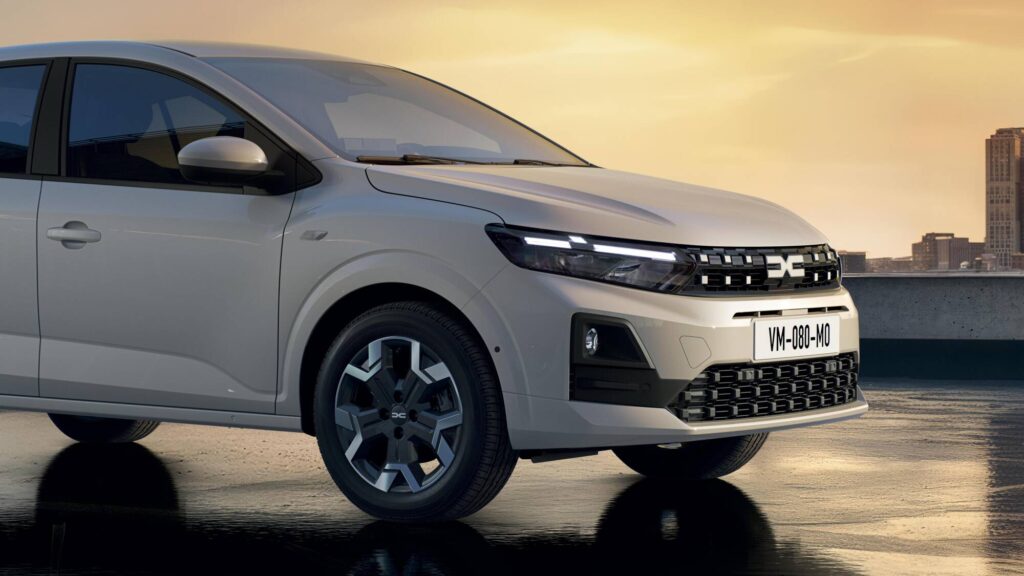
Poor corrosion protection on the Dacia Logan MCV leads to rust on mechanical parts and loss of windscreen adhesive. This mainly affects older models. Early examples from before 2010 are particularly prone to rapid corrosion due to thin paint layers and poor sealing. Later versions benefit from improved galvanisation. They also come with a six-year bodywork warranty. Do you want to know exactly what to look out for and how to avoid expensive repairs?
Where does the Dacia Logan MCV rust the fastest?
Most rust problems on the Dacia Logan MCV occur in places where moisture collects. Damage to the paintwork caused by stone chips also plays a role. The wheel arches pose the greatest risk. Mud and road salt build up there. These substances attack the protective coating. On models from before 2010, rust often starts after just five winters of use.
Sills and side panels are also vulnerable. These parts consist of several welded sections instead of pressed panels. That saves costs. However, the welded seams are weak points. Water penetrates through these seams. This causes corrosion from the inside out. Owners report that on nine-year-old cars the sills regularly show cosmetic rust damage.
The underside and exhaust rust faster than on comparable budget models. This difference relates to the speed of rust formation. On models built in Tangier between 2017 and 2019 this problem is also visible. On the underbody there is sometimes insufficient paint coverage. The exhaust itself is cheap to replace, but preventive checks prevent unexpected costs.
Specific problem areas are:
- Right front wheel arch and under control arms
- Sills where welded seams meet
- Bottoms of doors where the rubber seals are worn
- Weld seams around mechanical components
- Underbody panels without sufficient protective coating
‘ Cost savings in production lead to weak structures. ’
Causes of corrosion on the Logan MCV
Various factors accelerate rust formation. The quality of the paint plays an important role. This especially applies to early models. The top coat is thin. It wears quickly with intensive cleaning. Exposure to stone chips also plays a role. As a result, the metal becomes exposed to moisture and salt. The moisture and salt then cause oxidation.
Cost savings in production lead to weak structures. This mainly concerns the use of cheaper materials and simpler construction methods. Welded side panels with inaccurate seams let water through. Pressed panels would seal better. On examples produced in Morocco additional problems occur. One example is poor sealing of body seams.
Environmental factors worsen the problem. Road salt in the winter months penetrates deep into gaps. It then accelerates oxidation. The right front side is exposed to more dirt and moisture due to the direction of travel. Rust therefore develops there earlier.
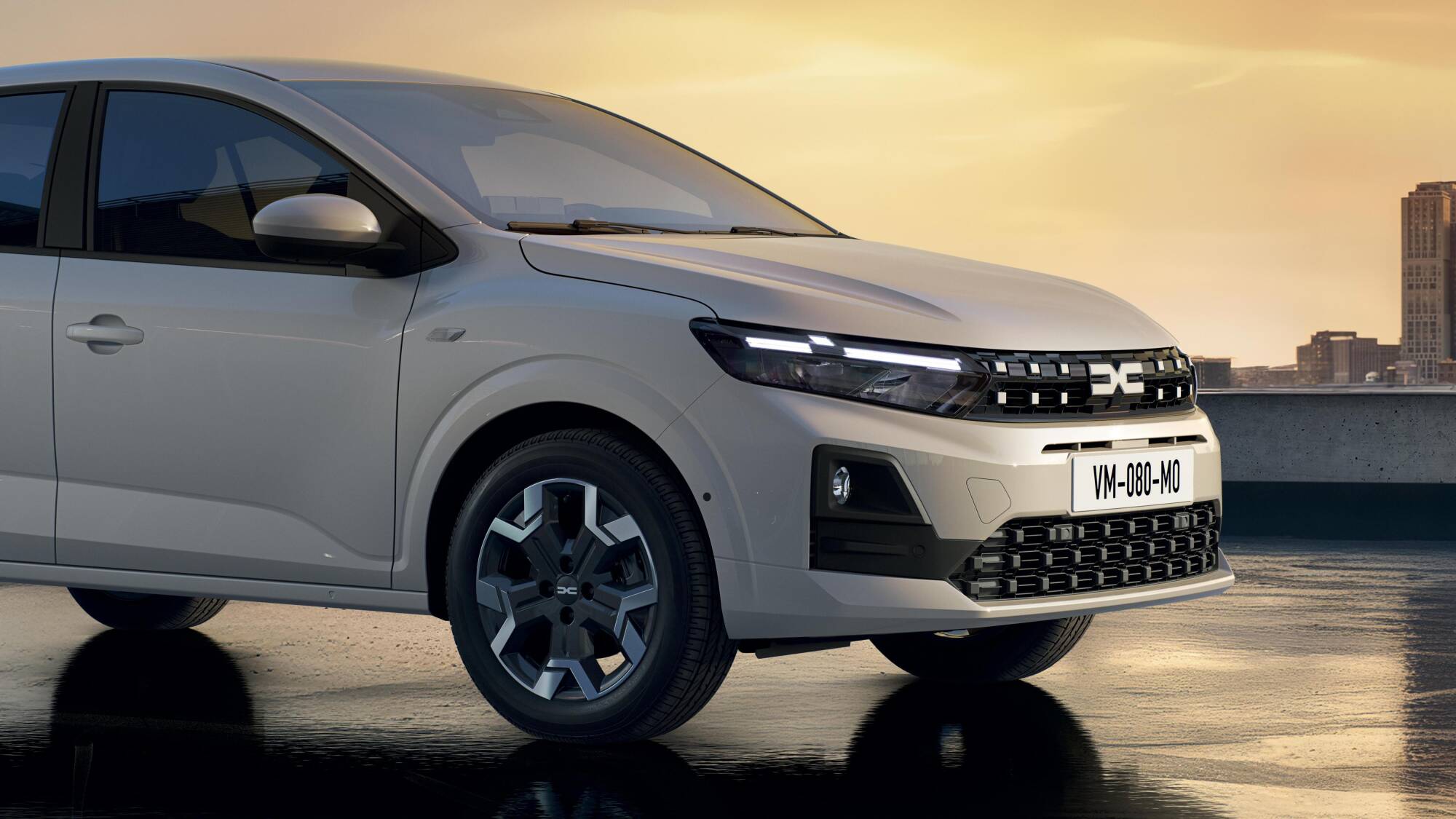
Windscreen adhesive detaching due to corrosion
A less well-known problem concerns detachment of the windscreen adhesive on older Logan MCV models. This occurs when rust forms under the windscreen edge. The bonding layer is weakened as a result. Water seeps in through damaged paint edges. The water attacks the metal around the windscreen opening.
The repair requires removal of the windscreen. Rust spots are then treated with zinc primer and professional adhesive is reapplied. This work costs between 300 and 600 euros. The exact cost depends on how severe the corrosion is. Preventively checking for paint damage around the windows prevents this problem. This measure largely reduces the risk.
Signs that point to detachment include water leaks when it rains and wind noise while driving. Visible detachment of the rubber strip is also a warning. Owners recommend visually inspecting the edges of the windscreen once a year for small cracks in the paint.
When should you take action?
Early rust under windscreen adhesive can sometimes still be stopped. Local treatment is sufficient at this stage. Leakage is a sign that the damage is already extensive. Are you unsure about the adhesion? Then have a specialist check the situation.
Corrosion prevention tips for the Dacia Logan MCV
Regular inspection helps to detect problems at an early stage. In practical terms this means: carry out a check every six months. Inspect the underside thoroughly after each winter. Also check wheel arches and sills. Use a lift or hoist. That way you can clearly see crevice corrosion. Pay particular attention to the right front wheel arch. Dirt and moisture build up there first.
Cleaning is the most important weapon against rust. Rinse the wheel arches with a pressure washer after the gritting season. Treat the underside in the same way. Consistently remove any build-up of mud and salt. These substances hold moisture against the metal. That significantly accelerates rust formation.
Protective coatings provide an extra barrier. Apply a resin or wax coating to the sills and chassis. You do this with aerosol products. Repeat this treatment annually. The coating wears away due to exposure to the elements and mechanical stress. Owners with good experiences share their advice. Applying undercoating immediately after purchase makes the difference.
Practical steps for prevention:
- Rinse the underside thoroughly at least twice a year
- Apply protective coating immediately after purchase
- Replace worn door seals to maintain watertightness
- Ideally park under cover and avoid long periods of standing outside
- Have paint damage treated immediately with zinc primer
‘ Otherwise the safety of the car is at stake. ’
Repairing existing rust damage
For early-stage rust, sanding and applying primer is sufficient. This is then followed by touching up the paint. Always use zinc primer on weld seams. This primer protects metal-on-metal contact better than regular primer. You can carry out this work yourself with basic tools. Materials cost around 50 euros.
Advanced rust requires professional help. This includes rust that has penetrated multiple layers of material or affected the structure. Welded patches or full panel replacement cost between 200 and 800 euros per sill. The exact cost varies from case to case. The extent of the damage determines the price. For structural rust on the chassis or control arms, replacement is essential. Otherwise the safety of the car is at stake.
The exhaust system is best replaced preventively after five to seven years of use in salt-rich areas. Salt accelerates corrosion of exhaust systems particularly strongly. This prevents problems during the MOT test. The cost is less than 200 euros when using an aftermarket exhaust.
Warranty and manufacturing defects
Dacia offers a six-year bodywork warranty up to 150,000 kilometres. This warranty covers rust damage to the bodywork caused by manufacturing defects. Claim this in the event of rust caused by factory faults. Examples include poor galvanisation and detachment caused by production issues. Document the damage with photos. Then have a dealer assess whether the warranty applies.
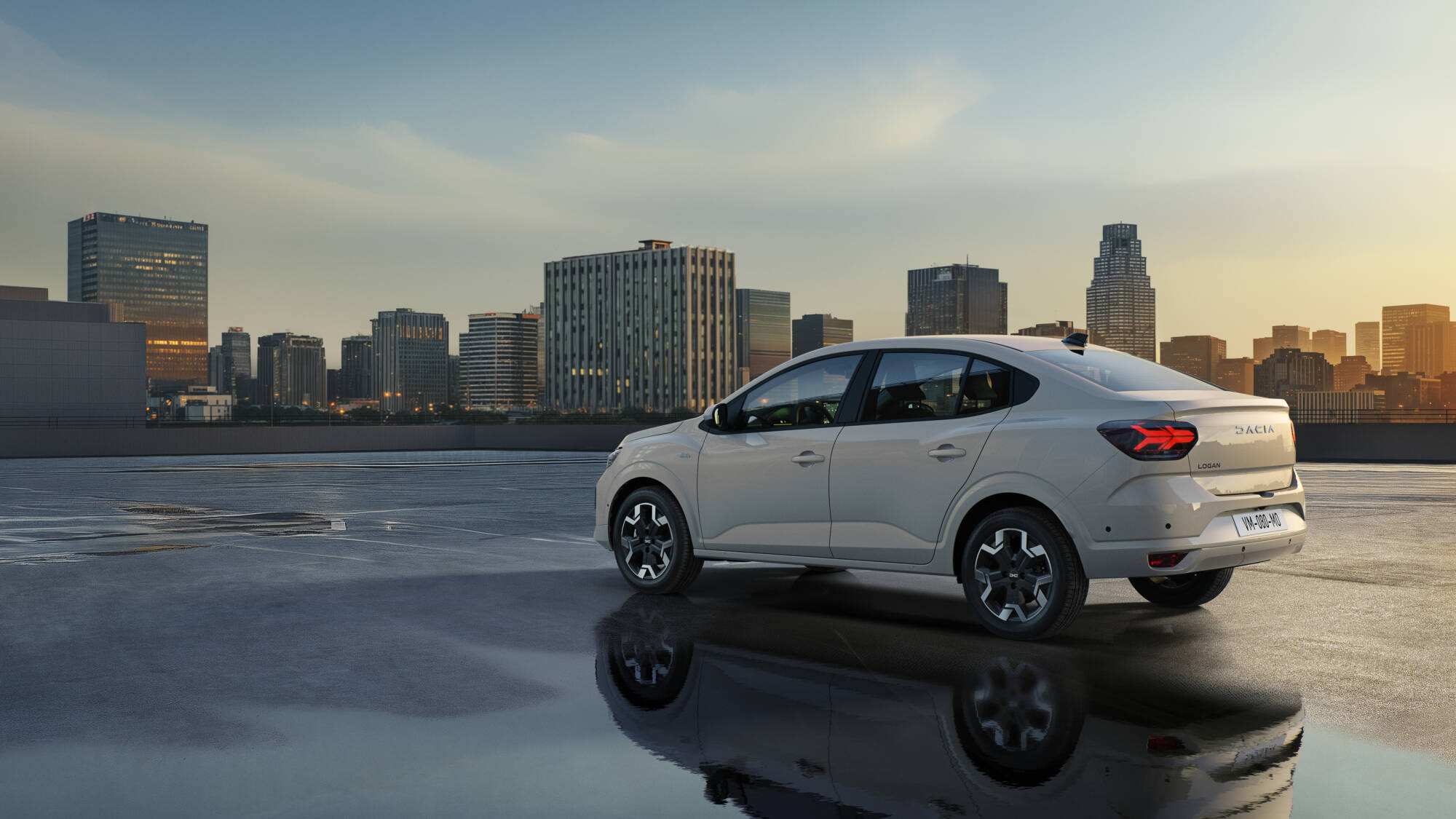
Differences between model years
Models from before 2010 have the most corrosion problems. The cause lies in thin paint layers and insufficient curing during assembly. The 2010–2013 period brought improvements thanks to better galvanisation. However, poor sealing remained a point of concern.
From 2013 onwards Logan MCV models perform better than the early series. They have a more durable paint layer and are less prone to rust. These versions have thicker paint layers. They also have improved seams. Even so, owners of examples built in Tangier between 2017 and 2019 sometimes report underbody problems. The cause lies in varying production quality between different factories.
Recent models with TCe engines have the best factory protection. This means that the paint layers are thicker and the galvanisation is more thorough. When buying a used car, a post-2017 example is preferable. Do have the bodywork thoroughly inspected. Measure the paint thickness on wheel arches and sills. That way you can spot previous repairs or early corrosion.
Is prevention enough to keep rust under control?
On later Logan MCV models, rust remains manageable with consistent maintenance. In practice this means: cleaning regularly, applying coating annually and repairing paint damage in good time. Investing in protective coating immediately after purchase prevents most problems. This applies especially to wheel arches, sills and weld seams. Owners who treat their car every year report the same thing. Even after ten years of use in the Netherlands the bodywork remains rust-free.
For used-car buyers the following applies: always have an inspection on a lift carried out. Also measure the paint thickness before you buy. Early-stage rust is no reason to walk away from a purchase. Do factor the repair costs into your price negotiations. Structural rust on the chassis or control arms does call for extra caution. This means: have a technical specialist assess whether safety is compromised.
The Logan MCV offers practical space at low cost as a budget model. With the right prevention and timely repair of weak spots, corrosion remains manageable. Corrosion then does not turn into an expensive cost item. Carry out a thorough inspection of the underside, wheel arches and sills at least twice a year.
Frequently asked questions
The most common rust spots on the Dacia Logan MCV are the wheel arches and underside, the sills and side panels, the bottoms of the doors (around the seals) and parts of the running gear such as the exhaust and weld seams on the control arms. Early detection is possible by inspecting the car at least once a year on a lift or with a jack and good lighting, especially after the winter period with road salt. Look out for small blisters in the paint, brown discolouration along seams and around the seals, and if necessary use a screwdriver to lightly scrape any suspicious areas. Paying extra attention to the right-hand front side and inner edges of the wheel arches helps you spot early rust sooner.
On the Dacia Logan MCV, rust-prone areas such as the underside, wheel arches, sills and door bottoms are known structural weaknesses, partly due to thin paint, welded sill constructions and sometimes poor sealing. On older examples (especially pre-2010) and cars used in salty climates, rust can develop from seams and from inside the sills, which in the long term can reduce structural rigidity and therefore safety. In practice this usually leads first to cosmetic damage and welding repairs on sills and underside, but in cases of advanced corrosion this can result in MOT failure and high repair costs. With timely inspection, rust protection and repair, the service life usually remains long, but neglect can significantly shorten the usable life of the car.
Yes, in particular the early Dacia Logan MCV models from before about 2010 are known to be clearly more prone to rust and body defects. On these model years you mainly see rust on the underside, wheel arches, sills and door bottoms due to thinner paint and poorer finishing of seams. Later model years (roughly from 2013 onwards) have better factory rust protection and a longer body warranty, so they generally show fewer corrosion problems. However, regular checks of the underside and sills remain important on all model years, especially in countries where road salt is used.
Owners can thoroughly clean the underside, wheel arches and sills after each winter (preferably with a pressure washer) and have these areas treated once a year with a wax, Tectyl or underbody coating. Early rust spots should be sanded back to bare metal straight away, treated with zinc primer and repainted to prevent further spread. Regularly checking and, where necessary, replacing the door seals prevents water from remaining in the sills and door bottoms. In addition, it helps to park the car as dry as possible and avoid long periods of standing still in a damp environment.