
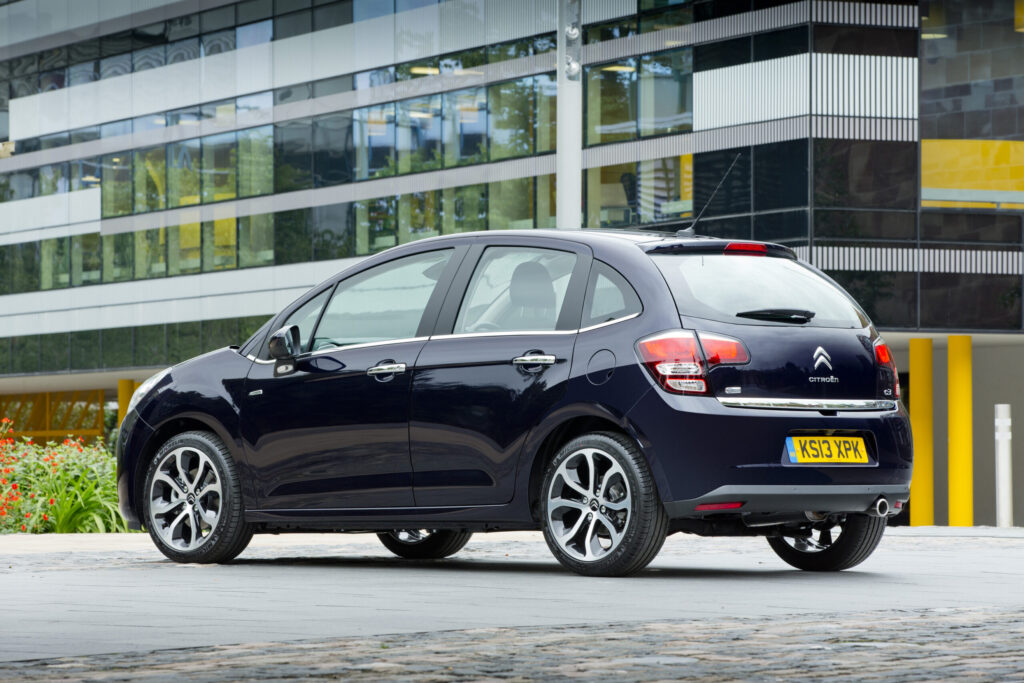
In the Citroën C3, H7 bulbs last on average about four months. Owners regularly report error messages about the lighting system. The problem often does not lie with the bulb itself. Poor plug connections, oxidation and sensitive electronics are usually the cause. This article explains the specific causes, useful checkpoints and advice on replacement bulbs.
Lighting faults in the Citroën C3 are a recurring theme in owner experiences. Owners regularly report problems with short-lived bulbs. Rear lights, brake lights and dipped-beam headlights in particular are often mentioned in the list of Citroën C3 complaints. The multiplex electronics, the system that controls the communication between the different modules in the car, react sensitively to contact problems. Minor defects therefore quickly show up on the dashboard as full-blown bulb faults.
Causes of bulb failures in the Citroën C3
The relatively short service life of bulbs in the C3 is usually not due to poor bulb manufacturing. A combination of electrical and mechanical problems is responsible. Plug connections in the light units are prone to oxidation, especially in the rear lights. Moisture and vibrations while driving make poor contact worse. As a result, the bulb regularly cuts out or triggers an error message.
The C3’s electronics continuously check whether all bulbs are working. A warning quickly appears if there is a deviating resistance. Corrosion or a loose holder are often the cause. This explains why a message sometimes appears while the bulb still appears to work visually. Accessories can cause extra load. A tow bar without a specific wiring kit can, for example, cause faults. These faults resemble genuine bulb failures.
Poor contacts and oxidation
The rear lights in particular suffer from oxidation in the plug connection. This is a known weak point on the C3 Type 2, the second generation built between 2009 and 2016. Always check the holder and the plug as well when a bulb is replaced. Corrosion on the contact points is often visible as a green or white deposit. Clean the contacts with contact cleaner. Replace the holder if the metal has been affected.
Sensitive electronics
The C3’s body control electronics are designed to detect any deviation in the lighting circuits. Small changes in voltage or resistance are already recognised as a defect. This makes the system effective. At the same time, it is sensitive to faults that have nothing to do with the bulb itself. Recurring error messages can appear after bulb replacement. In that case, the wiring and the software also need to be checked.
‘ Skin oils must be kept off the glass. ’
Best replacement bulbs for the Citroën C3
On the Citroën C3, dipped-beam headlights usually use H7 bulbs. Where possible, use replacement bulbs from established brands. Philips, Osram and Bosch are reliable choices. These manufacturers apply stricter quality control and provide light output that matches the safety requirements and the car’s electronics.
Choose standard bulbs rather than extra bright or coloured versions. The C3’s electronics are tuned to a specific resistance and light output. The on-board computer expects a certain value and light intensity to function correctly. Non-standard bulbs can trigger error messages more quickly. They may also fail sooner due to voltage spikes. When purchasing, check the correct specifications. Voltage, wattage and holder must match the original bulb exactly. Check this information in the owner’s manual or on the old bulb.
Also check the holder and connectors
A new bulb alone is not always enough. Inspect the bulb base and plug for corrosion, contamination or damage. If necessary, replace the complete holder to prevent future faults. Use gloves or a clean cloth when fitting. Skin oils must be kept off the glass. Greasy marks can cause burn spots and a shorter service life.
Diagnosing lighting system faults in the Citroën C3
First systematically check all lighting functions. Start with a visual check. Dipped-beam, main beam, brake lights, rear lights, indicators and fog lights all need to be tested. Make a note of exactly which functions are failing. Also check whether the fault is constant. A fault can also occur intermittently.
Next, check the fuses in the fuse box. The owner’s manual shows which fuse belongs to which group of lights. A blown fuse can be replaced easily. Sometimes the new fuse blows immediately as well. In that case there is a deeper electrical problem in the wiring or in a connected component.
Checklist for DIY inspection
- Check the bulb itself for burnout or visible damage
- Inspect the holder and plug for corrosion, play or moisture
- Test the fuses with a test light or multimeter
- Check visible cables for kinks, wear or damage
- Clean the light sensor on the dashboard if the automatic lights behave illogically
- Test earth connections; a poor earth point can cause intermittent faults
When professional diagnostics are needed
The error message can return after replacement of the bulb, fuse and plug. In that case, diagnostics using specialist software are needed. The body control module, the control unit for comfort and lighting functions, and the comfort electronics store fault codes that indicate where the problem lies. A software update can help with persistent messages that do not match the actual status of the bulbs.
Sometimes several faults occur at the same time. Error messages can also appear after a tow bar has been fitted. The multiplex electronics are then probably the cause. A specialist workshop can help in that case. The workshop will check the car’s electrical wiring and modules. The correct interface or relay solution can then be installed.
Preventing problems and spotting them early
Regular maintenance of the lighting system prevents many faults. Clean light units and lenses a few times a year. That removes dirt and insects. This improves light output. It also ensures faults do not go unnoticed. At every change of season, check that all bulbs work. Also check that plugs are firmly in place.
Watch out for changes in the behaviour of the lights. A bulb may flicker or cut out now and then. This often points to poor contact rather than a blown bulb. Deal with poor contact straight away. A bad connection can eventually damage other components in the electronics. The bulb may also fail more quickly.
Tow bar and additional accessories
On the Citroën C3, a tow bar regularly leads to error messages relating to the lighting system. This happens when the tow bar is not connected using the correct wiring kit and interface. Without an interface from the car manufacturer or a suitable relay solution, the body control module recognises the extra load as a defect. Invest in a Citroën-specific wiring kit that is matched to the car’s electronics. This prevents faults and protects the system from overloading.
‘ Such faults are difficult to track down. ’
What to do about persistent faults
The error message can keep coming back. This can also happen after replacing the bulb, plug and fuse. The cause is then probably a software or wiring problem. In practice, C3 owners report that a software update at the dealer helps with recurring error messages without an obvious cause. The update adjusts parameters so the electronics become more tolerant of small deviations in the system.
On older cars or cars with a high mileage, the wiring itself may be affected. Cables can be damaged by vibrations or moisture. These cables cause intermittent faults. Such faults are difficult to track down. A thorough inspection can then provide clarity. The wiring looms, the bundles with multiple wires running between different components, then need to be checked between the fuse box and the light units.
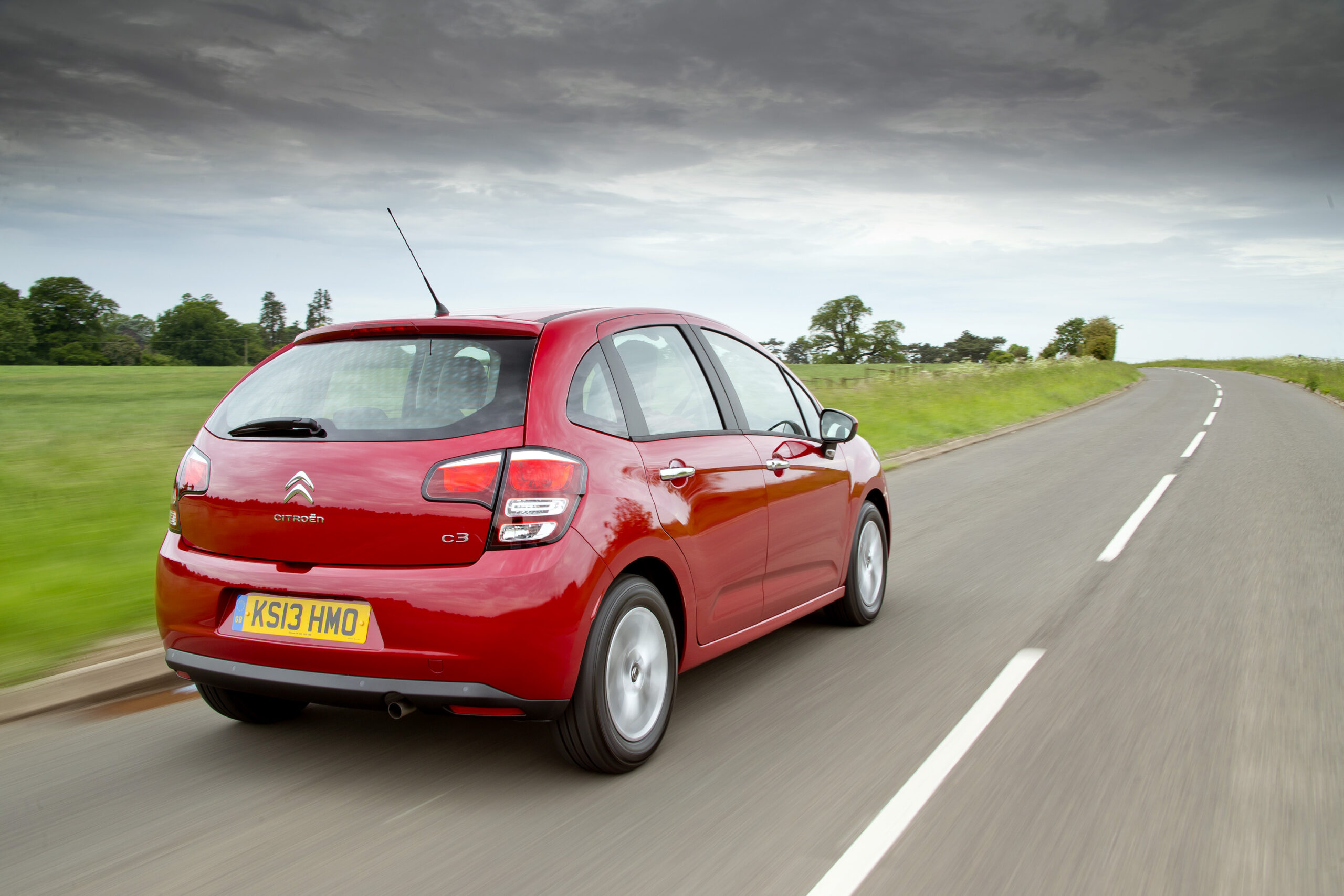
Practical tips from owner experiences
On car forums, C3 drivers regularly share their experiences with lighting faults. Owners advise not to just replace the bulb. Also inspect the plug connection and holder straight away. This prevents the same error message from reappearing after a few weeks. Other owners recommend keeping the light sensor on the dashboard clean; a dirty sensor interferes with the automatic lighting and can cause confusion about how the automatic headlight system works.
For a tow bar, the advice is unambiguous: always use a relay solution or interface that has been developed specifically for the C3. A cheap universal kit may work, but often causes problems with the electronics. A brand-specific wiring kit costs more to buy. However, the extra cost is offset by the savings on error messages and software updates.
Find out more about the Citroën C3
Lighting faults are a well-known point of attention on the Citroën C3. The problems are often easy to resolve. Paying attention to plug connections and electronics is important. On the Carnews website you will find many more articles about car problems, maintenance tips and experiences with different makes and models. Discover what other car enthusiasts report and how to tackle technical challenges in the best way.
Frequently asked questions
Common defects affecting bulbs and lighting on the Citroën C3 include faults in the rear lights, brake lights, dipped-beam lights and the automatic headlight function. The causes are often poor plug connections, oxidation in bulb holders, blown or overloaded fuses and problems in the wiring. On C3s with a tow bar, error messages occur due to an incorrect or missing tow bar-specific wiring kit, causing the multiplex electronics to log faults. Dirty or defective light sensors can also lead to unpredictable behaviour of the automatic lights.
Start by testing exactly which lights are misbehaving (dipped-beam, brake light, rear light, indicator, fog light) and check whether the relevant bulb is actually defective. Then inspect the holder and plug for corrosion, loose contact or moisture, and clean or tighten them if necessary. Next, check the corresponding fuses and examine any visible wiring and earth connections for damage or poor contact. If you have a tow bar or automatic lights, check that the correct tow bar kit with interface has been installed and clean the light sensor on the dashboard if the automatic light function behaves strangely.
1. Switch off the lights and ignition, open the bonnet or boot and locate the relevant light unit; remove the cover or trim if necessary. 2. Disconnect the plug from the light unit, twist or unclip the bulb holder and remove the faulty bulb from the holder. 3. Fit a new, identical bulb in the holder (avoid touching the glass on halogen bulbs as much as possible), refit the bulb holder, reconnect the plug and refit the cover/trim. 4. The tools required are usually just your hands, but you may need a screwdriver (cross-head/flat-blade) or a small socket or Torx set to remove trim or the light unit.
It is sensible to have lighting faults on your Citroën C3 repaired by a professional if bulb faults keep returning, several bulbs fail at the same time, messages continue to appear after a bulb has been replaced, or if wiring, plug or software problems are suspected (for example after a tow bar has been fitted). A garage can then use diagnostic equipment to systematically check the body/comfort electronics, wiring and plug connections. For a simple bulb replacement you will typically pay around €10–€30 (including basic labour), but for more complex electrical or multiplex faults, labour and diagnostic costs can roughly rise to €80–€200 or more, depending on the time and parts required. For persistent or multiple faults, always ask for a diagnostic estimate first.
Yes, you can regularly check and clean the plug connections, bulb holders and earth connections of the lights to prevent oxidation and poor contact. Use quality bulbs with the correct wattage and do not touch the glass of halogen bulbs with bare hands, so they are less likely to fail prematurely. Keep the headlamp units and rear lights clean and periodically check the fuses and visible wiring for damage or corrosion. If you have a tow bar, use a vehicle-specific wiring kit with relay/interface to prevent electrical overloading and error messages.