
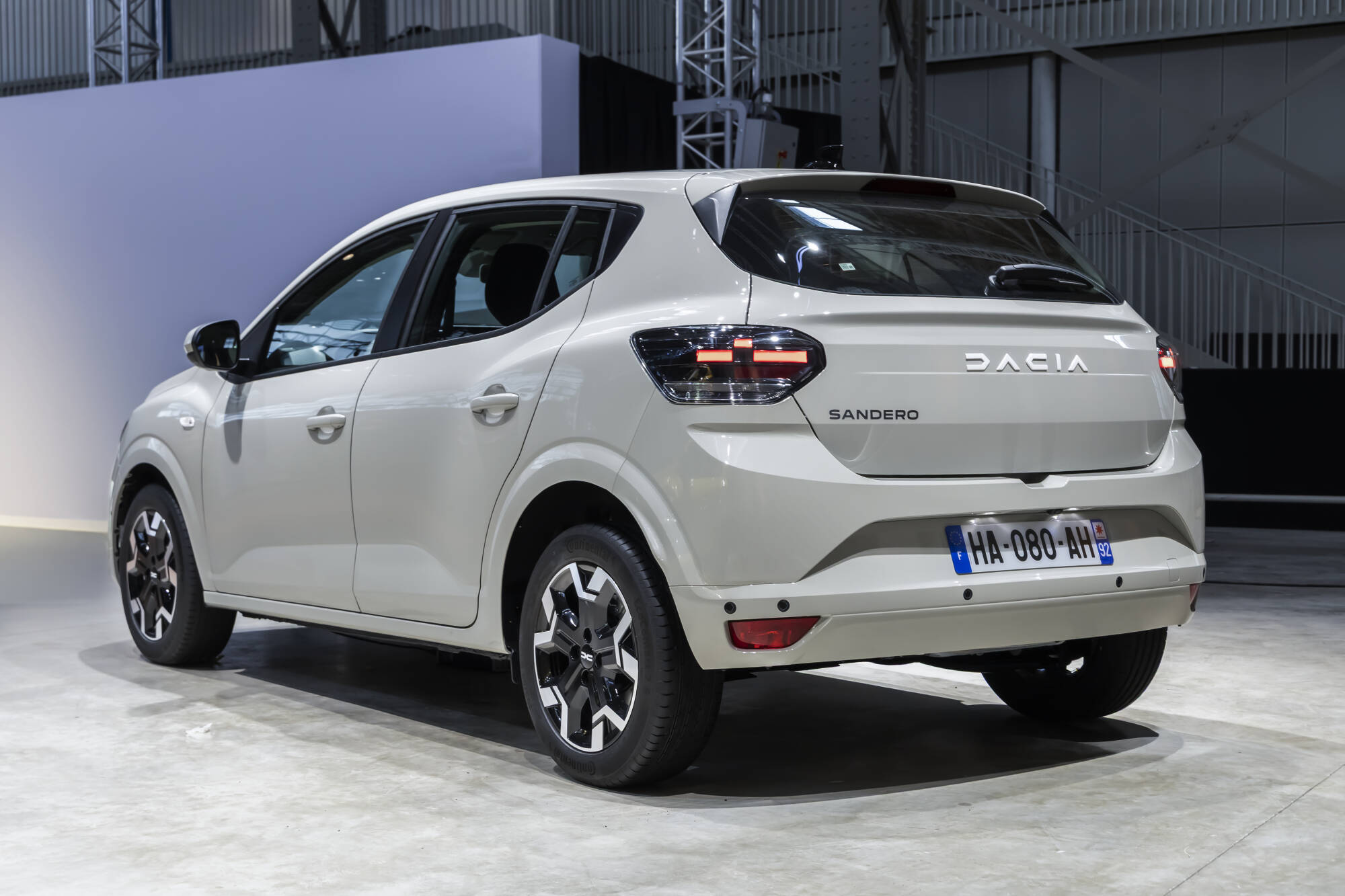
Faults in the lighting system and dipped beam that suddenly cuts out due to electronic failure occur regularly in various car brands. These faults are often caused by wear in the light switch or electrical components. The cause is usually simpler than you think and can often be solved yourself. Find out which problems can occur and how to tackle them.
Dipped beam fails or only works intermittently
A common problem is that both dipped beams suddenly stop working, while main beam and sidelights continue to function normally. In this situation, there is no measurable voltage at the bulbs, even though the switch is in the on position. This problem may temporarily disappear and then return, which makes it difficult to trace the cause.
The fault is usually caused by a defective light switch whose mechanism falls apart or creates incorrect connections. Owners of various models report this as a classic defect. The symptoms alternate between periods when everything works fine, followed by sudden failure. This problem is common in the Dacia Sandero, but it is certainly not exclusive to this model.
First measure the voltage at the bulbs with the switch in the on position. Then check the fuses under the dashboard. Test the switch by tapping it lightly or moving it. If the problem occurs intermittently, the switch is almost always the culprit.
‘ A faulty switch is often the sole cause of this type of fault. ’
Switch shows incorrect behaviour
Sometimes the dipped beam is on when the switch is in the off position, or the light dims unintentionally in other positions. In these cases, the rear lights usually still work correctly and the dashboard lighting responds normally. This points to a mechanical defect in the switch itself.
The lighting is mechanically controlled via the light switch, without the intervention of relays, circuit boards or the onboard computer. This makes diagnosis relatively straightforward. A defective switch is often the only cause of this type of fault. Replacing the switch usually solves the problem immediately.
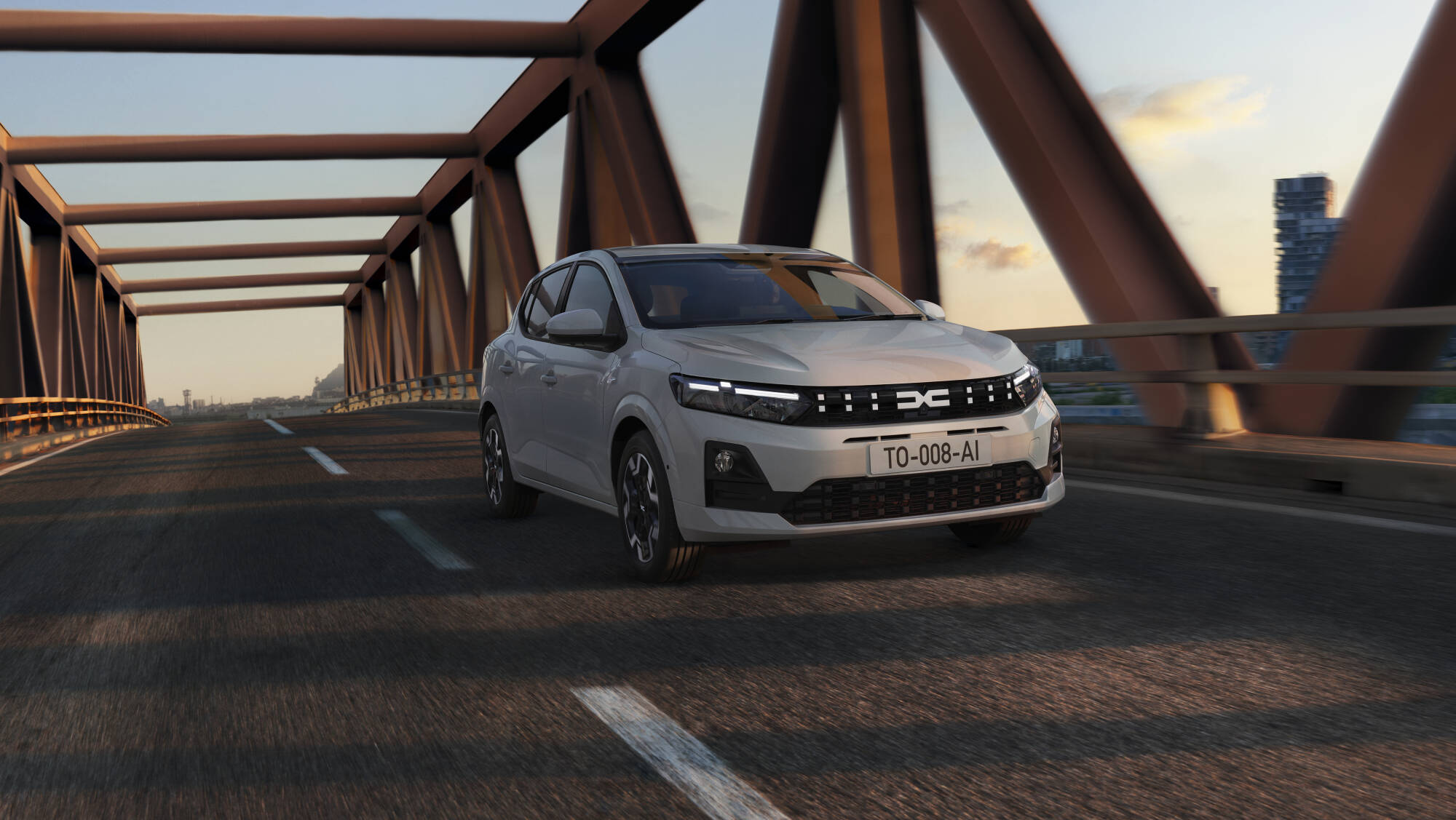
Weak or flickering lights due to power supply
Bulbs that glow dimly or flicker while driving often indicate problems with the battery or wiring. A weak battery leads to dim lights or inconsistent operation of the lighting system. Replacing the battery does not always solve the problem, as the switch itself may be defective.
Check the battery voltage. It should be at least 12.6 volts with the engine off. Also inspect the battery terminals for oxidation or loose connections. Clean the terminals and test the connections. Loose or oxidised terminals can cause flickering and failure of the lights. Bare wiring can have the same effect.
Fuses as first check
Before you replace more complex components, check the fuses. The lighting system usually has a main fuse of 20A, where A stands for ampere, and two 7.5A fuses per side under the dashboard, two separate fuses per headlamp. These can blow due to a short circuit in a bulb or the wiring.
Pull the fuses out and inspect them visually. Replace blown fuses immediately. Then test the system again. Blown fuses may also indicate a defective bulb that is affecting the entire circuit. Swap bulbs to rule this out.
Bulbs themselves as a disturbing factor
A blown bulb can simulate a short circuit and thereby affect the entire circuit. This happens especially with halogen H7 bulbs used for dipped beam. Test bulbs by swapping them with working examples of the same specification.
Condensation inside the lights is normal and disappears during use. This does not necessarily cause a fault. Only if the bulb continues to flicker or does not work at all is replacement necessary. Always choose bulbs according to the manufacturer’s specifications.
‘ It is a mechanical solution to a mechanical problem. ’
Replacing the light switch is simple
Replacing the light switch is a simple job that you can do in 10 to 15 minutes. You do not need to loosen the steering column. Undo two bolts under the steering column and pull the trims off via the clip mechanism. Unscrew the switch and disconnect the plug. Fit the new switch in reverse order.
Owners report that after replacing the switch, the lighting system often works trouble-free for years. The parts are affordable and available from most car parts shops. It is a mechanical solution to a mechanical problem.
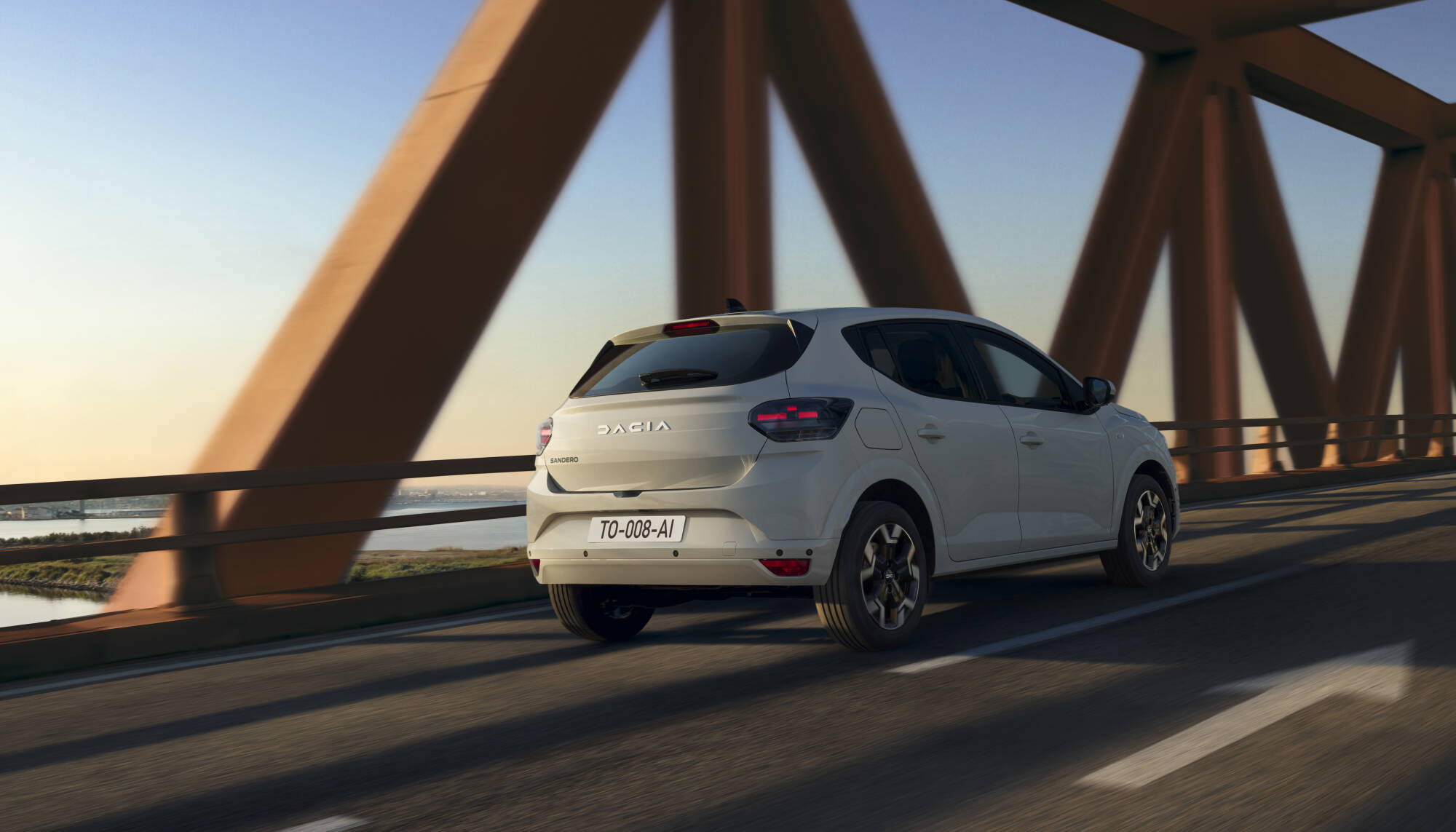
Warning lights point to further problems
Amber warning lights on the dashboard, such as a sawtooth or heartbeat symbol, indicate faults in the lighting system. Sometimes the dipped beam icon lights up incorrectly, pointing to an error message in the system. These signals may be linked to the light switch, but sometimes also to deeper electronic issues.
If warning lights stay on after checking fuses, bulbs and switch, a diagnosis at a garage is necessary. The dealer can read out the system and determine whether there is a fault in the ABS, charging system or engine management that is linked to the lighting.
Prevention avoids night-time problems
Regular inspection of fuses and wiring prevents many lighting problems. Check the wiring for wear, especially on older cars. Avoid forcing the steering wheel when the steering lock is engaged, as this can damage the switch.
Keep the battery in good condition by regularly checking the voltage. A weak battery makes lighting problems worse. Charge the battery or replace it if the resting voltage is below 12.4 volts. Acting early prevents you from being stranded in the dark with failed lights.
‘ Have this checked in good time to avoid safety risks. ’
When you should go to the garage
If DIY work does not help, or if red warning lights are on, professional help is needed. Some faults are linked to more complex electronics that are not visible without diagnostic equipment. A fault can still occur in low-mileage cars, despite recent servicing.
A garage can scan the system and track down deeper electronic problems. This is especially important if several systems fail at the same time or if the problem keeps coming back after several repairs. Have this checked in good time to avoid safety risks.
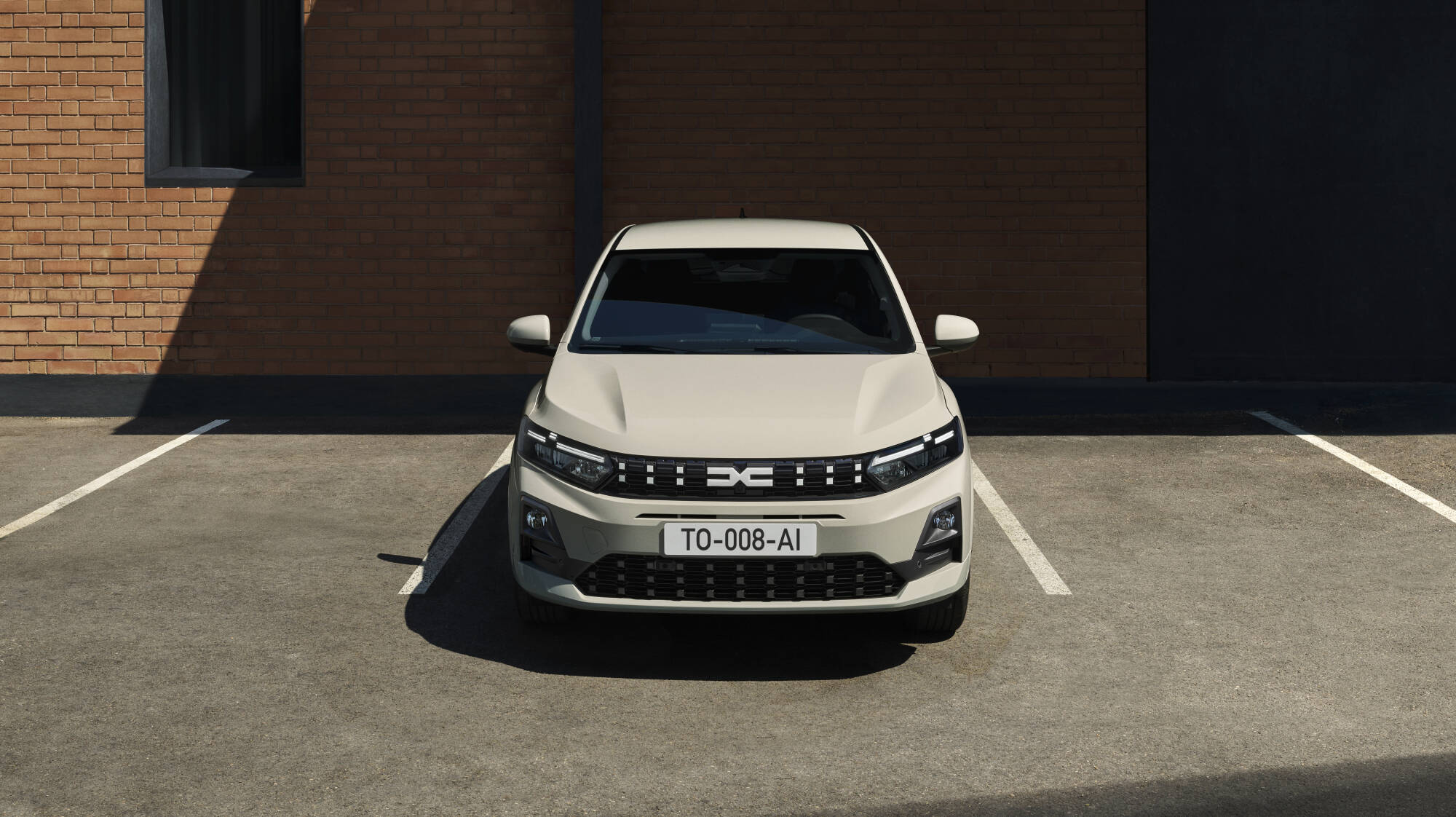
Find more help with car problems at Carnews
Lighting problems are annoying but often easy to solve with basic knowledge and the right approach. Whether you are dealing with a defective switch, blown fuses or a weak battery, most faults can be resolved without expensive repairs. On the Carnews website you will find much more information about common car problems, maintenance tips and practical solutions for different makes and models. Discover more and keep your car in top condition.
Frequently asked questions
You can recognise the most common lighting problems by dipped beam that cuts out or flashes, while main beam and sidelights often still work. Pay attention to strange behaviour of the light switch, such as bulbs that stay on in the ‘off’ position, or sometimes do not work at all. Weak, dull or flickering lighting can point to a problem with the battery, wiring or earth connections. If you have problems, always check the bulbs and fuses first, and consult a garage if the fault keeps coming back.
First check whether the correct bulb has actually blown by switching the lights on and walking around the car. Then replace the defective bulb (for example H7 for dipped beam) by removing the headlamp cover, undoing the plug and spring clip, swapping the bulb and refitting everything securely. Check and, if necessary, replace the corresponding fuse(s) in the fuse box under the dashboard. If the lights still do not work, or cut out intermittently, the light switch itself is often defective and it is best to have it replaced.
In the Netherlands, universal LED upgrades in existing halogen headlamp units are in principle not permitted on public roads, unless the complete headlamp unit (bulb + reflector/lenses) as an LED system has an official type approval. LED generally provides whiter and brighter light, a longer service life and lower energy consumption than halogen. Compared with xenon, LED is often faster, requires less maintenance and is more energy efficient, but xenon can still provide slightly more powerful light and better range in certain systems. A disadvantage of separate LED upgrade bulbs is that the light beam is often poor, causing dazzling of oncoming traffic, and the car may fail the Dutch MOT (APK) or be rejected at a police check.
Lighting problems reduce your visibility and your view of the road, which increases the risk of accidents, especially in the dark or in bad weather. Defective or non-working (dipped) headlights are a reason for failure at the MOT (APK), meaning your vehicle will not be approved until the fault has been fixed. Incorrectly adjusted headlamps (too high or too low) can also lead to failure and can dazzle other road users. It is therefore important, if you notice suspicious symptoms (flickering bulbs, lights that sometimes work and sometimes do not), to have the cause fixed quickly before the MOT and your own safety are put at risk.
Condensation in the headlamp is usually caused by temperature differences and normal humidity in the unit; this often disappears by itself when the lights have been on for a longer period of time. If the headlamp stays damp for a long time or you can actually see water droplets, there may be a leaking seal, damaged lens or a poorly closing rear cover/rubber cap. You can prevent this by fitting all rubbers and caps properly and cleanly, having cracks in the housing or breaks in the lens repaired, or replacing the unit. If moisture persists, have the headlamp checked for hairline cracks and leaking joints, and if necessary dried professionally and resealed.