
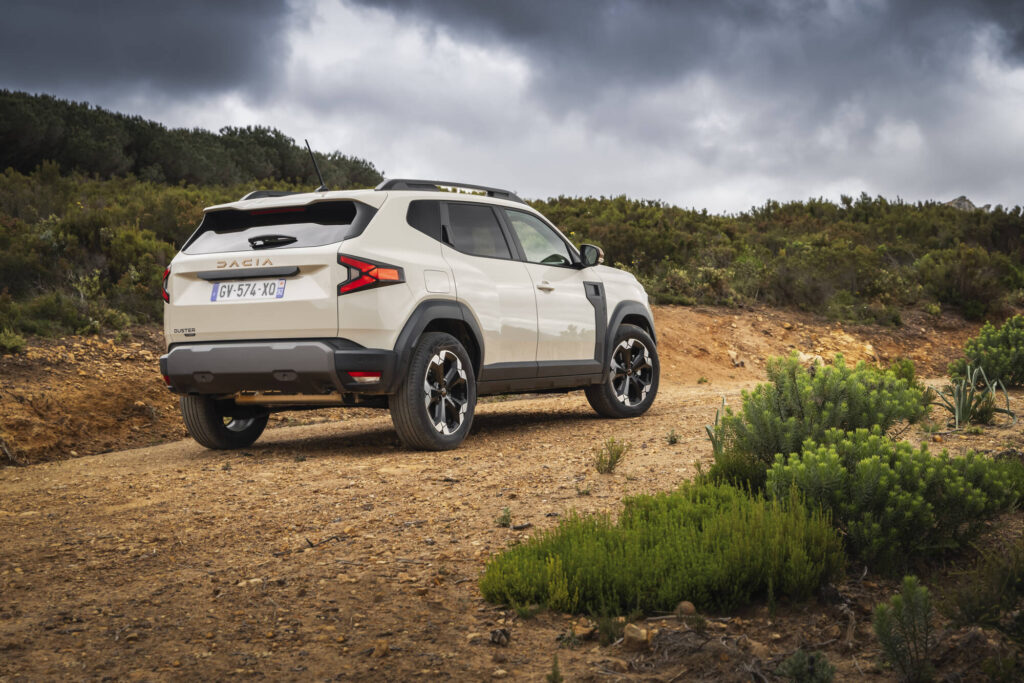
The start-stop system of the Dacia Duster turns out to be a source of frustration for many owners: it regularly refuses to work, switches off unexpectedly and costs more in maintenance than it delivers in fuel savings. The causes are often a voltage that is too low in the battery, faulty sensors or software errors that block the system. Discover why your start-stop function is failing and what you can do about it.
Why does the start-stop system stop working?
The start-stop system in the Dacia Duster automatically switches the engine off when stationary, for example at a traffic light, and restarts it when you release the brake or clutch. The system activates automatically when you start the car and operates under specific conditions, such as a low speed below 5 km/h and sufficient brake pressure. Despite the promised fuel savings, owners often experience that the system does not work or operates unreliably.
The main cause lies with the battery. As soon as the voltage drops below 12 to 12.5 volts, the system blocks automatically to prevent the engine from being unable to restart. This problem occurs mainly after short journeys or in winter, when the battery is not sufficiently charged. For start-stop systems an AGM battery (Absorbent Glass Mat – a special battery with a fibreglass mat that can better cope with frequent discharge cycles) is required, which is more resistant to frequent discharge cycles than a standard battery.
In addition, engine temperature plays an important role. Immediately after starting or reversing, the system refuses to work until the engine has reached its optimal operating temperature. Extreme outside temperatures, both cold and heat, can also temporarily switch the system off. Other factors that have an influence are a low fuel tank level, a high load on the air conditioning, DPF regeneration in diesels, and safety checks such as an open door or an unfastened seat belt.
Common faults and their solutions
Many Duster owners report annoying problems with the start-stop system. The engine restarts unexpectedly on uneven terrain, the battery wears out more quickly and forums regularly feature complaints about the limited fuel savings compared with the high repair costs. In diesel models with a particulate filter, shut-down frequently occurs during DPF regeneration (the automatic burning off of soot in the filter), because the engine then needs to run continuously to clean the filter.
The most common causes and solutions at a glance:
- Low battery voltage: Check the voltage with a multimeter and charge or replace the battery if it drops below 12 volts. Ideally choose an AGM type specifically suitable for start-stop systems.
- Recent actions: Wait a few minutes after starting or reversing before the system activates. Check the engine temperature via the service menu on the dashboard.
- Climate control at full power: Turn the air conditioning down or switch it off temporarily to reduce the electrical load.
- DPF regeneration on diesel: Recognise the symptoms such as increased revs and fan noise. Keep driving until the process has finished.
- Safety checks: Close all doors, fasten your seat belt and check that the bonnet is properly closed.
Does a warning message saying “Check Stop & Start” appear on the dashboard? Then there is a system fault that requires diagnosis at a garage. With an OBD2 scanner (a device for reading fault codes) you can read out the codes yourself to find out whether the problem lies with a sensor, the battery or the software.
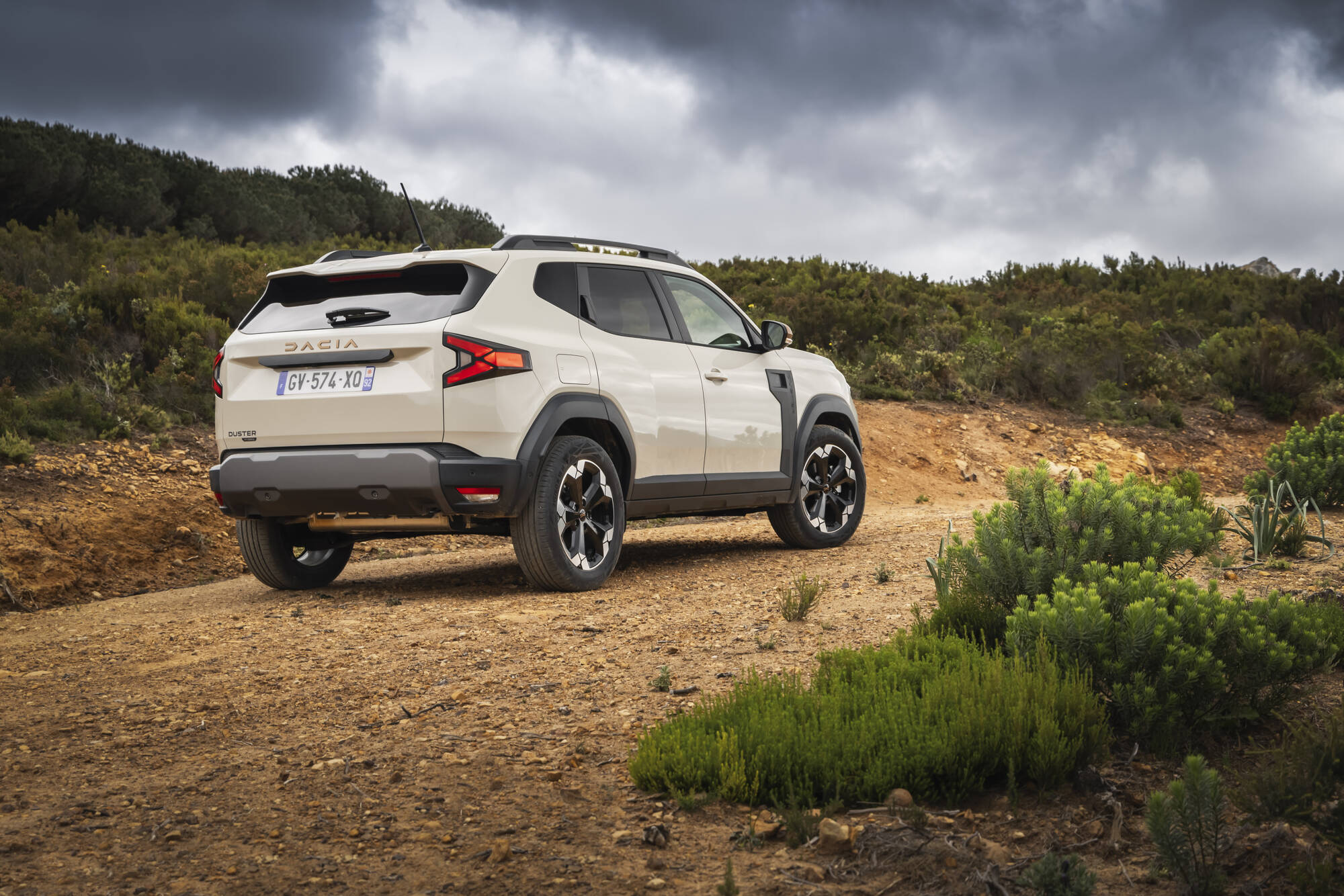
How do you reset the start-stop system?
Resetting the start-stop system can help when it suddenly stops responding. The simplest method is to disconnect the battery for a few minutes so that all systems are initialised again. Make sure you have the radio and navigation codes to hand before you do this.
Another option is to use an OBD2 scanner to clear fault codes. These scanners cost between 20 and 50 euros and immediately show which sensors or systems are reporting a fault. If problems persist, a software update at the dealer may be required, especially on older Duster II models known for software errors in the start-stop system.
Many owners choose to manually switch the system off via the button on the dashboard every time they start the car. The indicator light and a message confirm deactivation. Note: the system reactivates itself automatically as soon as you restart the engine, so you have to repeat this action for every trip.
Permanent deactivation as an alternative
For those who suffer from the start-stop system on a structural basis, there is a permanent solution: a plug-and-play module that blocks the system without affecting other functions. These modules simulate an active status but prevent the system from actually operating. Installation takes less than a minute and the button on the dashboard continues to work as normal.
This is a popular solution among Duster owners who prefer control over theoretical fuel savings. Do note: check in advance whether using such a module affects your manufacturer’s warranty. On newer models the dealer may detect this during a service visit.
‘ Compared with the fuel savings, which in practice are often no more than 5 per cent in urban traffic, for many owners the maintenance costs do not outweigh the benefits. ’
What does repairing the start-stop system cost?
The repair costs depend heavily on the cause of the fault. A new AGM battery for the start-stop system costs between 150 and 250 euros, depending on the brand and capacity. In the case of a defective sensor, the costs are between 50 and 150 euros for the part, plus labour for diagnosis and installation.
Software updates at the dealer are often free if the car is still under warranty. Outside the warranty period, dealers charge between 50 and 100 euros for diagnosis and installing updates. For owners who regularly make short journeys, it is worth investing in a battery tester or an OBD2 scanner to detect problems at an early stage.
Compared with the fuel savings, which in practice are often no more than 5 per cent in urban traffic, for many owners the maintenance costs do not outweigh the benefits. Owners of diesel models with a particulate filter and mainly short journeys in particular experience faster battery wear and higher replacement costs.
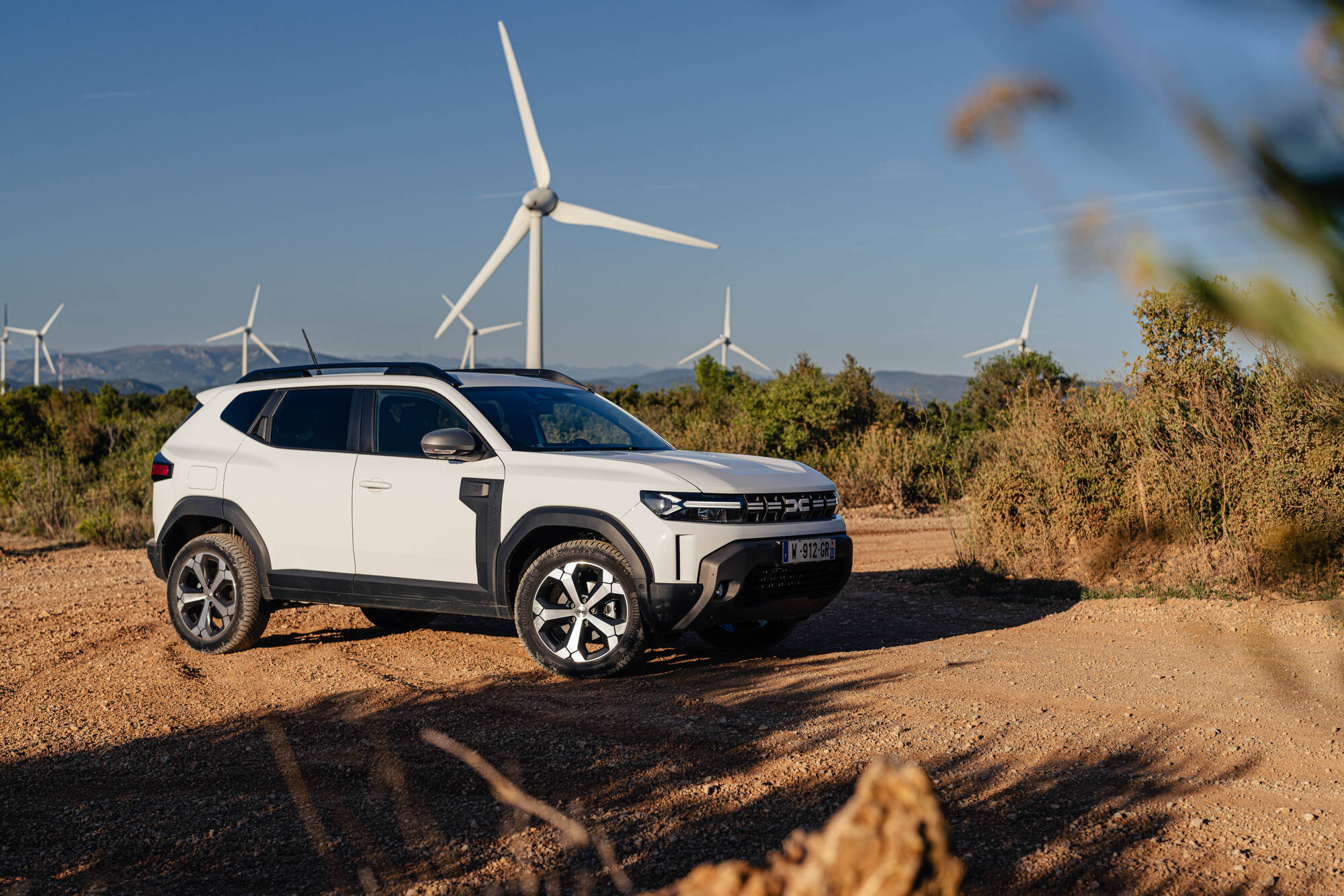
Tips to prevent faults
Prevention starts with good battery management. Test the voltage monthly and regularly charge the battery with a charger, especially after short journeys or in winter. When replacing, always choose an EFB battery (Enhanced Flooded Battery – an improved wet-cell battery) or AGM battery that can withstand the extra load of start-stop technology.
For diesel drivers it is important to make longer journeys regularly so that the particulate filter has enough time for self-cleaning. Avoid switching off the engine during DPF regeneration, which can be recognised by higher revs and an active fan. Switch the air conditioning off or set it to a lower level when the system does not activate, to reduce the electrical load.
Always check the basic conditions before setting off: doors closed, seat belt fastened and bonnet shut. Use the service menu on the dashboard to monitor the engine temperature, because the system only works at optimal operating temperature. If problems persist without a clear fault message, a visit to the garage can provide clarity on defective sensors or software issues.
Discover more about the Dacia Duster
The start-stop system is just one aspect of driving a Dacia Duster. On the Carnews website you will find extensive information about common problems, maintenance tips and experiences from other owners. From transmission faults to advice on tyre maintenance: discover what else you need to know about this popular SUV and how to maintain it in the best possible way.
Frequently asked questions
The object contains information about faults in the start-stop system of the Dacia Duster, but it does not contain any specific question.
The start-stop system of the Dacia Duster automatically switches the engine off when stationary to save fuel and restarts it as soon as you release the clutch or brake. It only works if certain conditions are met, such as sufficient battery voltage, correct engine temperature, no extreme outside temperatures and no heavy load from the air conditioning. Common reasons for it not working are an (overly) flat or aged battery, low fuel level, DPF regeneration on diesel or open doors/seat belt unfastened. With persistent faults and messages such as “Check Stop & Start”, diagnosis via OBD and/or a visit to the dealer is necessary.
The answer relates to failure of the start-stop system of the Dacia Duster. The system automatically switches the engine off when stationary to save fuel, but often does not work due to, among other things, a battery voltage that is too low, extreme temperatures, intensive use of the air conditioning, DPF regeneration or safety conditions such as open doors or unfastened seat belts. In many cases there is no permanent fault, but the car does not meet the conditions so the system switches itself off. Solutions include checking/extending the battery, avoiding very short trips, adjusting climate settings and having a diagnosis carried out if there are fault messages.
The start-stop system of the Dacia Duster automatically switches the engine off when stationary to save fuel and starts it again as soon as you pull away. It only works if various conditions are met, such as sufficient battery voltage, correct engine temperature, no extreme outside temperatures and a fuel level that is not too low. Common reasons for the system not working are a (slightly) flat or worn battery, a high load from the air conditioning, DPF regeneration on diesels and safety factors such as open doors or no seat belt. With messages such as “Check Stop & Start”, diagnosis at the dealer or with an OBD2 scanner is often required.
The object `[object Object]` is not a valid, specific question and in itself contains no content to answer.