
The Dacia Spring accelerates from 60 to 100 km/h in almost 15 seconds, which makes overtaking on the motorway dangerous. With only 44 hp, the motor runs out of breath above 70 km/h, meaning there isn’t enough pulling power to overtake safely. The German automobile club ADAC therefore warns about these risks. Are you curious how dangerous overtaking with this affordable electric car really is?
Limited engine performance makes motorway use difficult
The Dacia Spring has been designed as an affordable electric city car. That means efficiency, but also limitations. The motor produces 44 hp and 125 Nm of torque. In town, the immediate torque from a standstill feels positive. You pull away quickly at traffic lights and barely notice the modest power.
Above 70 km/h that picture changes drastically. The available power drops off quickly and accelerating becomes laborious. The top speed is 125 km/h, just below the Dutch limit of 130 km/h. That may sound sufficient, but the time needed to go from 60 to 100 km/h is problematic. This acceleration time of almost 15 seconds makes overtaking manoeuvres risky.
Would you like to know more about technical problems and real-world experiences with this model? On our page about the Dacia Spring you will find detailed information about known issues and solutions.
‘ For regular motorway use with a lot of overtaking, the Dacia Spring is less suitable. ’
Is the Dacia Spring too slow for the motorway?
Whether this electric car is suitable for motorway use depends on your expectations. Technically speaking, the Dacia Spring can drive on the motorway and reach the maximum speed. For keeping up with traffic on a freely flowing motorway that is often enough.
The problem starts as soon as you need to overtake. Overtaking a lorry travelling at 80 km/h requires a long overtaking manoeuvre. You need a lot of space and time in order to merge safely back into the inside lane. That increases the risk of dangerous situations with faster-approaching traffic.
The limited acceleration also means you have less flexibility in traffic. Getting out of a potentially dangerous situation quickly is more difficult. For short stretches of motorway the car may be sufficient, but for regular motorway use with lots of overtaking the Dacia Spring is less suitable.
How dangerous is overtaking in the Dacia Spring?
Overtaking in the Dacia Spring comes with concrete risks. The long acceleration time means you stay longer in the overtaking lane. This increases the chance that faster traffic behind you has to brake or swerve. The ADAC points out that this can create dangerous situations.
In addition, the electric car is almost silent. For pedestrians and cyclists in other traffic situations this means they are less likely to hear you coming. On the motorway this is less of an issue, but when joining and changing lanes, sound recognition is relevant for other road users.
So plan overtaking manoeuvres well in advance. Check your mirrors and blind spot carefully. Anticipate the reduced pulling power and only start overtaking when you have enough space. Practical tips for driving the Dacia Spring more safely are:
- Test the acceleration from 60 to 100 km/h in a safe location to get a realistic idea of what is possible
- Use the speed limiter to maintain a stable speed and prevent unexpected loss of speed
- Activate the pedestrian horn below 30 km/h for extra safety in built-up areas
- Take into account reduced performance in cold temperatures, which further limits the available power
When the Dacia Spring is suitable
The Dacia Spring performs well in its intended environment. In city traffic the car is agile and pleasant to drive. The immediate torque provides brisk pull-away from traffic lights and roundabouts. The compact dimensions make parking easy.
For commuting within the city or short regional trips the car is a logical choice. The range is sufficient for daily use and the low costs make the car attractive. Many owners appreciate the combination of affordability and electric driving for urban use.
The car is also usable on 80 km/h roads. At this speed acceleration is less of an issue than on the motorway. You can keep up with traffic well enough and overtaking manoeuvres require less power. Deliberately choose routes that match the capabilities of the car.
‘ Facelift versions have largely resolved this issue through improved construction and software updates for the EVC gearbox. ’
Common complaints about the drivetrain
In addition to the slow acceleration, owners report other drivetrain problems. Many drivers experience jolts, knocking or play in the reduction shaft when pulling away from a standstill. This is especially noticeable in early series of the Dacia Spring.
The play becomes clear when you lift off the accelerator at 60 to 100 km/h and then quickly press it again. You then hear and feel a knock in the drivetrain. This problem is model-specific to the first production series. Facelift versions have largely resolved this complaint through improved construction and software updates for the EVC gearbox.
Another complaint concerns persistent blue regeneration bars on the display. These appear when coasting and can affect the operation of air conditioning and heating. A reset often helps temporarily. Switch on the ignition, fasten your seatbelt and start the car again.
Maintenance and winter conditions
Cold temperatures affect the performance of electric cars. The Dacia Spring is no exception. The available range decreases in frost and the battery response time becomes slower. This also affects the available pulling power, further reducing the already limited acceleration.
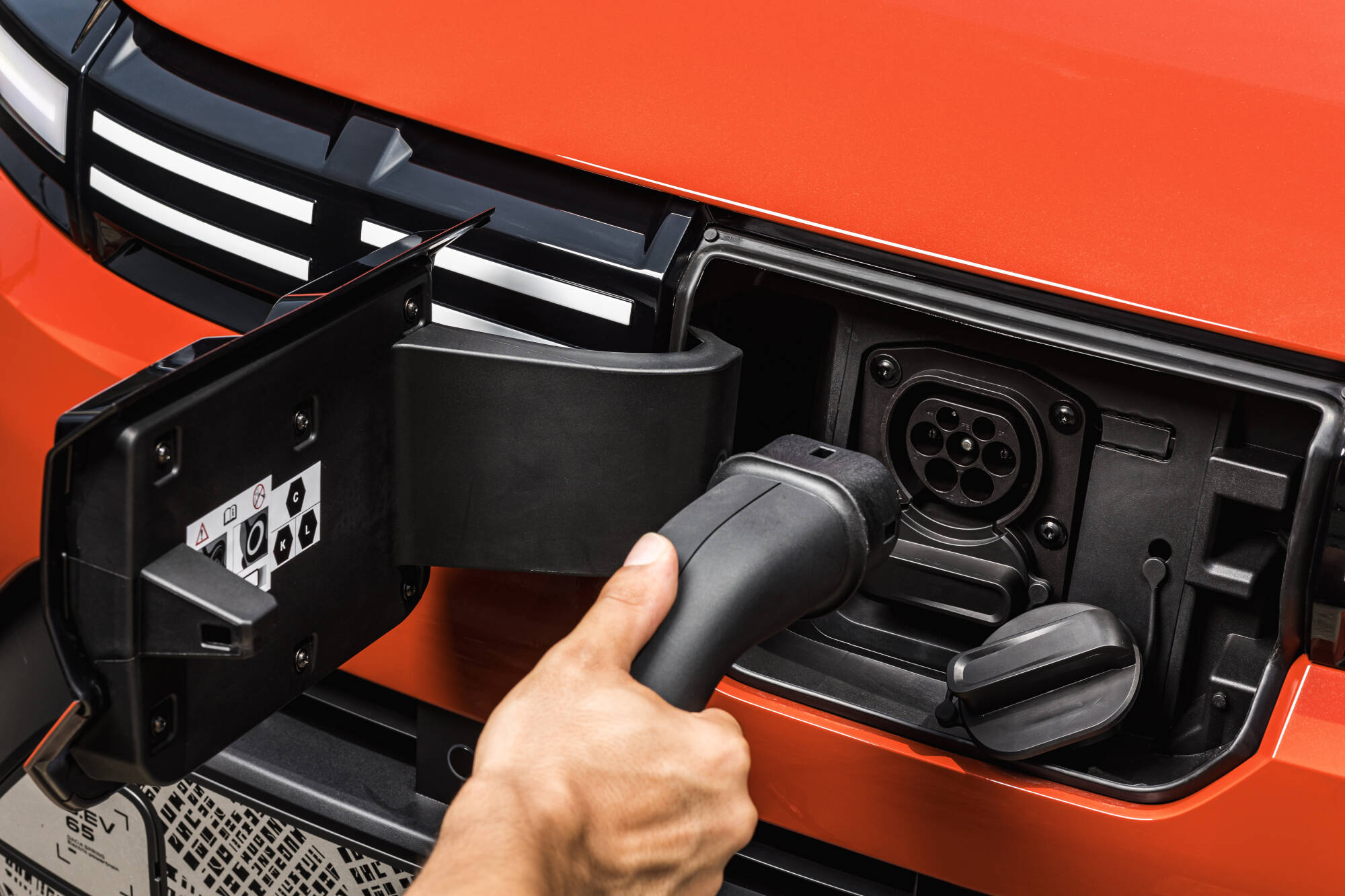
Ice on the charging flap or doors can freeze solid. Tap it loose gently and use silicone spray on the mechanisms to prevent freezing. Preferably park in a sheltered spot or use a car cover during prolonged frost.
Regularly check battery discharge when the car is parked. Some owners report unexpected discharge when the car is left standing for a long time. Also have knocking in the steering when cornering and display malfunctions checked by your dealer. Always park with the handbrake applied and put the gearbox in N while charging to avoid damage to the drivetrain.
Advice for potential buyers
Are you considering buying a Dacia Spring? Then ask yourself how and where you will mainly use the car. For commuting in the city and short trips it is a good choice. The low purchase price and running costs make electric driving accessible.
Do you regularly drive on the motorway or often need to carry out long overtaking manoeuvres? Then the Dacia Spring is probably not the best choice. The limited acceleration and top speed make motorway use less comfortable and less safe. A test drive with attention to acceleration at different speeds will give you a realistic impression.
When buying second-hand, pay attention to the production series. Early models suffer more frequently from play in the drivetrain. Ask about software updates carried out and check the condition of the reduction shaft. Facelift models perform better and have fewer teething problems.
‘ Safety depends on how well a car’s characteristics match your everyday situation. ’
Find out more about choosing a car and safety
The Dacia Spring shows that not every car is suitable for every type of use. Safety depends on how well the car’s characteristics match your daily situation. On the Carnews website you will find much more information about different car models, common problems and practical tips for safe driving. Discover which car best suits your situation and explore the experiences of other car enthusiasts.
Frequently asked questions
You notice the Dacia Spring’s slower acceleration mainly when pulling away from around 70 km/h, which can make overtaking on rural roads and motorways feel unsettled and sometimes risky. You need to leave more distance and time to overtake safely, and more often resign yourself to staying behind a slower vehicle. On longer stretches outside the city, the car therefore feels less relaxing and less versatile than more powerful models. In urban traffic this drawback is far less noticeable because the lower speeds fit the character of the car much better.
The main overtaking risks with the Dacia Spring are the very slow acceleration above roughly 70 km/h and the limited top speed of about 125 km/h, which mean you remain in the oncoming lane for longer and have less margin to complete an overtaking manoeuvre safely. Drivers should therefore plan their overtakes more generously, only overtake when they have clearly unobstructed visibility and enough distance to oncoming traffic, and on rural roads or motorways avoid overtaking altogether if in doubt. Test in advance how the car actually accelerates from, for example, 60 to 100 km/h so you get a realistic feel for the time and distance required. Ideally, limit yourself to overtaking in situations with plenty of speed in hand and avoid tight or ‘just about’ overtaking manoeuvres.
Above 70 km/h, the Dacia Spring accelerates noticeably more slowly than many other compact EVs and also than most comparable petrol cars, which have more power and reserve at higher speeds. As a result, overtaking manoeuvres take longer and you have less margin to build speed, especially on motorways. This means you need to start accelerating much earlier, be more critical of the length of the overtaking lane and be more cautious about overtaking in heavy or fast-moving traffic. In practice, the Spring is mainly suitable for relaxed driving along with the flow and for urban/regional use, not for brisk overtaking.
Yes, bear in mind that the Spring accelerates clearly more slowly above about 70 km/h, so only overtake when you have very clear visibility and a large speed advantage in your favour. If possible, begin to accelerate gently even before starting the overtaking move, so you are not only “pulling” from the moment you move out. Avoid tight overtakes behind lorries or at short entry and exit lanes, because the car simply has too little in reserve in those situations. If an overtaking manoeuvre cannot be completed within a comfortable distance, consciously choose to stay behind.
The Dacia Spring’s slower acceleration is mainly due to the low motor output (44 hp) and the resulting limited pulling power at speeds above roughly 70 km/h, which makes the car slow to pick up at higher speeds. The drivetrain has been deliberately kept simple and light to reduce costs, weight and energy consumption, at the expense of performance. So this is a technical trade-off to make the car cheap, efficient and primarily suitable for city driving. In return, the Spring offers low purchase and running costs and sufficient flexibility at low speeds, but it is less suitable for brisk overtaking on the motorway.