
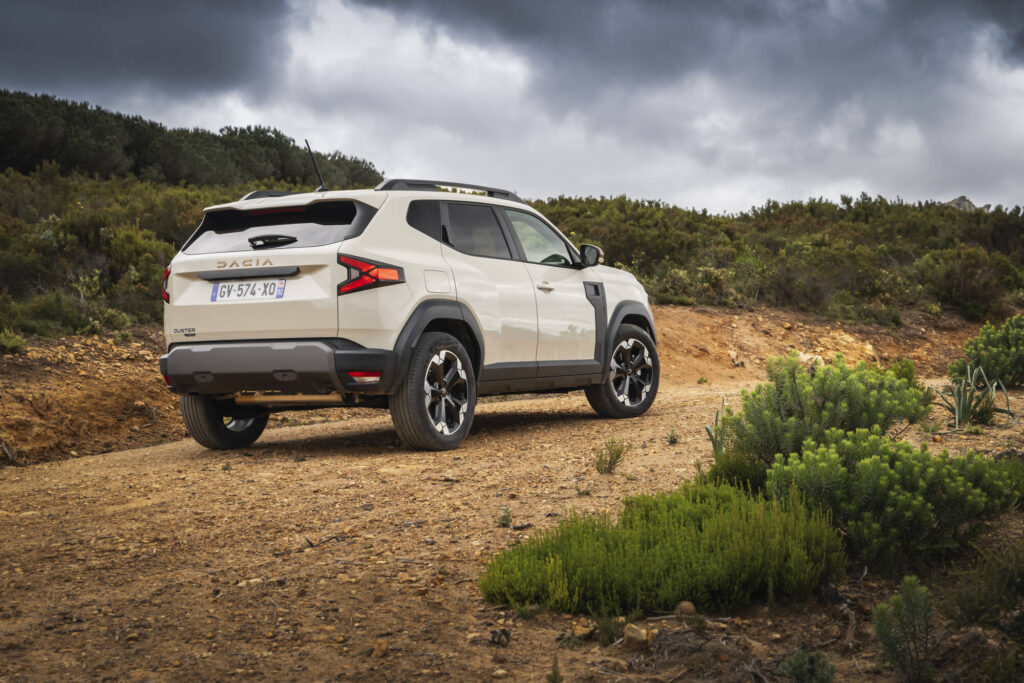
The timing chain on the Dacia Duster causes serious problems, especially with the TCe engines with 0.9, 1.2 and 1.3 litre displacement. This chain stretches, jumps teeth or even snaps. This leads to rattling noises around 2,000 rpm. In the worst case it causes severe engine damage. If you recognise the signals early, you can avoid expensive repairs. This common problem calls for in‑depth knowledge.
What exactly does the timing chain do?
The timing chain synchronises the crankshaft with the camshaft. This synchronisation ensures that the valves in your engine open and close at precisely the right moment. If that timing is no longer correct, the engine will run irregularly or become damaged.
Unlike a timing belt, a chain is located inside the engine block itself and is not visible from the outside. Normally, you do not replace a chain preventively at fixed intervals. That does not mean that a chain is maintenance‑free. As it wears, a chain stretches. A stretched chain makes noise and will eventually cause problems. The Dacia Duster suffers from this type of issue particularly with TCe engines.
How do you recognise a worn timing chain on the Dacia Duster?
A worn timing chain gives off clear signals. Do you recognise one or more of these symptoms? Then have the engine checked quickly.
- Rattling or ticking noise on a cold start
- Metallic noise from the engine, especially around 2,000 rpm
- Rough or irregular idling
- Loss of power while driving
- Engine warning light illuminated on the dashboard
- Longer cranking time or difficulty starting
- Fault codes relating to camshaft or crankshaft timing
- Increased fuel consumption without an obvious cause
Sometimes you hear a noise shortly after starting. This noise then diminishes. This often points to problems with chain tension or the tensioner. This is an important warning sign that you should not ignore.

Which engines are prone to chain problems?
Not every Dacia Duster suffers from timing chain problems. It mainly concerns the TCe petrol engines. These three‑cylinder turbo engines come in several variants: the 0.9 TCe, 1.2 TCe and 1.3 TCe.
Some Duster versions have a timing belt instead of a chain. Always check the exact engine code of your car first. Only then draw any conclusions. The maintenance specifications differ per engine type and can give you insight into which components are fitted.
Why does the timing chain fail?
Several causes lie at the root of chain problems. Often, several factors play a role at the same time.
Stretch and wear
Over time, a chain becomes slightly longer due to the constant load. As a result, the timing between crankshaft and camshaft becomes less precise. The chain tensioner then has to work harder to keep the tension at the correct level.
Poor lubrication and oil quality
The timing chain runs inside the engine block and is entirely dependent on engine oil for lubrication. Old oil or the wrong oil specification significantly increases the risk of wear. Over‑long service intervals do the same. Oil that has lost its properties no longer protects the chain sufficiently.
Worn chain tensioner and guides
The chain itself is not always the problem. The tension rail, guide rails or hydraulic tensioner are often worn as well. These parts ensure that the chain stays tight and cannot rattle. If these components fail, slack and noise occur.
Delayed maintenance
Driving too long with contaminated oil greatly shortens the life of the chain. Driving too long with too low an oil level has the same effect. This is a very common cause of problems with the Dacia Duster.
Driving style and short trips
A lot of short trips increase wear. On such trips the engine does not reach full operating temperature. Heavy use also puts extra stress on the chain. Frequently driving at high revs is one example of heavy use.
‘ Intervening early is therefore often much cheaper than continuing to drive with symptoms. ’
How serious are timing chain problems?
A worn timing chain is a serious issue. At first you often only notice noise. Sometimes you notice a slight irregularity in the engine’s behaviour. The chain can stretch further. The tensioner can no longer do its job properly. In both cases the timing can slip.
In the worst case, pistons and valves collide, resulting in severe engine damage. The cylinder head then has to be replaced. In some cases the entire engine has to be replaced. Intervening early is therefore often much cheaper than continuing to drive with symptoms.

When should you replace the timing chain?
There is no fixed replacement interval for the timing chain on the Dacia Duster. Unlike a timing belt, you do not replace a chain preventively at a certain mileage. The replacement interval differs greatly per engine variant. The maintenance history also plays a role. How the car is used is likewise decisive.
What is true, however, is that poorer maintenance leads to problems sooner. Some owners report noise or timing issues already at relatively normal mileages. Others drive much further without complaints. If you notice symptoms, inspection is important. Do not wait until the chain jumps teeth or breaks.
Repair costs for timing chain Dacia Duster 1.2 TCe
The cost of replacing a timing chain varies widely. Several factors determine the price:
- Engine type and how accessible the chain is
- Number of labour hours required
- Whether only the tensioner and guides or the chain itself also needs replacing
- Any additional damage to valves or pistons
The timing chain sits deep inside the engine. As a result, labour is often the most expensive part of the repair. For a 1.2 TCe engine you should expect high labour costs. If the chain has already caused damage to other engine components, the costs rise even further. On some cars, a repair costs more than the car itself is worth.
‘ Oil quality alone is then not the cause. ’
What can you check yourself?
You cannot carry out a full chain diagnosis yourself, but you can be alert to certain signals. Pay attention to noises on a cold start, engine warning lights and rough running. Also check the oil level regularly and keep track of the service history.
The engine has recently had fresh oil. Yet the noise persists. This probably points to a mechanical problem. Oil quality alone is then not the cause. In that case, a visit to the garage is sensible.

Diagnosis by a specialist
A garage can perform a thorough diagnosis. The garage reads out fault codes. The garage checks the engine running and timing. The mechanic listens for chain noises. The chain tension and guides are also assessed.
If there is a strong suspicion, specialists often advise replacing the chain, tensioner and guides together. That is wiser than replacing a single loose component. All of these parts are subject to wear.
How can you prevent timing chain problems?
Good prevention saves expensive repairs. With the right maintenance steps you can significantly reduce the risk of chain problems.
Use the correct engine oil
Change engine oil on time. Always use the correct specification. With heavy use it is wise to change the oil around 30 percent earlier than the prescribed interval. Oil quality has a direct influence on the life of the chain.
Check the oil level regularly
Too low an oil level is harmful to the chain and tensioner. Check the oil level at least once a month and top up if necessary.
Do not ignore start‑up noises
A brief rattle at start‑up that keeps coming back is an important warning sign. It may indicate a problem with the chain tensioner or the chain itself.
Have unusual engine noises checked
Especially if the noise changes with engine speed or temperature, you should have the engine checked. Waiting only makes the problem worse and more expensive.
Warm up gently
Short cold trips are bad for the engine. They are also bad for the chain. Try to let the engine reach proper operating temperature before accelerating hard.
‘ The practical lesson from these experiences: do not ignore a brief start‑up rattle if it keeps coming back. ’
Experiences from Dacia Duster owners
On forums and in online car groups, similar complaints appear regularly. Many owners report rattling noise on a cold start as the first warning. Mechanics often advise changing oil and filters strictly according to the manufacturer’s schedule.
Some drivers notice that the problem gets worse if they drive too long with old oil. Some owners feel that TCe engines are sensitive to maintenance discipline, especially regarding oil quality and change intervals. The practical lesson from these experiences: do not ignore a brief start‑up rattle if it keeps coming back. Do not ignore it either if it lasts longer.
Want to know more about the Dacia Duster?
Timing chain problems are not the only issues Dacia Duster owners may face. On the Carnews website you will find extensive information about other common problems, maintenance tips and practical advice for this popular SUV. Discover more and stay informed about technical weak spots, maintenance schedules and money‑saving tips for your car.
Frequently asked questions
In particular, the Dacia Duster petrol engines with 1.2 TCe (Renault H5Ft) and 1.3 TCe (HR13) with timing chain are most often mentioned in connection with chain problems, especially where oil maintenance is insufficient or carried out too late. Complaints mainly occur in cars with longer oil intervals, lots of short trips and/or incorrect oil use, which causes accelerated wear of chain, tensioner and guides. Diesel variants and petrol engines with timing belts are mentioned far less often in user experiences for chain problems. Checking the engine code and maintenance history is therefore crucial to assess the risk for each specific car.
You can recognise possible timing chain problems by a rattling or metallic noise from the engine, especially immediately after a cold start. Other symptoms include rough or irregular idling, loss of power and possibly higher fuel consumption. If the engine warning light comes on at the same time or the engine becomes harder to start or only starts after longer cranking, the chain or chain tensioner may be worn. Persistent or increasing rattling noises are a sign to have the car checked immediately to prevent engine damage.
The cost of replacing a timing chain on a Dacia Duster is generally in the region of several hundred to well over a thousand euros, depending on the engine variant, labour rates and whether additional parts (tensioner/guides) are replaced at the same time. The largest part of the amount is labour, because the chain lies deep inside the engine block. The choice of parts (genuine or aftermarket) and any additional damage also influence the total price. Always ask for a specific quotation based on your registration number and engine code.
Yes, you can reduce the risk of timing chain problems by changing the engine oil strictly on time (preferably slightly earlier) using the prescribed specification and by checking the oil level regularly. Warm the engine up gently and avoid many short, cold trips in succession. Do not ignore rattling or ticking noises on a cold start, but have them assessed by a garage straight away. Also keep a complete and verifiable maintenance history, so that wear due to overdue maintenance is limited as much as possible.
If a timing chain problem is not dealt with in time, the timing between crankshaft and camshaft can slip, causing the engine to run irregularly and lose power. Eventually the chain can jump teeth or break, with the result that pistons and valves collide. This often leads to severe and very expensive engine damage, sometimes even requiring a complete engine rebuild or replacement. In addition, repair costs can be much higher than with early intervention.