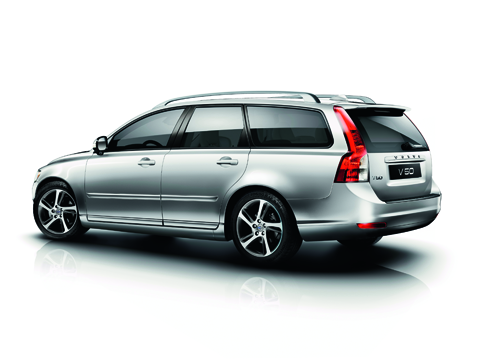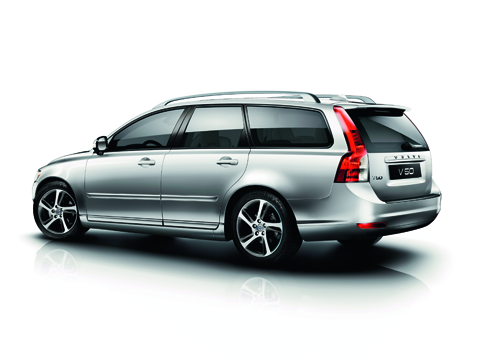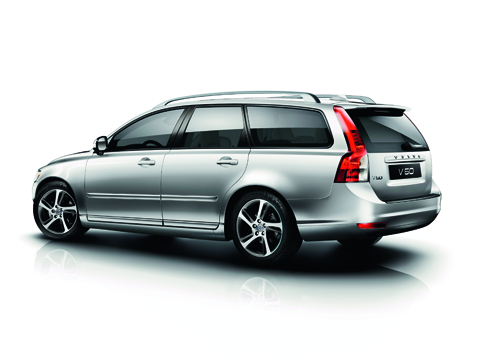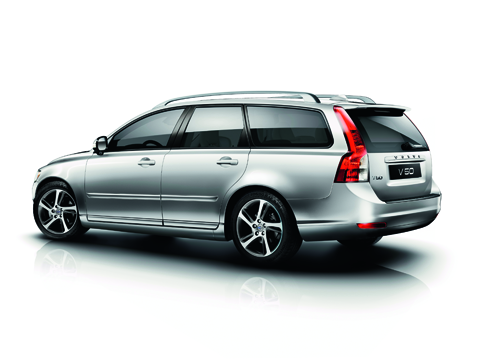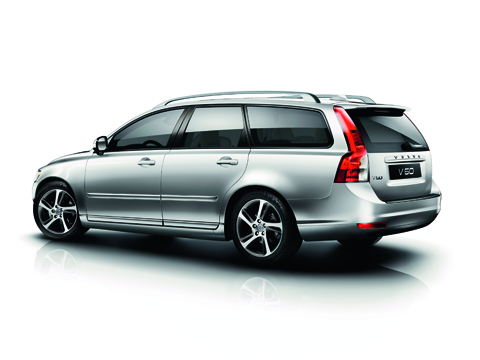
Brake system problems on the Volvo V50 require a targeted diagnosis, especially on examples from 2004 to 2008, where a faulty non-return valve in the vacuum circuit can reduce brake assist. A hard brake pedal, a wheel that gets hot, or an ABS warning do not all have the same cause, but all deserve prompt attention. Recognise the signs before a small fault affects braking performance.
Volvo V50 brake system problems have multiple causes
Anyone searching for common Volvo V50 problems will frequently come across brake callipers, handbrake mechanisms, ABS faults and the vacuum system. The V50 has a hydraulic braking system with brake assistance. This assistance uses negative pressure, also known as vacuum, so that less pedal force is needed.
On models from 2004 to 2008, the non-return valve at the brake vacuum pump deserves particular attention. This valve must hold vacuum in the line to the brake servo. If it does not work properly, the assistance can drop away. The hydraulic brakes do not disappear immediately, but the pedal becomes harder. The required foot pressure increases noticeably.
According to the Volvo service bulletin on this complaint, the vacuum line with non-return valve should be checked and replaced if faulty. Do not limit diagnosis to the pump itself. A leaking hose, a poor connection or a damaged valve can cause the same complaint.
Is the brake vacuum pump a weak point on the Volvo V50?
The brake vacuum pump and the non-return valve deserve extra attention on an older Volvo V50, but they are not automatically the cause of every brake complaint. Especially if the pedal becomes hard after a few presses, checking the vacuum circuit is sensible. This behaviour is clearly different from a spongy pedal, which is more likely to point to air, old brake fluid or a hydraulic problem.
Look out for these signs of a possible brake assist fault:
- The brake pedal feels hard immediately after starting.
- The pedal gets progressively harder if you brake several times.
- Braking performance decreases at low engine speeds or while idling.
- You hear a hissing sound around the bulkhead or vacuum hose.
- The engine runs unevenly because of a vacuum leak.
- The car still brakes, but noticeably requires a lot of pedal force.
A simple first check can be done without dismantling anything. Switch off the engine and press the brake pedal a few times until it becomes hard. Then keep pressure on the pedal and start the engine. With a working brake servo, the pedal will usually sink a small amount once vacuum becomes available. If that reaction does not happen, have the pump, line, non-return valve and brake servo checked in a targeted way.
A faulty non-return valve causes a hard pedal
The non-return valve sits in or near the vacuum line between the pump and the brake servo. The valve allows negative pressure to pass in one direction and prevents it from disappearing immediately when engine load changes or the engine cuts out. That matters when braking after the engine has stalled or during an emergency stop.
A fault is not always visible from the outside. Plastic can age, connections can leak and the valve can fail to close properly internally. For that reason, do not replace parts based on instinct alone. A garage can use a vacuum gauge to determine whether the pump builds sufficient negative pressure and whether the system retains that pressure.
Do not use tape, universal hose or any random valve as a permanent repair. The diameter, sealing and direction of flow must be correct. Also have any replacement part checked for correct installation, because a non-return valve fitted the wrong way round will also impair brake assistance.
Seized rear brakes on the Volvo V50
Not every brake fault is related to vacuum. According to Carnews technical dossier information, seized rear brake callipers and problems with the handbrake mechanism are known areas of concern on older V50 examples. The handbrake works mechanically via cables and a lever on the rear brake callipers.
Corrosion on guide pins, brake pads sticking in their guides and a handbrake lever that does not return properly can all cause a rear brake to drag. As a result, one wheel becomes hotter than the other. The brake disc and pads may also discolour or wear faster due to heat.
These signs point to a dragging rear brake:
- A burning smell after a short journey.
- The car gently pulls to one side.
- One rear wheel rim is noticeably hotter than the other.
- The handbrake comes up high and does not fully release.
- The inner and outer brake pads wear unevenly.
- Vibrations or scraping noises occur during braking.
After a steady drive, carefully compare the temperature of both rear wheels without touching the brake disc. A brake disc can be extremely hot. A clear difference points to further investigation of the calliper, guide pins, pad movement and handbrake lever.
Simply lubricating it is often not the answer
A sticking guide pin can sometimes be cleaned and refitted with suitable brake calliper grease. If the dust boots are torn or the calliper is internally damaged, overhaul or replacement is the better option. WD-40 is not suitable for brake parts. It can contaminate braking surfaces and does not provide a lasting solution to a mechanical fault.
Replace brake pads and discs in axle pairs. If one calliper has been dragging for a long time, check both discs for discolouration, wear and any distortion. Also operate the handbrake several times after the repair and check that the wheels then rotate freely.
ABS and anti-skid faults require fault code checking
Messages such as “ABS Service Required” or “Anti Skid Service Required” do not automatically point to a problem with the brake vacuum pump or a brake calliper. According to Carnews technical dossier information, the cause may be a wheel sensor, wiring, a magnetic encoder in the wheel bearing, low system voltage or the Brake Control Module.
With an ABS fault, the normal hydraulic brakes are generally still available, but ABS, traction control and stability control may switch off. This changes the car’s behaviour under heavy braking, especially on wet or slippery road surfaces. A yellow warning light requires prompt diagnosis, even if the pedal feels normal.
Have the diagnosis carried out in this order:
- Read fault codes with equipment that can access the Volvo brake module.
- Check the battery voltage and charging voltage.
- Inspect connectors and wiring at the four wheel sensors.
- Compare wheel speed signals during a test drive.
- Check the wheel bearing and magnetic encoder.
- Only then assess the ABS module or hydraulic control unit.
The technical dossier information mentions, among other things, BCM 0012, which has been linked to a signal problem with the left front wheel sensor. BCM 0134 may be related to the hydraulic brake control module or brake pressure sensor. A generic OBD reader does not always read out these Volvo-specific data.
Safety tips for a Volvo V50 brake fault
Distinguishing between warnings helps with the initial assessment. A yellow ABS or anti-skid light usually means that electronic support functions have been switched off. A red brake warning light, leakage or a sinking pedal means you should stop immediately.
Do not continue driving if you notice any of these complaints:
- The brake pedal slowly sinks under constant pressure.
- Brake fluid is visible at a wheel or under the car.
- A wheel is smoking, locked or very hot.
- The message “Brake Failure Stop Immediately” appears.
- The pedal suddenly feels hard and brake assistance is missing.
- ABS, stability and red brake warnings appear at the same time.
If the pedal is hard because of suspected vacuum loss, you may only move the car if it can be done safely and hydraulic braking remains available. Keep a generous distance, avoid high speed and have the Volvo V50 inspected as soon as possible. Never try to solve a brake problem by simply checking the fluid reservoir visually.
On the Carnews website you will find much more information about Volvo faults, maintenance points, technical diagnoses and other related car problems. Discover more on Carnews and compare your car’s symptoms with our extensive model information.
Frequently asked questions
Warped brake discs on the Volvo V50 are mainly caused by overheating during heavy braking. Sticking brake callipers, corroded guide pins, pads that jam in their guides, or a handbrake mechanism that does not return properly can keep the disc rubbing continuously and heat it unevenly. These temperature differences cause hot spots, uneven wear and eventually run-out or distortion of the brake disc.
First read the exact BCM/ABS fault codes using Volvo-compatible diagnostic equipment; a generic OBD reader is often not sufficient. During a test drive, check the four wheel speed signals, then inspect sensors, wiring, connectors, wheel bearings and magnetic encoders. Also measure battery and charging voltage and, where relevant fault codes are present, inspect the brake pressure sensor and hydraulic modulator. Only consider overhauling or replacing the ABS module once these causes have been ruled out, and check the part number, software and vehicle configuration as well.
Stainless steel braided brake lines reduce the expansion of flexible hoses and therefore mainly give a firmer, more consistent pedal feel. They do very little to prevent true brake fade, which usually results from overheated brake pads/discs or boiling brake fluid. For fade resistance, suitable brake pads, good cooling and fresh brake fluid with a high boiling point are much more effective.