A central locking malfunction is often the result of a broken cable, a faulty actuator or a problem in the wiring in the door pillar. It is a common problem, especially in older cars. The cause varies from case to case. The fault may present itself as one door no longer responding, but it can also mean a complete system failure. Do you want to know how to recognise it, what the repair will cost and when you should go to a garage? Then read on.
Electronic or mechanical: what is the difference?
A central locking malfunction is either electronic or mechanical in nature. In the case of an electronic fault, the problem lies with the remote control, a fuse, the control unit or the wiring. In the case of a mechanical fault, it concerns physical wear in the lock itself, such as dirt, worn parts or grease that has seized up.
In practice, both causes occur. One much-discussed weak point is the wiring loom in the door pillar. The wiring runs between the door and the bodywork. It flexes every time the door moves. Over time, small breaks can develop in the wires. The connection then fails. This explains why the fault can sometimes be intermittent: in one position of the door there is still contact, in another there is not.
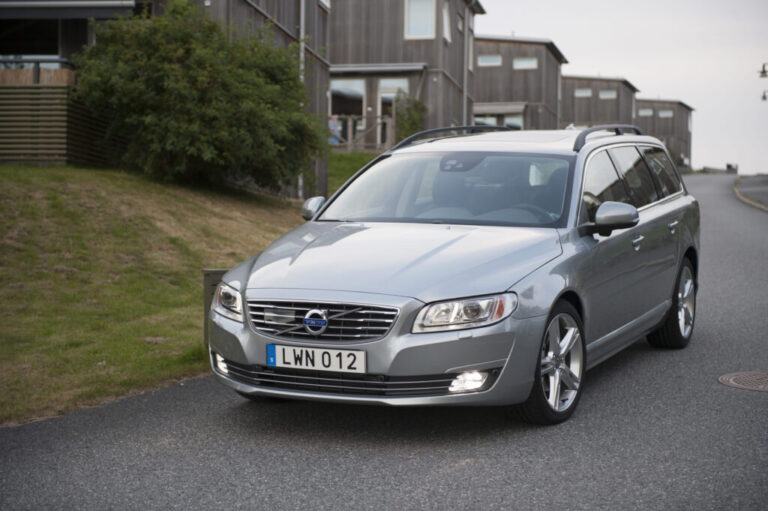
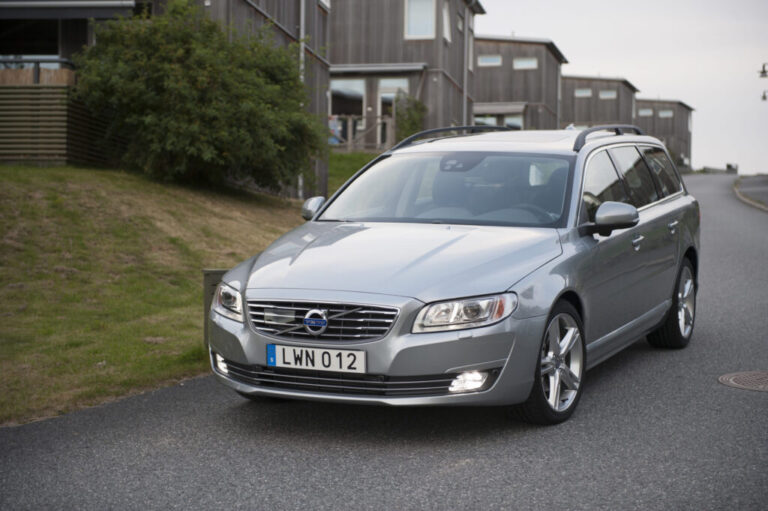
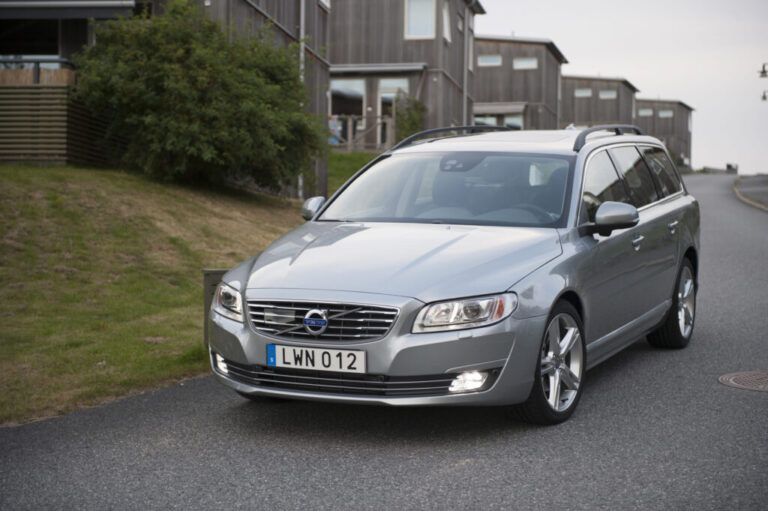
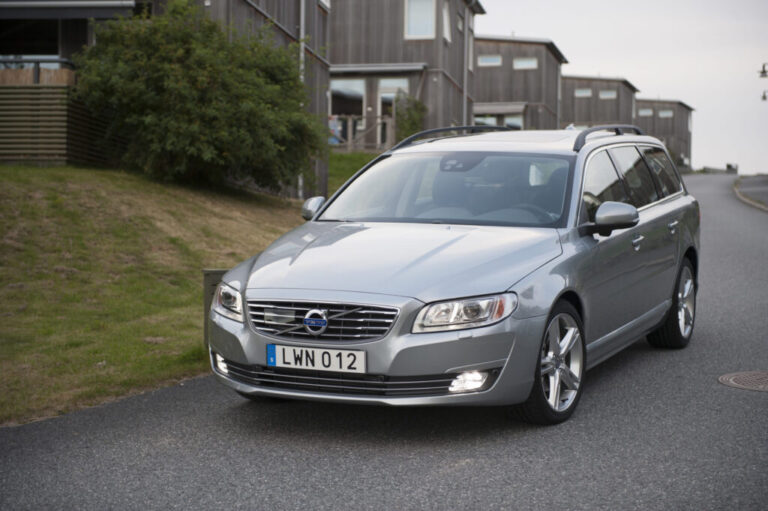
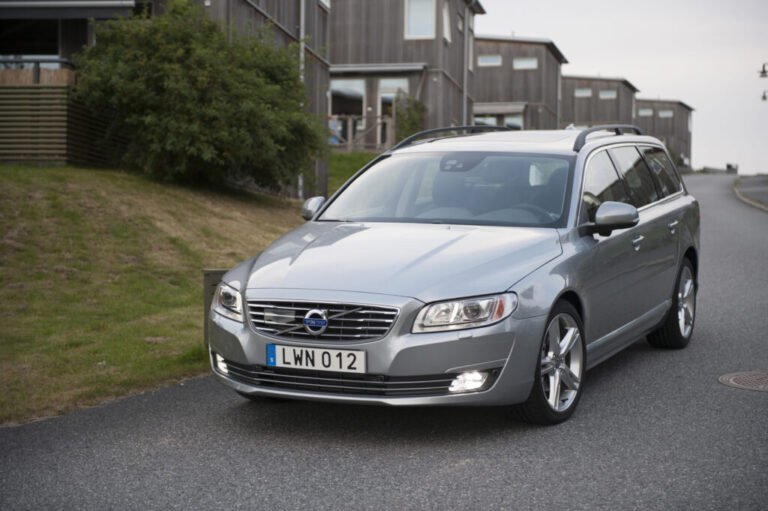
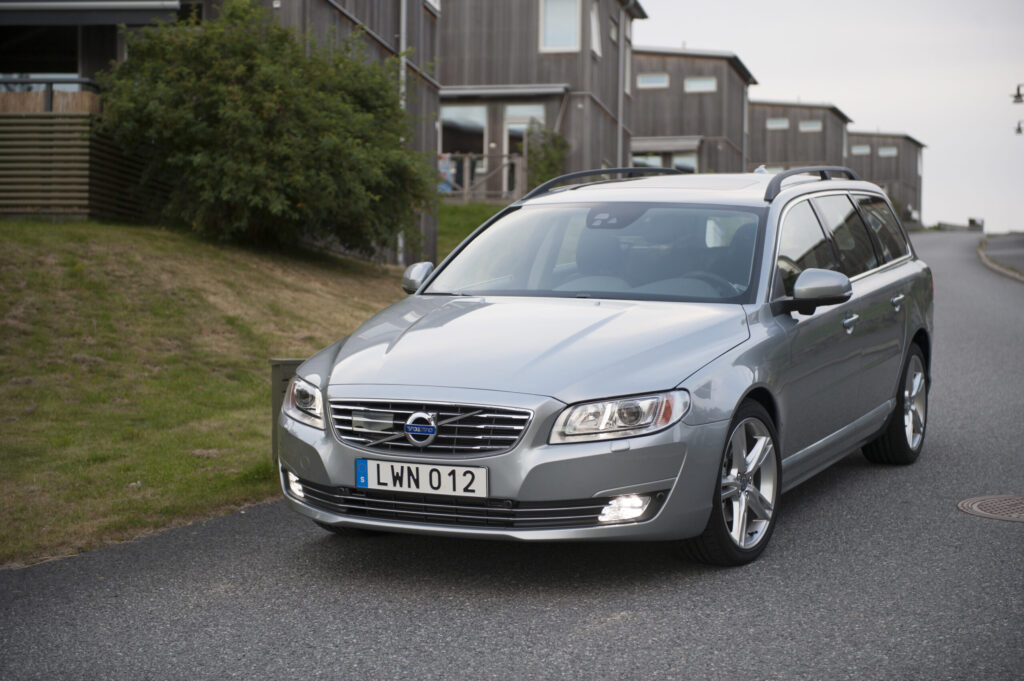
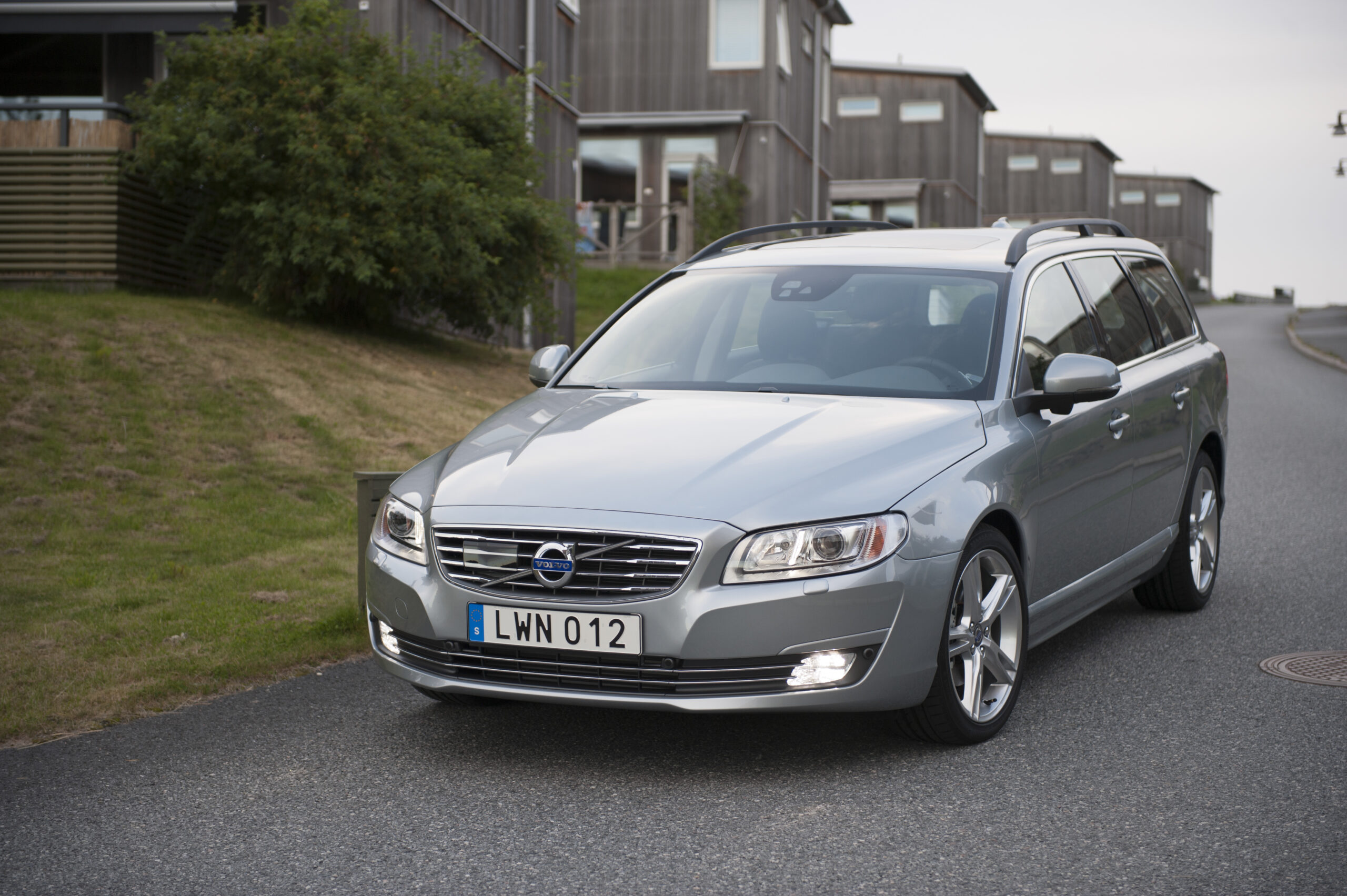
Drivers of older models, such as the Volvo V70, will recognise this pattern. The fault starts intermittently. Over time it becomes permanent. That makes early inspection of the wiring worthwhile.
Why is the central locking no longer working?
There are several possible causes. Not every fault has the same solution. First rule out the simplest causes. Only then should you replace parts.
Common causes are:
- Flat battery in the key or remote control
- Faulty actuator (the small motor in a door that operates the lock)
- Blown fuse in the central locking circuit
- Broken cable or corrosion in the door grommet
- Fault in the body control module (central control unit in the car electronics)
- Mechanical wear or dirt in the lock
A useful rule of thumb: if only one door fails, this usually points to a local cause such as a faulty actuator or a broken cable. If the entire system fails, it is more likely to be a fuse, the key or the control unit.
Diagnosis: these are the first steps
First check a few things yourself. Only then go to a garage. That saves time and money.
- Try the second key. If that works, the problem lies with the key or the battery.
- Check whether the mechanical lock still works. This rules out an electronic problem.
- Test all doors individually to determine whether it affects one door or the whole system.
- Check the fuses using the instructions in your car’s handbook.
- Inspect the cable grommet at the door for visible damage or loose connectors.
Also listen for whether the lock still makes a click or a buzz. To do this, activate the locking system. That sound indicates that the actuator is still receiving power. The problem is then probably mechanical. Does the door make no sound at all? Then the power is not reaching the actuator. In that case, check the fuse and the wiring first.
Can the front still be opened as normal?
Yes, that is possible. The fault sometimes remains limited to the tailgate or one specific door. The other doors then continue to work as normal. The central locking system is made up of separate actuators for each door. A fault in one actuator or in the associated wiring has no effect on the rest of the system. The door concerned can then still be opened manually with the key. The mechanical lock must be intact for that to work.
Sticking tailgate: cable break as the most common cause
A tailgate that sticks or will not close properly is a specific and common problem. In many cases the cause is a broken cable in the wiring that operates the locking mechanism. The tailgate is constantly being opened and closed. This repeated movement damages the wires over time.
Besides a broken cable, the following can also play a role:
- A worn or faulty actuator in the tailgate
- An adjustable striker pin that is no longer properly aligned
- Wear to the lock itself through heavy use
There is visible cable damage. Have the repair carried out by a garage. Replacing or repairing the wiring loom is a time-consuming job that requires specific knowledge of electrical wiring.
What does a tailgate or central locking repair cost?
The cost depends on the cause. Replacing the battery in the key costs virtually nothing. Replacing a fuse also costs very little. Replacing an actuator is more expensive. A repair to the wiring loom involves even higher costs.
As an indication: a single actuator usually costs between €20 and €80 as a part, depending on the model. Labour costs for replacement vary greatly by garage and by car. Allow for at least one hour of labour. Cable repairs are labour-intensive. The labour hours soon add up. An OBD scan is a diagnostic read-out of the on-board computer via a standard connection. Such a scan helps to search for the cause in a targeted way. That avoids unnecessary parts replacement.
Is a central locking malfunction a warranty issue?
The age of the car matters. So does the nature of the fault. In a new car that is still covered by the manufacturer’s warranty, a central locking malfunction is in principle a warranty issue. A design or manufacturing fault certainly falls under that. In the case of a second-hand car without active warranty, a central locking malfunction is a different matter.
Some garages offer a warranty on repairs they carry out. Always ask about this. Only then agree to any repair work. Does the fault return shortly after a repair? Then the central locking malfunction may not have been fully resolved. In that case, contact the garage again.
‘ The offer is suitable for drivers of a wide range of car models. ’
Read more about car problems and maintenance
On the Carnews website you will find much more information about common car problems and maintenance tips. Brand-specific faults are also covered in depth. The offer is suitable for drivers of a wide range of car models. Discover more on Carnews and stay well informed about your car.
Frequently asked questions
The most common causes of a central locking malfunction are a flat key battery, a faulty actuator (lock motor) in a door, a blown fuse, a broken cable or corrosion in the door grommet, and a fault in the body control module. You can recognise this by the car no longer responding to the remote control but still working with the mechanical lock, or by only one door or the tailgate no longer functioning. Irregular operation (sometimes yes, sometimes no), locking only after pressing the button several times, or spontaneous locking and unlocking are also typical symptoms. A clicking or buzzing sound at some doors and absolutely no response at one specific door often points to a local actuator or wiring fault.
You can start by replacing the battery in the remote control and testing whether any second key works properly. Then check the central locking fuses according to the diagram in the instruction manual. Test whether all doors can be locked and unlocked mechanically and listen for a click or buzz from each door when you press the remote control. Finally, inspect the cable grommet between the door and the bodywork for breaks or damage if one door does not respond.
It is advisable to visit a garage as soon as the central locking becomes unreliable (sometimes works, sometimes does not), if a door or tailgate no longer responds at all, or if the car locks or unlocks spontaneously. A new key battery or fixing a simple fuse issue usually costs a few tens of euros. Replacing a faulty door actuator or repairing a broken cable in the door grommet can range from roughly €150 to €350 per door, depending on the make, model and labour time. In the event of a faulty body control module or a complex electronic fault, the costs can rise by several hundred euros more.
Keep the mechanical locks and latches clean and lightly lubricated so that the lock motors are not placed under too much strain. Regularly check the rubber grommets and wiring looms between the door and the bodywork for damage or breaks, and have corrosion dealt with straight away. Replace the key battery in good time and, after fitting a new one, check whether the key has been synchronised correctly. If faults are intermittent or persistent, have the system read with an OBD tester so that emerging electronic problems can be identified early.