
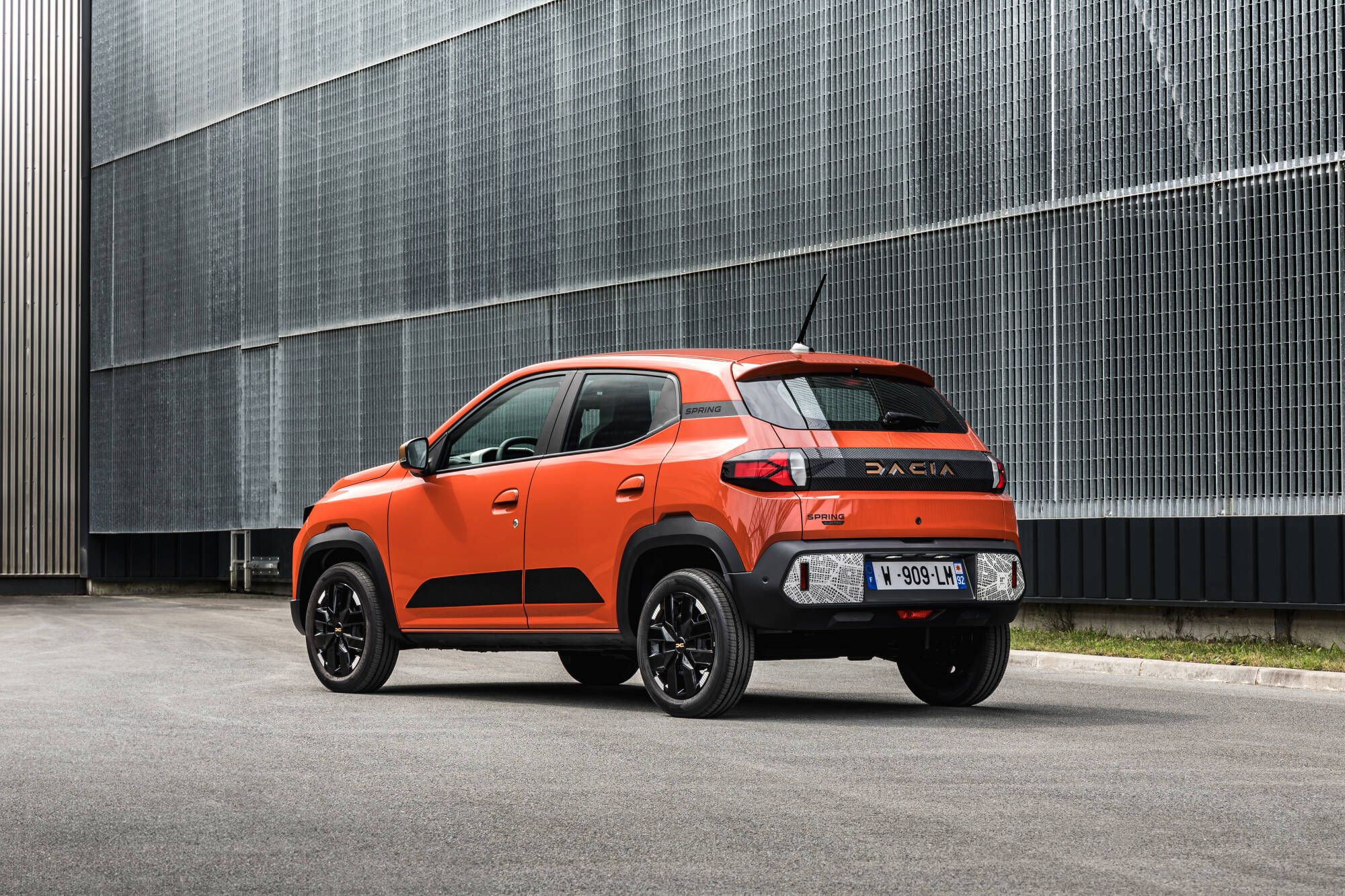
In practice, the Dacia Spring turns out to be a low-maintenance electric car, but during the MOT inspection owners regularly stumble over the same points of attention. By checking your brakes, axles and lights in good time, you avoid unnecessary failures and extra costs. Problems with younger models often arise in unexpected places.
With the right preparation you can avoid stress during the MOT inspection. You will then pass your test without worries. In this article you will discover which parts most often fail on the Dacia Spring. You will also get a practical checklist to prepare yourself properly. From checking the brakes to electric-specific points: everything you need to know.
Check these parts before you go for the inspection
A thorough pre-check saves you time and money. Owners of the Dacia Spring report that a number of basic checks make the difference between passing and failing. Start with a visual inspection of your car and systematically work your way through all the important components.
The brakes deserve extra attention. Although the Spring uses regenerative braking, the hydraulic discs and drums still wear through use. Measure whether your brake pads still have at least 3 mm of material remaining and listen out for squeaking noises while driving. This often indicates wear before it becomes visible to the naked eye. Also check for any leaks in the braking system.
Your tyres are a common stumbling block. Make sure you have a tread depth of at least 1.6 mm across the full width. The compact wheels of the Spring are available in 14 or 15 inches. These wheels are susceptible to damage on poor road surfaces. For many owners, the front tyres wear faster than expected. This is due to the relatively low weight of around 970 kg. Also check the tyre pressure: when cold it should be between 2.5 and 2.8 bar.
‘ Loose contacts are a common issue with this model. ’
Lights and wipers are often underestimated
Systematically test all lights before you go to the test centre. The Spring has energy-efficient LED headlights. Loose contacts are a common issue with this model. Check your headlights, tail lights, brake lights, indicators and fog lights. You can usually replace defective bulbs yourself quite easily.
Windscreen wipers must work without leaving streaks. Replace your wiper blades as soon as they leave streaks on the glass. Also top up the washer fluid to the maximum level. In winter, frozen washer fluid can be a reason for failure, so always use antifreeze.
First make a photo checklist with your phone. Then inspect the underside of your car for rust or damage. The floor of the Spring sits low to the ground, which means kerbs can cause damage that you cannot see from above.
Electric components need specific attention
For electric cars, the MOT inspection also focuses on the battery, charging port and insulation. This is on top of the standard inspection points. The Spring’s 26.8 kWh battery is known to be reliable. Regular maintenance remains necessary to prevent problems.
Inspectors check the battery for leaks and corrosion. They also test the insulation resistance: this is the extent to which the electrical systems are properly insulated from the metal body. Keep the underside of your car clean, because mud build-up around the battery can cause heat problems. The 8-year or 160,000 km battery warranty helps you with any claims, but it is better to prevent problems through preventive maintenance.
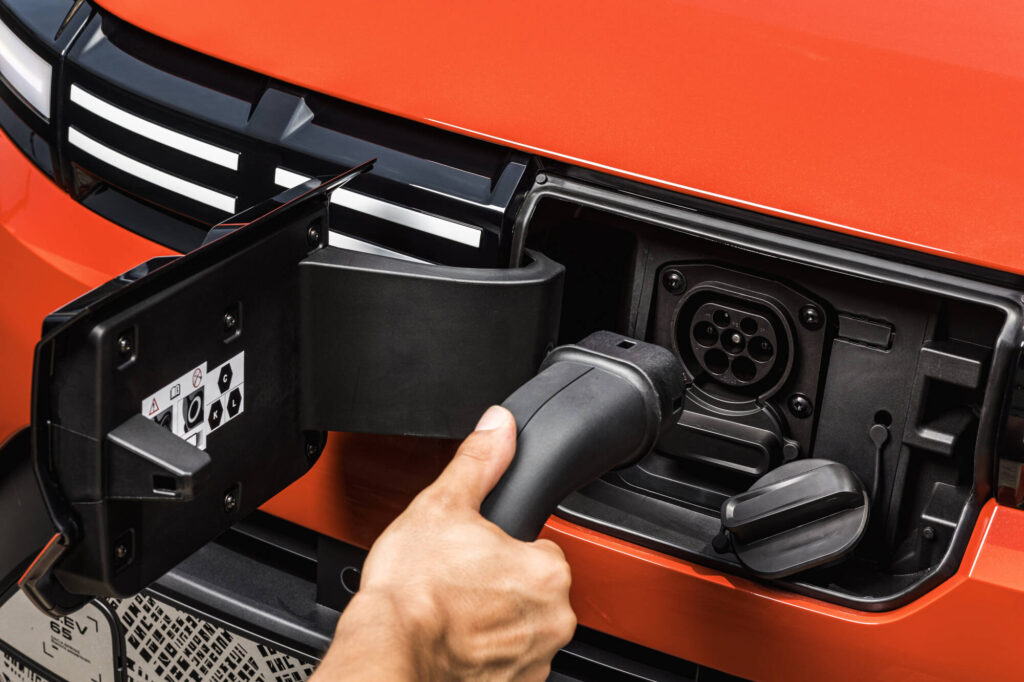
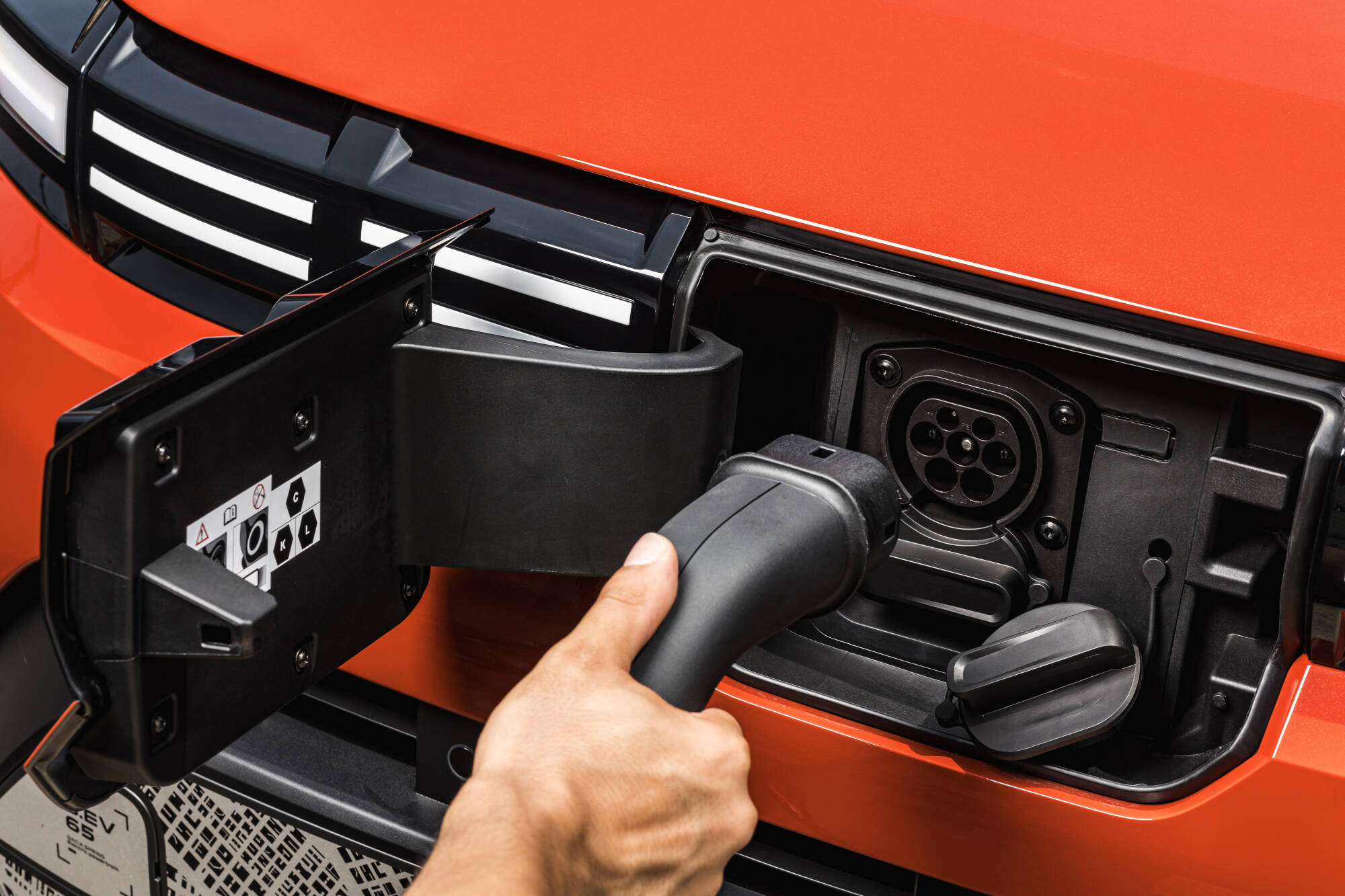
Thoroughly inspect your charging port for dirt, wear on the pins and loose connectors. The CCS charging port is the car’s rapid charging port. Always use original cables to prevent damage. Store your charging cable in a dry place and test weekly via the infotainment system whether there are any error messages.
The 12V battery fails most often
The 12V battery is not the same as the large traction battery. This smaller battery starts all systems in your car. Owners of the Spring report on forums that this component is often the first to cause problems after 2 to 3 years, especially with short journeys. Replace your 12V battery when the resting voltage drops below 12.4V.
Cold winters significantly shorten this battery’s lifespan. If the car is parked for long periods, a trickle charger helps to keep the battery charged. This prevents you from having to install a new battery in a rush just before the inspection.
‘ You can carry out a lot of the maintenance yourself. ’
These problems occur most often during the inspection
Based on owner experiences, there are specific points where the Spring fails more often. Seat belts and seats occasionally cause problems due to loose mountings in the rear. The folding rear bench can jam, so check all locks and lubricate the hinges if necessary.
The infotainment system can cause faults if the navigation crashes or app connections fail. Update your software via USB before you go for the inspection. The Gen 3 Media Nav accepts updates that you can download via the Dacia website. Restarting the system often solves problems straight away.
Vibrations on bumpy roads can point to problems with the suspension or steering. Check your shock absorbers and control arms, because the lightweight electric Spring is sensitive to uneven surfaces. This can lead to accelerated wear.
Also check the exterior for loose trim and door seals. Click or stick everything firmly in place, as water leaks can lead to rust, which can in turn be a reason for failure during the inspection.
Money-saving tips for owners
You can carry out a lot of the maintenance yourself. Clean the battery grilles and charging port regularly with a dry cloth. Use an OBD scanner to read fault codes before you go to the garage. This is a diagnostic device that lets you read faults in the car. Connect the scanner to an app such as Torque for a clear display. This saves unnecessary diagnostic costs.
Choose a test centre with specific experience of electric vehicles. The centre must be recognised by the RDW, the Dutch Vehicle Authority that supervises inspections. This prevents unnecessary failures caused by inspectors who are less familiar with the specific characteristics of electric cars. Ideally, schedule your inspection in spring, when many test centres offer lower rates.
The MOT inspection is mandatory from the fourth year after the date of first registration. After that you must have your car inspected annually. Dacia dealers often provide free checks within the warranty period. Take advantage of this to avoid major surprises during the official inspection.
Monthly checks prevent most problems
Owners who check their tyres and lights every month are rarely rejected. The Spring is a low-maintenance car, but do not ignore the 12V battery. A quick visual check takes little time and prevents many problems.
Also pay attention to warning lights on your dashboard. Deal with warnings immediately instead of ignoring them until just before the inspection. Most problems are easy to resolve if you tackle them in good time.
Follow this checklist systematically. This significantly increases the chances of a successful MOT inspection. Thanks to its fully electric drive, the Dacia Spring also scores well on emissions, which is one less thing to worry about during the inspection.
Does your Spring keep failing the inspection despite careful preparation? Then consult a specialist who is familiar with electric vehicles. Many reasons for failure can be quickly remedied with targeted maintenance or small repairs, so that you do pass at the re-inspection.
Frequently asked questions
The question “[object Object]” contains no substantive information from which a meaningful question can be derived.