

Difficulty changing gear, strange noises and an automatic gearbox that gets stuck are common gearbox problems that many drivers encounter sooner or later. Wear, a low oil level or worn components are often the cause of these issues, and timely checks can prevent expensive repairs. Do you want to know which symptoms point to a defective gearbox and what you can check yourself?
Common symptoms of gearbox problems
A gearbox that is not working properly usually gives off clear signals. If you recognise these symptoms at an early stage, you can prevent the problem from getting worse and avoid higher costs. Get to know the key warning signs.
When changing gear is difficult or feels stiff, gears no longer engage smoothly. You hear grinding or grating noises while shifting. This often points to worn synchroniser rings – internal rings that absorb the speed difference between gears and make smooth shifting possible. A thumping or droning noise when accelerating, lifting off the throttle or in neutral also deserves attention. These noises are caused by worn engine or gearbox mounts that no longer absorb vibrations. Internal bearings and gears that have reached the end of their life can cause the same complaints.
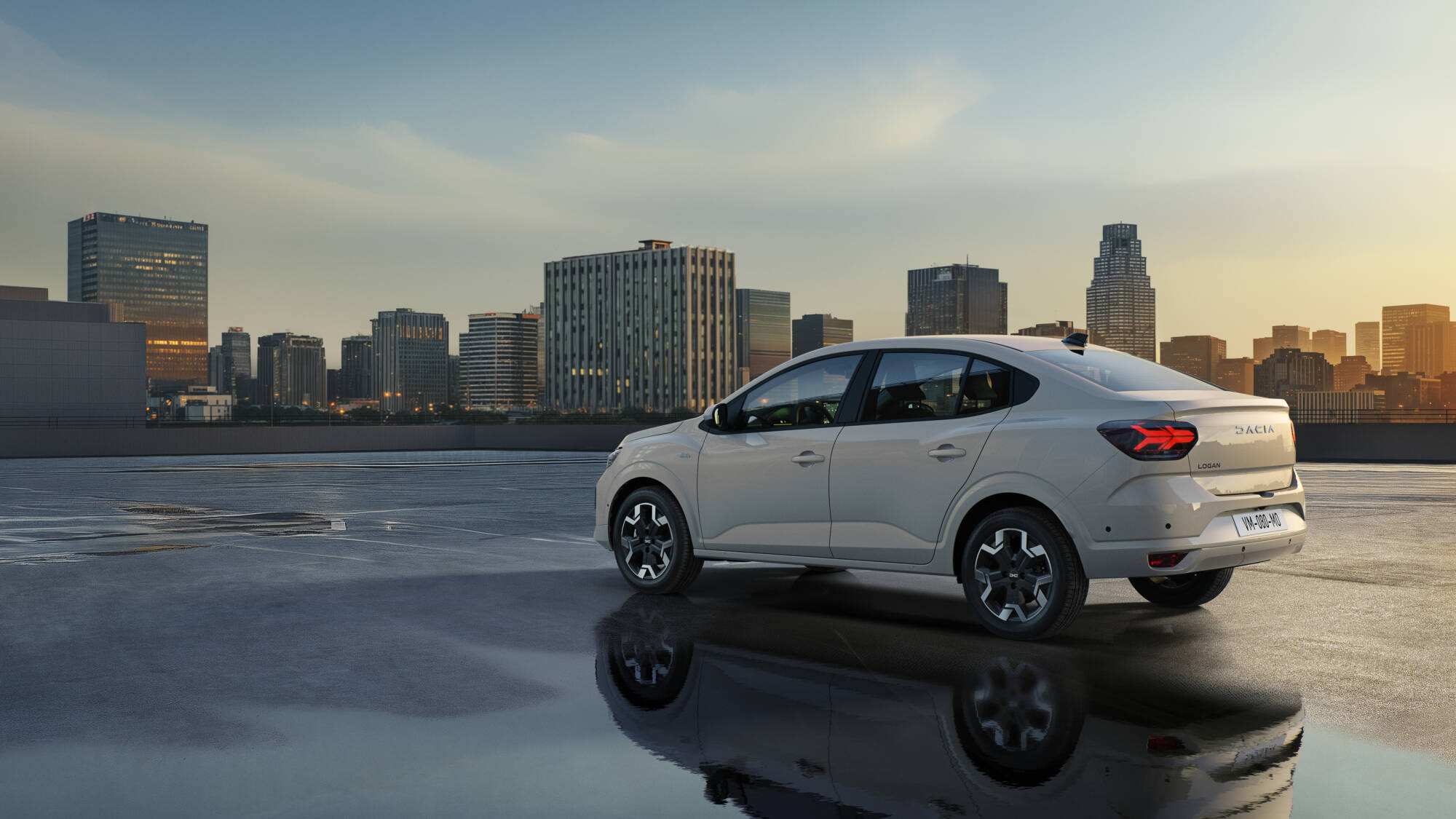
Owners of a Dacia Logan MCV regularly report that the gearbox jumps out of gear or slips. The car then refuses to stay in gear, sometimes with vibrations or jolts. This problem occurs more often with high-mileage models due to the cheaper construction and intensive use as a family car.
Other symptoms include leaking transmission fluid. You recognise this by spots underneath the car. The spots are red, brown or black in colour. A low oil level causes wear and overheating of internal components. A burnt smell or a warning light on the dashboard indicates overheated oil or electronic faults. Whining, grinding or other loud noises in neutral often occur in one specific gear due to broken synchroniser rings or clutch problems.
‘ Wear from everyday use is the most common cause. ’
What causes gearbox problems
Gearbox problems do not appear out of nowhere. Different causes lie behind faults and failures. Understanding these causes helps with prevention and early detection.
Wear from everyday use is the most common cause. Gears and synchroniser rings wear from constant engagement, especially with aggressive shifting or heavy loading of the car. Insufficient maintenance also plays an important role. Incorrect or old transmission oil leads to low levels and leaks, reducing its protective effect.
Worn mounts and clutch issues cause thumping noises in all gears. If the thumping only occurs in one gear, this points to defective internal rings. Electronic factors play a role mainly in later models. Loose wiring or faults in the ECU (the car’s engine control unit) can cause malfunctions. Drivers report that synchro problems often appear around 150,000 kilometres, with jerky shifting in second and third gear.
How to recognise a defective automatic gearbox
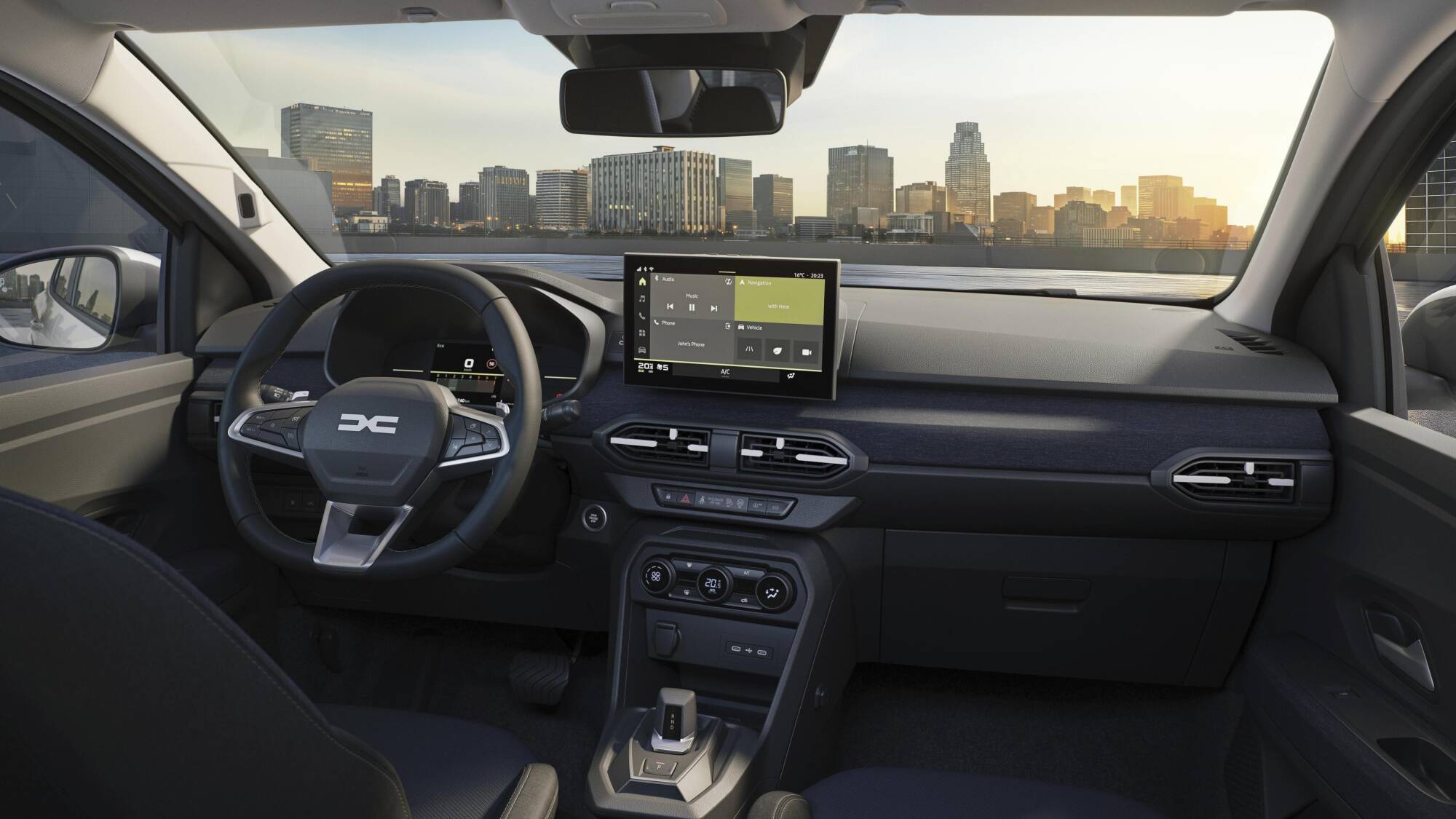
An automatic gearbox gives different signals than a manual version. Jerks when changing gear, a delayed response when pulling away or unusual vibrations point to problems. The car does not react immediately to the accelerator pedal or suddenly downshifts to a lower gear.
With a defective automatic gearbox you also see slipping. The revs rise, but the car does not accelerate. This is caused by internal wear of clutches and bands in the transmission. A warning light on the dashboard, often in the shape of a gearbox or a general engine warning, requires immediate attention. In some cars, serious problems cause the system to switch into limp mode, where only a few gears are available.
Things you can check yourself if you have gearbox problems
There are several checks you can do yourself before going to the garage. These checks quickly give you an idea of how serious the problem is and may save you money.
Follow these steps for a first diagnosis:
- Look under the car for leaks after parking, especially after it has been standing still overnight
- Listen for noises when accelerating and lifting off the throttle in different gears
- Test gear changes when stationary and while driving and pay attention to stiffness or grinding noises
- Smell the transmission fluid and check the level and colour on the dipstick. The fluid should be red or pink.
- Reset the ECU by disconnecting the battery for 30 minutes for a quick check of possible electronic problems
Visually check the engine and gearbox mounts for cracks or damage. If you feel jerks, have the clutch engagement point measured, because an incorrectly adjusted clutch causes similar symptoms to gearbox problems.
Maintenance tips for a longer service life
Preventive maintenance significantly extends the life of your gearbox. Regular checks and timely replacement of worn parts help you avoid expensive repairs.
Replace the transmission oil every 60,000 kilometres with the correct type according to your car’s manual. Avoid cold starts where you immediately accelerate hard, because a cold gearbox needs time to reach operating temperature. Warm up the engine and transmission gently during the first few kilometres.
Practical maintenance tips:
- Regularly check mounts for cracks or deformation
- Use only the recommended transmission fluid for your model
- Do not shift aggressively and treat the gear lever with care
- If in doubt about the clutch, have it checked by a specialist
- Include transmission inspections in your routine servicing
Drivers who carry out regular maintenance reach mileages of up to 250,000 kilometres without major transmission problems. This shows that prevention pays off and that costly replacements can often be avoided.
Costs of gearbox repair
Repair costs vary widely depending on the nature and severity of the problem. A simple oil change costs between 100 and 200 euros, while more complex repairs are considerably more expensive.
Overhauling a gearbox costs between 800 and 1,500 euros. This is a popular option because an overhaul is often just as reliable as a new gearbox but considerably more affordable. During an overhaul, worn parts such as synchroniser rings, bearings and seals are replaced. A complete replacement with a new or reconditioned gearbox costs from 2,500 euros upwards, depending on the make and model.
Smaller repairs, such as replacing gearbox mounts, cost between 150 and 400 euros including labour. Clutch problems dealt with at the same time add another 500 to 1,000 euros to the bill. Where possible, opt for an overhaul instead of complete replacement, as this saves money without compromising reliability.
When you should go straight to the garage
Some symptoms require immediate professional attention. Do not wait too long if you notice serious signals, because further damage will quickly drive up the repair costs.
Go straight to a garage if you notice these warning signs:
- Major oil leaks under the car or a rapidly dropping transmission fluid level
- Complete refusal to go into gear or to come out of gear
- Burning smell during or after driving
- Banging or breaking noises from the gearbox
- Warning lights on the dashboard that will not go out
- Car that suddenly cuts out or goes into limp mode
An endoscope inspection provides an internal diagnosis of the gearbox. This method works without full dismantling and saves time and diagnostic costs. Ask the garage about this option before agreeing to expensive removal of the gearbox.
‘ On the Carnews website you will find extensive information about engine problems, electrical faults, maintenance tips and many more topics that help car enthusiasts. ’
Discover more on Carnews
Gearbox problems are only one aspect of breakdowns and car maintenance. On the Carnews website you will find extensive information about engine problems, electrical faults, maintenance tips and many more topics that help car enthusiasts. Discover practical guides, recognise symptoms early and learn how to save money through smarter maintenance. Explore the website for answers to all your car-related questions.
Frequently asked questions
Early symptoms of a gearbox problem often include difficult or stiff gear changes, sometimes with grinding or grating noises when changing up or down. You may also hear thumping, humming or droning noises while accelerating, lifting off the throttle or even in neutral. A gear that occasionally suddenly drops out or will not stay engaged is also an important warning sign. In addition, leaking transmission oil (spots under the car) and a burnt oil smell can indicate early gearbox wear.
The most common causes of gearbox problems are wear of gears and synchroniser rings, insufficient or old transmission oil, worn engine or gearbox mounts and clutch problems. These lead to stiff gear changes, thumping or droning noises, gears that jump out of engagement and possible oil leaks. You can prevent this by having maintenance carried out on time and with the correct type of transmission oil, regularly checking for leaks, noises and the effort needed to change gear, and having worn mounts or clutch components replaced immediately. It also helps to change gear smoothly, not overload the car continuously and allow the drivetrain to warm up briefly after a cold start.
Possible repair options for gearbox problems include changing the oil and fixing leaks (a few hundred euros), replacing worn mounts or the clutch (roughly €300–€800) and a gearbox overhaul, during which internal components such as synchroniser rings and bearings are replaced (€800–€1,500). A complete gearbox replacement often costs €2,500 or more. Replacement is usually only necessary when the gearbox has severe internal damage (broken gears, serious bearing or shaft damage) or when an overhaul is no longer economically viable. Replacement can also be the most logical choice if problems keep returning after an earlier overhaul or if the mileage is extremely high.
Gearbox problems often cause slow or stiff gear changes, meaning the car responds less directly to acceleration and downshifts. During sporty driving you will notice this as less pulling power at the right moment, unsettled behaviour and possible jolts when changing up or down. Worn synchros and bearings can also cause noises and vibrations, which negatively affect the feeling of control and stability. In severe cases, a gear can pop out of engagement, which seriously hinders both sporty and safe driving.
A car enthusiast can diagnose simple things themselves, such as checking oil levels and leaks, listening for unusual noises, testing whether gear changes are stiff or crunchy and visually checking the mounts around the engine and gearbox. Minor maintenance tasks such as changing the transmission oil on time or tightening easily accessible mounts can sometimes be done yourself. Professional help is unavoidable with complaints such as a gearbox that jumps out of gear, persistent grinding noises from inside the gearbox, severe play, a burnt smell despite good oil, or suspected wear of synchroniser rings, bearings or gears. You should also call in a specialist if problems persist after your own checks, or if the car feels unsafe or unreliable.