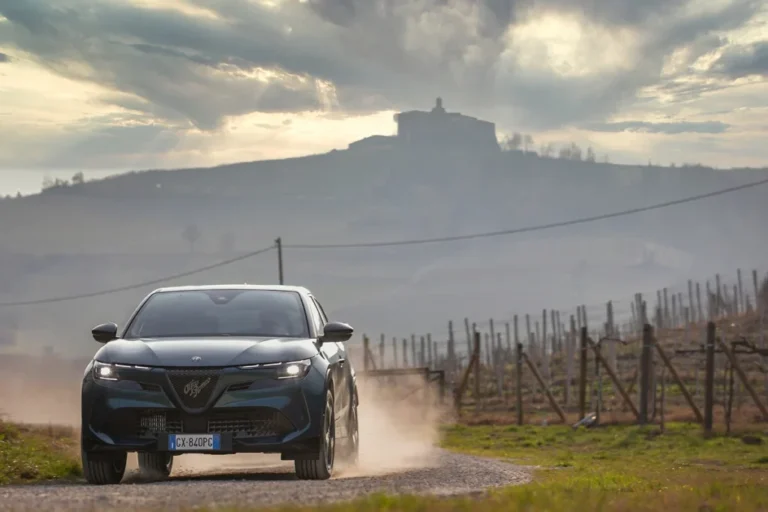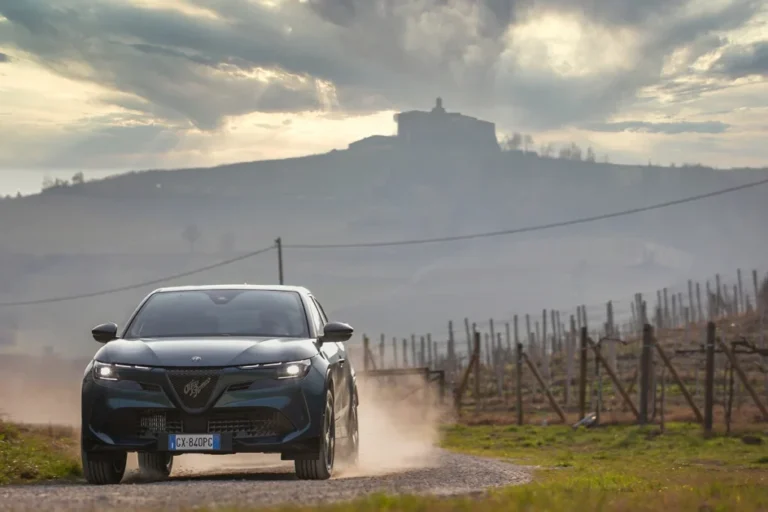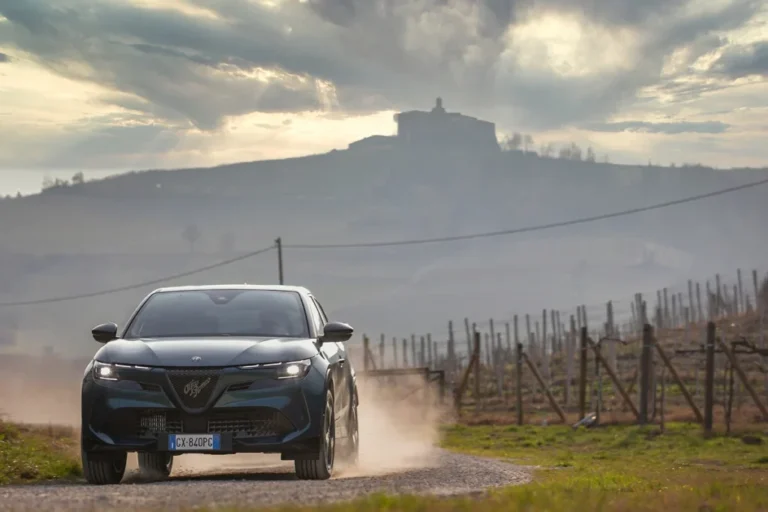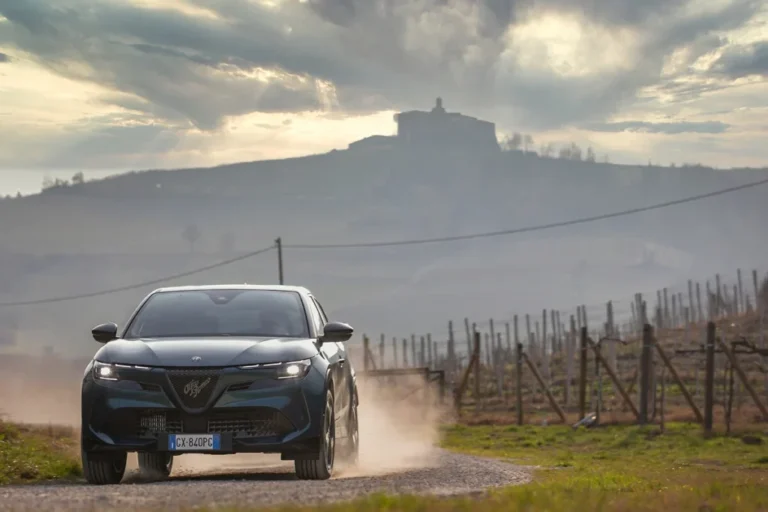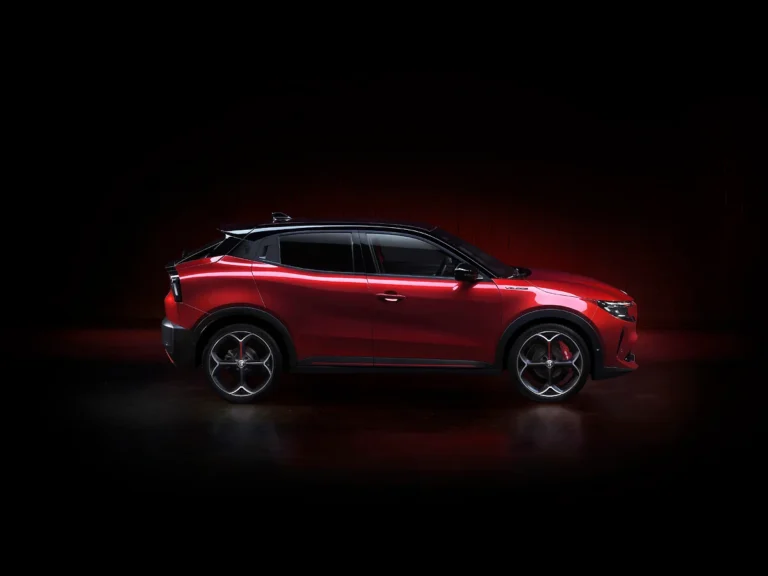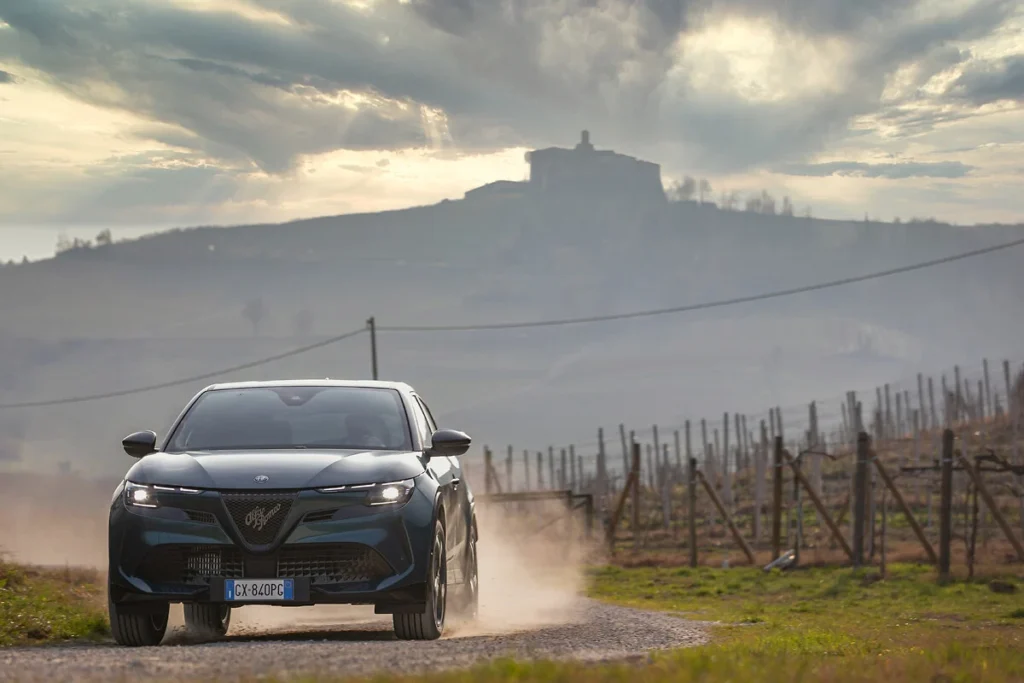
Approximately 6,486 Alfa Romeo Juniors are affected by a recall due to a calibration issue in the Matrix LED headlights, meaning the beam does not automatically adjust to traffic. This can cause oncoming drivers to be dazzled or leave the driver with insufficient visibility. Alfa Romeo is offering a solution through a recalibration procedure at authorised workshops. What does this mean in practical terms for owners?
Which Alfa Romeo Junior models have headlight problems?
Recall 6968 covers both the hybrid and fully electric versions of the Alfa Romeo Junior. It specifically concerns vehicles fitted with Full-LED Adaptive Matrix headlights, an advanced lighting system that can switch off or dim individual LED segments so as not to dazzle oncoming traffic. The problem lies in incorrect calibration of the headlight module, which means this function does not work properly.
All affected models were produced during a specific period. If you have an Alfa Romeo Junior with Matrix LED headlights, there is a good chance your vehicle falls within the recall. You can check this by contacting an authorised Alfa Romeo dealer with your chassis number.
How do I recognise a Matrix LED headlight calibration fault?
A calibration issue with Matrix LED headlights shows itself in several ways. The most common symptom is oncoming drivers flashing their main beam at you because they are being dazzled by your headlights. This indicates that the beam is set too high or is pointing in the wrong direction.
Other signs of incorrect calibration include:
- The driver does not have sufficient visibility when driving in the dark
- The adaptive lighting function does not automatically switch off parts of the beam for approaching vehicles
- The light pattern on the road appears uneven or shows unexpected shadows
- The headlights do not respond to the presence of other traffic
The Matrix system usually only operates above a certain speed and is most effective on unlit roads. In built-up areas, this system will be active less often. If you notice outside the city that the function is not working, this may indicate a calibration issue.
What is the solution to the Matrix LED headlight problem?
Alfa Romeo solves the issue through a recalibration procedure for the headlight module. This procedure must be carried out at an authorised workshop and requires professional diagnostic systems that communicate directly with the onboard computer.
The calibration process consists of several steps:
- The car is positioned on a completely level surface and the tyre pressures are checked
- Any fault codes are read and cleared using a diagnostic tester
- The headlights are placed in service mode or adjustment position
- Digital measuring equipment checks the beam from each individual headlight
- The Master LED reference segments are activated to test the light pattern
- Mechanical adjustment of height and lateral angle where necessary
- Check of the adaptive Matrix LED functions and camera systems
The camera behind the windscreen plays an important role in the system. It detects the headlights and tail lights of other traffic, after which the system automatically creates shadow zones to prevent dazzle. If this camera is not calibrated correctly, the entire adaptive function will not work properly.
Is my Junior affected by the headlight recall?
There are several ways to check whether your Alfa Romeo Junior is included in the recall. The most reliable method is to contact an official Alfa Romeo dealer. Using your chassis number, they can immediately check whether your vehicle is involved in recall 6968.
In addition, owners who have recently had a service or maintenance carried out on components such as shock absorbers, springs or tyres may encounter a calibration issue. After this type of work, the headlight calibration must be carried out again, as the vehicle’s ride height or geometry may have changed.
What can you do yourself if you have lighting problems?
If you suspect that your Matrix LED headlights are not functioning correctly, there are a few checks you can carry out yourself. While driving, watch whether oncoming drivers flash their main beam unusually often; this is often a sign that your headlights are misaligned.
You can also check on an unlit road whether the adaptive system responds correctly. As oncoming vehicles approach, you should see parts of the beam automatically dim or switch off. If this does not happen, it points to a problem with calibration or the detection systems.
Do not wait too long before having the headlights checked. Incorrect alignment poses not only a safety risk to you, but also to other traffic on the road. Make an appointment at an authorised workshop for a thorough inspection and any necessary recalibration.
‘ If one of these components is not calibrated correctly, the whole system can lose its effectiveness. ’
How does the Matrix LED headlight system work?
The Full-LED Adaptive Matrix system in the Alfa Romeo Junior is an advanced technology that goes far beyond traditional headlights. The system consists of multiple individual LED segments that can be controlled separately.
When the camera behind the windscreen detects an oncoming vehicle or a vehicle in front, the system automatically switches off or dims specific LED segments. This creates a shadow zone around the other vehicle, while the rest of the road remains optimally lit. This happens dynamically and continuously, allowing the system to follow several vehicles at once and adjust the beam accordingly.
This advanced functionality requires precise coordination between the camera, the onboard computer and the headlight modules. If one of these components is not calibrated correctly, the whole system can lose its effectiveness. That is why professional diagnostic systems are needed to carry out and verify the calibration.
Maintenance and prevention of headlight problems
Preventive maintenance of the headlight system can help avoid future problems. Make sure that after any maintenance that may change the car’s ride height or geometry, the headlights are checked again and recalibrated if necessary.
This applies specifically after:
- Replacement of shock absorbers or springs
- Changing to different tyre sizes
- Repairs to the suspension
- Replacement of headlight units or modules
Also keep the camera behind the windscreen clean. Dirt, snow or ice on the windscreen can interfere with the detection of other traffic, causing the adaptive system to function incorrectly. Check regularly that the camera has a clear view.
When using the system, bear in mind that the adaptive function works best above a certain speed and on unlit roads. In urban areas with plenty of street lighting, the system will be active less often, as the additional functionality is less necessary there.
More information about Alfa Romeo Junior problems
The Matrix LED headlight issue is one of the points of attention for the Alfa Romeo Junior. On the Carnews website you will find more detailed information about common problems, maintenance tips and practical solutions for various Alfa Romeo models. Find out more about your car and stay up to date with important recalls and technical developments that are relevant to you as an owner.
Frequently asked questions
An incorrectly calibrated Matrix LED headlight on the Alfa Romeo Junior can show itself in a beam that is too high or angled wrongly, causing oncoming drivers to flash you often because they are dazzled. The light distribution can also be uneven, with dark areas or a beam that is too short, which severely limits your own visibility. The adaptive Matrix functions may work incorrectly, for example by not shading oncoming vehicles or doing so too late, or by cutting out around other vehicles incorrectly. This increases the risk of accidents, especially on unlit roads and at higher speeds, because both you and oncoming traffic either do not receive optimum light or receive too much of it.
The calibration process for Matrix LED headlights involves putting the lighting into service mode via a diagnostic tester, digitally measuring the beam for each headlight and then precisely adjusting the height and lateral angle mechanically and via software. The adaptive functions and the interaction with the front camera (which detects oncoming traffic and road signs) are also tested and, where necessary, re-learned. This is crucial because even a small calibration error can lead to dazzling oncoming drivers or, conversely, insufficient road lighting for the driver. Correct calibration therefore guarantees both optimum visibility and maximum road safety.
The most common causes are incomplete or omitted recalibration after maintenance or component replacement (such as shock absorbers, springs or tyres), incorrect mechanical adjustment of the headlights and/or a front camera that is not properly calibrated. The problem mainly lies in the adjustment and software-based learning of the Matrix LED system, not in a fundamental mechanical design fault of the headlight itself. In practice, it is therefore seen as a software/calibration issue combined with workshop procedures, rather than a structural design flaw.
Alfa Romeo Junior owners who suspect that their Matrix LED headlights are not calibrated correctly should place the car on a completely level surface, check the tyre pressures and remove any excessive load. They should then have the headlights read by a diagnostic tester at a main dealer or specialist company and put into the special adjustment or service mode. There, digital headlight adjustment equipment is used to check the beam and, if necessary, to adjust the height and direction mechanically. Finally, the adaptive Matrix functions and the front camera must be recalibrated and tested to ensure they are working correctly.
At present, there are no publicly known official recalls from Alfa Romeo specifically for a “calibration problem” of the Matrix LED headlights on the Junior. However, the manufacturer does prescribe a formal recalibration procedure after certain maintenance or replacement work (for example suspension, tyres), to be carried out with a diagnostic tester and digital adjustment equipment. Any problems are therefore dealt with in practice as a service/workshop matter via diagnosis and recalibration, not through a general recall.