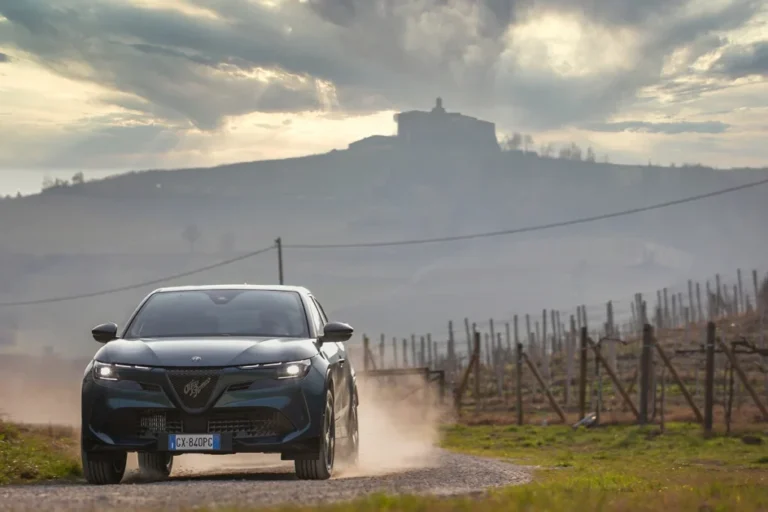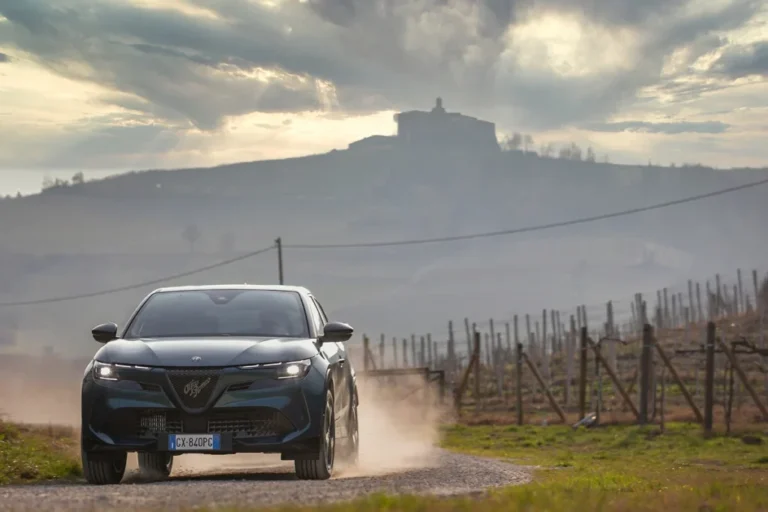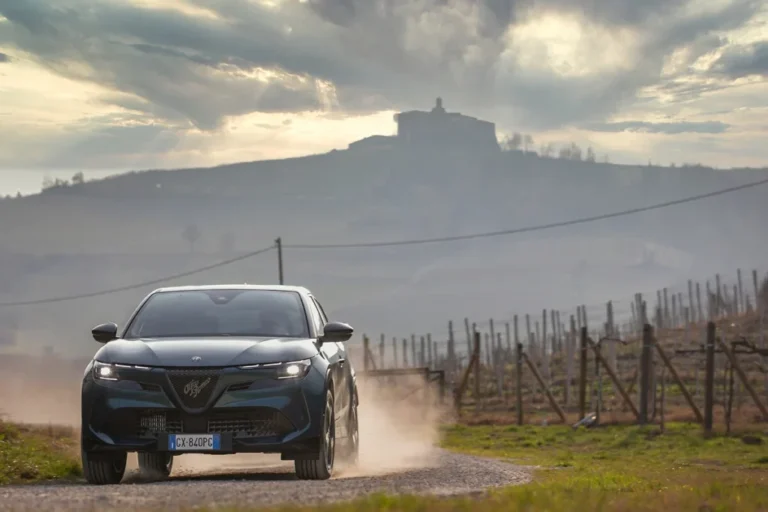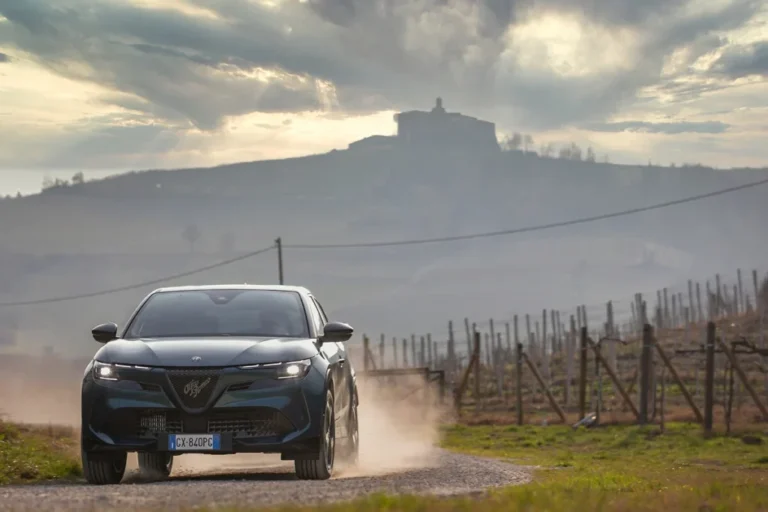
An automatic parking brake that does not respond, or a handbrake warning light that comes on unexpectedly: these are faults that occur more often than many drivers expect. In the Alfa Romeo Junior in particular, reports concerning the automatic parking brake crop up regularly. The cause is by no means always the brake itself, but often the control system, wiring or power supply. How do you recognise a parking brake fault, and what causes it? Read on and you will know exactly what to look out for.
Why does the automatic parking brake not respond?
An automatic parking brake, also known as EPB (Electronic Parking Brake), works via an electric motor that controls the brake calliper. That sounds simple, but the system depends on several signals at once: the brake pedal position, battery voltage and the vehicle’s software. If one of those signals is lost or disrupted, the brake may not engage or release properly.
Owners of Alfa Romeo Junior problems report, among other things, that the parking brake engages unexpectedly, fails to release, or shows a fault message such as “handbrake fault” or “handbrake limited function”. In most cases, this kind of message points to an electromechanical or software-related problem. A mechanical breakage is rare.
A common misconception is that a fault message always means the brake calliper is defective. In practice, the cause is often elsewhere in the system. Think of a loose battery terminal or a temporary voltage dip that is enough to disrupt the system.
What causes automatic parking brake faults?
There are several possible causes of a parking brake fault. The most common are:
- A defective switch or control unit that does not engage or release the brake correctly.
- Poor contact in the wiring or a loose connector, leading to intermittent faults.
- A problem with the brake pedal switch: if the system does not receive the brake pedal signal, the parking brake release is sometimes blocked.
- Low battery voltage or a poor battery connection, causing the EPB system to behave unreliably.
- Corrosion or sticking parts in the brake calliper, where the electric motor works but the brake does not fully release.
- A parking brake that has not been re-initialised or reset with a system scan after brake maintenance.
Intermittent faults sometimes disappear and then return later. That often points to a contact issue or an early-stage voltage problem. That is no cause for panic, but it is a sign to have it checked promptly.
Can I drive with a handbrake fault?
Is the automatic parking brake showing a fault message? If the car drives normally, it is usually fine to continue to a garage. The service brake, the brakes you use while driving, operates separately from the parking brake. Nevertheless, take the situation seriously.
Do not manually shift the car into P while it is still moving. Avoid doing so even if the car is under load on a slope. Bring the car to a complete stop and let it “settle” for a moment. Only then shift to P. This avoids extra strain on the parking mechanism and the transmission. Always press the brake pedal before operating the parking brake. That is the standard logic the system expects.
How is a parking brake fault diagnosed and repaired?
A proper diagnosis starts with the basics. Follow these steps if you get a parking brake fault message:
- Check the battery voltage and whether the battery terminals are securely fastened. A voltage issue is a commonly reported cause in owner forums.
- See whether there has been recent maintenance on the rear brakes. After brake work, the EPB is sometimes in service mode and the system must be reset.
- Have the fault codes read out using a diagnostic scan. The same warning can have multiple causes. Think of the switch, the power supply, the wiring or the brake module itself.
- Have the brake pedal switch checked. A fault with this component also affects the release of the parking brake.
- Ask the mechanic to check whether a software update is available. On electromechanical systems, an update sometimes resolves recurring faults.
An electric parking brake needs more sensors, software and power than a conventional cable handbrake. That makes diagnosis a little more complex. However, most faults can be repaired well once the exact cause is known.
‘ This helps you avoid unnecessary costs on parts that are working perfectly well. ’
What does it cost to repair a parking brake?
The cost depends heavily on the cause. A reset or software update after brake maintenance is relatively inexpensive. Replacing the control unit or the brake calliper is considerably more expensive. Labour costs are added on top. Always have the fault codes read out first, and only then replace parts. This helps you avoid unnecessary costs on parts that are working perfectly well.
If the warning keeps coming back without a clear cause, it is worth looking more broadly. Check not only the brake calliper, but also the brake pedal switch, fuses, wiring and battery condition.

Want to know more about car problems and maintenance tips?
On the Carnews website you will find much more information about common car problems, maintenance tips and everything you need to know as a car enthusiast. Have questions about a specific model, or want to understand a particular system better? There is plenty to discover. Visit Carnews and delve further into the world of cars.
Frequently asked questions
An automatic parking brake is electronically controlled: a button and a control unit operate small electric motors on the brake callipers, often in combination with sensors (such as the brake pedal switch and slope angle) so the brake can automatically apply or release, for example when pulling away. A traditional handbrake is mechanical: a lever and cables allow the driver to operate the brake directly, without an electronic control unit. In an automatic parking brake, extra components such as software, sensors, wiring and a healthy battery voltage are crucial, whereas a handbrake is almost independent of electrical systems. Automatic systems offer more convenience and extra functions (such as auto hold), but are more complex and more prone to faults than the simple, robust mechanical handbrake.
Drivers sometimes place blind trust in the automatic parking brake and do not check whether the car has actually come to a stop, or they put the car only into P without engaging the parking brake (especially on slopes). Some also forget to press the brake pedal firmly when engaging or disengaging it, or use the parking brake while the car is still rolling, which puts extra strain on the brake and transmission. These mistakes can be avoided by always bringing the car to a complete stop, following the brake pedal instructions in the manual, and on slopes using both the parking brake and the correct gear/P position. Regular checks of battery condition and attention to warning messages also help prevent unexpected failure of the automatic parking brake.
Signs of a faulty automatic parking brake include messages such as “handbrake fault”, “handbrake limited function” or “parking brake not released”, the motor audibly working without the car freeing off, or a brake that does not fully apply or release. Sometimes you have to press the brake pedal extra hard before the parking brake responds. In the event of such a fault, bring the car safely to a stop, do not continue driving if the brake is not working properly, and have the car read out and checked by a garage as soon as possible. If possible, also check the battery voltage and terminals, as voltage problems are often the cause.
Under normal circumstances, the automatic parking brake has hardly any effect on the driving experience or performance during sporty driving, because it is only active while stationary and when pulling away. During dynamic driving, the parking brake remains released and does not interfere with brake balance or engine performance. Only in the event of a fault, for example if the brake does not fully release, may there be a noticeable braking effect that negatively affects the driving experience. In proper working order, the automatic parking brake therefore plays practically no role in sporty driving.
Keep the battery voltage and battery terminals in good condition, because voltage problems often cause faults in the automatic parking brake. Operating the parking brake with the brake pedal firmly pressed helps the electronics work correctly and prevents unnecessary errors. After work on the rear brakes, make sure the electric parking brake has not remained in service or maintenance mode and, if necessary, re-initialise or reset it. If messages recur, it is sensible to read out fault codes preventively so that early contact or switch problems can be identified in time.