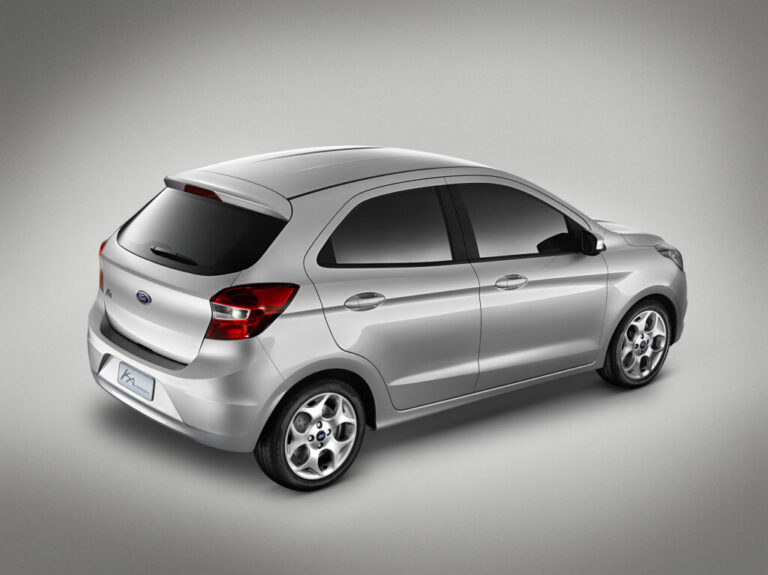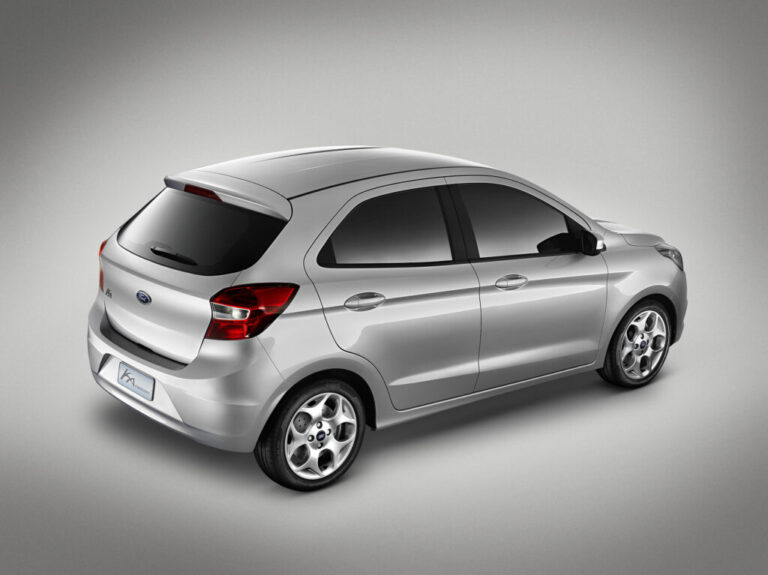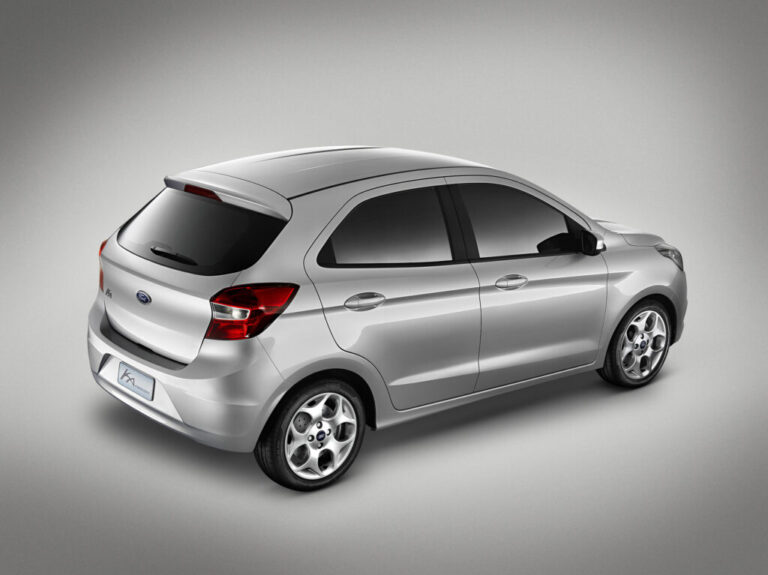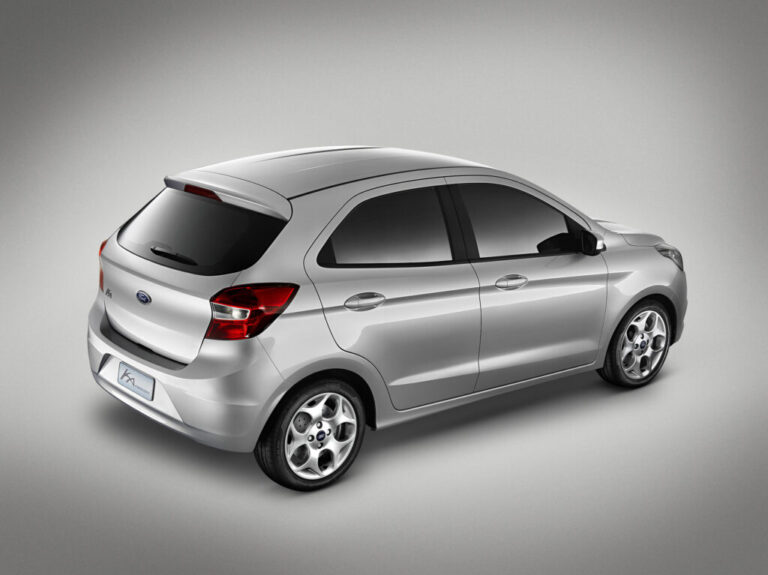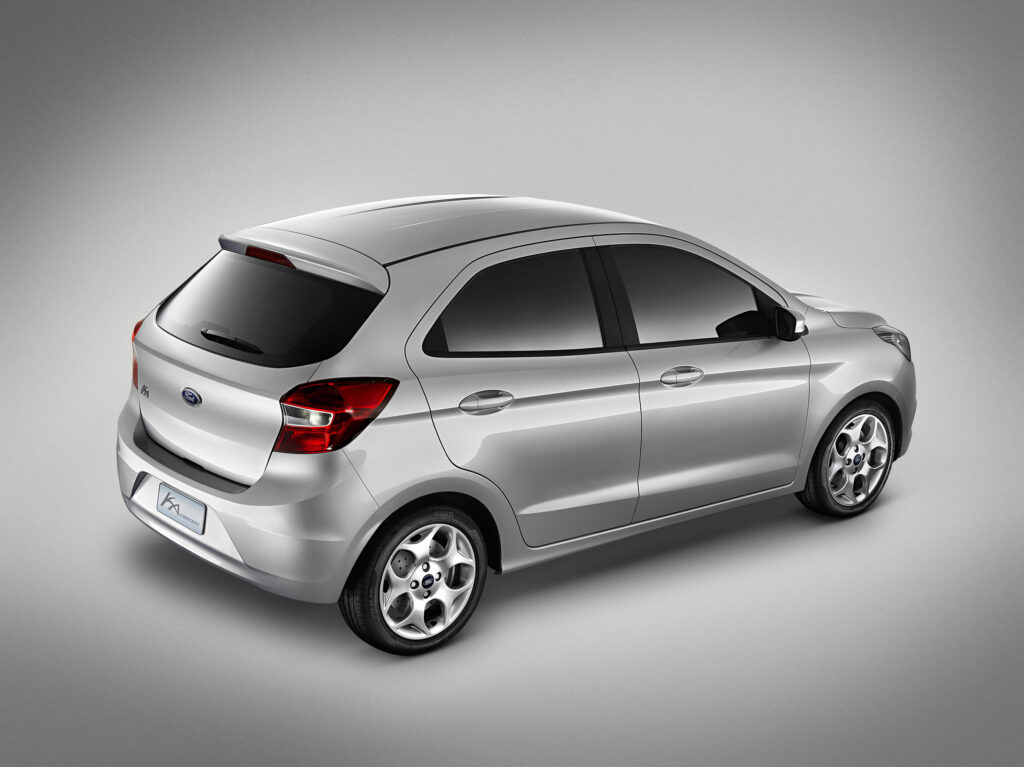
Wear in the braking system of the Ford Ka deserves attention, because worn brake parts, faulty brake cables and an exhaust that is not gas-tight can affect safety and the MOT result. The Ford Ka is compact and is often used for short journeys, during which the brakes do a lot of work and moisture or periods of standing still can leave traces more quickly. Anyone who recognises the warning signs in time prevents a small defect from turning into a larger repair. Read on and find out what to look out for.
Brake wear in the Ford Ka often starts unnoticed
On a Ford Ka with known weak spots, the brakes always deserve a proper inspection. Brake pads wear as they rub against the brake disc when braking. The discs wear too, but often more slowly. On versions with rear drum brakes, the parts are less visible, which means corrosion or a sticking component may only become apparent later.
Short trips in town traffic ask a lot of the braking system. The car comes to a halt often and the brakes have less time to dry out. Long periods of inactivity can also cause problems. Rust on a brake disc is not always a cause for concern, but deep grooves, obvious rust edges or uneven wear patterns do deserve investigation.
Do not just pay attention to what you can see. The brake pedal, steering wheel and the car’s behaviour often give an earlier clue. Does the Ford Ka feel different when braking? Then have a garage establish the cause. Brake problems have different causes and call for a targeted inspection.
Checking brake wear in the Ford Ka
Checking brake wear in the Ford Ka starts with listening, feeling and looking. A squeaking noise does not automatically mean the brake pads are worn, but it is a good reason to have them checked. Scraping or grinding while braking can point to advanced wear. Do not wait with this, as metal-to-metal contact can damage a brake disc.
The signs below show when an inspection is sensible:
- A squeaking, scraping or grinding noise when braking.
- Vibrations in the brake pedal or steering wheel.
- A Ford Ka that pulls to one side when braking.
- A longer stopping distance or a less direct pedal feel.
- Visible grooves, rust build-up or a lip on the brake disc.
- A handbrake that does not hold well or is difficult to release.
A vibration in the steering wheel when braking can fit an uneven wear pattern on the brake discs. That does not have to be the only cause. Parts of the suspension or a tyre problem can also affect how the car responds. A garage can measure the brake disc and check whether the brake calliper moves freely.
Brake pads and brake discs are replaced per axle
Brake pads are normally replaced on the left and right of the same axle. That helps to limit differences in braking force. If brake discs are due for replacement, this is also done per axle. New pads on heavily worn discs may not engage evenly and therefore do not always provide the desired solution.
When servicing, ask about the condition of the brake fluid, brake hoses and brake lines. Brake fluid transfers the force from the pedal to the brakes. Hoses and lines carry that pressure through. Damage, leakage or corrosion can affect performance and should be assessed immediately.
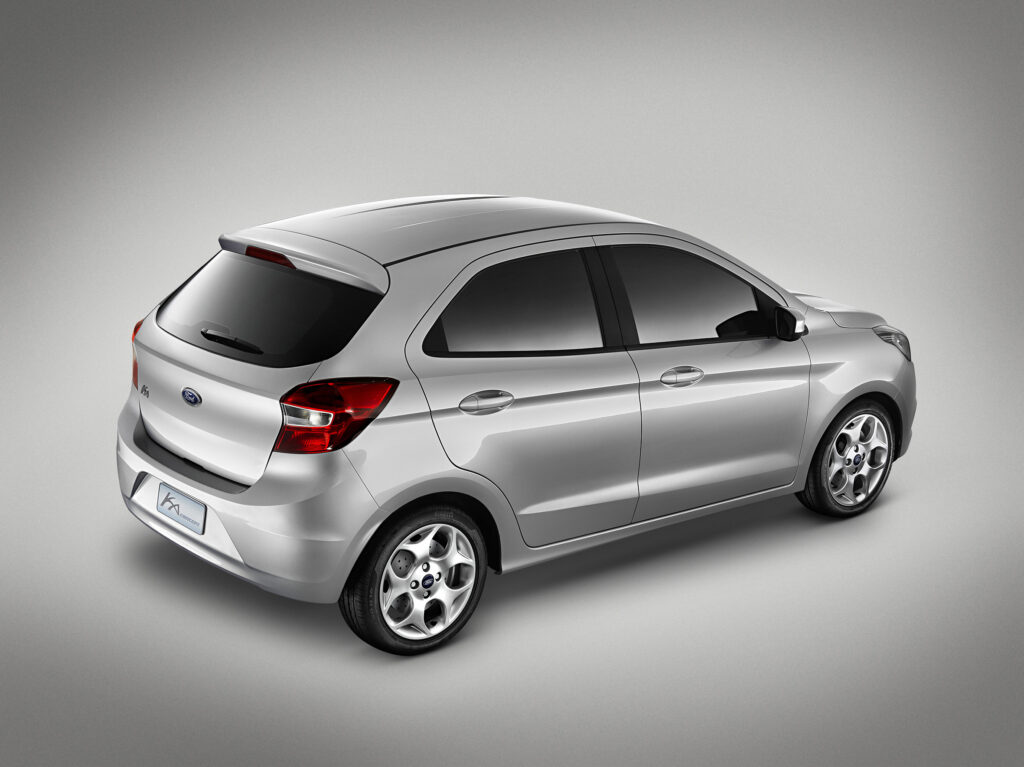
Rear brakes and drums of the Ford Ka
Many Ford Ka versions have drum brakes at the rear. In this setup, brake shoes press against the inside of a drum. This system is shielded, which means you cannot easily see the condition of the parts from the outside. An inspection usually requires removing the wheel and the drum.
With drum brakes, moisture or rust can cause parts to move less smoothly. Brake dust can also collect inside the drum. This does not always cause immediate noticeable symptoms, but uneven operation can affect the rear braking force. A garage can open the drums and check for wear, corrosion and leaks at the wheel cylinder.
In many cars, the handbrake works on the rear brakes. If the handbrake pulls up a long way before it holds, or remains stuck after use, it needs checking. The cause may lie with adjustment, the brake shoes, the drums or the brake cables. Do not drive with a handbrake that does not work reliably.
Ford Ka brake cable problems and the MOT
Ford Ka brake cable problems can affect the MOT, especially when the parking brake does not work properly or applies unevenly. The brake cable connects the handbrake lever to the rear brakes. A cable can move more stiffly because of moisture, dirt or corrosion. It can also become damaged or seize inside its outer sheath.
A faulty brake cable is not always visible from the driver’s seat. These signs may indicate a problem:
- The handbrake sits unusually high before the car stays still.
- The handbrake is difficult to pull on or release.
- A rear wheel feels heavy after pulling away.
- The car does not hold properly on a slope.
- The parking brake’s braking effect differs clearly between the two rear wheels.
During the MOT, brake performance is checked. If the parking brake provides insufficient braking force, sticks, or creates too large a difference between left and right, this can lead to a fail. The exact assessment depends on the measured performance and the condition of the parts. Have complaints investigated before the test, rather than hoping they will not be noticed during it.
A sticking brake cable calls for repair
Simply tightening the adjustment will not always solve a cable that is binding. If the cable itself is stiff or damaged, replacement is often the appropriate repair. Afterwards, the rear brakes must also be checked to see whether they move freely. A cable problem can also go hand in hand with sticking brake shoes or problems in the handbrake mechanism.
‘ The smell of exhaust fumes in or around the car is always a reason not to wait. ’
Fixing a non-gas-tight exhaust on a Ford Ka
A non-gas-tight exhaust should not be viewed separately from safety. Exhaust gases must be routed from the engine to the rear in a controlled way. A leak can make noise, but it can also allow exhaust gases to escape in an unwanted place. A leak at the front of the exhaust system particularly deserves prompt attention.
You can sometimes recognise an exhaust leak by a ticking, hissing or rumbling noise. A visible crack, rust hole or loose joint is also a clue. The smell of exhaust fumes in or around the car is always a reason not to wait. Do not rely on the ventilation system as a fix; have the Ford Ka checked instead.
The correct fix for a non-gas-tight exhaust on a Ford Ka depends on the location and size of the leak. A worn clamp or gasket can sometimes be replaced. If there is rust damage to a pipe, silencer or joint, replacement of the affected part is often needed. A garage will also check the mounting rubbers, because a hanging exhaust can place extra strain on joints.
A leaking exhaust is also relevant for the MOT. The exhaust must meet the requirements for mounting, noise and emissions. A leak can affect the exhaust gas test or indicate damage that needs repairing. Have a rattling or leaking exhaust checked before the inspection.
How to keep your Ford Ka’s braking safety up to standard
A fixed routine helps you spot problems earlier. You do not need to work on brake parts yourself for that. You can, however, take changes in driving behaviour seriously and report clear complaints during a service. That often makes the diagnosis quicker and prevents you from continuing to drive unnecessarily with a defect.
Follow these steps for a practical check:
- Listen for squeaks, scraping and tapping during quiet journeys.
- Notice whether the car stays straight when braking gently or firmly.
- Check through the wheel whether the visible brake disc has deep grooves or heavy rust.
- Test the handbrake in a safe place where the car cannot roll away.
- Have the brakes, cables and exhaust inspected specifically during servicing.
- Book an appointment quickly if there are vibrations, leaks, an unusual pedal feel or the smell of exhaust fumes.
Do not keep driving if the braking behaviour changes noticeably. Even a warning that only appears occasionally can point to a part that needs attention. Early inspection gives clarity about the condition of the pads, discs, drums and brake cables. That keeps the Ford Ka predictable and safe to use.
On Carnews you will find much more information about Ford problems, maintenance, MOT weak spots and practical car tips. Discover more related topics on the Carnews website and stay up to date with what your car may need.
Frequently asked questions
Typical symptoms include squeaking, scraping or grinding noises when braking, and a longer stopping distance. Vibrations in the brake pedal or steering wheel, a changed or spongy pedal feel, and pulling to one side can also occur. Have the brake pads checked immediately if you hear metallic scraping noises.
Sporty driving shortens the lifespan of a Ford Ka’s braking system because you brake more often and more heavily, creating extra heat and wear. Brake pads in particular wear faster; brake discs can also develop grooves, distort or wear unevenly sooner. Regular checks and timely replacement are therefore important.
Choose high-quality, vehicle-specific performance brake pads and matching ventilated brake discs from a reputable brand, and replace them per axle. Steel brake lines and fresh brake fluid with a higher boiling point improve pedal feel and reduce fading. For road use, slotted discs are usually more suitable than drilled ones; always have the fitment and compatibility checked by a specialist.
Park the Ford Ka on a level surface, slacken the wheel bolts, jack it up at the specified jacking points, place axle stands and remove the wheel. Remove the brake calliper and hang it up without putting strain on the brake hose, take off the brake pads and calliper carrier, and then remove the old brake disc. Clean the hub, fit two matching new discs per axle, push the brake piston back and preferably fit new brake pads; tighten all bolts to the model-specific torque settings in the workshop manual. Refit the wheels, pump the brake pedal before driving, check the brake fluid level and for leaks, bed the parts in according to the manufacturer and, if in doubt, have the work done by a professional.