- Use an injector cleaner, for example one bottle per 10 litres of fuel, and then drive a longer distance at higher revs to burn off contamination.
- Have the coolant temperature sensor checked if the engine is not receiving fuel properly when cold.
- Clean the throttle body and intake path. If the contamination is severe, a thorough engine flush followed by an oil change can help.
- Clean the MAP sensor with brake cleaner if it is dirty.
- Check the oil level regularly. Use oil of ACEA C1 or C2 quality with a viscosity of 5W30, which is beneficial for the engine during a cold start.
- If vibrations or stalling continue, have a dealer measure the idle speed.
Is slow starting normal in the Citroën C1 in winter?
A slight delay when starting is more common and is usually harmless. Some vibration until the engine has warmed up also falls into this category. Nevertheless, it is important to distinguish between a normal cold start and a fault. Such a fault will only get worse over time.
- Do not turn the air conditioning and heater up to full power straight after starting. This places extra strain on the cold engine.
- Avoid pressing the accelerator pedal while starting. This can disable the cold-start function and actually cause more starting problems.
- If the engine continues to vibrate after warming up or repeatedly cuts out, this points to an underlying problem that needs further investigation.
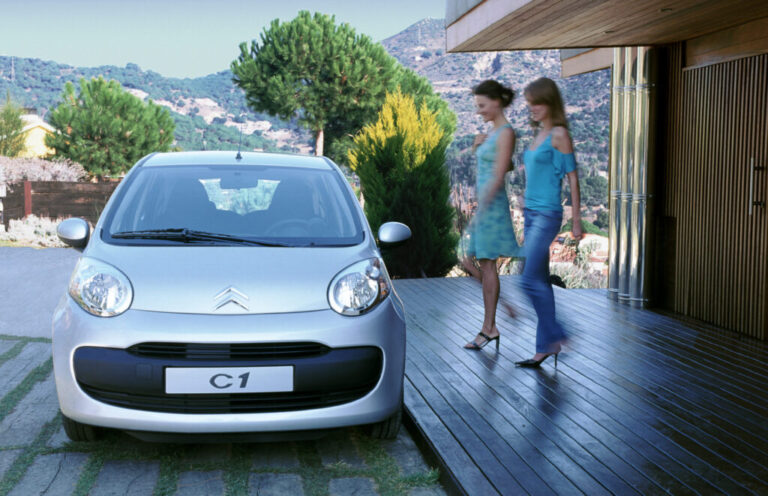
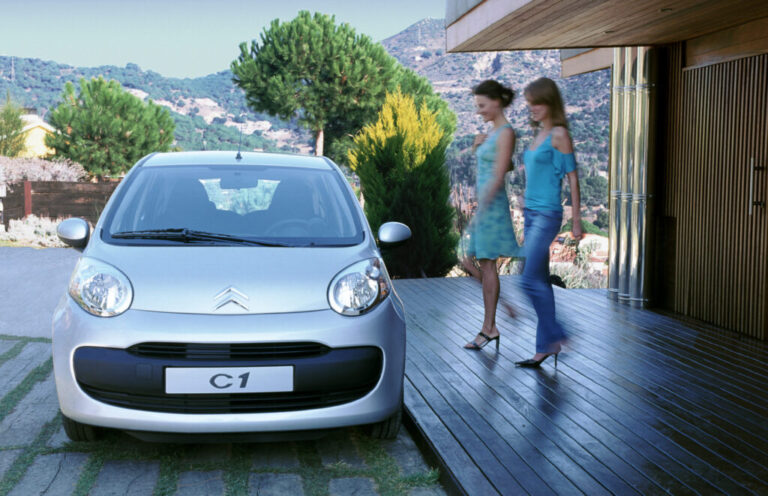
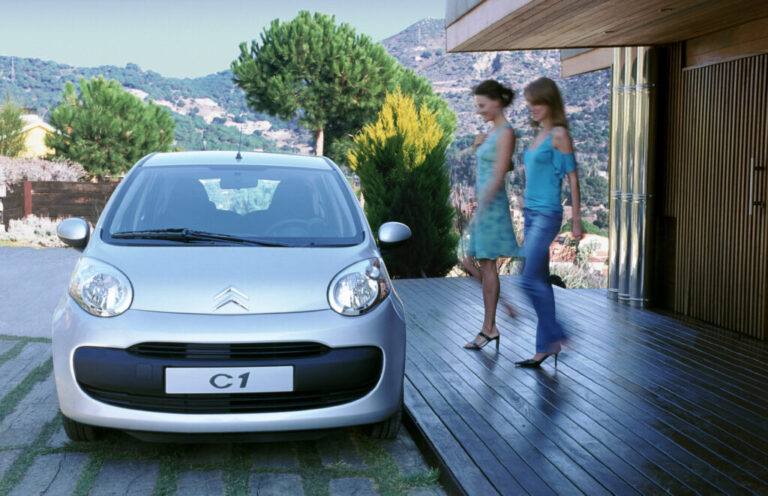
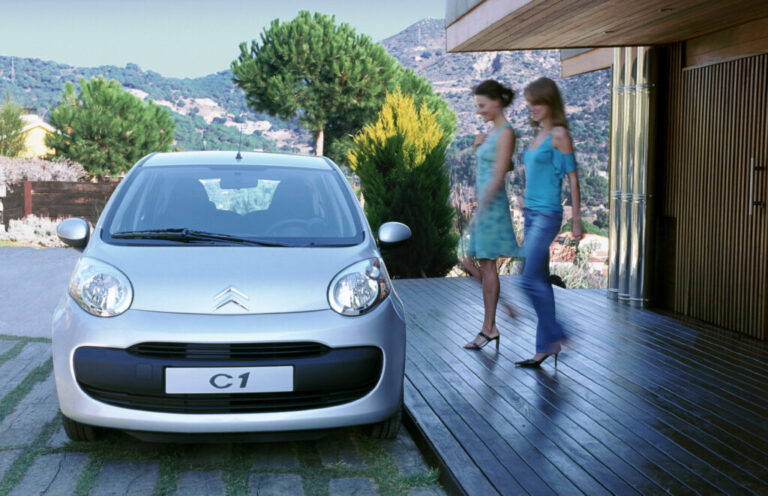
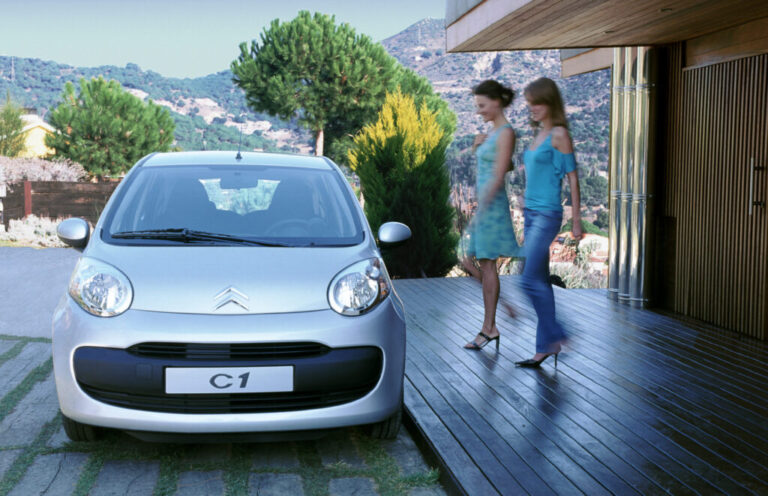
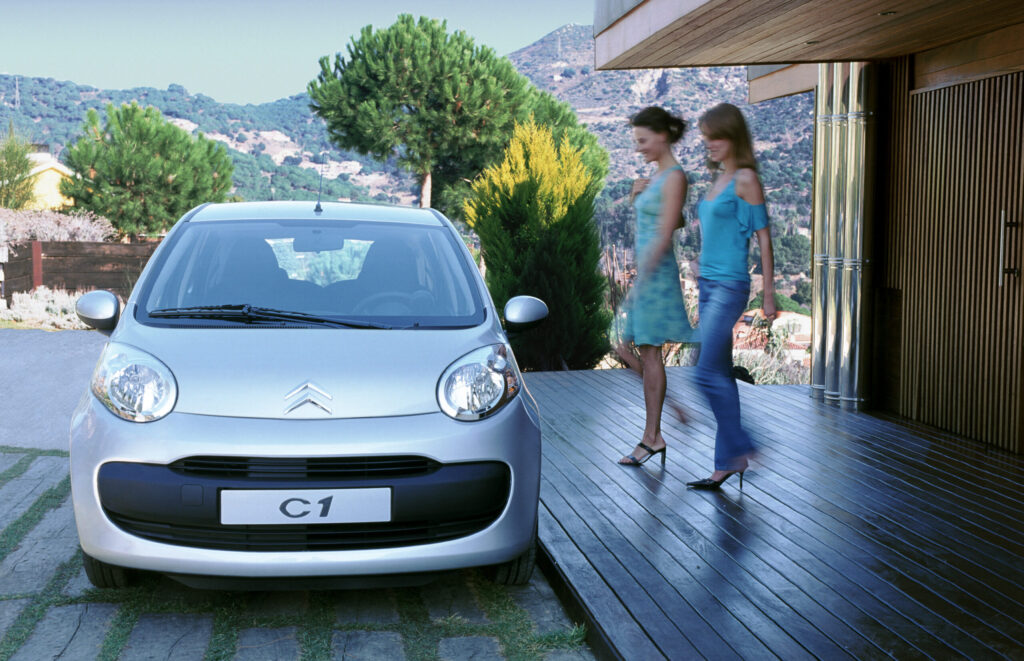
The Citroën C1 is a compact four-seater in a 3- or 5-door body style, measuring less than 3.5 metres in length. Lots of short trips, such as city commuting, are a risk. This type of use causes contamination in the intake path and throttle body to build up more quickly. Regular maintenance is therefore especially important. That way, you can prevent cold-start problems.
On the Carnews website, you can find more articles about common car problems, maintenance tips and experiences from other motorists. Discover which faults are known for your model and how to recognise and resolve them yourself.
Frequently asked questions
Typical symptoms are a vibrating or rough-running engine immediately after starting, sometimes with an extremely low idle speed of around 800 rpm. The engine may then stall again after a few seconds or even seize up/cut out completely. Often, the vibrations and spluttering disappear once the engine reaches temperature. In more serious cases, the engine continues to splutter or run irregularly even after warming up.
The most common causes are dirty or poorly functioning fuel injectors and sensors (such as the coolant temperature sensor, MAP sensor or lambda sensor) that incorrectly manage the mixture when the engine is cold. In addition, contaminated parts in the intake path, such as the throttle body and, if fitted, the EGR valve, often cause rough running or stalling. Worn or dirty spark plugs and generally neglected maintenance (oil, filters) also contribute heavily to cold-start problems. A weak battery or incorrect operation (pressing the accelerator while starting) can make the symptoms worse still.
You can start by ruling out simple causes: check the condition of the spark plugs, the oil level, the battery and start without pressing the accelerator pedal. Then add an injector cleaner to the fuel and take a longer motorway drive at cruising speed to reduce any contamination in the injectors and throttle body. If you are confident doing so, clean the throttle body and possibly the MAP sensor (for example with brake cleaner). If the cold-start problems persist, have a garage read out the coolant temperature sensor, lambda sensor and idle speed, among other things, using diagnostic equipment.
The most effective solutions are a thorough clean of the throttle body and intake path, and the use of a good injector cleaner followed by a longer, faster drive. It is also important to have the spark plugs and coolant temperature sensor checked and, if necessary, replaced. Check the battery condition too and ensure the correct engine oil is used (for example 5W30 ACEA C1/C2). If the engine continues to stall or splutter heavily when cold, dealer diagnosis (including idle speed, EGR/diesel particulate filter and sensors) is the most effective next step.
Regular cleaning of the throttle body, intake manifold and, if present, the EGR valve, plus the use of an injector cleaner where necessary, helps prevent cold-start problems. Ensure timely servicing with the correct engine oil (for example 5W30 ACEA C1/C2) and replace spark plugs on schedule. Avoid lots of short trips: every so often, drive a longer journey at higher motorway revs to burn off contamination. Check battery condition and oil level regularly, and if the symptoms persist, have the idle speed and relevant sensors (such as the coolant temperature sensor and MAP sensor) checked.
How do you fix cold-start problems in the Citroën C1?
Different causes call for a different approach. The steps below help with identifying and resolving the most common issues.
- Use an injector cleaner, for example one bottle per 10 litres of fuel, and then drive a longer distance at higher revs to burn off contamination.
- Have the coolant temperature sensor checked if the engine is not receiving fuel properly when cold.
- Clean the throttle body and intake path. If the contamination is severe, a thorough engine flush followed by an oil change can help.
- Clean the MAP sensor with brake cleaner if it is dirty.
- Check the oil level regularly. Use oil of ACEA C1 or C2 quality with a viscosity of 5W30, which is beneficial for the engine during a cold start.
- If vibrations or stalling continue, have a dealer measure the idle speed.
Is slow starting normal in the Citroën C1 in winter?
A slight delay when starting is more common and is usually harmless. Some vibration until the engine has warmed up also falls into this category. Nevertheless, it is important to distinguish between a normal cold start and a fault. Such a fault will only get worse over time.
- Do not turn the air conditioning and heater up to full power straight after starting. This places extra strain on the cold engine.
- Avoid pressing the accelerator pedal while starting. This can disable the cold-start function and actually cause more starting problems.
- If the engine continues to vibrate after warming up or repeatedly cuts out, this points to an underlying problem that needs further investigation.
The Citroën C1 is a compact four-seater in a 3- or 5-door body style, measuring less than 3.5 metres in length. Lots of short trips, such as city commuting, are a risk. This type of use causes contamination in the intake path and throttle body to build up more quickly. Regular maintenance is therefore especially important. That way, you can prevent cold-start problems.
On the Carnews website, you can find more articles about common car problems, maintenance tips and experiences from other motorists. Discover which faults are known for your model and how to recognise and resolve them yourself.
Frequently asked questions
Which ‘symptoms’ indicate ‘cold start problems’ in a Citroën C1?
Typical symptoms are a vibrating or rough-running engine immediately after starting, sometimes with an extremely low idle speed of around 800 rpm. The engine may then stall again after a few seconds or even seize up/cut out completely. Often, the vibrations and spluttering disappear once the engine reaches temperature. In more serious cases, the engine continues to splutter or run irregularly even after warming up.
What are the most common ’causes’ of ‘cold start problems’ specifically for the Citroën C1?
The most common causes are dirty or poorly functioning fuel injectors and sensors (such as the coolant temperature sensor, MAP sensor or lambda sensor) that incorrectly manage the mixture when the engine is cold. In addition, contaminated parts in the intake path, such as the throttle body and, if fitted, the EGR valve, often cause rough running or stalling. Worn or dirty spark plugs and generally neglected maintenance (oil, filters) also contribute heavily to cold-start problems. A weak battery or incorrect operation (pressing the accelerator while starting) can make the symptoms worse still.
How can you diagnose ‘cold start problems’ in a Citroën C1 yourself?
You can start by ruling out simple causes: check the condition of the spark plugs, the oil level, the battery and start without pressing the accelerator pedal. Then add an injector cleaner to the fuel and take a longer motorway drive at cruising speed to reduce any contamination in the injectors and throttle body. If you are confident doing so, clean the throttle body and possibly the MAP sensor (for example with brake cleaner). If the cold-start problems persist, have a garage read out the coolant temperature sensor, lambda sensor and idle speed, among other things, using diagnostic equipment.
Which ‘solutions’ are most effective for fixing ‘cold start problems’ in a Citroën C1?
The most effective solutions are a thorough clean of the throttle body and intake path, and the use of a good injector cleaner followed by a longer, faster drive. It is also important to have the spark plugs and coolant temperature sensor checked and, if necessary, replaced. Check the battery condition too and ensure the correct engine oil is used (for example 5W30 ACEA C1/C2). If the engine continues to stall or splutter heavily when cold, dealer diagnosis (including idle speed, EGR/diesel particulate filter and sensors) is the most effective next step.
Which ‘maintenance tips’ can help prevent ‘cold start problems’ in a Citroën C1?
Regular cleaning of the throttle body, intake manifold and, if present, the EGR valve, plus the use of an injector cleaner where necessary, helps prevent cold-start problems. Ensure timely servicing with the correct engine oil (for example 5W30 ACEA C1/C2) and replace spark plugs on schedule. Avoid lots of short trips: every so often, drive a longer journey at higher motorway revs to burn off contamination. Check battery condition and oil level regularly, and if the symptoms persist, have the idle speed and relevant sensors (such as the coolant temperature sensor and MAP sensor) checked.
A Citroën C1 that struggles to start when cold, shakes or even cuts out. This is a familiar issue with this model. In many cases, the cause lies in a dirty fuel system, a faulty sensor or a worn EGR valve. Does your Citroen C1 start reluctantly in the morning? If so, there is no need to rush straight to the garage. Below, you can read exactly what lies behind these cold-start problems and what you can do yourself.
Why does the Citroën C1 start badly in cold weather?
At low temperatures, the engine demands more from the fuel injection system and electronics than it does during a warm start. In the Citroën C1, this often results in a vibrating or rough-running engine. The idle speed then drops low, sometimes to around 800 rpm. In some cases, the engine even stalls after a few seconds. These symptoms are usually temporary and disappear once the engine has warmed up. In more serious cases, however, the engine continues to hesitate or cut out.
A dirty fuel system as a common cause
Dirty fuel injection or a defective cold-start injector causes a problem. Fuel is then not atomised properly. This results in a hesitant engine or it cutting out. A coolant temperature sensor can also send incorrect readings. In that case, the engine does not receive enough fuel in cold-start mode.
Dirty EGR valve and intake manifold
Some cars are used mainly for short journeys. In these cars, contamination in the intake path builds up more quickly. The EGR valve, intake manifold and diesel particulate filter can therefore become blocked. This shows itself as a spluttering engine, particularly noticeable during a cold start.
Sensors and electrical faults
Sensors also play a role in cold-start problems. Consider the following components:
- Lambda sensor: can cause a misfire during a rough cold start.
- MAP sensor: contamination in the intake manifold affects the readings.
- Battery: a weak battery causes a voltage dip, making the starter motor respond slowly.
- Spark plugs: worn or dirty spark plugs cause a hesitant engine, especially in older models.
How do you fix cold-start problems in the Citroën C1?
Different causes call for a different approach. The steps below help with identifying and resolving the most common issues.
- Use an injector cleaner, for example one bottle per 10 litres of fuel, and then drive a longer distance at higher revs to burn off contamination.
- Have the coolant temperature sensor checked if the engine is not receiving fuel properly when cold.
- Clean the throttle body and intake path. If the contamination is severe, a thorough engine flush followed by an oil change can help.
- Clean the MAP sensor with brake cleaner if it is dirty.
- Check the oil level regularly. Use oil of ACEA C1 or C2 quality with a viscosity of 5W30, which is beneficial for the engine during a cold start.
- If vibrations or stalling continue, have a dealer measure the idle speed.
Is slow starting normal in the Citroën C1 in winter?
A slight delay when starting is more common and is usually harmless. Some vibration until the engine has warmed up also falls into this category. Nevertheless, it is important to distinguish between a normal cold start and a fault. Such a fault will only get worse over time.
- Do not turn the air conditioning and heater up to full power straight after starting. This places extra strain on the cold engine.
- Avoid pressing the accelerator pedal while starting. This can disable the cold-start function and actually cause more starting problems.
- If the engine continues to vibrate after warming up or repeatedly cuts out, this points to an underlying problem that needs further investigation.
The Citroën C1 is a compact four-seater in a 3- or 5-door body style, measuring less than 3.5 metres in length. Lots of short trips, such as city commuting, are a risk. This type of use causes contamination in the intake path and throttle body to build up more quickly. Regular maintenance is therefore especially important. That way, you can prevent cold-start problems.
On the Carnews website, you can find more articles about common car problems, maintenance tips and experiences from other motorists. Discover which faults are known for your model and how to recognise and resolve them yourself.
Frequently asked questions
Which ‘symptoms’ indicate ‘cold start problems’ in a Citroën C1?
Typical symptoms are a vibrating or rough-running engine immediately after starting, sometimes with an extremely low idle speed of around 800 rpm. The engine may then stall again after a few seconds or even seize up/cut out completely. Often, the vibrations and spluttering disappear once the engine reaches temperature. In more serious cases, the engine continues to splutter or run irregularly even after warming up.
What are the most common ’causes’ of ‘cold start problems’ specifically for the Citroën C1?
The most common causes are dirty or poorly functioning fuel injectors and sensors (such as the coolant temperature sensor, MAP sensor or lambda sensor) that incorrectly manage the mixture when the engine is cold. In addition, contaminated parts in the intake path, such as the throttle body and, if fitted, the EGR valve, often cause rough running or stalling. Worn or dirty spark plugs and generally neglected maintenance (oil, filters) also contribute heavily to cold-start problems. A weak battery or incorrect operation (pressing the accelerator while starting) can make the symptoms worse still.
How can you diagnose ‘cold start problems’ in a Citroën C1 yourself?
You can start by ruling out simple causes: check the condition of the spark plugs, the oil level, the battery and start without pressing the accelerator pedal. Then add an injector cleaner to the fuel and take a longer motorway drive at cruising speed to reduce any contamination in the injectors and throttle body. If you are confident doing so, clean the throttle body and possibly the MAP sensor (for example with brake cleaner). If the cold-start problems persist, have a garage read out the coolant temperature sensor, lambda sensor and idle speed, among other things, using diagnostic equipment.
Which ‘solutions’ are most effective for fixing ‘cold start problems’ in a Citroën C1?
The most effective solutions are a thorough clean of the throttle body and intake path, and the use of a good injector cleaner followed by a longer, faster drive. It is also important to have the spark plugs and coolant temperature sensor checked and, if necessary, replaced. Check the battery condition too and ensure the correct engine oil is used (for example 5W30 ACEA C1/C2). If the engine continues to stall or splutter heavily when cold, dealer diagnosis (including idle speed, EGR/diesel particulate filter and sensors) is the most effective next step.
Which ‘maintenance tips’ can help prevent ‘cold start problems’ in a Citroën C1?
Regular cleaning of the throttle body, intake manifold and, if present, the EGR valve, plus the use of an injector cleaner where necessary, helps prevent cold-start problems. Ensure timely servicing with the correct engine oil (for example 5W30 ACEA C1/C2) and replace spark plugs on schedule. Avoid lots of short trips: every so often, drive a longer journey at higher motorway revs to burn off contamination. Check battery condition and oil level regularly, and if the symptoms persist, have the idle speed and relevant sensors (such as the coolant temperature sensor and MAP sensor) checked.