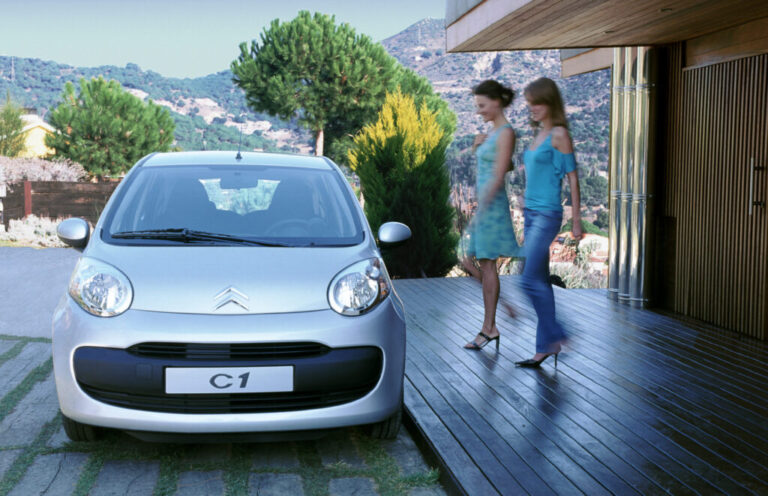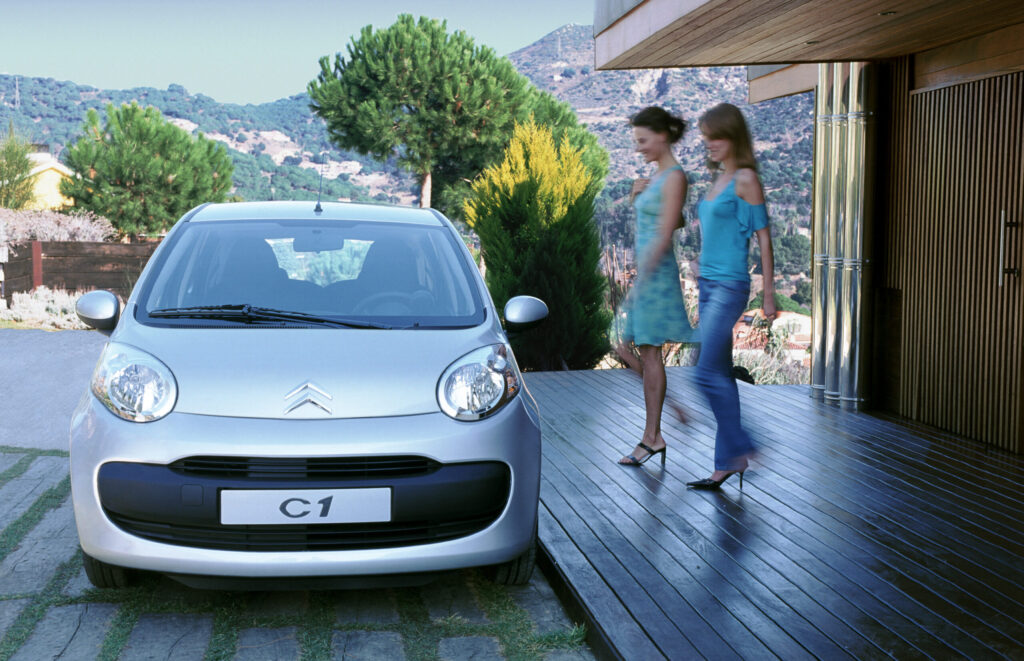
The Citroën C1 regularly suffers from water ingress and rust due to limited rust protection and known leaks at the third brake light. Water often collects unnoticed in the spare wheel well, leading to mould and corrosion. In addition, broken door checks and parking damage are common complaints with this compact model. Learn which warning signs matter. Then tackle these problems effectively.
Leak at the third brake light causing moisture in the boot
On the Citroën C1, leakage around the third brake light is a frequently reported problem. Water penetrates the rear of the car via worn or damaged seals. This often happens silently, so owners only notice the leak when carpets feel damp or a musty, mouldy smell appears.
The water collects in the boot and then runs into the spare wheel well, where it remains. Drain channels are missing or become clogged with dirt and leaves. Prolonged exposure to moisture attacks metal components such as tools, the jack and floor panels. The trim and insulation material are also affected, which accelerates mould growth.
Typical signs of a leak at the third brake light are:
- Condensation or water droplets in the rear light unit
- Wet carpets or mats in the boot
- Moisture under the floor covering or in the spare wheel well
- Mouldy smell in the interior
- Rust on metal components in the boot
Regularly check the seal around the third brake light for cracks, loose sealant or distortion. Remove the light and carefully inspect the rubber gaskets. If in doubt, the seal should be renewed. Use suitable sealant or fit a new gasket. Immediately dry any moisture present and clean the drain channels to prevent water build-up.
Rust formation due to limited underbody rust protection
The Citroën C1 has limited rust protection on the underbody and body panels. The coating is particularly thin around weld seams, edges and hidden cavities. In some cases the coating is even missing altogether. Moisture therefore remains present for a long time. Corrosion then quickly develops on metal panels and fasteners.
Rust often appears first in less visible places, such as under the spare wheel well, behind the wheel arches and on the underside of the doors. Metal parts in the boot, such as tools and mounting points, also rust more quickly due to water ingress. In more serious cases, rust attacks the floor panels and load-bearing components, leading to expensive repairs.
Prevent rust by regularly carrying out the following checks:
- Inspect the underbody for early rust spots, especially after winter
- Check weld seams and edges of body panels for flaking paint or brown spots
- Thoroughly remove dirt, mud and salt from wheel arches and the underside
- Treat small rust spots immediately with rust converter and paint
- Consider extra underbody coating on older examples
Pay particular attention to the boot and spare wheel well. Lift up mats and trim. That way you can trace hidden moisture and early rust. Prolonged exposure to moisture greatly increases the risk of corrosion, so early intervention pays off.
Broken door checks: repair or replace?
The door checks on the Citroën C1 are prone to breaking, especially with frequent use. Opening doors in tight spaces also increases the risk. The plastic housing snaps and loses its function, meaning the doors no longer stay open. This increases the risk of parking damage and unintended movement of the door in windy conditions.
The door check is mounted on the underside of the door and attached to the bodywork. When it breaks you will often hear a cracking noise or feel that the door no longer stays in a stable open position. Some owners report that the door check fails after only a few years. The intensity of use determines its service life.
You have two options with a broken door check:
- Replacement: The most reliable solution is to replace it with a new door check. Parts are available from Citroën dealers and aftermarket suppliers. Fitting is straightforward and does not require specialist tools.
- Repair: Temporary repair with strong glue or plastic sealant is possible, but does not provide a lasting solution. The load on the door check is too great for a durable bond.
Regularly check the condition of the door checks by fully opening all doors and testing whether they stay open securely. Avoid opening doors to the maximum angle in tight parking spaces, as this increases the load on the check and accelerates failure.
Parking damage due to compact dimensions and limited visibility
The Citroën C1 is very handy in the city thanks to its compact dimensions. However, the small body and low bumpers make it vulnerable to parking damage. Scratches on bumpers, mirrors and doors are common, especially when parking in tight spaces or near posts and kerbs.
Many owners report damage to the front and rear bumpers caused by low obstacles that are hard to see. Protruding mirrors are also easily damaged when driving through narrow gaps. The low position of the bumpers increases the risk of contact with kerbs, which damages the paint and plastic.
Limit parking damage with the following measures:
- Use parking sensors or a reversing camera if available
- Watch out for low posts, kerbs and other obstacles when manoeuvring
- Fold in the mirrors when parking in narrow streets
- Consider bumper corner protectors or transparent paint protection film on vulnerable areas
Ideally repair damaged paint or plastic quickly to prevent rust and further deterioration. Small scratches can often be treated easily with touch-up paint kits. Deeper damage requires professional paint repair.
Checks and maintenance limit moisture damage and rust
Regular inspection and maintenance are the best ways to limit moisture and rust problems on the Citroën C1. Many leaks and rust issues develop in hidden areas, so proactive checks are essential. Plan a thorough inspection at least twice a year, preferably before and after winter.
Check the following points during maintenance:
- Seals around the third brake light, doors, windows and tailgate
- Spare wheel well and boot floor covering for moisture or rust
- Underbody, weld seams and wheel arches for early rust spots
- Drain channels and drain points for blockages
- Light units for condensation
- Door checks for breakage or wear
Dry damp components immediately with cloths. If necessary, leave the boot open for ventilation. If moisture problems persist, use dehumidifiers inside the car. Clean drain channels with compressed air or a flexible brush. Thoroughly remove leaves and dirt.
Treat small rust spots as follows:
- Apply rust converter
- Sand the area smooth with sandpaper
- Finish with suitable paint
More severe rust damage requires professional treatment to prevent further deterioration of structural components. Preventive underbody coating can extend the car’s service life, especially on older examples where the original protective layer shows visible wear.
Discover more on Carnews
Besides rust and moisture problems, the Citroën C1 has several other weak spots that deserve attention. On the Carnews website you will find extensive information about common car problems, as well as maintenance tips and owners’ experiences. Learn more about your car and prevent costly repairs by taking the right steps in good time.
Frequently asked questions
On the Citroën C1, the rear section and boot are particularly vulnerable: rust often occurs around the boot floor and in the spare wheel well if water remains there for a long time. Metal fasteners and floor panel sections in that area can also corrode. In addition, edges and weld seams around the tailgate and third brake light are vulnerable if the seal leaks. For that reason, regularly check the boot floor, the area around the third brake light and the underside of the body for early rust.
You can recognise early moisture problems by slightly clammy or damp trim, especially in the boot and around the spare wheel well. Watch out for a faint musty or mouldy smell in the interior, even if you cannot yet see clearly wet areas. Check for early condensation in the rear lights and on the inside of the windows. Finally, look for early rust spots on tools, the jack or uncoated metal parts in the boot.
Common causes of moisture and resulting rust on the Citroën C1 include leaks via the seals of the third brake light and tailgate, which allow water into the boot and spare wheel well. Worn or damaged rubber seals around doors, windows and tailgate also let in water. Blocked drain channels can likewise cause water to collect in places where it cannot drain away. Persistent moisture in the boot, trim and cavities then leads to mould and rust on tools, floor panels and bodywork.
C1 owners can take preventive action by regularly checking the seals and rubber gaskets around the third brake light, tailgate and doors, and replacing or resealing them in good time if they show cracks or have hardened. Keep the drain channels clear of dirt and leaves so that water can run off properly. Periodically check the boot and spare wheel well for moisture, dry them immediately and, in the case of persistent condensation, use a moisture absorber in the interior. Treat early rust spots promptly with rust converter and protective paint or underseal to prevent further damage.
On average, the costs of tackling light rust spots (cleaning, treating and touching up) on a Citroën C1 are roughly between €150 and €400, depending on the extent and location. For more serious rust damage where sections must be cut out and welded, costs can rise to around €400–€900 or more. Fixing moisture damage caused by leaks (for example at the third brake light, seals and boot) usually costs around €100–€300 for detection, sealing and drying/interior cleaning. Combined packages where both the leak is repaired and rust in the affected area is treated often fall within a range of about €250–€700.
When viewing a used Citroën C1, pay close attention to the seals around the third brake light and tailgate, as leaks are common there. In the boot, lift the mats and check the spare wheel well for standing water, rust and mould stains. Inspect door, window and tailgate rubbers for cracks, hardening or poor fit, and see whether there is condensation in the rear lights. Finally, check the underside and edges of the body for early rust, especially around the rear section.