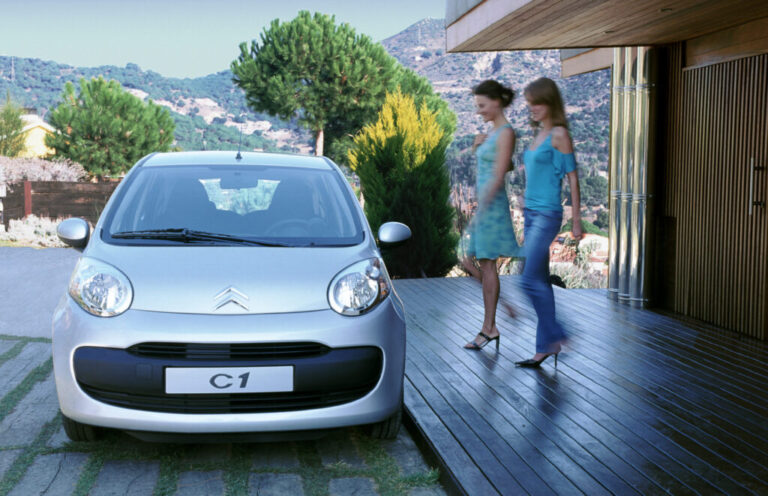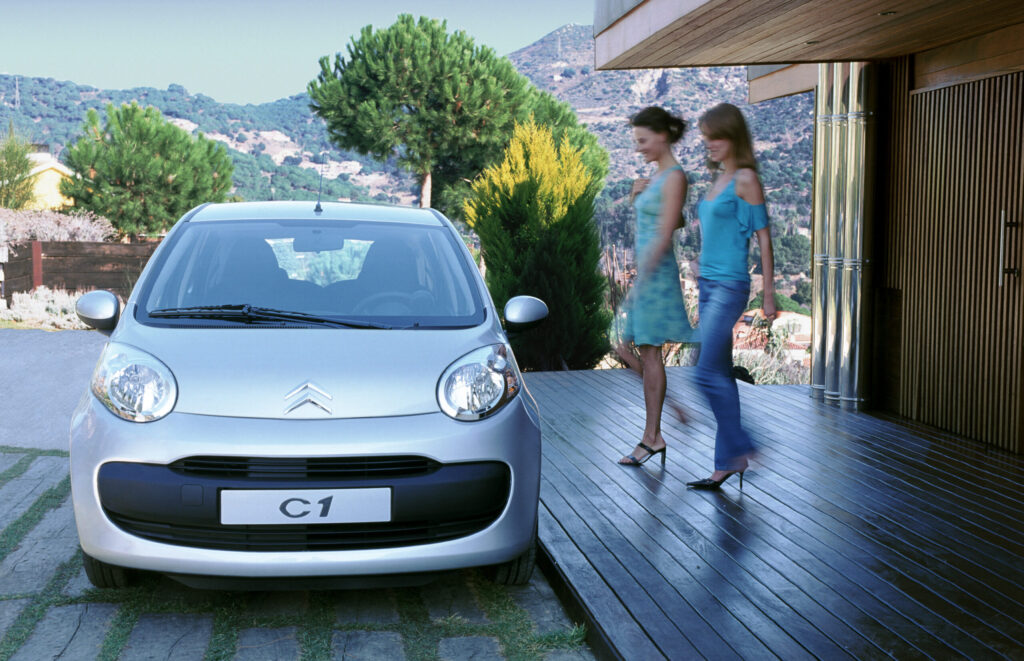
The Citroën C1 is an affordable and practical city car, but corrosion on the exhaust and brake lines is a common problem. Cars that frequently drive in winter conditions or are exposed to road salt are particularly prone to rust on these components. This leads to noise, emission problems, and in the case of brake lines, even failure of the MOT (the UK’s annual vehicle inspection). What should you know about these rust-sensitive points and how do you prevent damage?
The Citroën C1 shares its technology with the Toyota Aygo and Peugeot 107, and this platform has specific known weak points. The mounting point of the rear silencer is a clear example: this part sometimes breaks off completely due to rust, causing the exhaust to hang loose. Brake lines also deserve extra attention, because pitting corrosion occurs in places where moisture and salt accumulate along the underbody.
In the C1, corrosion often starts in places where water, dirt, and road salt collect: seams, clamps, weld seams, and exhaust mounting points. This process accelerates when the car is used for many short trips, as the exhaust does not heat up fully and moisture remains trapped. Brake lines are at risk of cracking or leaking, which leads to loss of brake fluid and reduced braking performance.
Why does the exhaust corrode so quickly on the Citroën C1?
The exhaust system of the C1 is sensitive to rust due to the combination of metal parts, moisture, and salts. The design and placement of the exhaust components make certain parts extra vulnerable. Some causes:
- Mounting points and clamps trap dirt and moisture, accelerating rust formation
- Road salt penetrates deep into metal seams and weld seams
- The rear silencer is relatively thin and is subject to significant spray and salt loads from the road
- Short trips prevent the exhaust from drying out completely, leaving condensation behind
The C1 is often a car primarily used for commuting in urban areas. This means that the exhaust system often does not get warm enough to dissipate all moisture. In the long term, this attacks the exhaust from the inside out.
Do you recognise a corrosion problem with the exhaust?
Corrosion on the exhaust is initially noticeable through sound and visual signs. Problems often start small but worsen quickly if not addressed. Look out for these warning signs:
- Rattling, knocking, or humming sounds under the car while driving
- Exhaust noise that becomes louder or changes in tone
- Brown rust spots, pinholes, or cracks visible on the exhaust pipe or silencer
- Exhaust smell in the cabin when stationary or driving slowly
- A loose exhaust that is visibly hanging or wobbling
The mounting point of the rear silencer is a particular weak point on the C1. This part sometimes rusts through completely, causing the exhaust to literally break off and drag along the ground. This problem is regularly reported by owners and is recognisable by a rattling sound.
Brake lines rusting on Citroën C1: MOT consequences?
Corrosion on brake lines is a serious safety issue and often a reason for MOT failure. Brake lines run under the car and are continuously exposed to moisture, salt, and stone chips. On the C1, pitting corrosion mainly occurs in places where the coating is damaged or where moisture accumulates in wheel arches and along the underbody.
During the MOT, brake lines are visually checked for rust, cracks, and leakage. An inspector will fail the car if there is serious corrosion, rusted-through sections, or visible loss of fluid. The consequences are severe: a leaking brake line leads to total brake failure.
Signs of corrosion on brake lines
Brake line problems are not always immediately obvious, but there are clear signs to look out for:
- Wet patches or drops of brake fluid under the car after it has been stationary
- A spongy or sinking brake pedal that travels further than normal
- Squeaking or scraping noises when braking
- Changes in brake feel, such as delayed response or uneven braking force
- Visible rust spots or pitting on brake lines when inspecting the underside
If any of these signs appear, immediate inspection is necessary. A burst brake line allows brake fluid to leak out, causing brake pressure to be lost completely. This makes the car unsafe and unsteerable in acute situations.
Citroën C1 exhaust rust: repair costs?
The cost of repairing a rusted exhaust depends on the severity of the damage and which parts need to be replaced. For the C1, exhaust parts are relatively affordable, but the assembly costs increase if multiple parts need to be replaced at once.
Indicative cost estimate for exhaust repairs:
- Replacement of a mounting point or rubber: 20 to 50 euros including labour
- New rear silencer: 80 to 180 euros excluding fitting
- Replacement of the middle pipe: 100 to 200 euros excluding fitting
- Complete exhaust replacement: 250 to 500 euros including fitting
In the case of early rust, a garage sometimes welds or repairs the part, but this is often a temporary solution. If the damage is too advanced, replacement is the only reliable option. For brake lines, the costs are higher because these are safety-critical components.
Costs for replacing brake lines
Replacing brake lines is labour-intensive because the parts are often difficult to access and the braking system must be bled after replacement. Costs vary greatly per garage and which line needs to be replaced:
- Replacement of a single brake line: 100 to 250 euros including labour
- Replacement of multiple brake lines: 250 to 600 euros including labour
- Complete brake line overhaul: from 500 euros
Many garages advise checking multiple brake lines during replacement and replacing them preventively if necessary. This prevents you from having to return shortly after for the same complaint.
How do I prevent corrosion in the Citroën C1 exhaust?
Corrosion cannot be prevented entirely, but you can significantly extend the life of the exhaust and brake lines with preventive maintenance and checks. This saves costs in the long run and prevents unexpected repairs or MOT failure.
Practical tips to limit corrosion:
- Have the underside of the car checked at least annually, especially the exhaust mounting, weld seams, and brake lines
- Schedule an extra inspection after the winter, especially if you have frequently driven on gritted roads
- Take a longer drive occasionally to heat up the exhaust fully and dissipate moisture
- During the MOT or service, explicitly ask for a check of the wheel arches, underbody, and brake lines
- Consider a heat-resistant coating or anti-rust treatment for exhaust parts as a preventive measure
- Rinse the underside regularly in winter to remove salt and dirt
Pay close attention to early rust spots at the mounting points and clamps of the exhaust. A small rust spot quickly grows into a hole or fracture. Acting in time is often cheaper than complete replacement.
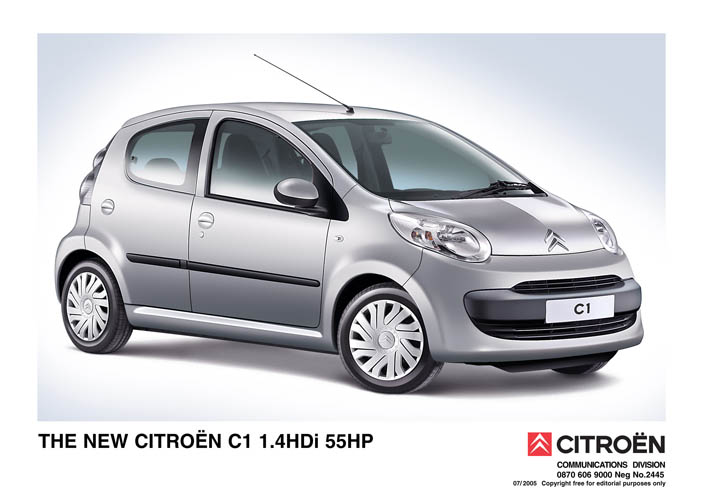
Extra attention during MOT and maintenance
The MOT test is a good time to have the underside of the C1 thoroughly inspected. Ask the inspector or mechanic to look specifically at the state of the exhaust mounting, the rear silencer, and all visible brake lines. This prevents surprises and gives you the opportunity to address emerging problems early on.
When visiting the garage for regular maintenance, ask for a visual inspection of the underside. This takes little time and prevents a lot of consequential damage. Many owners only notice that brake lines are seriously affected during the MOT, while earlier checks could have prevented this.
The Citroën C1 is a reliable and affordable car, but corrosion on the exhaust and brake lines requires extra attention. By checking regularly and acting quickly at the first signs, you keep the car safe and stay ahead of costly repairs. On the Carnews website, you will find many more practical tips, experiences, and information about common car problems and maintenance advice. Discover more about your car and stay up to date with important points of interest.
Frequently Asked Questions
In practice, corrosion problems with the exhaust of the Citroën C1 occur regularly, especially at the mounting point of the rear silencer and seams/clamps where moisture and road salt remain. Corrosion on brake lines is less often cited as a typical C1 weak point, but it is a known risk for units that drive a lot in winter and on salted roads, which is why it is a standard MOT check point. Important specific causes are prolonged exposure to moisture and road salt, accumulation of dirt and water at mounting points and welds, and many short trips, meaning condensation in the exhaust does not burn off properly. As a result, superficial rust spots appear first, which can develop into leaks on exhaust parts and weakening and potentially brake fluid loss on brake lines.
Warning signs for early corrosion on the exhaust include visible rust spots at seams, clamps, and mounting points, a louder or changing exhaust sound, and possibly rattling or knocking under the car. For brake lines, brown rust spots, damp or wet patches under the car, and slight ‘sweating’ of brake fluid along the lines are early signals. Changed brake feel, such as a spongy or slowly sinking brake pedal, can indicate more advanced degradation. If in doubt, have the underside, exhaust mounting, and brake lines of your C1 visually checked for rust, cracks, and leakage as soon as possible.
Untreated corrosion on the exhaust can lead to leaks, loose parts, or breaking mounting points, with the risk of components coming off while driving. Corrosion on brake lines is a direct safety risk: in the event of a brake fluid leak, braking performance decreases significantly or may even fail (partially) altogether. Financially, this can range from relatively cheap repairs or replacement of affected parts to expensive recovery costs if a failure occurs, towing costs, or an MOT failure. Acting in time often prevents complete exhaust systems or long sections of brake line from having to be replaced at once.
To delay corrosion, it is important to regularly clean (or have cleaned) the underside of the car, including the exhaust and brake lines, especially after driving on roads with road salt. During every service or MOT, have the exhaust (seams, mounting points, clamps) and the full brake lines along the underbody specifically checked for rust, and treat early problems immediately. Consider a protective treatment such as a heat-resistant coating on exhaust parts and an anti-rust coating on steel brake lines. Also, try to limit very short trips, so that the exhaust reaches a good temperature and internal moisture can evaporate better.
You can sometimes deal with slight corrosion on the exhaust of a Citroën C1 yourself with rust removal and heat-resistant coating, but if parts are rusted through, replacing (a part of) the exhaust is the recommended option. Corrosion on brake lines is a safety-critical point and in practice is not recommended as a DIY job; affected brake lines must be professionally replaced and bled. You can carry out a visual check for rust, moisture, and leakage yourself, and if in doubt, contact a garage immediately. If necessary, a mechanic can also treat parts preventively or replace them in time to prevent bigger problems.