
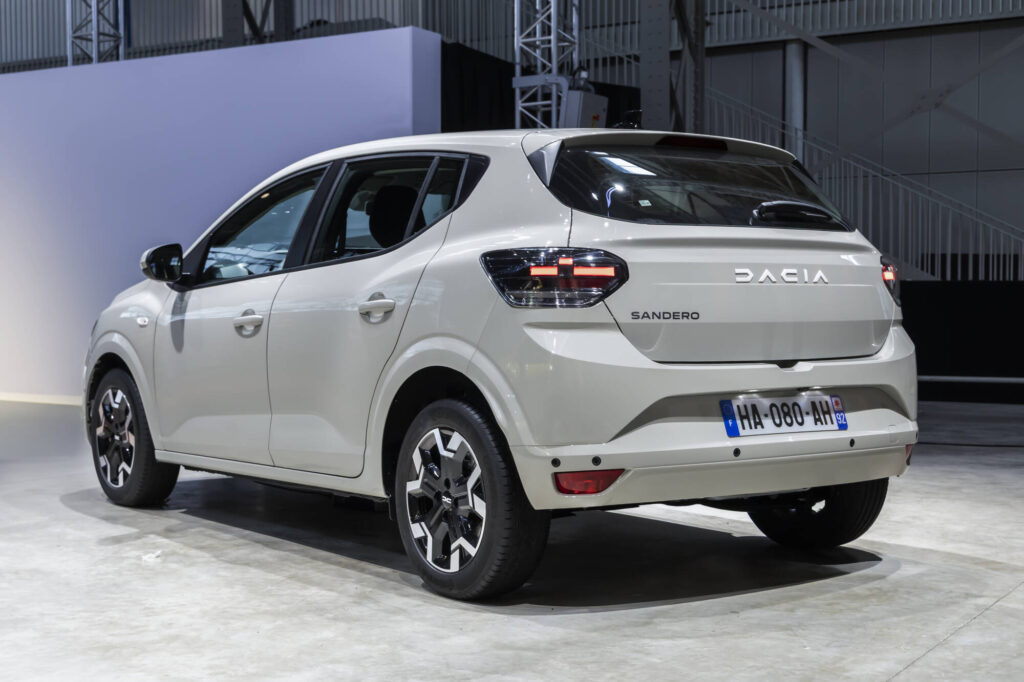
The timing chain of 0.9 and 1.2 TCe engines (Renault and Dacia turbo petrol engines) stretches, which leads to idling problems and air leaks. This is a known issue that appears in many models with this engine after only a few years and can cause serious engine damage. Discover how to recognise the symptoms and what you can do about them.
The TCe engines, as used in the Dacia Sandero and various Renault models, suffer from a persistent problem: the timing chain stretches due to material wear. This can occur after only 4 to 5 years, even on cars that are regularly serviced. The consequences should not be underestimated and can result in complete engine failure if the problem is not addressed in time.
The stretching of the chain is caused by wear on the chain itself, but also on sprockets, guide rails and tensioners. Long oil change intervals and inferior oil accelerate this process. Although manufacturers claim a service life that should match the lifetime of the car, practice shows otherwise. With used cars, problems are more often the rule than the exception.
Recognising the symptoms of a faulty chain
A stretching timing chain reveals itself through several recognisable signs. It is important to take these signals seriously, because early detection can prevent expensive engine damage.
- Rattling or clattering noise from the front of the engine, especially at the front right, on a cold start or when idling
- Uneven idling with juddering, hesitation or loss of power during acceleration
- Illuminated engine warning light on the dashboard, often with fault codes indicating disturbed valve timing
- Air leaks due to altered valve positions as a result of the stretched chain
Owners report that the noise is barely noticeable at first, but quickly gets worse. This rattling noise is especially audible shortly after starting a cold engine. In advanced stages the chain can jump teeth, leading to bent valves, damaged pistons or bent conrods. In the event of a complete chain break, engine damage is virtually unavoidable.
‘ In practice, however, replacement is often needed between 80,000 and 100,000 kilometres, sometimes even earlier with intensive use or insufficient maintenance. ’
When should you replace the timing chain
Renault and Dacia claim that the timing chain is maintenance-free and lasts for the entire lifetime of the car. In practice, however, replacement is often needed between 80,000 and 100,000 kilometres, sometimes even earlier with intensive use or insufficient maintenance.
Action is required at the first symptoms. Do not wait too long for a diagnosis, because the problem escalates quickly. The cost of replacing a chain is between 1,000 and 1,500 euros, including all associated wear parts such as tensioners and guides. This may seem a substantial amount, but it is considerably lower than the cost of a completely new engine after severe damage.
Owners of used cars should be extra vigilant. When buying, always ask about the service history, year of manufacture and mileage. Have the car checked for suspicious noises and ask whether there are fault codes stored in the memory. In practice, models with the 0.9 TCe seem slightly less prone than the 1.2 TCe version, but both engines can develop the problem.
Causes and risk factors in TCe engines
The stretching of the timing chain has several causes. Material wear is foremost, but maintenance habits play a major role in how quickly the problem develops.
- Long oil change intervals of more than 20,000 kilometres significantly increase wear
- The use of inferior or non-approved oil accelerates the process
- Frequent stop-start traffic and short journeys put extra strain on the chain
- Faulty tensioners or broken guide rails occur frequently alongside chain issues
Cars that are mainly used in the city, with frequent cold starts and short trips, are particularly at risk. The engine then does not reach proper operating temperature and the oil is not brought up to optimal pressure. This increases the load on chain and tensioners.
Tips to prevent problems
Prevention is the best strategy with TCe engines. With the right maintenance approach you can extend the life of the timing chain and postpone or prevent costly repairs.
- Change the engine oil every 10,000 to 15,000 kilometres using oil that meets the manufacturer’s specifications. Avoid long intervals of 20,000 kilometres or more.
- Listen carefully for abnormal noises from the engine bay when starting from cold. If in doubt, have a diagnosis carried out straight away.
- Plan preventive replacement around 80,000 to 100,000 kilometres, especially if you intend to keep the car longer.
- Use a specialist for chain replacement and make sure that all wear parts are included, including tensioners and guides.
- Do not ignore early signs, even if they seem harmless. A slight rattling noise can develop into a serious problem within a few months.
For high-mileage cars, an upgrade kit with improved components can be a sensible investment. It costs more, but offers better durability than the original parts.
‘ Garages indicate that the problem is structural and not due to individual driving style or bad luck. ’
Owners’ experiences
On forums and in workshops, the problem is widely acknowledged as a known defect of TCe engines. Owners report repeated chain replacements within five years, sometimes even twice on the same car. Garages indicate that the problem is structural and not due to individual driving style or bad luck.
Frustration about unexpected costs is understandable, but acting in time makes all the difference. Owners who take action at the first symptoms usually keep their engine running without further damage. Those who wait too long risk a broken engine and a bill many times higher than for preventive chain replacement.
On the Carnews website you can find more information about common car problems, maintenance tips and experiences with specific models. Discover which other issues occur with your car brand and how best to tackle them.
Frequently asked questions
The most common symptoms are a rattling or clattering noise from the engine, especially on a cold start or at raised idle speed. In addition, there is often uneven idling, juddering, hesitation and noticeable loss of power during acceleration. The engine management light also often illuminates due to disturbed valve timing. At a more advanced stage, the engine may misfire or suffer serious mechanical damage.
In particular, the 0.9 TCe and 1.2 TCe petrol engines from the first production series (roughly the first production/model years, including in the Dacia Sandero and related Renault models) are known to be prone to timing chain problems. In these engines the timing chain stretches prematurely due to material wear in combination with long oil change intervals and sometimes poor oil quality. As a result, chain, sprockets, guides and tensioners wear out more quickly, which can lead to rattling noises, timing errors and ultimately serious engine damage.
Change the engine oil more frequently than the factory interval (preferably every 10,000–15,000 miles) and use only high-quality oil that meets the specification to limit wear on chain, tensioners and guides. Regularly listen for rattling or clattering noises at cold start and, at the slightest suspicion, have the valve timing and chain set checked immediately. Consider preventive replacement of the complete chain set (including guides and tensioners) around 80,000–100,000 kilometres or as soon as the first symptoms appear. Monitor and document the service history carefully, especially when purchasing a used car, and have work carried out by a specialist with experience in TCe engines.
Ignoring timing chain problems can lead to disturbed valve timing, severe loss of power and ultimately major engine damage such as bent valves, damaged pistons or even a completely failed engine. Initially this often only manifests itself as a rattling noise, but without intervention the chain can jump teeth or break. Total costs can then rise to a full engine rebuild or replacement, which can cost many thousands of euros. Timely replacement of the timing chain itself is usually around €1,000 to €1,500.
For TCe engines there are improved timing chain kits available with a **reinforced chain**, **modified chain tensioners** and **more durable guide rails**. Specialist garages often fit complete **upgrade kits**, in which all wear-sensitive components (chain, sprockets, tensioners and guides) are replaced with improved versions. In addition, **improved sprockets** are sometimes used that are more resistant to wear and chain stretch. The use of the prescribed high-quality engine oil and shorter oil change intervals is recommended as an additional measure to further increase reliability.