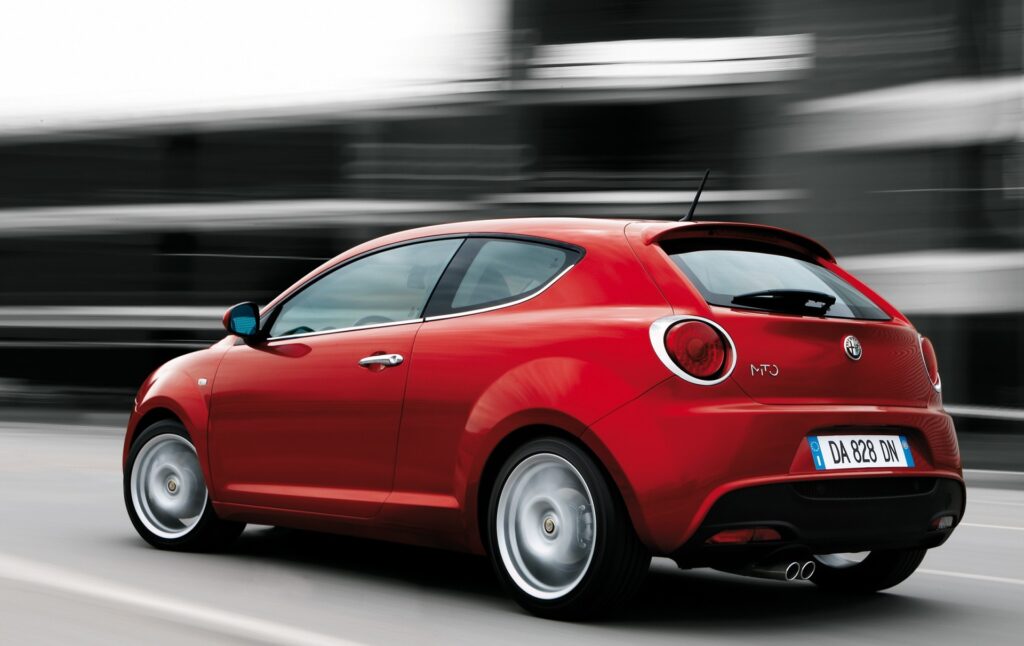
Alfa MiTo maintenance tips are mainly about clean engine oil with the correct specification, a documented timing service and timely checks of fluids, battery and suspension. Especially with the 1.4 TB MultiAir, a short oil interval prevents many complaints that can later become costly. Those who take the known weak points seriously will keep the sporty Alfa more reliable and preserve its direct driving feel. Read on before a minor service turns into a major repair.
Alfa MiTo maintenance tips start with known weak points
The Alfa Romeo MiTo was offered with various petrol and diesel engines, each with its own maintenance questions. The 1.4 TB MultiAir requires the most discipline around oil, while the TwinAir also needs timing chain attention. TCT versions also bring the dual clutch and transmission control into the picture. So also take a look at this page on common Alfa Romeo MiTo problems if you own, or are considering, a used MiTo.
According to Alfa Romeo’s maintenance schedule, petrol models can have long service intervals. For an older MiTo, short trips or sporty use, it is wiser not to treat that maximum distance as the target. The engines respond noticeably better to fresh oil, a clean filter and prompt attention to leaks.
What maintenance prevents the most Alfa MiTo issues?
An annual oil change prevents the biggest group of avoidable engine problems in most MiTos. A practical guideline is 10,000 to 15,000 kilometres, depending on use and engine version. For lots of city driving, cold starts or hard use, choose the lower end of that range.
In a 1.4 TB MultiAir, oil is not just lubrication for bearings and turbocharger. The MultiAir unit uses hydraulic pressure and solenoid valves to control the inlet valves. Contaminated oil or a blocked filter can disrupt the oil supply. This can lead to rough idling, power loss, a check-engine light or difficult starting.
The most sensible basic checks consist of the following points:
- replace the engine oil and oil filter annually or every 10,000 to 15,000 kilometres;
- check the oil level regularly on level ground;
- if there are MultiAir complaints, also have the small MultiAir unit filter assessed;
- inspect for leaks at the rocker cover and timing side;
- read out fault codes before having parts replaced;
- test the battery, alternator and earth points when warning messages vary.
Keep invoices showing mileage, date and the oil used. That is useful not only for diagnosis, but also for resale. Without a documented oil history, it is harder to judge the technical condition of a MultiAir engine.
Oil type and interval for the MultiAir engine
For the 1.4 TB MultiAir, use only oil that meets the Fiat or Alfa Romeo specification for your engine code and model year. In various MiTo manuals, the 1.4 MultiAir is specified with a fully synthetic 5W-40 oil meeting ACEA C3 and Fiat 9.55535-S2. Always check this in the owner’s handbook or using the chassis number, as engine versions and requirements can differ.
The viscosity on the label alone is not enough. An oil can be 5W-40 and still not have the required Fiat specification. The chemical formulation, including protection for aftertreatment systems and hydraulic valve operation, is just as important. Also do not simply mix different oils when the oil level drops.
Recognise signs of contaminated MultiAir oil
A fault in the MultiAir unit is not always the reason for poor running. Spark plugs, ignition coils, wiring and low oil pressure can cause similar complaints. So have a garage measure things first, rather than replacing a MultiAir module straight away.
These signs deserve prompt inspection:
- irregular idle speed after a cold start;
- hesitation when accelerating;
- an engine that briefly runs on three cylinders;
- increasing oil consumption or a falling oil level;
- a check-engine light with fault codes relating to valve control;
- noticeably higher fuel consumption without another explanation.
Rather than checking the oil level only just before setting off, measure it with the engine cold after the car has been standing on level ground. Top up in small amounts and then wait before measuring again. Too much oil can also cause problems.
Service schedule for the MiTo 1.4 TB and TwinAir
A workable service schedule for the MiTo depends on engine, model year and use. Alfa Romeo states longer intervals in the factory documentation, but a practice-based schedule is often safer for enthusiasts. Cars that cover few miles still need annual maintenance: oil also ages through moisture, fuel dilution and short journeys.
MiTo 1.4 TB and MultiAir maintenance
At every service, have the oil, oil filter, air filter, spark plugs according to schedule and the condition of the auxiliary belt checked. The timing belt is an important point on the 1.4 TB. Replace it on time based on both mileage and age. Always ask for an invoice stating the date, mileage and replaced parts.
A timing service is more than just a new belt. Also have the tensioners and guide rollers included. Depending on the version and accessibility, it is sensible to assess or replace the water pump at the same time. Oil leaks around the timing cover must be investigated immediately, because oil can damage the belt.
MiTo TwinAir and timing chain inspection
The TwinAir has a timing chain instead of the 1.4 TB’s timing belt. A chain does not have a fixed replacement interval like a belt, but it is not maintenance-free. Oil quality and oil level are also crucial here for the chain tensioner, which works with oil pressure.
Have a TwinAir checked if you hear a rattling noise on cold start that lasts longer than shortly after firing up. A check-engine light, rough running or fault codes indicating abnormal camshaft position also warrant diagnosis. A mechanic can determine whether the chain, guides, tensioner or oil pressure is the cause.
For the TwinAir as well, use the oil Alfa Romeo specifies for the exact engine variant. The specified viscosity and Fiat specification may differ from those for the 1.4 MultiAir. So do not rely on general advice for all MiTo engines.
‘ In the MiTo, a weak battery or poor earth connection can cause several warning messages at once. ’
Fluids and battery need regular attention
Coolant, brake fluid and transmission fluid receive less attention than engine oil, but they do determine how reliable the MiTo remains. Check coolant only when the engine is cold. A falling level, deposits on hoses or a sweet smell can indicate a leak.
Change brake fluid according to the factory schedule. Brake fluid absorbs moisture, which lowers the boiling point and can cause internal corrosion. Also have the brake pads, discs and calipers checked, especially if the car pulls to one side or a brake remains noticeably hot after a journey.
In the MiTo, a weak battery or poor earth connection can cause several warnings at once. Think of alerts for ABS, ESC, Hill Holder or start-stop. First have the standing voltage, cranking capacity and charging voltage measured. That prevents sensors being replaced unnecessarily.

TCT and suspension deserve a focused inspection
A MiTo with the TCT automatic should pull away smoothly both cold and warm. On a test drive or during maintenance inspection, look for shuddering when manoeuvring, delay pulling away, slipping or problems selecting forward and reverse. If there are complaints, have fault codes, clutch adaptation, hydraulic pressure and software checked. Wear of the dual clutch is strongly linked to city use and driving style.
At every service, also check engine mounts, suspension arms, anti-roll bar links, springs and shock absorbers. Extra vibrations at idle can point to a worn engine mount, but may also indicate an ignition problem. A clunk over speed bumps may come from play in the suspension. After repairs to steering or suspension parts, have the alignment checked.
A fixed MiTo routine prevents surprises
Make maintenance a habit rather than a reaction to a warning light. Check tyre pressure, oil level and signs of fluid under the car when refuelling. Plan an annual service even if the mileage stays low. A cold start and a diagnostic read-out often give more information than a short drive with a warm engine.
On the Carnews website you’ll find much more about Alfa Romeo problems, maintenance, engines and technical points of other models. Discover more on Carnews and keep your MiTo in good condition with targeted knowledge.
Frequently asked questions
Under heavy use, MultiAir is especially vulnerable to contaminated or aged oil: the hydraulic oil chambers, solenoids and the small separate MultiAir filter can become dirty or blocked, leading to rough running, power loss and ultimately damage to the MultiAir unit. So for sporty use or lots of short trips, change the specified engine oil and the normal oil filter about every 10,000 km or annually, and check the oil level regularly. Also have the small MultiAir filter inspected or replaced preventively and do not keep driving with misfires, difficult starting or a check-engine light, but have oil pressure, ignition, compression and fault codes checked immediately.
There is no ideal replacement interval for a timing chain, because the Alfa Romeo MiTo uses a timing belt. Even for tuned versions, the replacement schedule of the specific engine variant applies; due to the higher load, have a specialist determine a shorter interval if necessary.
Before track use, have the battery, alternator, earth connections, fuses and connectors checked, as voltage problems can disable Dynamic mode. Read fault codes from the engine, ABS/ESC, steering and transmission control systems and have the software and sensors checked before replacing parts. Also make sure the oil level is correct, the oil is fresh and meets factory specification, and maintenance is preventive; only use Dynamic mode when the car is fully up to temperature and free of faults.