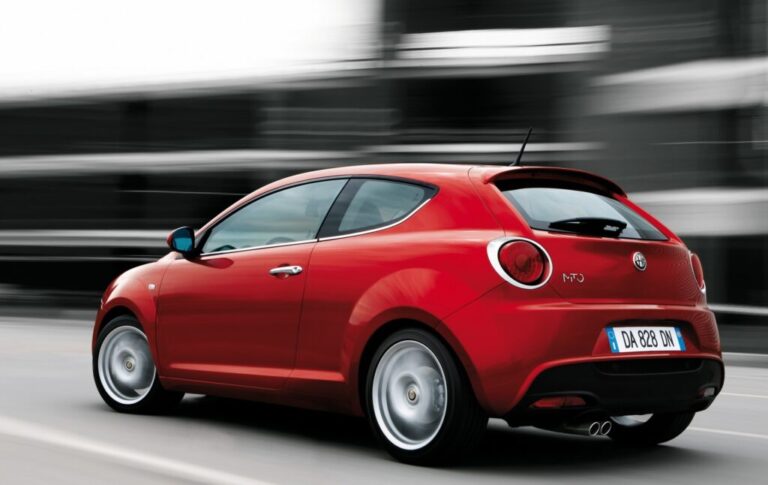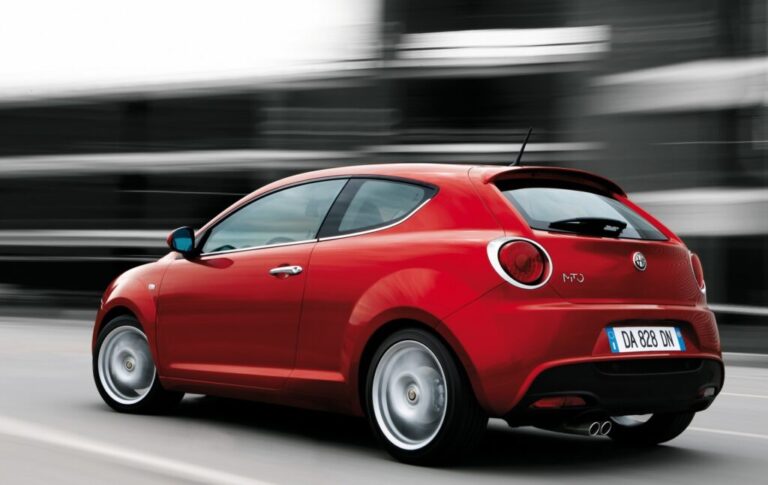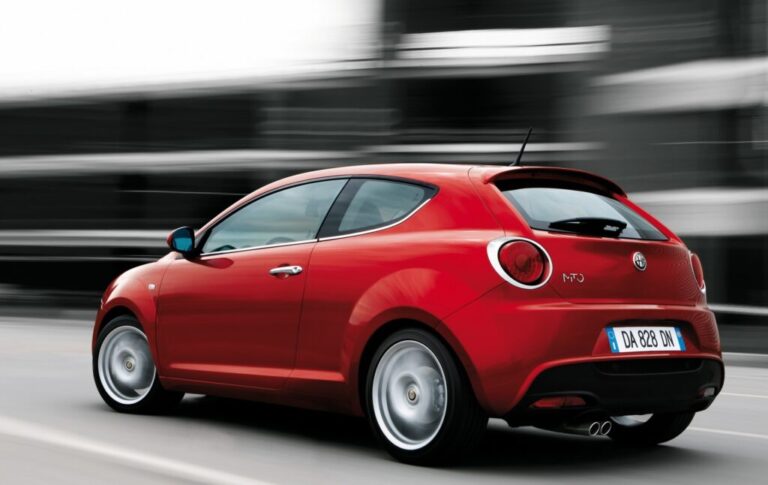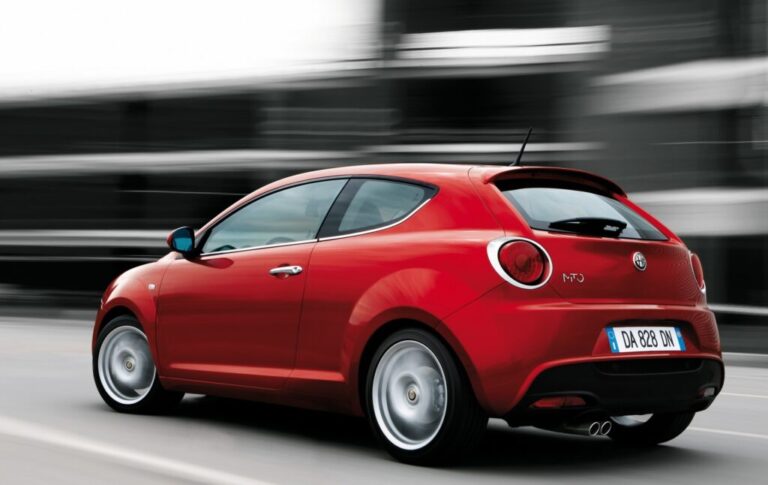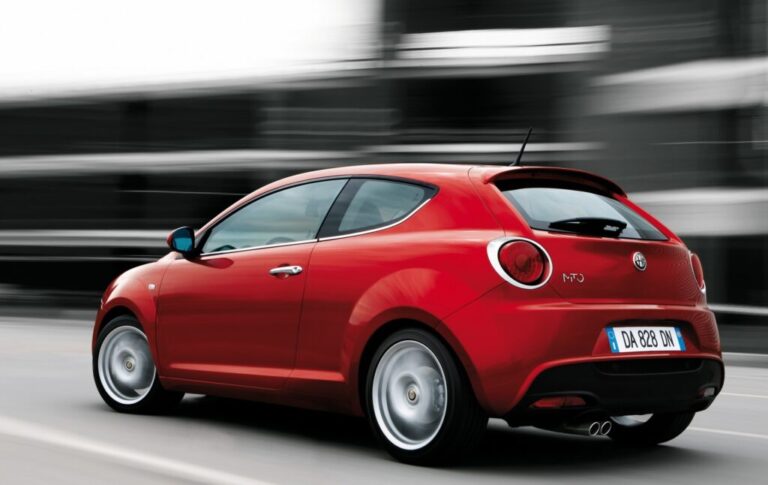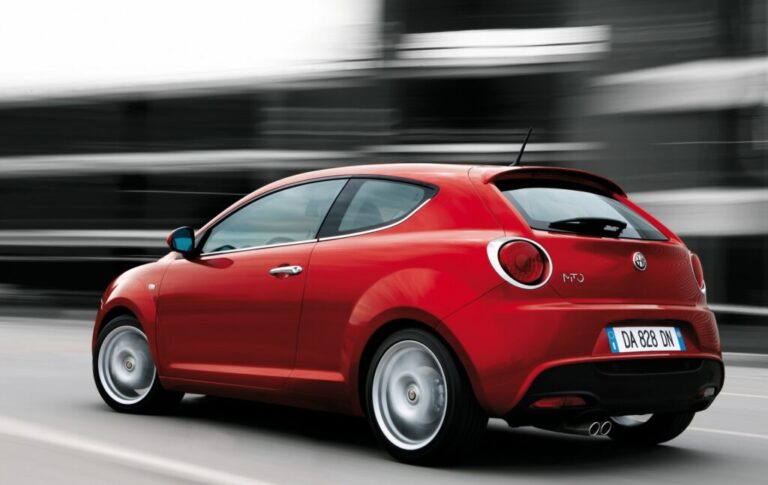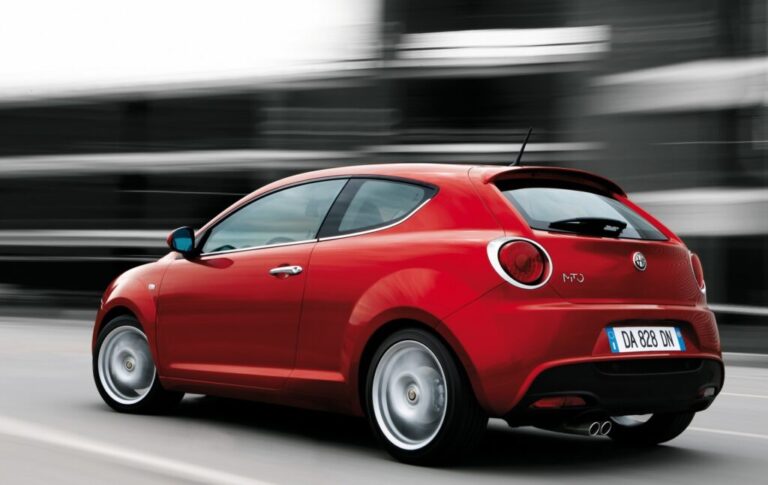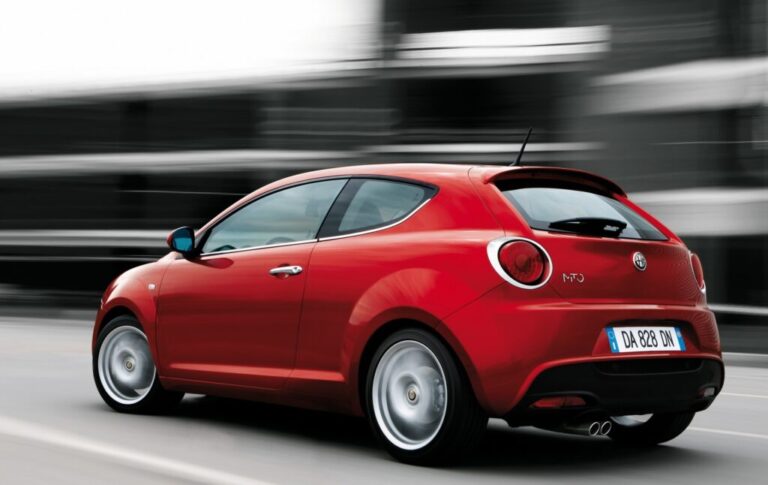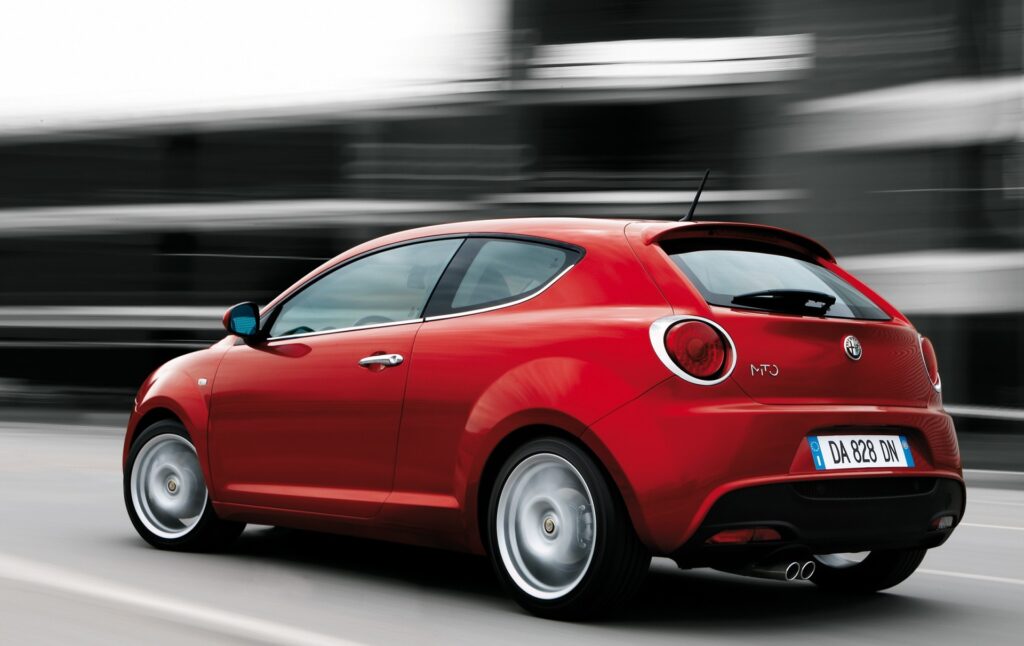
Rattling in the suspension or steering of your MiTo calls for a targeted diagnosis. Knocking over speed humps often comes from the front suspension, while rattling in the steering column may require a different repair. Drop links are an obvious starting point, but top strut mounts, springs and control arms can also knock. Do you hear the noise while driving, or only when turning the steering wheel while stationary? That difference determines where you should start.
What causes knocking in the front suspension of the Alfa Romeo MiTo?
The location and timing of the noise tell you more than the sound alone. A rapid rattle over cobbles points in a different direction from a single metallic knock when turning in. That is why with common Alfa Romeo MiTo issues there is no single standard repair: have the components checked under the right load.
Drop links and anti-roll bar bushes
Drop links connect the anti-roll bar to the suspension. If the joints develop play, you will often hear a light, fast knocking at low speed over small bumps. The noise can be clearer when one front wheel goes over a bump and the other does not. On smooth tarmac it may disappear altogether.
The bushes that secure the anti-roll bar to the body can also wear. Ask the garage to check both the drop links and these bushes. Fitting a new drop link will not cure rattling caused by a worn anti-roll bar bush. Replacing the complete anti-roll bar only makes sense when the bar itself is damaged or the design does not allow individual repair.
Top strut mount, strut bearing and front spring
The upper strut bearing allows the spring to rotate when you steer. If that bearing becomes stiff, the spring can build up tension and then release suddenly with a clunk. Creaking during slow manoeuvres, a jerky turning spring and noise high up in the wheel arch all fit this cause. On some early MiTo versions, wear of the upper strut mount is also mentioned; check the correct specification based on the car itself.
At the same time, inspect the lower coil of both front springs. A break at the end of the spring is not always immediately obvious, yet it can still cause a metallic knock or scraping noise. If one front corner sits lower, give the spring extra attention. A broken spring needs repairing; check the strut bearing and spring seat as well. Springs are best replaced in axle pairs.
Control arm bushes and ball joints
A dull knock when braking or accelerating is more likely to point to a control arm bush than a drop link. A worn ball joint can also create play in the wheel guidance. Look out for vague feel around the straight-ahead position, pulling under braking and uneven wear on the front tyres. A split rubber gaiter around the ball joint also deserves attention: dirt and moisture can damage the joint.
The MiTo’s front suspension is related to that of the Fiat Grande Punto. It is therefore sensible to check the lower control arms, without assuming they are faulty. Some bushes only show their play when the suspension is under load. Pulling on a wheel that is hanging free is then not enough.
‘ A weak battery or a charging-voltage problem can cause similar electrical complaints. ’
Solving MiTo steering rattle: steering column or suspension?
A noise you can feel through the steering wheel does not necessarily come from the steering column. A stiff top strut bearing, for example, can give a knock when turning the wheel while stationary that is felt through the steering system. If the rattling is mainly over speed humps and the power steering still works normally, investigate the suspension, track rod ends and track rods first.
The MiTo has electric power steering, also known as EPS. Problems with it can come with a heavy spot in the steering, vibrations, varying assistance or a warning on the dashboard. A weak battery or a charging-voltage problem can cause similar electrical symptoms. Check the supply and read any fault codes before you have the steering column replaced.
If inspection shows that the rattle comes from mechanical wear in the steering column, replacing suspension parts will not solve the noise. In that case, replacement of the complete steering column may be necessary. However, ask the garage to document how the column was identified as the cause. A fault code alone does not prove mechanical wear, and an EPS fault does not automatically mean the complete column is defective.
How to pinpoint the rattling
A short test drive on different road surfaces helps direct the workshop inspection. Note whether the noise is audible on the left, on the right or around the steering wheel. The most useful steps are:
- Drive slowly straight over a speed hump so that both front wheels compress at the same time.
- Take the same speed hump at an angle. Listen to see whether the noise changes when one wheel moves first.
- Drive over cobbles and listen for a fast, repeated tapping.
- With the car stationary, turn the steering wheel gently left and right. Listen for creaking, jolts and uneven assistance.
- Brake gently from low speed and listen for a dull knock.
Then ask the garage specifically to check for play in the drop links, anti-roll bar bushes, control arms, ball joints and steering components. Also have the springs and upper strut mounts inspected. For steering complaints, that should include checking the battery and charging voltage and reading the EPS. A test drive and a lift inspection complement each other.
What do drop links and an anti-roll bar cost?
Without information about the exact version, parts choice and workshop, it is not possible to give a responsible fixed price for replacing MiTo drop links and the anti-roll bar. Ask for an itemised quote. That way you can see whether the garage intends to replace a single drop link, anti-roll bar bushes or the complete anti-roll bar. That distinction matters: these are different parts with different labour involved.
Also ask for the number of parts, labour hours and any additional work to be shown on the quote. If only one drop link is worn, discuss whether it makes sense to replace both sides on the same axle. When work is carried out on control arms or steering components, the wheel alignment must be checked. A quote for a steering column also requires a clear diagnosis, because that repair is not meant for a knock from the suspension.
Do not keep driving if the steering suddenly becomes heavy, a spring is visibly broken or a front wheel has obvious play. Have such complaints assessed first. Would you like to learn how to recognise other MiTo faults and car problems too? On the Carnews website you will find more information on related topics and checks that help you plan maintenance more precisely.
Frequently asked questions
The rattling in the front suspension is usually caused by worn or sticking upper strut bearings/mounts, worn anti-roll bars or bushes, control arm bushes/ball joints, or a broken front spring. A sticking strut bearing twists the spring while steering, after which it suddenly releases and causes a clunk or metallic noise; over time this can encourage spring breakage. Steering rattle, humming or vibrations can also come from a faulty torque/angle sensor or other parts of the electric power steering. A weak battery or insufficient charging voltage can cause the same EPS symptoms.
Above all, anti-roll bar links and anti-roll bar bushes wear quickly and often cause the typical rapid rattling over cobbles and short bumps. Upper strut bearings/mounts and control arm bushes are also well-known wear items; track rod ends and ball joints can also rattle if there is play. Rattling while turning in points more towards a worn top strut bearing or broken front spring.
First check the battery and charging voltage and read the EPS fault codes. If the torque/angle sensor is faulty, have the electric steering column refurbished with a quality aftermarket sensor or fit a refurbished aftermarket steering column. Then calibrate the sensor and power steering with suitable diagnostic equipment.
Take a focused test drive over speed humps, cobbles and poor road surfaces, both straight and at an angle, and test slow steering, braking and acceleration to establish when and where the rattling occurs. With the bonnet open and the car stationary, observe whether the springs and strut bearings move smoothly when turning the wheel, and visually check for broken springs, leaking dampers, damaged bushes and uneven tyre wear. On a lift, use a lever and different loads to check for play in the anti-roll bar links, control arm bushes, ball joints, track rods, track rod ends and strut mounts. Also read the EPS fault codes and measure battery and charging voltage to rule out an electrical cause.