Software faults in the Tonale PHEV can cause the combustion engine to start frequently or the drivetrain to switch power abruptly. Not every engine start points to a fault: battery charge, temperature and the demanded traction also determine when the petrol engine steps in. If the behaviour keeps returning under similar conditions, targeted diagnosis is more useful than simply having an update installed. What should you watch for while driving?
Why does the Tonale engine keep starting?
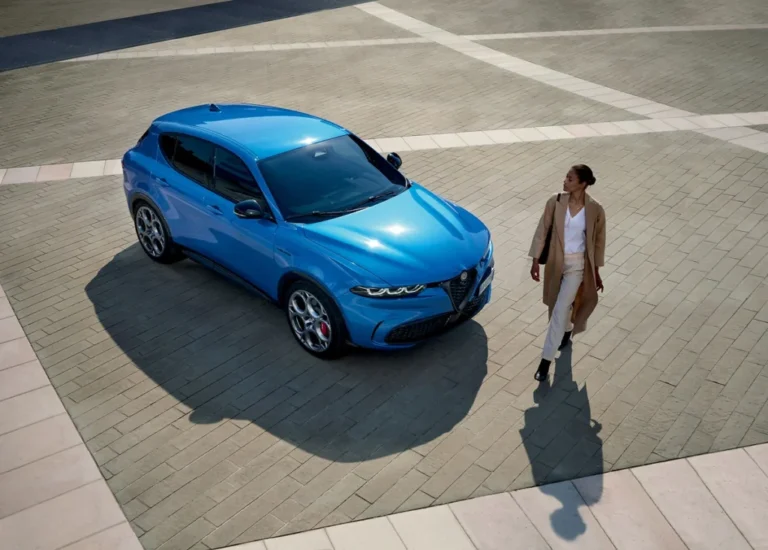
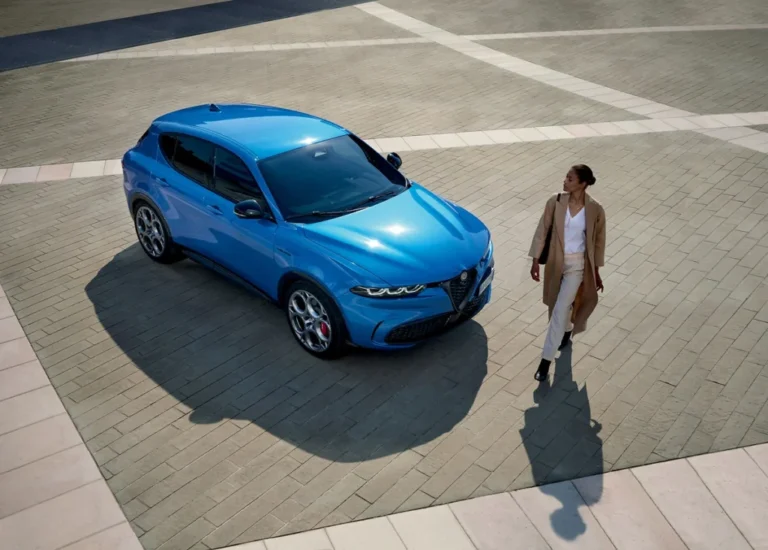
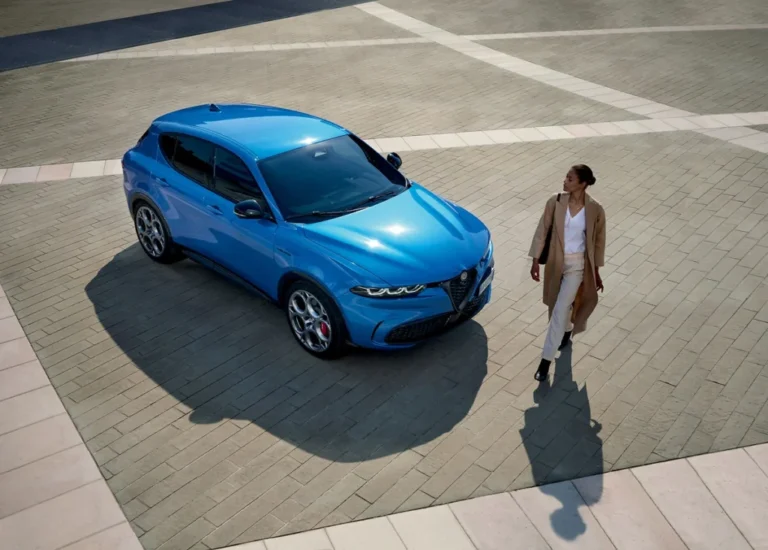
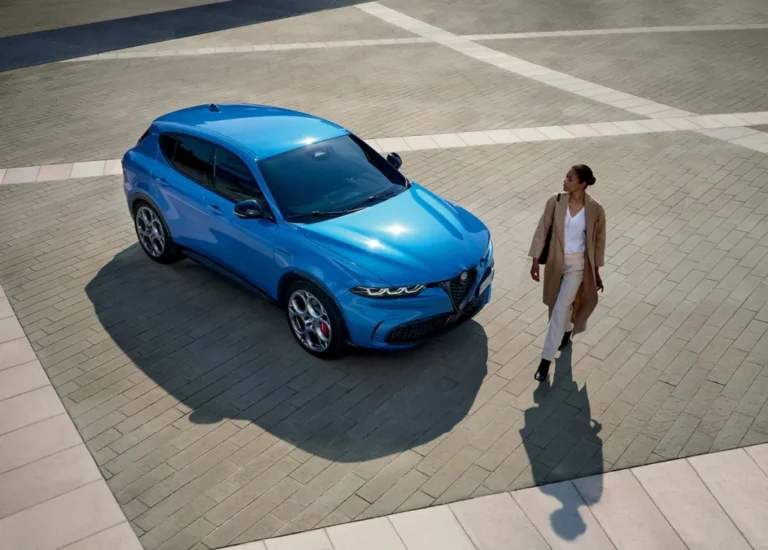
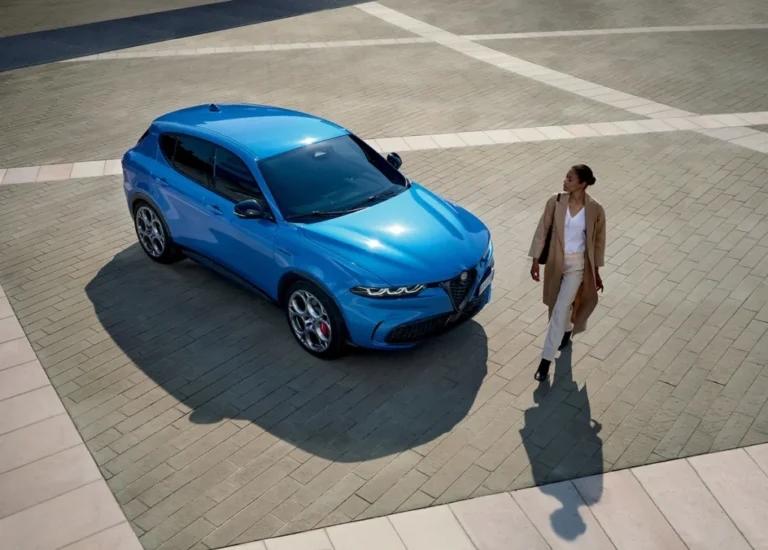
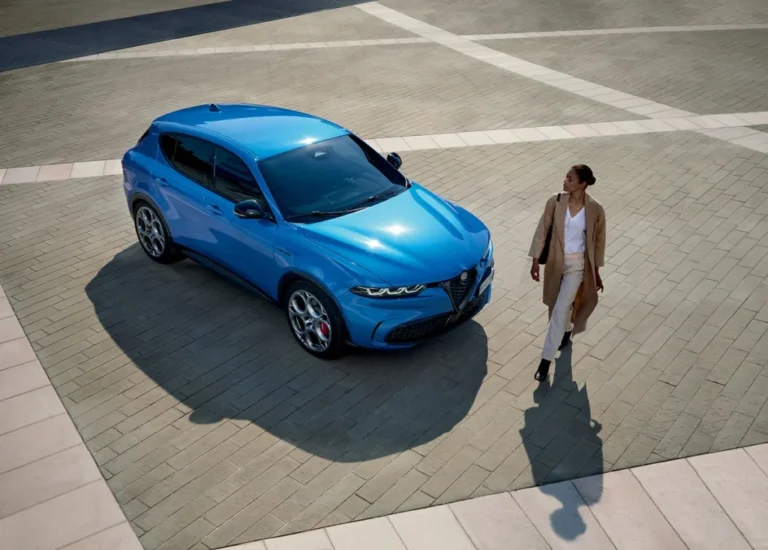
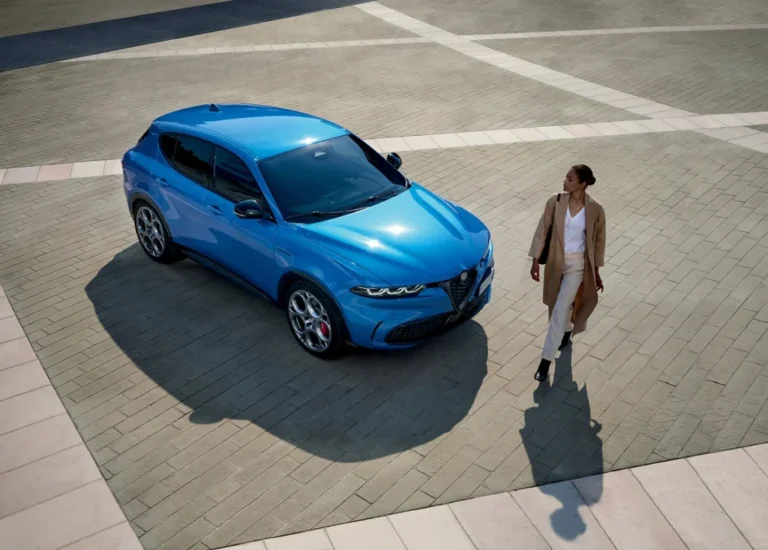
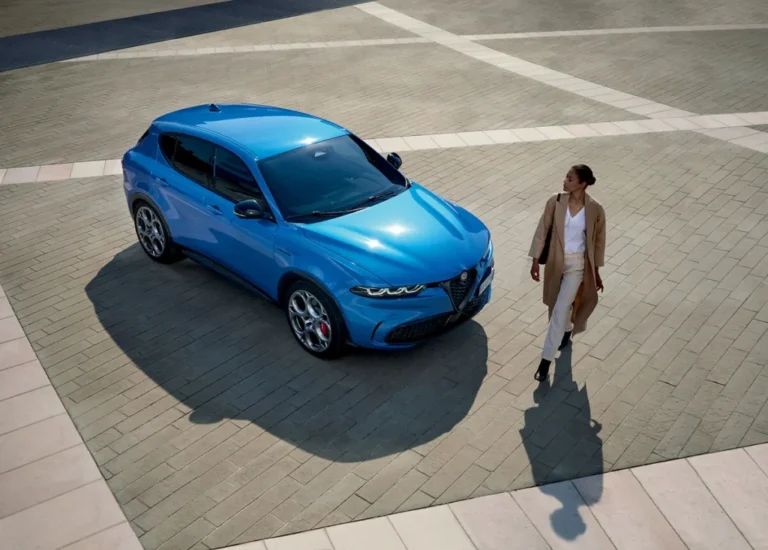
The Alfa Romeo Tonale Plug-in Hybrid Q4 combines a 1.3-litre turbo petrol engine with an electric motor on the rear axle. Even when you have selected electric driving, the petrol engine may start if the car asks for more power or the conditions limit electric driving. So a charged traction battery alone does not guarantee that the engine will stay off.
The difference lies in the pattern. Notice whether the engine starts every time during the same calm journey, while the traction battery still has enough charge. Also note any changes in power delivery without an obvious change in your accelerator position. Such complaints warrant investigation. Also see the overview of Alfa Romeo Tonale problems if you recognise other faults alongside the drivetrain behaviour.
Also pay attention to the selected driving mode. Hybrid mode and e Save have a different function from electric driving: e Save tries to preserve battery charge for later use. So first note which mode was active. Otherwise normal control behaviour may be mistaken for a software fault.
‘These symptoms may be related, but on their own they do not prove a software fault.’
Software calibration can amplify changes in power
The Tonale must constantly determine how much power the petrol engine and electric motor deliver. The software also controls when the combustion engine starts and how the drivetrain responds. If that coordination does not work properly, the car can lurch noticeably when it switches between electric driving and petrol power.
A brief change during hard acceleration is something different from a recurring jolt at steady speed. That latter symptom, in particular, is useful information for the workshop. Describe whether the change happens when pulling away, coasting, accelerating or when you are barely touching the accelerator. If there is a clear loss of power or a drivetrain warning, have the car checked before continuing your journey.
Owners also report that the chosen electric mode is sometimes unavailable, that the car unexpectedly switches between electric and hybrid drive, or that e Save does not hold charge as expected. These symptoms may be related, but on their own they do not prove a software fault. A fault code, battery issue or communication error between control units can produce similar behaviour.
Does the Tonale hybrid need a software update?
A software update is a logical possibility when the dealer links a known complaint to your car’s software version. According to owner reports, updates have reduced problems with the electric mode on some Tonales. Other owners saw complaints return. So ask not only for the latest software, but also for a diagnosis of the cause.
The available version differs by production date, trim level and market. Ask the dealer to use the chassis number to check applicable updates and outstanding campaigns. A file for a Tonale from another market is not automatically suitable for your car.
Before the workshop appointment, ask for clarity on these points:
- Which fault codes are stored, even if the warning has already disappeared?
- Which control units are getting an update, and which complaint is it meant to fix?
- Is the 12-volt battery tested under load beforehand?
- After the update, is there a test drive in the driving mode in which the complaint occurred?
An update to multiple systems can take a lot of workshop time. During programming, the supply voltage must remain stable; an interrupted update can create new problems. After completion, have the software versions and the fault-code check result written on the job sheet. That makes it easier to track a recurring complaint.
Solving PHEV mode issues starts with measurement
If a Tonale unexpectedly changes drive mode, a general OBD readout is often not enough. The workshop should also check the hybrid control system, battery management, transmission control and vehicle communications. That makes it clearer whether the control system itself is behaving differently or is reacting to information from another system.
A weak 12-volt battery also deserves attention. It powers the control units and plays a part when systems wake up and communicate with one another. According to information on reported Tonale faults, multiple warnings can appear at the same time if the voltage is too low. Simply clearing fault codes may only work briefly; a load test of battery capacity gives more insight than a voltage reading at rest.
You can help the diagnosis by recording a fault as soon as it occurs. Ideally note:
- the mileage and the outside temperature;
- the battery charge and the selected driving mode;
- your speed and whether you were accelerating or coasting;
- the exact warning on the display;
- whether the behaviour started after charging, standing still or a software update.
A short video of the display can help if the fault does not immediately recur at the dealer. In the meantime, do not clear fault codes and do not disconnect the 12-volt battery to ‘reset’ the car. That can erase data that is precisely needed to find the cause.
How to test the drivetrain after repair
A cleared fault memory without a new warning is not yet proof that the complaint has gone. Ask for a test drive that resembles the journey on which you noticed the problem. If the transition was mainly noticeable with a partially charged battery, do not test only with a full battery.
A useful check follows three steps:
- First drive in electric mode and check whether it remains available during gentle acceleration.
- Then switch to hybrid mode and watch the point at which the petrol engine joins in.
- Finally check e Save and restart the car after the test drive to spot recurring warnings.
Compare the result with your notes. If the same jolt or unexpected engine start returns, have the conditions under which it happened recorded. That way the dealer can continue searching without starting again from a general description.
A Tonale PHEV does not always have to stay in electric driving, but recurring abrupt changes in power call for a targeted check of the software, fault codes and the 12-volt supply. On the Carnews website you will find more on related car problems and drivetrain technology. Find out which points apply to your car.
Frequently asked questions
No specific programming errors or bug codes in the Hybrid Control Unit have been publicly identified. However, software problems have been reported that disrupt electric mode, e-Save, regenerative braking and the switch between electric and hybrid drive. Similar faults can also stem from low 12V voltage or communication problems between the Hybrid Control Unit, the battery management system, the Body Control Module and the transmission control system.
Software faults in the hybrid control system can cause unexpected switches between electric and petrol drive, making power delivery less linear and predictable. When accelerating out of corners, this can lead to a delayed or changing throttle response, especially when electric assistance is not available. Illogical regeneration can also disturb balance when lifting off or braking. As a result, it becomes more difficult to drive consistently and precisely on track.
Yes. Even after the latest OTA or dealer updates, there are still reports that regenerative braking does not work logically in certain driving modes or hardly recharges the battery. Updates have improved matters for many Tonale PHEVs, but do not always solve the problem definitively; therefore have the software versions and hybrid control units checked.