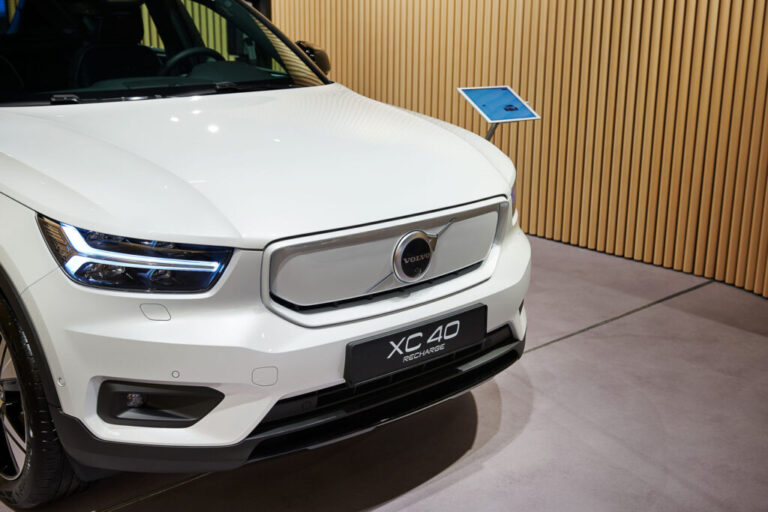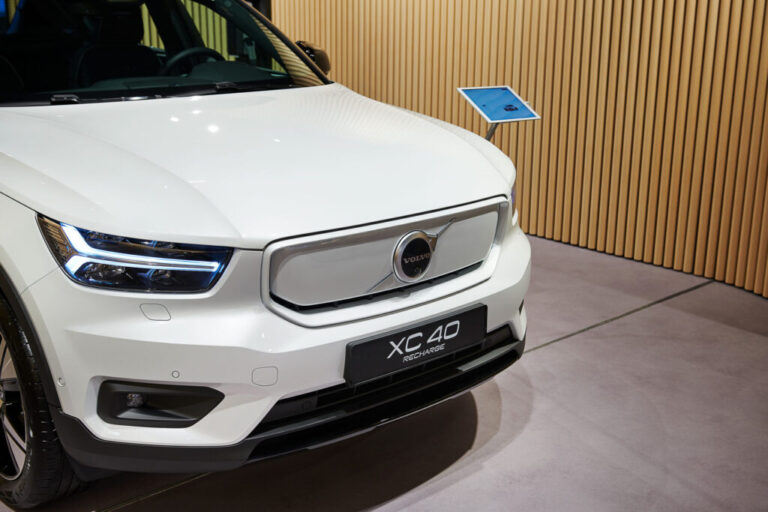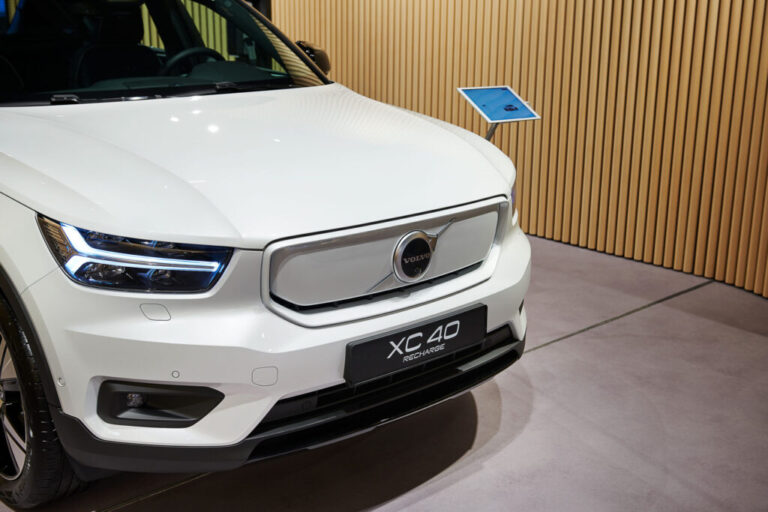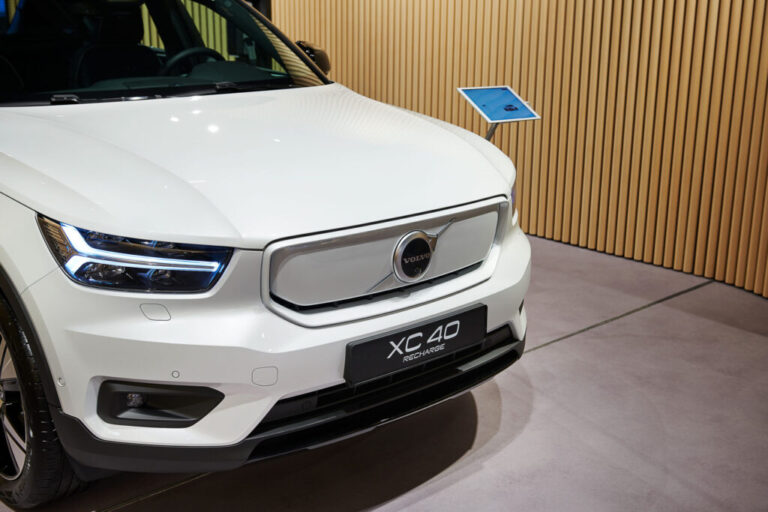
Charging issues with the XC40 Recharge are often related to the charging cable, charging point, settings, battery temperature or communication between the car and the charger. Sometimes the car refuses to charge altogether. In other cases, the charging session stops. The plug can also sometimes get stuck. With a few targeted checks, the cause can usually be found quickly. Read which steps you can safely carry out yourself.
Why is my Volvo XC40 Recharge not charging?
When a Volvo XC40 does not start charging, the car does not necessarily have a fault. Before charging begins, the car and charger exchange data. If this communication fails, the charging session will not start for safety reasons. A plug that is not fully inserted into the socket can also sometimes block charging.
The possible cause also depends on the type of charger used. AC charging (charging with alternating current) usually takes place at home or at a public charging point. The car uses its own onboard charger. This charging module converts alternating current into power for the battery. With DC rapid charging (fast charging with direct current), the charging station handles much of this conversion.
Common causes of a failed charging session include:
- The charging plug is not fully inserted into the charging port.
- The cable or connector is dirty or damaged.
- The charging point has a fault or does not authorise the charge card.
- Scheduled charging is set for a later time.
- The set charge limit has already been reached.
- The car and charger are not communicating properly.
- The home electrical installation has an earthing problem or another fault.
- The car’s software or charging module is not working properly.
Also pay attention to the indicator at the charging port and any messages in the car. A yellow or red indicator sometimes means the plug is not seated properly or charging has been blocked. If a red indicator remains visible, do not keep applying force to the connector.
Check charging problems with the XC40 Recharge step by step
A fixed checking order prevents unnecessary searching. This way you can find out whether the fault lies with the car, cable or charging equipment. Carry out the following steps without dismantling any parts of the charging port.
- Stop the charging session via the charger, app or car.
- Unlock the car and remove the plug without force.
- Check the charging port and plug for dirt, moisture and damage.
- Reconnect the plug and push it fully into place.
- Check the charge limit and scheduled charging settings.
- Lock the car and wait briefly before starting again.
- If possible, test another charging point or charging cable.
If the car works at another charging point, the cause is probably the first charger, cable or electrical installation. If charging fails at several locations, a problem in the car is more likely. In that case, note which messages and colours you see around the charging port.
Slow charging is not always a fault
A low charging speed does not directly point to a defect in the XC40 Recharge. The battery temperature and remaining battery capacity affect charging performance. A cold battery pack generally accepts less power during DC rapid charging.
Even at a higher state of charge, the car reduces charging power. This protects the battery from heavy load. The final part of a rapid charging session therefore often takes noticeably longer than the first part. Preconditioning sometimes helps to bring the battery up to temperature before you arrive at a rapid charger.
Compare charging speed under similar conditions. Note the outside temperature, state of charge and the charging station used. A rapid charger can sometimes deliver less power itself because of a technical limitation or because the power is shared with other cars.
Solution for a stuck charging plug
With the so-called charger sticking, the cable remains locked after charging. This happens with both an electric XC40 Recharge and a plug-in hybrid. The car locks the charging plug during the session so that it cannot simply be removed.
Use this safe sequence if the plug is stuck:
- End the charging session at the charger or via the associated app.
- Unlock the car with the key or central locking.
- Wait a few seconds so the locking mechanism can respond.
- Gently push the plug a little further into the socket.
- Then try to remove it straight out, without twisting.
A heavy charging cable can sometimes pull on the plug. Support the cable while unlocking the car. This reduces the strain on the charging port lock. Never pull hard on the cable and do not use tools at the connector.
Emergency release only according to the manual
If the plug still will not come loose, consult the manual for the specific version. Some models have an emergency release facility. The operation and location differ by version. Use this facility only in accordance with Volvo’s instructions.
If the cable remains stuck to a public charging point, contact the operator using the details shown at the charger. The operator can sometimes end the session remotely. Never open the charging unit yourself, as it contains high-voltage components.
‘ When both AC and DC charging fail at multiple locations, a fault in the car or software is more likely. ’
AC and DC issues provide important clues
The distinction between AC and DC charging helps with diagnosis. DC rapid charging sometimes works, while the car refuses to charge at different AC charging points. In that case, the cause is probably the charging cable or onboard charger. Also have the home charger and consumer unit checked before blaming the car.
AC charging works normally in some cases. If the complaints only occur at DC rapid chargers, first check the battery temperature, state of charge and the charging station used. Try a second rapid charger to rule out a fault with the charger. A varying charging power during one session is sometimes part of normal charging control.
When both AC and DC charging fail at multiple locations, a fault in the car or software is more likely. Restarting sometimes fixes a temporary communication error. Lock the car, wait a moment and then try charging again.
When should the Volvo go to the workshop?
Have the XC40 Recharge checked when charging problems return or occur at several charging points. A workshop reads out fault codes, tests the charging port and checks whether the software is up to date. The workshop also inspects the onboard charger and the locking mechanism.
Definitely book a check if you notice these signs:
- The charging port stays red.
- The car refuses both AC and DC charging.
- AC charging remains much slower than expected at several charging points.
- The plug becomes blocked repeatedly.
- The charging port, plug or cable shows visible damage.
- The car keeps showing the same fault message.
Keep details of failed charging sessions for the diagnosis. Note the type of charger, battery level, outside temperature and the message in the car. Also mention whether another cable, restart or charger made any difference.
Prevent recurring charging problems
Keep the charging port clean and check the cable regularly for wear. Do not leave a heavy cable hanging from the plug, and store any loose cable in a dry place. Also check before setting off whether the planned charging times and charge limits suit your journey.
Many charging problems with the XC40 Recharge are caused by settings, temperature or the charger. Systematic testing usually gives the quickest clarity. On the Carnews website you will find more information about Volvo faults, electric cars and practical maintenance. On your next charging attempt, note the charging point, battery level, temperature and fault message; with this information, a workshop can diagnose the issue more quickly and accurately.
Frequently asked questions
The most common charging problems with the Volvo XC40 Recharge are slow charging, not starting to charge, and charging sessions that stop partway through. These are often caused by cold weather, a high battery level, a poor cable or plug connection, charger settings, or software and communication problems. If AC charging problems persist, the onboard charger may be faulty, while DC problems are more often linked to battery temperature and the charging curve.
Install the latest software update for your Volvo and check whether scheduled charging or a charge limit is active unintentionally. Restart the car by locking it, waiting a few minutes and trying to charge again. Also test another charger or cable to rule out a communication problem. If the fault continues, note the circumstances and have a Volvo dealer diagnose the software and charging module.
At low temperatures, the Volvo XC40 Recharge charges more slowly, especially with DC rapid charging, because a cold battery pack accepts less charging power. Preconditioning the battery before rapid charging or warming it first can improve charging speed.
First stop the charging session via the car or charger, and then unlock the car again. If the cable remains stuck, lock the car, wait a moment and try again; do not pull the plug by force. If it remains blocked, consult the manual for the emergency release or contact breakdown assistance/dealer.