
Vibrations when braking in the Volvo XC40 often arise from brake discs or pads wearing unevenly. Problems with the wheels or suspension can also cause vibrations. A brief pulsing from ABS is sometimes normal. Repeated vibrations during ordinary braking need checking. They make deceleration less smooth and undermine confidence behind the wheel. Also see the overview with information about the Volvo XC40. Below, you can read how to recognise and address this braking complaint.
What causes a vibrating brake pedal in the Volvo XC40?
A vibrating brake pedal is usually caused by uneven contact between the brake pads and brake discs. Brake discs are also known as rotors. With each rotation, the braking force changes slightly. You feel this as a rhythmic pulse in the pedal. With more severe wear, the vibration increases. The steering wheel or bodywork will then vibrate as well.
These are common causes of vibrations when braking:
- Brake discs with variation in thickness or an uneven surface.
- Brake pads that have worn unevenly or do not move freely.
- Rust or dirt on the contact surface of the brake disc.
- A sticking brake calliper that generates heat.
- Play in a wheel bearing or a suspension component.
- Incorrect wheel balance that becomes more noticeable when slowing down.
The term warped brake disc is often used. The disc is by no means always visibly distorted. A small variation in thickness can be enough. Unevenly distributed braking material can also give a pulsing sensation. A garage will identify this by measuring the brake disc and inspecting the braking surface.
‘ ABS intervenes during an emergency stop. ’
When are vibrations from ABS normal?
Not every vibration points to faulty brakes. Sometimes ABS causes the vibration. ABS intervenes during an emergency stop. The system also activates on a slippery road surface. It rapidly reduces and increases brake pressure. That stops the wheel from locking up. This action is felt as a distinct pulsation in the brake pedal.
Shortly after pulling away, the Volvo XC40 sometimes performs an automatic ABS check. This is part of the system’s normal operation. At low speed, this can sometimes create a brief vibration. Normally, this lasts only a moment. You do not repeatedly notice this during ordinary braking. If the brake pedal vibrates every time from a higher speed, that is less consistent with normal ABS operation.
How do you recognise worn brake discs and brake pads?
Worn brake components often cause vibrations. Noise and changes in brake feel can also occur. So pay attention to the vibration. Listen for any sounds as well. Check the brake feel and note when the symptom occurs. Is the change getting gradually worse? That usually points to wear. A one-off ABS intervention typically lasts only briefly.
These signs call for a brake inspection:
- The pedal pulses during normal braking on a dry road surface.
- The steering wheel vibrates, especially when slowing from higher speeds.
- The car pulls to one side while braking.
- You hear scraping, humming or rattling noises.
- The stopping distance seems longer or deceleration feels less even.
- Deep grooves or clear rust patches are visible on the brake discs.
After rain or a car wash, a light layer of rust sometimes forms. Longer periods parked up can also cause surface rust. Brake gently several times. The rust layer will usually disappear. Are the vibrations or noises still there afterwards? Have the brakes checked. Do not keep braking hard in an attempt to solve the problem. That only increases wear and heat.
When should brake pads be replaced on a Volvo XC40?
There is no fixed replacement interval for brake pads. It varies by Volvo XC40. Driving style affects service life. Vehicle weight and traffic conditions also play a part. Regenerative braking also has an influence. Here, the electric motor slows the car and the system stores energy. Frequent urban trips regularly load the mechanical brakes. On longer journeys with little braking, that load is usually lower. So have the thickness of the brake pads measured. Mileage alone is not enough to give a clear answer.
Have the brake pads replaced when they are close to the minimum permitted thickness. Replace them too if they are damaged or worn unevenly. A warning in the car calls for immediate inspection. The same applies to a scraping noise. Do not wait until metal is grinding on metal. That will also damage the brake discs.
When fitting new brake pads, the technician assesses the brake discs. They check their surface and general condition. Discs with deep grooves or irregular wear do not provide a flat contact surface. New brake pads will therefore not bed in evenly. The vibrations will then remain. The new pads will also wear more quickly and unevenly. In that case, replace the brake pads and brake discs on the same axle.
How do you investigate brake vibrations in the Volvo XC40?
Describe the brake vibrations as precisely as possible. That helps the garage diagnose the issue more quickly. Choose a safe place for your observations. Check the problem only if the situation allows it. Do not carry out brake tests in heavy traffic. Also do not test the brakes on a slippery road.
Use these steps for your observation:
- Note the speed at which the vibration begins.
- Check whether you feel the vibration in the pedal, steering wheel or entire car.
- Carefully compare light braking with firmer braking.
- Note the difference between cold and warm brakes.
- Note whether rain, standing still or a car wash has any effect.
- Check whether sounds or warning messages occur at the same time.
After that, the workshop inspects the brake discs. The technician measures their thickness and run-out. The brake pads also receive attention. The technician also checks the brake callipers. The wheel hubs are examined too. Finally, the suspension components are checked. If the car also vibrates when you are not braking, the cause may lie with wheel balance, tyres or wheel bearings.
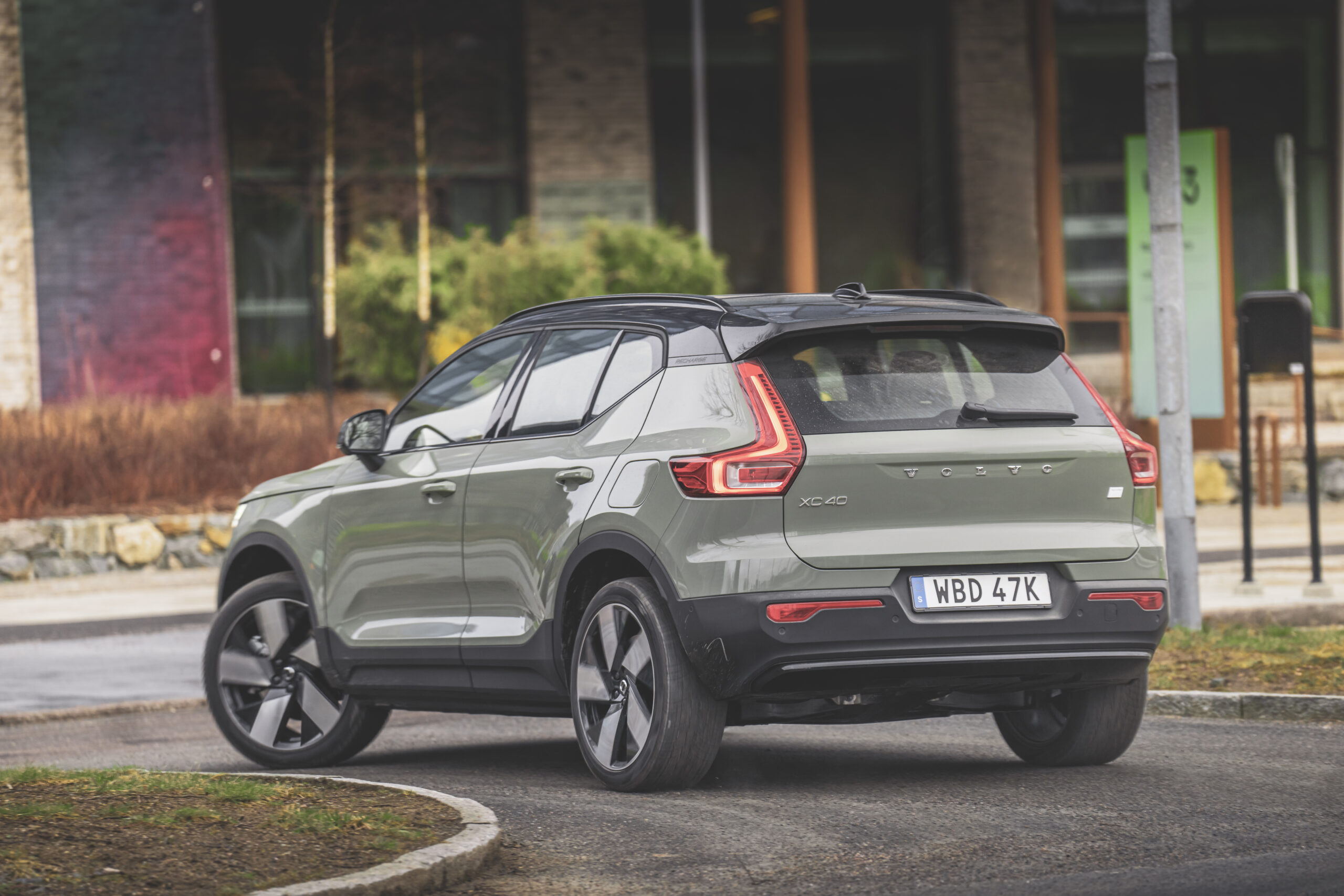
Braking feel in an electrified Volvo XC40
In a mild hybrid, an electric motor supports the combustion engine. This version and the fully electric Volvo XC40 use regenerative braking, which gives a different brake feel. The electric motor slows the car in the process. At the same time, the system converts kinetic energy into usable electrical energy. The car then switches to the mechanical brakes. The pedal can sometimes feel different during that transition. A car without regenerative technology does not have this transition.
The car therefore sometimes slows a little differently from what you expect. That does not immediately point to a defect. However, a recurring hard pulsation is not part of normal regenerative braking. The same applies to steering vibrations and scraping noises. Tell the garage in which driving mode the symptom appears. Also specify the moment when you feel it. Say whether this happens when the car switches to mechanical braking.
What should you do if brake vibrations persist?
Arrange a check if the vibrations keep coming back regularly. Do the same if the vibrations are getting stronger. Do not continue driving if braking performance is significantly reduced. Stop as well if a warning light appears. Metal-like scraping also calls for immediate action. Do not keep driving if the car pulls to one side under braking either. Contact a specialist garage as soon as possible. The technicians there will check the brakes.
At Carnews, you will find more information about the Volvo XC40. You can also read about common car problems there. In addition, you will find practical information about maintenance and recognisable technical faults. Discover more articles on the website. The practical tips will help you spot changes to your car in good time.
Frequently asked questions
Technical causes are usually brake discs with thickness variations, distortion, rust or uneven wear, and brake pads that are dragging or making irregular contact. Imbalance in the wheels, worn wheel bearings, incorrect alignment or play in the suspension can also cause or worsen brake vibrations. On hybrid and Recharge models, the transition from regenerative to mechanical braking can feel pulsing because of calibration or software. Brief pedal pulsations during ABS intervention or the automatic ABS test are normal.
In a Volvo XC40, warped or unevenly worn brake discs can be recognised early by recurring vibrations in the brake pedal or steering wheel, especially when slowing from higher speeds. If the vibrations gradually become stronger or braking feels as though the pads are alternately gripping and releasing, have the discs checked for thickness variation, grooves and uneven contact. A short pulse during ABS intervention or the automatic ABS test is usually normal.
Sporty driving generally means more frequent and harder braking, causing the brake pads and brake discs on the Volvo XC40 to wear faster. The extra heat load can also cause uneven wear, thickness variations or brake vibrations. Smooth, anticipatory driving extends the life of the brake system.
Original Volvo brake parts are matched to the car and generally offer the best balance between comfort, noise and vibration-free braking. Aftermarket sports brakes are mainly designed for higher heat loads and greater stopping power, but harder pads or incorrect fitting/bedding-in can actually cause more noise and vibration. Sports brakes do not automatically solve vibration complaints: first, disc thickness variation, rust, hubs, suspension and installation need to be checked.