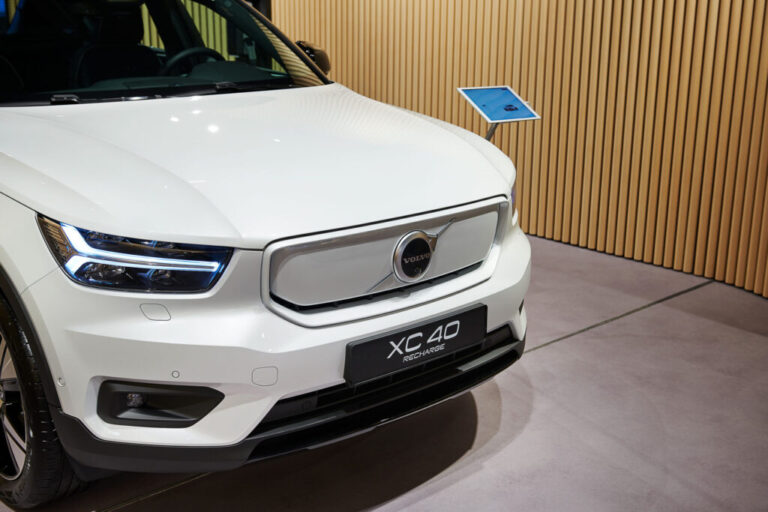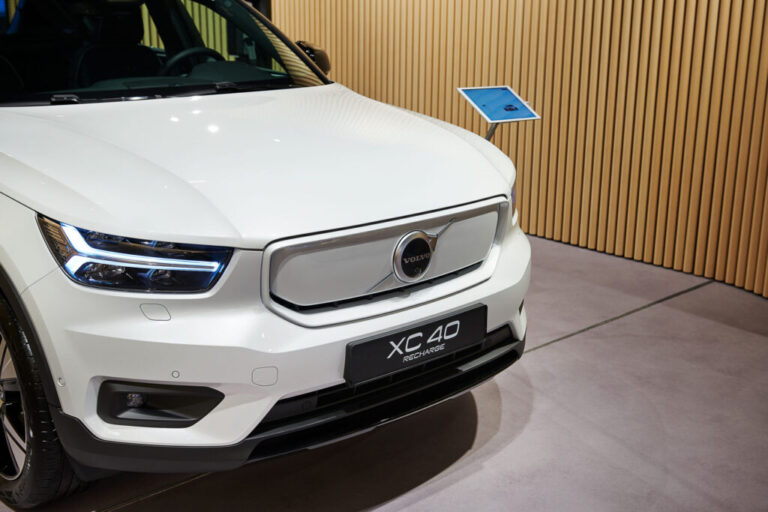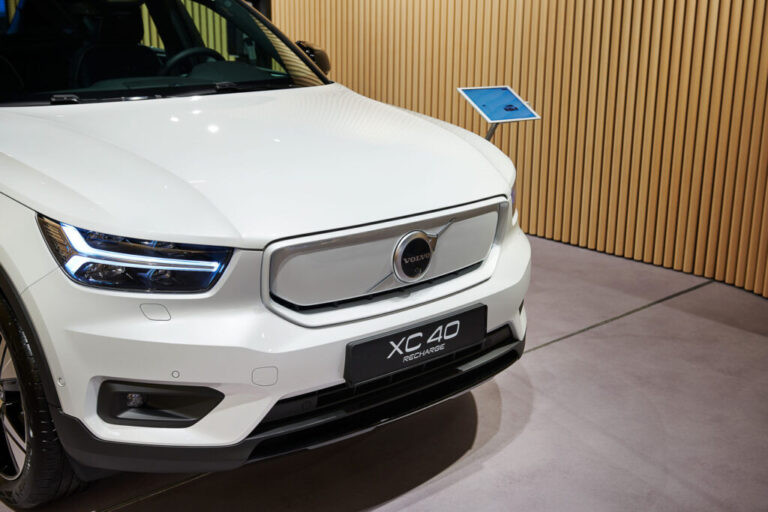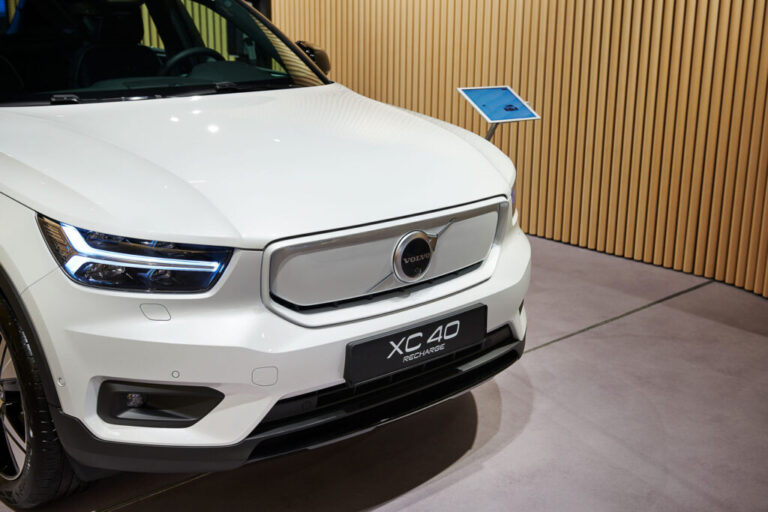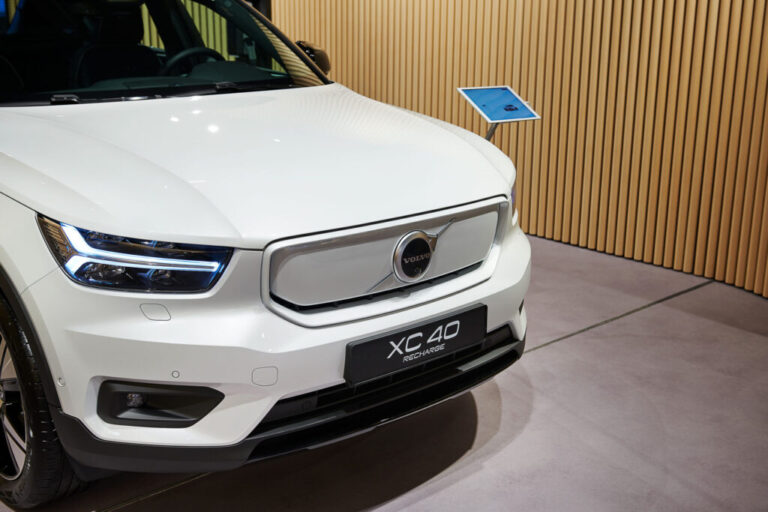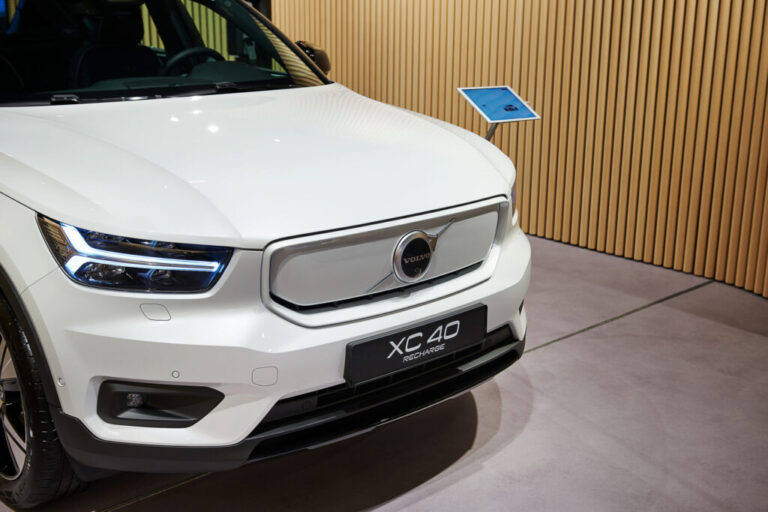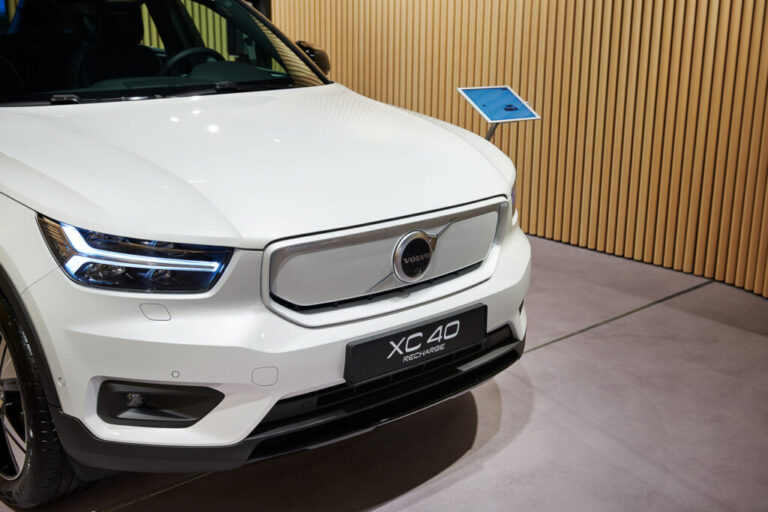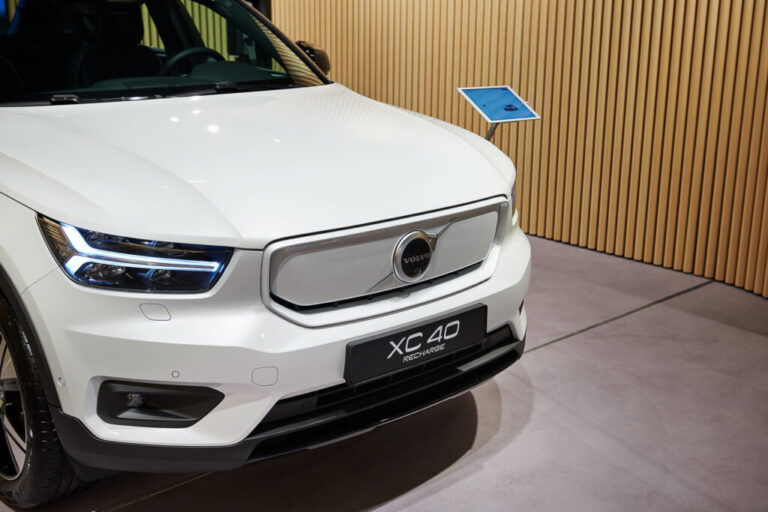
Safety systems overactive Volvo XC40: a sudden brake application or steering correction can be caused by contaminated sensors, limited camera visibility or incorrect calibration. However, the opposite can also happen: a system may not respond when you expect it to. The most important thing is to establish which system intervened and under what circumstances. That distinction prevents a misdiagnosis. Where do you start?
Why does a Volvo XC40 brake suddenly?
When the car brakes unexpectedly, the first question is whether you were driving forwards or manoeuvring in reverse. The XC40 uses a camera and radar at the front of the car for functions including collision warning and automatic emergency braking. When reversing, the parking functions may be involved instead. On the page about problems with the Volvo XC40 you will find more model-specific information; for this complaint, the precise moment the system intervened is the most important clue.
According to Volvo, the collision avoidance system can brake independently if it detects an immediate risk of impact. That does not mean every hard brake intervention is justified. A contaminated sensor, a limited camera image or an incorrect calibration can affect what the system perceives. So make a note of whether a warning appeared on the instrument panel and what was in front of or behind the car.
Braking while reversing points to a different system
If the XC40 brakes on a driveway or in a parking bay, a parking function is more likely than the frontal collision avoidance system. Some owners report a sudden intervention while seeing no obvious obstacle. That is a reason for further investigation, not proof that a shadow or a parking sensor caused it. Also check for low posts, overhanging branches and obstacles outside your direct line of sight.
After the manoeuvre, look at which warning was displayed. Clean the parking sensors carefully if there is mud, snow or water on them. If the intervention happens again in the same place, describe the driving direction, steering angle and distance to walls or parked cars to the workshop.
The XC40’s front camera needs a clear view
The front camera is located behind the windscreen, by the rear-view mirror. According to Volvo, conditions that restrict visibility can affect driver assistance systems. Think of condensation on the inside of the windscreen, ice, insect residue, heavy rain or low sun. A message saying that the camera or driver assistance is limited helps narrow down the cause.
Start with a check you can carry out safely yourself:
- Clean the windscreen on both sides at camera height.
- Remove ice completely and use the demister when there is condensation.
- Check whether a sticker or dashcam mount is covering the camera area.
- Clean parking sensors without pressing on them or scratching them.
- Note whether warnings appear mainly in cold, damp or backlit conditions.
If the complaint disappears after cleaning, keep an eye on whether it returns. A temporarily clear image does not rule out a calibration problem. Never cover the camera to prevent an intervention: doing so may also disable other driver assistance functions.
When is camera or radar calibration needed?
An XC40 that reacts differently after a windscreen replacement, body repair or work at the front of the vehicle deserves a camera and radar check. The camera must sit correctly in its mount and be matched to the car. A changed wheel alignment is also relevant information for the workshop. A small deviation cannot be reliably identified by looking at the sensor alone.
If the windscreen has been replaced, ask for the invoice and proof of calibration. Also have a Volvo specialist check whether the correct windscreen has been fitted, whether the camera bracket is seated properly and whether the camera and radar are providing plausible information. Clearing fault codes without checking the installation and alignment will not solve a recurring false intervention.
Adjusting the lane assist on a Volvo XC40
Lane assist is not the same as automatic emergency braking. It helps keep the car within its lane and can provide a steering correction. If an intervention feels like a sudden change of course, first check which system was active. A genuine brake application requires investigation into a different function, even if both complaints occur on the same journey.
You can view the available lane-assistance settings on the central display. Which options you see depends on the model year, trim level and software version of your XC40. So consult your car’s handbook for the correct operation. Only adjust settings when stationary and make a note of what you change, so you can identify any difference on the next drive.
If the lane assist continues to steer unexpectedly, look at the road markings and the front camera’s visibility. Worn lines, roadworks or condensation can make recognition more difficult. Changing a setting is not a solution for a fault or a misaligned camera. Have recurring interventions investigated.
‘ According to Volvo recall information, some 2019 and 2020 XC40s could fail to activate automatic emergency braking when needed because of a software-hardware combination issue. ’
Software issues can also cause a missed braking intervention
Not every complaint is about a system braking too early. According to Volvo recall information, some 2019 and 2020 XC40s could fail to activate automatic emergency braking when needed because of a software-hardware issue. The measure involved a software update for the Active Safety Domain Master, the control unit for safety functions. That recall does not automatically explain an unexpected braking intervention.
For an XC40 from these model years, have it checked by VIN to see whether the measure has been carried out. If messages keep appearing, also ask about the software versions and stored fault codes. A weak 12V battery or interrupted communication between modules can also justify investigation, but requires testing before any part is replaced.
How to prepare a diagnosis after unexpected braking
A workshop can work more effectively with a precise description than with just ‘the car braked on its own’. After stopping safely, record the circumstances. Do not deliberately recreate an emergency situation to repeat the complaint.
- Note the speed, direction of travel, weather, light and road surface.
- Write down the exact message shown on the instrument panel.
- Mention any recent windscreen replacement, body repair or software work.
- Ask for stored fault codes to be read out and for sensors and calibration to be checked.
- Have any outstanding recall actions checked using the VIN.
Keep control of the car if an intervention occurs. If the XC40 repeatedly brakes hard or driver assistance fails unexpectedly, have the complaint assessed professionally before trusting the system again. On the Carnews website you will find much more about Volvo problems, driver assistance systems and maintenance. Discover which information helps you discuss things more precisely with the workshop.
frequently asked questions
The false alerts can be caused by the front camera behind the windscreen, the front radar and the parking/rear sensors. In particular, dirt, condensation, reflections or incorrect calibration can cause false detections. Which sensor is actually responsible must be determined through fault codes and a calibration check.
No, the intervention sensitivity of City Safety cannot be adjusted via the onboard computer or OBD port. Any warning-timing settings do not change the automatic braking function. If there are too many interventions, have the sensors, camera/radar, calibration and software checked by a Volvo specialist.
For certain 2019–2020 XC40 models, Volvo released a software update for the **Active Safety Domain Master (ASDM)** to resolve a compatibility issue between the software and hardware of the automatic emergency braking system. In the available information, no other specific software updates were mentioned that were demonstrably intended to address overactive Collision Avoidance braking interventions.