The main causes are material ageing and tooth fatigue, made worse by high thermal and mechanical stress. Incorrect belt tension or alignment, and worn or seized tensioners, idler pulleys and water pump bearings cause extra friction, fraying and tooth shear. Oil or coolant leaks attack the rubber, while a defective auxiliary belt, tensioner or alternator overrunning pulley can bring debris into the timing system. Fitting errors and not replacing the complete timing kit also speed up wear.
Chiptuning does not usually load the timing belt directly in proportion to the power increase, because the belt mainly drives the camshafts and sometimes the water pump. However, higher engine speeds, stronger torsional vibrations, extra heat and more intensive use can increase peak loads on the belt, tensioners and bearings and so shorten its service life. So keep to at least the factory interval and, in the case of major tuning or heavy use, consider earlier preventive replacement of the complete timing kit.
Use a strong magnifying glass, digital microscope or stereomicroscope with grazing light to examine the rubber surface and the tooth roots; carefully bend a removed belt so that any early cracks open up. Also check for hardening with a Shore A durometer and for oil, coolant, fraying and shiny spots. These methods do not reliably detect internal ageing, so microscopic inspection should never replace the prescribed replacement interval or preventive replacement.
There is no exact, universal tipping point for replacement in intensive track use. The normal interval depends on engine code, year of manufacture, age and mileage; heavy use may call for earlier replacement, but no fixed reduction factor is given for that. So follow the model-specific factory instruction and replace it immediately if there is wear, leakage, overheating or doubt about the maintenance history.
An aftermarket reinforced timing belt can, because of different dimensions, tooth profile or stiffness, tension incorrectly, misalign or interfere with the gears. As a result, the belt, tensioners and water pump can wear faster and the belt may skip teeth, causing the valve timing to shift and the valves to contact the pistons. So only use a belt that exactly meets the engine specifications and do not extend the prescribed replacement interval.
What are the main technical causes of ‘premature wear’ in modern ‘timing belts’ under heavy load?
The main causes are material ageing and tooth fatigue, made worse by high thermal and mechanical stress. Incorrect belt tension or alignment, and worn or seized tensioners, idler pulleys and water pump bearings cause extra friction, fraying and tooth shear. Oil or coolant leaks attack the rubber, while a defective auxiliary belt, tensioner or alternator overrunning pulley can bring debris into the timing system. Fitting errors and not replacing the complete timing kit also speed up wear.
How does ‘chiptuning’ or increased power affect the lifespan and mechanical load on the ‘timing belt’?
Chiptuning does not usually load the timing belt directly in proportion to the power increase, because the belt mainly drives the camshafts and sometimes the water pump. However, higher engine speeds, stronger torsional vibrations, extra heat and more intensive use can increase peak loads on the belt, tensioners and bearings and so shorten its service life. So keep to at least the factory interval and, in the case of major tuning or heavy use, consider earlier preventive replacement of the complete timing kit.
What specific ‘inspection methods’ can I use to detect microscopic hairline cracks in the ‘rubber’ at an early stage?
Use a strong magnifying glass, digital microscope or stereomicroscope with grazing light to examine the rubber surface and the tooth roots; carefully bend a removed belt so that any early cracks open up. Also check for hardening with a Shore A durometer and for oil, coolant, fraying and shiny spots. These methods do not reliably detect internal ageing, so microscopic inspection should never replace the prescribed replacement interval or preventive replacement.
What is the exact tipping point at which you should replace a ‘timing belt’ in intensive ‘track use’ compared with normal use?
There is no exact, universal tipping point for replacement in intensive track use. The normal interval depends on engine code, year of manufacture, age and mileage; heavy use may call for earlier replacement, but no fixed reduction factor is given for that. So follow the model-specific factory instruction and replace it immediately if there is wear, leakage, overheating or doubt about the maintenance history.
What risks do ‘aftermarket’ reinforced ‘timing belts’ pose for the ‘valve timing’?
An aftermarket reinforced timing belt can, because of different dimensions, tooth profile or stiffness, tension incorrectly, misalign or interfere with the gears. As a result, the belt, tensioners and water pump can wear faster and the belt may skip teeth, causing the valve timing to shift and the valves to contact the pistons. So only use a belt that exactly meets the engine specifications and do not extend the prescribed replacement interval.
Frequently asked questions
What are the main technical causes of ‘premature wear’ in modern ‘timing belts’ under heavy load?
The main causes are material ageing and tooth fatigue, made worse by high thermal and mechanical stress. Incorrect belt tension or alignment, and worn or seized tensioners, idler pulleys and water pump bearings cause extra friction, fraying and tooth shear. Oil or coolant leaks attack the rubber, while a defective auxiliary belt, tensioner or alternator overrunning pulley can bring debris into the timing system. Fitting errors and not replacing the complete timing kit also speed up wear.
How does ‘chiptuning’ or increased power affect the lifespan and mechanical load on the ‘timing belt’?
Chiptuning does not usually load the timing belt directly in proportion to the power increase, because the belt mainly drives the camshafts and sometimes the water pump. However, higher engine speeds, stronger torsional vibrations, extra heat and more intensive use can increase peak loads on the belt, tensioners and bearings and so shorten its service life. So keep to at least the factory interval and, in the case of major tuning or heavy use, consider earlier preventive replacement of the complete timing kit.
What specific ‘inspection methods’ can I use to detect microscopic hairline cracks in the ‘rubber’ at an early stage?
Use a strong magnifying glass, digital microscope or stereomicroscope with grazing light to examine the rubber surface and the tooth roots; carefully bend a removed belt so that any early cracks open up. Also check for hardening with a Shore A durometer and for oil, coolant, fraying and shiny spots. These methods do not reliably detect internal ageing, so microscopic inspection should never replace the prescribed replacement interval or preventive replacement.
What is the exact tipping point at which you should replace a ‘timing belt’ in intensive ‘track use’ compared with normal use?
There is no exact, universal tipping point for replacement in intensive track use. The normal interval depends on engine code, year of manufacture, age and mileage; heavy use may call for earlier replacement, but no fixed reduction factor is given for that. So follow the model-specific factory instruction and replace it immediately if there is wear, leakage, overheating or doubt about the maintenance history.
What risks do ‘aftermarket’ reinforced ‘timing belts’ pose for the ‘valve timing’?
An aftermarket reinforced timing belt can, because of different dimensions, tooth profile or stiffness, tension incorrectly, misalign or interfere with the gears. As a result, the belt, tensioners and water pump can wear faster and the belt may skip teeth, causing the valve timing to shift and the valves to contact the pistons. So only use a belt that exactly meets the engine specifications and do not extend the prescribed replacement interval.
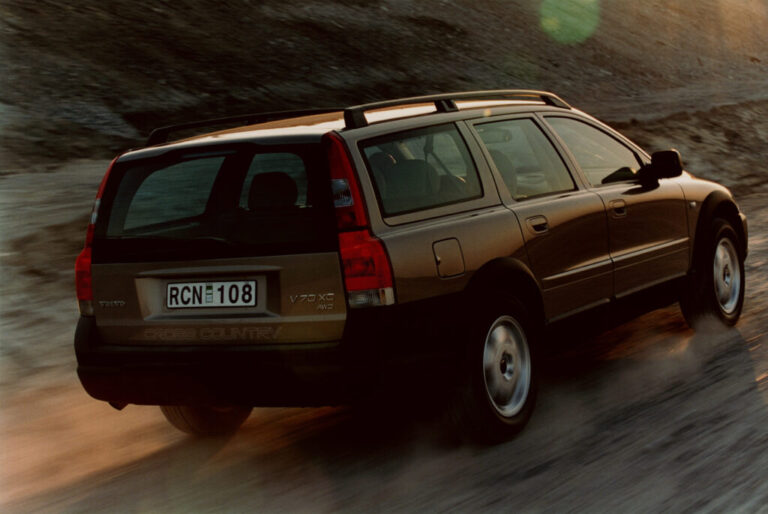
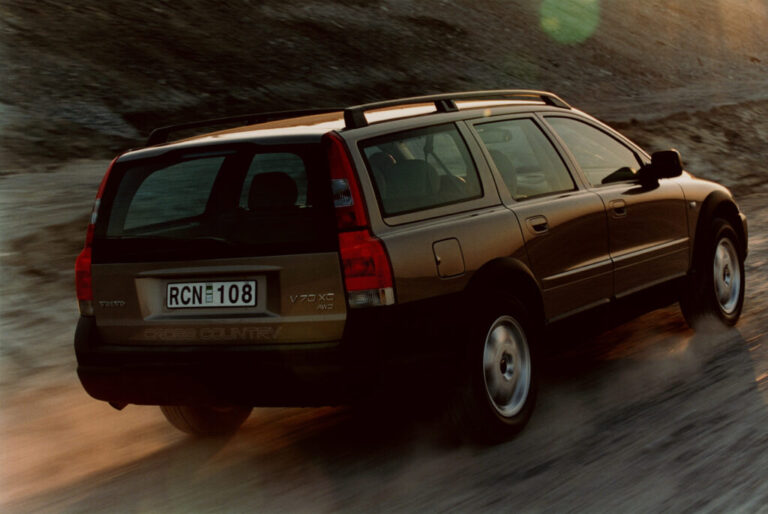
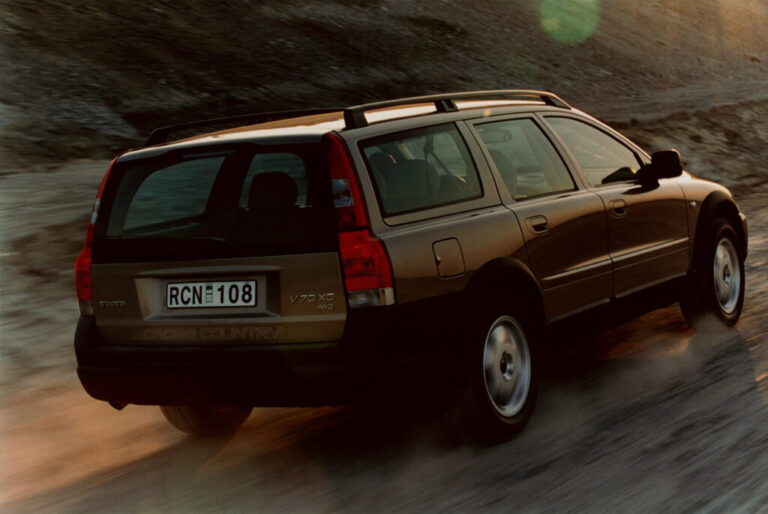
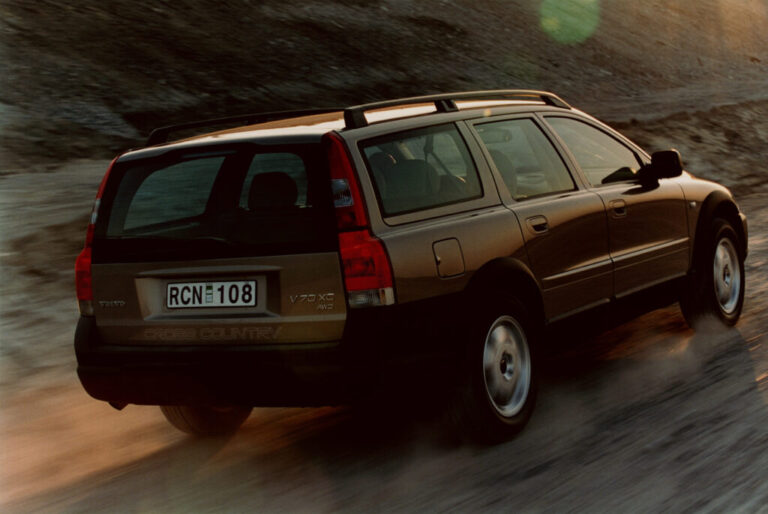
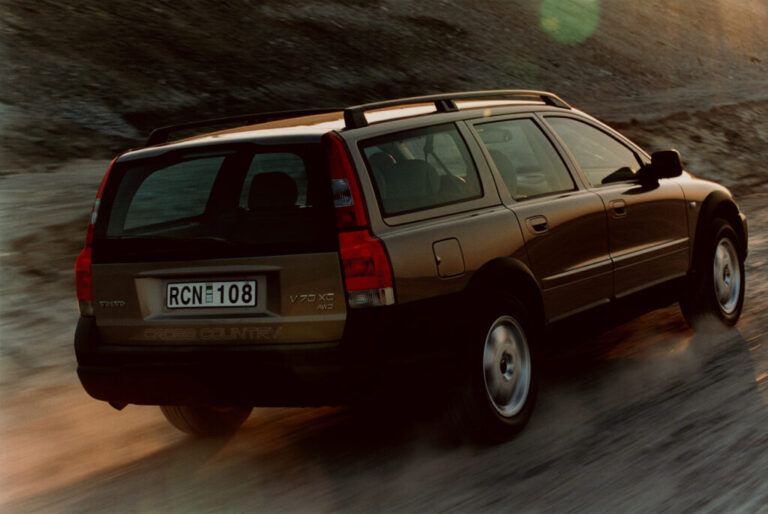
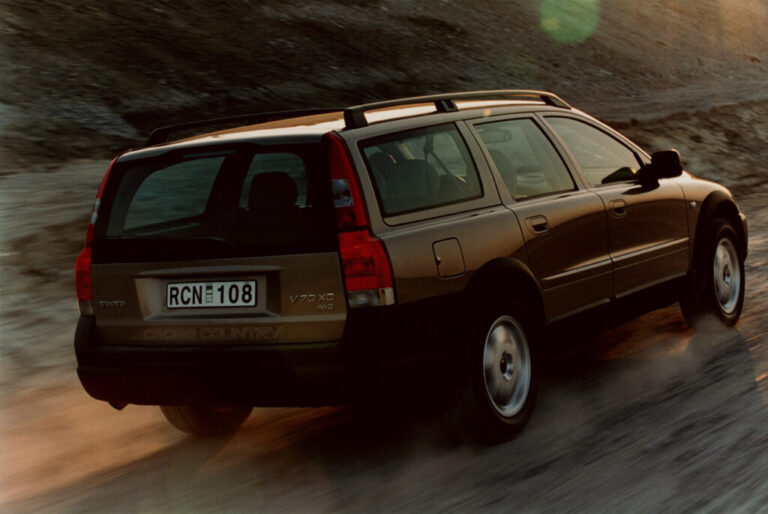
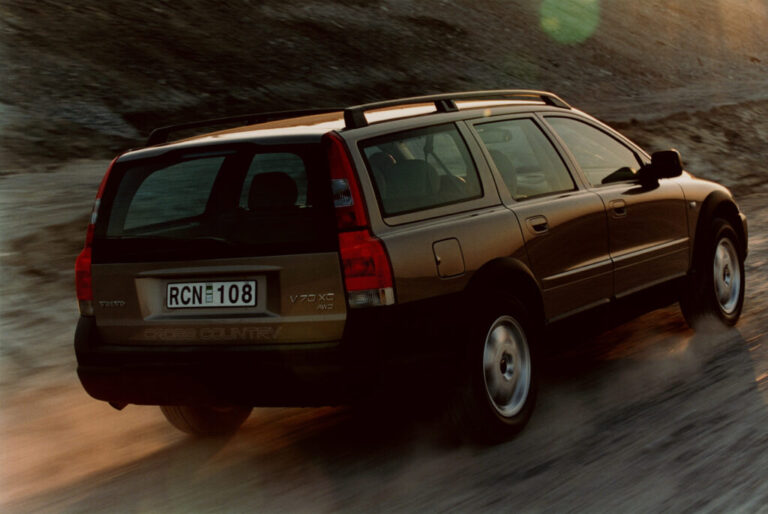
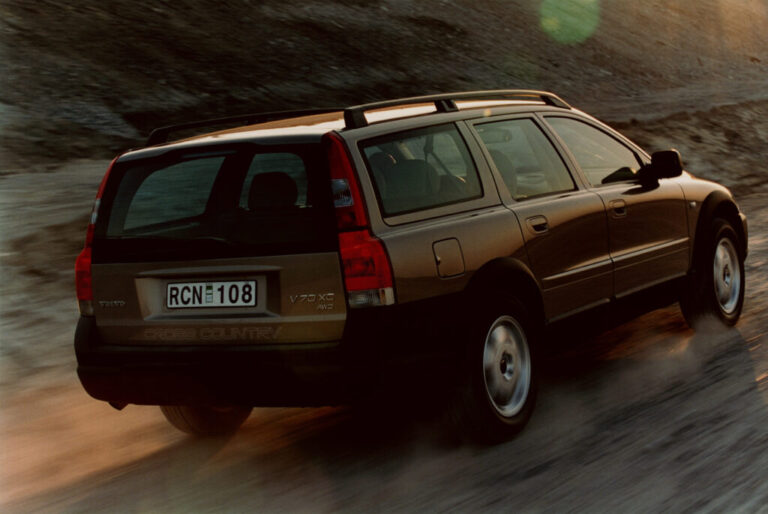
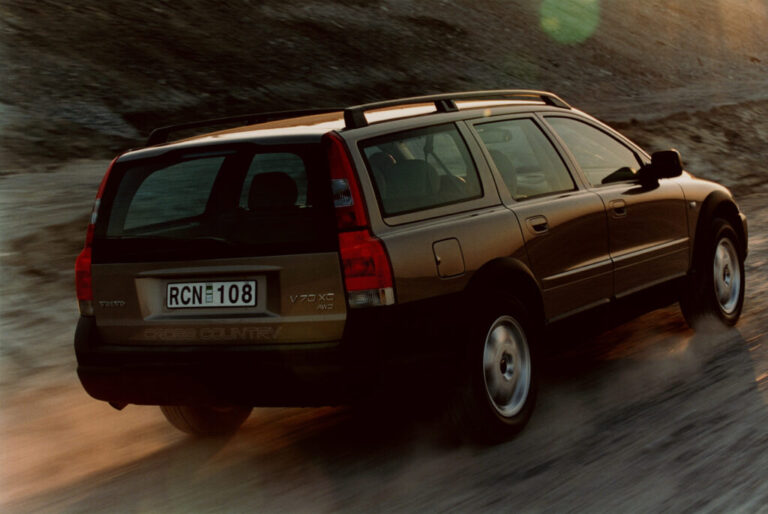
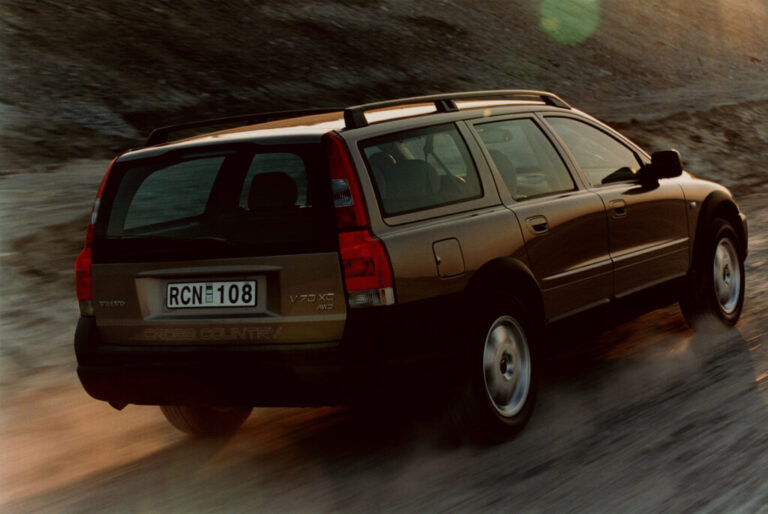
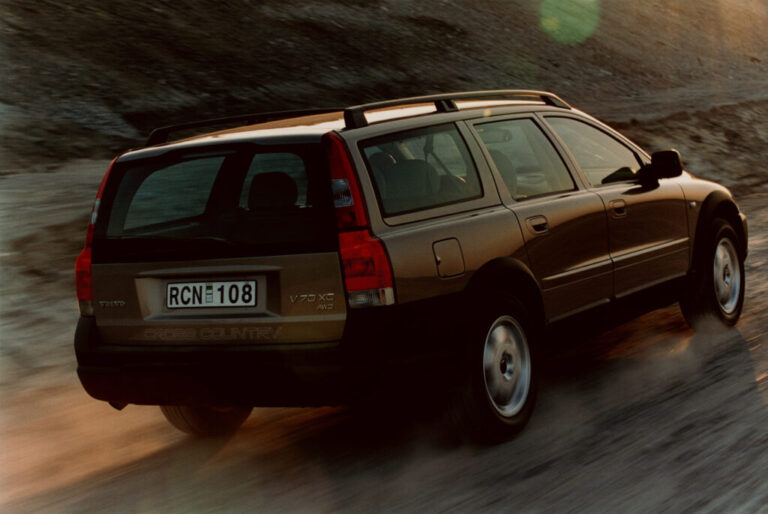
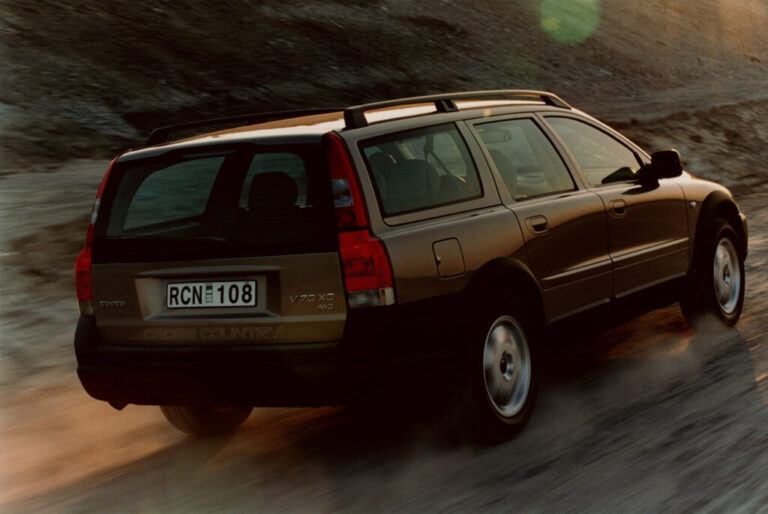
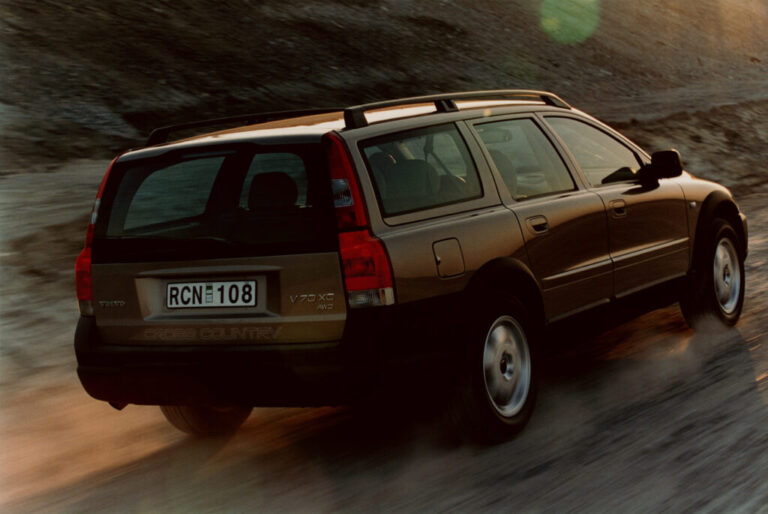
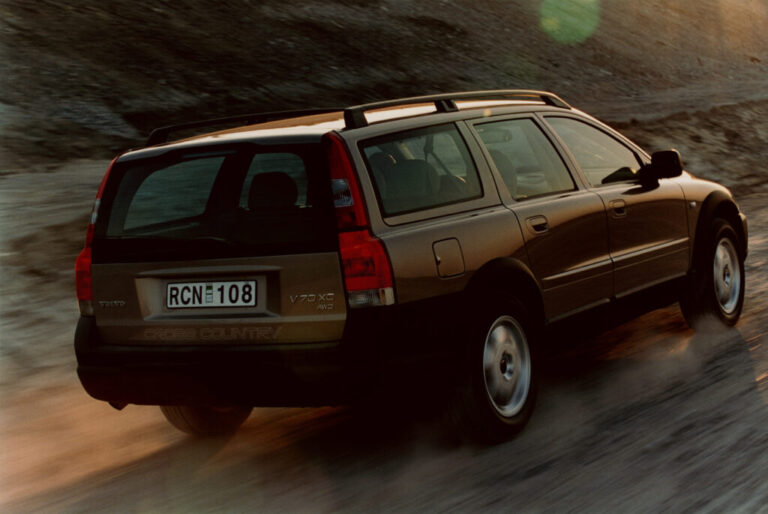
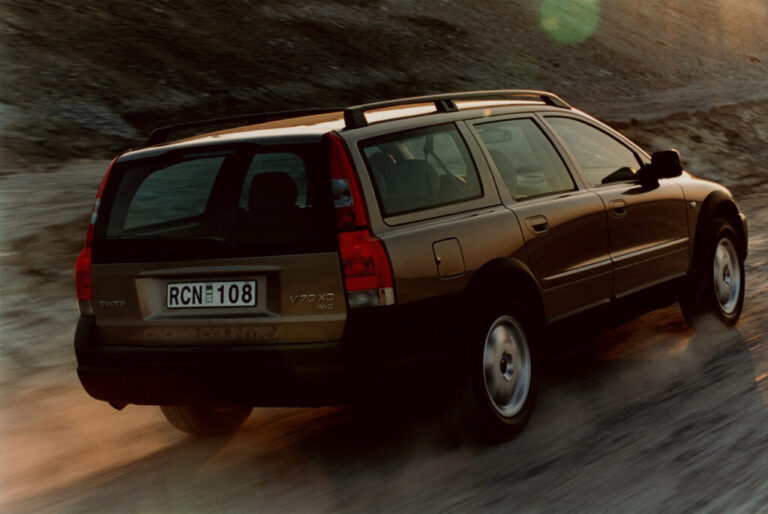
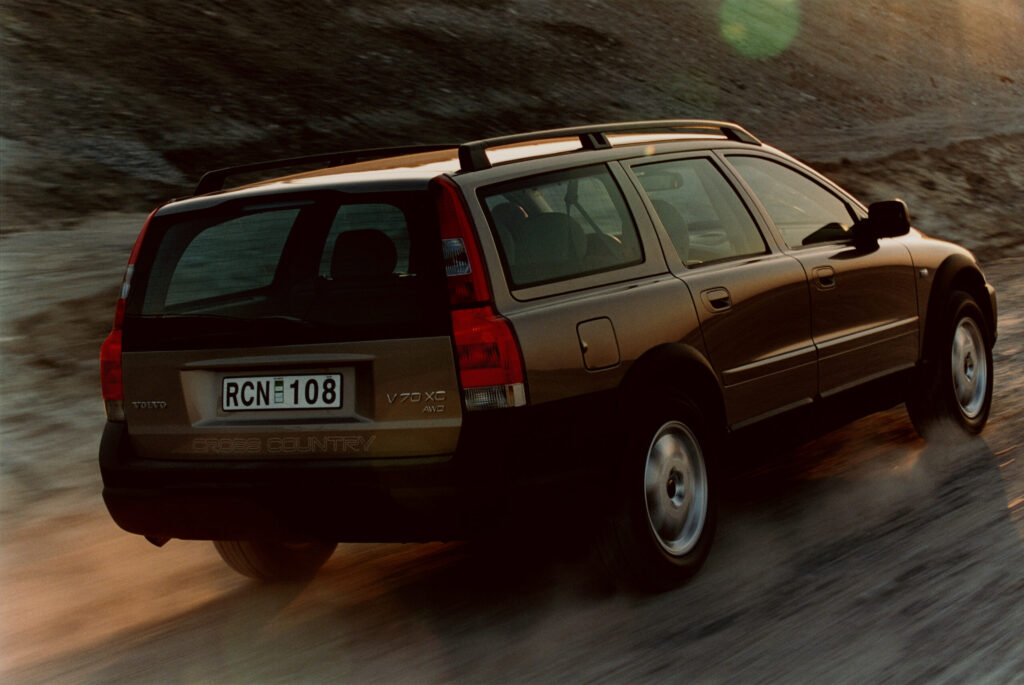
Timing belt maintenance and premature wear on a Volvo XC70 call for more than just checking the mileage on the clock. The belt, tensioners, water pump and auxiliary belt together form a system in which one worn component can cause serious engine damage. Anyone who checks the maintenance history carefully and takes leaks or unusual noises seriously greatly reduces that risk. Read on before a small issue turns into an expensive repair.
Timing belt maintenance on the Volvo XC70
The Volvo XC70 was offered with a range of engines and, accordingly, different maintenance schedules. Many five-cylinder petrol and diesel engines, such as the 2.4D, D5 and 2.5T, use a timing belt. The 3.2 six-cylinder uses a timing chain. So never rely solely on the badge on the tailgate; also check the year of manufacture and engine code.
For a Volvo XC70 with known attention points, a full service history is worth more than low mileage. A belt can deteriorate with age even if the car is driven very little. Rubber dries out and can harden. That is why both the date and mileage of the last replacement matter.
Volvo uses different intervals depending on the engine code and model year. In maintenance information for certain later D5 AWD versions, for example, 180,000 kilometres or ten years is stated. For other XC70 engines the limits differ, from roughly 120,000 to 240,000 kilometres and ten to fifteen years. So always check the official maintenance data that applies to your engine.
How often should the timing belt really be replaced?
A frequently quoted interval of 160,000 kilometres is not a universal rule for every XC70. It may apply to a specific version, but it does not automatically suit an older D5, 2.5T or an imported car with a different engine code. According to Volvo’s maintenance instructions, the interval must be tied to the exact engine and calendar age.
Replacing it every 90,000 kilometres can be a cautious choice in the case of heavy use, an unclear history or visible contamination around the belt drive. However, it is not a general factory interval that is necessary for every XC70. Simply changing it earlier as a precaution without investigating the cause of wear will not solve a possible problem with a roller, a leak or the auxiliary belt.
Use this approach to determine the right time:
- Record the year of manufacture, engine code, power output and drivetrain.
- Check the invoice for the previous belt replacement for the date and mileage.
- Compare both figures with the Volvo service schedule for that engine.
- Consider the belt as not replaced if no verifiable invoice is available.
- If in doubt, replace the complete timing kit.
For a used XC70 with no proof of maintenance, replacement is usually wiser than relying on a verbal assurance that the belt is “still fine”. A quick visual inspection gives no certainty about the condition of the inside of the belt or the bearings.
Premature wear often comes from the belt drive
The timing belt does not always fail because of worn rubber alone. The tensioner keeps the prescribed belt tension. An idler pulley guides the belt. The water pump may also be driven by the timing belt. If a bearing in one of these components wears or seizes, the belt can run crooked, fray, lose teeth or break.
A tensioner with play can introduce dirt and wear particles into the timing area. That debris can end up between the belt and the gears. The belt can then jump a tooth. On an engine where pistons and valves operate in the same space, even one incorrect timing position can cause damage.
When replacing the belt, have at least these parts assessed and usually replaced as a set:
- the timing belt;
- the automatic tensioner;
- the idler pulley or pulleys;
- the water pump, when driven by the belt;
- fixings that must be replaced according to the fitting instructions;
- coolant when the water pump is removed.
Leaks also deserve attention. Engine oil from a crankshaft seal or camshaft seal can damage the belt material. Coolant from a leaking water pump can contaminate the same area. Have the leak fixed before fitting a new belt. Otherwise the new set will immediately face the same cause again.
The auxiliary belt can cause timing belt damage
On several XC70 engines, the auxiliary belt runs close to the timing side. The auxiliary belt drives, among other things, the alternator and other ancillaries. If this belt slips off or breaks, pieces of belt can get under the timing cover. That risk deserves extra attention on the five-cylinder D5 and 2.5T.
Possible causes include a weak auxiliary belt tensioner, a seized alternator overrunning pulley or a defective ancillary component. The alternator overrunning pulley is the pulley on the alternator that rotates in only one direction. If it is not working properly, the auxiliary belt is subjected to unnecessary vibration.
A detached auxiliary belt can damage the teeth of the timing belt. After that, the timing can slip or the belt can break. So when having the timing belt serviced, always ask for the auxiliary belt, tensioner, pulleys and alignment to be checked. Replacing only the timing belt leaves this failure route in place.
‘ That is exactly why putting off a known belt replacement is rarely a sensible saving. ’
What happens when a timing belt breaks?
When a timing belt breaks, the camshaft stops turning while the crankshaft continues to move briefly due to its rotational mass. Valves can then remain open when a piston comes up. On many XC70 engines this can lead to bent valves, damaged pistons and damage to the cylinder head.
The bill depends on the engine speed and how far the belt has slipped. Sometimes the damage is limited to valves and valve lifters. In severe cases, overhaul work or a replacement engine is needed. That is precisely why putting off a known belt replacement is rarely a sensible saving.
Stop trying to start the engine immediately if it suddenly cuts out while driving, turns over unusually quickly on the starter motor, or made a scraping noise just beforehand. Repeated attempts to start can increase the damage if the timing is already out. Have the car taken to a specialist and have the timing side checked first.
How do you check the tension of the timing belt?
On an XC70, timing belt tension cannot be checked reliably by pushing on the belt by hand. Many engines use an automatic tensioner with an indicator. That indicator must be within the specified range when the engine is cold and the correct fitting procedure has been followed.
A wrong assessment can easily occur when the engine is hot, the cover is only partly fitted, or the crankshaft has not been turned in accordance with the factory procedure. The correct tension is also linked to the position of the tensioner, the belt route and the specified tightening torques.
Have the check carried out when you see or hear one or more of these signs:
- fraying at the edge of a belt;
- cracks, shiny spots or damaged teeth;
- oil or coolant around the timing cover;
- a whining, scraping or ticking noise from the belt side;
- hard starting, rough idling or loss of power;
- a fault relating to camshaft or crankshaft signals.
A neat-looking belt on the outside does not prove that the tension and internal structure are in order. So see an inspection as a supplement to maintenance, not a replacement for the prescribed interval.
Keep proof of timing belt maintenance
A proper invoice shows more than just “timing belt replaced”. Note the date, mileage, parts used and whether the water pump, rollers and auxiliary belt were checked or renewed. That helps with future maintenance and avoids disputes when the car is sold.
On Carnews you will find much more information about Volvo problems, maintenance, engines and specific points of attention by model. Discover more on the website and use that knowledge to make your next maintenance decision better informed.
Frequently asked questions
What are the main technical causes of ‘premature wear’ in modern ‘timing belts’ under heavy load?
The main causes are material ageing and tooth fatigue, made worse by high thermal and mechanical stress. Incorrect belt tension or alignment, and worn or seized tensioners, idler pulleys and water pump bearings cause extra friction, fraying and tooth shear. Oil or coolant leaks attack the rubber, while a defective auxiliary belt, tensioner or alternator overrunning pulley can bring debris into the timing system. Fitting errors and not replacing the complete timing kit also speed up wear.
How does ‘chiptuning’ or increased power affect the lifespan and mechanical load on the ‘timing belt’?
Chiptuning does not usually load the timing belt directly in proportion to the power increase, because the belt mainly drives the camshafts and sometimes the water pump. However, higher engine speeds, stronger torsional vibrations, extra heat and more intensive use can increase peak loads on the belt, tensioners and bearings and so shorten its service life. So keep to at least the factory interval and, in the case of major tuning or heavy use, consider earlier preventive replacement of the complete timing kit.
What specific ‘inspection methods’ can I use to detect microscopic hairline cracks in the ‘rubber’ at an early stage?
Use a strong magnifying glass, digital microscope or stereomicroscope with grazing light to examine the rubber surface and the tooth roots; carefully bend a removed belt so that any early cracks open up. Also check for hardening with a Shore A durometer and for oil, coolant, fraying and shiny spots. These methods do not reliably detect internal ageing, so microscopic inspection should never replace the prescribed replacement interval or preventive replacement.
What is the exact tipping point at which you should replace a ‘timing belt’ in intensive ‘track use’ compared with normal use?
There is no exact, universal tipping point for replacement in intensive track use. The normal interval depends on engine code, year of manufacture, age and mileage; heavy use may call for earlier replacement, but no fixed reduction factor is given for that. So follow the model-specific factory instruction and replace it immediately if there is wear, leakage, overheating or doubt about the maintenance history.
What risks do ‘aftermarket’ reinforced ‘timing belts’ pose for the ‘valve timing’?
An aftermarket reinforced timing belt can, because of different dimensions, tooth profile or stiffness, tension incorrectly, misalign or interfere with the gears. As a result, the belt, tensioners and water pump can wear faster and the belt may skip teeth, causing the valve timing to shift and the valves to contact the pistons. So only use a belt that exactly meets the engine specifications and do not extend the prescribed replacement interval.