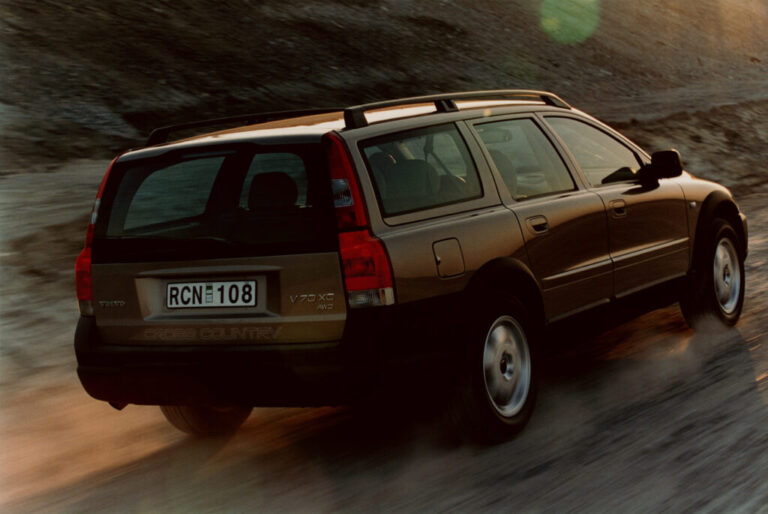
Diesel engine regeneration and particulate filter problems demand attention, especially when a diesel car is often driven for short distances. A regeneration that is not completed properly can cause soot build-up and, in some engines, also allow diesel fuel to get into the engine oil. That affects lubrication and increases the risk of wear. Understand what your car needs before a warning on the dashboard turns into a visit to the workshop.
Particulate filter regeneration keeps a diesel engine clean
A particulate filter, also called a DPF, traps soot particles from the exhaust gases. Without this filter, a diesel would emit more fine particulate matter. The filter gradually fills up while driving. That is why the engine management system automatically starts a particulate filter regeneration as soon as the conditions are right.
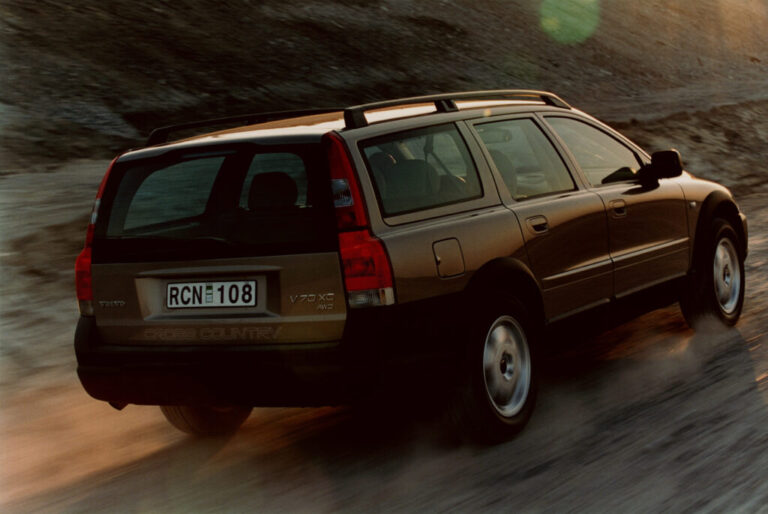
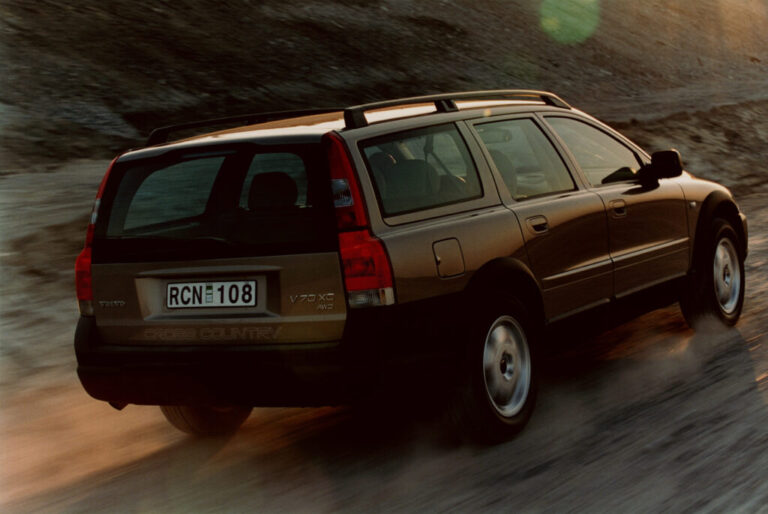
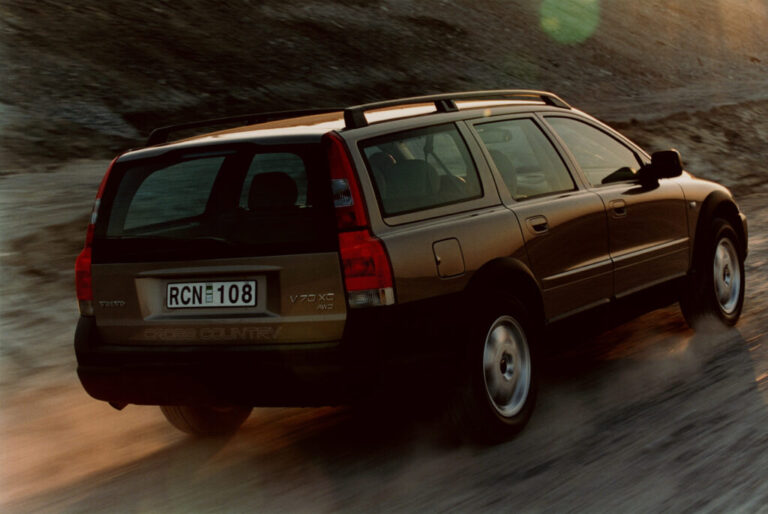
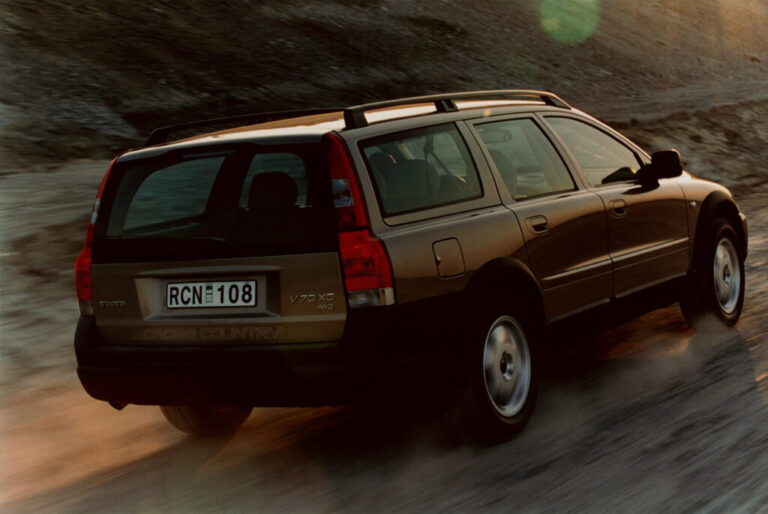
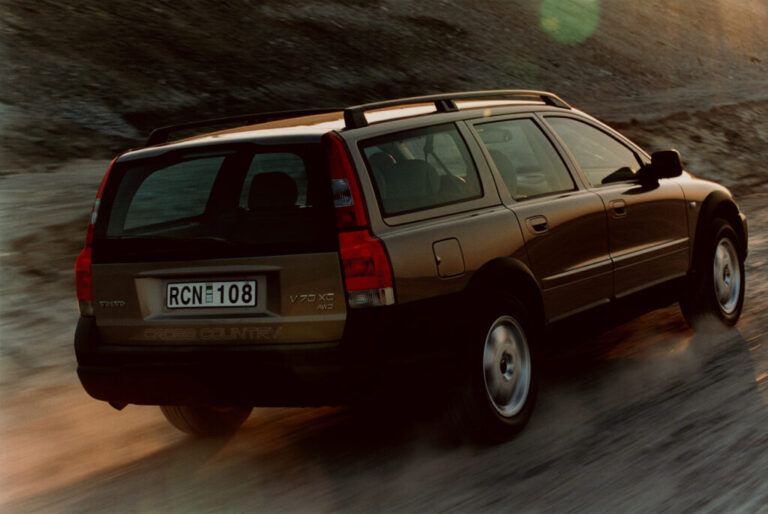
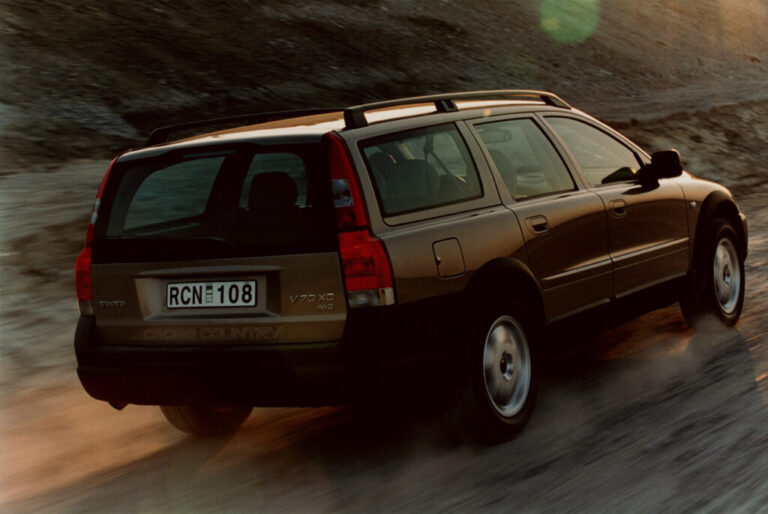
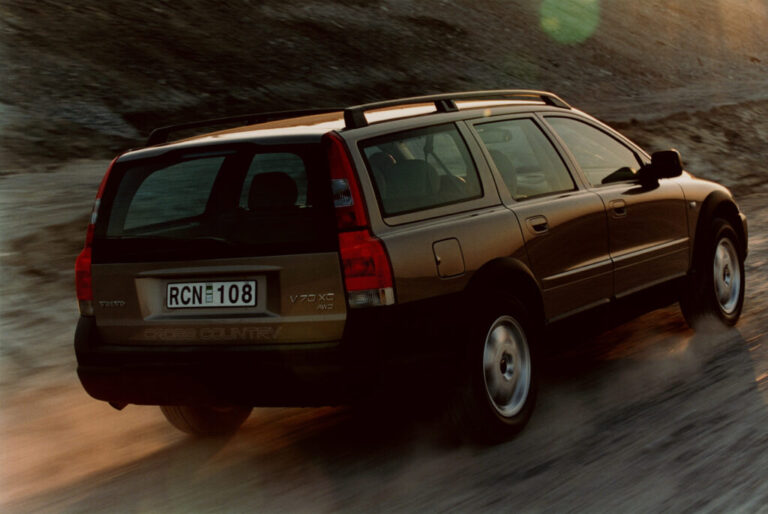
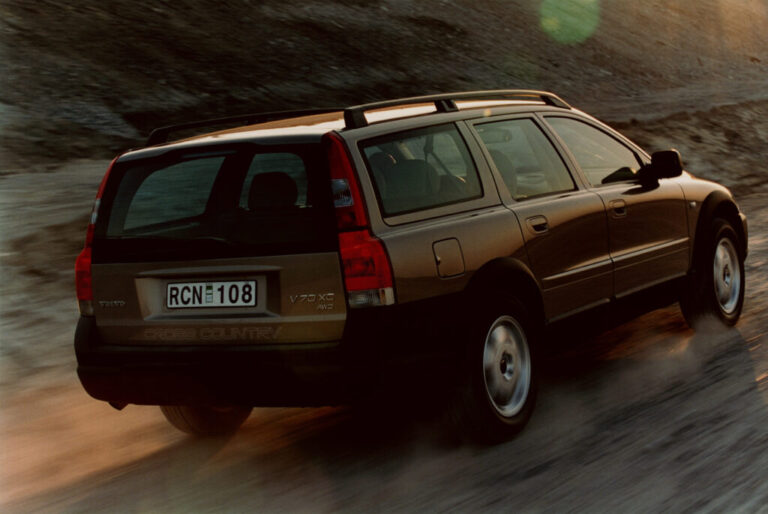
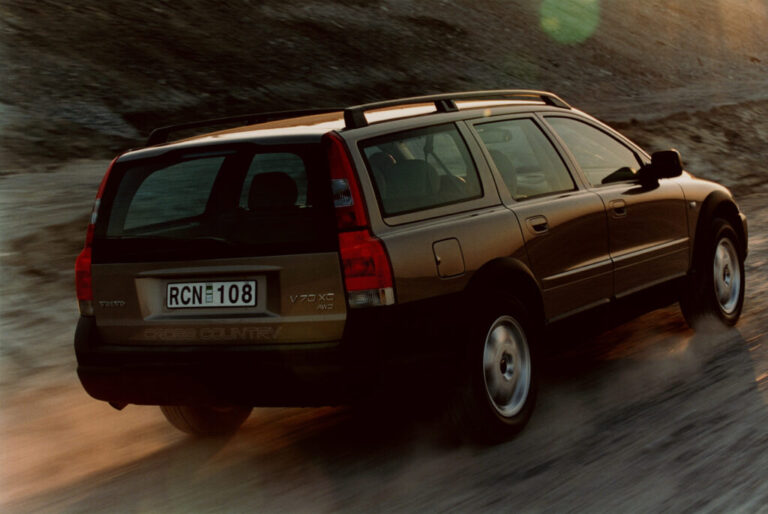
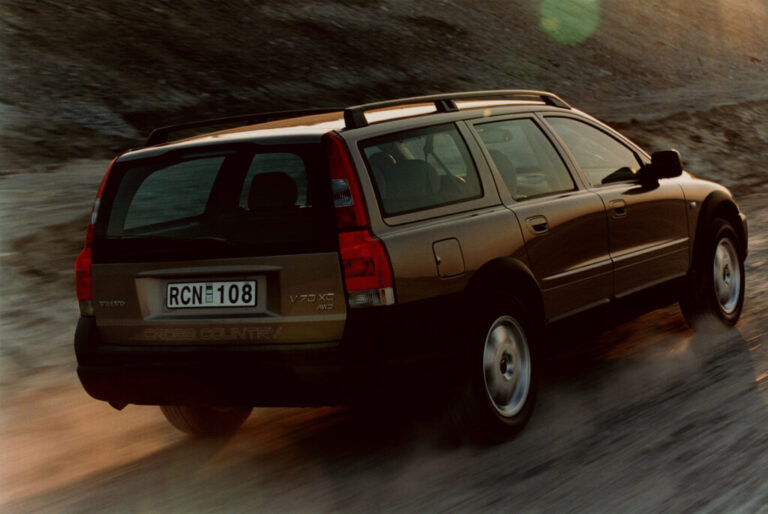
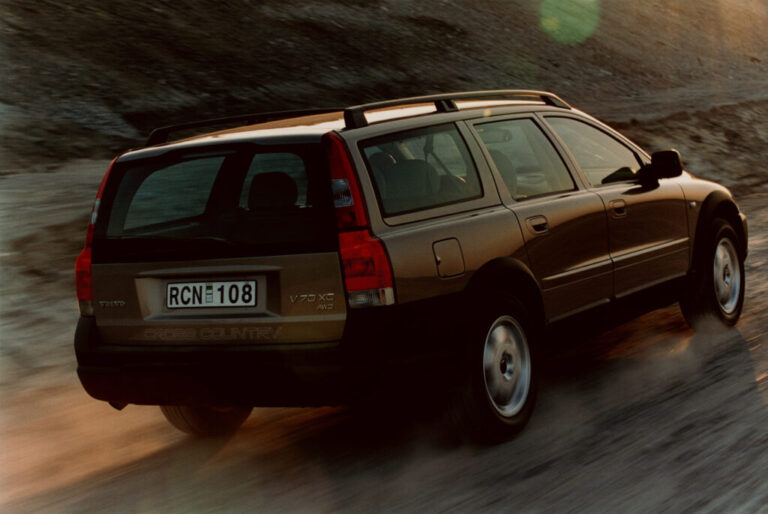
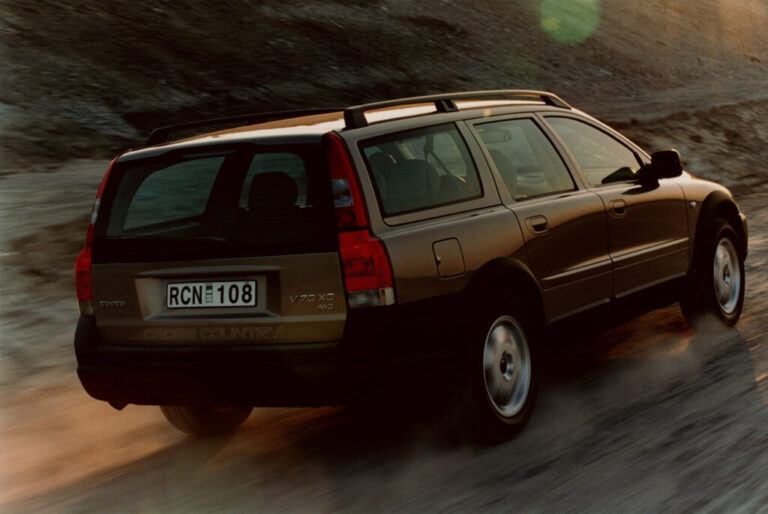
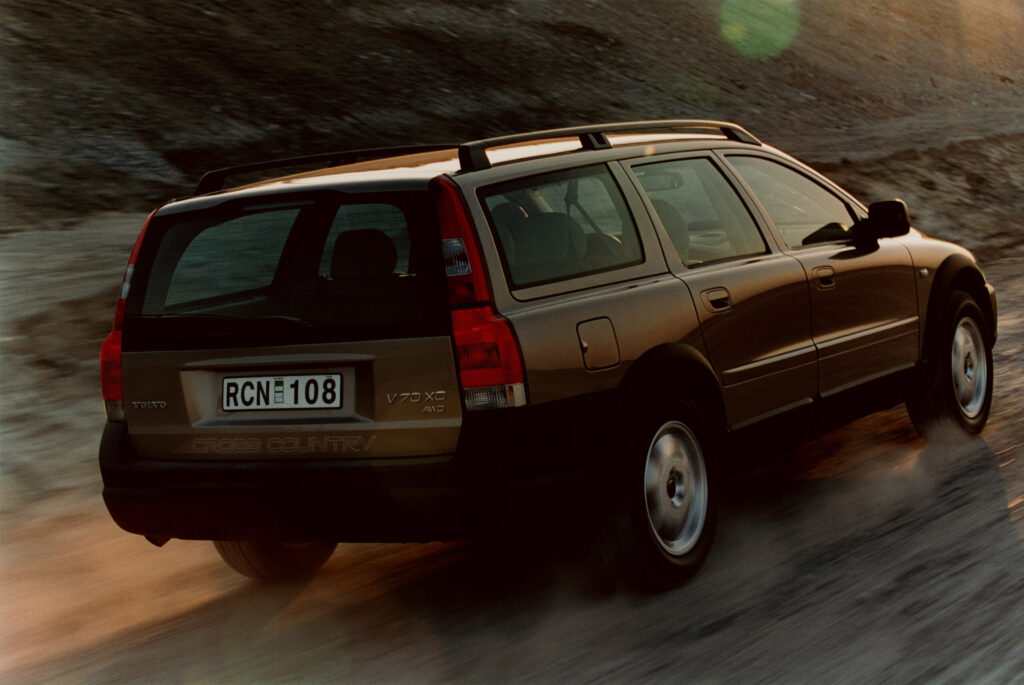
In a Volvo XC70 with a diesel engine, this process usually happens unnoticed. The engine does need to be at operating temperature and given enough time. Volvo states that a regeneration usually takes around 10 to 20 minutes. An extra drive of about 20 minutes with the engine warm often helps complete the process.
During active regeneration, the car raises the temperature in the particulate filter. The accumulated soot then burns to ash. Some of that ash remains behind and cannot be removed by regeneration, but the amount of soot does decrease. This keeps exhaust back pressure limited and allows the engine to breathe more freely.
How does particulate filter regeneration work in practice?
The engine management system uses extra fuel to make the exhaust gases hotter. In many diesel engines, this is done through a late additional injection. Not all of the diesel injected always burns completely. A small amount can pass along the cylinder wall into the crankcase, the space at the bottom of the engine where the engine oil sits.
The conditions that support a successful regeneration are:
- an engine that has reached its normal operating temperature;
- a drive at a reasonably constant speed;
- enough time for the filter temperature to build up;
- no active engine fault that blocks the process.
Extremely high revs are usually not necessary. Driving steadily on an A-road or motorway is often enough. Frequent stopping, low speeds and switching off the engine during an active regeneration make the process more difficult.
Short journeys increase particulate filter problems
Short journeys are the biggest enemy of a diesel with a particulate filter. The engine oil, coolant and exhaust often do not reach a sufficient temperature. The car then tries the regeneration again later, but that attempt can also be interrupted when you have already reached your destination.
One short journey will not cause damage straight away. The problem arises when this driving pattern becomes the norm. Soot loading then increases, while the engine uses extra fuel more often for new regeneration attempts. As a result, fuel consumption can rise and messages about the particulate filter may appear.
Pay particular attention to these signs:
- a message about a full or blocked particulate filter;
- an engine warning light or another fault message;
- noticeably higher fuel consumption;
- a cooling fan that keeps running for longer after parking;
- an engine oil level that rises for no obvious reason.
A higher oil level requires prompt attention. Engine oil should, through use, gradually go down rather than rise. If diesel fuel mixes with the engine oil, the oil becomes thinner. The lubricating film between moving parts can then protect less effectively.
Recognising oil contamination caused by regeneration
Oil contamination is a risk when active regenerations are often interrupted. The extra diesel injected for the regeneration can, to a limited extent, end up in the engine oil. During a successful, longer drive, some of it can evaporate again. With many cold starts and short journeys, the oil gets fewer opportunities to evaporate.
The consequences depend on the amount of dilution, the type of engine and the maintenance. Thin oil can affect the lubrication of, among other things, bearings, the turbocharger and valve train components. That does not mean that every interrupted regeneration causes immediate engine damage. Repetition and delayed maintenance do, however, increase the risk.
How do you prevent oil contamination?
You mainly reduce the risk by aligning driving use and maintenance. Check the oil level on a level surface and follow the instructions in the owner’s manual. If the level is above the maximum mark, have the cause assessed before driving long distances or asking for heavy loads.
The most practical measures are:
- Regularly take a drive of 20 to 30 minutes once the engine is warm.
- Avoid doing only short journeys with a cold engine as far as possible.
- Respond immediately to a particulate filter warning.
- Have engine faults fixed, as they can prevent regeneration.
- Use engine oil with the specification recommended by the manufacturer.
- Change the oil and filter sooner if your driving consists mainly of short distances.
A parking heater can help in colder months to bring the engine up to temperature more quickly, if your XC70 is fitted with one. It is not a replacement for a longer journey. It does, however, help shorten the period with a cold engine.
How often should you change the oil in a diesel?
The correct service interval is stated in the manufacturer’s maintenance schedule. That remains the guideline, because engine variant, year of manufacture, oil specification and use differ. For a diesel that mainly covers longer distances, that factory interval is often appropriate.
Do you drive a lot of short trips, in heavy town traffic or with many cold starts? Then discuss with a garage whether a shorter interval would be sensible. Especially when the car often aborts regenerations or the oil level rises, waiting until the very last service point is not sensible. Changing the oil then is not just maintenance, but also a way to remove dilution from the lubrication system.
Always change the oil filter at the same time. Also have the vehicle checked for any technical cause, such as a fault in a sensor, the EGR valve or the injection system. Simply fitting new oil will not solve a fault that prevents regeneration.
‘ Early action prevents a known diesel problem from leading to extra wear or a replacement particulate filter. ’
When is a workshop check needed?
If a particulate filter warning keeps coming back after a longer drive with the engine warm, get in touch for a diagnosis. A garage can read the soot loading, fault codes and the operation of sensors. Sometimes a forced regeneration is possible. If the filter is heavily loaded, further investigation is needed, as continuing to drive will not solve the problem permanently.
Do not continue driving with an oil level above the maximum either. Have the oil checked and changed if there is diesel dilution. Early intervention prevents a known diesel problem from leading to extra wear or a replacement particulate filter.
At Carnews you can find much more information about diesel engines, maintenance, faults and known issues on various models. Discover more related topics on the Carnews website and keep your car in good mechanical health.
Frequently asked questions
Early signs are rising fuel consumption, more frequent or longer regenerations and a particulate filter warning on the dashboard. Under hard acceleration, increasing back pressure can be noticeable as a less powerful or less immediate response. If the signs keep returning despite longer journeys with the engine warm, have the particulate filter and any faults read out.
Short journeys often prevent the diesel engine from reaching operating temperature, meaning the particulate filter regeneration does not start or is cut short. As a result, soot builds up, fuel consumption may rise and warnings or faults can occur. A regular longer drive with the engine warm helps the regeneration to complete fully.
While driving on the motorway, the car automatically starts regeneration as soon as the engine is at operating temperature and conditions are favourable. The temperature of the particulate filter is raised, causing the accumulated soot to burn and the back pressure to decrease. This usually takes 10 to 20 minutes; a constant speed and sufficient engine load help complete the process. So after warming up, preferably continue driving for around 20 minutes and do not interrupt the journey prematurely.