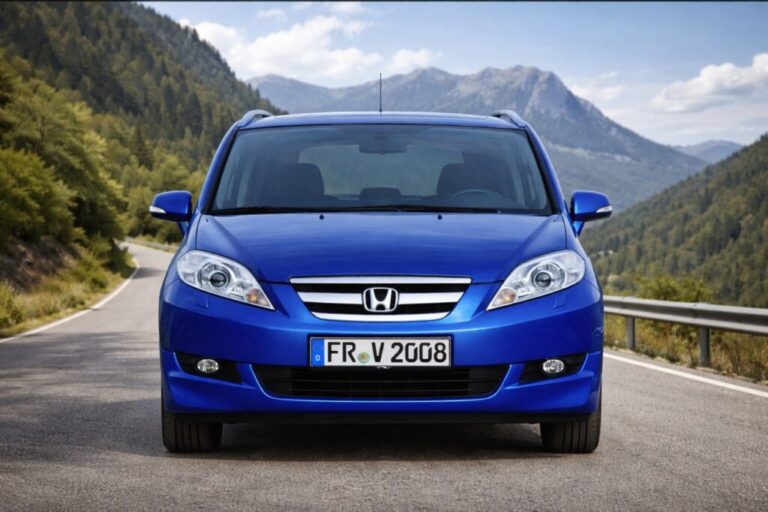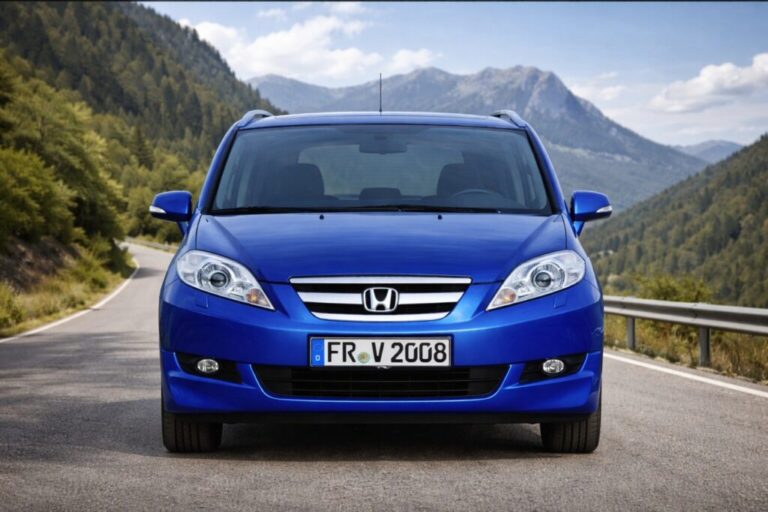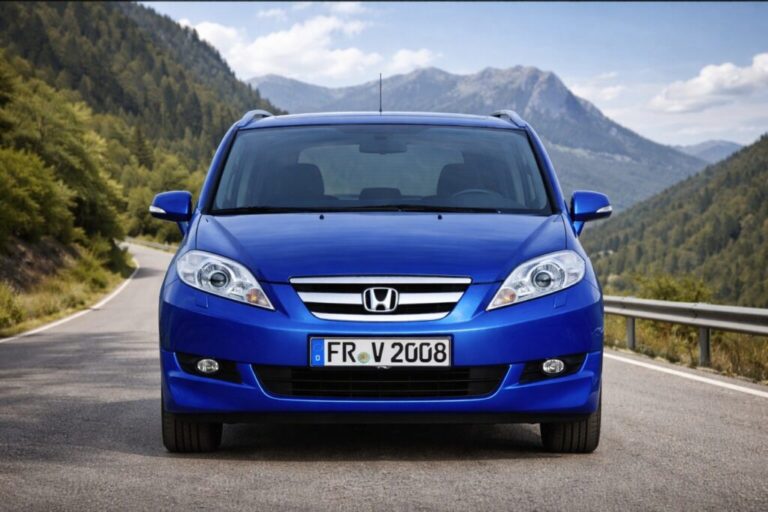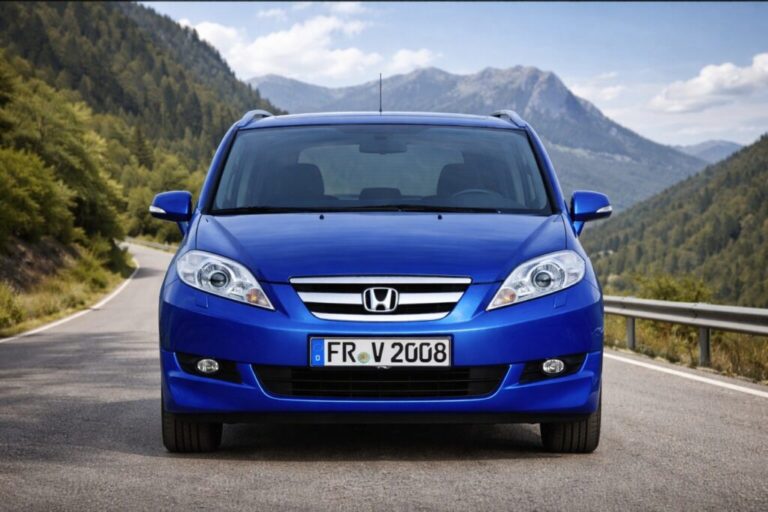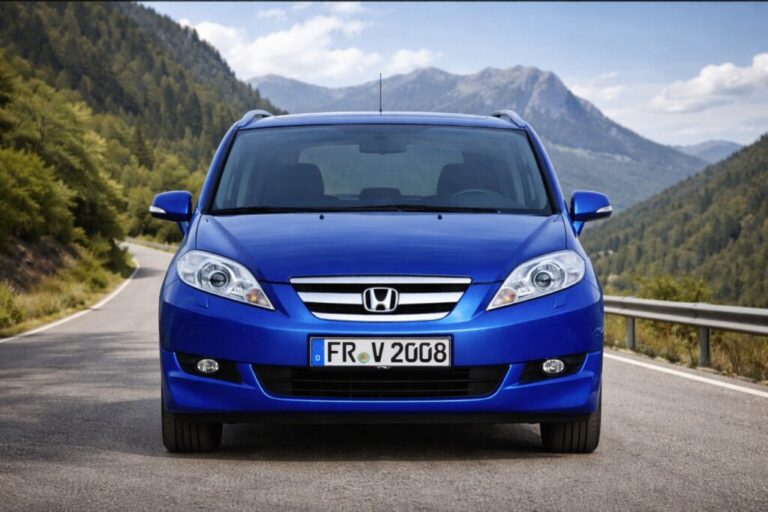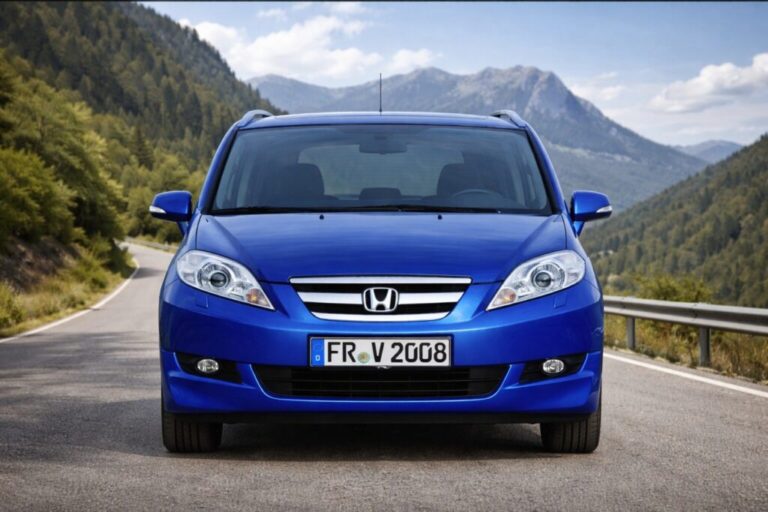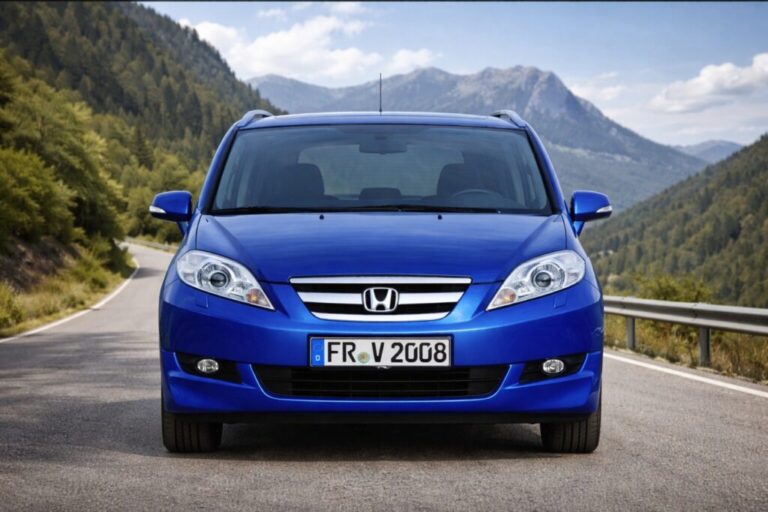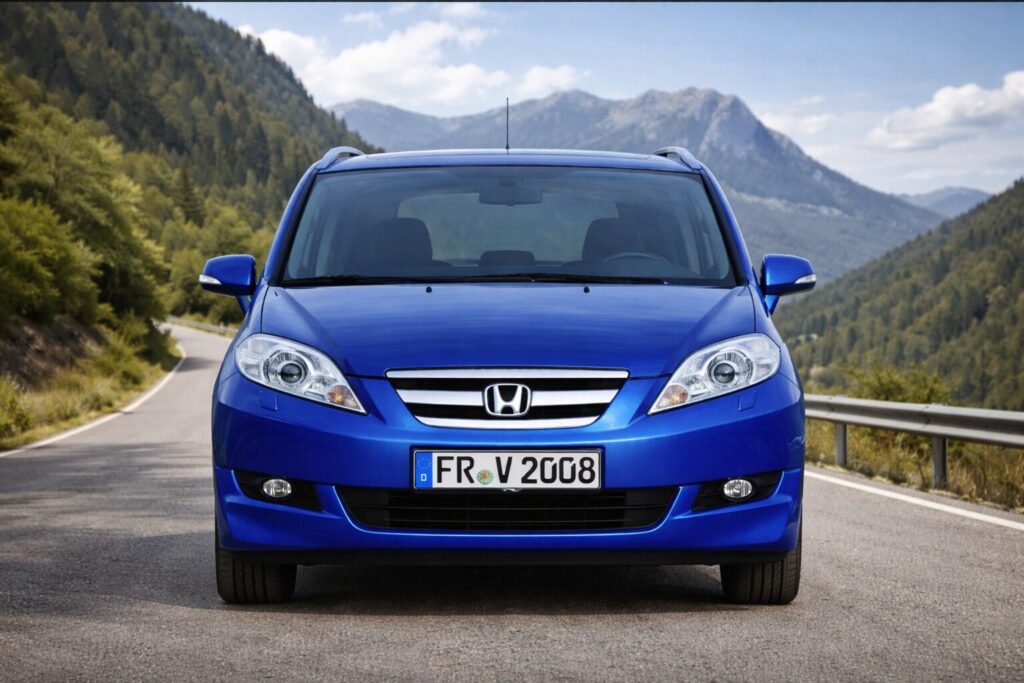
Wear in the clutch of a manual Honda FR-V depends greatly on the engine variant and how the car is used. The 2.2 i-CTDi diesel, in particular, deserves extra attention. The clutch and dual-mass flywheel are heavily loaded in this engine, which can lead to costly repairs. Service life depends less on the age of the car and more on the mileage and your driving style. Below, you can read how to spot wear and what risks go with it. You will also find tips to help avoid unexpected costs.
How do you recognise a worn clutch?
A worn clutch in a Honda FR-V often gives clear warning signs. The most common symptom is a slipping clutch. You will notice this when you accelerate in a higher gear, such as fourth, fifth or sixth: the engine revs rise sharply, but the car barely accelerates. This is often most noticeable on the motorway, with a trailer, or on a hill. The clutch pedal may also bite very high, right at the end of its travel. That can point to wear, but on its own it is not conclusive proof.
Also look out for the following signs. They may indicate further wear or an additional fault:
- Burning smell: A sharp burning smell after heavy use, such as stop-start traffic or manoeuvring, points to overheating of the material on the clutch plate. If the smell returns, have the clutch checked.
- Difficulty changing gear: If first gear and reverse in particular are hard to engage while the engine is running, the clutch may not be fully disengaging. You may also hear grinding.
- Jerking and vibrations: If the car jerks and you feel vibrations when pulling away, the clutch plate may be warped or contaminated. On the diesel version, the dual-mass flywheel may also be worn.
- Heavy pedal: A pedal that clearly takes more effort than before may indicate a problem with the pressure plate. This component presses the clutch plate against the flywheel. If the pedal feels spongy instead, there may be air in, or a leak in, the hydraulic system that operates the clutch.
‘ A faulty flywheel can quickly damage a new clutch kit. ’
Key points for the clutch by FR-V engine
Not every FR-V puts the same strain on the clutch. The engine variant affects the service life and the wear you can expect.
The 2.2 i-CTDi diesel: clutch and dual-mass flywheel
The 2.2 i-CTDi diesel engine produces a strong 340 Nm of torque. That delivers good performance, but also loads the clutch and the dual-mass flywheel. This flywheel dampens engine vibrations and can itself wear out. On this diesel, clutch problems often occur at the same time as wear to the flywheel. That usually happens between 120,000 and 180,000 kilometres, although this depends greatly on use.
A worn dual-mass flywheel can cause a metallic rattling noise while the engine is idling. You may also feel vibrations in the car or hear a knock when starting and switching off the engine. The rattling noise often lessens or disappears when you press the clutch pedal down. A faulty flywheel can quickly damage a new clutch kit. If the flywheel is worn, have both parts replaced at the same time.
The 1.7 and 2.0 petrol engines: the effect of city driving
With the petrol versions, especially the 1.7, some owners report early wear. This does not appear to be a design fault. Intensive city driving is a possible explanation: lots of pulling away, stop-start traffic and manoeuvring shorten clutch life. On some cars, problems have been reported at around 50,000 kilometres.
If the clutch on a petrol version is wearing unusually quickly, do not look only at driving style. Also check for an oil leak at the crankshaft seal. That oil can get onto the clutch plate. A fault with the hydraulic clutch actuation is also possible.
What does clutch replacement cost?
The cost of a new clutch for a Honda FR-V varies considerably. The engine variant plays an important role. On a petrol version, the 1.7 or 2.0, replacing only the clutch kit typically costs €700 to €1,000 at a garage that is not a Honda dealer. That kit consists of the clutch plate, pressure plate and release bearing. The repair involves a lot of labour because the gearbox has to come out.
For the 2.2 i-CTDi, the costs are considerably higher. The dual-mass flywheel is often worn as well. When replacing the clutch, have this part checked and, if necessary, replaced straight away. A complete kit with clutch and dual-mass flywheel costs around €1,200 to €1,600 at a specialist. At a dealer, the bill can exceed €1,800. There are kits that replace the dual-mass flywheel with a cheaper single-mass flywheel, but that choice is often less sensible. It can make the car vibrate more, the engine can run more harshly, and the gearbox can be subjected to greater stress.
Test the clutch yourself during a test drive
Unsure about the condition of the clutch on a used FR-V? A few simple checks can give you an initial impression. Only carry them out in a safe place and with a warm engine.
- The slip test: Drive at about 80 km/h in fourth or fifth gear. Let the revs drop slightly and then put your foot down fully. If the revs rise sharply while the speed hardly increases, the clutch is slipping.
- The disengagement test: Stop the car and let the engine idle. Fully depress the clutch pedal and gently shift from first gear into reverse. If you hear grinding or feel clear resistance, the clutch may not be fully disengaging.
- The flywheel test, for the 2.2 i-CTDi only: Let the warm engine idle and listen for noises from the engine bay. A rattling or clattering noise that disappears as soon as you press the clutch pedal is a strong sign of a worn dual-mass flywheel.
Tips for extending the life of your clutch
Wear is inevitable, but a few habits can extend clutch life. Good use reduces unnecessary heat and friction.
- Use the handbrake on a hill. Do not hold the car still with a slipping clutch.
- Do not rest your foot on the clutch pedal unnecessarily while driving.
- When pulling away, keep the time the clutch slips as short as possible.
- Change down if the engine struggles to accelerate at low revs.
- Do not keep driving with a slipping clutch. The heat can also damage the flywheel.
The clutch is important for the driving feel and reliability of your Honda FR-V. Recognise the signs of wear in time and adapt your driving style. That can help prevent high repair bills. On the Carnews website, you will find more articles and tips about car technology and common problems. There you can also read how parts work and what causes problems.
Frequently asked questions
Specific symptoms include engine revs rising without a matching increase in speed, especially in higher gears or under heavy load, and a high biting point on the pedal. Recurring burning smells, difficult or grinding gear changes, and jerking or vibrations when pulling away also point to wear. On the 2.2 i-CTDi, metallic rattling, idling vibrations and knocking when starting or switching off may also indicate a worn dual-mass flywheel.
On the 2.2 i-CTDi, the dual-mass flywheel and clutch kit typically last around **120,000 to 180,000 km**. Relaxed motorway driving can extend service life, while city driving, heavy loads and driving style can shorten it significantly.
Replacing the clutch on the Honda FR-V six-speed gearbox is relatively complex and labour-intensive. The gearbox oil, driveshafts, starter motor and gearbox must be removed, after which the hydraulic system also has to be bled. On the 2.2 i-CTDi, the dual-mass flywheel, release bearing and slave cylinder must also be checked carefully and replaced if necessary. This is usually a job for an experienced garage.
When pulling away, let the clutch come up fully quickly but smoothly, and do not rest your foot on the pedal. Use the handbrake on hills and keep slip to a minimum during manoeuvring. Avoid full throttle at low revs, changing up too early and heavy load in a high gear. Have slipping, burning smells, vibrations or a heavy/spongy pedal checked immediately.