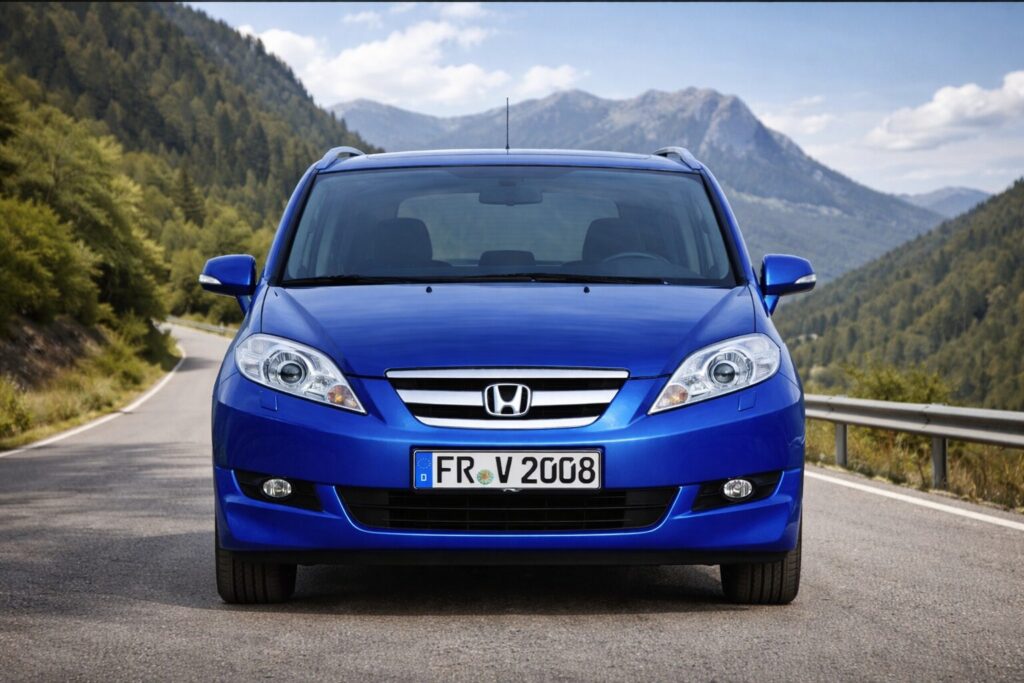
Electrical faults in a Honda FR-V can have several causes. Moisture, corroded connectors or a poor electrical connection are often to blame. In the Honda FR-V, this can cause the windows, central locking and dashboard warning lights to respond intermittently. A careful inspection prevents you from replacing switches or modules unnecessarily. This is how to identify and fix the possible cause.
Moisture causes intermittent electrical faults
A damp connector may work one moment and fail shortly afterwards. Such intermittent faults are difficult to find. During an inspection, the complaint may sometimes have disappeared. Moisture in a footwell or door can damage contact points. This can increase electrical resistance. A switch, actuator or control module then does not always receive the correct voltage.
When faults occur, first check whether the carpet is dry. Do not only feel the visible surface; also check the insulating layer underneath. That thick layer can hold a lot of water. The top can already feel dry again. Also look for signs of moisture, a musty smell and white or green deposits on plugs.
Possible signs of moisture problems are:
- steamed-up windows without an obvious cause;
- damp carpeting in the front or rear footwell;
- Windows that only play up in wet weather;
- central locking that sometimes skips a door;
- warning lights that disappear again after starting;
- visible corrosion at connectors or earth points.
Always find the source of the leak first. Where is the water getting in? Drying a connector only helps temporarily if rainwater or condensation reaches the same spot again. Check the door seals and drain openings, among other things. Also look at work that has previously been carried out around the doors or trim. Have an unexplained leak investigated before replacing electrical components.
Why are the windows not working on my Honda FR-V?
On a Honda FR-V, the windows can stop working for various reasons. Possible causes include a faulty switch or damaged wiring. A blown fuse or a problem with the window motor can also cause the fault. If the failure is intermittent, damp plugs and wiring in the door deserve extra attention.
The wiring loom between the body and the door moves every time the door is opened. Over time, a wire can become damaged. A connection can also make poorer contact. Test the window with the door in different positions. Intermittent operation may point to a problem in this area. Do not pull hard on the wiring. A break may be hidden beneath the insulation.
Check the window problem in this order:
- Test the window using the switch on the relevant door.
- Test the same window via the driver’s control panel.
- Check the relevant fuse according to the owner’s manual.
- Listen to see whether the window motor makes a noise when operated.
- Inspect visible plugs and wiring for moisture or corrosion.
- If in doubt, measure the voltage with a multimeter.
A motor that can be heard running without the glass moving may indicate a mechanical problem. If the motor stays silent, the cause may be electrical. Carry out a voltage test. The test will show whether the motor is receiving power. Have the door panel removed if you do not have the proper tools or experience with fragile clips.
How do you fix central locking problems?
Problems with the central locking on a Honda FR-V may be confined to a single door. The fault can also affect all the doors. One door refusing to work often points to the actuator, plug or local wiring. Sometimes all the doors respond poorly. In that case, check the battery, fuses, remote control and control module.
Test the locking several times using both the remote and the key. Pay attention to weak noises from a door, a button that only moves halfway or a door that unlocks again immediately. These signs may indicate a local fault. They also help identify a broader voltage problem.
A door module or actuator sits in an environment where condensation and water may be present. The door should drain water in a controlled way. Blocked openings or a damaged seal can create extra moisture. Check whether water can drain away at the bottom of the door. Also have the seal behind the door panel assessed if work has been carried out there before.
These checks are useful if the central locking is not working properly:
- measure the battery voltage and check the battery terminals;
- check the fuses using the correct diagram;
- inspect door connectors for moisture and deposits;
- check the cable run between the door and the body;
- test the actuator first and only replace it afterwards if necessary;
- read any fault codes with suitable diagnostic equipment.
Do not replace the control module straight away. First rule out other possible causes. A poor earth, low battery voltage or a corroded connection can cause similar symptoms. Diagnosis based on measurements is usually more effective than replacing parts at random.
What causes dashboard warning lights?
Dashboard warning lights on a Honda FR-V can have several causes. A faulty control module is only one possibility. A sensor, low system voltage, poor earth or broken connection can also trigger the same warning. Sometimes several warning lights appear at once. This may point to a voltage problem.
First check when the warnings appear. Possible moments are during starting, in the rain or after several days standing still. Note these conditions down for the diagnosis. Are other functions playing up at the same time? Think of the lights, windows or locking. That link can help identify a shared supply or earth.
Have the fault codes read before anyone clears them. The stored information helps steer the diagnosis. It shows which system has recorded an abnormality. A fault code is an important starting point. However, the code does not always name the defective component. Checks on the supply, earth and wiring are still needed. That is what reveals the real cause.
Is a red warning light on? Then consult the owner’s manual. Check its meaning before driving any further. A brake system warning needs immediate attention. The same applies to an oil pressure warning. An over-temperature warning should also be checked straight away. If the airbag light is on, have the safety system inspected by a specialist. Safe diagnosis requires the right expertise.
Safely drying and protecting connectors
Switch off the ignition first. Only then disconnect electrical connectors. When working on sensitive systems, disconnecting the battery may be necessary. Follow the prescribed procedure. Settings may be lost during this task. Check whether they need restoring afterwards. Do not work on airbag connectors. That requires the proper knowledge.
Here is how to treat a damp plug:
- Record the location and position of the connector.
- Carefully release the lock without pulling on the wires.
- Inspect pins and sockets for deposits, discolouration or damage.
- Allow the connection to dry completely and use suitable contact cleaner.
- Only apply a contact treatment or contact grease that is suitable for the job.
- Reconnect the plug firmly and then test all functions.
Do not use universal oil in electrical plugs. The wrong product can attract dirt and damage plastic. It can also worsen the electrical contact. Severely corroded pins often need to be repaired or replaced. Protect the seal as well. That prevents moisture from getting back in.
A proper diagnosis prevents unnecessary costs
When dealing with electrical faults, always start with the basics. First check the battery, fuses, earth and visible connectors. Then check the wiring and switches. After that, assess the actuators and modules. This order reduces the chance of replacing a good part. A wet plug may in fact be the real cause of the fault.
Note when the electrical fault occurs and which functions fail at the same time. Then check systematically for moisture, corrosion and voltage loss. Take this information with you to the garage if the cause remains unclear. That allows the mechanic to measure more precisely and avoids parts being replaced without a clear diagnosis.
Frequently asked questions
What are the most common electrical faults on a Honda FR-V?
The most common electrical faults on a Honda FR-V are a flat battery caused by parasitic drain, intermittent central locking and problems with electric windows. Faulty lights, warning lights caused by sensor or contact issues and poor earth connections also occur. Aftermarket towbar wiring or a faulty towbar module can also cause faults with indicators and lighting.
How do you recognise a fault with the Honda FR-V alternator?
A faulty alternator is often recognised by a battery warning light, weak or flickering lights, electrical faults and a battery that keeps going flat. Measure with a multimeter: with the engine running, the battery voltage should usually be around 13.8–14.7 volts. If it stays around 12 volts or drops, also check the auxiliary belt, battery terminals and earth connections before replacing the alternator.
What should you do if the central locking on a Honda FR-V stops working?
Test the central locking with both the key and the remote control, and check the remote-control battery. Then check the battery, battery terminals, fuses, wiring and earth connections for corrosion or loose contacts. If the problem persists, have a garage read out and test the door actuators and control module.