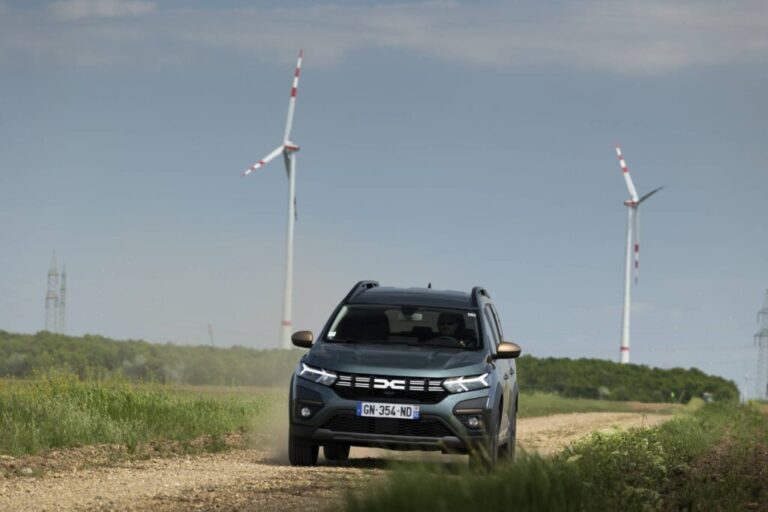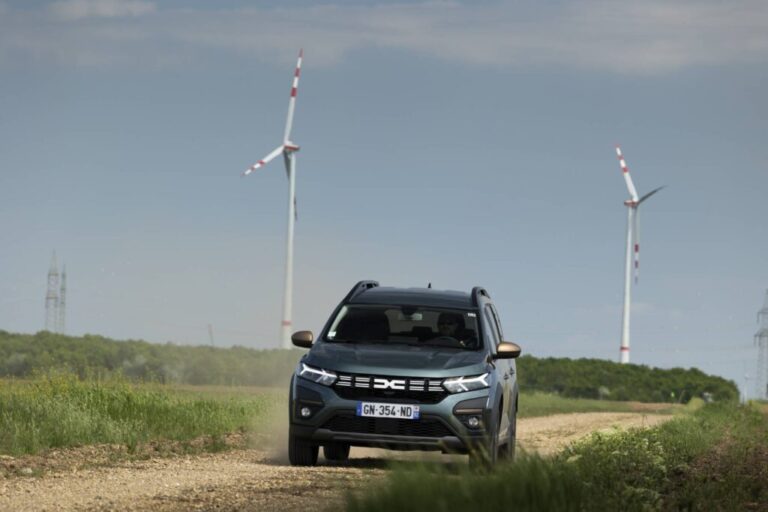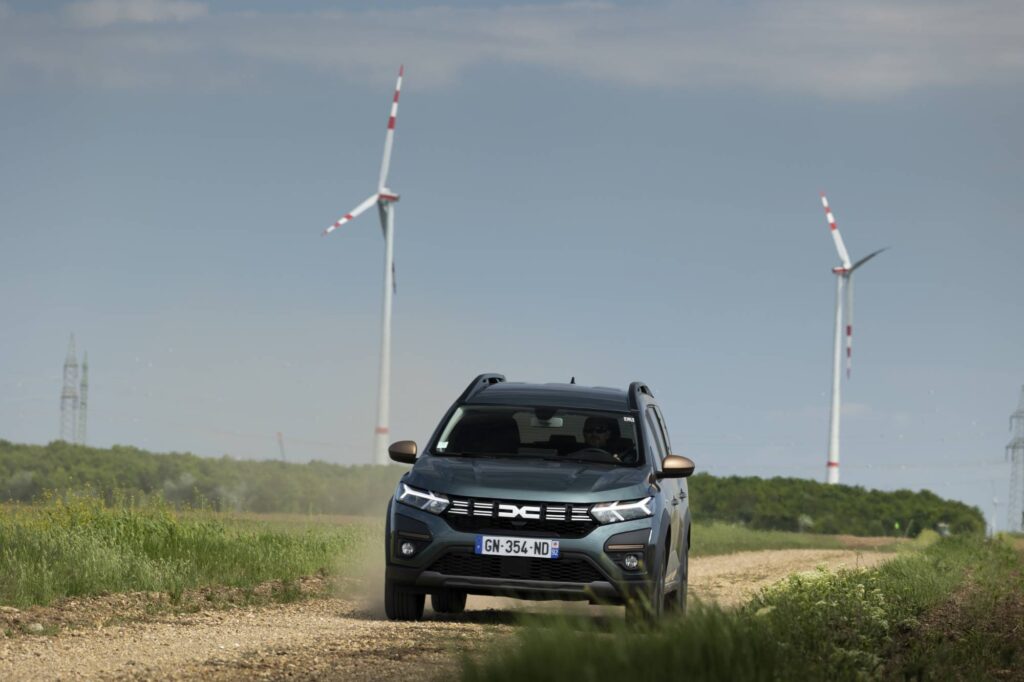
Problems with the Dacia Jogger’s fuel and LPG consumption can only really be assessed once you separate litres, journeys and fixed costs. The ECO-G 100 normally uses more litres on LPG than on petrol, while the Hybrid 140 mainly benefits from electric driving in urban traffic. A spike of 8 to 9 l/100 km does not necessarily mean there is a fault. A persistent increase does merit investigation. On Carnews you can also find other points to watch on the Dacia Jogger. When does high consumption become a problem?
How economical is the Dacia Jogger ECO-G on LPG?
With the Jogger ECO-G 100, higher LPG consumption in litres is part of the technology. LPG contains less energy per litre than petrol. For the same distance, the engine therefore usually needs more litres. A consumption figure of 8 to 9 l/100 km is not, on its own, proof of a fault, especially not with lots of motorway driving, winter weather or a full load.
The cost per kilometre may still be lower, because LPG often costs less per litre. So do not look only at the figure on the trip computer. The ECO-G also starts on petrol and only then switches over to LPG. On short journeys, you therefore use petrol as well, even when you mostly drive on gas.
Measure what your car really uses. Do it at the pump. When two fuels are used, the trip computer does not always give a complete picture of both consumptions. This is how to calculate LPG consumption:
- Fill the LPG tank until the nozzle clicks off automatically and note the odometer reading.
- Drive 300 to 500 kilometres under normal conditions if possible.
- Fill up again and divide the litres added by the kilometres driven. Multiply the result by 100.
- Repeat this for at least three fill-ups and also note how much petrol you top up.
Compare journeys with the same speed, temperature and load. One fill-up tells you very little if you have fitted a roof rack in the meantime or have mainly been doing short trips.
Why does the Dacia Jogger’s consumption rise?
A rise often has an identifiable cause. Air resistance increases on the motorway at higher speeds. With seven occupants or luggage, the engine also has more work to do. Cold starts, low tyre pressure and frequent acceleration with high turbo boost can also increase ECO-G consumption.
Pay particular attention to changes under the same use. Are you driving the same route with the same load, but suddenly having to fill up much more often? First check the tyre pressure when the tyres are cold and compare several fill-ups. If the difference remains, a technical diagnosis is worthwhile.
When does high LPG consumption point to a fault?
A poorly adjusted LPG system, ignition problems or abnormal engine sensors can increase consumption. On the Jogger ECO-G, the spark plugs, lambda sensor, LPG injectors and evaporator pressure are among the items that deserve attention. The lambda sensor measures how much oxygen remains in the exhaust gases; that information helps the engine adjust the fuel mixture.
These signs make a workshop visit sensible:
- The engine splutters on LPG, but runs noticeably better on petrol.
- The car switches back to petrol without any obvious reason.
- The engine warning light is on or the idle speed fluctuates.
- The measured fill-up consumption remains higher even though your usage has not changed.
Have the fault codes read before parts are replaced. Also ask a Dacia specialist about the fuel trims, LPG pressure and switchover points. If you can smell LPG, do not treat it as an ordinary consumption complaint: park outside, avoid ignition sources and have the system inspected.
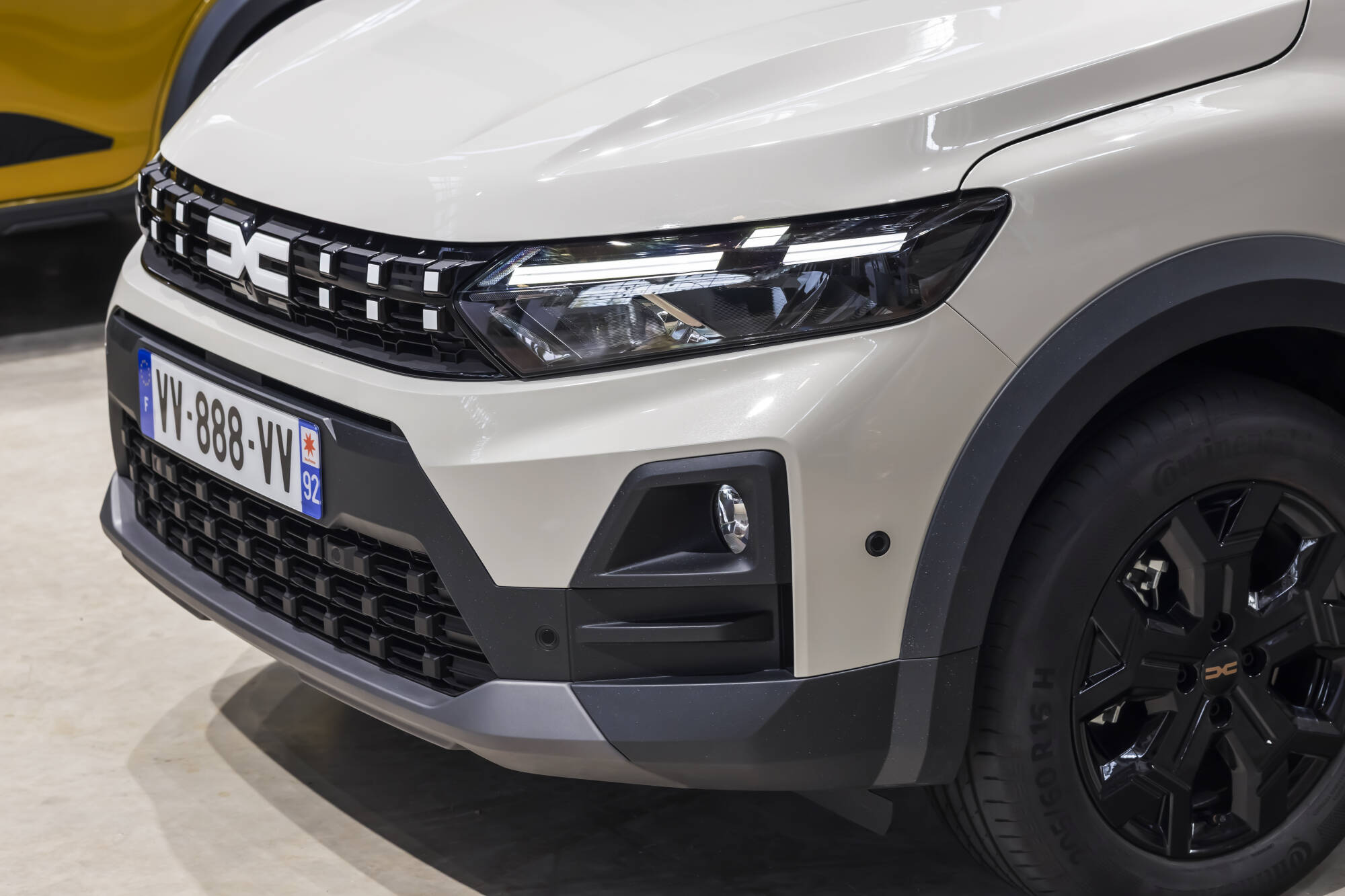
Why does the Jogger Hybrid sometimes show high consumption?
With the Jogger Hybrid 140, consumption at one moment does not mean the same thing as the average over a full tank. Instant consumption can be high during acceleration or on a long climb. The petrol engine then drives the car and can at the same time recharge the hybrid battery. That does not mean the whole journey is equally inefficient.
The Hybrid does not charge via a plug. It recovers energy when braking and can also charge the battery using the petrol engine. In urban traffic, that brings an advantage, because the car regularly drives electrically and recovers energy. At a steady high motorway speed, those possibilities are more limited. So assess the average over a full tank and keep city driving separate from motorway driving.
On a long climb, the picture changes again. With a low battery charge and many occupants, the petrol engine has to take over more of the work. That can be accompanied by higher revs, more noise and temporarily less reserve for acceleration. If this behaviour also occurs on flat roads, have the hybrid control unit and any available software updates checked.
Do B mode and ECO mode help?
B mode provides stronger braking when you lift off the accelerator and can help recover energy on descents or in town traffic. On a flat road, unnecessary braking is not automatically more economical than coasting in good time. ECO mode makes it easier to modulate the accelerator gently, but it does not cancel out the effect of speed and load.
Hybrid or LPG: which Jogger is cheaper?
That depends on your journeys and your fixed costs. First work out the fuel costs per 100 kilometres for both versions: multiply the measured consumption by the price per litre. For the ECO-G, also include the petrol used for cold starts. For the Hybrid, use an average that matches your split between town and motorway driving.
Then compare the vehicle tax and, if you are considering buying one, the purchase price. According to the Tax Administration, vehicle tax depends, among other things, on weight, fuel type and province. LPG can therefore result in higher fixed costs despite a low litre price. The weight of the hybrid drivetrain also counts for tax if it places the vehicle in a different weight band. Check the registered weight of the versions you are actually comparing.
Base your decision on your annual mileage. A difference in fuel costs per 100 kilometres becomes more important the more you drive; a difference in tax is paid even when the car is standing still. For lots of city driving, the Hybrid may be attractive. If you cover many miles and can buy LPG cheaply, the ECO-G may work out better. Without up-to-date prices, tax amounts and your own consumption, neither is always the cheapest choice.
‘ Do not rely solely on an assessment of the current consumption display. ’
Deal with abnormal consumption in a targeted way
Keep your fuel receipts. Note the odometer reading, outside temperature, route and load. That allows the garage to better distinguish between driving conditions and a technical fault. Ask for a written diagnosis with fault codes and measured values if the increase persists. Do not rely solely on an assessment of the current consumption display.
On the Carnews website you can find much more about the Dacia Jogger, powertrains and other car problems. Explore the related articles and use that information to compare, maintain and drive more effectively.
Frequently asked questions
The TCe 100 ECO-G uses more litres on LPG because LPG contains less energy per litre than petrol. In addition, the engine starts and warms up on petrol, so short and cold journeys in particular produce an unusual overall consumption figure. The trip computer does not always record petrol and LPG use completely separately, so the displayed figure may differ from measured fill-up consumption. If the discrepancy is abnormally large, possible technical causes include incorrect LPG calibration, incorrect evaporator pressure, dirty or leaking LPG injectors, a faulty pressure or lambda sensor, worn spark plugs, a clogged air filter or outdated engine software.
ECU calibration determines, based on factors including engine load, revs, temperature and LPG pressure, when the engine stays on LPG or switches to petrol. Under heavy load, a conservative calibration may switch to petrol earlier in order to deliver sufficient power and protect the engine from a mixture that is too lean or from high temperatures. An incorrect calibration can instead lead to hesitation, loss of power, increased consumption or unnecessary switching back and forth between the two fuels.
The only specifically mentioned software intervention is a reprogramming of the HVAC computer, after which the consumption issue was partially improved according to one owner. Updates for the hybrid control unit, battery and drivetrain are also mentioned, but without concrete version numbers or official Renault update names.
A higher octane rating increases knock resistance, meaning the mixture is less likely to ignite uncontrollably under high boost and load. The knock sensor and engine management then need to retard the ignition timing less often, which can reduce knocking. This only works if the ECU can adapt to the higher octane rating; persistent knocking points to a technical problem that needs investigating.