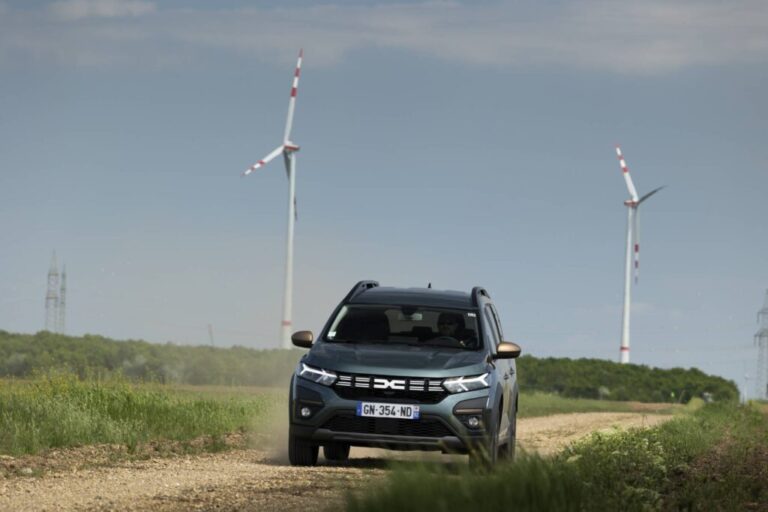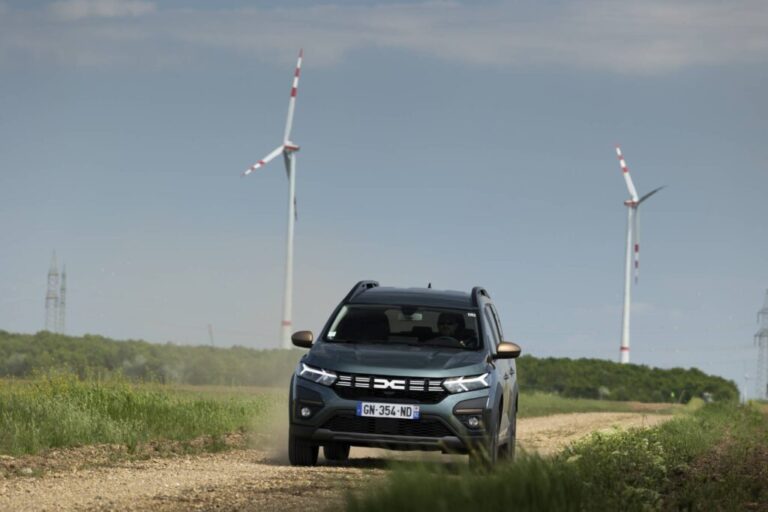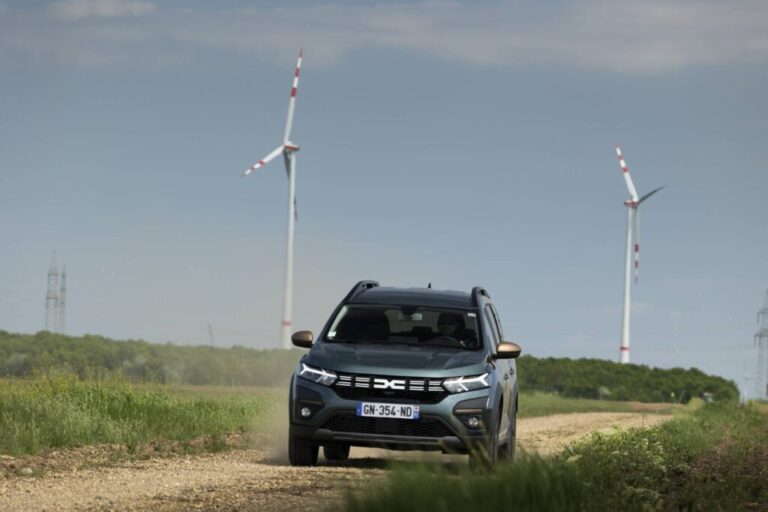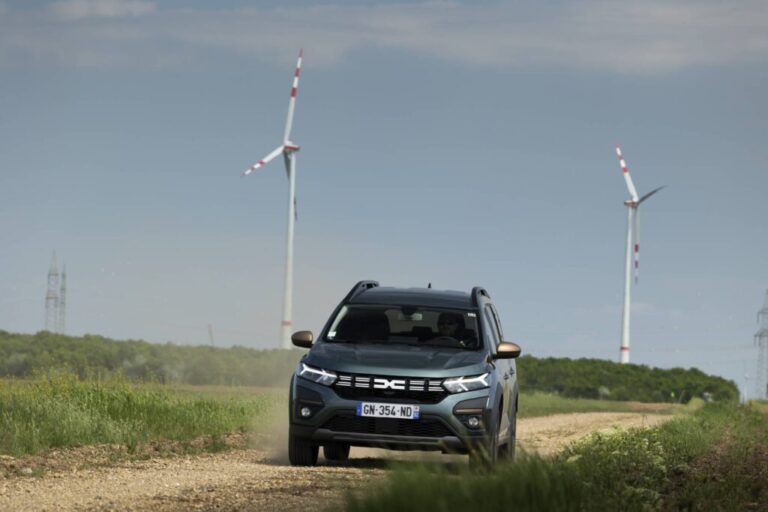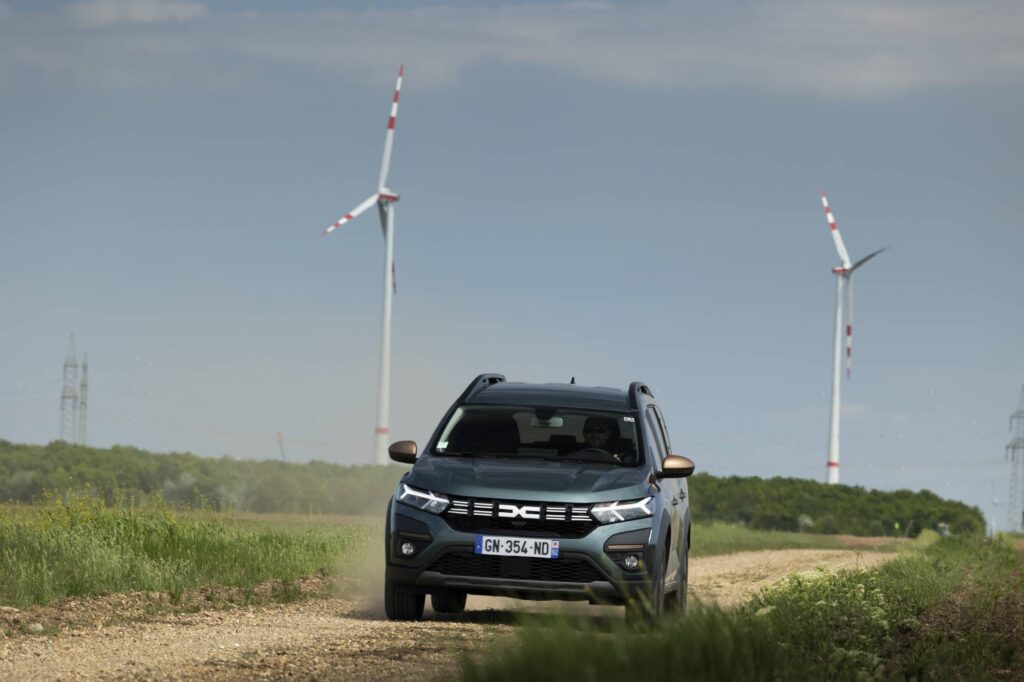
At first glance, the Dacia Jogger looks like an affordable family car, but the actual maintenance and repair costs are higher than expected. CVT transmissions, hybrid systems, and engine repairs entail high figures. These are not always proportional to the purchase price. Original parts are often more expensive than the budget image suggests, while using alternative parts puts warranties under pressure. Smart preventive maintenance remains the best way to limit unexpected costs.
The Dacia Jogger is particularly popular as a spacious family car, but that intensive use places extra demands on maintenance. Especially owners of the hybrid version and models with a CVT transmission report notably high maintenance costs. The difference between dealer prices and independent garages sometimes varies significantly. Comparing prices is therefore worthwhile.
The expectation that a budget brand automatically leads to low running costs is not always true. The Jogger is often used fully loaded and covers many kilometres. With this usage, the quality of maintenance determines the total costs. In this article, you will read which repairs occur most frequently and how to keep costs manageable.
Common repair costs for the Dacia Jogger
The engine type and usage determine which repairs on the Jogger occur most frequently. Owners regularly report complaints about electronic systems. Software updates and sensor problems are common. These diagnoses cost between 80 and 150 euros. The price depends on the garage.
CVT transmissions form an expensive exception to the budget image. A faulty CVT transmission can lead to repair costs between 2,000 and 4,000 euros, depending on the extent of the problem. Replacement of the complete transmission is often over 3,500 euros. For the hybrid version, specific battery and electric motor costs are added.
Engine repairs are often more expensive than expected. Problems with the turbo, especially with the TCe petrol engine, can entail costs of 800 to 1,500 euros. With more serious engine damage, costs quickly rise to several thousand euros. The use of original Renault-Nissan parts, which Dacia relies on, further drives up the price.
Maintenance schedule for the Dacia Jogger Hybrid
The hybrid version of the Jogger has a specific maintenance schedule. This schedule takes into account both the internal combustion engine and the electrical system. Dacia recommends a service every 15,000 kilometres or annually, whichever comes first. This interval is shorter than with some competitors.
During a standard service, the following work is carried out:
- Replace engine oil and oil filter
- Check cabin filter and replace if necessary
- Inspect brakes and brake fluid
- Check tyre pressure and tread
- Carry out software updates for hybrid system
- Diagnose high-voltage battery and electric motor
- Check battery cooling system
Brake fluid must be replaced every two to four years. This is stated in the manufacturer’s specifications. For the hybrid version, extra attention is needed for the regenerative braking system. This braking system has different wear patterns than conventional brakes. The 12V system battery deserves a check every two years because hybrid systems place greater demands on this battery.
Shock absorbers and wheel suspension must be checked at least once every two years. The hybrid system adds extra weight. Regular full loading further accelerates wear. These components therefore wear out faster. Replacement is always done per axle to prevent uneven damping.
What does a service cost for the Dacia Jogger
A small service at the dealer costs on average between 150 and 250 euros. This service includes oil change, filter replacement, and a basic inspection. A major service, including brake fluid, air filter, and more extensive checks, is between 300 and 500 euros.
At independent garages, prices are lower. A small service usually costs between 100 and 180 euros there. The difference mainly lies in labour costs. Independent garages charge lower hourly rates. However, users report that not every garage is equally well-equipped for diagnosing hybrid and electronic systems.
Specific work entails the following costs:
- Replace brake pads per axle: 120 to 250 euros
- Replace brake discs per axle: 200 to 400 euros
- Set of four new tyres including fitting: 300 to 600 euros
- Replace 12V battery: 80 to 150 euros
- Replace shock absorbers per axle: 250 to 500 euros
- Software updates and diagnosis (updating electronics and reading error codes): 80 to 150 euros
Cheap solutions for common malfunctions
Not every malfunction requires an expensive repair. Electronic error messages frequently arise due to weak batteries. A battery test at the garage usually costs between 10 and 20 euros. This test prevents many unnecessary diagnostic costs. A new battery is a relatively affordable solution at 80 to 150 euros.
Problems with sensors are common. Contamination or loosened contacts are often the cause. Simple cleaning or reconnecting connectors often solves this without replacing parts. This work usually does not cost more than half an hour of labour.
Wear to interior components is a common complaint. These problems are often solvable with small repairs or even DIY. YouTube tutorials and Dacia forums offer practical guides for these types of small repairs.
Tyre rotation is a simple measure that extends the lifespan of tyres. Rotate tyres between front and rear axles every 10,000 kilometres. This keeps wear even. Most garages carry this out for 20 to 40 euros, which outweighs early replacement of a complete set.
‘ An oil service of 150 euros is much cheaper than an engine overhaul of 3,000 euros or more. ’
Preventive maintenance saves money in the long run
Following the maintenance schedule closely prevents more expensive consequential damage. Delayed oil services can lead to engine damage, where repairs quickly reach thousands of euros. An oil service of 150 euros is much cheaper than an engine overhaul of 3,000 euros or more.
Monthly checks of tyre pressure, fluid levels, and tyre tread take little time. These checks prevent unnecessary wear. Tyre pressure affects both fuel consumption and tyre wear. With incorrect pressure, a set of tyres can wear out up to 30 percent faster.
Carry out small checks yourself between services. This helps to detect problems early. Pay attention to strange noises, vibrations, or warning lights. Early diagnosis limits damage and keeps repair costs manageable. If you ignore a warning light, the bill adds up quickly. A 50-euro sensor becomes a faulty 500-euro system or more.
Original versus alternative parts
Dacia advises using original parts to ensure warranty and reliability. These parts are 20 to 50 percent more expensive than qualitatively comparable non-original alternatives. For parts like filters, brake pads, and tyres, good alternatives exist that meet European standards.
For technical parts, caution is advised. Alternative parts can lead to compatibility problems or premature failure here. For important parts, the extra cost of original parts outweighs the risk.
Check whether alternative parts affect the manufacturer’s warranty. You can do this by asking at the dealer or garage. For cars within the warranty period, it is wise to use original parts. This way you retain warranty claims. After the warranty has expired, choosing good quality alternative parts often offers savings without loss of quality.
When is it worth comparing
Tariff differences between dealers and independent garages are significant. Independent specialists often offer the same quality for standard maintenance and simple repairs. The costs are lower, however. Always ask for a price quote in advance and compare at least two providers.
For complex work, the brand dealer is often the better choice. They possess specific equipment and updated software and electronics. These higher costs are usually justified by better expertise.
Small tasks can often be carried out by yourself. Instructional videos and forums offer step-by-step guides. The costs for these parts are usually between 10 and 40 euros. Garages charge 50 to 100 euros for this, including labour.
‘ Price differences for the same work run up to several hundred euros. ’
Realistic expectations for a budget brand
The Jogger remains a budget-friendly choice. The total cost of ownership depends on maintenance discipline and usage. Intensive family use accelerates wear on tyres, brakes, and suspension. Count on higher maintenance costs than with lighter city cars.
The costs for specific repairs to CVT transmissions and hybrid systems are high. These components are modern and complex. Repairs are therefore expensive. Take these costs into account when purchasing. Pay particular attention to this with second-hand models outside the warranty period.
How clear dealers and garages are about maintenance prices varies greatly. Ask for a detailed quote in advance and compare it with other providers. Price differences for the same work run up to several hundred euros.
On the Carnews website, more information can be found about common car problems, maintenance schedules, and practical tips. This applies to various car brands. Discover which points of attention apply to your model. You can also read there how to limit costs through smart maintenance.
Frequently asked questions
The repair and maintenance costs of the Dacia Jogger are generally on the affordable side compared to many other family cars in this segment, partly due to the relatively simple technology. As a result, the total cost of ownership (TCO) is often lower than for more expensive, complex competitors, provided the maintenance schedule is followed properly. However, dealer prices may vary, making it important to compare the brand dealer and a universal garage to keep costs truly low. Delayed maintenance can nullify the low base and repair costs and noticeably increase the TCO.
For the Dacia Jogger, depending on engine and build year, a prescribed maintenance interval of roughly 15,000 to 30,000 km applies, where regular services include at least oil and filter changes plus checks of brakes, tyres, battery, and shock absorbers. Tyre pressure should be checked at least monthly and before long journeys, brakes ideally every 2 years or 20,000 km, brake fluid every 2–4 years, and the battery and shock absorbers at least once every 2 years. DIY enthusiasts are best off regularly checking and topping up fluids (oil, windscreen washer fluid, coolant), checking tyre pressure and tread, and keeping the cabin filter clean/replaced. Larger or safety-critical jobs such as brakes and suspension are better left to a professional, but comparing rates between the dealer and a universal garage is worthwhile.
The most common repairs and costs for the Dacia Jogger involve wear parts such as brake pads and discs, tyres, battery, filters, and suspension parts such as shock absorbers. Because they are often intensively used family cars, these parts wear out faster, especially with many city trips and full loading. Preventive maintenance – changing oil and filters on time, regularly checking brakes and tyres, and having brake fluid, battery, and shock absorbers checked according to schedule – prevents small problems from growing into expensive repairs. By strictly following the factory maintenance schedule and intervening in time for wear, the total maintenance and repair costs of the Jogger usually remain well-manageable.
For a Dacia Jogger with high mileage, maintenance and repair costs generally remain relatively low compared to many competitors because the technology is simple and affordable to service. You should, however, take into account accelerated wear of brakes, tyres, shock absorbers, and possibly the battery, especially with a lot of motorway and family use. Preventive maintenance according to schedule (oil changes, filters, brake and suspension checks) generally prevents the really expensive repairs. Because dealer and garage prices can differ significantly, it pays to compare quotes for larger interventions.