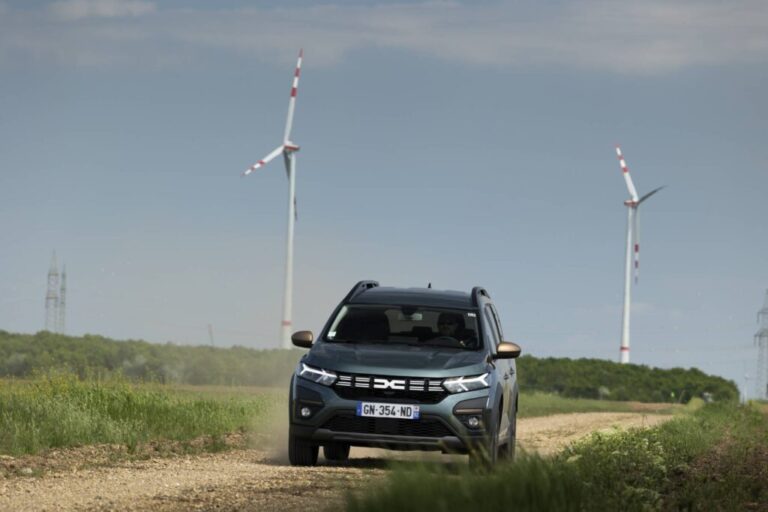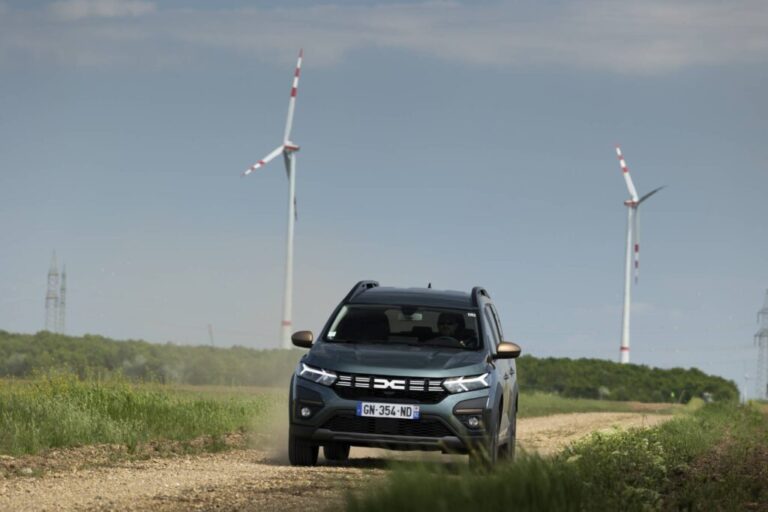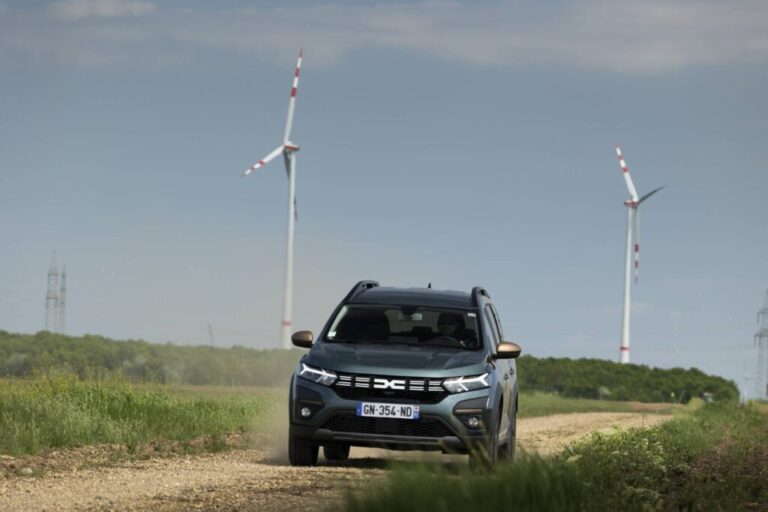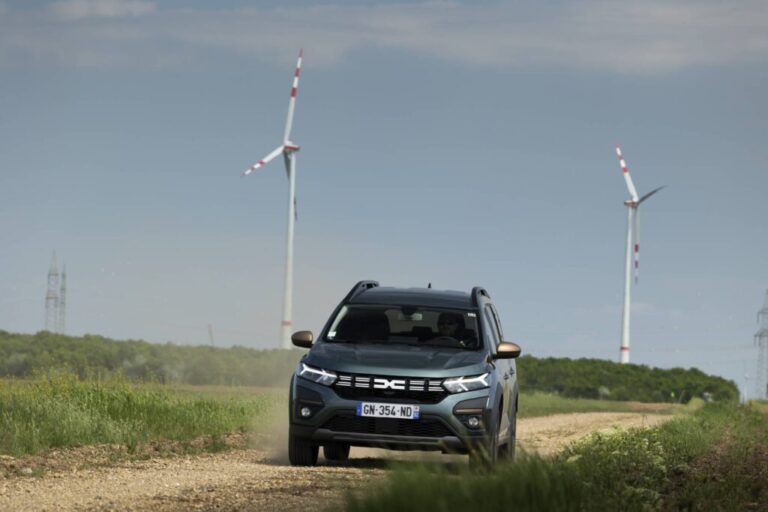
The Dacia Jogger is not supplied as standard with a CVT transmission in Europe. Owners do regularly report faults in the automatic gearbox. Jerky shifting, a slipping clutch and overheating lead to high repair costs. The same applies to unsafe situations. It is useful to know which symptoms you can expect. That way you recognise them more easily.
Which transmission does your Dacia Jogger have?
You may be jumping to conclusions about transmission problems. First check which gearbox your Dacia Jogger has. Most Joggers are fitted with a manual gearbox. In some markets an automatic transmission is available. That is not a CVT version. Other brands do use that type.
You will find the correct information in the owner’s manual or the vehicle documents of your car. Pay attention to the model year and the transmission code. The transmission code is a unique number that indicates the type of gearbox. These details are important for diagnosis and maintenance. Workshop information differs per version. Parts specifications also differ per version.
‘ Overheating is a serious problem. ’
What are the symptoms of automatic transmission faults?
Owners of a Dacia Jogger with automatic transmission report various complaints. These complaints point to problems with the gearbox. The symptoms vary in severity. They occur on a cold start. They also occur in stop-start traffic or under acceleration.
Jerky shifting
The automatic gearbox shifts jerkily or roughly between gears. This can show up as a short hard jolt while accelerating or decelerating. Jerky shifting often points to problems with the transmission fluid, the clutch or the control electronics of the gearbox. The control electronics are the computer system that controls the gearbox.
For some owners the problem mainly occurs at low speeds. This happens, for example, in town. Other owners experience the jolts when accelerating at higher speed. The intensity differs. It ranges from barely noticeable to very harsh.
Slipping transmission
You can recognise a slipping transmission by the behaviour of the engine speed. You accelerate. The car does not pick up speed as expected. The revs do rise. The clutch or the drive inside the gearbox is slipping. This leads to loss of power. It also leads to unsafe situations. That applies especially when overtaking or joining traffic.
Slipping is often caused by worn clutch plates or pressure that is too low in the hydraulic control of the automatic. The hydraulic control regulates the pressure with which the gears are engaged. Contaminated transmission fluid causes slipping. Fluid that is too old also causes this. If you recognise this symptom, it is wise to have a diagnosis carried out quickly.
Overheating of the gearbox
Overheating is a serious problem. It causes damage to internal components. The transmission overheats under heavy load. Stop-start traffic in high outside temperatures also causes this. A defective gearbox cooling system is another cause. Some models display a warning on the dashboard. The message “Gearbox risk of damage” then appears.
When overheating occurs, the transmission switches to a safety mode. Your power is limited. The car may even temporarily stop driving. This is a protection mechanism. The mechanism prevents further damage. Stop as soon as you can safely do so and let the car cool down before you continue driving.
How can you recognise transmission faults in the Dacia Jogger?
Besides the symptoms mentioned, there are other signs. These signs point to problems with the gearbox. It is good to keep an eye out for them. That way you can act in good time.
- Unusual noises while shifting, such as clicking, scraping or squealing sounds
- Delayed response when pulling away from a standstill
- Vibrations that can be felt through the gear lever or throughout the chassis
- Warning lights on the dashboard, often linked to the gearbox or the engine management system
- Leakage of transmission fluid under the car, recognisable by red or brown patches
Note when the symptoms occur. The symptoms may occur on a cold start, after prolonged driving, in certain gears or at specific speeds. This information helps a mechanic with the diagnosis and saves time and investigation costs.
Possible causes of transmission problems
There are several factors. These factors lead to faults in the Dacia Jogger’s automatic gearbox. Some causes are the result of wear. Other causes arise from insufficient maintenance or technical defects.
Aged or contaminated transmission fluid
Transmission fluid lubricates. The fluid cools. It also regulates the pressure in the automatic gearbox. When the fluid is aged or contaminated, the operation of the gearbox deteriorates. This leads to jerky shifting. It leads to slipping. It also leads to overheating. Regularly check the level and condition of the fluid. The manufacturer provides maintenance guidelines. Replace the fluid regularly.
Defective sensors or control electronics
Modern automatics are controlled by electronics and sensors. Sensors are electronic measuring devices that pass values on to the control unit. They transmit data on speed, revs and pressure. If a sensor fails, the control electronics make mistakes. This leads to odd shift points. It can also lead to loss of gears or safety modes. A diagnostic test will reveal these problems. Diagnostic equipment is a computer tool used to read fault codes in the car.
Wear of internal components
Clutch plates, gears and other mechanical components wear over time. Heavy use speeds up this process. Sporty driving speeds it up as well. Frequent starts and stops also accelerate it. In the case of severe wear, replacement or overhaul of the gearbox is often necessary. This involves high repair costs.
‘ The automatic transmission does have its shortcomings. ’
Is the Dacia Jogger’s automatic transmission reliable?
The Dacia Jogger is known as an affordable and practical family car. The automatic transmission does have its shortcomings. Owners regularly report problems with jerky shifting and control faults. They report this on forums. It is also reported to dealers. Not every Jogger with an automatic gearbox develops problems. It does occur often enough, though. It is wise to stay alert.
Reliability depends on several factors. Maintenance, use and timely repairs all play a role. Good maintenance extends the life of the transmission. Correct use does so as well. Timely repair of minor defects has the same effect. Have the fluid checked and replaced regularly. Take complaints seriously. Otherwise they will develop into costly repairs.
What can you do if you have transmission faults?
You recognise symptoms of transmission problems. There are practical steps you can take. Take those steps. Acting quickly prevents more serious damage. It also keeps costs down.
- Have the car diagnosed. An authorised dealer or specialist workshop with knowledge of Dacia transmissions can do this. Diagnosing means investigating and identifying the problem using equipment.
- Avoid heavy loads such as towing, high speeds and sporty driving. Solve the problem first.
- Check the level and condition of the transmission fluid. A low level makes symptoms worse. Contamination also makes them worse.
- When having a diagnosis carried out, ask for the fault codes to be read. This provides clarity. You then know which cause is involved. You also know which repairs are necessary.
- If problems keep coming back, also have the battery and electrical supply checked. Voltage issues can sometimes cause transmission faults.
In the case of serious faults, parts will need to be replaced. Overhaul of the gearbox may also be required. The repair costs can be high. Always ask for a quote. Also ask for a second opinion. Sometimes it is wise to consult several workshops. Consult a franchised dealer. Also consult an independent specialist.
Prevention and maintenance of the transmission
Preventive maintenance is the best way to avoid transmission problems. Follow the maintenance schedules in the owner’s manual. Adjust them to your driving style. If you often drive short distances, frequently sit in traffic jams or regularly drive with a heavy load, more frequent maintenance is needed.
- Replace the transmission fluid according to the recommended intervals. This is usually between 60,000 and 100,000 kilometres.
- Have filters and seals checked during services. Also have them replaced during those services.
- Avoid hard acceleration from a standstill. Also avoid harsh shifting in cold conditions.
- Warm the car up before putting the transmission under heavy load.
- Watch out for warning signs. React immediately if the gearbox behaves abnormally.
Good maintenance extends the life of the transmission. It also prevents expensive repairs. It pays to invest in regular checks. Invest time. Also invest money.
‘ The articles help you take better care of your car. ’
Discover more about the Dacia Jogger
On the Carnews website you will find much more information about the Dacia Jogger. You will also find information about other car problems. Discover helpful articles about engine issues. Maintenance tips are also covered. The articles help you take better care of your car. You also recognise problems in good time. Take a look. Stay up to date with everything you need to know as a car enthusiast.
Frequently asked questions
The Dacia Jogger is not supplied in Europe as a typical CVT version, but with automatic gearbox problems, similar symptoms to CVT faults can occur. Common complaints are warning messages such as “Gearbox risk of damage”, hesitation or jerky shifting, loss of power or limp-home mode (the car will no longer accelerate properly) and unusual noises from the gearbox. The drive can also feel irregular when pulling away, or the engine may rev unexpectedly high. If you see such a message or a combination of these symptoms, continuing to drive is not advisable and diagnosis at a dealer is essential.
The Dacia Jogger has not been supplied in Europe as a typical CVT version; many so-called ‘CVT problems’ in practice turn out to be general faults in the automatic transmission. Underlying causes are often unclear model identification (people think they have a CVT while it is a different type of automatic) and/or warning messages such as “Gearbox risk of damage” that are not investigated in time. Prevention starts with correctly identifying the type of transmission, strict maintenance in line with the manufacturer’s schedule and immediately having fault codes read when warnings appear. It also helps not to subject the car to heavy loads or continue driving with warning messages until an expert diagnosis has been made.
The Dacia Jogger is not known in Europe as a model with a CVT transmission, so specific CVT diagnosis and repair prices are not common. For general automatic-transmission faults on comparable Dacia/Renault models, diagnostic costs are usually around €80–€150 for reading fault codes and a basic check. Minor repairs or software updates can range from about €150–€600. With severe internal damage to an automatic gearbox (overhaul or replacement), costs usually rise from roughly €1,500 to well over €3,000, depending on the dealer or specialist and the specific transmission variant.
There are no official recalls known that are specifically aimed at a CVT in the Dacia Jogger, partly because the Jogger has not been supplied in Europe as a typical CVT version. In documentation and in practice it is mainly about manual gearboxes and other automatic variants. There are reports of general transmission warnings such as “Gearbox risk of damage”, but these are not CVT-specific. As a result, there are no documented structural design flaws relating to a Jogger CVT.
The Dacia Jogger is not supplied in Europe with a CVT transmission, but general tips for an automatic also apply here. Have the transmission supplied with the correct oil (ATF) on time according to the factory schedule and avoid universal or unspecified oils. Avoid frequent full-throttle acceleration with a cold drivetrain, heavy towing above the permitted towbar load and prolonged crawling in traffic jams with a lot of slip. If warning messages appear or you notice jolts or delays in shift points, have a diagnosis carried out immediately to prevent consequential damage.