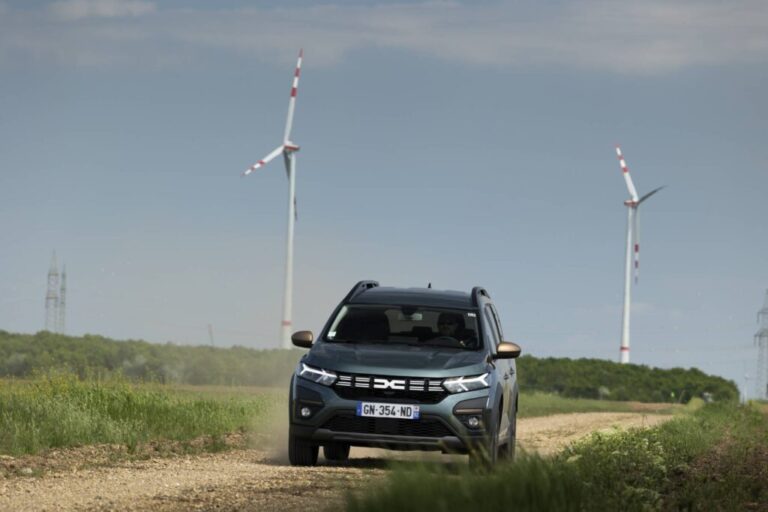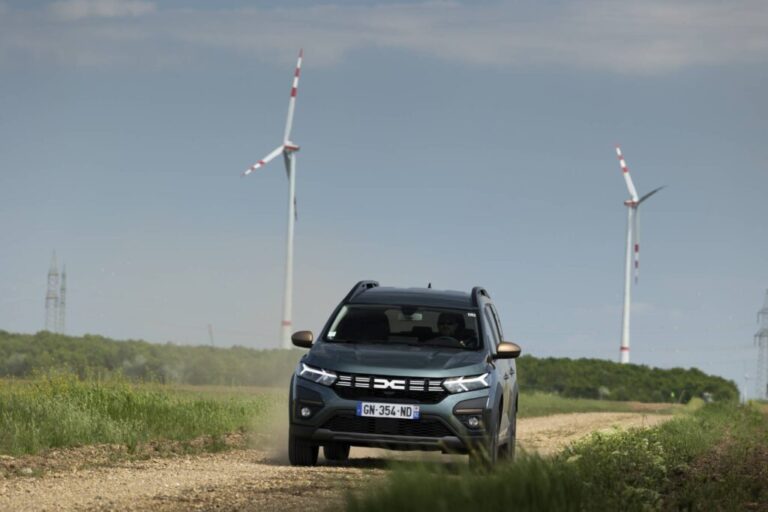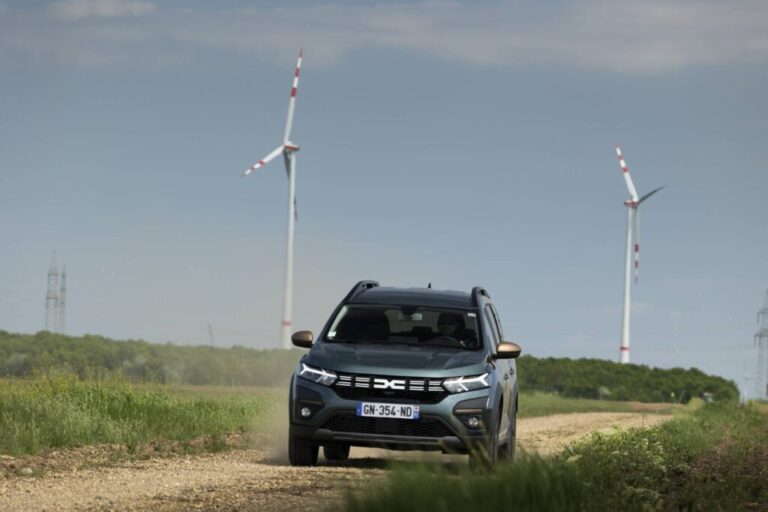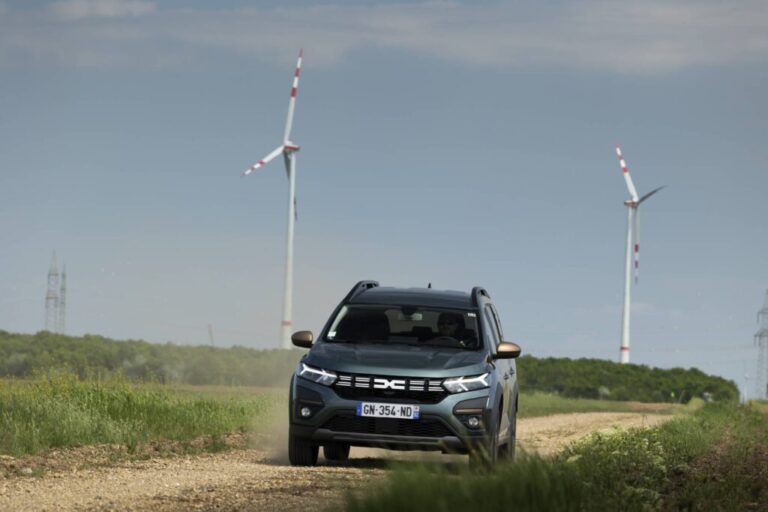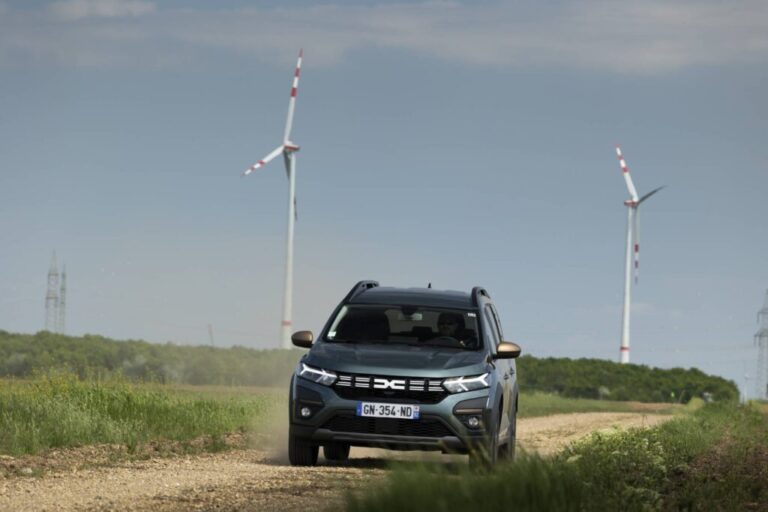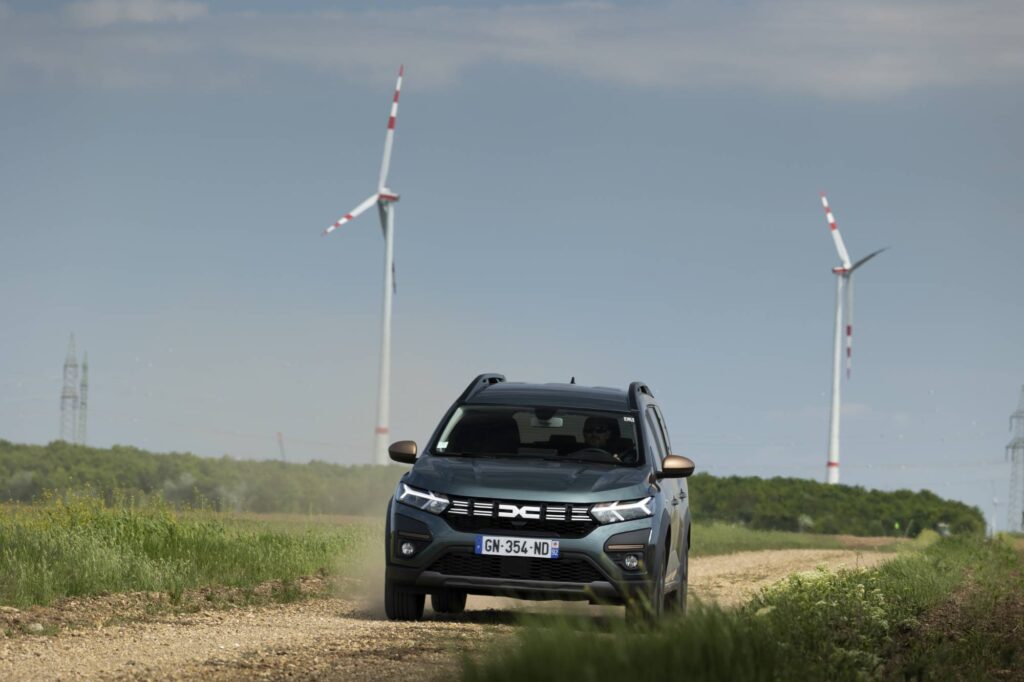
The Dacia Jogger achieved the lowest possible score of just 1 star in the Euro NCAP tests. The car shows serious shortcomings in driver assistance systems. The Jogger also offers insufficient protection for occupants. The basic structure is not dramatically weak. Even so, there are several concrete problems. Airbag coverage for rear passengers is limited. Seatbelt warnings are missing on the third row. In addition, protection for vulnerable road users is inadequate. For families considering buying a Dacia Jogger with the optional third row of seats, these findings are important to be aware of.
Why does the Dacia Jogger score so low
The Jogger’s low score is mainly due to the lack of modern safety systems. Many family cars nowadays come as standard with extensive assistance systems. According to the original test, the Dacia Jogger is missing a number of important features. The AEB systems do not detect vulnerable road users such as pedestrians and cyclists. This means the car poses a higher risk in urban situations.
In addition, protection in various crash scenarios was disappointing. In frontal tests, chest protection for front occupants was rated as marginal. In a side impact, head protection for the driver in a far-side impact was poor. This is because there is no central airbag. Such an airbag would prevent the head from hitting hard components.
Another concern is protection against whiplash. This protection was rated as good for the front seats. For rear passengers, however, neck protection in a rear-end collision proved weak. Protection of pedestrians’ pelvises across a large part of the front of the car also scored poorly in the tests.
‘ According to Euro NCAP, the side-curtain airbag does not extend far enough to the rear to properly protect occupants in the optional third row of seats. ’
Are the airbags in the Dacia Jogger safe in collisions
The airbags in the Dacia Jogger do provide basic safety, but they show significant limitations. According to Euro NCAP, the side-curtain airbag does not extend far enough to the rear to properly protect occupants in the optional third row of seats. This means that passengers in the rearmost seats face an increased risk of head injuries in a side impact.
For front occupants, the airbags function within normal parameters, although chest protection in certain crash scenarios is not optimal. Knees and femurs of the driver and front passenger receive at least adequate protection, which indicates a reasonably sound design for the front section of the interior.
It is important to know that the Jogger has no central airbag. This airbag, which sits between the front seats, prevents the driver and front passenger from colliding with each other in a side impact. Its absence explains the poor score for head protection in a far-side impact.
Safety risks in the Dacia Jogger’s third row
The third row of the Dacia Jogger has several safety shortcomings. These are particularly worrying for families with children. The main concerns at a glance:
- Side-curtain airbags do not extend far enough to the rear to provide good head protection
- In some versions, seatbelt reminders are missing for the third row
- No separate airbags are fitted for occupants in the rearmost seats
- Limited space can lead to poor seating positions in the event of a collision
The Jogger is often chosen specifically as a practical family car with space for six or seven people. These shortcomings are therefore especially relevant. The third row is used regularly. In those seats the protection is weakest. Children may be seated there. Euro NCAP emphasises that this combination of factors significantly increases the safety risk.
What do the Jogger updates offer
In 2024 Dacia added new standard features to the Jogger. The aim was to improve the safety equipment. These updates include lane-keeping assist, intelligent speed assist, lane departure warning, driver drowsiness and attention monitoring, and a more advanced autonomous emergency braking system.
These additions mean that more recent versions score better on active safety. The more advanced AEB system can help prevent collisions. The lane-keeping assist and fatigue detection reduce the risk of accidents caused by inattention. Are you now considering a Jogger? Then check whether the version you are looking at includes these newer systems.
Even so, airbag coverage and protection in the third row remain limited. The updates focus mainly on preventing collisions, not on protection during a crash. The passenger compartment remained stable in the frontal offset test. This indicates a reasonably solid basic structure. The basic construction is therefore fairly sound. However, this does not fully compensate for the shortcomings elsewhere.
‘ The context in which the car is used makes the safety question more complex than the test results alone suggest. ’
How does the score relate to legal requirements
The Dacia Jogger complies with the minimum legal safety standards in force in Europe. This means that the car may officially be sold and used on the road. Euro NCAP sets a considerably higher bar than the legal minimum standard. That is why the organisation assesses more strictly.
In online discussions it is often pointed out that the 1-star rating feels misleadingly harsh. The Jogger did not score extremely badly on adult and child protection. The car mainly lost points on active safety and equipment. For buyers interpreting the figures, it is relevant to understand this distinction.
Other users point out that the way the car is practically used increases the risk. A Jogger is often used with six or seven occupants. That is exactly what the car is designed for. The weaknesses in the third row then carry more weight. The context of use makes the safety issue more complex than the test results alone suggest.
Who is the Jogger suitable for
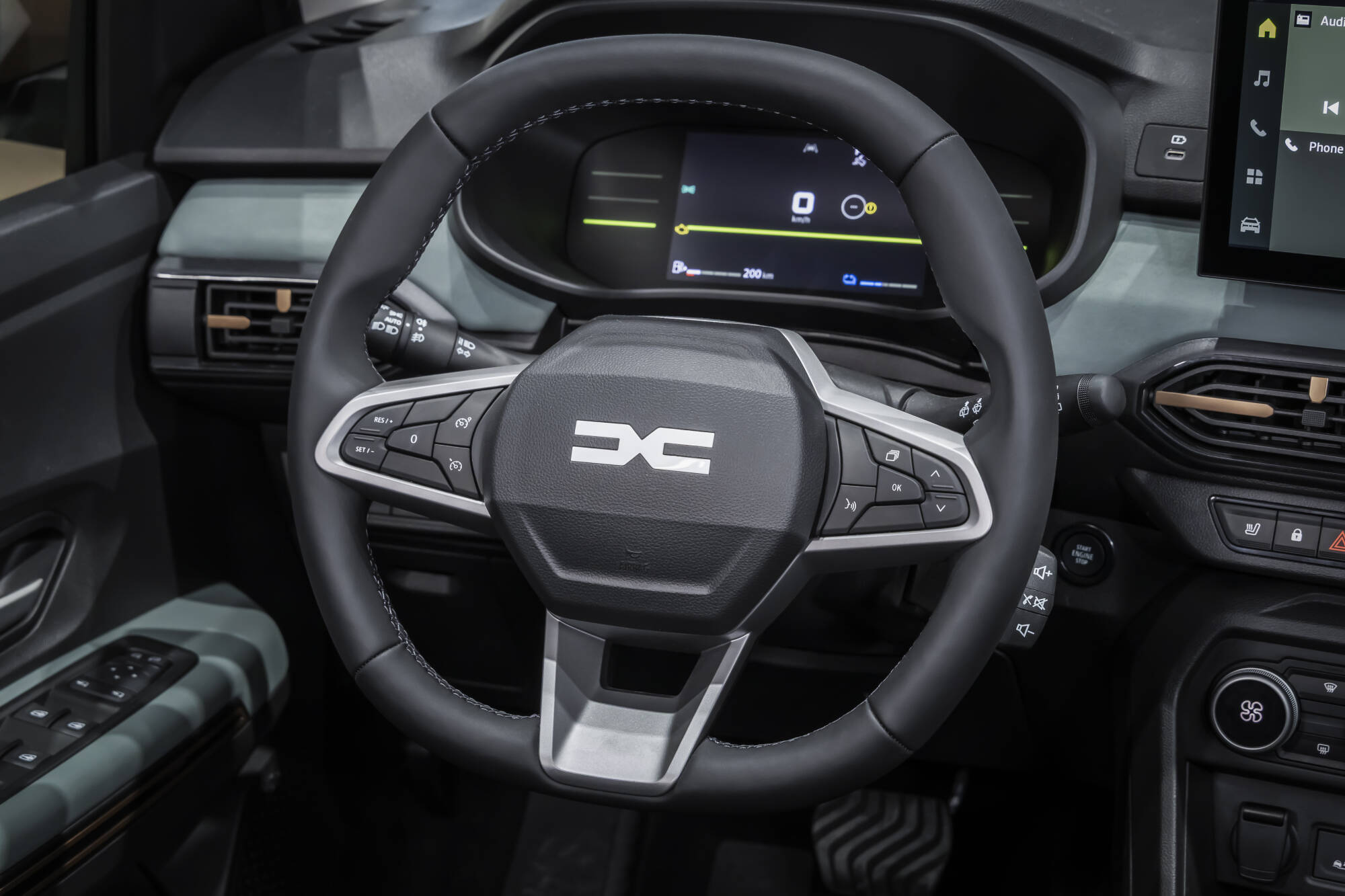
The Dacia Jogger remains attractive as a budget family car. The car offers generous load capacity. Purchase prices are also affordable. For families who mainly make short trips and for whom price is the main factor, the car can still be a practical choice. The basic construction is reasonable. The passenger compartment is stable. This provides a basic level of protection.
The Jogger is less suitable where the third row is used frequently. This is especially true if children sit there. The car is also less advisable for city use with lots of cyclists and pedestrians. The car is poor at detecting vulnerable road users. Is safety your top priority when buying? Then there are better alternatives in this segment.
Practical buying tips
Are you still thinking about buying a Dacia Jogger? With a few concrete steps, you can make a better-informed decision:
- Check whether the version comes with the 2024 safety upgrades
- Ask specifically whether seatbelt reminders are fitted for all seats
- Think carefully about whether you really need the third row and how often it will be used
- Compare the equipment with other family cars in the same price range
- Ideally, test the car extensively in situations similar to your daily use
The price of the Jogger has been kept deliberately low. To achieve this, Dacia has made choices in terms of equipment and systems. Buyers more often accept fewer assistance systems. In this way they keep purchase costs down. This is a deliberate trade-off. How that trade-off works out will differ from family to family.
‘ Explore the website further to make better-informed choices for your next purchase. ’
Where can you find more information
On the Carnews website you will find extensive information about the Dacia Jogger and other models in the family car segment. You will find technical specifications. You can also read practical experiences from owners. There is a lot to discover about the pros and cons of different cars. Explore the website further to make better-informed choices for your next purchase.
Frequently asked questions
Euro NCAP found that the AEB system of the Dacia Jogger does not recognise vulnerable road users such as pedestrians and cyclists, and that the overall safety equipment is limited. Occupant chest protection in frontal collisions was rated as marginal, while head protection for the driver in a far-side side impact was poor due to the absence of a central airbag. The side-curtain airbags do not extend far enough to the rear to properly protect passengers in the optional third row of seats, where some versions also lack seatbelt reminders and additional airbags. In addition, protection of the pedestrian pelvis area across the front of the car was rated as poor.
The everyday usability of the Dacia Jogger remains largely intact: it is a spacious, practical family car whose passenger cell remains reasonably stable in standard crash tests. The low Euro NCAP score is mainly due to the absence or limitation of modern assistance systems (such as AEB for pedestrians and cyclists), which can mean a higher accident risk in busy urban and mixed traffic. For passenger protection, the third row of seats and some side impacts are the main concerns, due to limited airbag coverage and weak head and chest protection in specific scenarios. If you often use the car fully loaded or with children in the back, occupant protection – especially in the rear – is less convincing than in many competitors.
Dacia has announced that it will expand the Jogger’s safety equipment with modern assistance systems such as lane-keeping assist, intelligent speed assist, lane departure warning, driver drowsiness and attention monitoring, and a more advanced AEB system. These measures are intended mainly to reduce shortcomings in active safety and in the protection of vulnerable road users (pedestrians and cyclists).
The Dacia Jogger clearly scores below average on safety compared with similar models in the same price segment, as reflected in its 1-star Euro NCAP rating. Whereas rivals generally offer more driver assistance systems (ADAS) and better protection for all seating rows, the Jogger mainly lags behind in active safety and in protection of occupants in the third row. The basic crash structure is reasonably sound, but the overall safety equipment does not reach the level of many competitors. As a result, in this segment the Jogger is primarily a choice for budget and space, not the strongest choice in terms of safety.
A low Euro NCAP score, such as the Dacia Jogger’s 1 star, can lead insurers to assess a higher risk, which in some cases may result in higher premiums than for comparable cars with a better score. At the same time, for budget cars like the Jogger, the low purchase price often weighs more heavily than the safety score, so in practice insurance costs can still remain relatively affordable. On the used car market, the 1-star rating may reduce its appeal for safety‑driven buyers and thus depress the residual value compared with better-scoring rivals. For price‑sensitive buyers, however, the space/price ratio plays a major role, which partly offsets the effect on residual value.