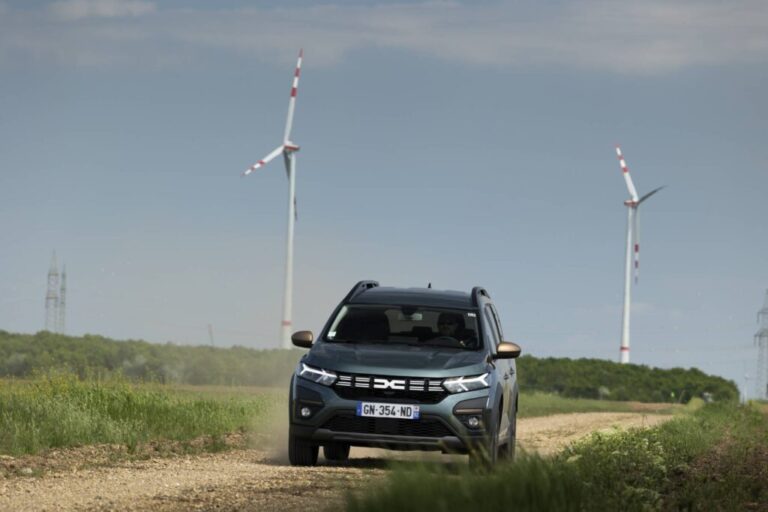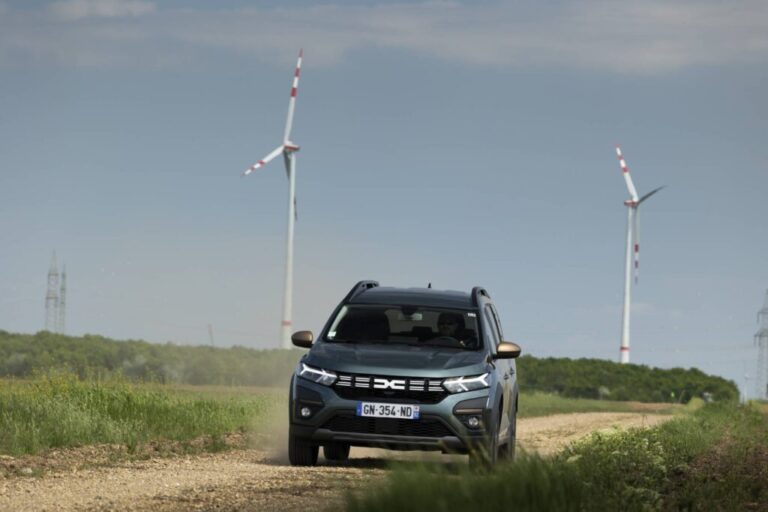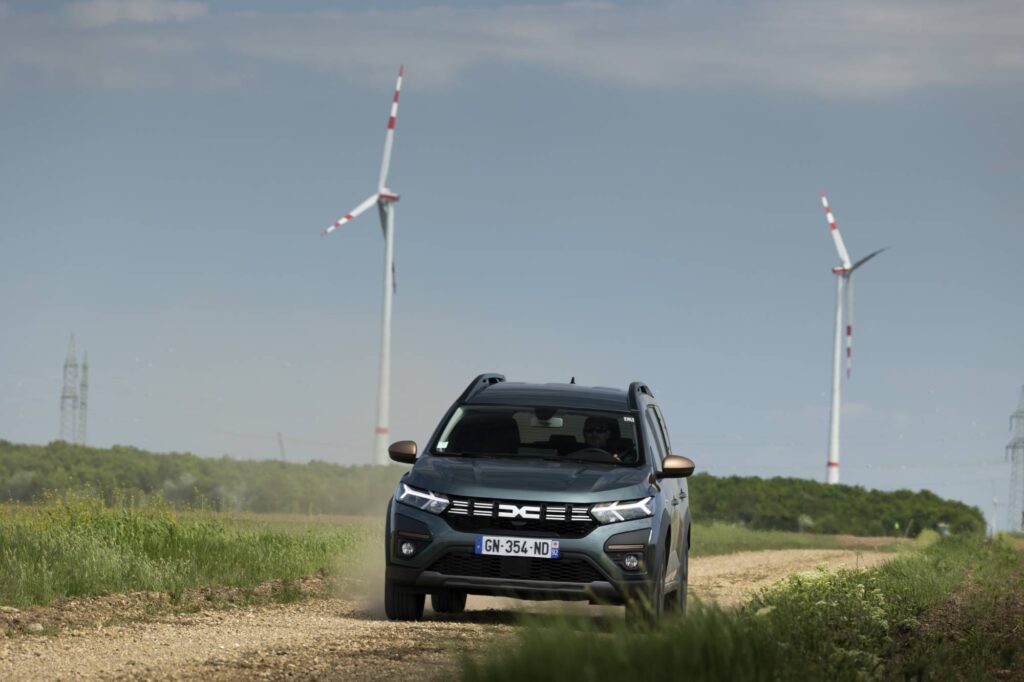
The Dacia Jogger remains a sensible choice for anyone looking for a lot of space at a sharp price. It does have some known technical points to watch. The combination of seven seats, a practical layout and a friendly purchase price makes it attractive. It appeals to families and to anyone who wants a lot of car for little money. Even so, there are clear points you should look at carefully before buying.
What makes the Dacia Jogger attractive
The Jogger fills a rare niche in the market. For its price it offers a striking amount of space and seven seats. This makes it interesting for large families or for anyone who regularly carries many passengers. User reviews show that many owners are satisfied with the car’s everyday usability.
The practical set-up appeals to rational buyers. You get a lot of car for little money, without frills or unnecessary luxury. The boot space is generous, the seats are easy to operate and the layout is straightforward. The Jogger offers a good solution for reliable transport. It is suitable for a large family or for business use.
Even so, the Jogger requires a conscious choice. The Dacia Jogger has points of attention that you will have to deal with as a buyer, especially around engine choice and known technical issues.
Engine choice determines your driving experience
The 100 hp and 110 hp petrol versions provide enough power for normal use. They feel tame if you often drive fully loaded or regularly spend time on the motorway. The Jogger is a long and relatively heavy car. The engine power can sometimes feel just on the low side when the car is fully loaded.
The Hybrid 140 offers more power and drives more pleasantly in urban traffic. The electric assistance is what gives it this driving comfort. The downside is that this version is considerably more expensive to buy and brings extra weight. With an annual mileage of around 12,000 kilometres, the fuel savings and the higher road tax barely offset each other. The hybrid is less interesting for average drivers.
Which engine suits your usage
- Choose a petrol version if you want an affordable and spacious car for normal use
- Choose the Hybrid 140 only if you drive a lot in town and value extra comfort and pulling power.
- Avoid an impulsive purchase without a test drive with a full load. The differences between engines are clearest then.
Known problems with the Dacia Jogger
On owners’ forums a few technical faults crop up regularly. A commonly mentioned problem concerns the flywheel. On some cars this part causes issues at relatively low mileages. In several reports, a software-related cause was suspected. This was established by the garage.
Other owners report long workshop visits. The cause of a problem was not quickly found. This type of report is not always representative of the entire population. They do indicate, however, that it makes sense to carry out a thorough inspection beforehand. Ask for the maintenance history.
Also pay attention to cases where cars with low mileage but a lot of time standing still showed problems. Long periods of standing can be relevant for both electrical and mechanical components. This applies especially to the hybrid version.
Used Dacia Jogger checklist
You are considering a used Jogger. There are a number of points that you need to pay extra attention to. Always check whether software updates have been carried out. Check whether a maintenance history is available. Ask the dealer whether dealer campaigns or recalls have been performed. This is particularly important if the car has already had warnings or faults.
Take a test drive on the motorway, on rural roads and in town. Test the car on the motorway, on rural roads and in urban traffic. Feel whether the power is sufficient for your type of use. If possible, try the car with a full load. You will then get a realistic picture of its performance.
Inspection points to watch
- Check the maintenance history. Check whether all software updates have been carried out.
- Ask about known faults. Ask how these were resolved.
- Test the car on the motorway, on rural roads and in town
- Be extra alert if the car has low mileage but has stood still a lot
‘ You are prepared to pay a little more for fewer technical uncertainties. ’
Alternatives with fewer faults
There are alternatives worth considering that have fewer known problems. The Renault Grand Kangoo offers similar space and is technically related to the Jogger. It has a different range of engines. The Citroën Berlingo and Peugeot Rifter are also practical family cars with plenty of space. They are priced a little less aggressively.
The Volkswagen Touran is more reliable according to owner experiences. It is considerably more expensive to buy. You are prepared to pay a bit more for fewer technical uncertainties. That is something to weigh up. The Seat Tarraco and Skoda Kodiaq offer seven seats with a higher level of quality. They fall into a different price bracket.
Total costs are more than the purchase price
Compare the purchase price. Also compare the total costs over several years. Fuel costs and road tax can considerably change which option is really the cheapest. Maintenance and insurance also play a role. The hybrid version is more expensive to buy and in road tax. You only earn this back if you drive enough city kilometres.
Take the expected residual value into account. As a Dacia, the Jogger has a lower residual value than comparable brands. You will notice this when you sell it on. The Jogger is mainly interesting if you intend to keep the car for a long time. You are not planning to change cars again within a few years.
Who is the Jogger the right choice for
The Dacia Jogger is a sensible purchase if you mainly want space, simplicity and a price advantage. Families who carry many passengers choose it. Anyone who takes a lot of equipment for work will find it suitable. Anyone who simply wants a lot of car for little money also chooses the Jogger. The car is not a driver’s car. It is less suitable for those who are sensitive to engine character and refinement.
You drive a lot, are often fully loaded or value reliability without surprises. Take a thorough test drive. Have the car inspected. Do not be tempted by the low purchase price alone. Consider how you will use it, the maintenance and any potential problems.
On the Carnews website you will find more information about common problems with various car brands. You will also find maintenance advice and buying tips. Discover which car best suits your situation. Make a well-considered choice.
Frequently asked questions
How do the known problems affect the Dacia Jogger’s long-term ‘reliability’ and ‘maintenance costs’?
The known problems, such as reports of flywheel and software-related faults, can negatively affect the perceived long-term reliability, especially if a dealer is slow to find the cause. In practice this can lead to longer periods off the road and greater dependence on good warranty handling. When faults occur outside the warranty period, maintenance and repair costs can turn out relatively high compared with the low purchase price. At the same time, the Jogger remains reliable enough in daily use for many owners, so that total costs over the years often still work out favourably.
Can the reported defects of the Dacia Jogger be ‘fixed’ or ‘prevented’ with reasonable effort and cost?
The reported defects on the Dacia Jogger can in part be resolved by software updates and warranty or dealer repairs, provided they are addressed in good time. In that sense they can generally be tackled with reasonable effort and cost, certainly within the warranty period. Completely preventing them is more difficult, because some of the problems stem from design or series-related issues beyond the user’s control. Careful maintenance and following up on updates can, however, reduce the risk of problems.
Despite its ‘weak points’, does the Dacia Jogger still offer an unbeatable ‘price–quality ratio’ for specific needs?
Yes, for certain buyers the Dacia Jogger still offers an almost unbeatable price–quality ratio, especially if you want a lot of space and an affordable seven-seater. The weaker points – such as the tame engine power of the 1.0 TCe and possible technical issues – make it less suitable for those who often drive heavily loaded or who value driving pleasure highly. For families or practical users with a limited budget, who mainly prioritise space and low purchase costs, the overall package remains very strong. The key is a conscious engine choice and a careful test drive/inspection beforehand.
What ‘warranty conditions’ and ‘service support’ does Dacia offer for the known Jogger problems?
For the Jogger, Dacia offers the usual manufacturer’s warranty (generally 3 years or a specified mileage) and additional warranty on major components, depending on the country and contract. For known technical problems, such as the flywheel and software issues described, repair work is generally handled by the dealer under warranty. Service support is provided via the official dealer network, including diagnostics, software updates and handling of longer workshop visits. Any extra goodwill or extended warranties can vary per case and per importer.
Are there specific ‘models’ or ‘production years’ of the Dacia Jogger that are less prone to the reported problems?
At the moment there are no clear indications that specific model years or versions of the Dacia Jogger are structurally less prone to the reported problems. The reports (such as the mentioned flywheel and possible software issues) seem incidental and are not linked to a particular model year. It is always wise, however, to check the maintenance history and completed software updates carefully when buying a used Jogger.