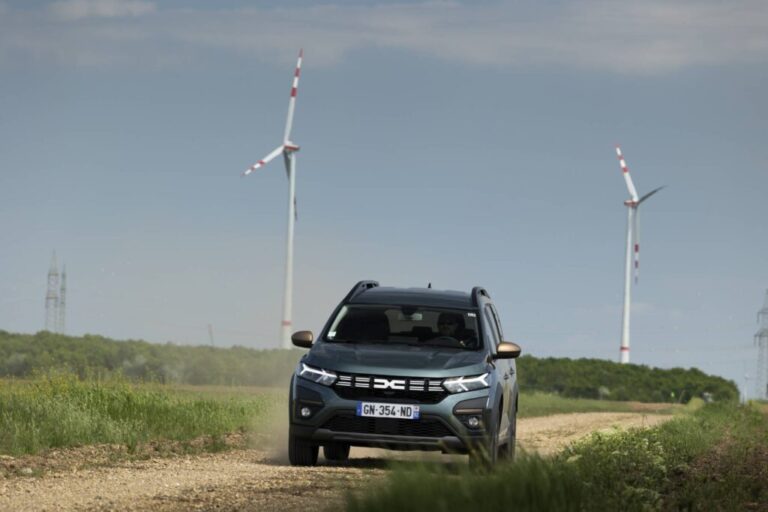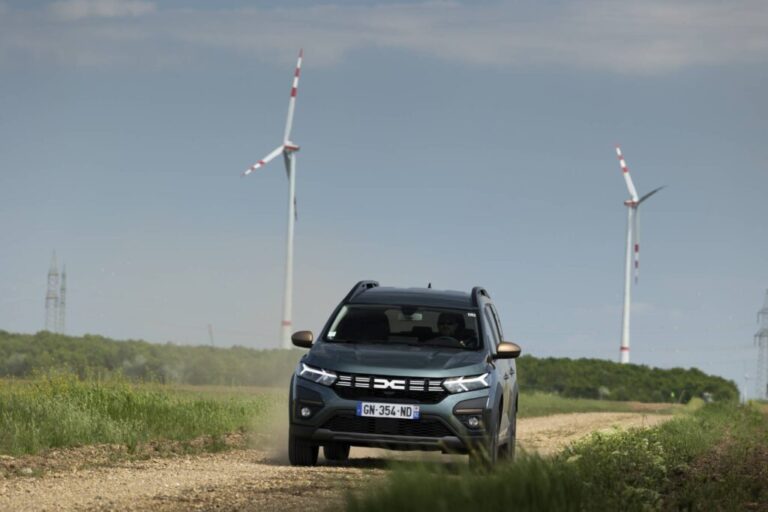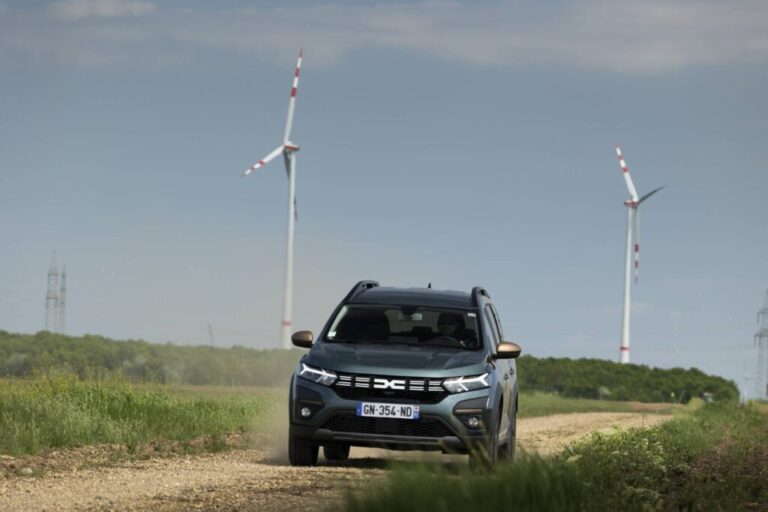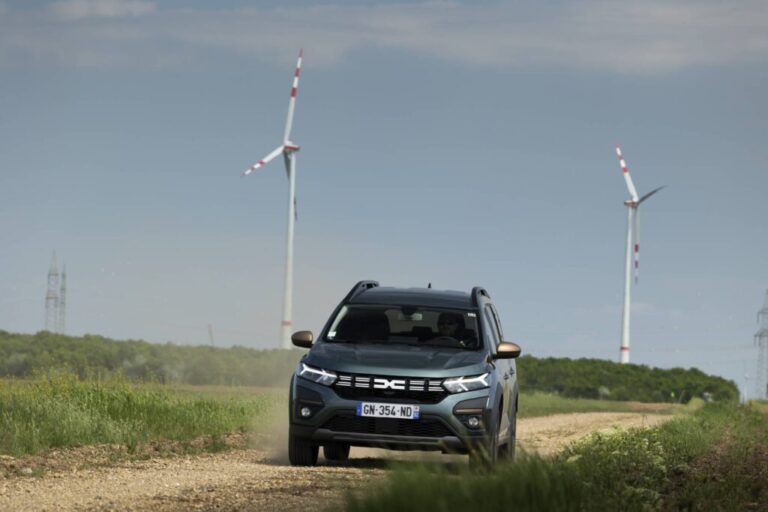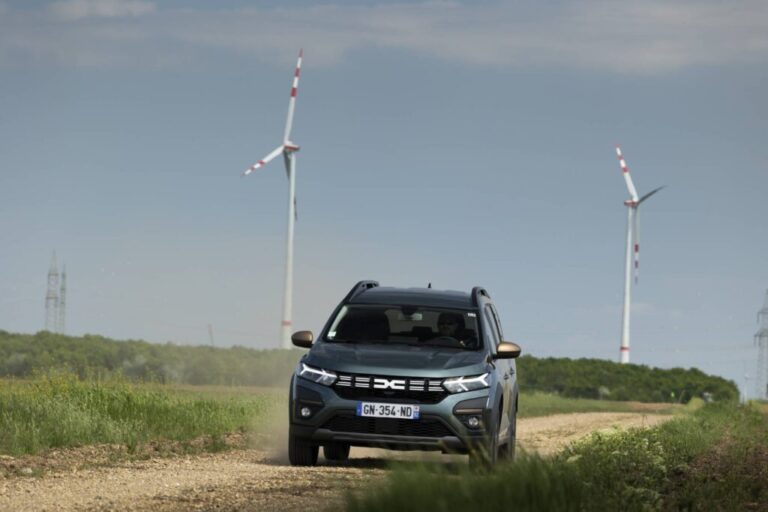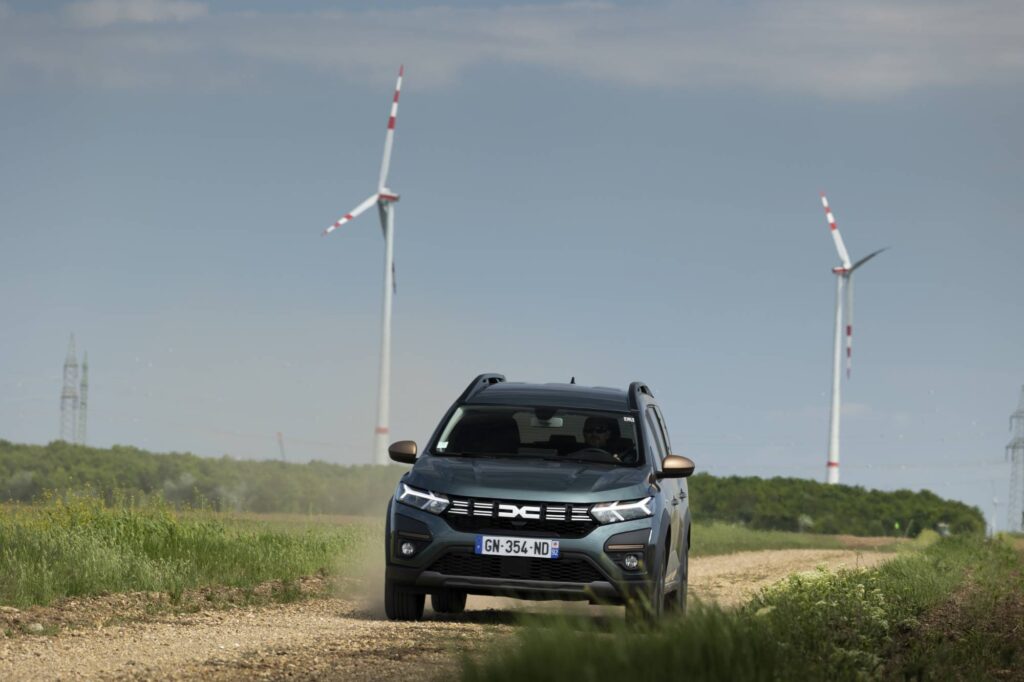
The Dacia Jogger sometimes overshoots the set limit by 3 kilometres per hour as soon as you switch on the cruise control. This behaviour mainly causes frustration in average speed check zones and on provincial roads where you want to stay just below the speed limit. The problem is not a real fault, but it is a clear design choice that carries risks. Why does this happen and what can you do about it?
The Dacia Jogger is praised for its space, practical layout and sharp price. Yet many owners report the same irritation: the cruise control does not work as precisely as expected. Instead of immediately maintaining the set speed, the car rolls on a little first. That means you temporarily drive faster than you want. For car enthusiasts who use the Dacia Jogger every day, this is a noticeable annoyance that partly cancels out the relaxing effect of cruise control.
This deviation is particularly noticeable when you release the accelerator pedal and the system takes over control. The Jogger then briefly searches for the right speed and only stabilises afterwards. For some drivers, the car overshoots the set speed by about 3 kilometres per hour in the process. That behaviour is not necessarily dangerous, but it can feel uncomfortable around speed cameras or on long average speed check sections.
Why does the cruise control behave like this?
The cruise control on the Dacia Jogger is set up relatively simply. According to the manufacturer, the system only operates at speeds above 30 kilometres per hour. You activate the function via the switch on the steering wheel and set the desired speed with the plus and minus buttons. As soon as you release the accelerator, the car takes over the set value.
The problem lies in the way the car corrects. The system measures the speed and then adjusts the fuel supply. However, this correction does not happen immediately. As a result, there is a short period in which the car rolls on before the speed drops back again. At higher speeds or on gentle descents, this effect becomes more noticeable.
Possible causes of this behaviour lie in the sensors and the control unit used. These components determine how quickly and accurately the system responds to changes. In the Jogger, the response speed seems to be deliberately calibrated a bit less tightly, which fits the budget character of the car. More expensive systems with adaptive cruise control work much more precisely, but also cost considerably more.
How do you deal with this in practice?
You cannot adjust the behaviour of the cruise control via a setting. Adjusting your driving style, however, does help. This limits the unwanted consequences. The following tips help:
- Set the cruise control slightly below the desired limit, for example to 97 kilometres per hour if you want to drive at 100. That way you stay within the limit even after it overshoots.
- Use cruise control mainly on stretches with a constant speed, such as motorways and quiet provincial roads. Avoid using the system in heavy traffic or on very twisty roads.
- Watch out for gentle descents. The car will roll on more quickly and needs more time to correct. Anticipate this by briefly easing off the accelerator yourself.
- Switch the function off in situations where precision is important, such as around speed cameras or average speed check zones that are known for strict enforcement.
It is wise not to blindly trust the system. Always keep an eye on the speedometer yourself and take manual control where necessary. You do this by briefly pressing the brake pedal or pressing the accelerator.
Are there also technical causes of problems?
Besides the design behaviour, technical faults can also play a role in oddly behaving cruise control. With general cruise control problems in cars, the following components are often involved:
- A faulty sensor that measures the speed or passes it on to the control unit
- A broken switch on the steering wheel with which you operate the function
- Problems with the brake light switch, meaning the system does not recognise when you are braking
- Faults in the control unit that manages the fuel supply
If the cruise control no longer works at all, first check whether you are driving faster than 30 kilometres per hour. Also check whether any warnings appear on the dashboard. Some faults in the brake light circuit can cause the cruise control to switch off automatically as a safety measure.
For persistent problems, an inspection at a garage is necessary. Using diagnostic systems, a mechanic can read whether any fault codes have been stored. This will quickly reveal whether a sensor or switch needs to be replaced.
Cruise control overshoots: dangerous or mainly annoying?
In most cases, the cruise control overshooting is annoying but not immediately dangerous. The main risk is speeding. If you set the cruise control to 80 kilometres per hour on a road with an 80 limit and the car overshoots to 83, you are knowingly speeding. Around speed cameras or average speed checks, this can result in a fine.
In addition, the behaviour can lead to unpredictable situations in traffic. Other road users expect you to maintain a constant speed. If your car suddenly accelerates slightly, this can cause confusion for overtaking or following vehicles. This effect is particularly noticeable on busy roads or in traffic jams.
Still, the biggest issue remains the mental load. You have to keep checking whether the cruise control is behaving correctly, which reduces the relaxing nature of the function. For many Jogger drivers, this is the only real downside of the car.
‘ This fits the brand philosophy: affordable and functional, but without high-grade driver assistance systems. ’
Comparison with other Dacia models
Similar complaints about cruise control also occur with other models from the brand. Online user discussions about Dacia point out that the basic systems are more prone to sensor problems and respond less smoothly than those of more expensive brands. This fits the brand philosophy: affordable and functional, but without high-grade driver assistance systems.
In newer Dacia models with adaptive cruise control, precision is higher. These systems not only maintain the speed but also automatically adjust it to the vehicle in front. Even so, the basic cruise control in the Jogger is sufficient for relaxed driving on long journeys, provided you take its limitations into account.
Practical conclusion for Jogger drivers
The cruise control in the Dacia Jogger is a functioning system. However, it has clear limitations. The brief overshooting of the speed is not a defect but a characteristic of the simple design. This behaviour is particularly irritating on stretches where you want to stay right on the limit.
By adapting your driving style and setting the speed slightly lower, you can limit the consequences. Does the cruise control stop working altogether, or does it respond unpredictably? Then have it checked at a garage. There may be a technical fault with a sensor or switch.
On the Carnews website you will find much more information about known problems with various car brands. We also regularly share maintenance advice and practical tips for everyday use. Discover which small adjustments can make a big difference to your driving experience.
Frequently asked questions
Dacia Jogger drivers mainly report as an irritation that the cruise control does not hold the set speed precisely, but briefly overshoots by 2–3 km/h or seems to “hunt” before it stabilises. This is particularly noticeable when driving right around speed limits, such as on provincial roads or on speed camera stretches. It is experienced as a lack of precision and comfort, not directly as a safety issue.
The perceived “brake and cruise control problems” in the Dacia Jogger seem mainly related to the operation and calibration of the software (how the cruise control picks up and maintains speed), rather than to defective physical brake components. In general, sensors or switches (physical components) can play a role in faults, but the irritation described (overshooting by 3 km/h, hunting for speed) primarily points to the characteristics of the control algorithm.
There are no official technical solutions known; what is happening is mainly seen as a characteristic of the Jogger’s simple cruise control system. As a “workaround”, drivers often set the speed a few km/h below the limit, so that the brief overshooting is less of a problem. It also helps to use cruise control mainly on longer, constant stretches, where the hunting for the exact cruising speed is less disturbing. In cases of really abnormal behaviour (cutting out or reacting very jerkily), it is advisable to have the car checked for possible issues with sensors or the brake light switch.
The brake and cruise control irritations in the Dacia Jogger mainly affect driving comfort, because when using the cruise control the car sometimes overshoots by a few km/h or seems to “hunt” for a stable cruising speed. This makes precise driving around strict speed limits less relaxing and demands extra alertness from the driver. In the available experiences, however, this is mentioned more as a comfort and precision issue than as a direct safety problem. Indirectly, it can lead to restlessness and small speed fluctuations, which in average speed checks or heavy traffic can be perceived as less safe.
There are no official technical updates or specific factory recommendations from Dacia itself to adjust or improve the Jogger’s brake and cruise control functionality. In the motoring world, the “advice” is mainly limited to usage tips: use cruise control primarily at higher, stable speeds and set the chosen speed slightly below the limit to compensate for the brief overshooting. It is also recommended that, in the event of noticeably abnormal behaviour or failure of the cruise control, the car is checked for possible faults in sensors or the brake light switch. In general, its operation is regarded as simple and functional, but less refined than that of more expensive adaptive systems.