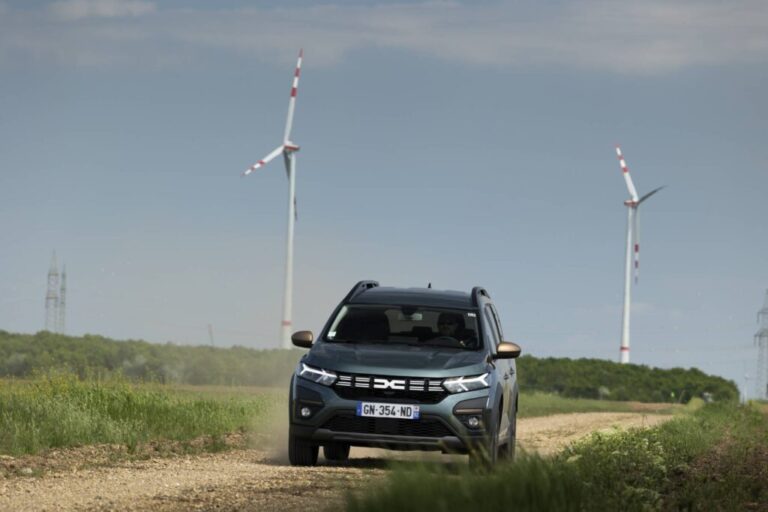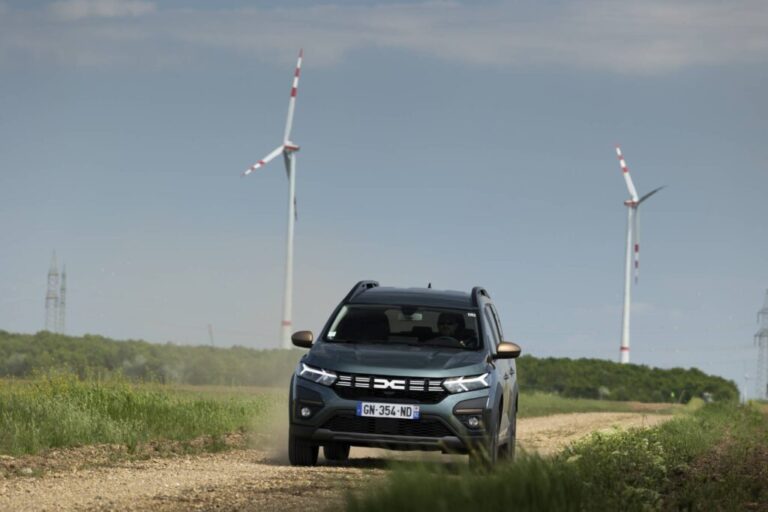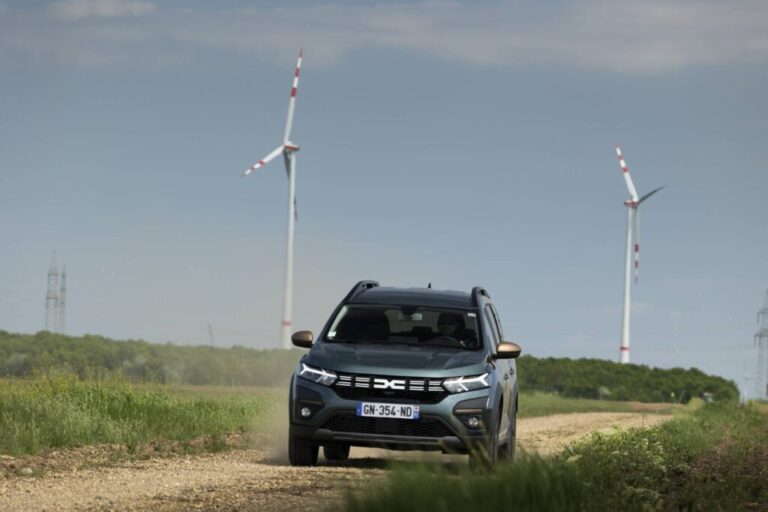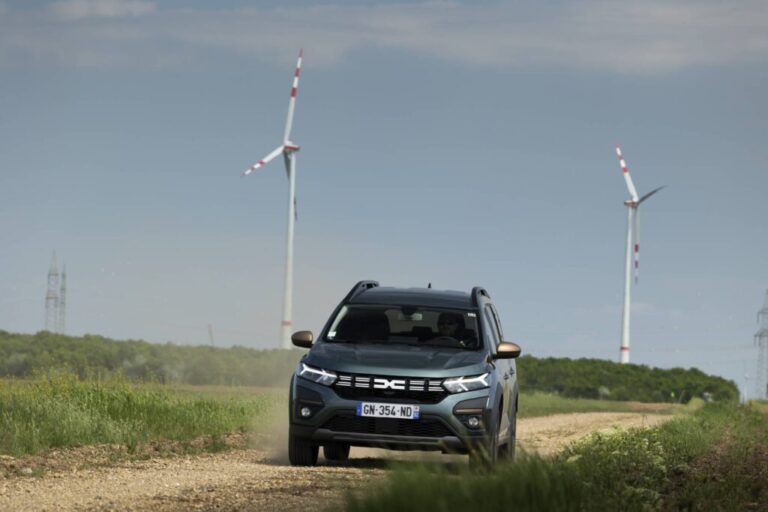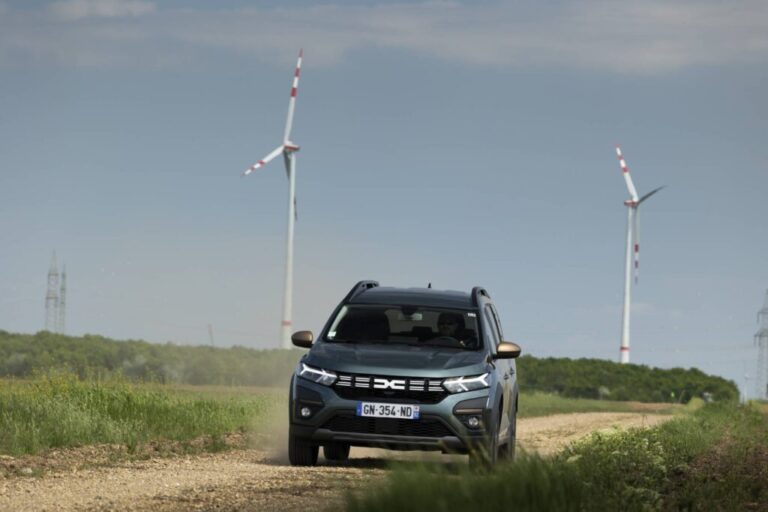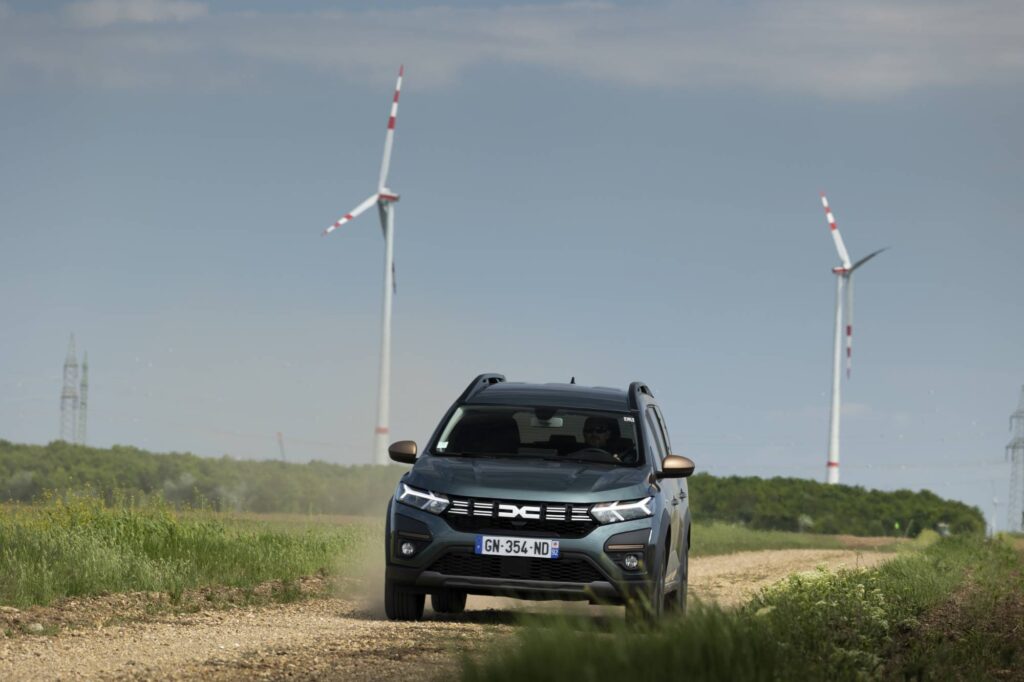
The hybrid powertrain of the Dacia Jogger does not always deliver the promised benefits in everyday use. Owners regularly report problems with higher fuel consumption than expected, limited efficiency under load and unexpected repair costs due to the complex technology. What you need to know before you opt for the hybrid version.
Why the Hybrid 140 disappoints in real life
The Dacia Jogger Hybrid 140 combines a 1.6 petrol engine with an electric motor, together producing 140 hp. The small 1.2 kWh battery provides electric assistance, mainly when pulling away and driving gently. In theory this sounds attractive for anyone looking for an economical family car. In practice, however, things turn out to be more stubborn than the specifications suggest.
The system uses an automatic transmission that distributes the power of both motors. Under hard acceleration the petrol engine has to work hard, which leads to more engine noise and a strained feeling behind the wheel. As a hybrid, the Dacia Jogger also carries significantly more weight, which negatively affects performance and fuel consumption.
‘ For drivers who clock up many motorway kilometres or regularly drive heavily laden, the hybrid version can even turn out to be financially less favourable than a petrol or LPG version. ’
Common problems with the hybrid powertrain
Complaints about the Jogger Hybrid mainly revolve around three key points: fuel consumption, driving behaviour and technical complexity. These problems do not occur with all owners, but they are reported regularly.
Fuel consumption is disappointing
Users expect a hybrid to consume significantly less fuel than a conventional petrol car. With the Jogger Hybrid this often proves disappointing in real life. Especially on the motorway or with a full load, the electric motor hardly contributes, meaning the petrol engine does most of the work. The extra weight of the hybrid powertrain means the engine has to work harder to deliver the same performance.
This leads to fuel consumption figures that are closer to those of a conventional petrol version than to the promised hybrid efficiency. For drivers who cover a lot of motorway kilometres or regularly drive with a heavy load, the hybrid version can even turn out to be financially less attractive than a petrol or LPG version.
Power and response under load
The Hybrid 140 feels strained during kickdown or hard acceleration. The powertrain then has to work hard to deliver sufficient response, which results in more engine noise and less smooth acceleration than the system output of 140 hp would suggest. This mainly occurs during overtaking or when pulling away from low speed with a full car.
The gear changes of the automatic transmission can be noticeable, which does not benefit driving comfort. Owners describe the experience as less refined than with other hybrid systems in this price range.
Technical complexity and repair costs
The combination of petrol engine, electric motor, battery and regenerative braking makes the powertrain more complex than a conventional petrol engine. This has consequences for maintenance and fault-finding. Problems can be more difficult to trace and often require the use of specialist dealer equipment.
Dacia warns in the official documentation that faults must be checked by a franchised dealer as soon as possible. In the event of problems with the battery, smoke under the bonnet or coolant leaks, immediate action is required, as this may indicate a serious electrical or thermal issue. Such repairs can turn out to be considerably more expensive than with a simpler powertrain.
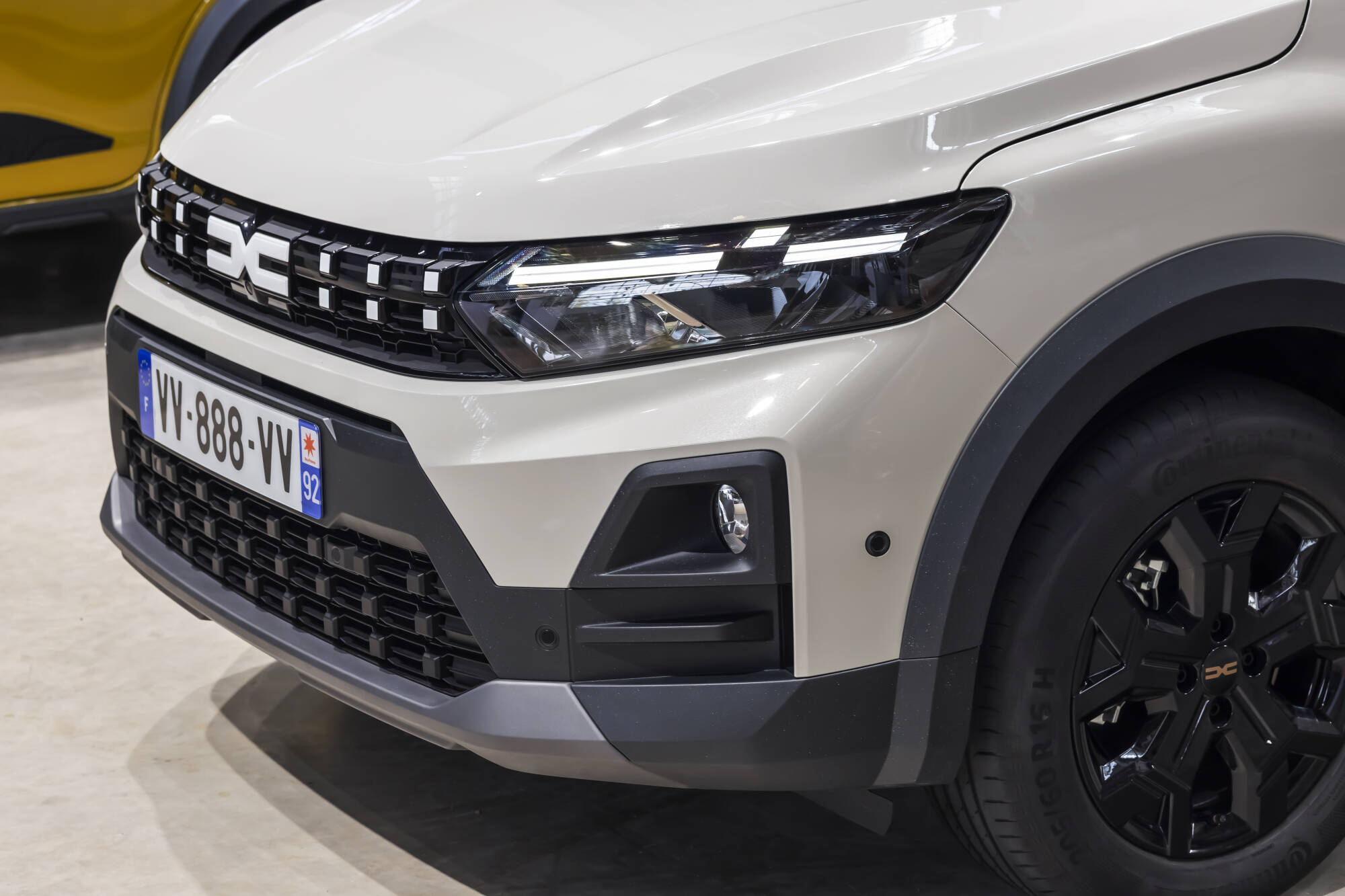
Causes of problems with the powertrain
The problems with the Jogger Hybrid are not so much the result of technical defects, but rather of design choices and the characteristics of the hybrid system. The small 1.2 kWh battery provides limited electric assistance. This means that the electric motor only really helps to reduce fuel consumption at low speeds and when driving gently.
The extra weight of the hybrid components increases the total mass of the car by dozens of kilograms. This weight has to be moved every time you accelerate and braked every time you slow down, which costs energy. On the motorway, where speed is constant, the electric motor hardly provides any assistance and the extra weight mainly contributes to higher fuel consumption.
The automatic transmission constantly has to switch between the different power sources. This requires fine-tuned calibration, which in the Jogger Hybrid does not always run equally smoothly. As a result, in certain driving situations the car feels less responsive than you might expect.
Faults in the hybrid powertrain: what to do
If warning lights appear or there are faults in the powertrain, it is advisable to contact a franchised dealer immediately. The hybrid technology requires specialist diagnostic equipment that is not available at every garage. Do not try to interfere yourself with electrical components or the battery, as this can be dangerous and may affect your warranty.
Regularly check the coolant level, as the cooling system of the hybrid powertrain is subject to extra strain. A level that is too low can lead to overheating of the electric motor or the battery, which can cause serious damage. Also keep an eye on tyre pressures, as incorrect pressure can cause vibrations that may be mistaken for problems with the powertrain.
If warning messages appear in the instrument cluster, it is important not to ignore them. These warnings may indicate problems with the battery, charging system or automatic gearbox. Always have them read out by a dealer to prevent small faults from turning into major repairs.
Is the hybrid Jogger right for you
The Dacia Jogger Hybrid is particularly interesting for drivers who make many short trips in town. In urban traffic, with lots of stop-start situations, the electric assistance really comes into its own. The electric motor helps when pulling away from a standstill, which saves fuel and makes driving smoother.
If, on the other hand, you often drive on the motorway or cover many kilometres with a full load, the petrol or LPG versions are probably a better choice. These are cheaper to buy and in these usage situations often deliver comparable or even lower fuel consumption figures. The price difference between the hybrid and the conventional versions is substantial, while you will by no means always earn back that amount through fuel savings.
What to look out for during a test drive
If you still want to go for the hybrid, pay extra attention to the following points during a test drive:
- Response when pulling away from a standstill and when overtaking
- Gear changes and pulling power at different speeds
- Engine noise during kickdown and hard acceleration
- Actual fuel consumption with your driving style and in your usage situations
Ideally, also test the car with a full load if you are going to use the Jogger as a family car. That way you get a realistic picture of how the powertrain performs in your everyday situation.
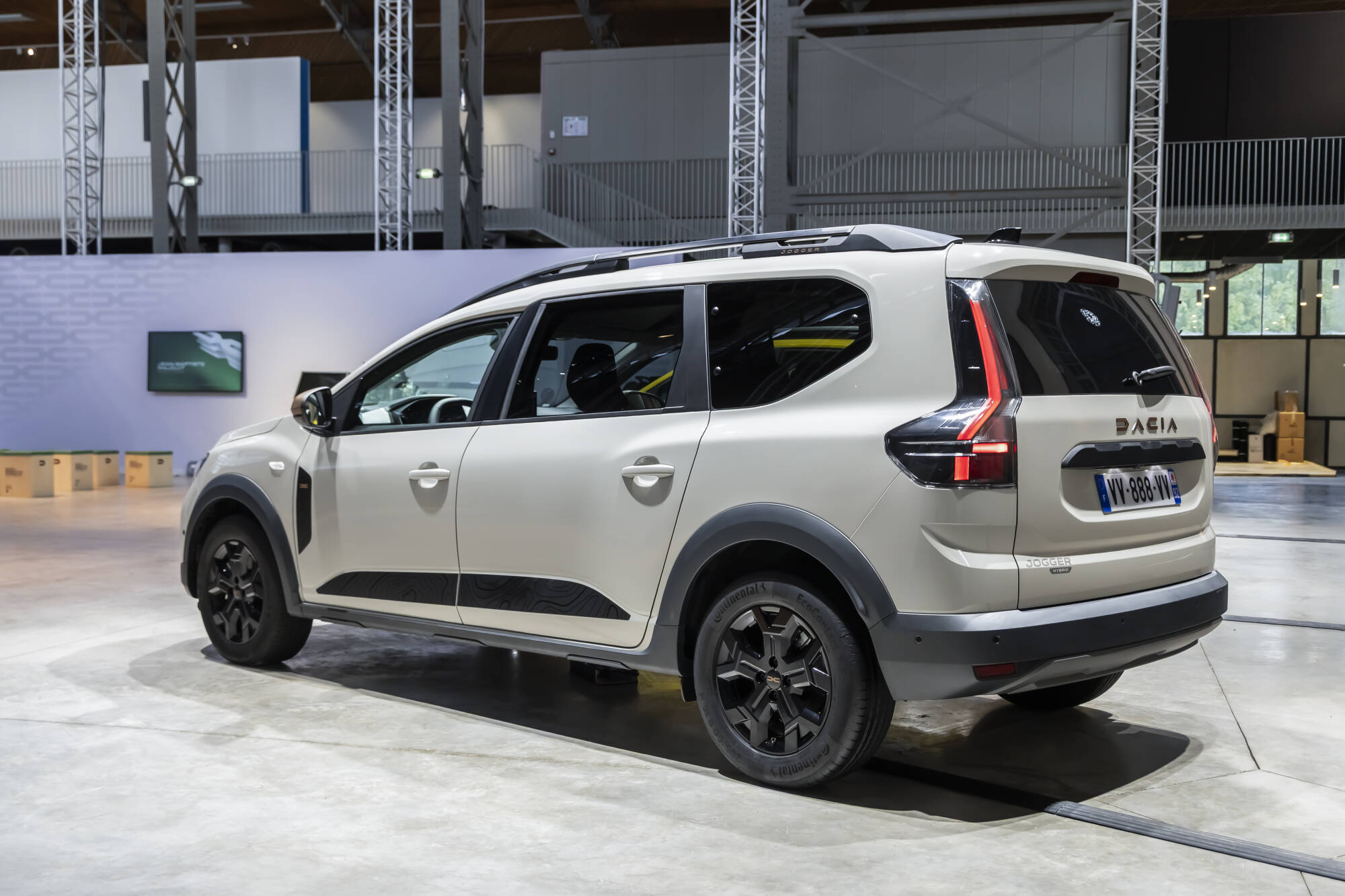
Maintenance tips for the hybrid Jogger
Regular maintenance is even more important with a hybrid powertrain than with a conventional car. At every service, check for warning messages in the instrument cluster and have them read out immediately. Keep an eye on the coolant level and top up if necessary, as the cooling system is under more strain than in a petrol car.
Pay attention to tyre condition and pressure, as vibrations and uneven wear affect the feel of the powertrain. The 12V battery and charging system also require attention, as faults here can disrupt the operation of the entire hybrid system. Have them checked regularly, especially before winter when the battery is under greater strain.
More information about car problems and maintenance
The Dacia Jogger Hybrid offers an accessible introduction to hybrid driving, but has clear limitations in terms of efficiency and refinement. It is a down-to-earth technical choice that proves its worth mainly in city use. On the Carnews website you can find more information about common car problems, maintenance tips and experiences with different models. Discover which car best suits your needs and keep up to date with developments in the automotive industry.
Frequently asked questions
The most common “problems” with the Dacia Jogger Hybrid 140 are less about real defects and more about user experience: many drivers find the real-world fuel consumption disappointing compared with what they expect from a hybrid, especially on the motorway and with a full load. In addition, some experience the powertrain as noisy and a bit strained during hard acceleration or kickdown, partly due to the extra weight and the way the automatic gearbox operates. There is also concern about the higher complexity of the hybrid technology (engine, electric motor, battery, regenerative braking), which creates uncertainty about maintenance and repair costs. Technical issues such as warning lights, smoke, coolant leaks or battery problems do not, according to documentation, occur structurally more often, but must be checked by a franchised dealer straight away.
At present there are no large-scale or specific recall actions known that relate exclusively to the hybrid powertrain of the Dacia Jogger. The known points of attention mainly concern real-world fuel consumption, driving experience and the general complexity of the hybrid technology, but not an official recall decision. For the most up-to-date recall status it is still sensible to check the VIN number with a Dacia dealer or via the official Dacia website.
In the available sources, mainly user experiences and points of attention for the Jogger Hybrid 140 are described, but there is hardly any hard data on defects or fault percentages compared with rivals. It does appear, however, that the powertrain is technically simpler than many more advanced hybrids, which in theory could be favourable for long-term reliability. At the same time, the extra weight and more complex technology do mean more potentially failure-prone components than in a simple petrol or LPG Jogger. As a result, the Jogger hybrid seems to position itself mainly in the middle of the segment in terms of reliability, without a clear advantage over other brands.
Dacia itself does not publish specific figures for the “expected maintenance costs” and “repair costs” of the hybrid components of the Dacia Jogger. Due to the extra electric motor, inverter and high-voltage battery, hybrid technology is more complex than a conventional petrol powertrain, which generally means diagnostics and repairs can be more expensive. The manufacturer’s warranty on the hybrid components and high-voltage battery covers part of the risk in the first years/kilometres, but after that costs depend heavily on use, fault history and dealer labour rates. For a realistic estimate of maintenance and repair costs you should ask a Dacia dealer or brand specialist, based on your year of manufacture and mileage.
Regular maintenance in line with the service schedule at a Dacia franchised dealer and having warning messages or warning lights read out immediately helps to detect emerging problems with the hybrid powertrain at an early stage. Check tyre pressure, tyre wear, oil level and coolant level yourself periodically to avoid unnecessary load on the powertrain. Adjust your driving style with gentle acceleration and anticipatory driving so that the hybrid components work more efficiently and are under less strain. During test drives and in day-to-day use, pay attention to deviations in fuel consumption, vibrations or noise and have these assessed straight away.