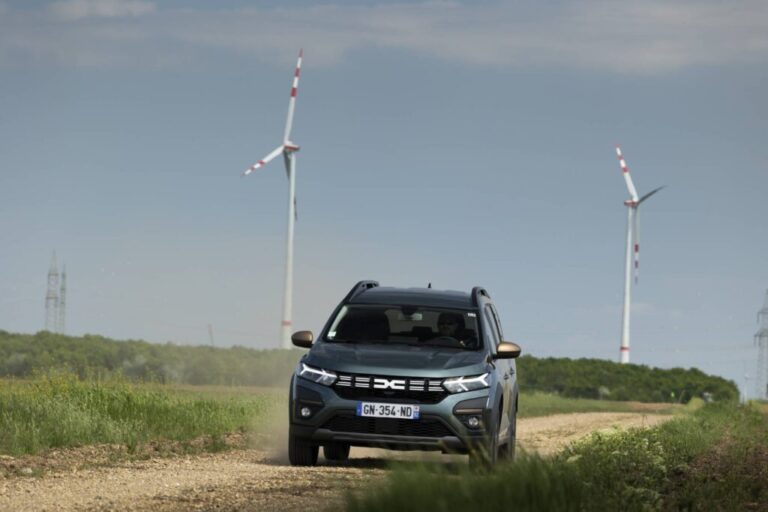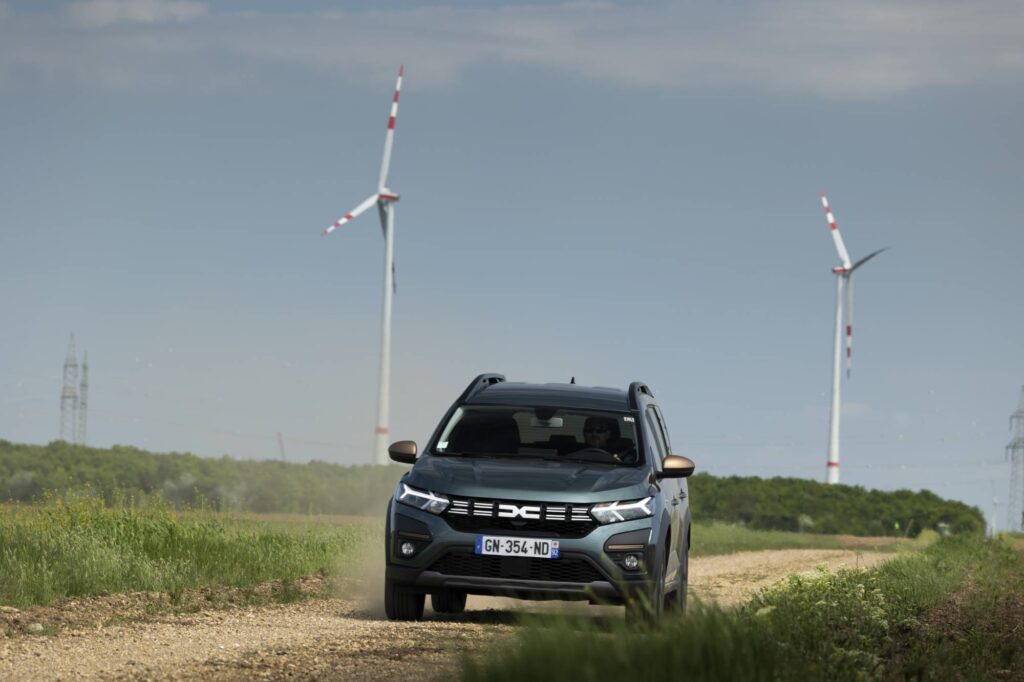
An engine that idles roughly, accelerates jerkily or suddenly shows high fuel consumption usually points to a disturbance in the combustion process or air–fuel ratio. With the Dacia Jogger these complaints occur regularly and are often traced back to contaminated injectors, defective sensors, air leaks or problems with the EGR valve. In some cases, more serious causes also play a role, such as piston failure or timing chain issues. Read on for an overview of causes, warning signs and concrete options for action.
Owners of the Dacia Jogger report various engine complaints, ranging from slightly uneven idling to clearly jerky acceleration and loss of power. These problems are not just annoying, they can also point to underlying technical faults which, if they continue, can cause costly damage. Read fault codes in good time. Act quickly to prevent things getting worse.
This article describes the most common causes of irregular running in the Dacia Jogger and explains why the engine sometimes responds jerkily. You will also gain insight into piston failure and timing chain problems. You will find practical tips for carrying out checks yourself and learn when a visit to the dealer is essential.
Why does the engine idle unevenly
You can recognise uneven idling by fluctuating revs when you are not using the accelerator. This happens, for example, when you are stationary at traffic lights or in a traffic jam. The engine no longer burns the fuel consistently. The rev counter jumps up and down. This is not just a comfort issue, but a clear sign that something is wrong with the air or fuel supply.
On the Dacia Jogger, contaminated injectors are a very common cause. Injectors finely atomise the fuel in the combustion chamber. Contamination disrupts this process, causing the engine to run unevenly. Faulty sensors can also throw the engine management system out of balance. Sensors measure, among other things, the amount of air, the oxygen ratio and the temperature. An incorrect reading leads to an incorrect air–fuel ratio, and this results in fluctuating revs.
Unmetered air (air leaks) is a third cause. Unwanted air enters via a leaking hose or damaged intake system, which disturbs the balance. The engine then receives more air than the engine management expects, resulting in an unstable idle speed. Always check hoses, connections and gaskets for cracks or wear.
Role of the EGR valve and ignition system
The EGR valve (exhaust gas recirculation) routes part of the exhaust gases back into the engine to reduce emissions. With lots of city driving or short trips the EGR valve becomes contaminated or develops play. This leads to uneven idling and sometimes also to loss of power. Have the EGR valve inspected and cleaned preventively if the Jogger often runs unevenly.
Software or ignition problems can also cause fluctuations in engine speed. Worn spark plugs or ignition coils mean that ignition does not take place optimally at all times. Replace spark plugs according to the service schedule and have the ignition coils checked if complaints persist. Software updates can also help in certain cases to resolve known faults.
‘ In severe cases the chain jumps a tooth or breaks, resulting in major engine damage. ’
What causes jerky acceleration
Jerky acceleration is a clear sign that the engine is not delivering power evenly. Instead of smooth pull-away, the driver feels jolts or hesitation, especially at low revs or when engaging a higher gear. This can have the same causes as uneven idling, but it mainly manifests under load.
Contaminated injectors do not only cause fluctuating revs when stationary, but also faltering acceleration. If the fuel supply is irregular, the engine does not immediately receive the required amount of fuel when accelerating. This results in jerks and loss of power. Injector cleaning can often solve this problem, but in cases of severe contamination replacement is sometimes necessary.
Air leaks and faulty sensors have the same effect under load. The engine demands more air and fuel, but if the ratio is not correct, combustion falters. You feel this directly in the way the car drives. Reading out fault codes helps to find out which sensor is providing incorrect values or which system is not functioning properly.
Timing chain and associated problems
On some Dacia engines, problems with the timing chain or tensioner can occur. The timing chain controls the timing between crankshaft and camshaft and ensures that the valves open and close at the right moment. A worn or too slack chain can disturb valve timing, causing the engine to run jerkily and lose power. In severe cases the chain jumps a tooth or breaks, resulting in major engine damage. Noises such as rattling or ticking when starting or accelerating are warning signs.
If you notice these symptoms, have the timing chain inspected by a specialist as soon as possible. Replace the chain, including tensioners and guides, if there is any sign of wear. Preventive maintenance is important here, especially on engines with higher mileages or if the chain has not been replaced according to the manufacturer’s schedule.
Piston failure problems in the Dacia Jogger
Piston failure is a serious problem. It sometimes occurs in direct-injection petrol engines. With piston failure part of the piston breaks off. In the Dacia Jogger there are reports from owners who mention engine damage that could be linked to piston problems, although this is not widely documented as a structural defect.
The piston fails due to extreme load, overheating or design faults. Piston failure often arises from prolonged overheating, an excessively lean burn or manufacturing defects in the material. With an excessively lean burn too much air and too little fuel enter the cylinder. This causes the combustion temperature to rise. It can be caused by clogged injectors, leaking connections or faulty sensors. Always check the cooling system, coolant level and the air–fuel ratio.
You can recognise piston damage by the following symptoms:
- Severe loss of power
- Metallic noises
- Smoke from the exhaust
- Oil loss
If you notice these signs, you must stop driving immediately and have the car taken to a garage. Continuing to drive can lead to complete engine failure, with the block becoming irreparably damaged.
Causes and solutions for piston failure
Possible causes of piston failure are:
- Overheating due to coolant leaks or a defective thermostat
- Overly lean combustion due to clogged injectors or a defective lambda sensor
- Engine knocking due to the wrong fuel or incorrect ignition timing
- Manufacturing defects or material weakness in the piston itself
Check and top up the coolant. Clean or replace injectors. Read out fault codes to identify faulty sensors. In cases of severe damage, engine replacement or overhaul is necessary. Preventive maintenance reduces the risk: use the correct fuel, keep the cooling system in good condition and have the engine inspected regularly.
How to spot engine problems at an early stage
Early warning signs help prevent costly damage. Look out for fluctuating idle speeds, vibrations when stationary, warning lights such as the engine fault or emissions light, and increased noise or poorer response under load. These symptoms point to disturbances in combustion, air supply or ignition.
Also check the coolant level regularly. An empty coolant reservoir is a warning sign that calls for immediate action. Leaks in the cooling system can lead to overheating and thus to piston failure or other serious engine damage. The Dacia Jogger manual highlights this check as an important part of preventive maintenance.
In addition, vibrations are sometimes mistaken for engine problems when they are actually caused by tyre pressure, tyre damage or unbalanced wheels. Check the tyres first before you start thinking about engine management. A simple check can prevent unnecessary diagnostic costs.
Practical checklist for owners
Use this checklist to identify and tackle engine problems in the Dacia Jogger:
- Read out fault codes with a diagnostic tool or have a garage do this
- Check tyre pressure, tyre damage and wheel balancing
- Check the coolant level and look for any leaks
- Inspect the battery and battery terminals for corrosion or loose connections
- Have injectors, EGR valve and air filter inspected if the engine frequently runs unevenly
- In case of persistent complaints or warning lights, contact an authorised dealer
Do not continue driving for long with clearly uneven running. The underlying cause can worsen and lead to further engine damage, higher emissions or breakdown while driving. Acting in good time saves repair costs and prevents unsafe situations.
‘ Continuing to drive with unresolved engine issues increases the risk of more serious damage and higher costs. ’
What you can do yourself and when to go to the dealer
There are some checks you can carry out yourself. Check that all connections in the engine bay are properly secured, that there is no visible damage to hoses and that tyre pressures are correct. Top up coolant if necessary and clean battery terminals that have become oxidised. These steps take little time and can sometimes eliminate simple causes of engine problems.
For more in-depth diagnosis and repairs you need to visit a garage or authorised dealer. Reading fault codes, cleaning injectors, replacing sensors and inspecting the timing chain require specialist knowledge and tools. If you suspect piston failure or serious timing chain problems, professional help is also immediately required.
If you are unsure whether the problem can be solved easily, call in a professional. Continuing to drive with unresolved engine issues increases the risk of more serious damage and higher costs. A quick check often prevents bigger problems.
Want to know more about the Dacia Jogger
On the Carnews website you will find extensive information about the Dacia Jogger and many other models. From technical specifications and known issues to practical maintenance tips and owner experiences. Discover more articles, comparisons and handy checklists to get the best out of your car and avoid costly repairs.
Frequently asked questions
Common causes of an irregularly running Dacia Jogger engine are contaminated injectors, unmetered air entering the intake system and dirty or poorly functioning EGR valves. Faulty or incorrectly reading sensors can also disturb the air–fuel ratio and thus cause fluctuating revs. In addition, software or ignition problems can lead to unstable idling. Vibrations that are perceived as “irregular running” sometimes turn out to be caused by underinflated, damaged or badly balanced tyres.
Start with simple checks: check tyre pressure and tyre damage (to rule out vibrations caused by tyres), the coolant level in the reservoir and the battery/battery terminals for corrosion or looseness. While driving and idling, pay close attention to symptoms such as fluctuating revs, warning lights and loss of power, and note when they occur (cold/warm, with or without air conditioning). Visually inspect the air intake system: see whether the air filter is extremely dirty and whether intake hoses/sensor connectors are properly attached and show no cracks or leaks. Then have the fault codes read (for example at an independent garage or with an OBD reader) and take that information and your observations to a Dacia dealer or specialist for targeted investigation.
Have the prescribed servicing carried out on time and preferably use good-quality fuel so that injectors and engine internals stay cleaner. Check tyre pressure, tyre damage and wheel balance regularly to rule out vibrations that might be mistaken for engine problems. Keep an eye on the air filter, hoses and coolant level and, if in doubt, have the intake and EGR systems checked preventively. At the first signs of irregular running, have the fault codes read and do not wait too long before visiting the dealer.
Irregular running of the Dacia Jogger engine is essentially a sign that combustion or the air–fuel ratio is not correct and must therefore always be taken seriously. If you continue driving like this, the underlying cause can worsen, which may lead to increased wear on components such as injectors, the EGR system and possibly internal engine parts. The catalytic converter and exhaust system can also suffer damage due to incomplete combustion and increased emissions. Engine power may decrease and fuel consumption may rise noticeably.
There are no widely recognised, model-specific “known factory issues” with the Dacia Jogger engine that automatically lead to irregular running. In practice, irregular idling is mainly linked to general causes such as contaminated injectors, sensors that send incorrect values, air leaks or a dirty EGR valve. Software or ignition problems can also cause an unstable engine in the Jogger. In addition, vibrations caused by tyres (pressure, damage, balancing) are sometimes wrongly interpreted as an engine problem.