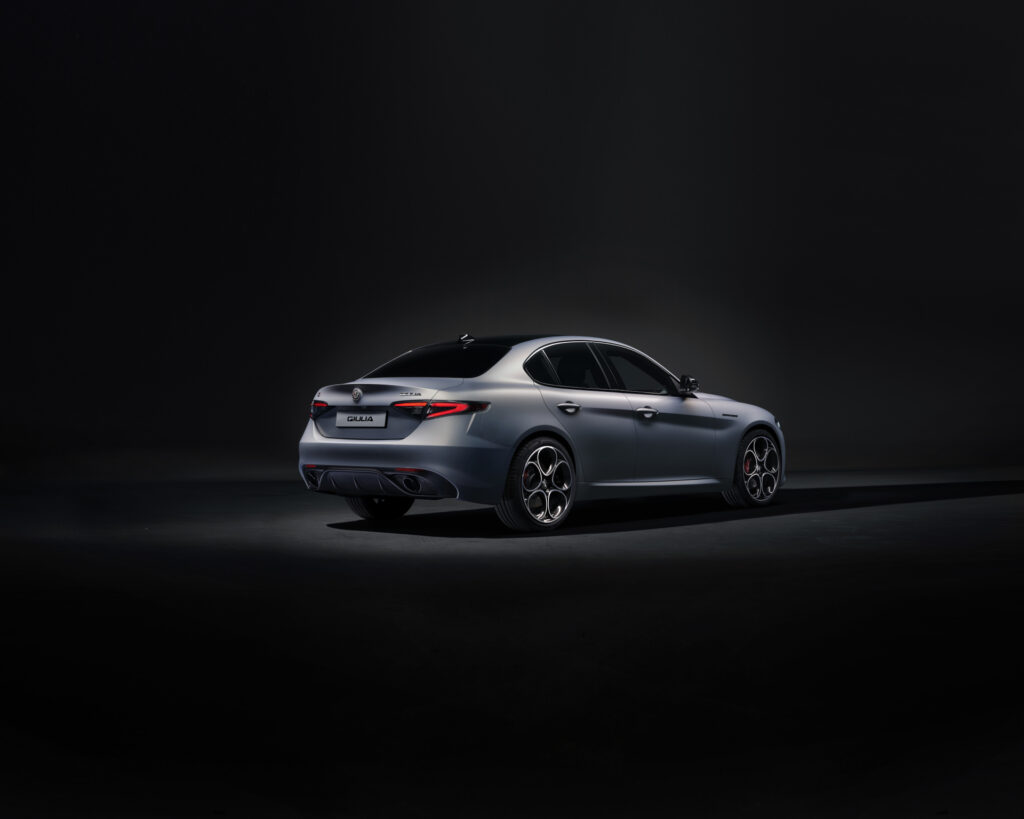
Tyres and tyre issues on the Alfa Romeo Giulia deserve attention, because insufficient tread, incorrect tyre pressure and damage have a direct effect on safety, comfort and handling. The Giulia responds sharply to steering input, which means any deviation in the tyres or alignment can be noticed more quickly. Regular checks help you prevent a small warning sign from turning into unnecessary wear or a fail at the MOT. Read on and discover what to look out for.
Typical tyre problems with the Alfa Romeo Giulia
On an Alfa Romeo Giulia, tyre problems are not caused by age alone. Wheel settings, the condition of the suspension and the chosen tyre pressure also play a part. Anyone wanting to explore alfa romeo giulia problems more broadly will see that the tyres and suspension are both important points of attention.
A commonly reported issue is uneven wear on the inner edge of the tyre. That edge is difficult to see when the car is on the ground. As a result, a tyre may still appear to have enough tread on the outside, while the inner side is already badly worn. So check not just the centre of the tread.
Vibrations in the steering wheel, a car pulling to one side or a change in steering response can also point to a problem with the tyres, wheels or alignment. That does not automatically mean there is a major defect. But it is wise to have the cause assessed quickly so the wear does not continue.
Uneven tyre wear on the Giulia
Uneven wear happens when a tyre does not roll flat and evenly on the road surface. On the Giulia, even a small deviation in wheel alignment can become noticeable. Wheel alignment is the correct adjustment of the position of the wheels relative to each other and to the car.
Pay particular attention to these forms of wear:
- Wear on the inner edge, which may fit with incorrect wheel alignment.
- Wear on one outer edge, often visible after a lot of cornering or an incorrect adjustment.
- Saw-tooth wear, where the tread block feels higher on one side.
- Local flat spots, which can occur after heavy braking or a lock-up.
- Uneven tread between the left and right tyres on the same axle.
Saw-tooth wear can create extra tyre noise, especially on coarse asphalt. A flat spot can sometimes cause a rhythmic vibration that increases with speed. If you notice these symptoms, do not wait for the next tyre change; have the tyre, wheel and suspension checked.
Checking tyre pressure on the Alfa Romeo Giulia
The correct tyre pressure is important for the grip, wear and stability of your Giulia. Too little pressure causes the tyre to flex more and heat up more while driving. Too much pressure can reduce the contact patch with the road and sometimes makes the car feel harsher over bumps.
The prescribed values are shown on the tyre pressure sticker on the car, often in the door pillar, by the fuel flap or in the owner’s manual. Use the value that matches the tyre size, load and driving conditions of the car. Do not rely only on a general value from a tyre inflator.
Check the pressure when the tyres are cold. This means the car has been standing for several hours, or has only been driven a short distance gently. While driving, the pressure rises due to heat and you will not get a reliable starting value.
For a reliable check, follow these steps:
- Check the recommended pressure for the front and rear tyres.
- Measure all four tyres with a reliable pressure gauge.
- Also check the spare wheel if your Giulia is fitted with one.
- Add air or release air until the correct value is reached.
- Refit the valve caps securely to keep dirt out.
- Reset the tyre pressure warning according to the car’s instructions, if necessary.
Check tyre pressure at least once a month and also before a long journey or holiday. Do this extra check when the outside temperature changes sharply. A loss of pressure can also point to a leaking valve, damage or a tyre that is not sealing properly on the rim.
What does a tyre pressure warning mean?
A warning on the dashboard calls for a check. The message does not always say why the tyre pressure has changed. Sometimes only one tyre has gone down slowly. In other cases, the pressure in several tyres has dropped because of a fall in temperature.
Measure the pressure as soon as possible and inspect the tread and sidewall. Can you see a nail, screw, tear, bulge or damaged sidewall? Then do not drive on unnecessarily. Especially with a run-flat tyre, it is wise to follow the tyre manufacturer’s and the car’s instructions first.
Tyre damage on an Alfa Romeo Giulia
Tyre damage often happens because of kerbs, potholes or sharp debris on the road. Low tyre pressure increases the risk of damage, because the tyre then gives the rim and sidewall less protection. A heavy impact felt while driving also deserves checking.
Damage to the sidewall is particularly serious. The sidewall carries a large part of the tyre’s load, but it does not have a thick tread like the running surface. A visible bulge indicates that the tyre’s internal structure has been affected. Such a tyre should be assessed by a professional and is often no longer safe to use.
After hitting a kerb, check these points:
- A cut, tear or bulge in the sidewall.
- Damaged rubber around the rim edge.
- A bent wheel or fresh scratches from a hard impact.
- Slow loss of pressure in the days after the impact.
- New vibrations in the steering wheel or bodywork.
A repair in the tread area may sometimes be possible, depending on the location and extent of the damage. A repair to the sidewall is generally not a safe solution. Always have the tyre removed and assessed if you are unsure about damage that is not fully visible from the outside.
When should tyres be replaced on a Giulia?
Tyres should be replaced when the tread is worn too far, when there is damage, or when the tyre no longer wears evenly. In the Netherlands, the MOT requires the main grooves of a car tyre to have at least 1.6 millimetres of tread. For grip on wet roads, it is wise not to wait until that limit is almost reached.
Measure the tread at several points on each tyre, including the inner edge. A tread depth gauge gives the clearest picture. The wear indicators in the grooves also provide a quick initial check: if the tread is level with these raised bars, the tyre needs replacing.
Replacement is also sensible in the following situations:
- The tyre has a bulge, tear or visible carcass damage.
- The tread is badly worn unevenly.
- The car vibrates because a tyre no longer runs true.
- There is repeated loss of pressure without a clear cause.
- The tyre has cracking from drying out or is demonstrably aged.
When replacing tyres on the same axle, it is best to do so in pairs, with the same size, construction and a similar tread depth. That helps to keep the Giulia’s behaviour predictable. If wear is uneven, always combine a tyre change with a wheel alignment check. New tyres alone will not solve the cause.
‘ A tyre with too little tread, visible carcass or serious damage may result in a fail. ’
MOT and tyre problems on the Alfa Romeo Giulia
During the MOT, tread depth, damage and the overall condition of the tyres are checked. A tyre with too little tread, visible carcass or serious damage may result in a fail. Tyres that touch the bodywork or do not meet the legal requirements also present a problem.
Make a quick tyre inspection part of your maintenance routine. Check tread, pressure and damage every month, and after a drive or a wash, run your hand along the visible tyre edges. That way you will spot any irregularities earlier and preserve the distinctive steering feel of the Alfa Romeo Giulia more effectively.
On the Carnews website you will find much more information about tyres, maintenance, MOT points of attention and other topics relating to the Alfa Romeo Giulia. Discover more on Carnews and keep your car in good view.
Frequently asked questions
During sporty driving, the Alfa Romeo Giulia depends heavily on the correct tyre pressure for optimum steering precision and grip. Too little pressure makes the car less direct, increases heat build-up and speeds up wear. Too much pressure reduces contact with the road, which lowers grip and stability. So check the pressure regularly and keep to the factory values for the chosen tyres and load.
First check the tyre pressure and inspect the tyres for uneven wear or damage, especially on the inner side of the front tyres. Then have the wheels balanced and the wheel alignment checked. If the vibrations continue, have the wheels, wheel bearings and steering and suspension components inspected for damage or play.
Incorrect wheel alignment can cause rapid and uneven tyre wear on the Alfa Romeo Giulia, especially on the inner edge of the front tyres. Small deviations in toe or camber settings can already make this worse. Regular checks and correct alignment extend tyre life and improve handling.