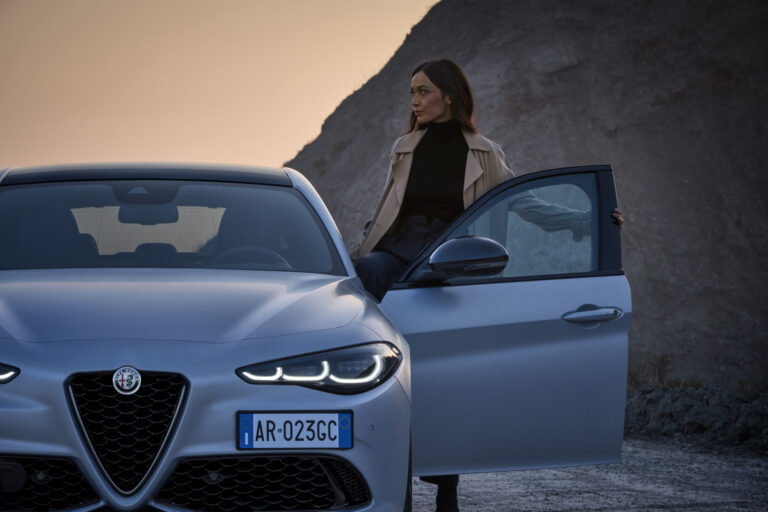
Lighting faults on the Alfa Romeo Giulia require prompt attention, because moisture in the headlamp, an incorrect beam pattern or a high-beam failure directly affects visibility and safety. On this model, the cause is not always the bulb itself: an LED module, wiring loom, connector or software can also trigger the fault. If you can identify the symptoms accurately, you can often avoid replacing a complete headlamp unit unnecessarily. First, check exactly what your Giulia is showing.
Which lighting faults occur on the Giulia?
The Alfa Romeo Giulia uses different lighting systems depending on the model year and trim. These include halogen or xenon headlights on certain versions and LED functions for, among other things, daytime running lights, direction indicators or complete headlamp units. As a result, a fault requires more investigation than simply replacing a bulb. In the overview of Alfa Romeo Giulia problems, you will also find other known issues by component.
Many reports fall into three groups: condensation or water in the headlamp, dipped beam that is insufficient or incorrectly aimed, and a main-beam function that does not work as expected. The complaints may be separate, but moisture or damaged wiring can affect several lighting functions at once.
Pay particular attention to these signs:
- one headlamp is on, but throws noticeably less light on the road;
- the daytime running lights on the left and right differ clearly in colour or brightness;
- the warning appears occasionally and disappears after restarting;
- the fault occurs after rain, washing or a cold night;
- main beam works manually, but the automatic function does not;
- a headlamp fails when steering, going over speed bumps or driving on poor roads.
Alfa Romeo’s official handbook advises having lighting fault messages checked, especially when a headlamp function fails. That is sensible: a working bulb does not automatically mean the light beam is also usable.
‘ Continuing to drive can cause corrosion, after which repairs become more expensive than a timely inspection. ’
Why is there moisture in my Giulia’s headlamps?
A slight haze on the inside of a headlamp can be caused by temperature differences. The housing breathes through ventilation openings and, in damp air, temporary condensation may form. If that haze disappears after a drive with the lights on, immediate repair is usually not necessary.
Droplets, a pool of water at the bottom of the unit or condensation that remains for days do indicate a problem. On the Giulia, moisture can damage the connector links, LED module and internal reflector. As a result, the daytime running light may appear yellower, a fault message may appear, or a function may sometimes fail.
Check seals and damage
Start with a visual inspection. Look at the lens, the joints between the lens and the housing, the rear covers and the mounting points around the bumper. Stone chips, a hairline crack or a poorly fitted rear cover provide a route for water to get inside. This is especially common after the front bumper has been removed for body repair or maintenance.
Also check whether the ventilation openings are blocked. Covering these openings is not a good solution. The pressure and humidity inside the unit need to be able to change. If water is visibly present, have the headlamp removed, dried and checked for leaks. Continuing to drive can cause corrosion, after which repairs become more expensive than a timely inspection.
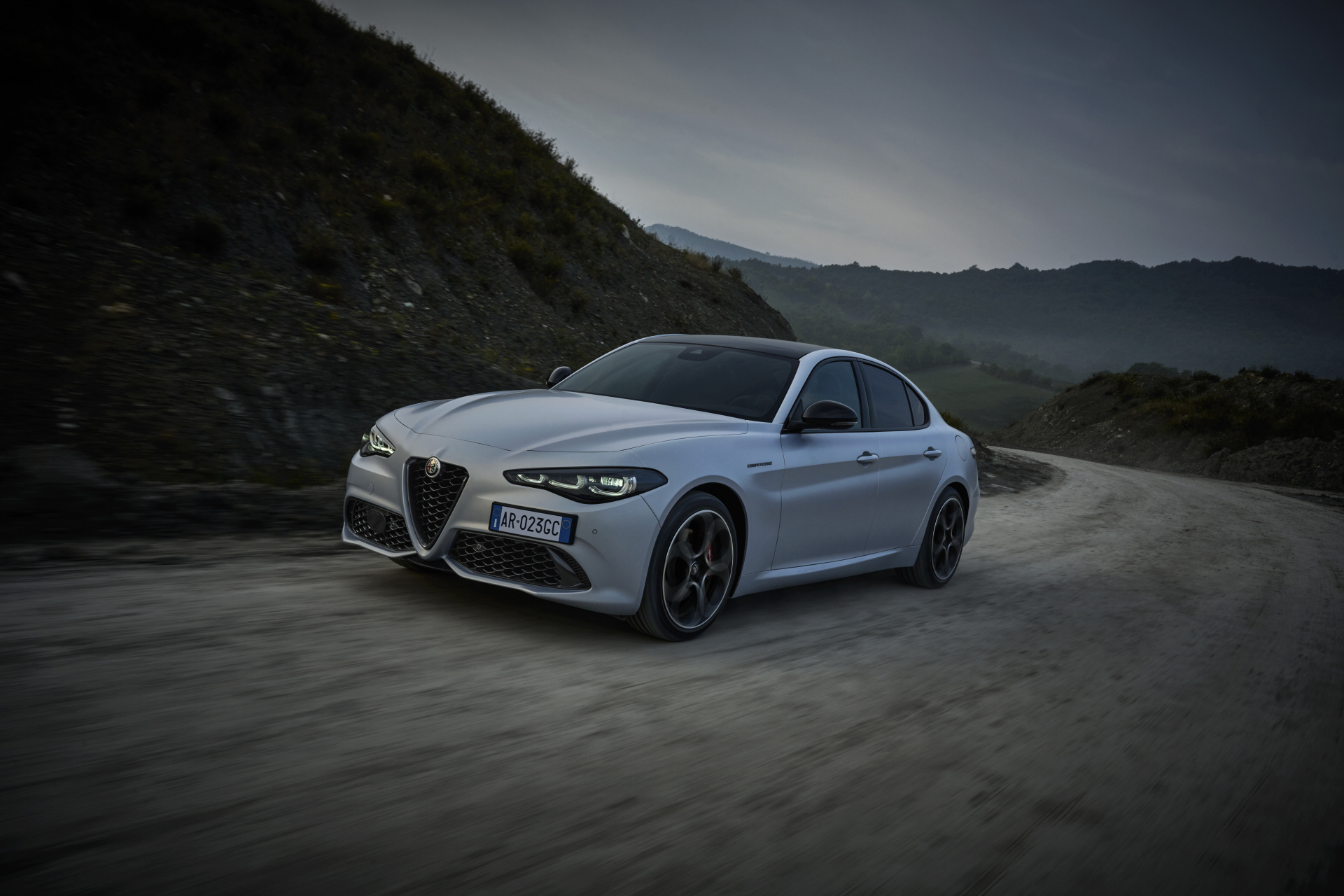
Incorrectly adjusted dipped beam on an Alfa Romeo Giulia
Incorrectly adjusted dipped beam means the light pattern falls too high, too low or not symmetrically on the road. If the beam is too low, your visibility on unlit roads remains limited. If it is too high, you dazzle oncoming traffic. Both situations are undesirable and may lead to a fail during an inspection.
An incorrect setting often occurs after work on the headlamp, bumper, wheel arch liner or front suspension. A mechanical fault in the height adjustment can also be the cause. On versions with automatic levelling, it is also necessary to check whether the sensor and control system are working properly.
You can carry out an initial check yourself on a level surface. Park straight in front of a flat wall, with the tyres at the correct pressure and no heavy load in the boot. Switch on dipped beam and compare the beams. A noticeable difference in height, shape or brightness is grounds for a professional measurement.
Have the adjustment carried out with a beam setter in a workshop. Only then is the beam set to the correct reference. Do not turn adjusting screws without measuring equipment: even a small change can make a large difference at a distance.
Main beam and dipped beam do not always work
On a Giulia with automatic main-beam assist, a fault may lie outside the headlamp itself. The function uses vehicle software and information from sensors or a camera near the windscreen. Dirt, condensation or damage in that area can affect detection. A weak battery can also trigger temporary electronic messages after starting.
So distinguish between manual and automatic main beam. If main beam works with the stalk but the automatic function does not switch on, a headlamp problem is less likely. First check the lighting switch position, the area in front of the camera and any messages on the instrument panel.
If manual main beam on one side does not work, investigate the power supply, earth and connector link for that specific headlamp. On LED units, the light source is often integrated. Replacing a separate bulb is then not an option, and a defective module or wiring must first be identified.
The wiring loom deserves attention on the 2024 Giulia
For certain 2024 Alfa Romeo Giulia models, a recall is known in which the routing of the wiring loom requires attention. According to information about this action, incorrectly routed wiring can become damaged, possibly causing the headlamps to fail. The remedy consists of inspection and, if necessary, repair or replacement of the wiring, sometimes together with an adjustment around the wheel-arch trim.
You can often recognise a wiring issue by intermittent faults. The headlamp may work again after restarting, or fail when steering or driving on a rough road. Check with the vehicle identification number at an Alfa Romeo dealer whether there is an outstanding action for your car.
Dealing with Alfa Romeo Giulia headlamp problems effectively
A fixed sequence makes diagnosis quicker and avoids expensive guesswork. First note which function has failed and under what conditions it happens. Photos of condensation, warnings or an abnormal light beam help a specialist with the investigation.
The steps to take are:
- Check whether the problem is on the left, right or both sides.
- Test dipped beam, main beam, daytime running lights and automatic lighting separately.
- Inspect the headlamp for moisture, cracks, loose covers and stone chips.
- Check visible plugs and cables for corrosion or chafing marks.
- Have fault codes read with equipment that can access Alfa Romeo modules.
- Test power, earth and communication before replacing a complete unit.
- After repair, always check the light beam with a beam setter.
Only replace a used headlamp when the part number and specification match. A unit may fit physically, but differ in LED functions, market specification, adaptive lighting or software. That can sometimes lead to new fault messages or functions that do not work.
When is it better not to keep driving?
Do not continue driving in the dark when both dipped beams fail, a light beam is clearly shining upwards or a headlamp repeatedly cuts out while driving. Water in the headlamp also calls for prompt inspection, especially when a fault message is already visible. If only one function has failed during the day, it may sometimes be possible to drive to the garage, but always judge whether the remaining lighting is working well enough.
On Carnews, you will find much more information about faults, maintenance and known issues with Alfa Romeo and other car brands. Find out more on the website and compare complaints, causes and practical solutions for your car.
Frequently asked questions
Persistent dashboard warnings are often caused by software or communication faults in the body control module, a defective BCM, or poor power and earth connections. Moisture, corrosion, loose connectors and damaged wiring looms can also interrupt communication with lighting and other control units. A weak battery or low voltage can additionally trigger several permanent fault codes.
A weak start-stop battery may show itself through a start-stop system that does not work, difficult starting and multiple intermittent warning messages on the dashboard. Functions such as automatic main beam, lighting and other electronic systems may also temporarily fail or work irregularly. A typical sign is that faults sometimes disappear after restarting, but return later.