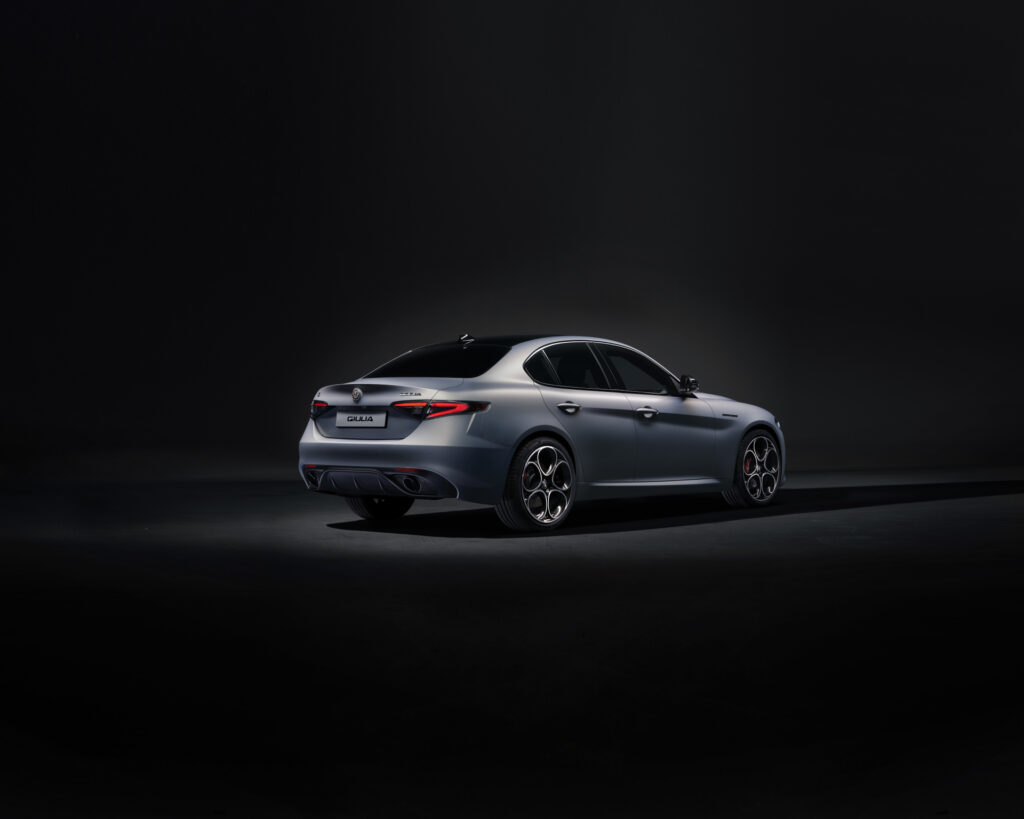
If the Giulia’s start-stop system does not work, the battery often has too little charge or capacity. If the message keeps coming back, further investigation is needed. If the cabin fan, rear window heater or electric mirror adjustment also stop working, check those faults separately before replacing any parts. Also see the overview of Alfa Romeo Giulia problems. Where do you begin when several electrical functions start playing up at the same time?
Why is the start-stop system not working in the Giulia?
The message ‘Start/Stop not available’ does not automatically mean something is broken. According to the available diagnostic information on the Giulia, the car switches the function off, among other things, if the battery condition does not allow a reliable restart. A cold engine, high air-conditioning demand, the steering turned sharply, or a gradient can also temporarily prevent activation.
So first look at the pattern. Does the message only appear on short journeys or with the heating set high, and does the system later work again? Then the car may be protecting the battery. If the message stays on for days or other warnings appear as well, testing is more sensible than waiting.
A battery can start the car and still be too weak
The Giulia monitors the battery via the Intelligent Battery Sensor, or IBS for short. This battery sensor sits on the negative terminal and provides data to the system that manages power consumption. A battery can still start the engine, while its remaining capacity is insufficient to allow start-stop. Especially on short trips or after longer periods standing still, the battery may not get enough chance to recharge.
A voltage measurement on a stationary car then does not give the full picture. Have the battery tested under load and also ask for the measured condition, charging voltage and IBS data. Has the battery recently been replaced? Then check whether the type and capacity suit the specification of your Giulia. A battery that physically fits is not automatically the right choice for the charging system.
The combination of symptoms determines the next step. Pay particular attention to:
- a persistent message that start-stop is not available;
- warnings about battery voltage or other electrical systems;
- infotainment restarting or lights flickering;
- an engine that does not restart immediately after the start-stop system has switched it off.
According to owner reports, DNA driving modes or driver assistance systems can also temporarily fail in the event of battery problems. That is a sign that the whole electrical system should be read out, not proof that the battery is the only cause.
‘ A restart problem is more than an annoying message on the dashboard. ’
A persistent start-stop fault calls for targeted diagnosis
If the message comes back after charging or a longer drive, look beyond the battery. A poor connection at the negative terminal, oxidation at the IBS connector or a problem with the charging system can also lead to an incorrect assessment of the battery condition. A specialist can compare the battery sensor data with an independent battery test.
The starter relay also deserves attention if the Giulia sometimes will not start again. Owners report that, in some cases, a relay in the area behind the headlamp on the passenger side was the cause. Do not replace it based on location alone: first check fault codes, starter control, fuses and voltage during starting.
If the engine does not start straight away after the start-stop system has switched it off, have the car investigated soon. A restart problem is more than an annoying message on the dashboard.
How should you tackle fan problems in a Giulia?
With fan problems, the first question is what is not working. Is no air coming out of the vents, not even on the highest setting? Or is the fan blowing, but heating or cooling is lacking? In the second case, you would not start by looking for a faulty fan motor.
Test the airflow on different settings and listen for whether the fan changes audibly. If it stops completely from time to time, note whether that coincides with battery warnings or the use of other electrical functions. Then have the power supply, fuse, connectors and fan control checked. Without testing, you cannot tell whether the motor itself, its control or the power supply is at fault.
A blocked cabin filter can restrict airflow, but it does not explain why a fan makes no noise at all. So tell the workshop whether the airflow is weak or whether the fan stays completely silent.
What should you do if the rear window heater fails?
First check whether the rear window heater actually switches on. See whether the control responds and whether, after a while, the whole window mists clear. A window that only clears on a few strips needs a different check from one that stays completely cold.
If only part of the window does not heat up, the heating tracks or their connections may be damaged. If the whole window does not work, have the power supply, fuse, controls and connections checked. Do not immediately assume a link with start-stop: simultaneous symptoms can have a shared electrical cause, but they can also arise independently.
Be careful when cleaning or removing film from the inside of the rear window. Damage to the thin heating tracks can stop part of the window from heating any more. Have a visible break assessed before you begin a repair.
‘ According to the available diagnostic information, the Giulia can show several warnings at once when there are electrical problems. ’
Do the electric mirrors also play up: what does that mean?
If mirror adjustment is not working at the same time, checking the power supply and stored fault codes becomes more important. Test whether both mirrors stop working or only one, and whether the problem is constant or intermittent. That difference helps distinguish a general power-supply fault from a problem with an individual mirror or control.
Also note whether the cabin fan and rear window heater fail at the same time. According to the available diagnostic information, the Giulia can show several warnings at once when there are electrical problems. That makes a shared cause possible, but it does not prove that these three comfort functions have the same faulty fuse or sensor.
This is how to avoid unnecessary parts replacement
Note when the symptoms occur so that you and the workshop can investigate them in a targeted way. Start with checks that require little dismantling:
- Note when each function fails and which warnings appear.
- Check visible battery connections and cables for looseness or oxidation.
- Have the battery tested under load and the charging voltage measured.
- Have fault codes read from more control units than just those for the engine.
- Then test the power supply, control and relevant component for each failed function.
Preferably use diagnostic equipment that can access Alfa Romeo control units. A basic reader may not show all relevant codes. Only clear warnings once the cause has been found: otherwise information that could help with a recurring fault disappears.
Want to look further into which symptoms in your car deserve attention? On Carnews you can find more about related Alfa Romeo Giulia problems, electrical faults and maintenance. Discover the other articles on the website.
Frequently asked questions
If the ‘state of charge’ is too low, the Giulia temporarily switches off the start-stop system. This prevents the energy management system from leaving too little battery capacity to restart the engine. As soon as the battery is sufficiently charged again, the system can become available once more.
The Intelligent Battery Sensor (IBS) on the negative terminal measures battery voltage, current and charge state and passes this data to the onboard computer’s energy management system. If the battery status is too low or unreliable, the onboard computer switches off the start-stop system and the message ‘Start/Stop not available’ may appear.
An ageing auxiliary battery can have a major effect on the start-stop system: reduced capacity or charge will cause the car to switch start-stop off as a precaution to ensure a reliable restart. The engine may still start normally, while the message ‘Start/Stop not available’ appears. Have the battery tested under load and also check the charging system and battery sensor.
For long periods of inactivity, use a suitable maintenance charger and make regular longer journeys rather than only short trips. Limit heavy electrical loads, especially when the battery is not fully charged, and switch off start-stop temporarily if necessary. Periodically have the battery capacity, charging voltage, battery terminals, earth cable and IBS sensor checked. When replacing the battery, always fit a fresh battery of the specified type and correct capacity.